Emil Cardinaux
Born in 1877.
Died in 1936.
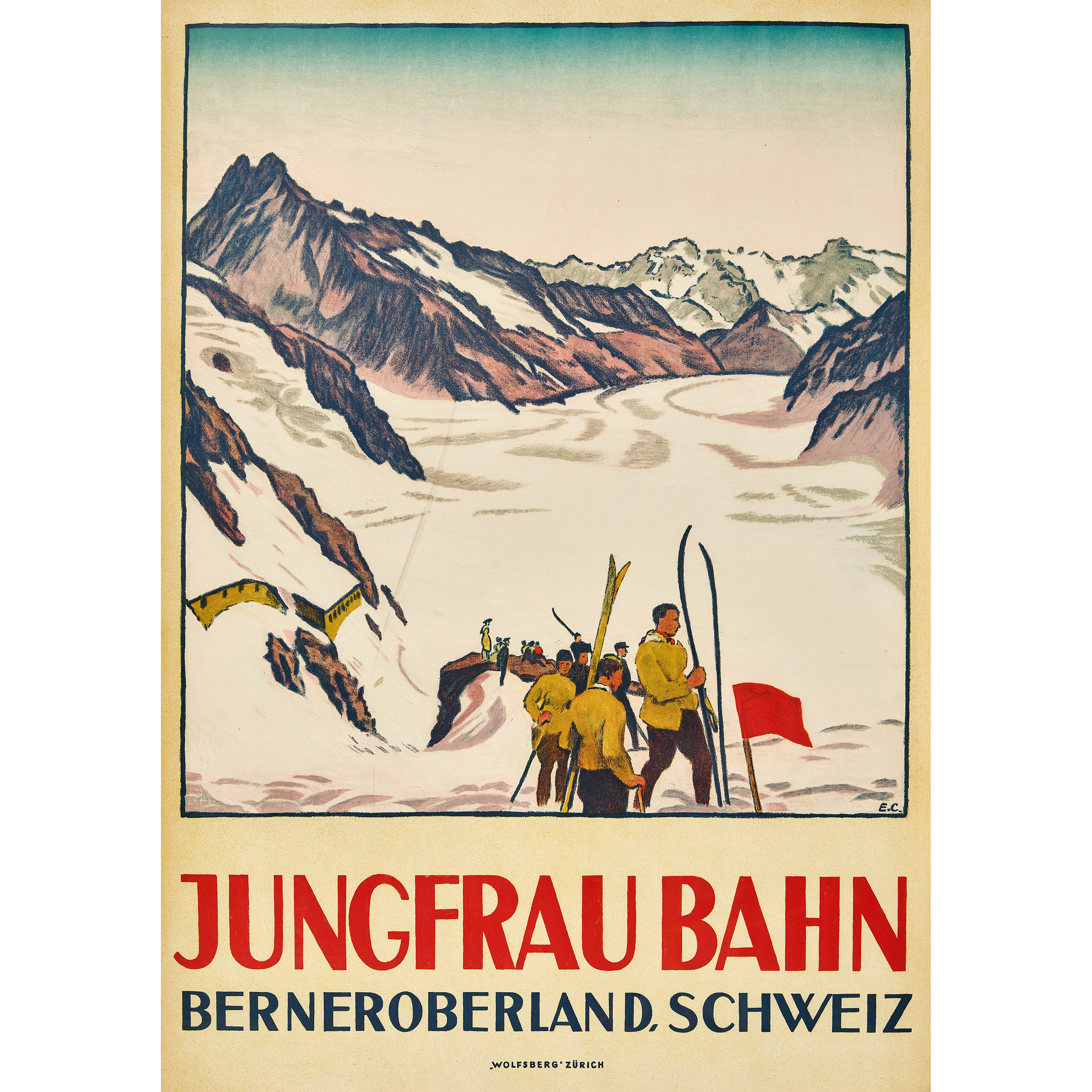
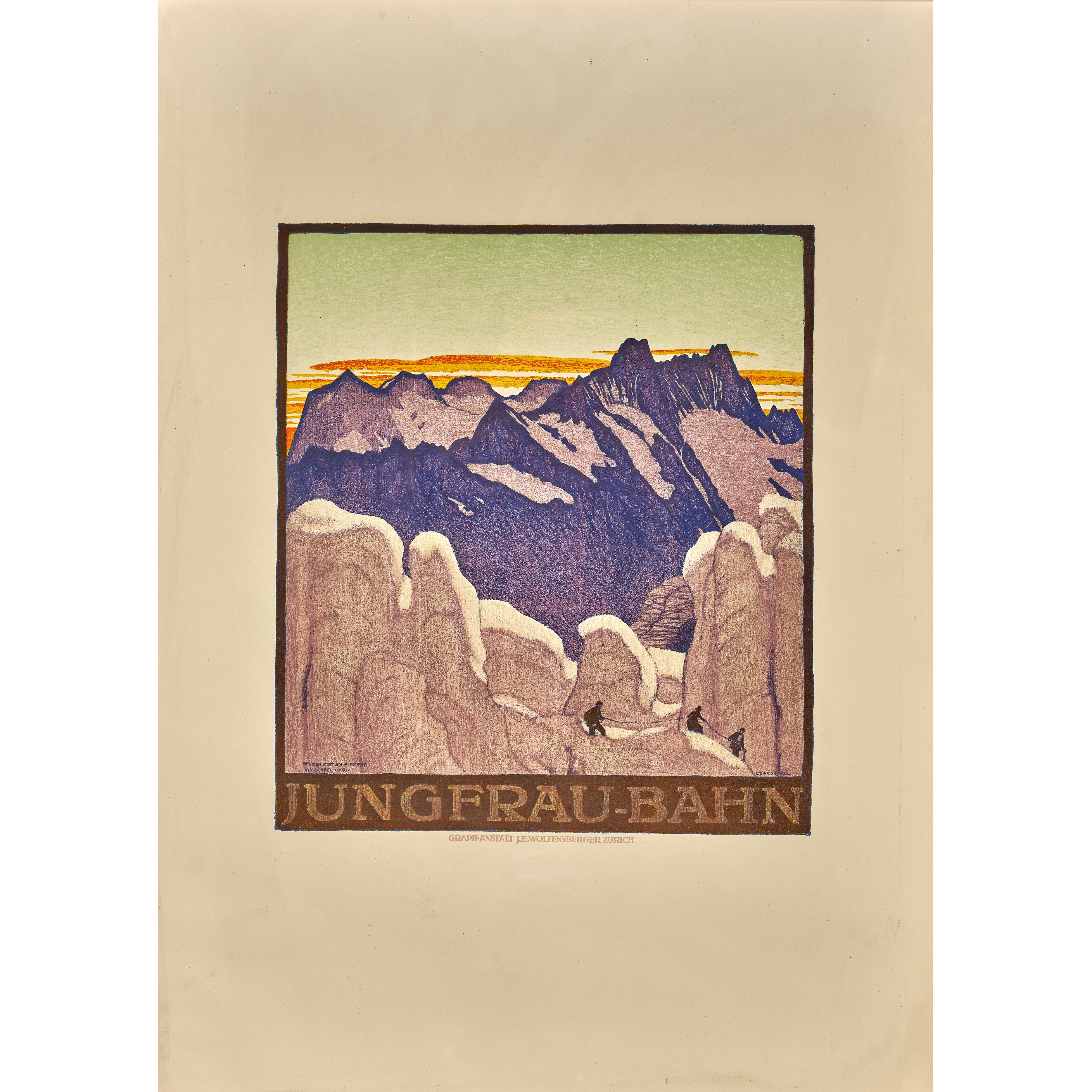
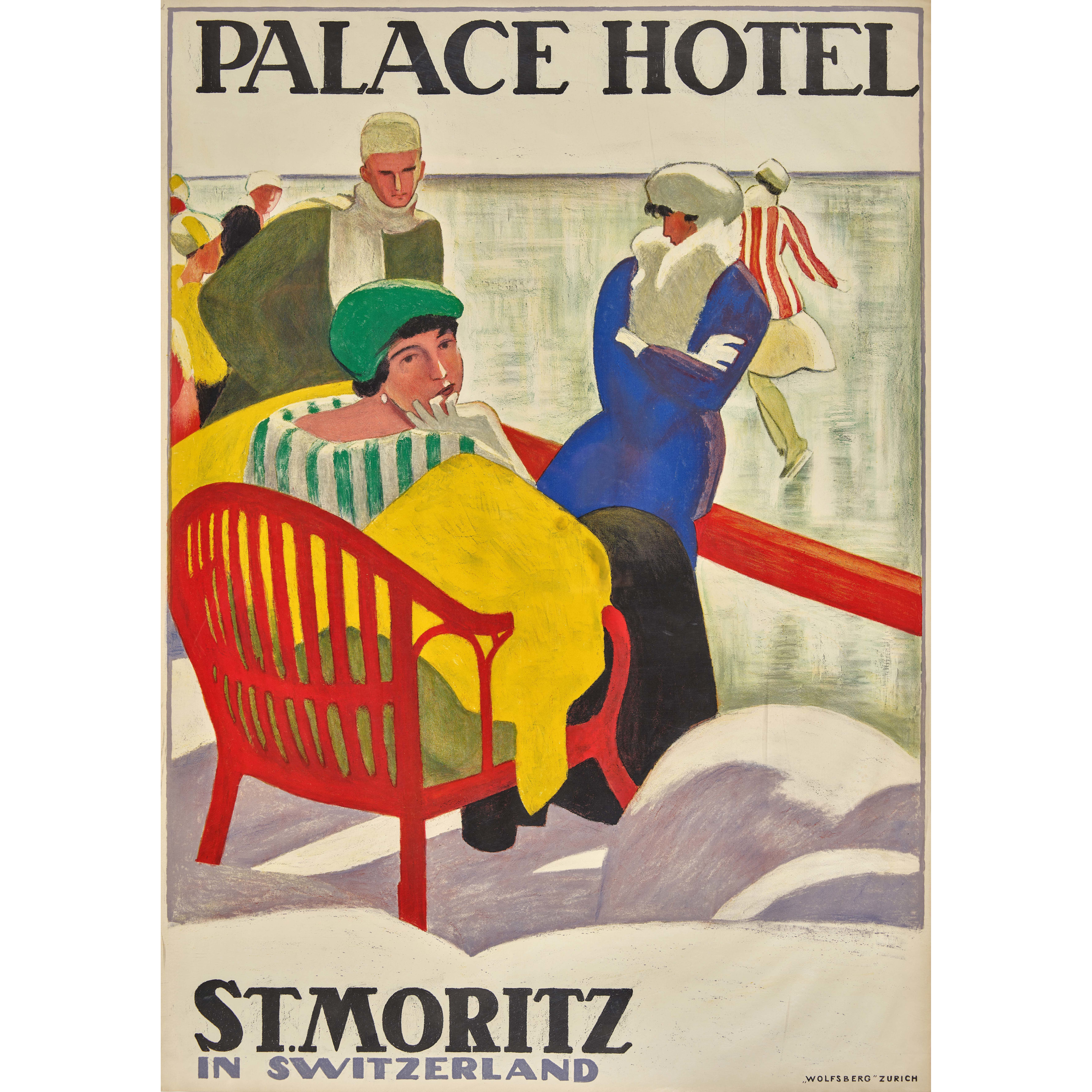
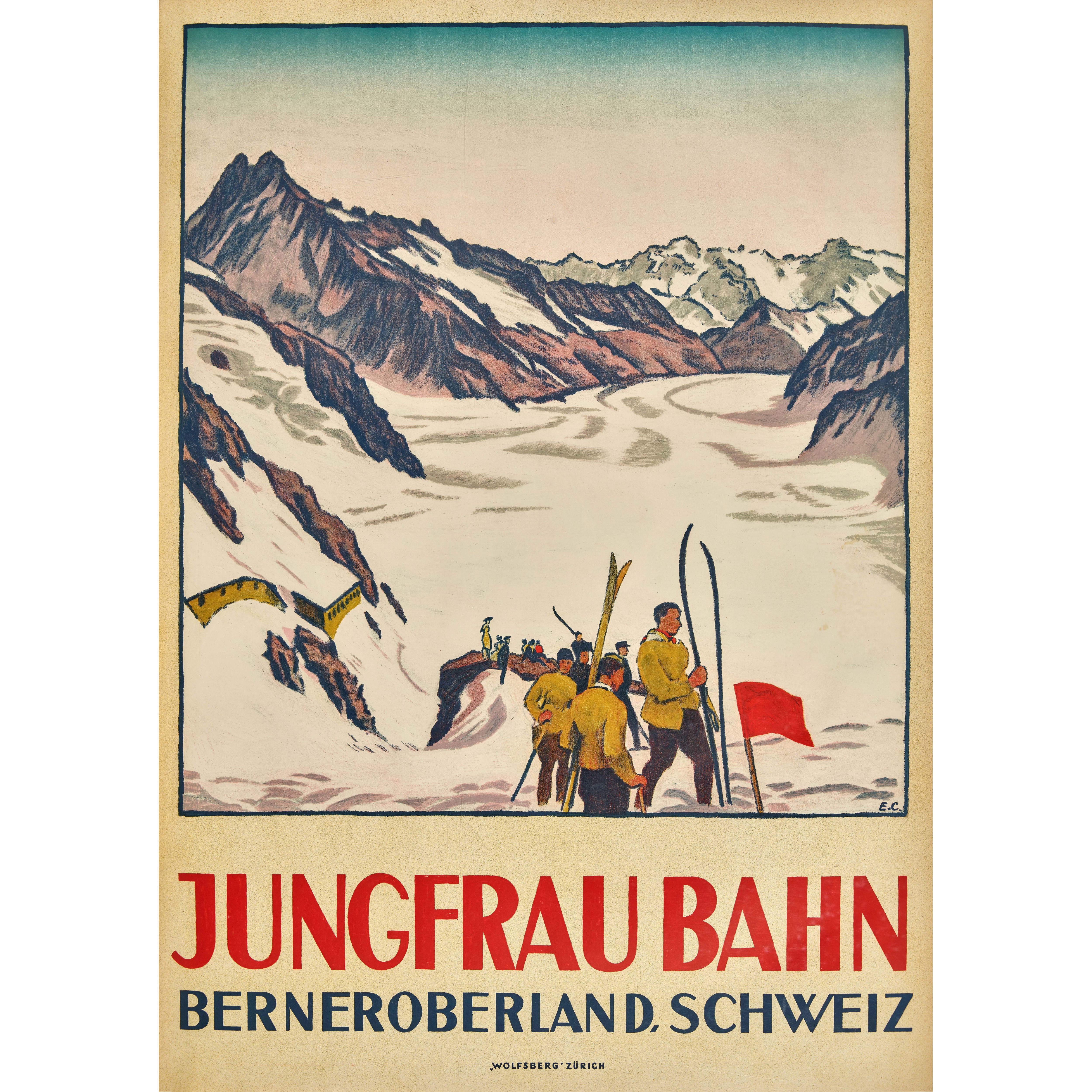
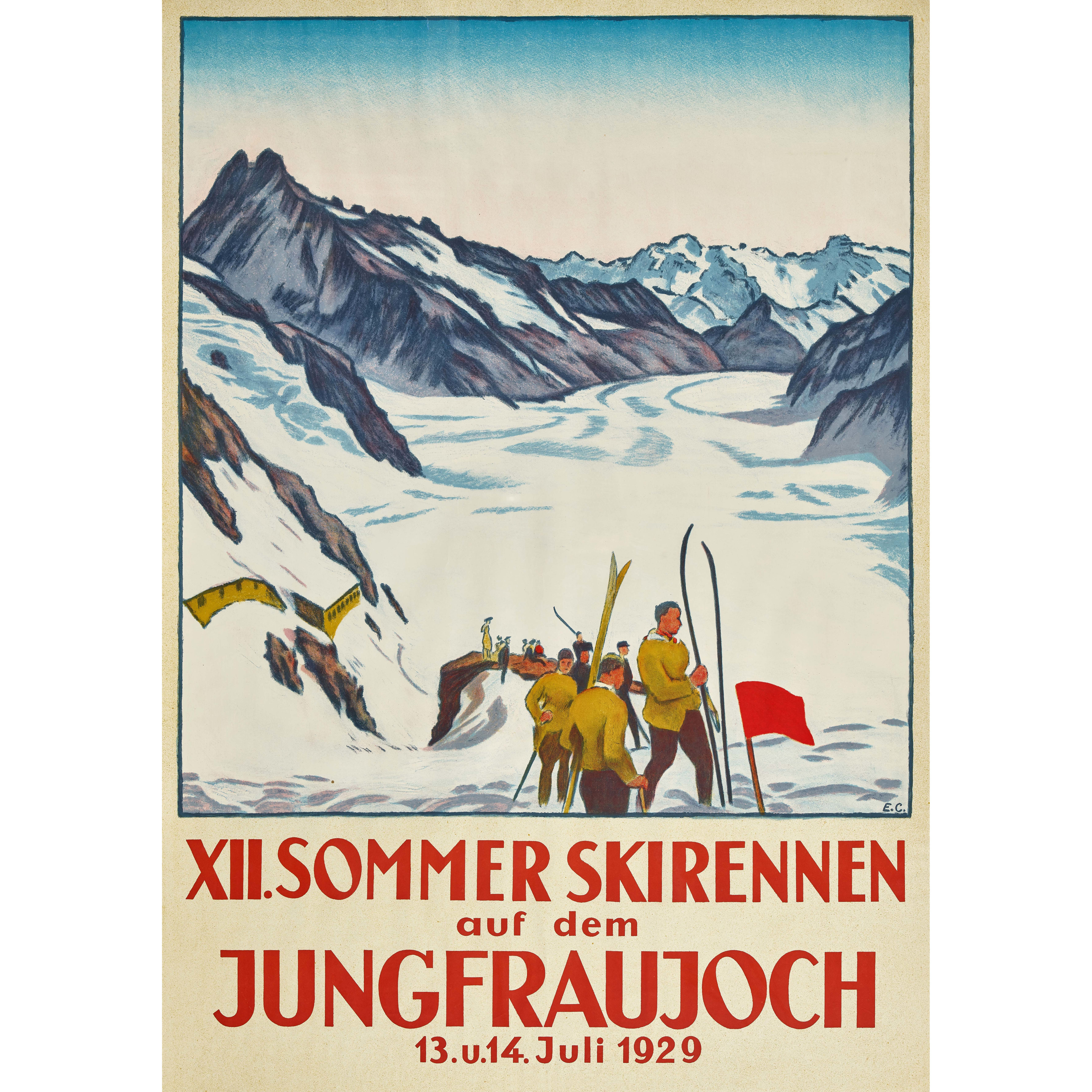
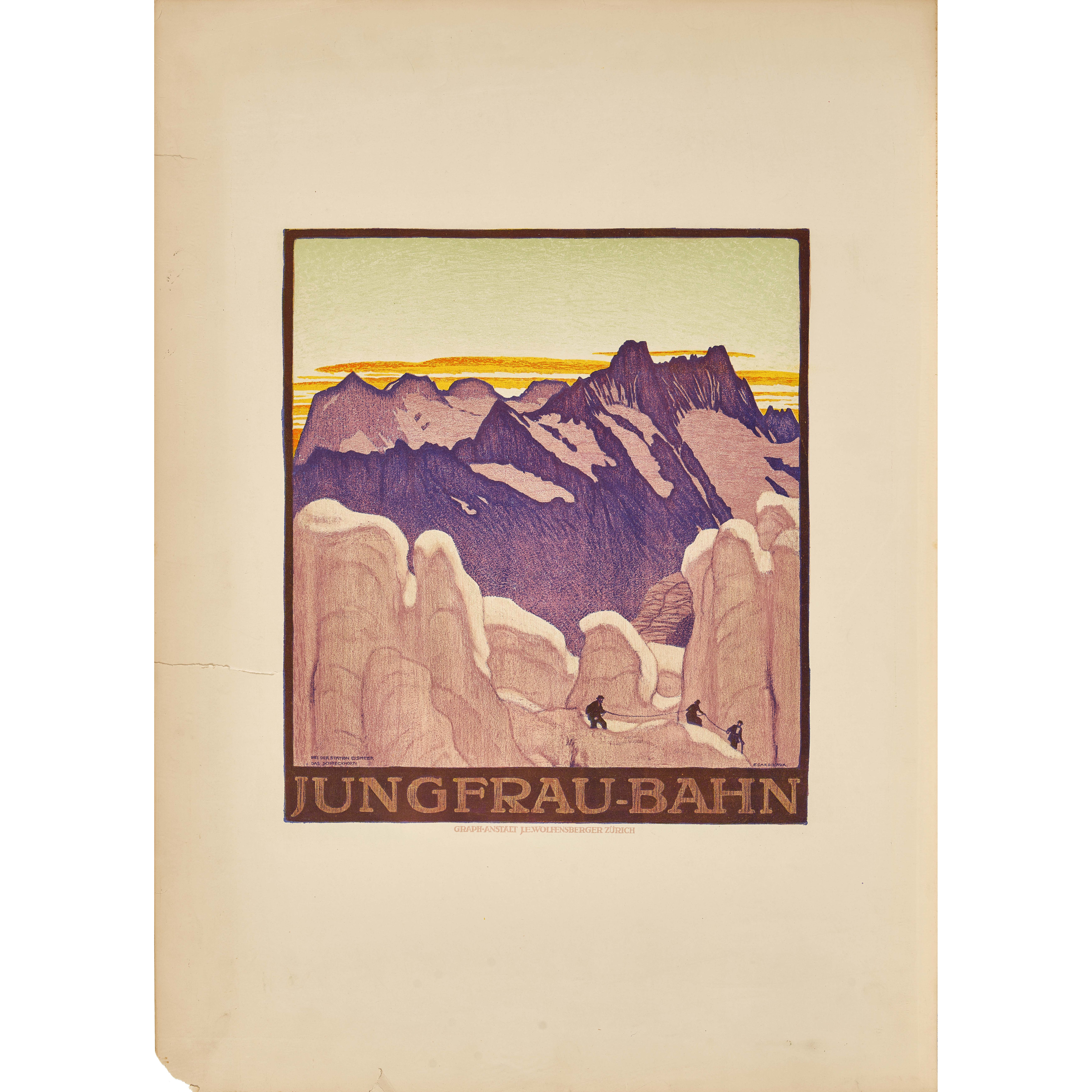
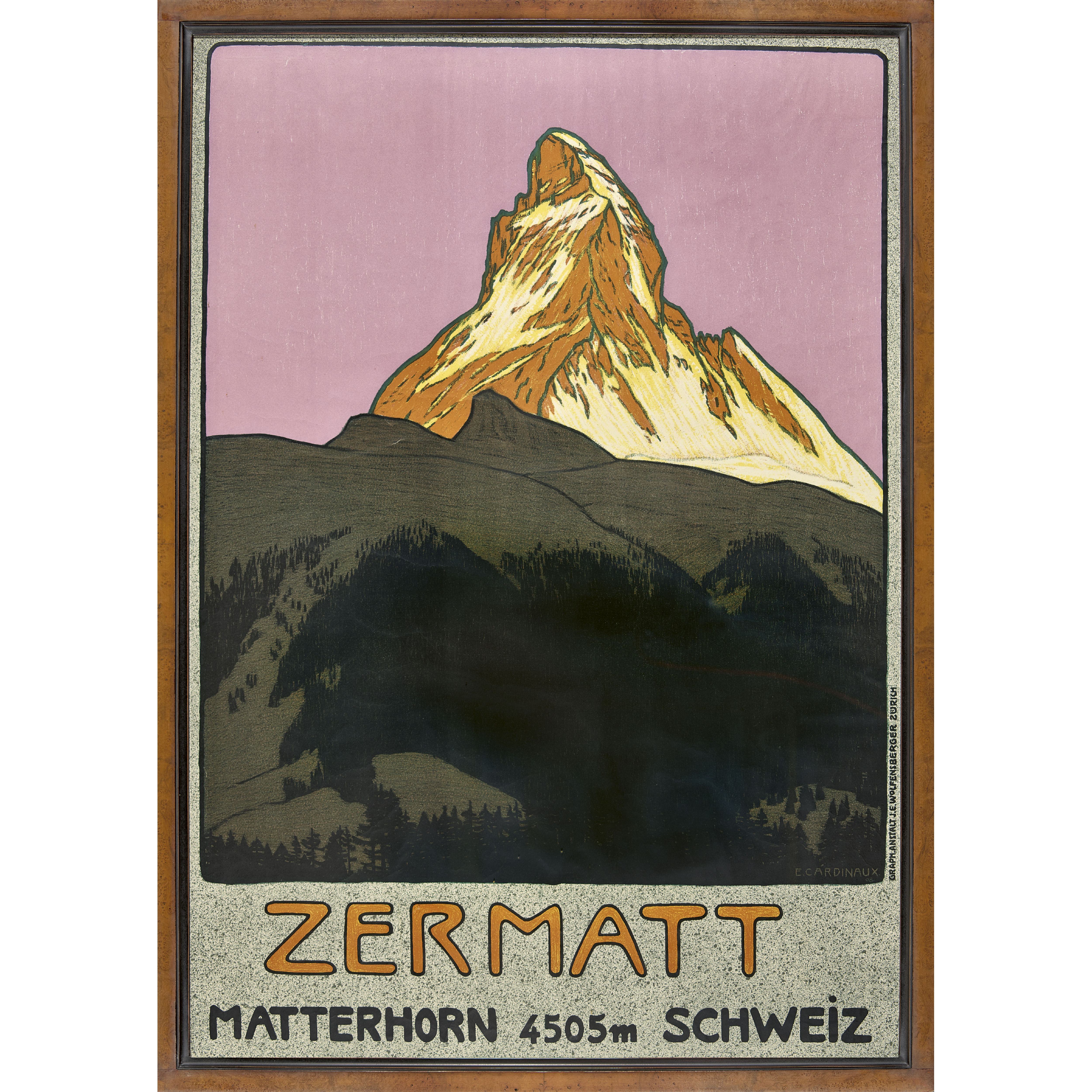
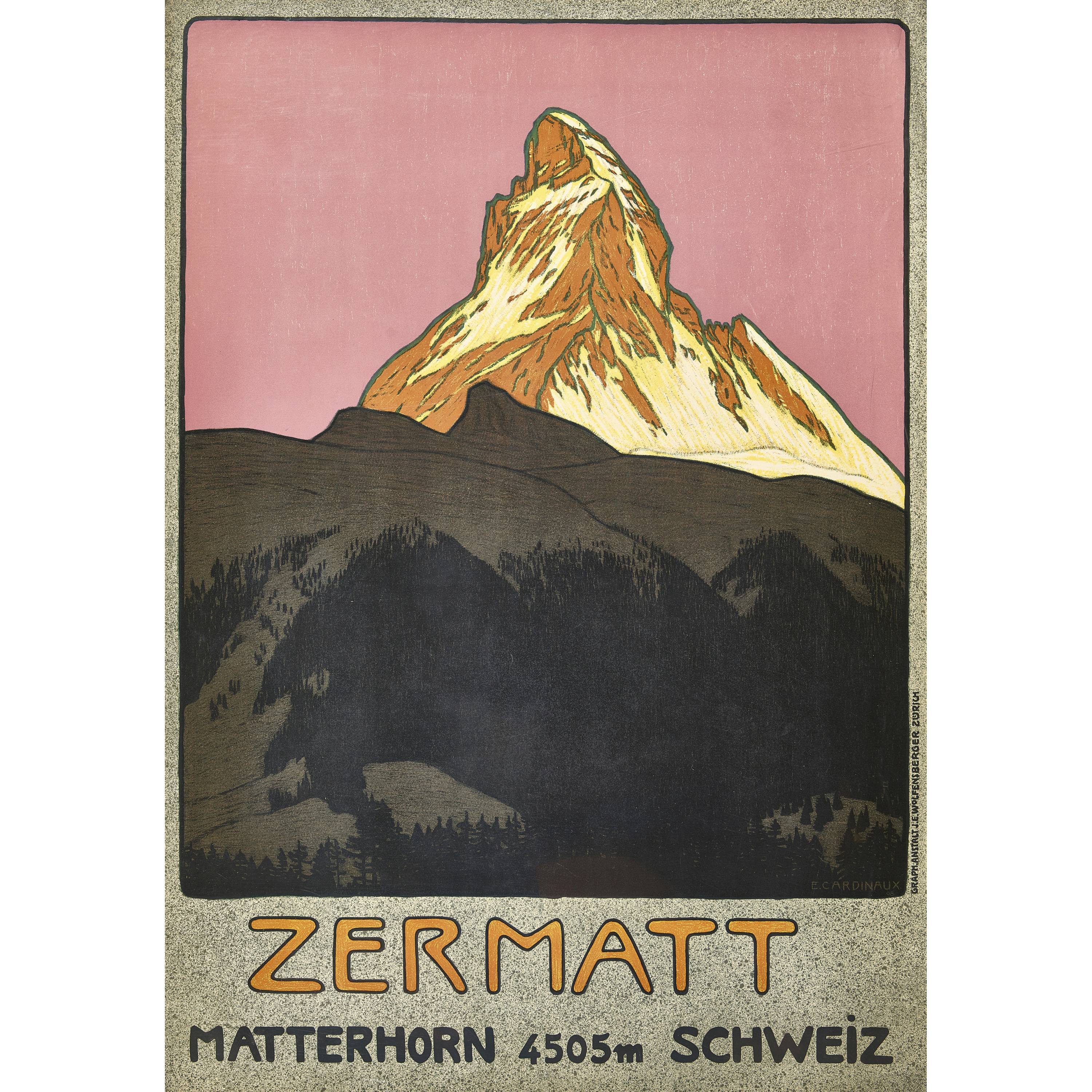
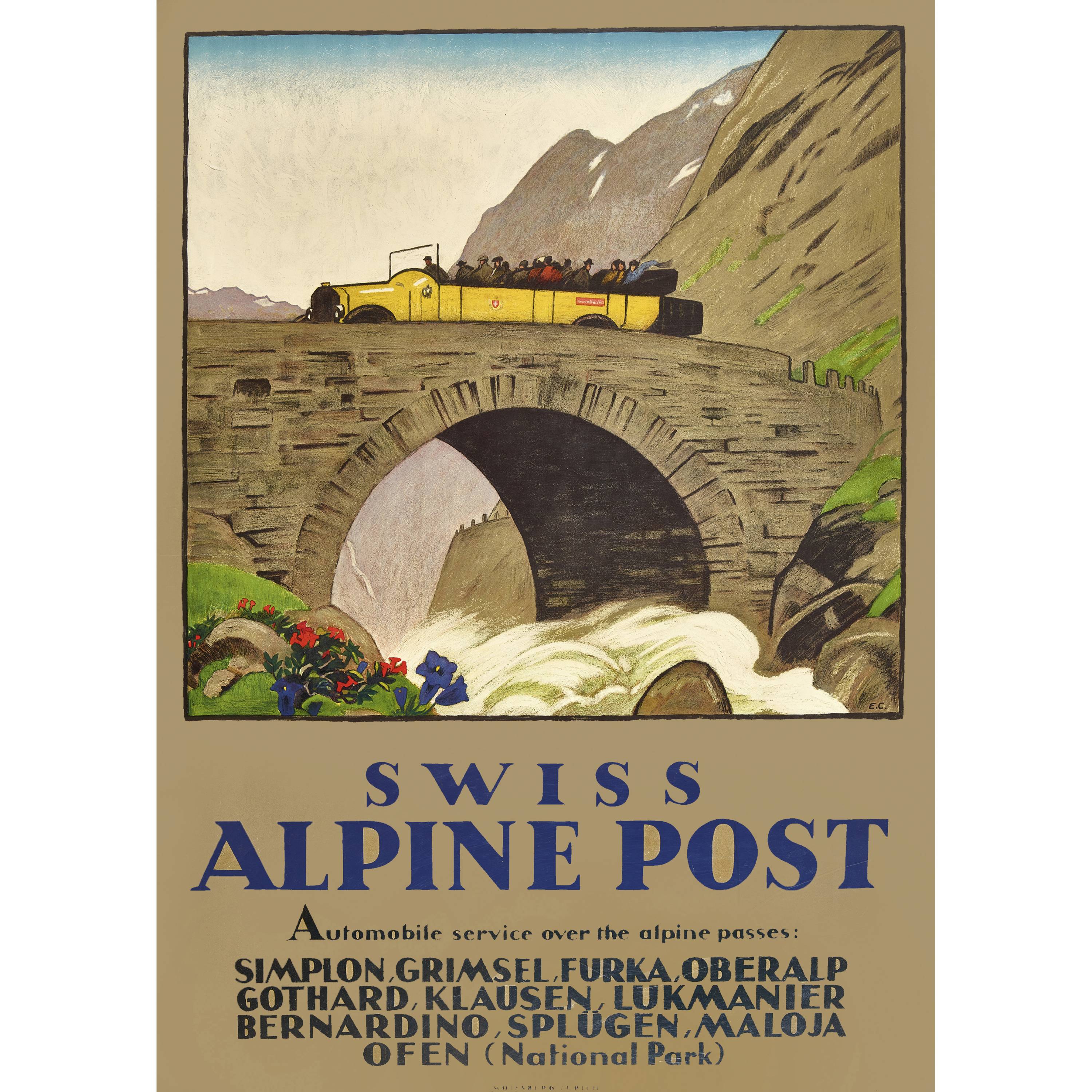
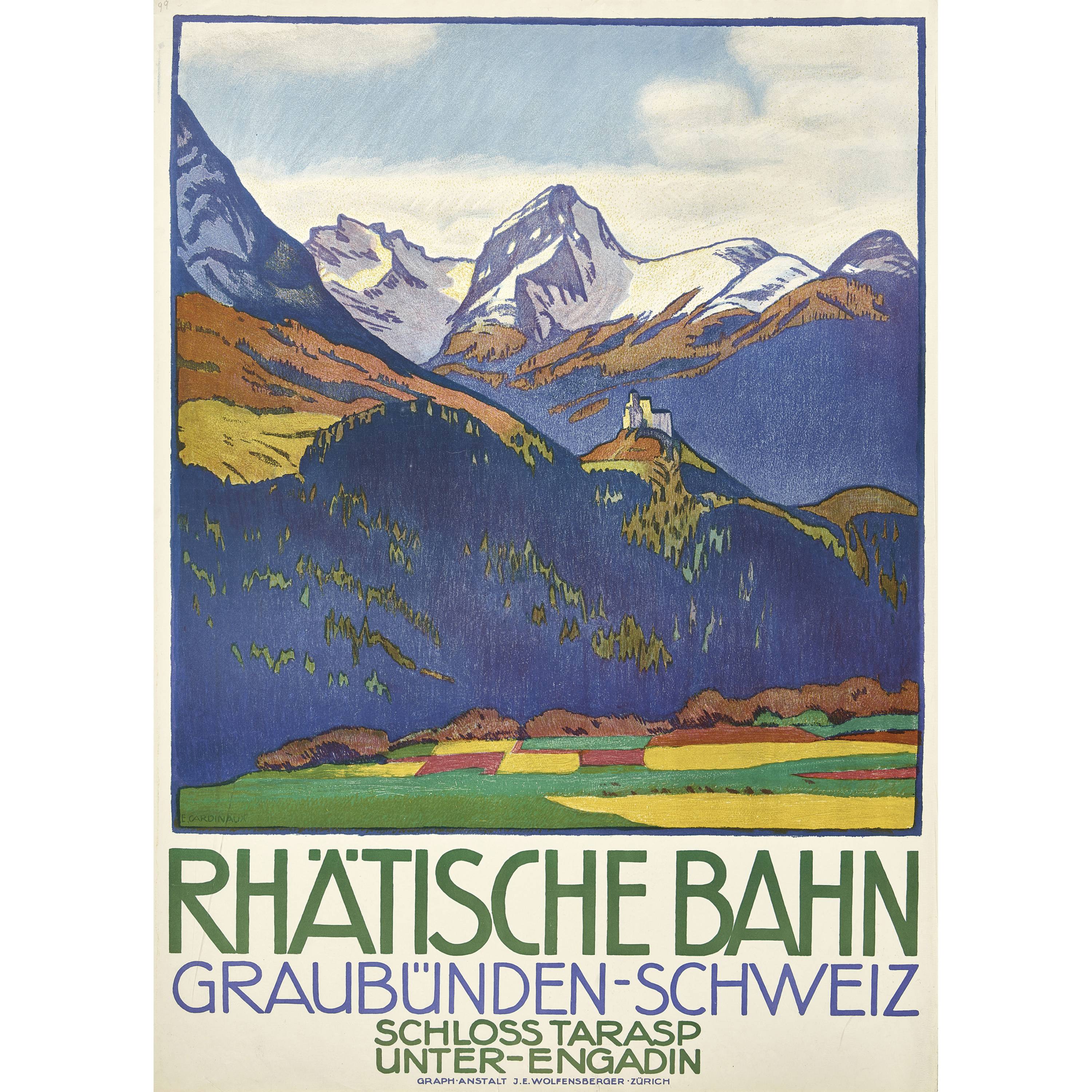
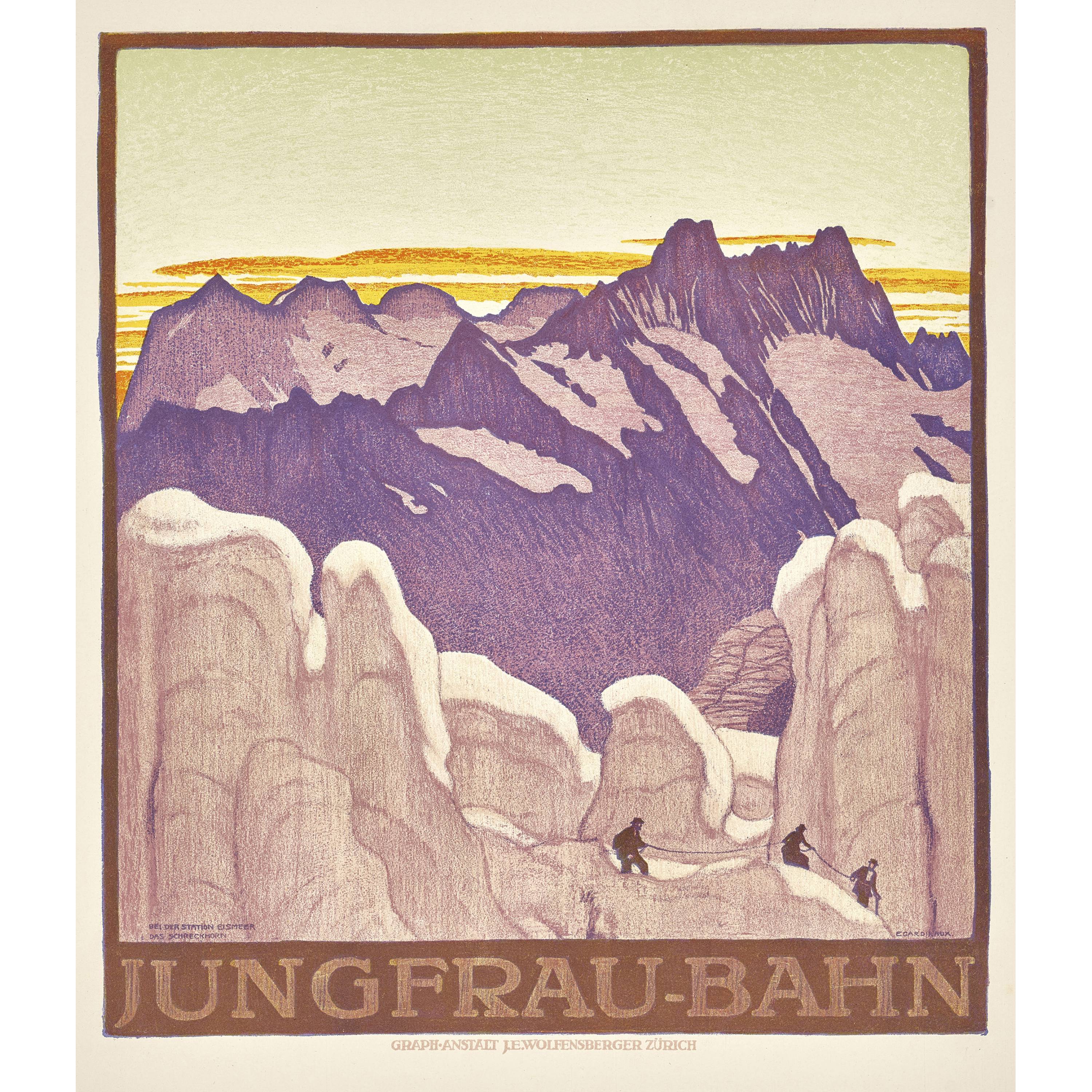
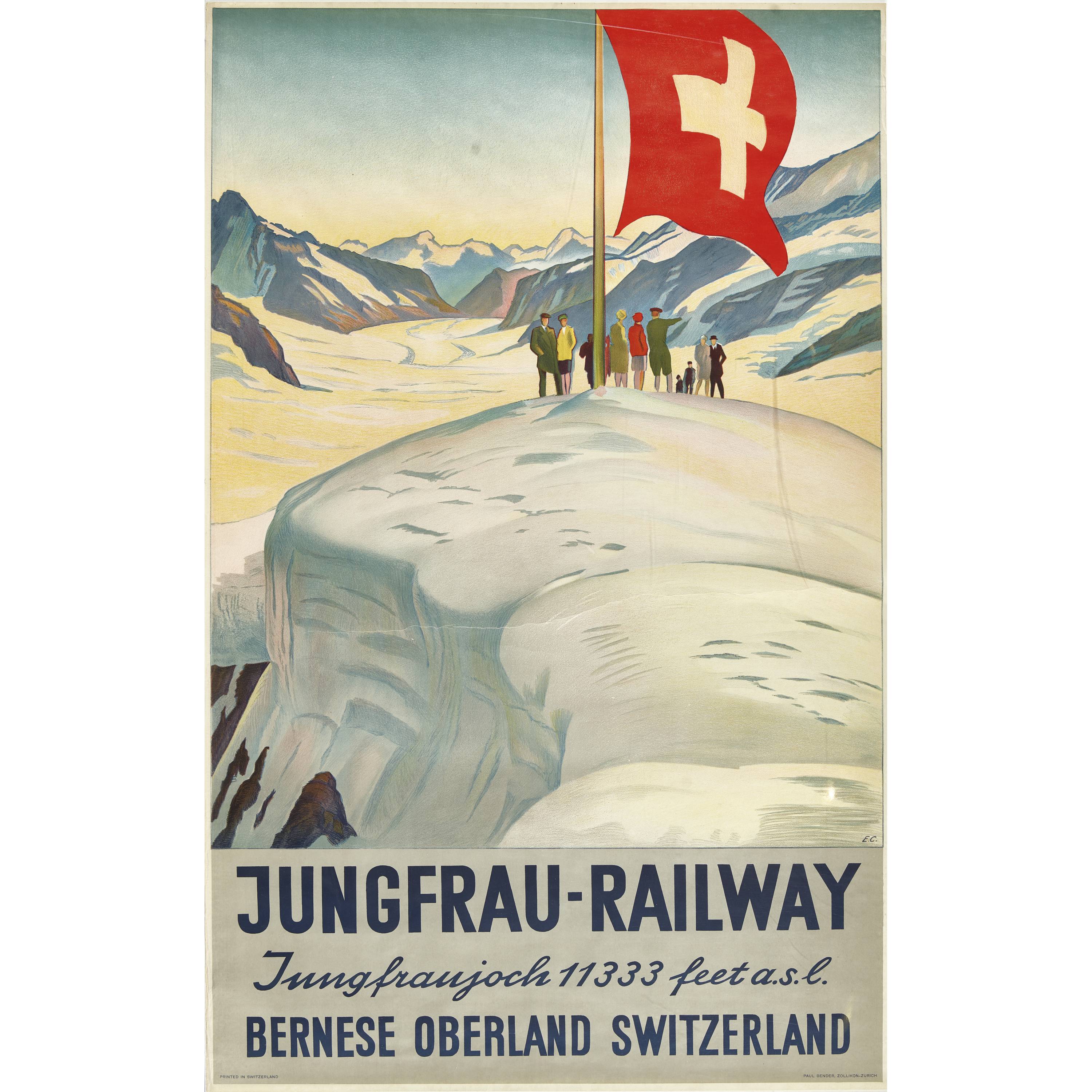
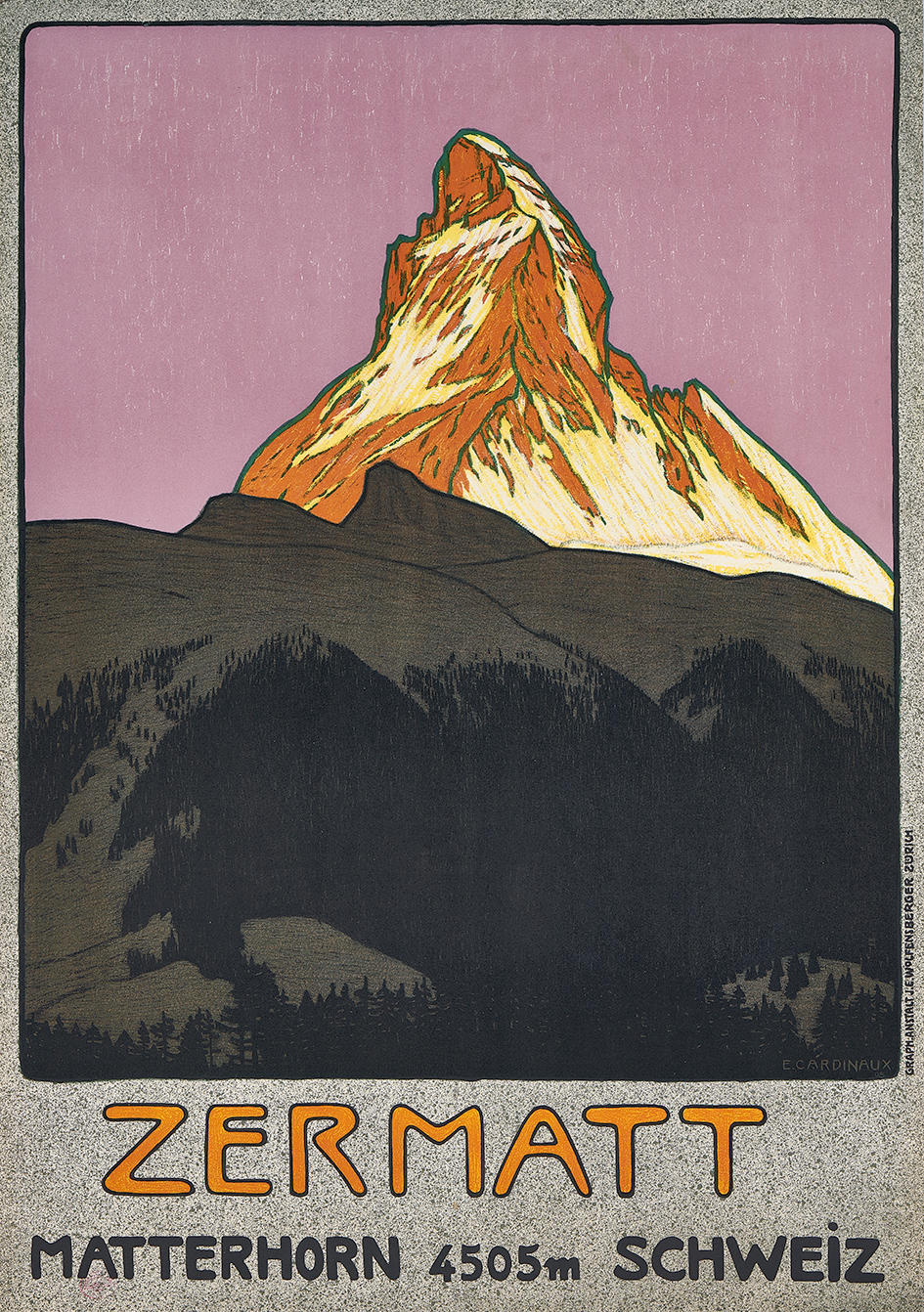
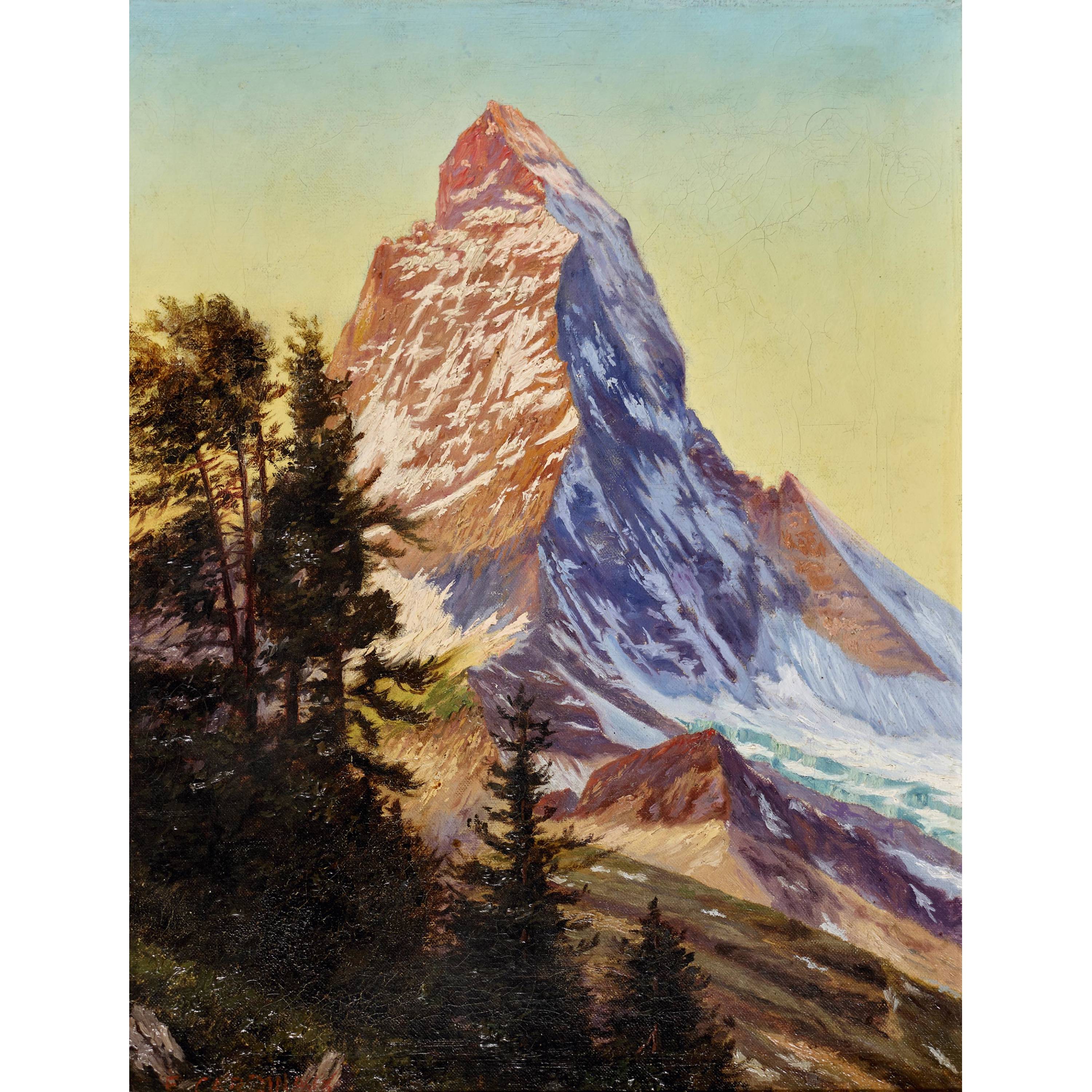
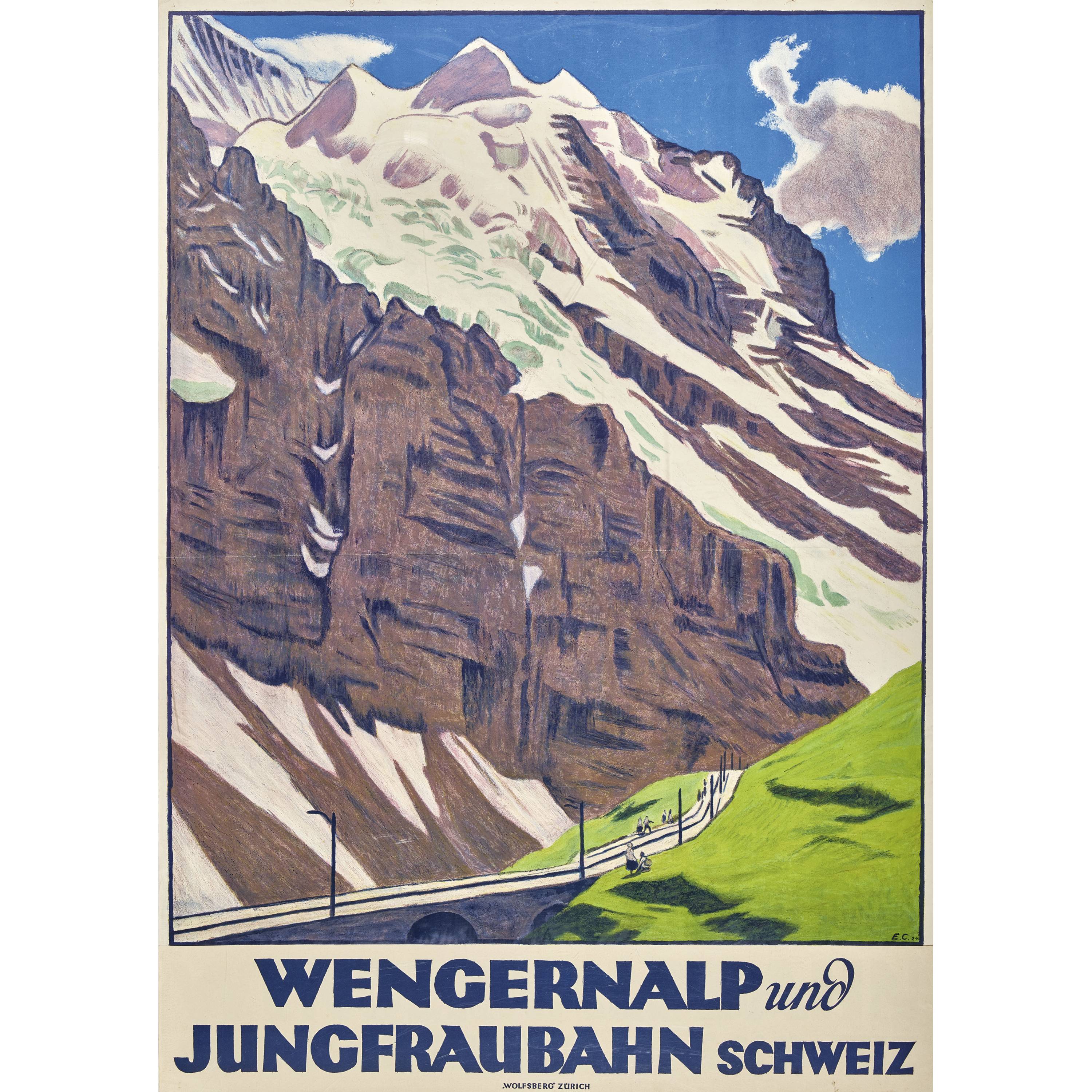
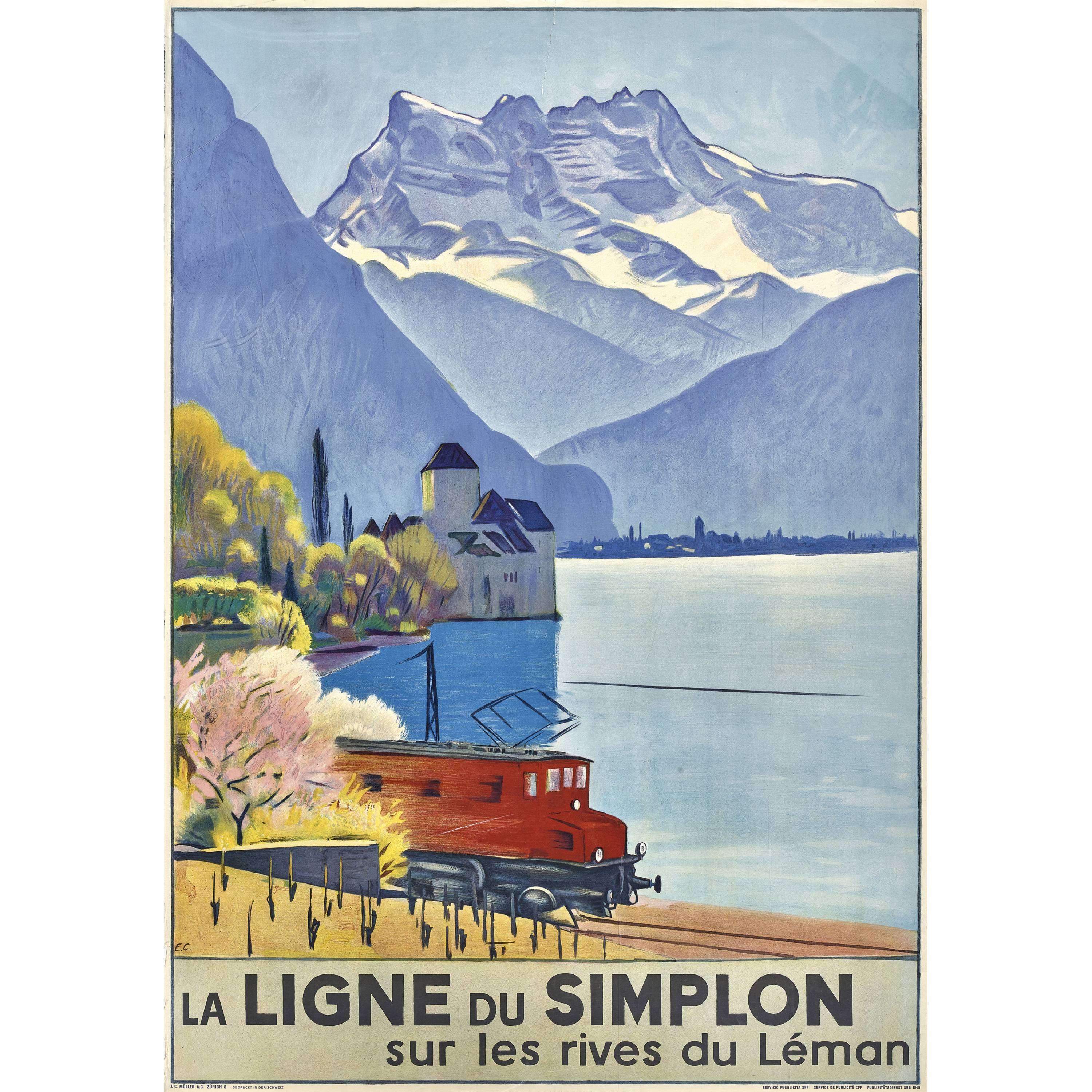
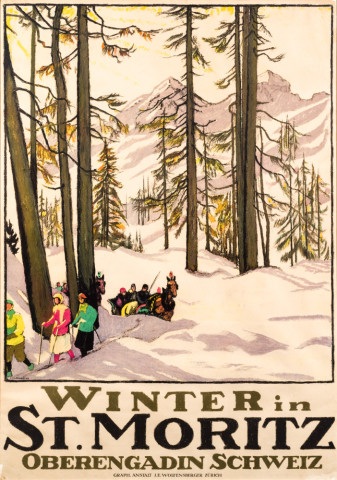
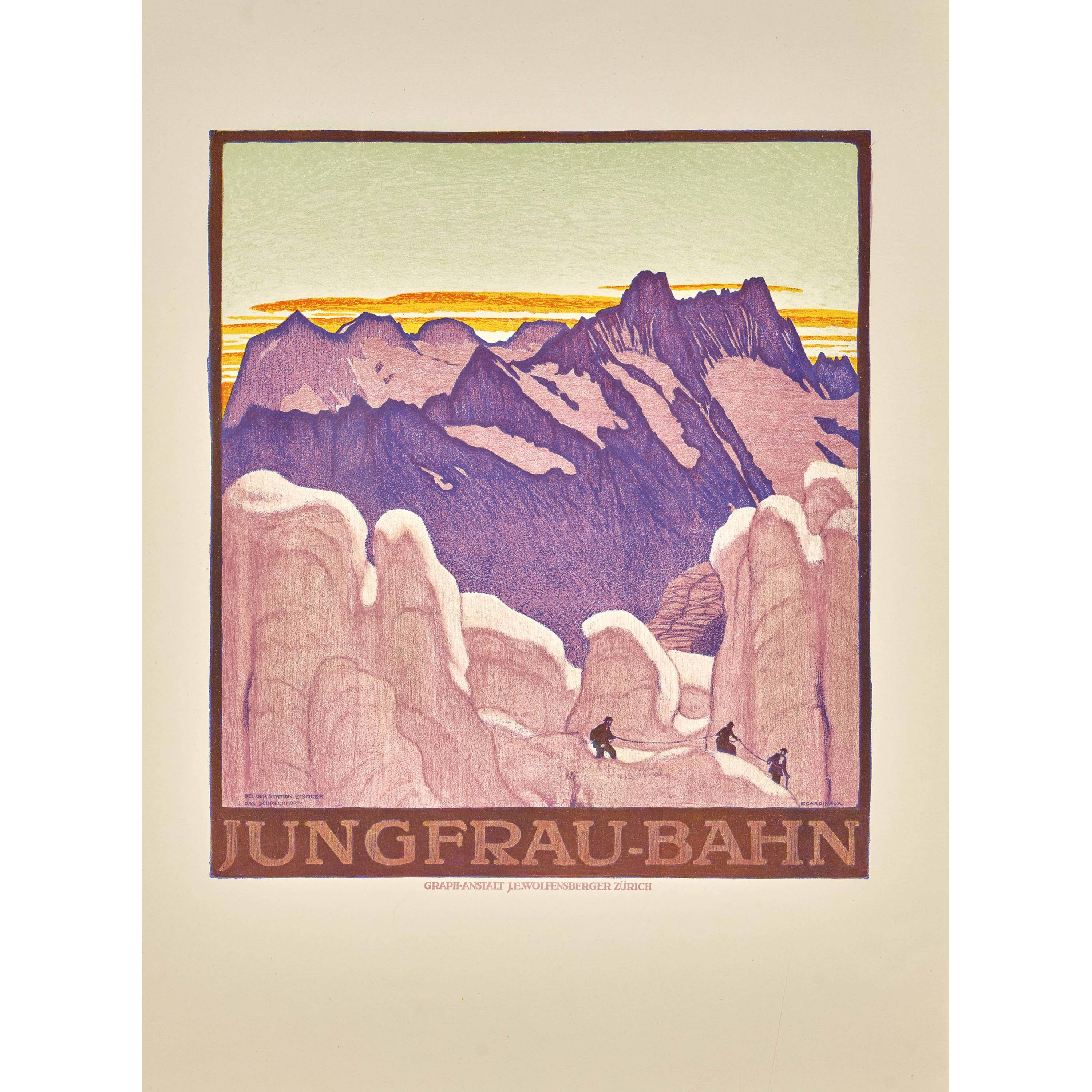
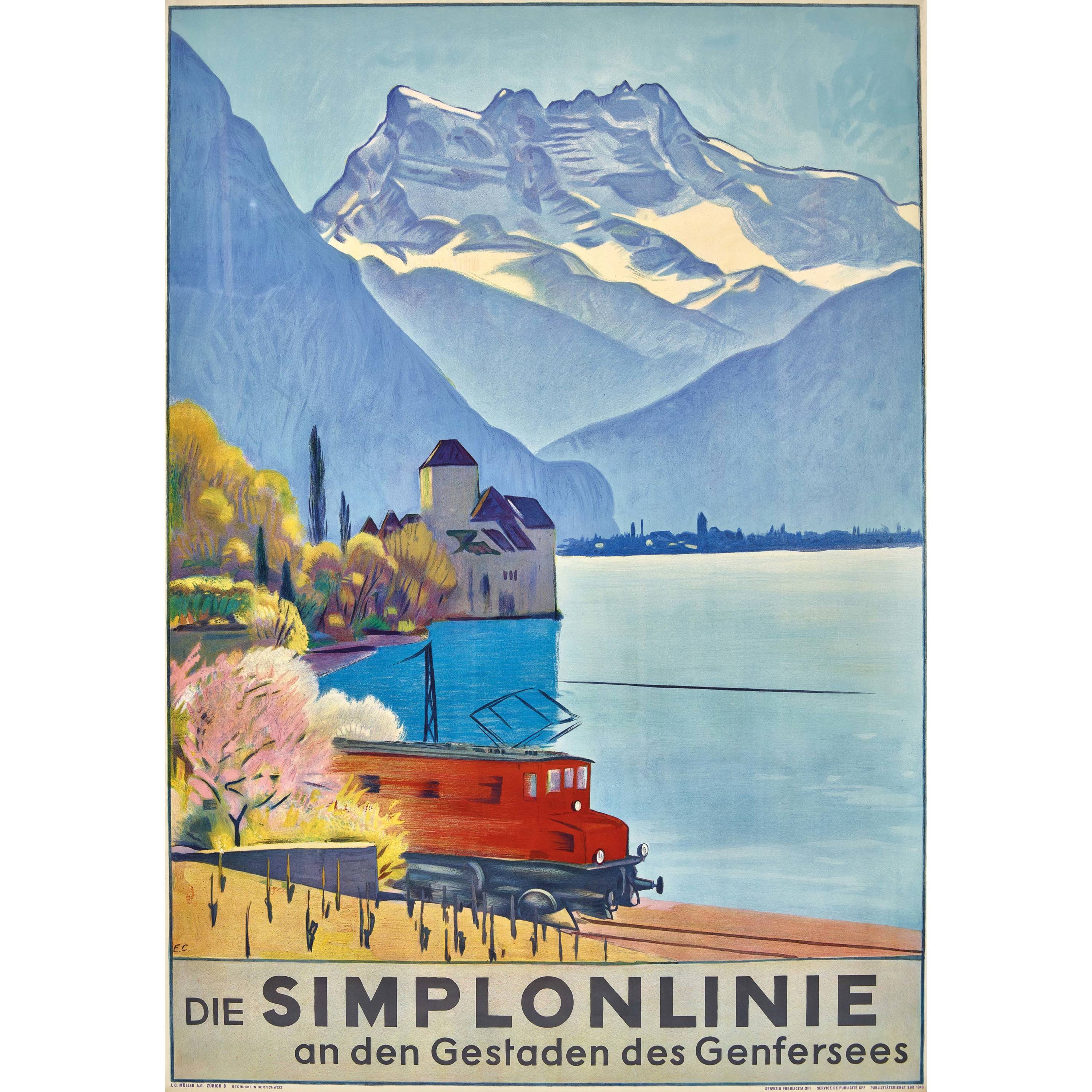
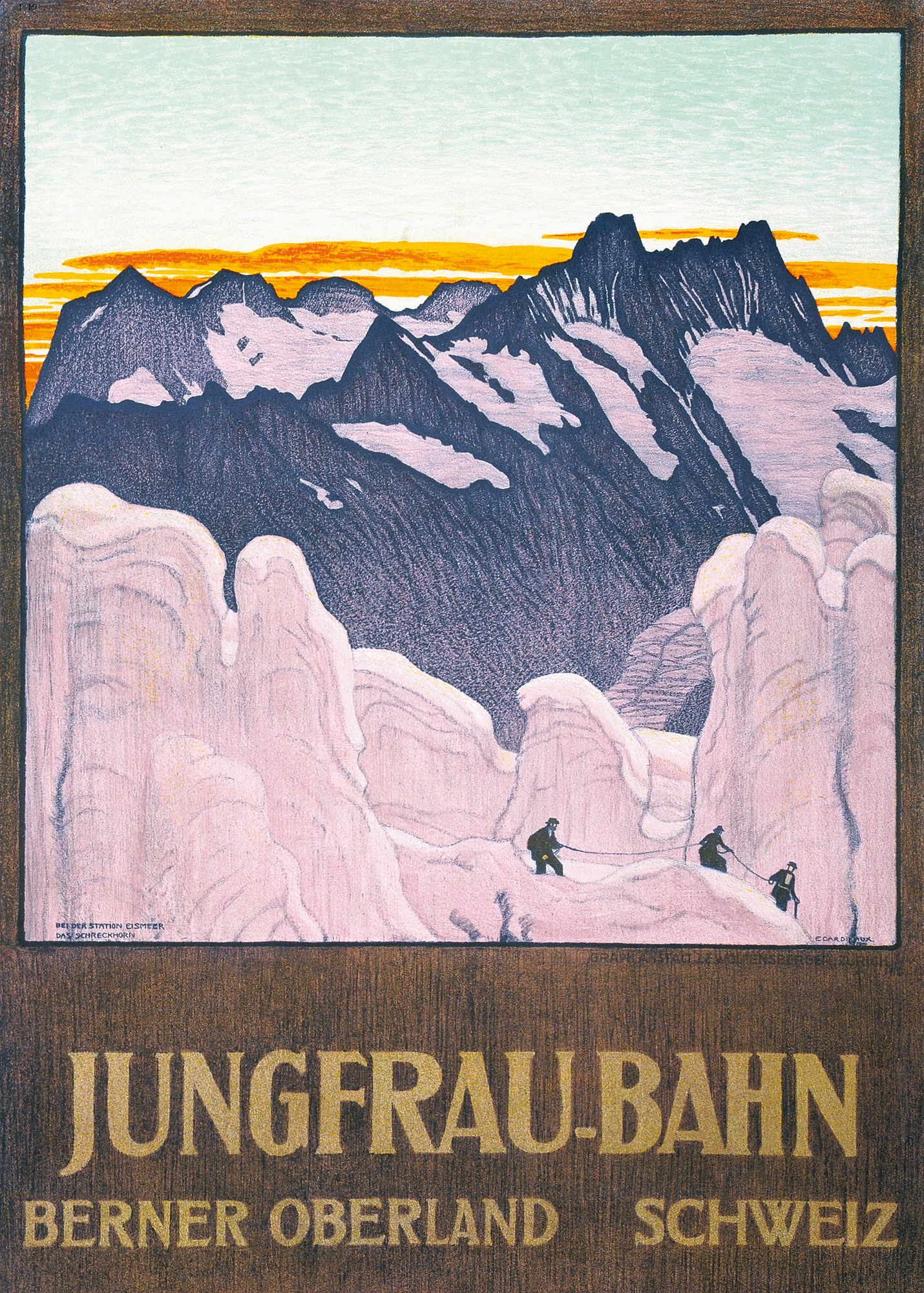
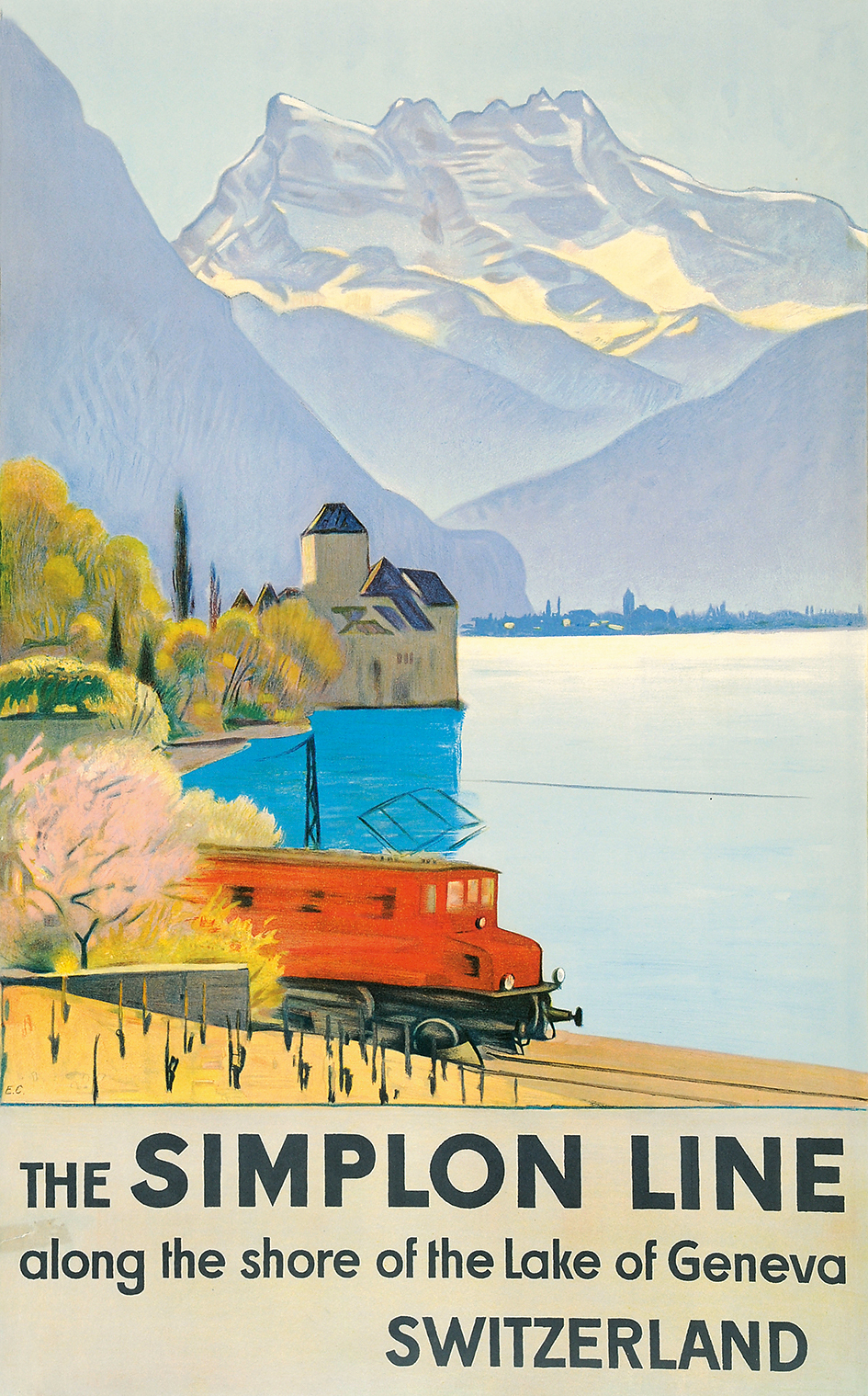
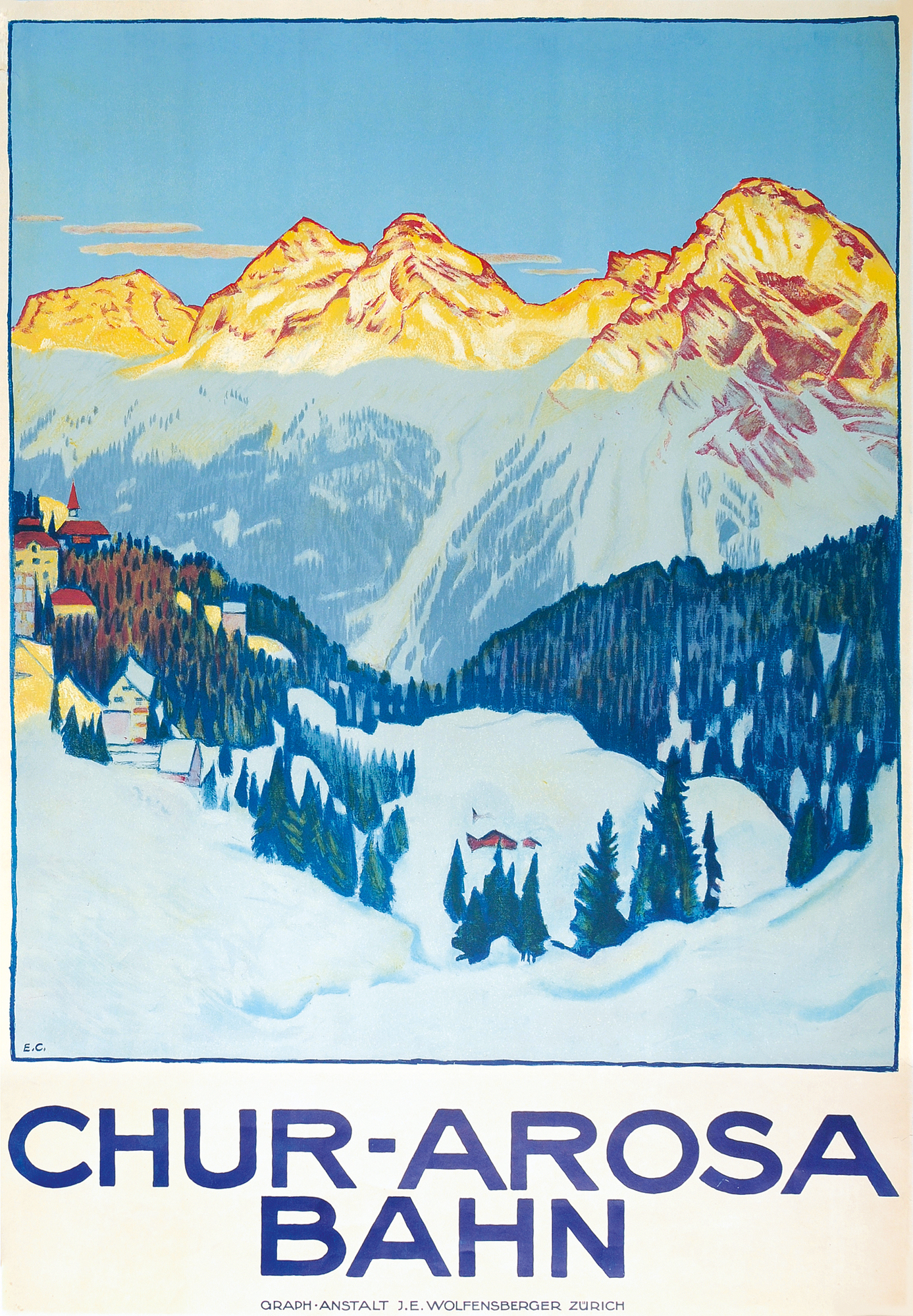
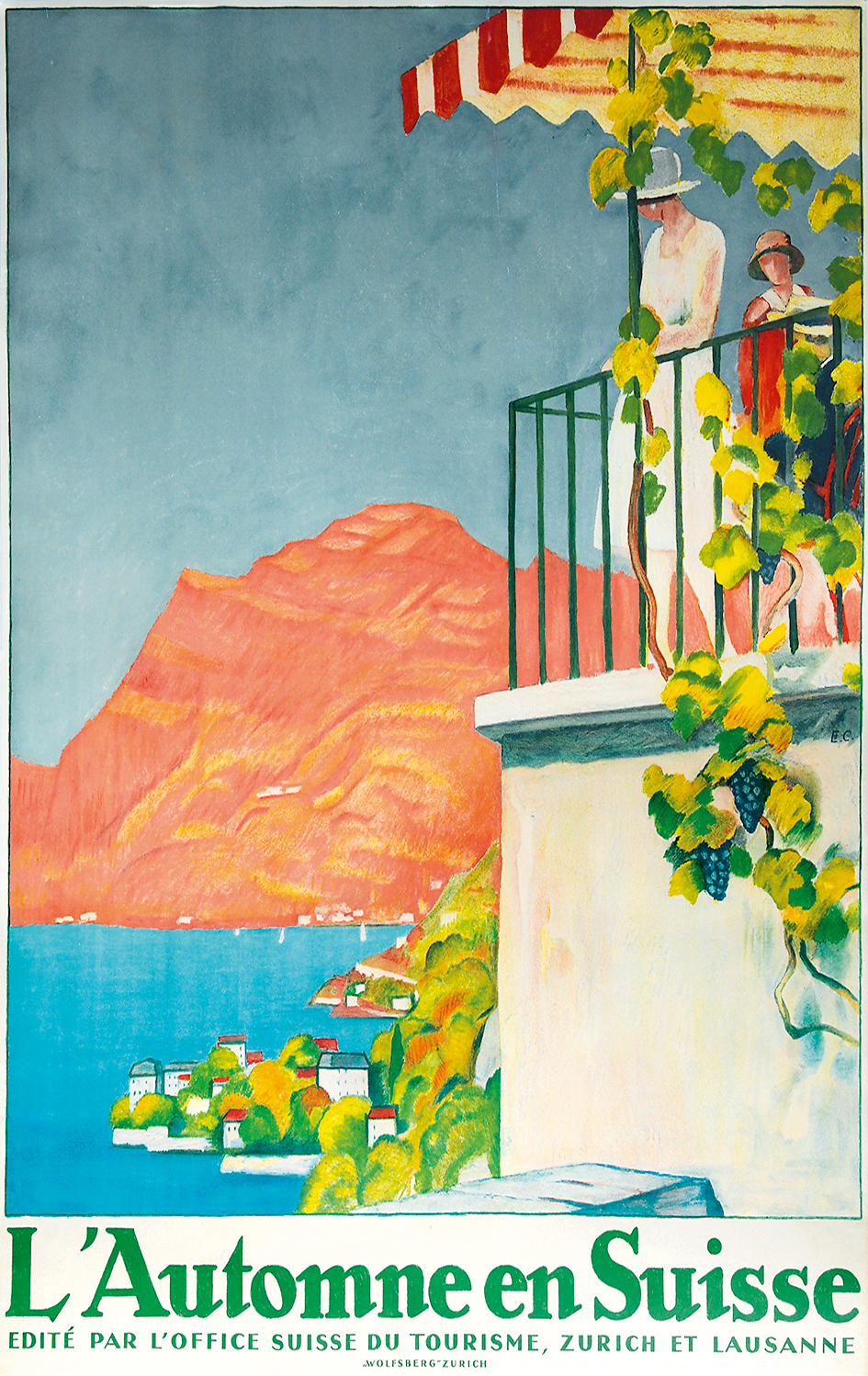
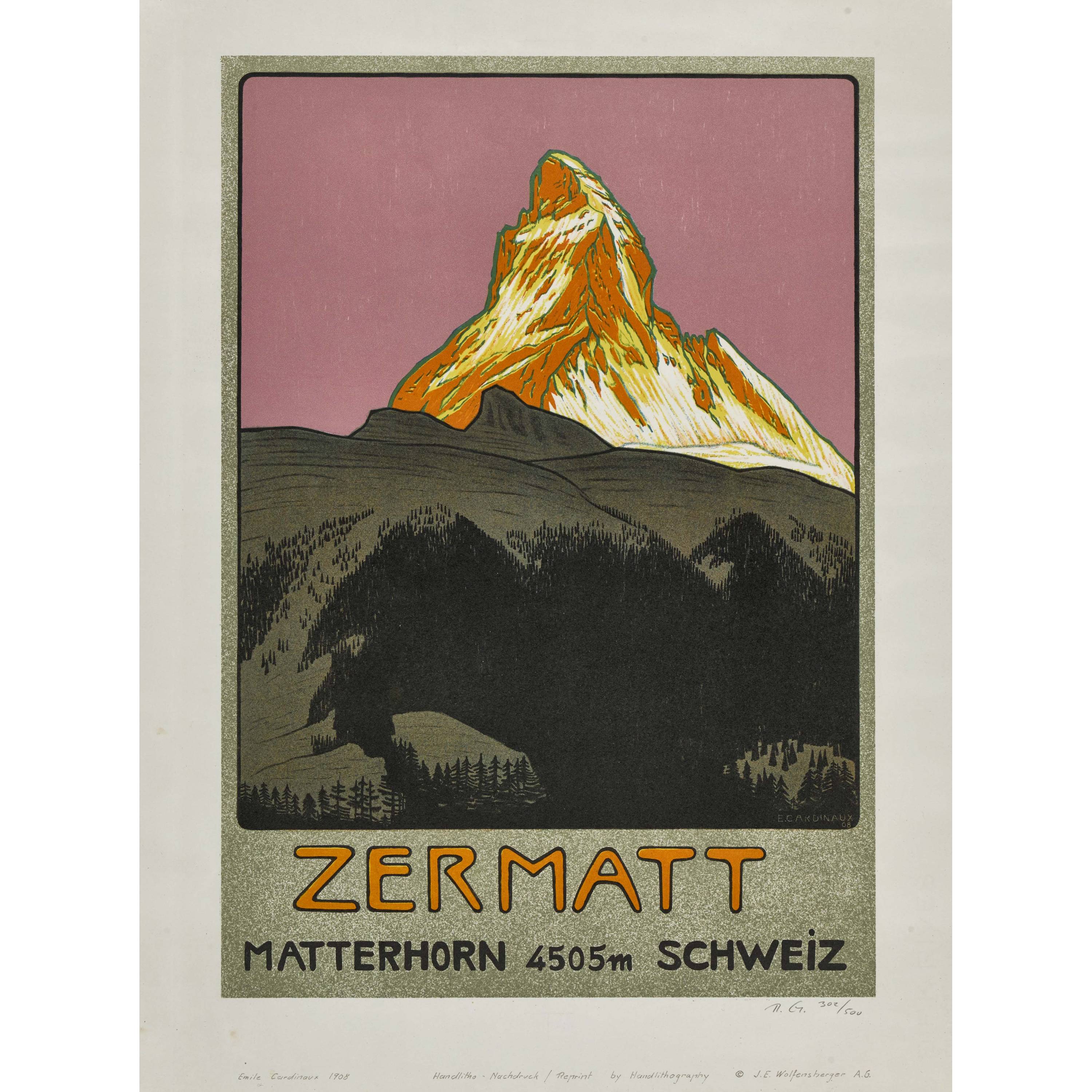
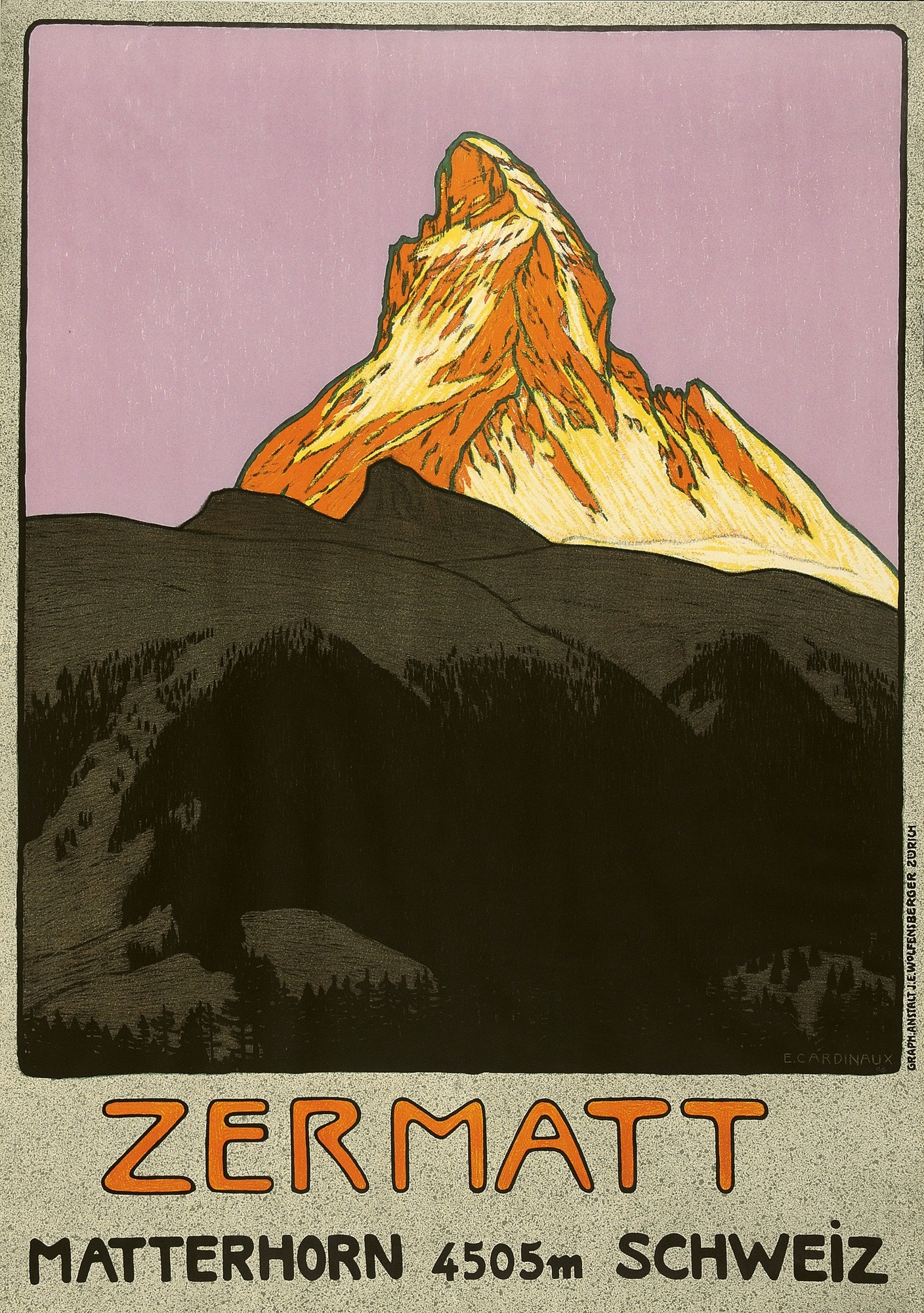
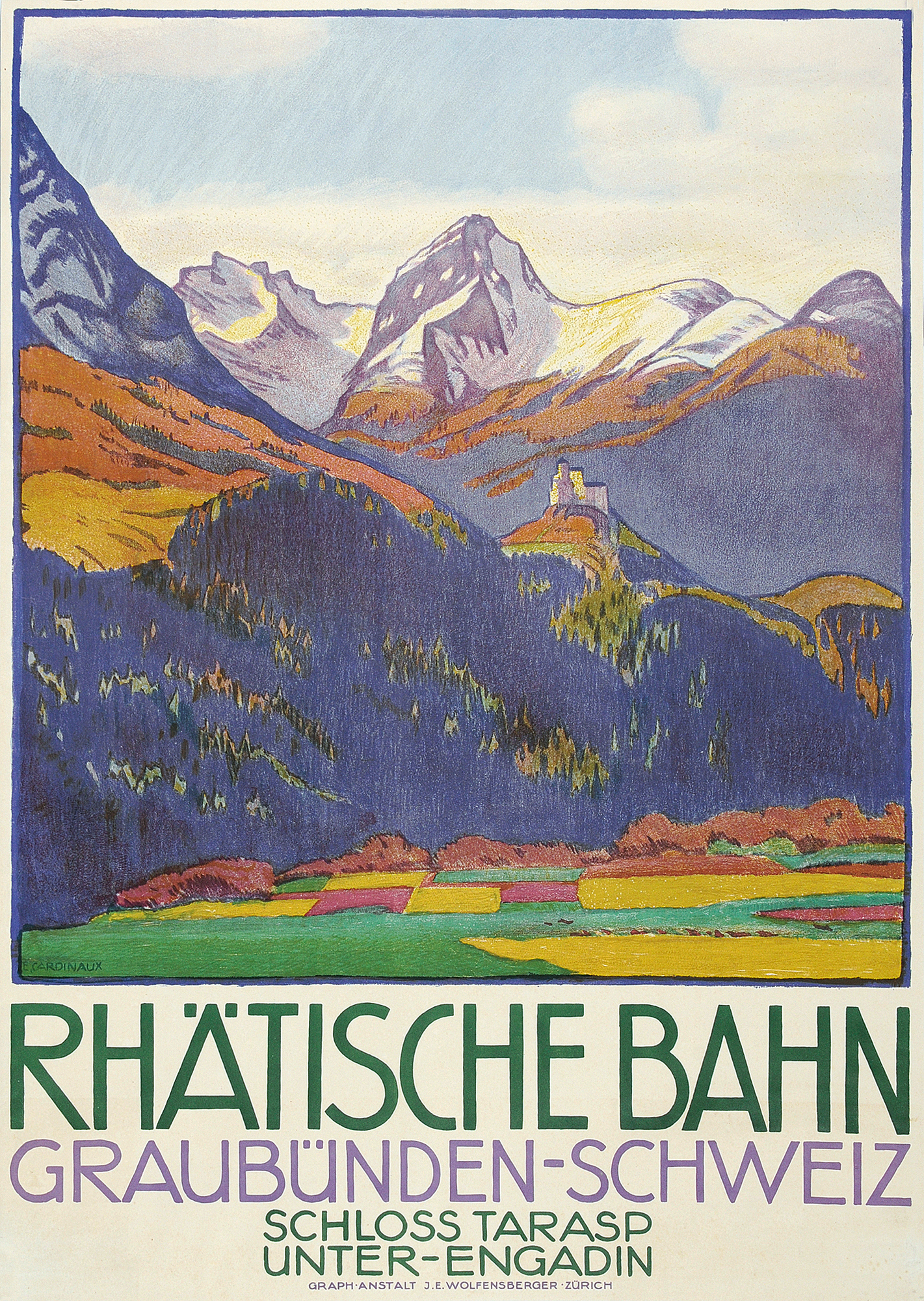
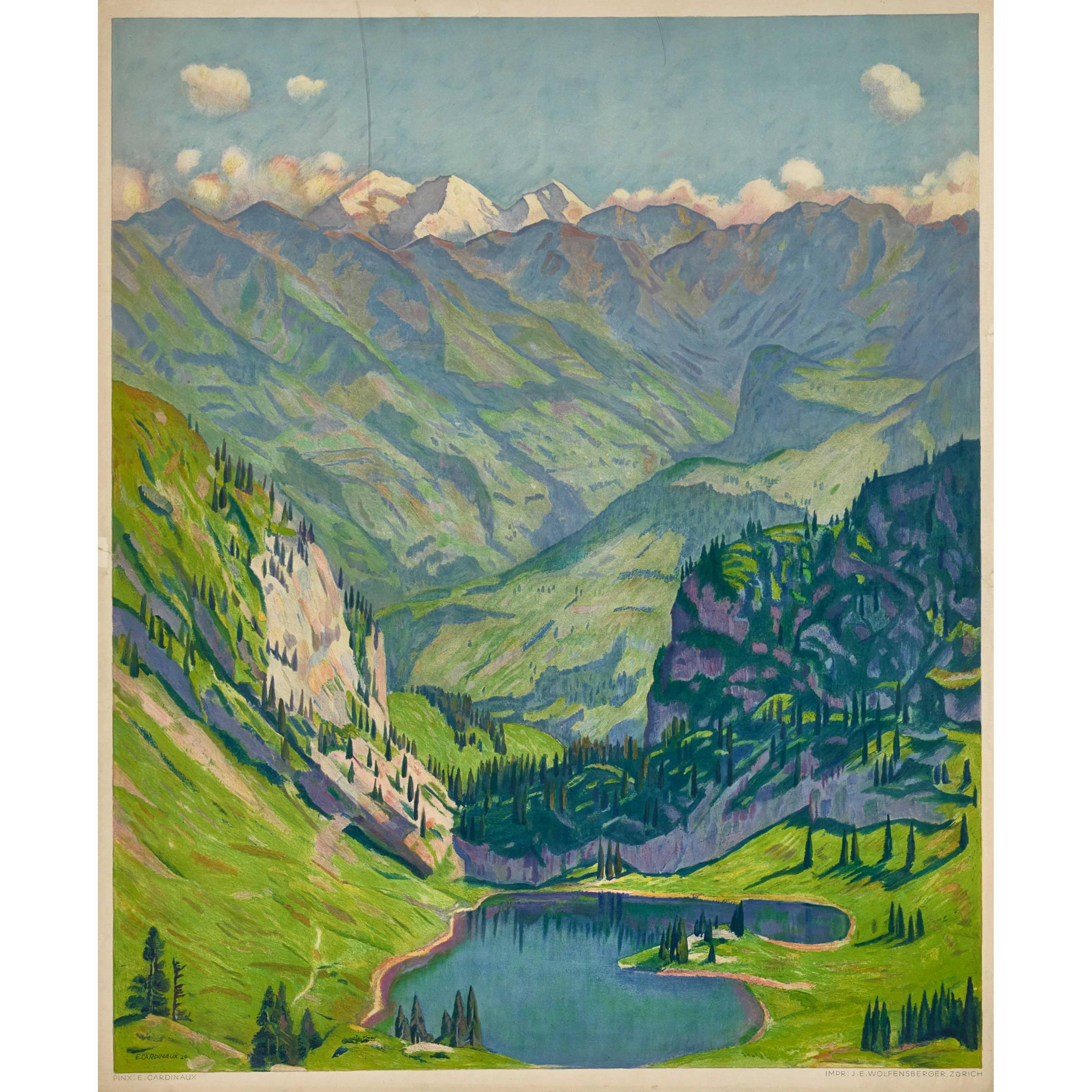
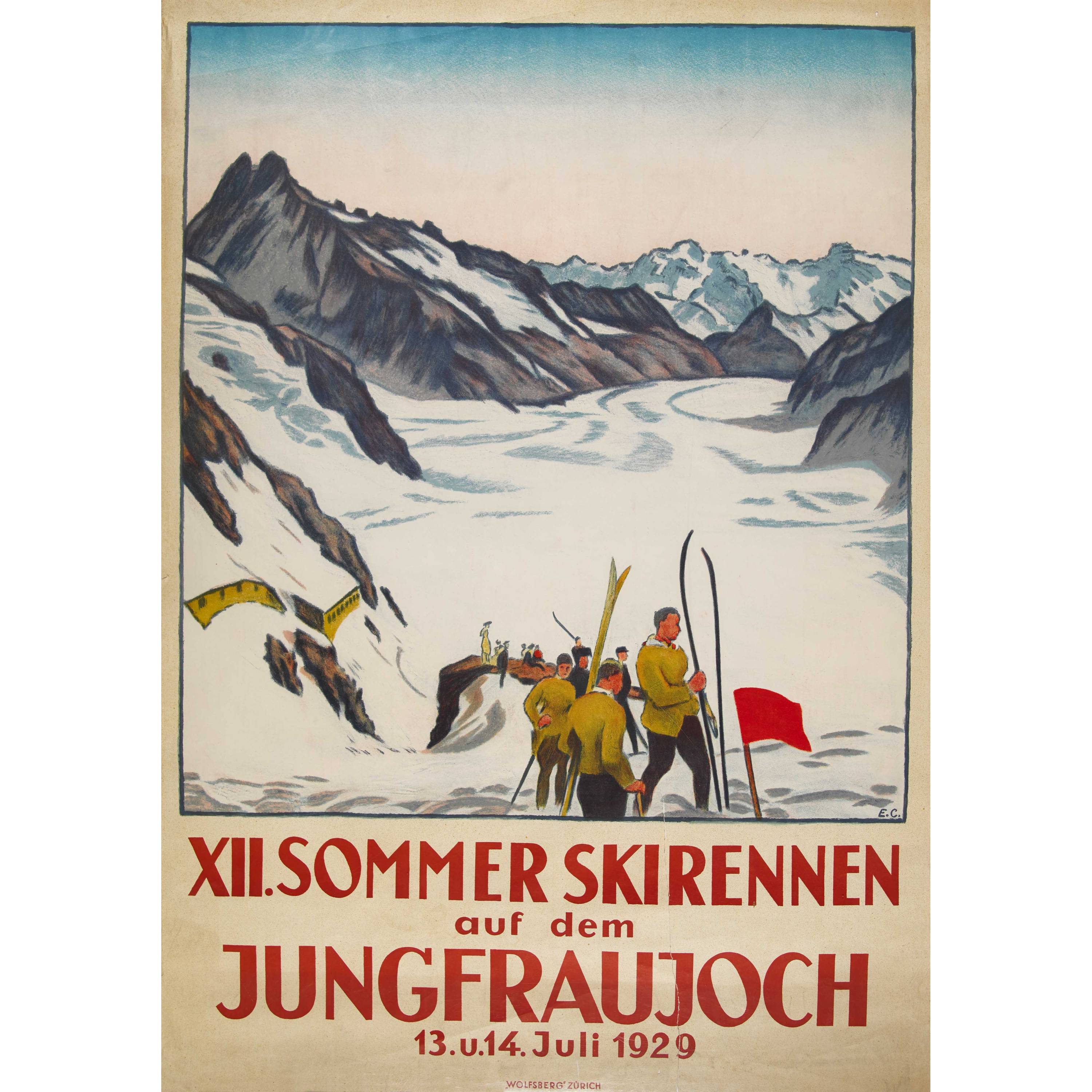
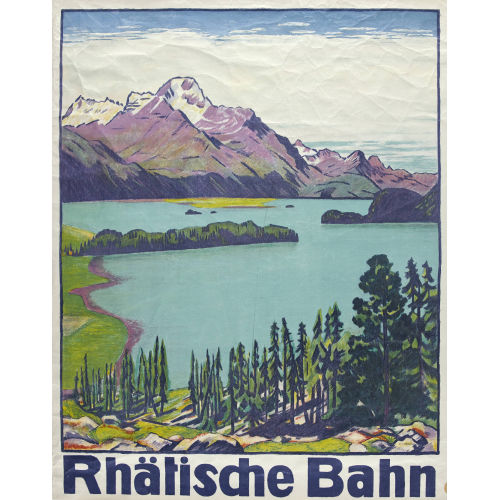
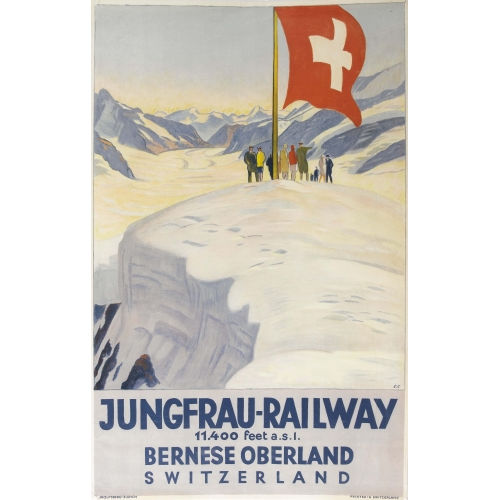
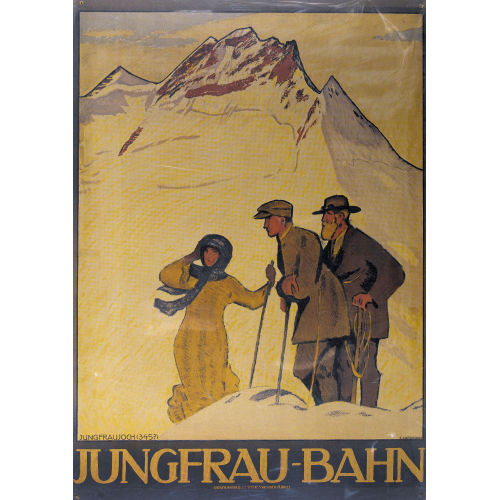
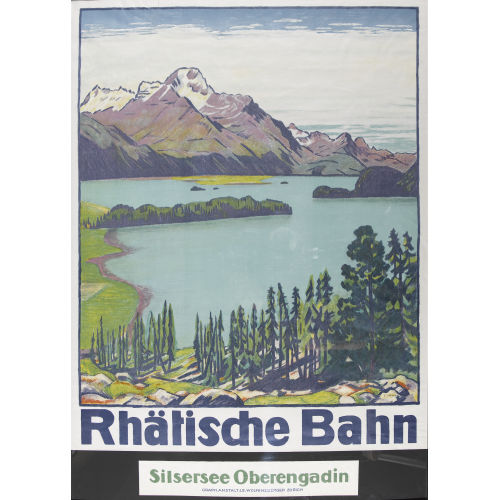
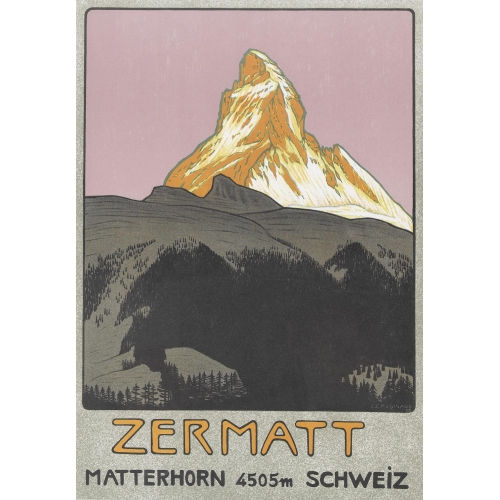
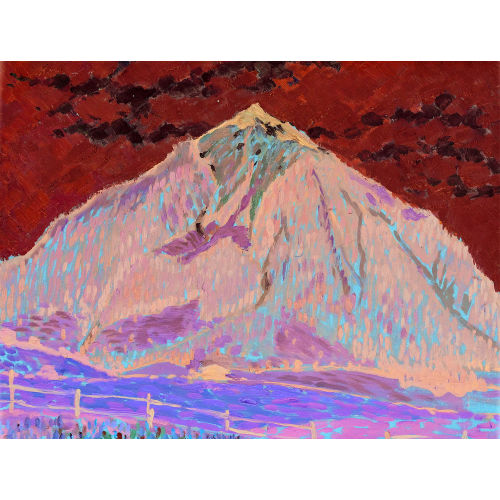
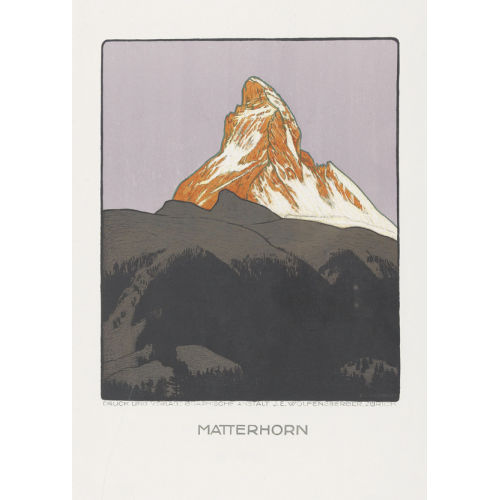
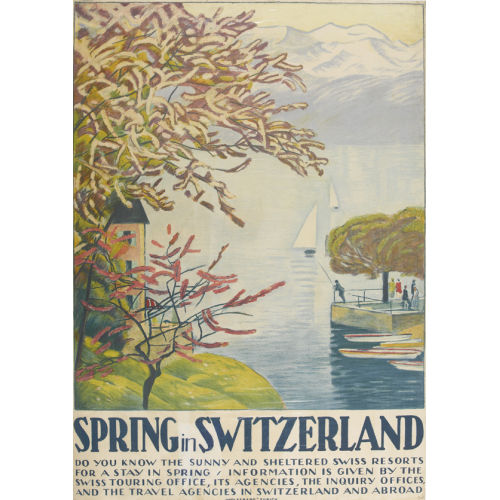
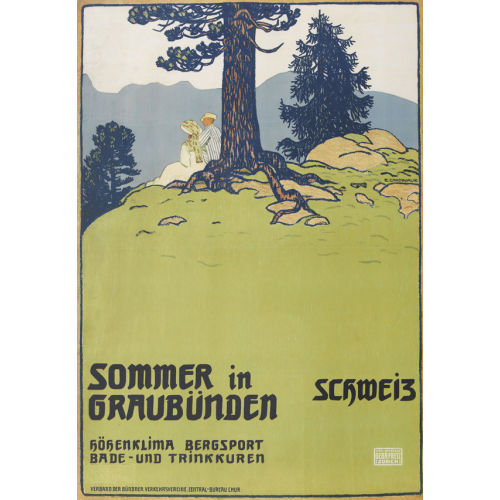
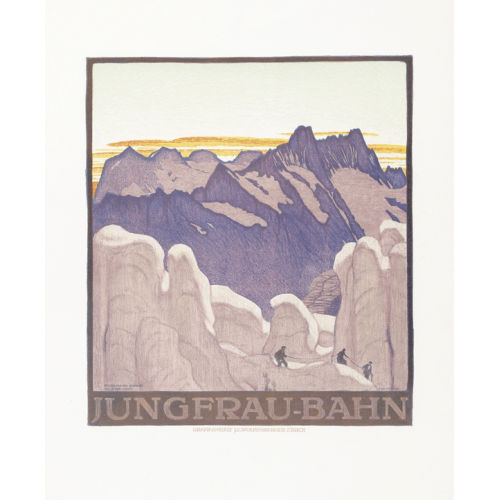
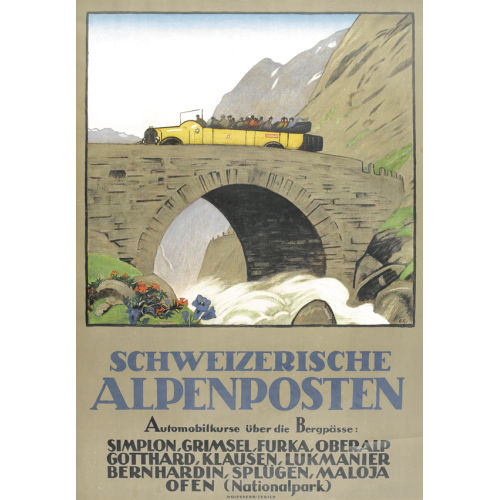
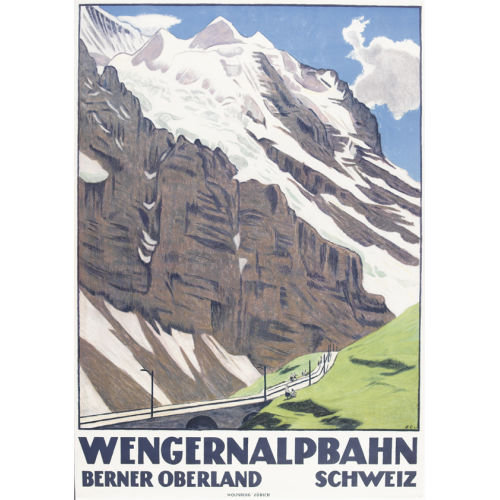
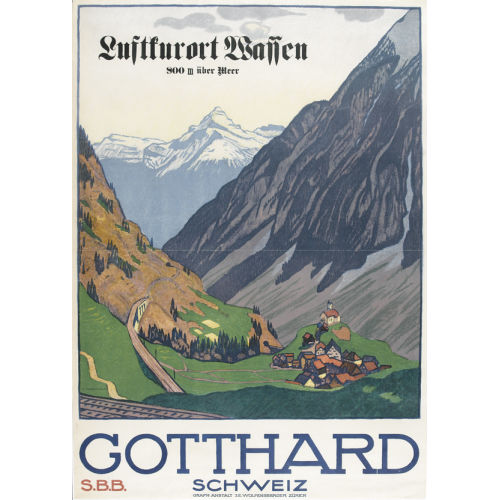
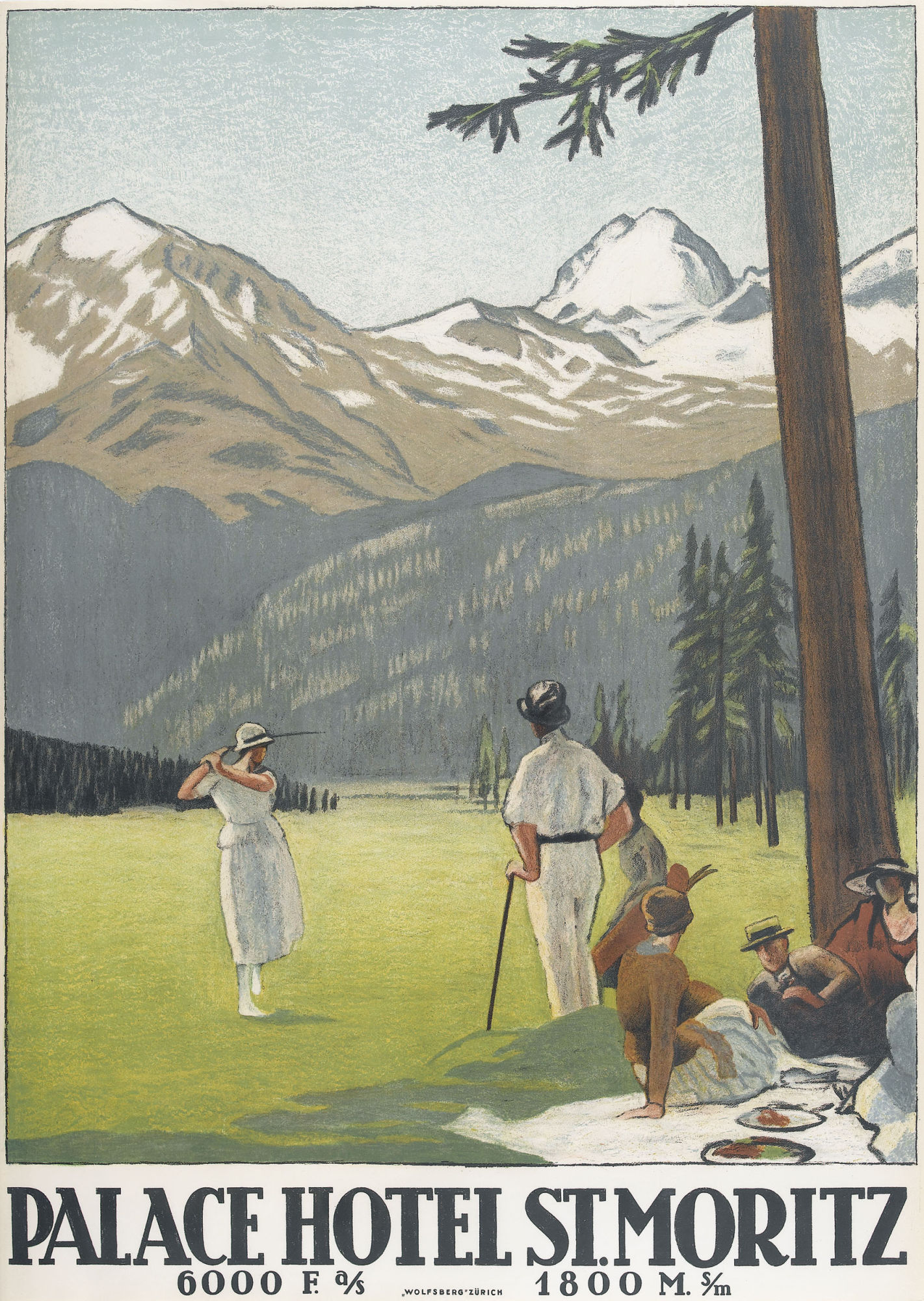
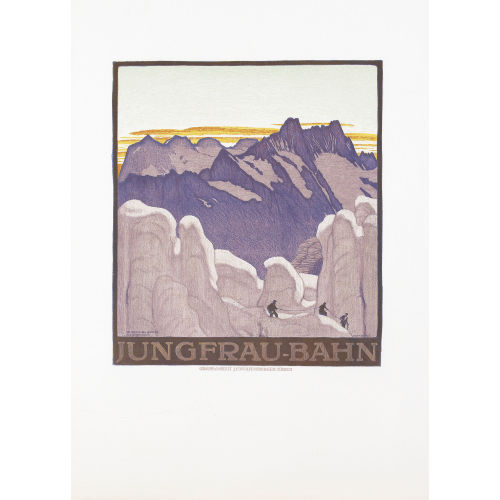
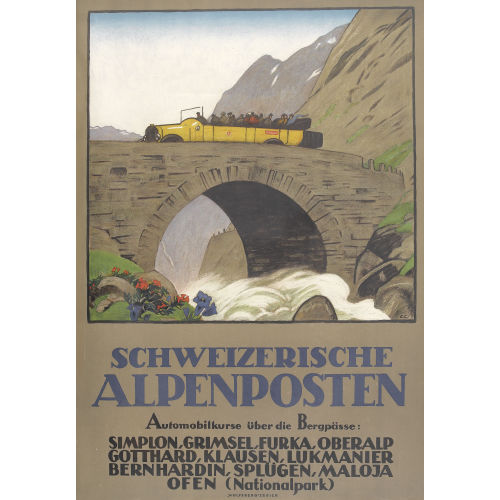
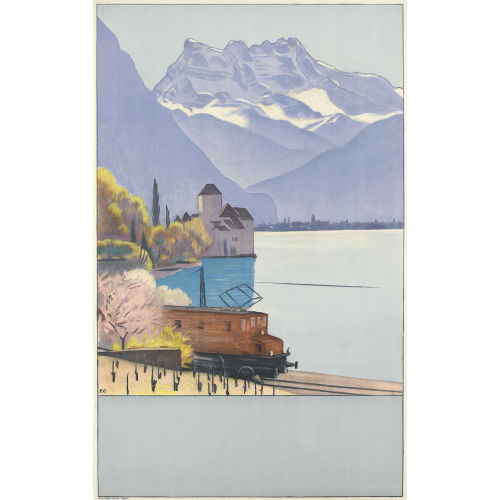
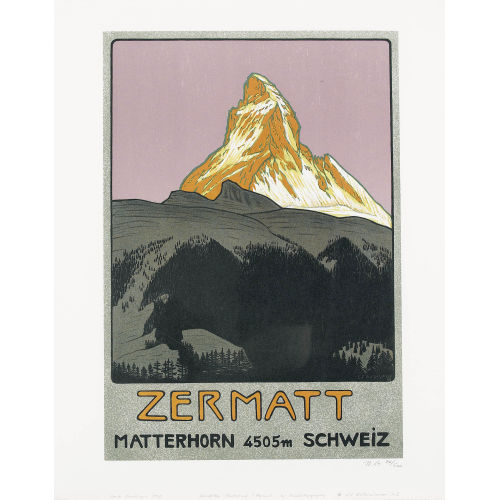
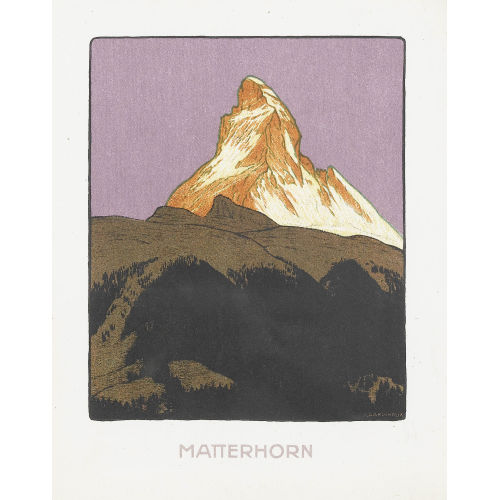
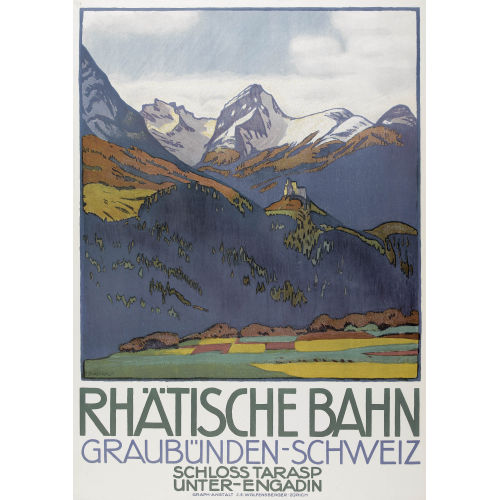
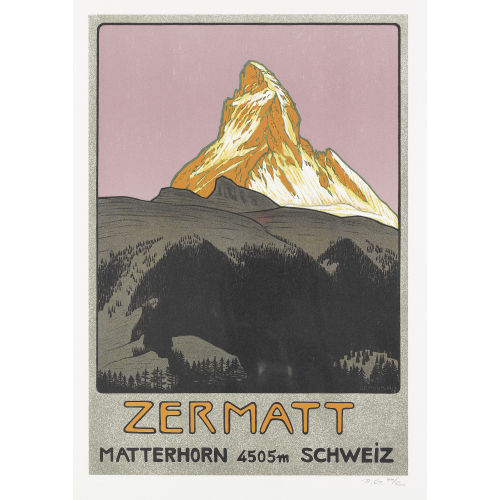
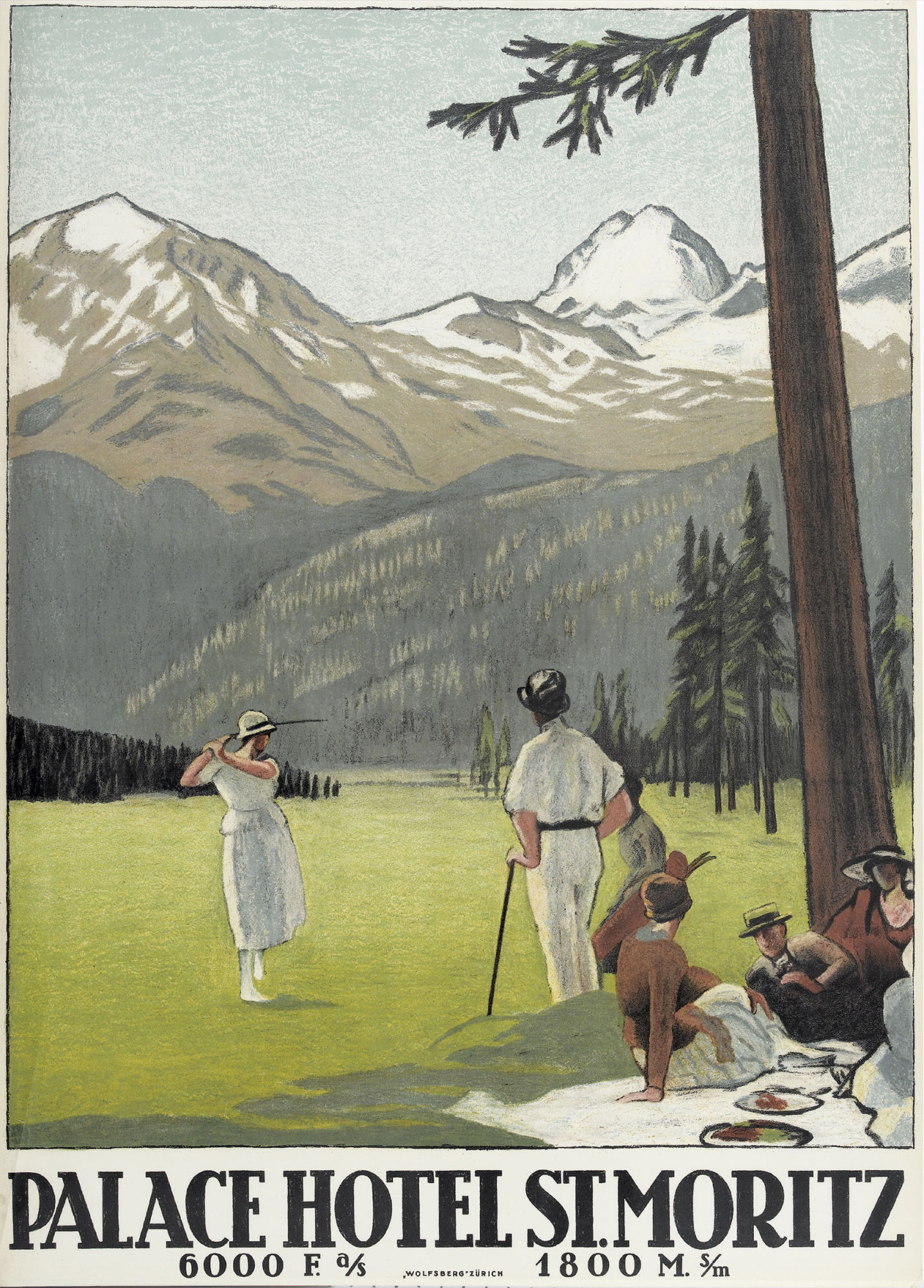
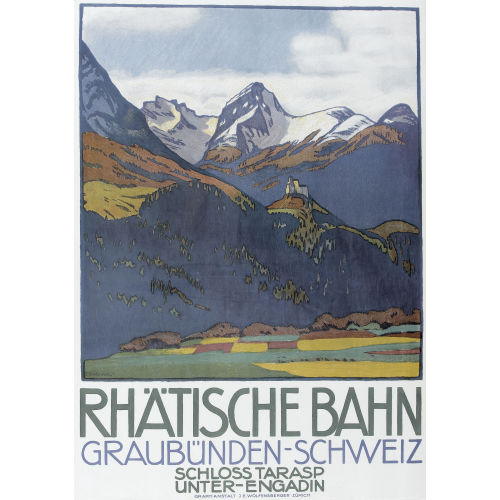
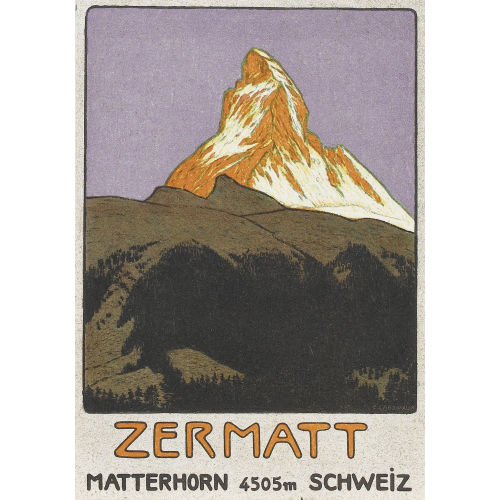
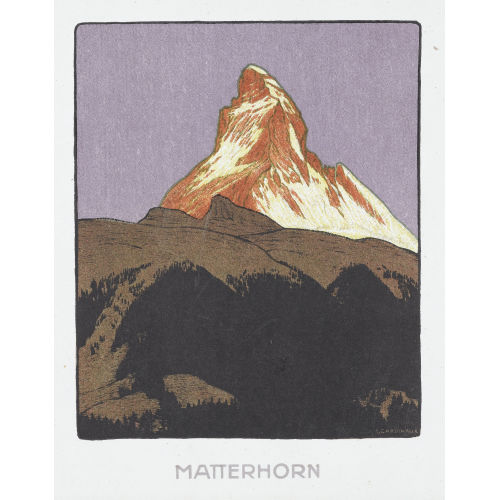
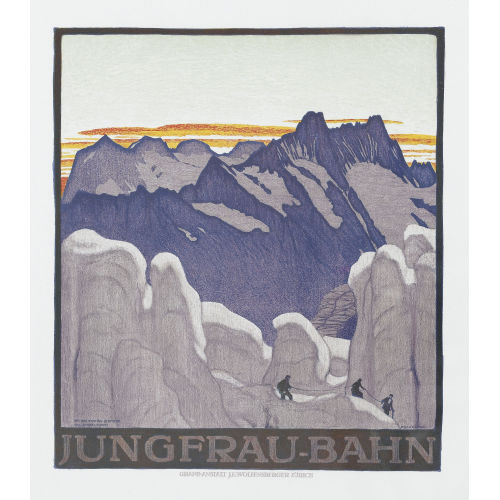
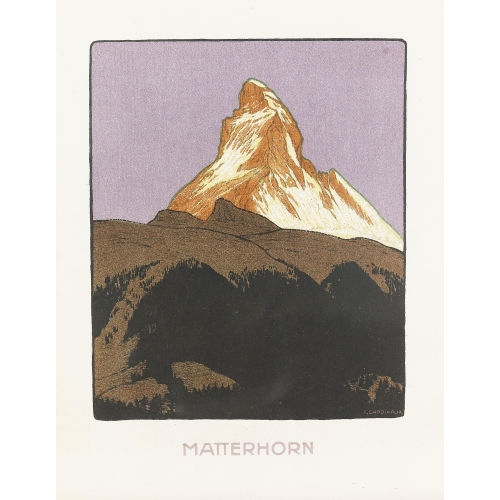
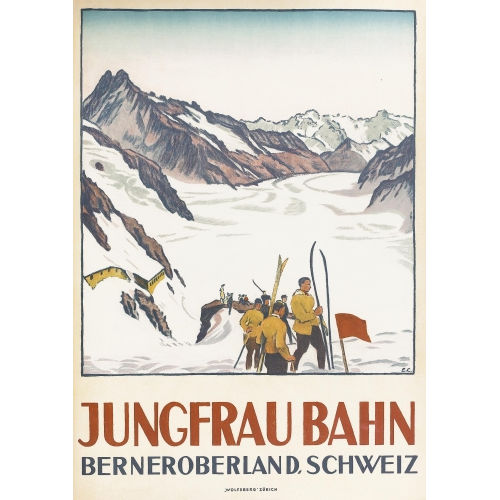
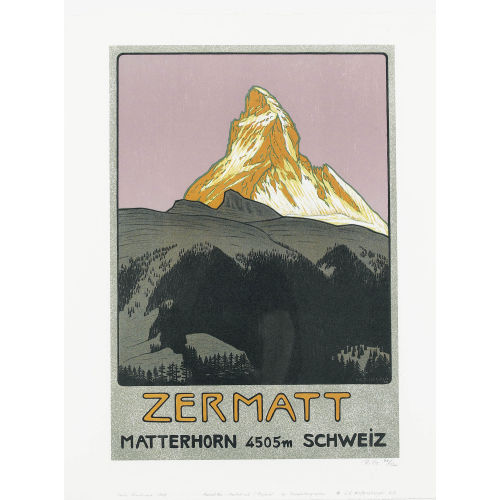
With his 1908 poster Zermatt, Emil Cardinaux (1877–1936) transforms a mountain into an immediately memorable image. The Matterhorn occupies the space with a monumentality owed as much to the simplification of forms as to the subject itself. This work constitutes an essential landmark in the emergence of the modern poster in Switzerland.
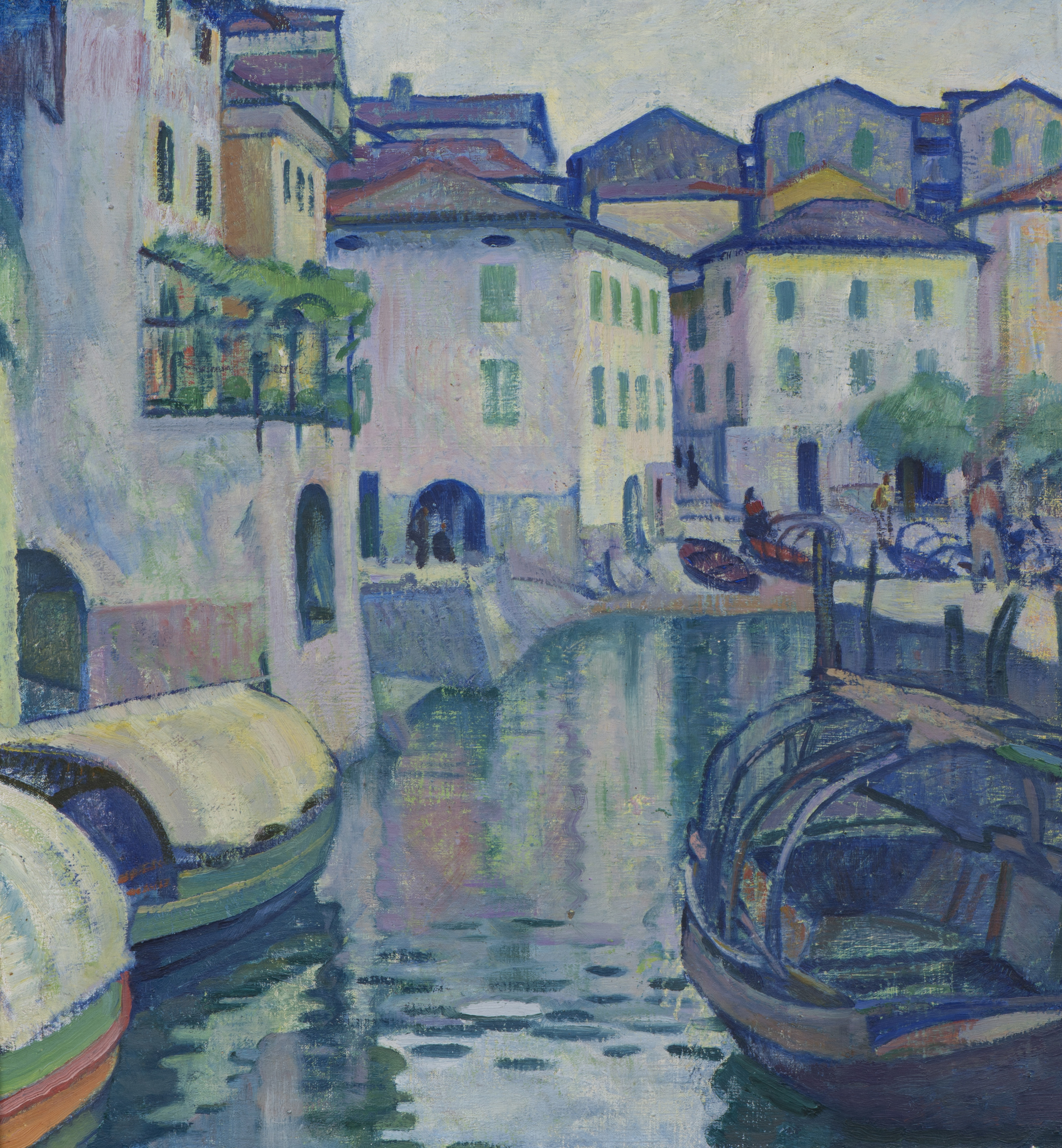
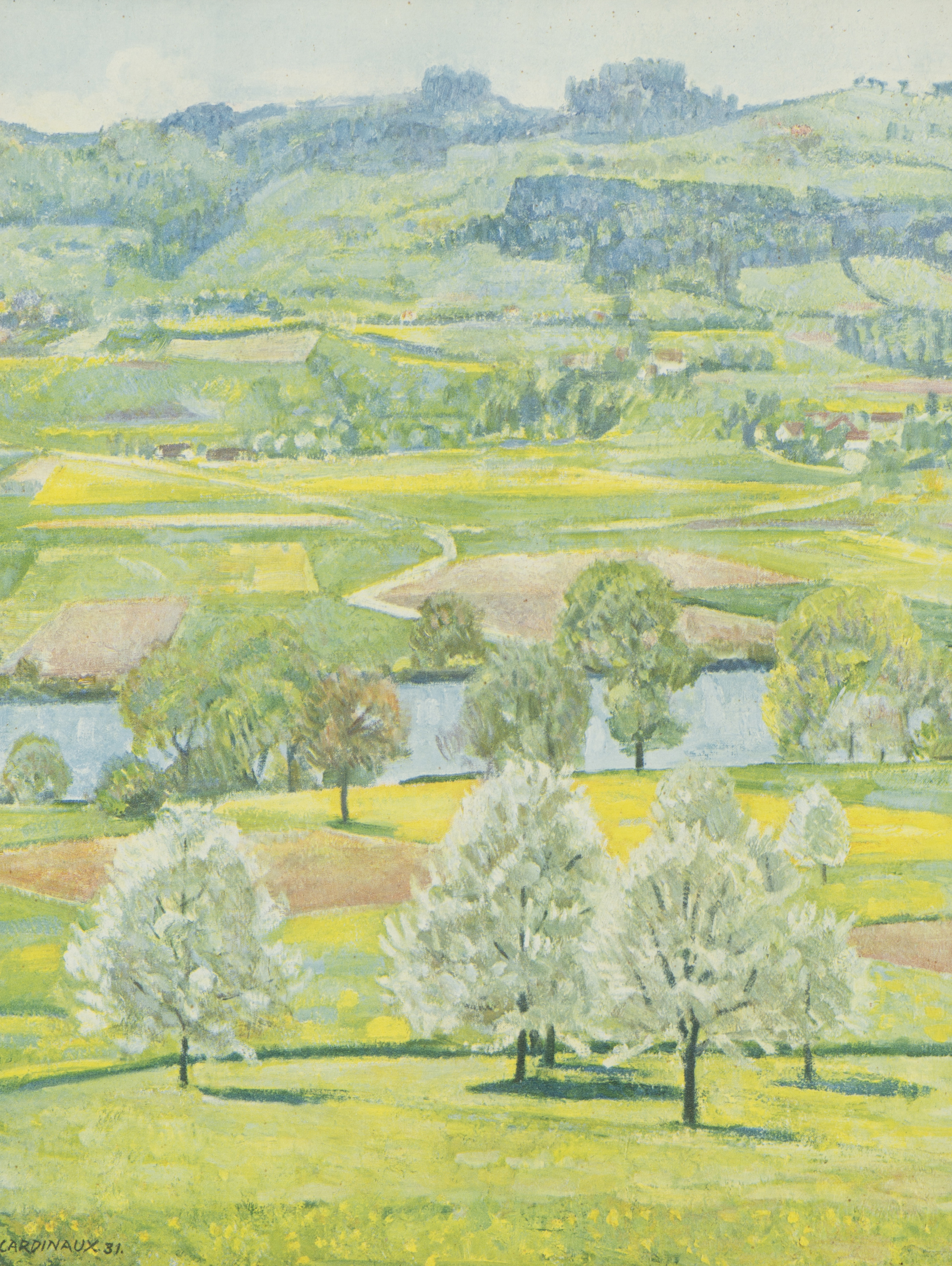
Born in Bern, Cardinaux began studying law while also receiving artistic instruction from Paul Volmar. In 1898, his stay in Munich proved decisive: he chose to devote himself to art and attended the academy. After returning to Bern in 1903, he continued his exploration of European painting through travel, notably in Holland, Italy and Paris.
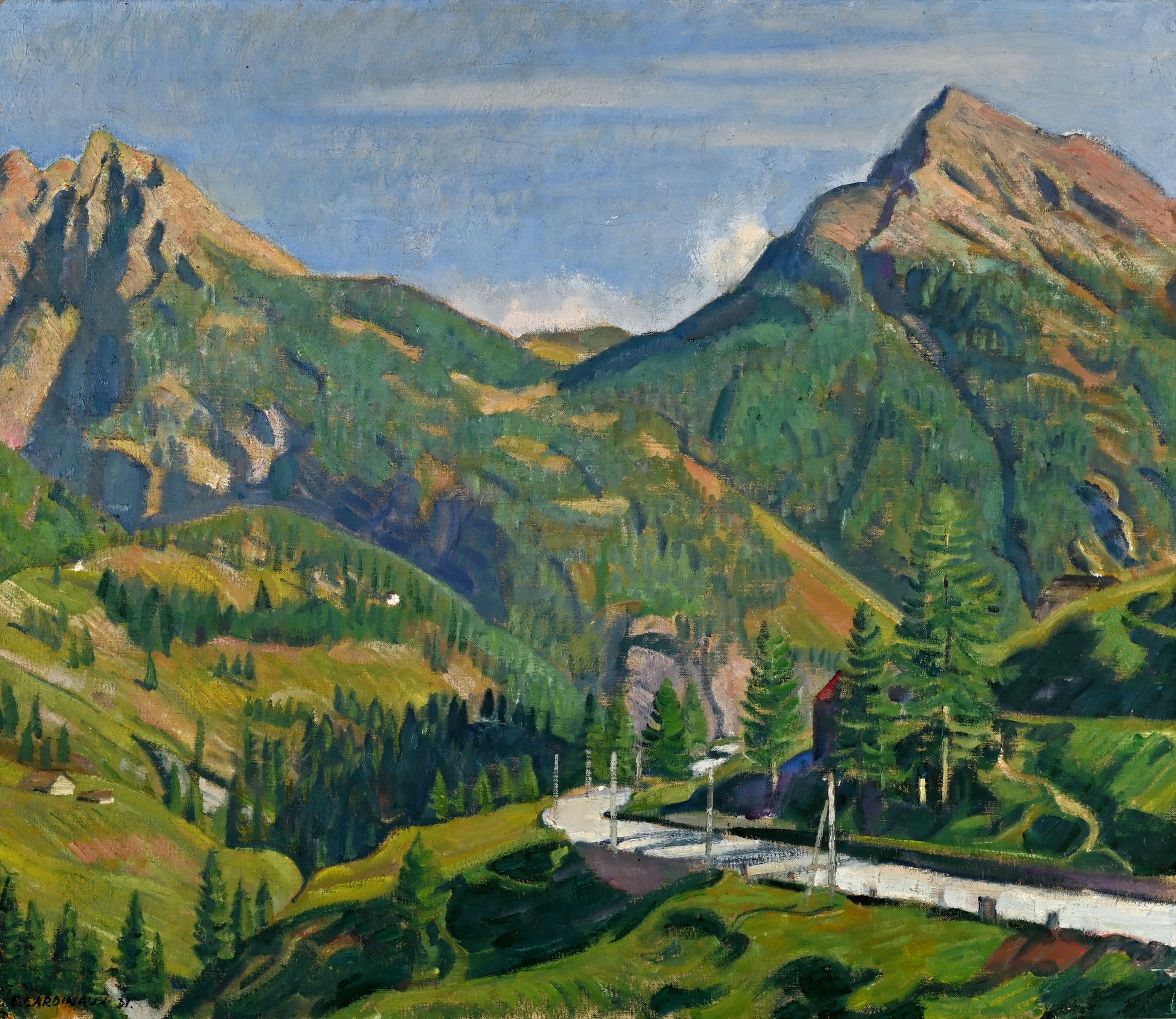
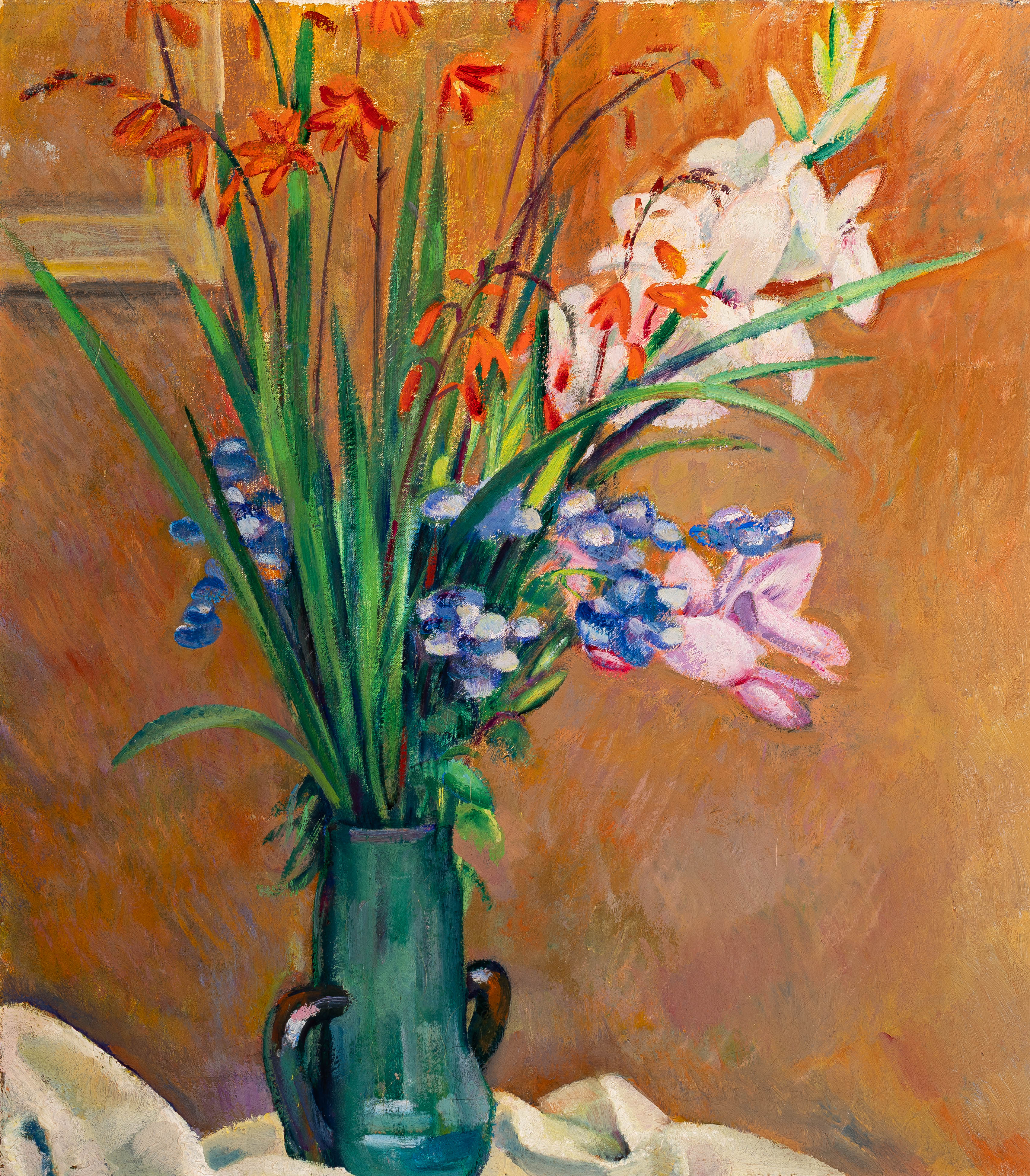
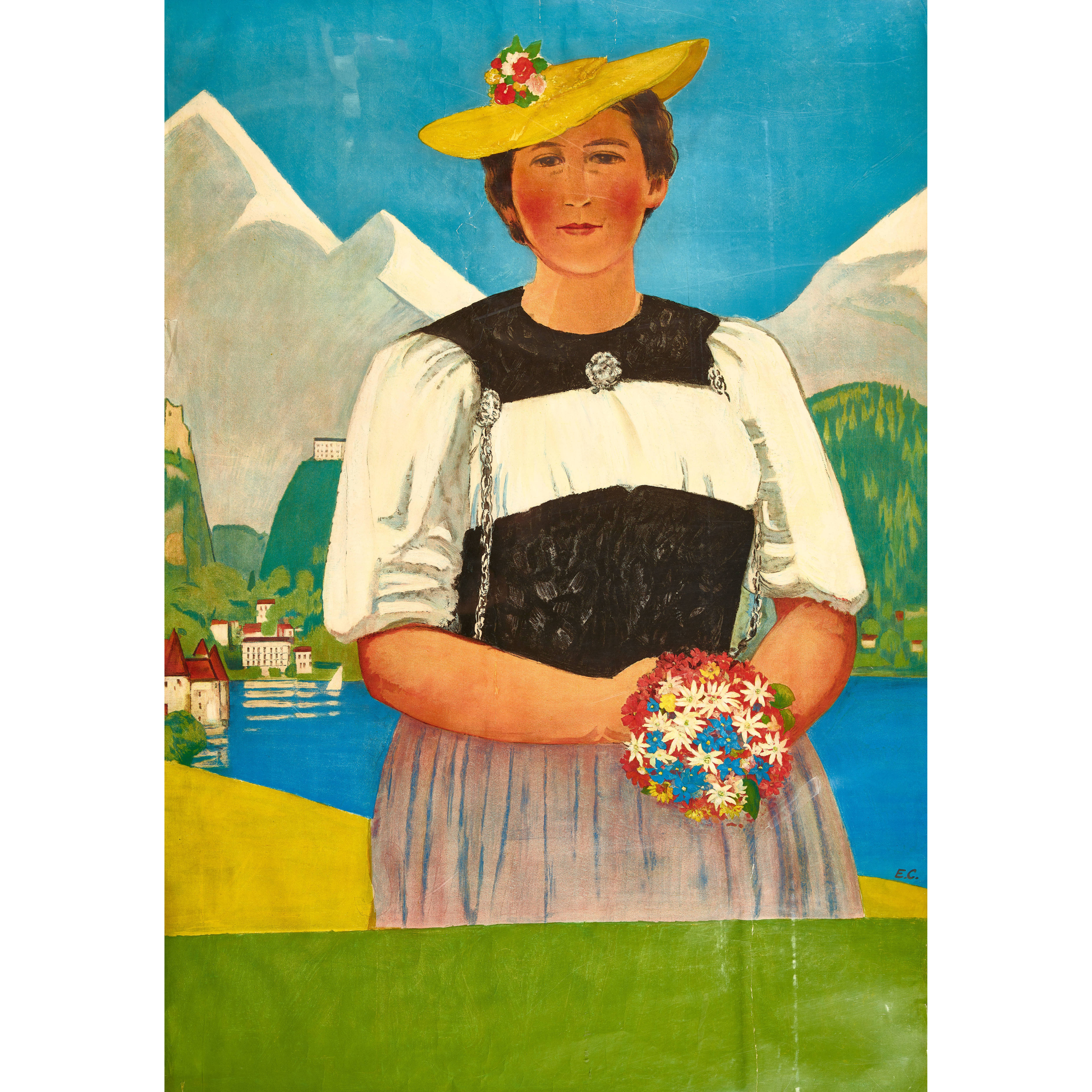
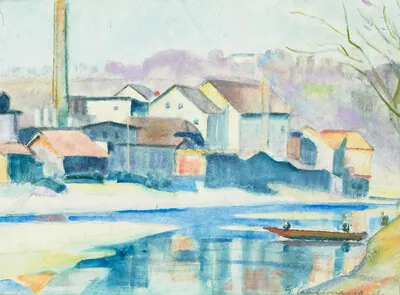
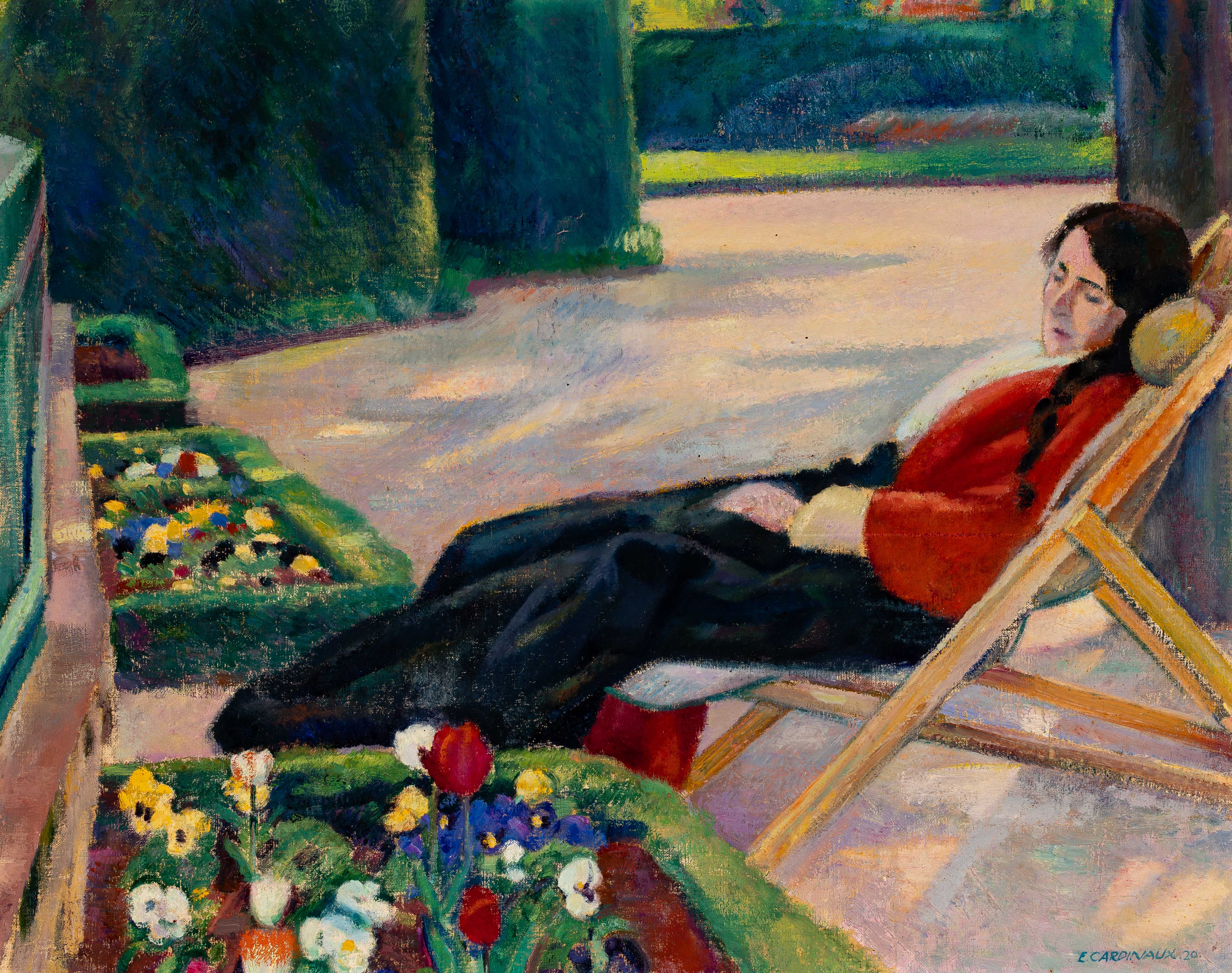
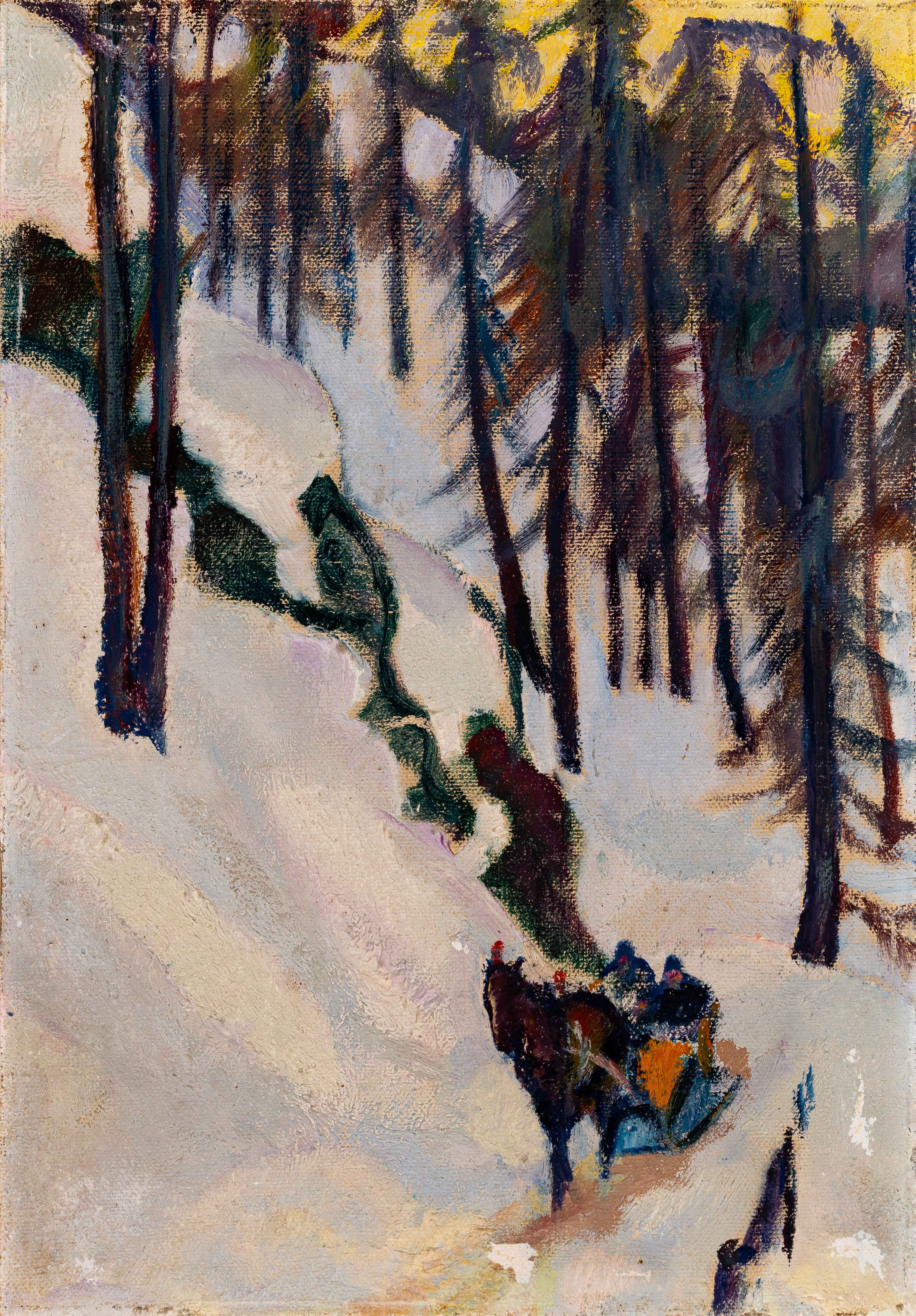
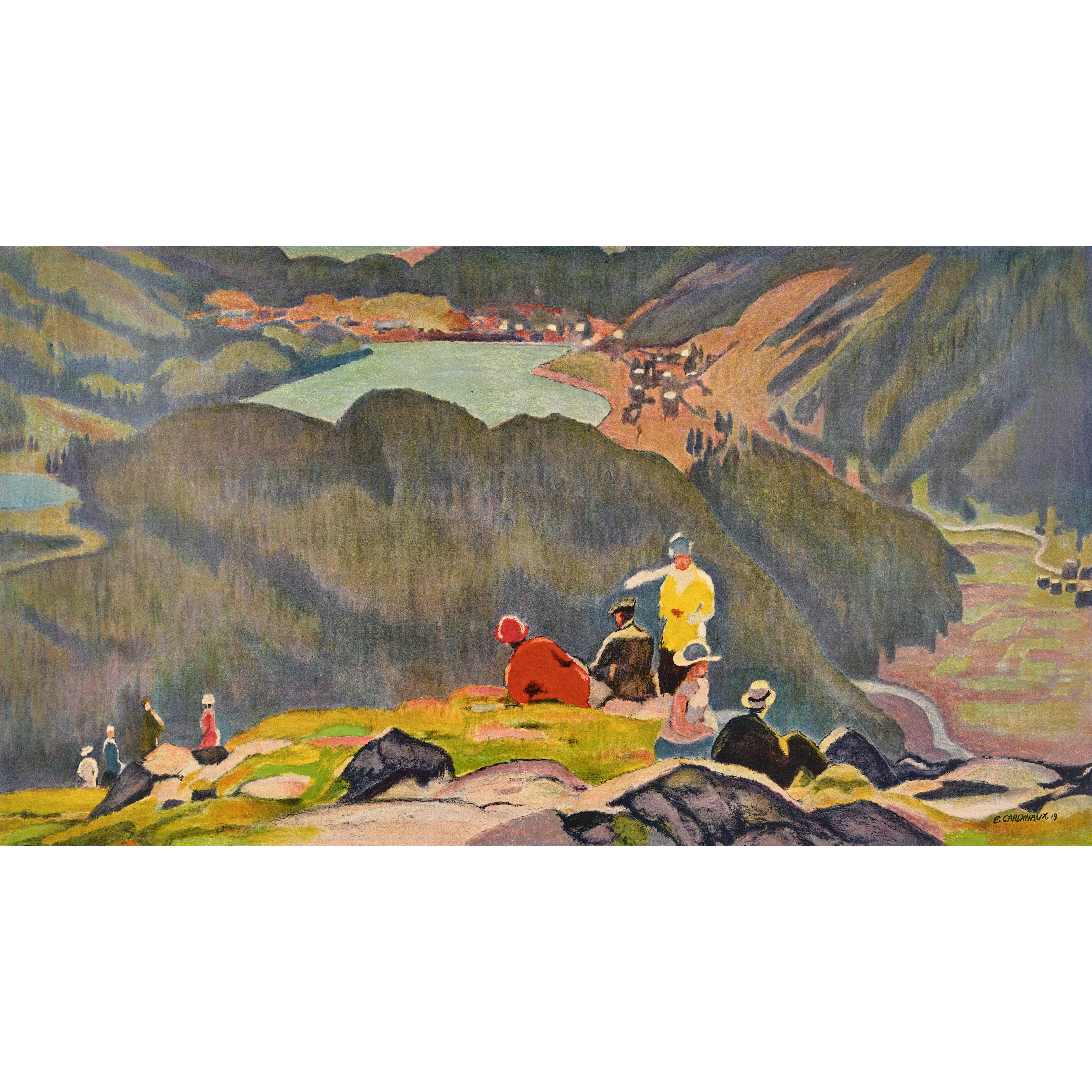
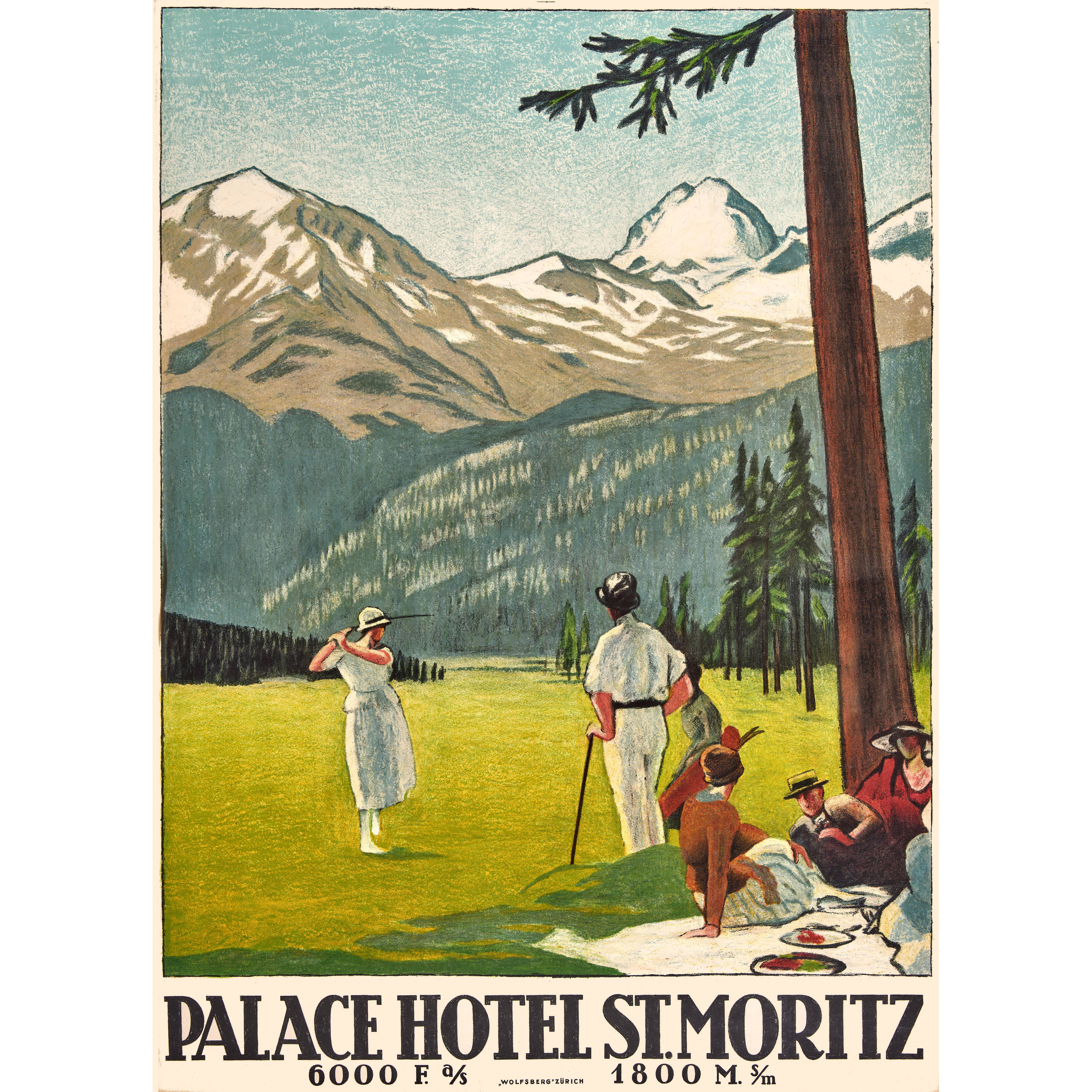
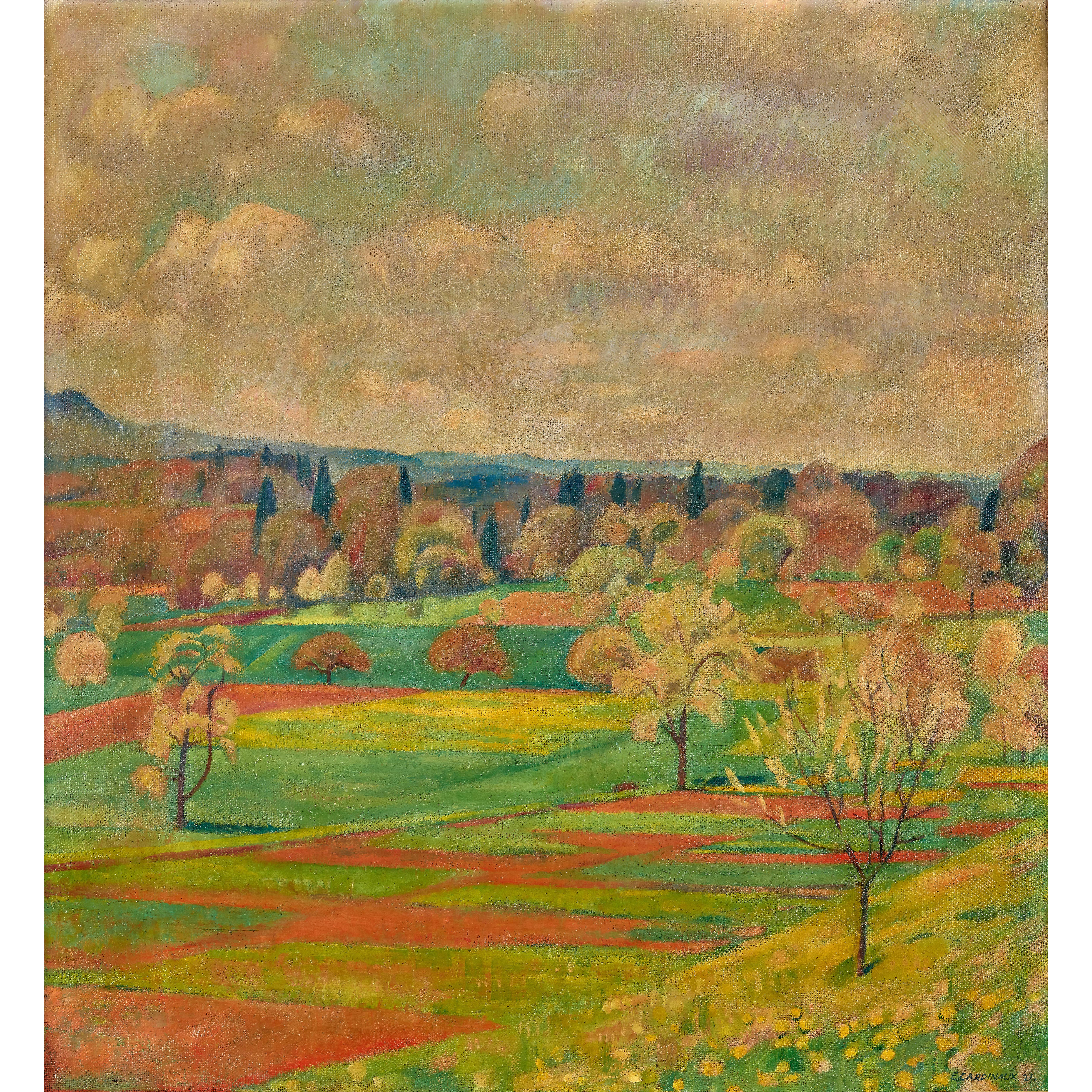
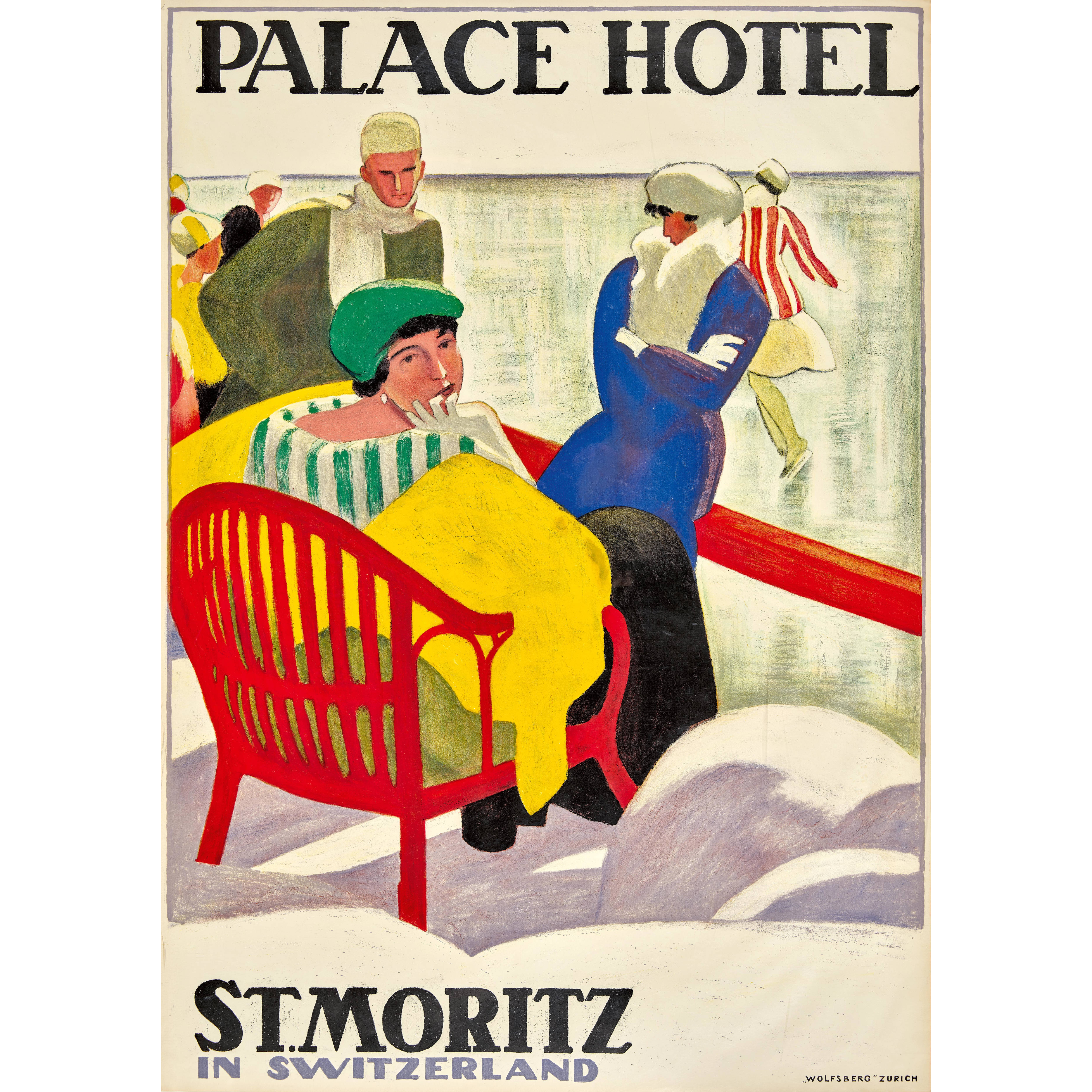
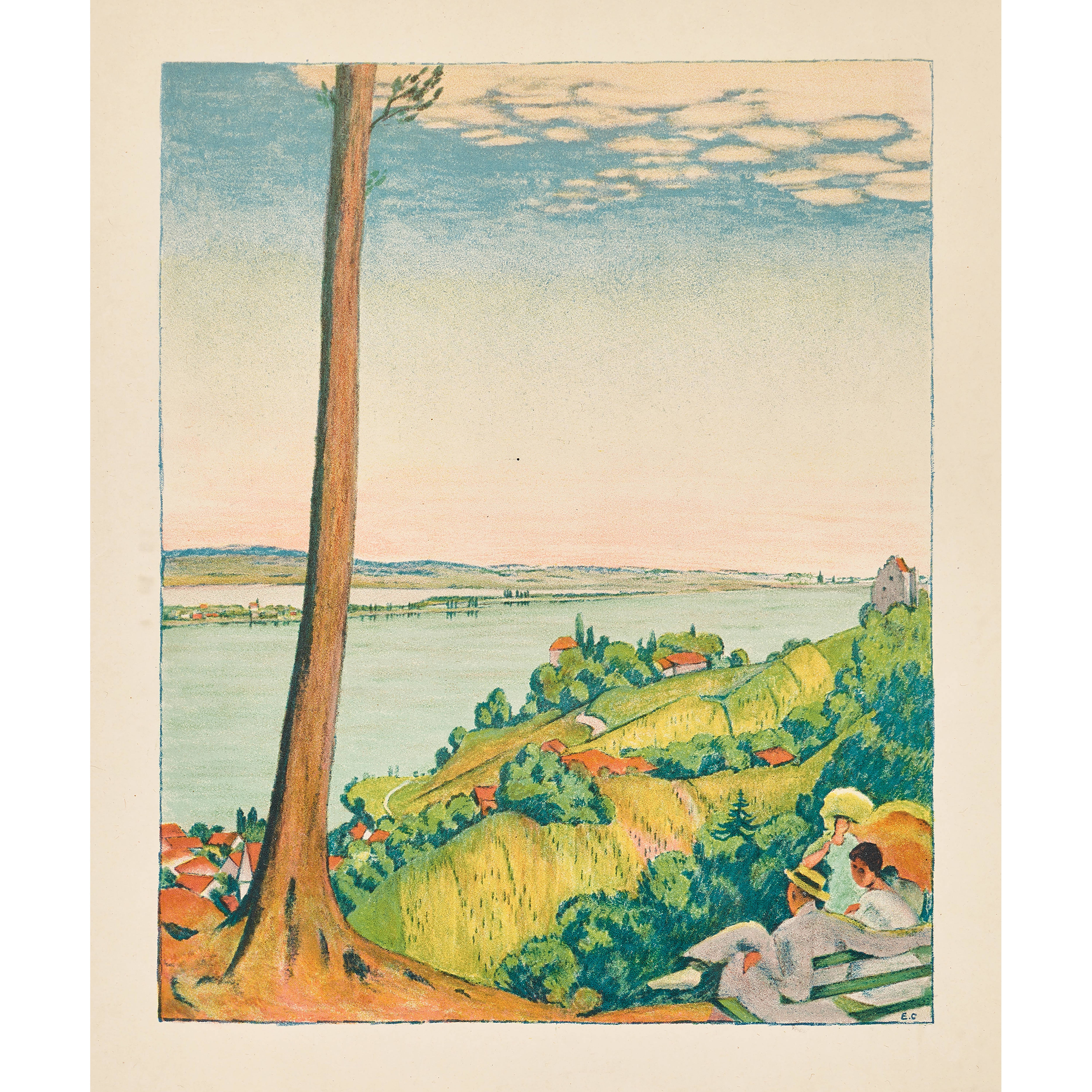
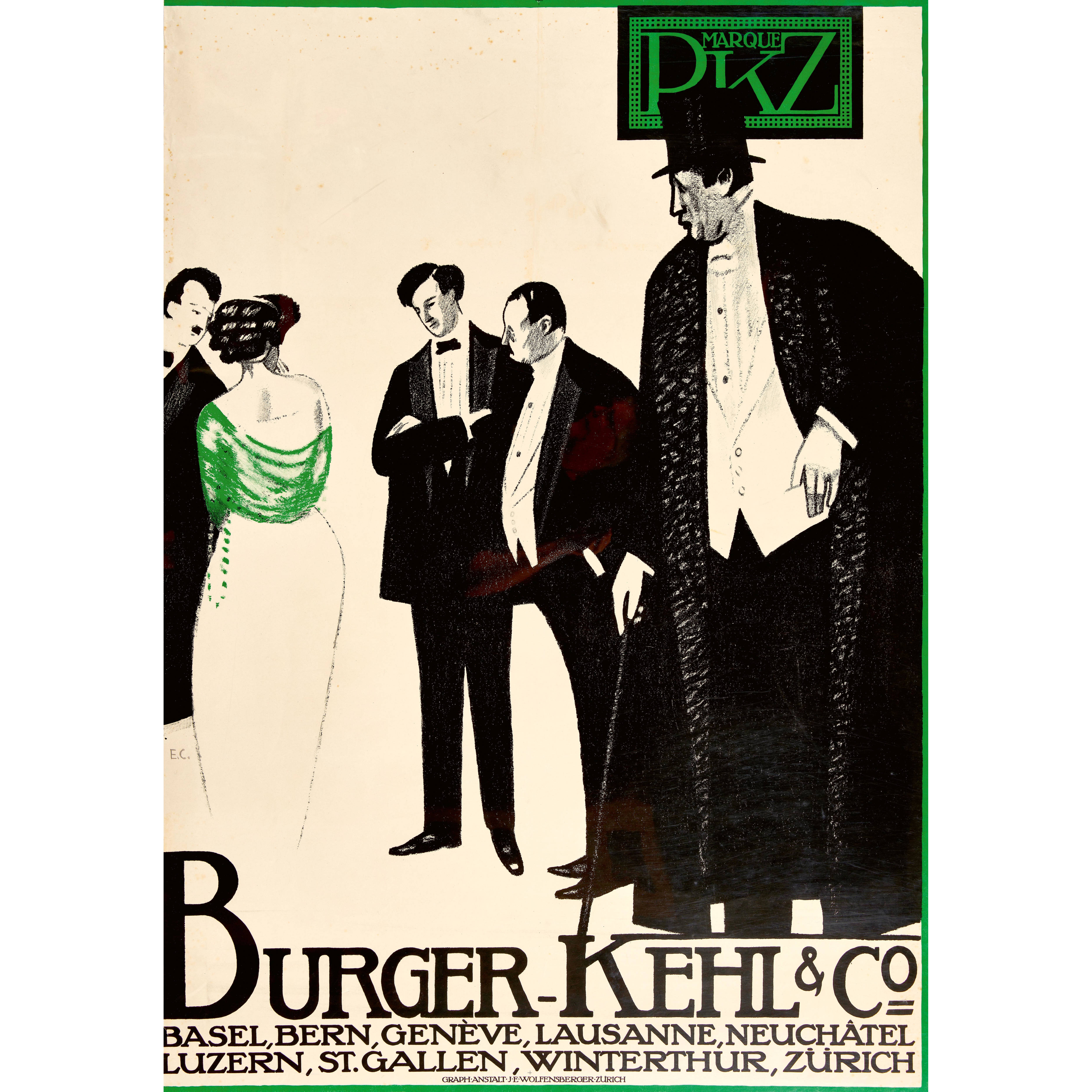
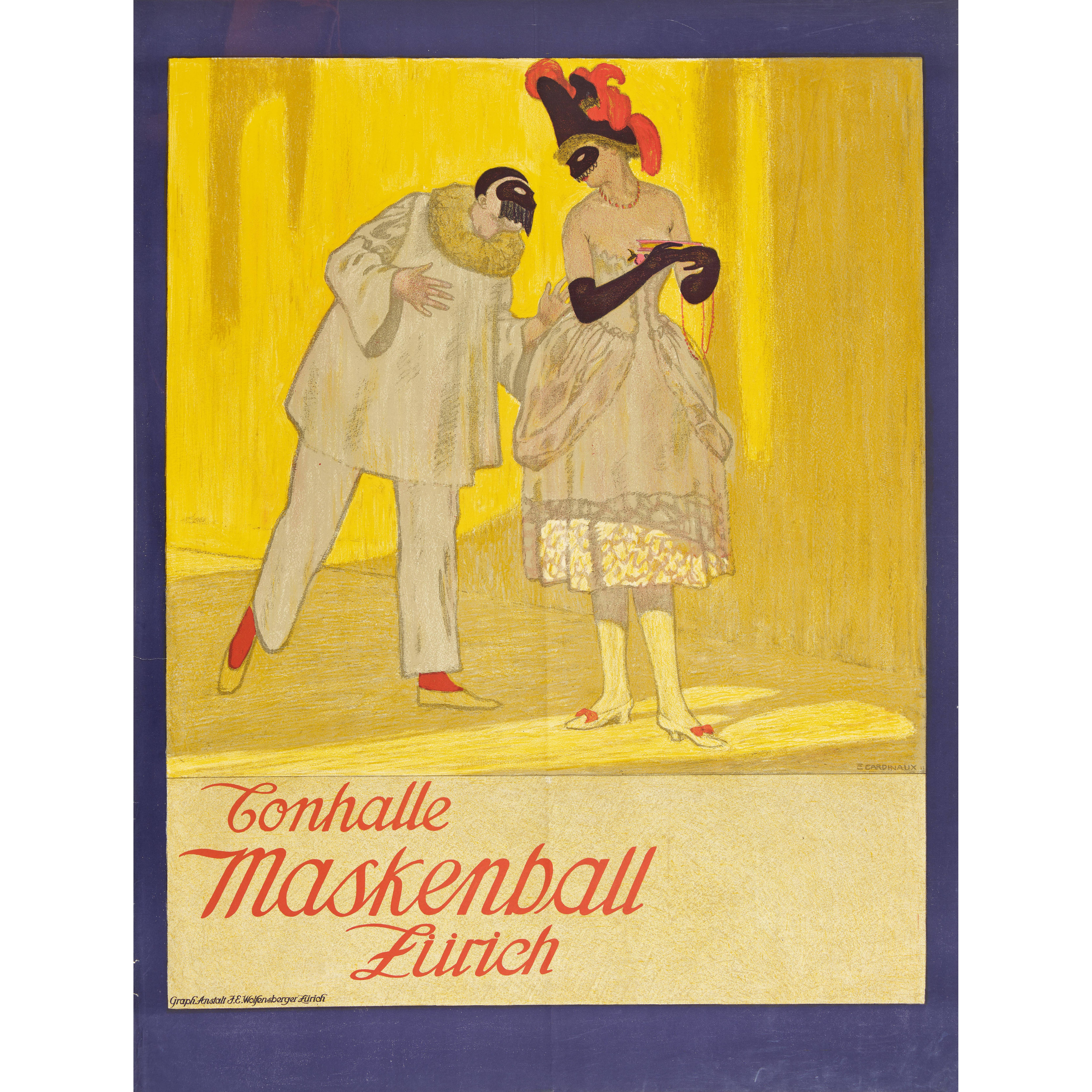
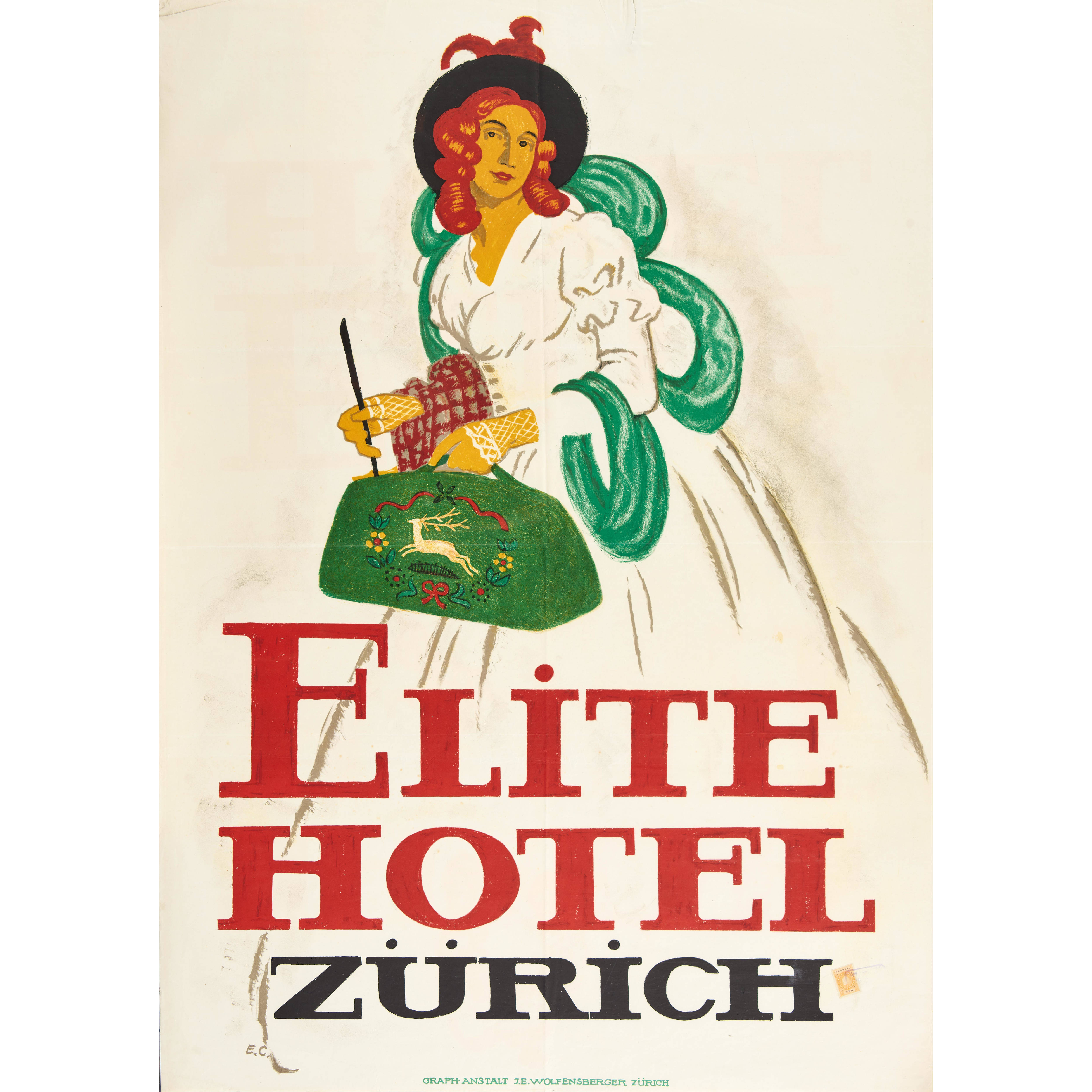
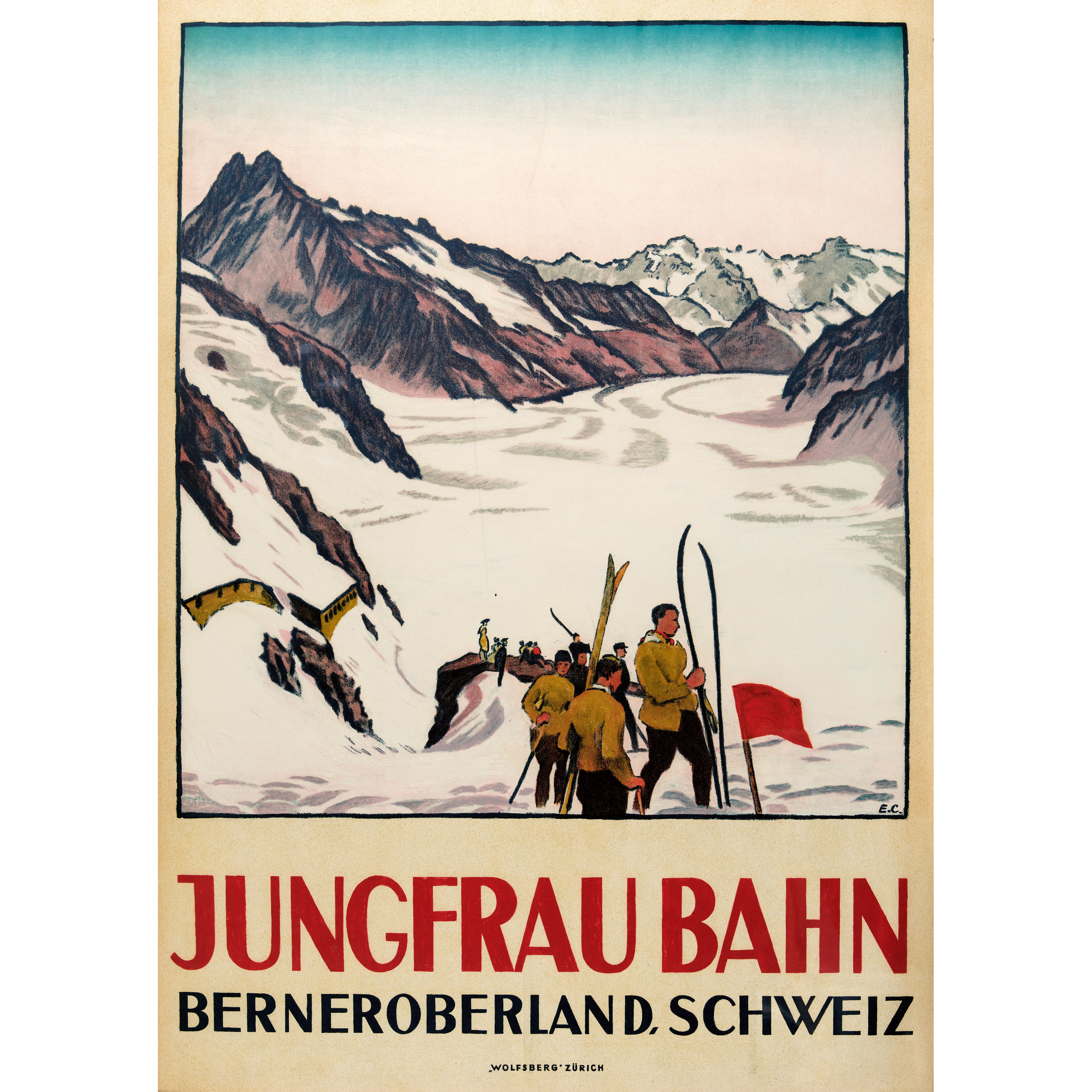
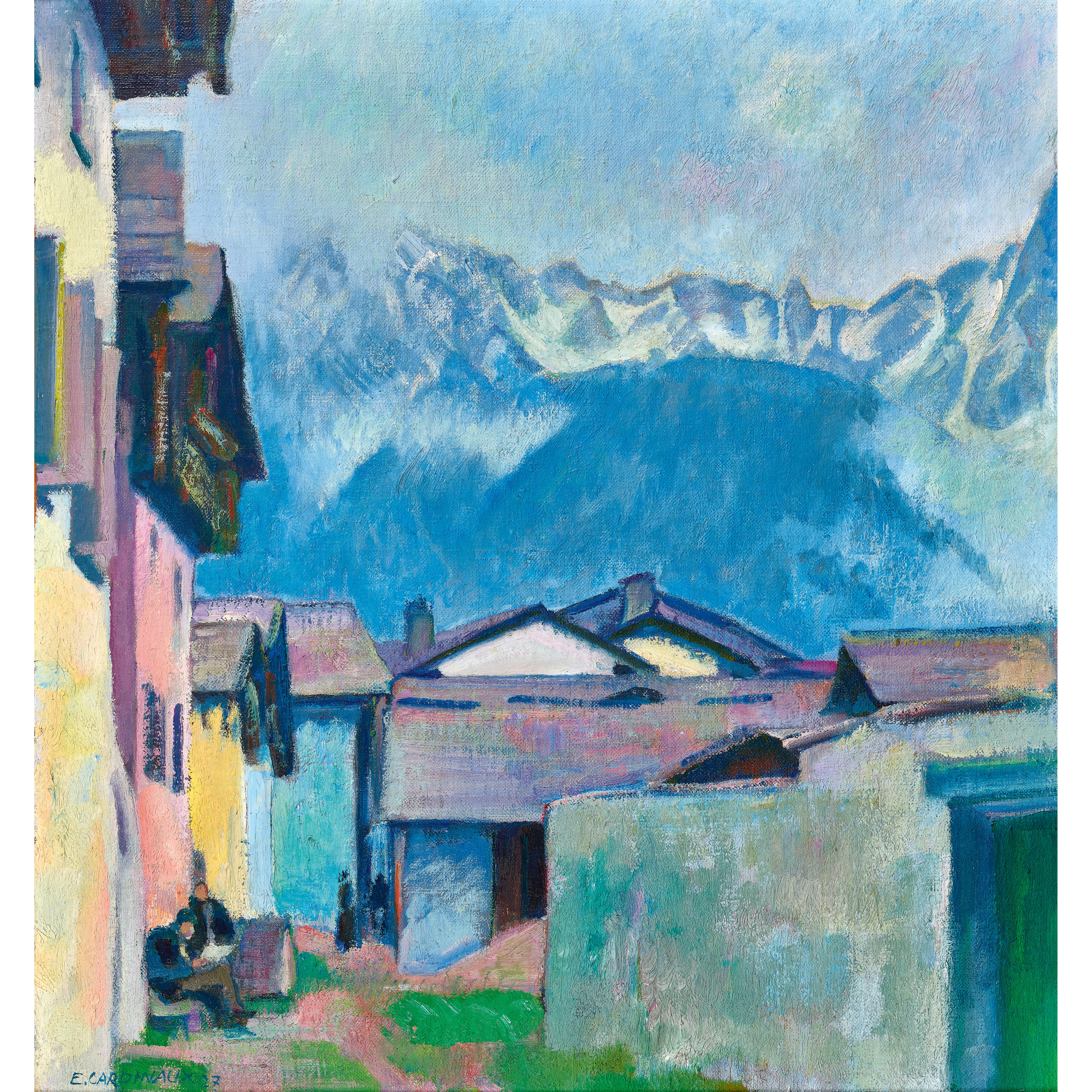
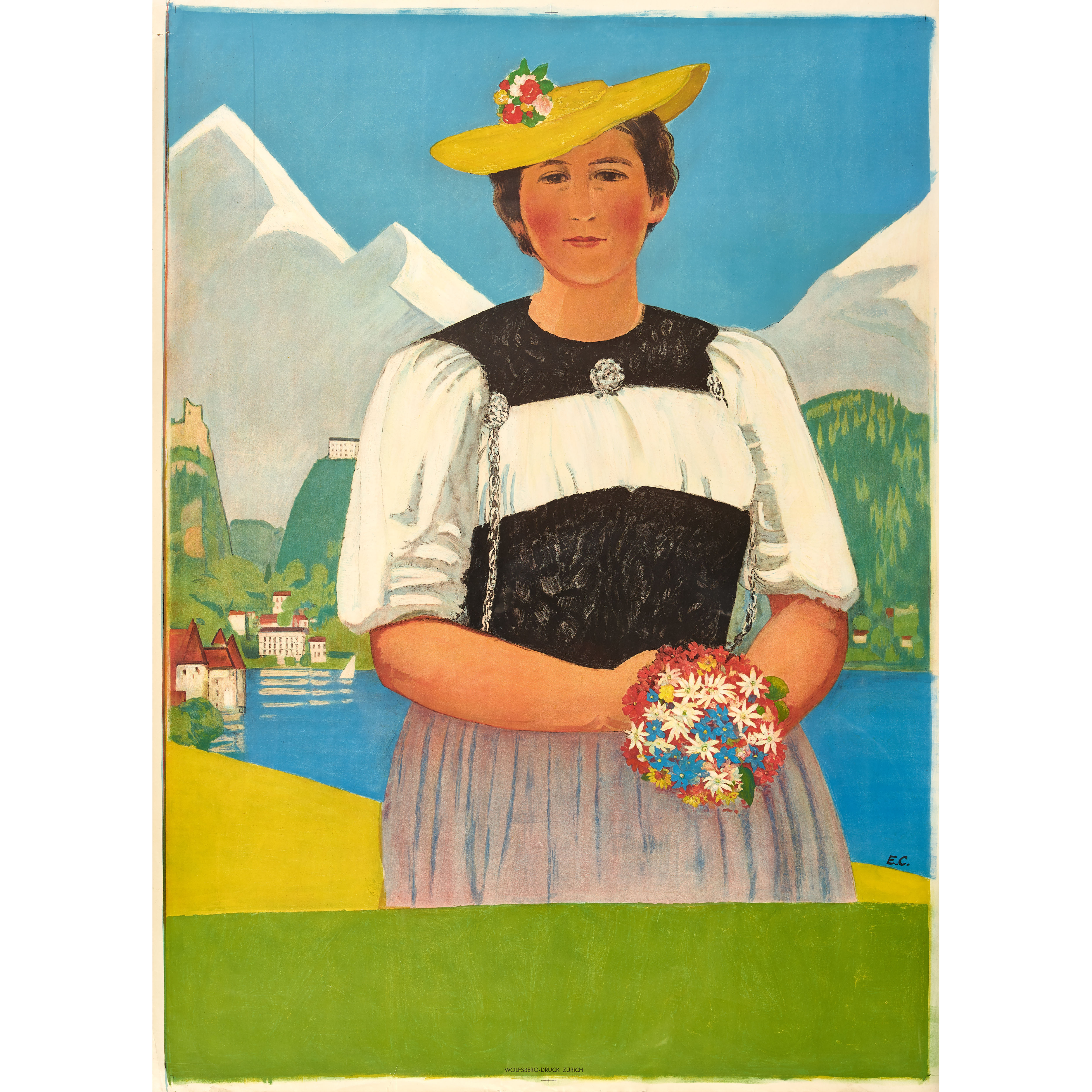
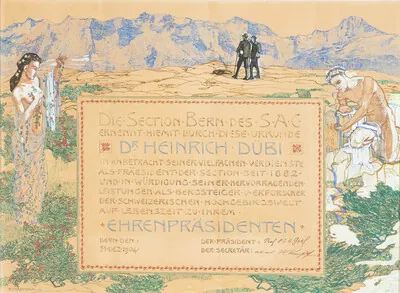
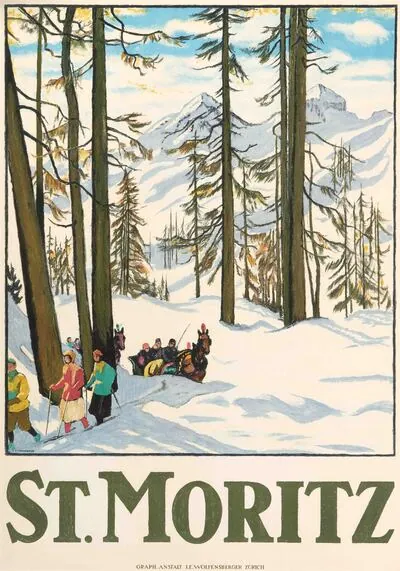
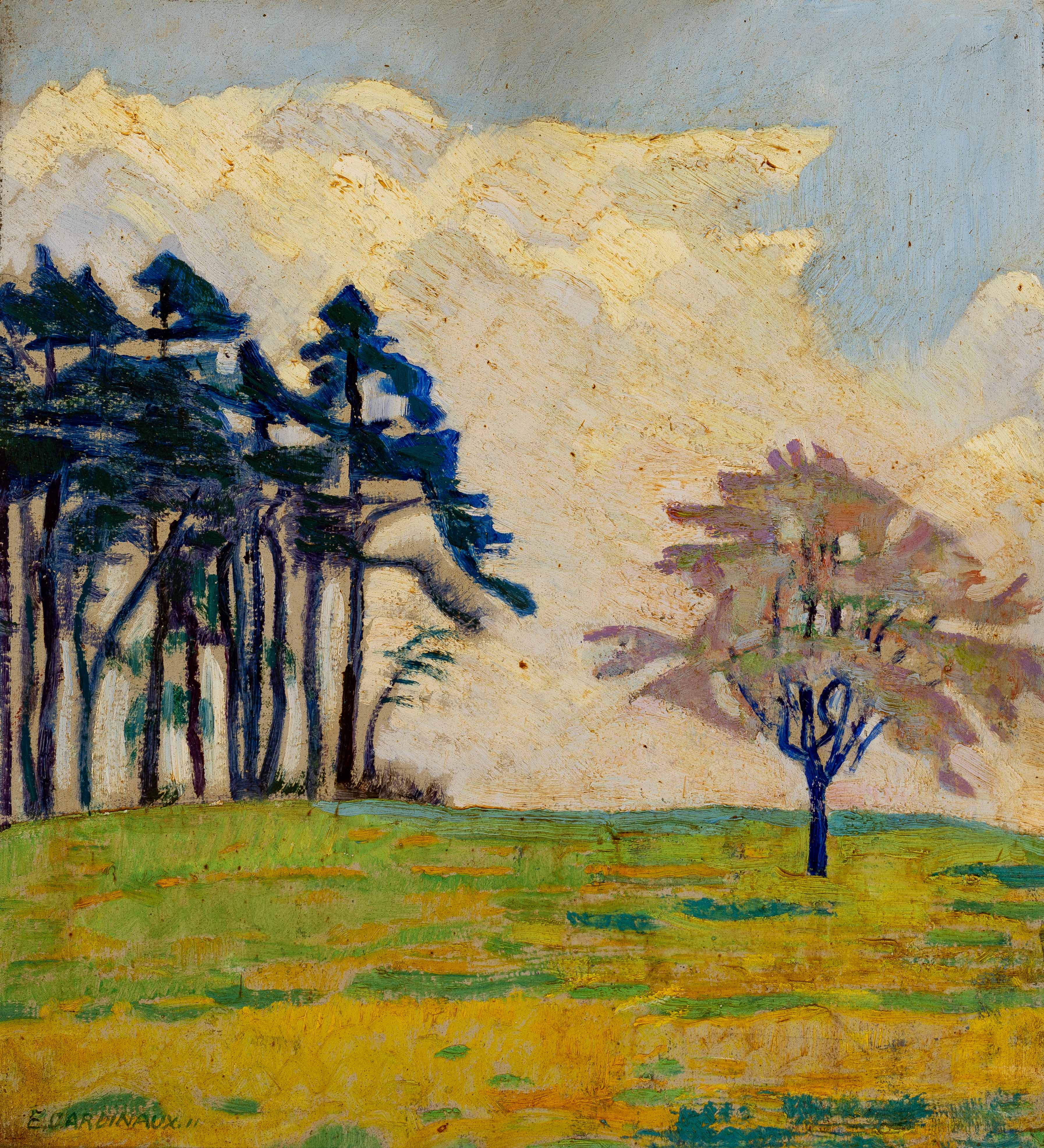
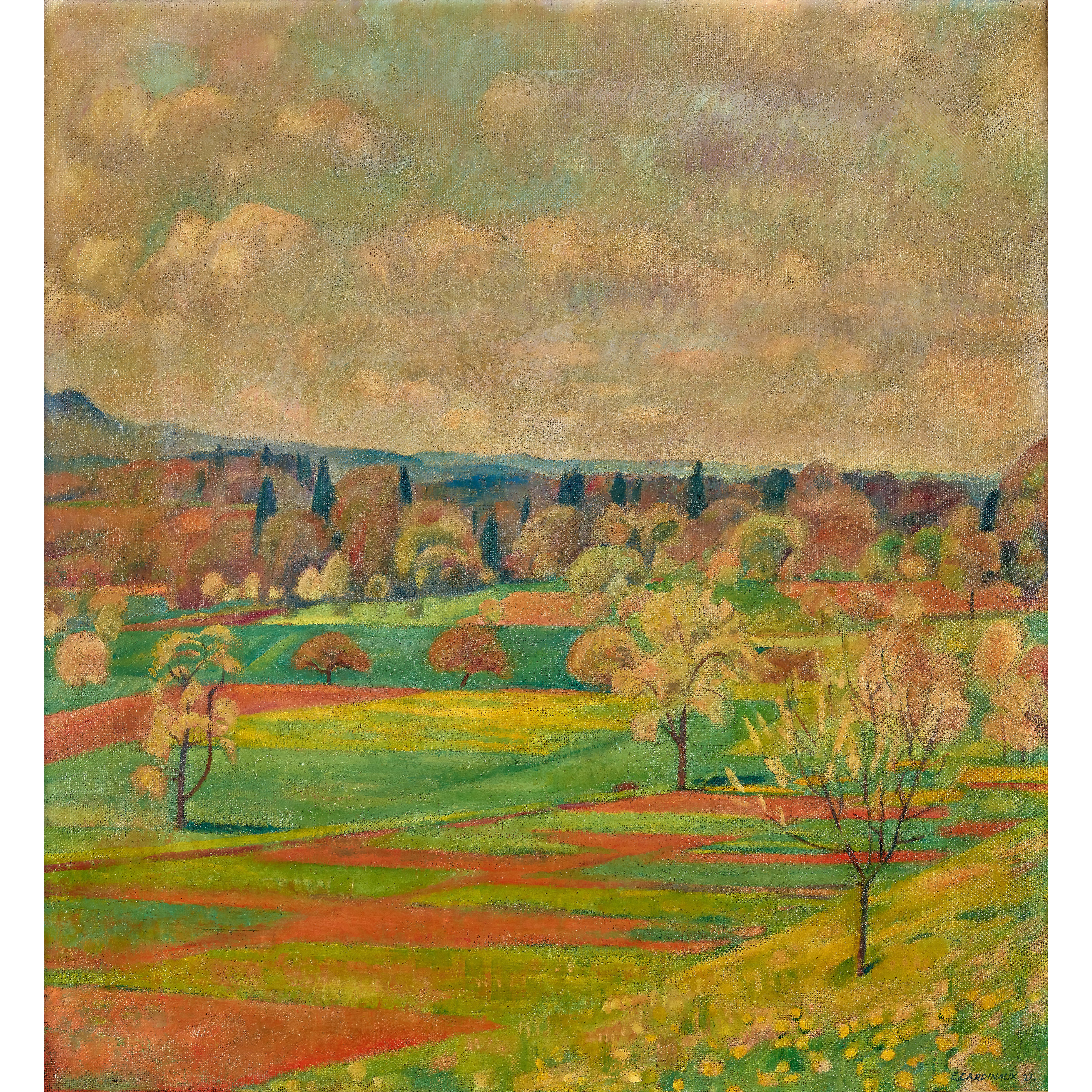
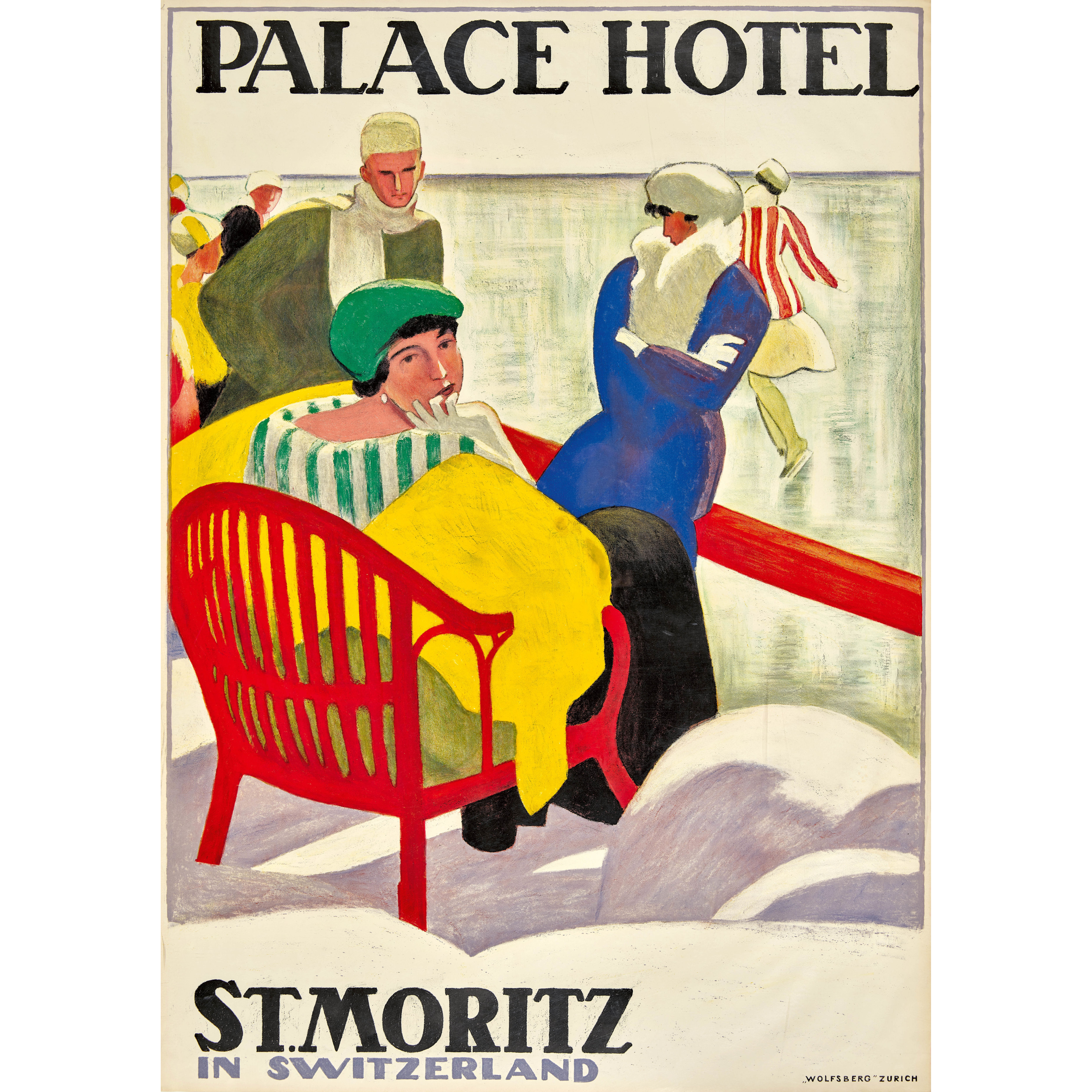
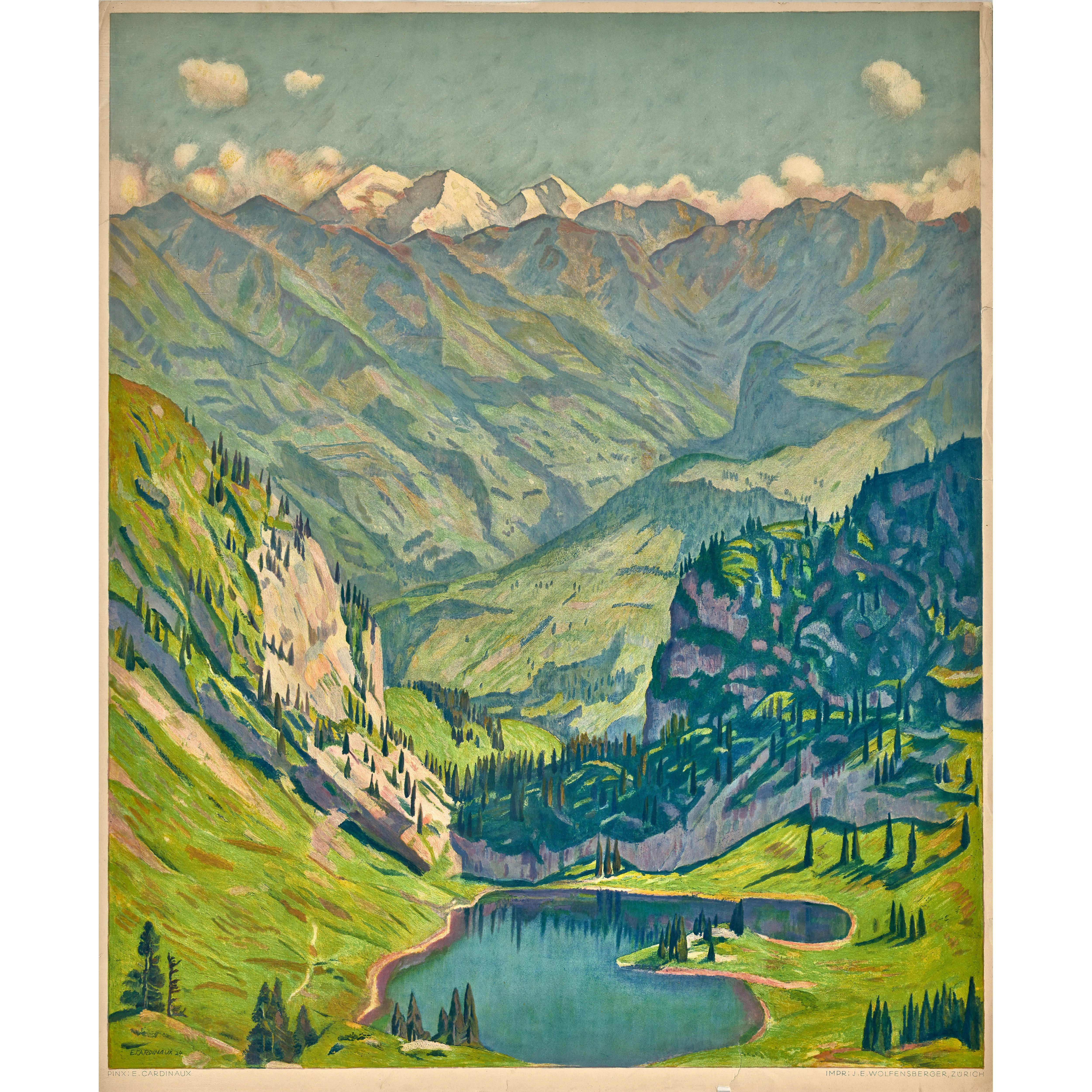
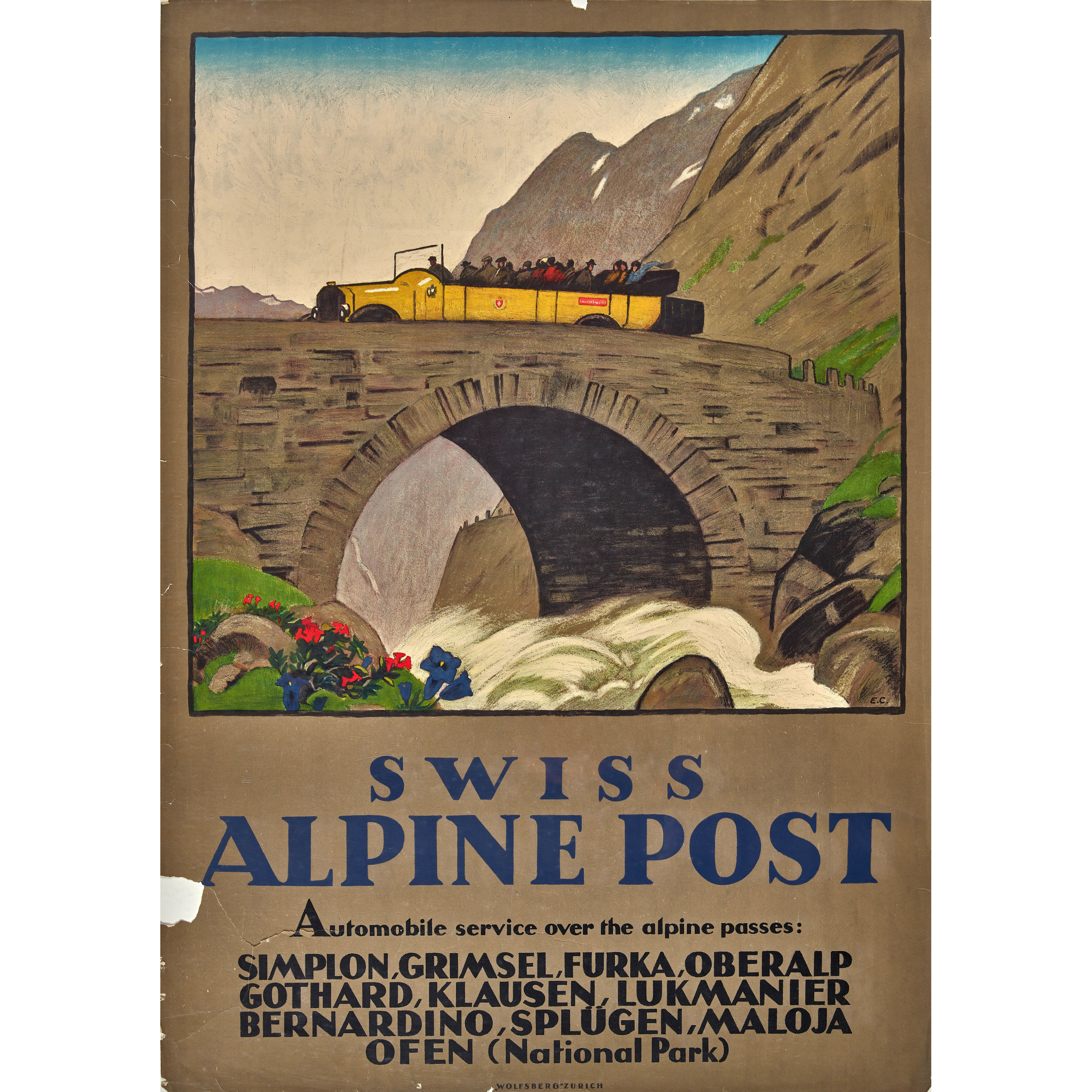
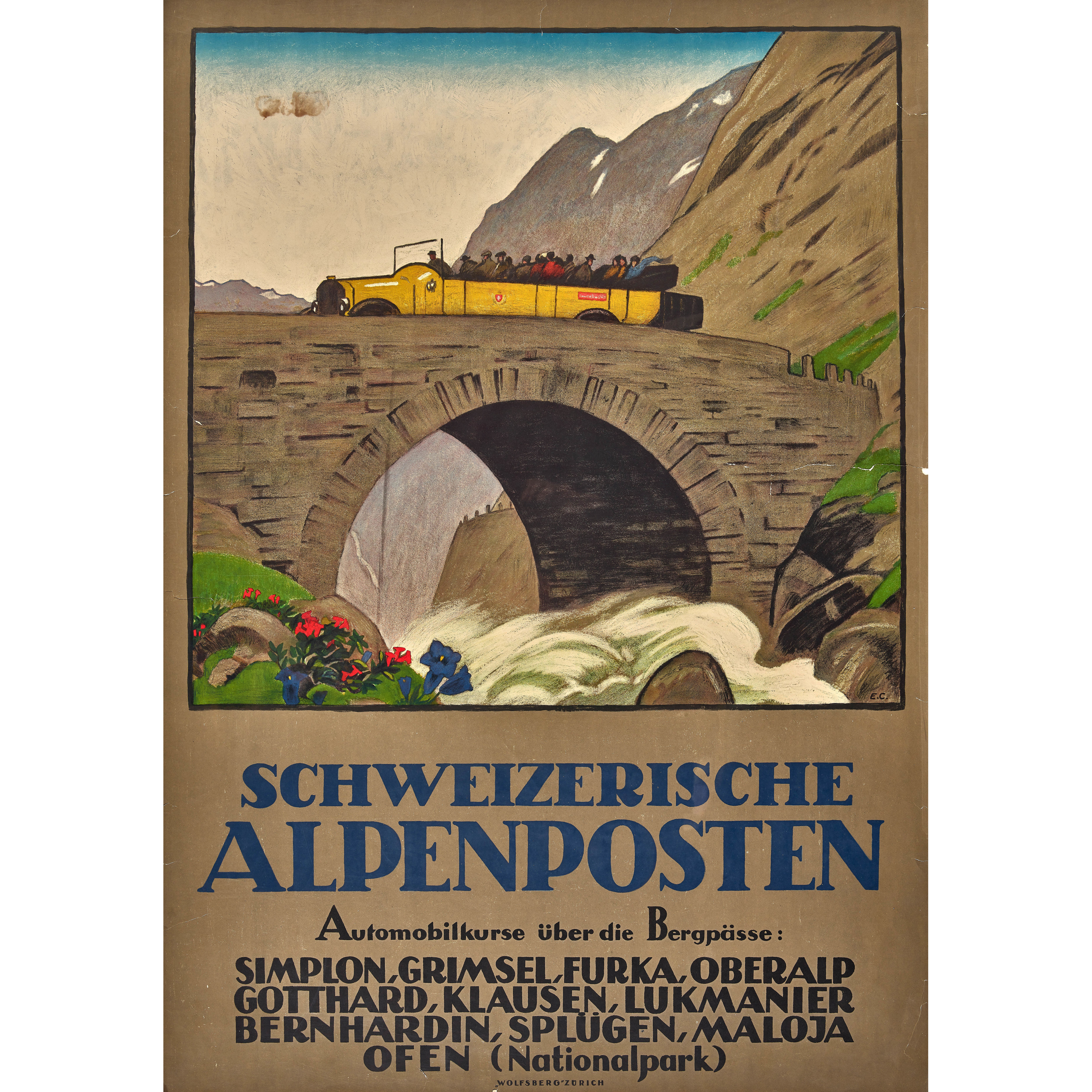
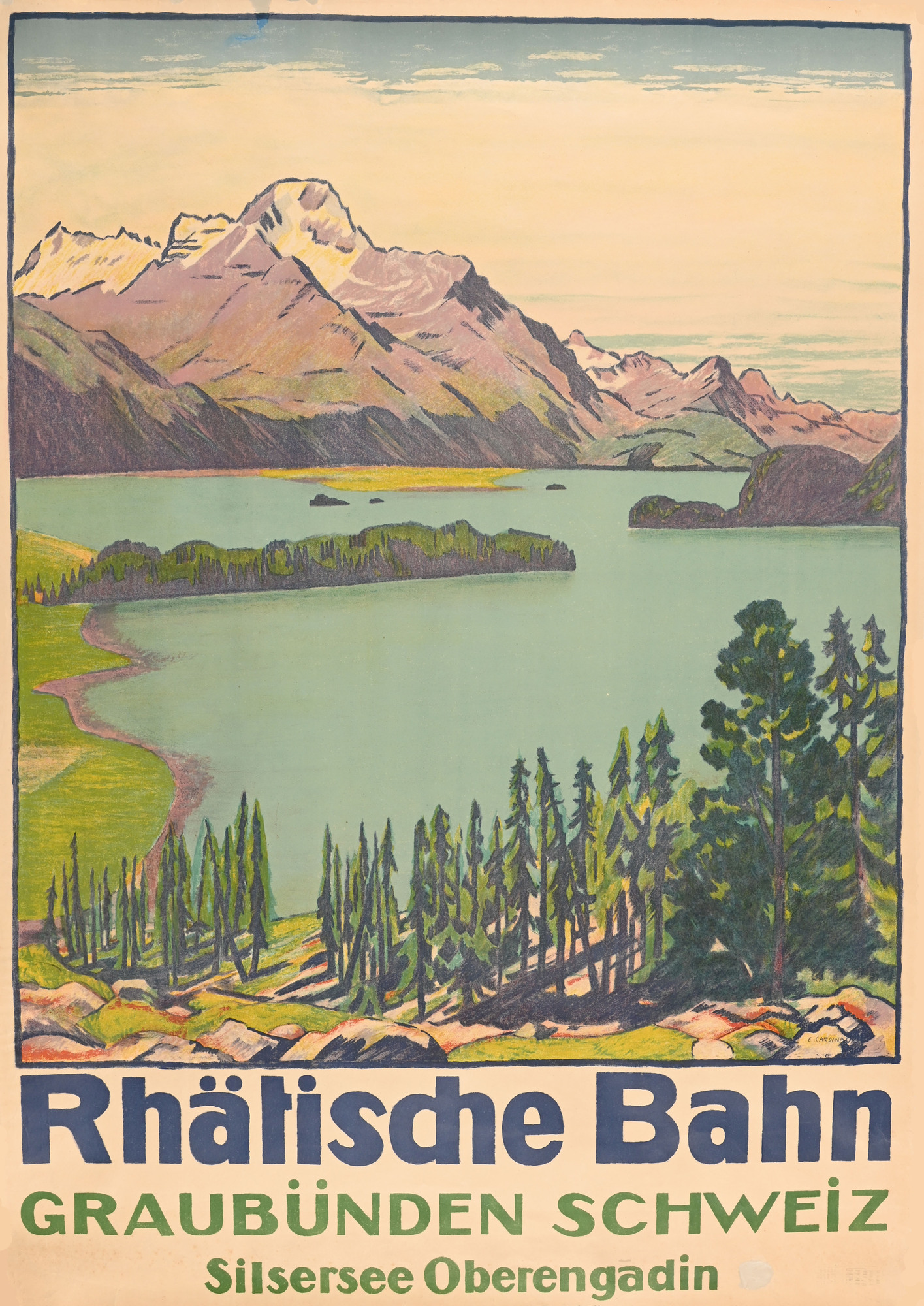
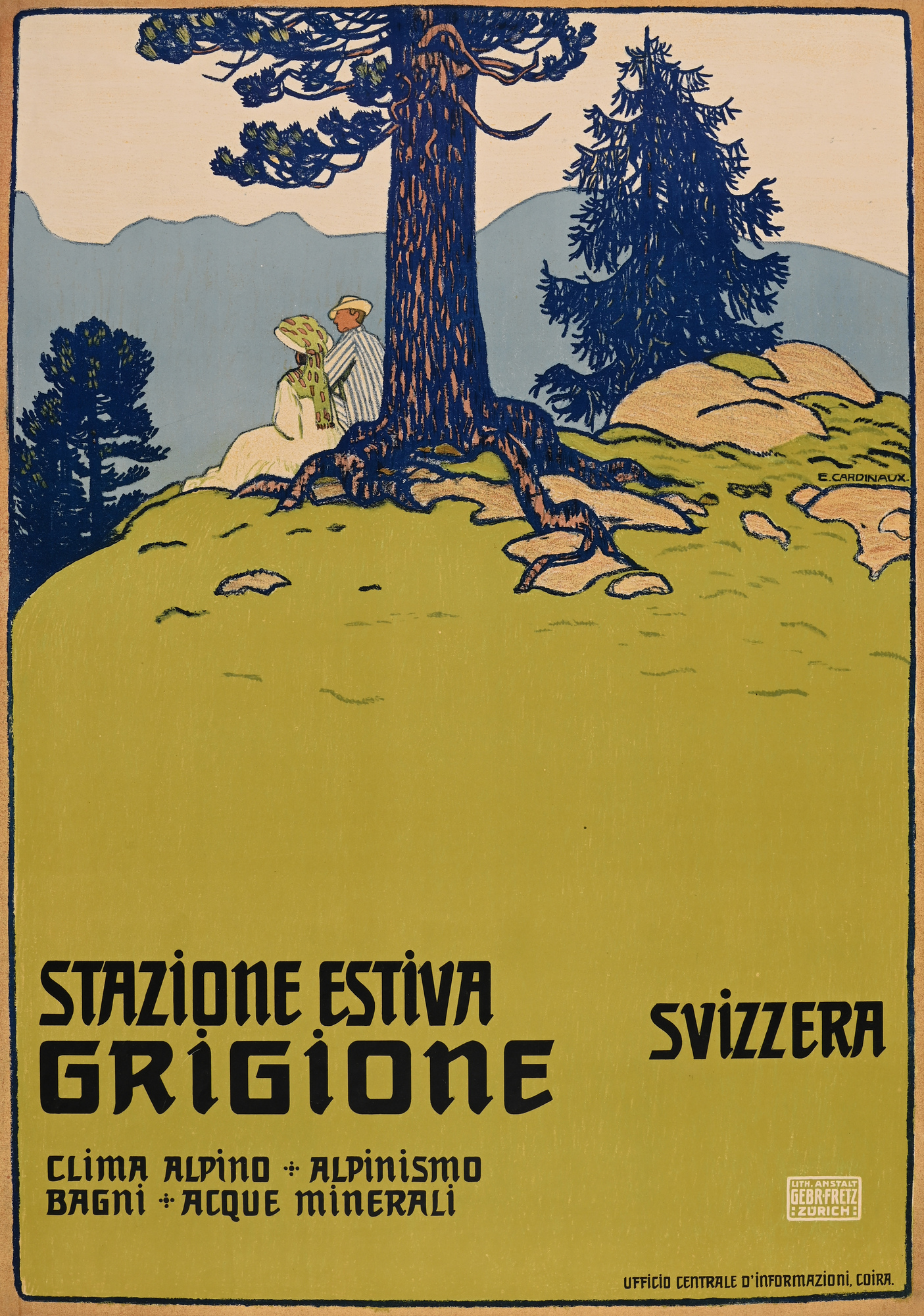
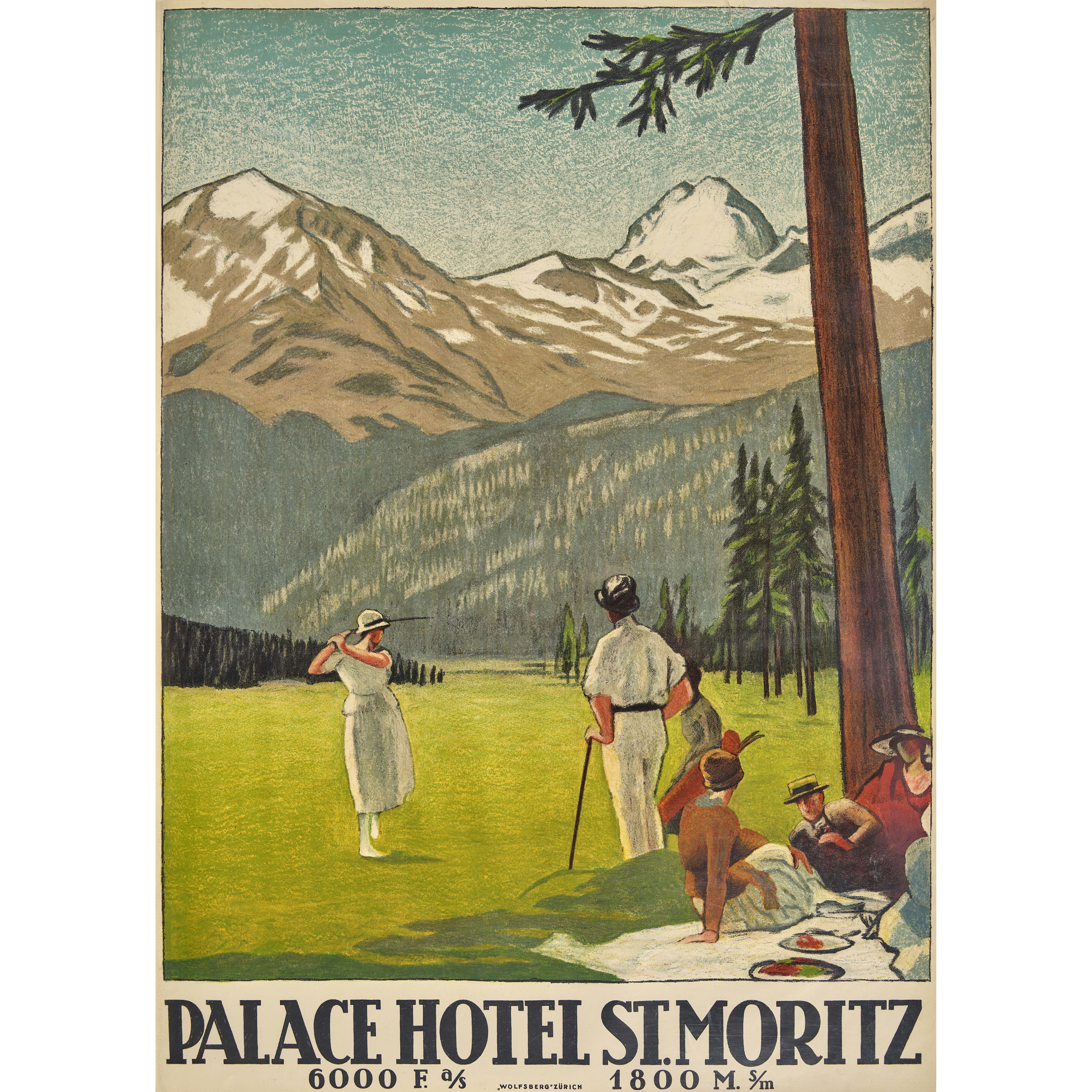
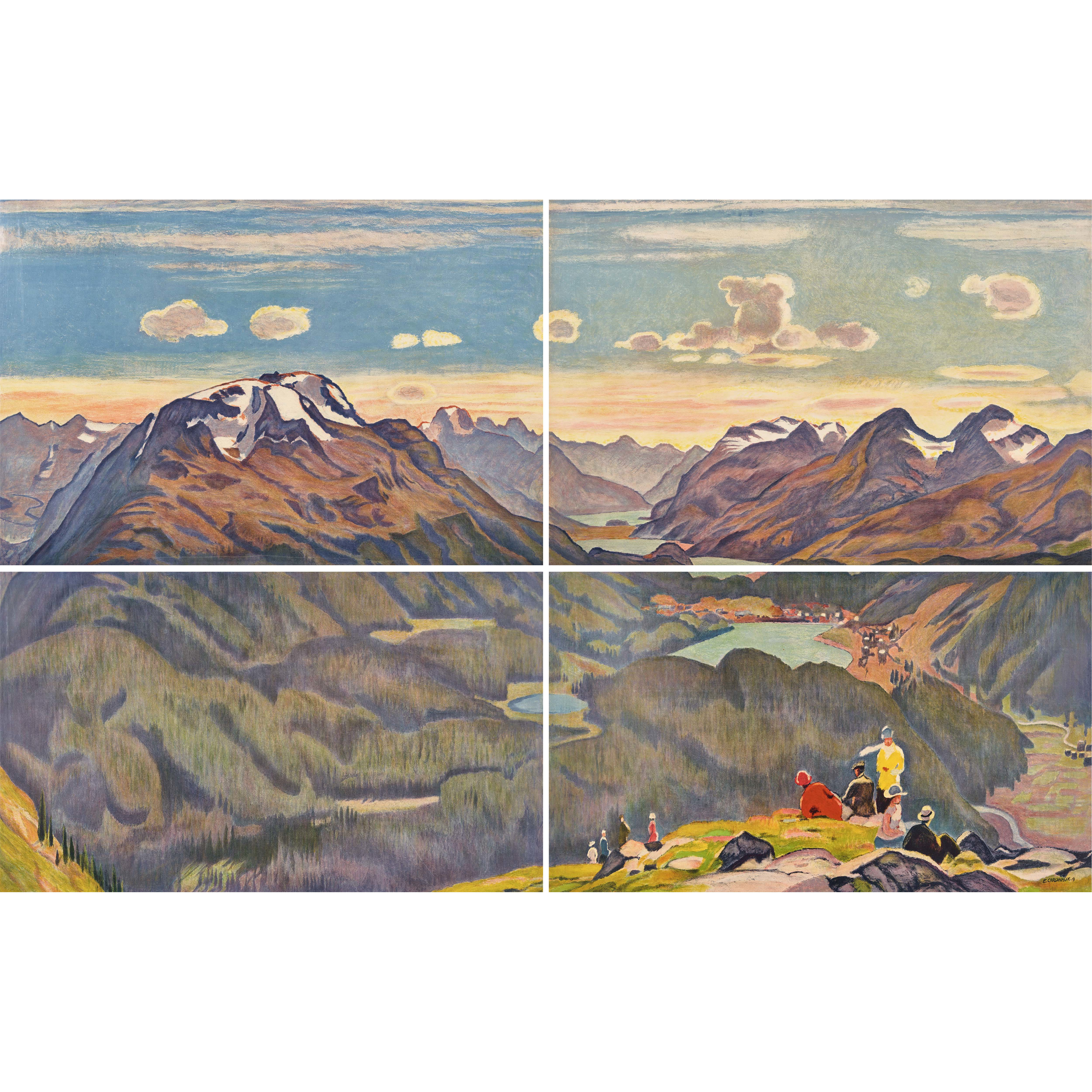
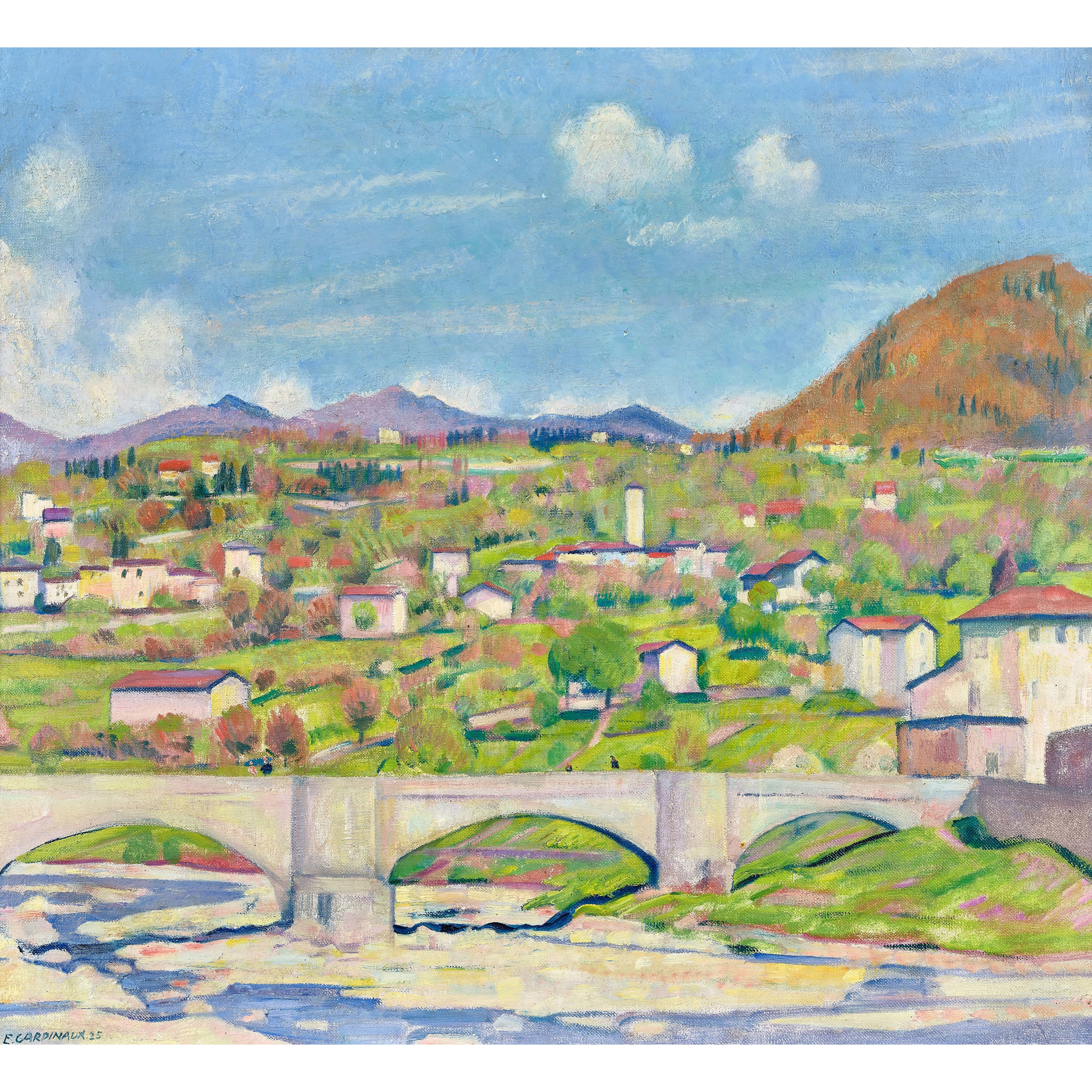
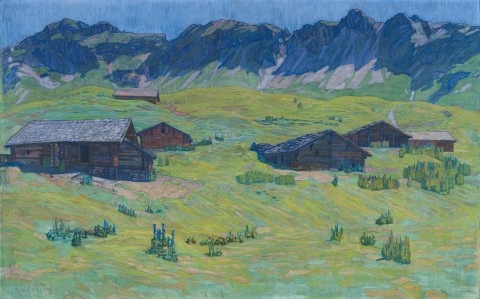
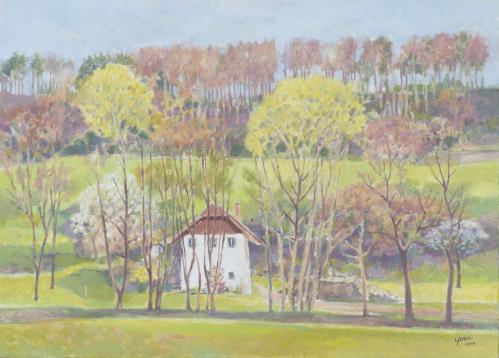
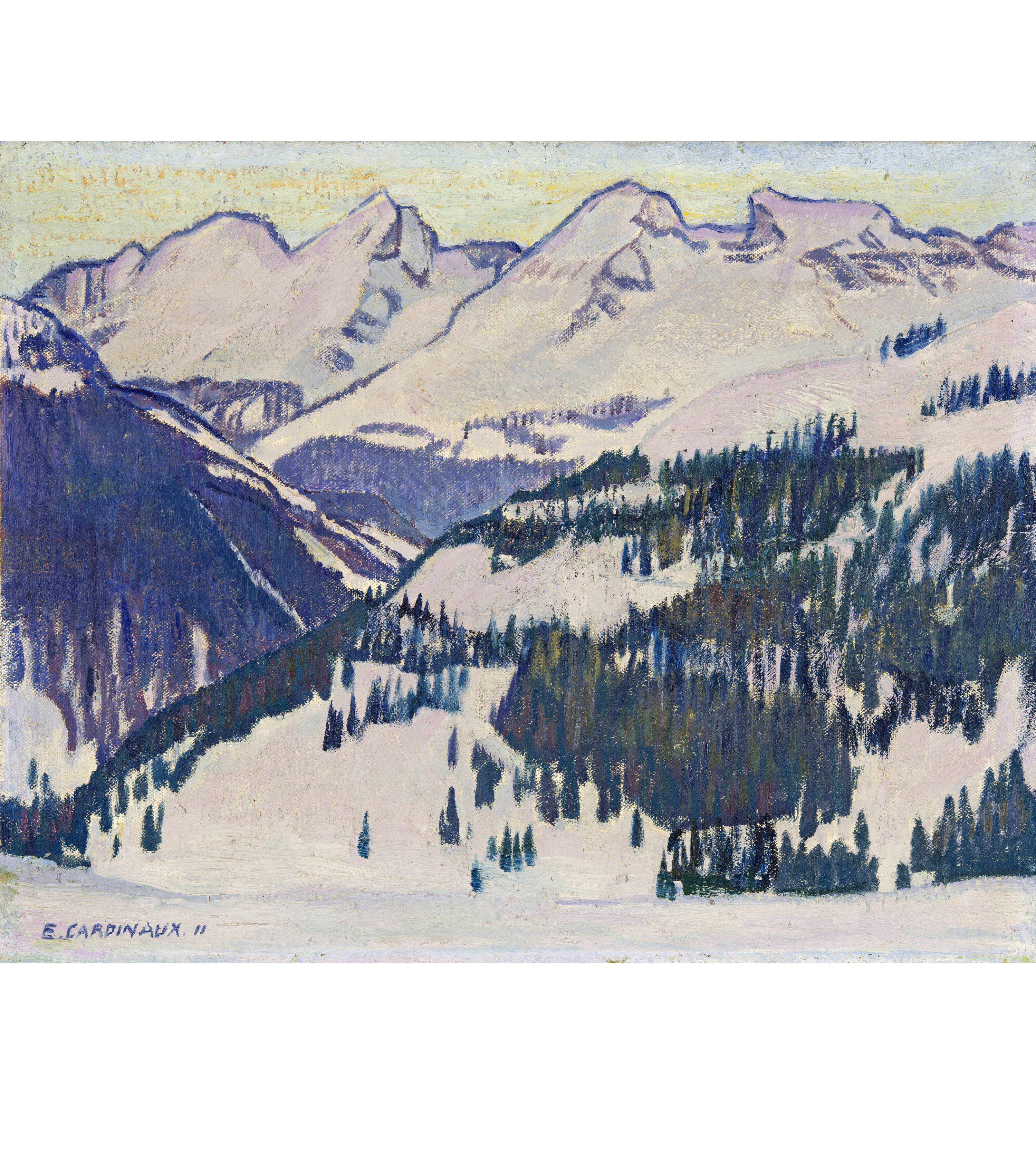
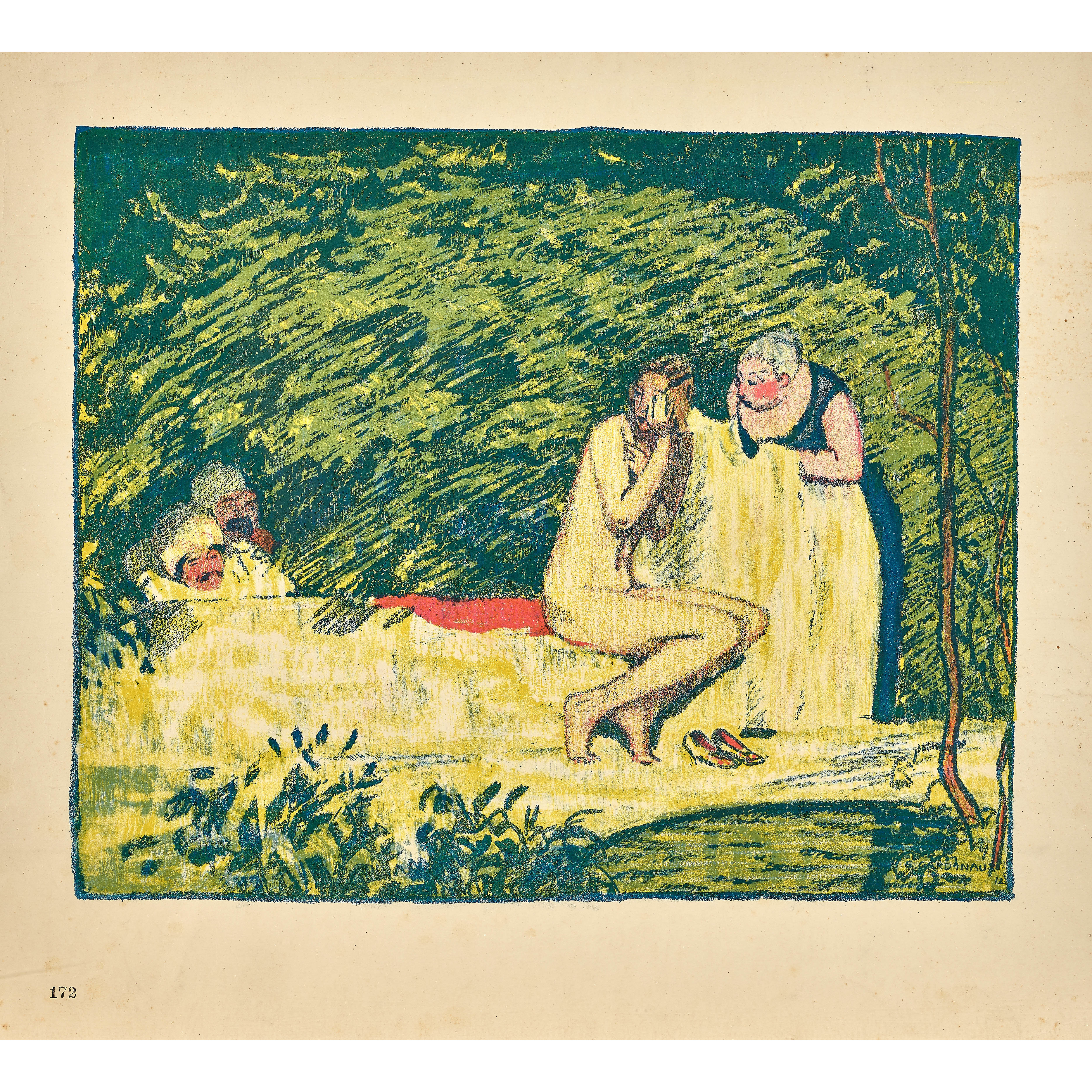
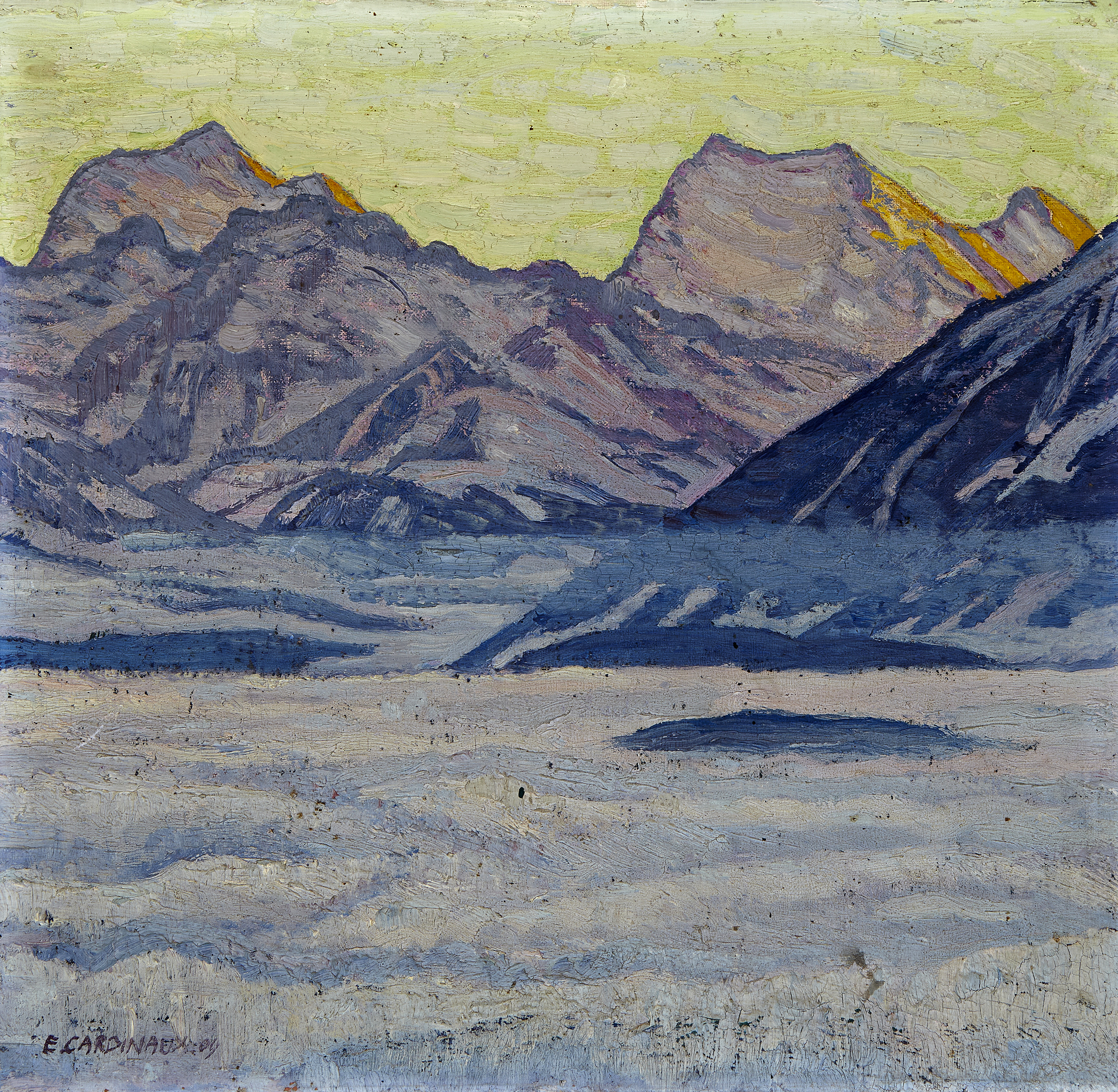
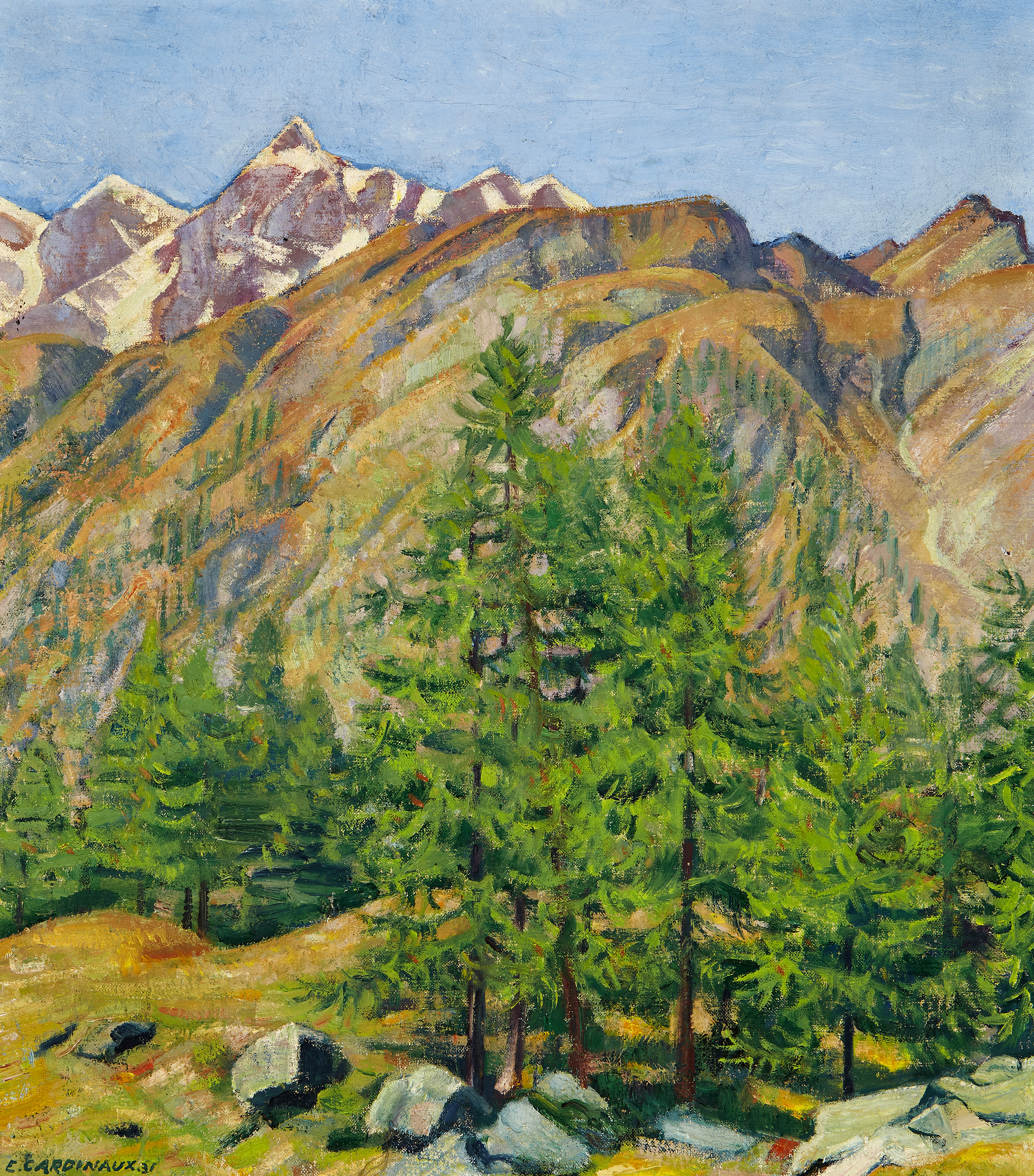
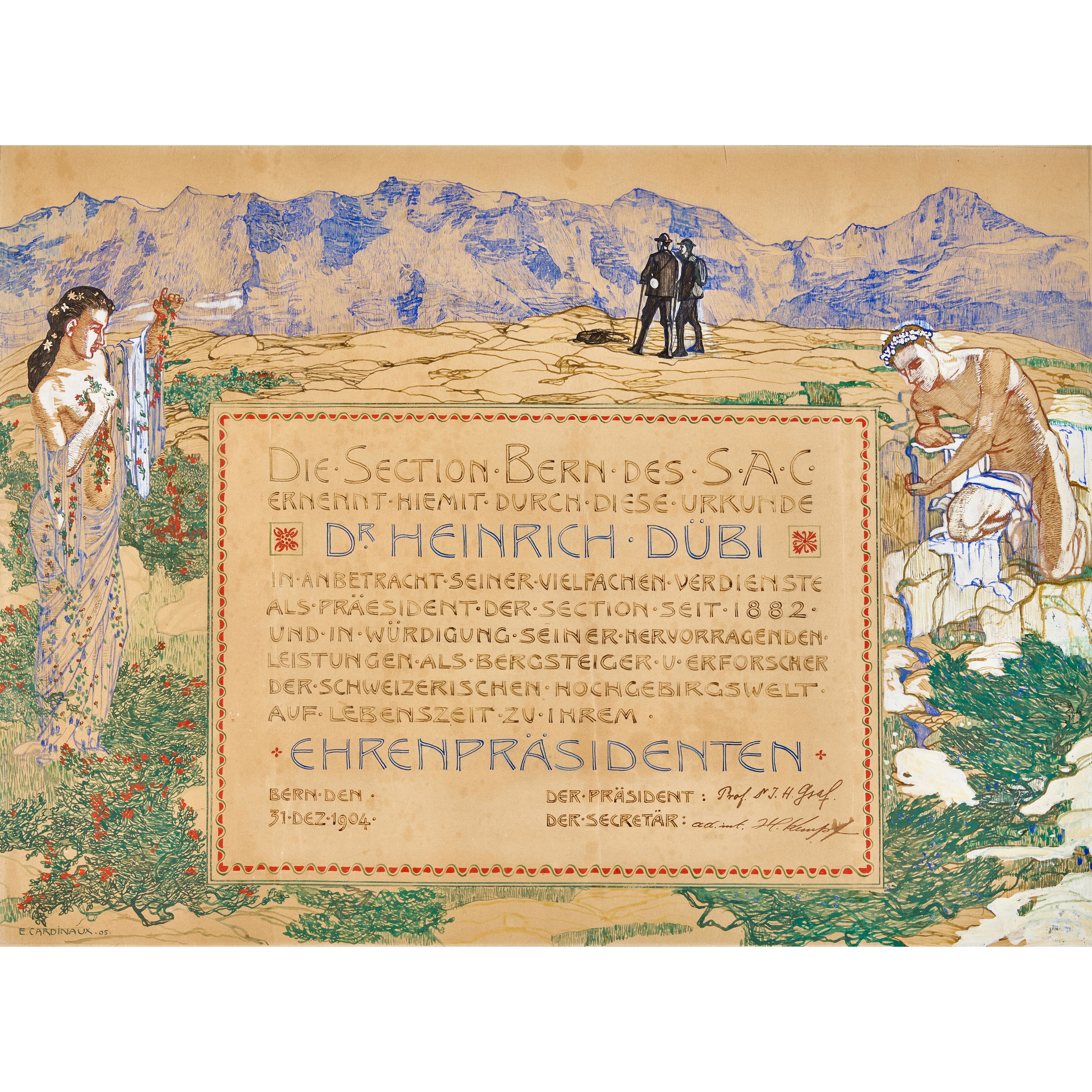
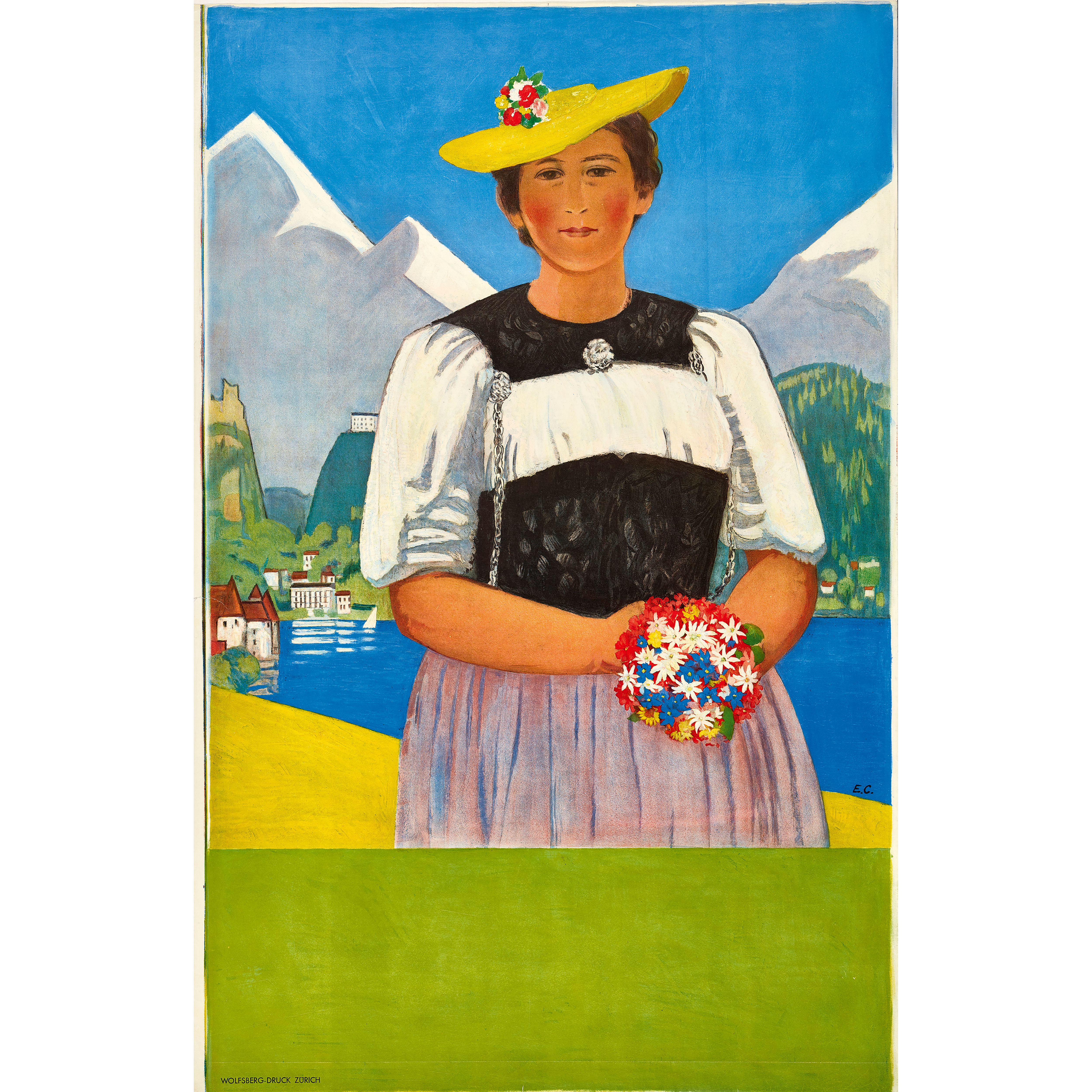
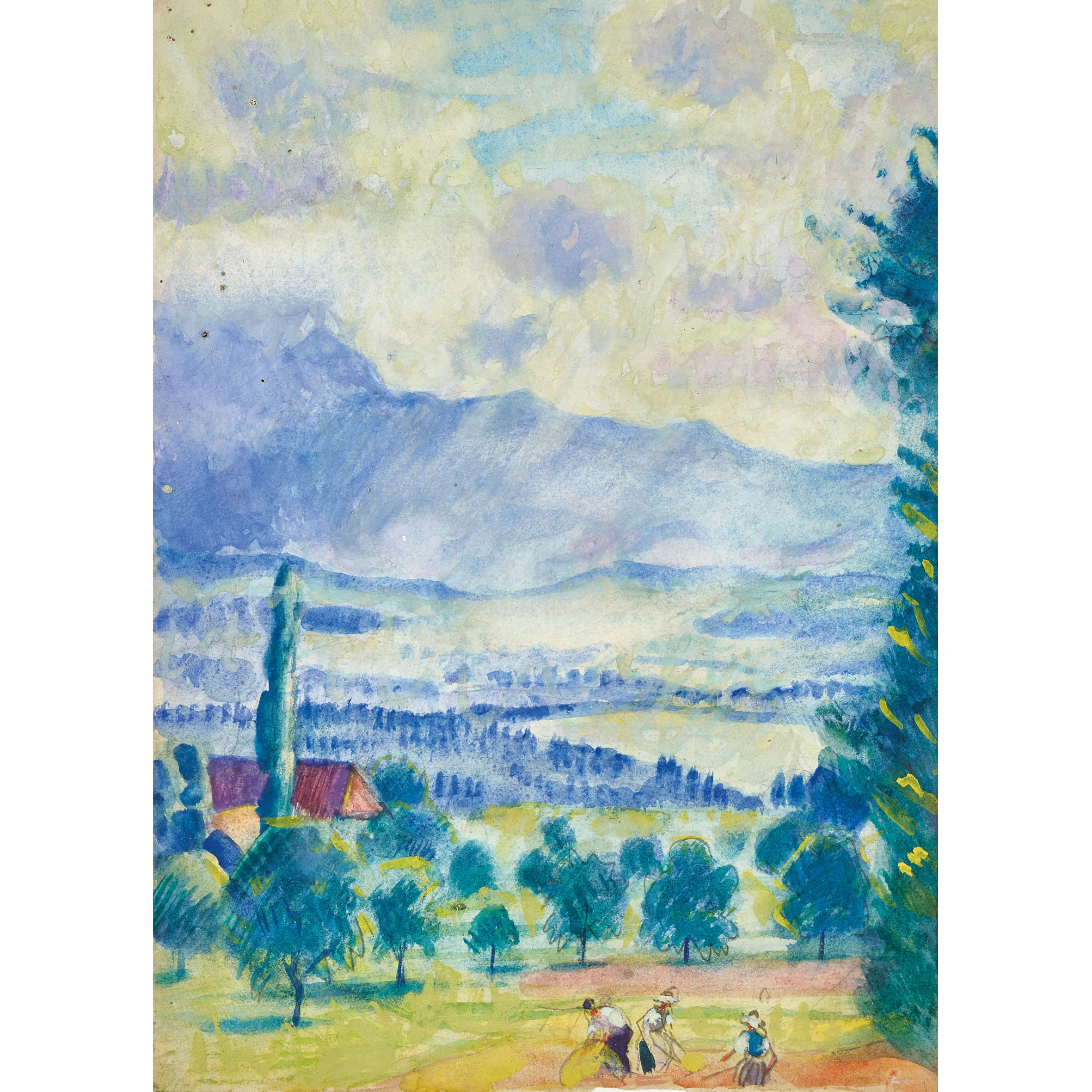
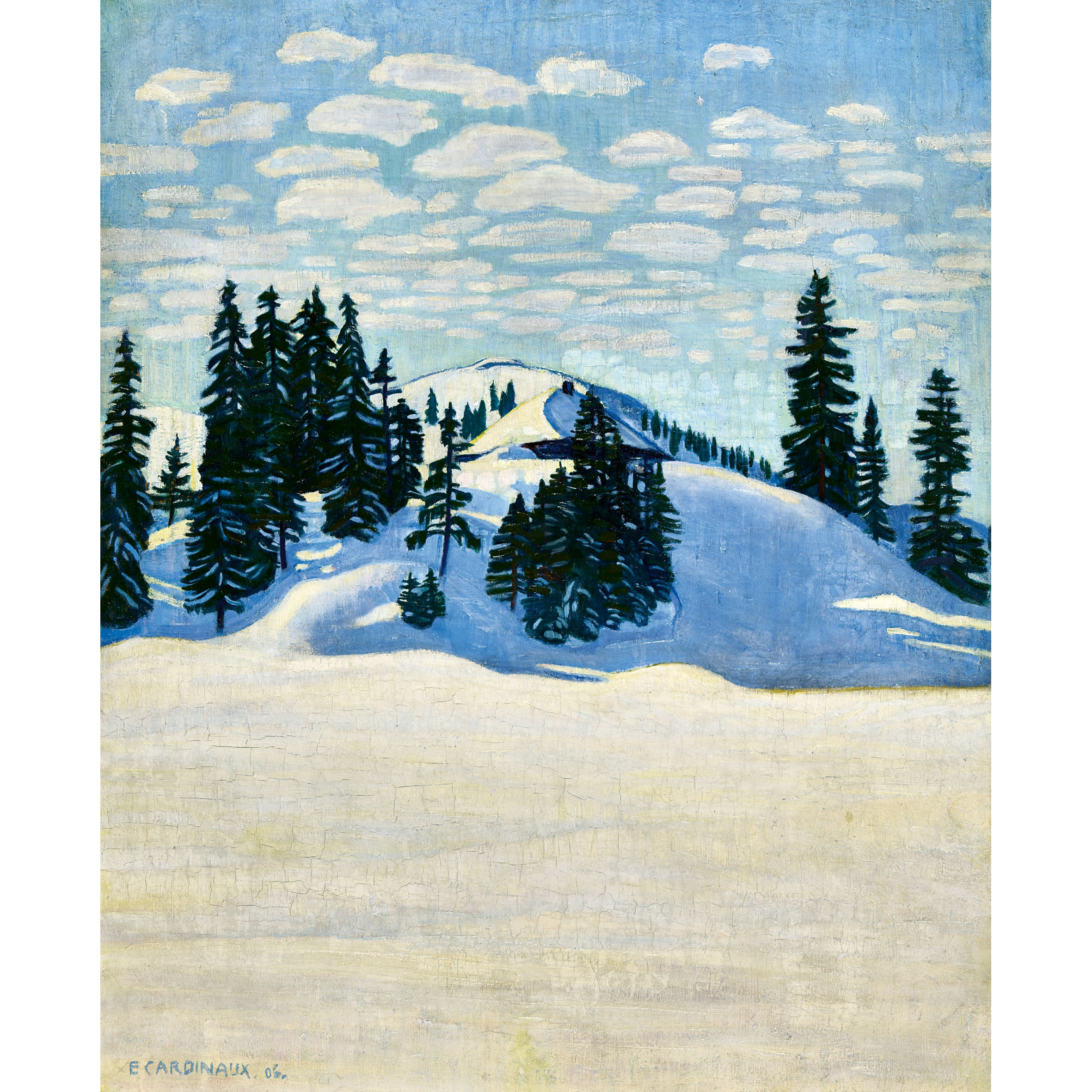
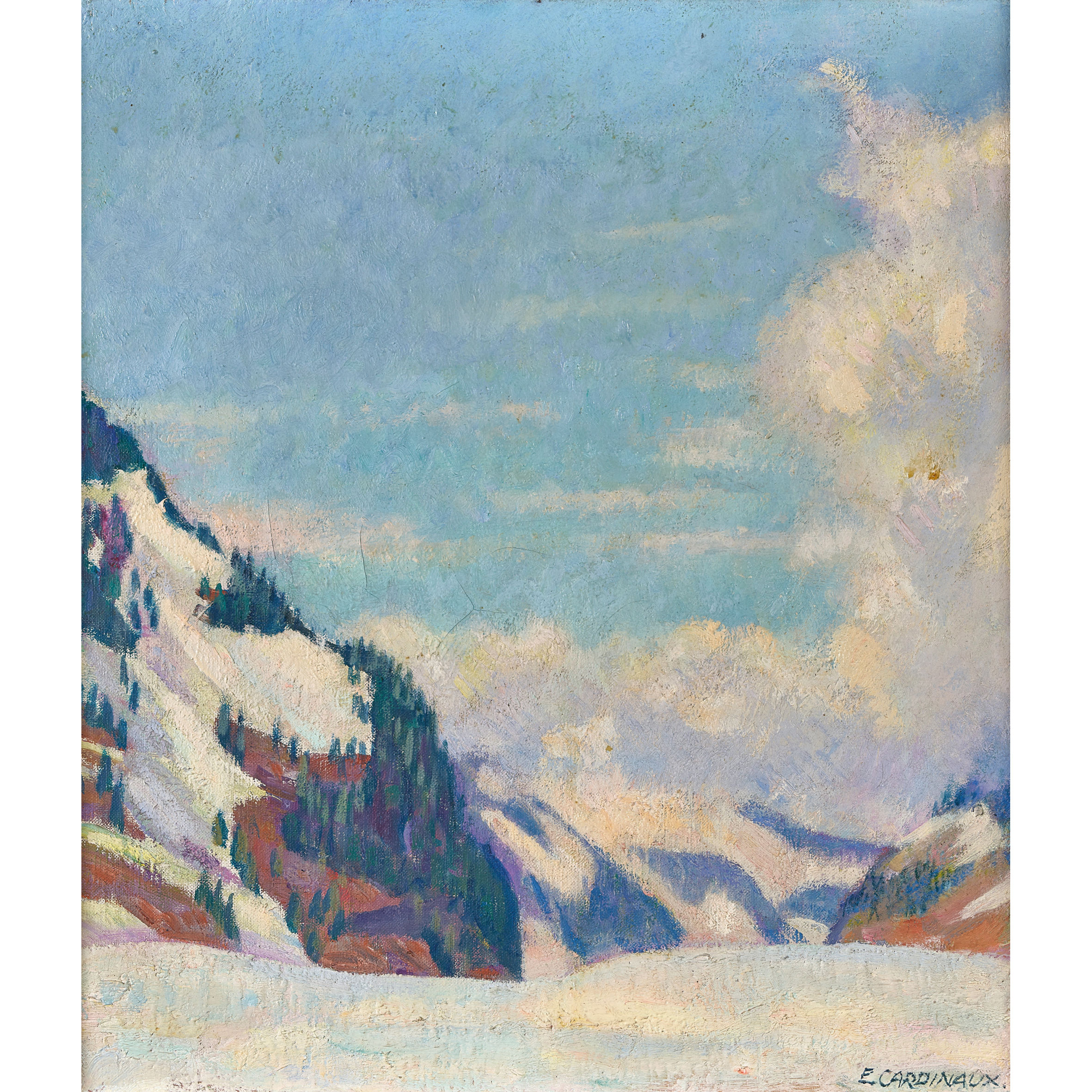
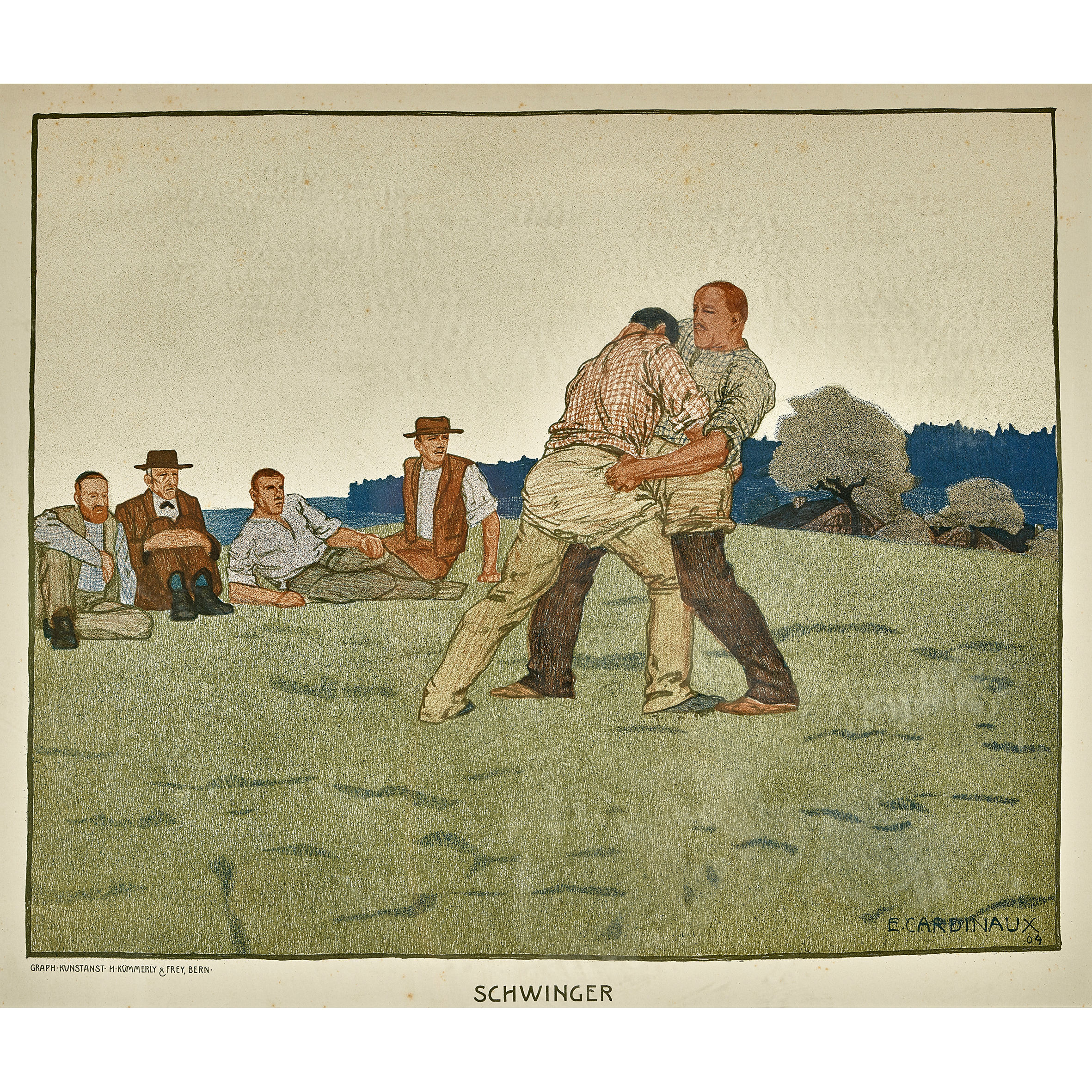
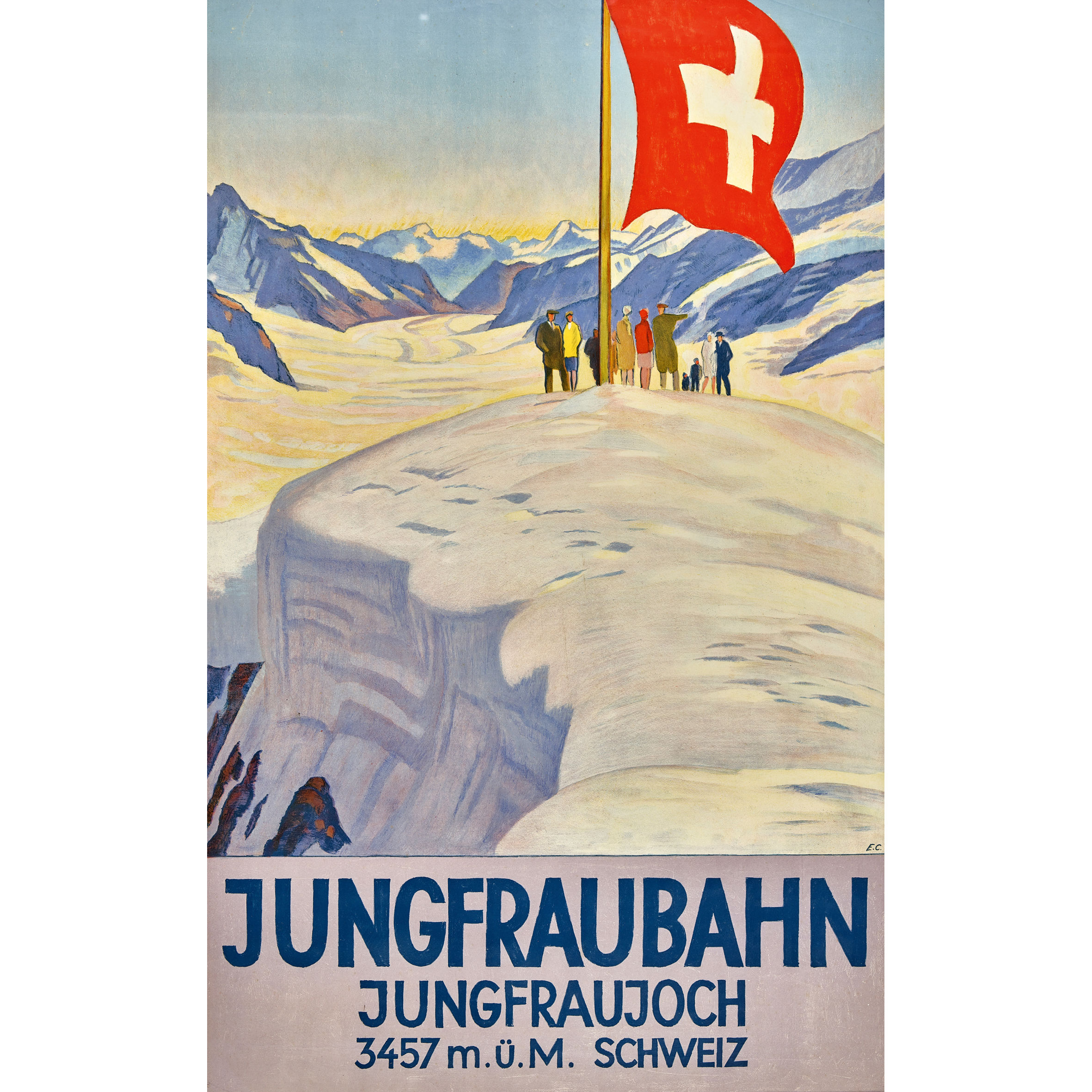
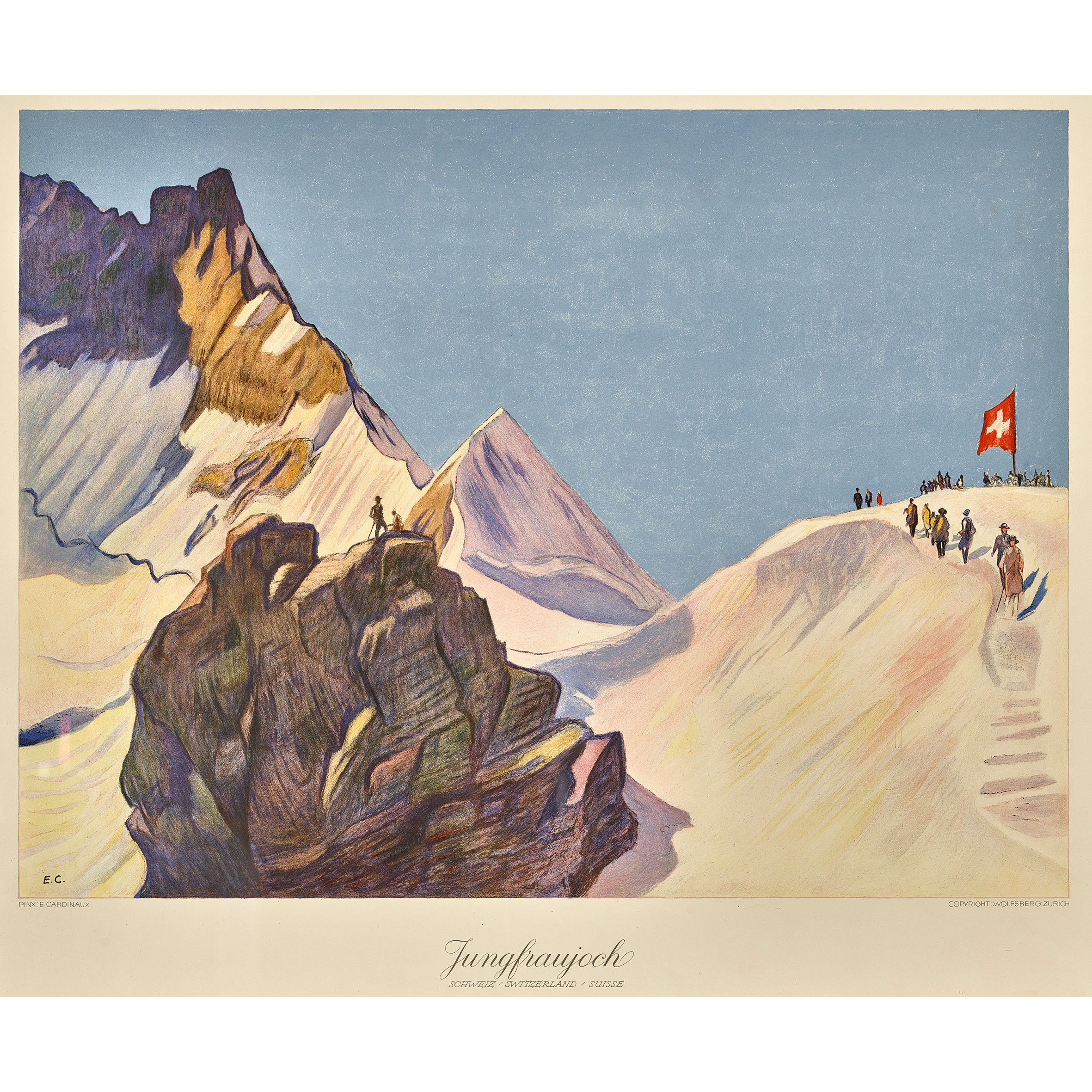
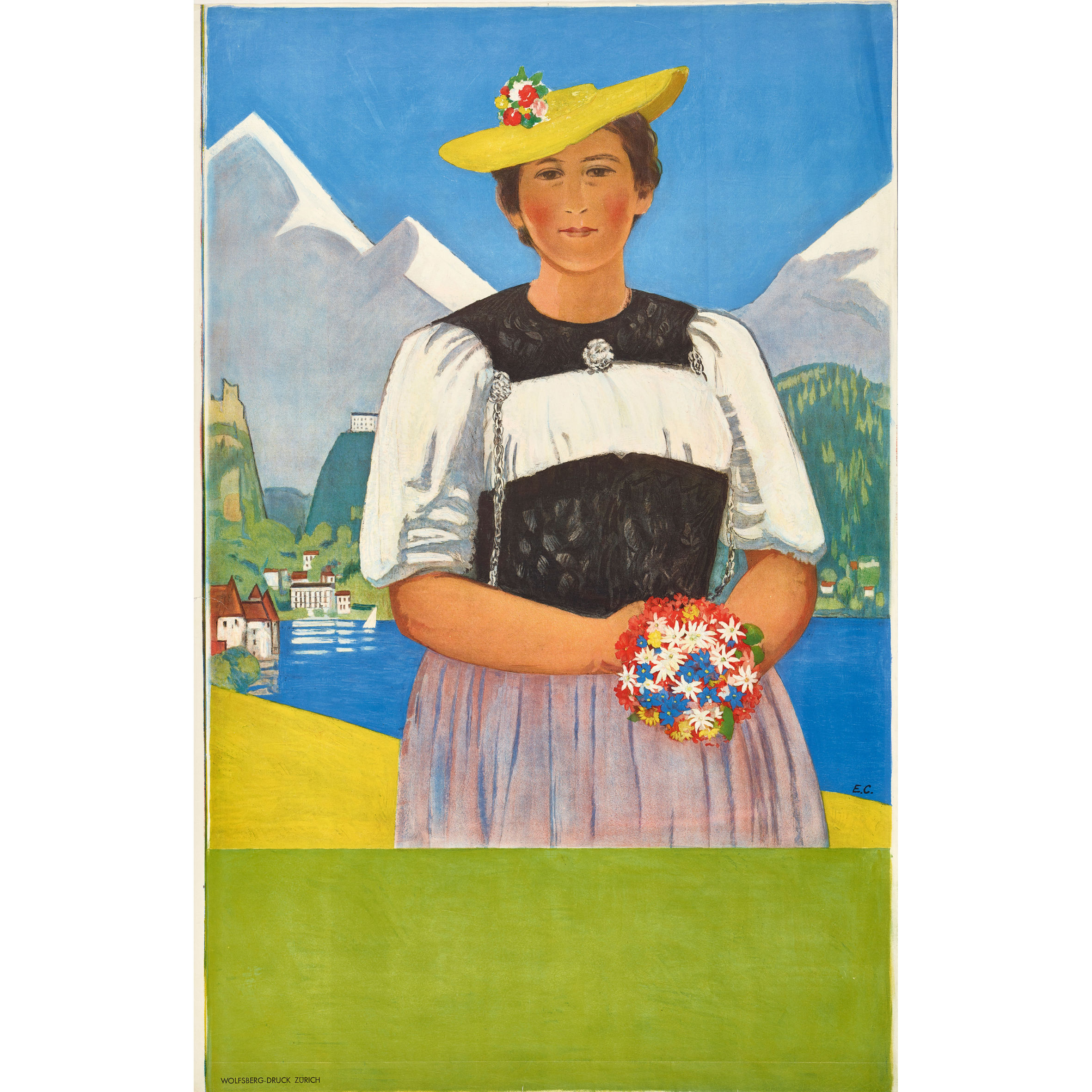
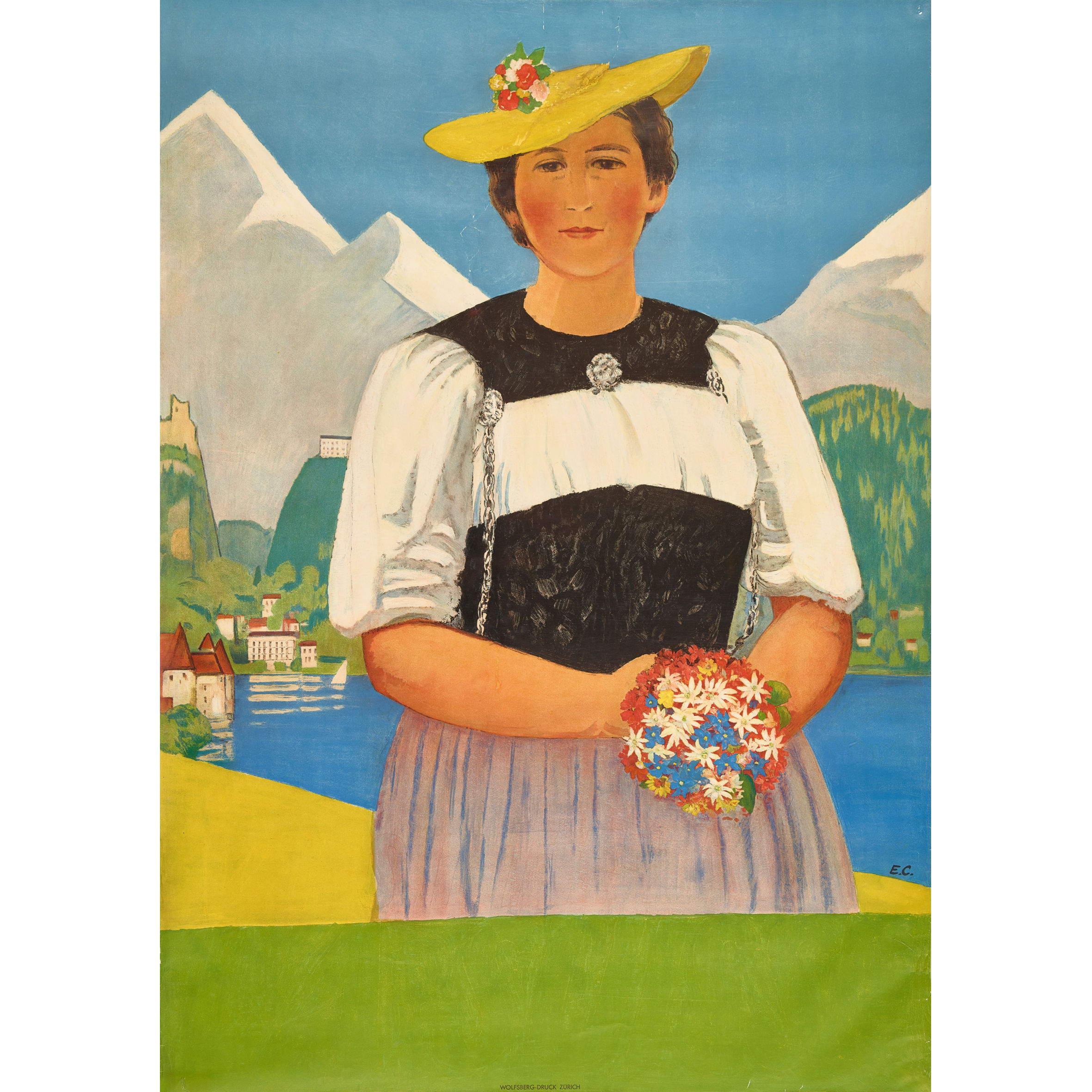
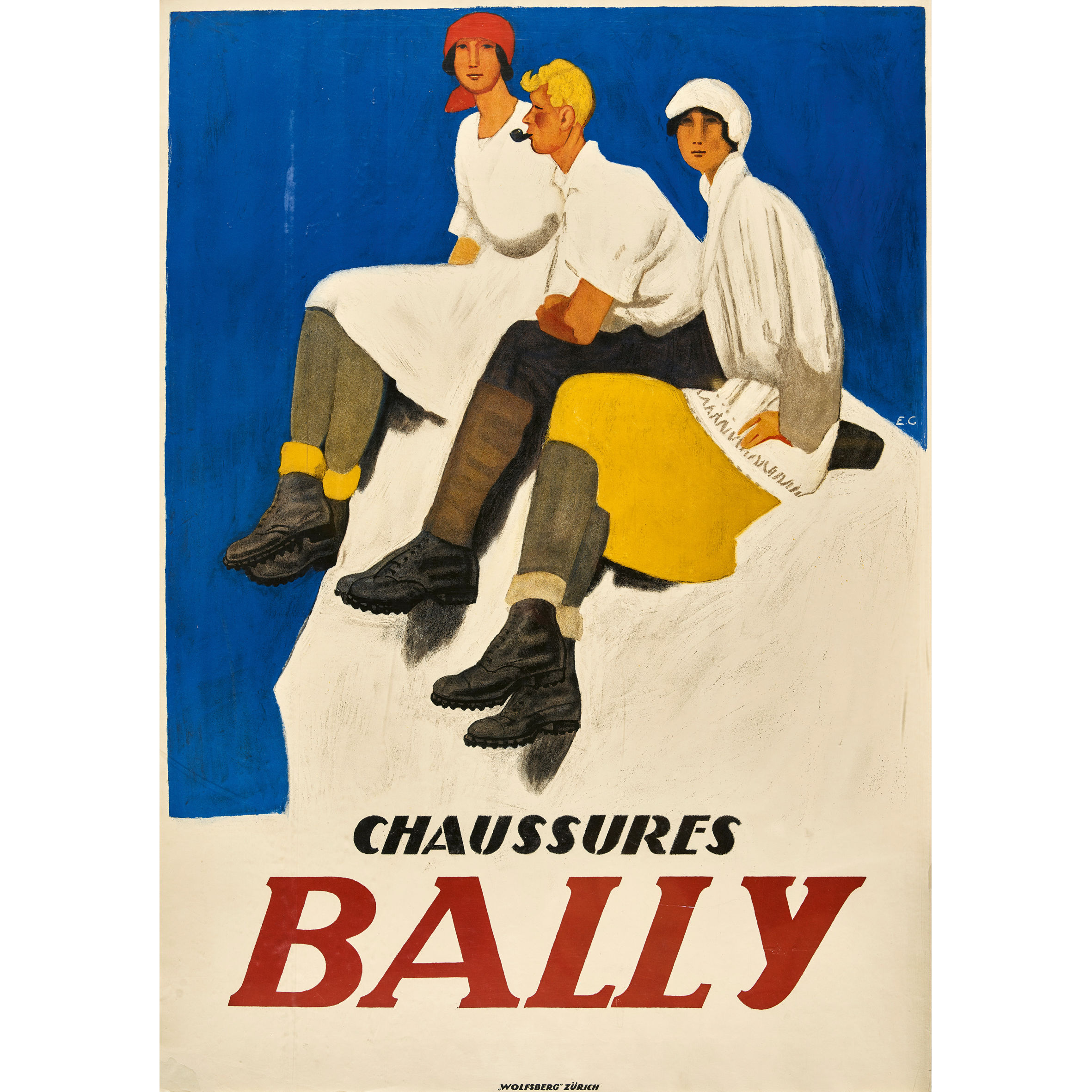
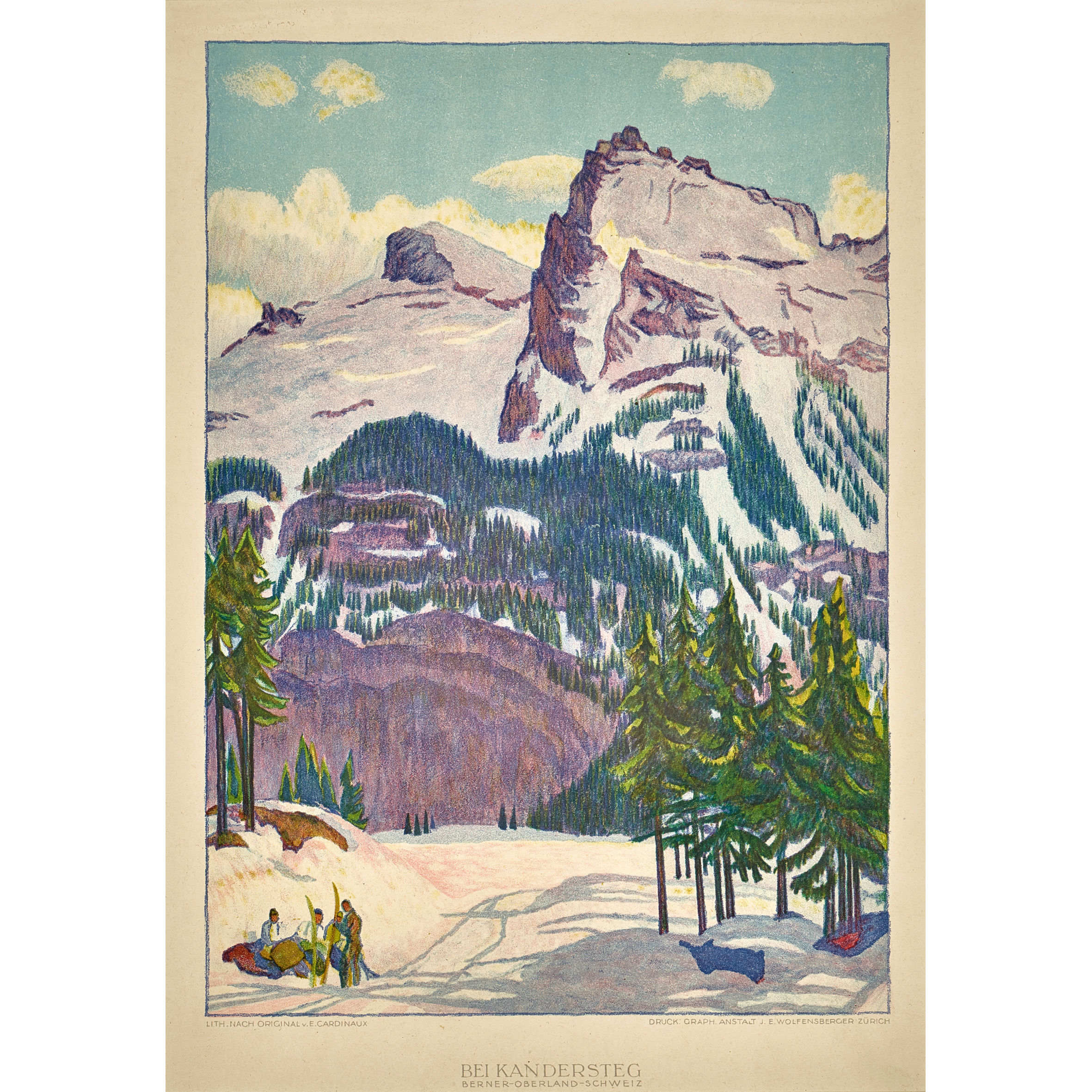
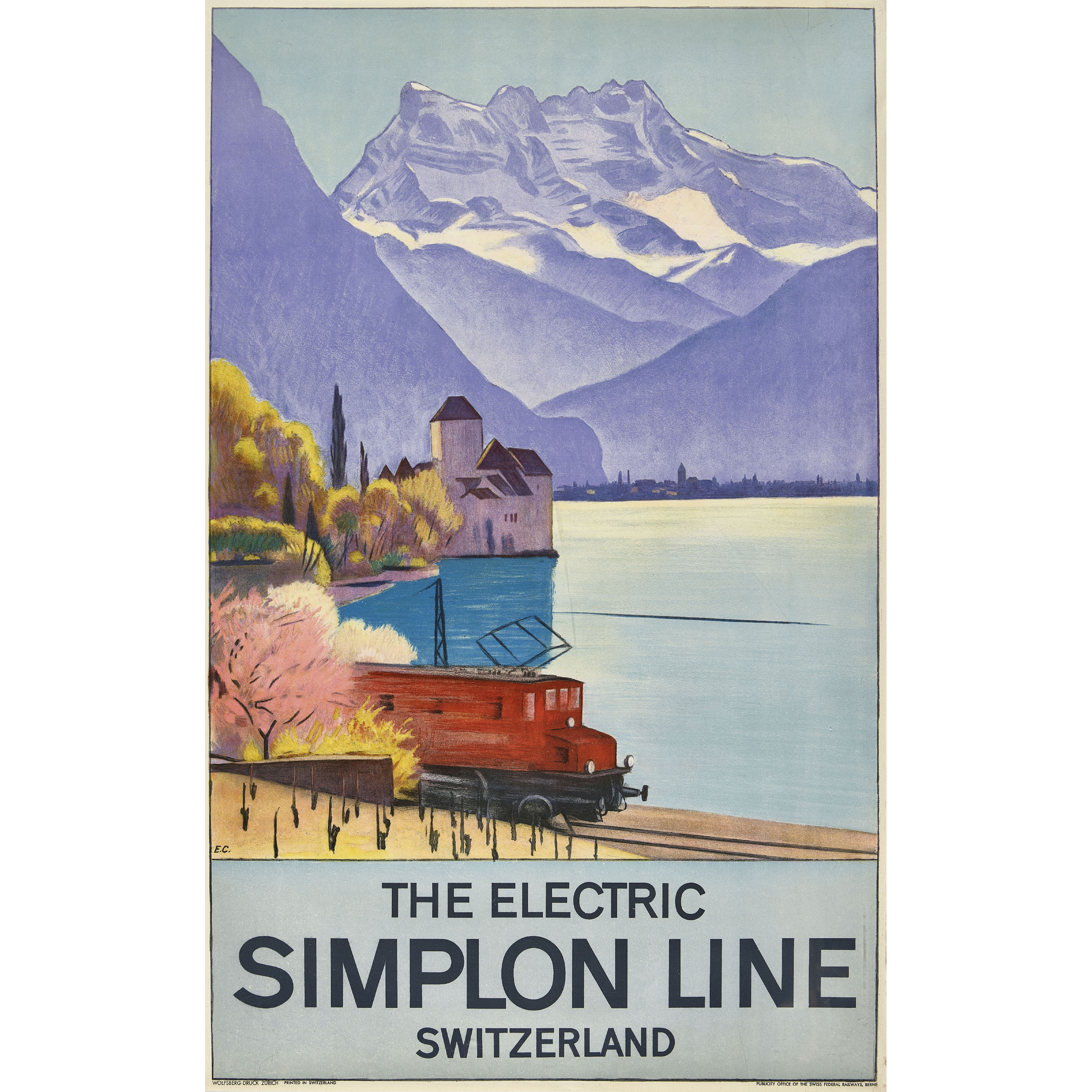
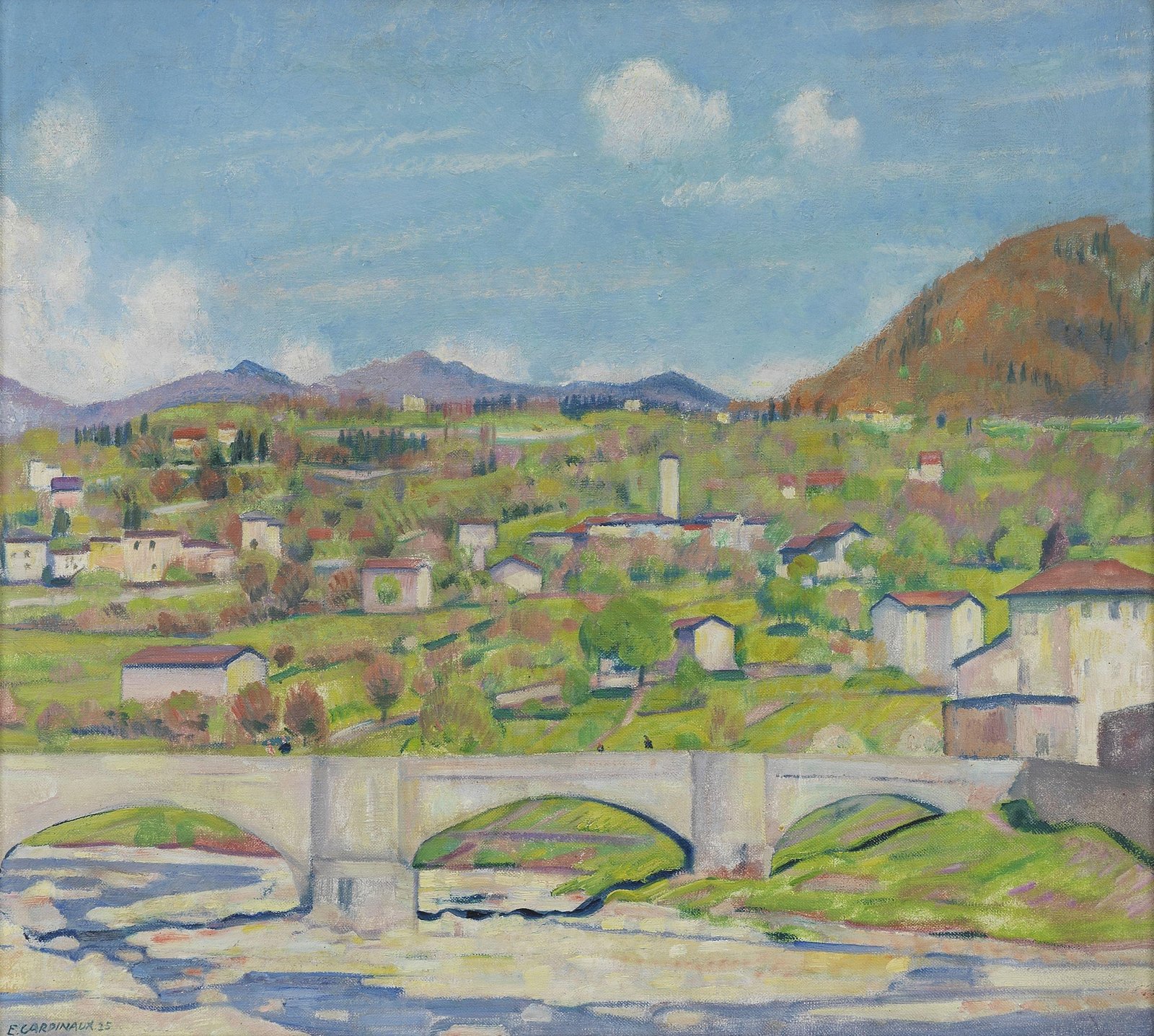
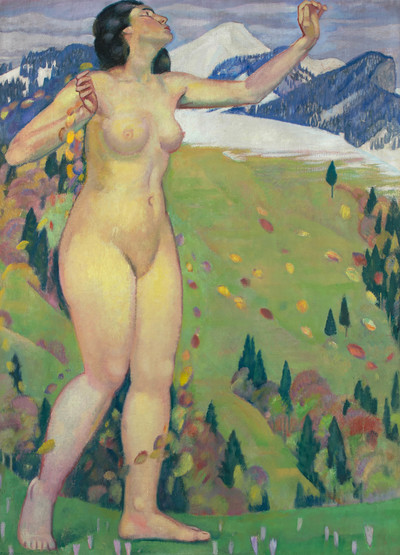
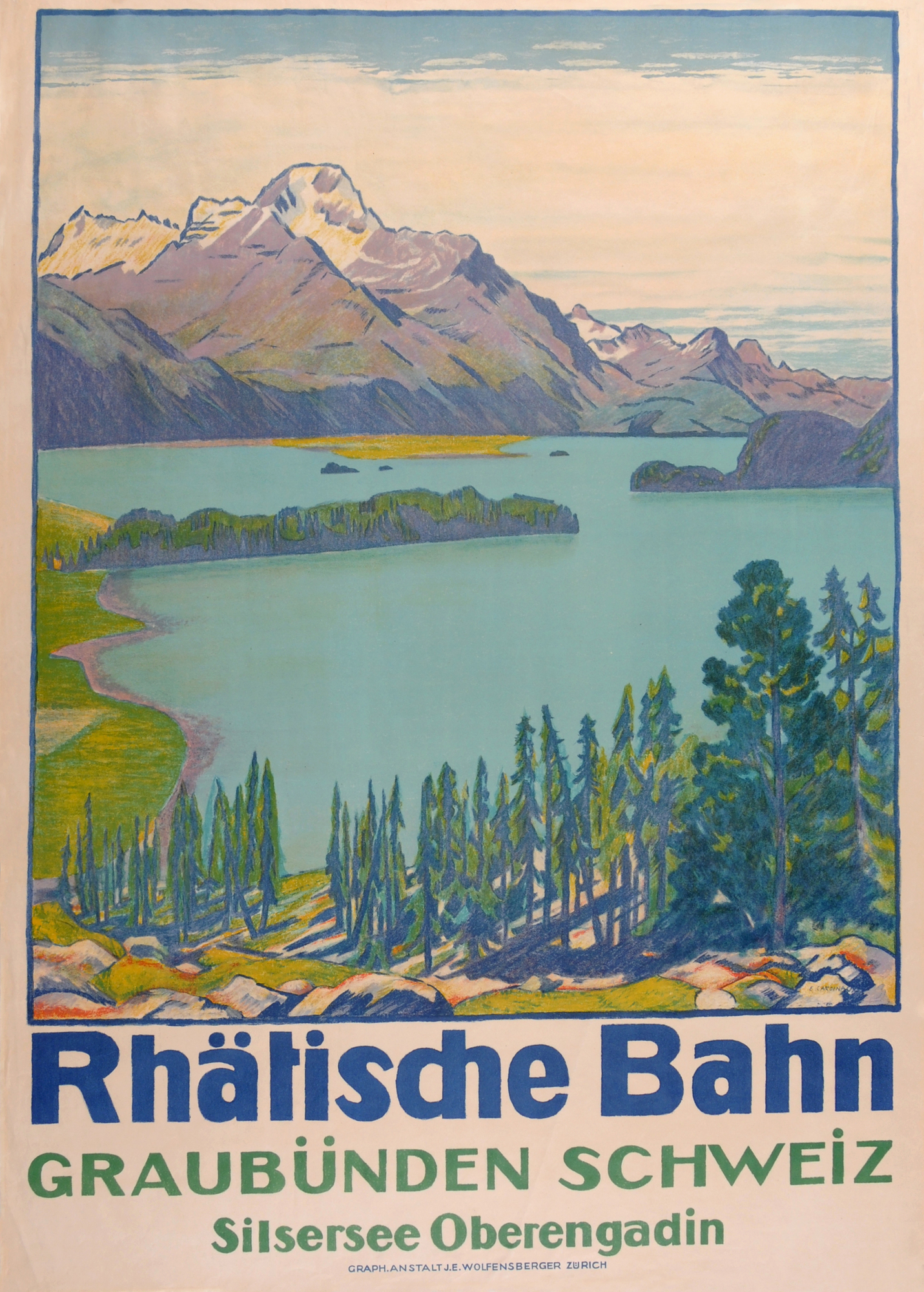
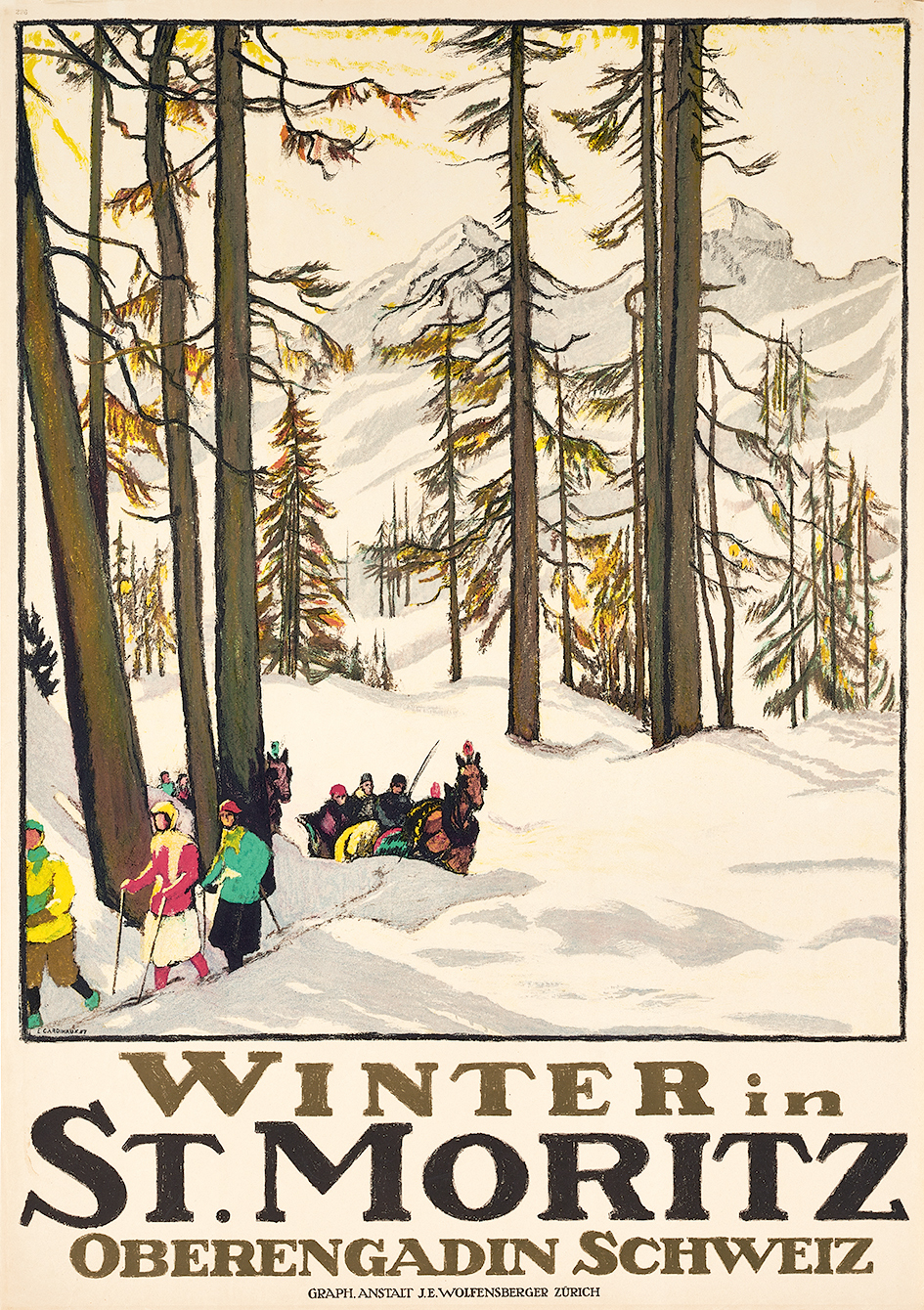
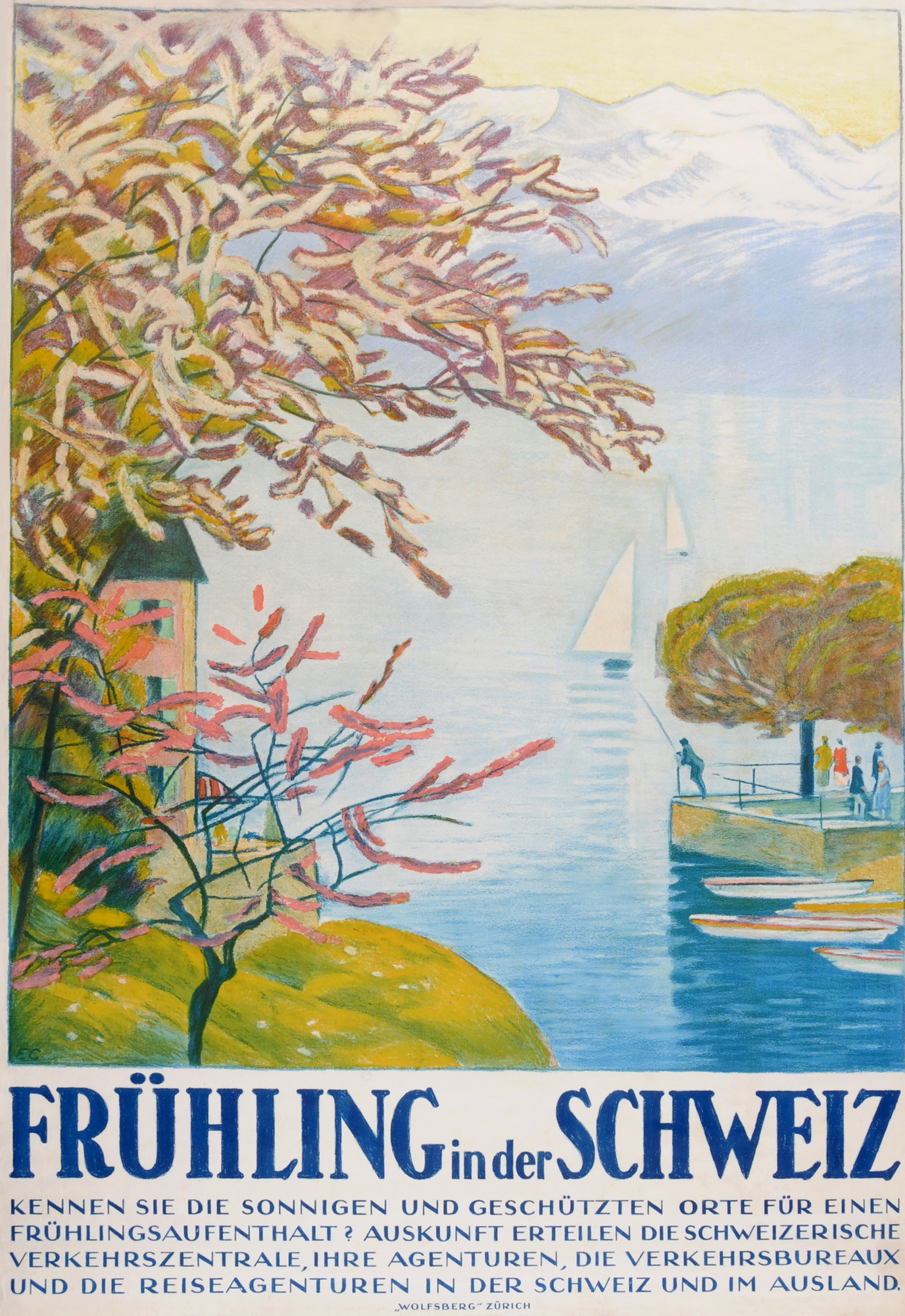
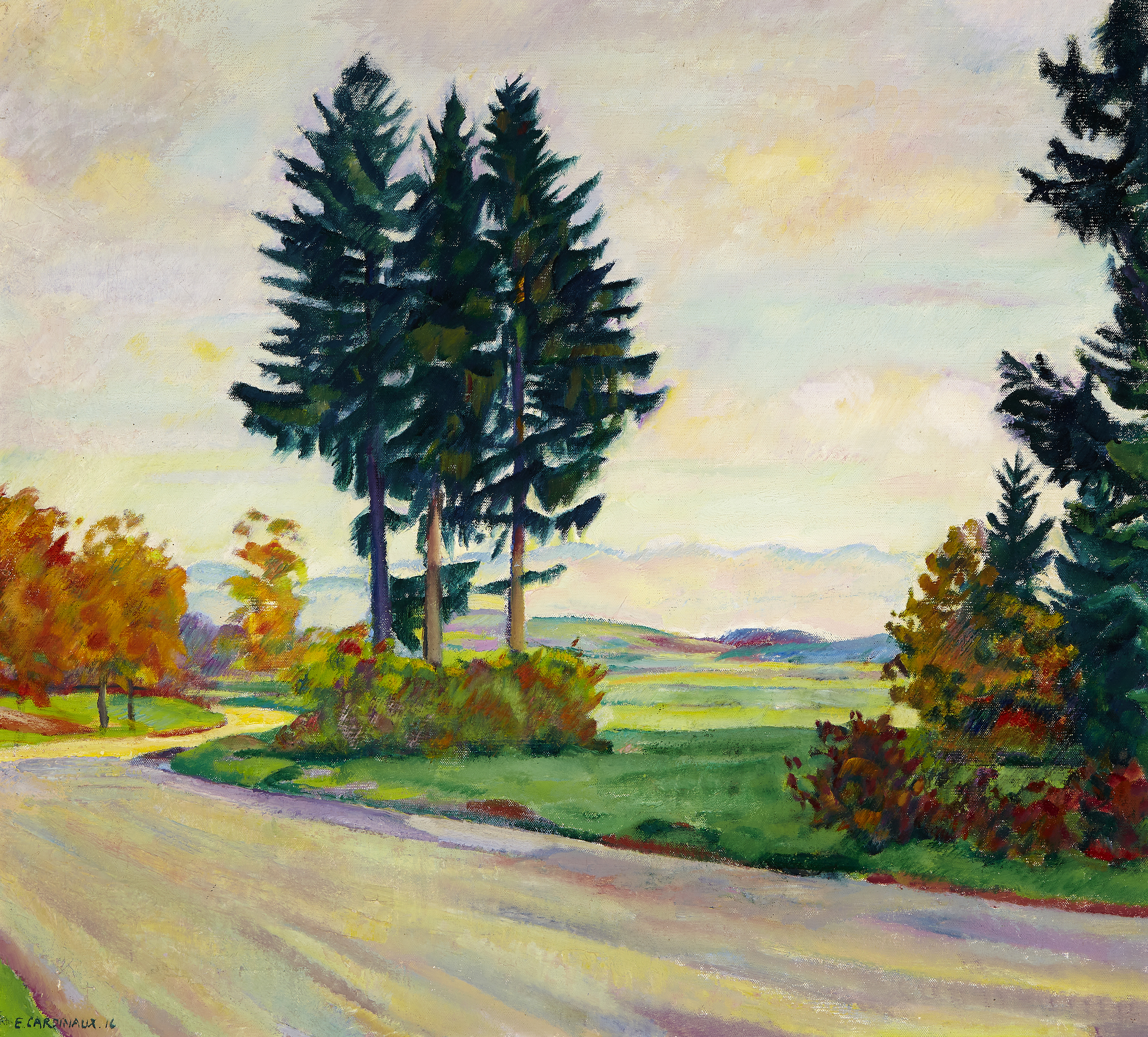
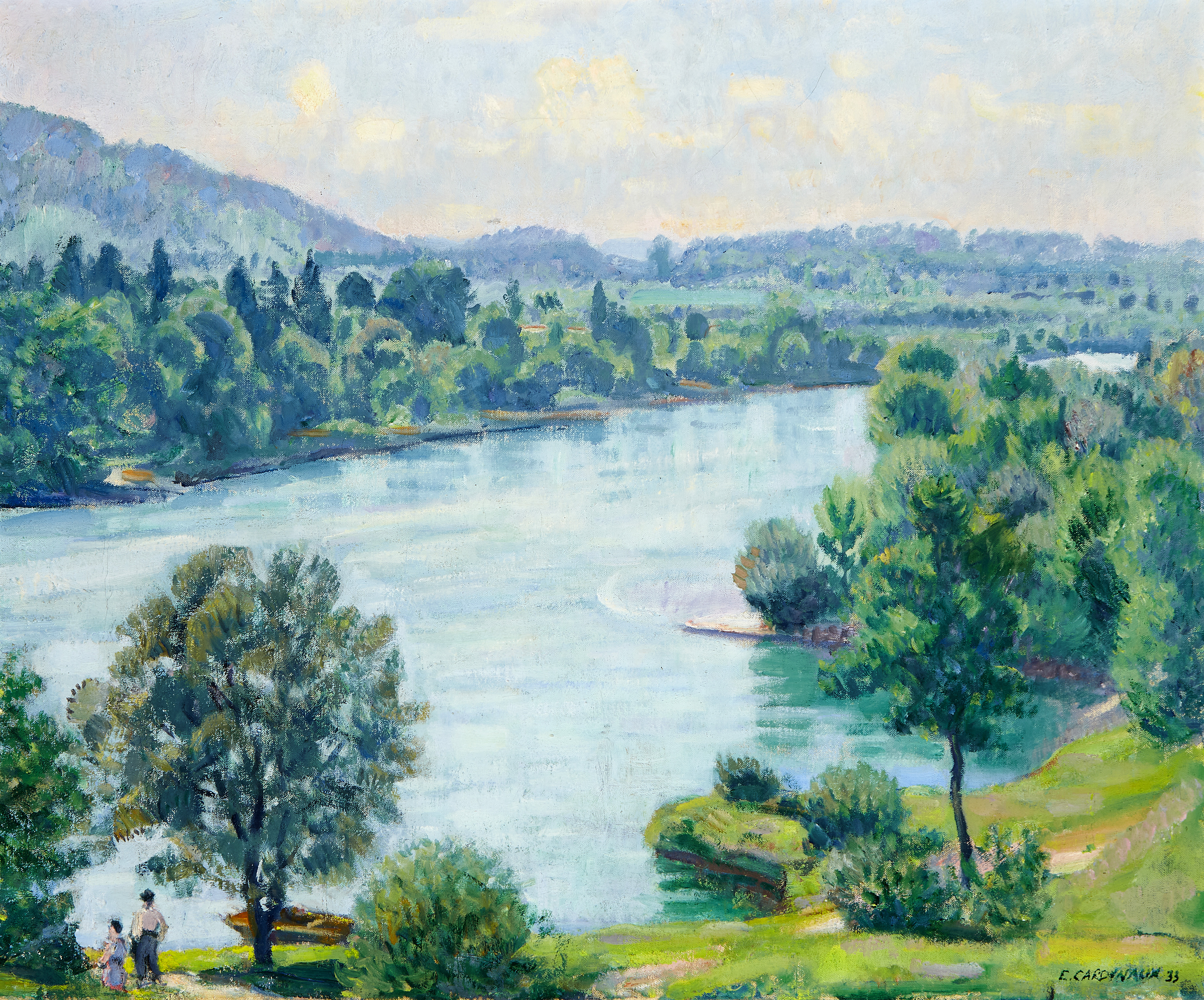
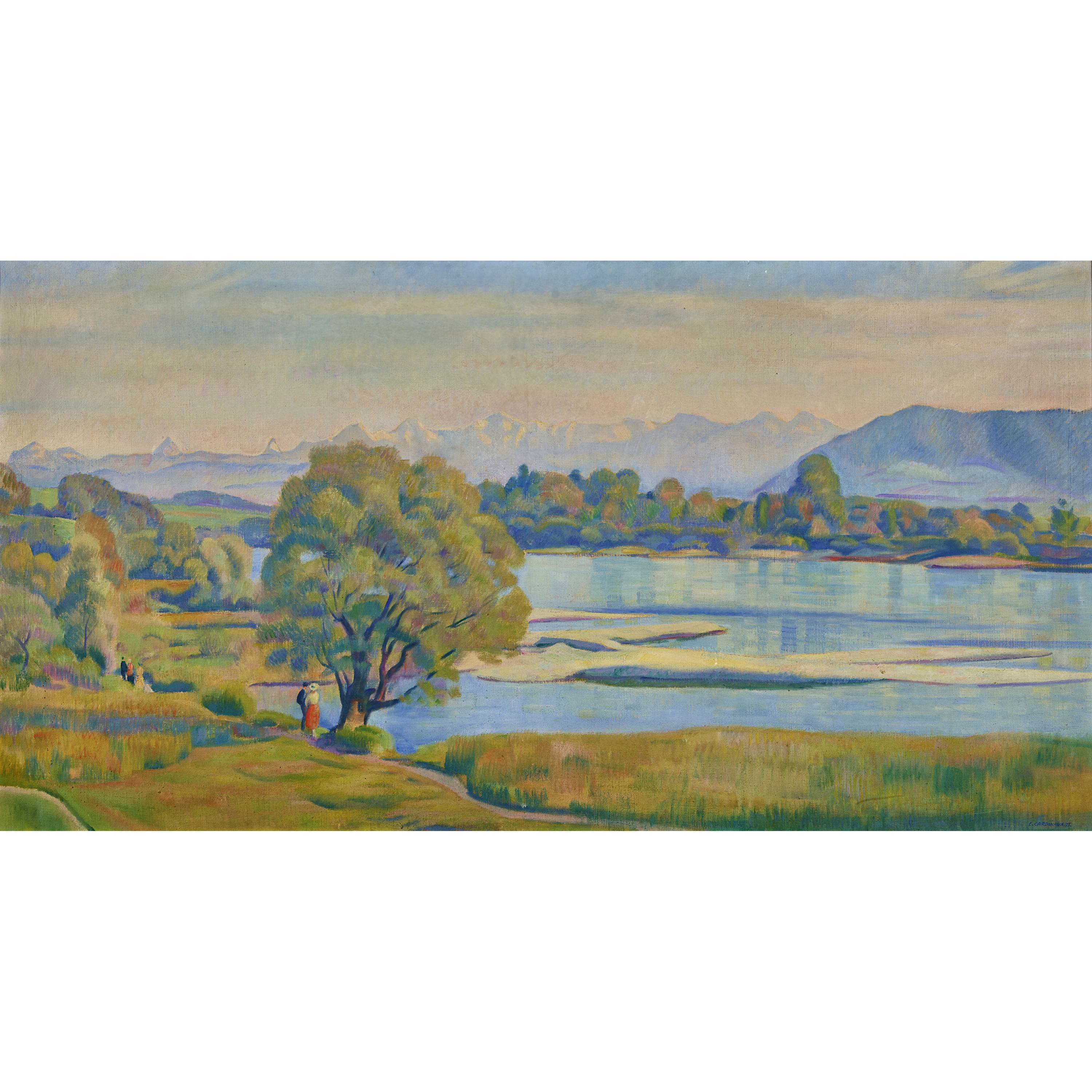
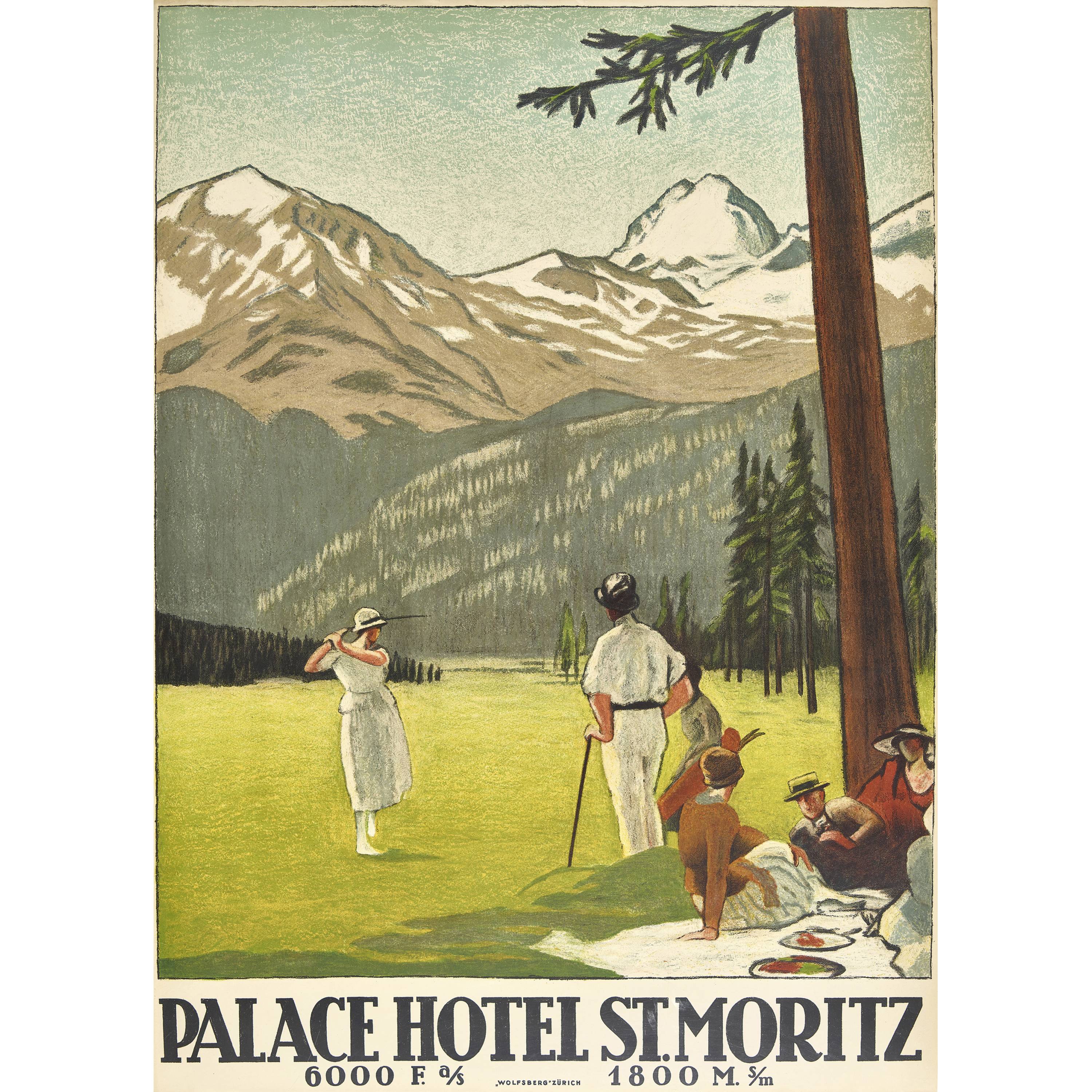
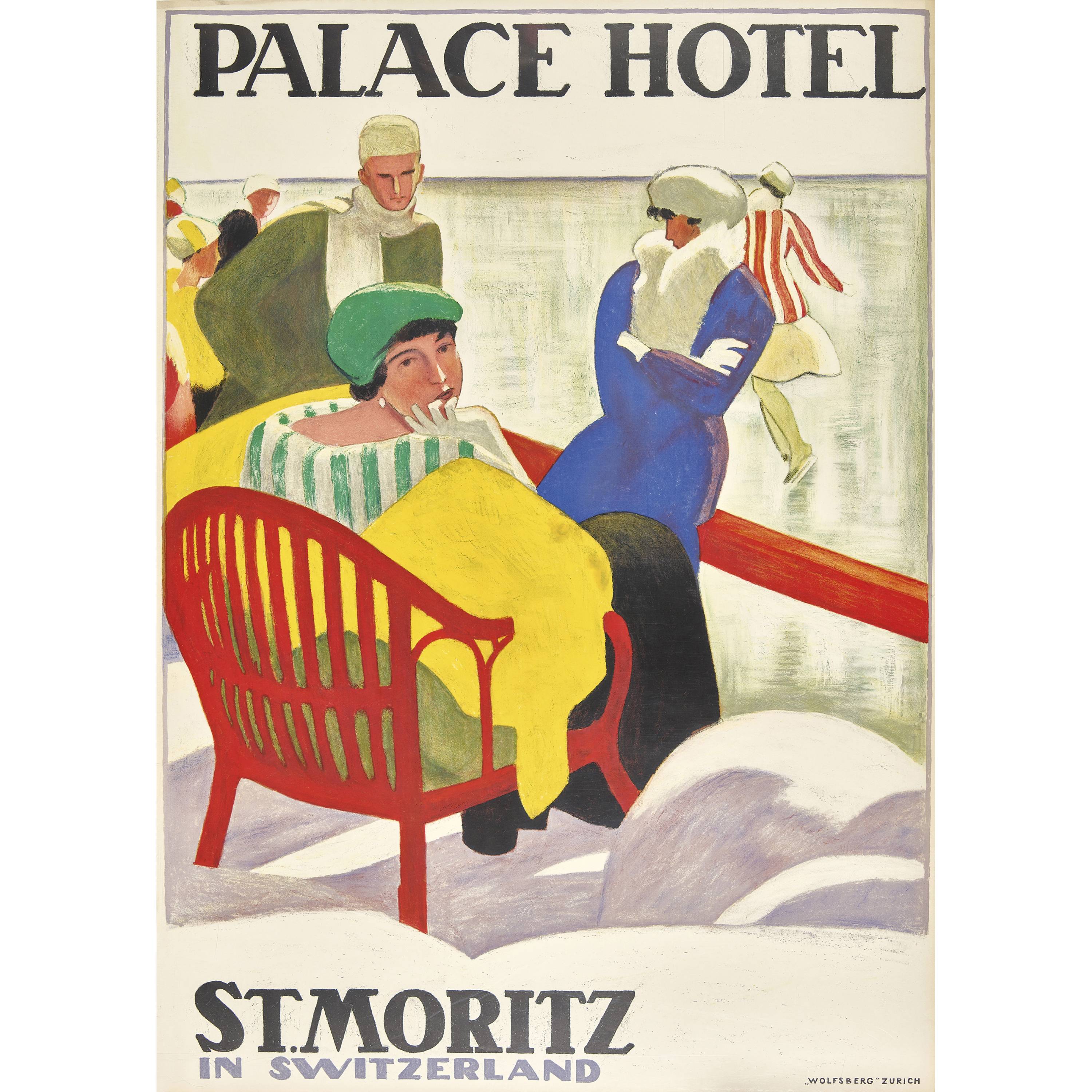
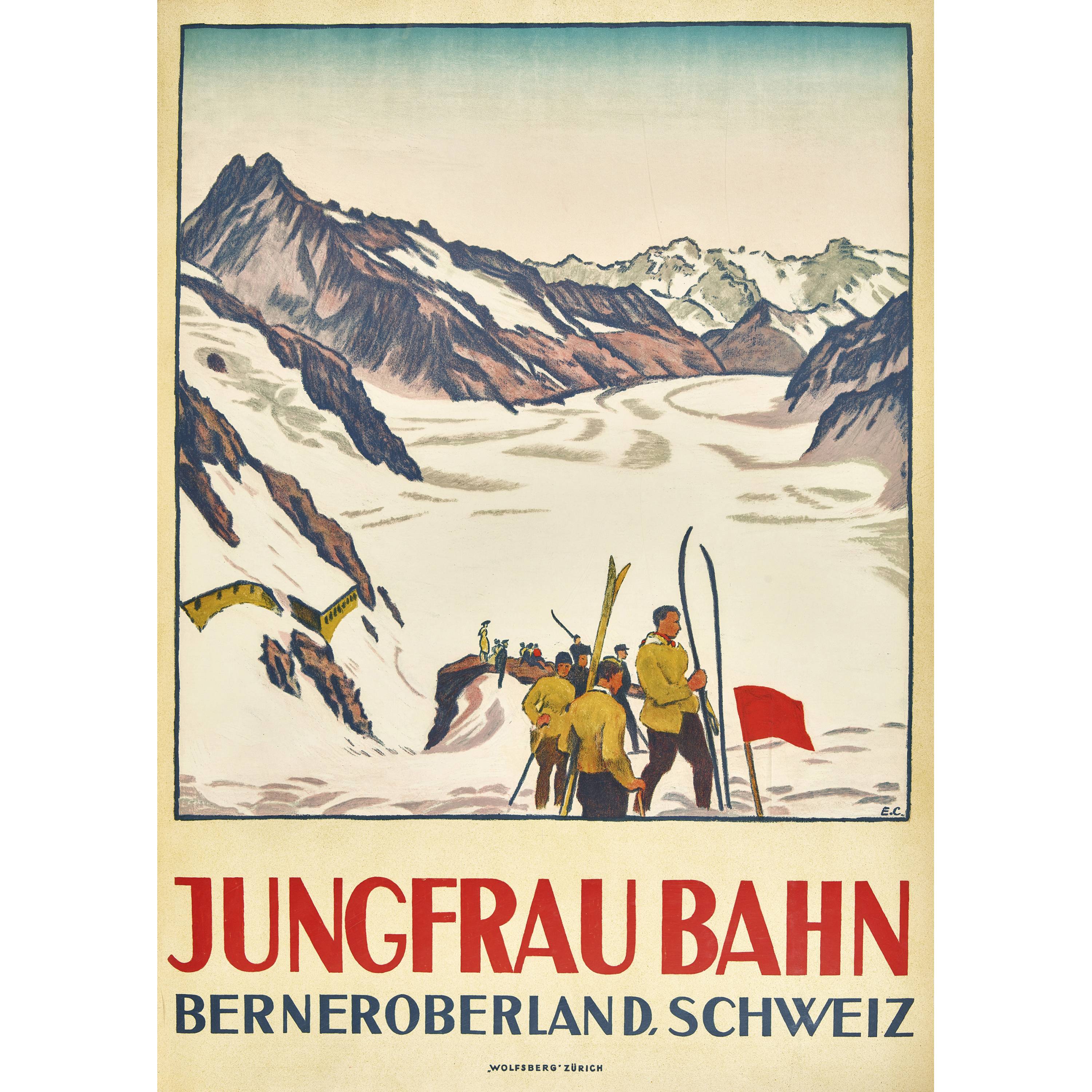
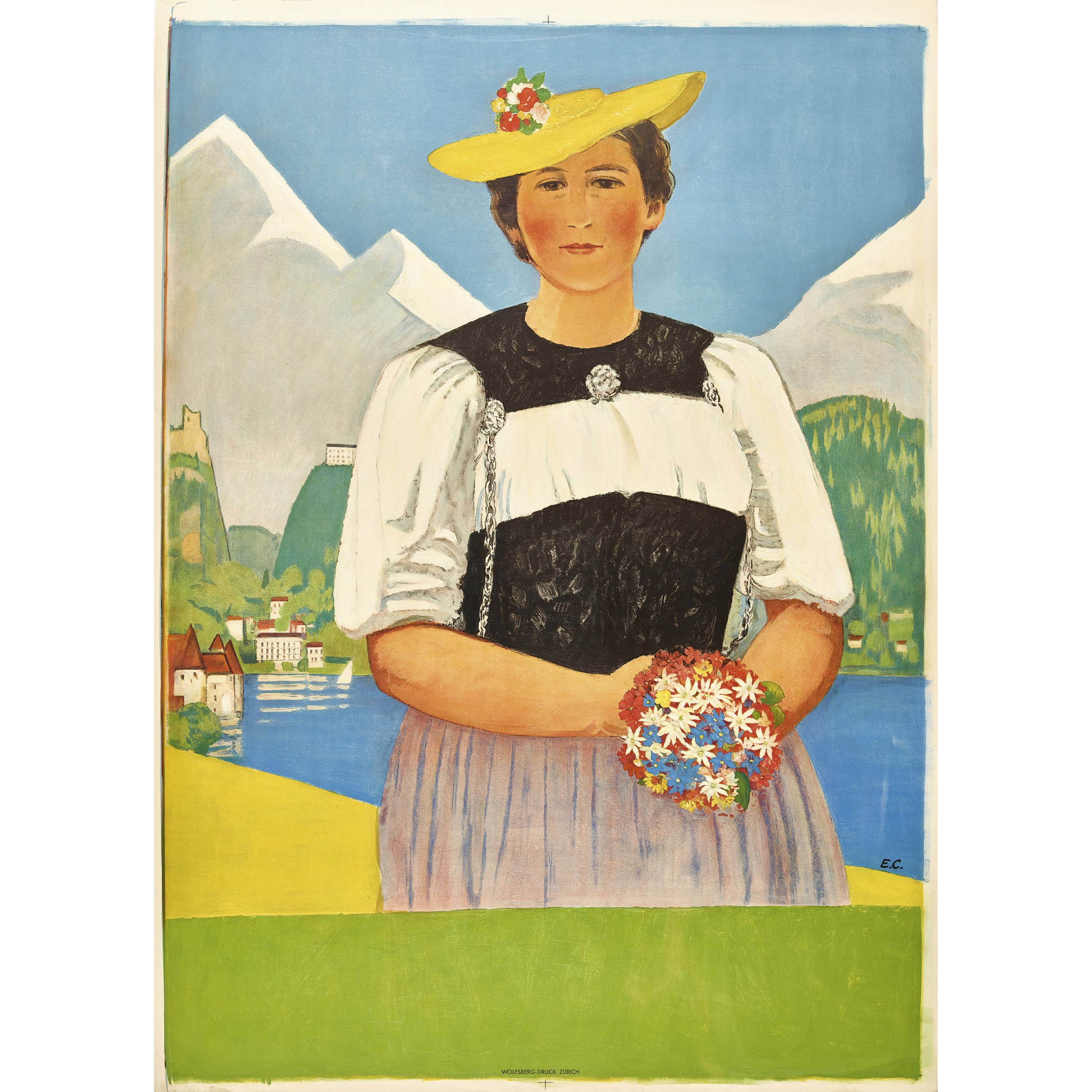
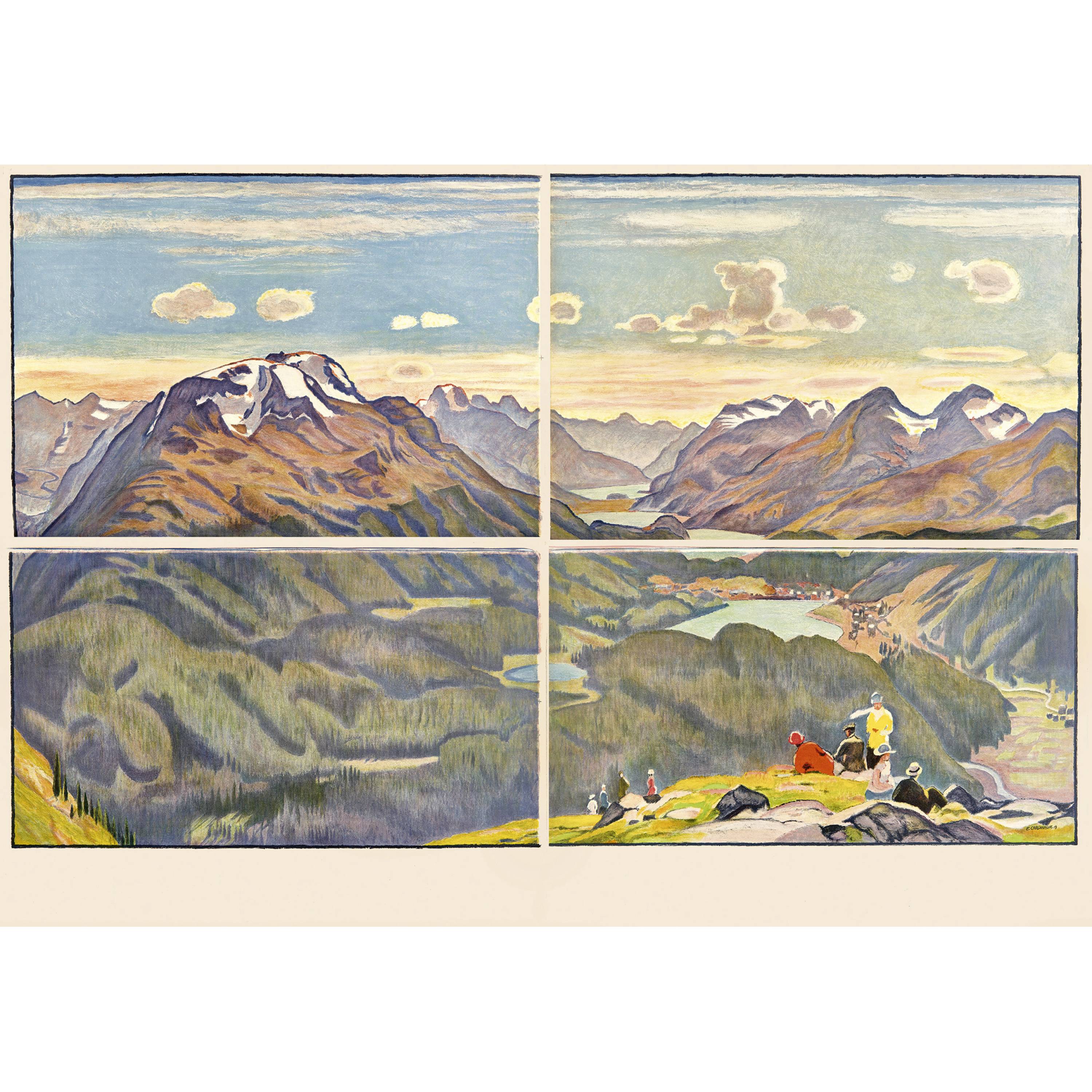
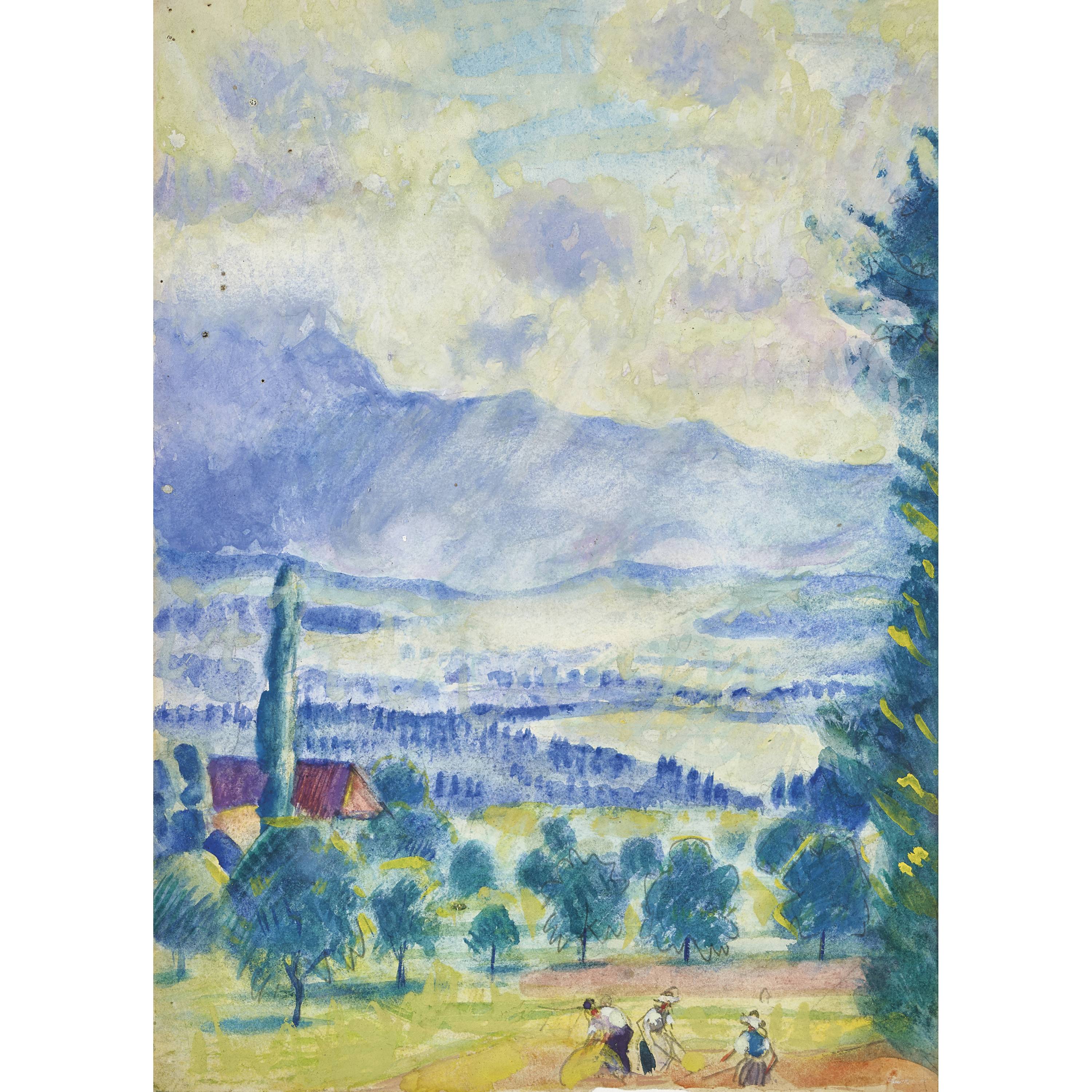
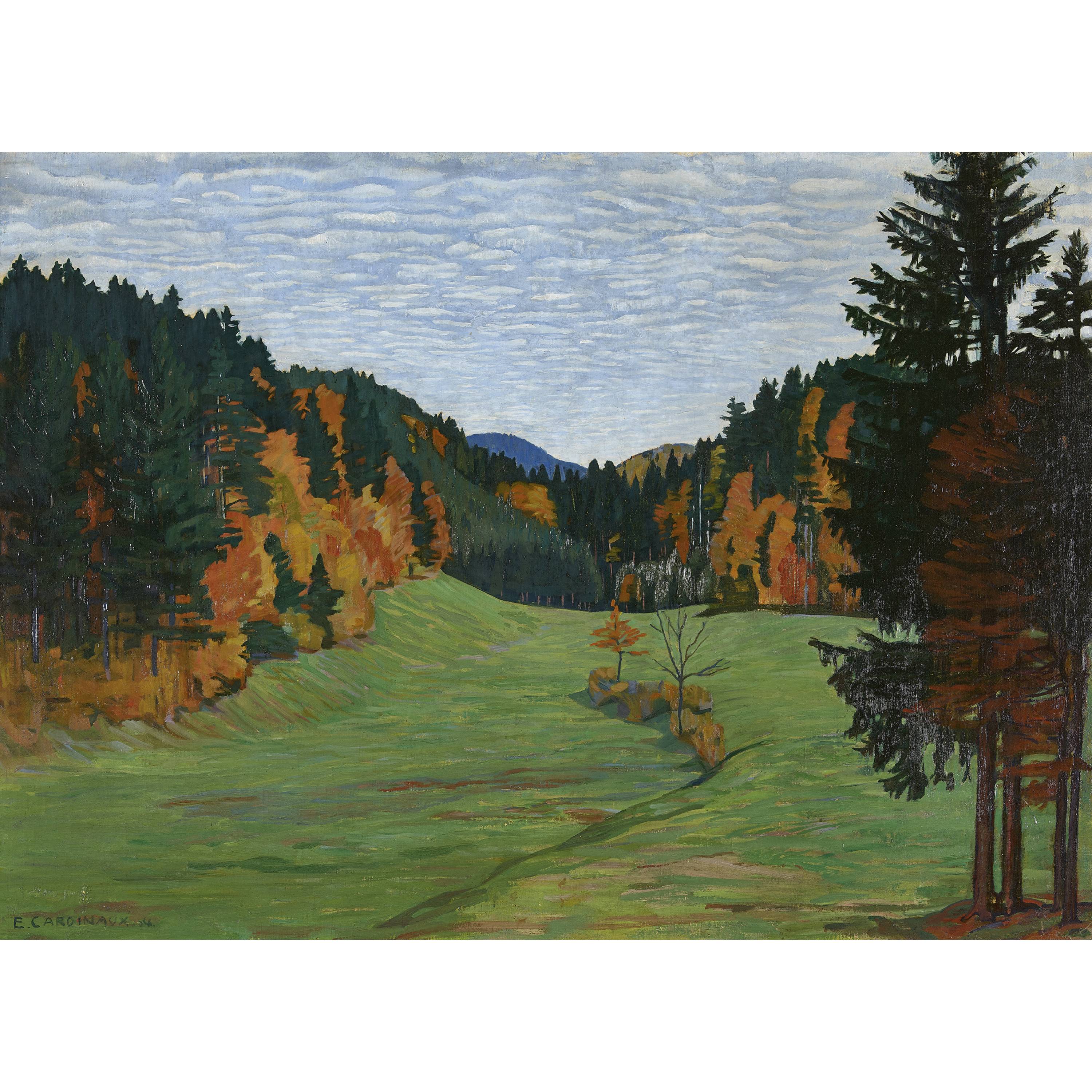
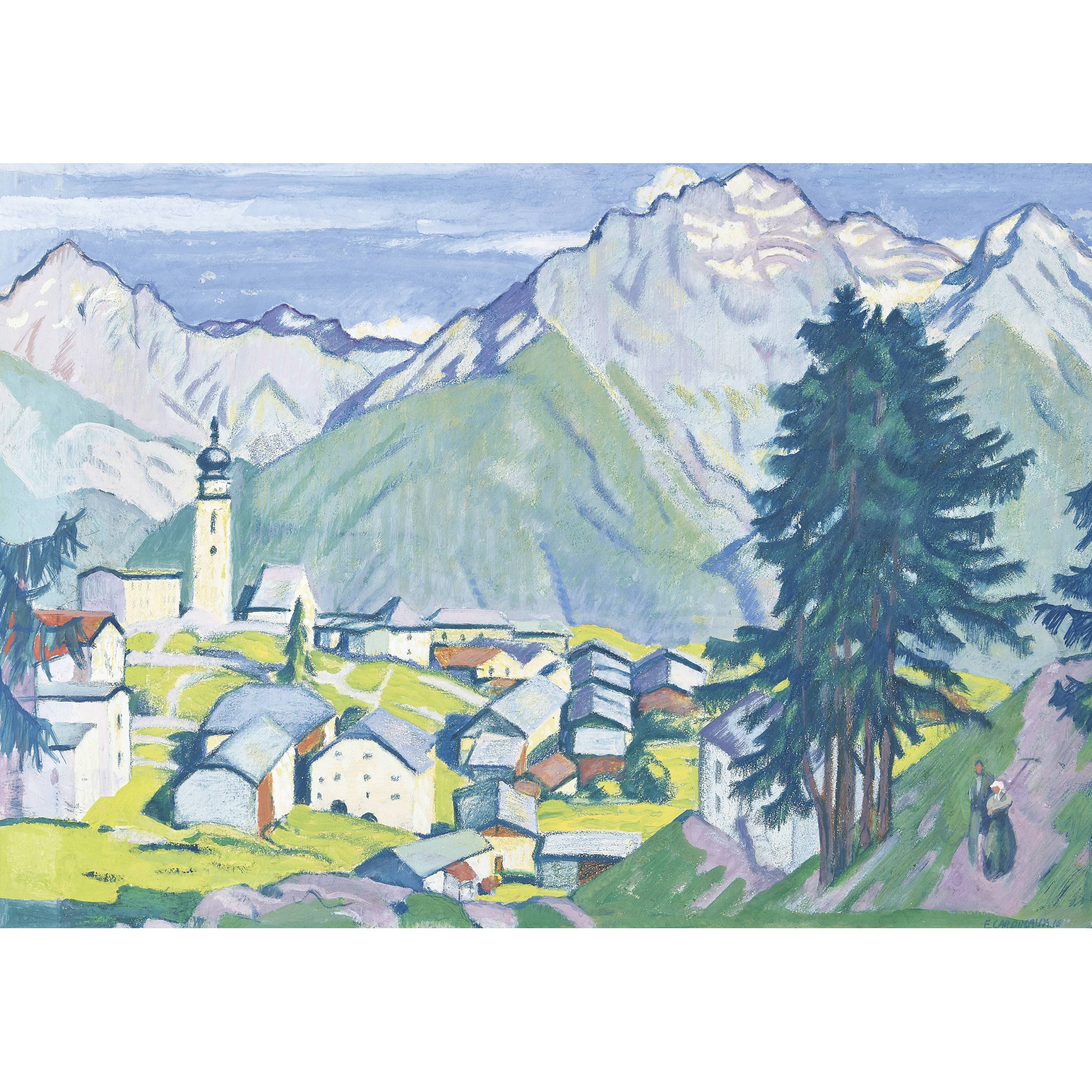
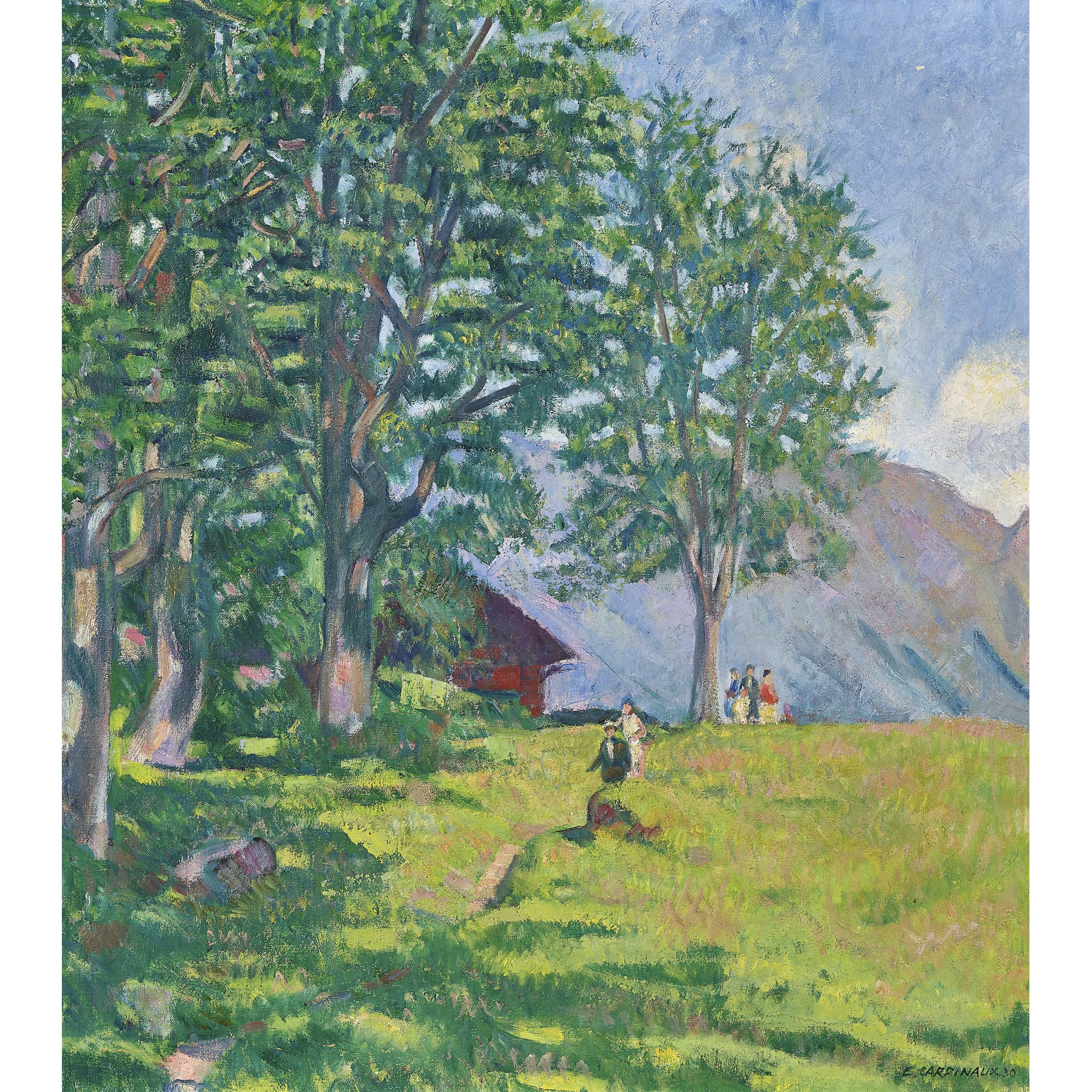
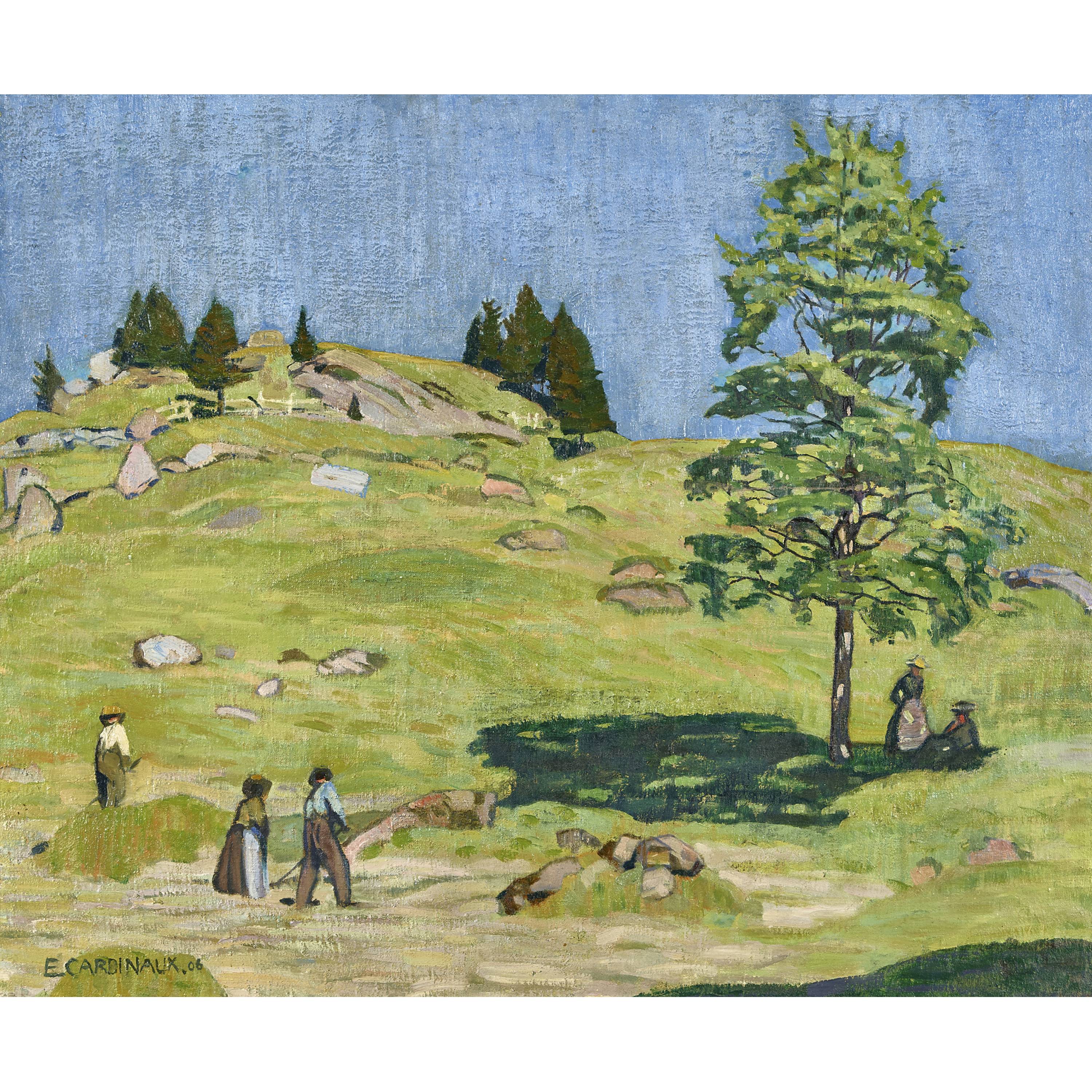
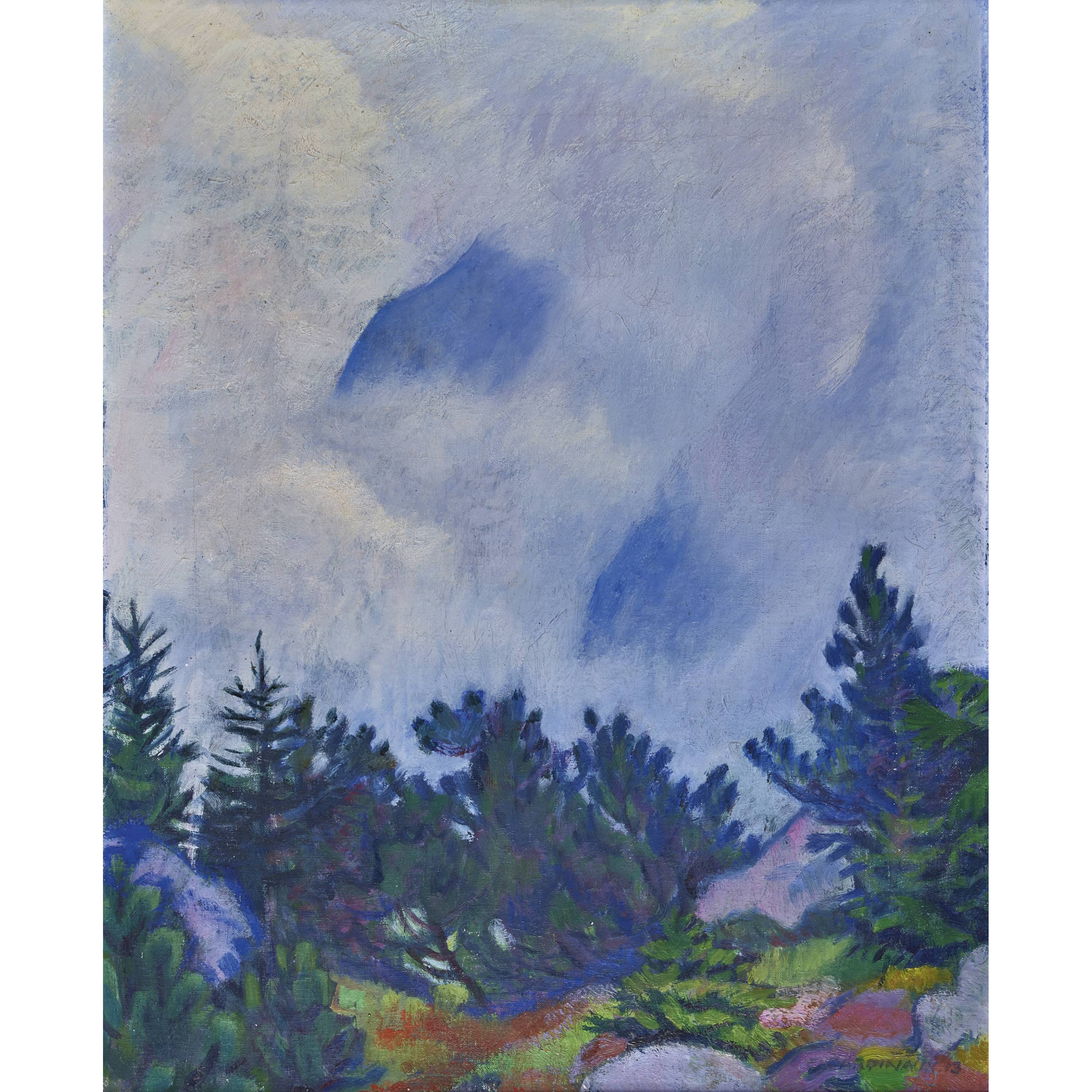
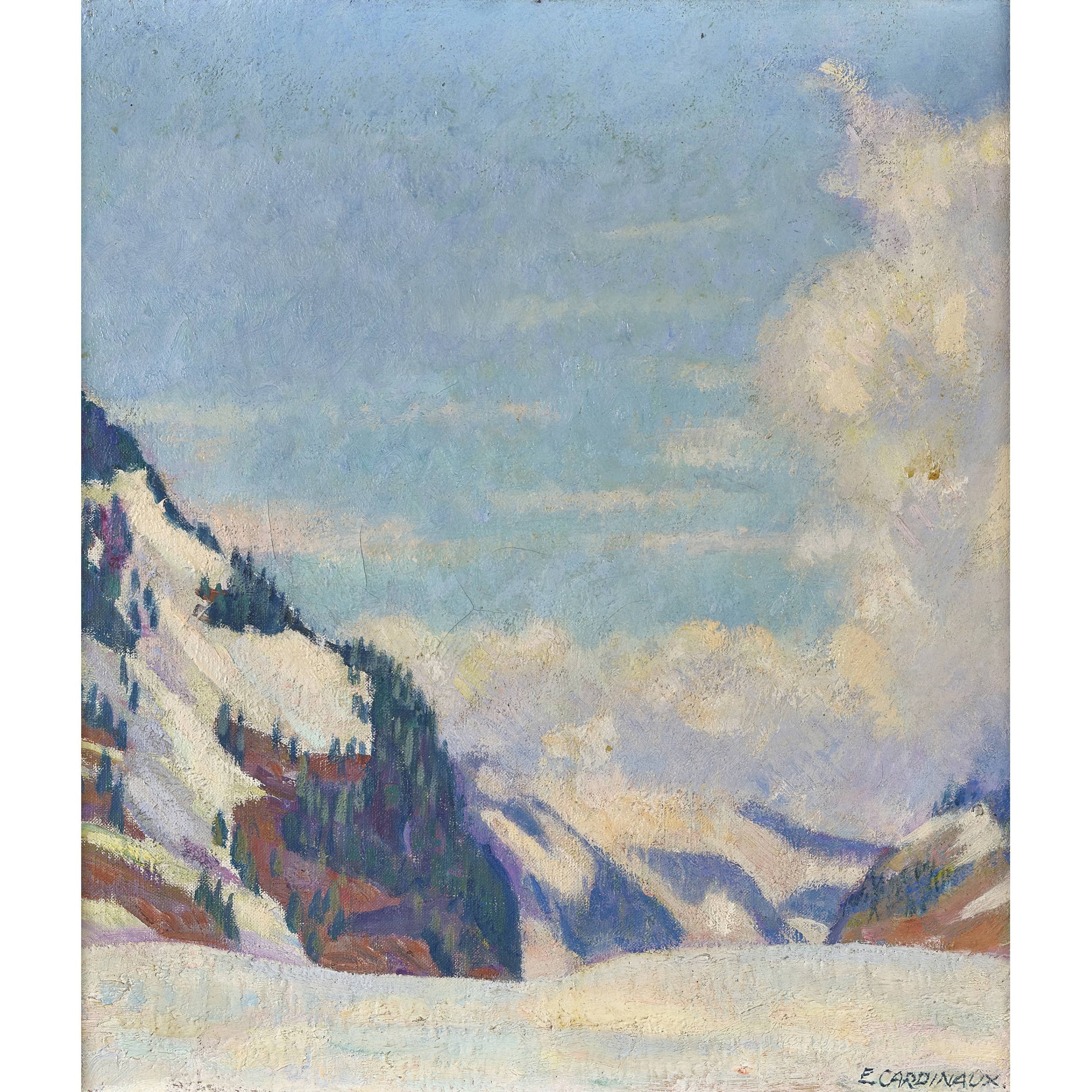
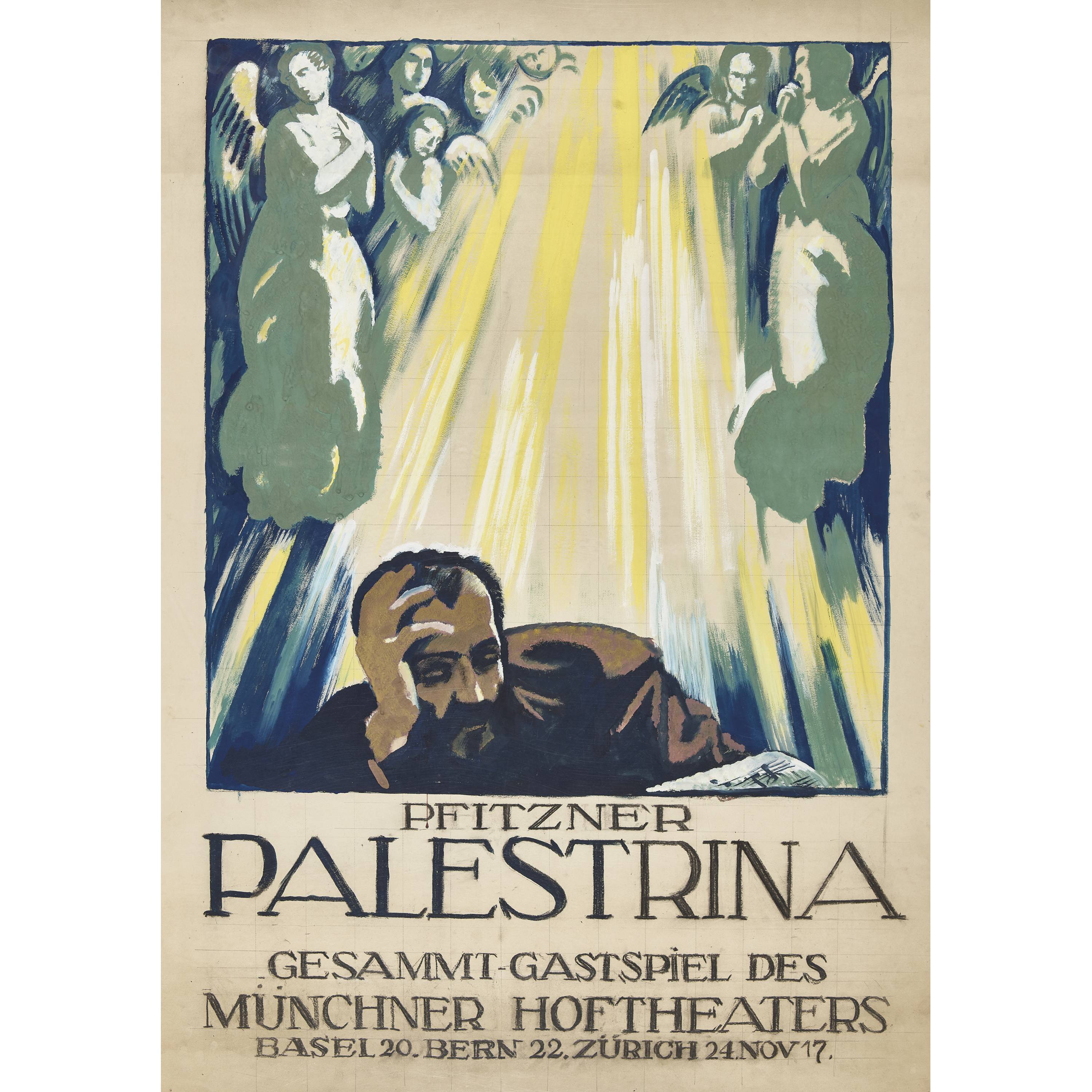
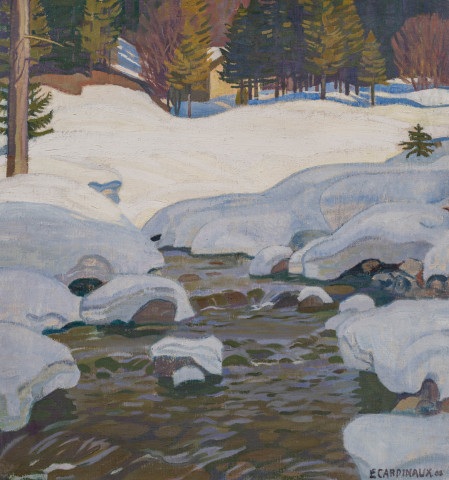
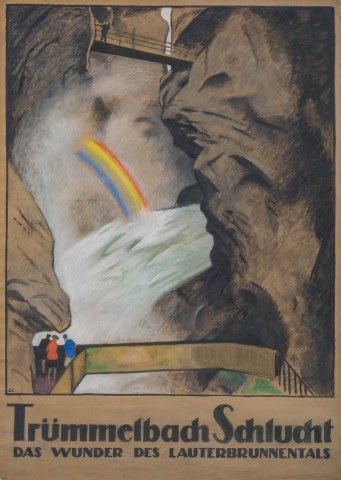
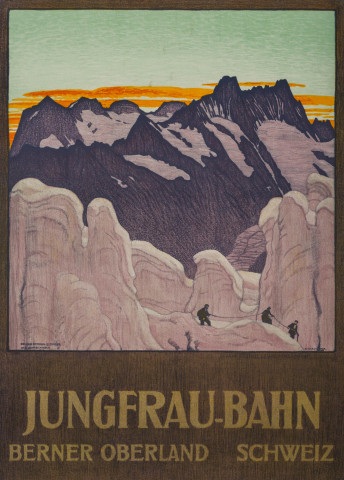
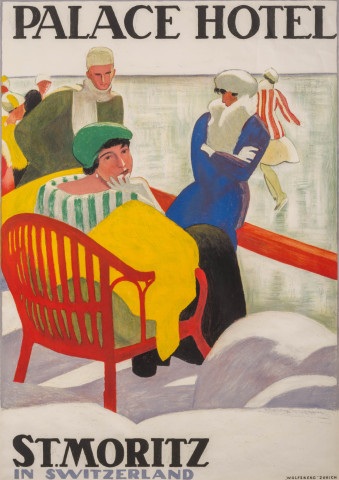
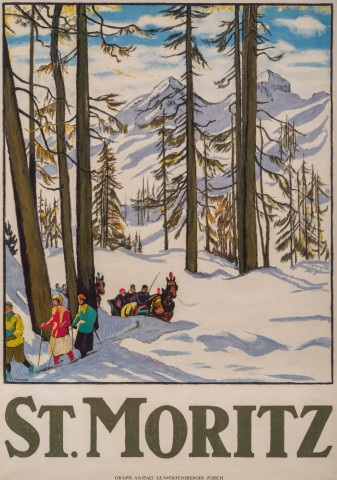
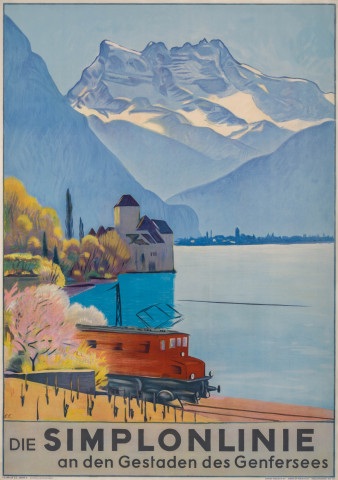
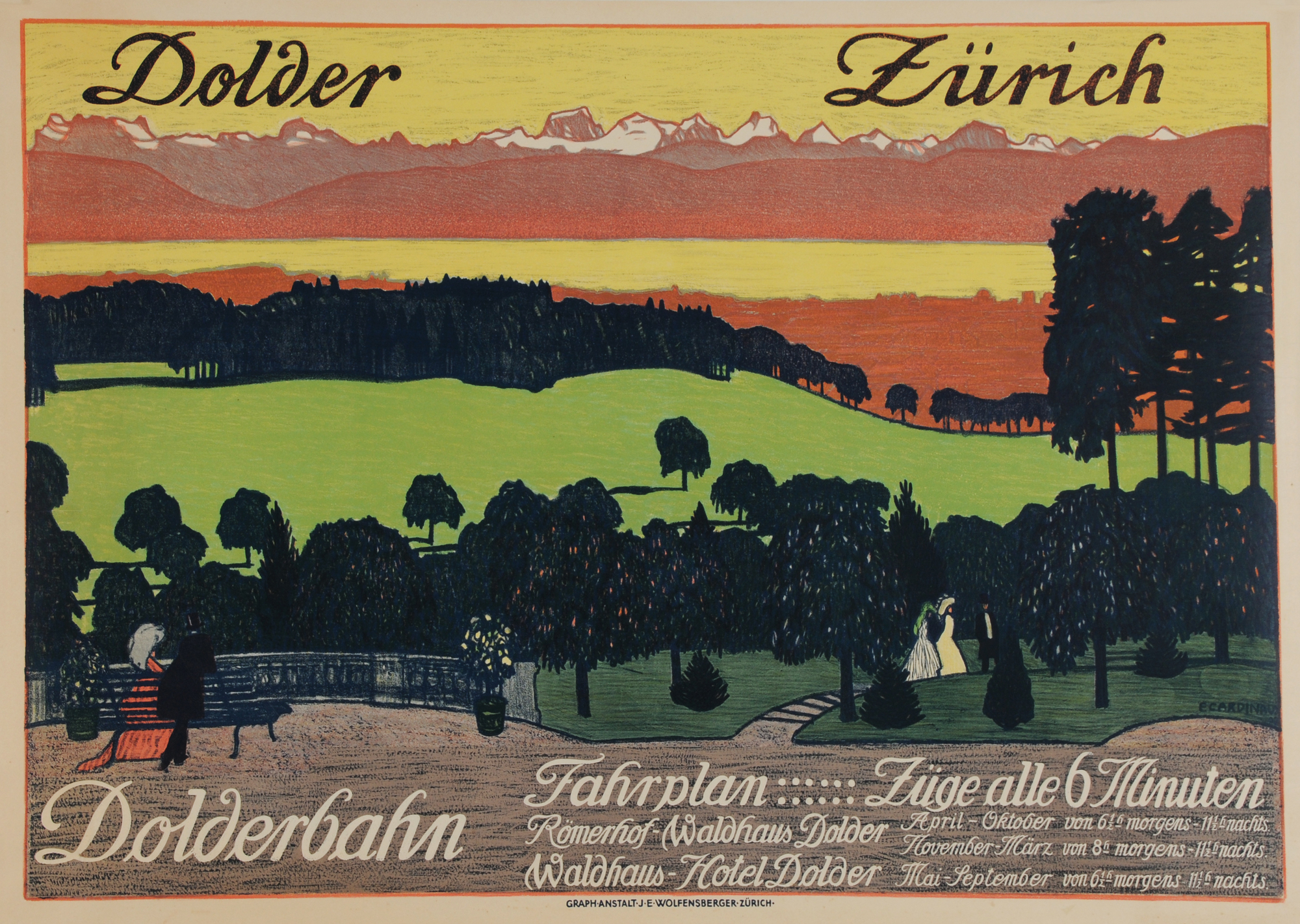
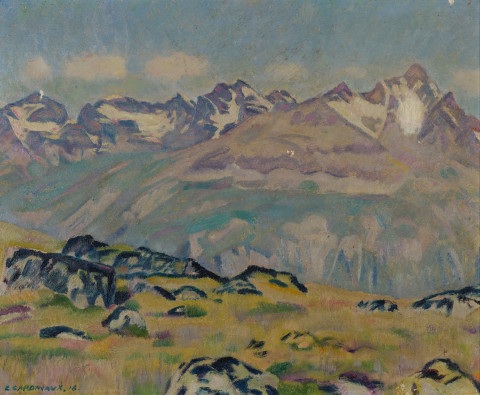
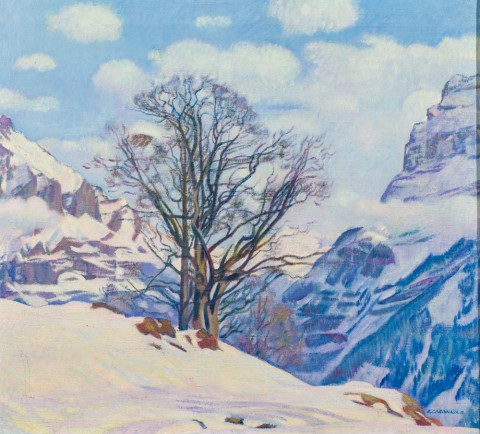
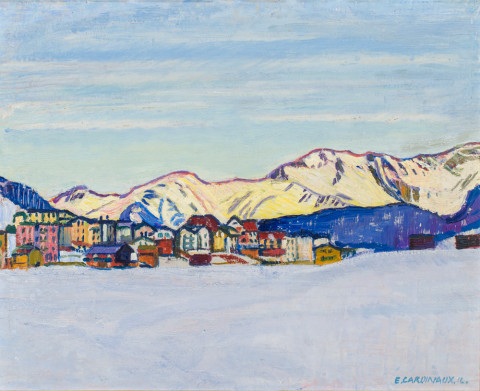
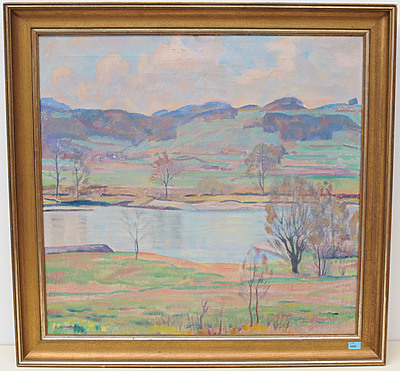
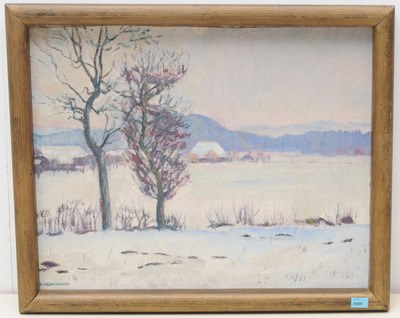
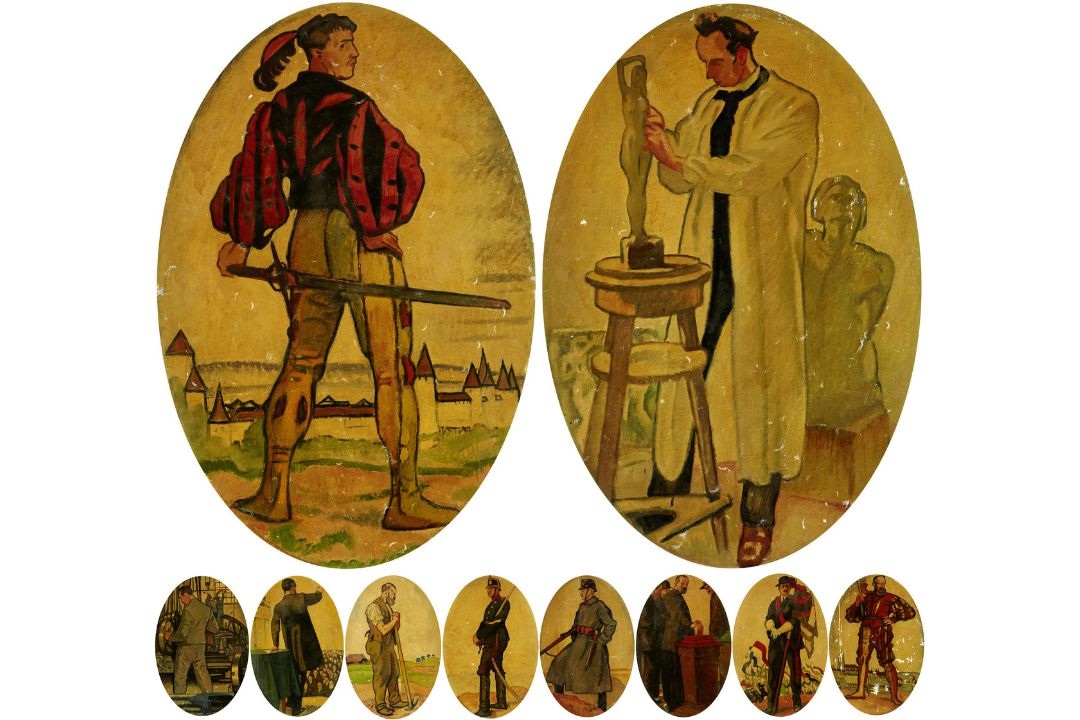
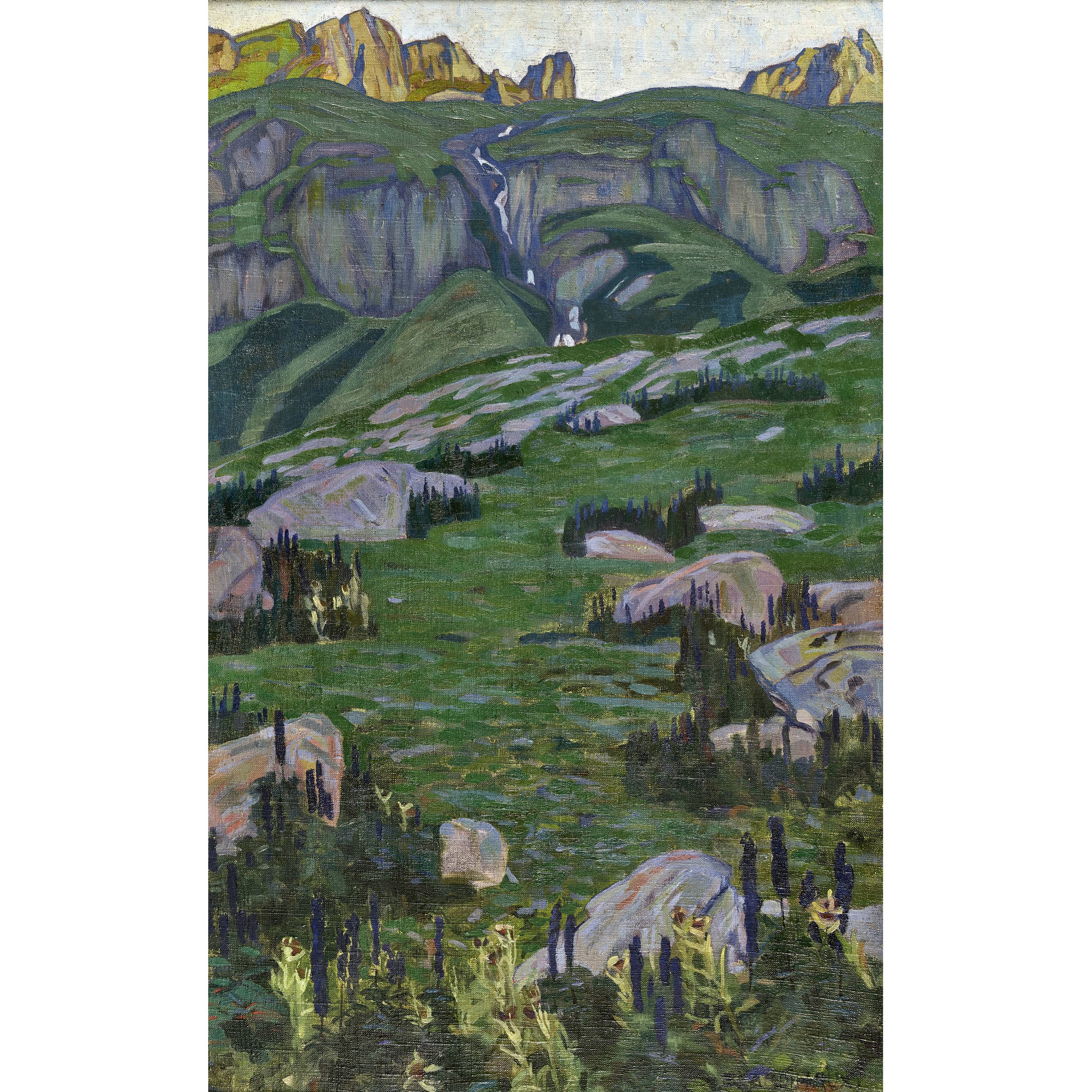
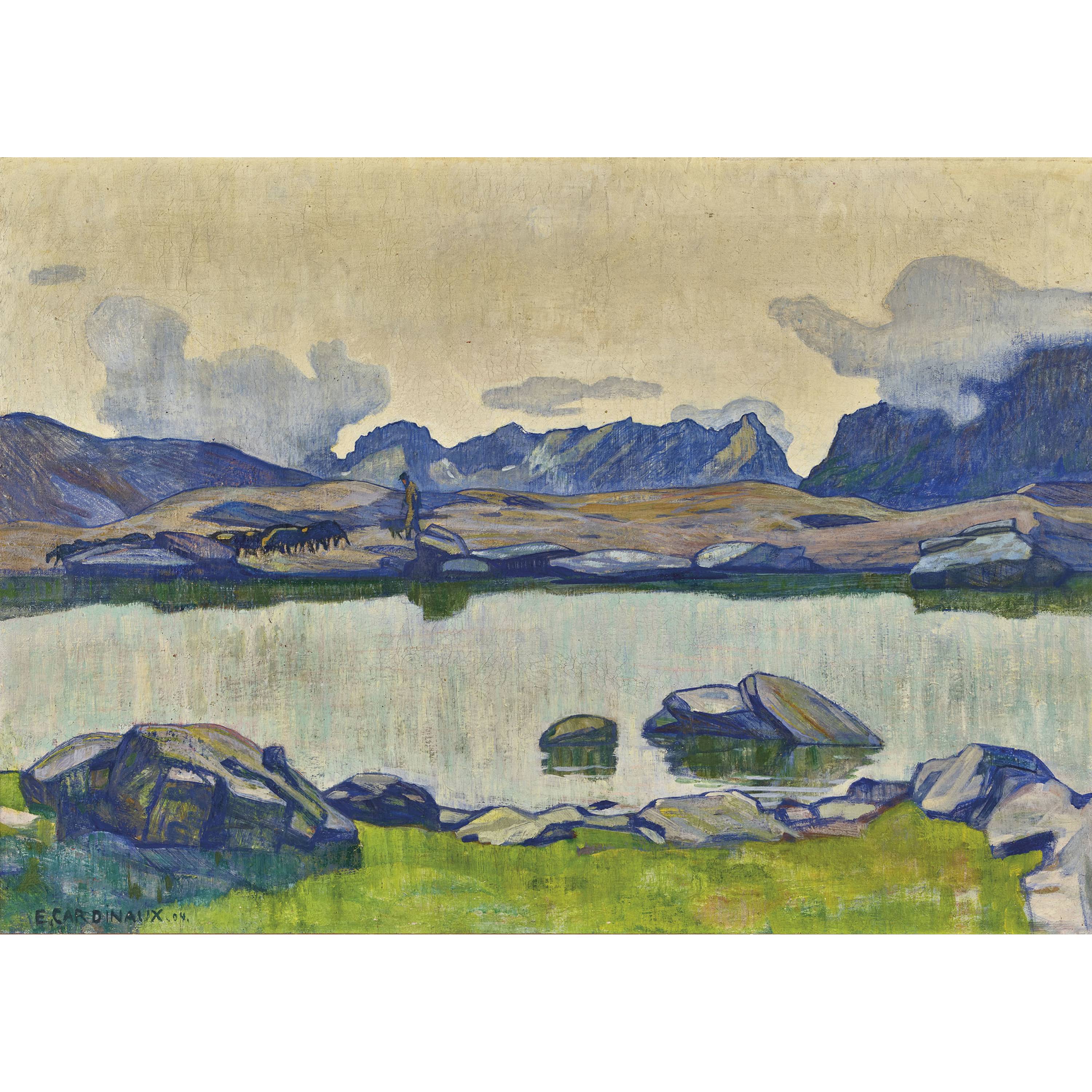
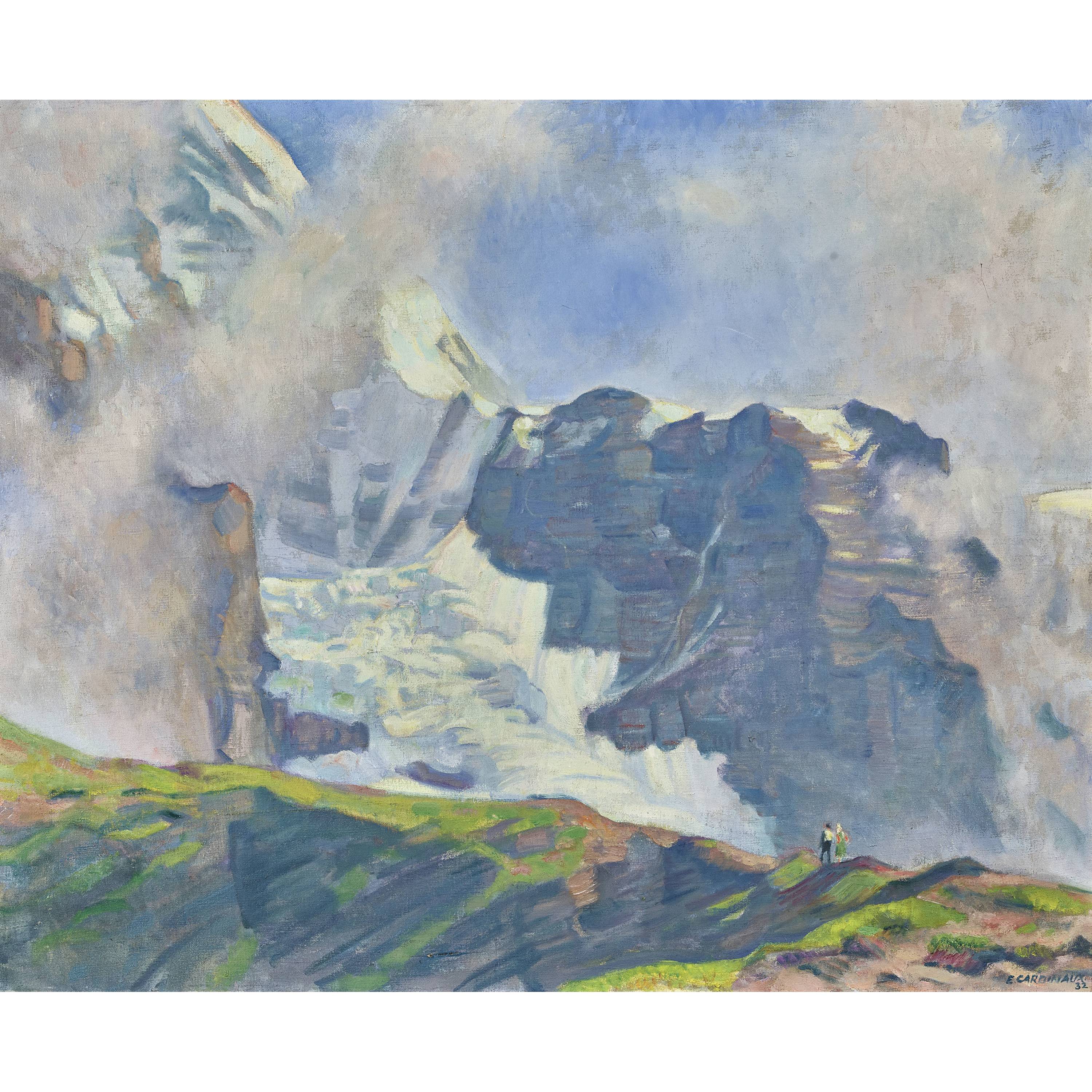
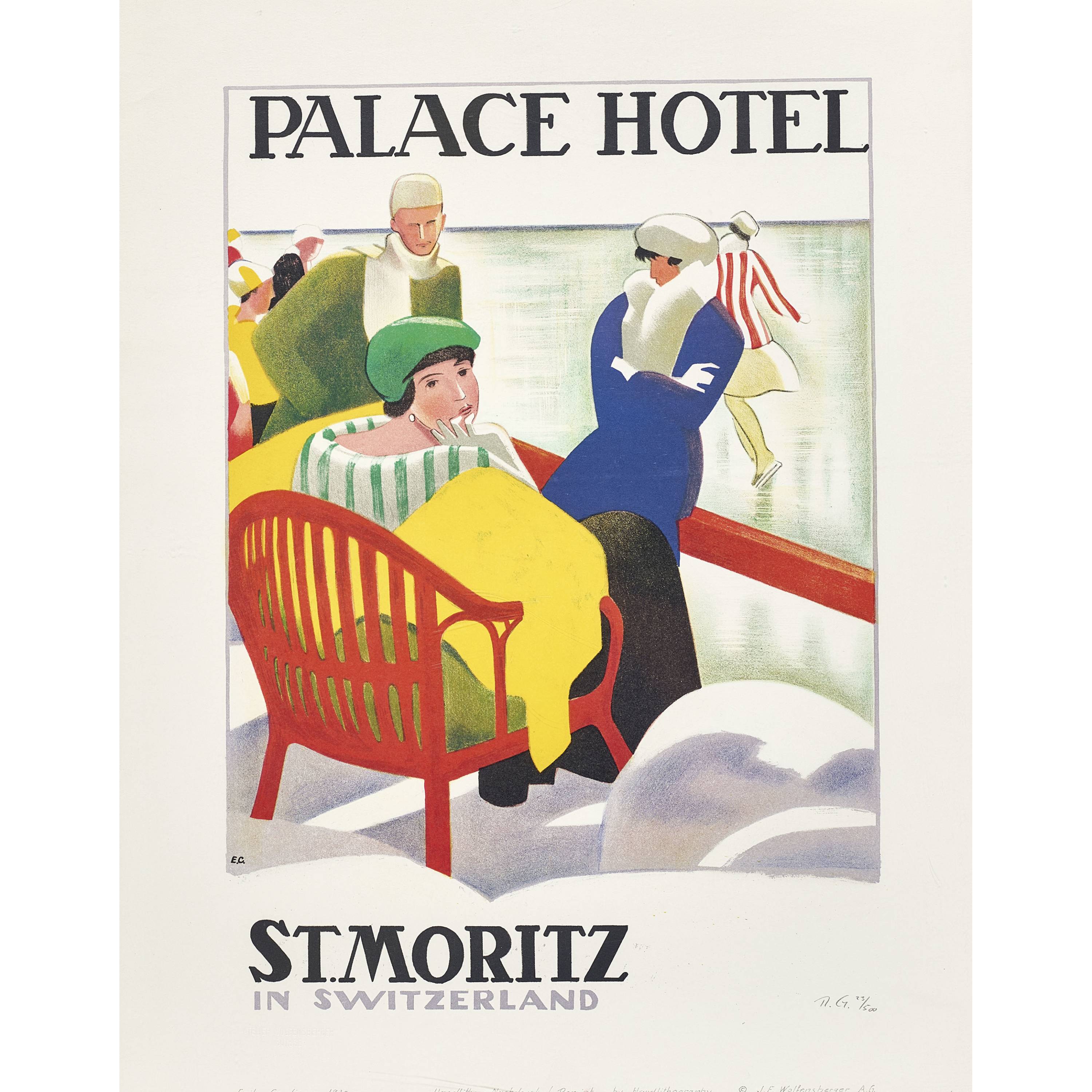
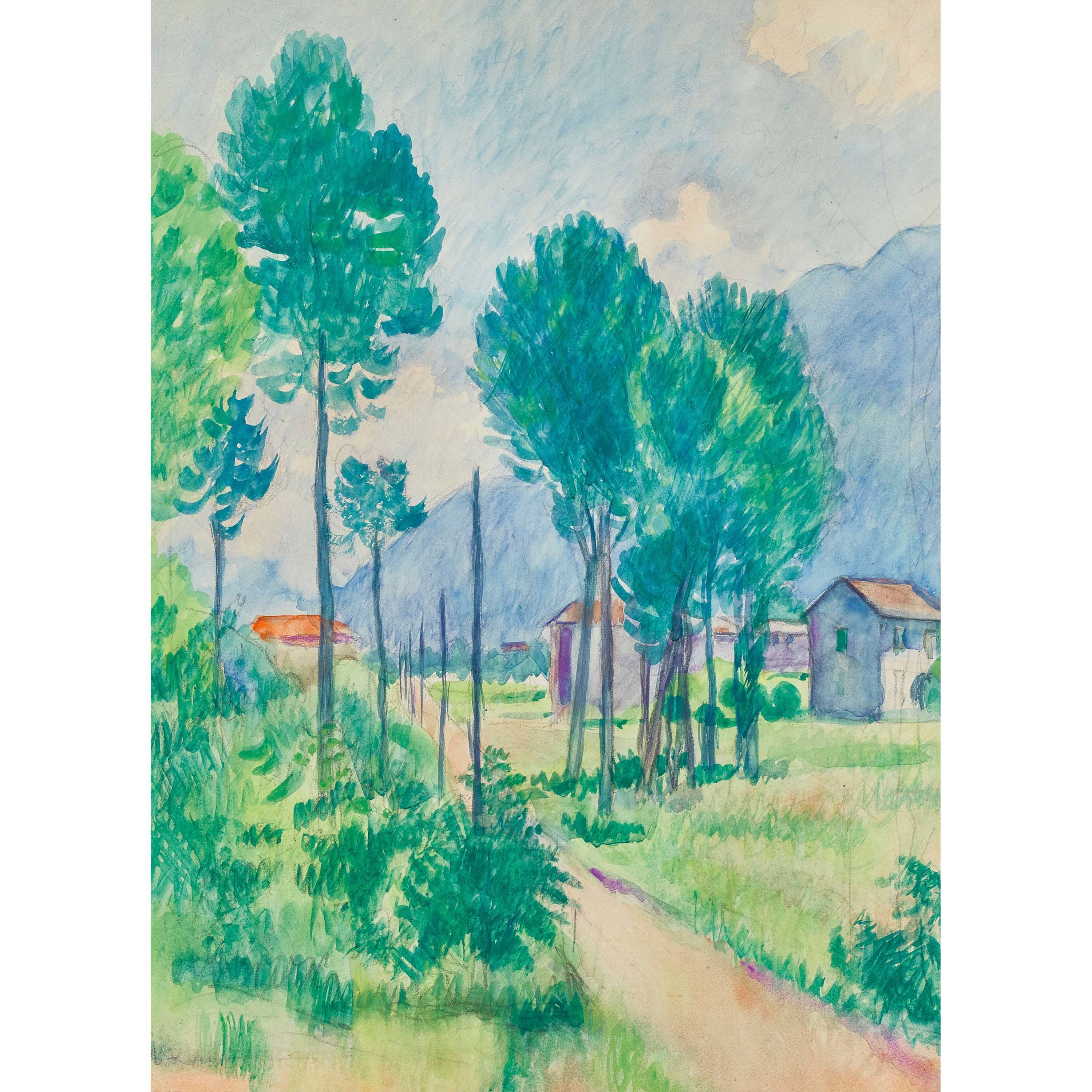
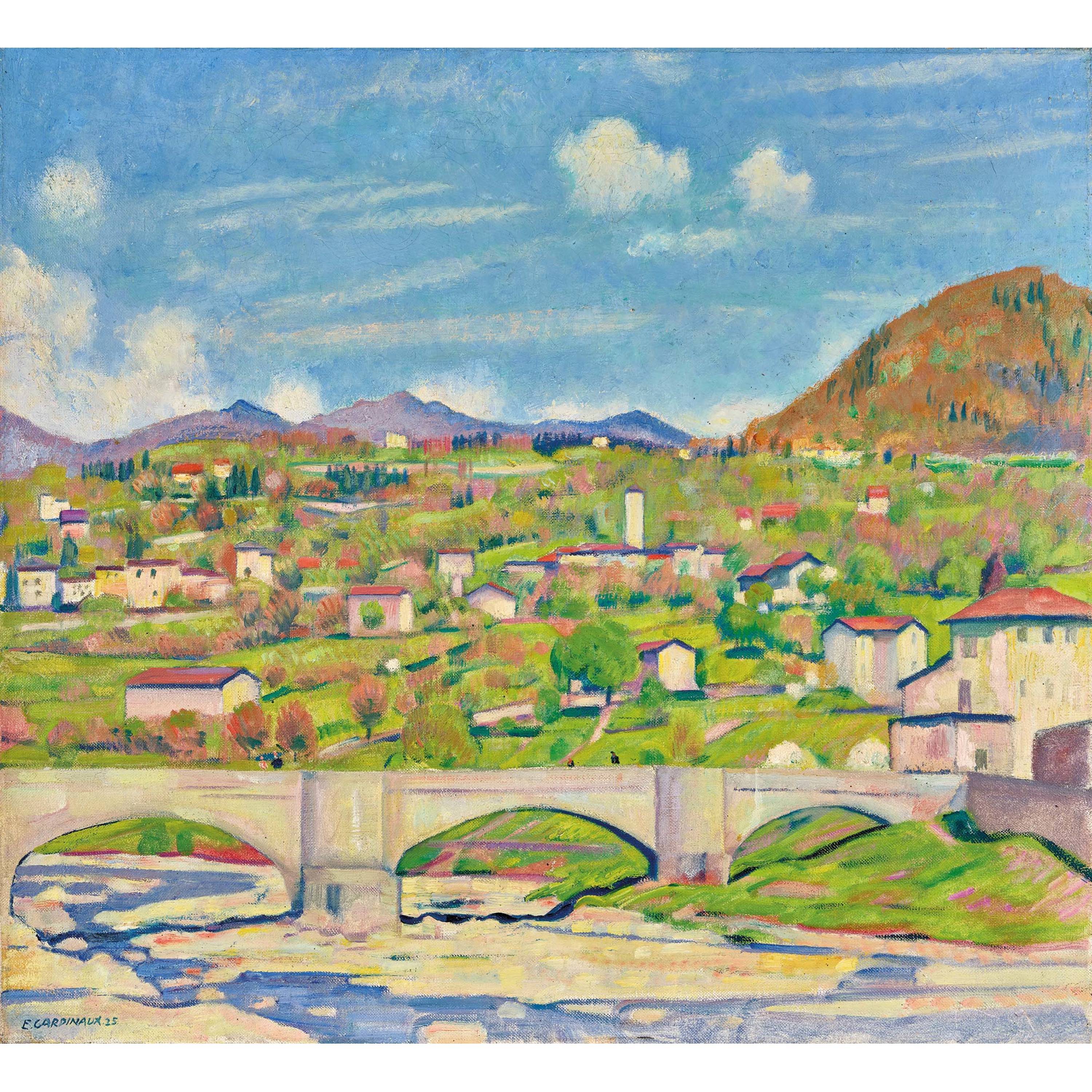
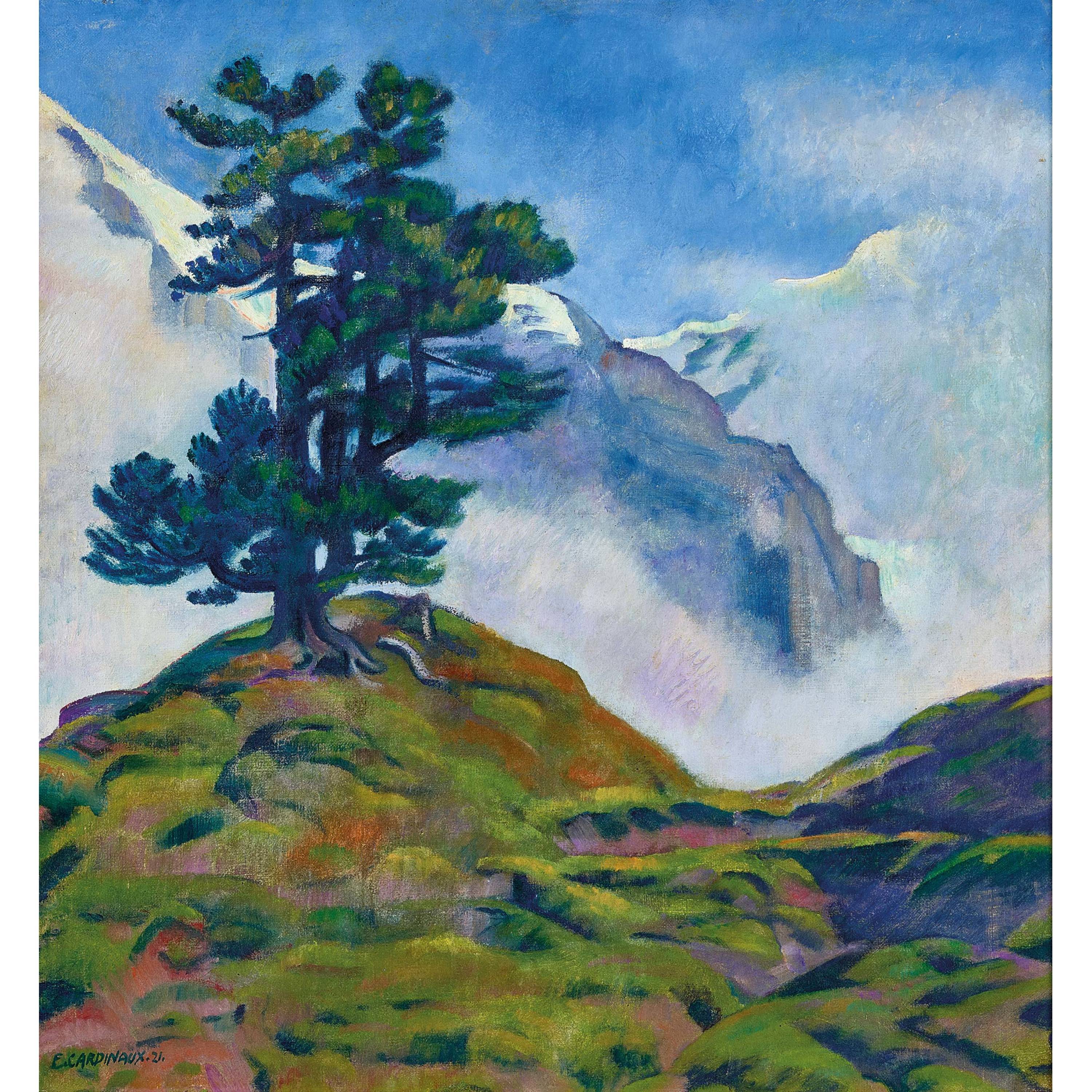
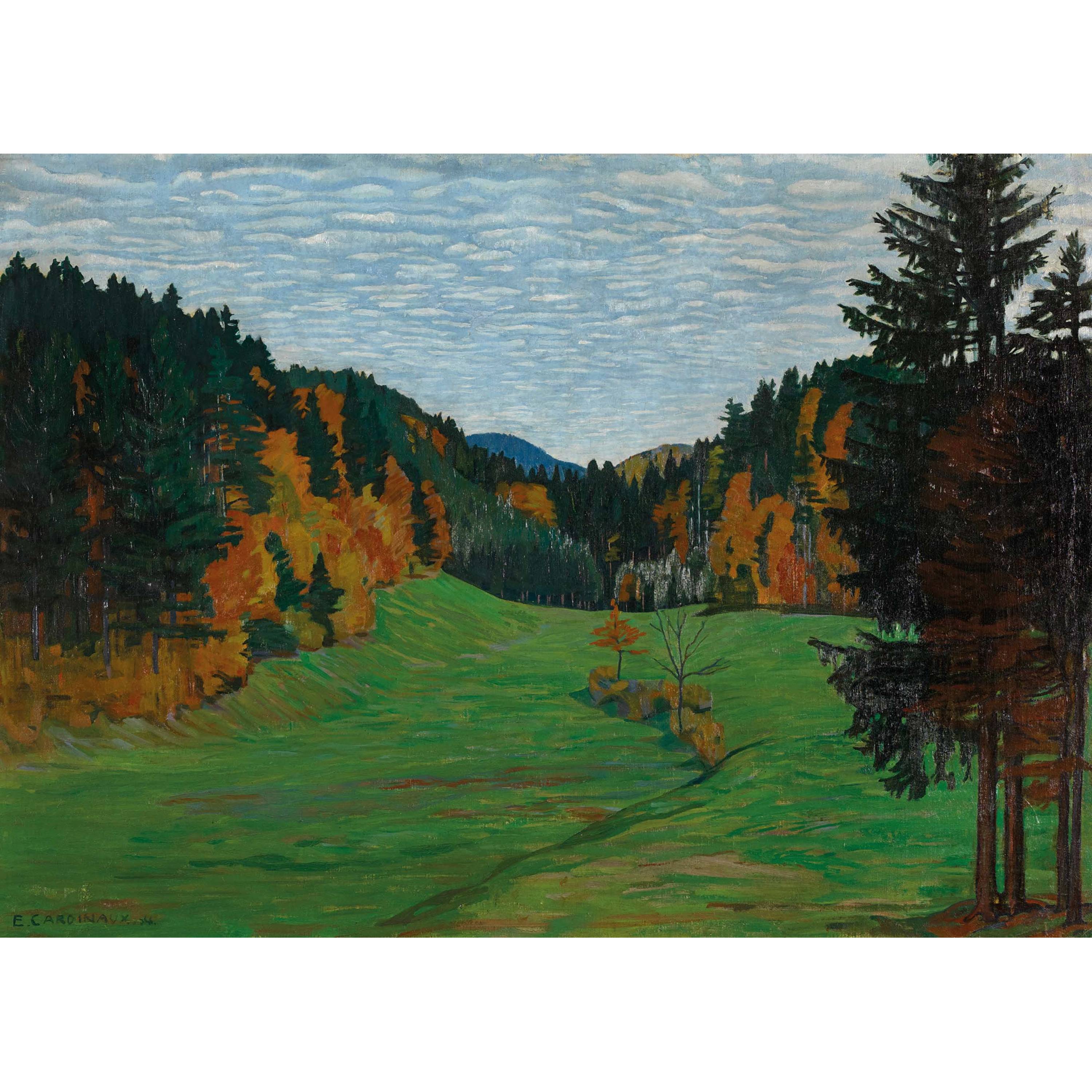
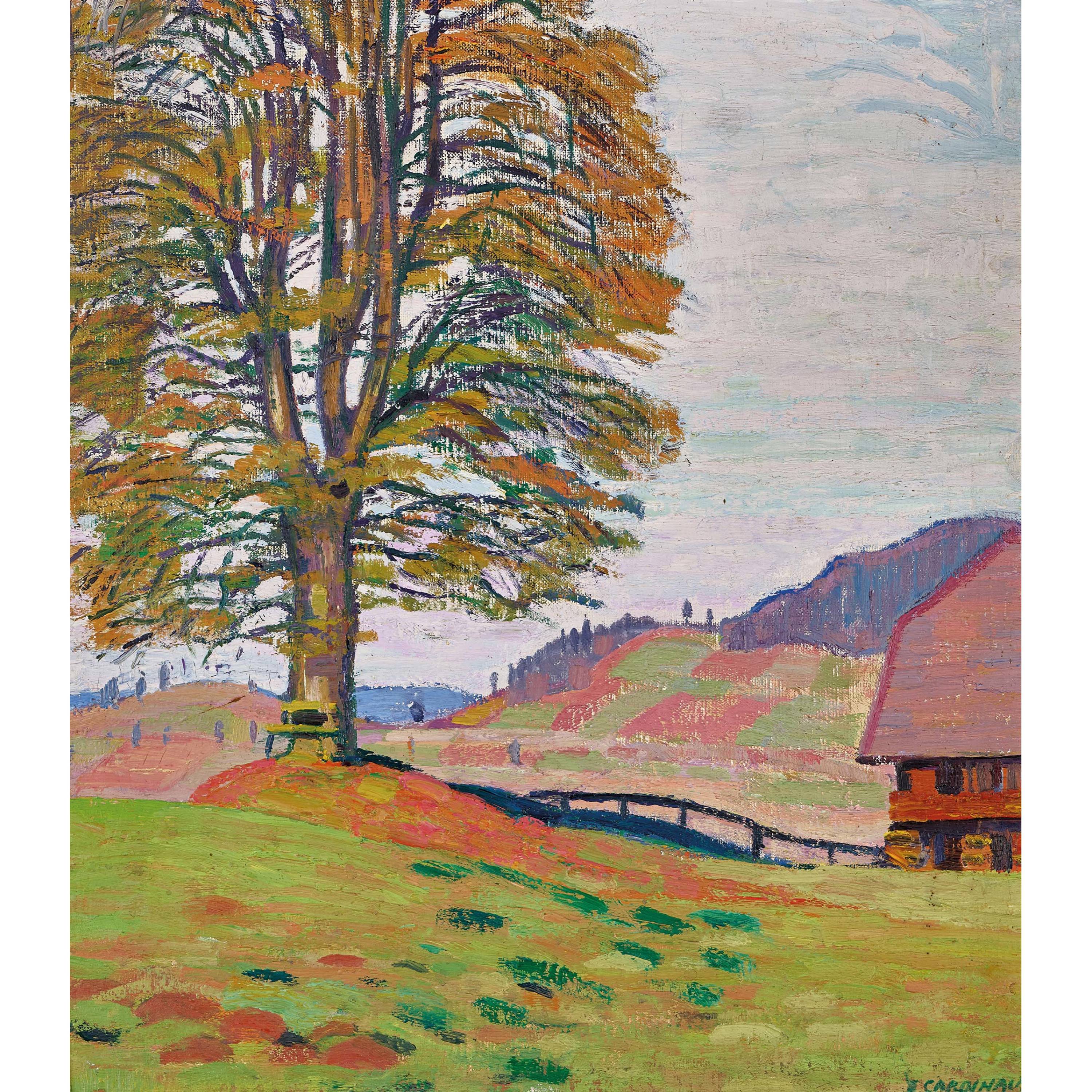
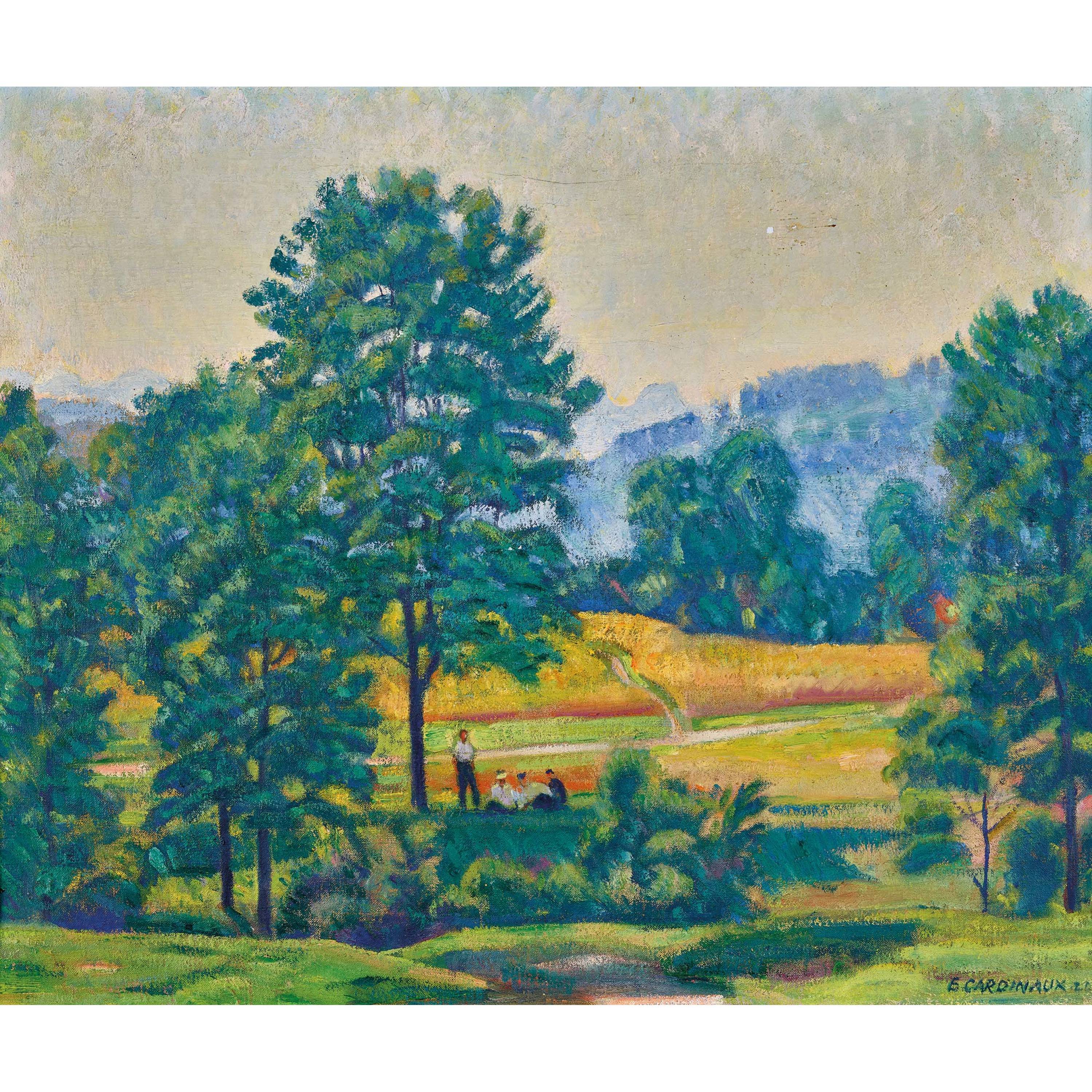
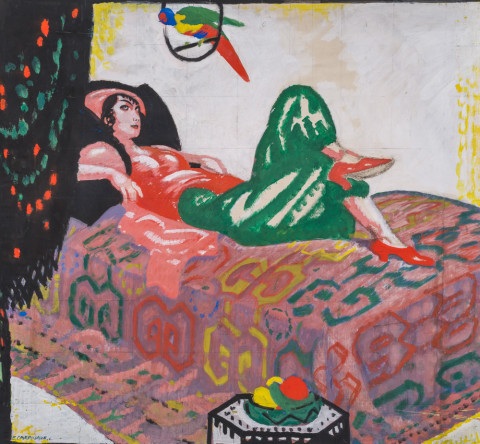
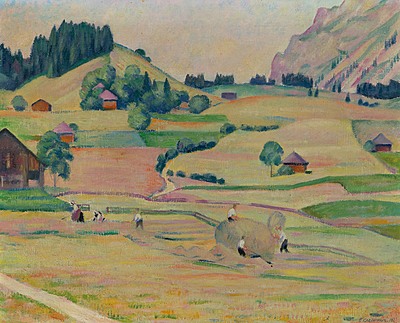
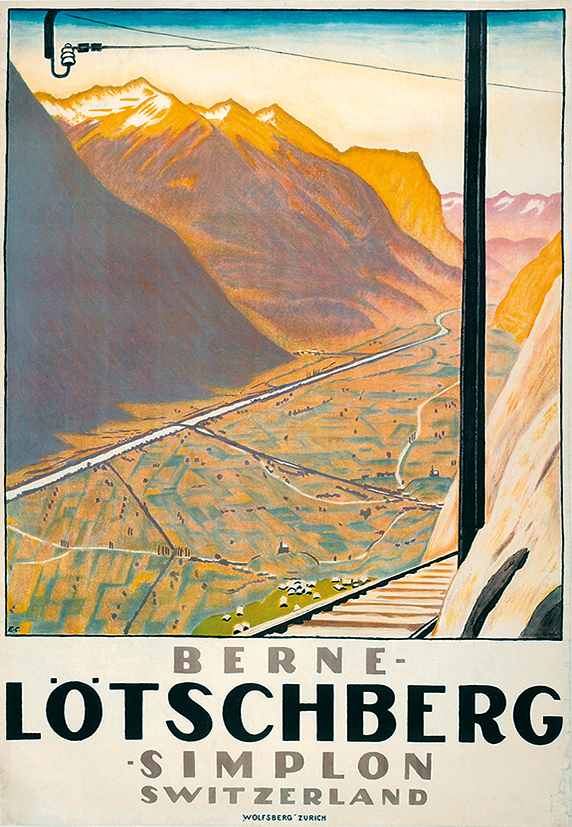
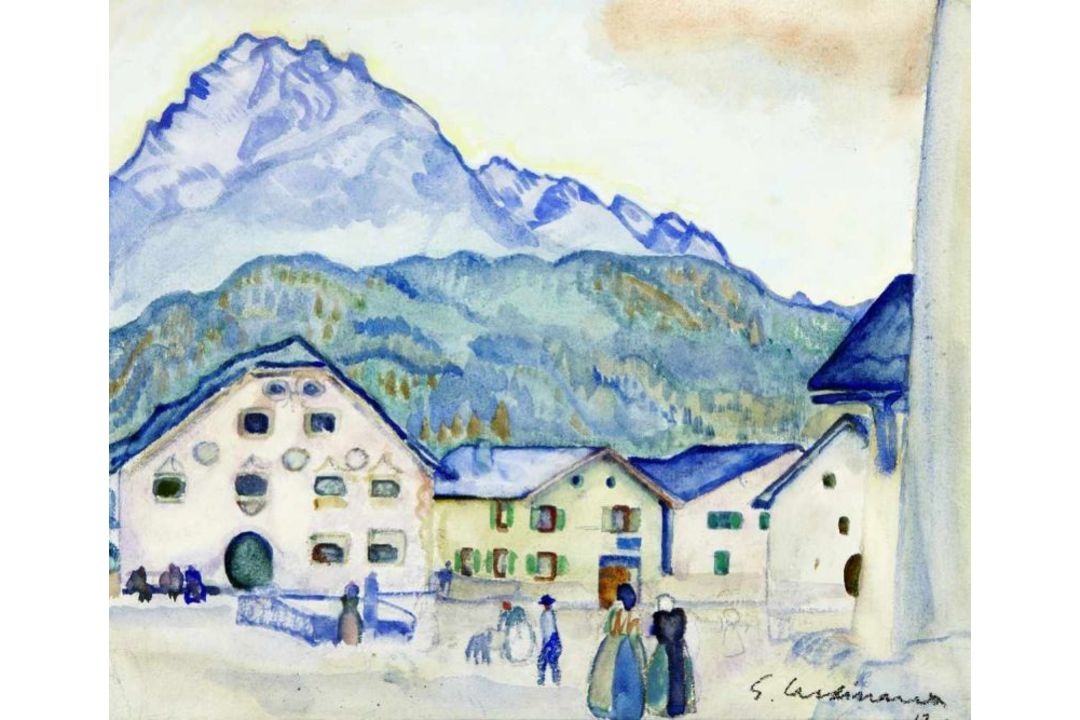
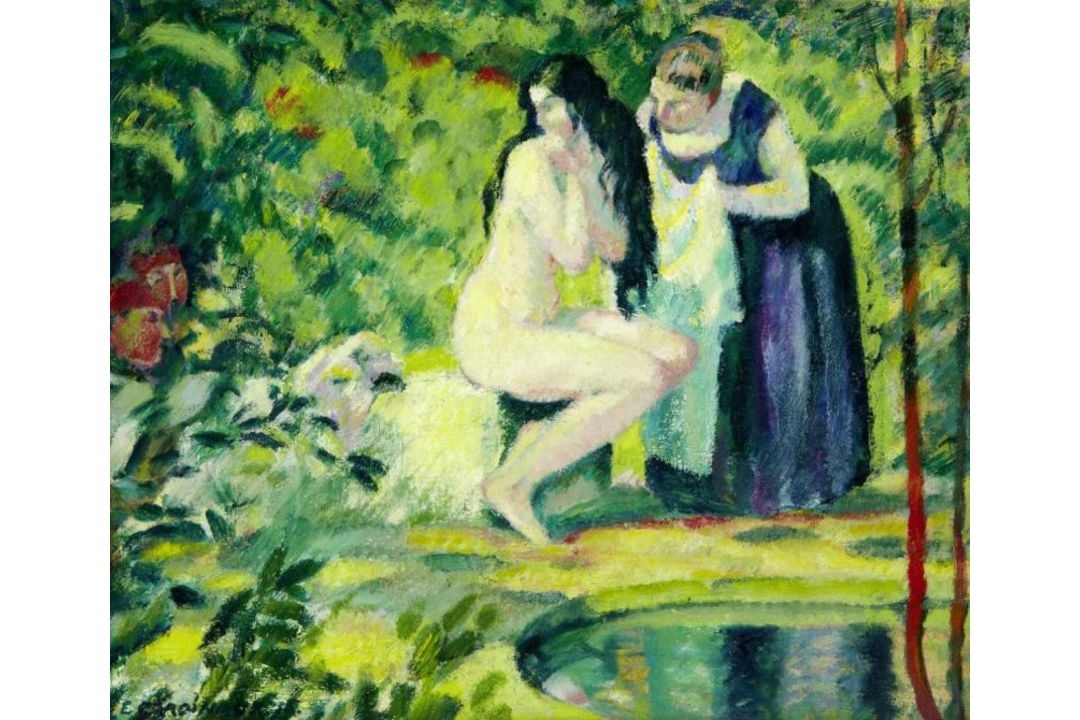
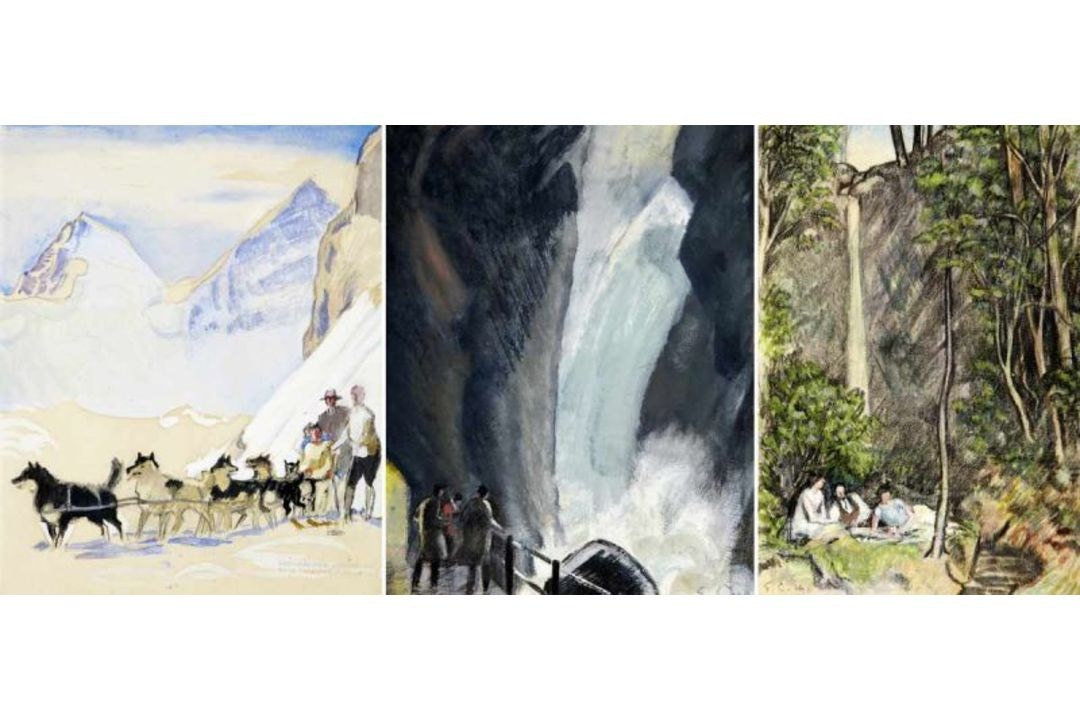
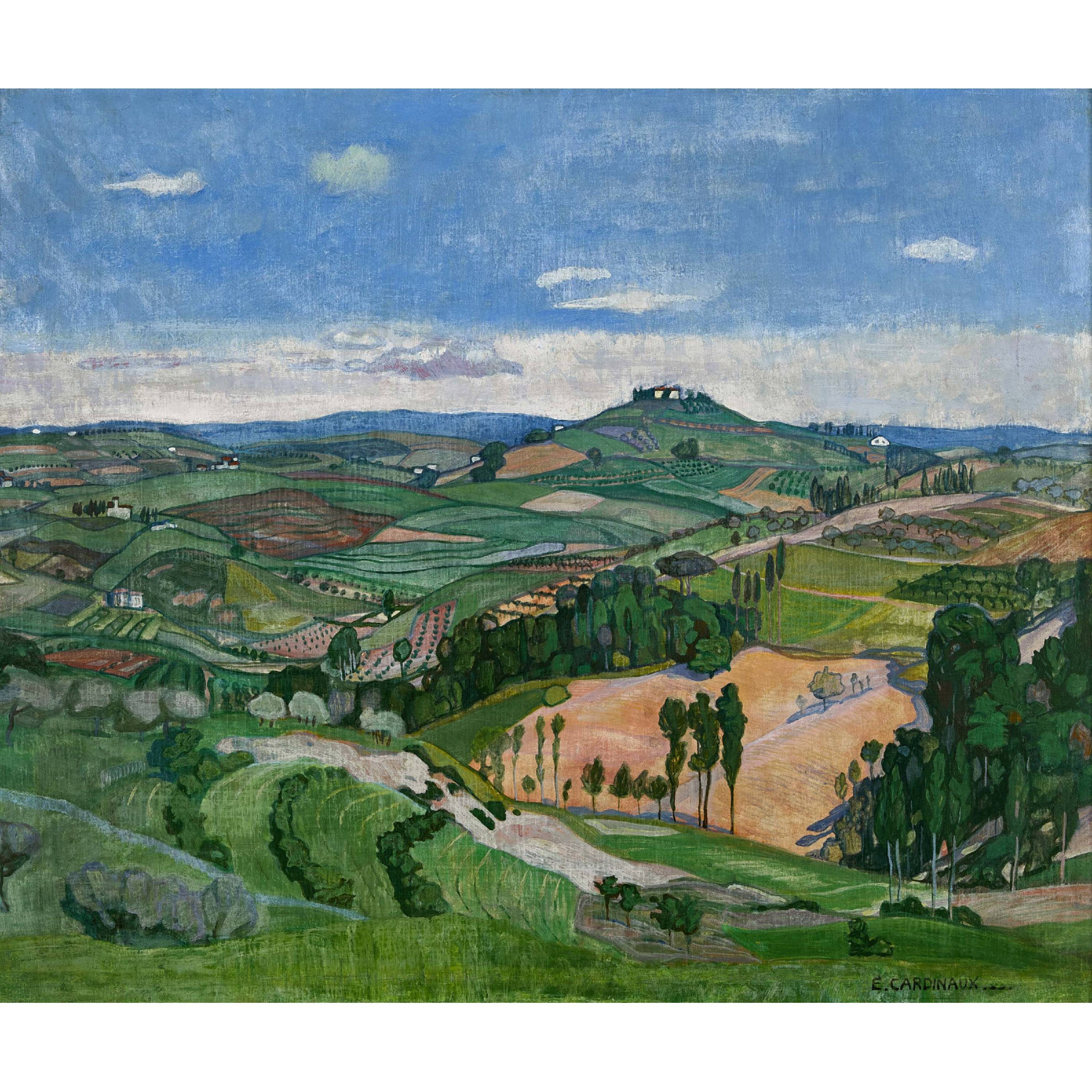
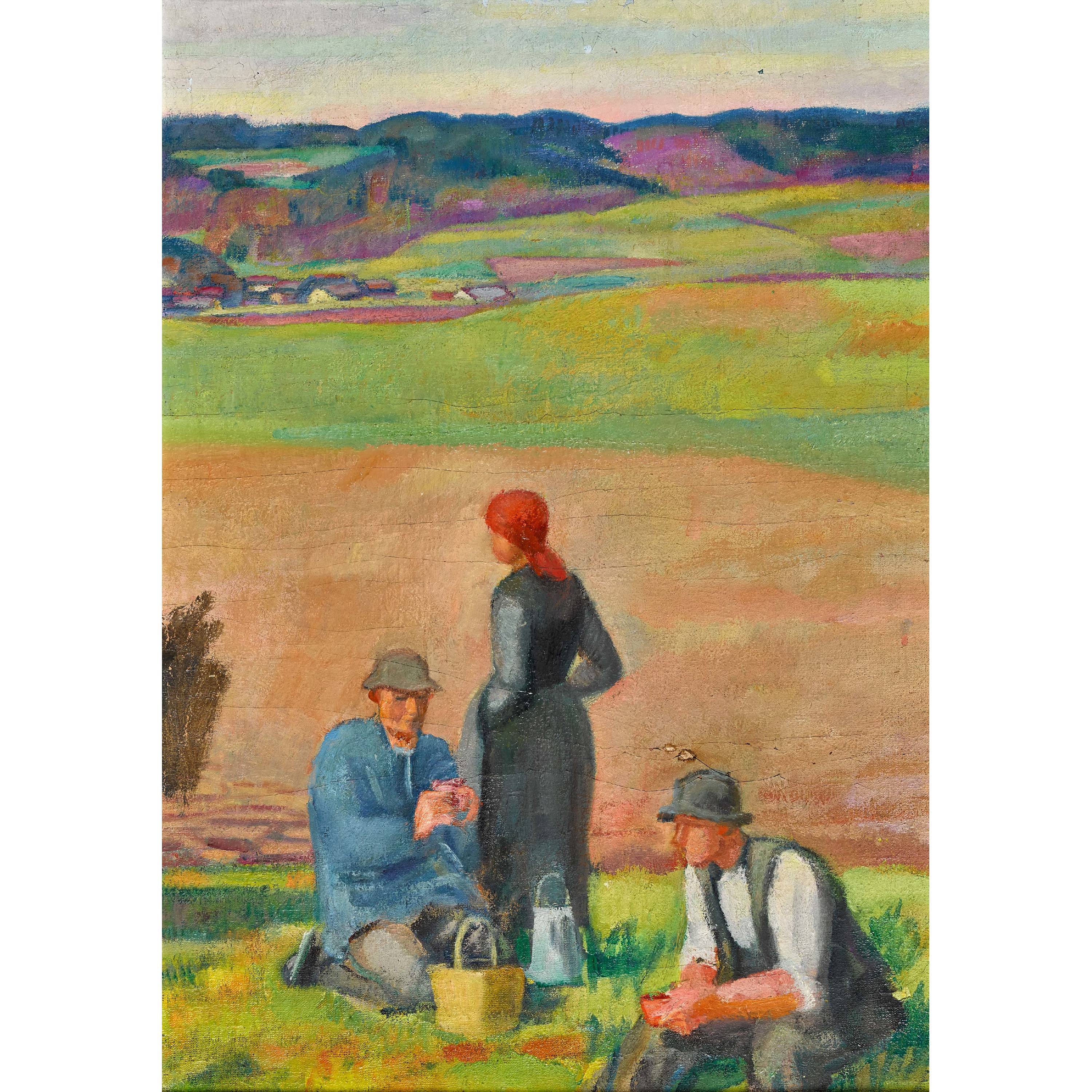
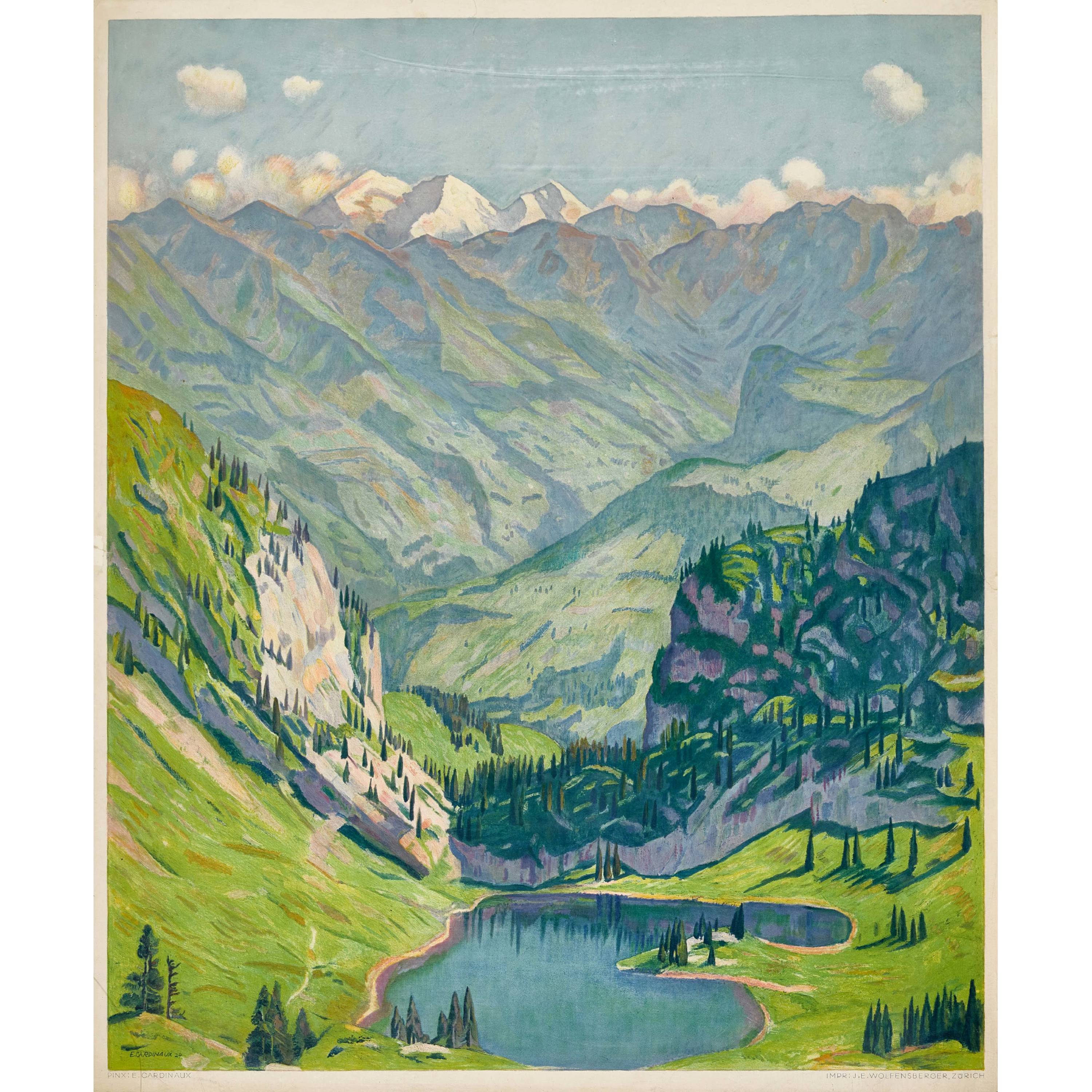
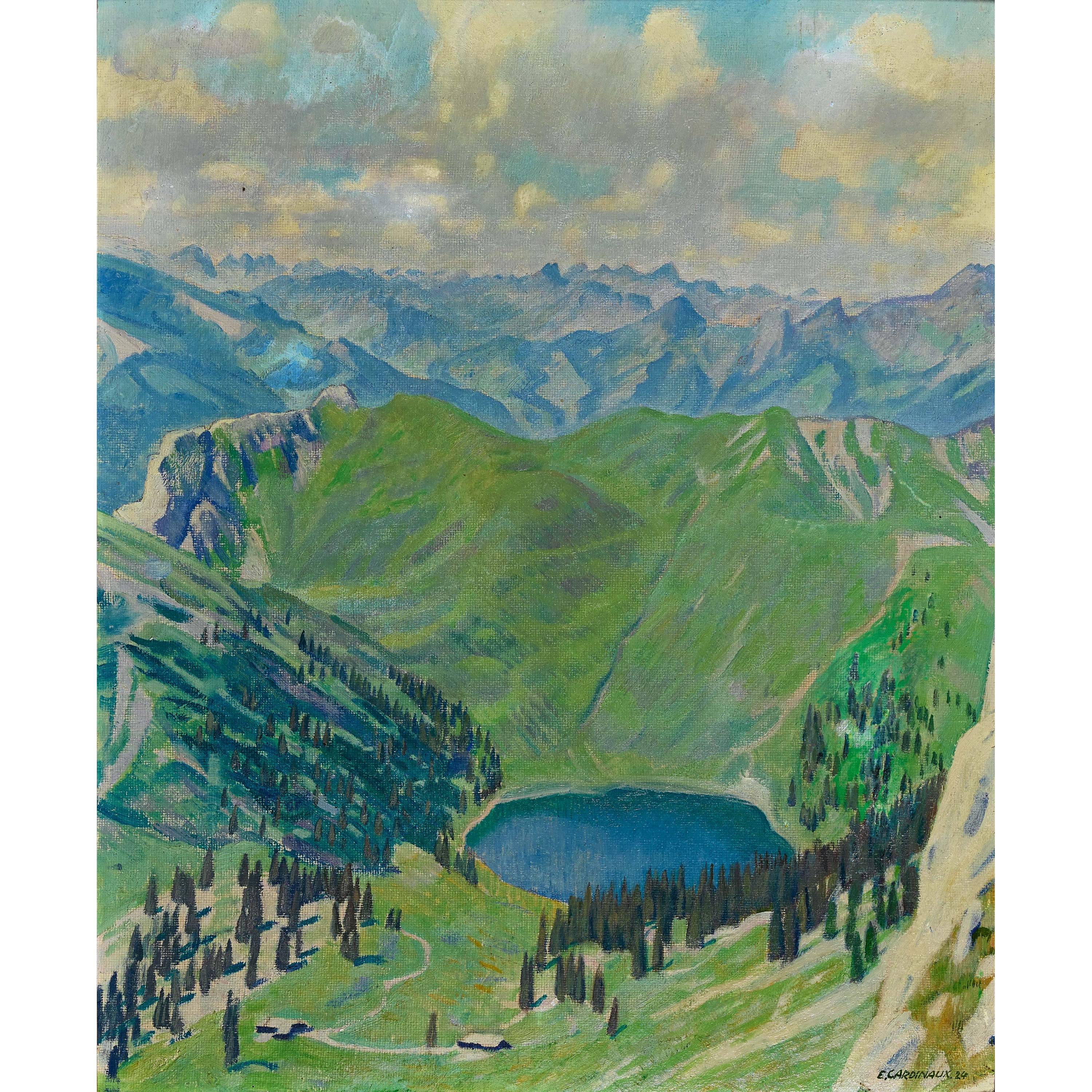
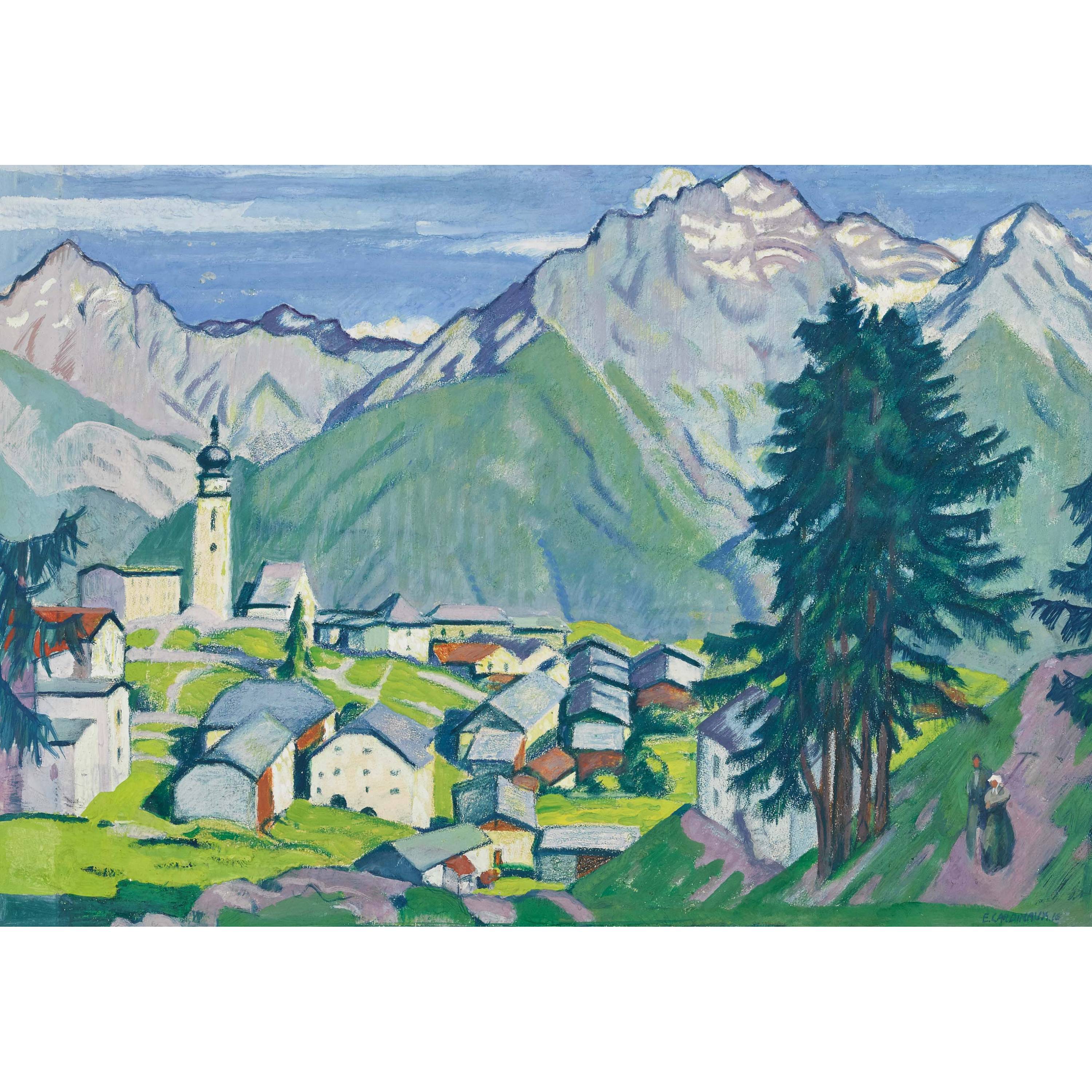
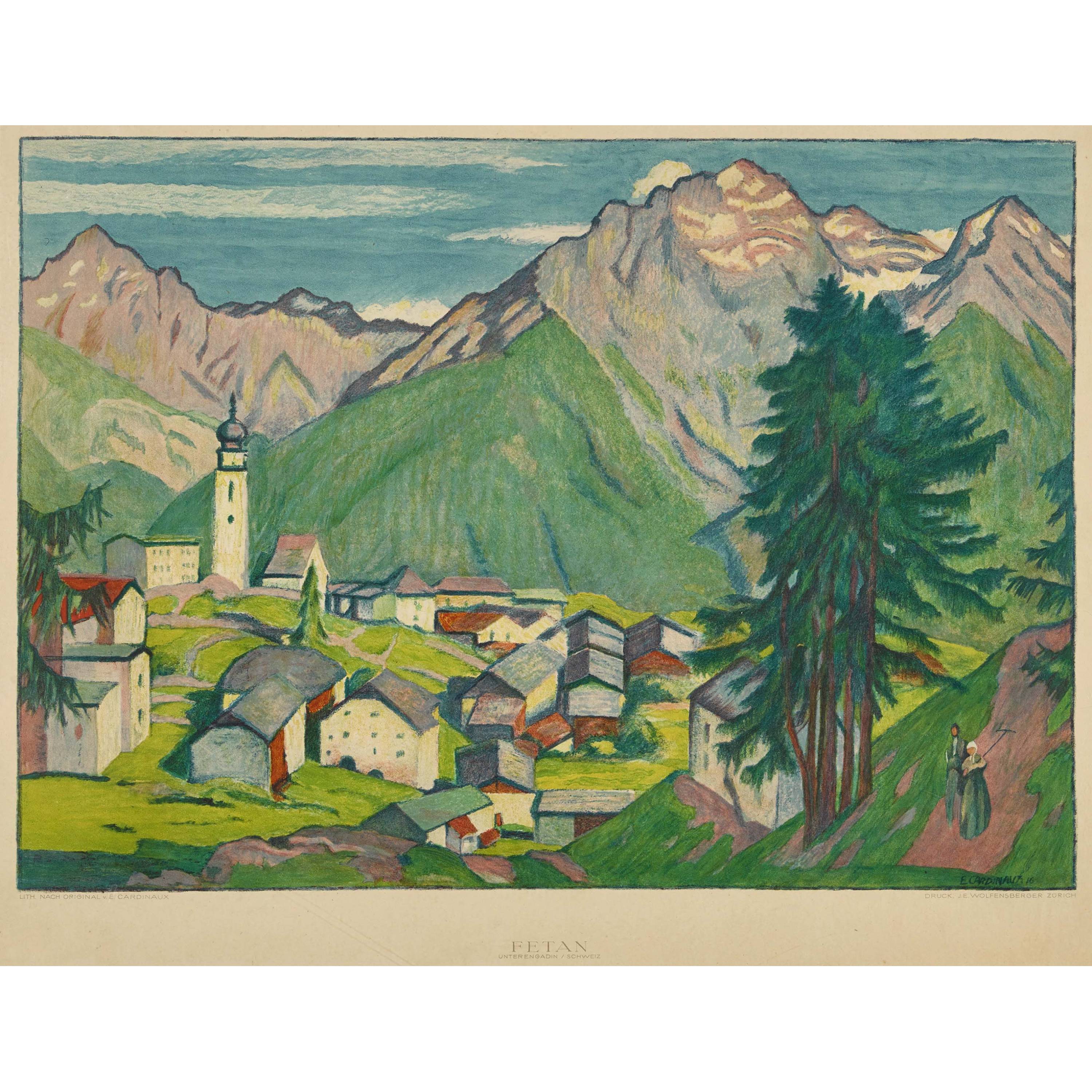
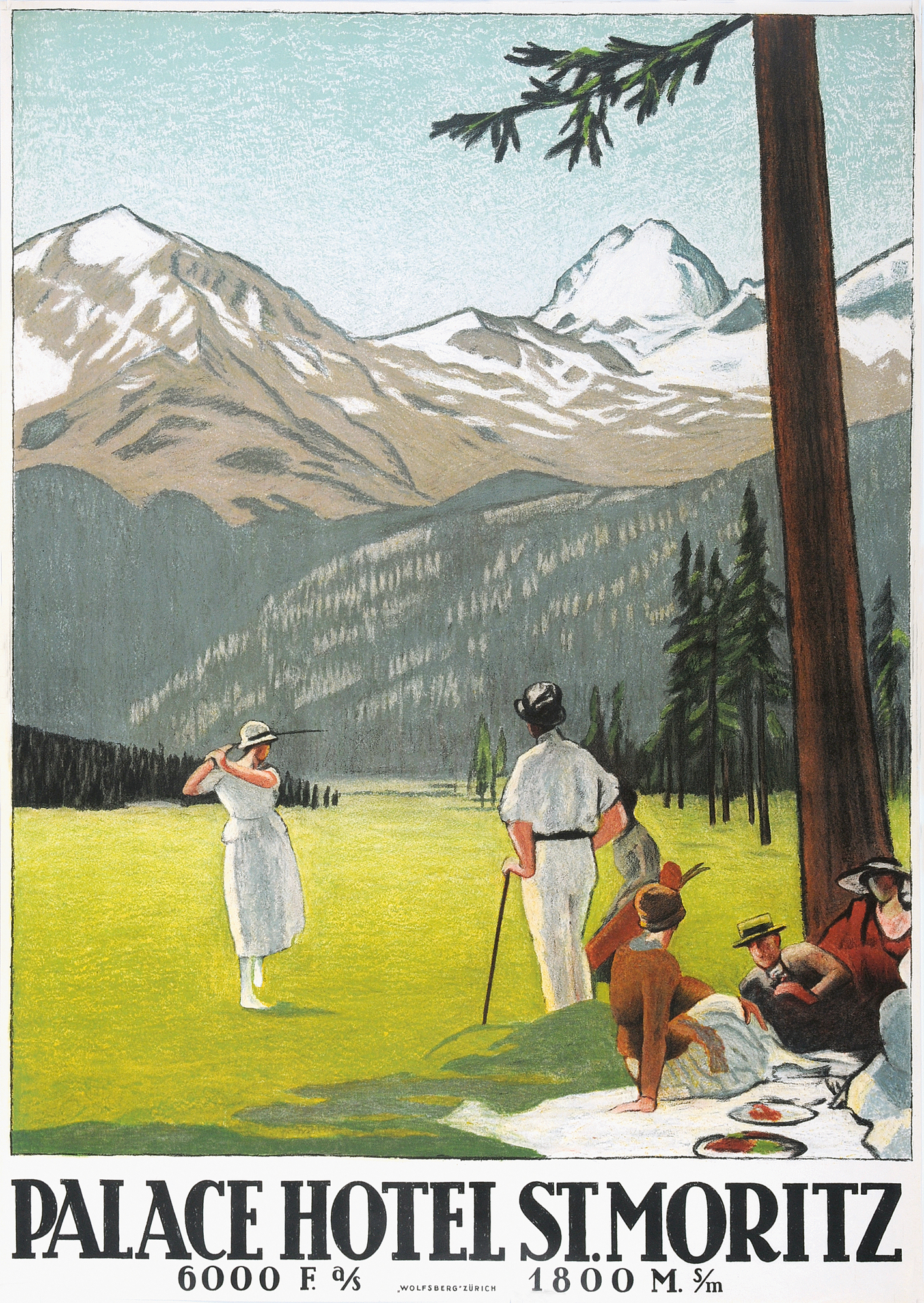
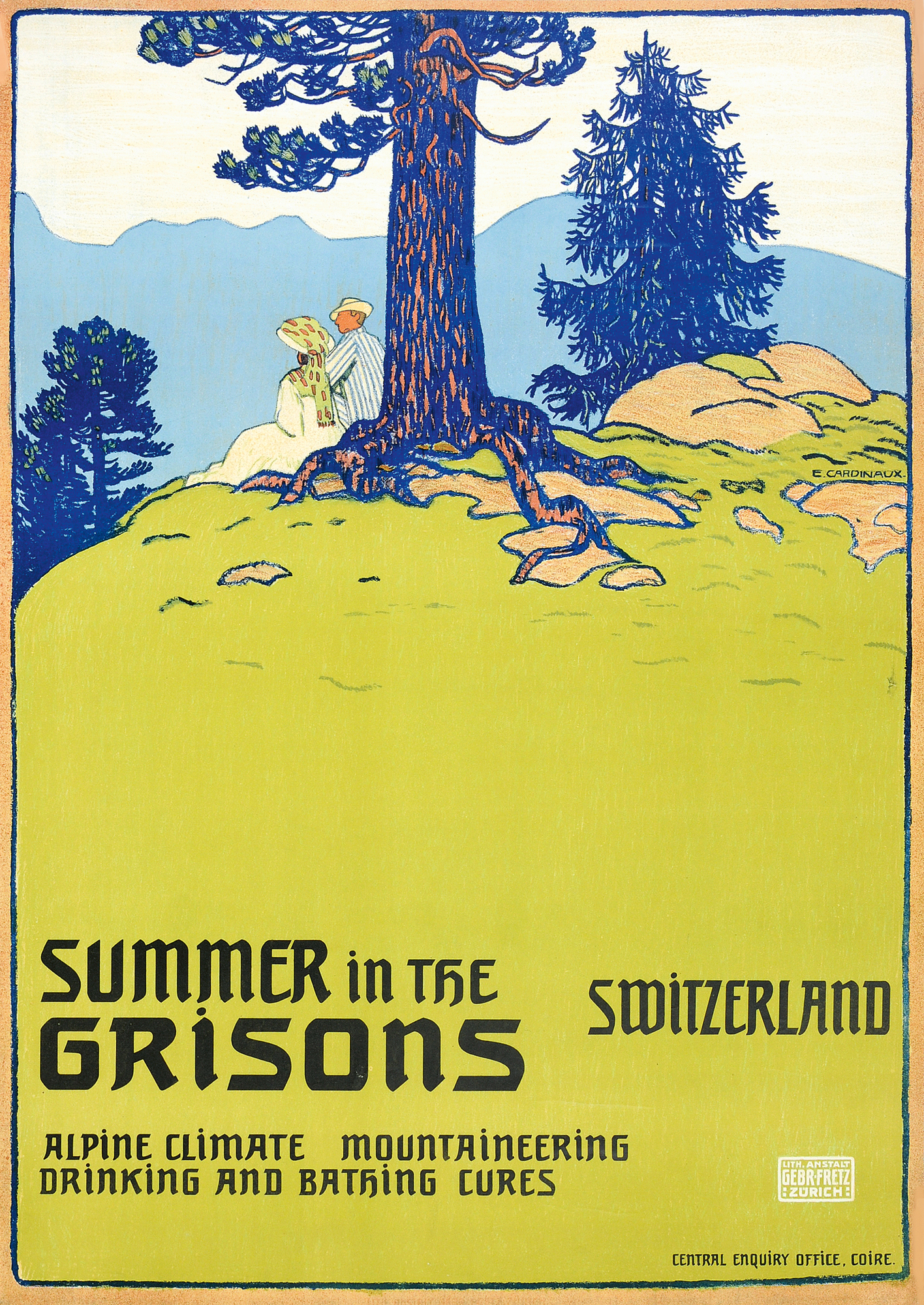
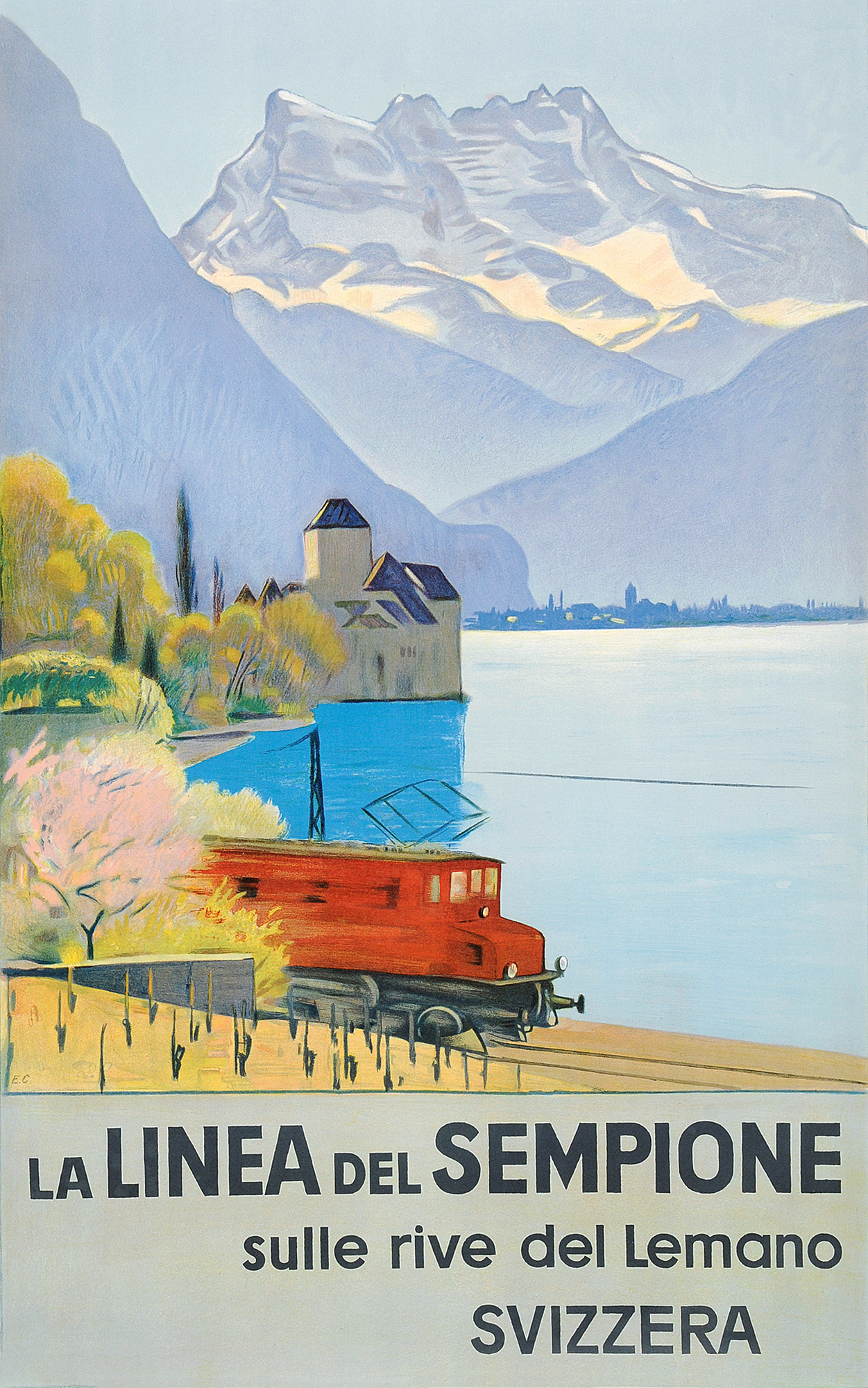
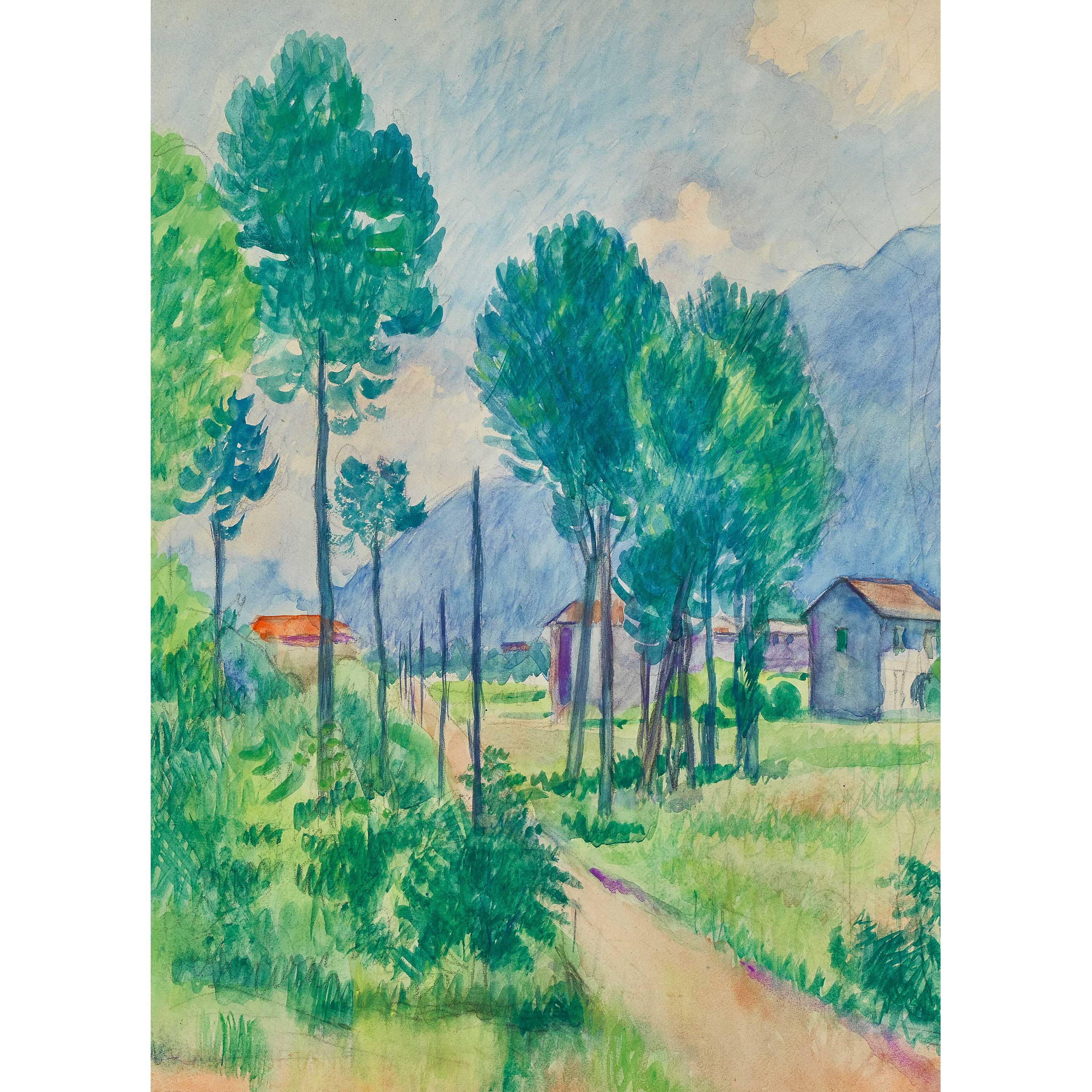
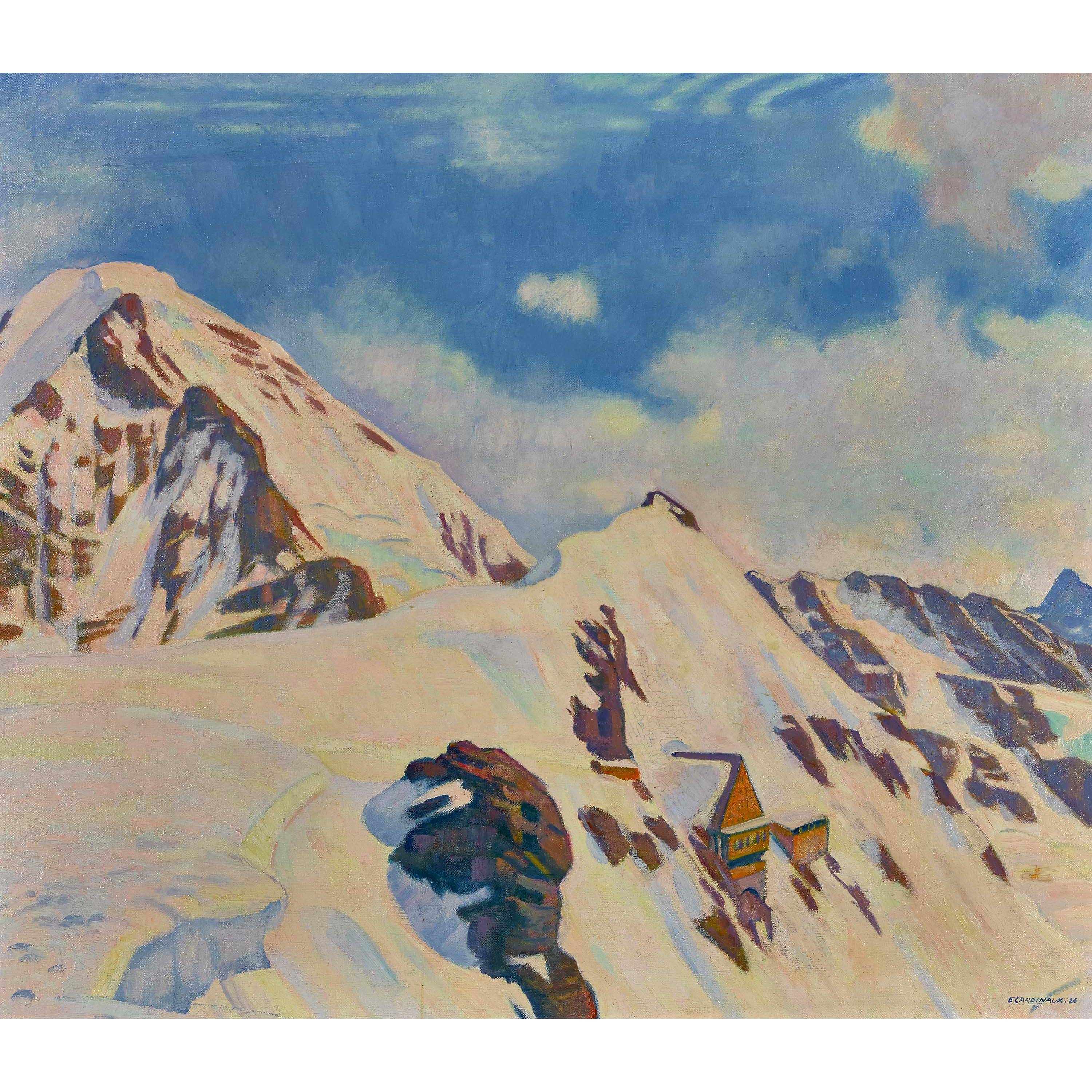
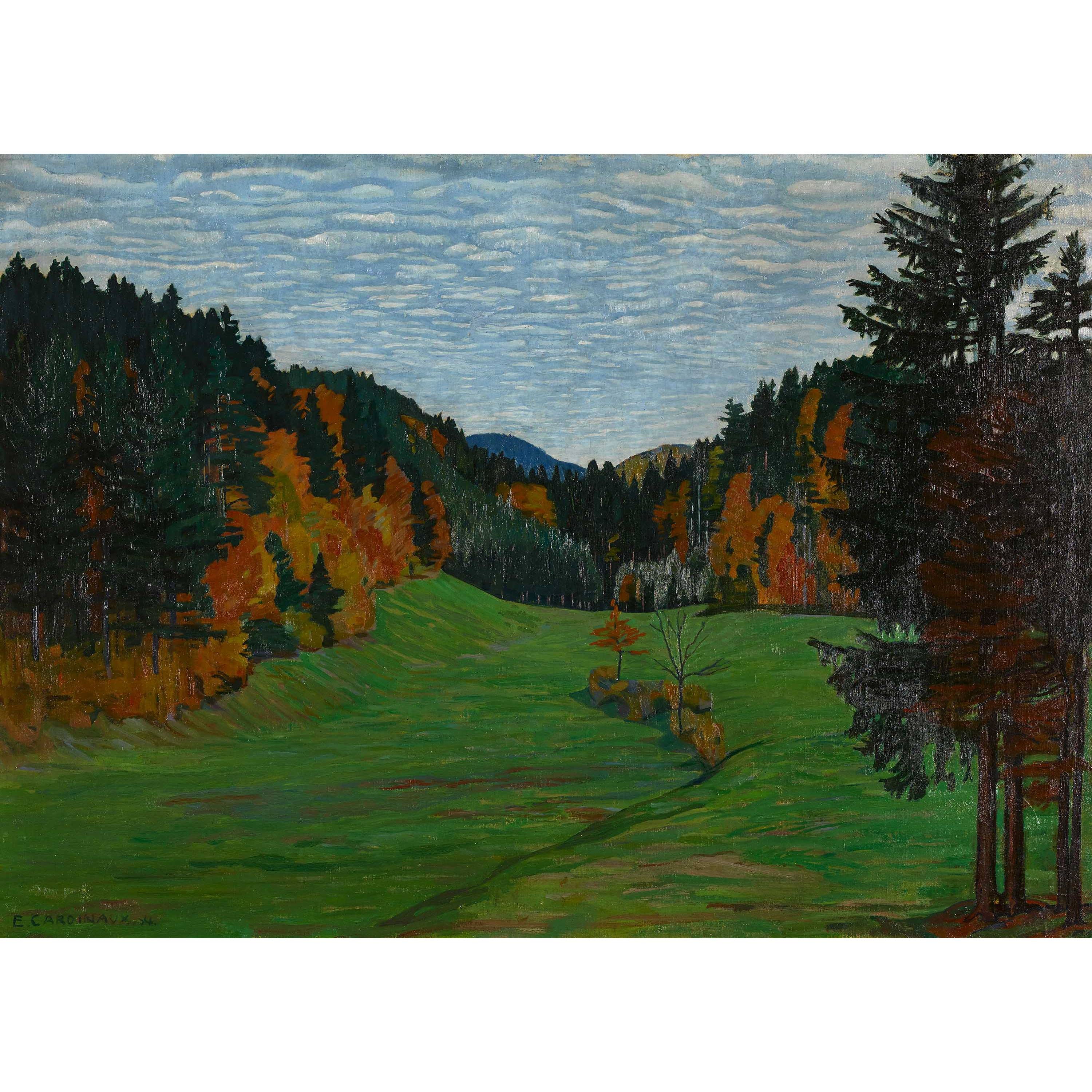
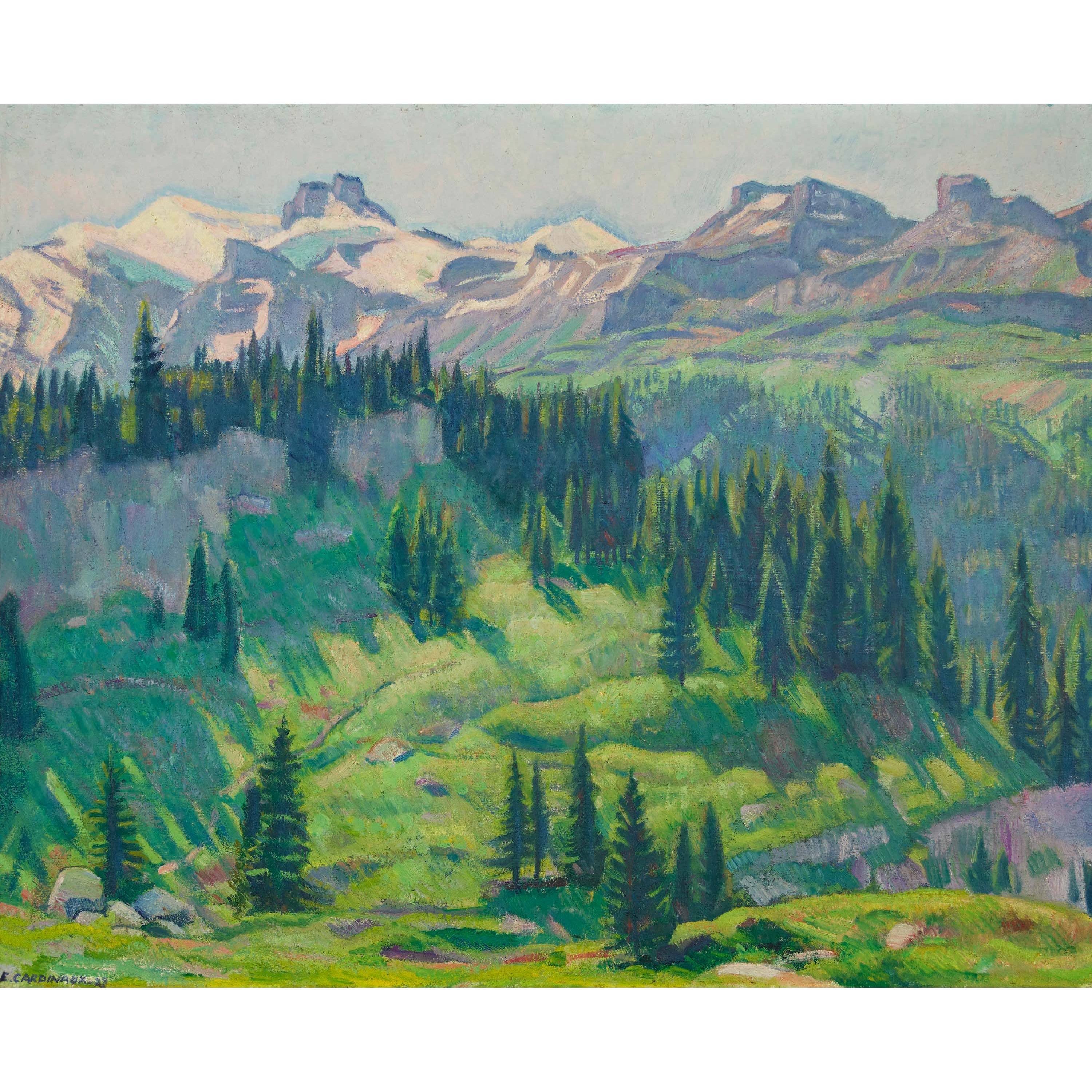
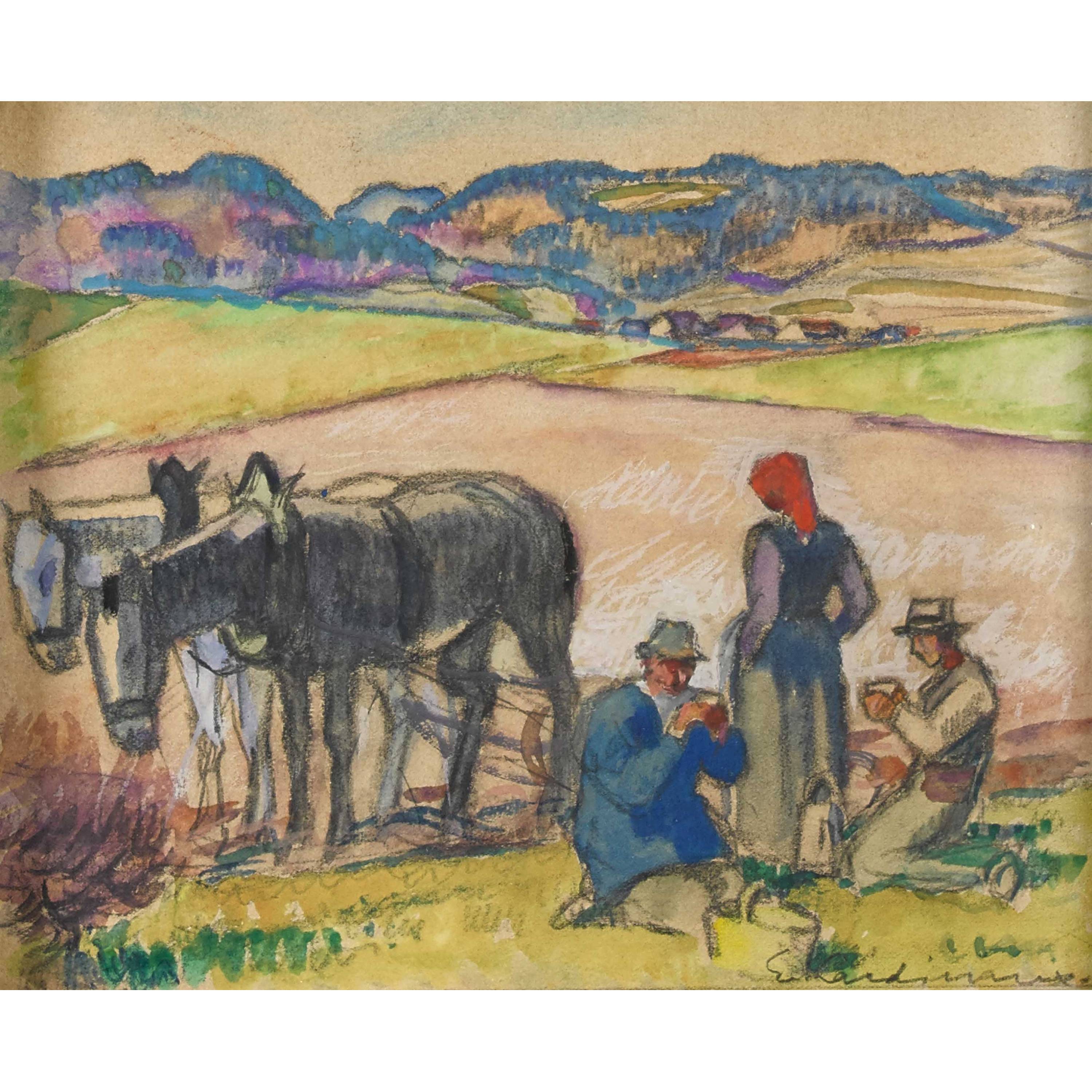
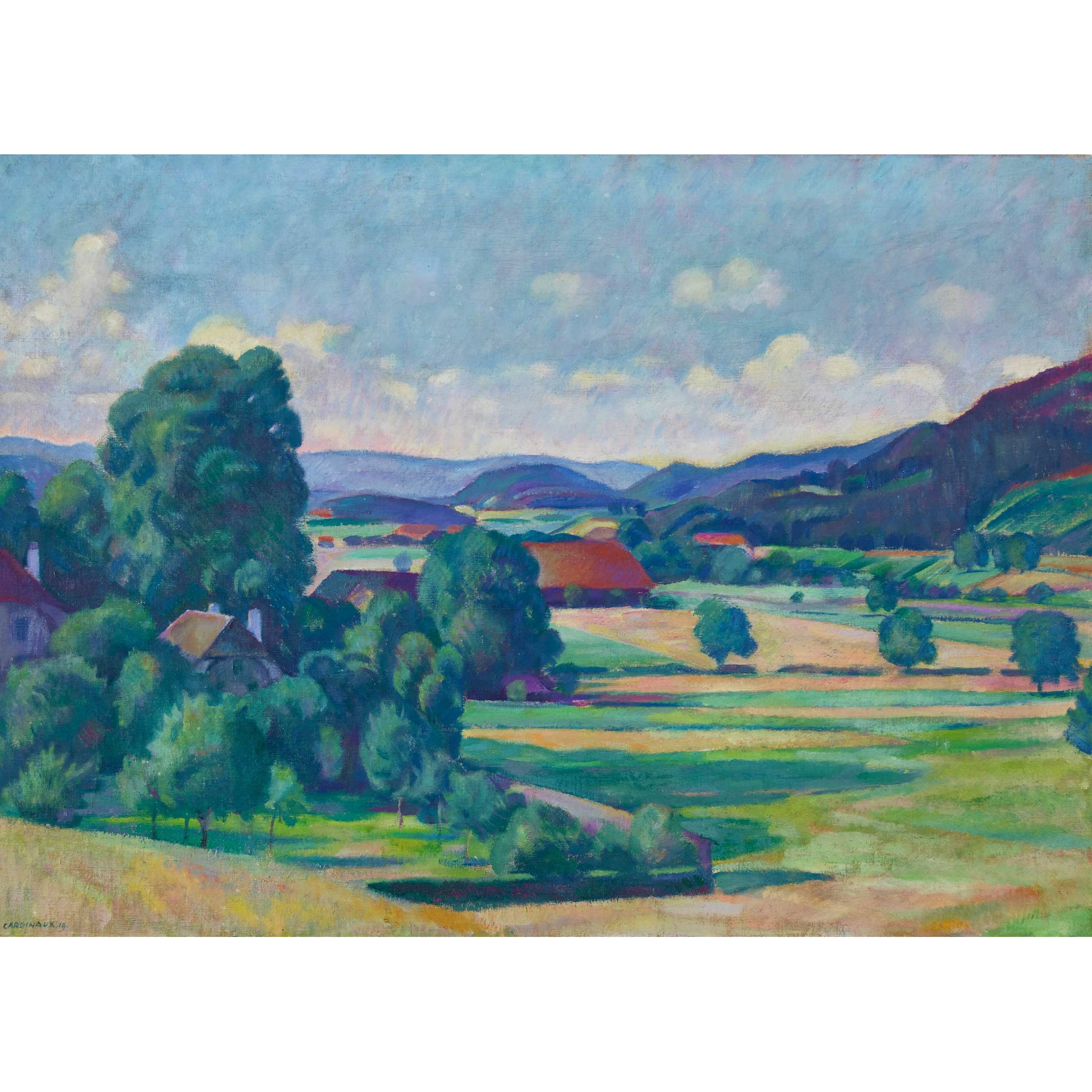
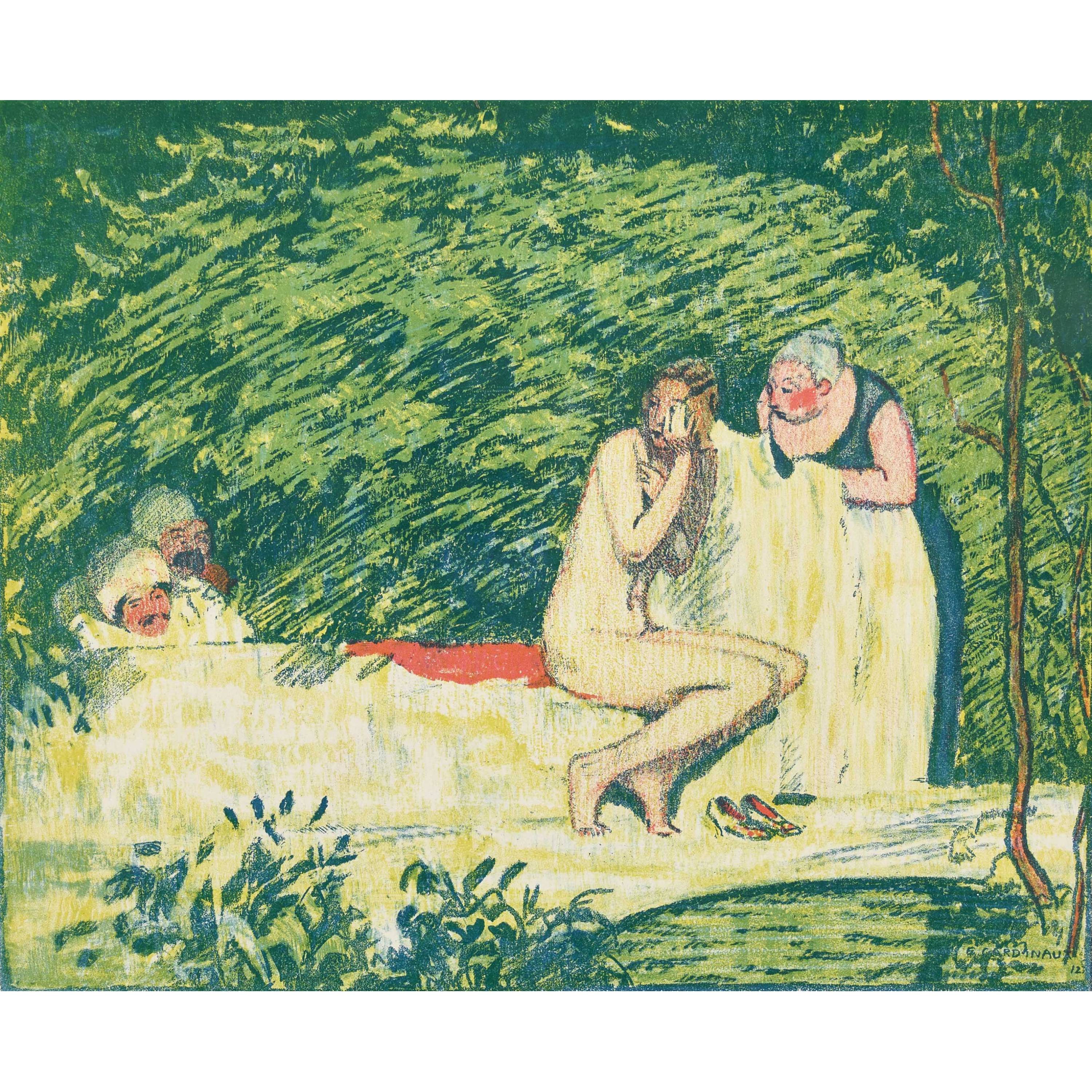
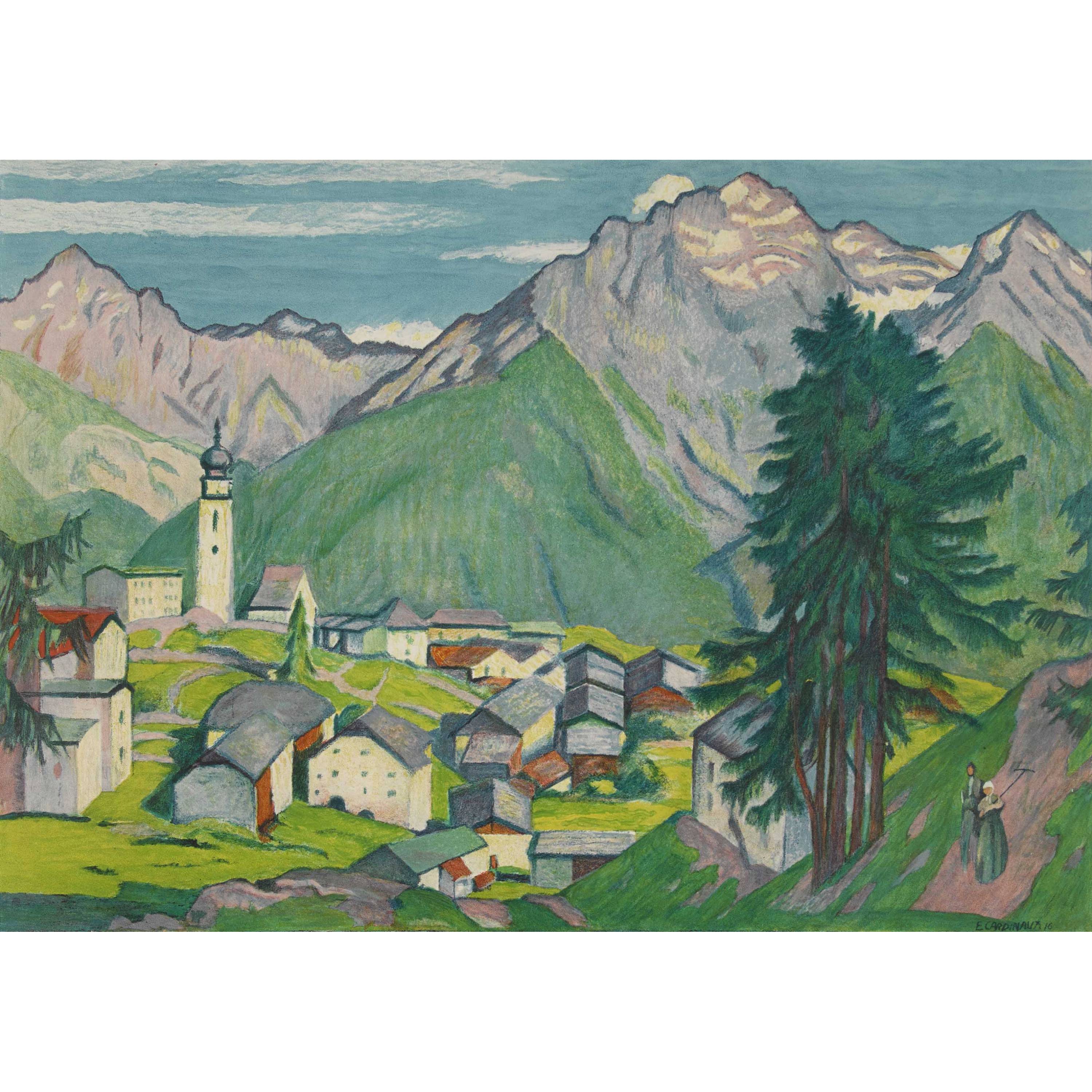
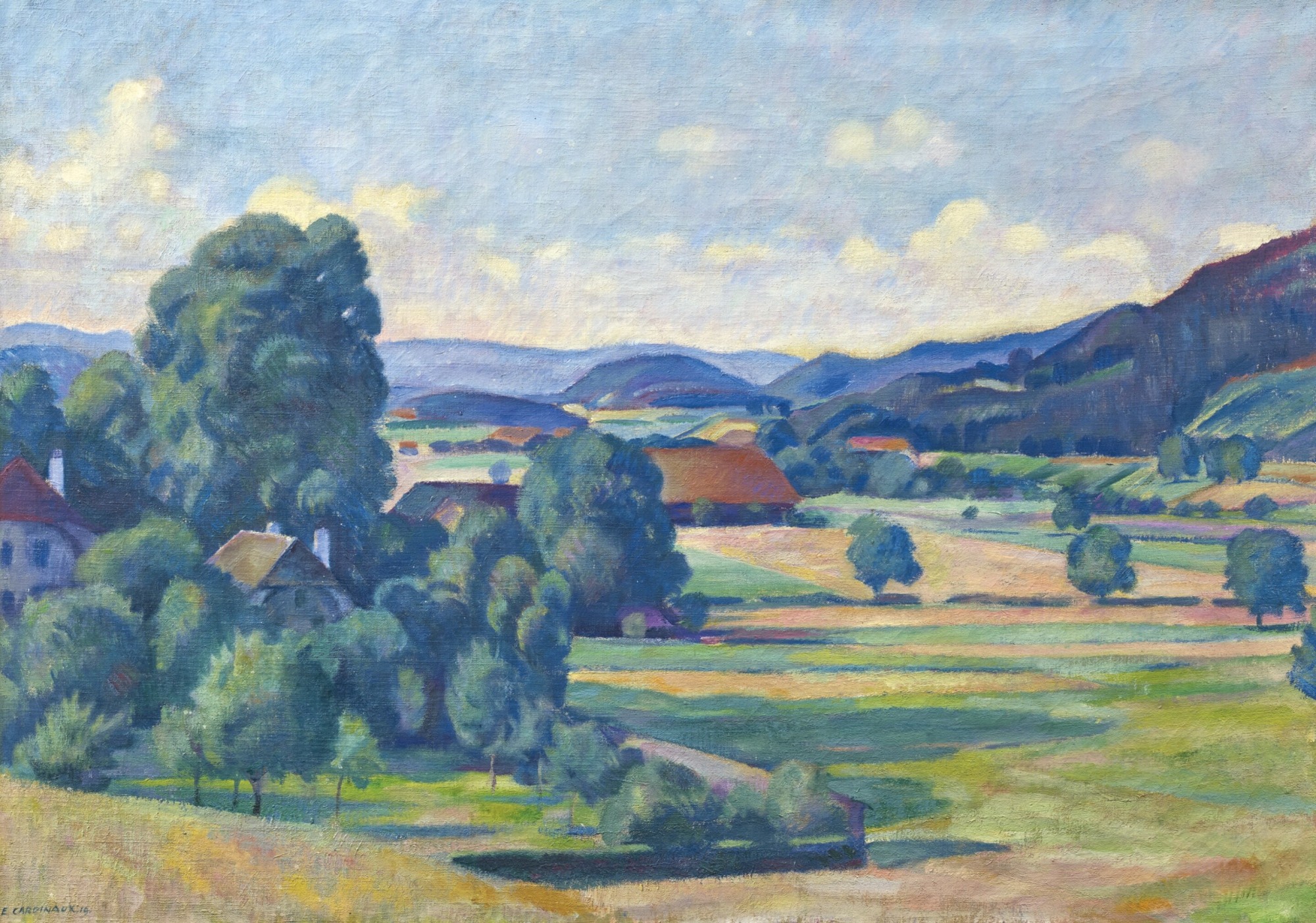
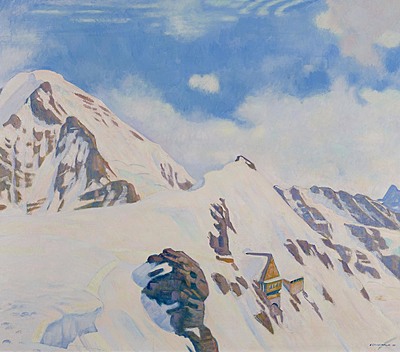
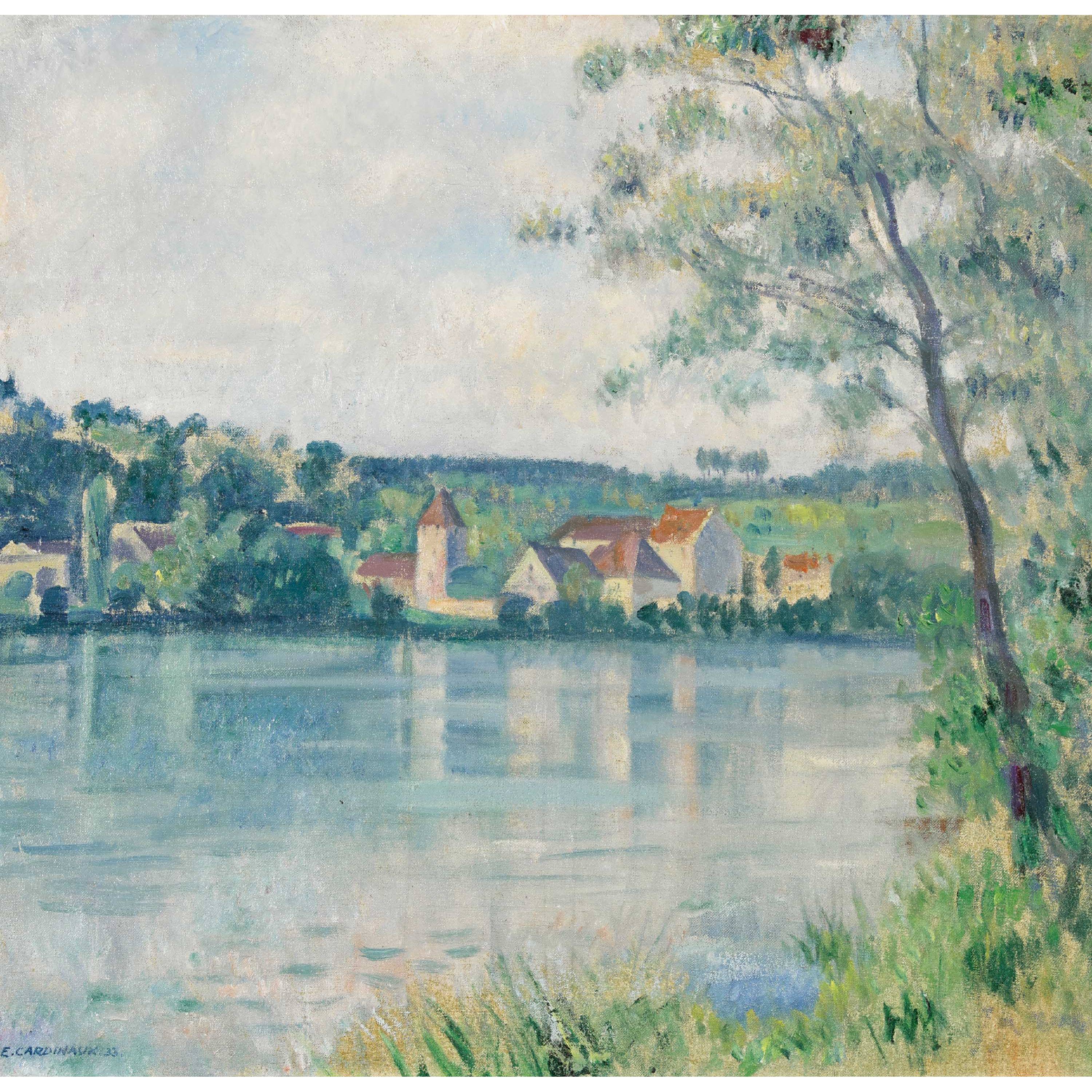
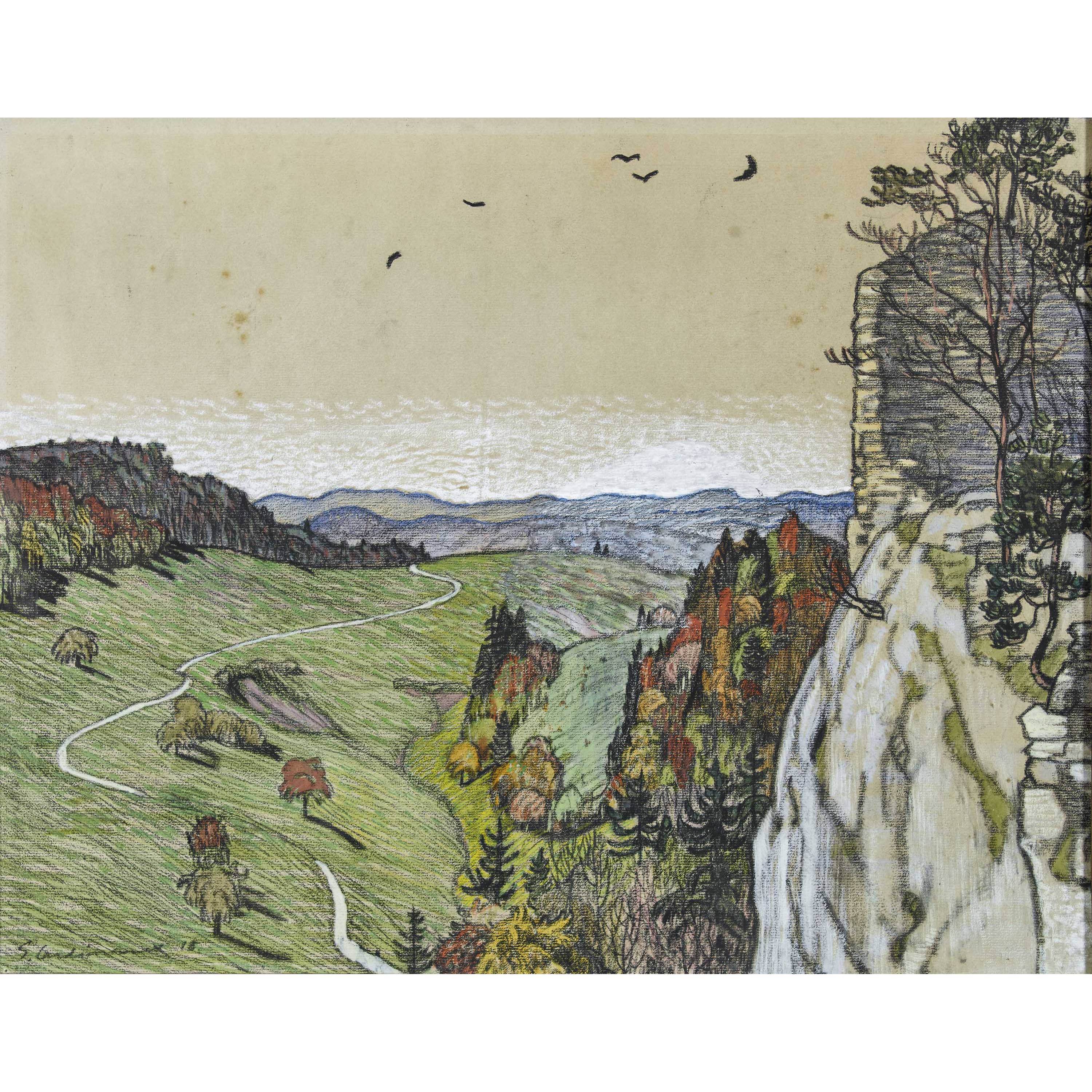
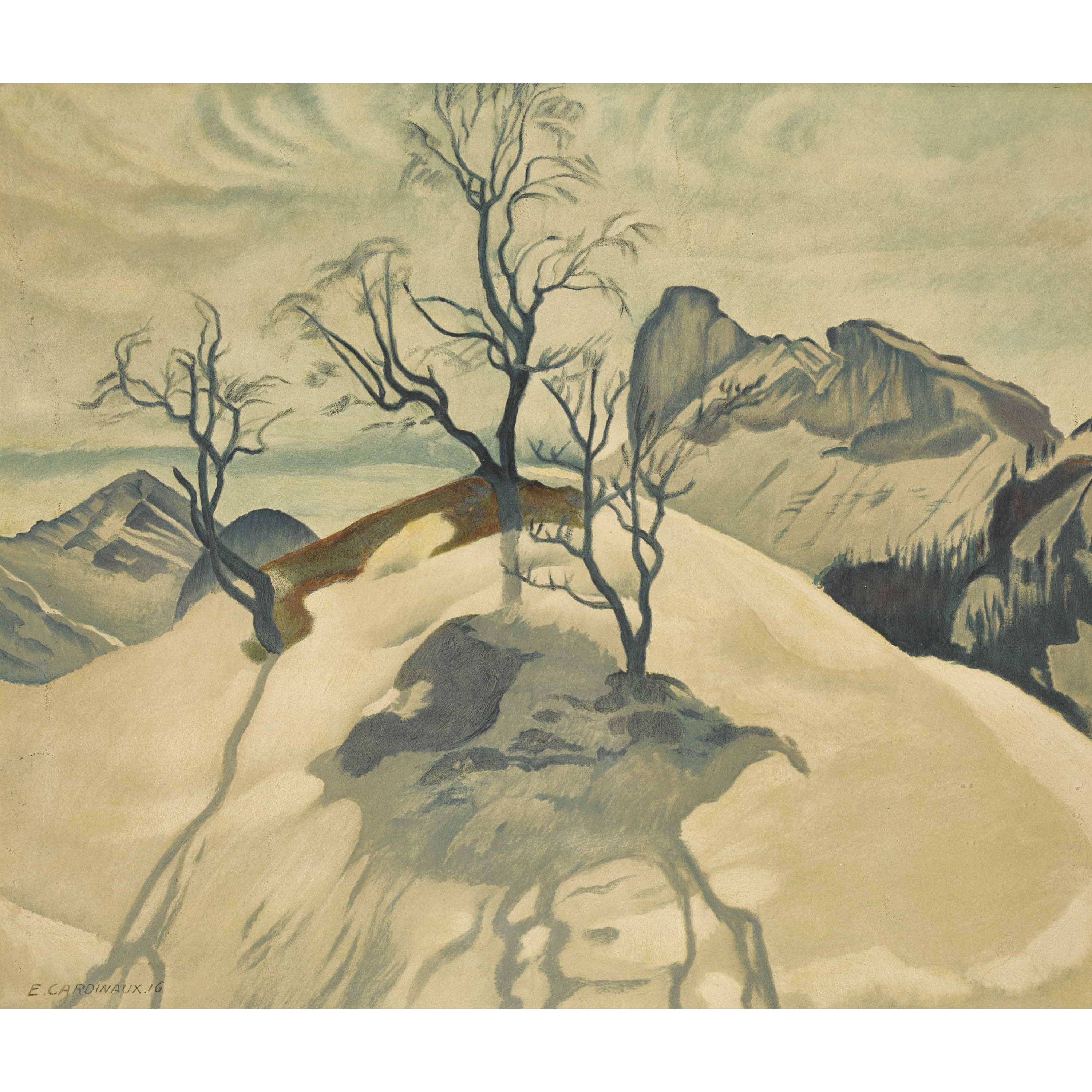
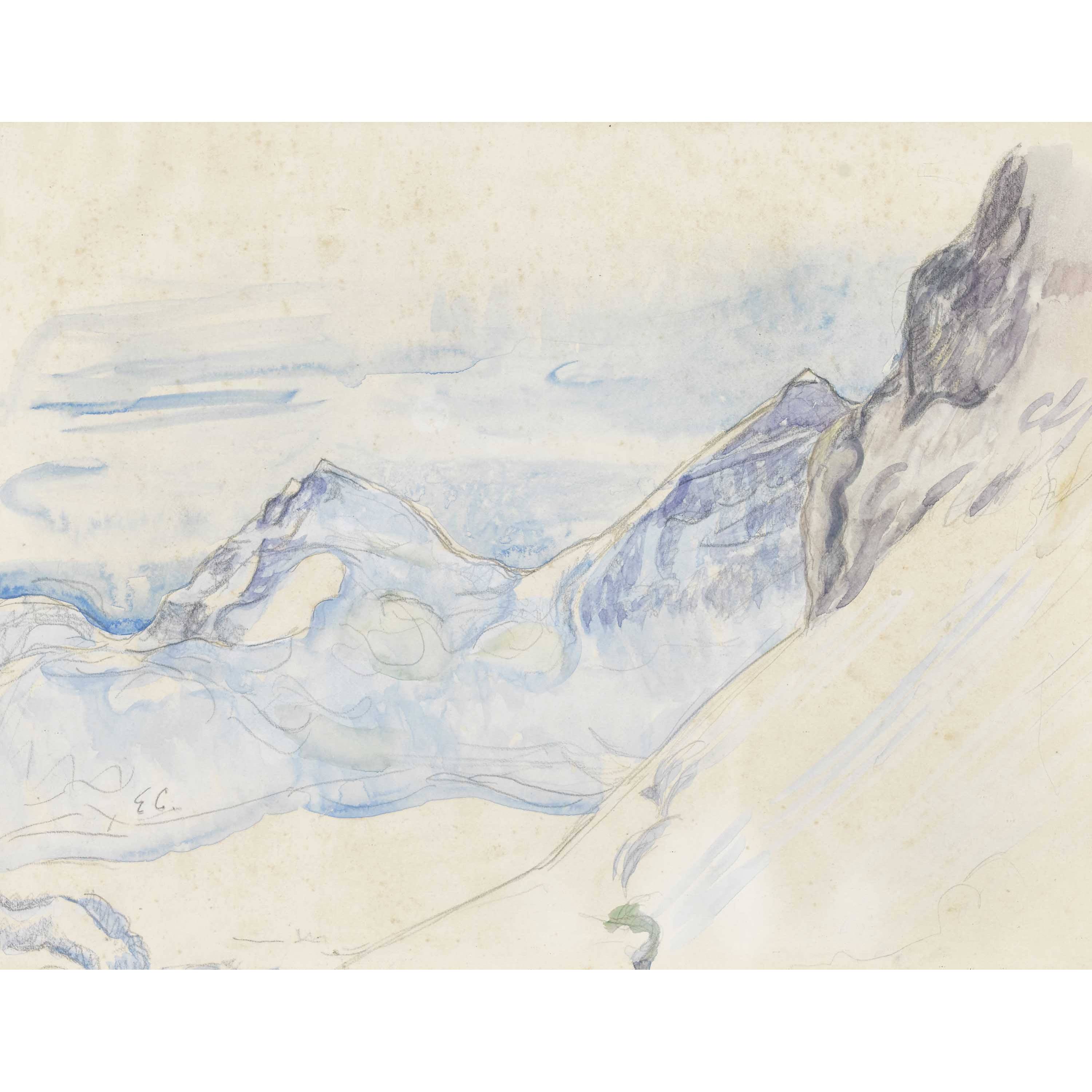
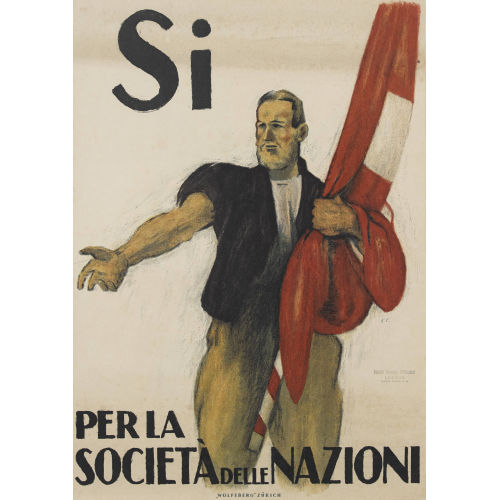
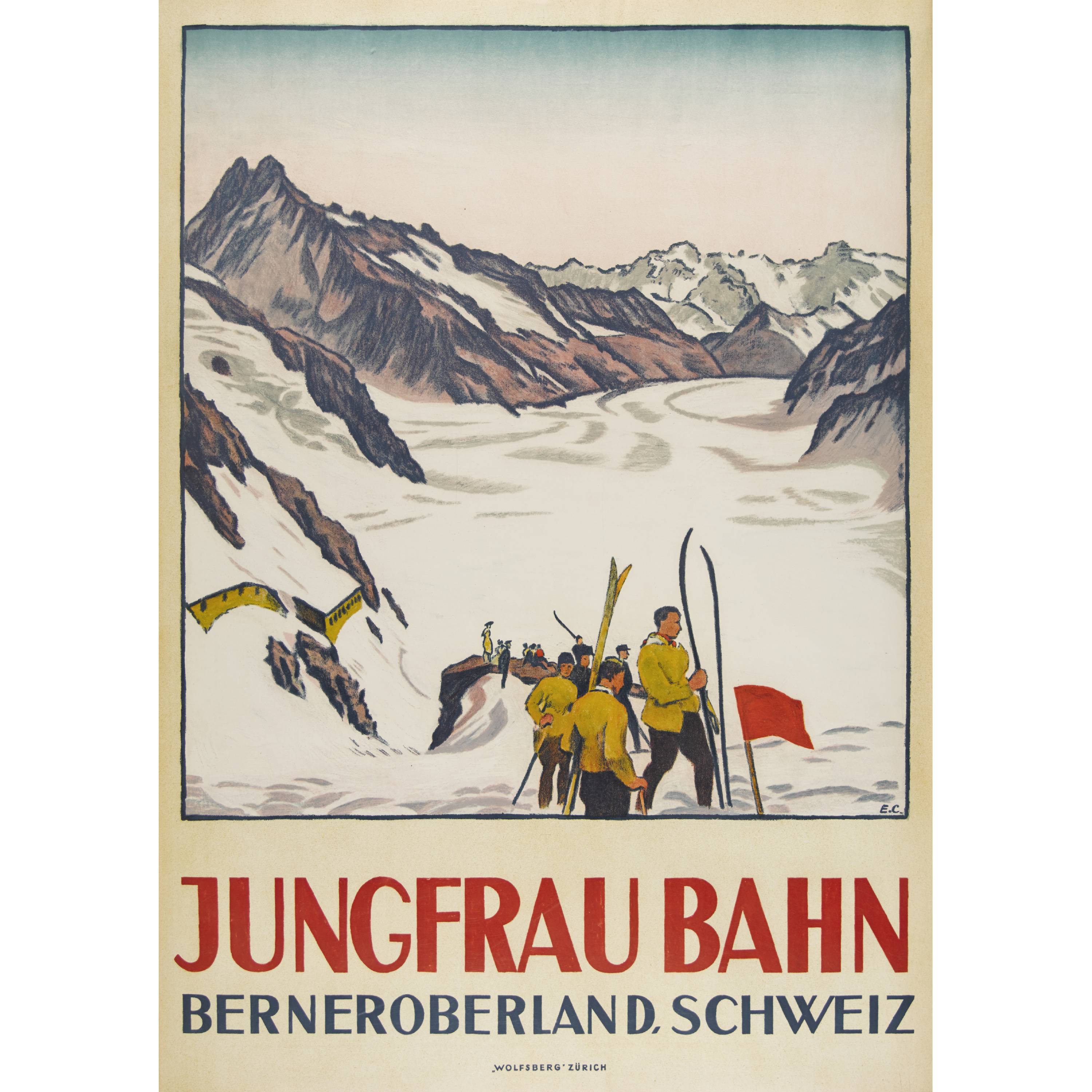
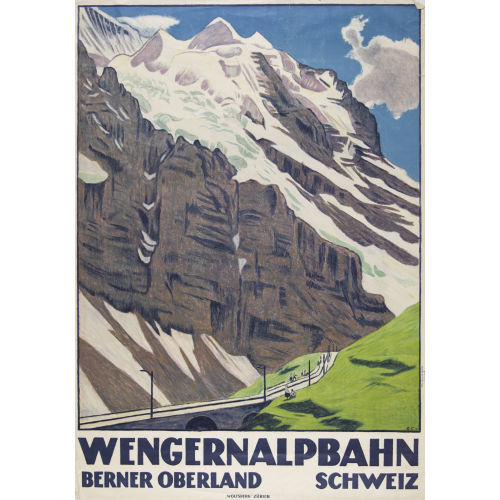
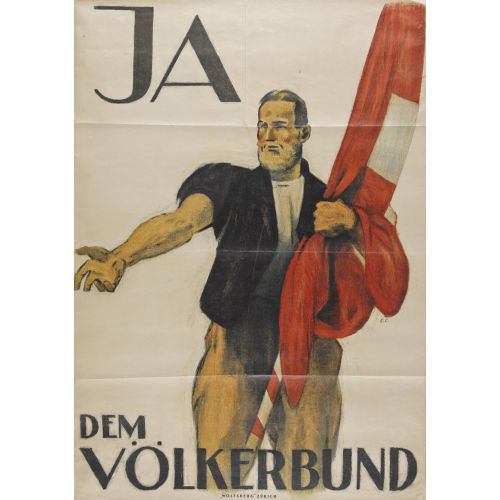
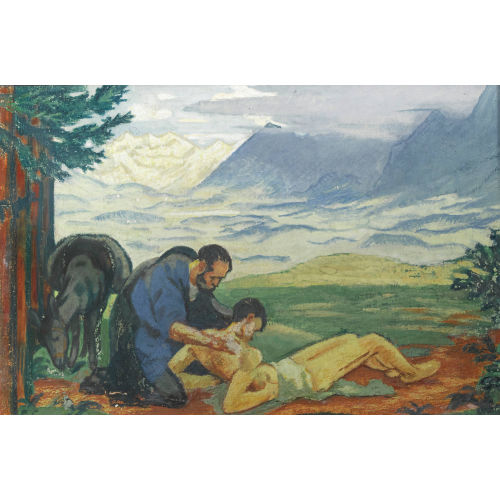
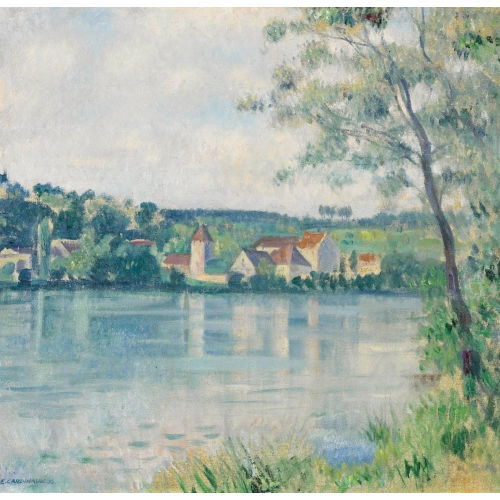
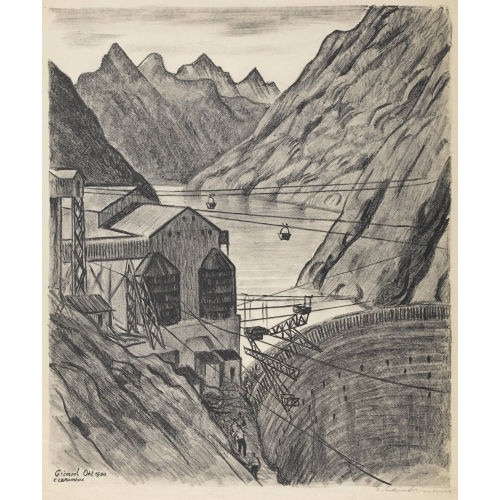
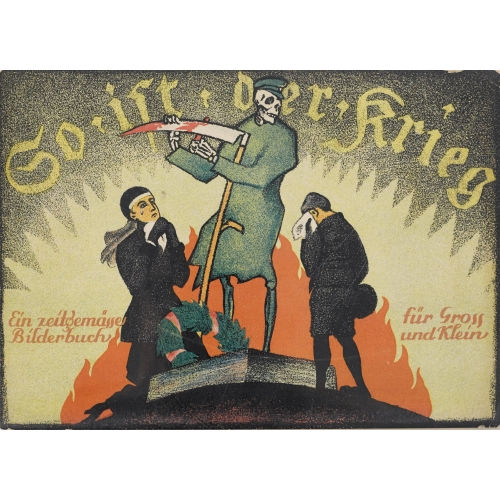
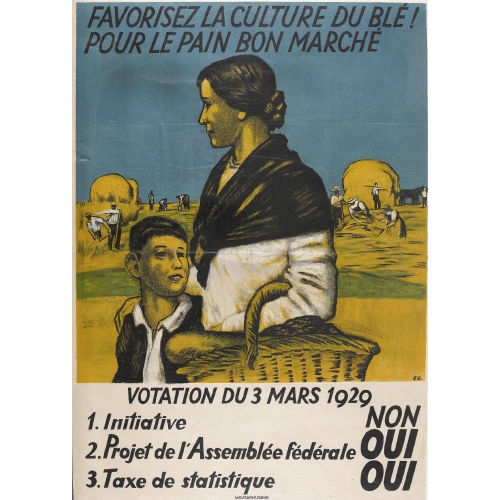
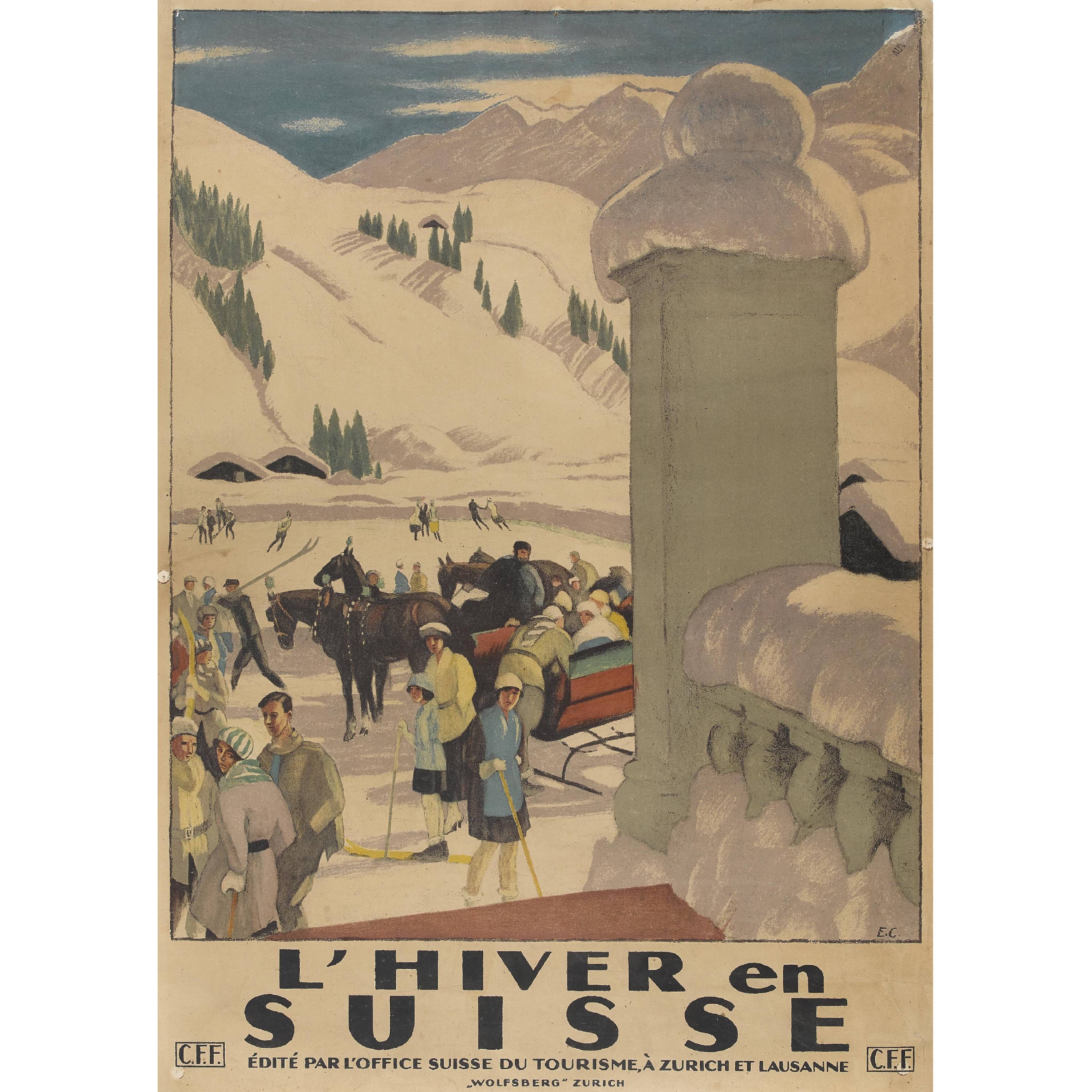
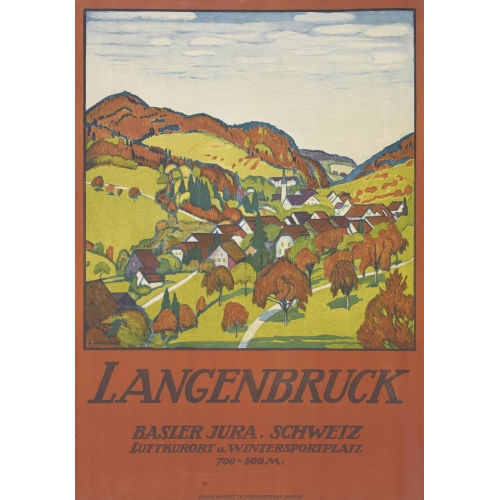
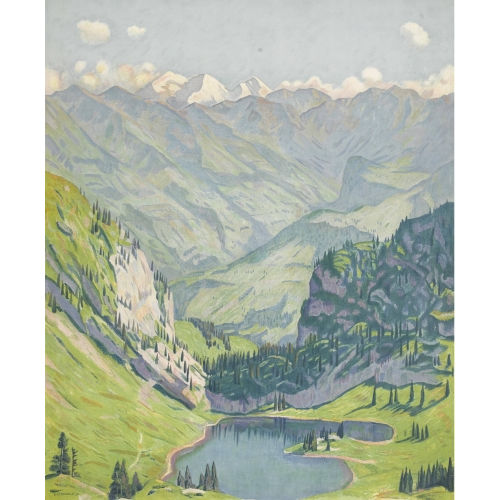
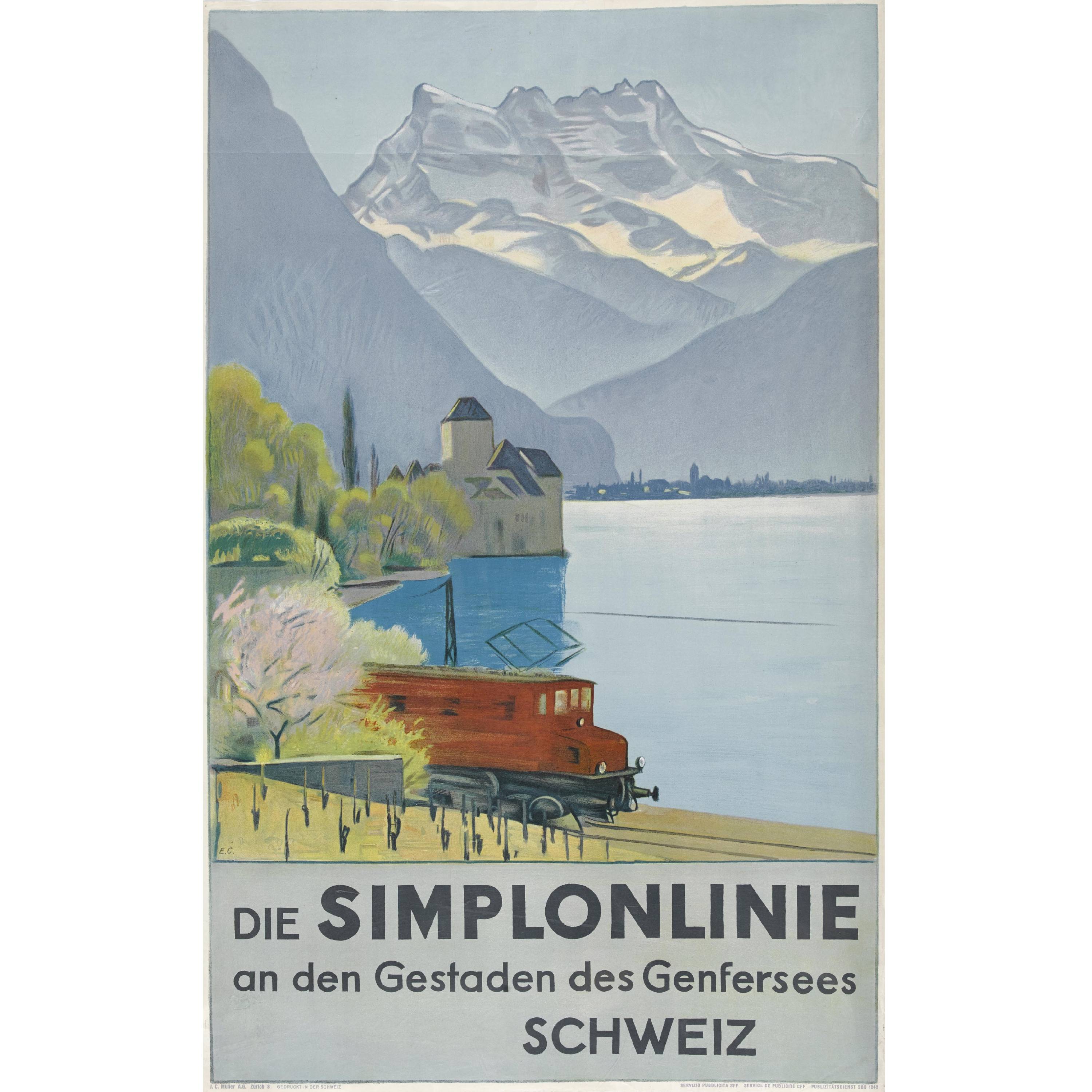
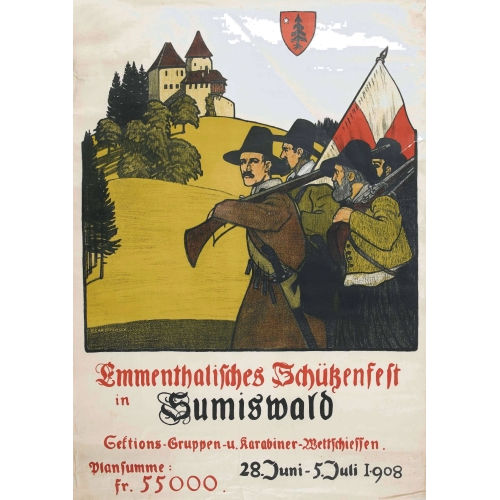
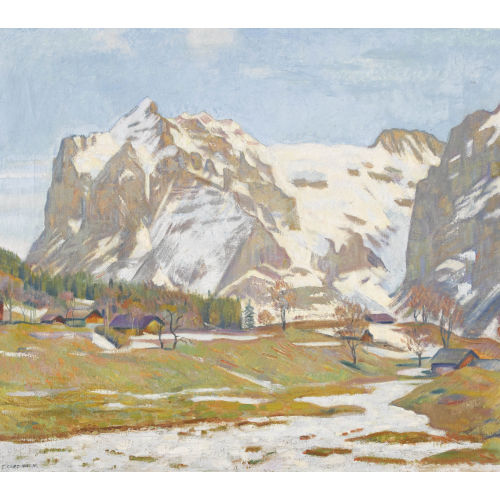
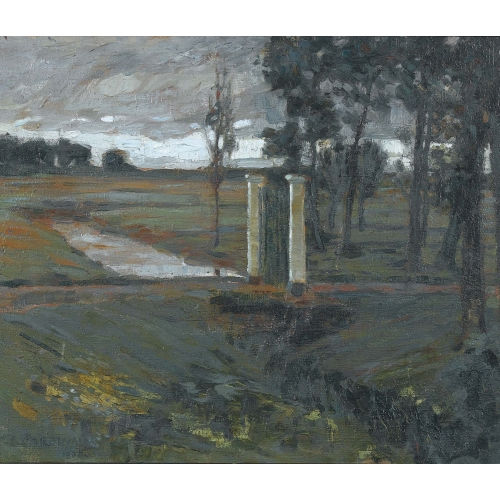
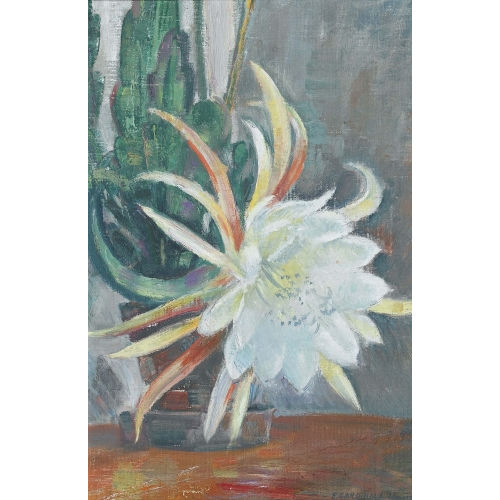
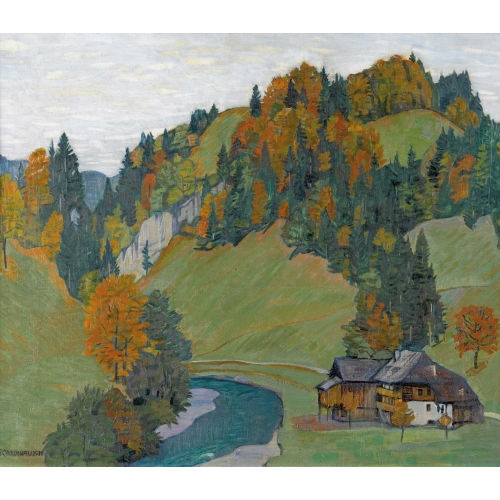
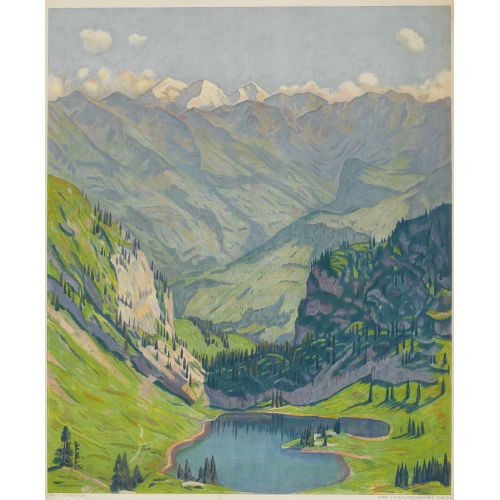
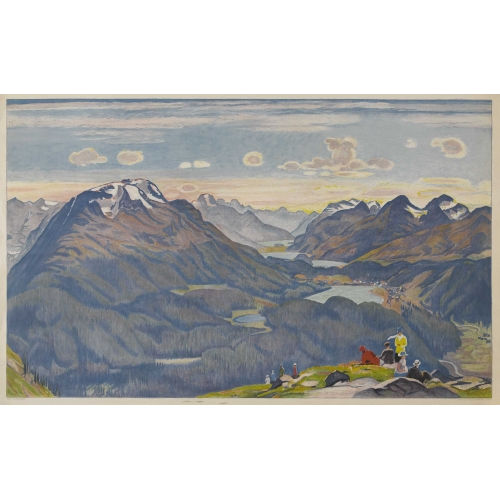
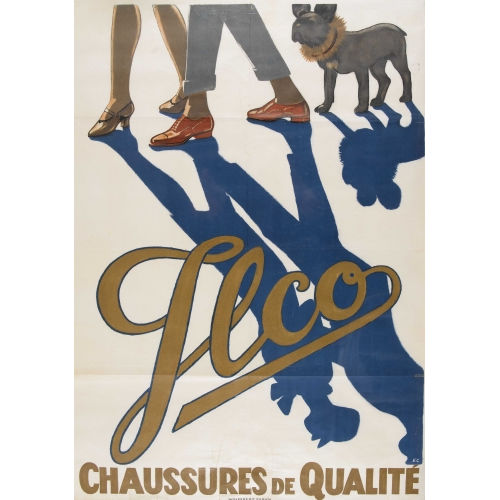
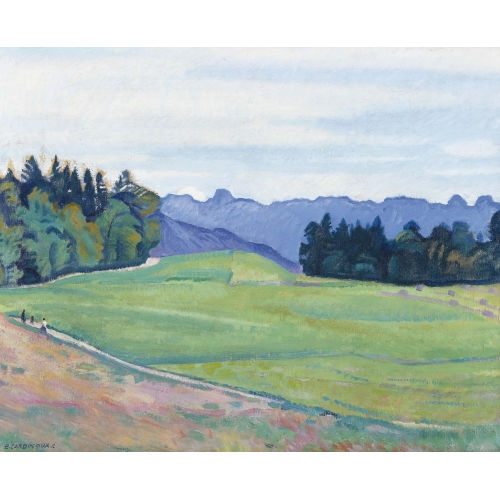
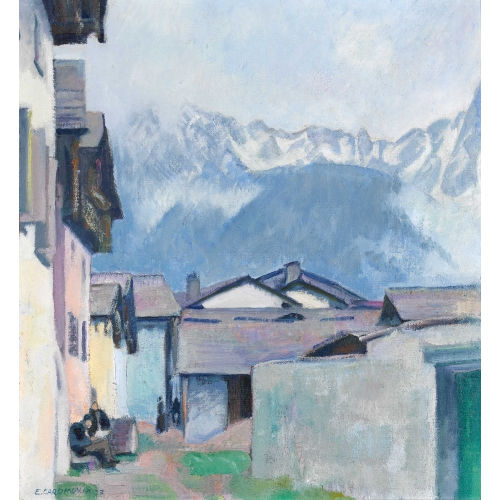
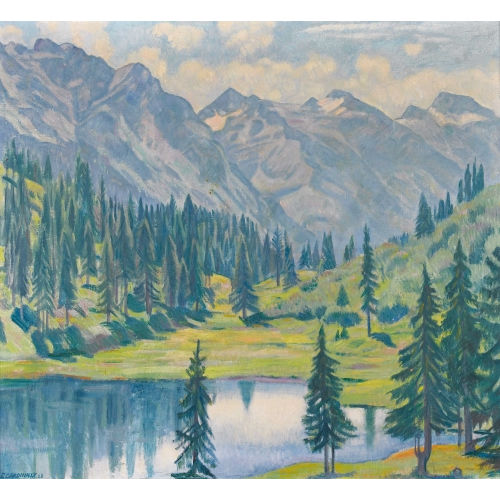
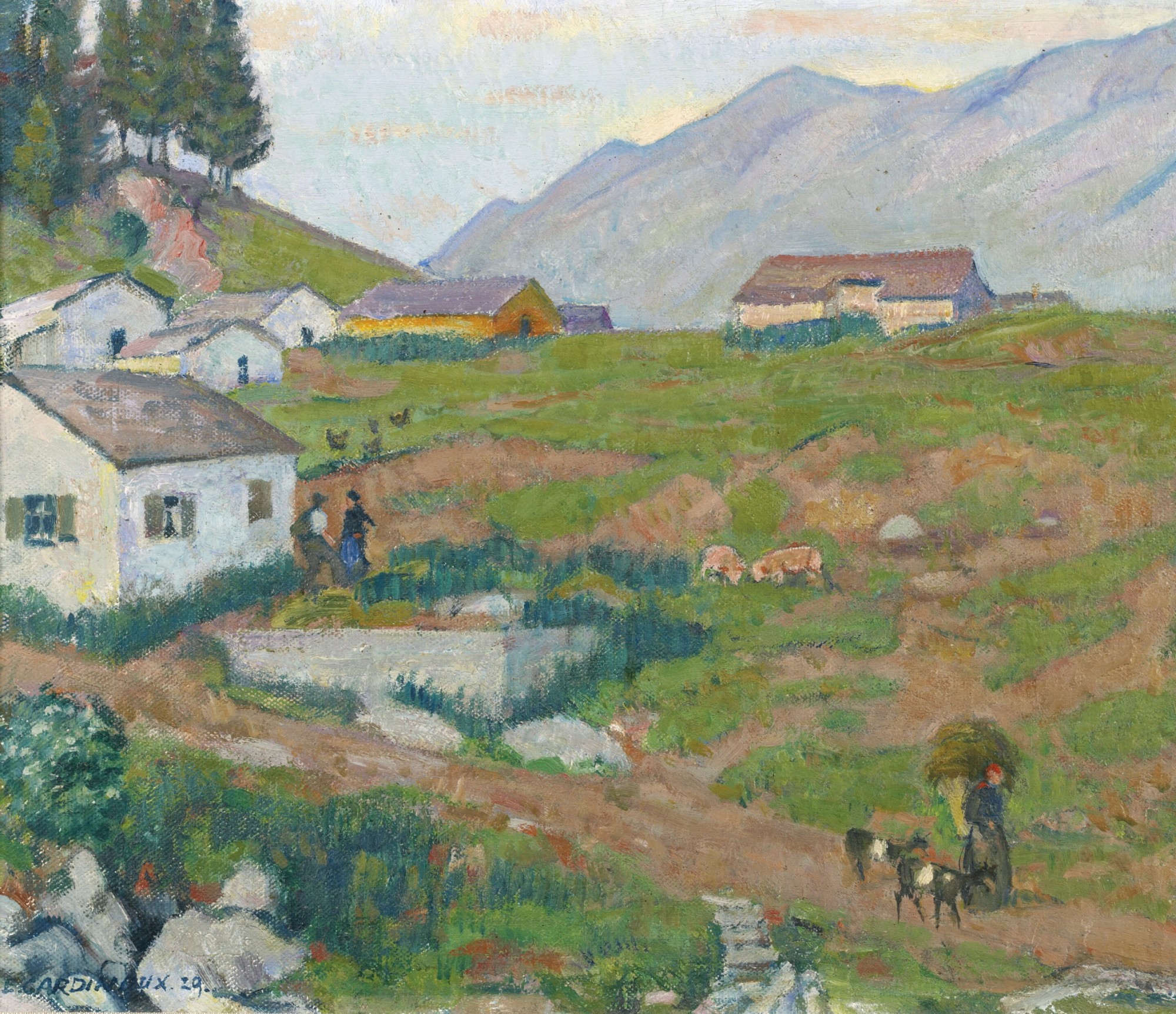
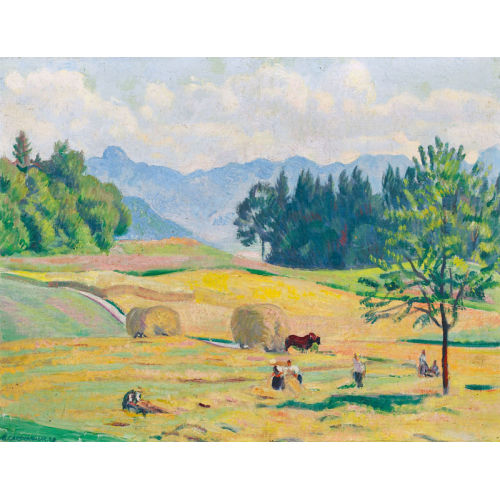
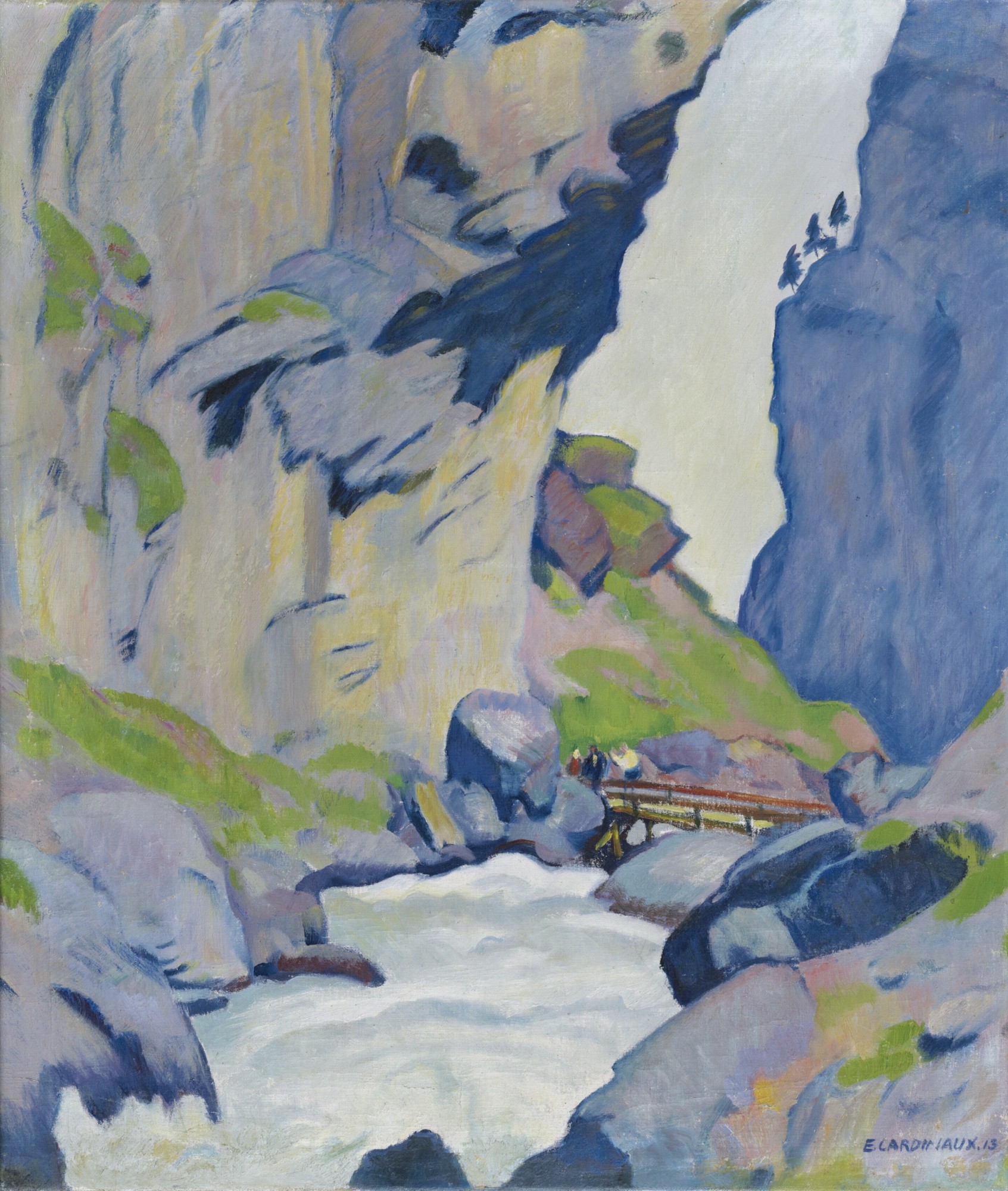
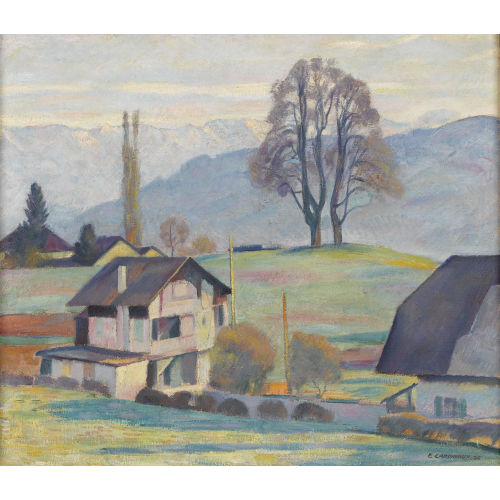
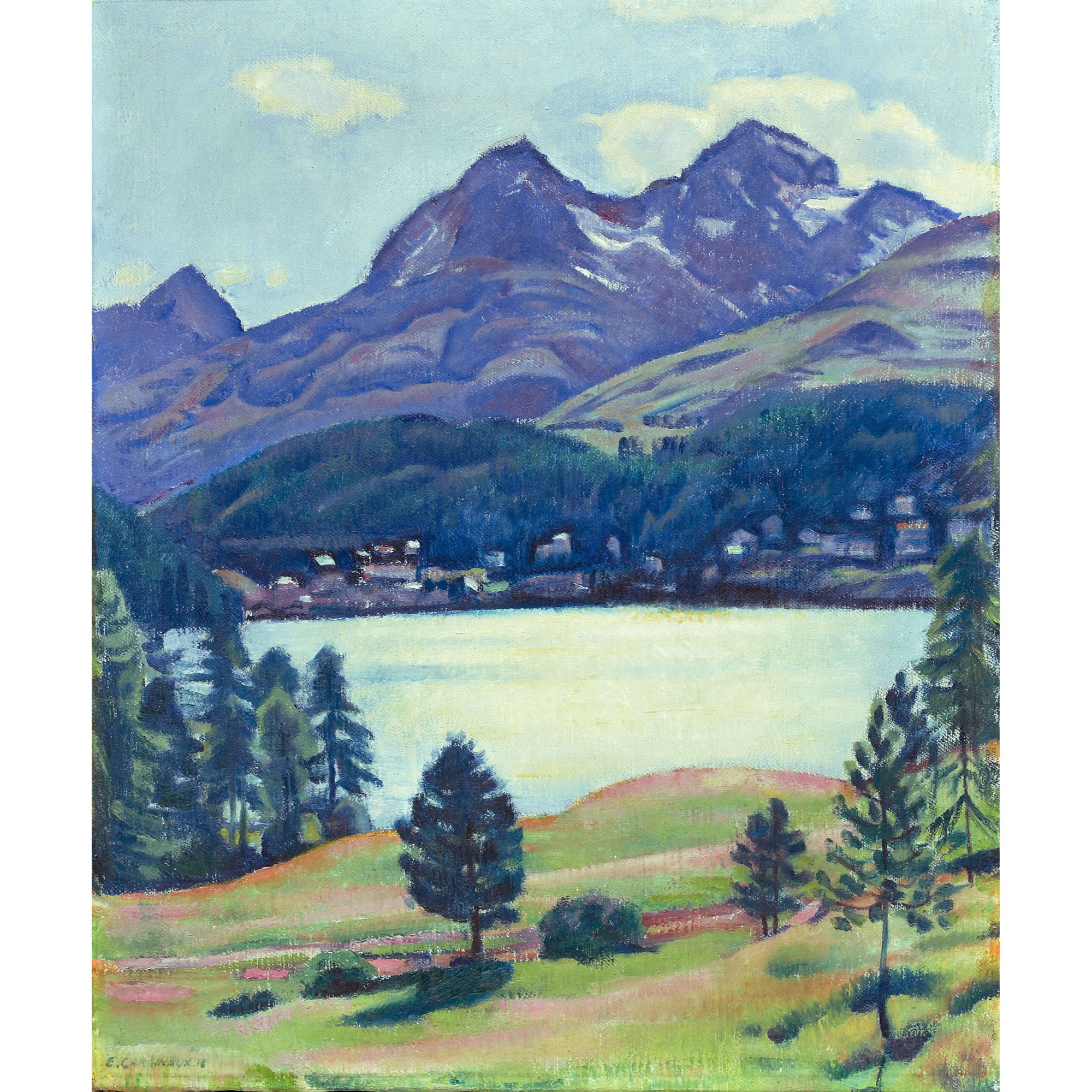
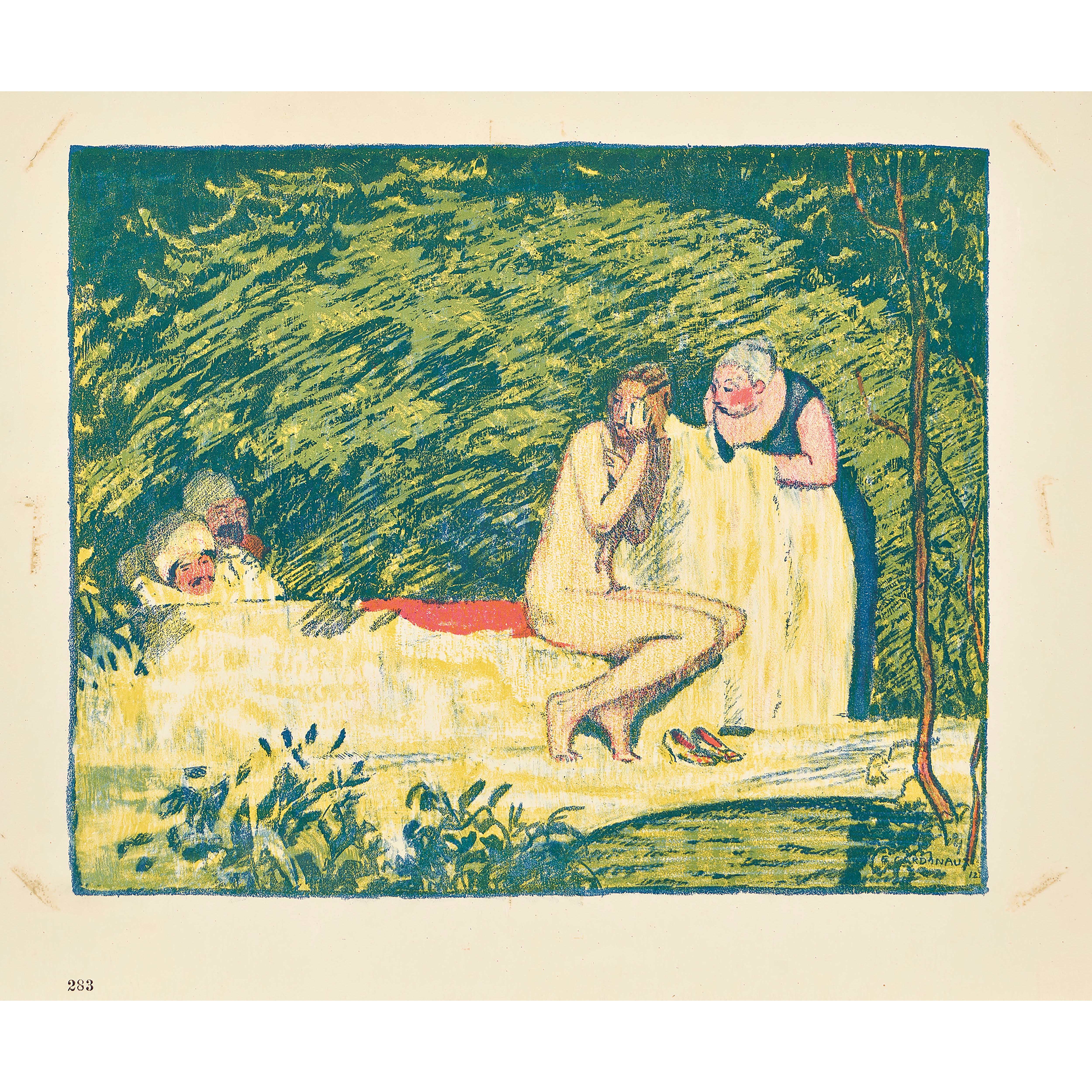
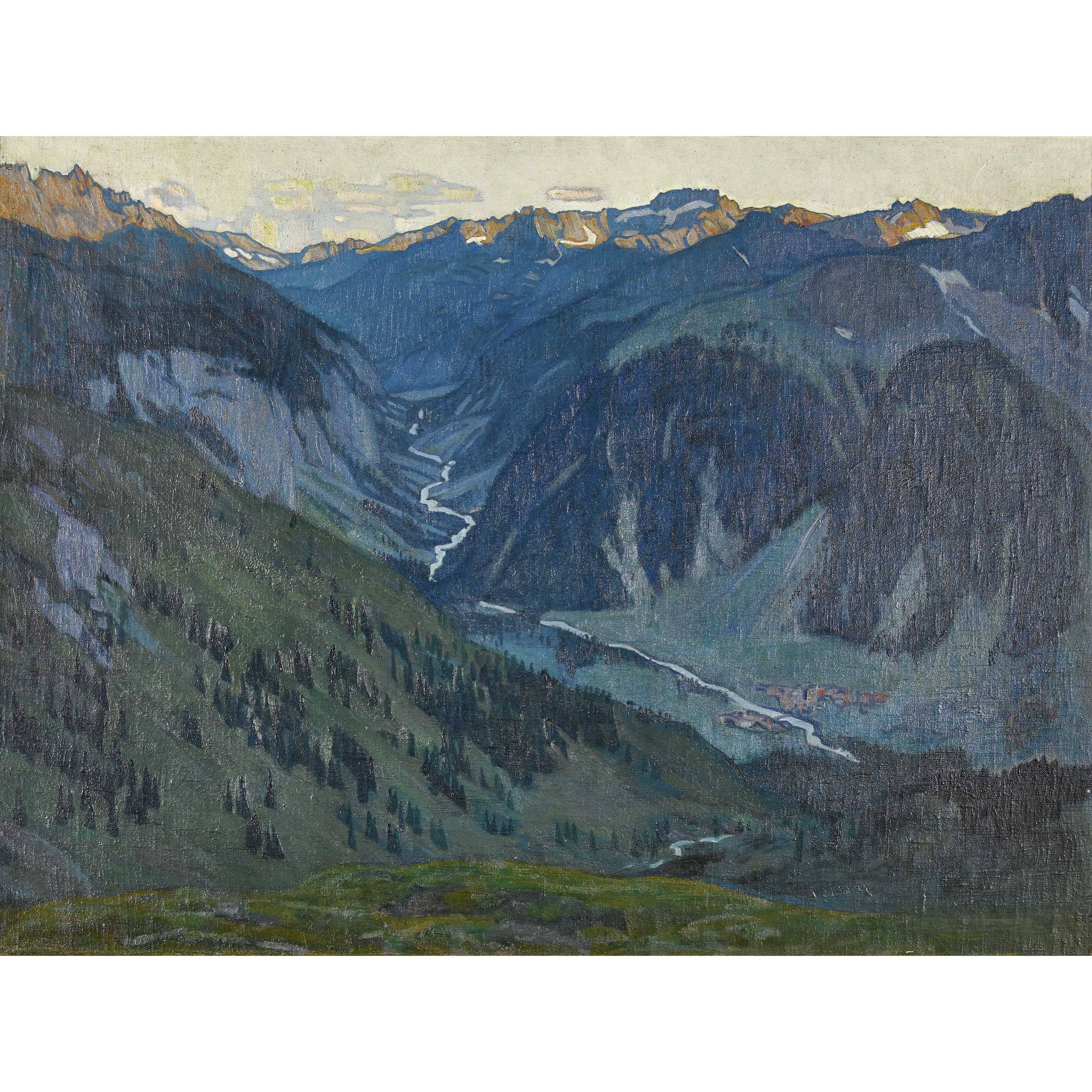
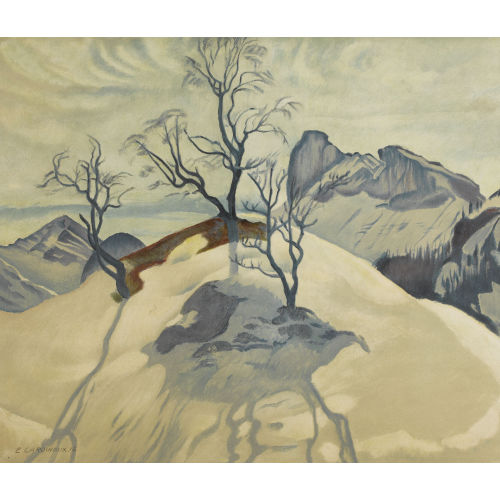
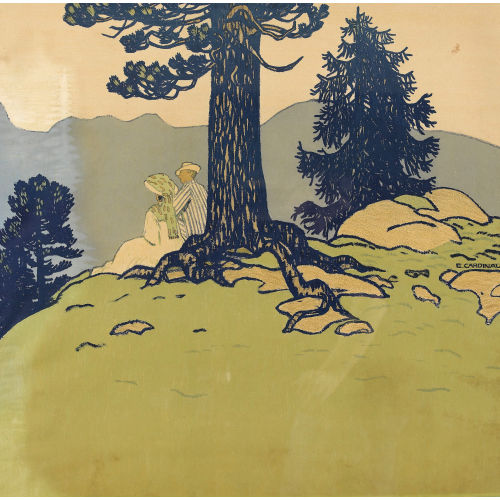
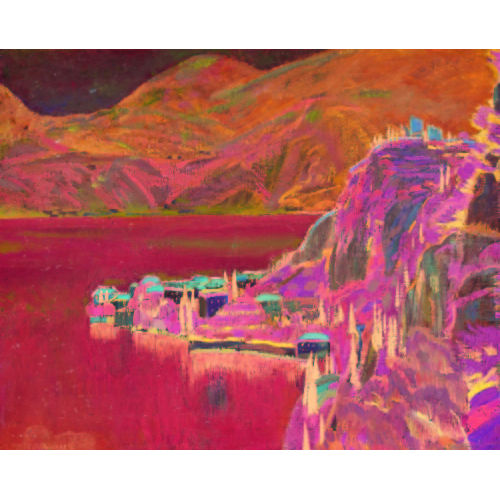
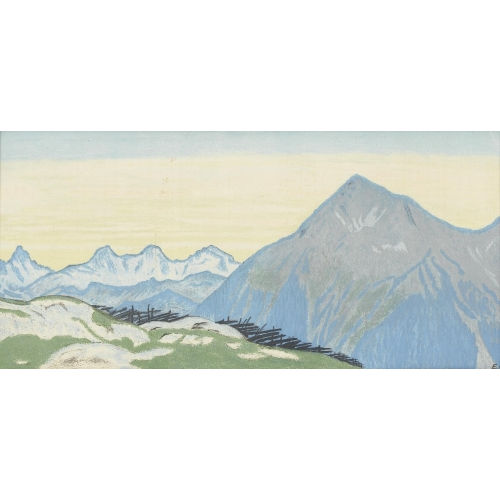
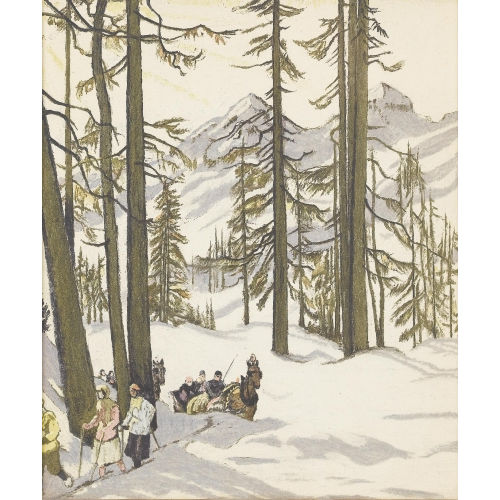
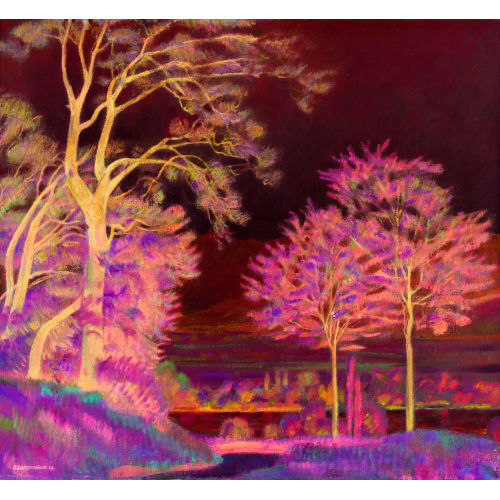
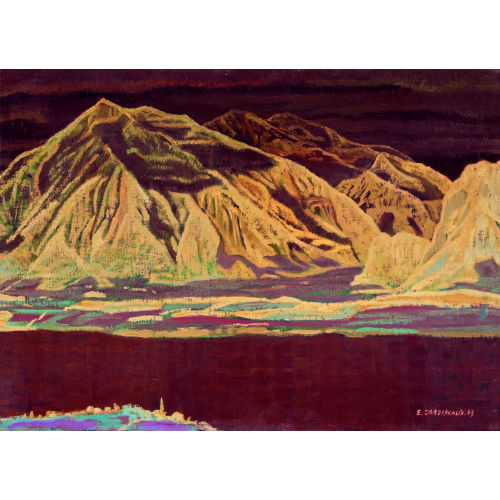
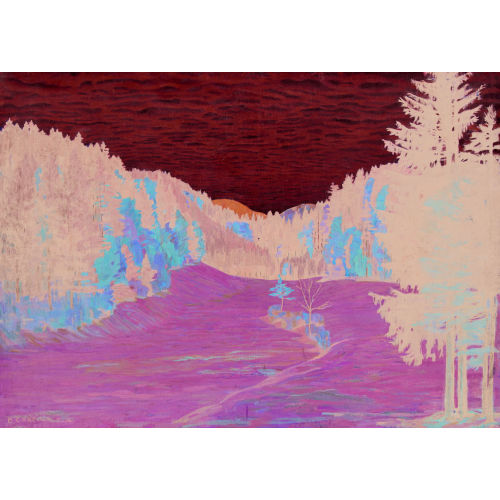
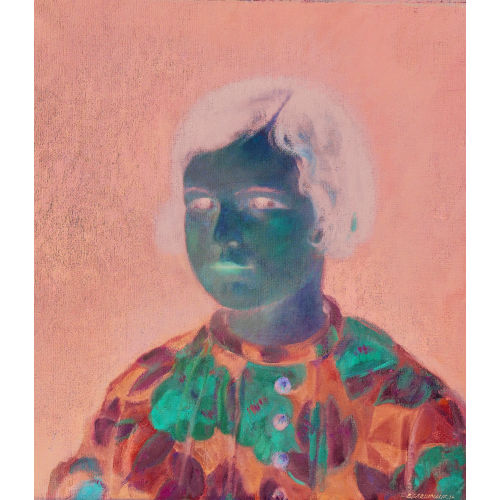
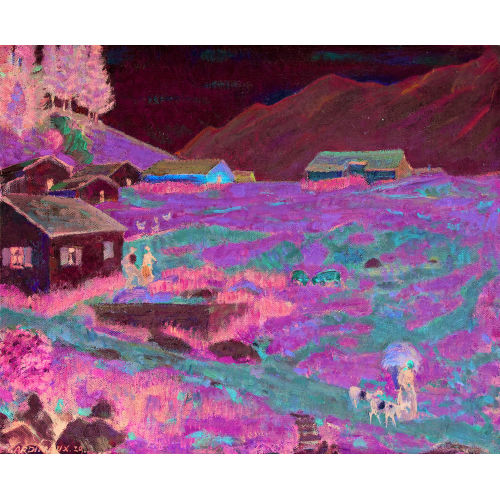
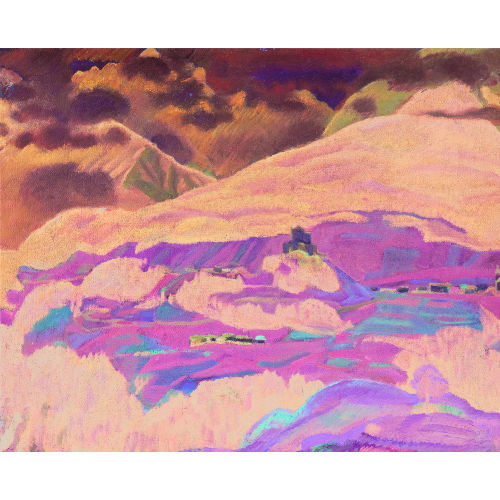
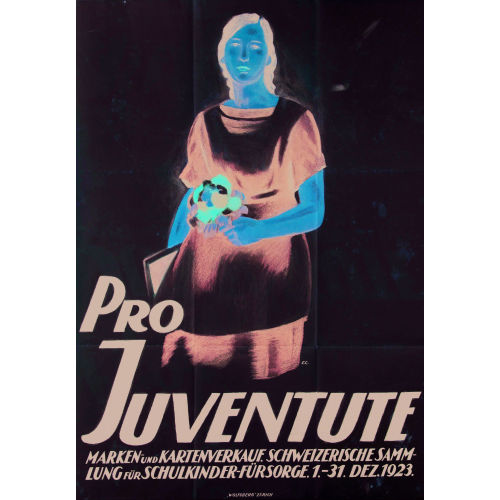
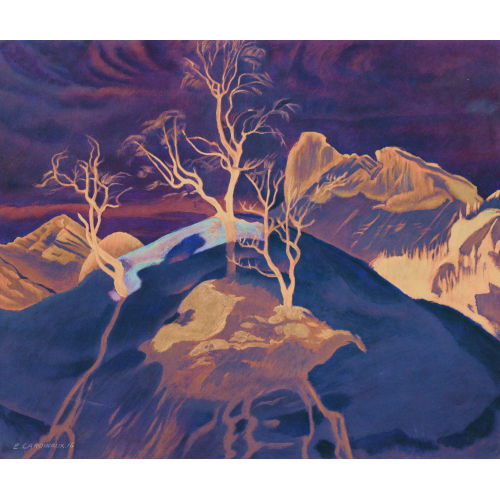
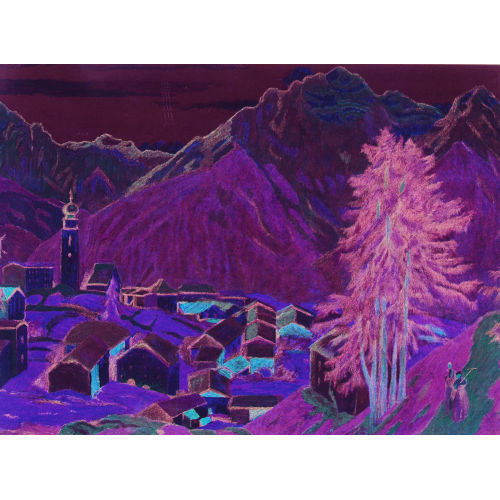
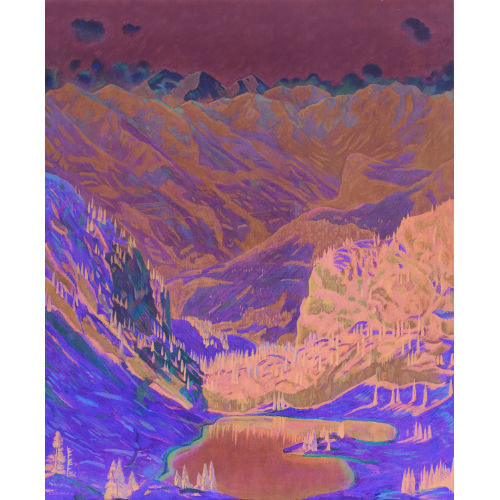
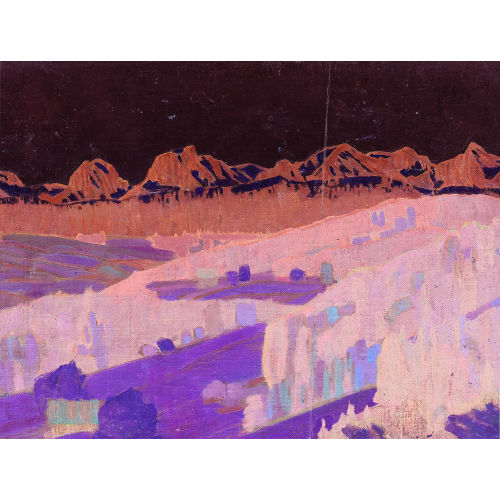
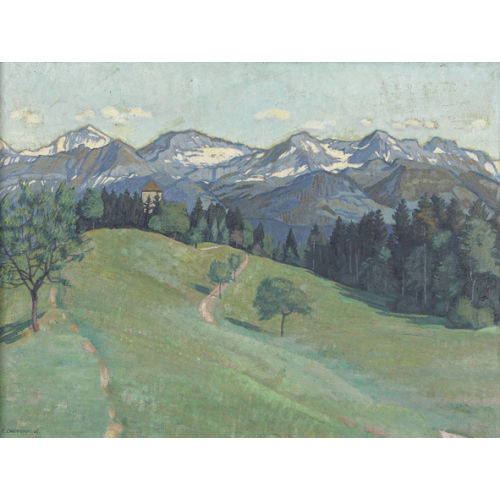
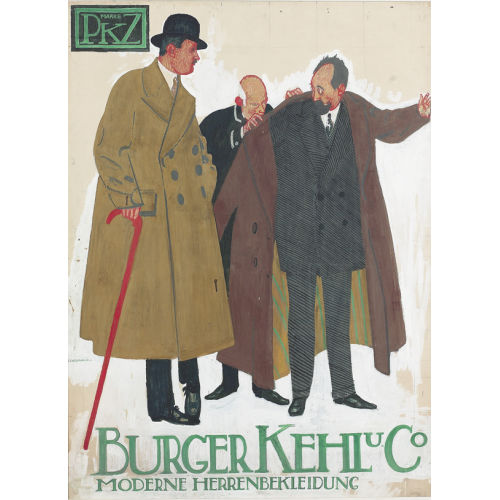
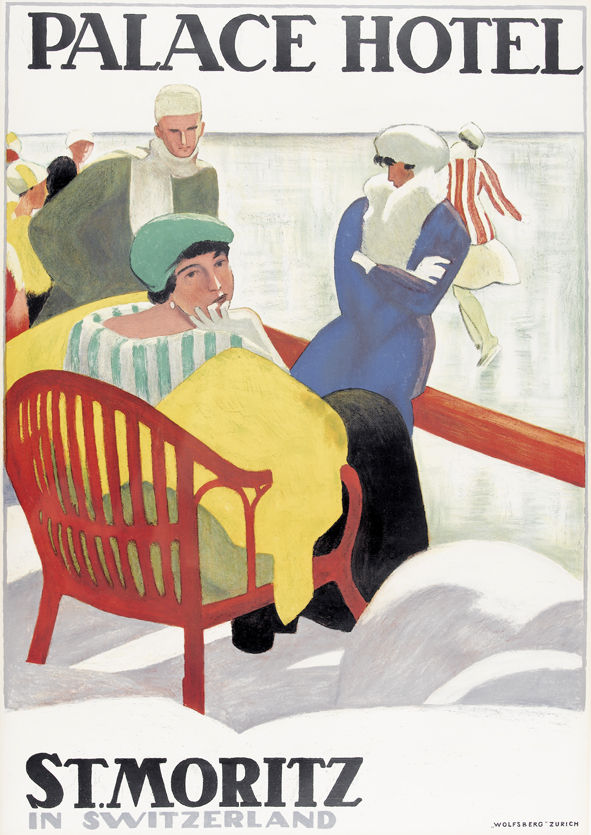
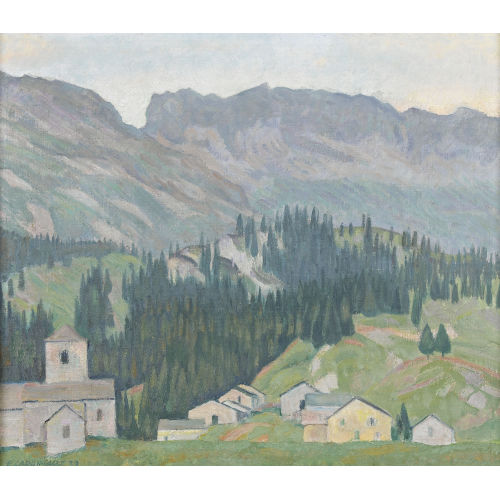
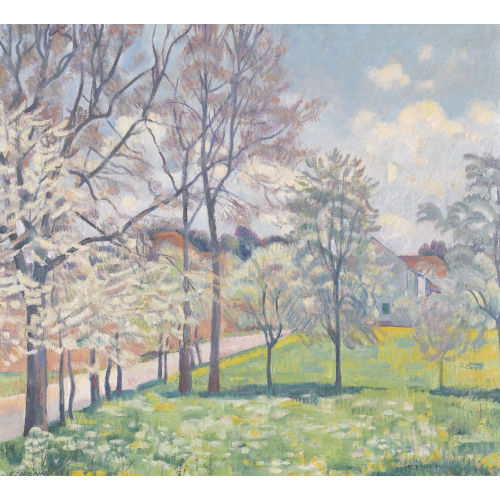
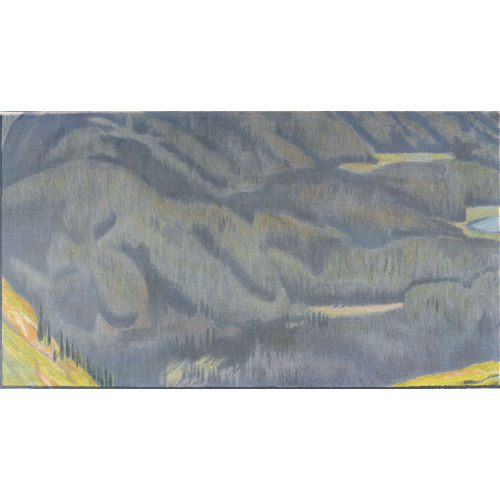
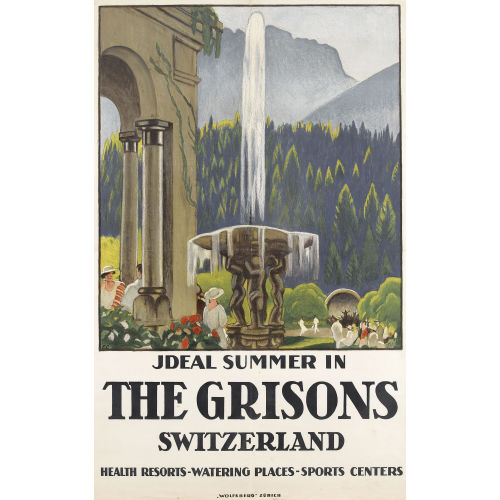
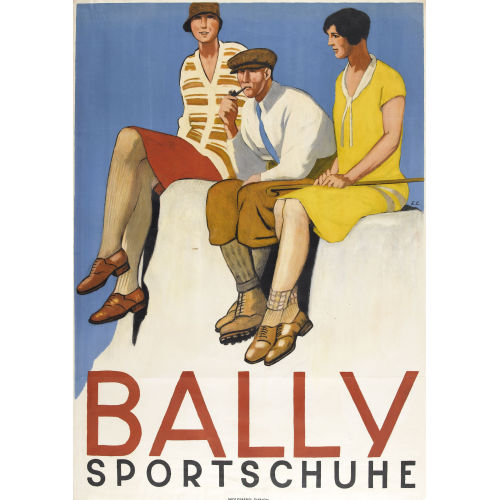
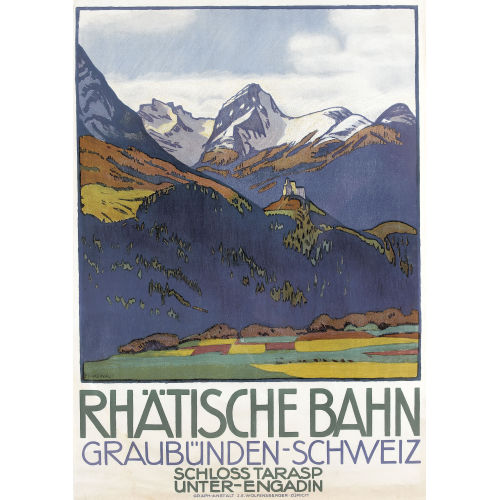
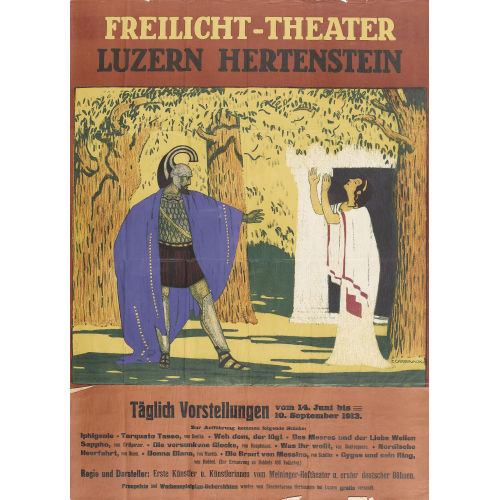
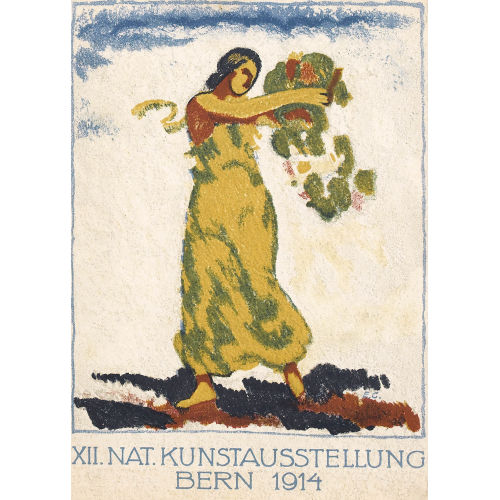
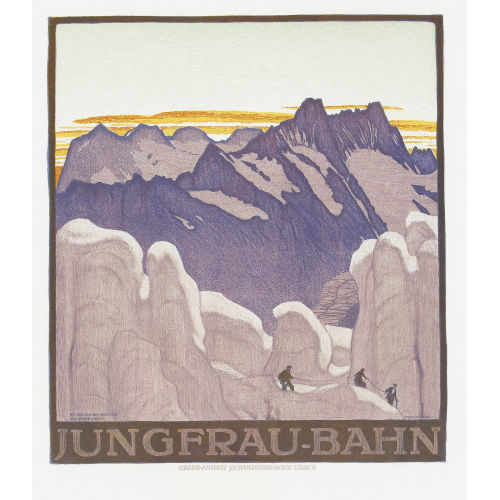
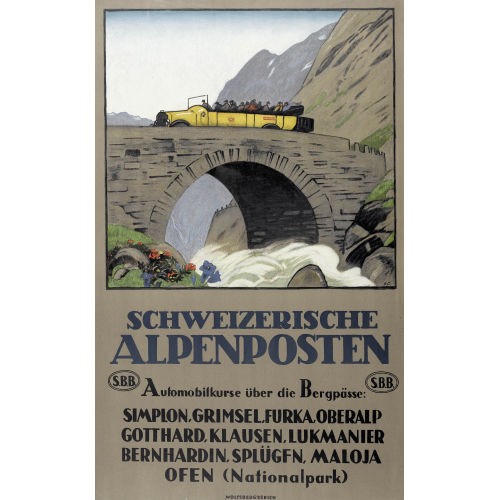
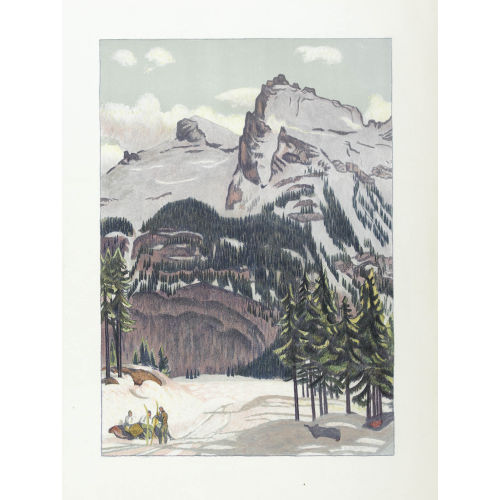
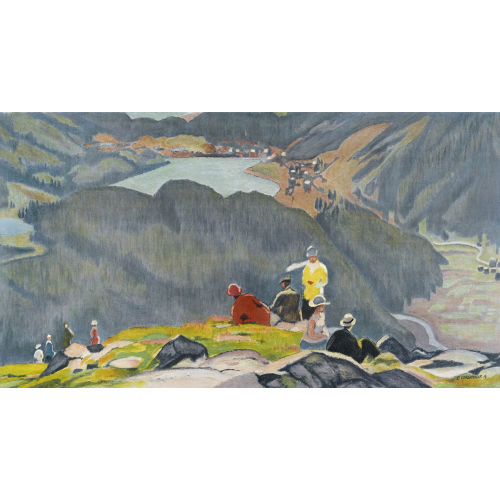
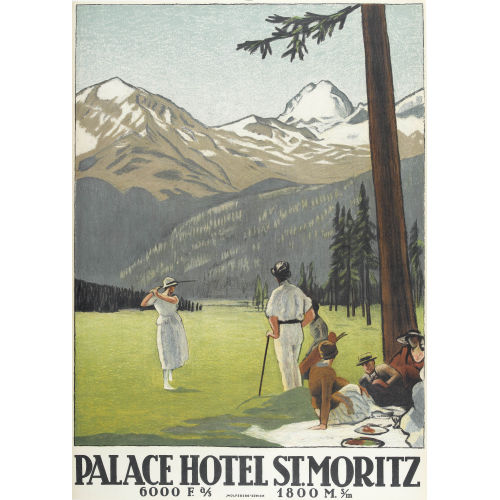
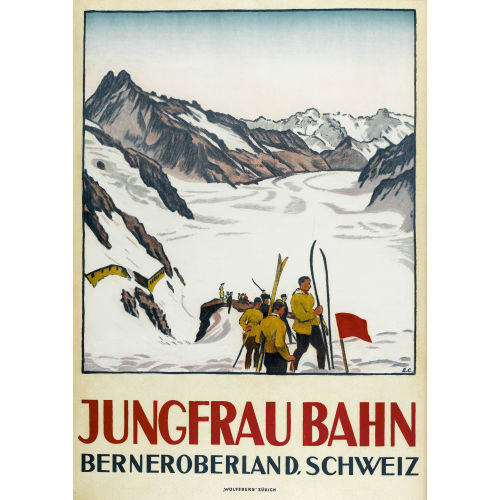
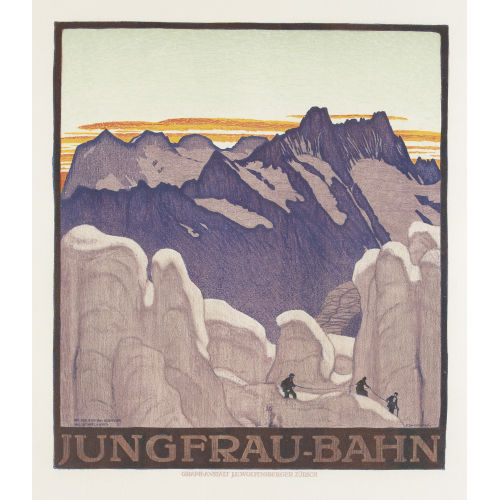
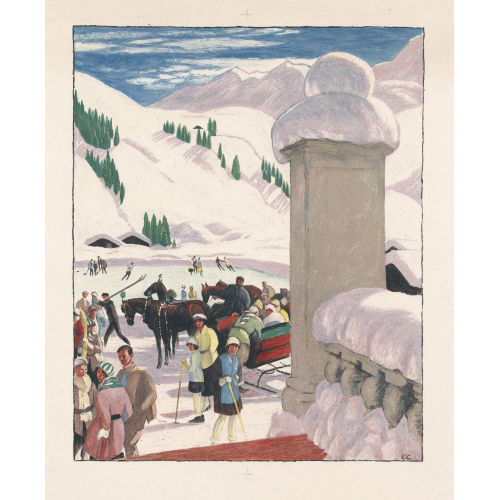
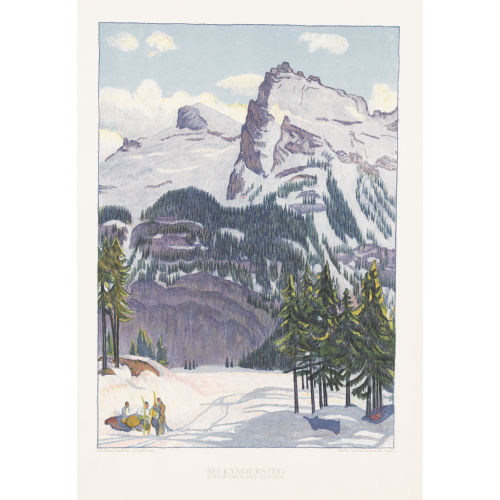
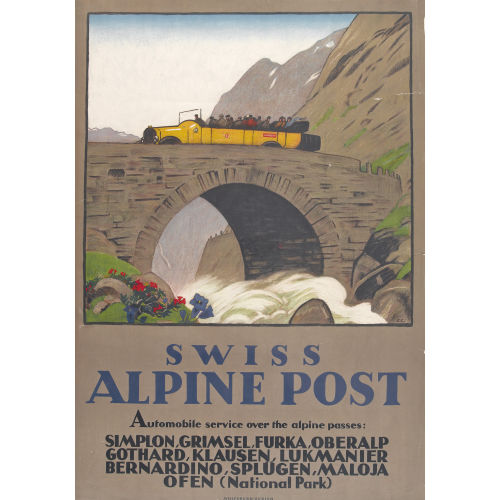
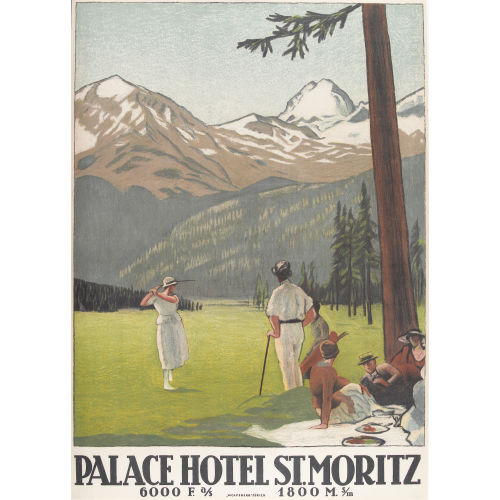
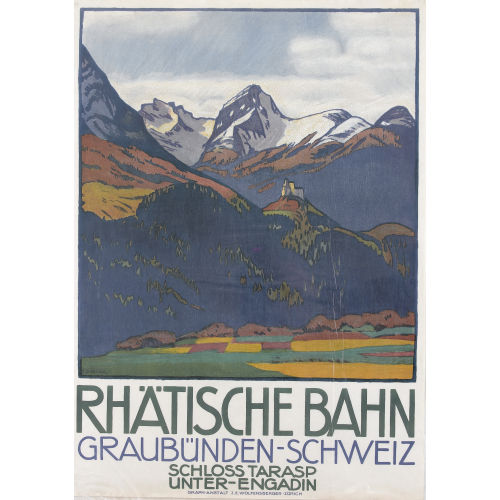
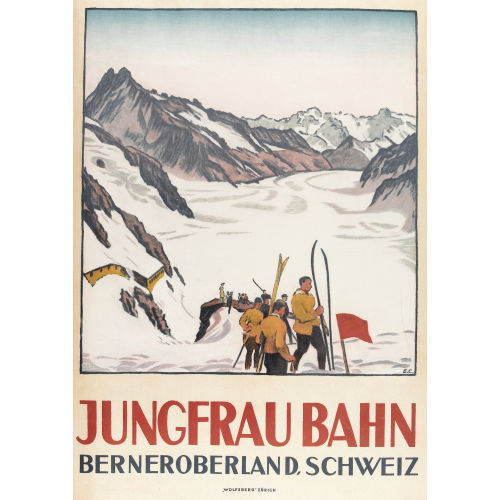
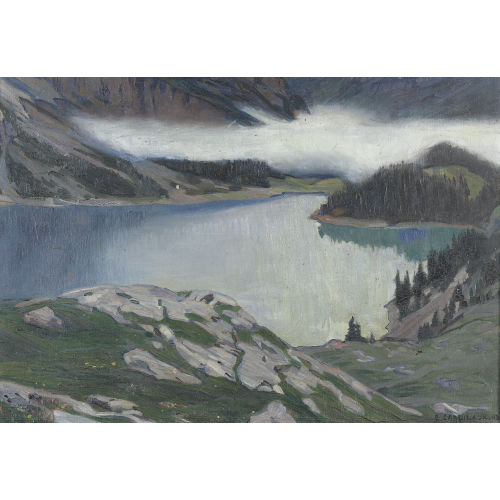
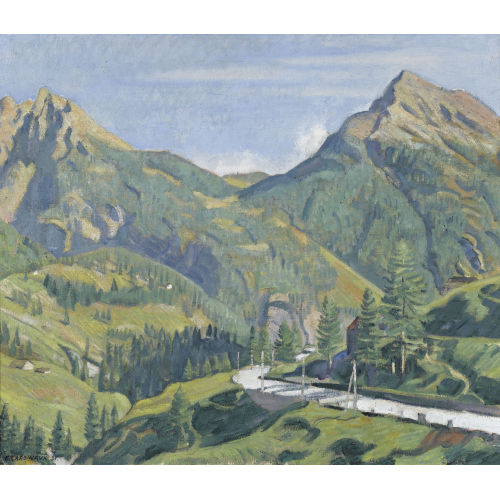
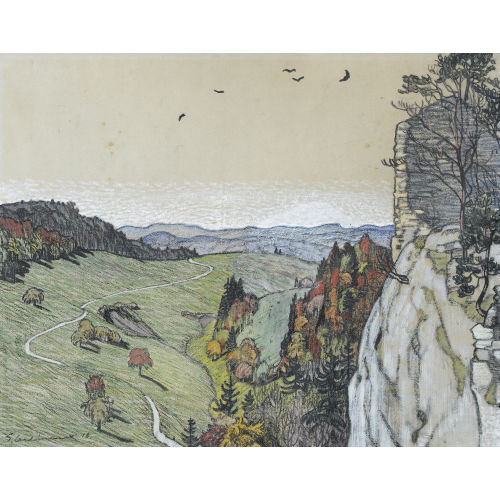
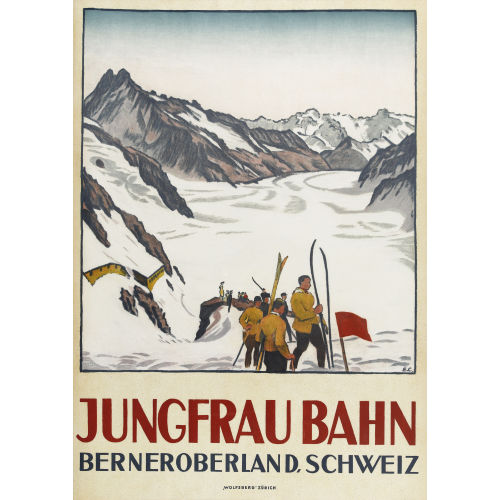
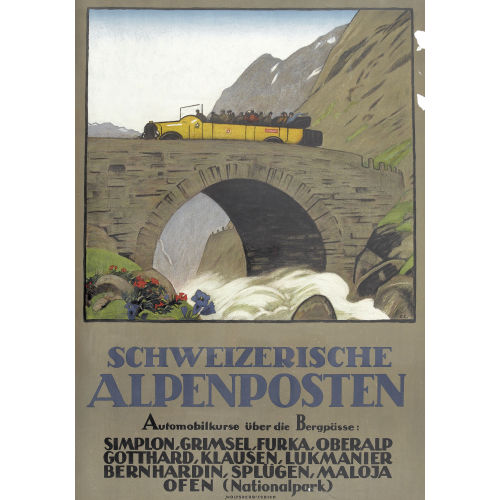
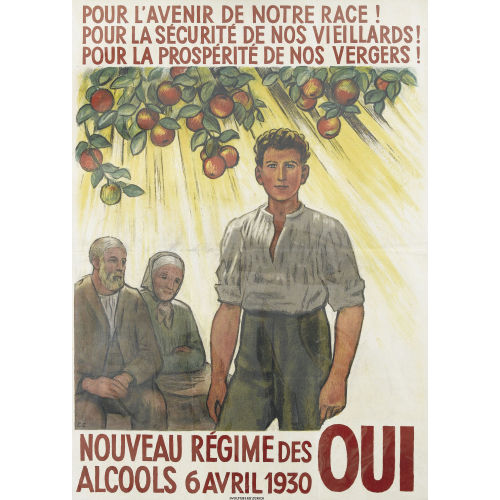
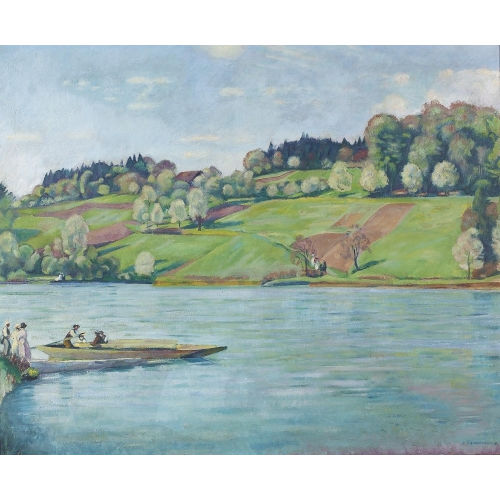
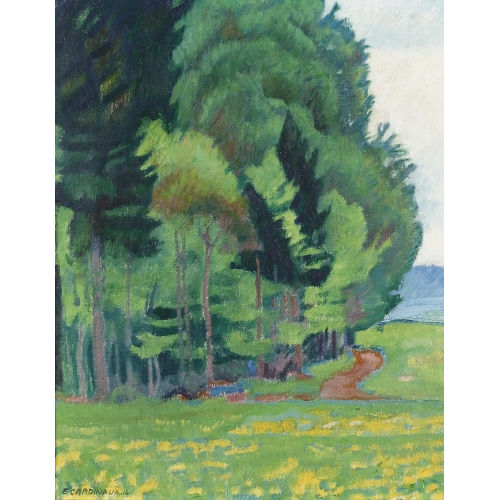
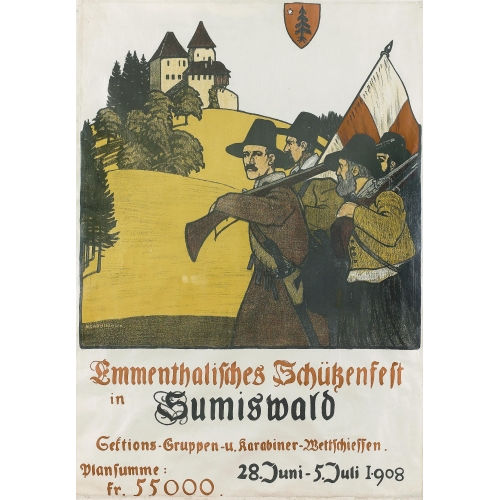
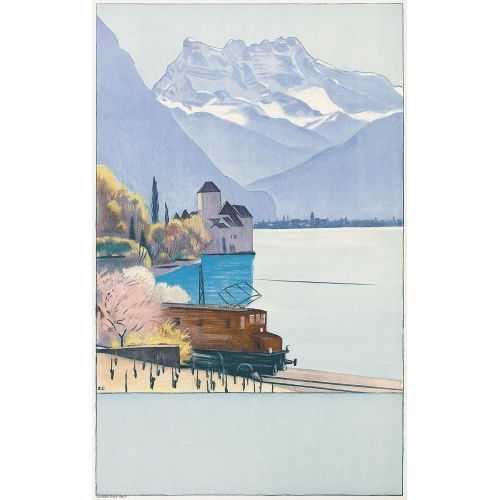
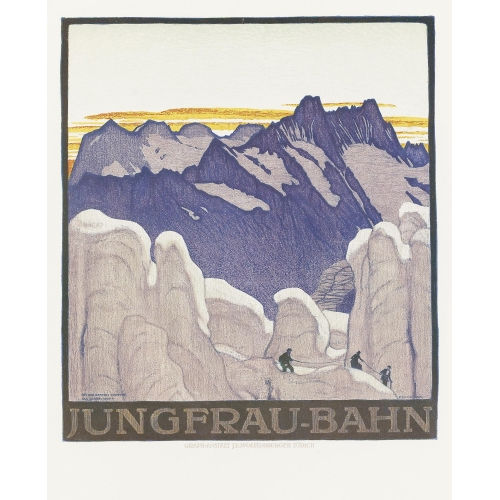
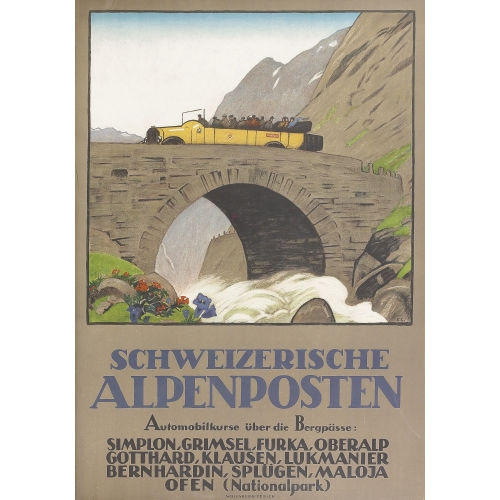
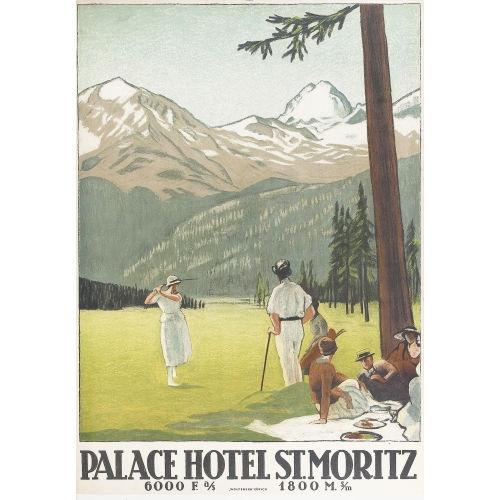
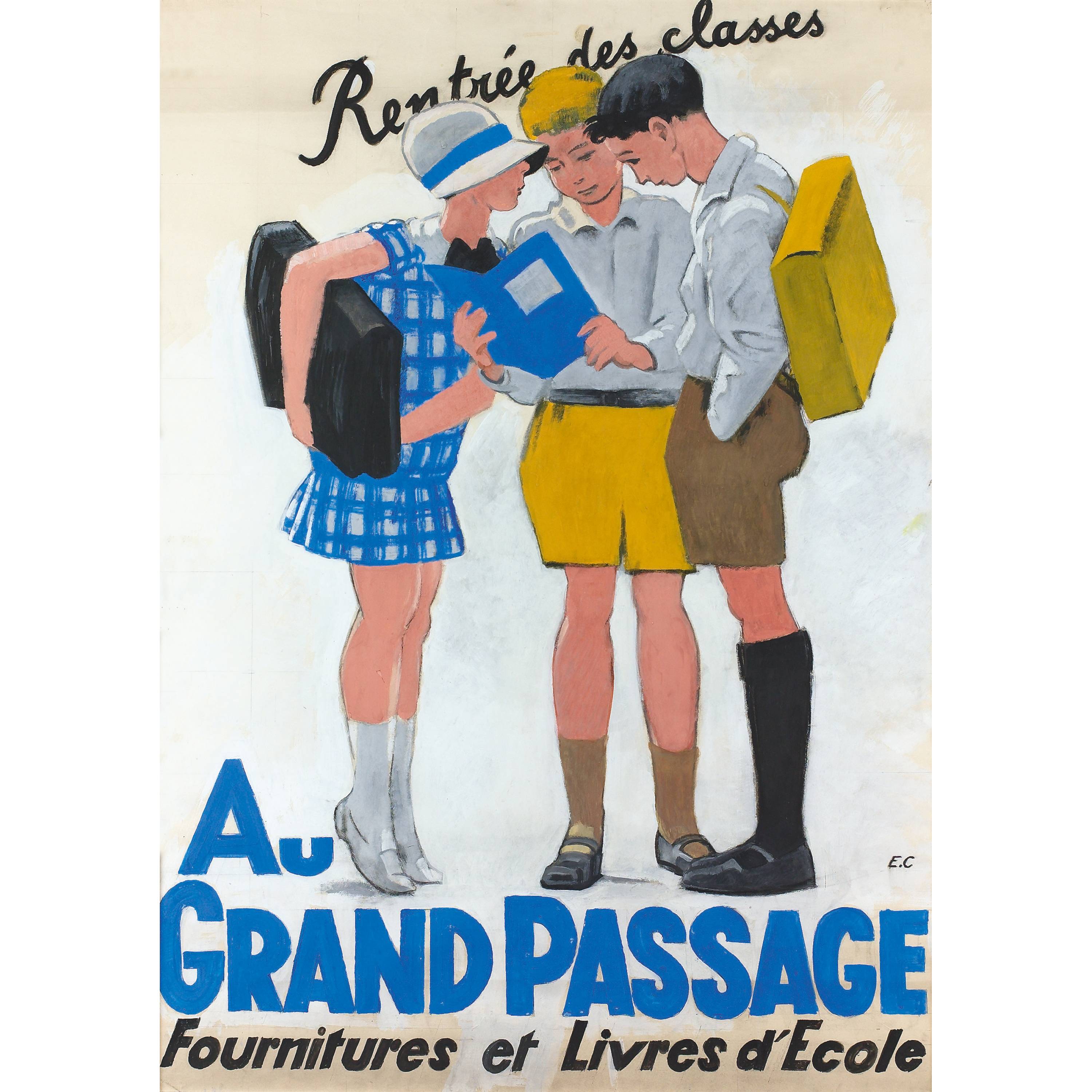
His practice was not limited to poster design. He also produced paintings, murals and stained-glass windows, in a visual language marked by Ferdinand Hodler. It was, however, in advertising that he established his most distinctive position, transposing a painter’s sensibility into the requirements of an image intended to be perceived quickly and from a distance.
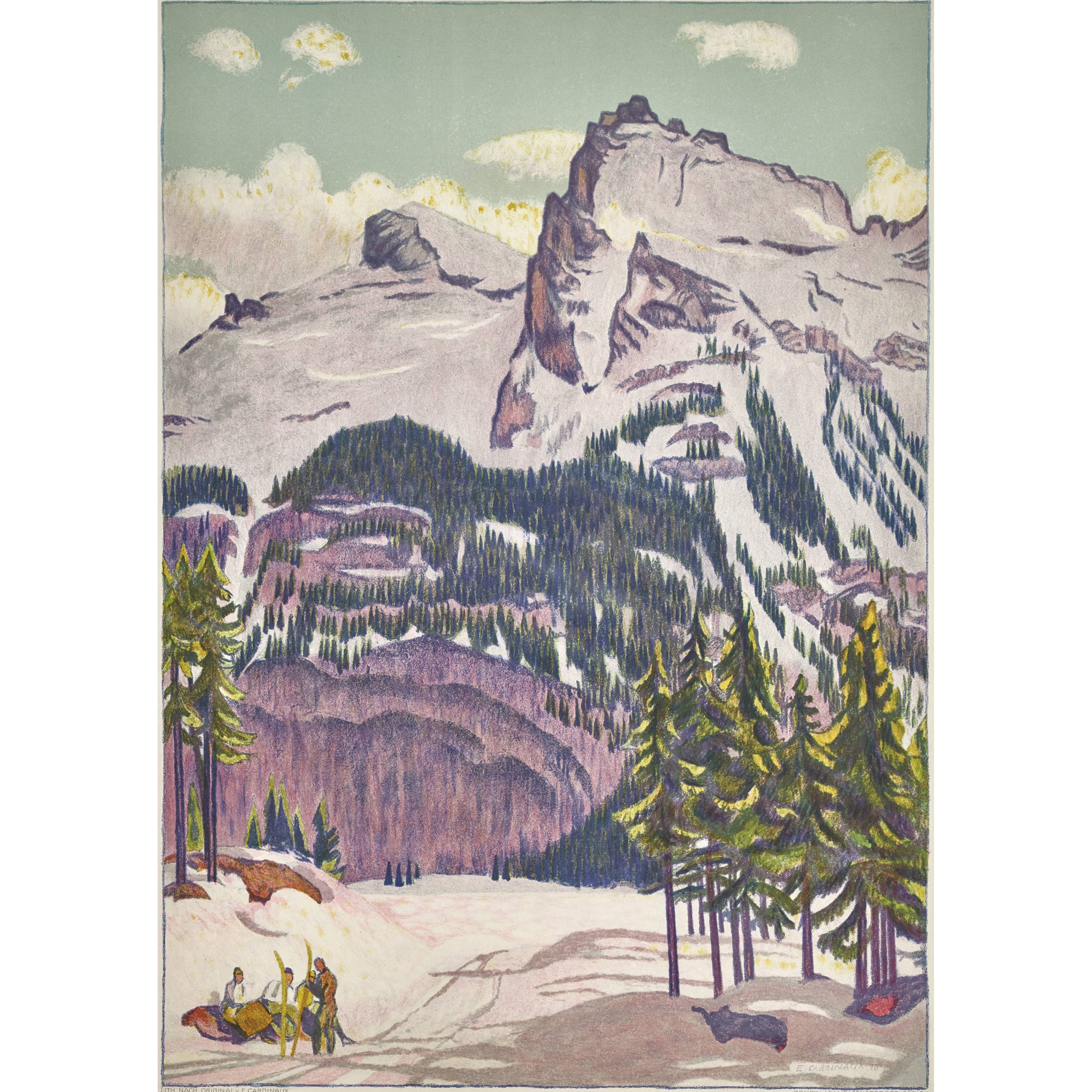
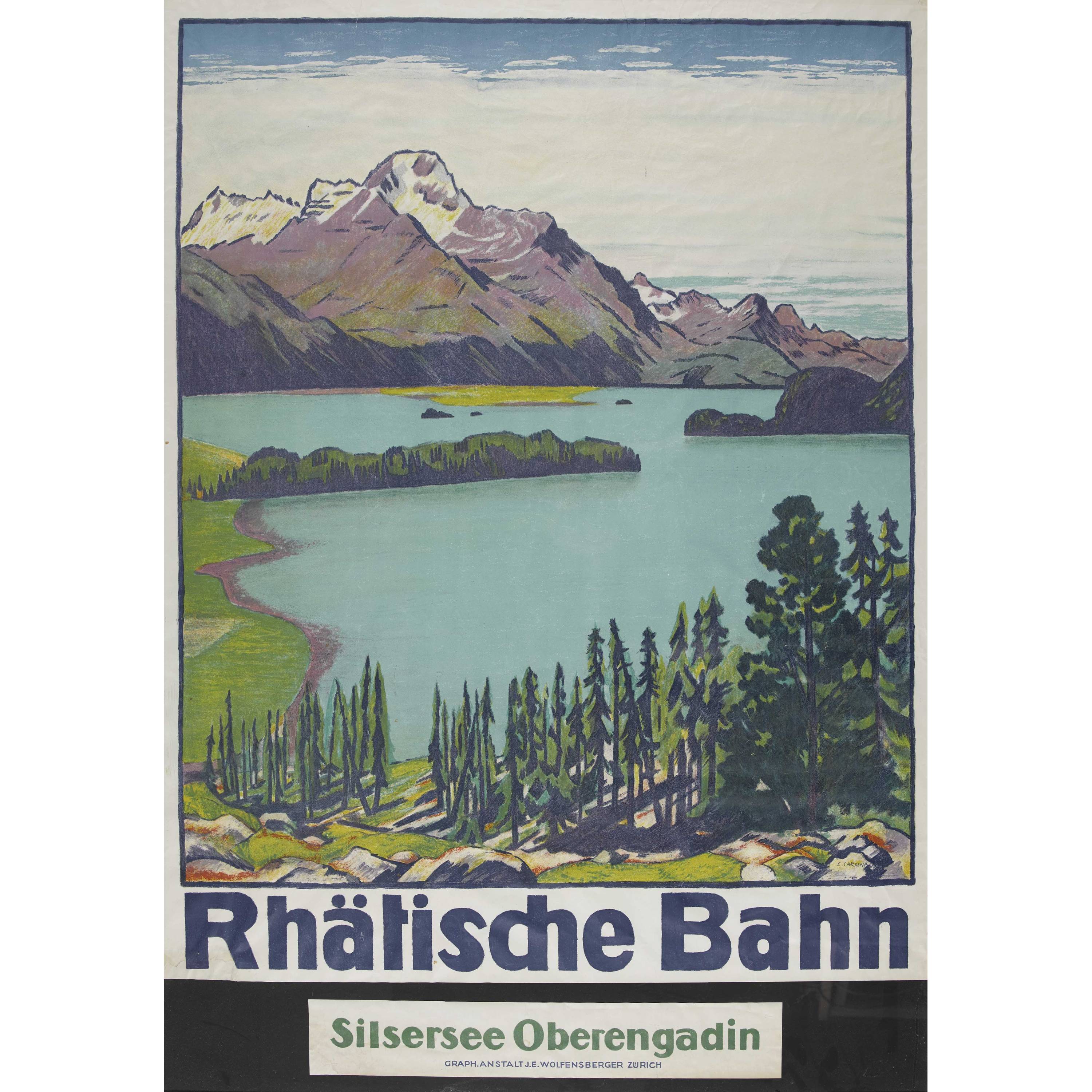
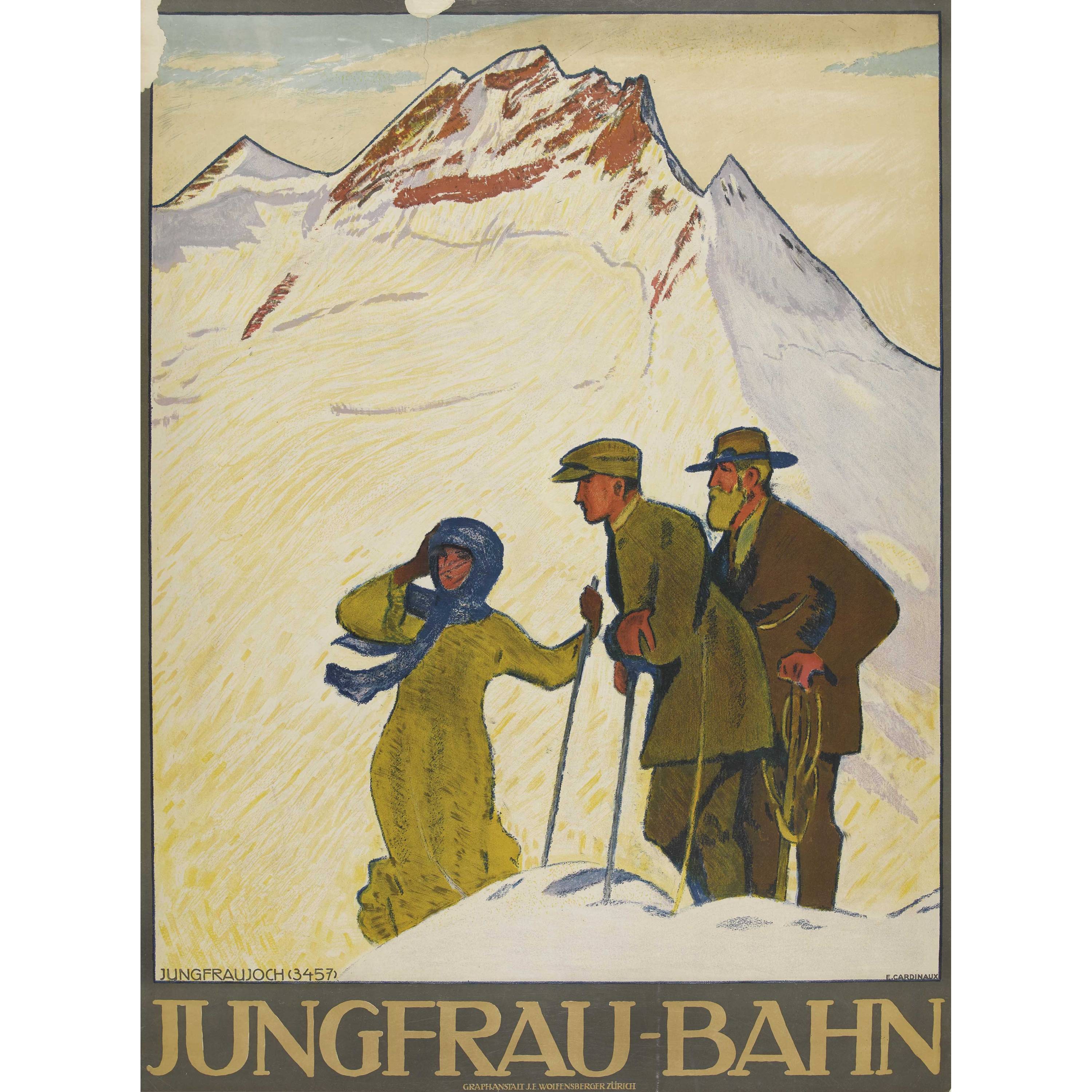
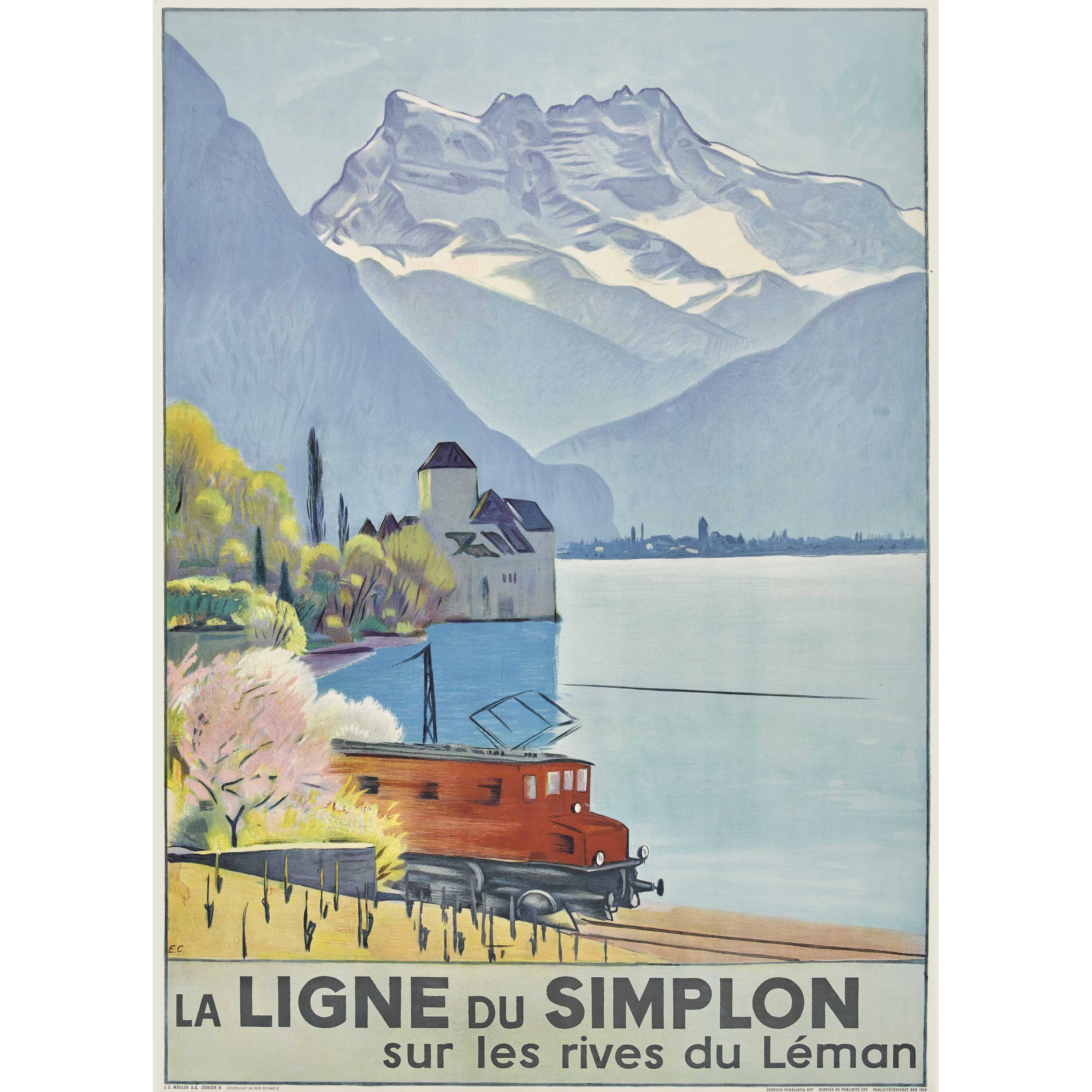
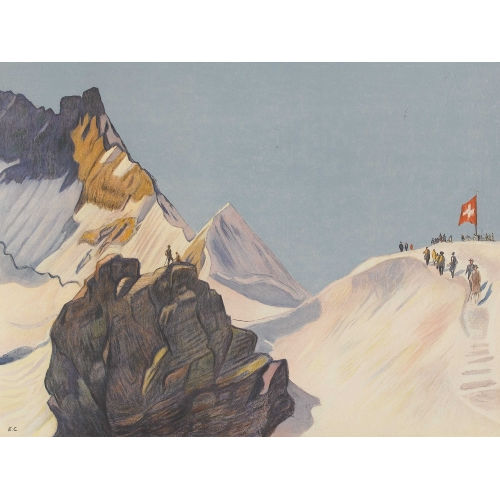
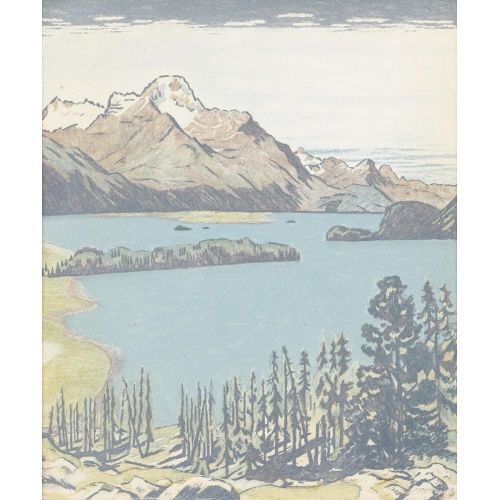
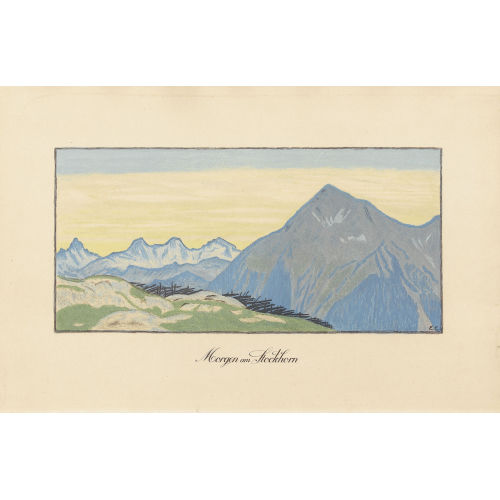
The Museum für Gestaltung Zürich highlights the rupture effected by Zermatt with narrative tourist posters, often burdened with detail. Strong contours, coloured surfaces and a concentration on the principal motif give the landscape its visual power. The museum also notes the affinities between this composition and Japanese printmaking.
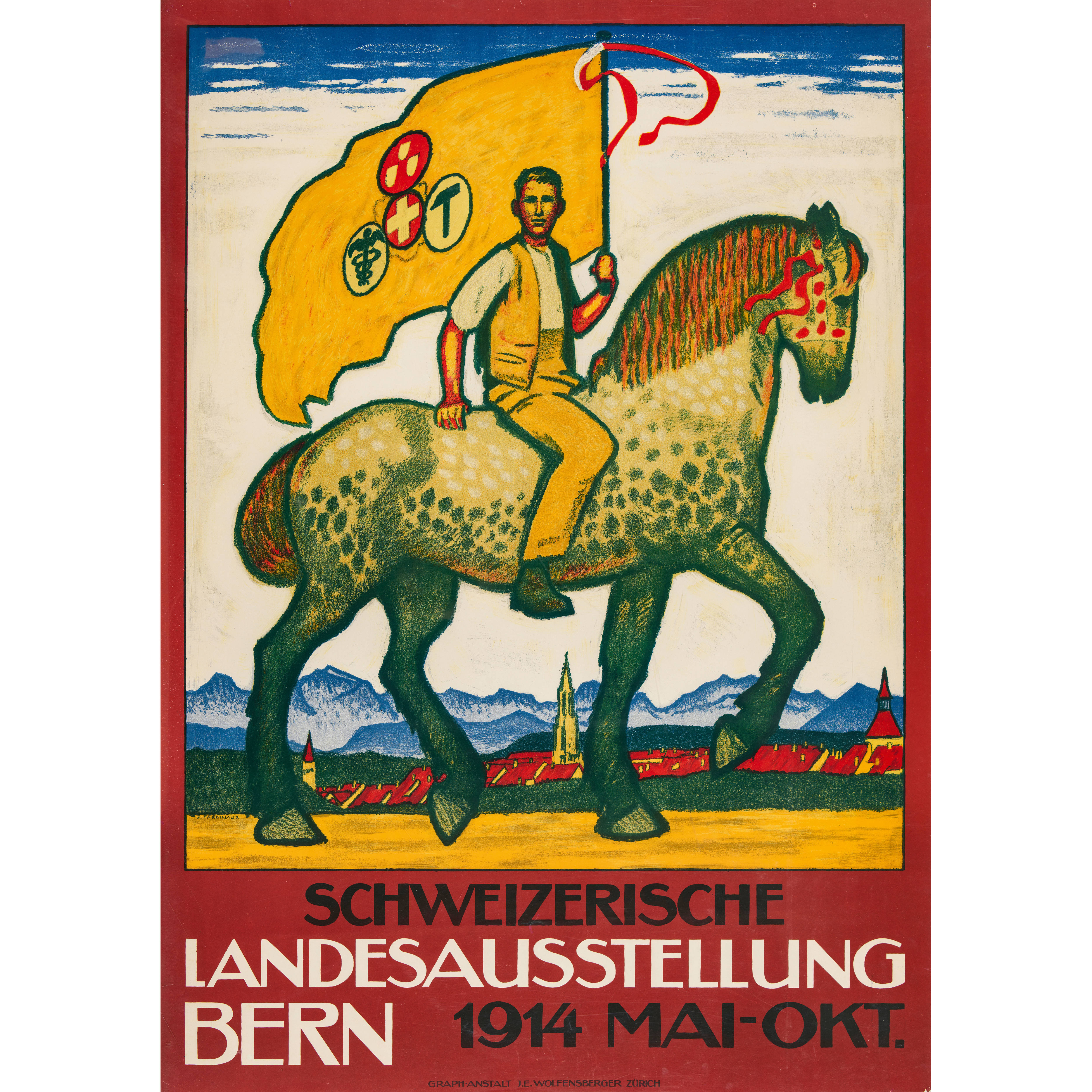
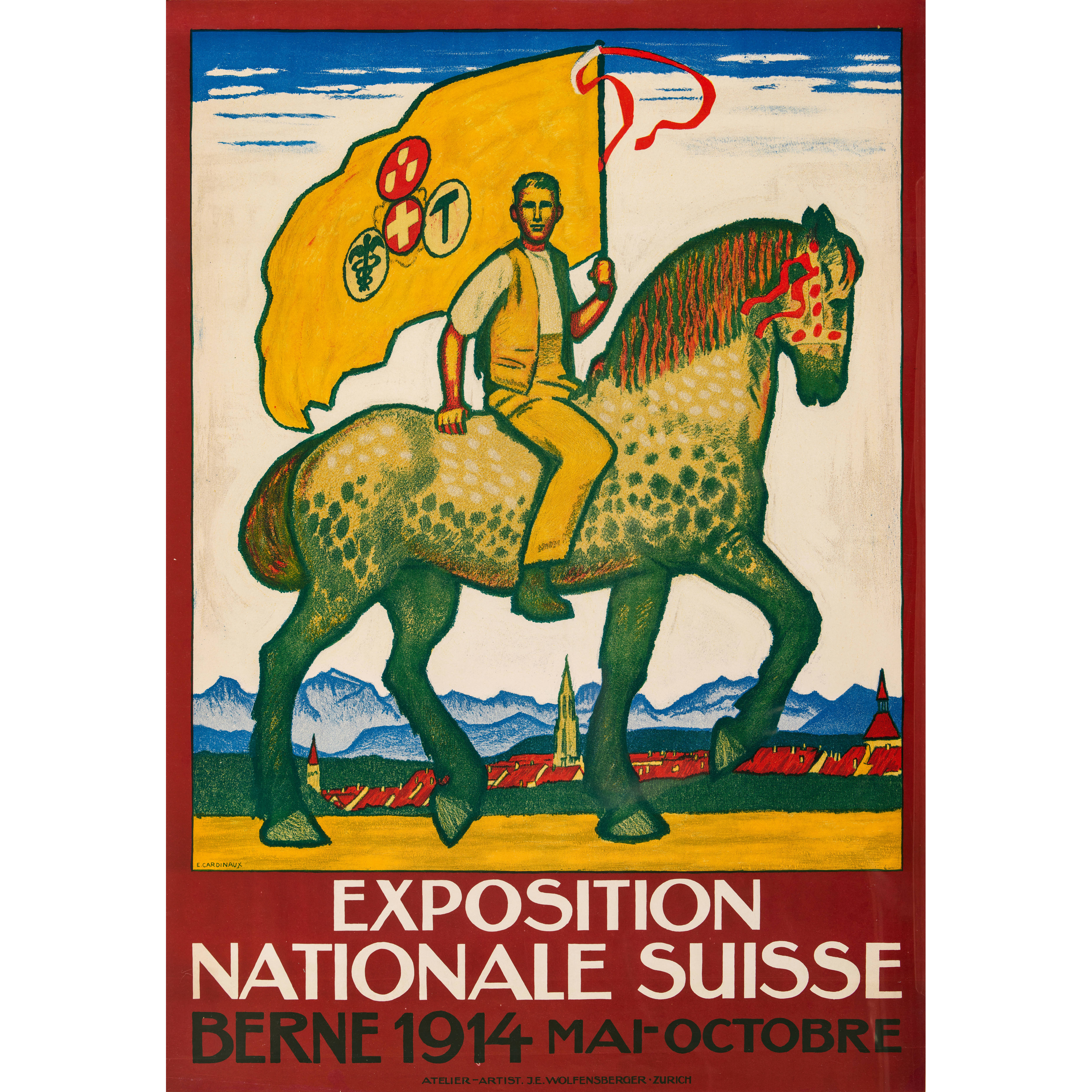
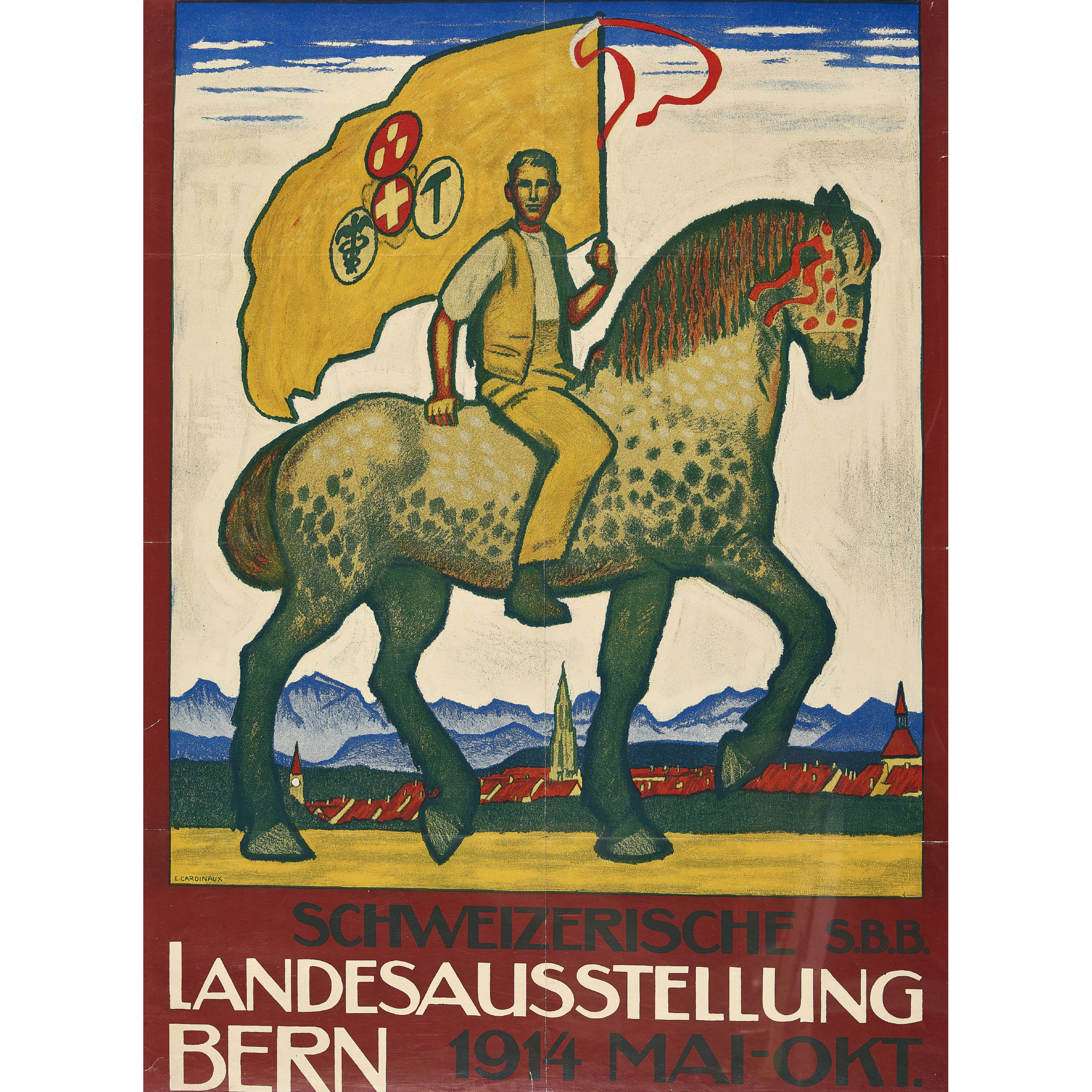
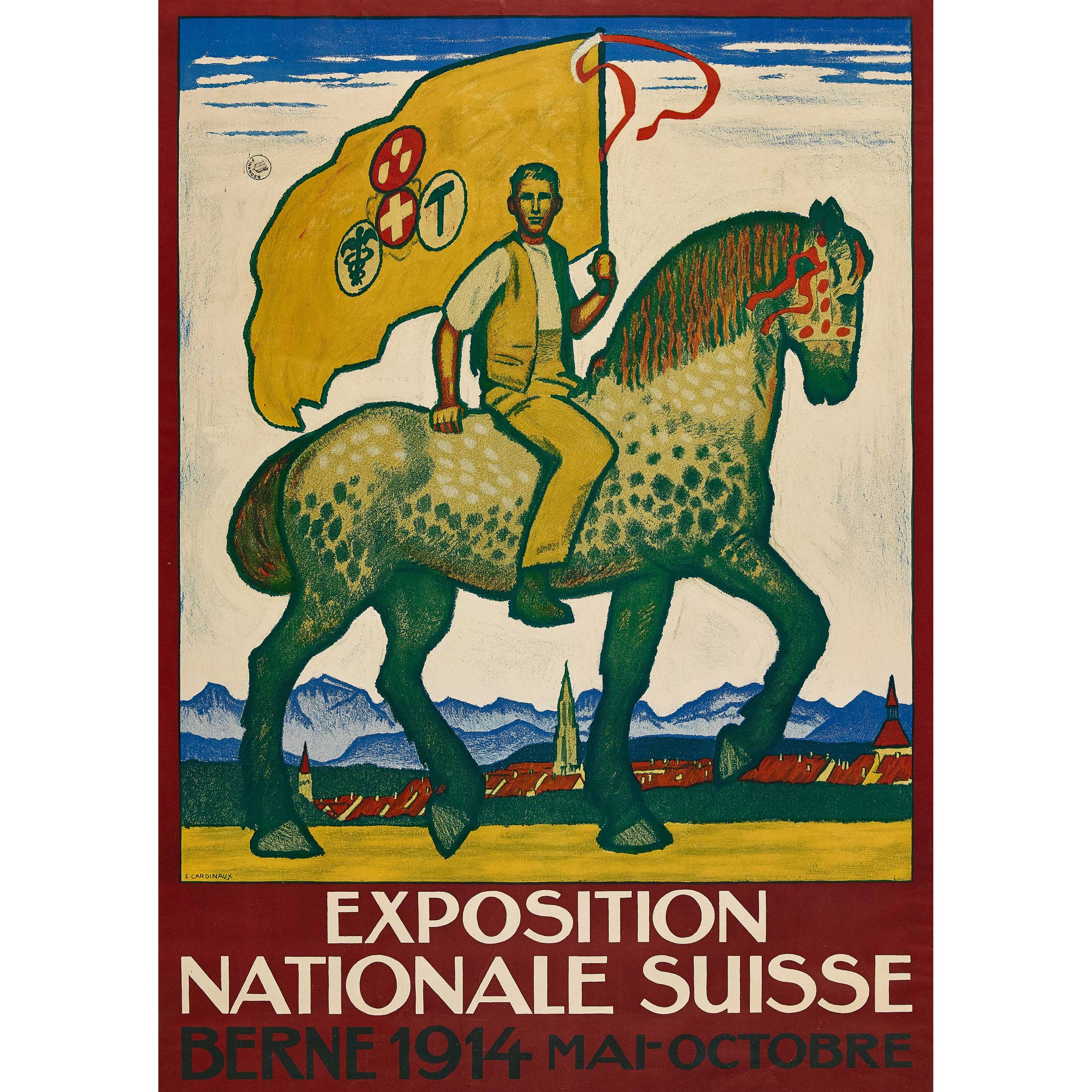
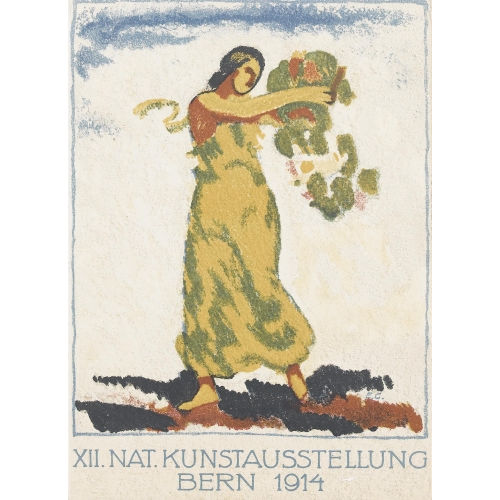
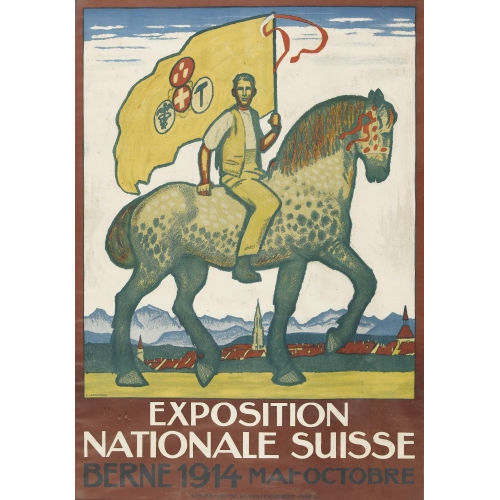
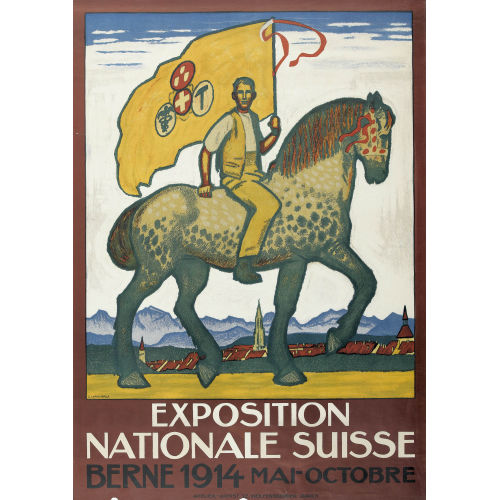
Cardinaux’s audacity did not always meet with unanimous approval. The green horse he devised for the 1914 Swiss National Exhibition provoked a vigorous controversy. The episode recalls that, beyond its descriptive function, colour can become an issue of modernity in the public realm.
To discover Cardinaux, one can observe how the eye is guided towards what is essential: a silhouette, a slope, a contrast of colours. His images invite us to consider the landscape both as a sensory experience and as a constructed form, capable of representing a place in the collective memory.