Dieter Roth
Born in 1930.
Died in 1998.
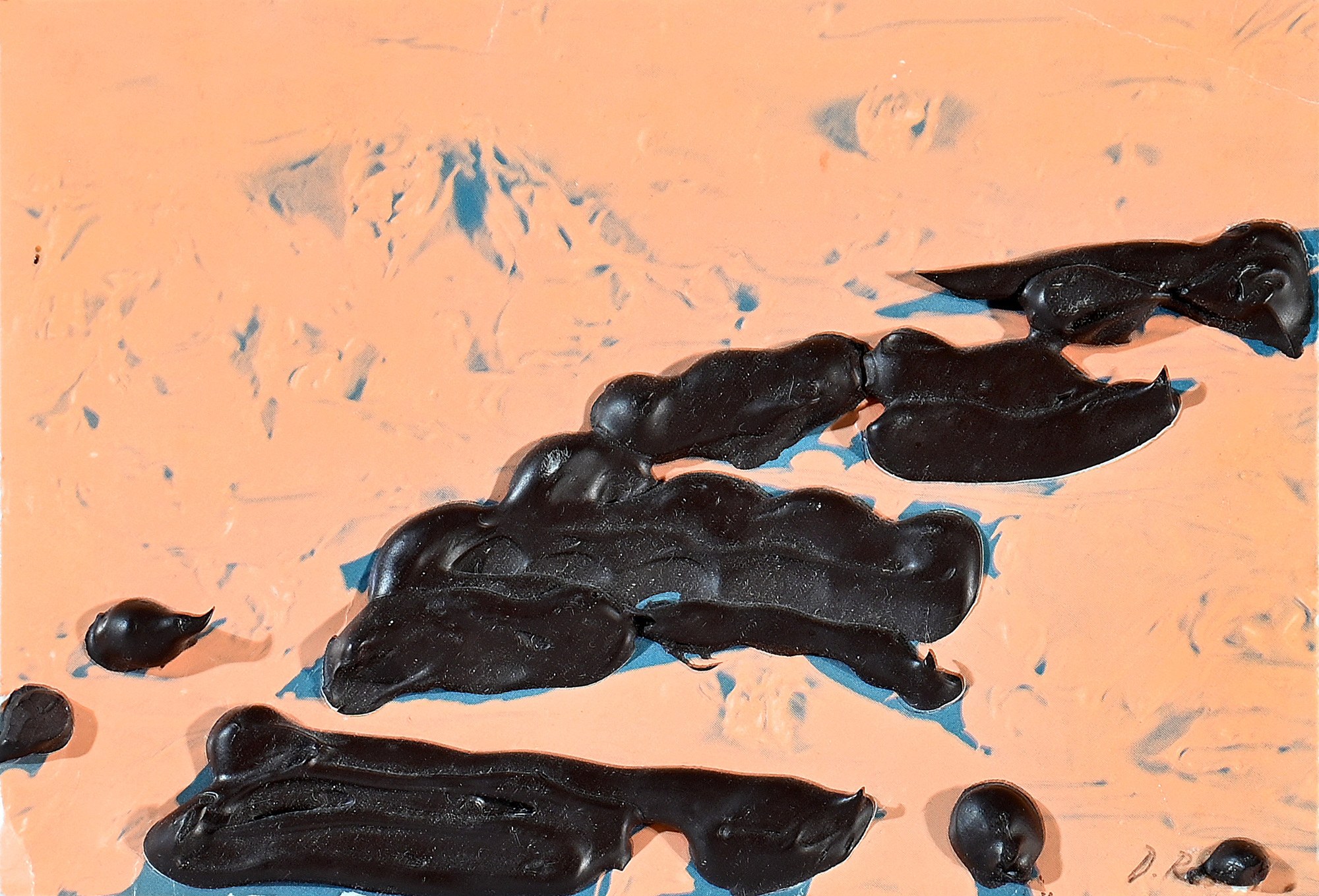
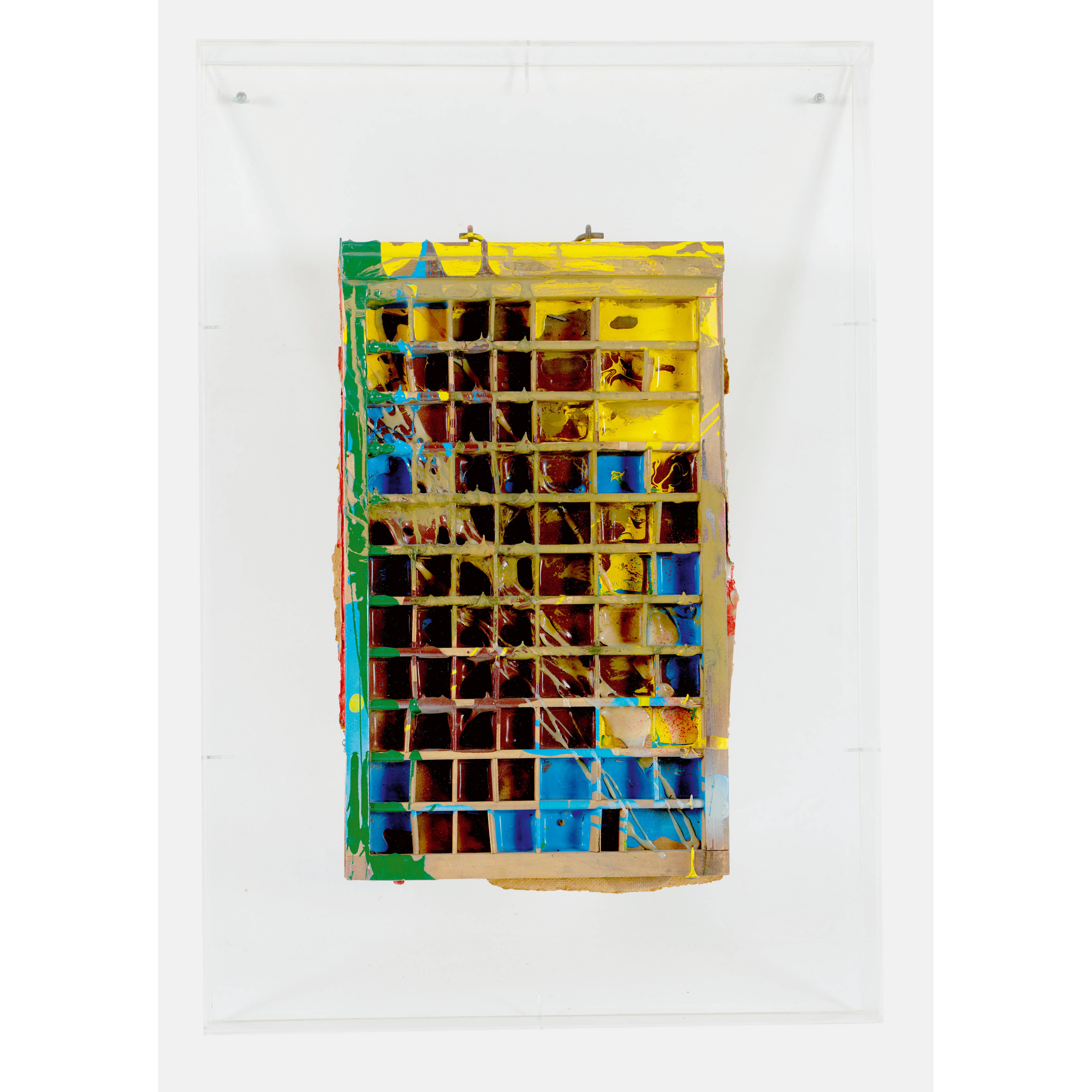
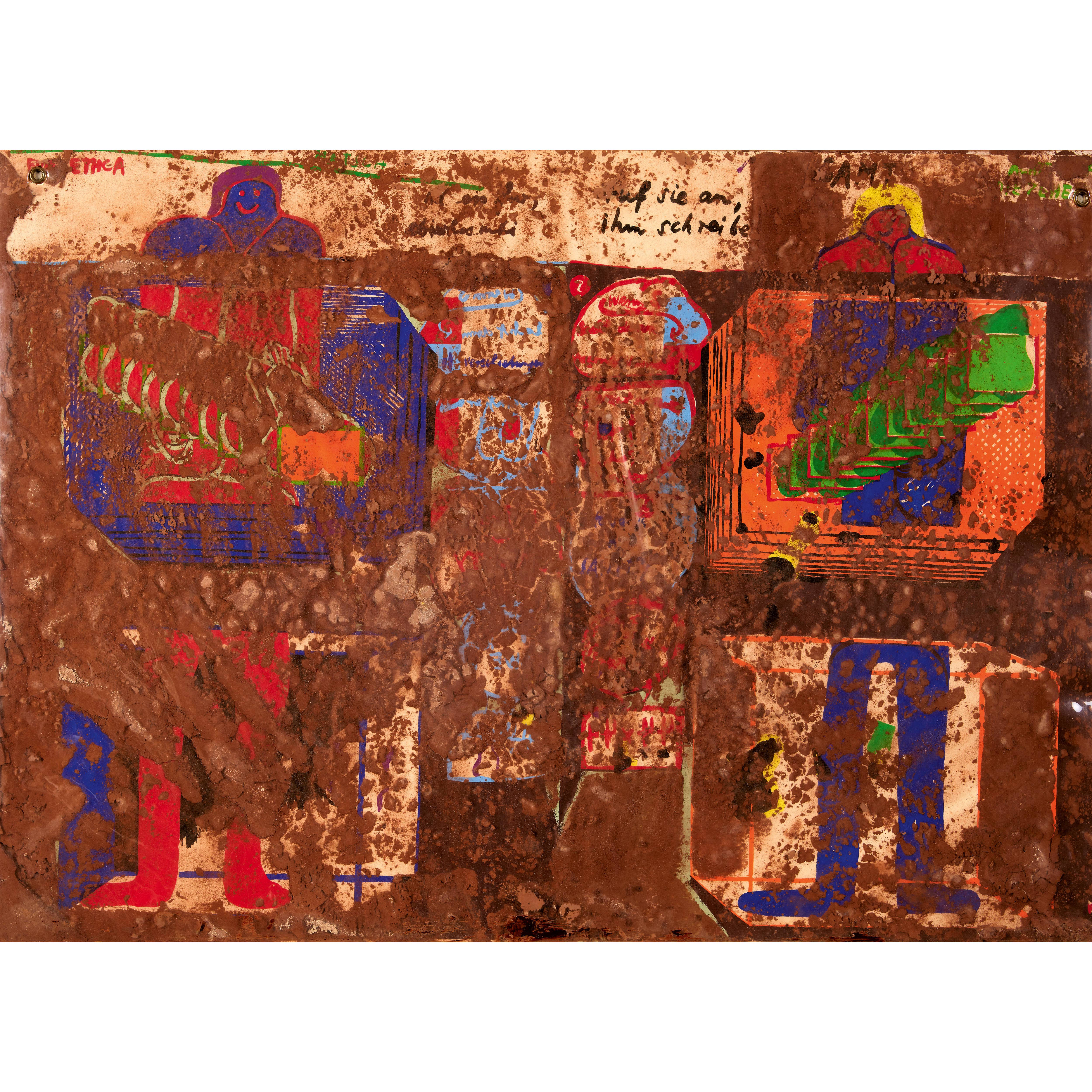
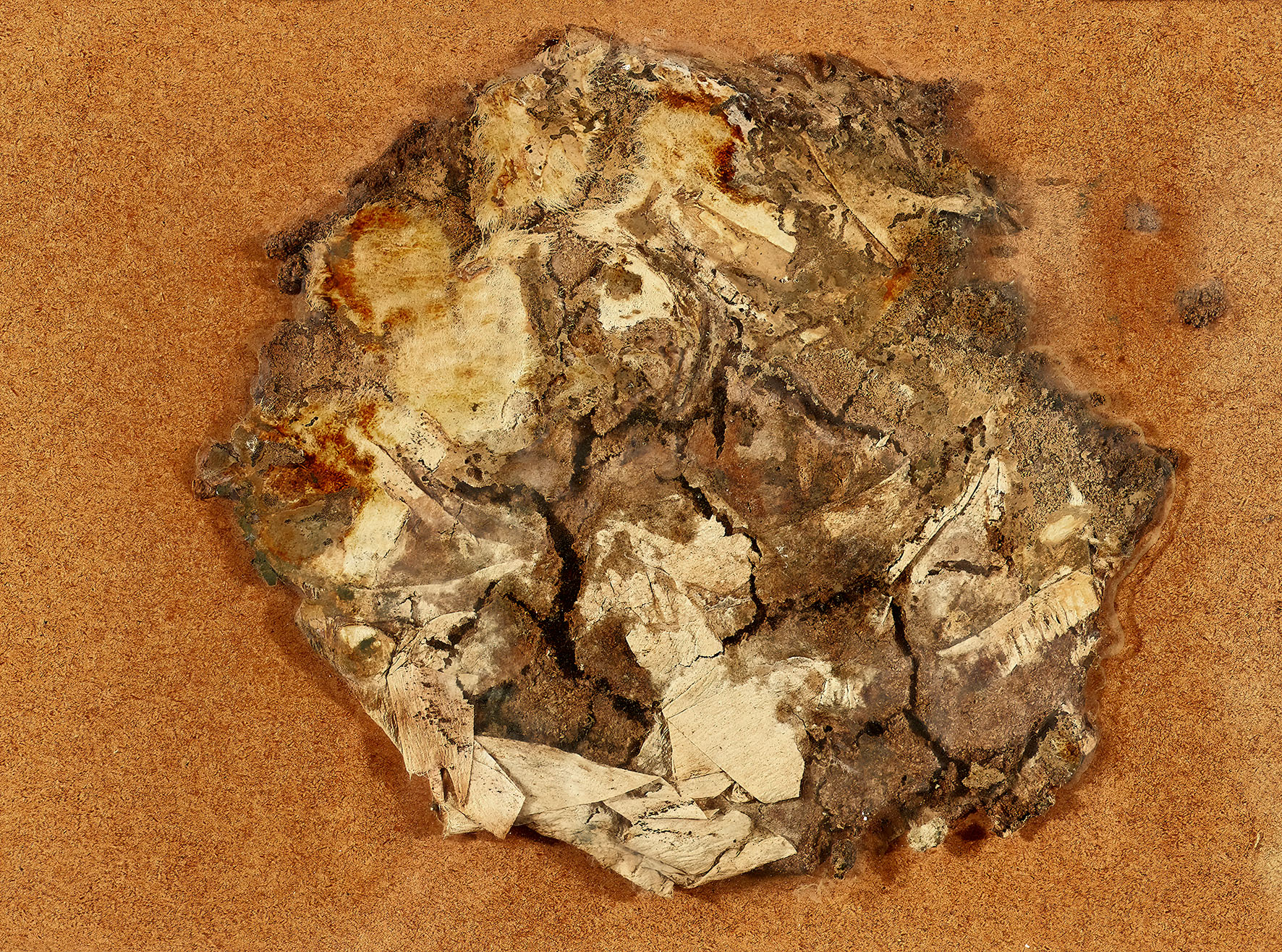
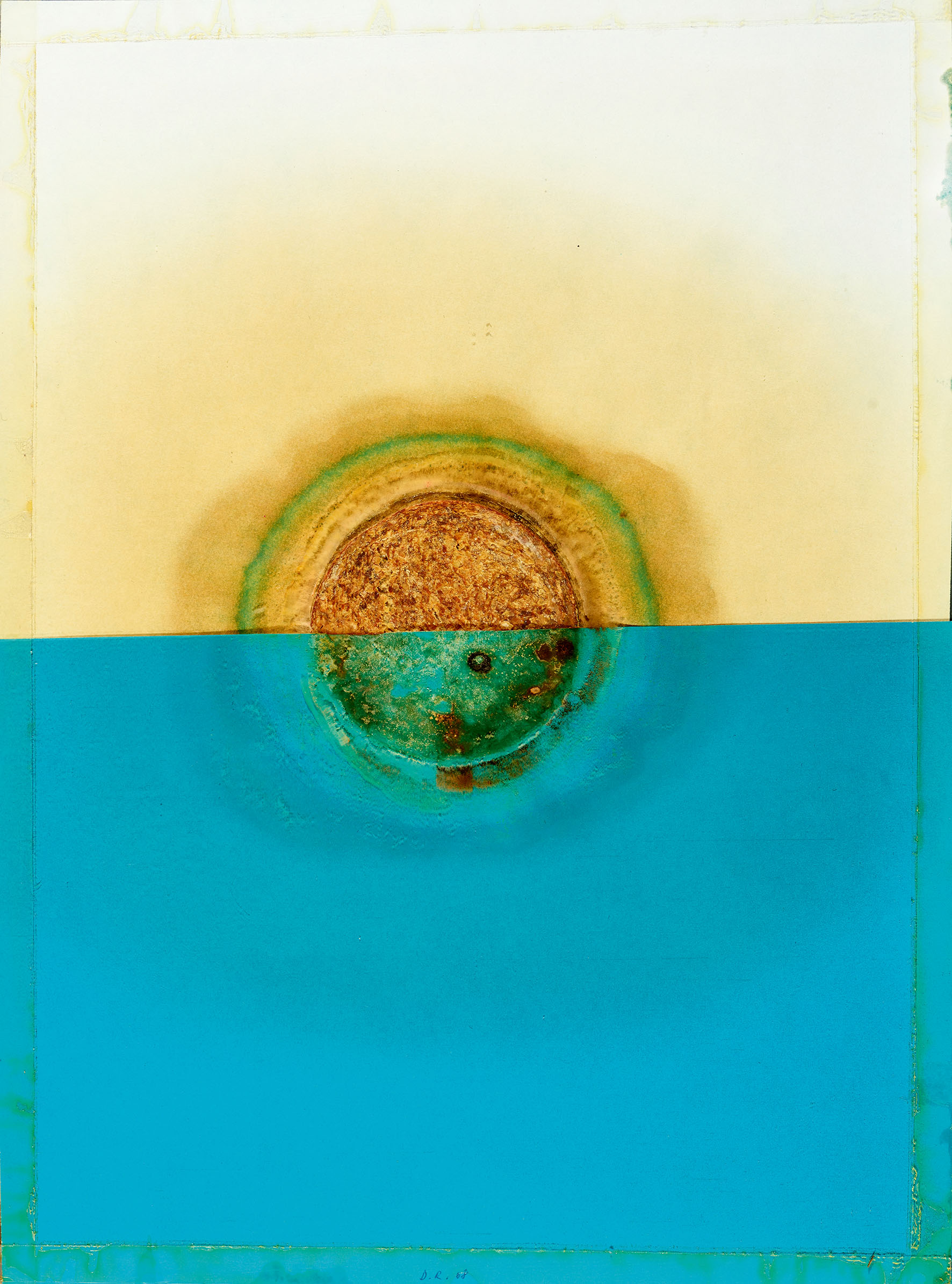
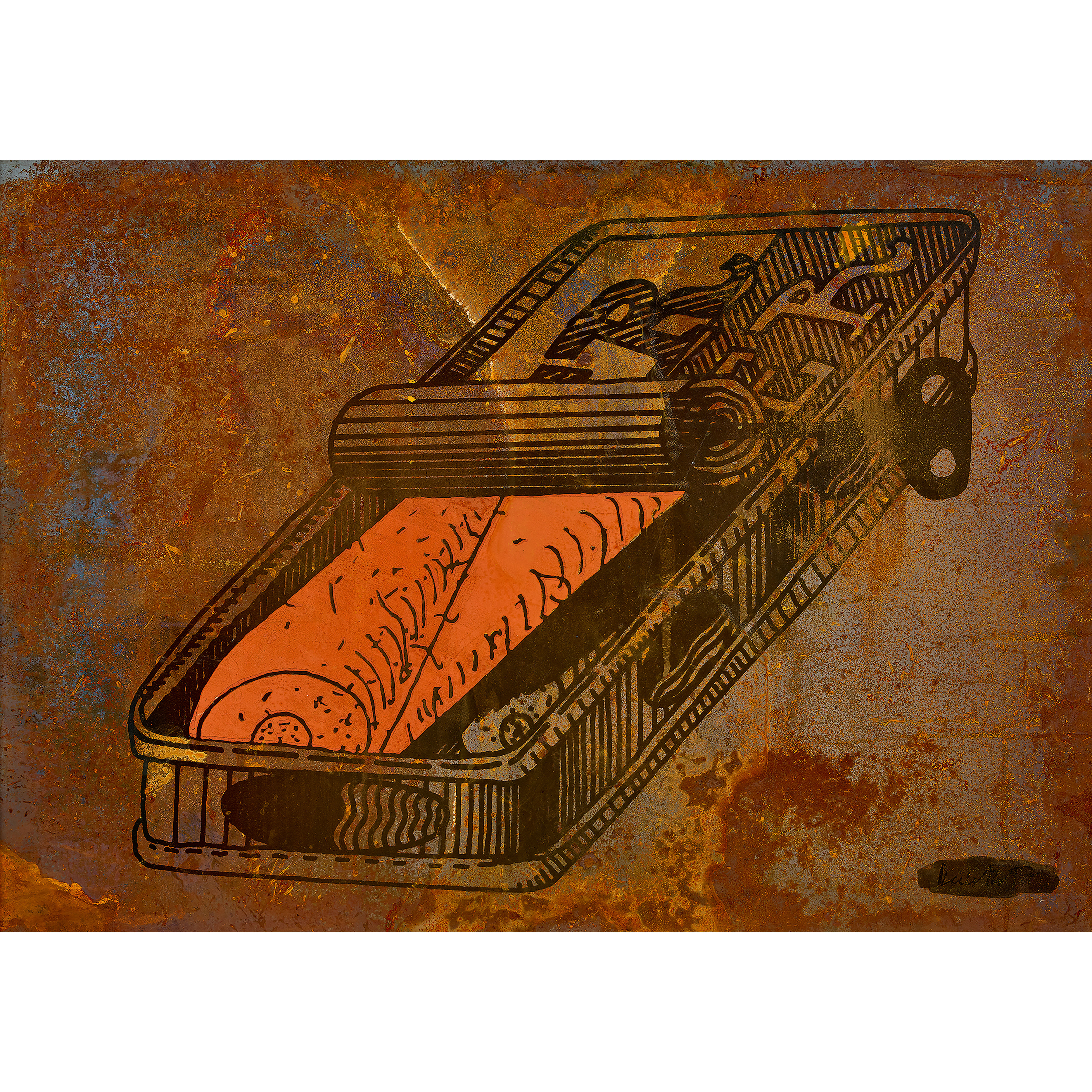
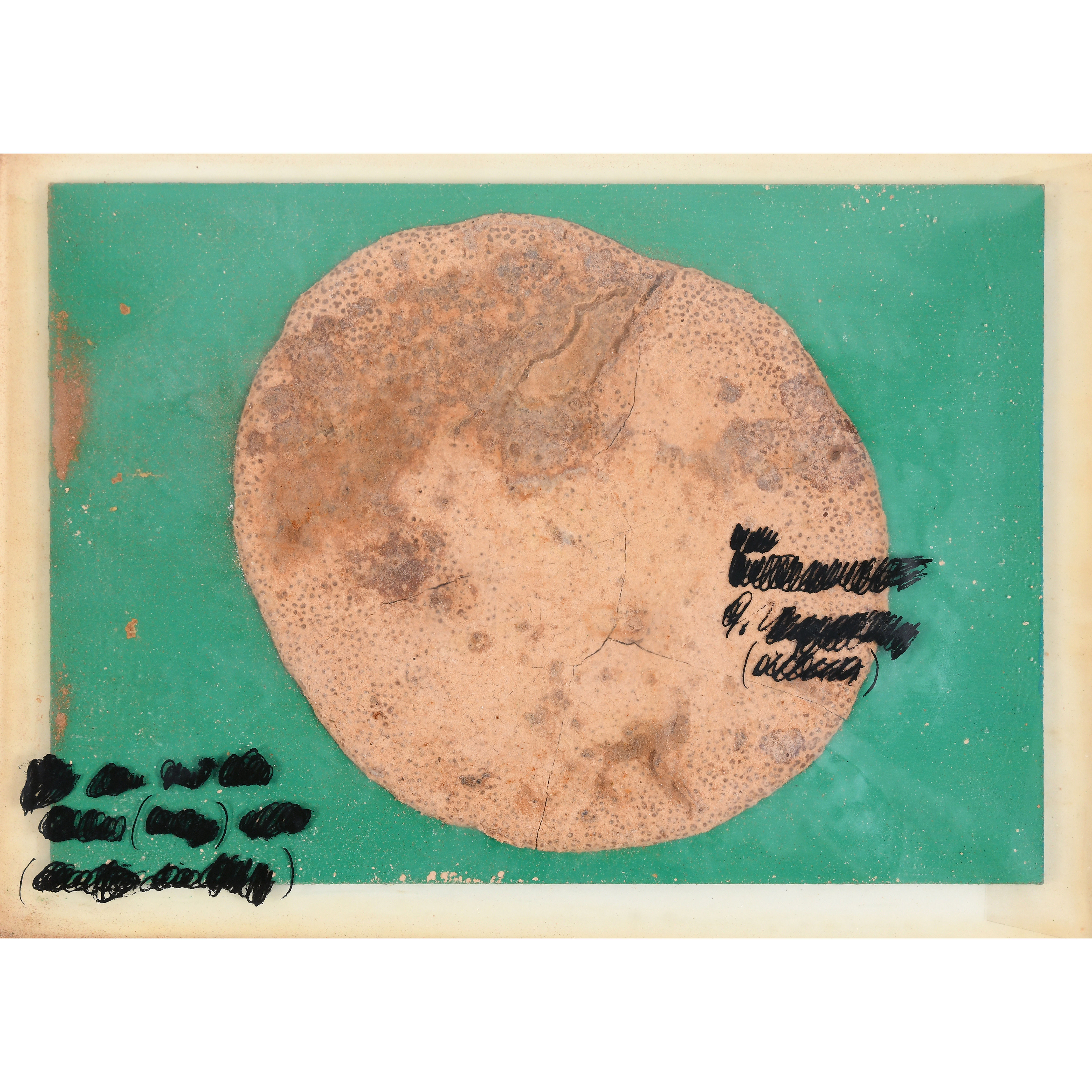
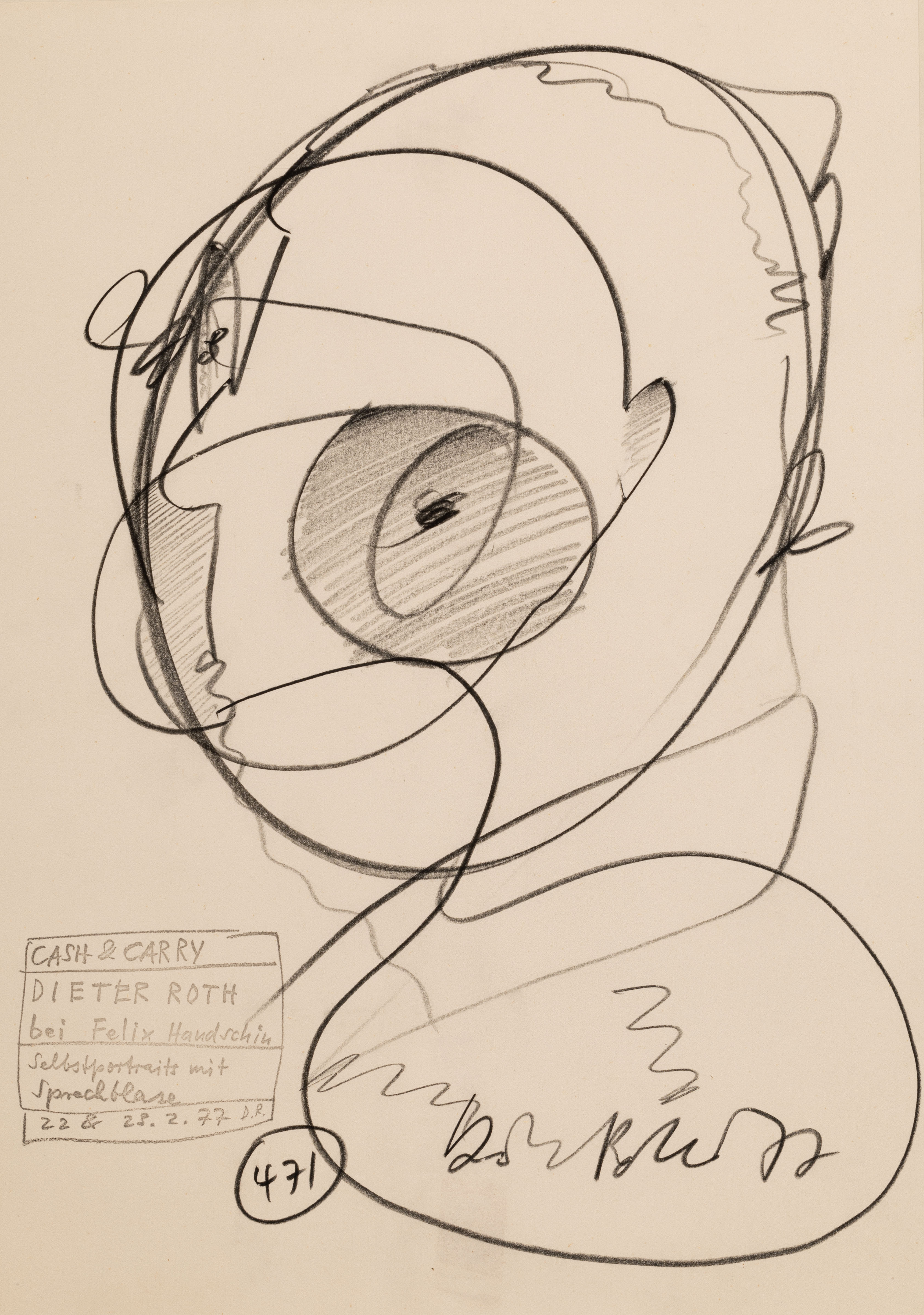
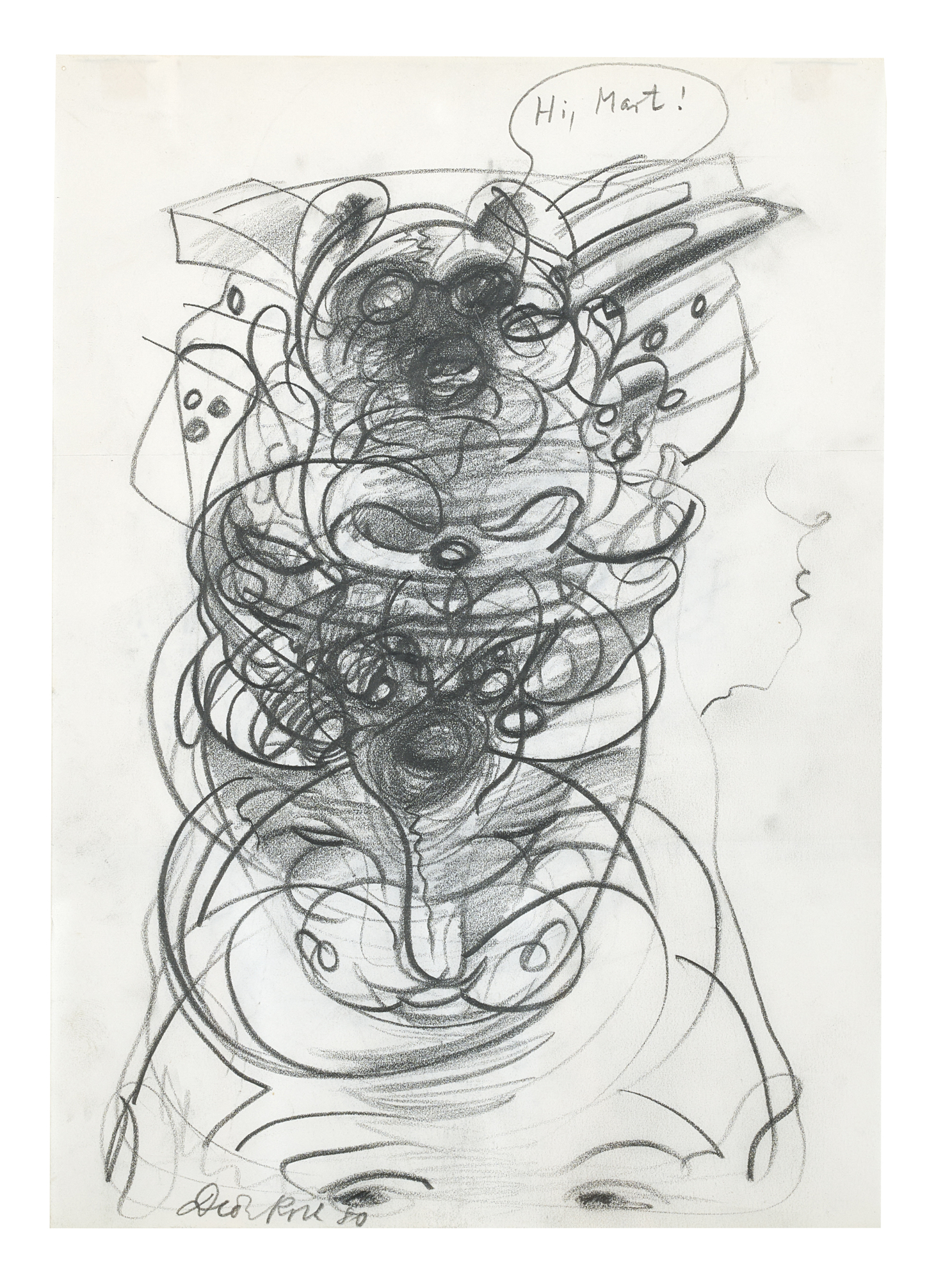
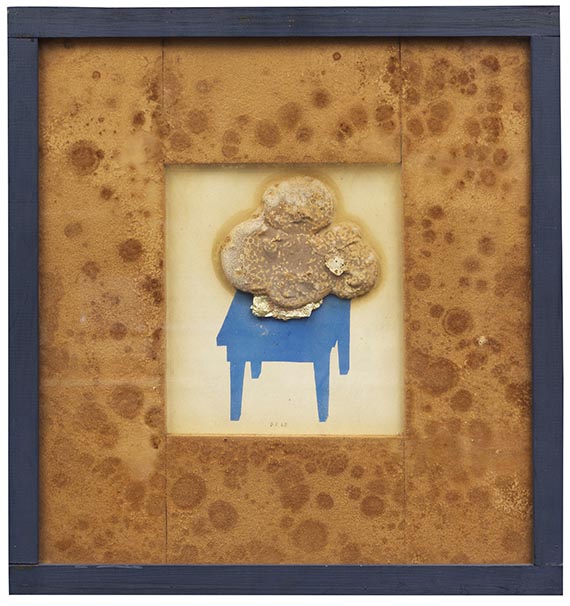
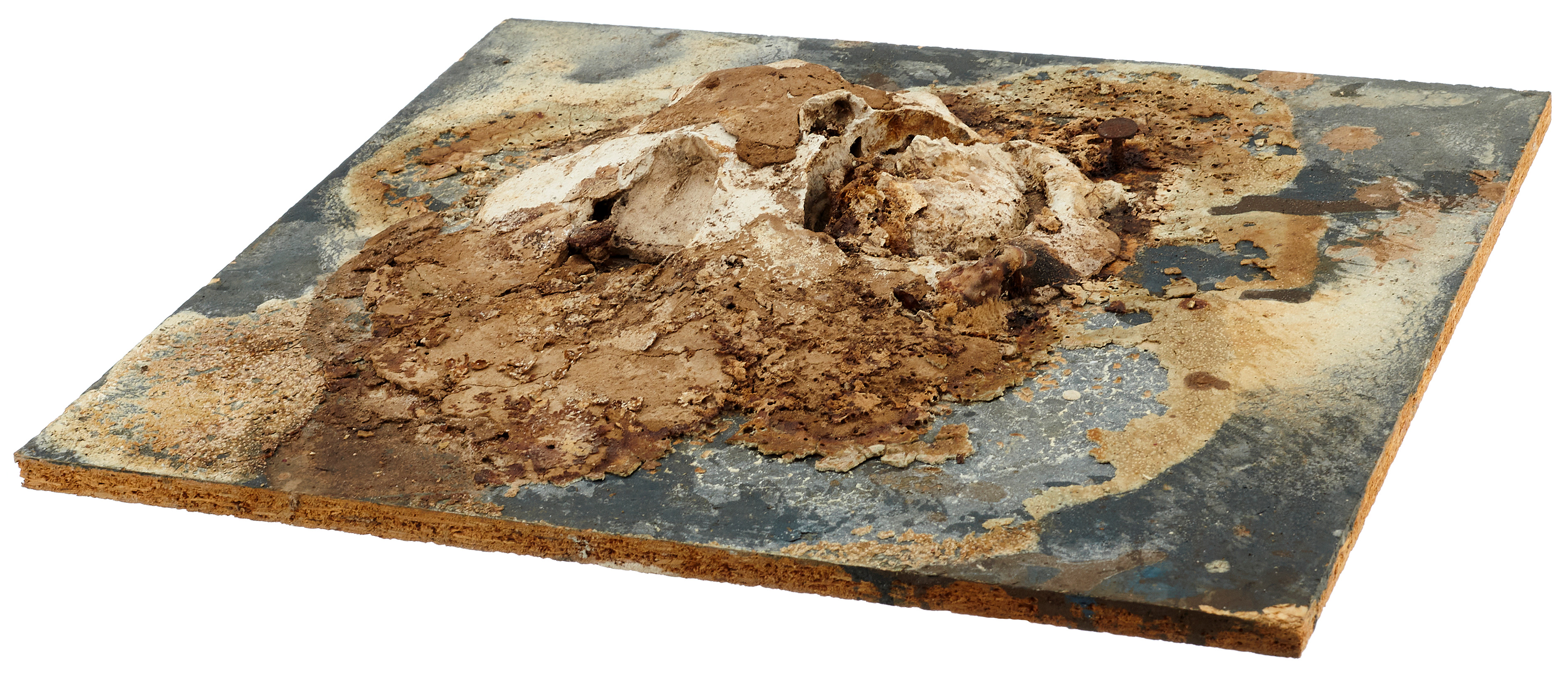
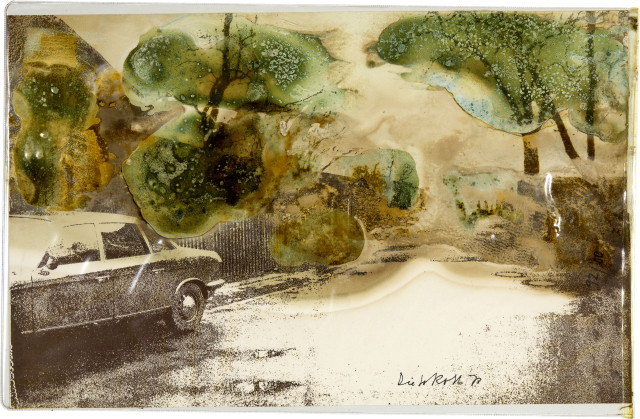
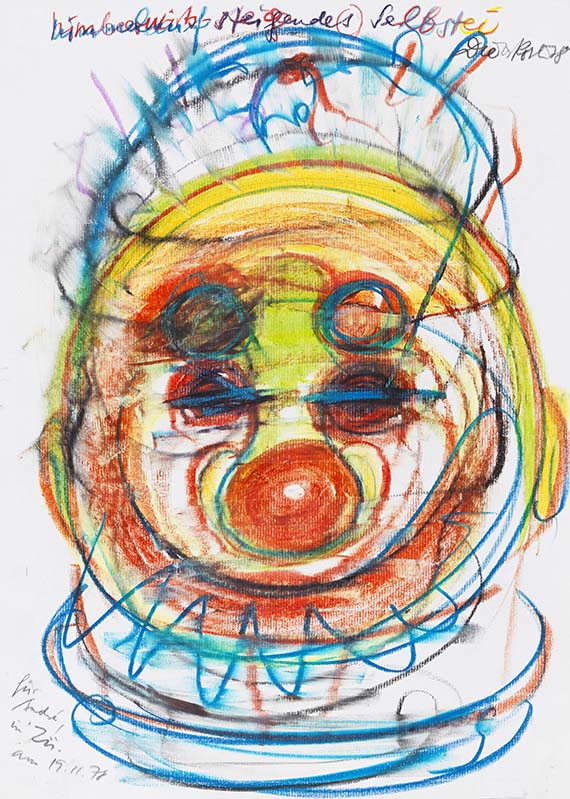
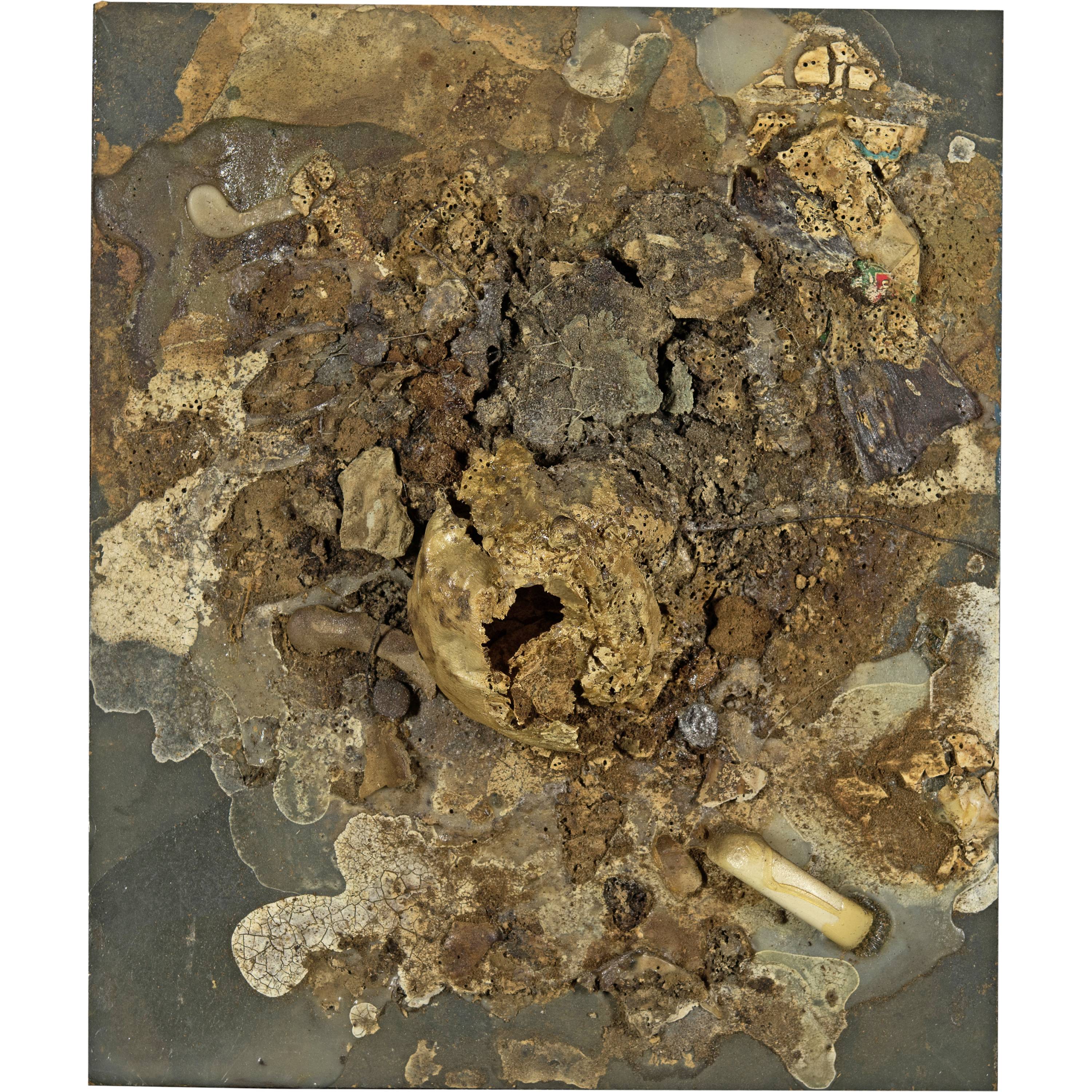
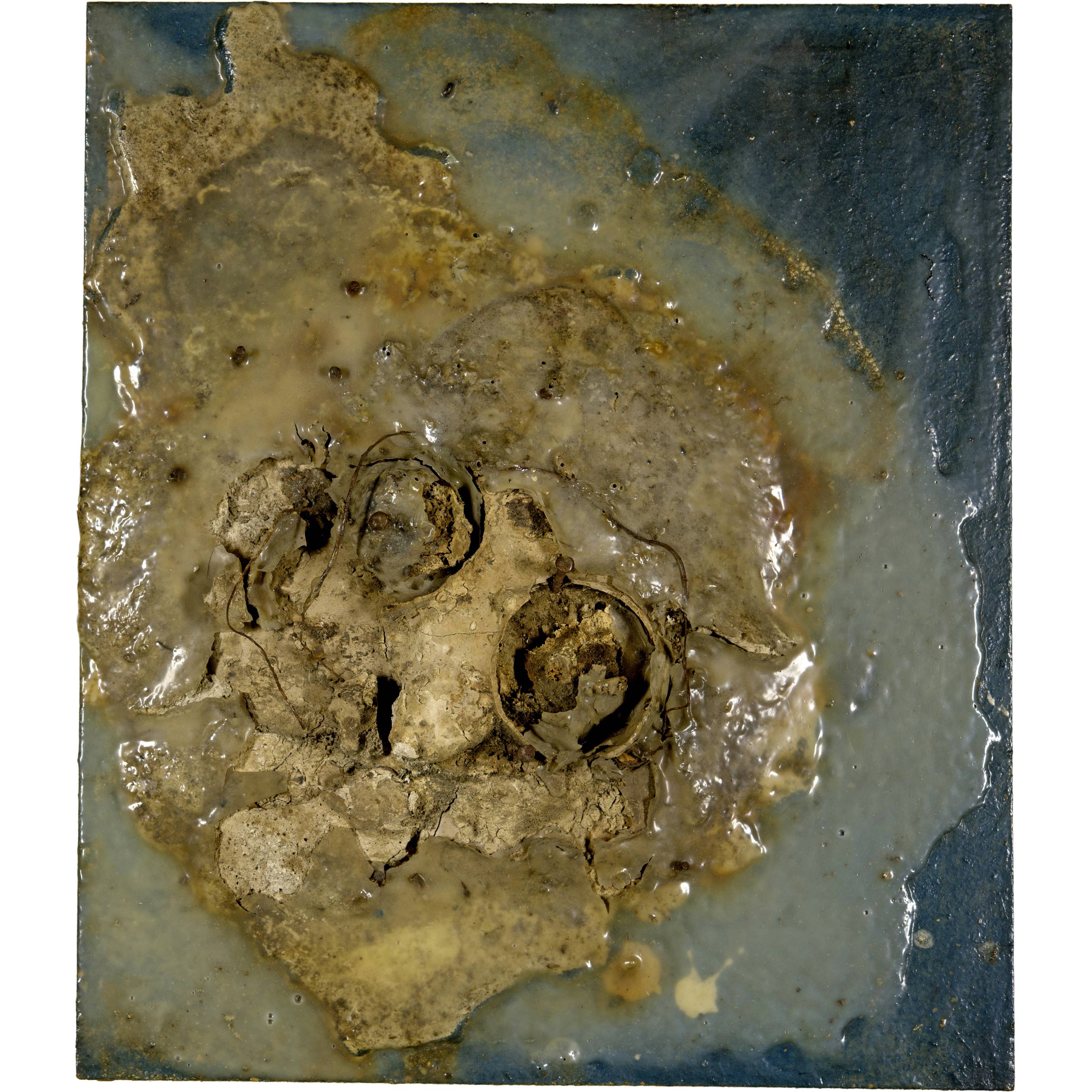
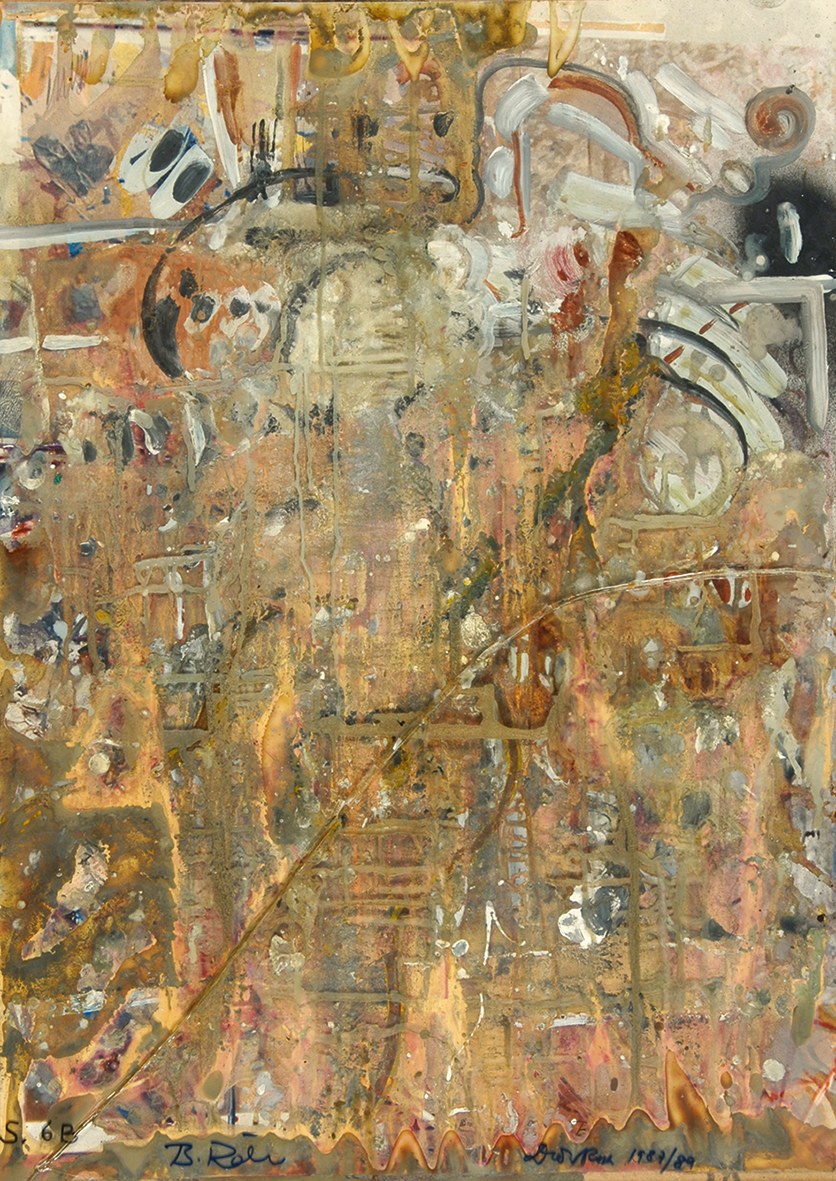
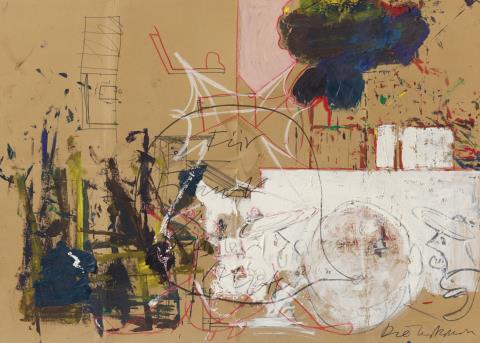
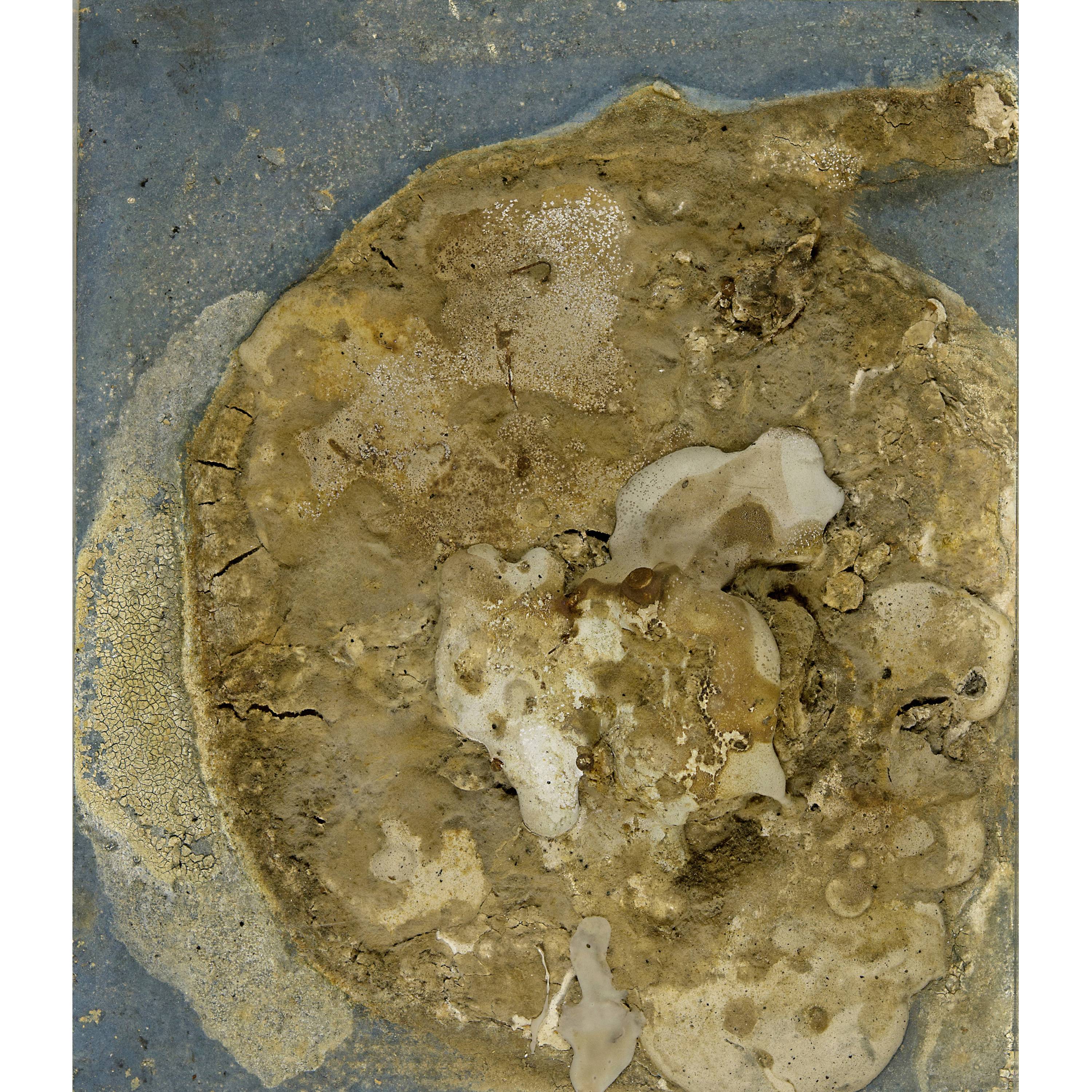
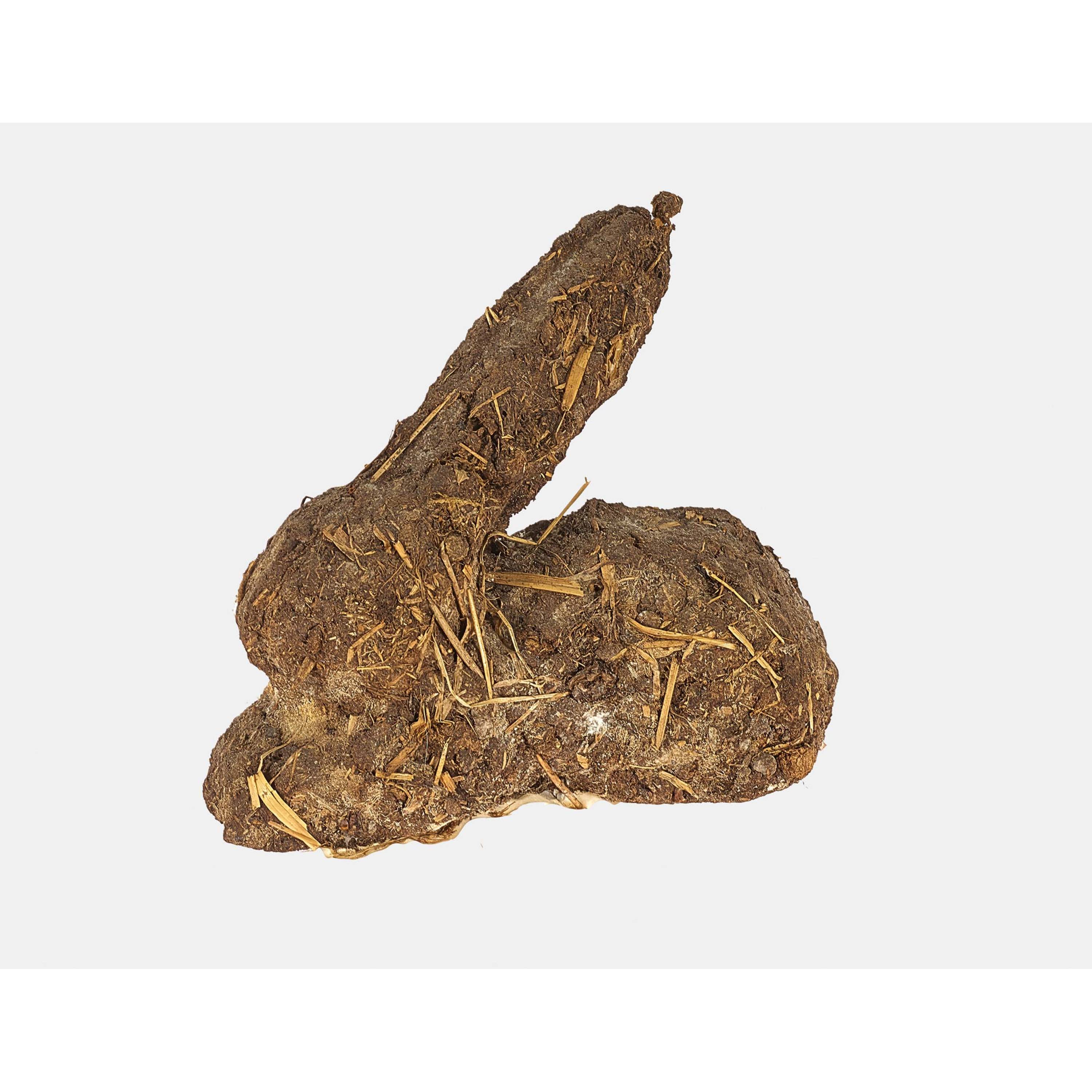
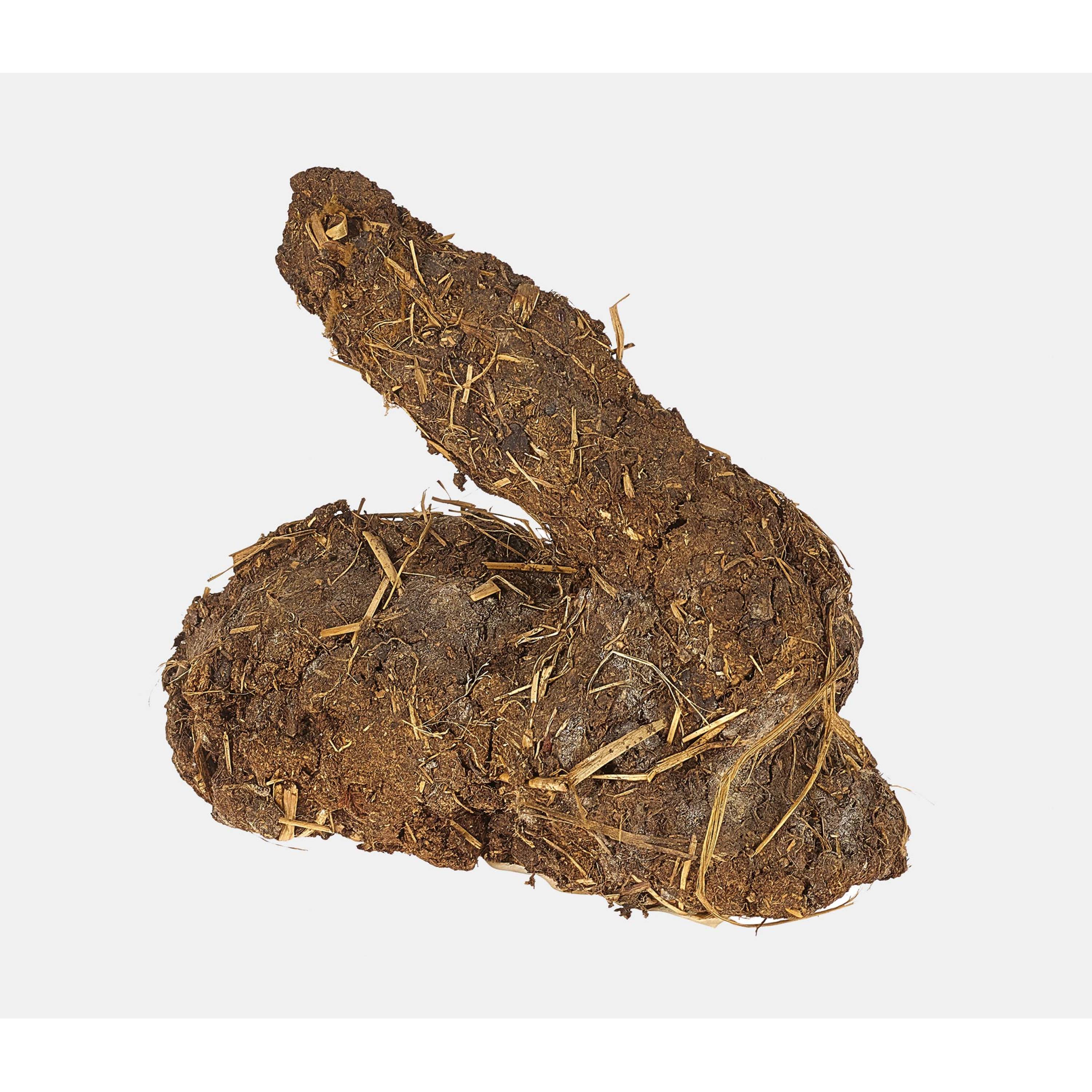
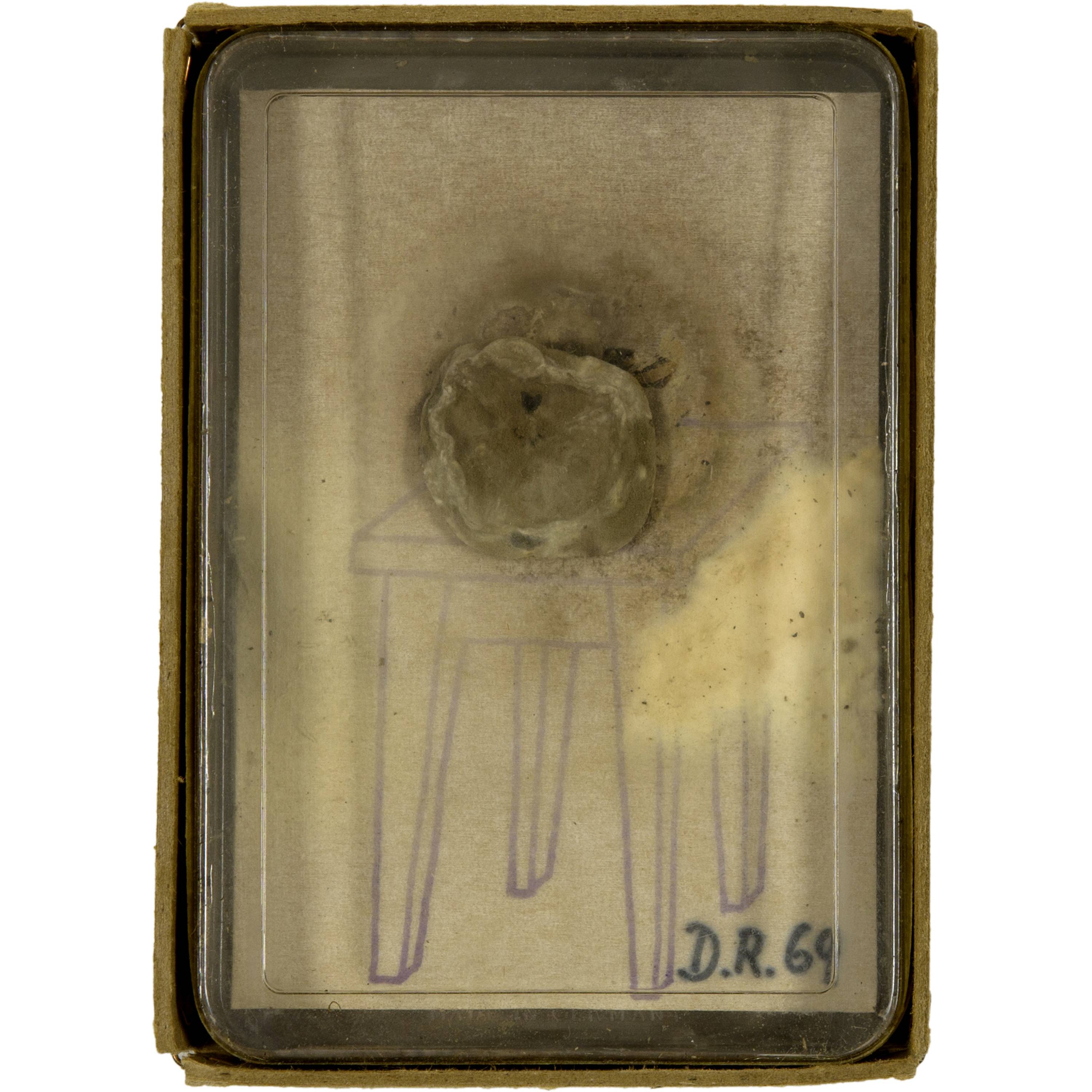
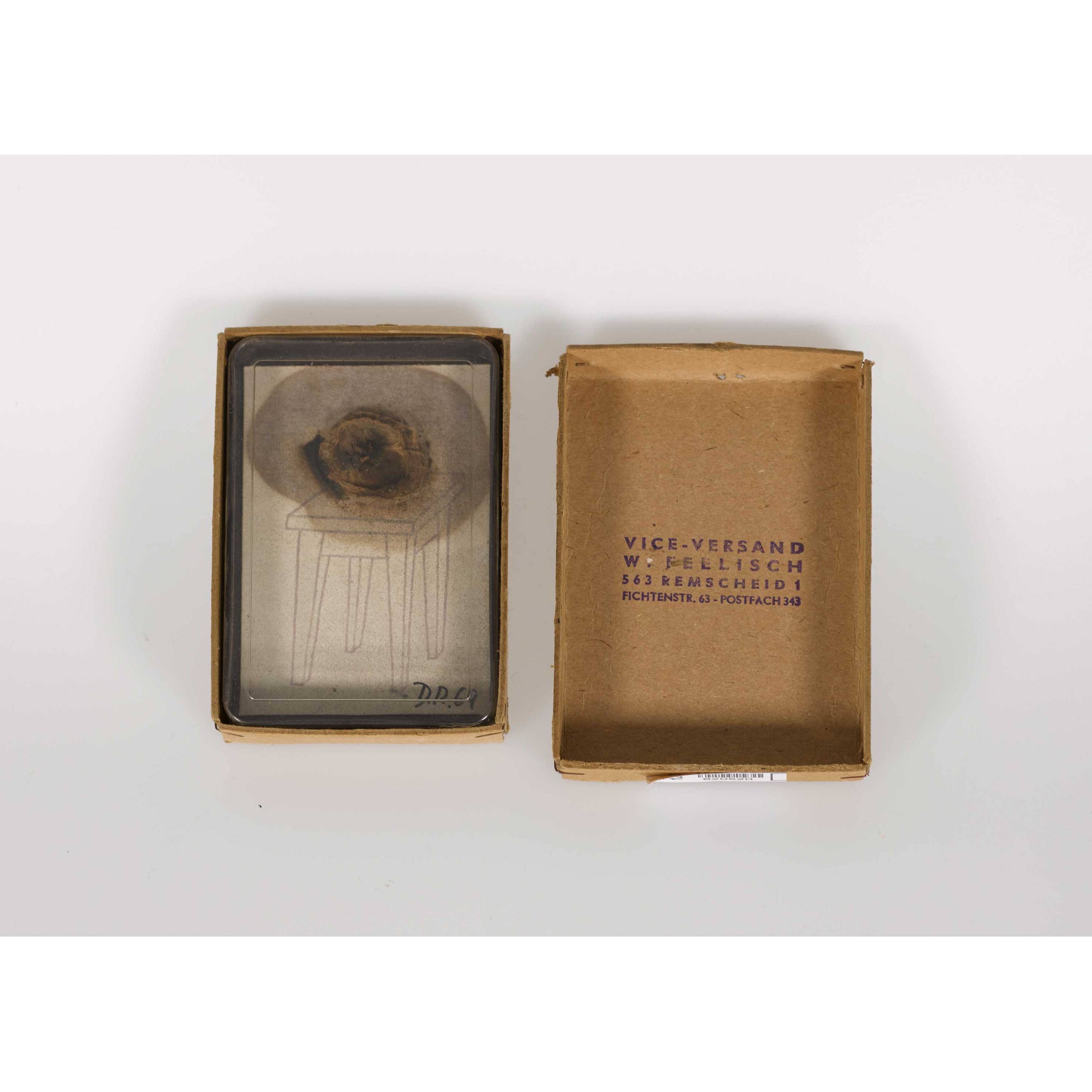
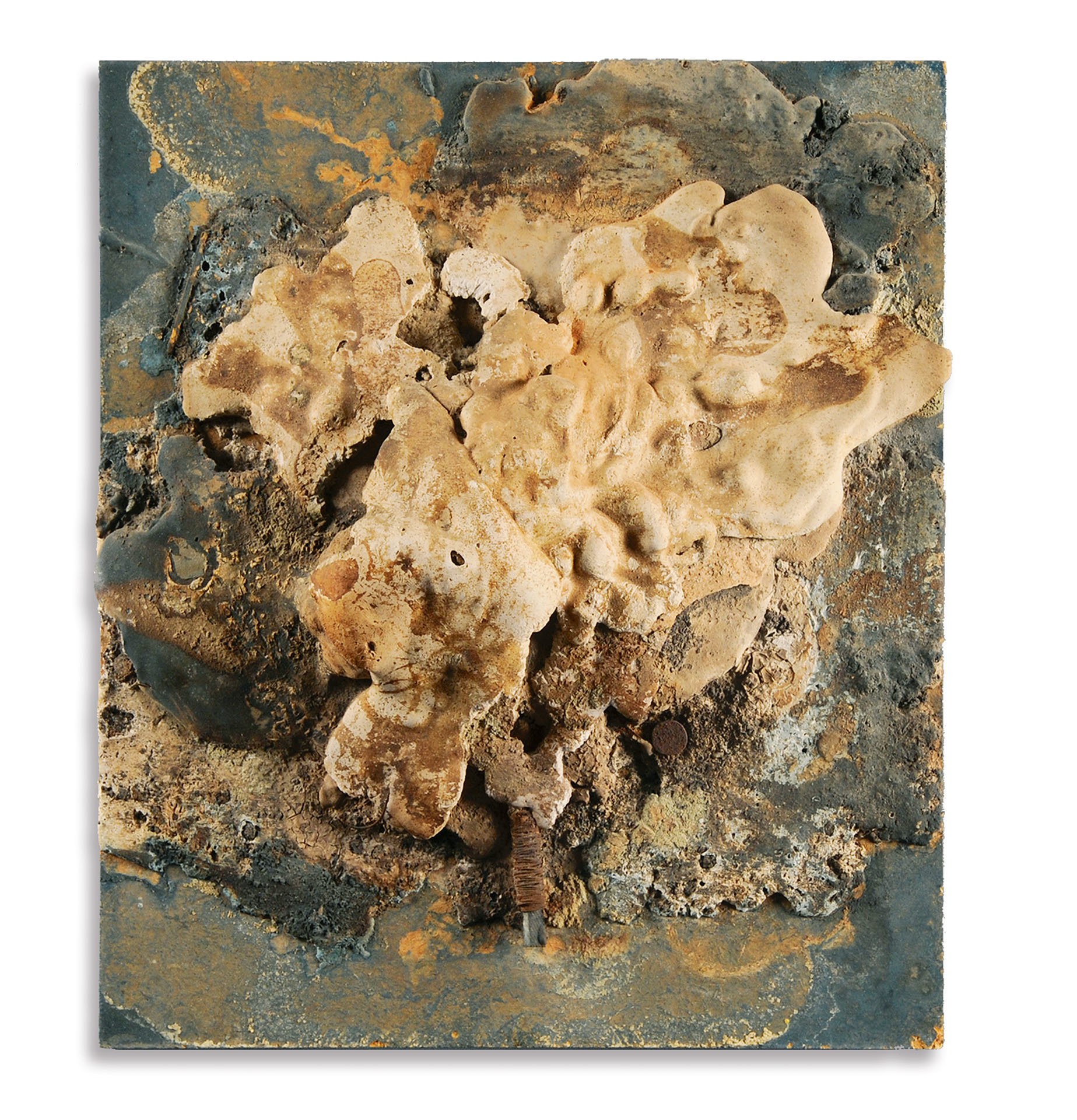
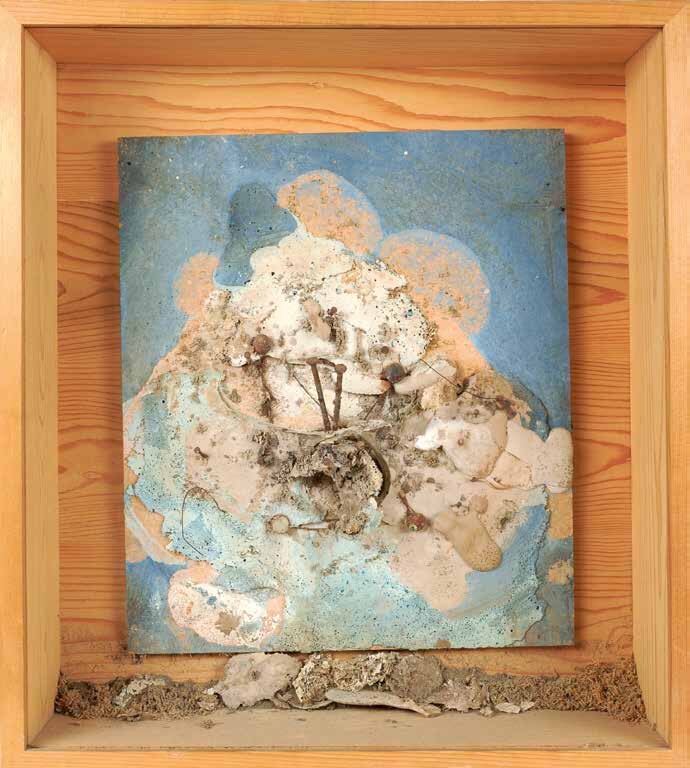
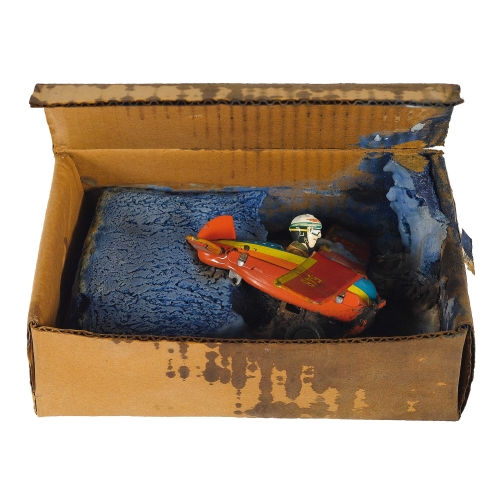
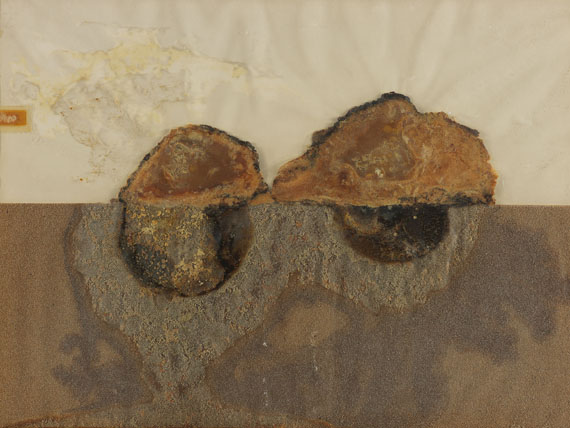
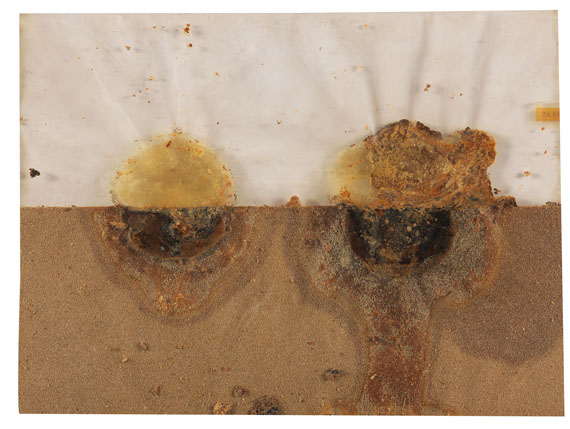
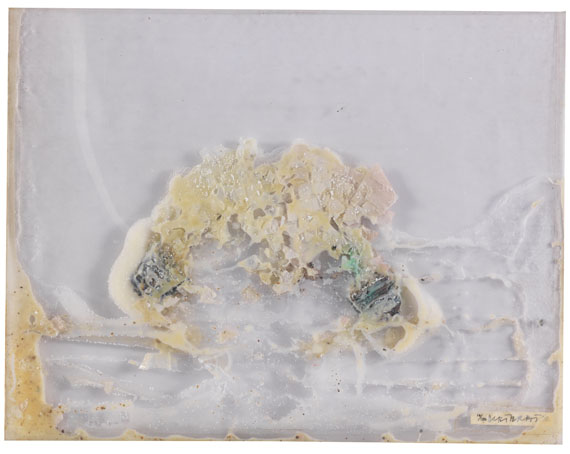
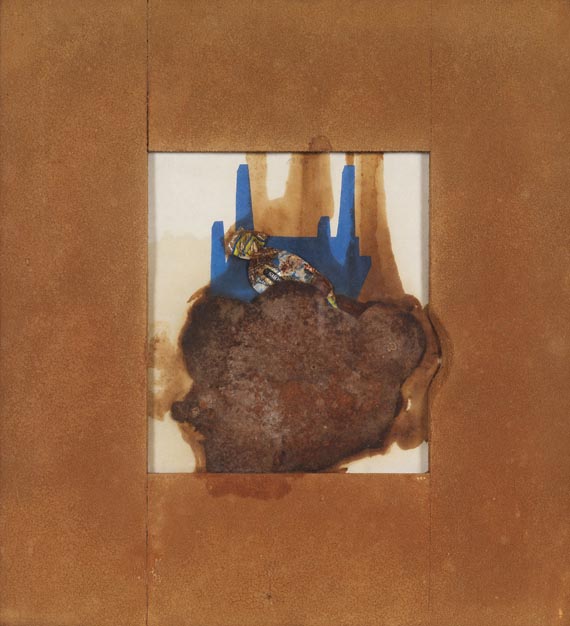
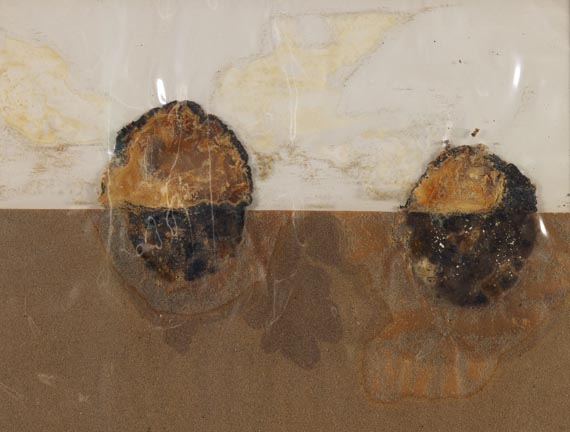
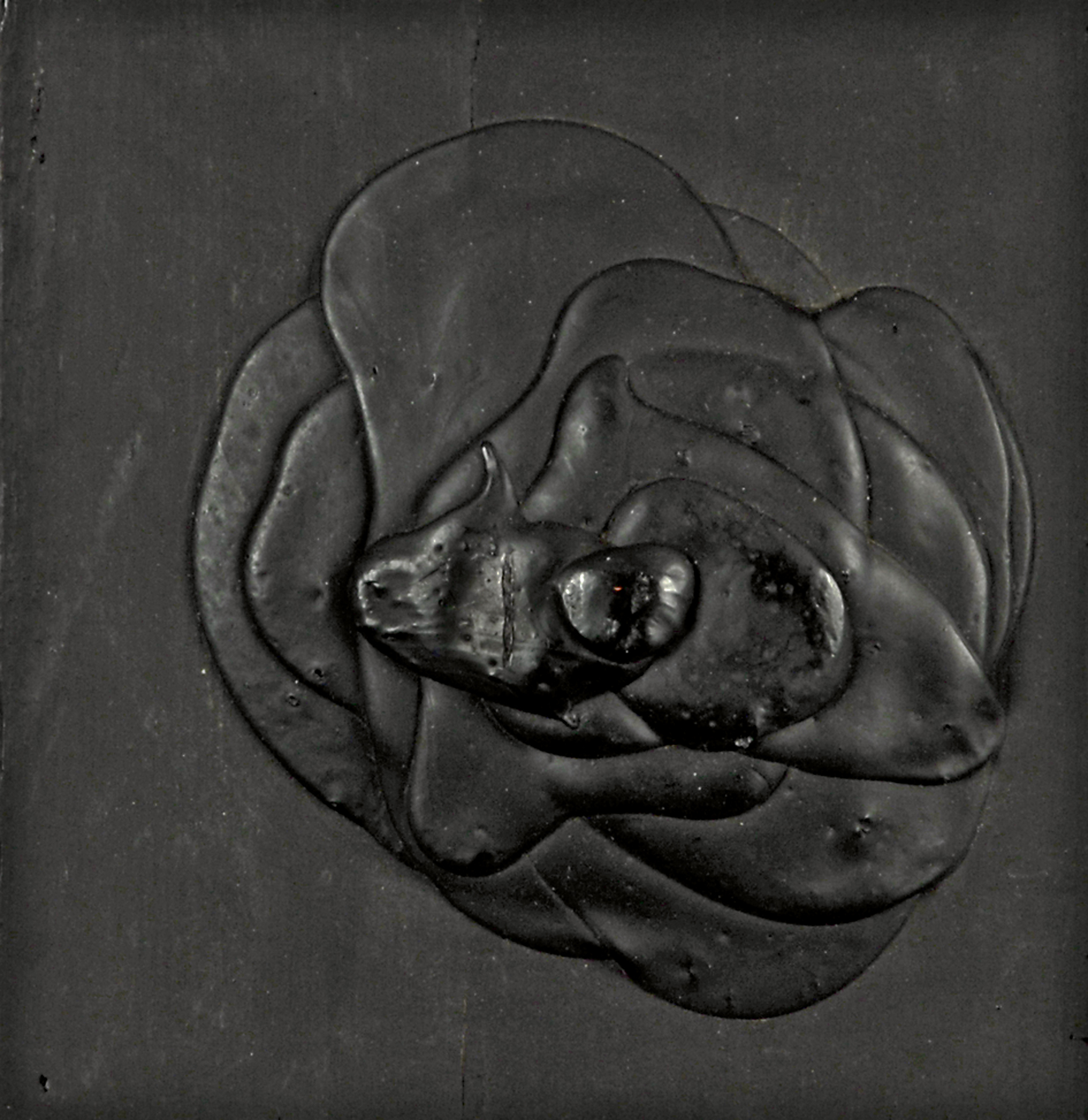
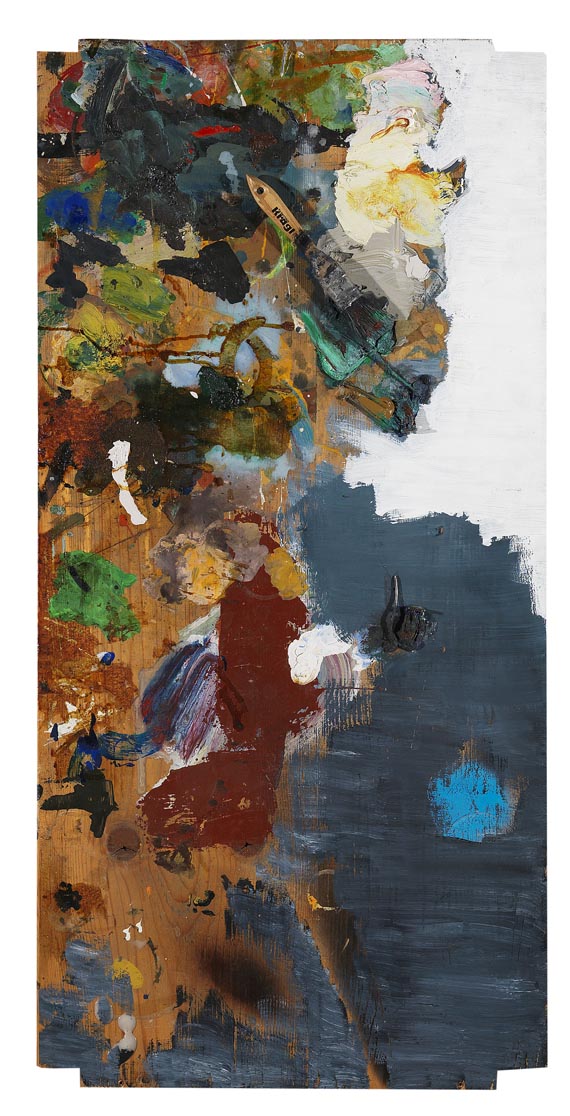
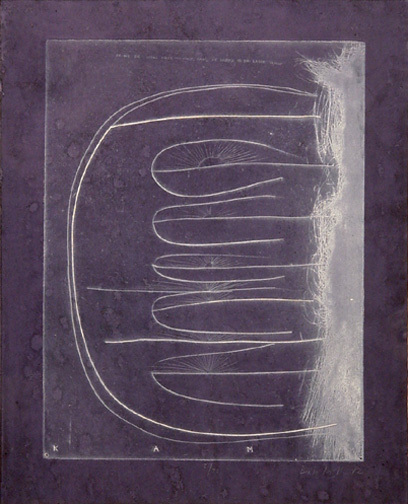
In Dieter Roth (1930–1998), the work may change colour, crumble or give off an odour. Time intervenes in the very substance of the work. This way of creating shifts a familiar expectation: the art object is no longer necessarily intended to preserve a stable appearance.
It participates in the transformations of life.
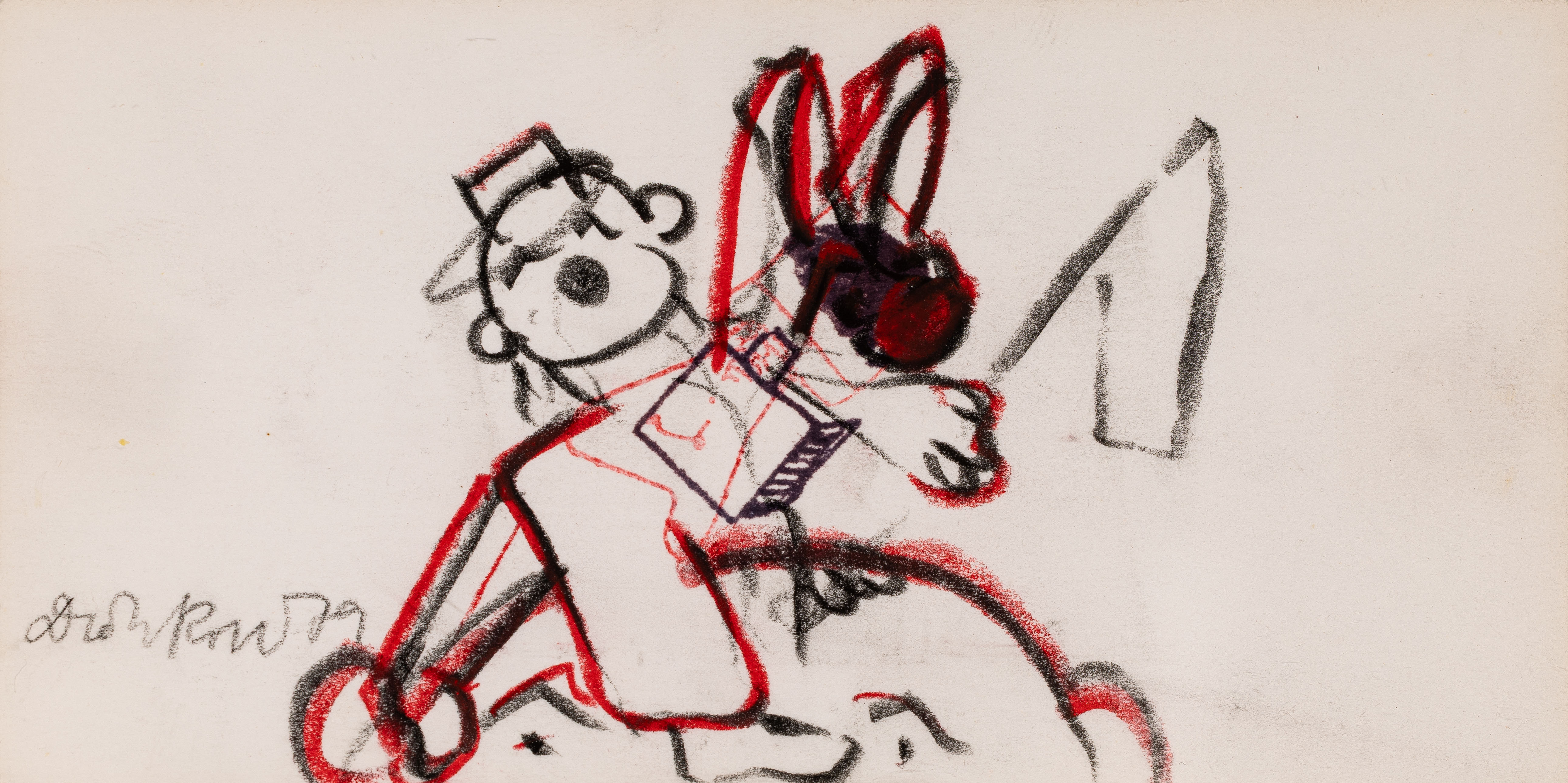
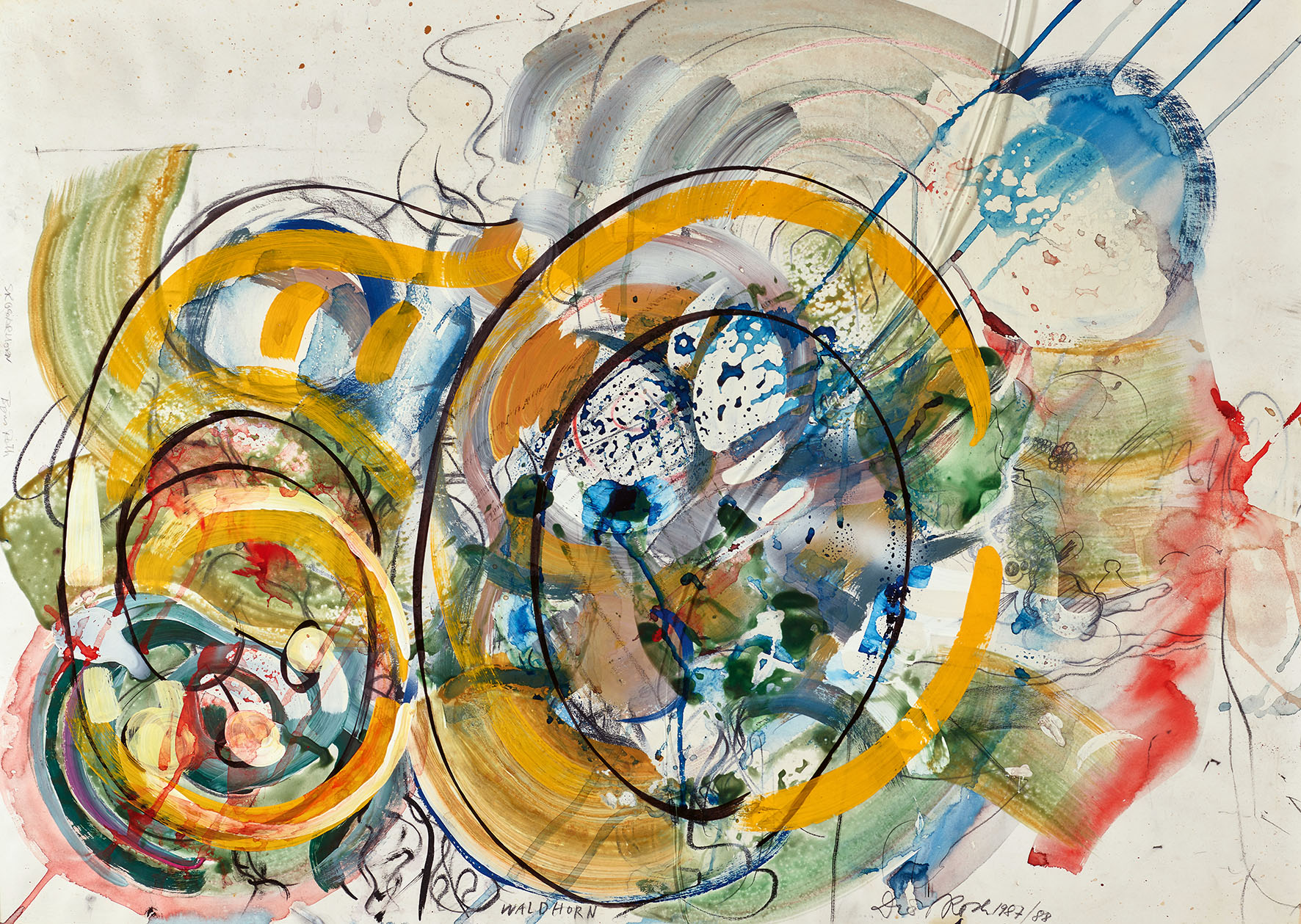
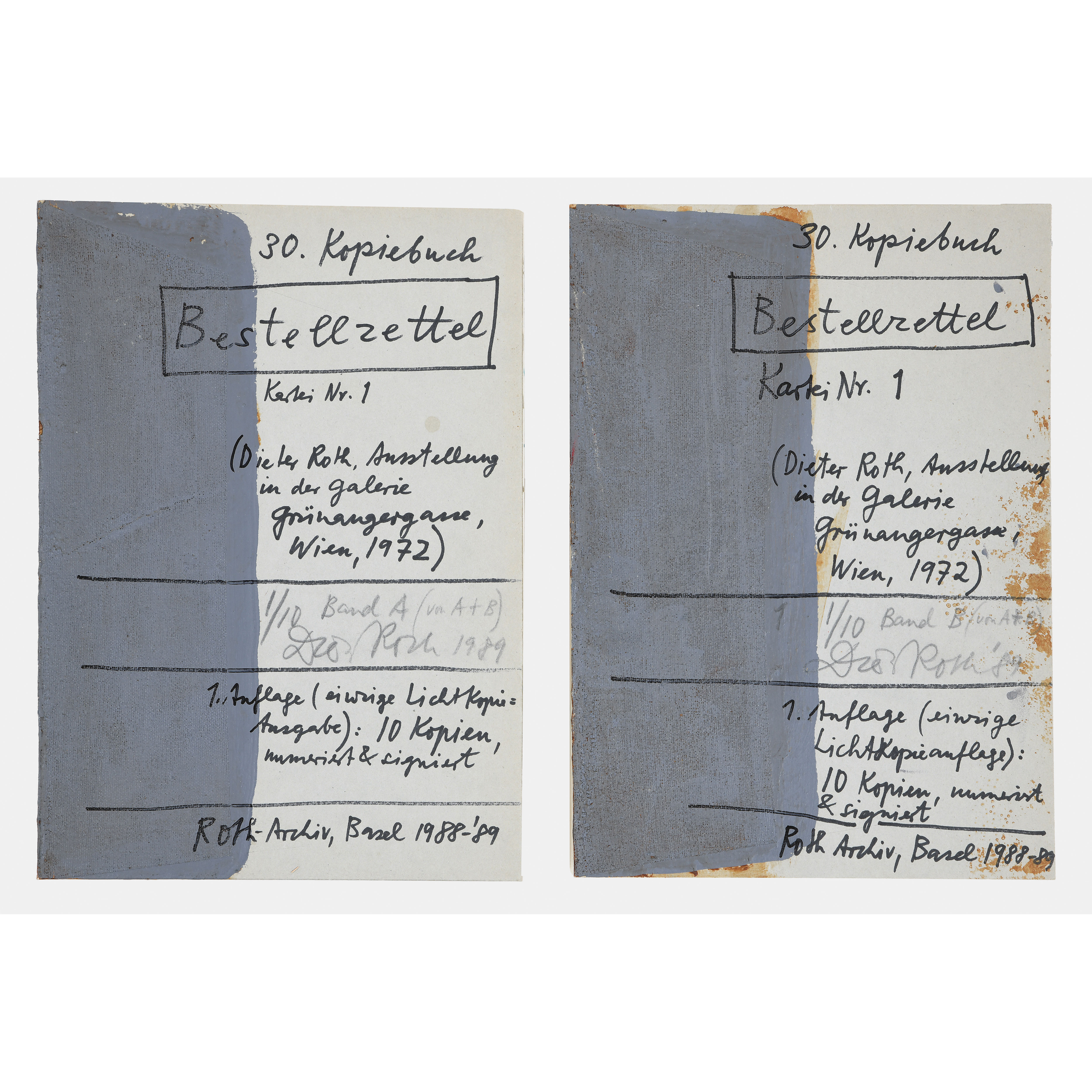
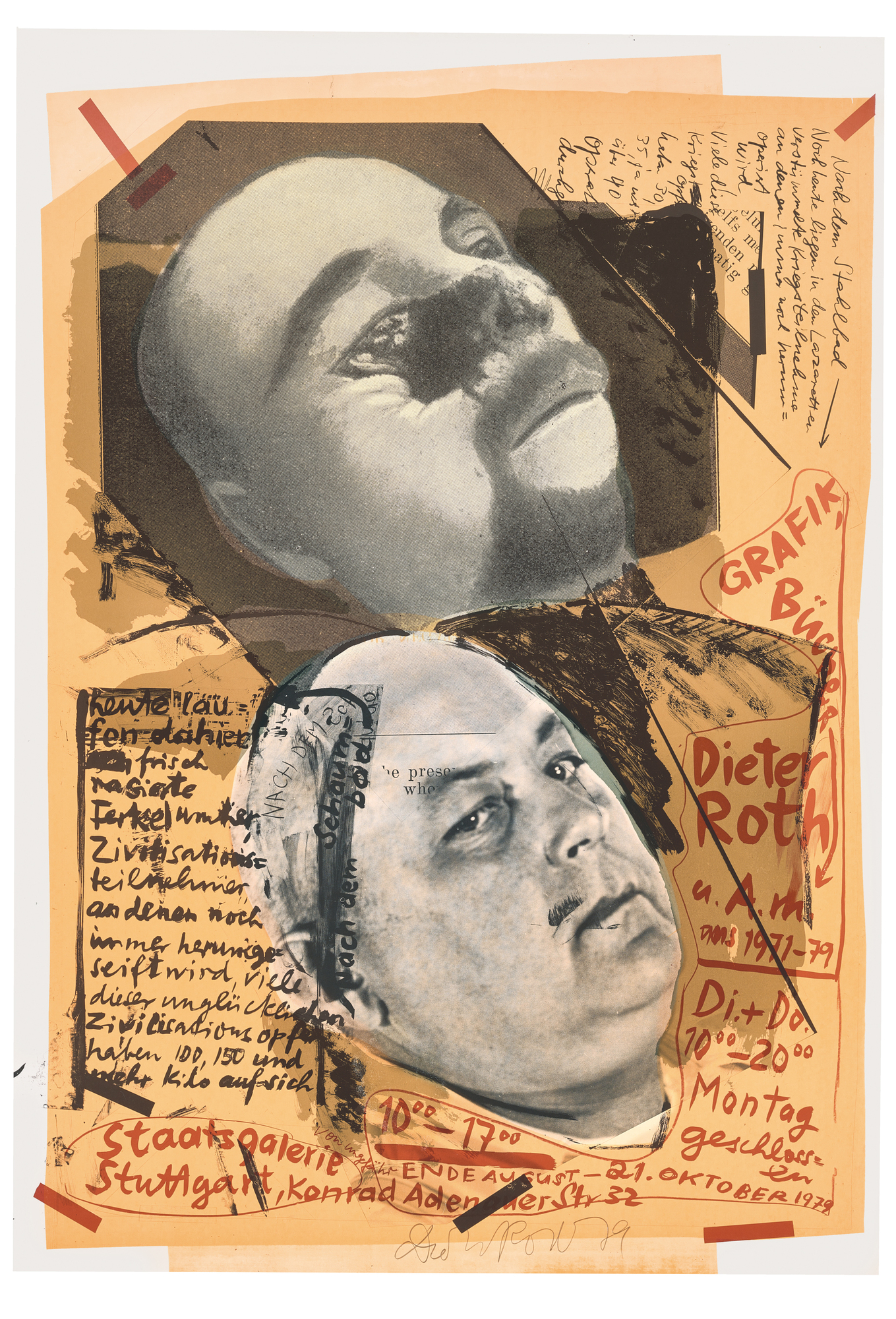
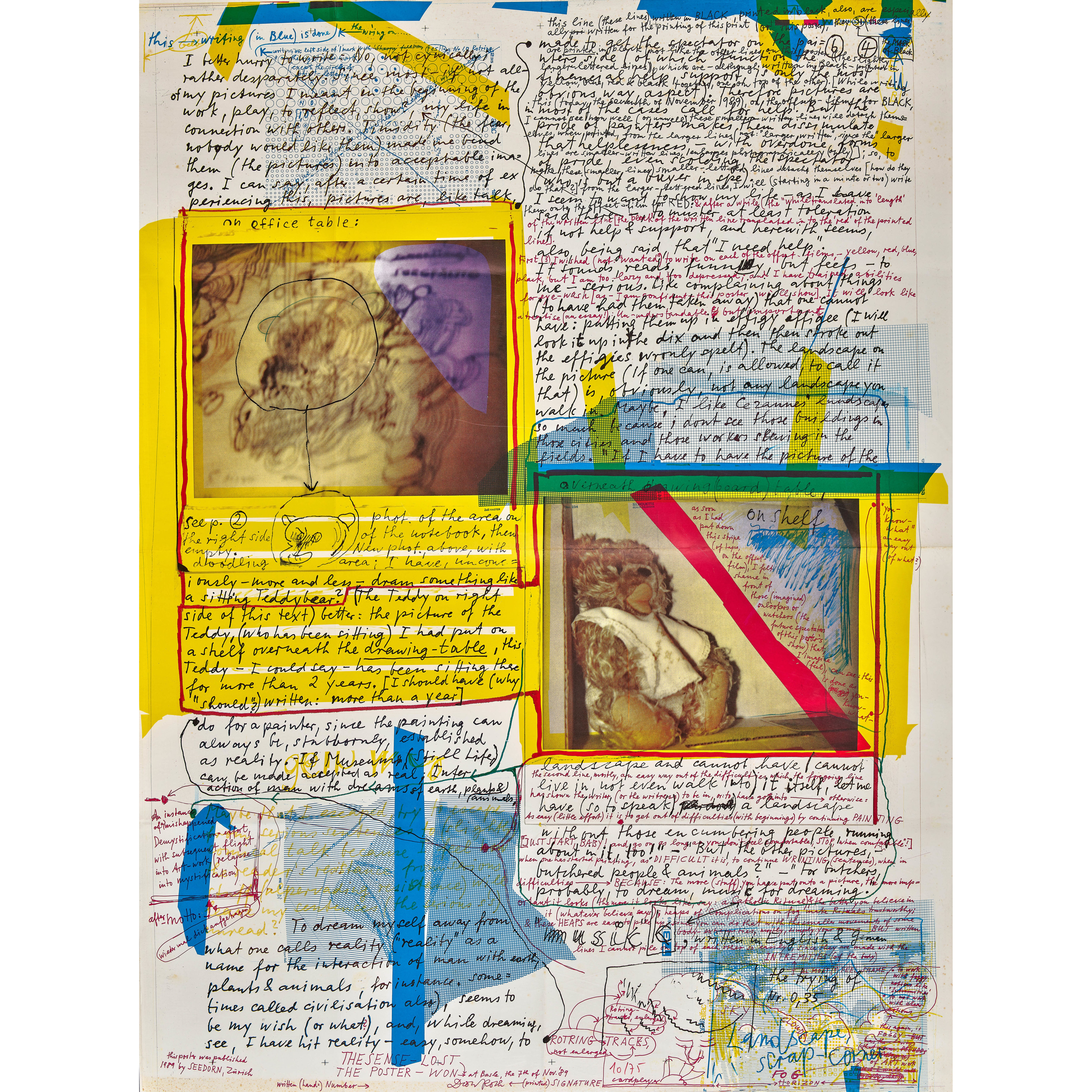
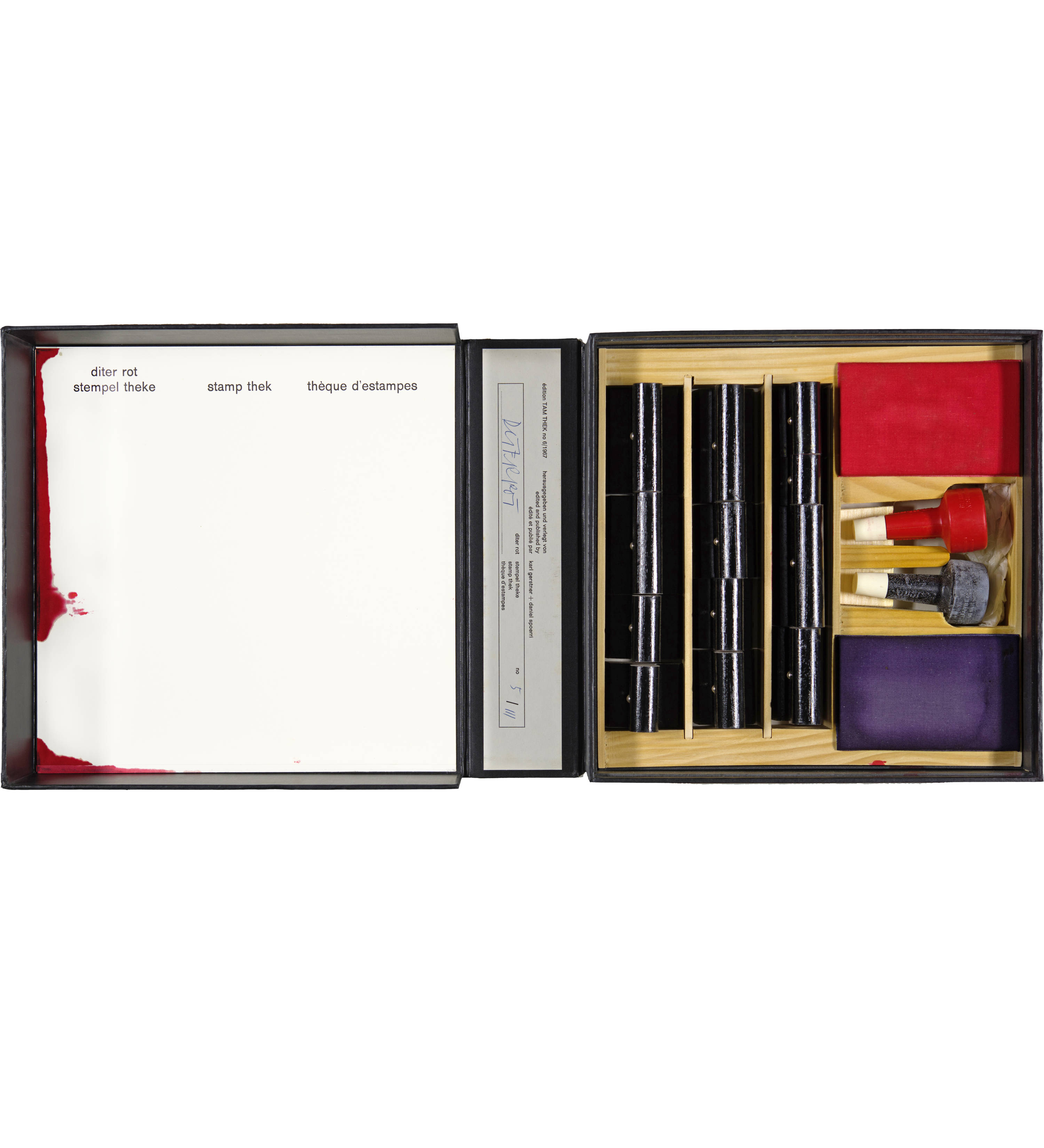
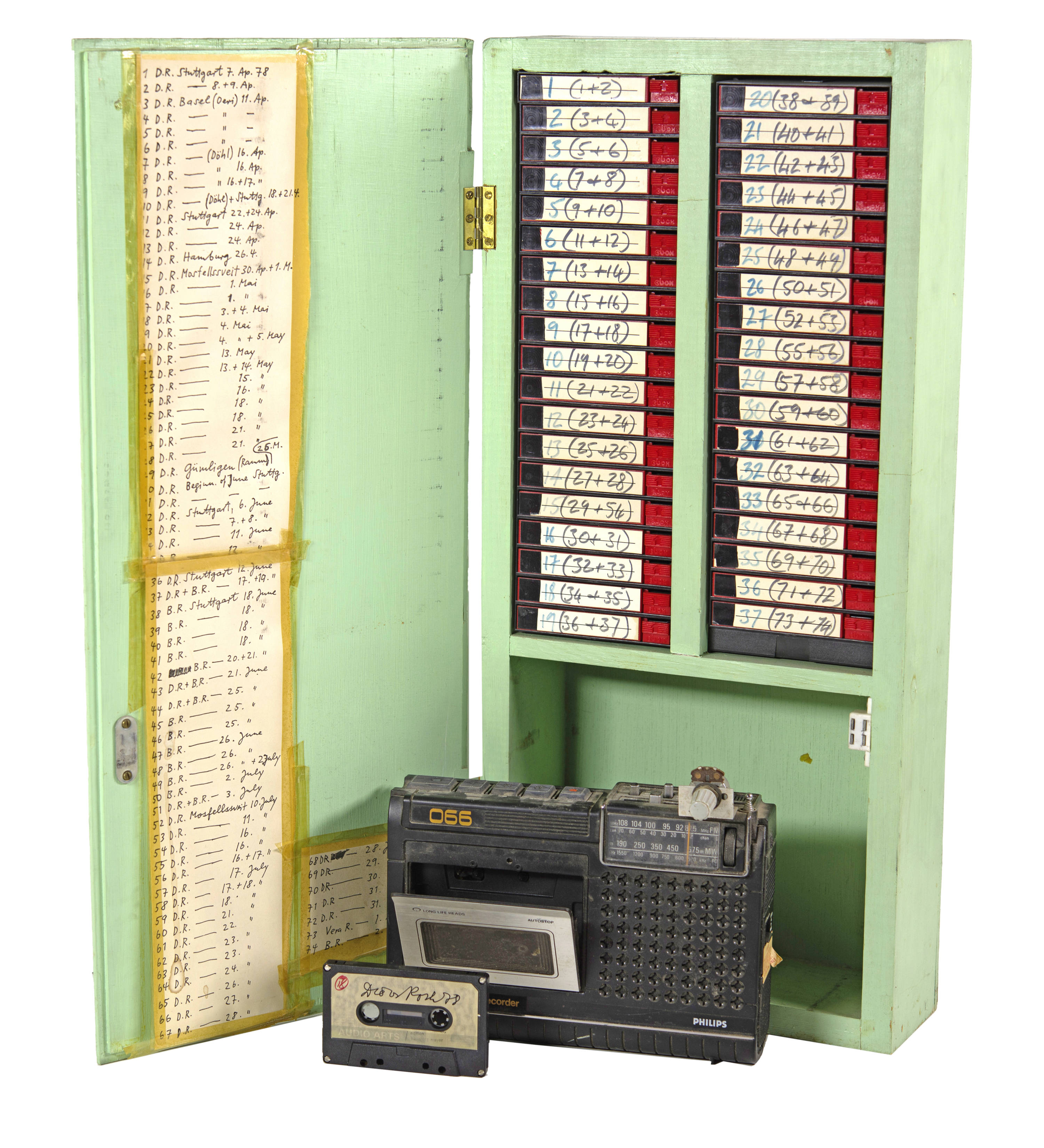
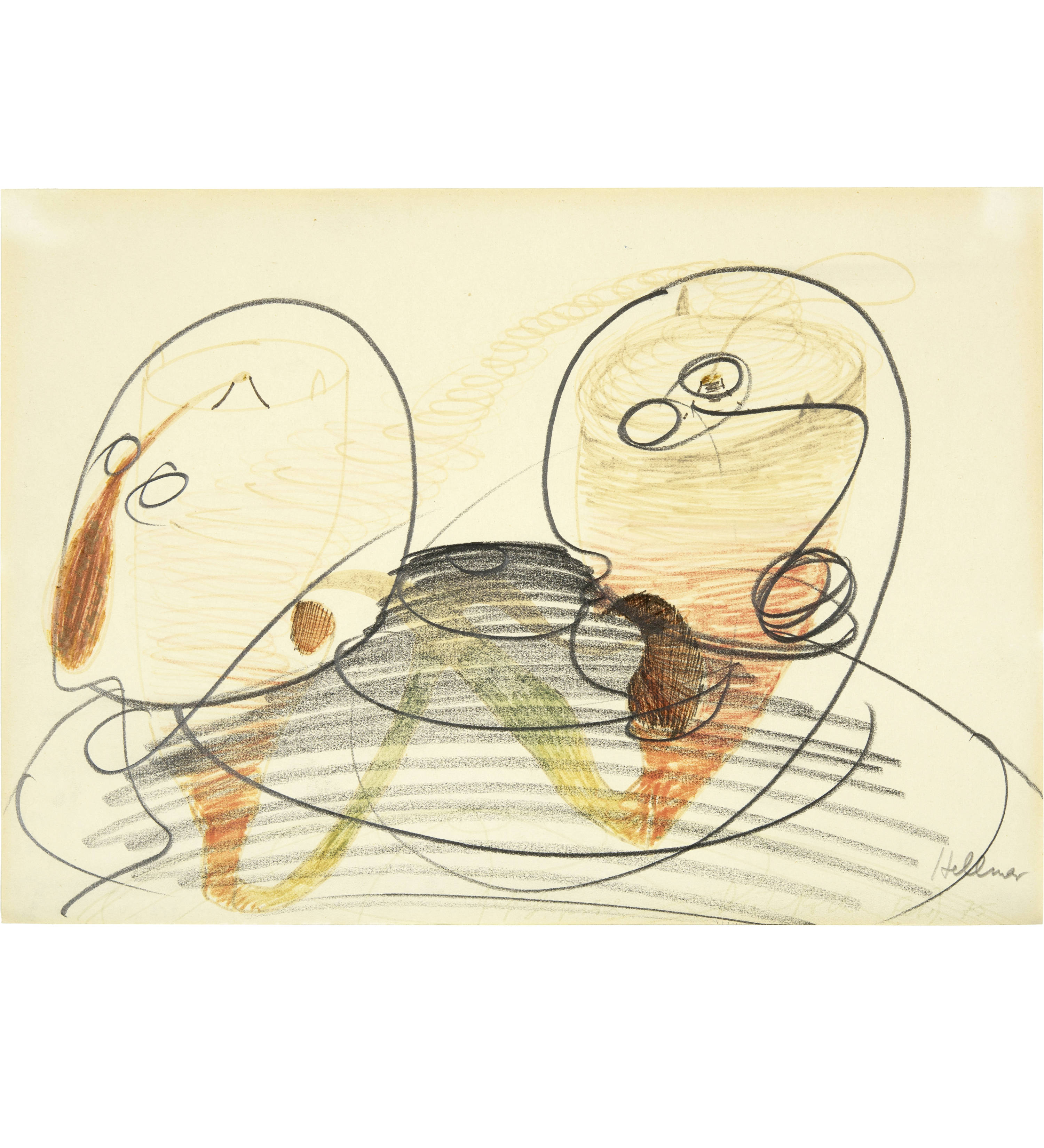
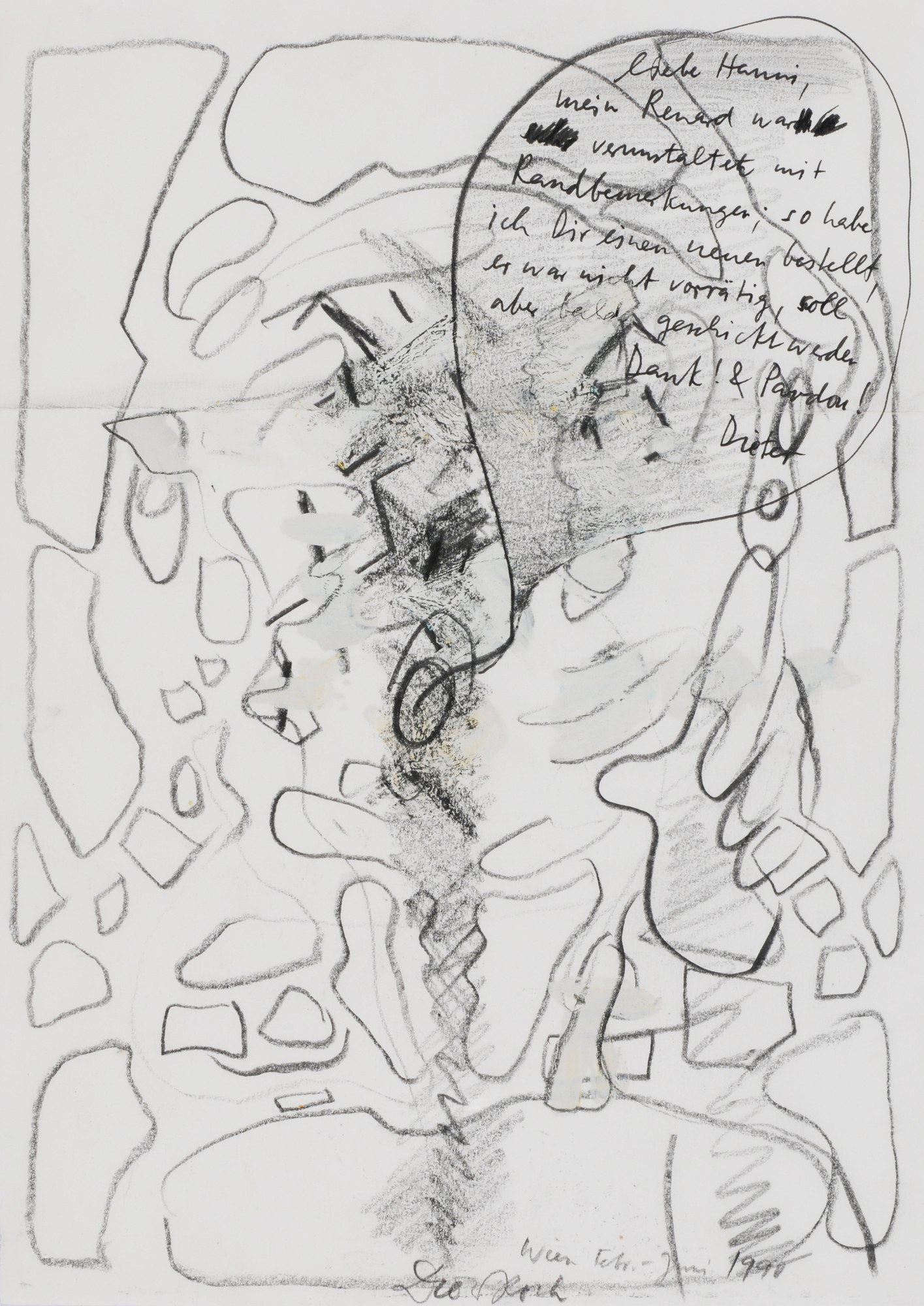
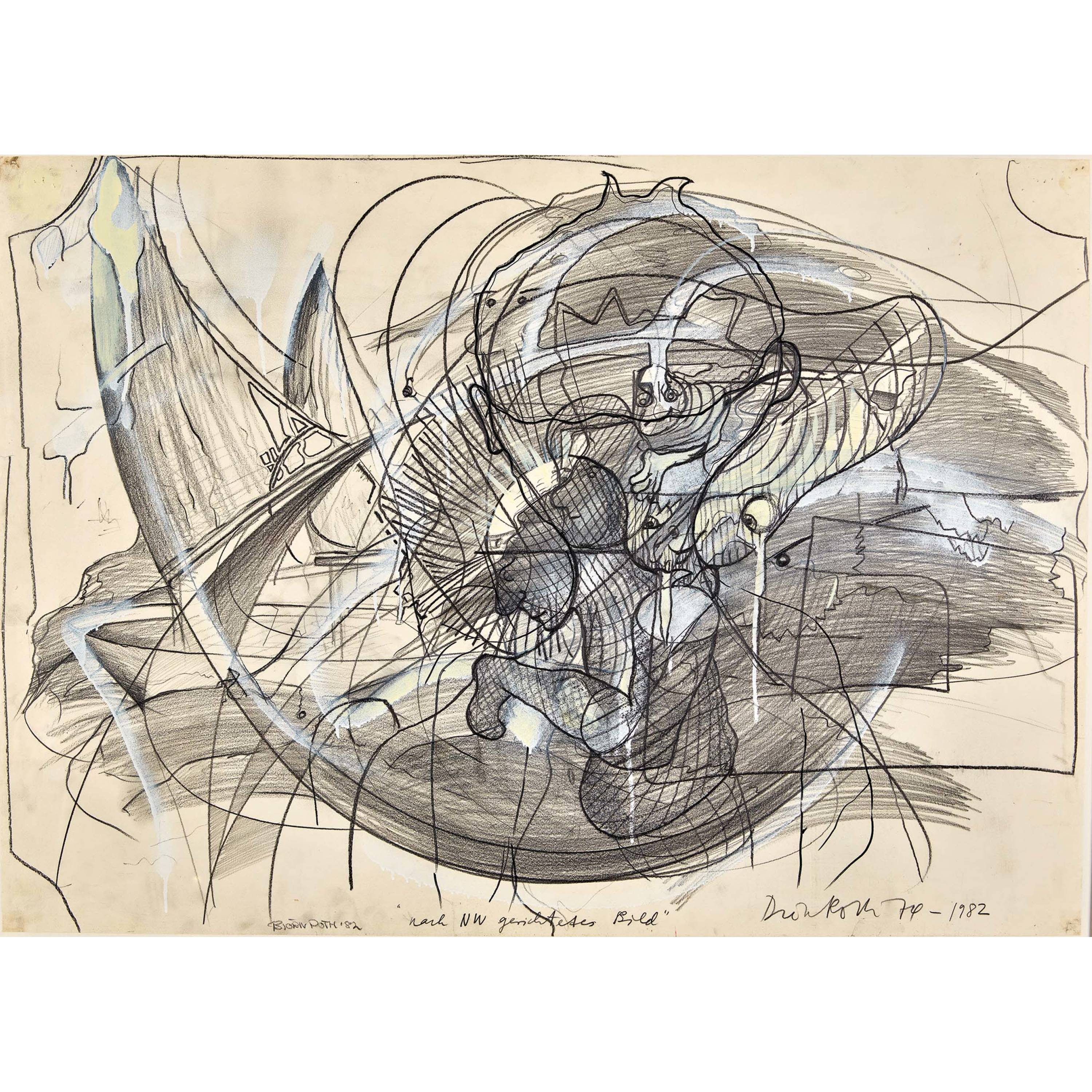
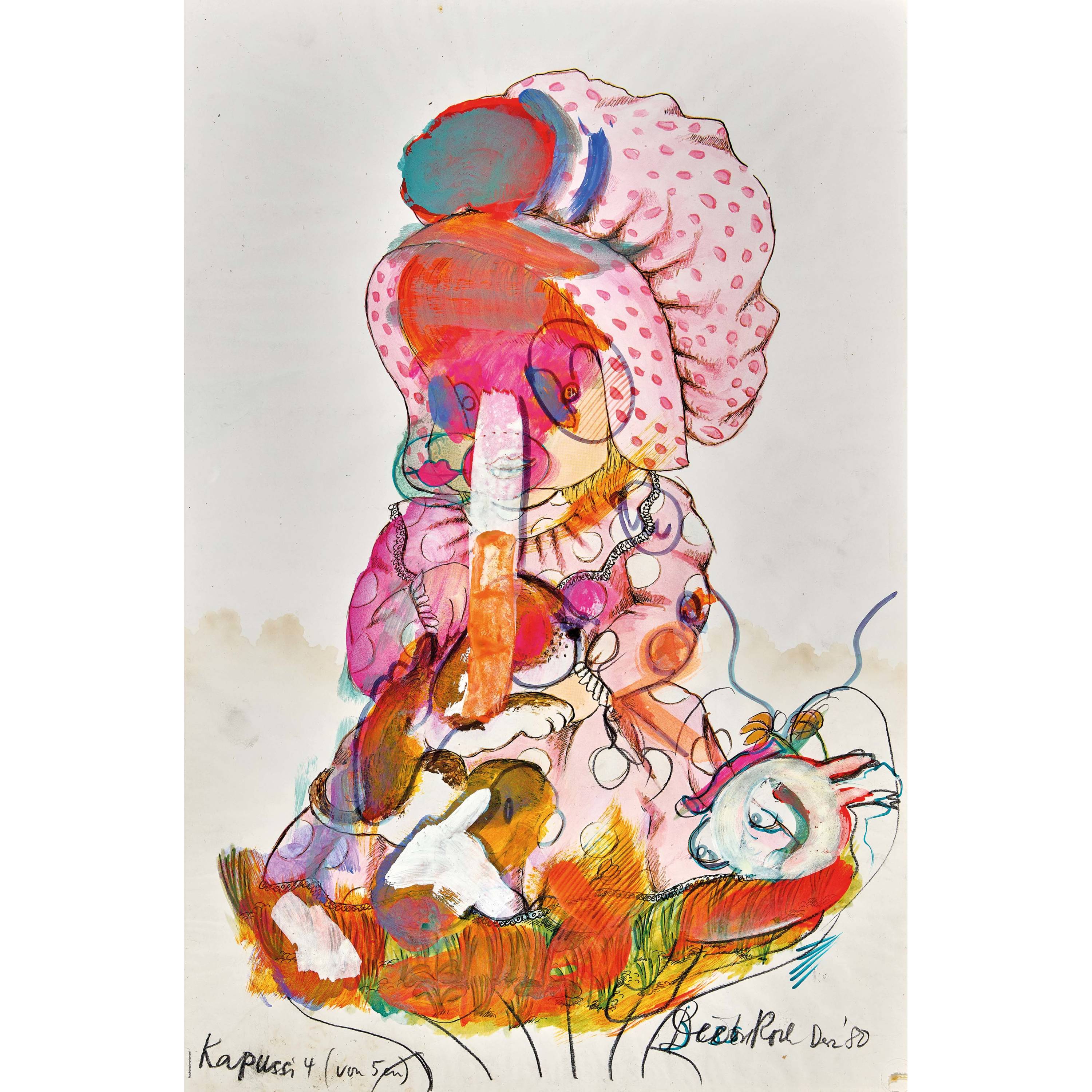
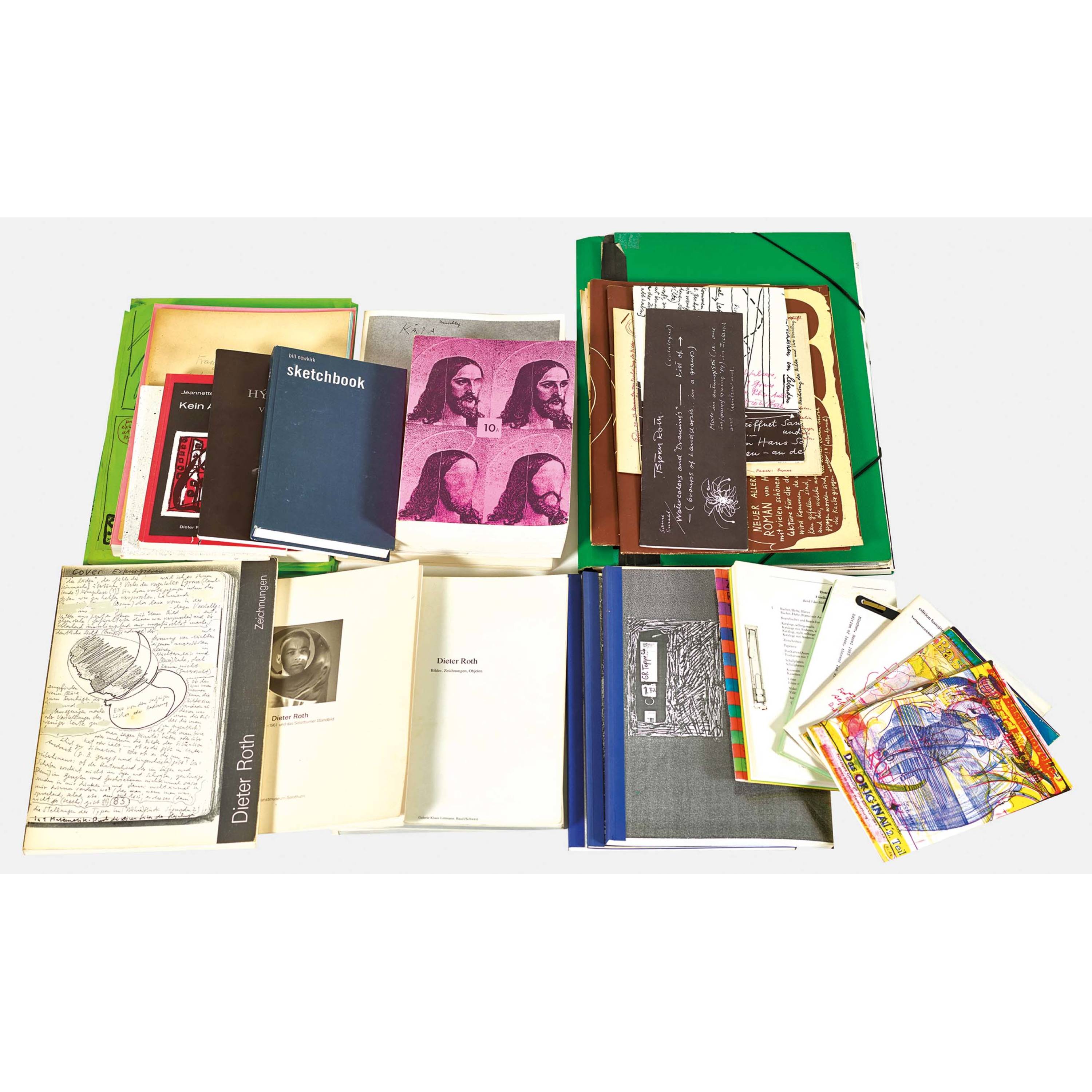
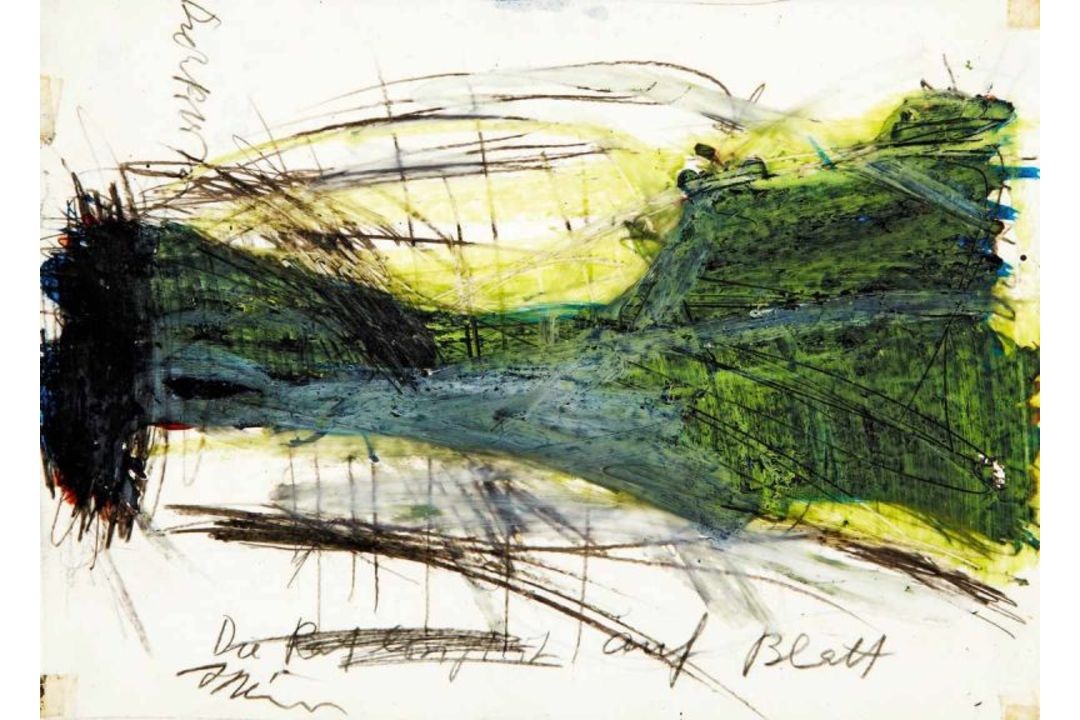
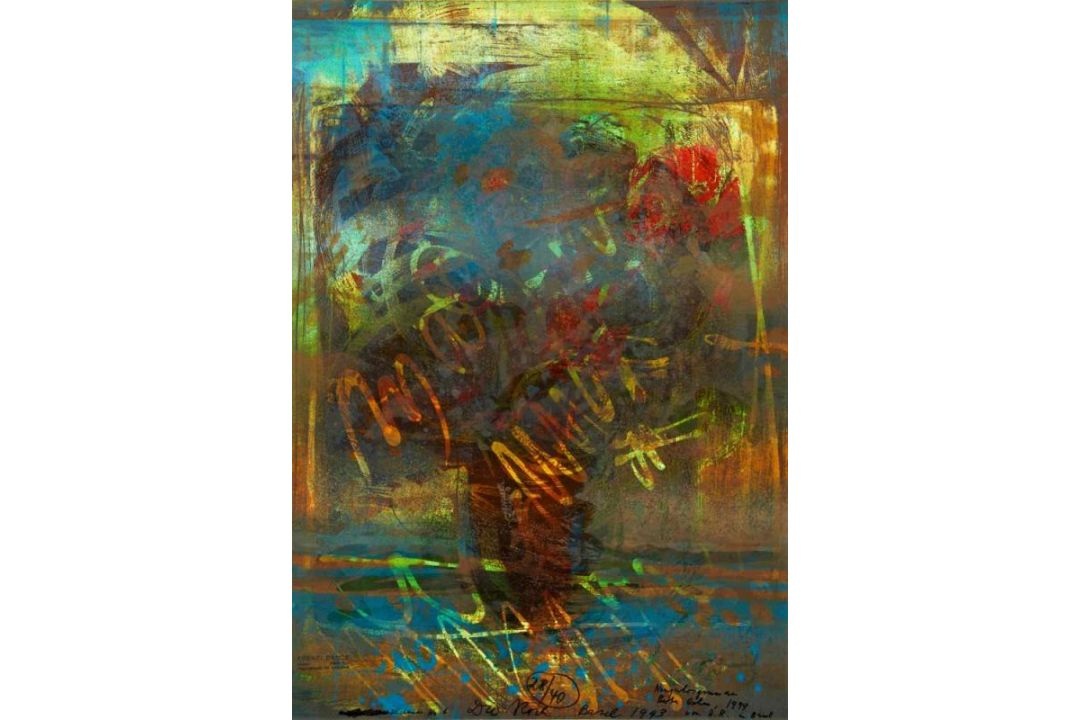
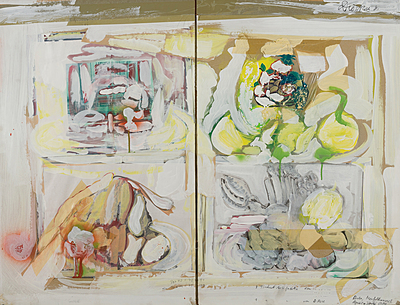
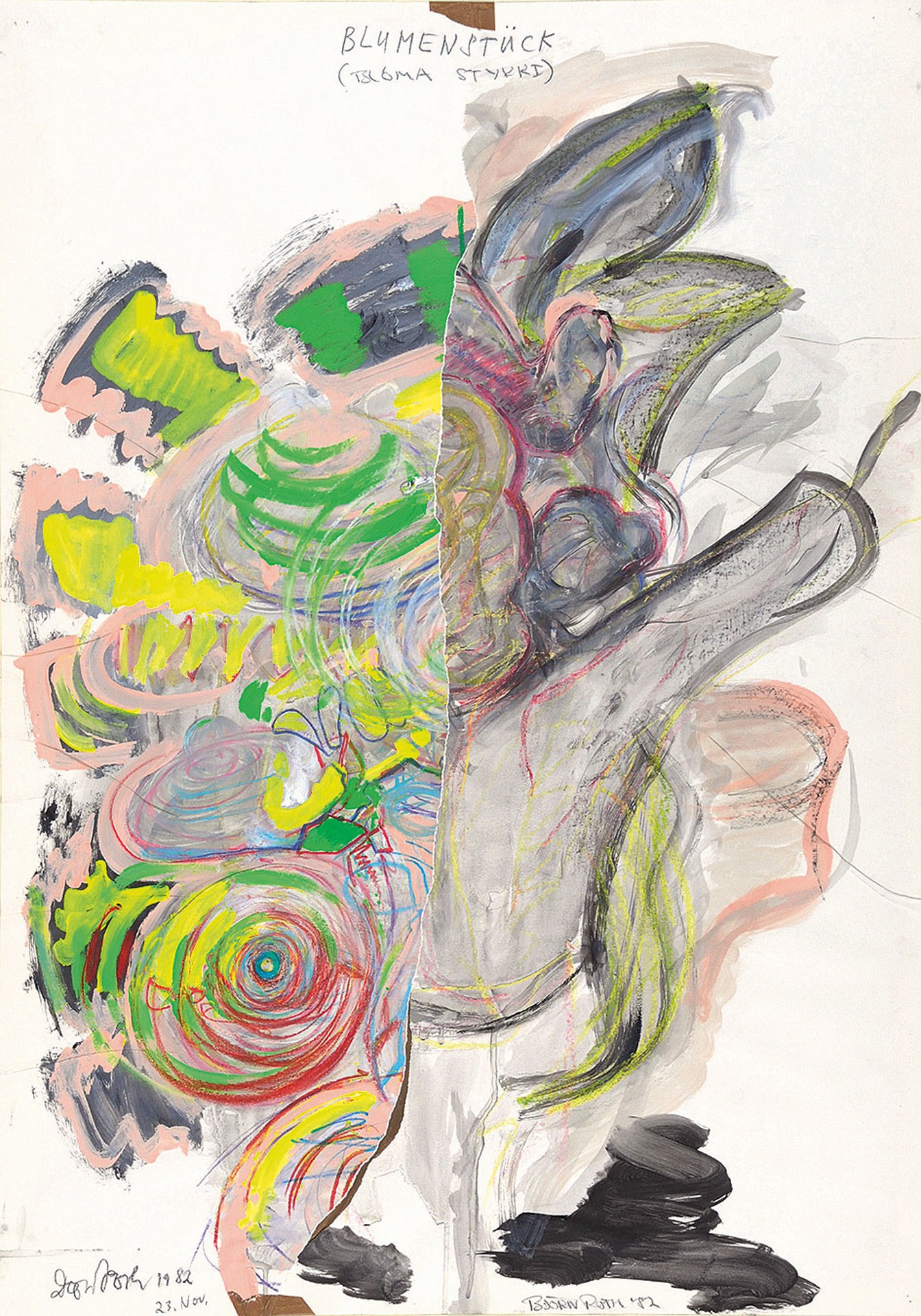
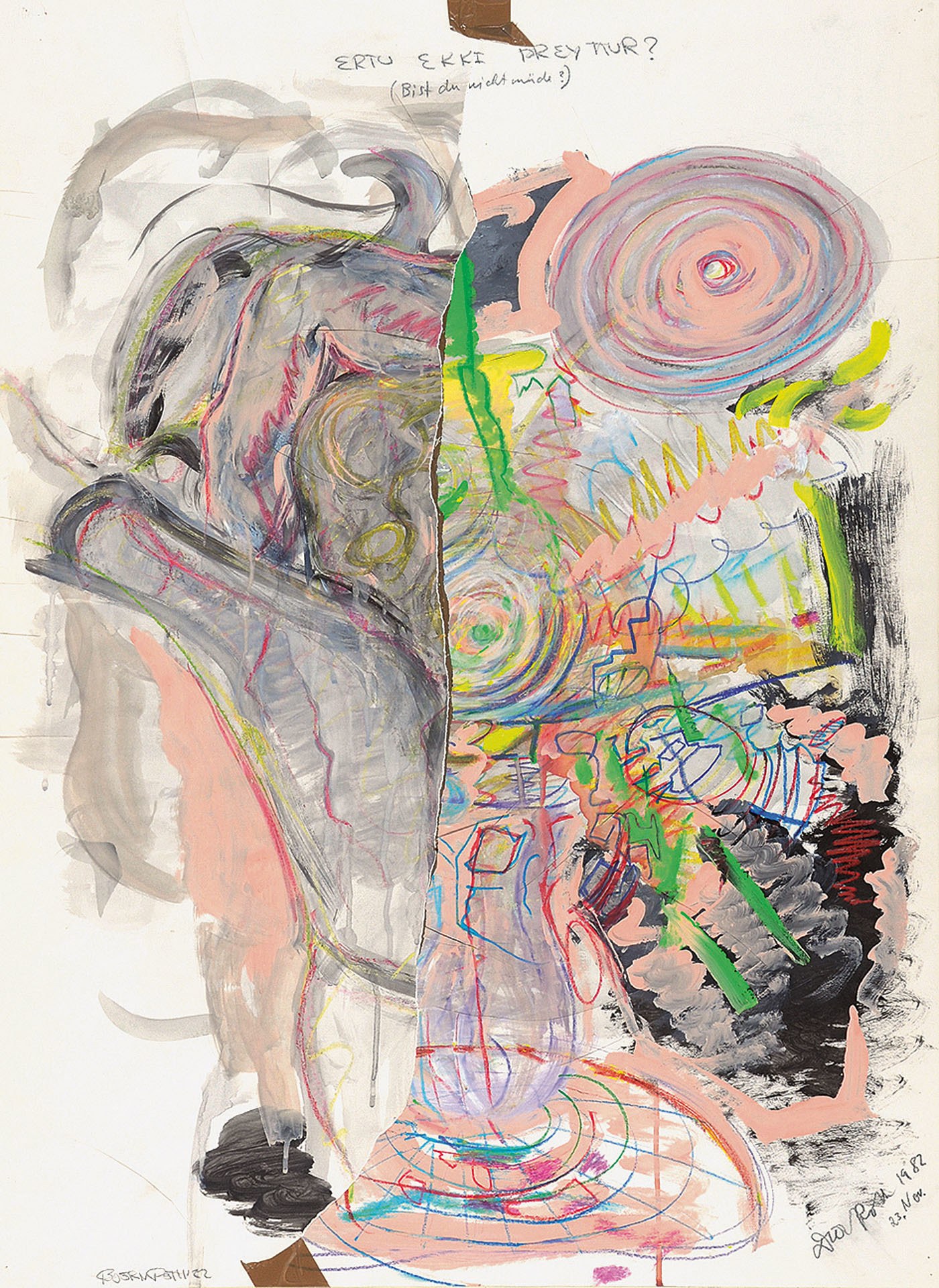
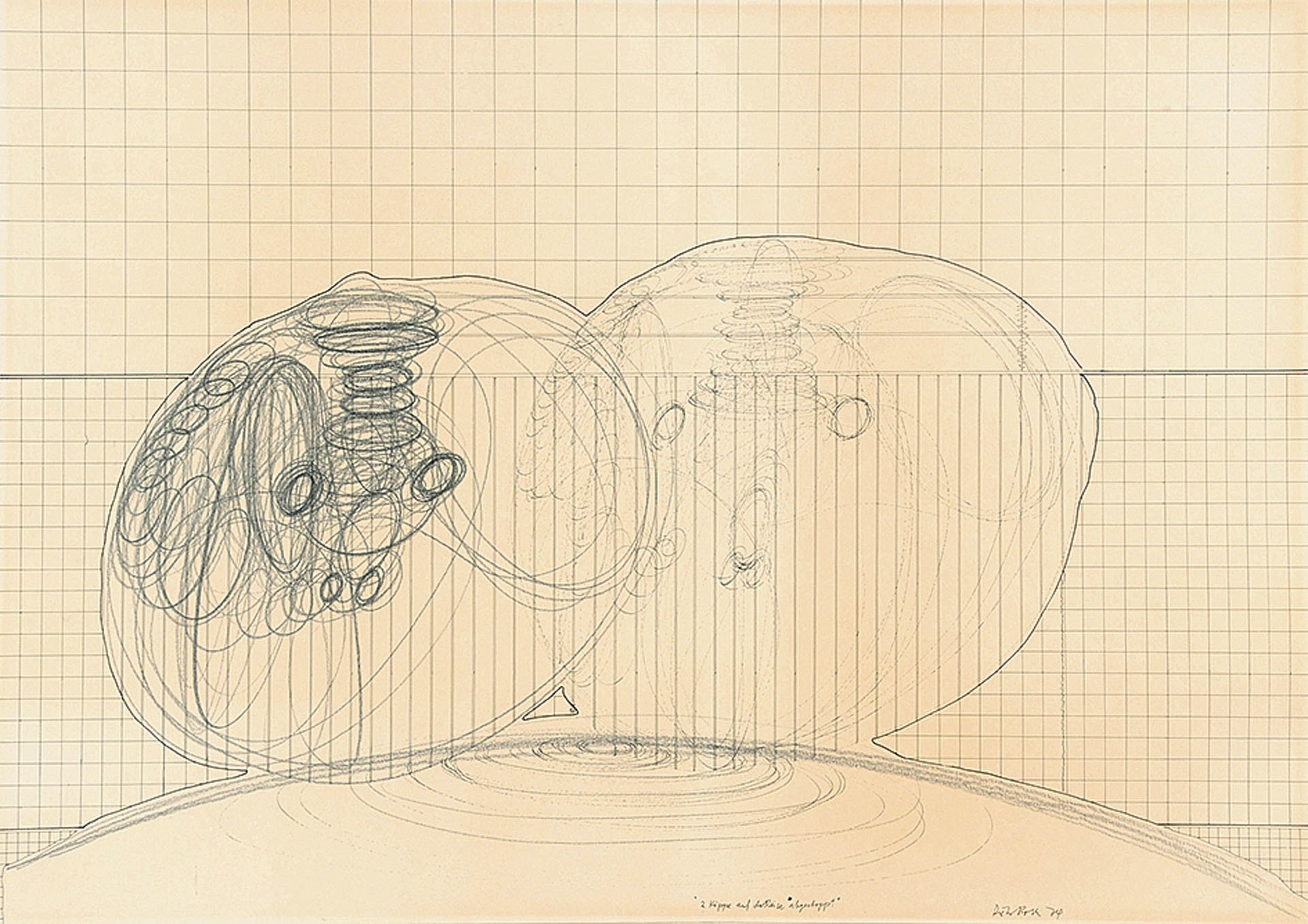
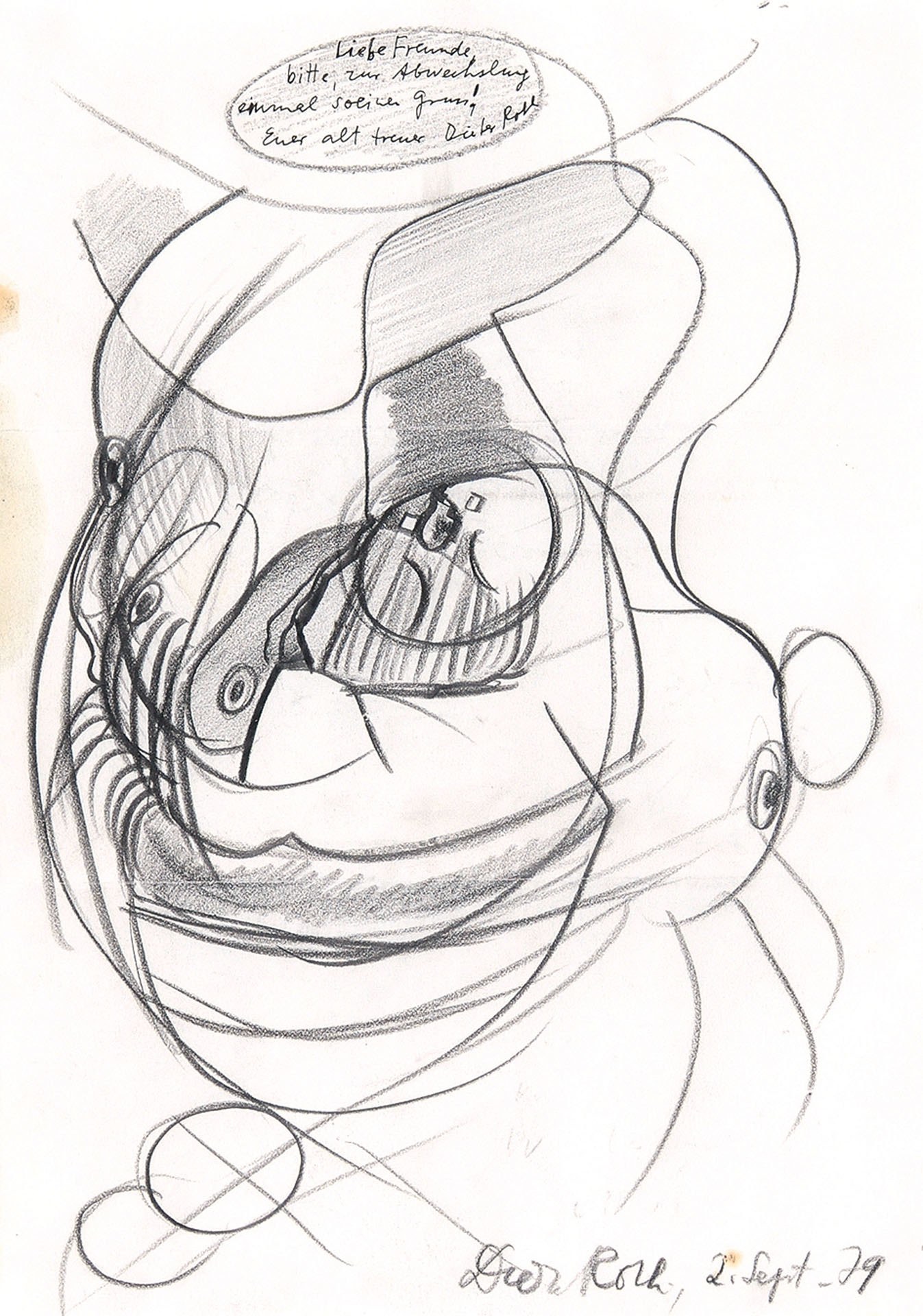
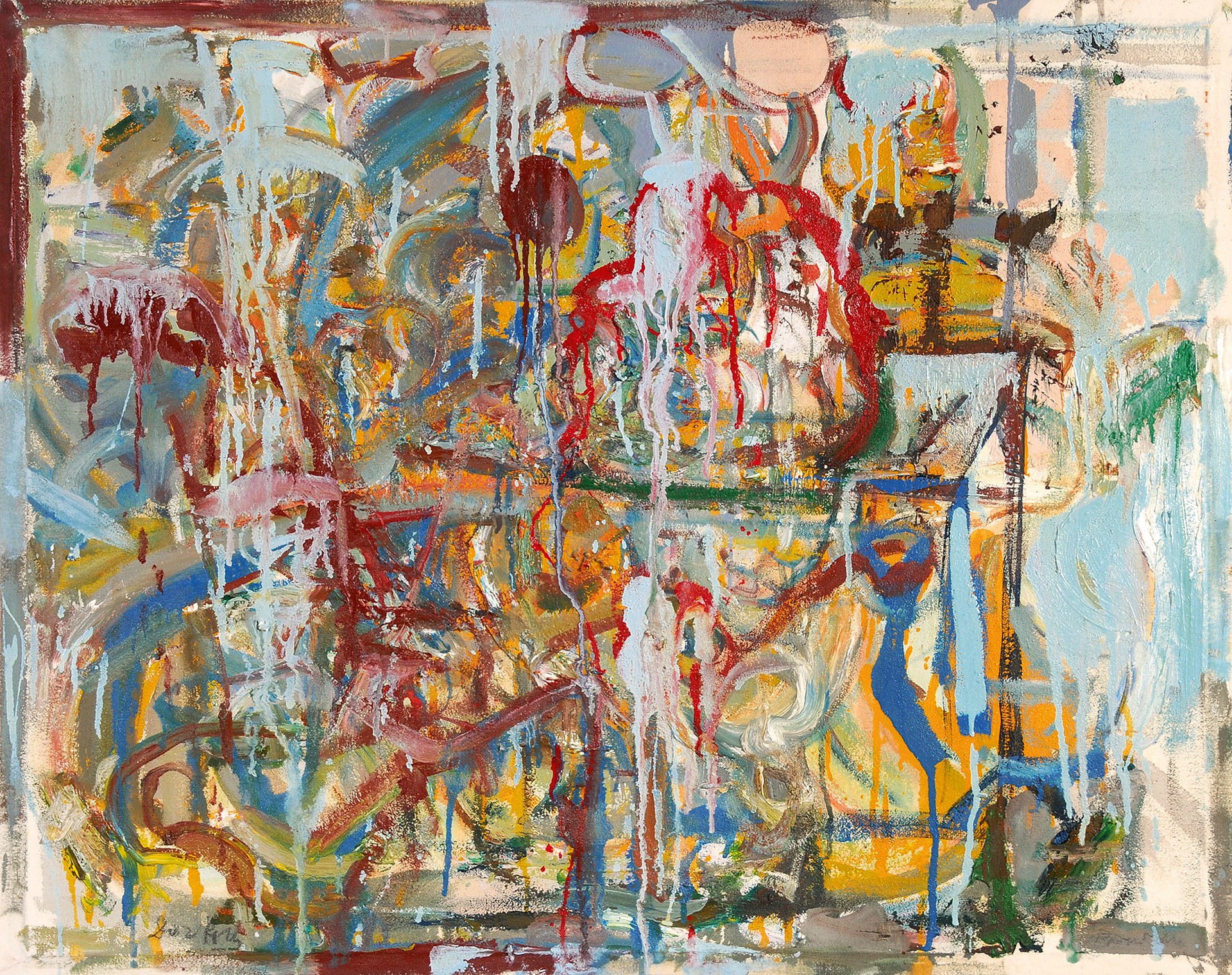
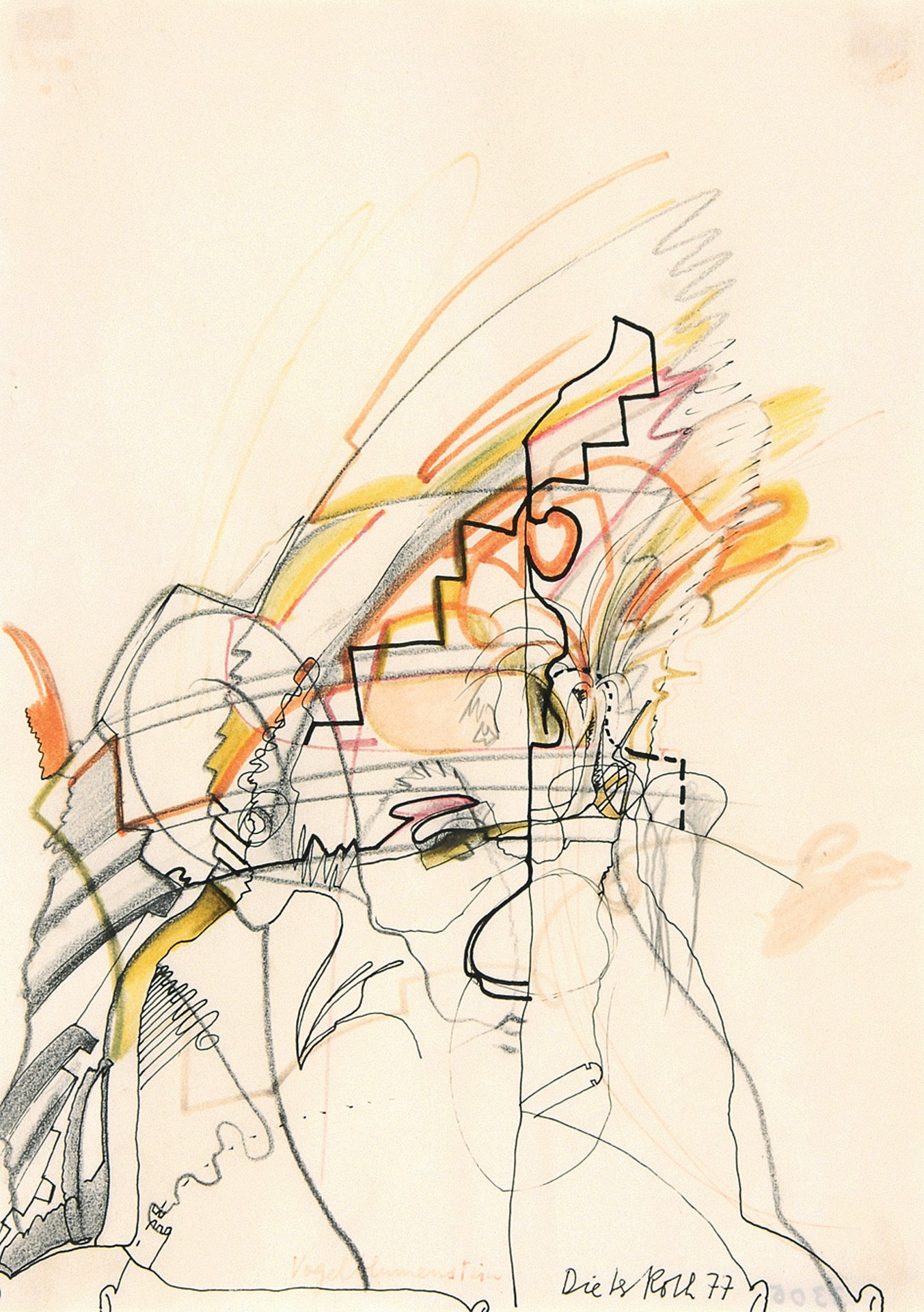
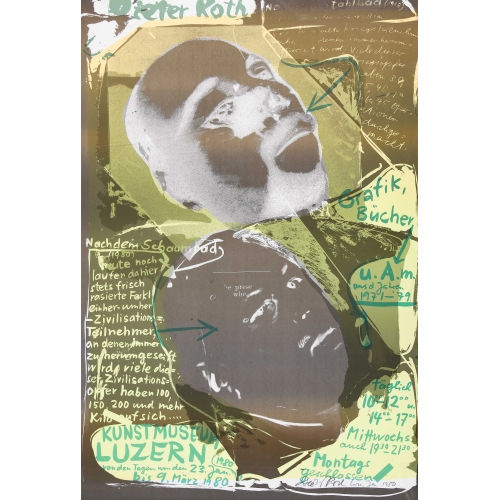
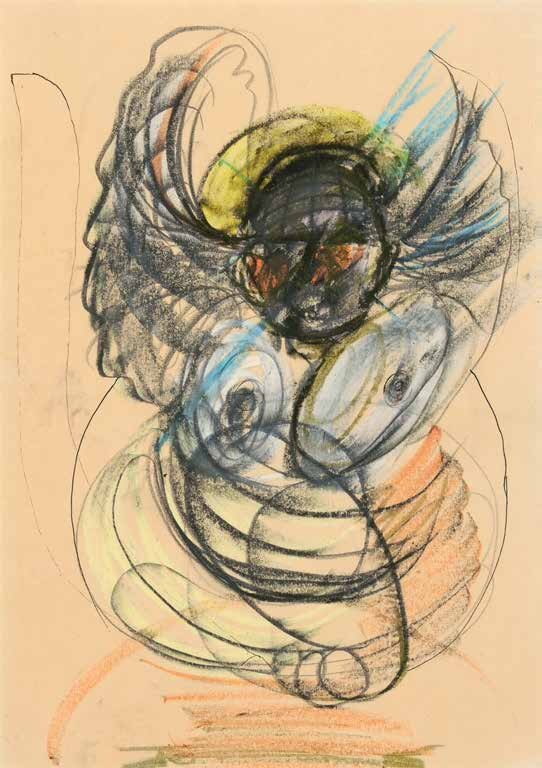
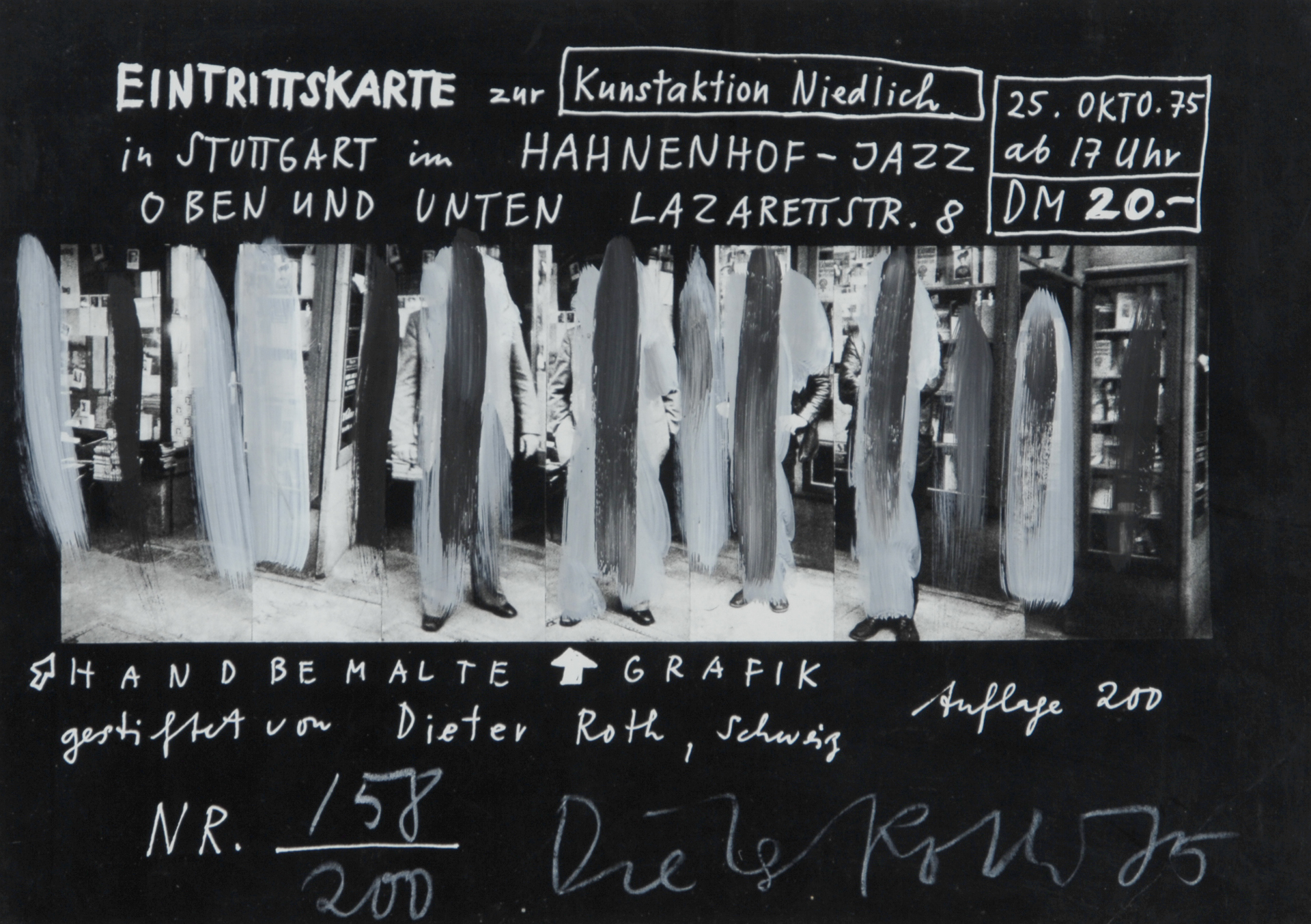
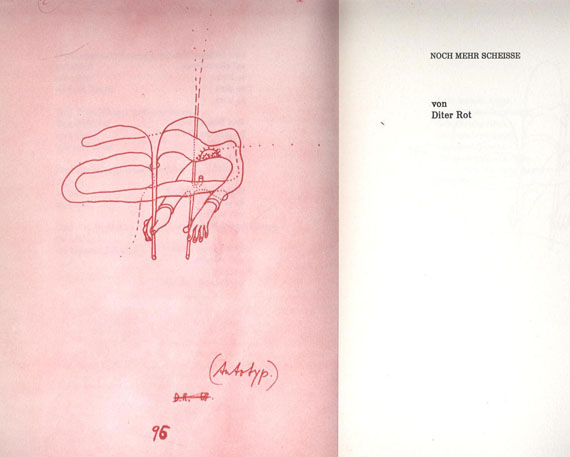
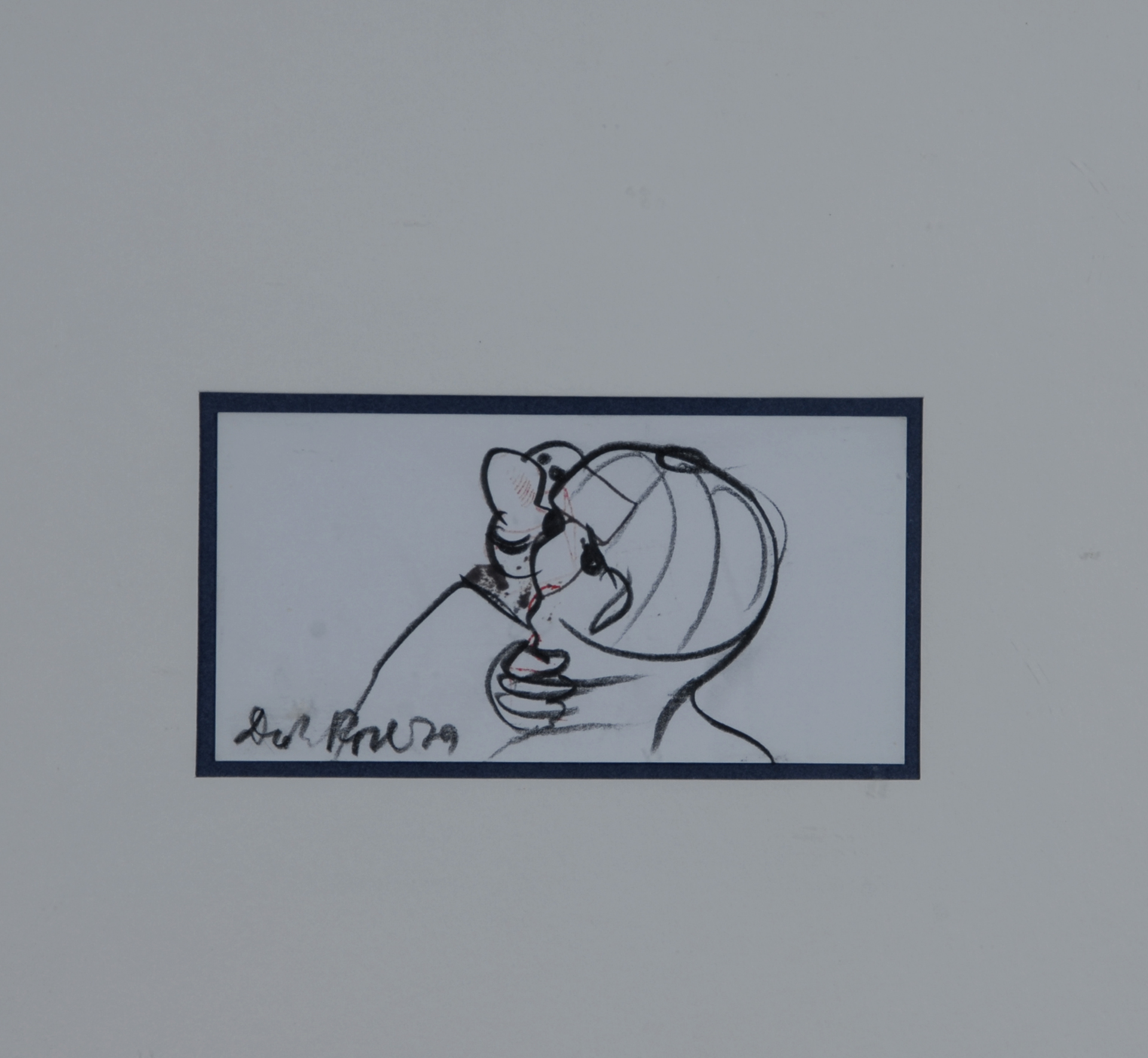
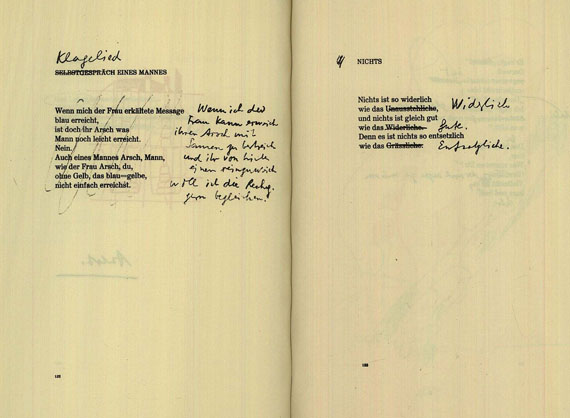
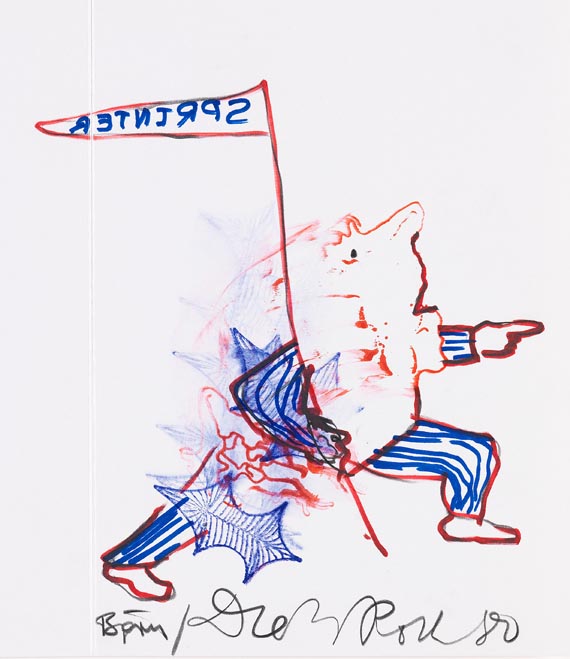
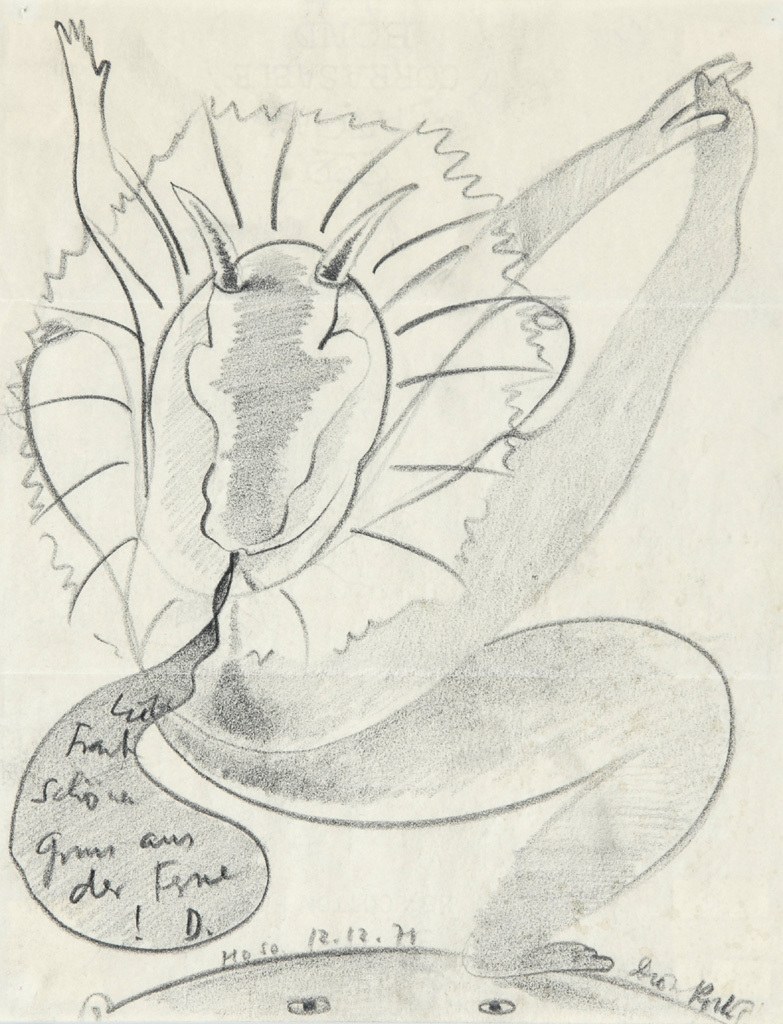
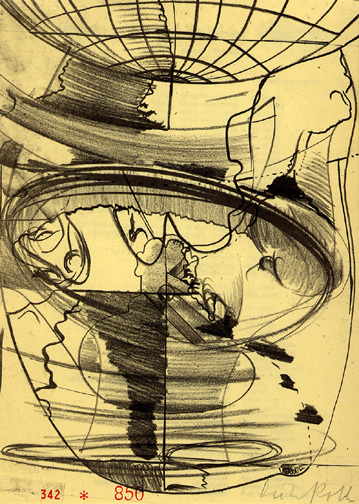
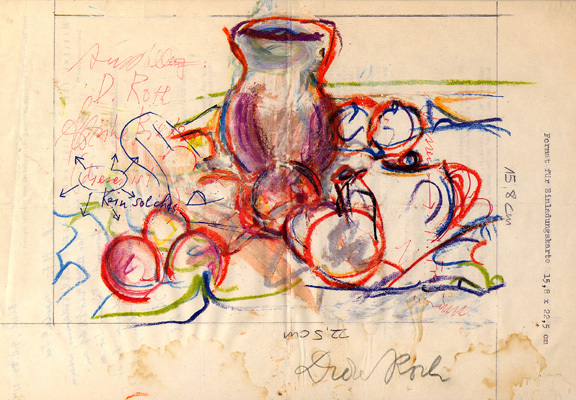
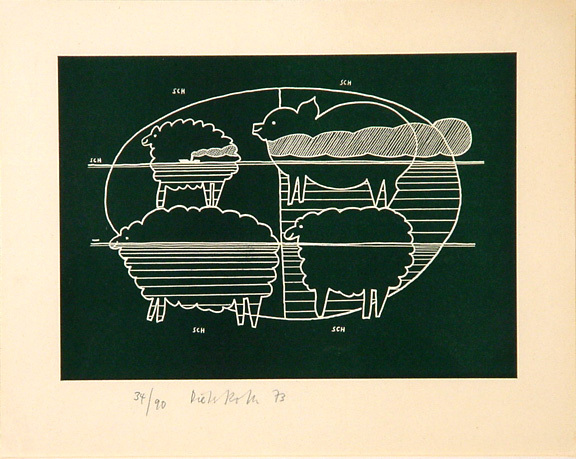
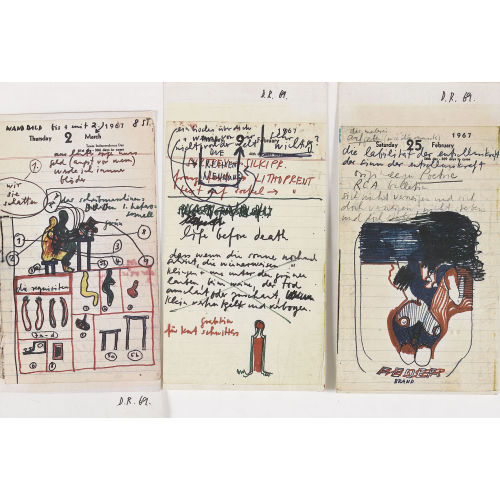
Born in Hanover and died in Basel, Roth developed a practice spanning painting, drawing, printmaking, the book, writing, music, film and installation. His career took him, among other places, to Iceland, Denmark, the United States and Austria. He represented Switzerland at the Venice Biennale in 1982.
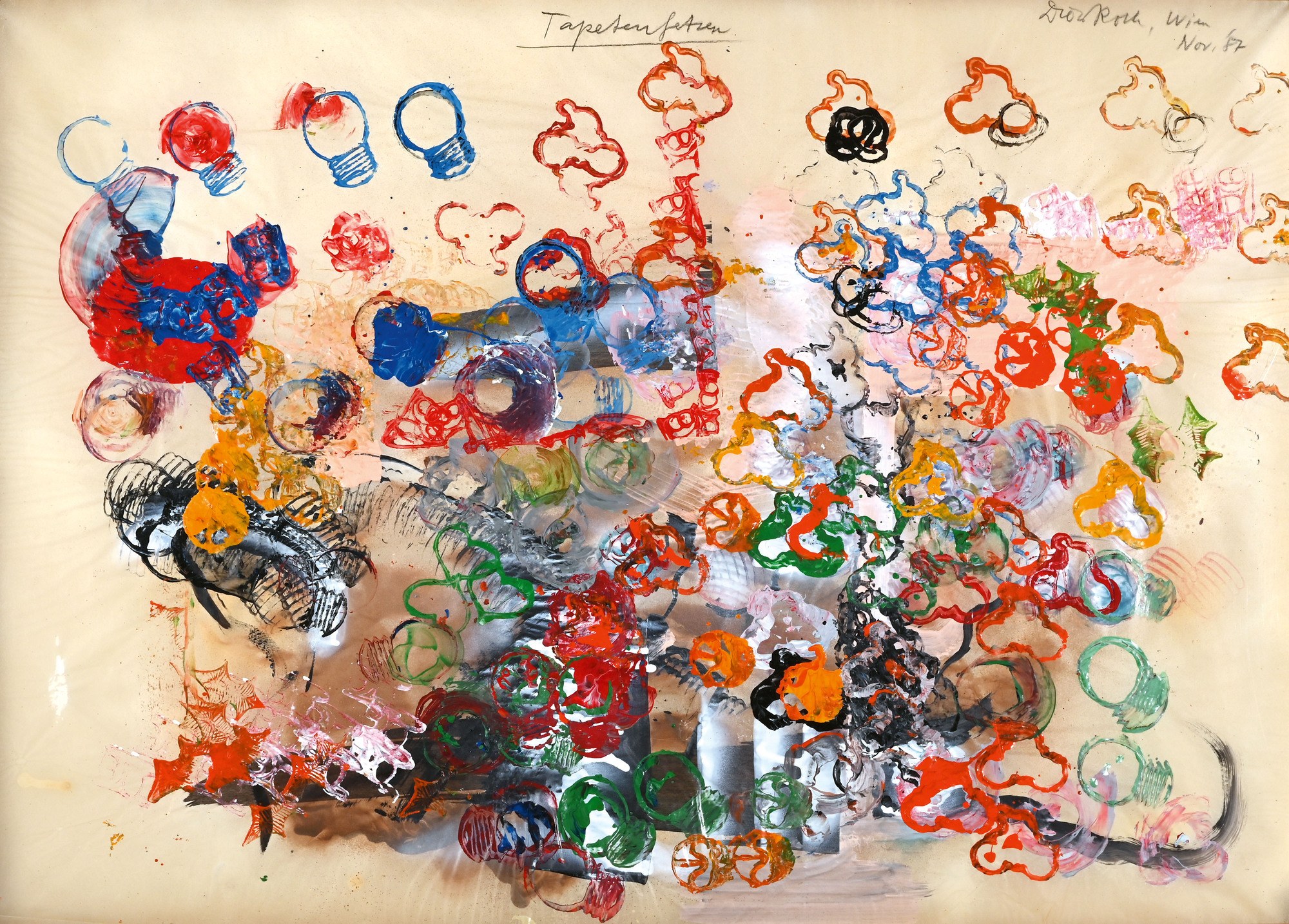
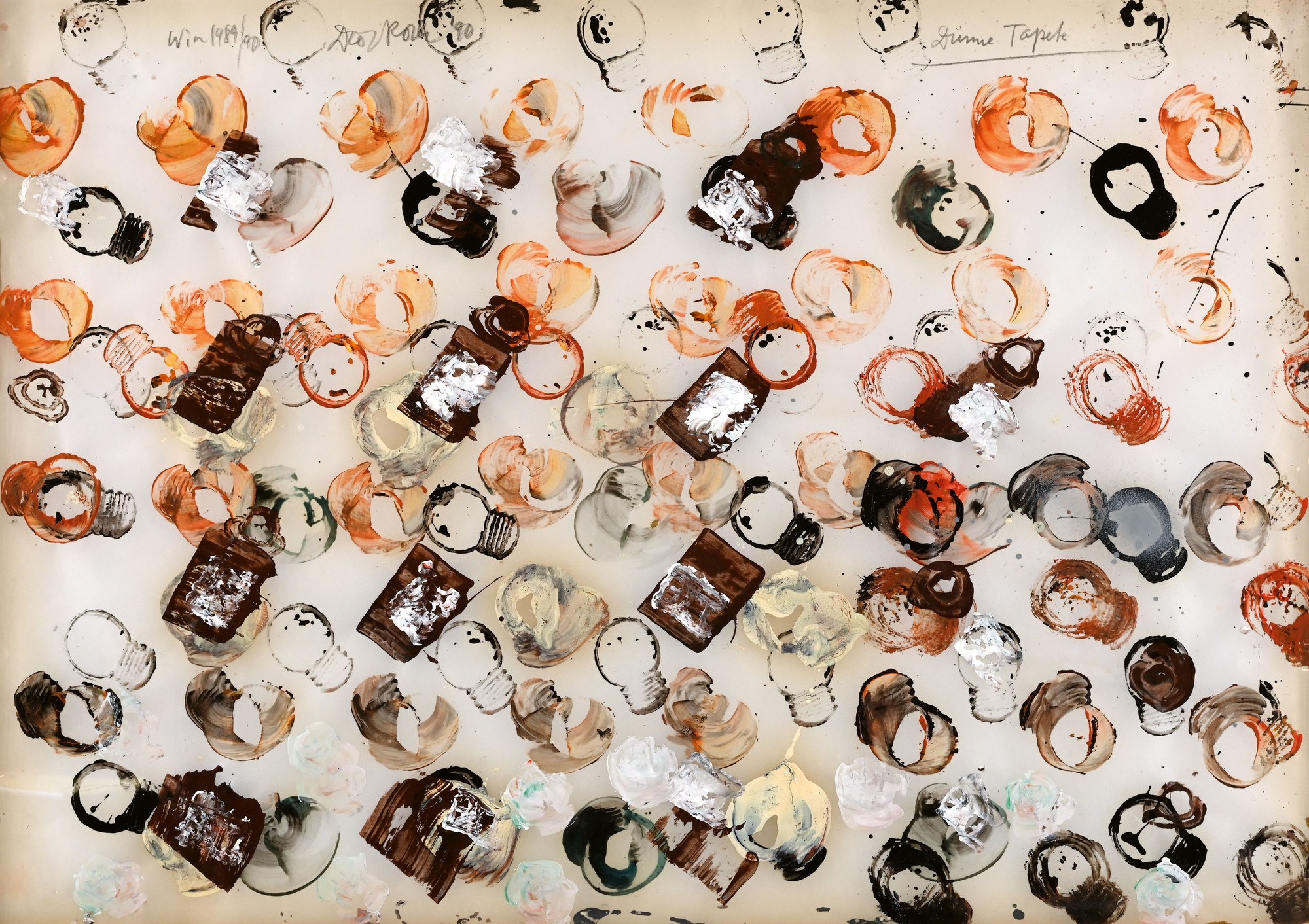
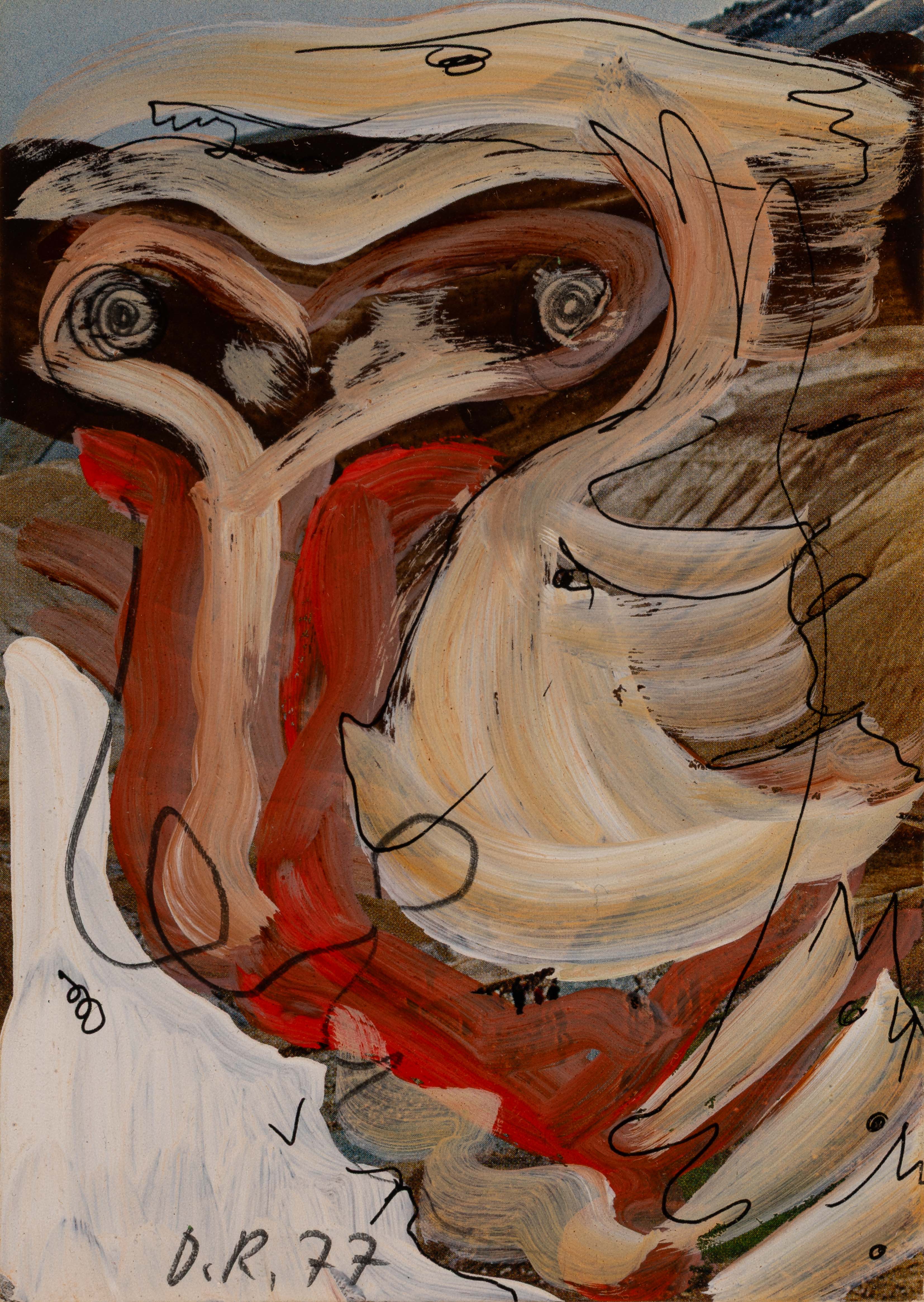
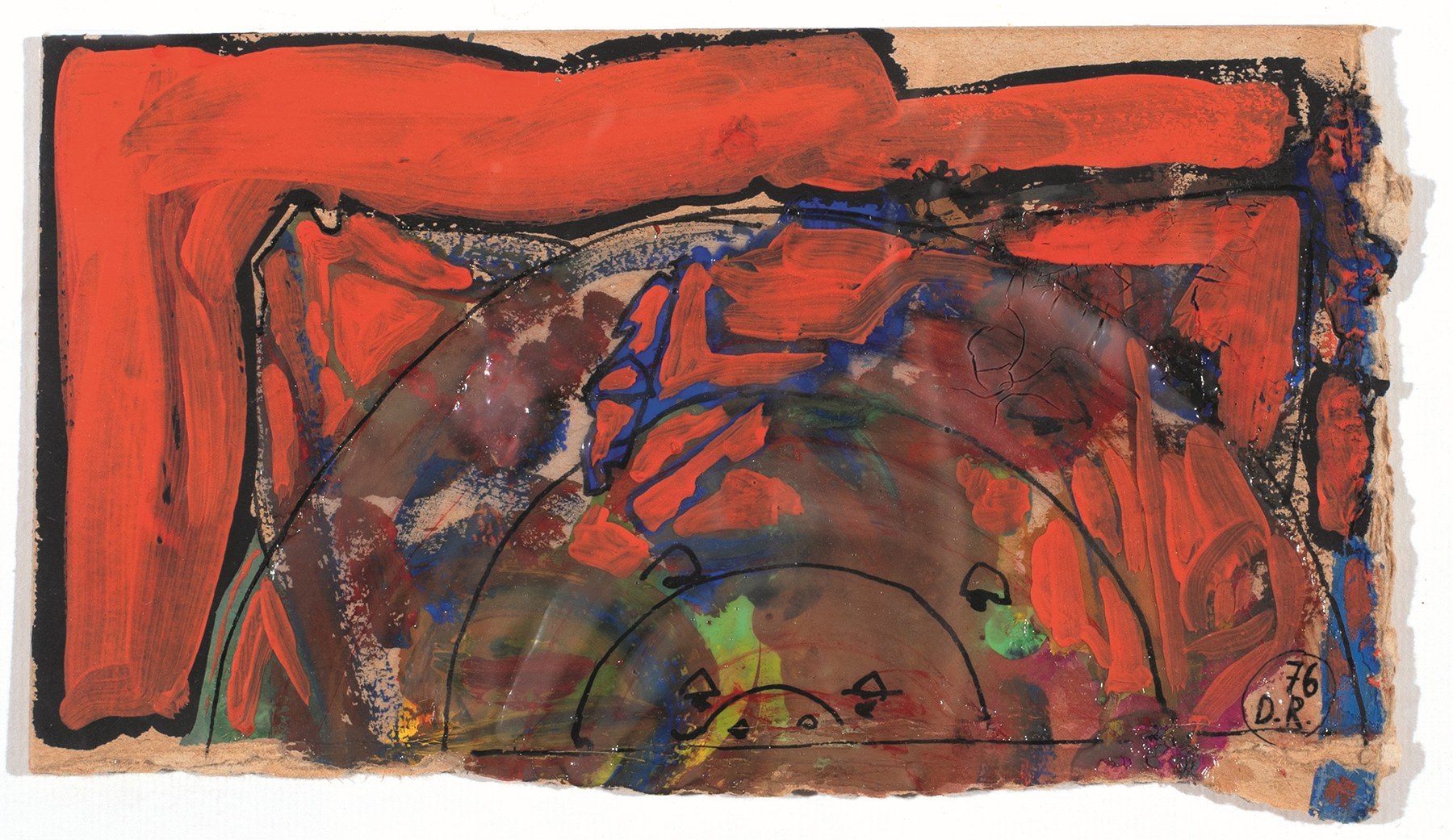
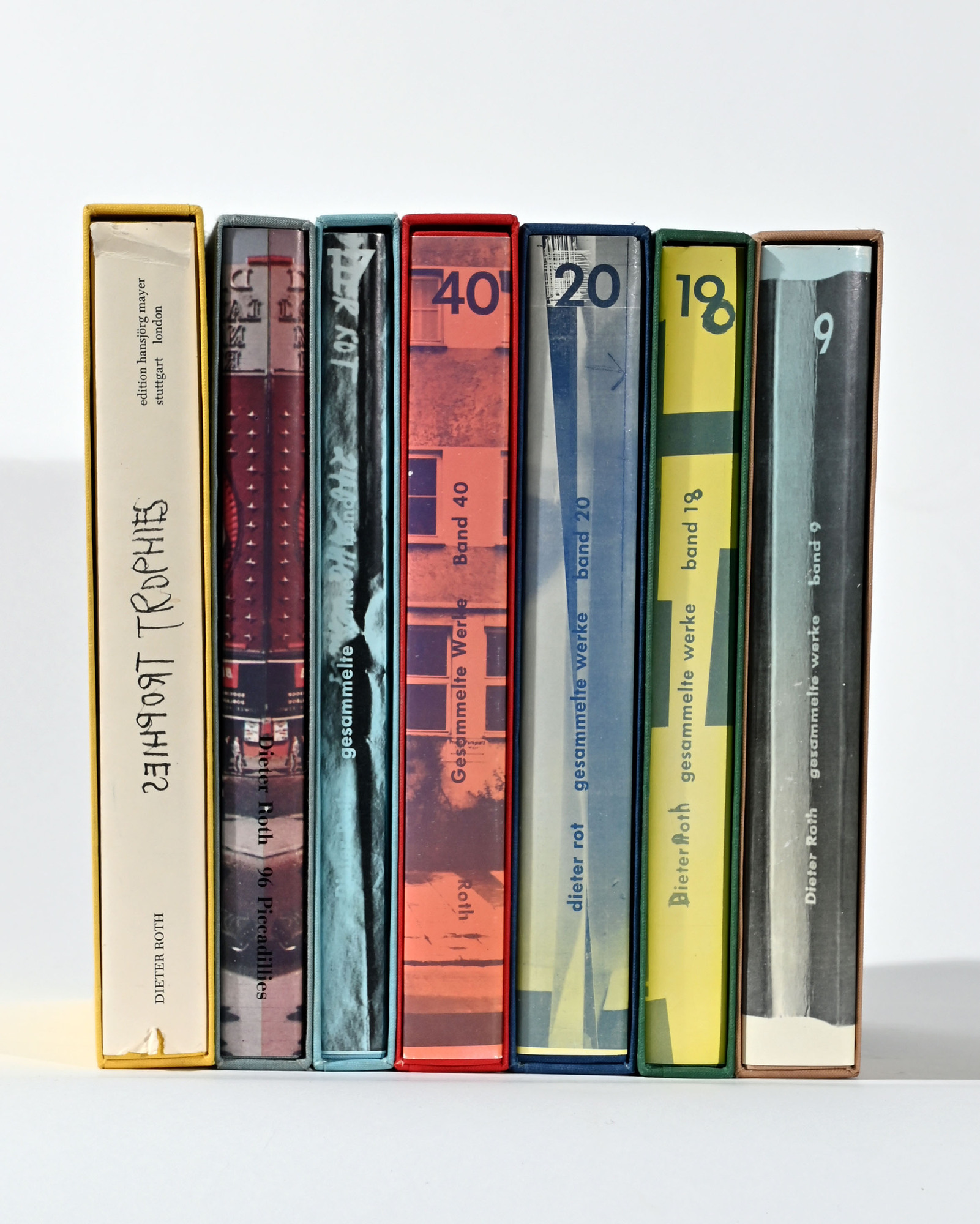
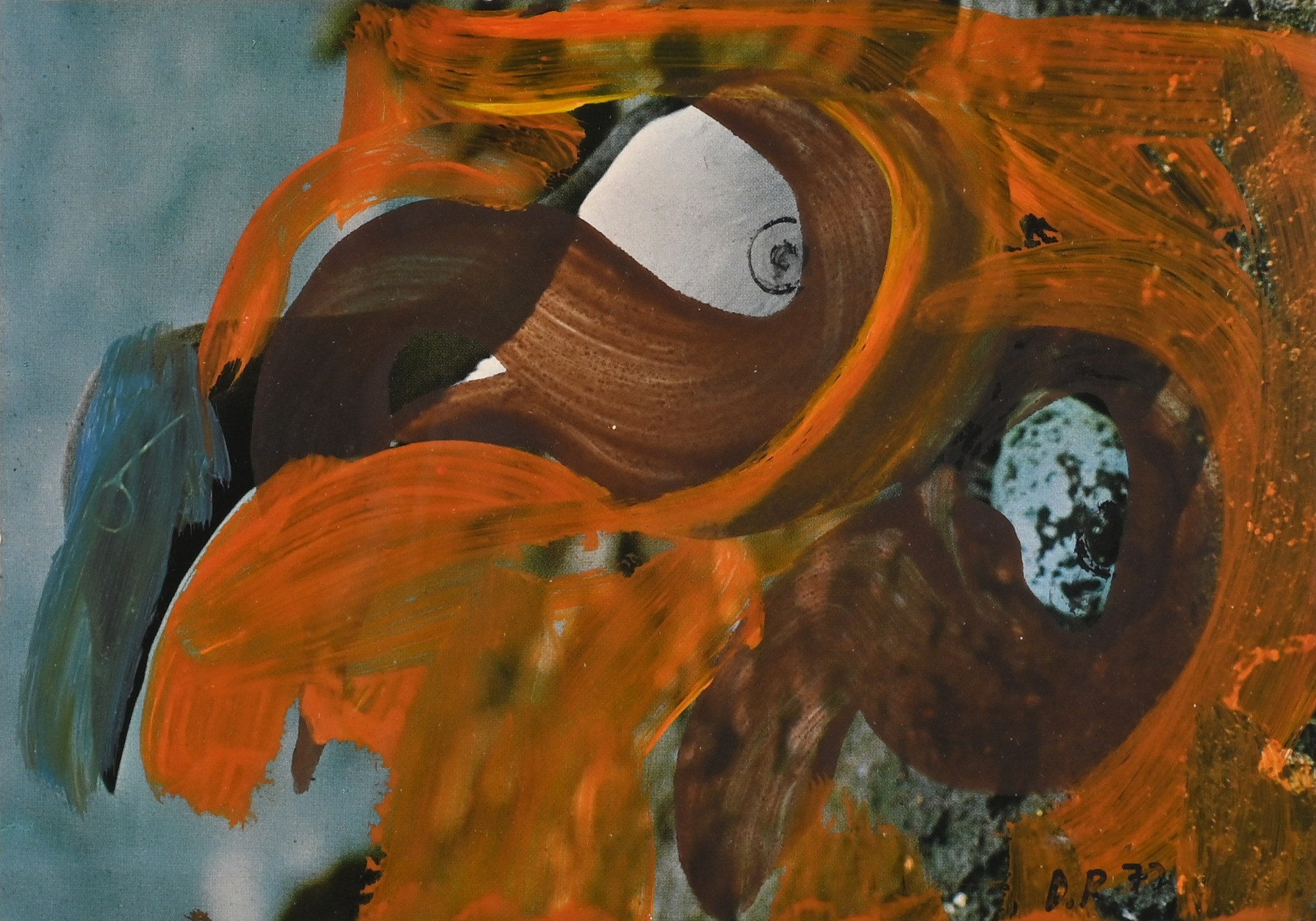
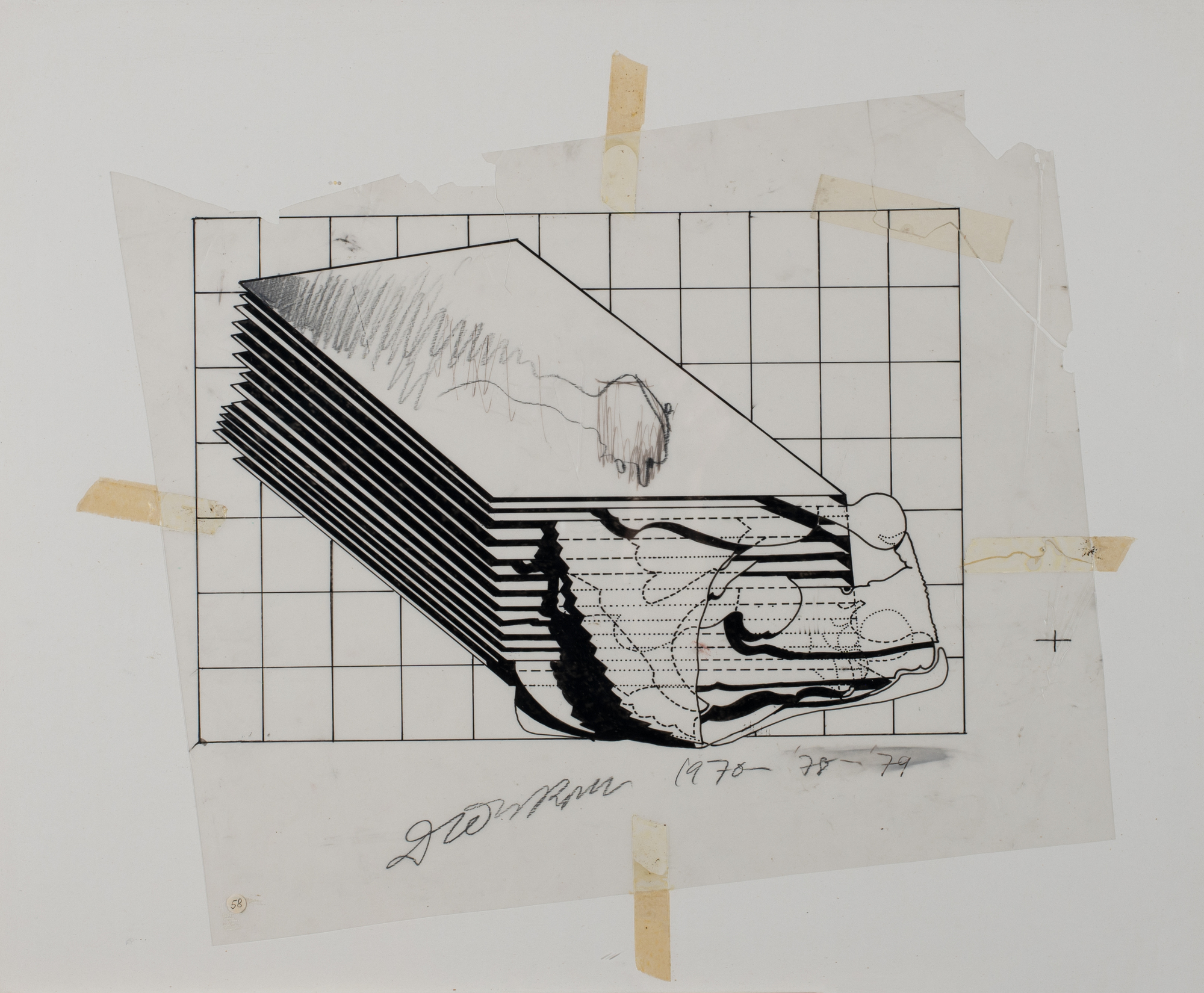
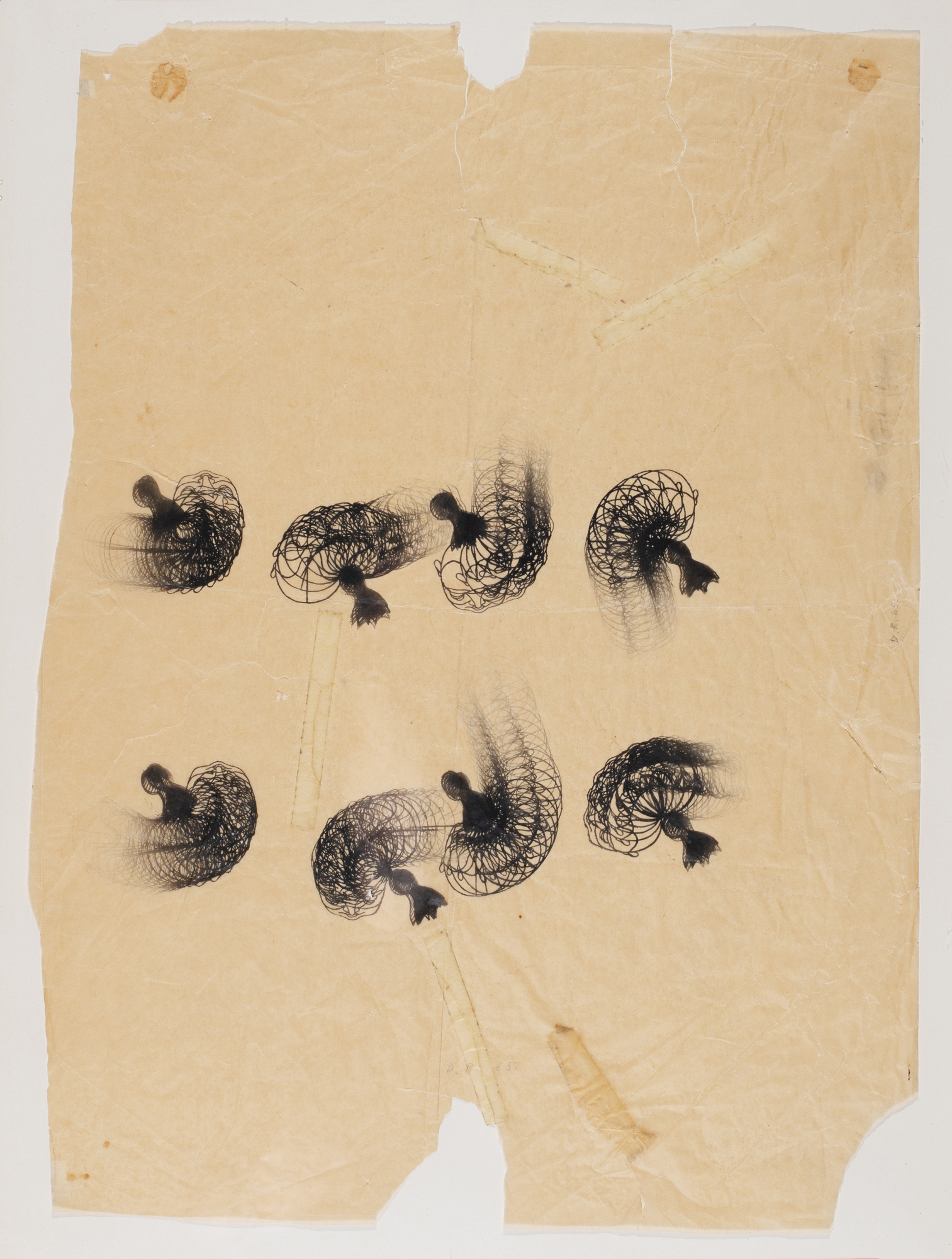
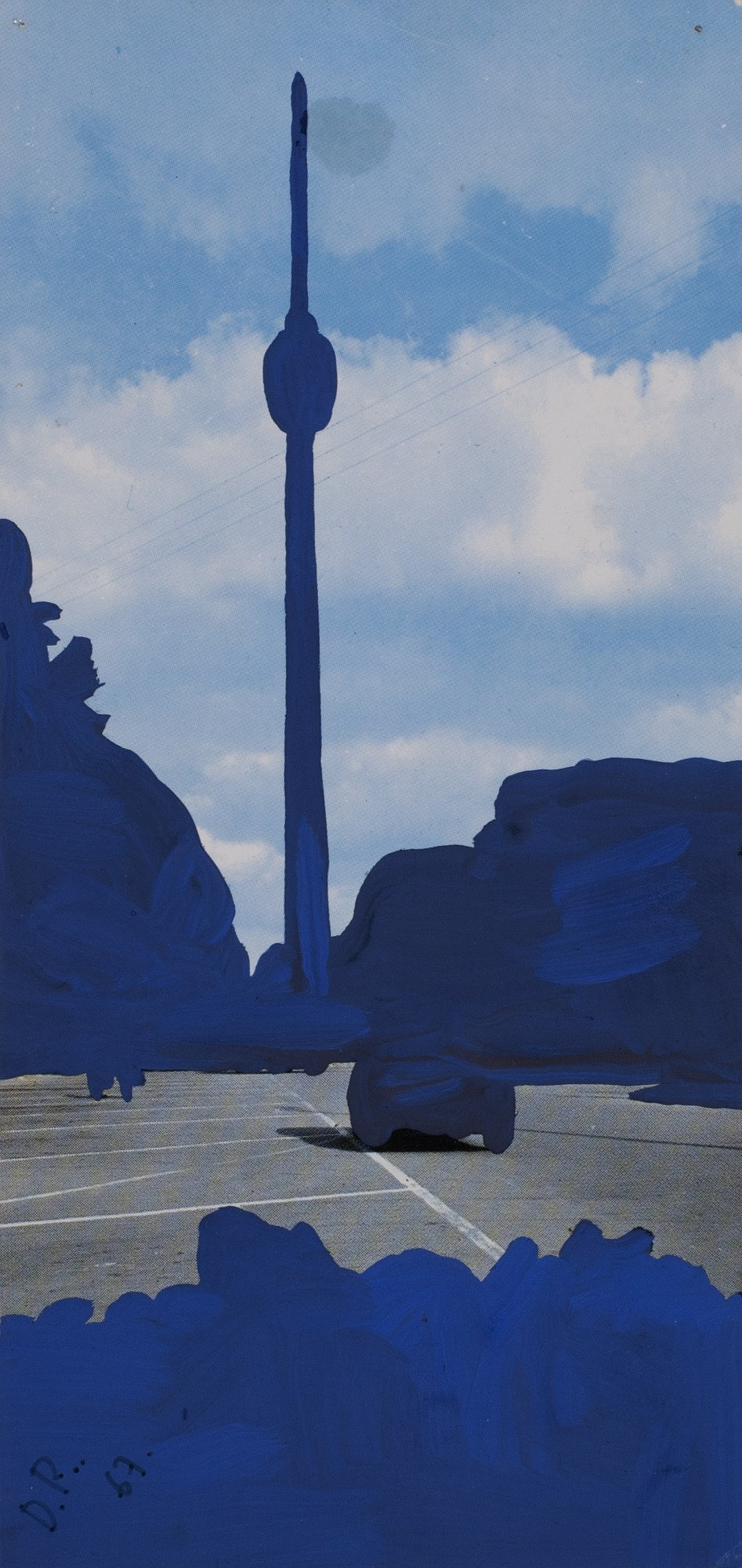
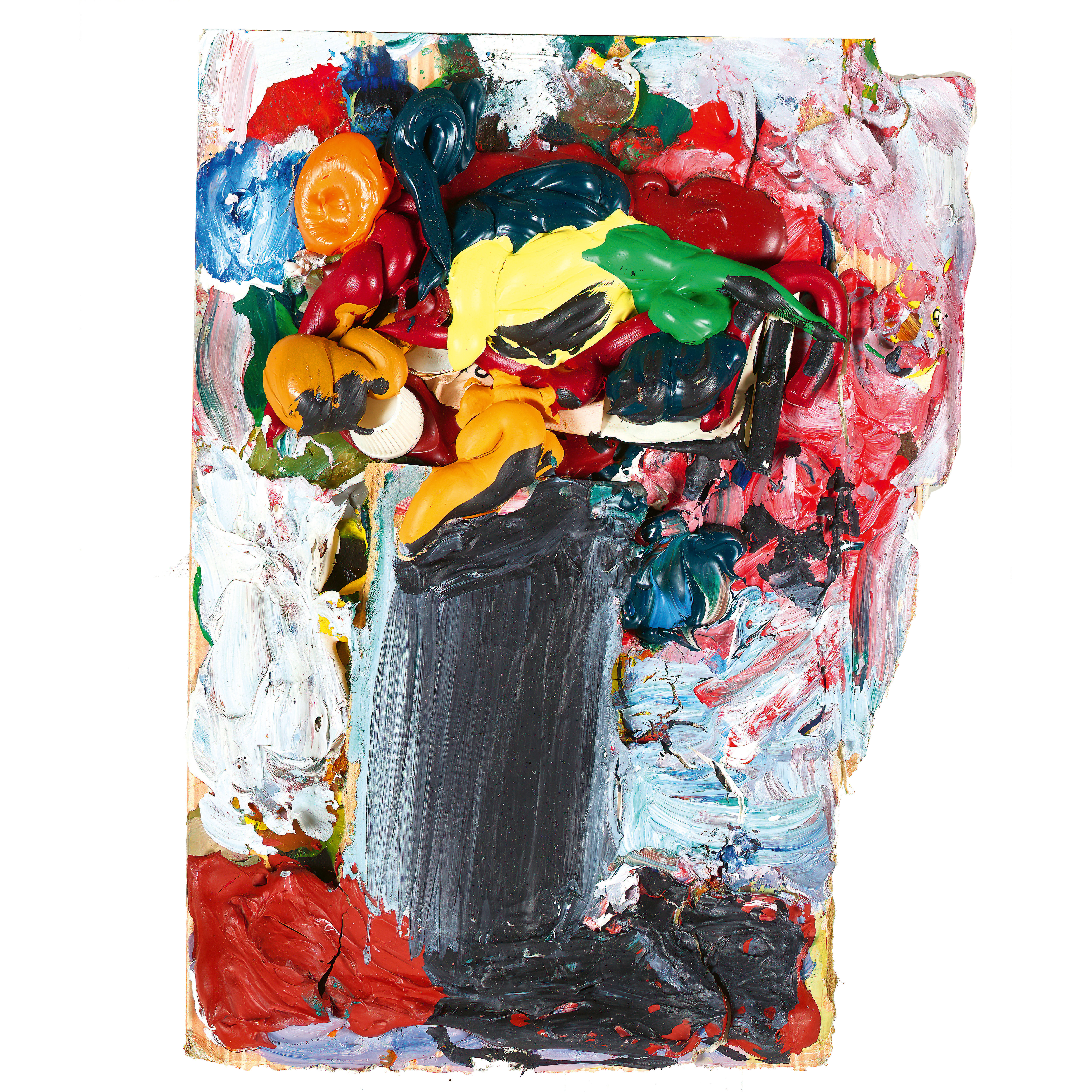
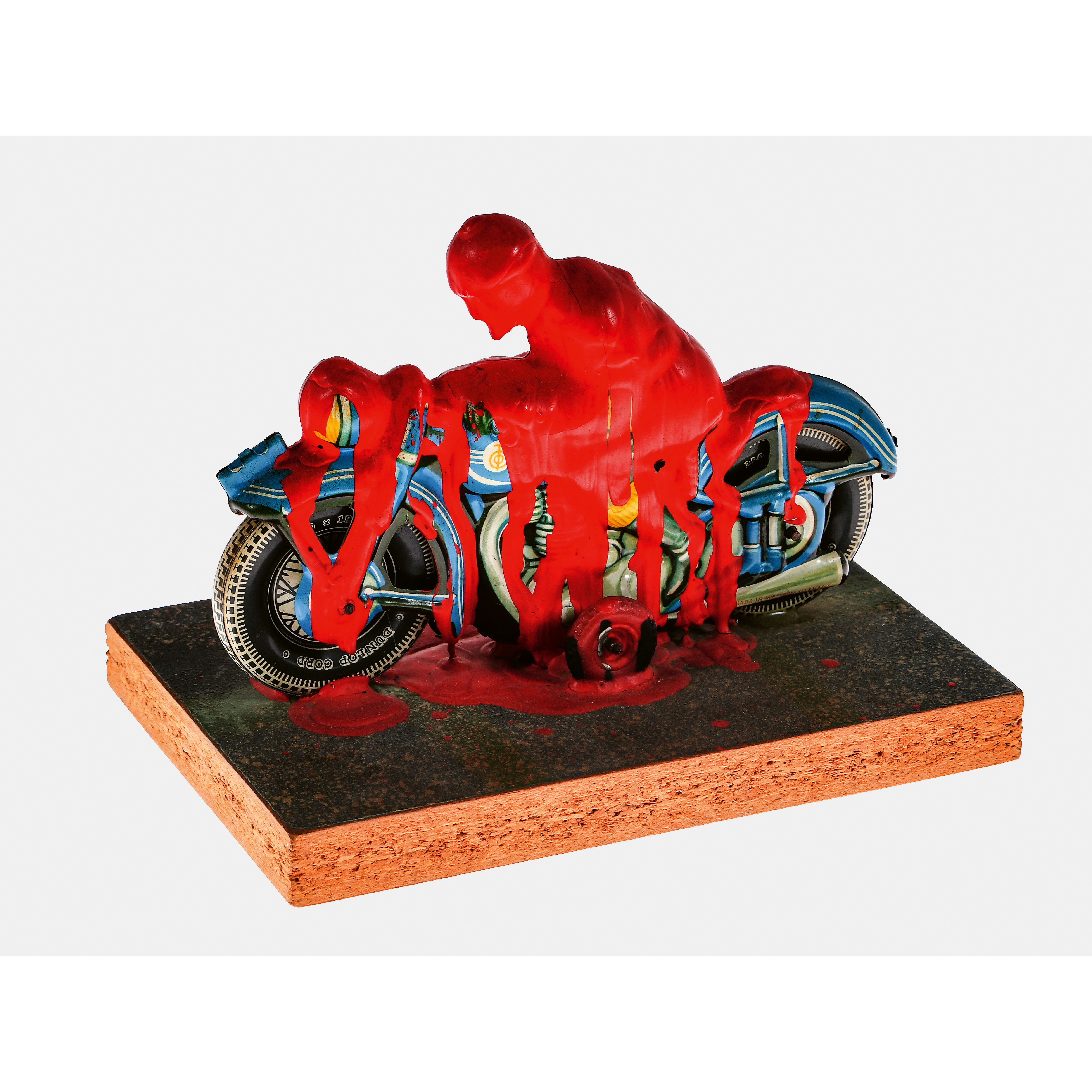
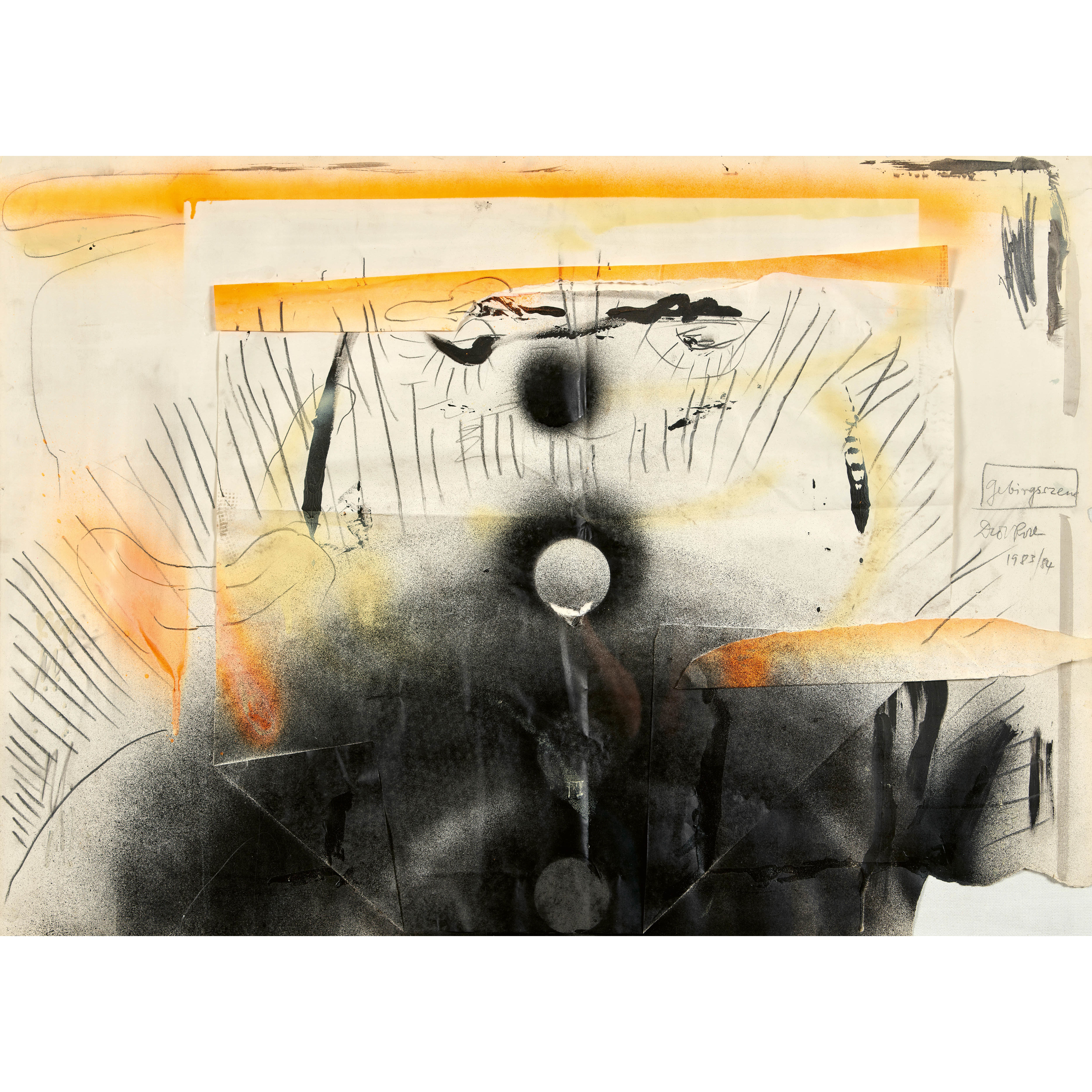
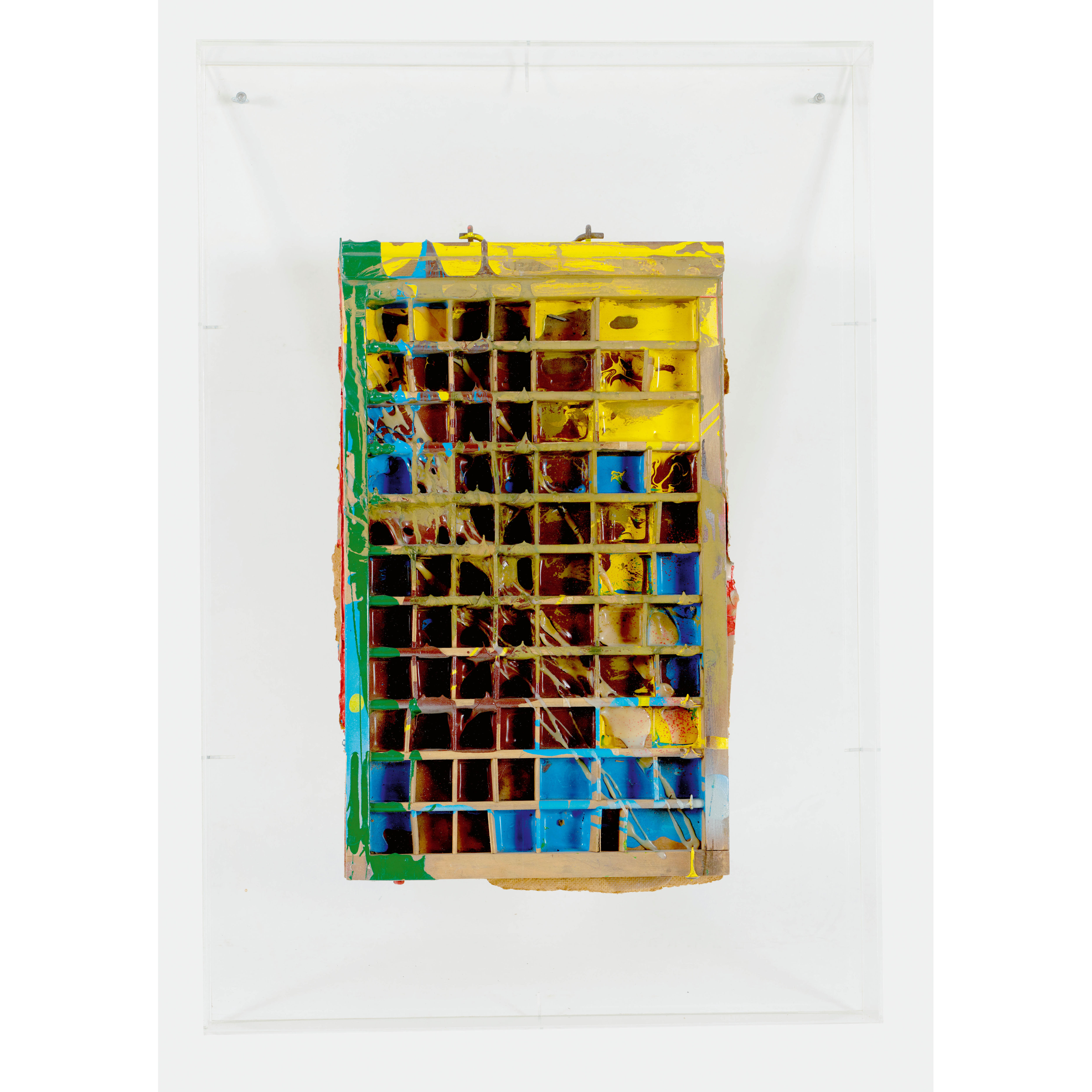
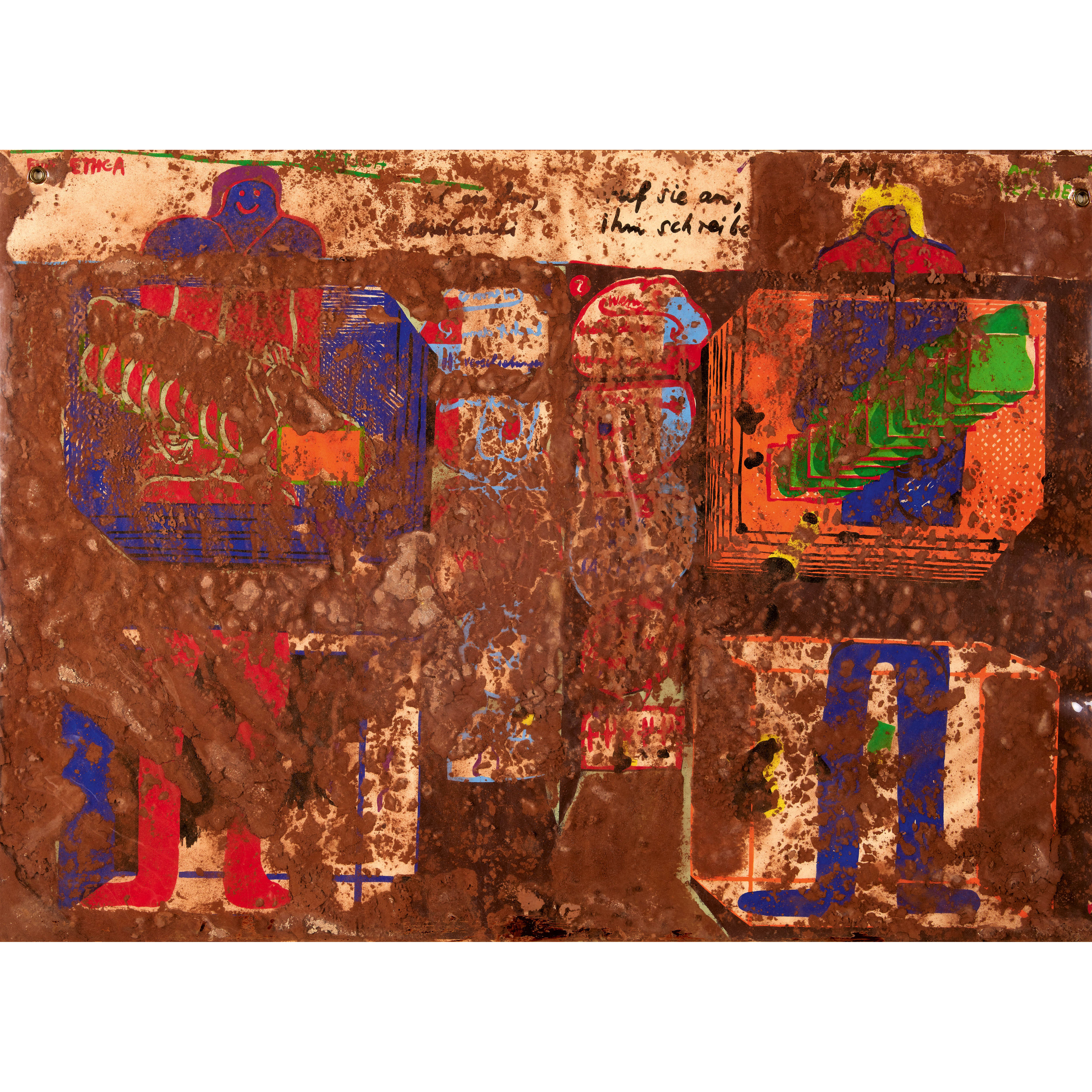
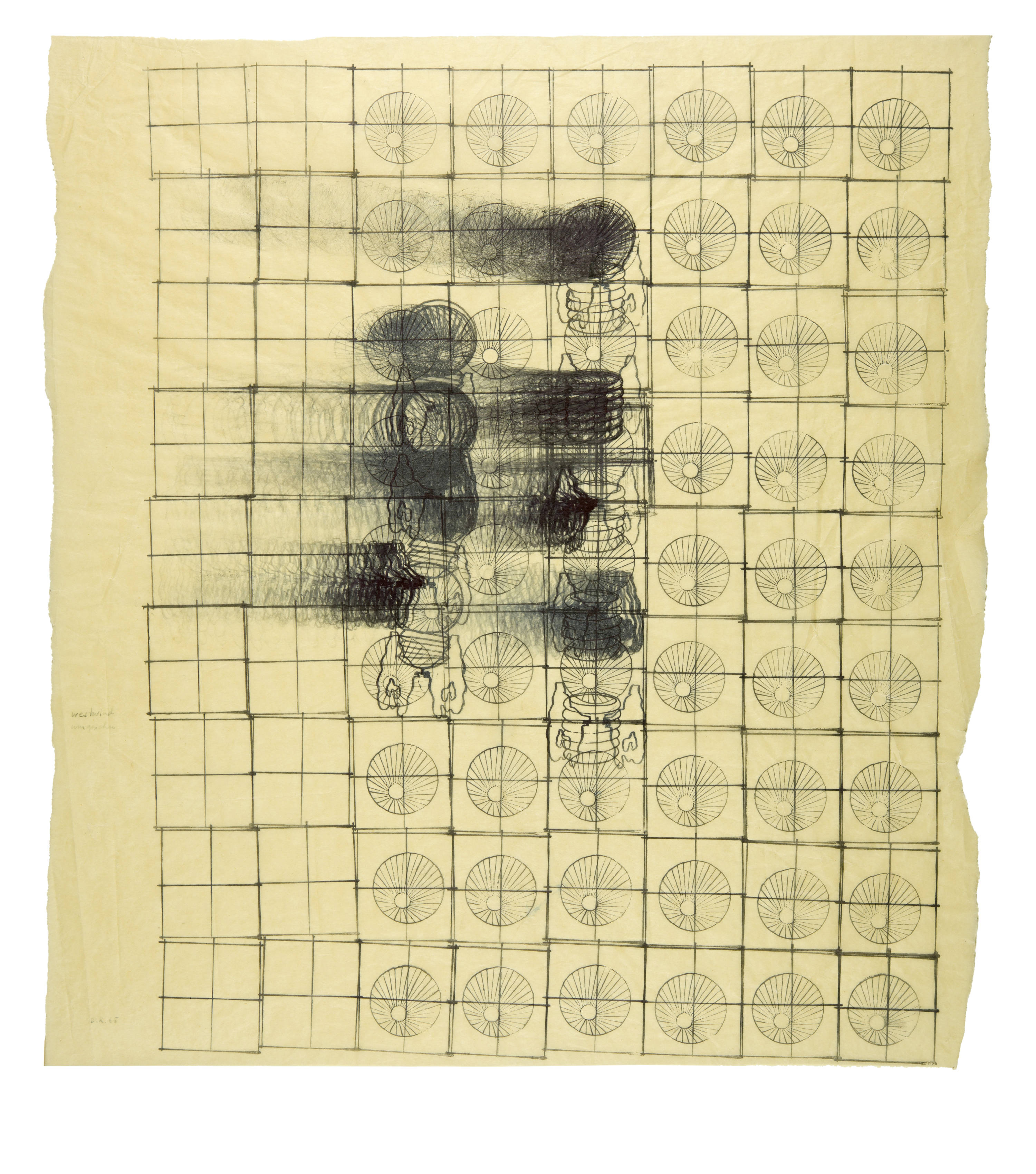
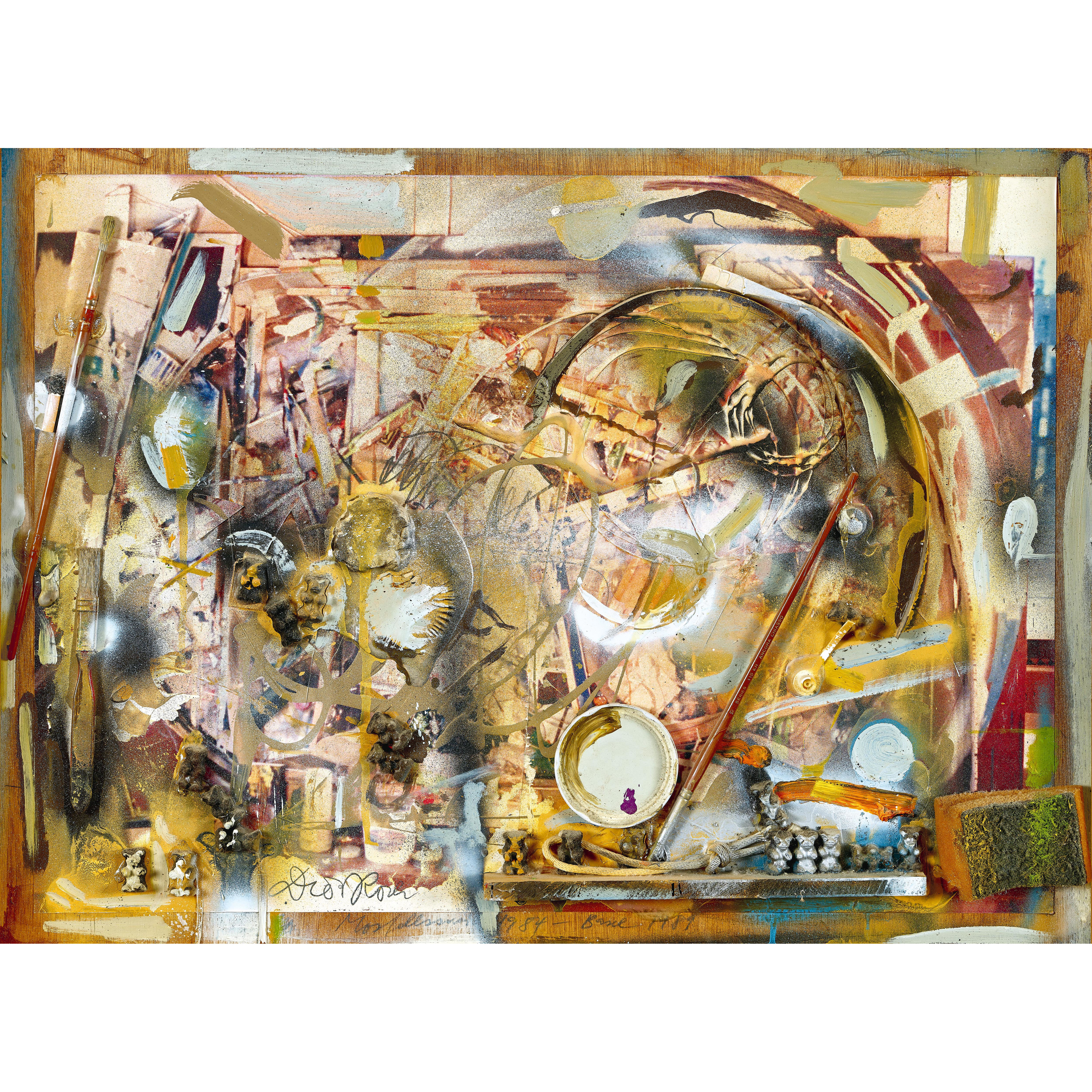
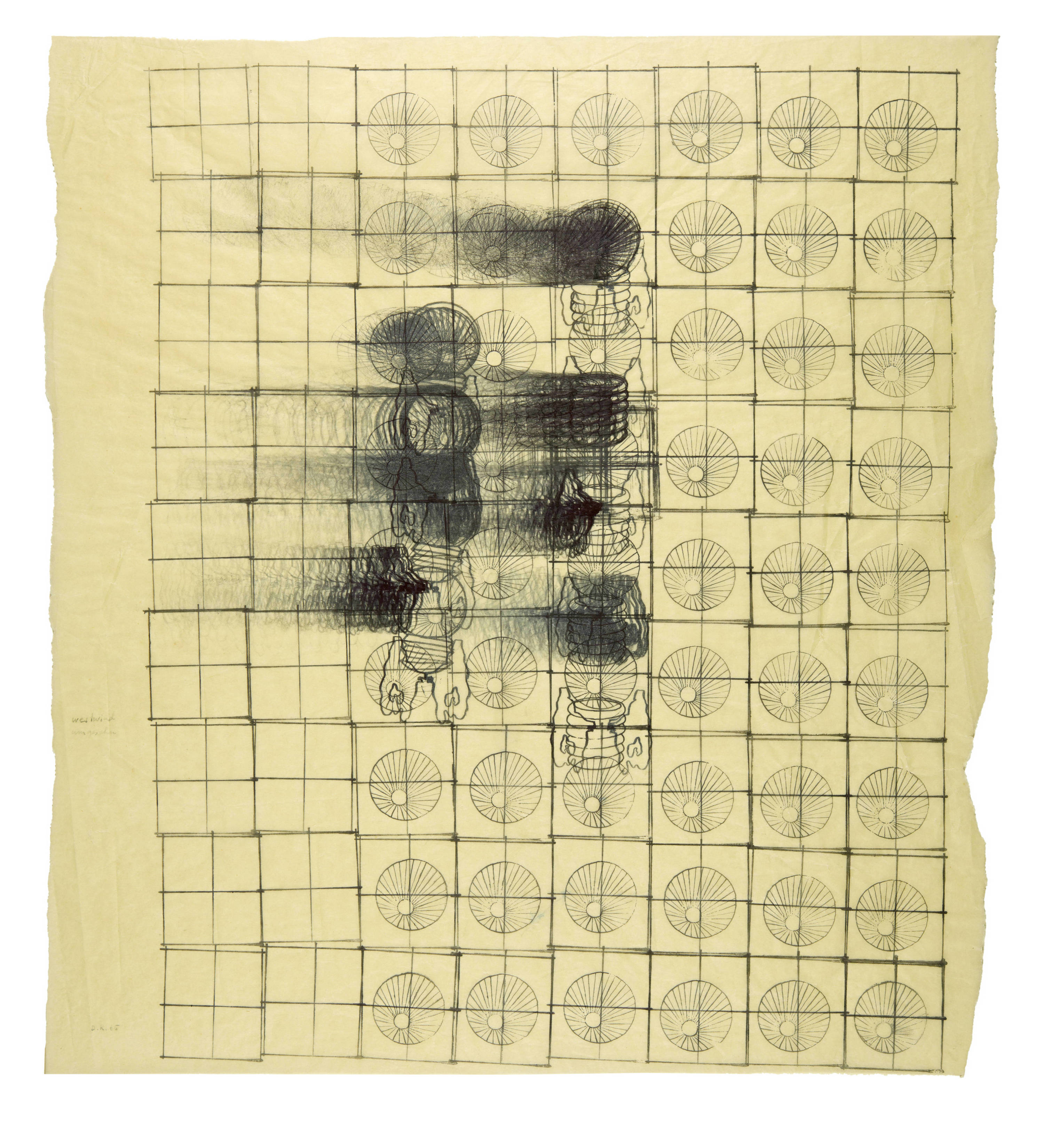
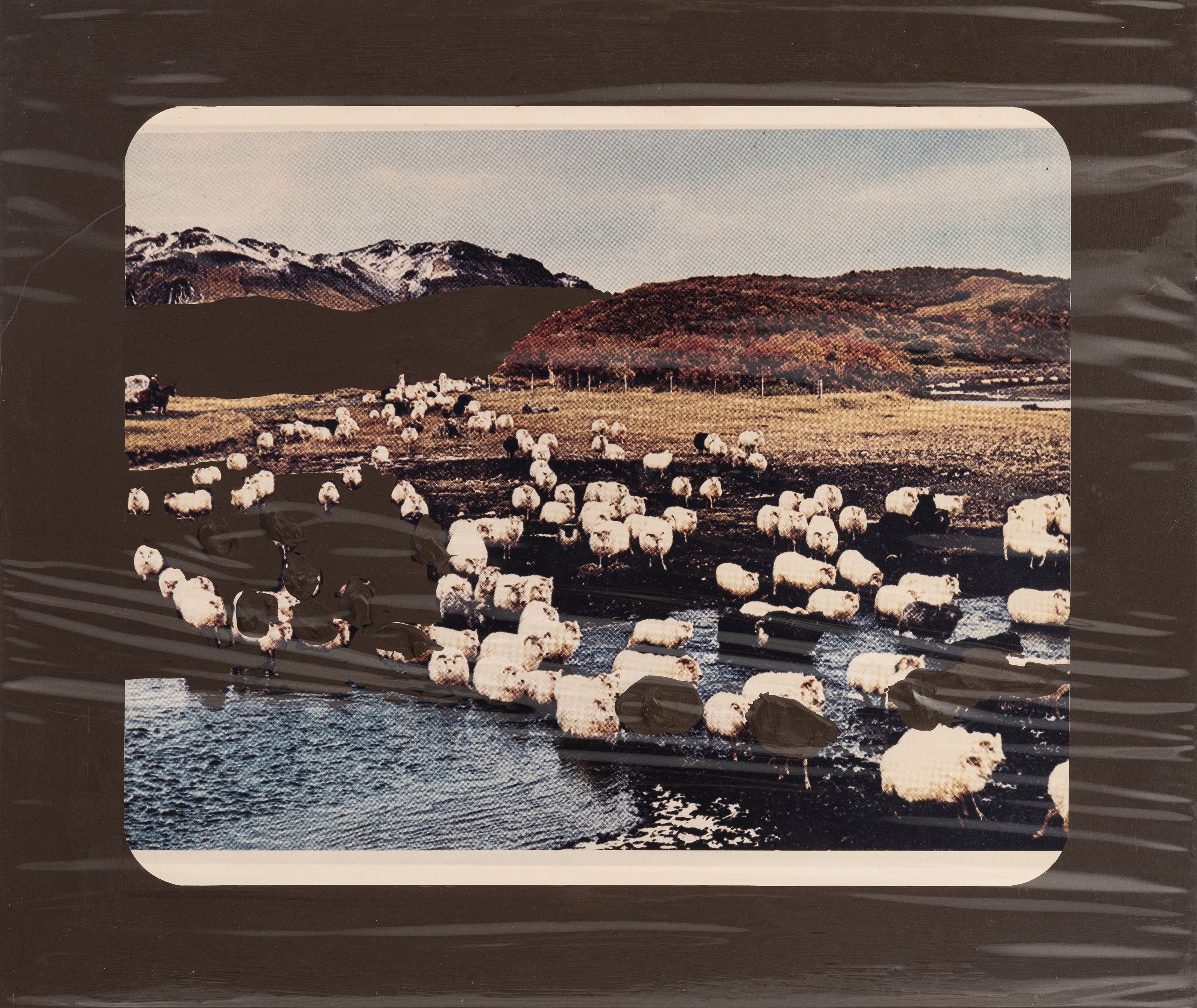
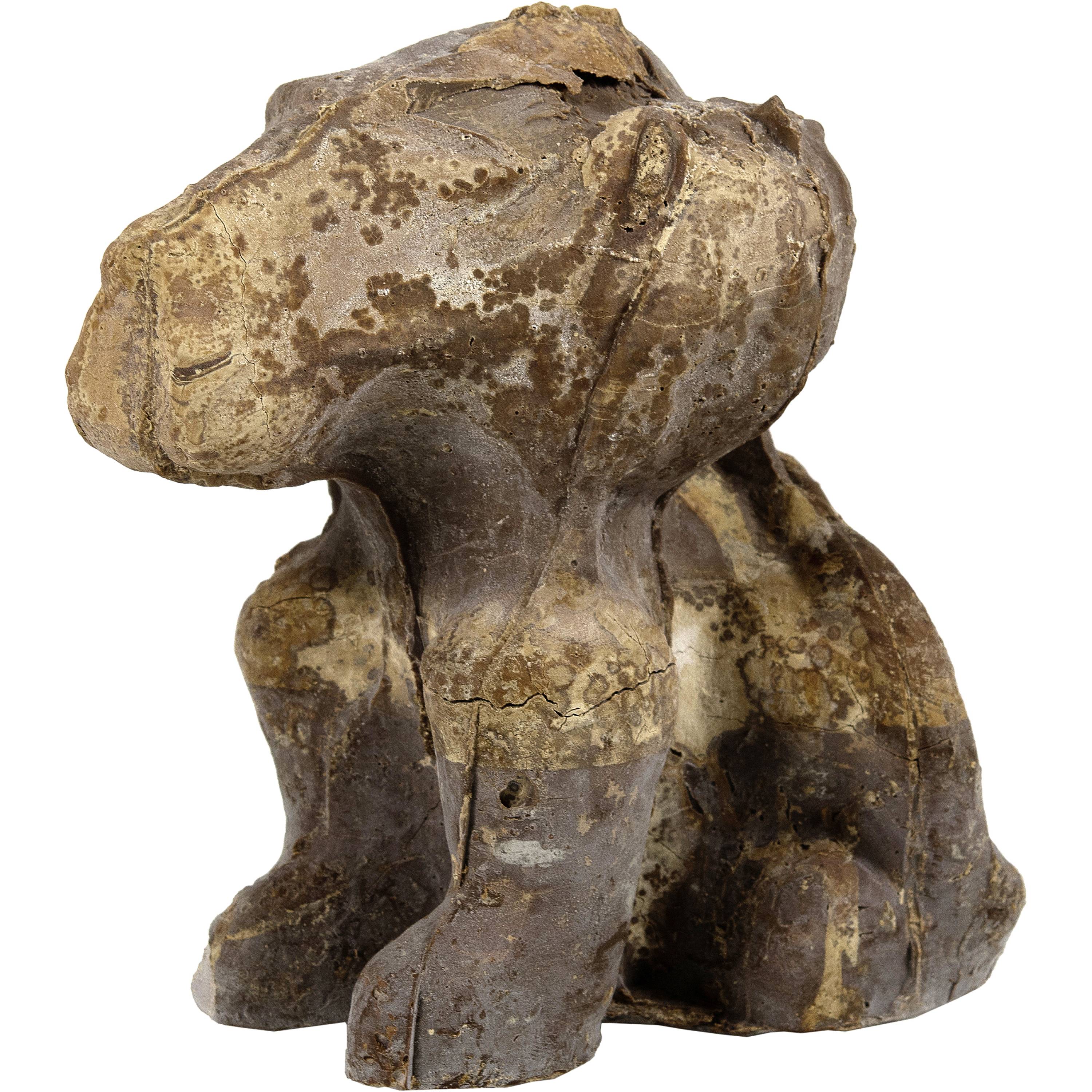
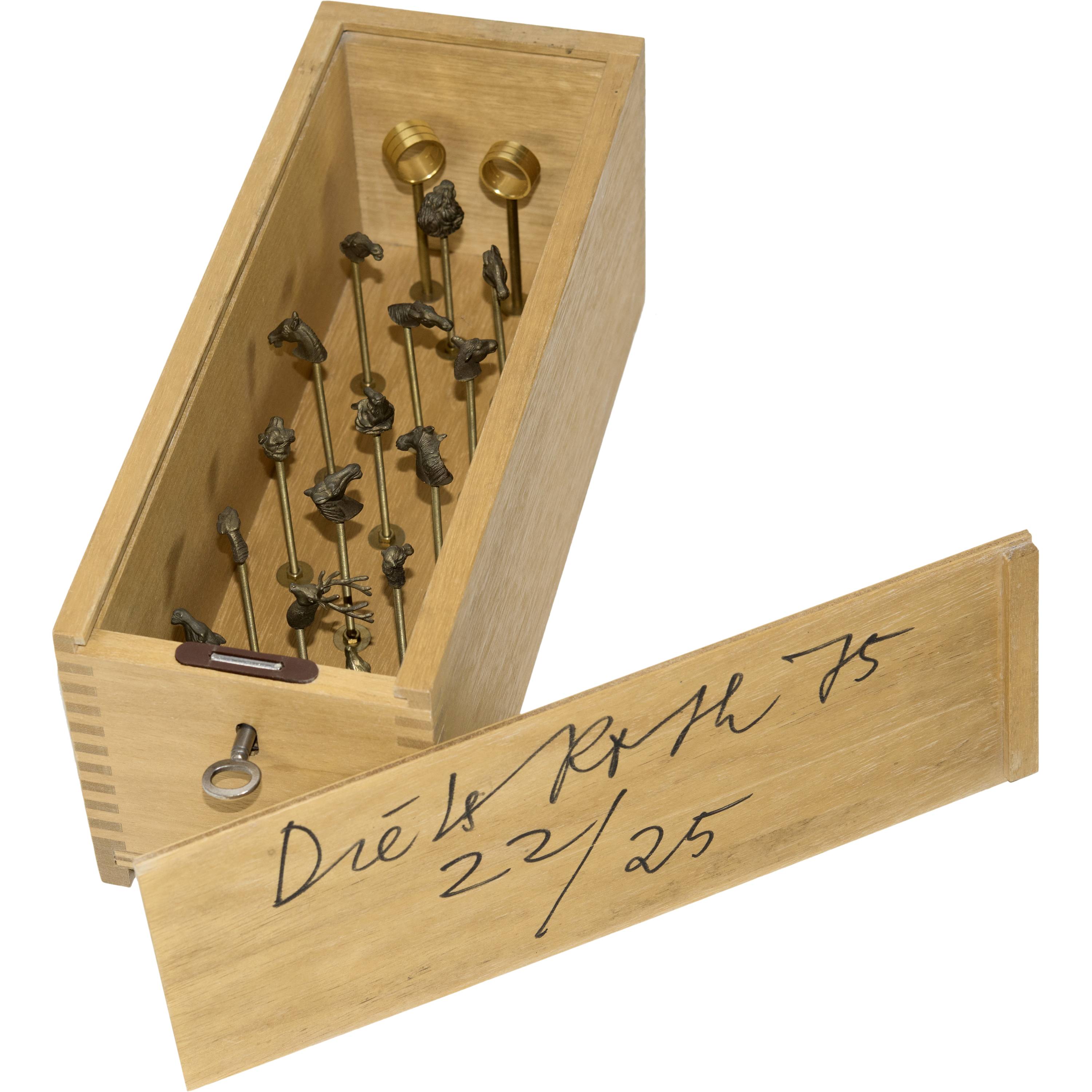
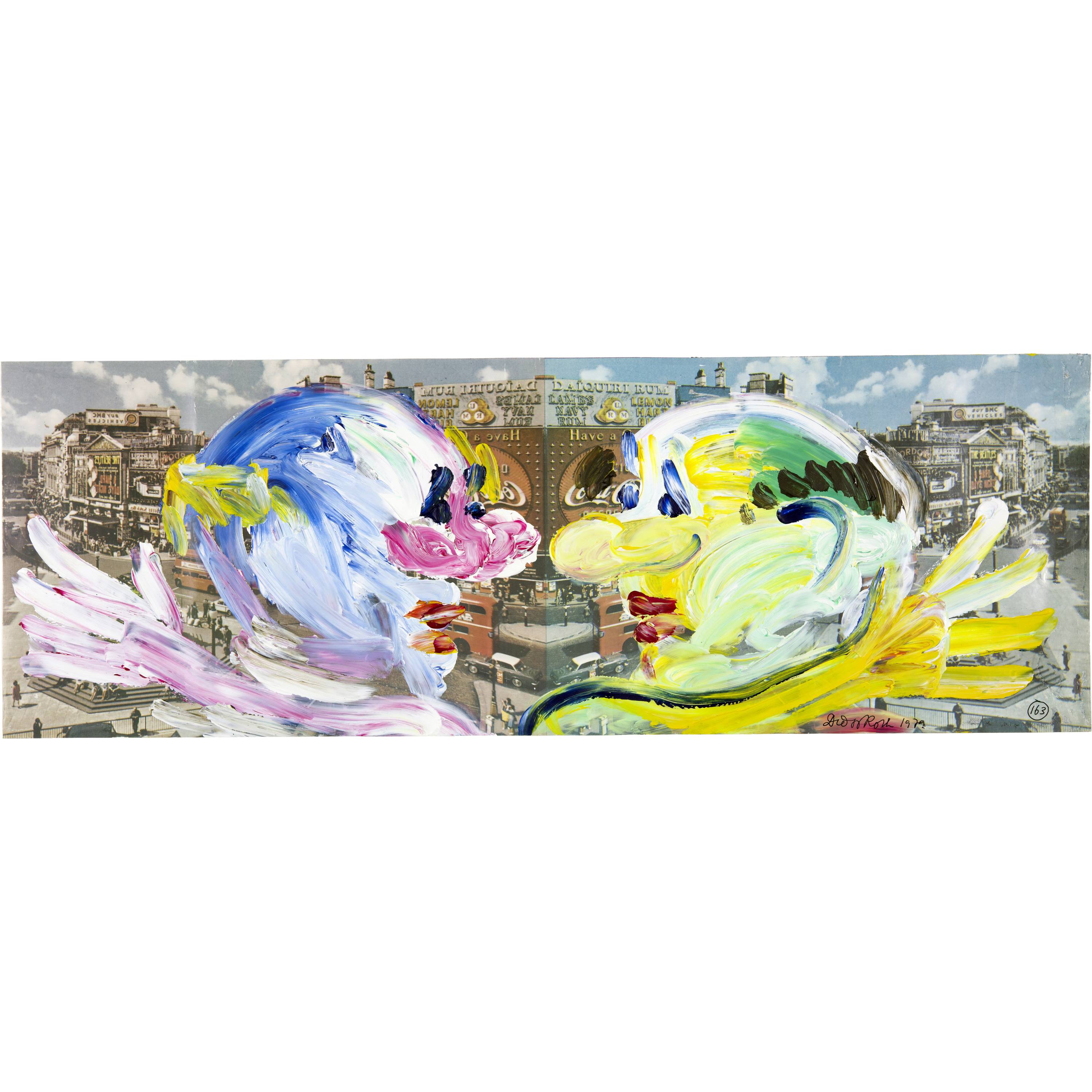
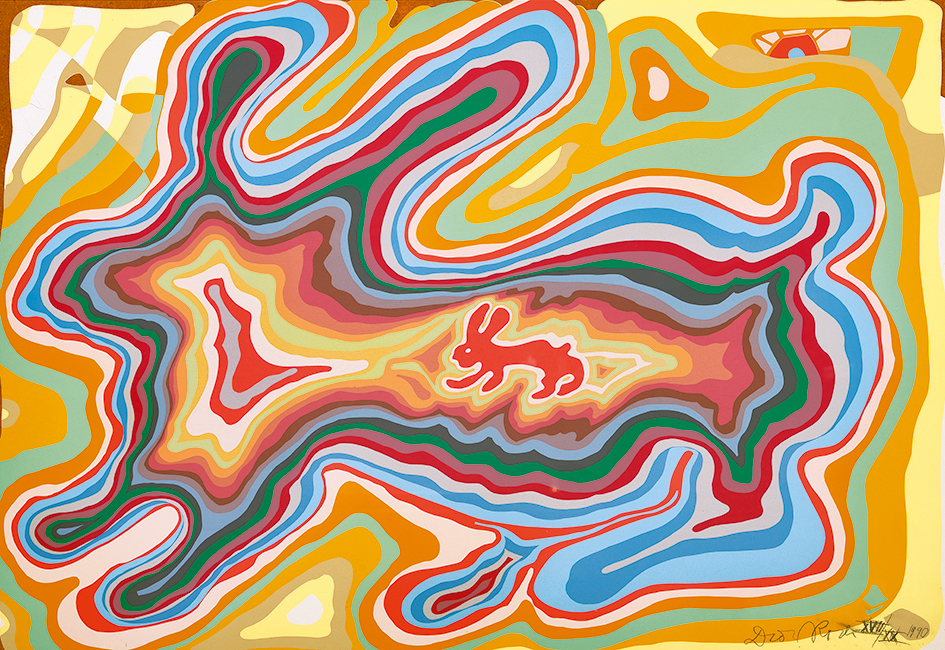
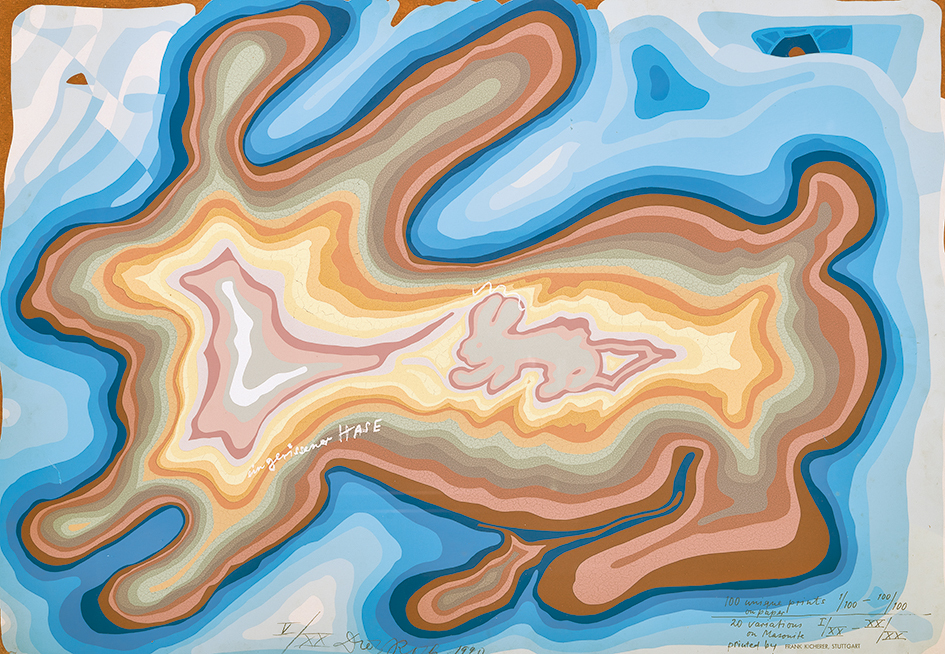
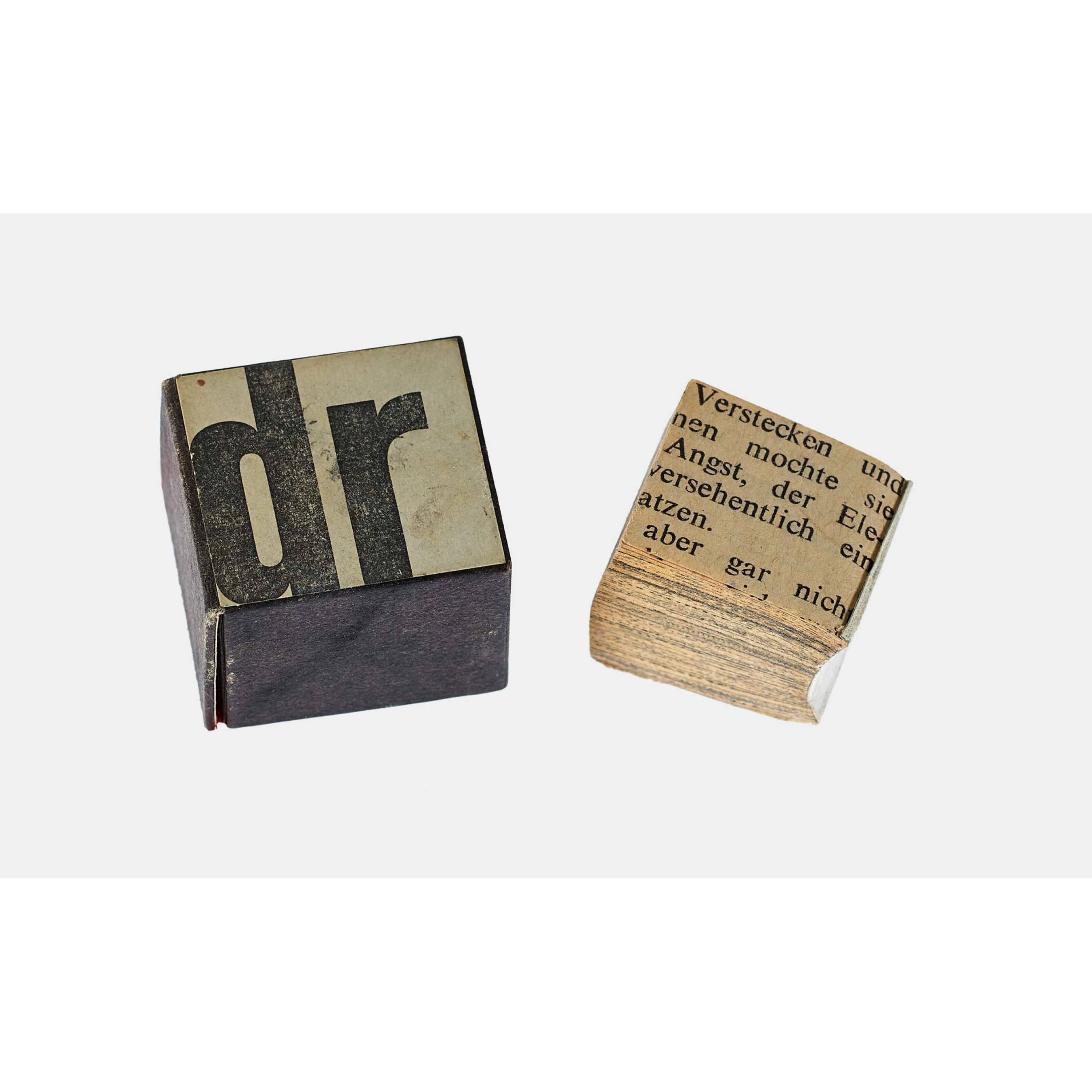
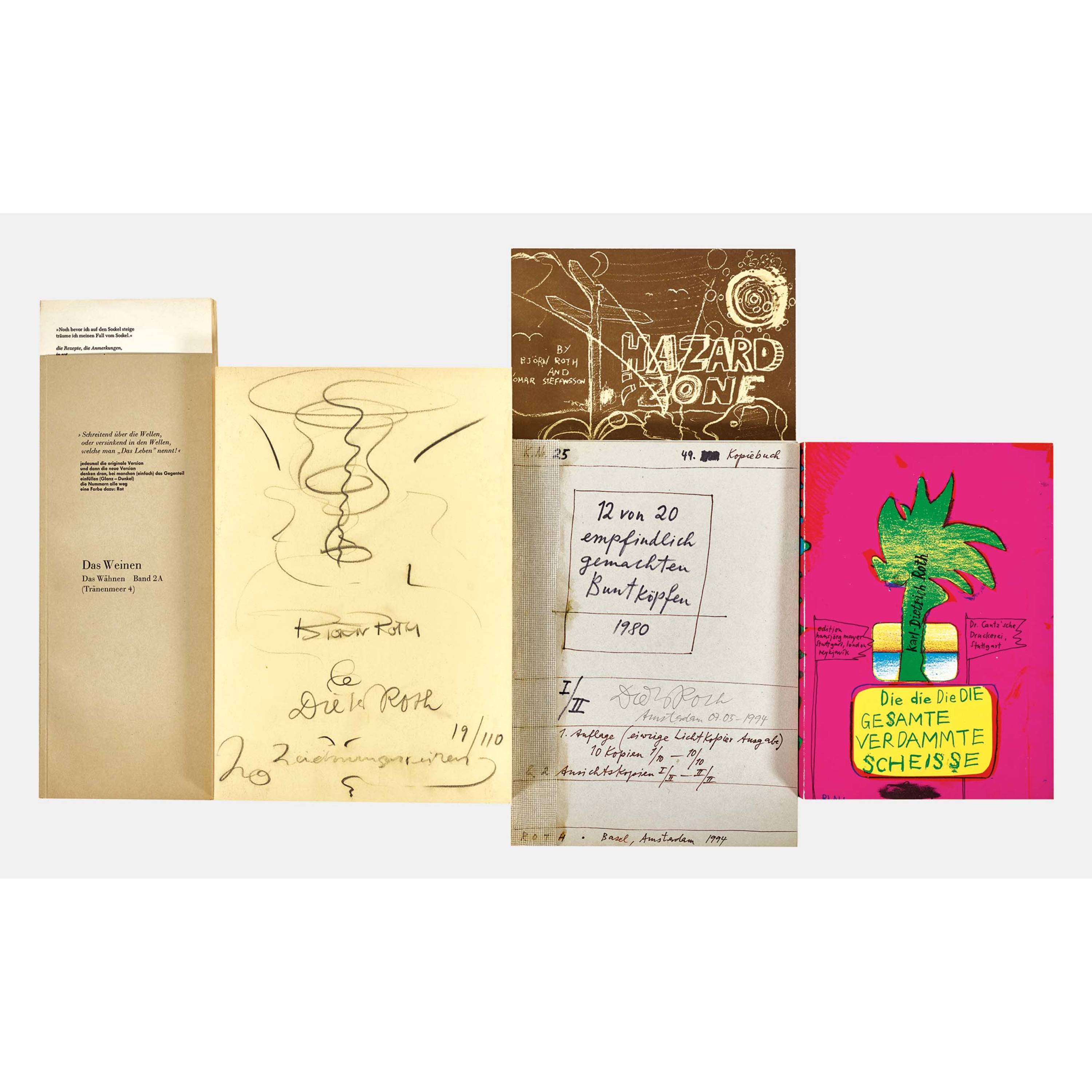
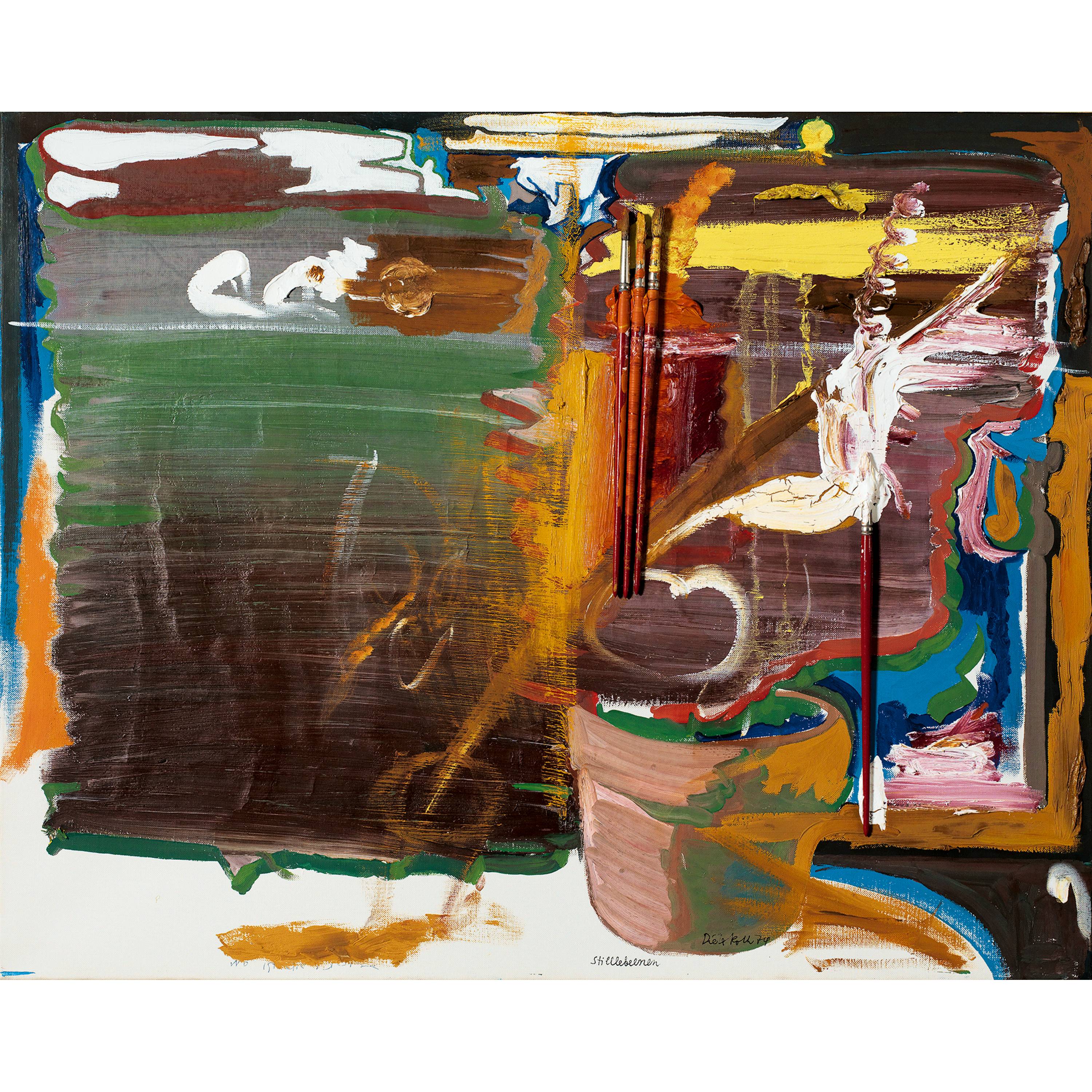
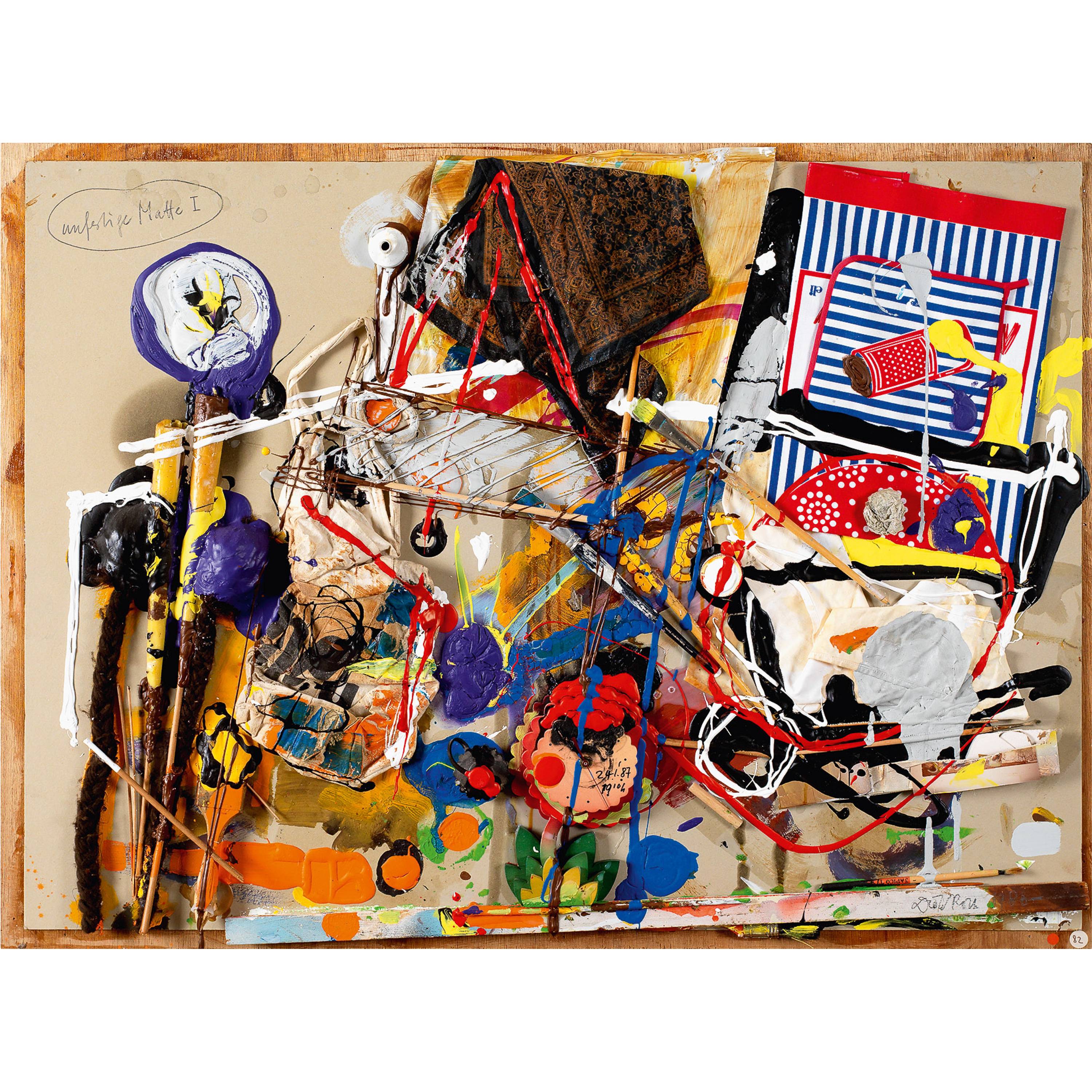
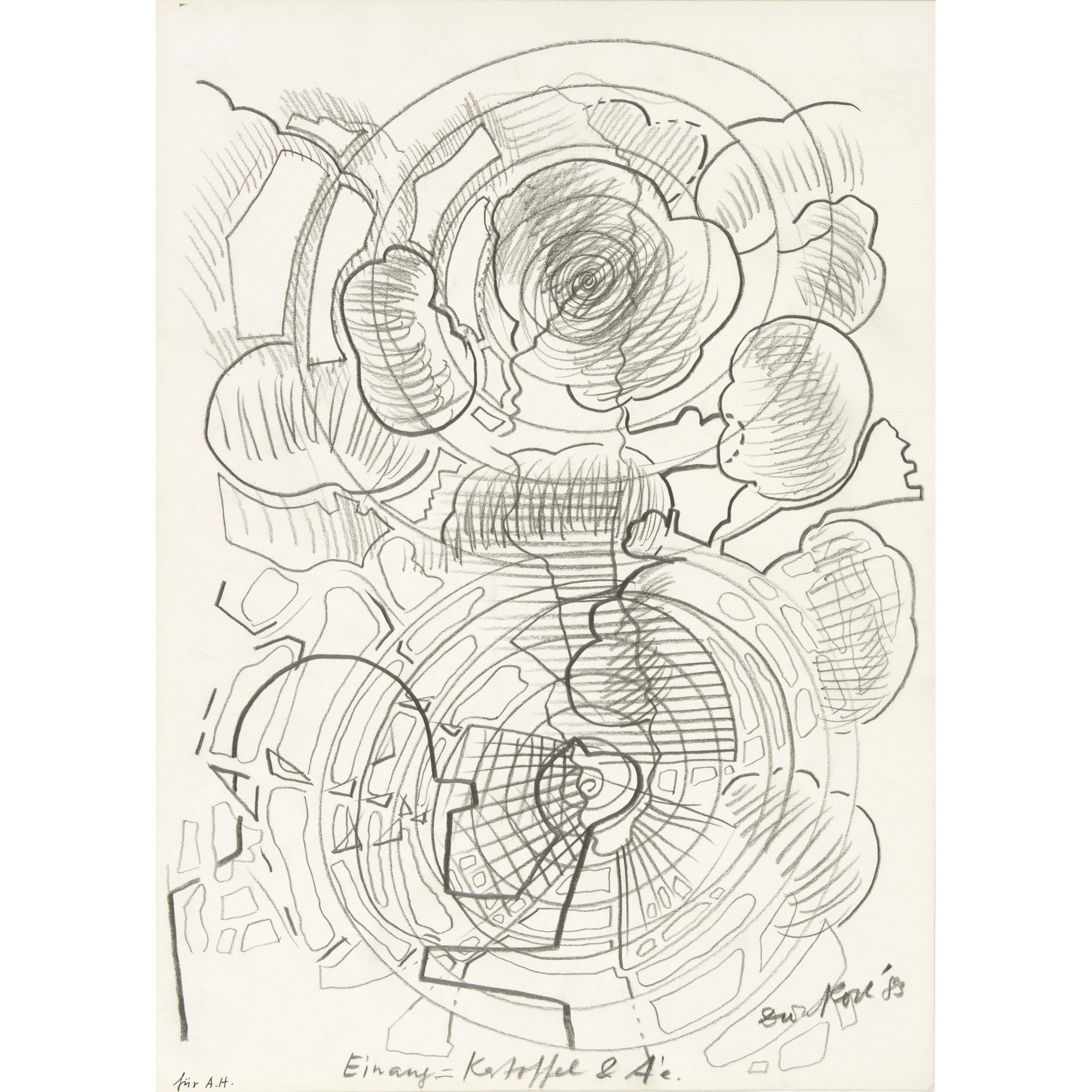
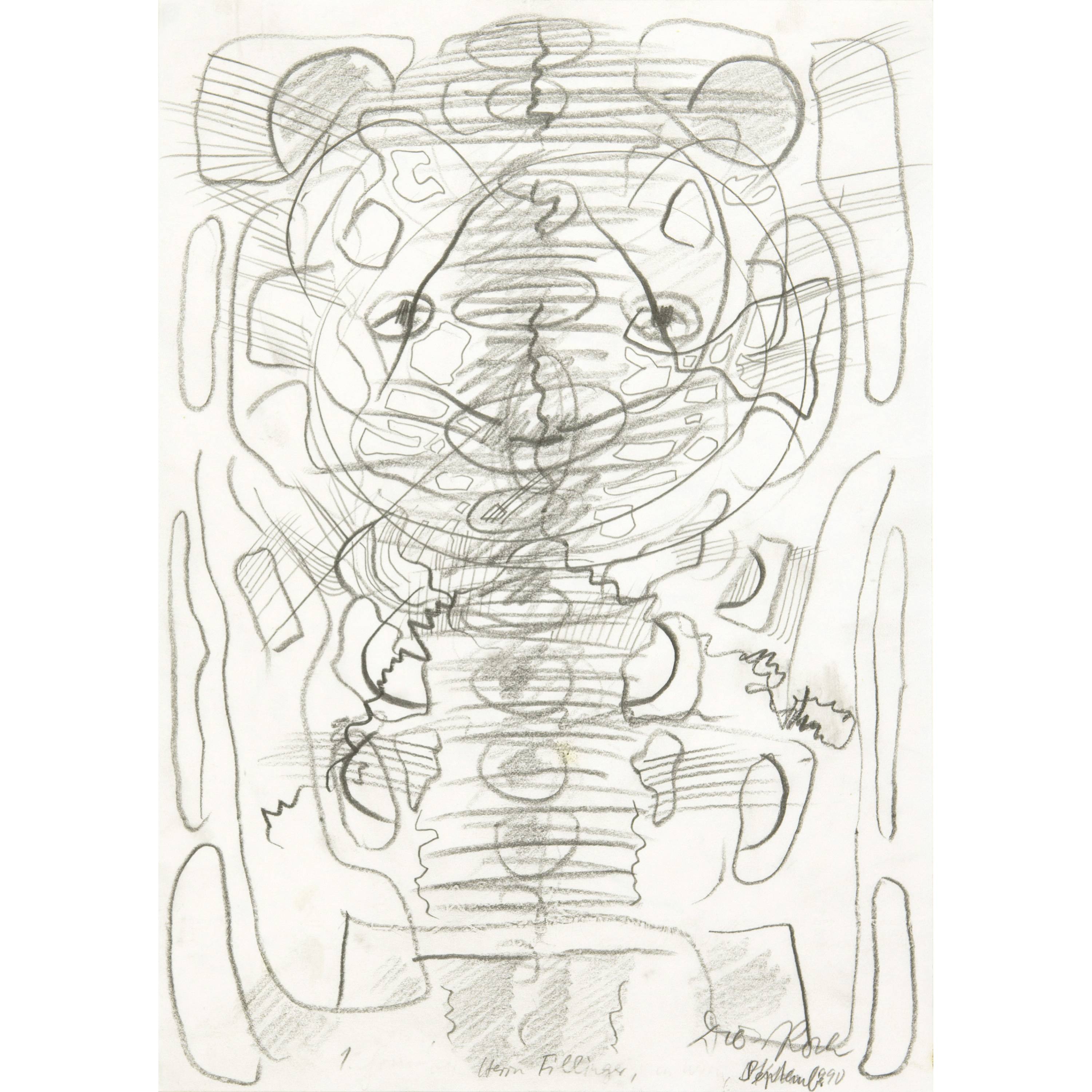
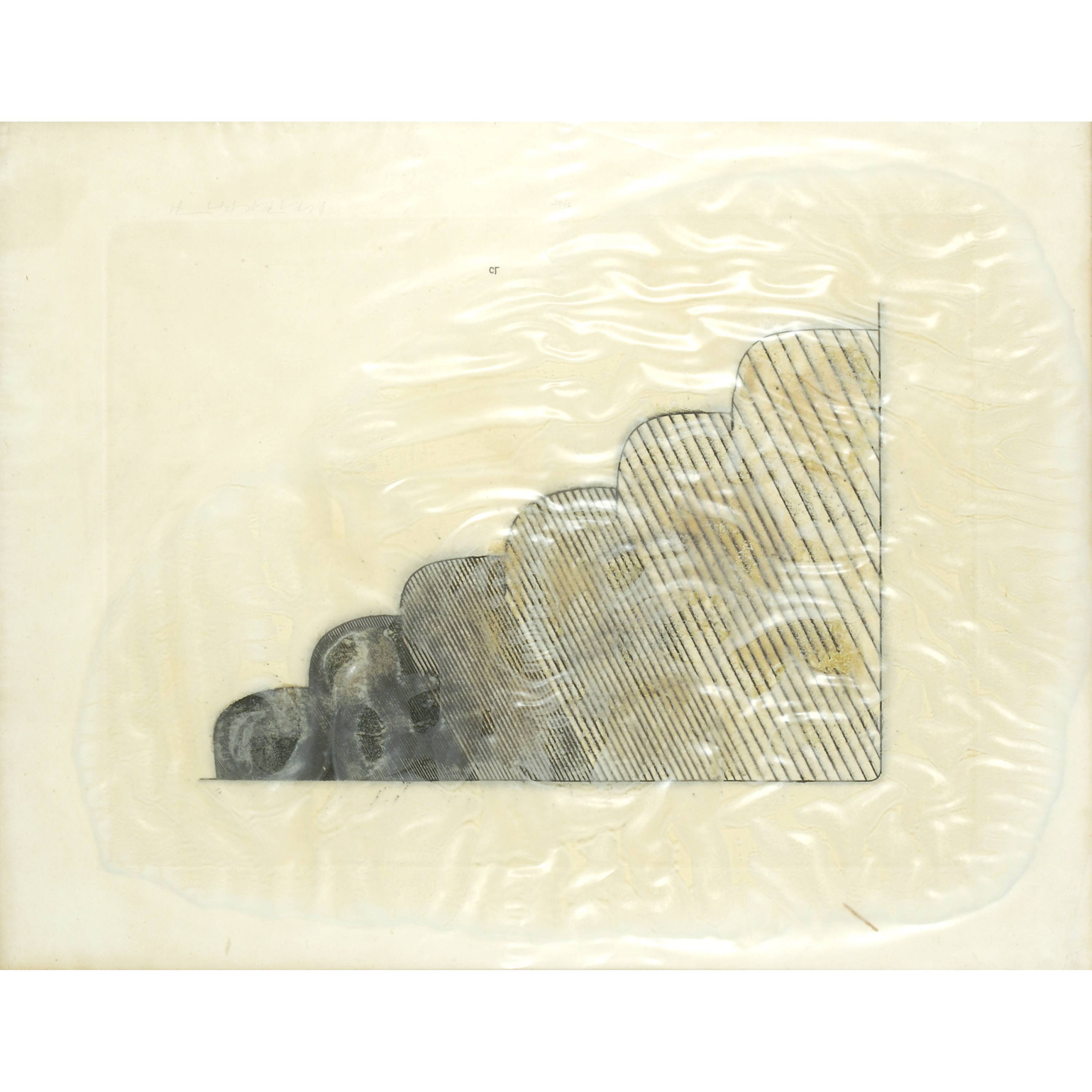
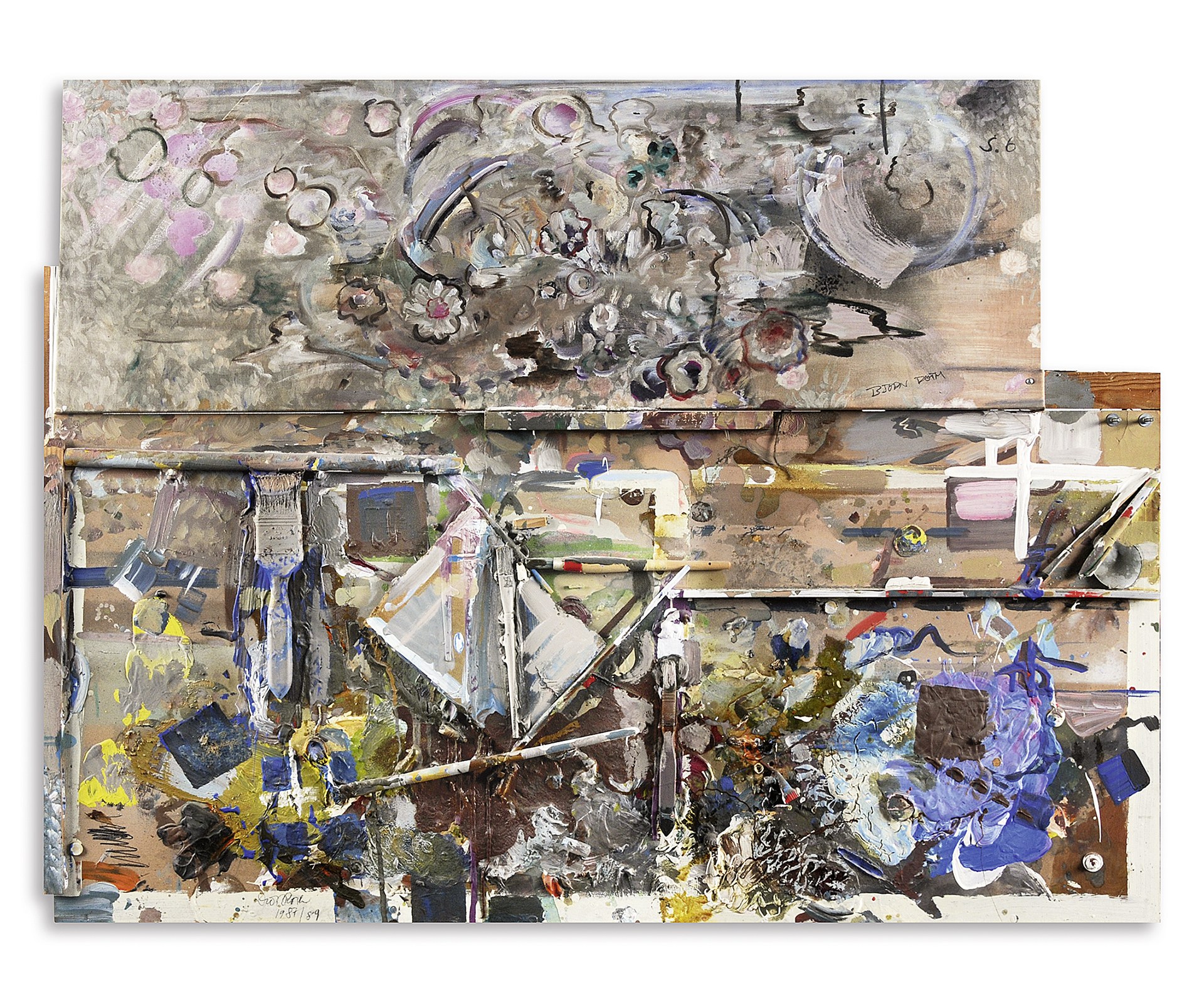
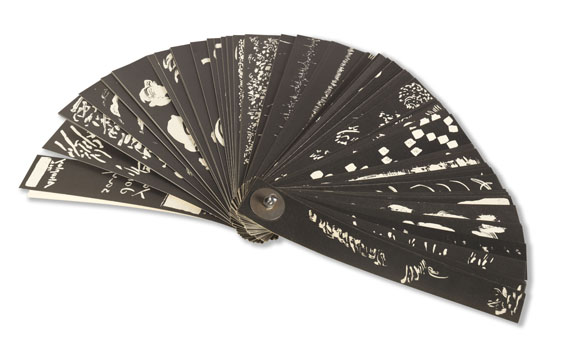
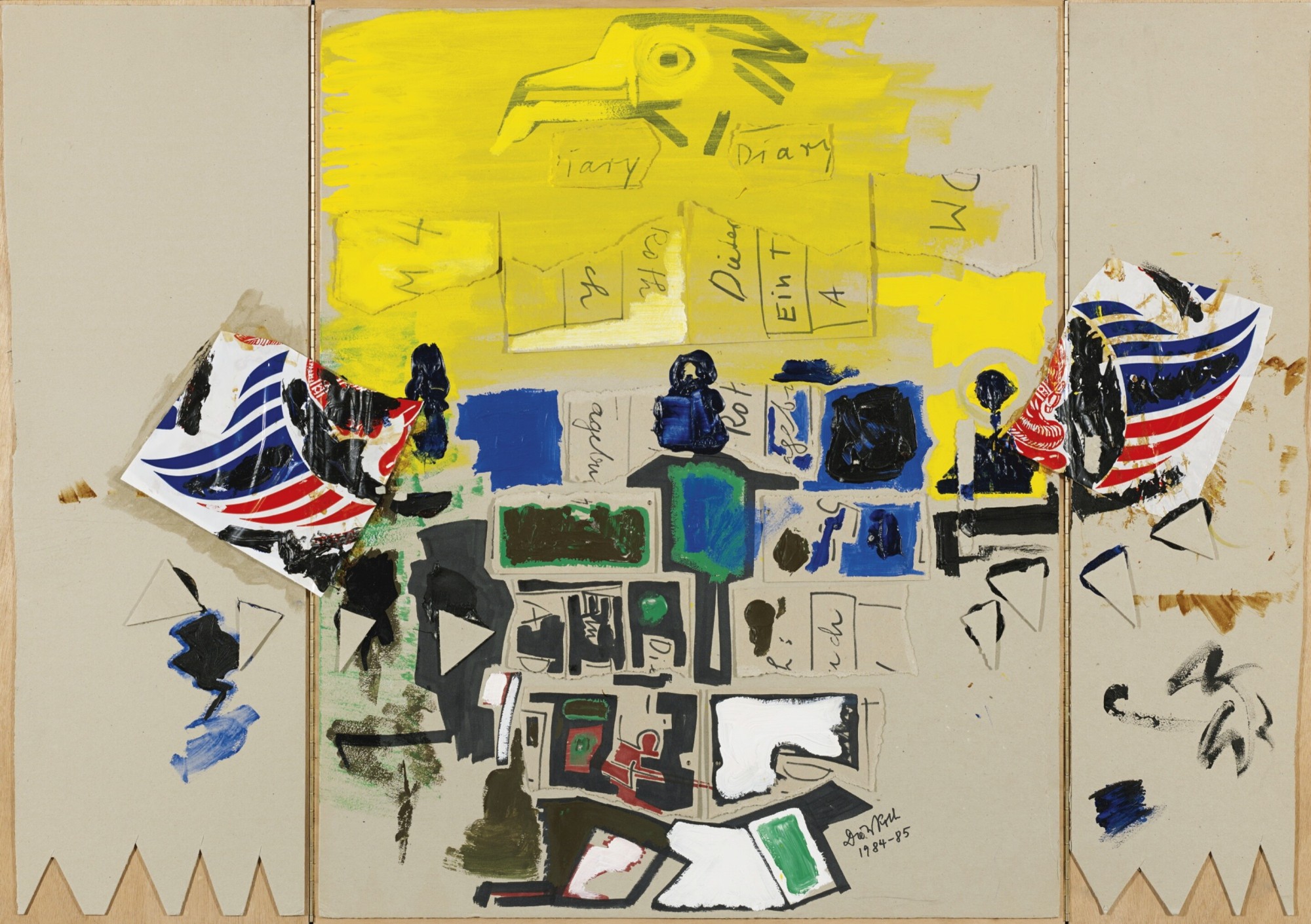
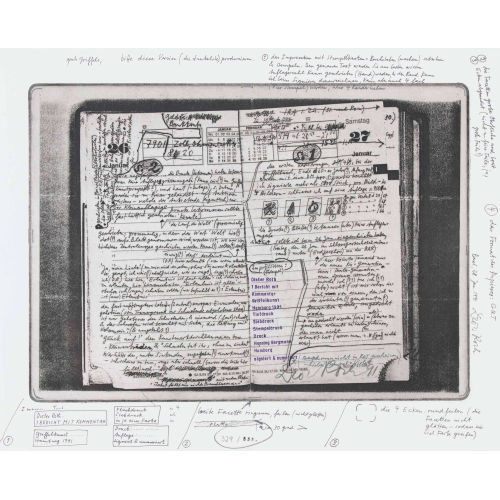
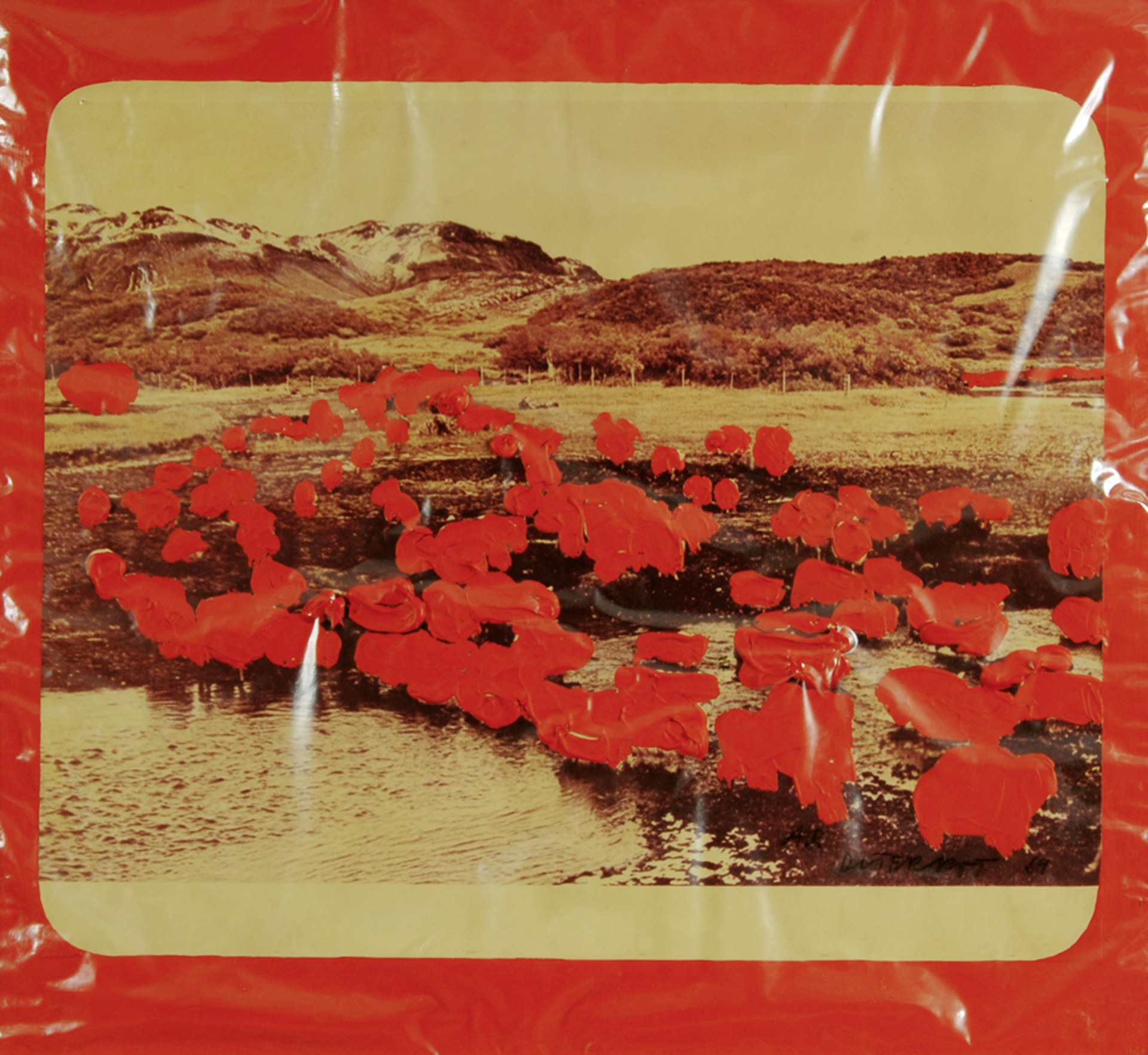
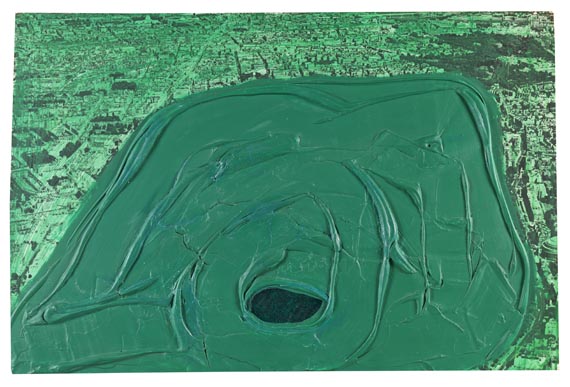
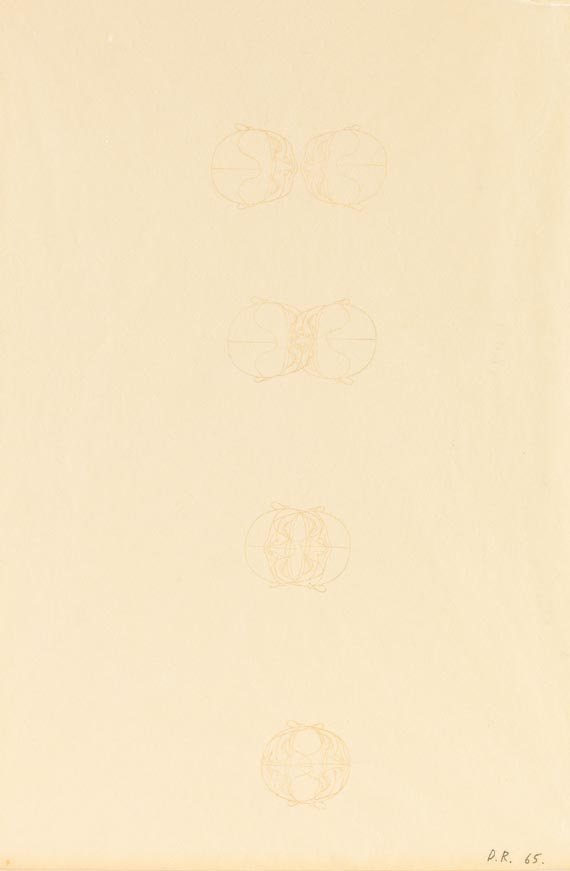
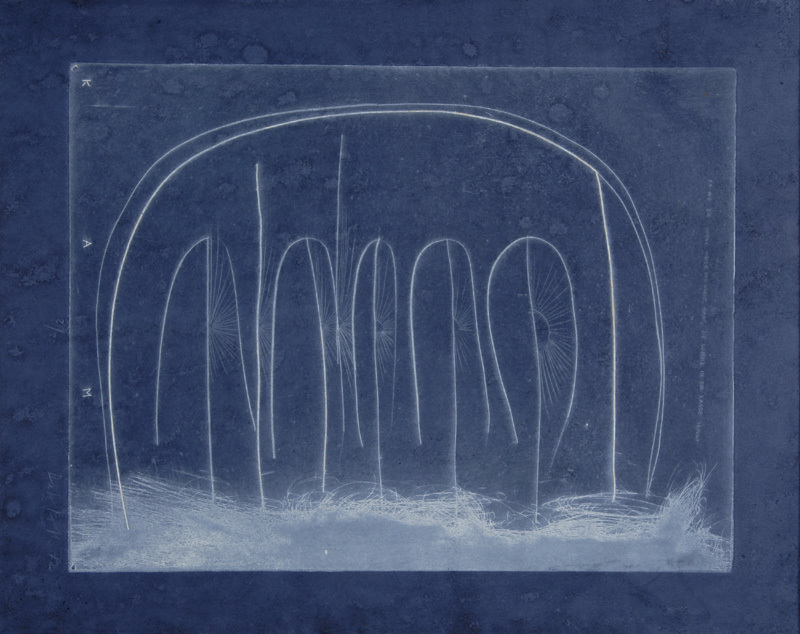
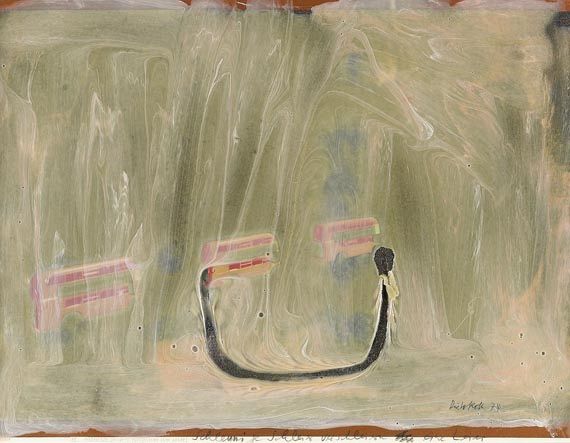
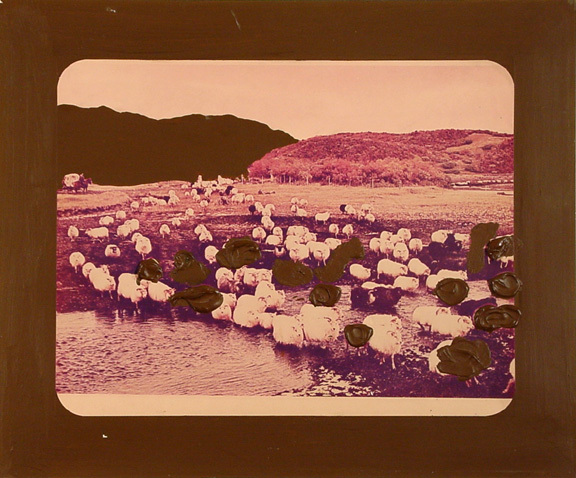
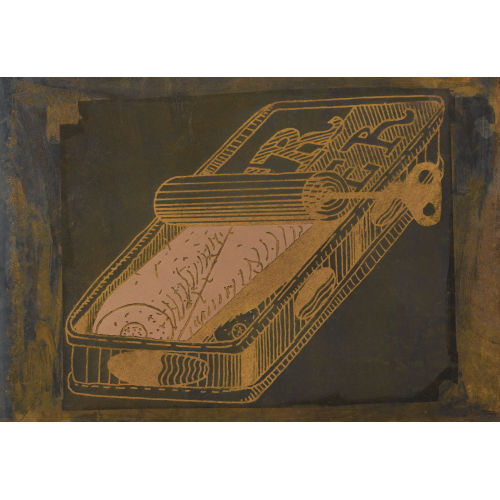
Following his investigations into kinetic images and experimental books, he introduced materials such as chocolate, sugar, cheese and birdseed into his work. Assemblage, reproduction and degradation became means of inquiry. The result may evolve beyond the initial gesture, without these modifications being foreign to the artistic project.
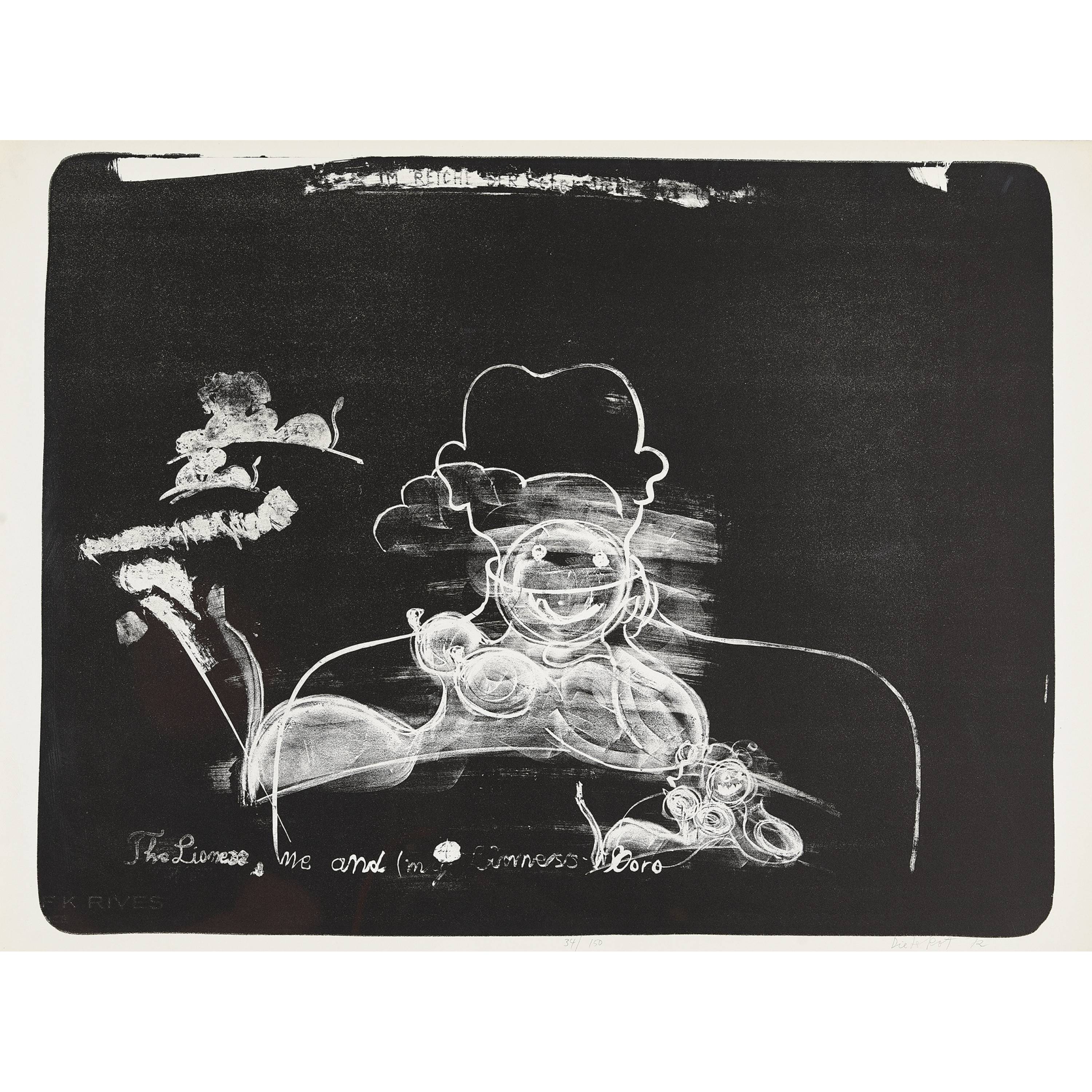
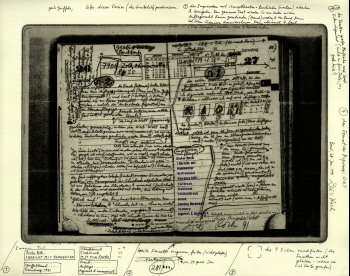
The installations Selbstturm and Löwenturm offer an approach to this logic. In his former Basel studio, effigies of the artist and lion heads, cast in chocolate or sugar, accumulate on vertical structures. Tools, moulds, documents and photographs surround the sculptures.
The space preserves the works and the traces of their making together, while the organic materials continue to undergo transformation.
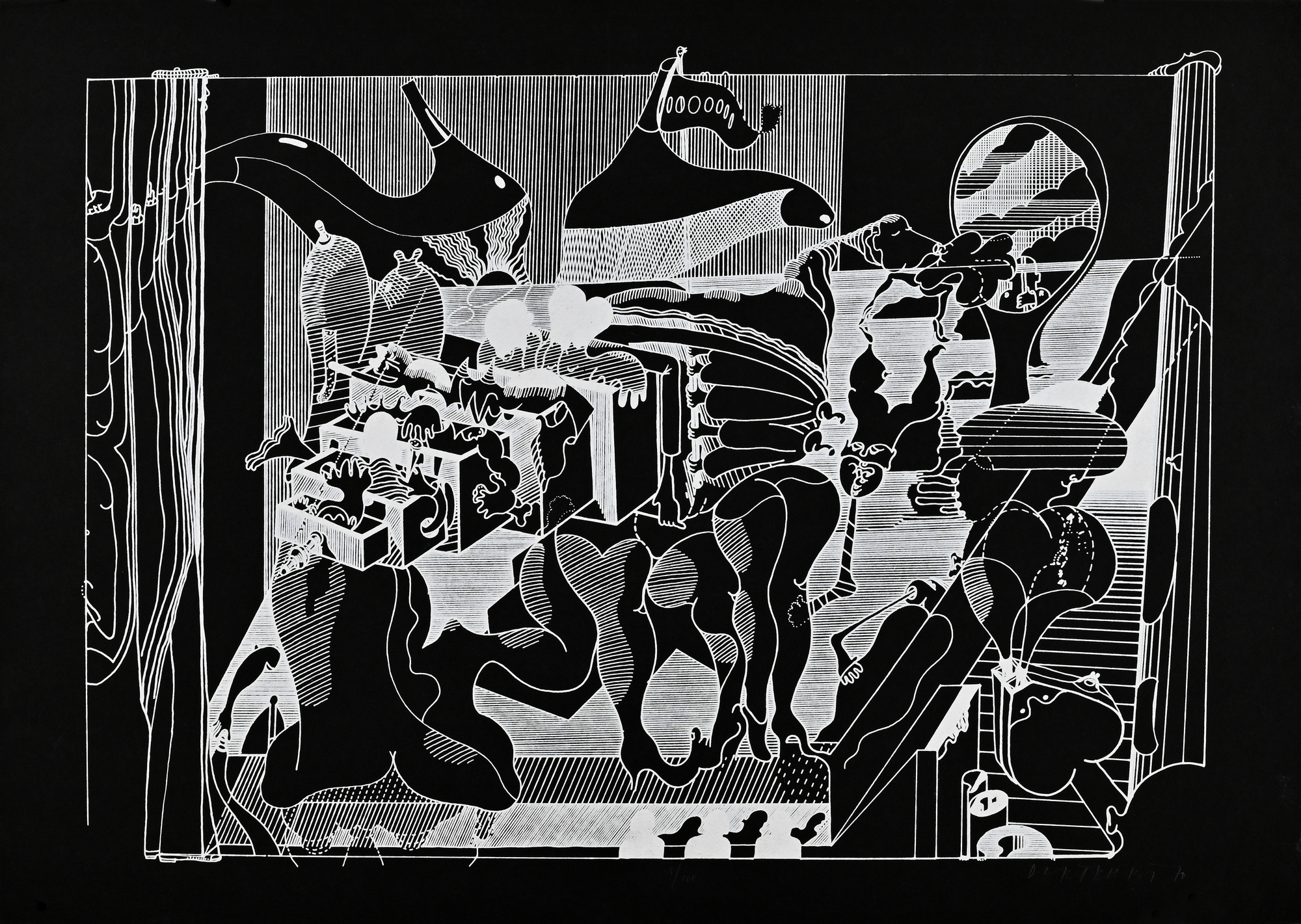
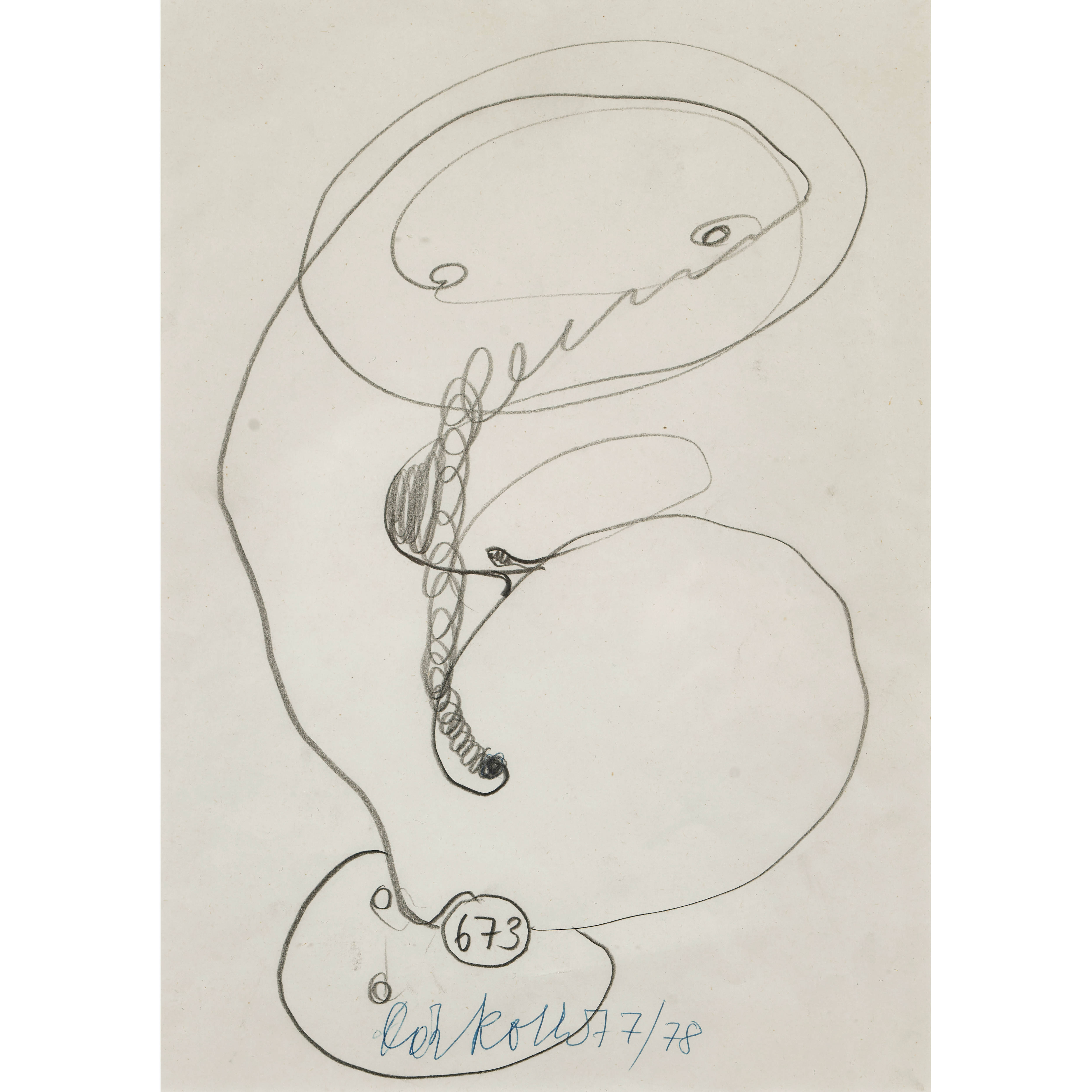
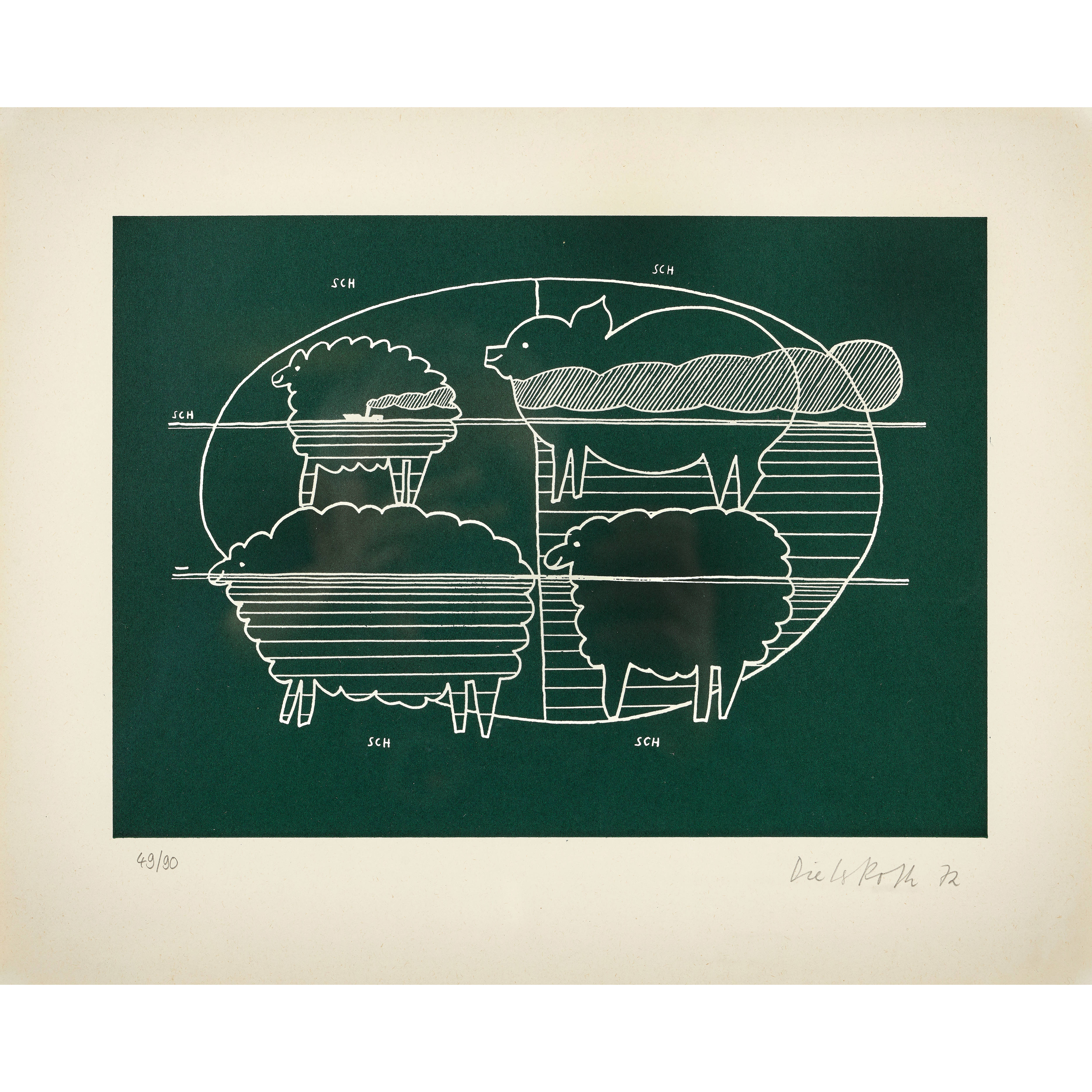
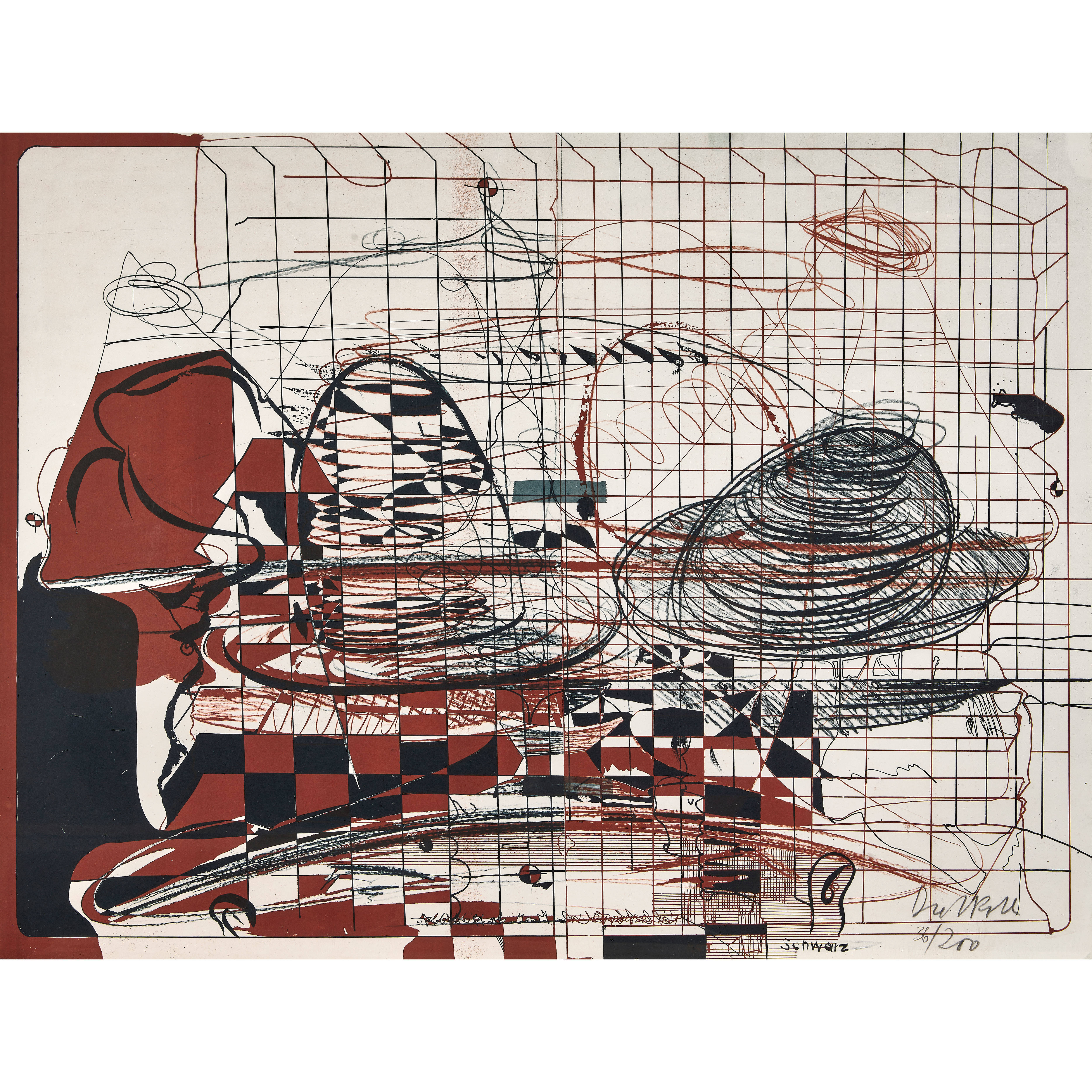
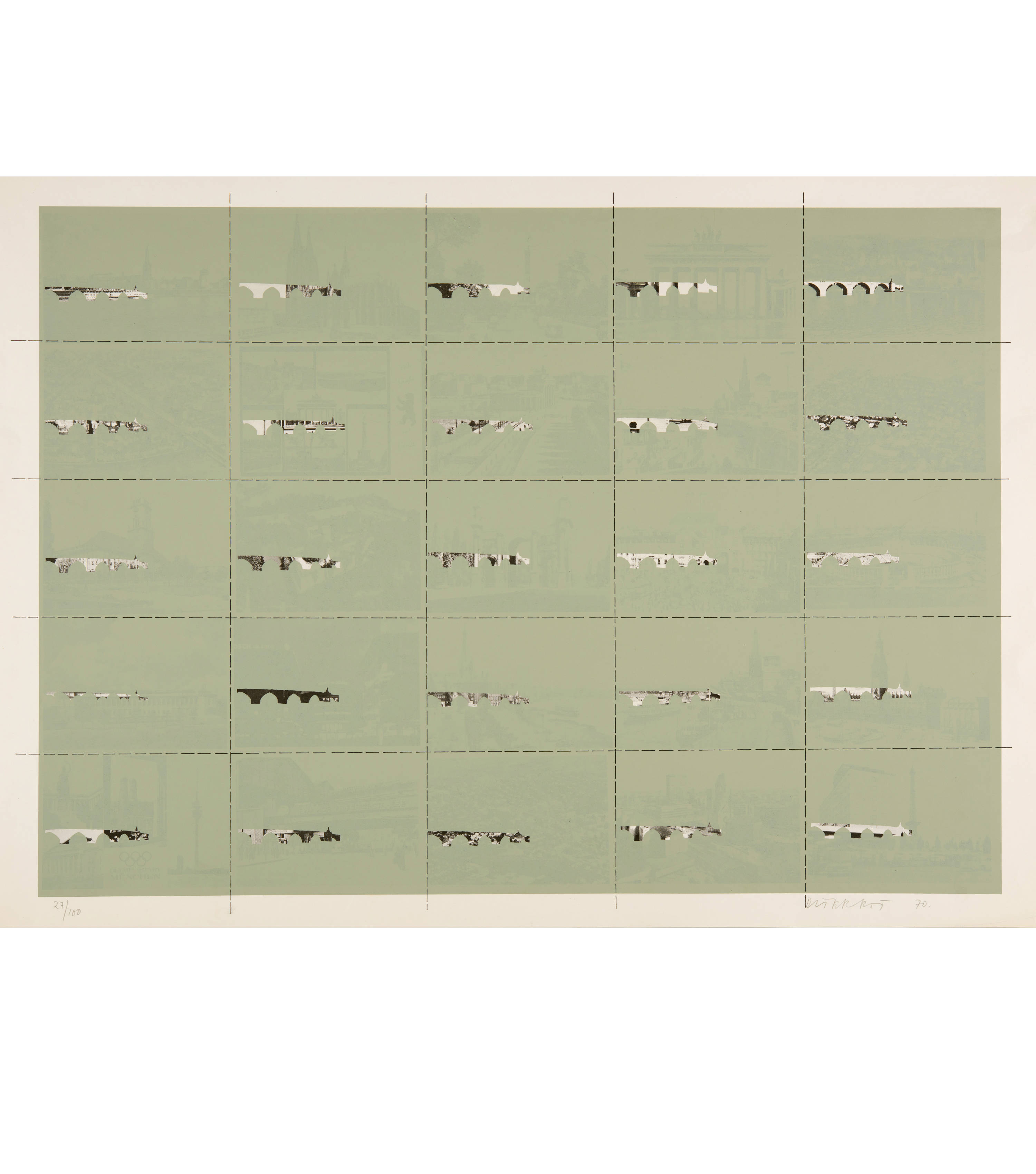
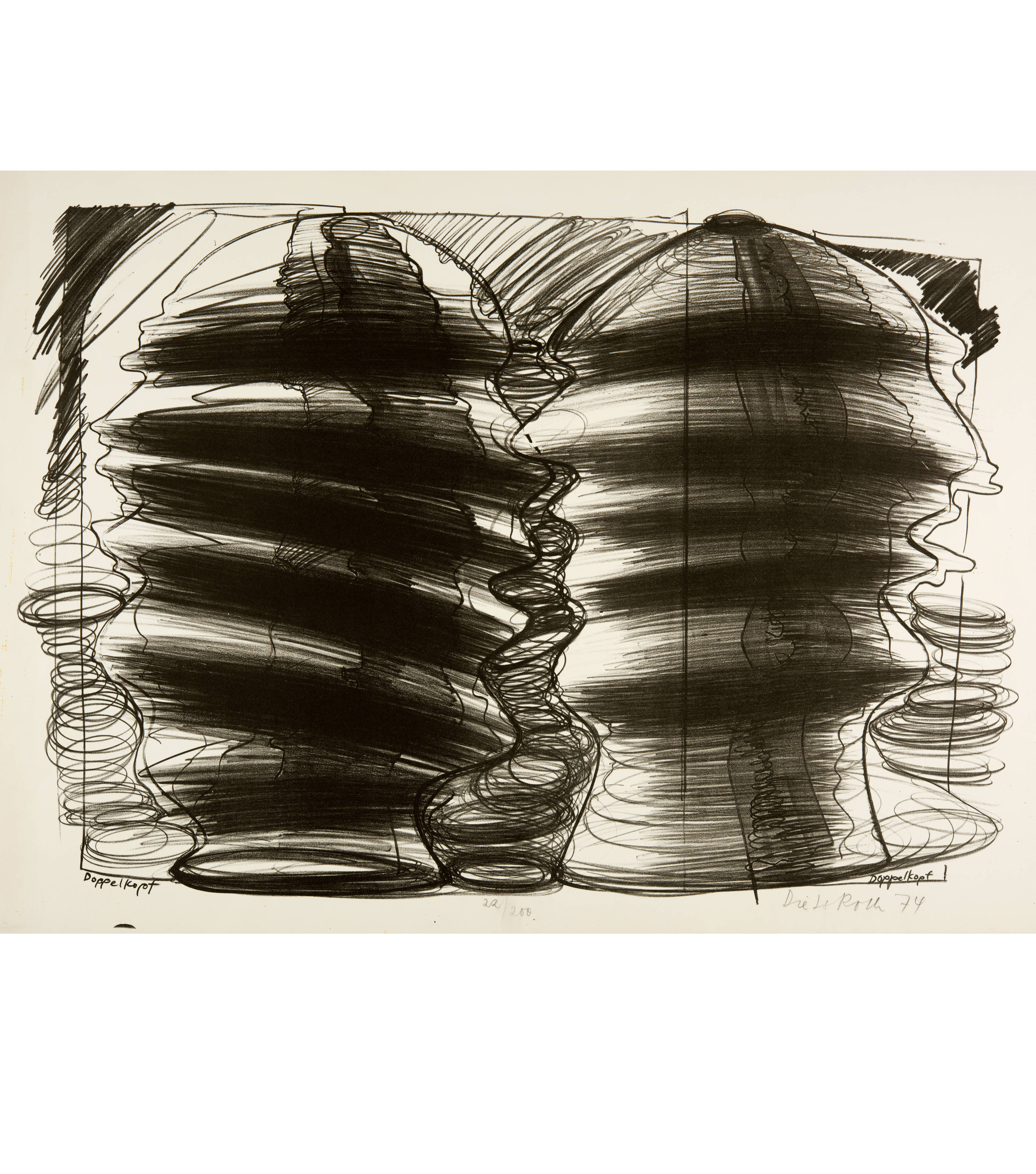
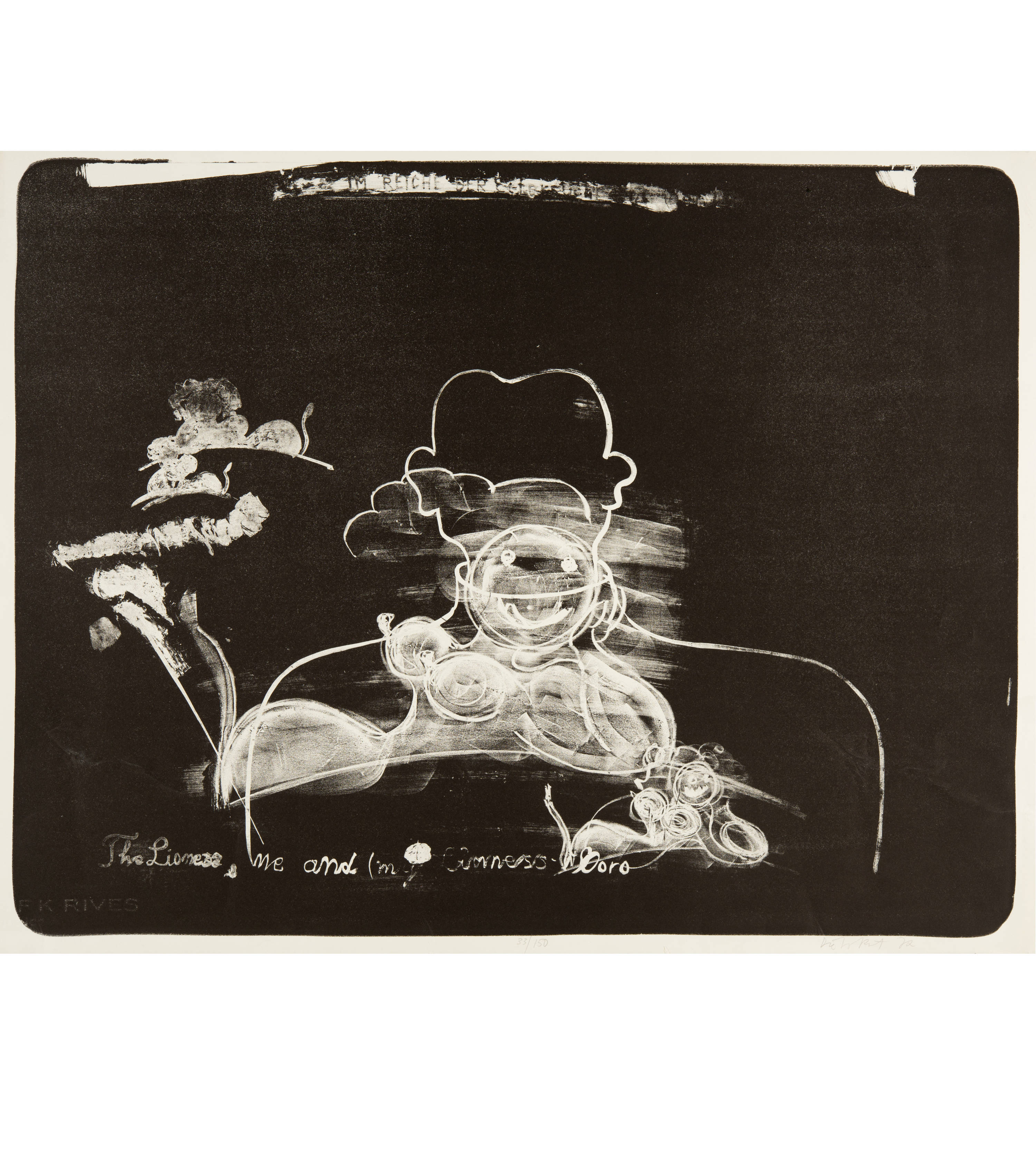
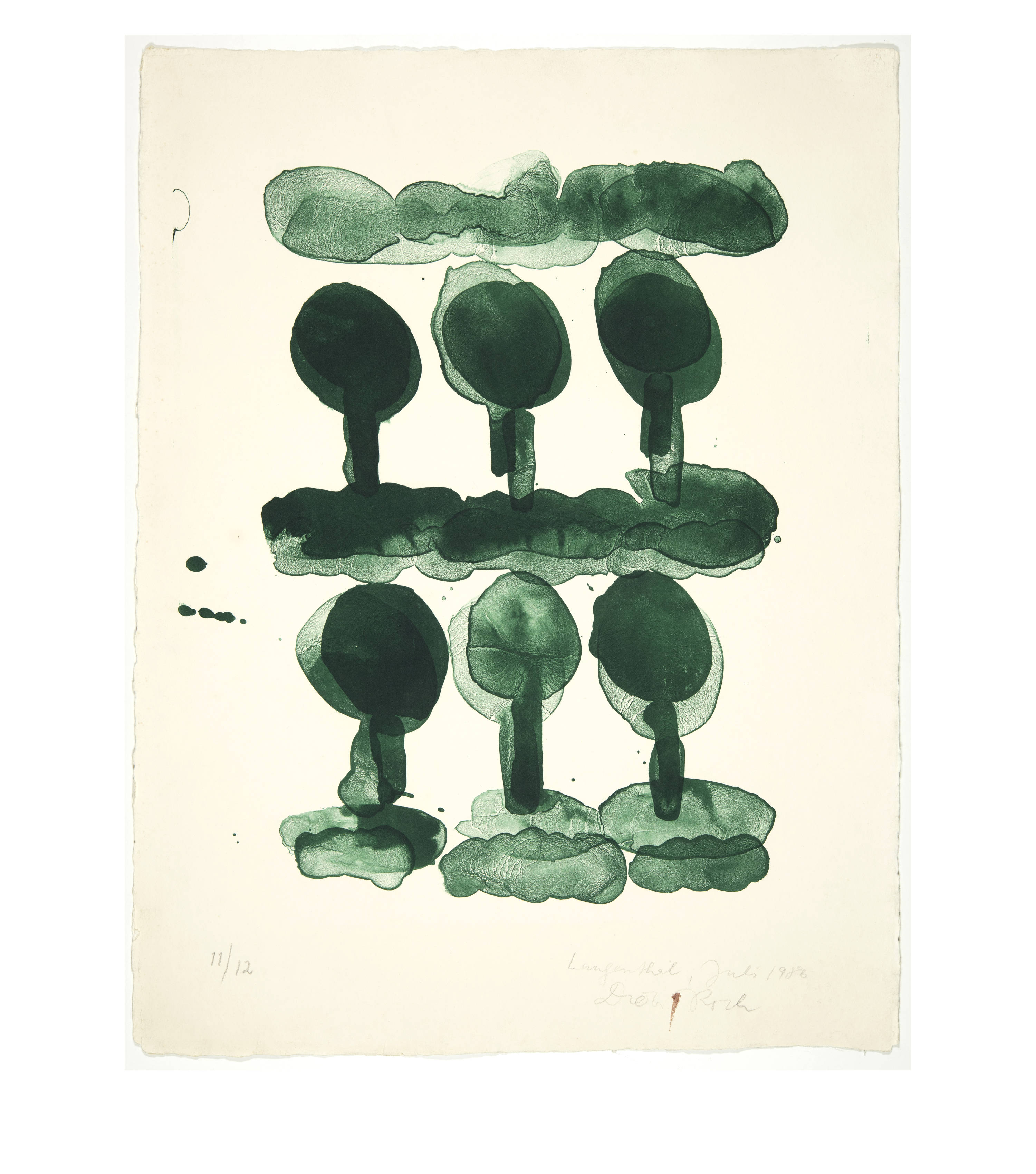
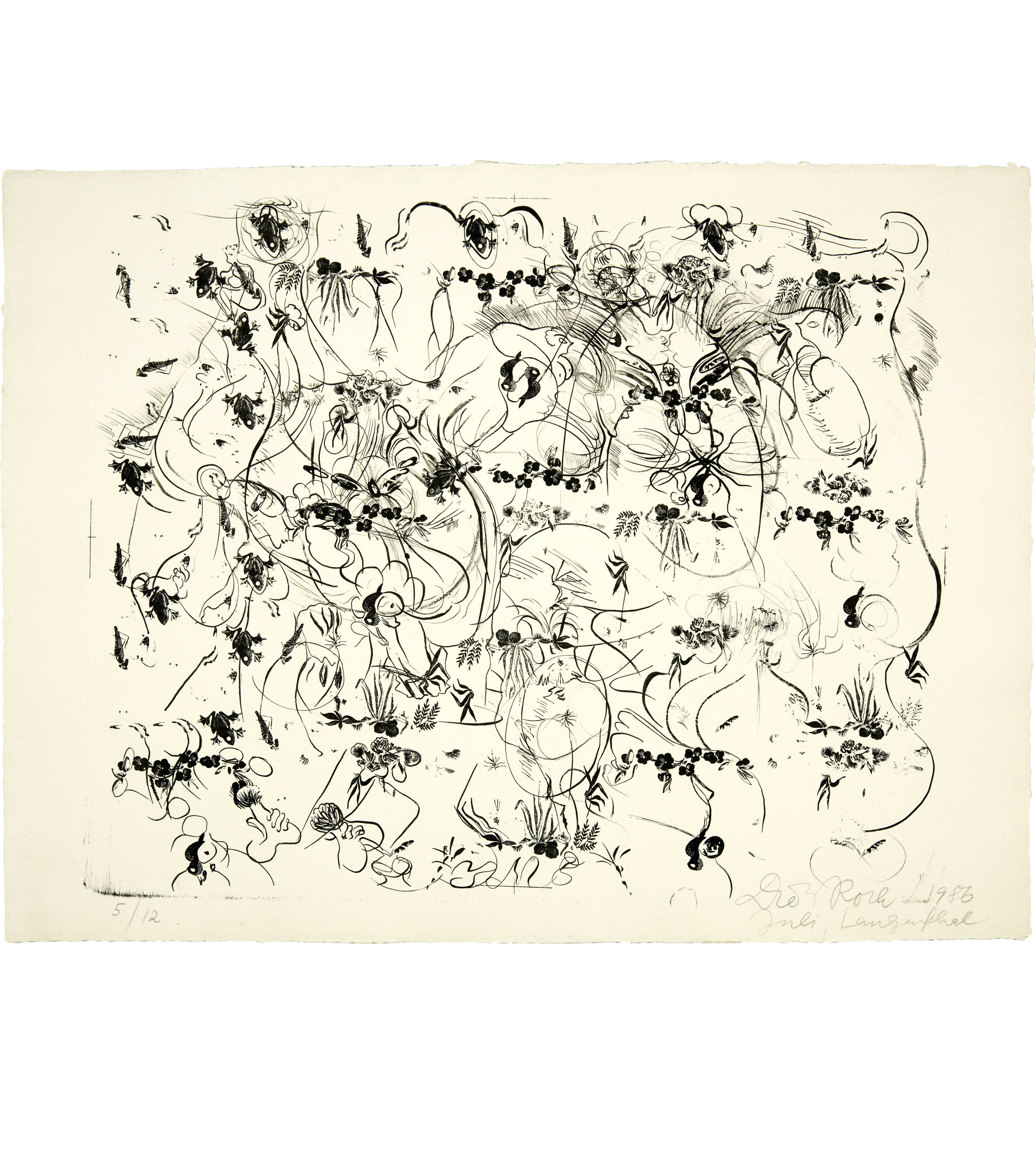
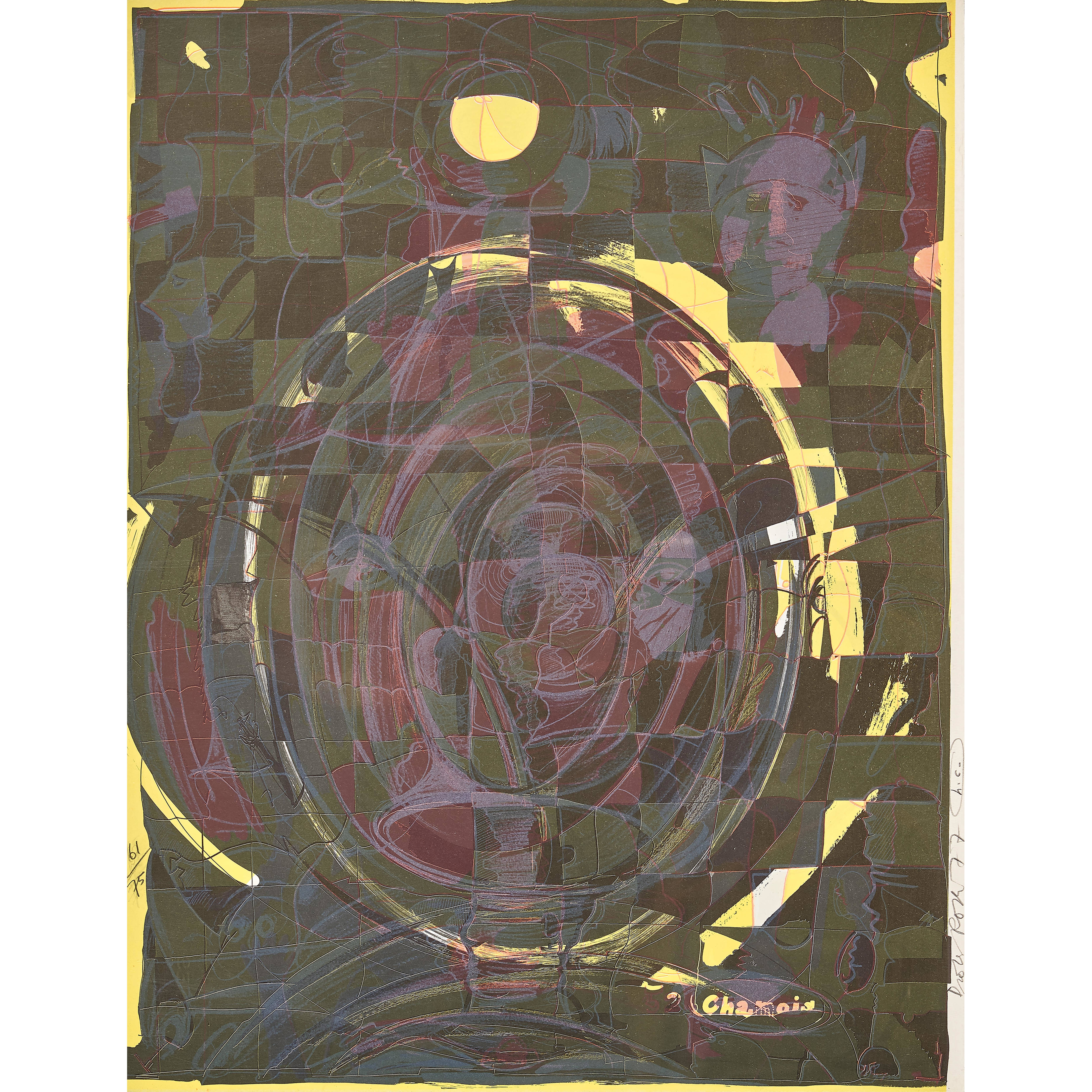
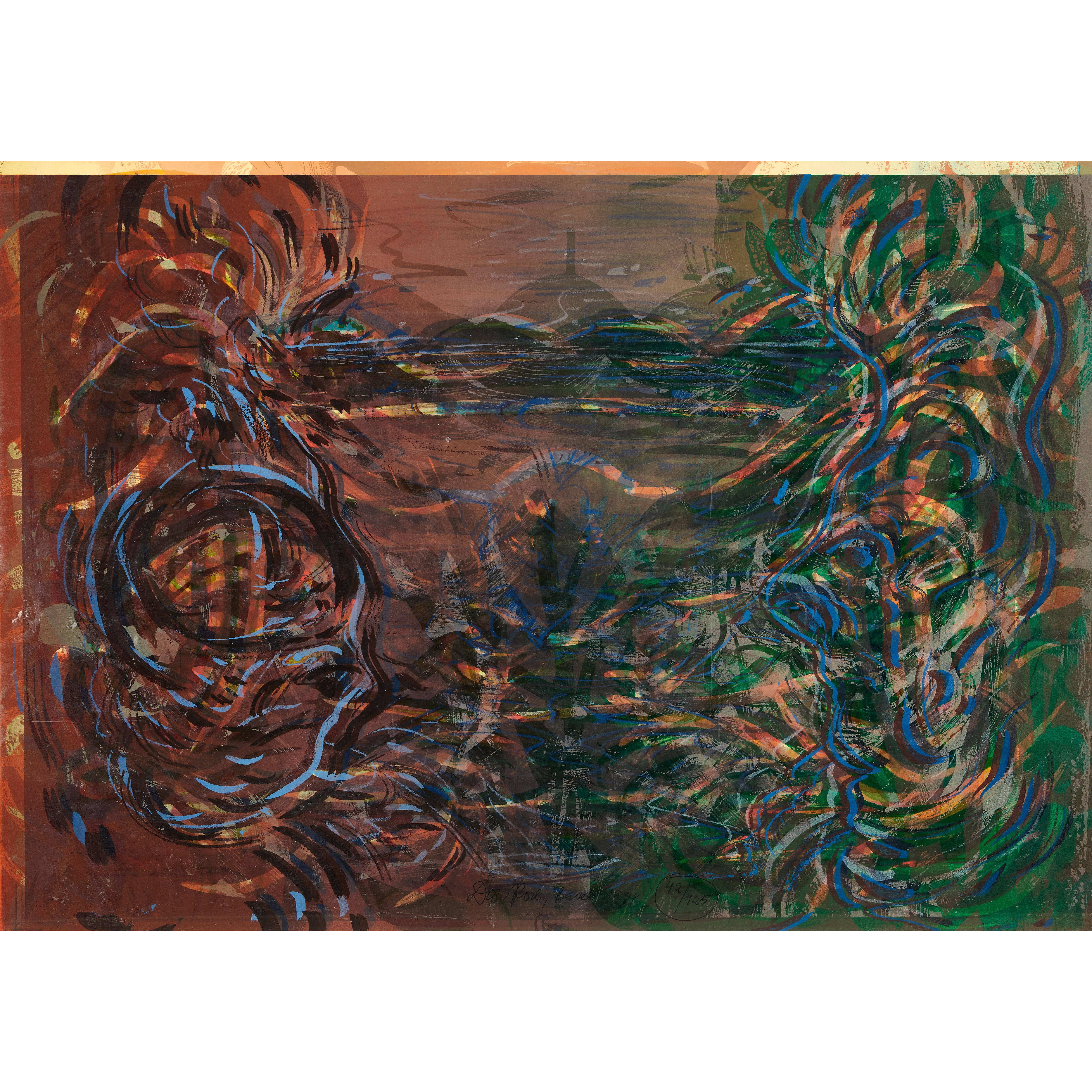
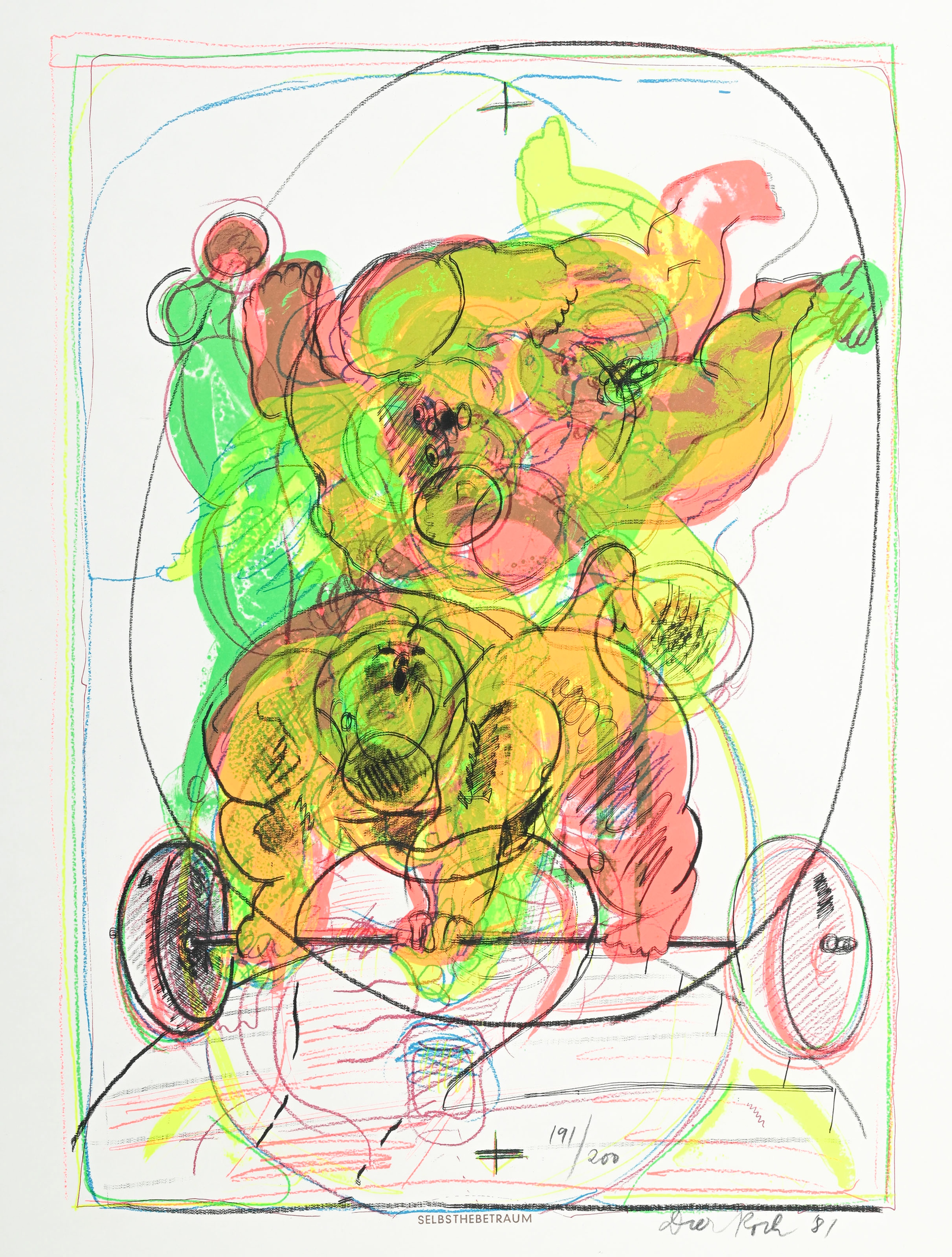
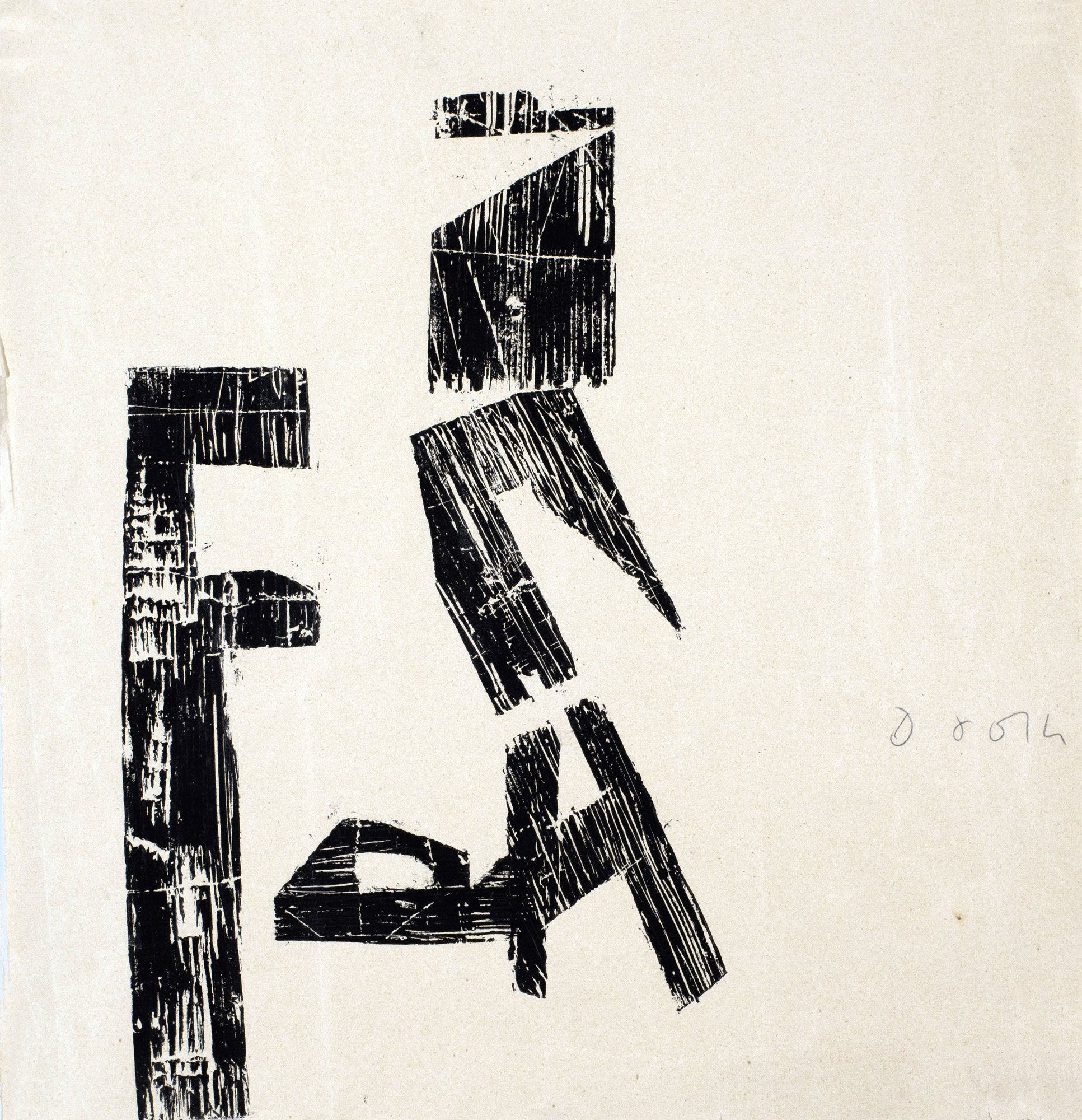
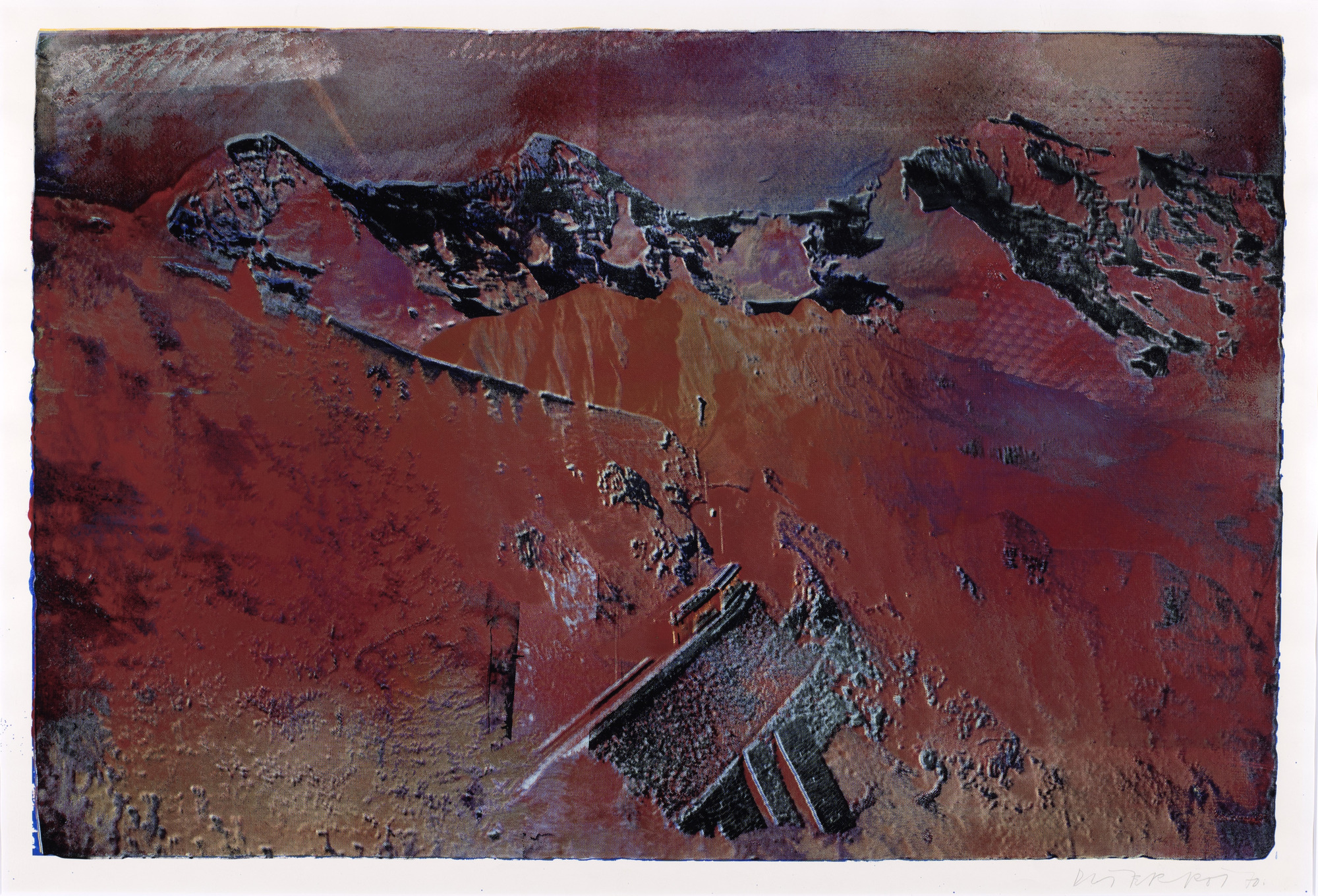
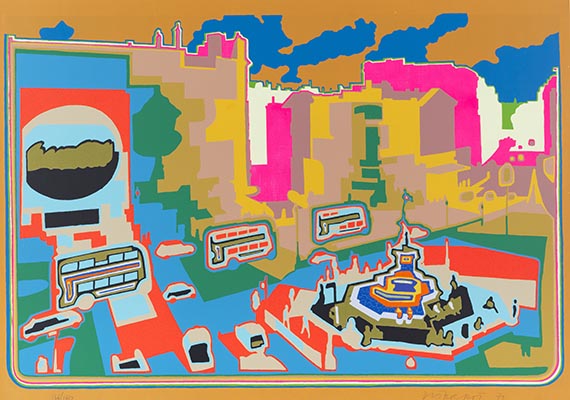
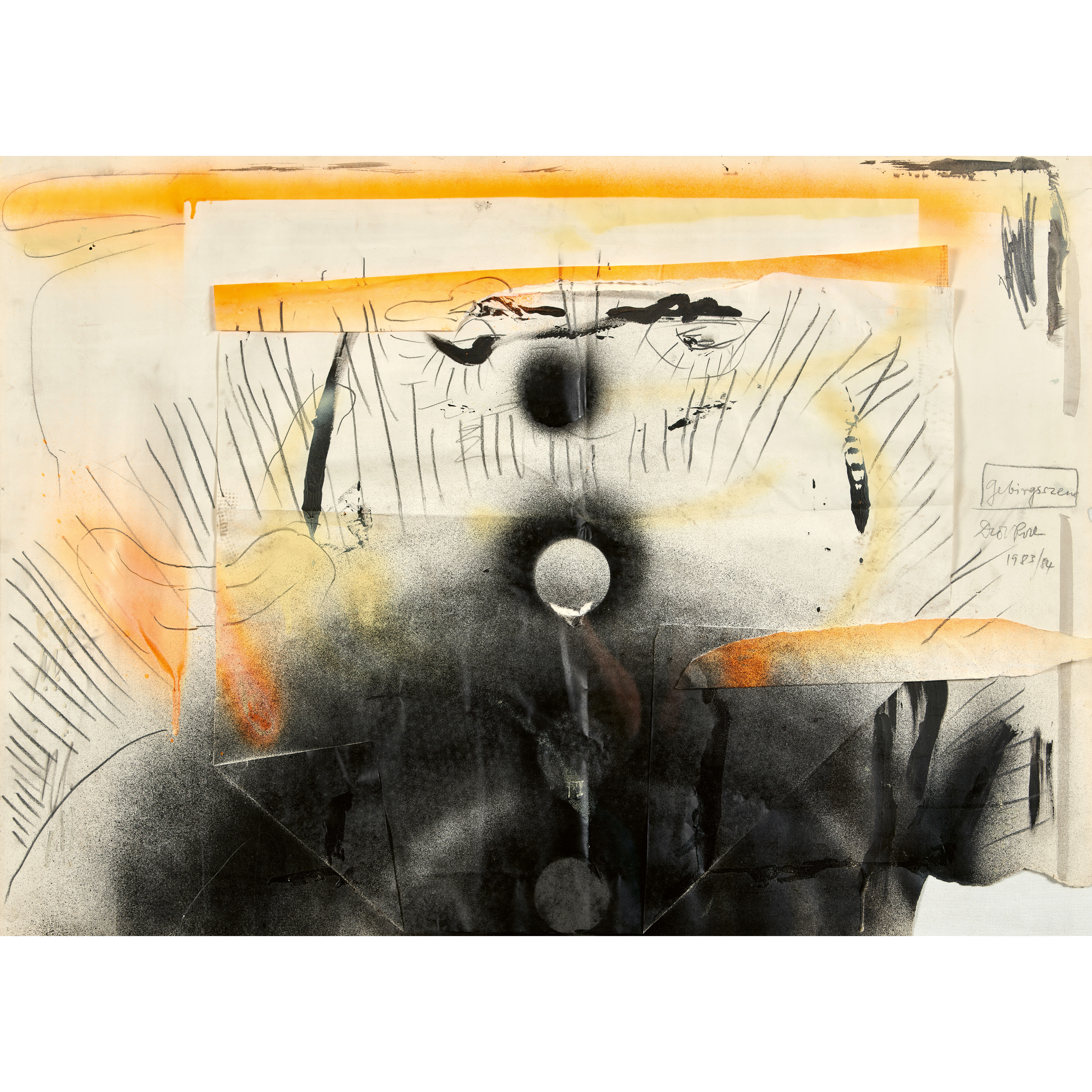
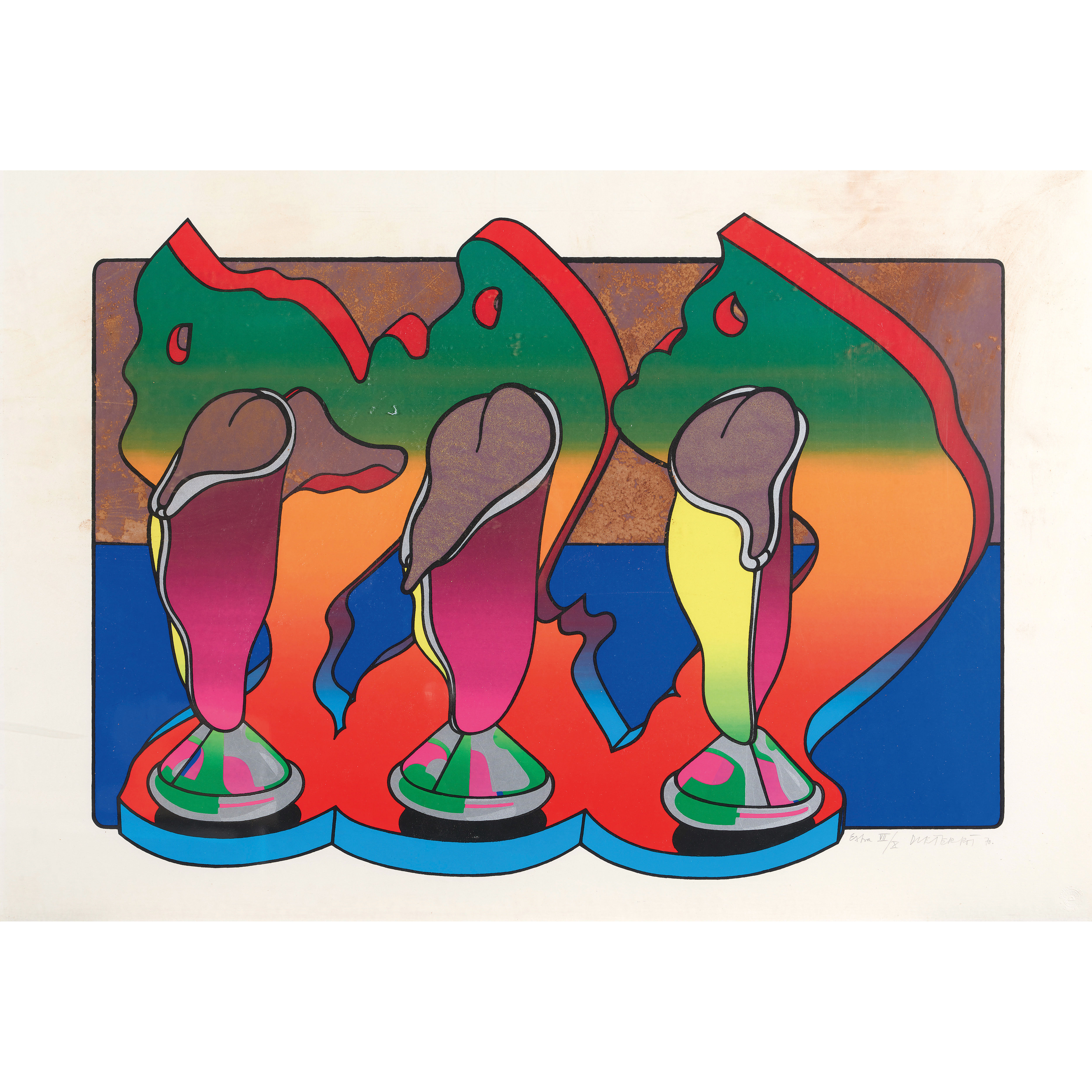
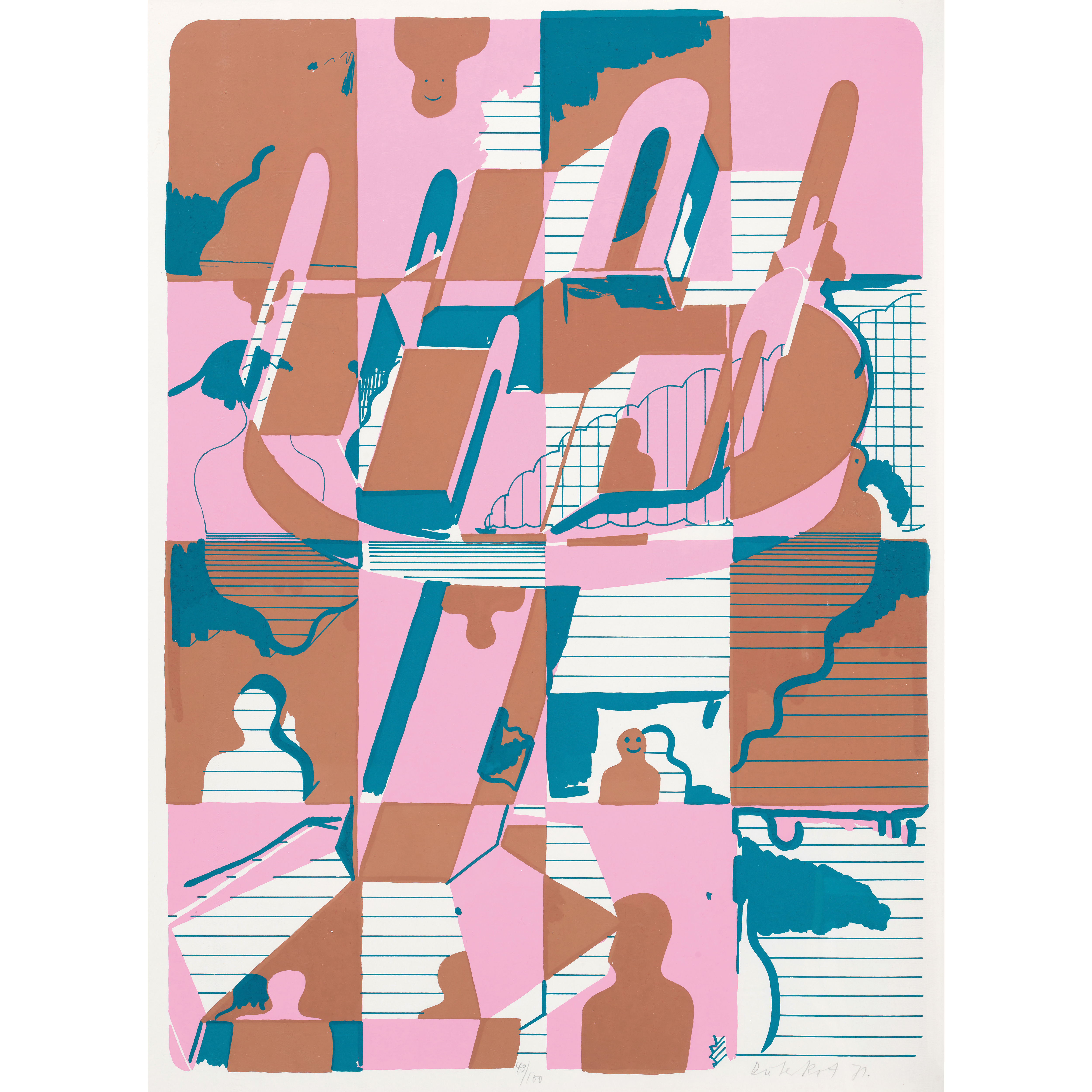
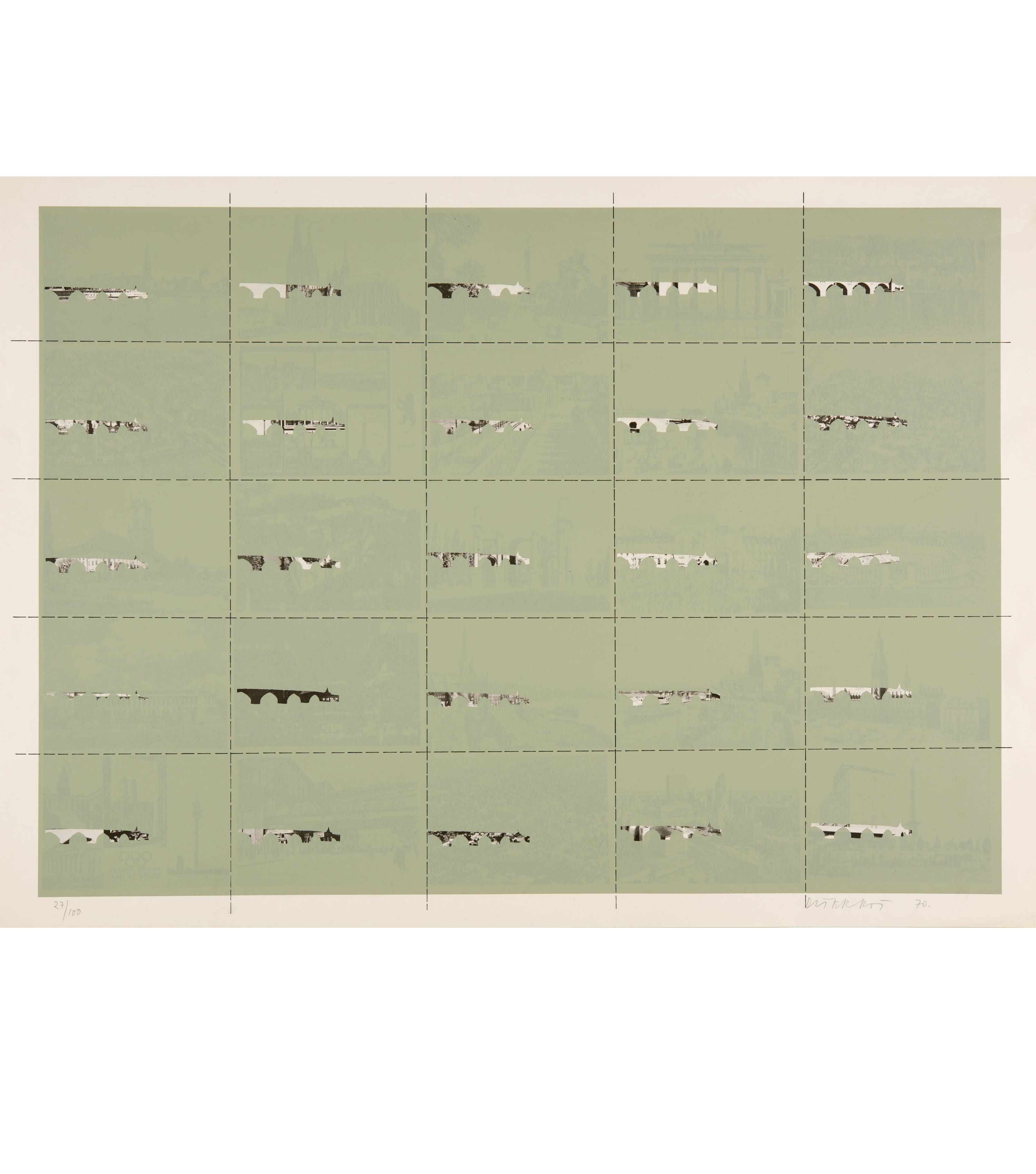
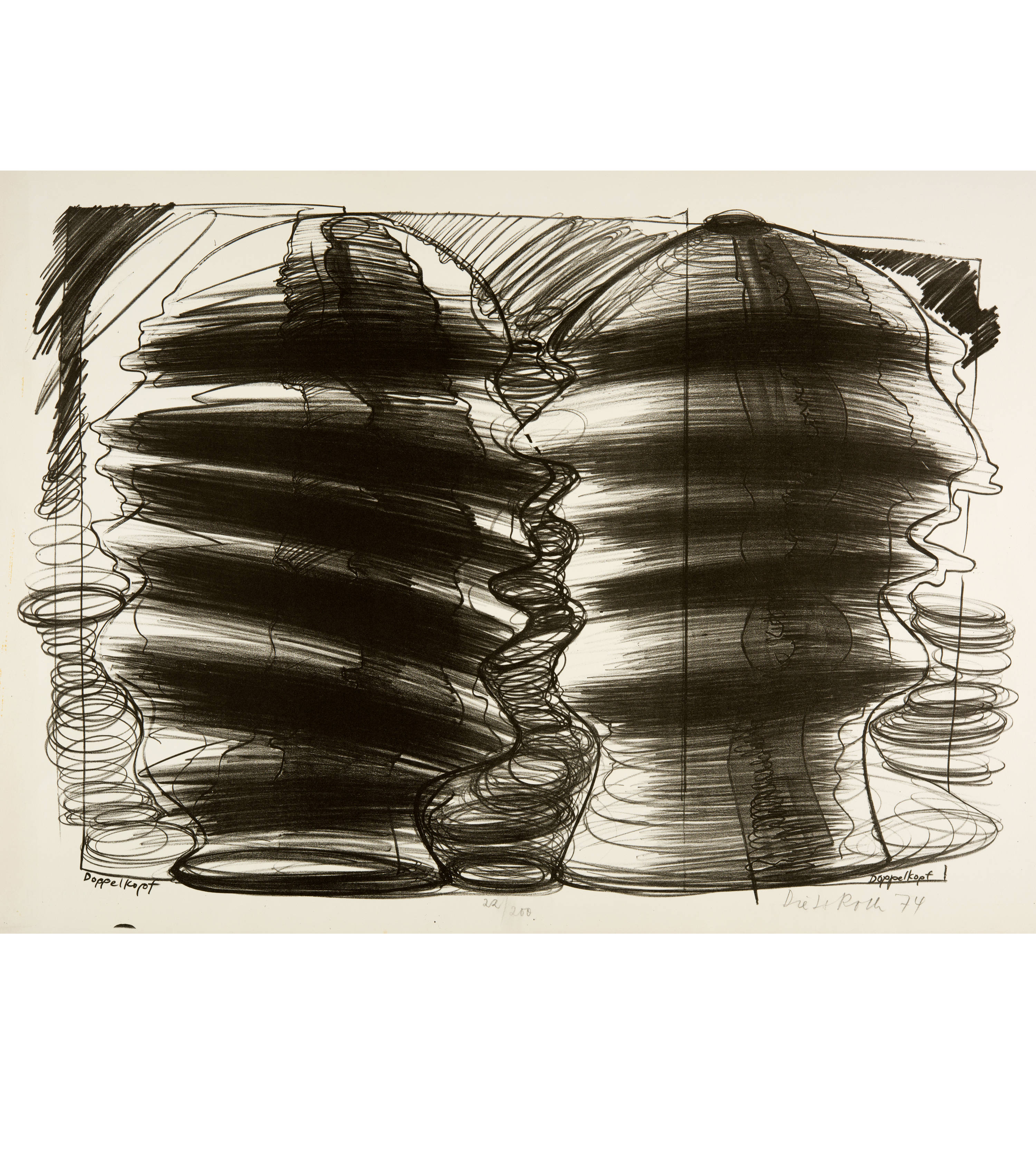
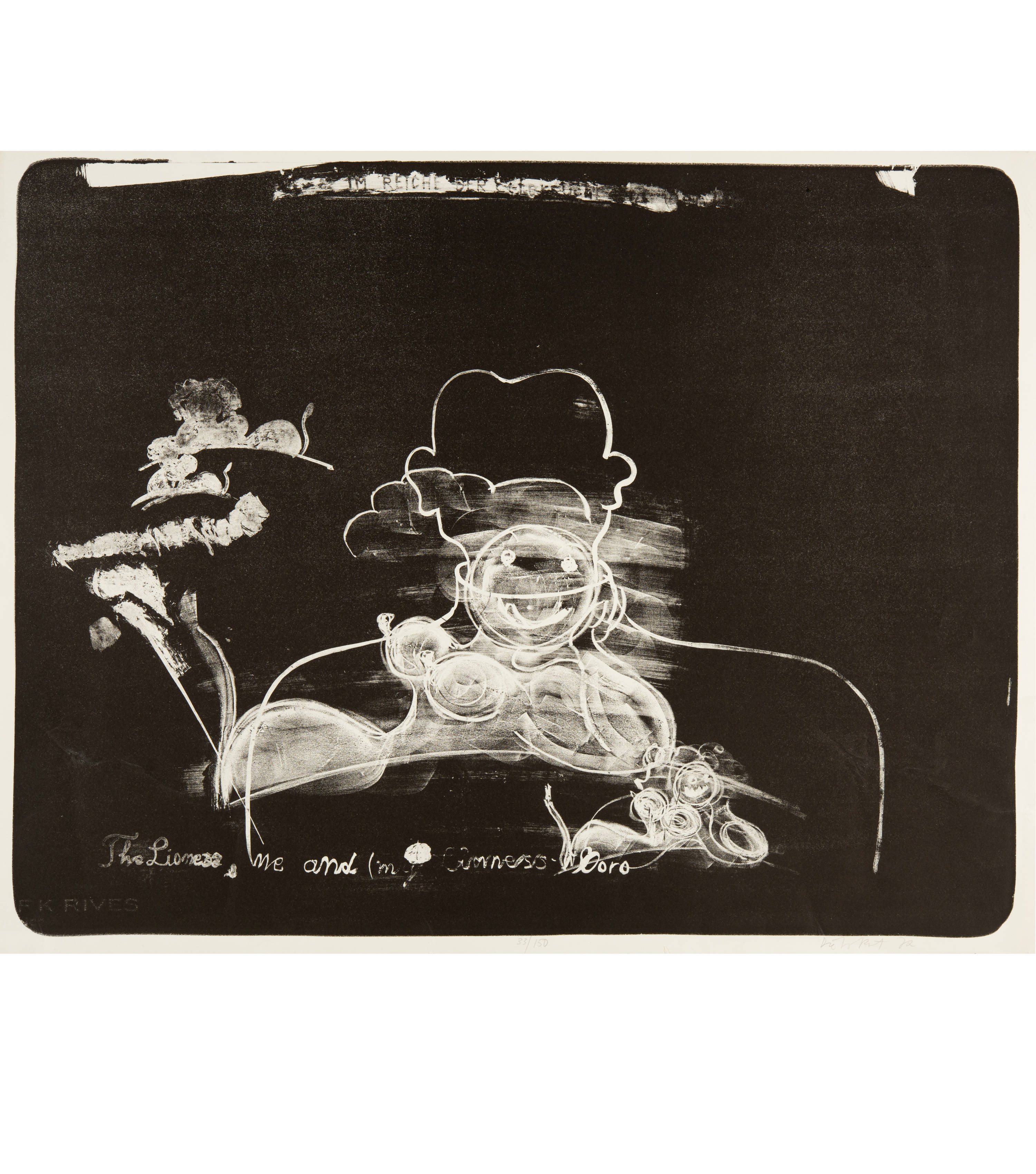
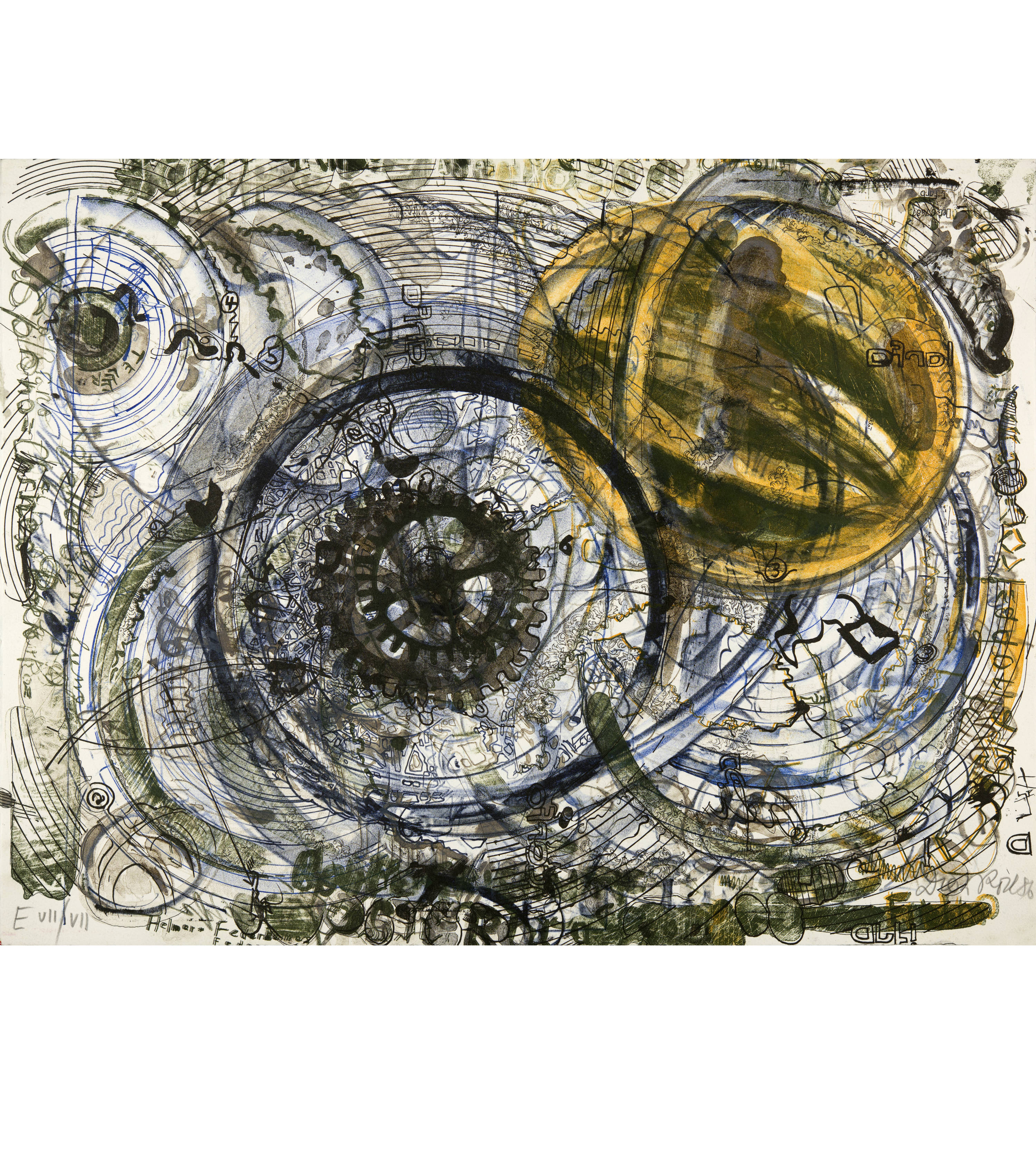
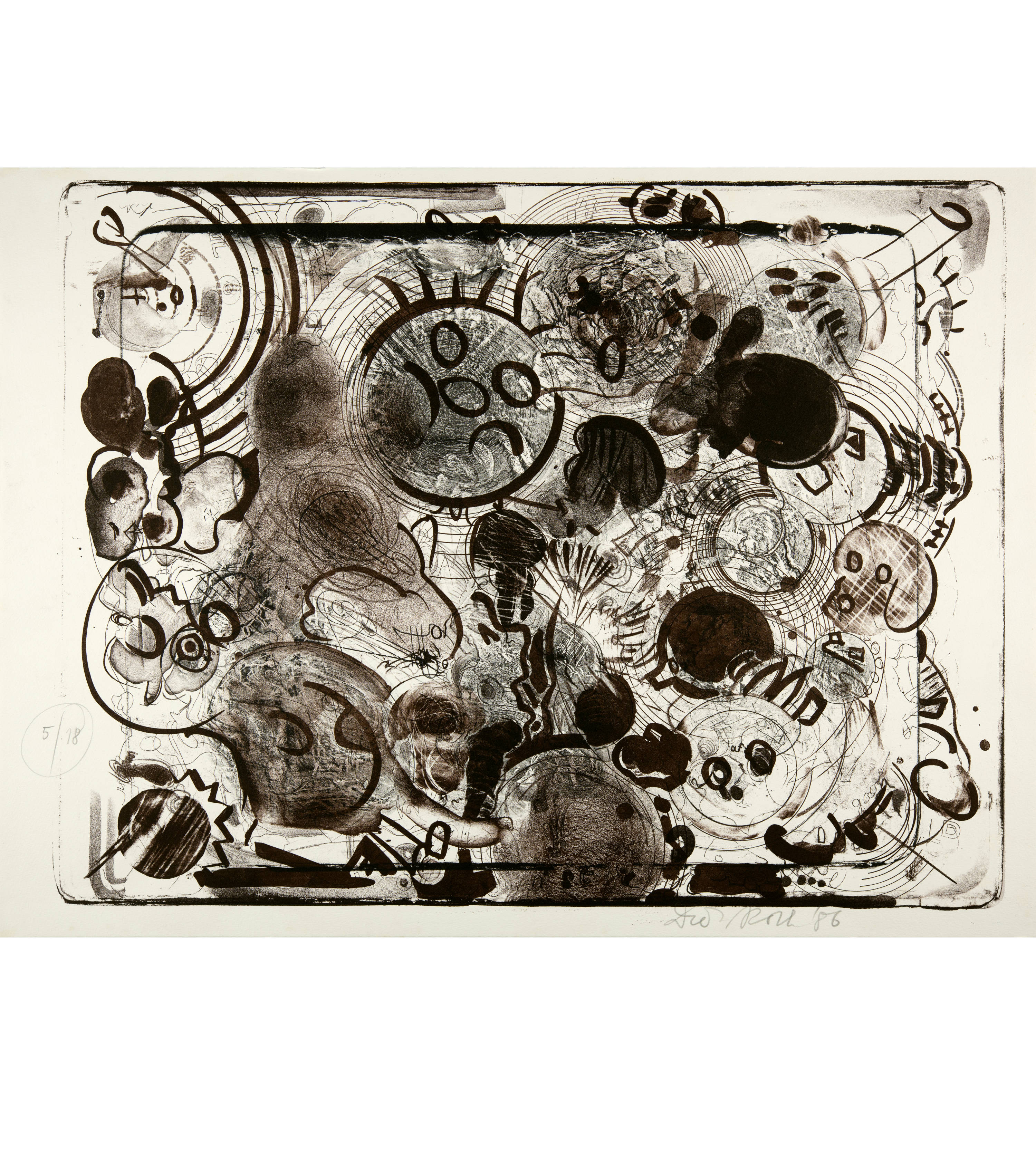
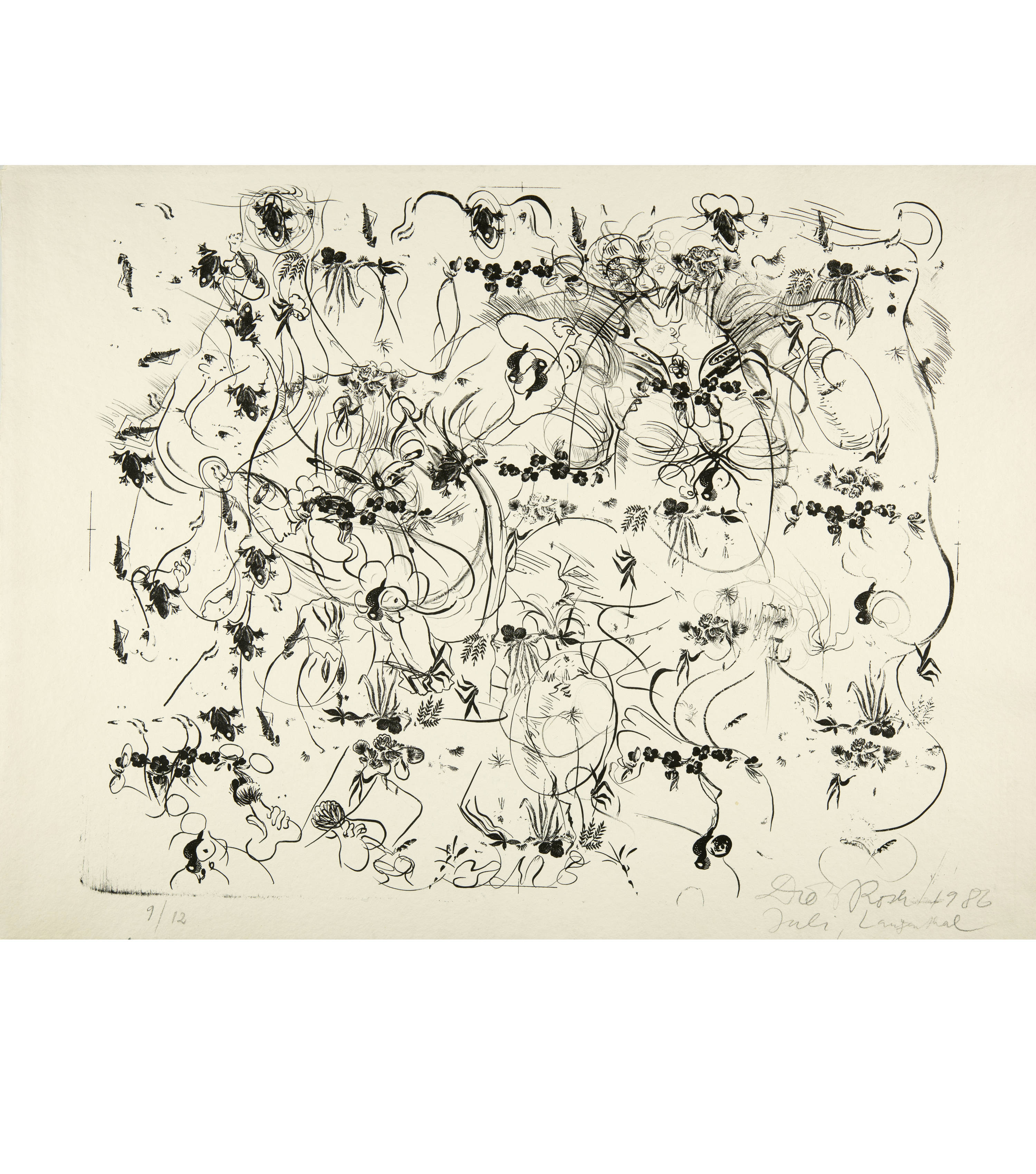
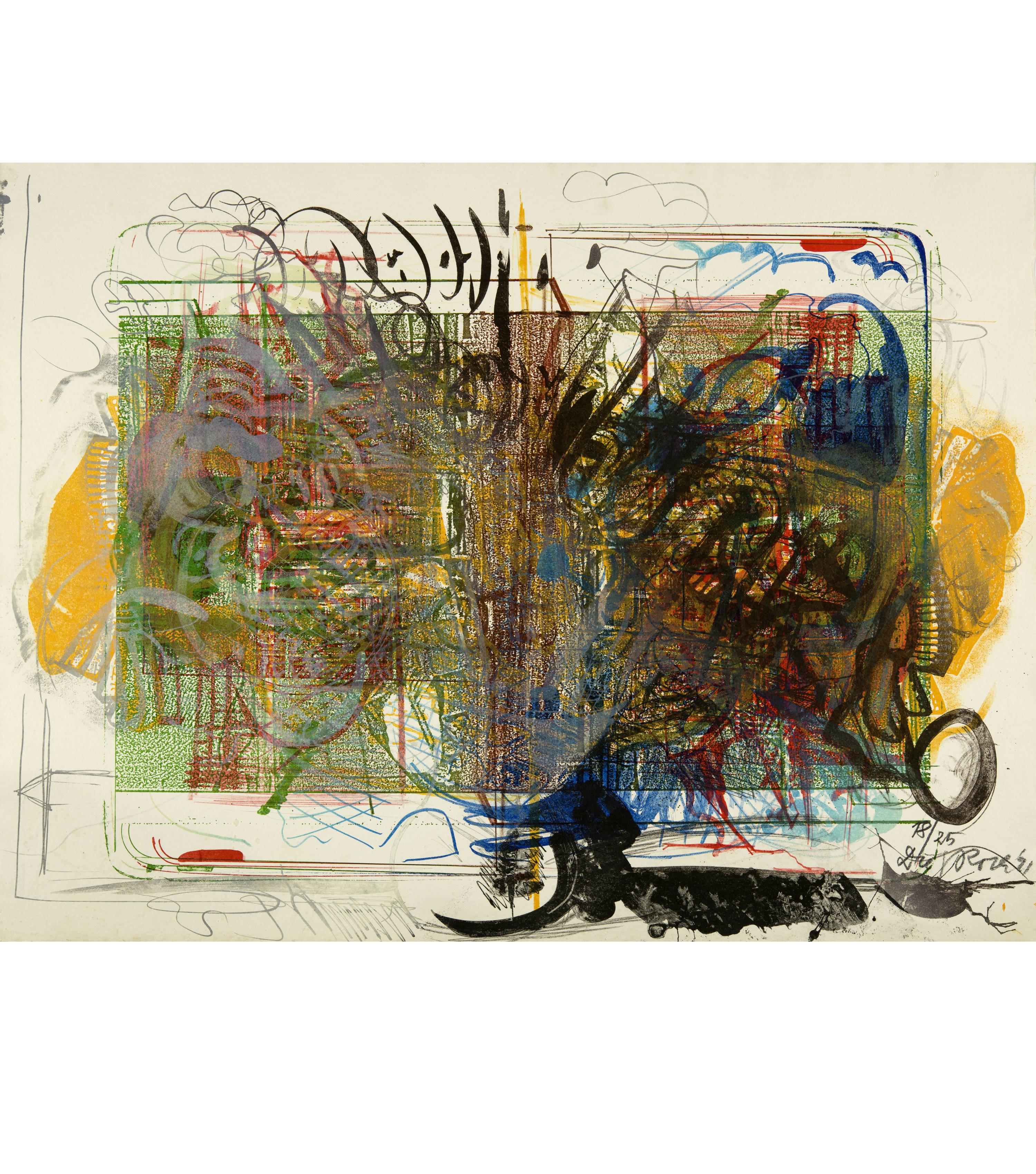
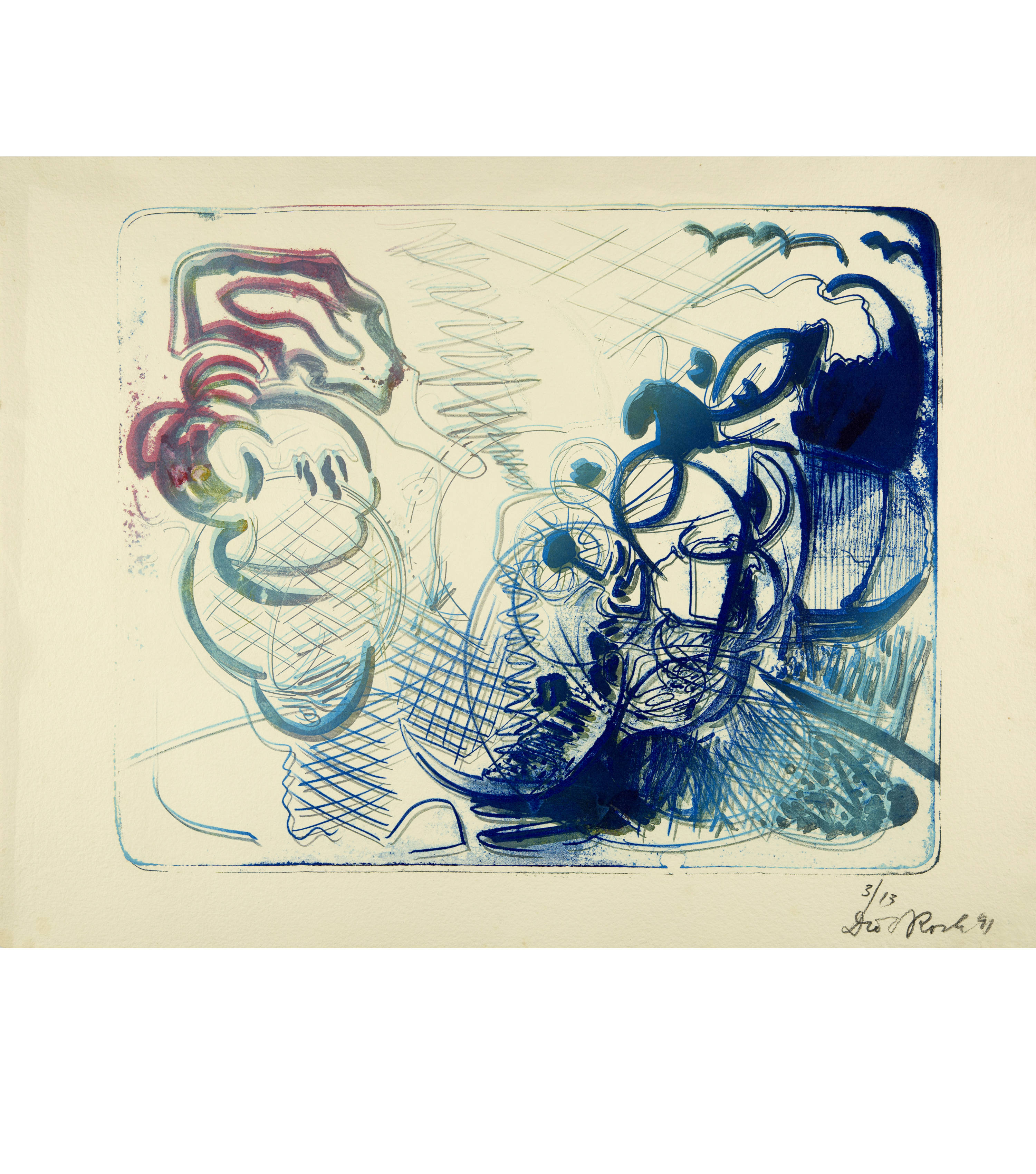
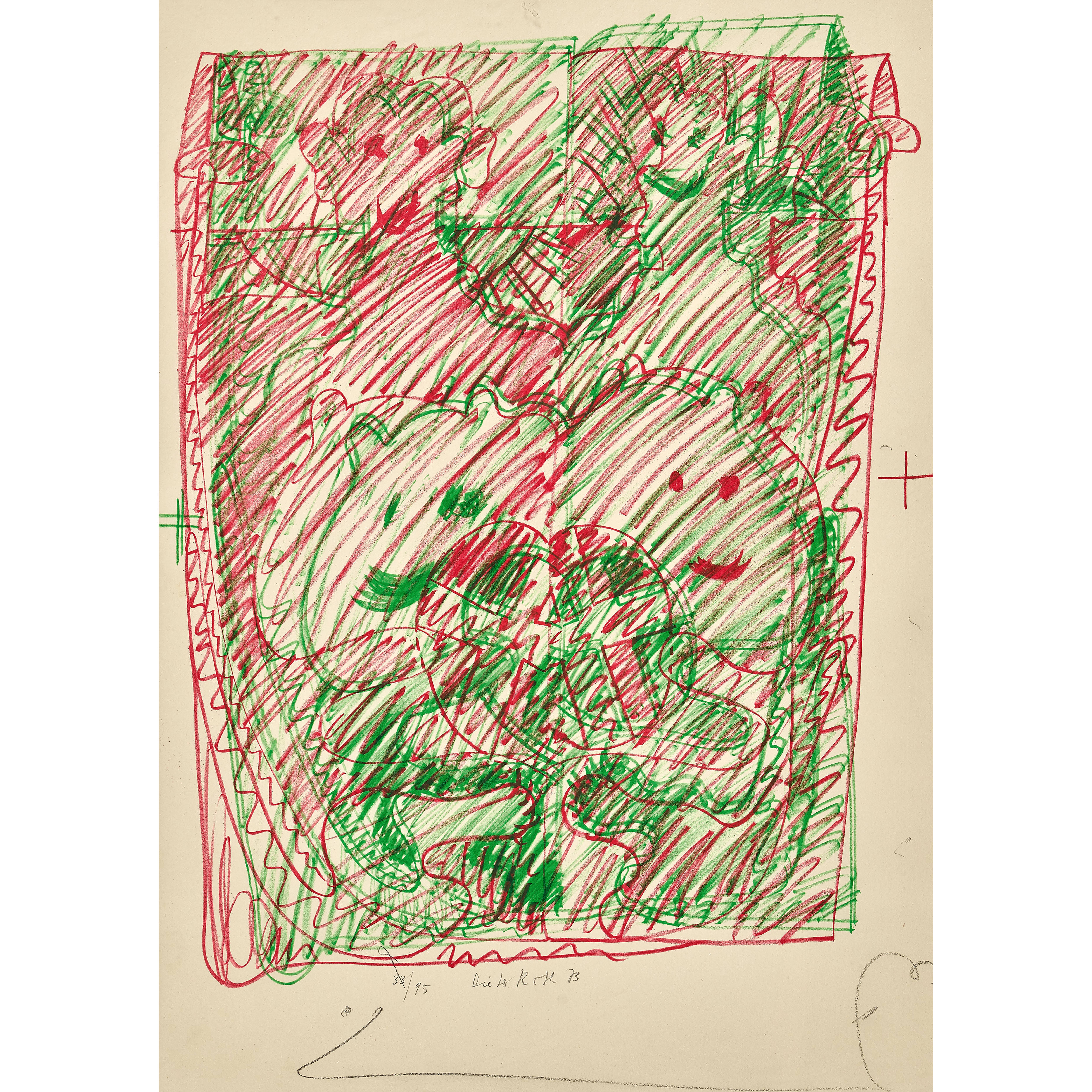
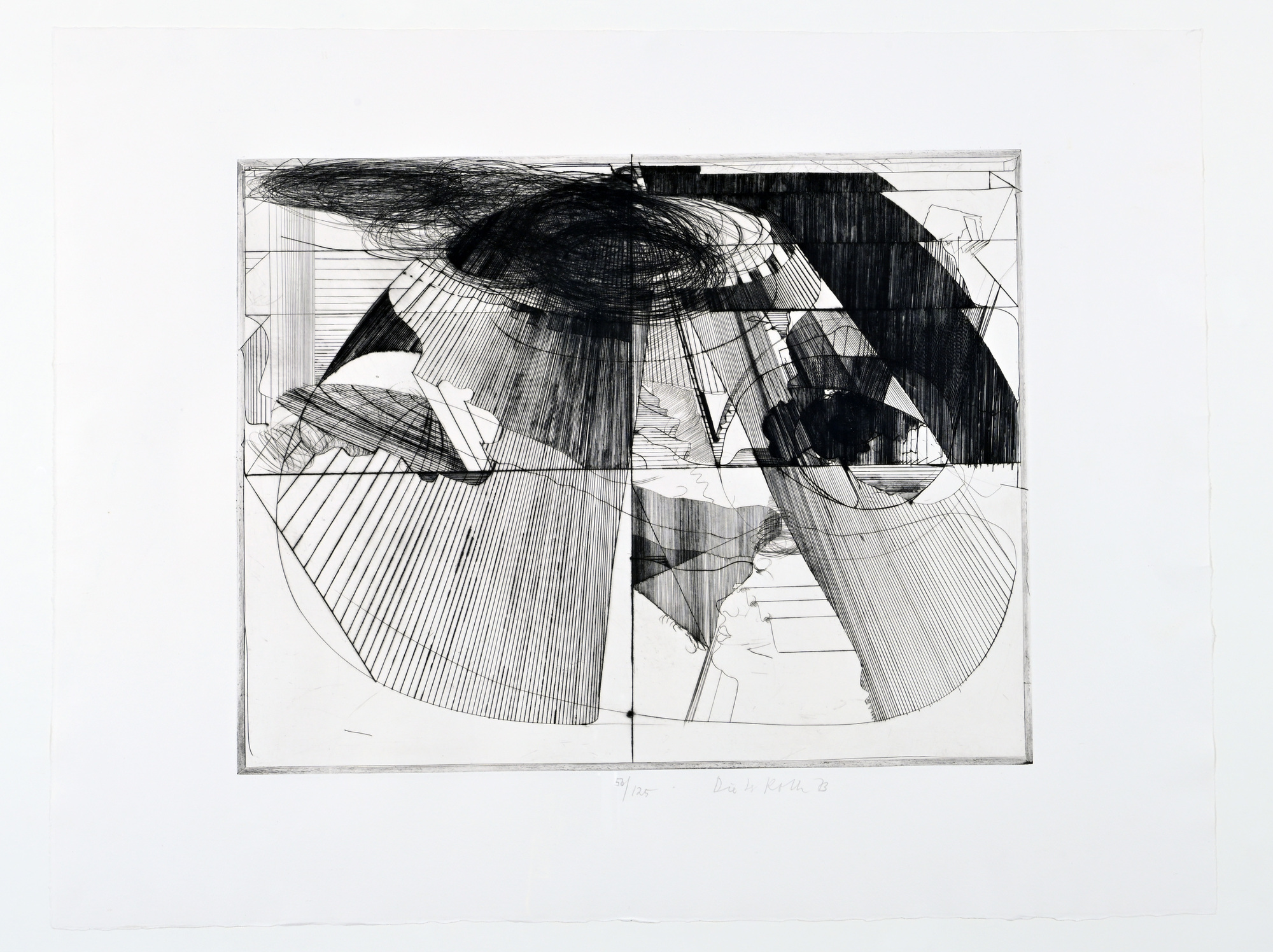
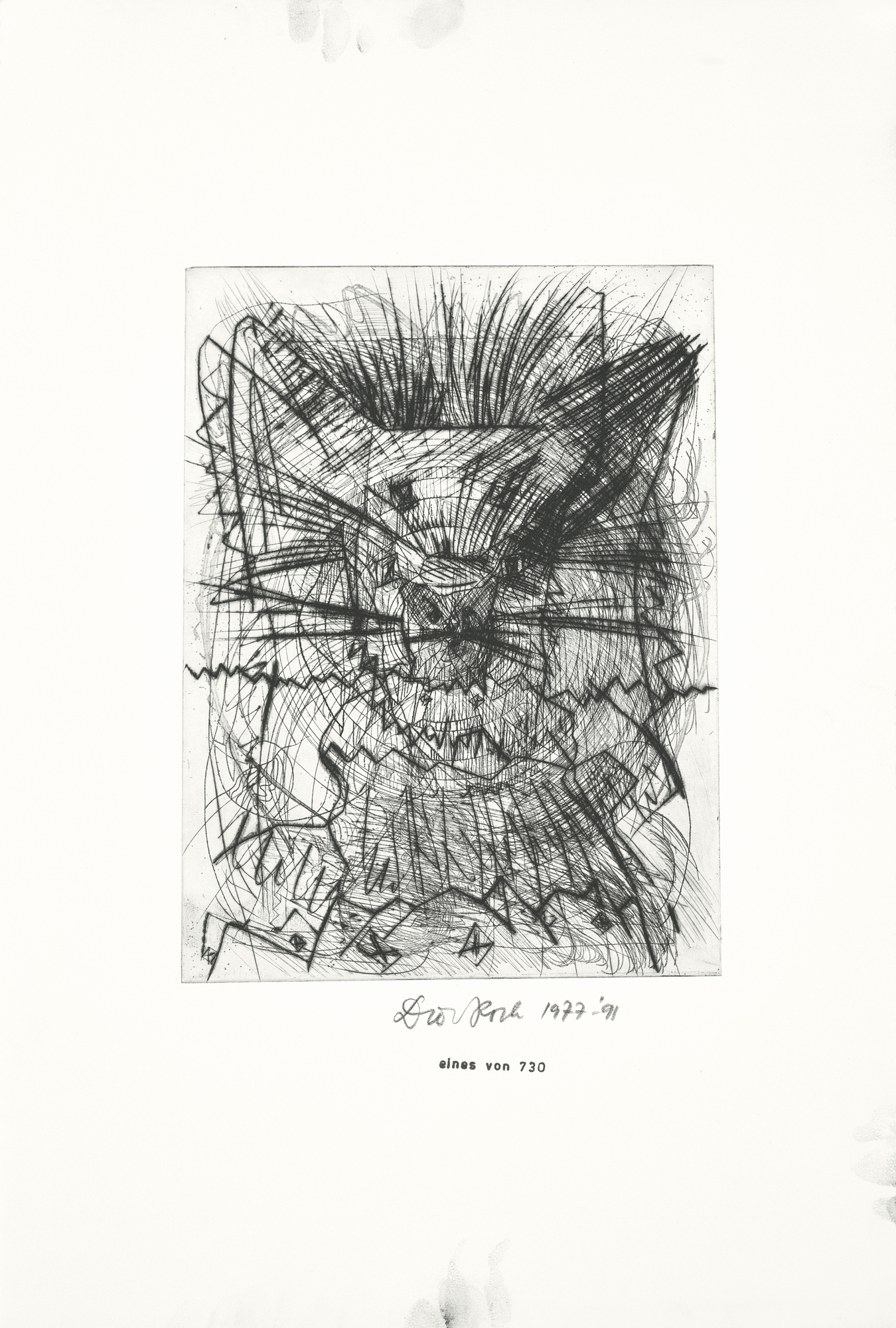
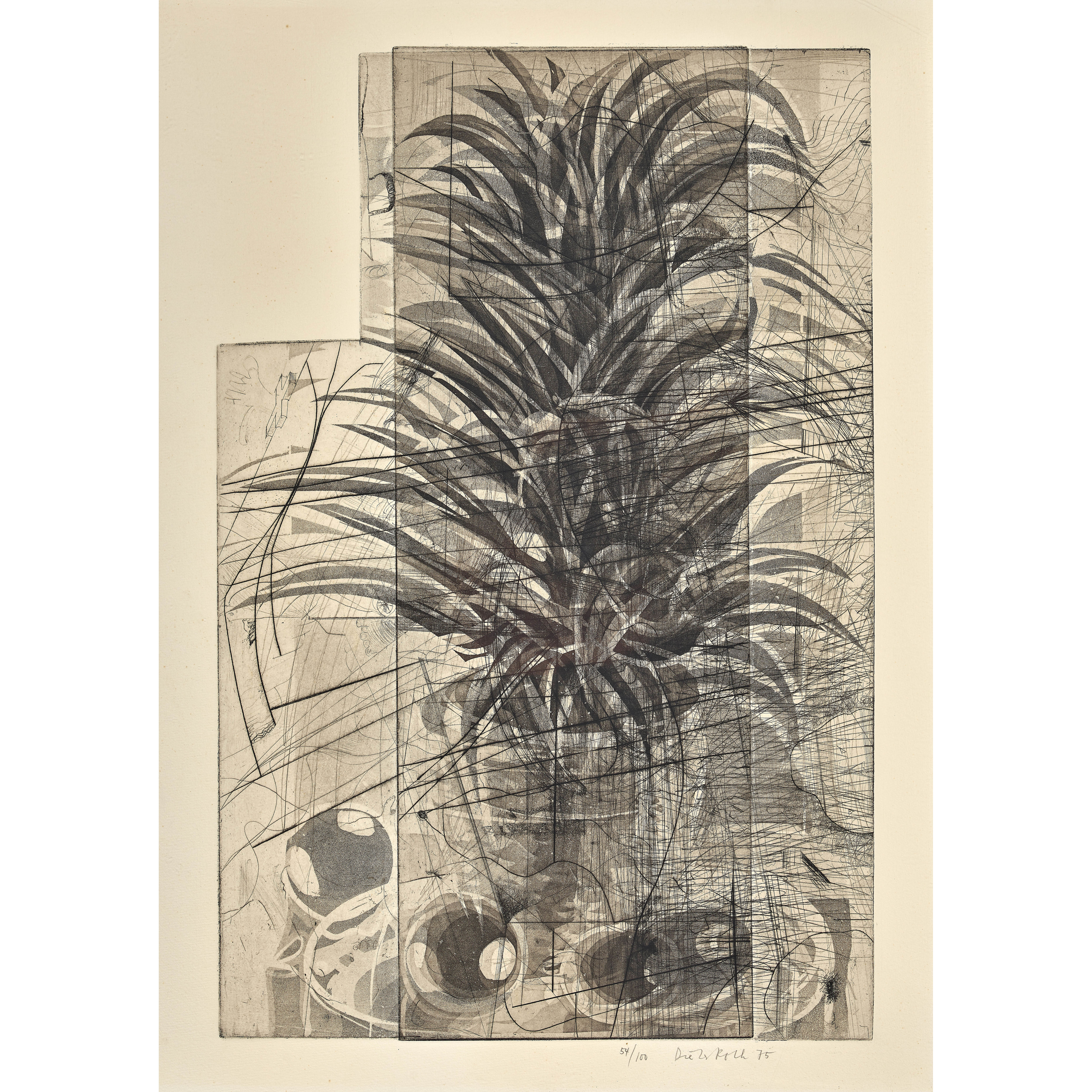
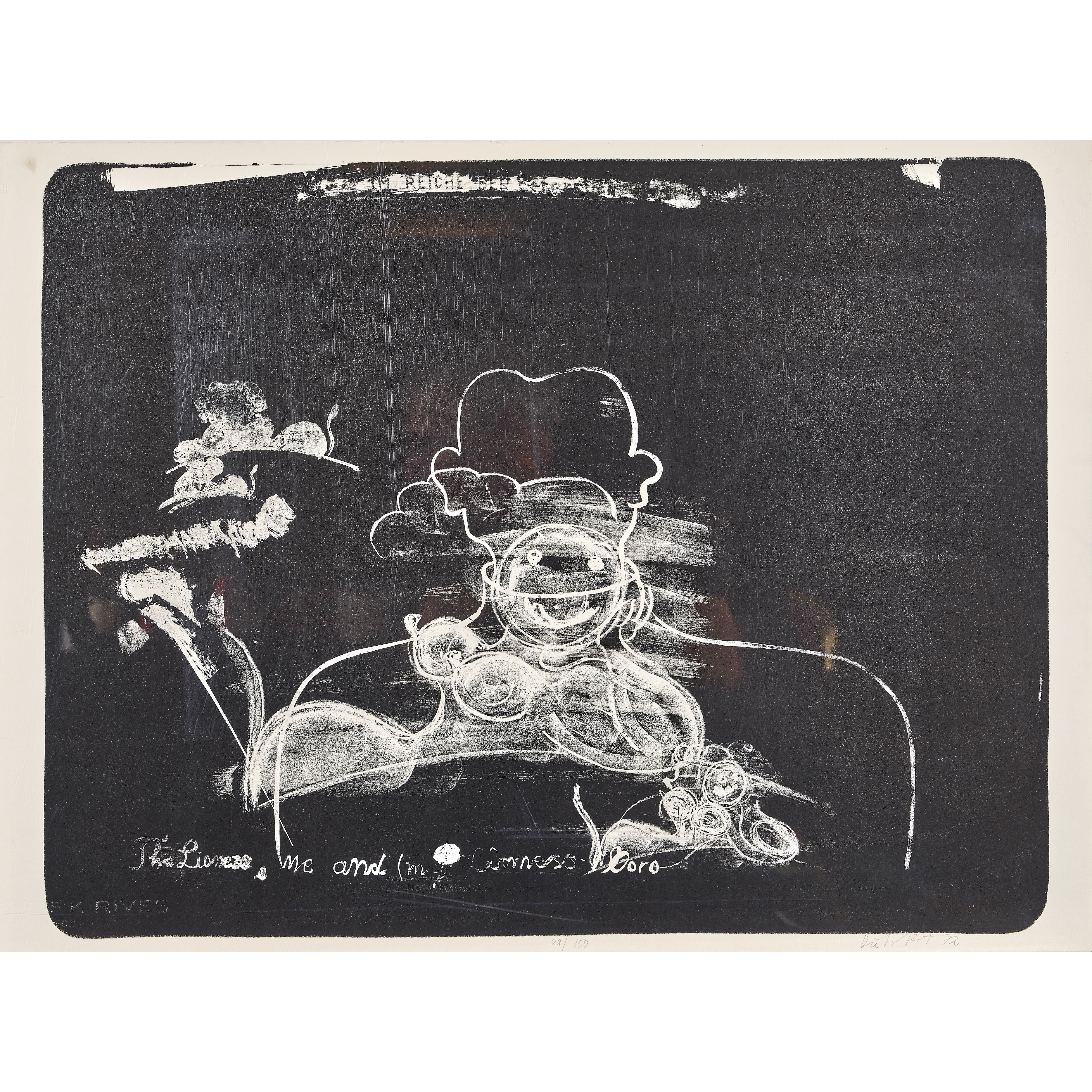
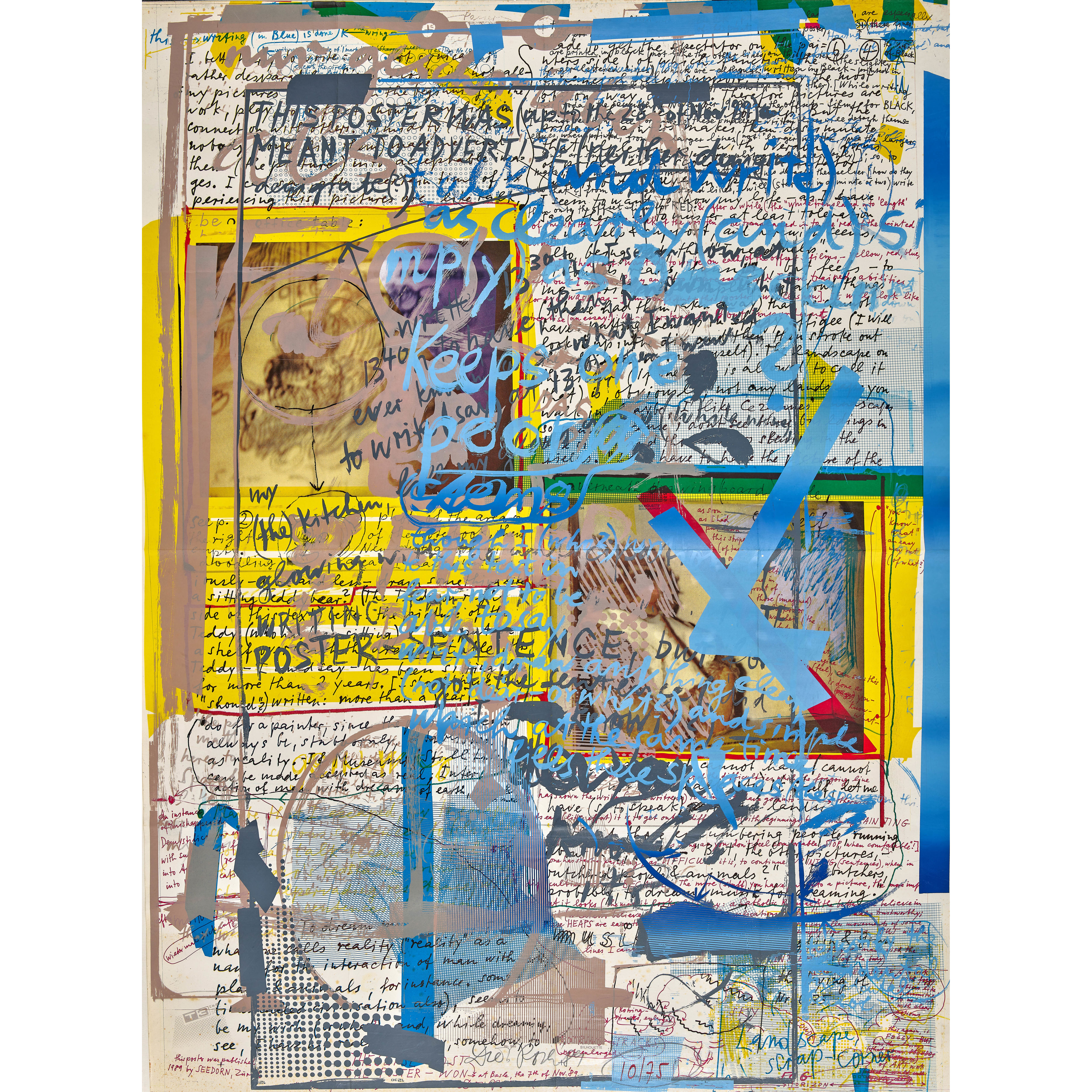
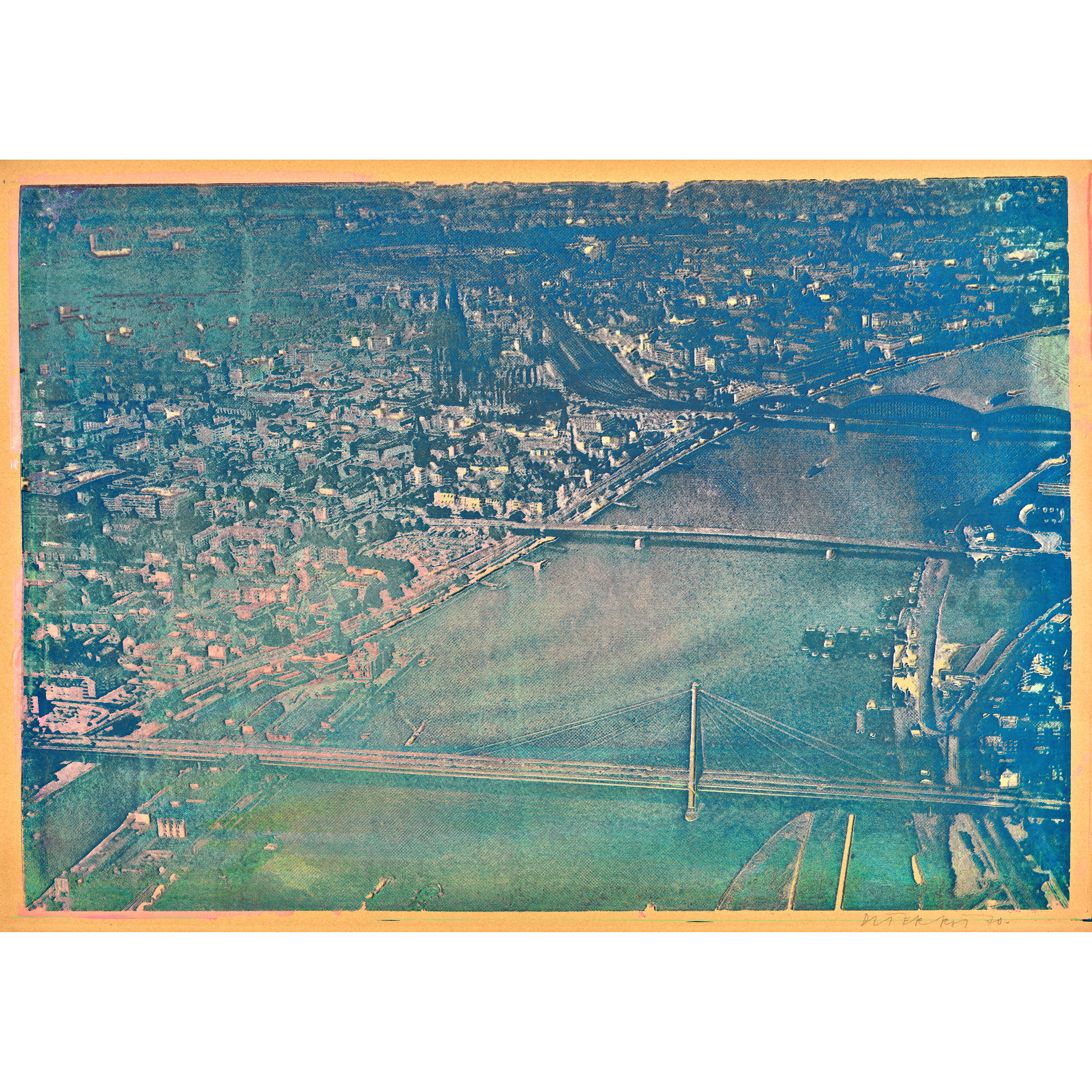
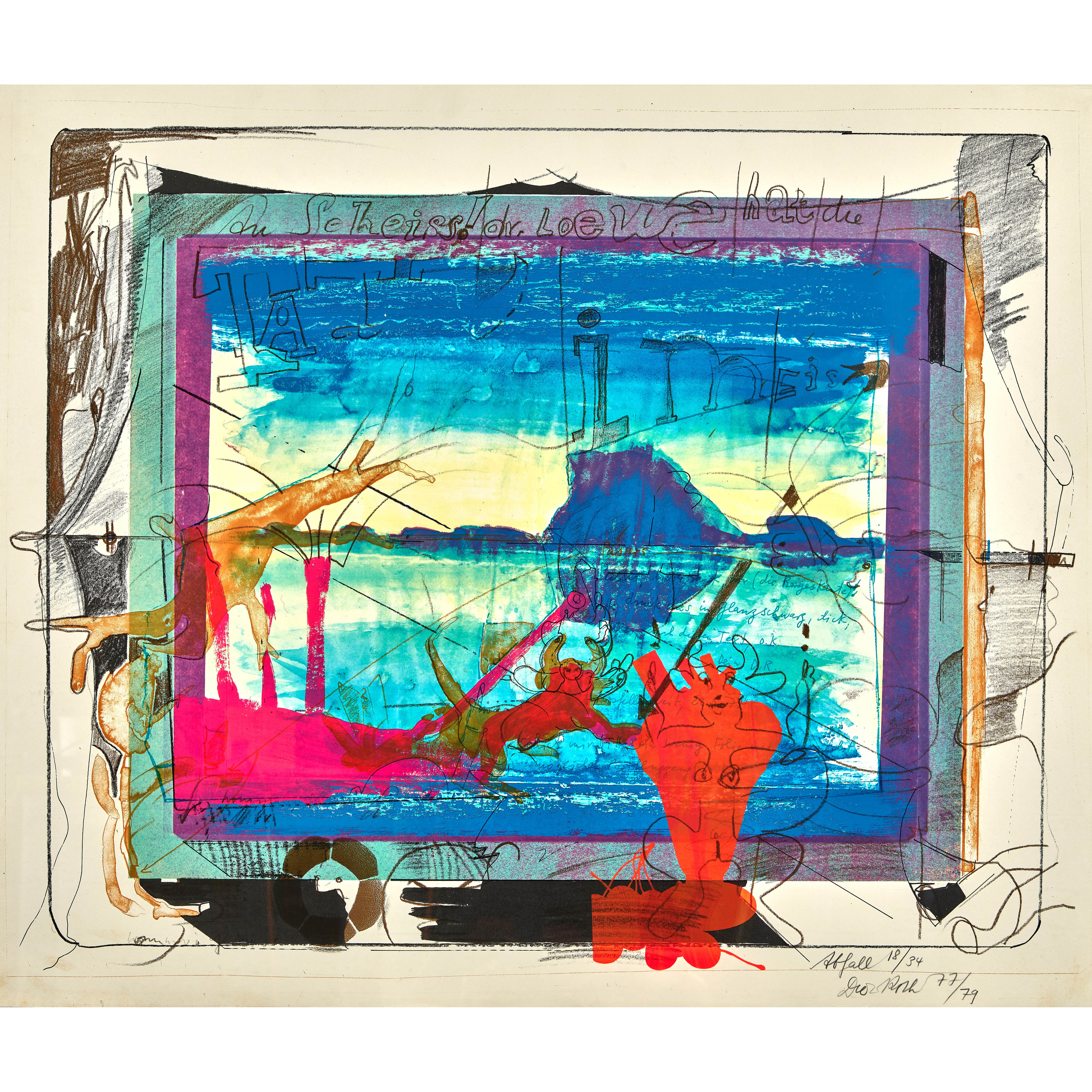
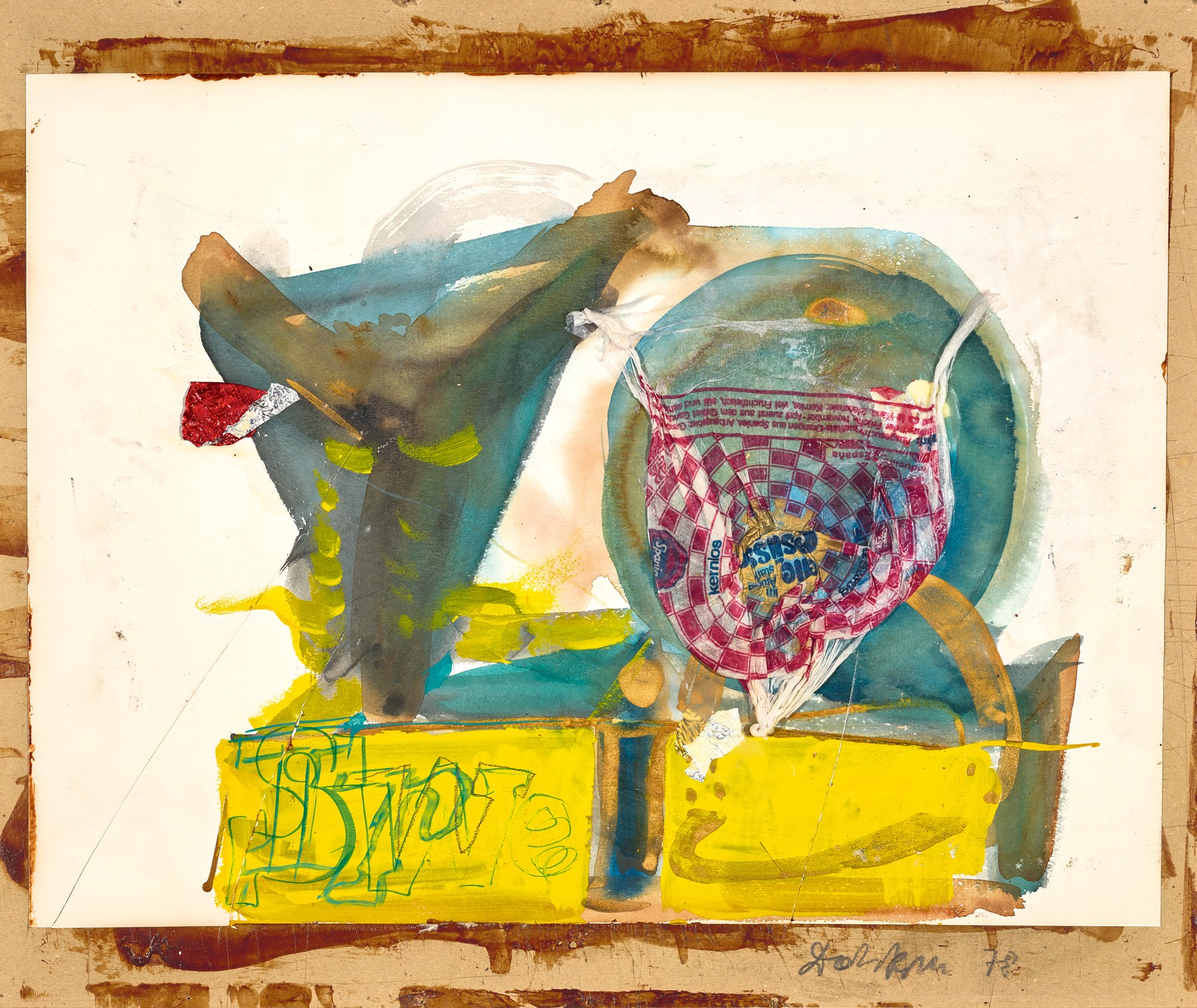
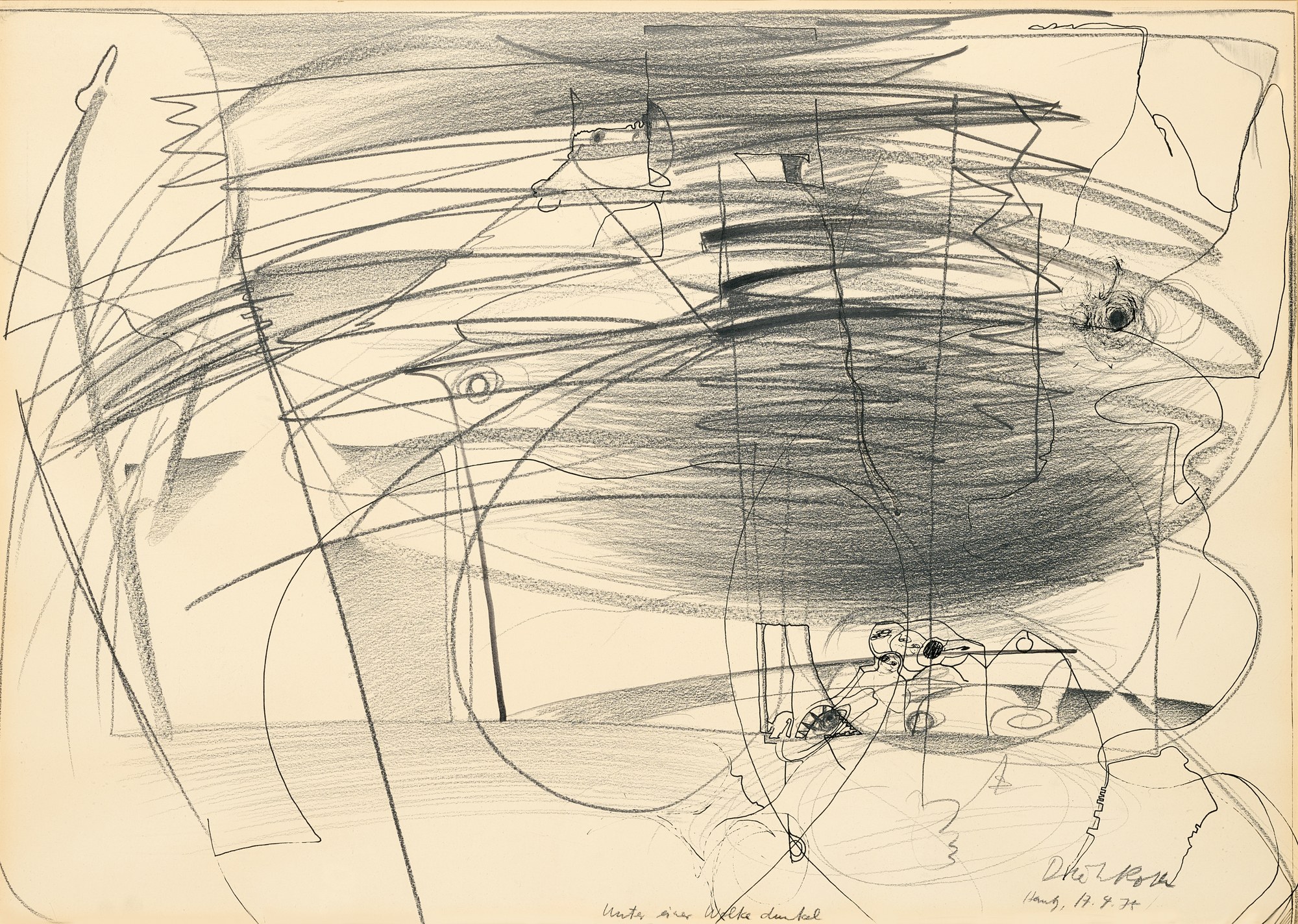
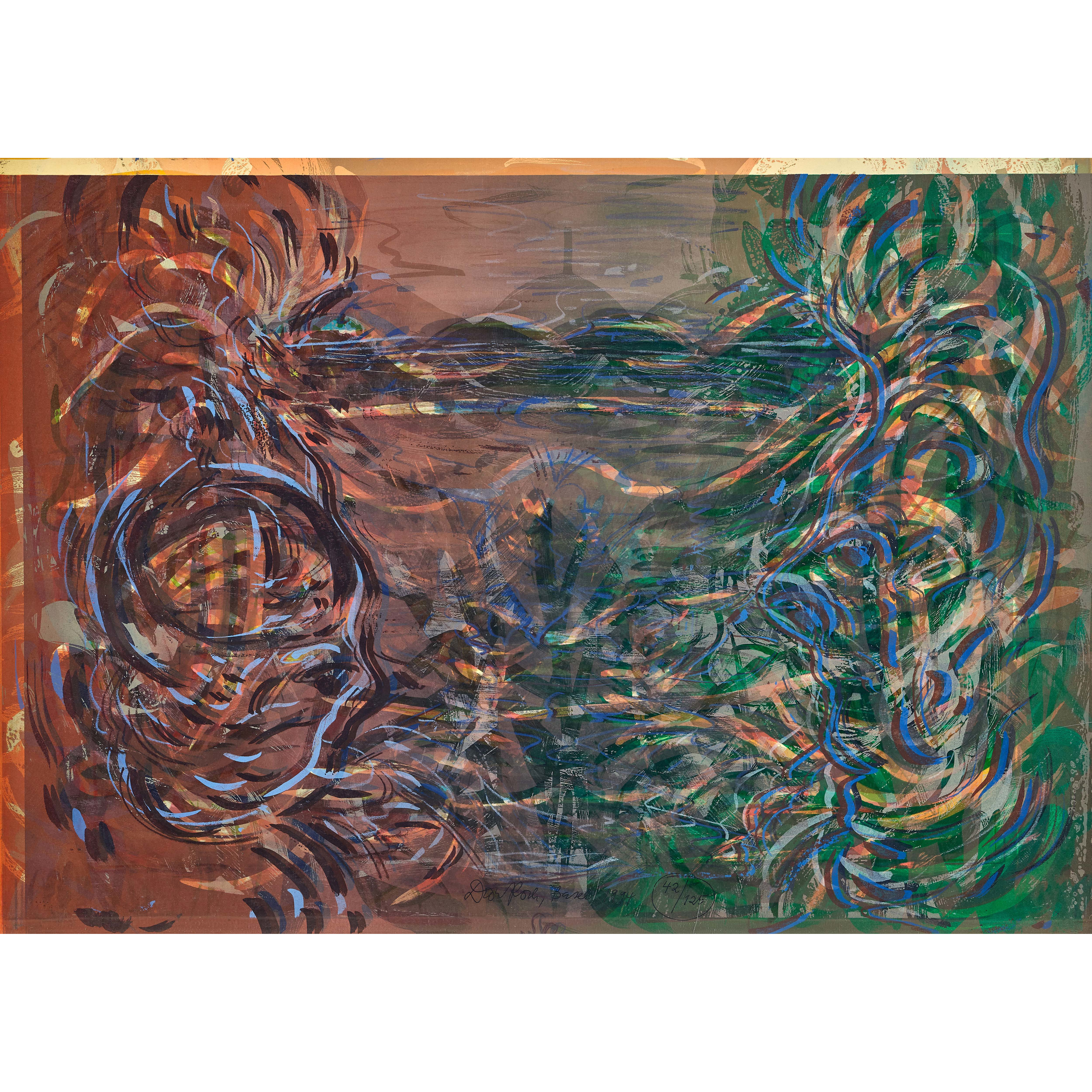
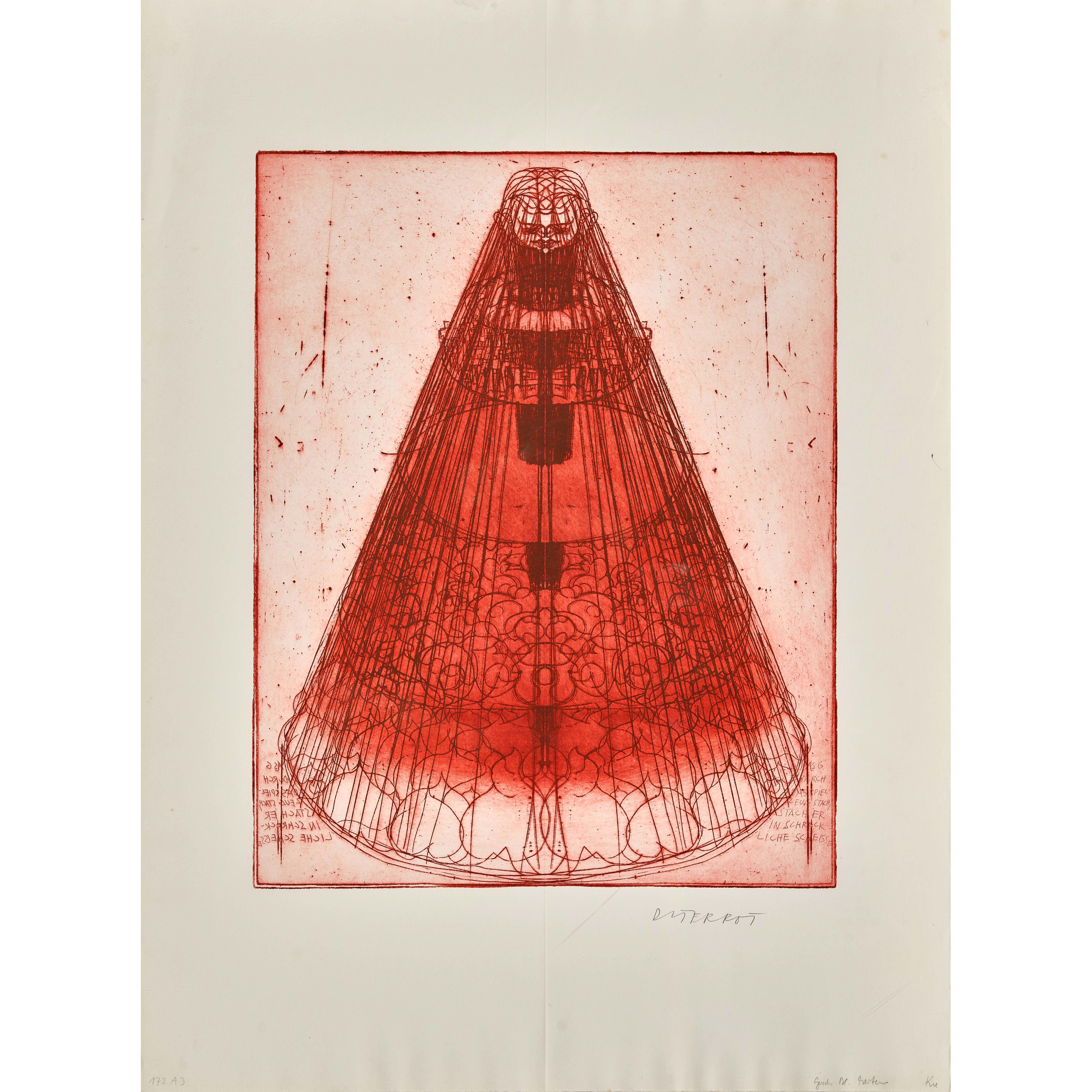
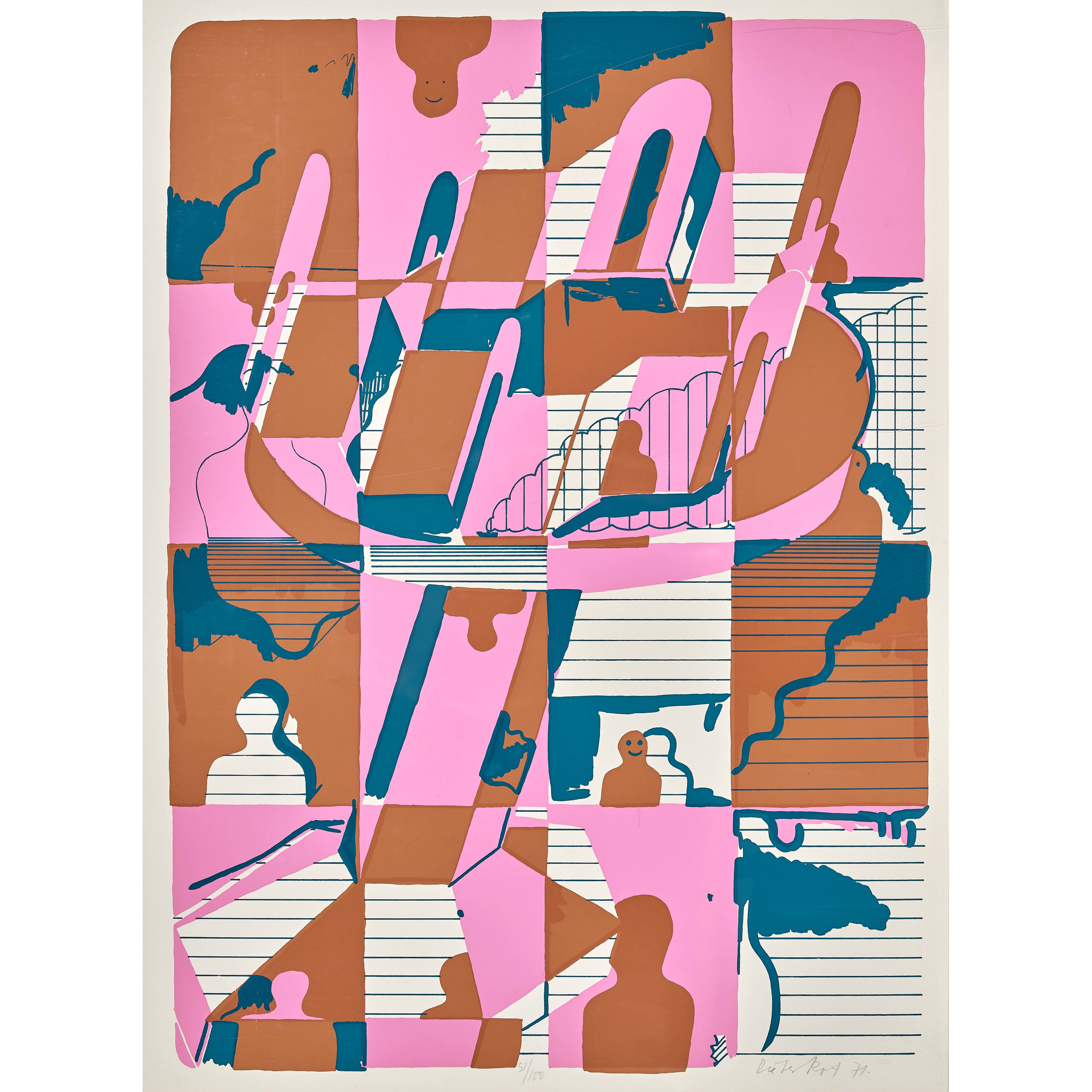
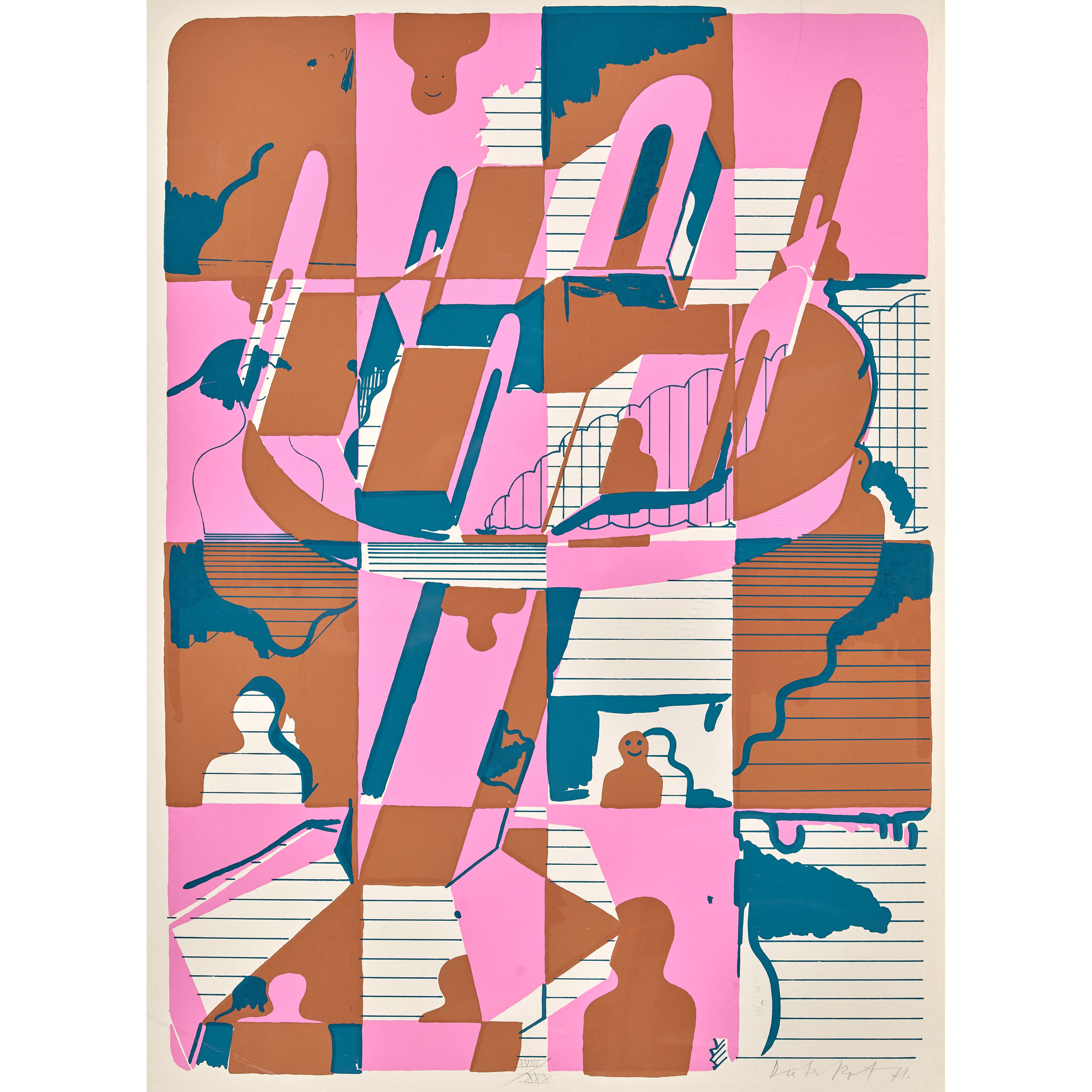
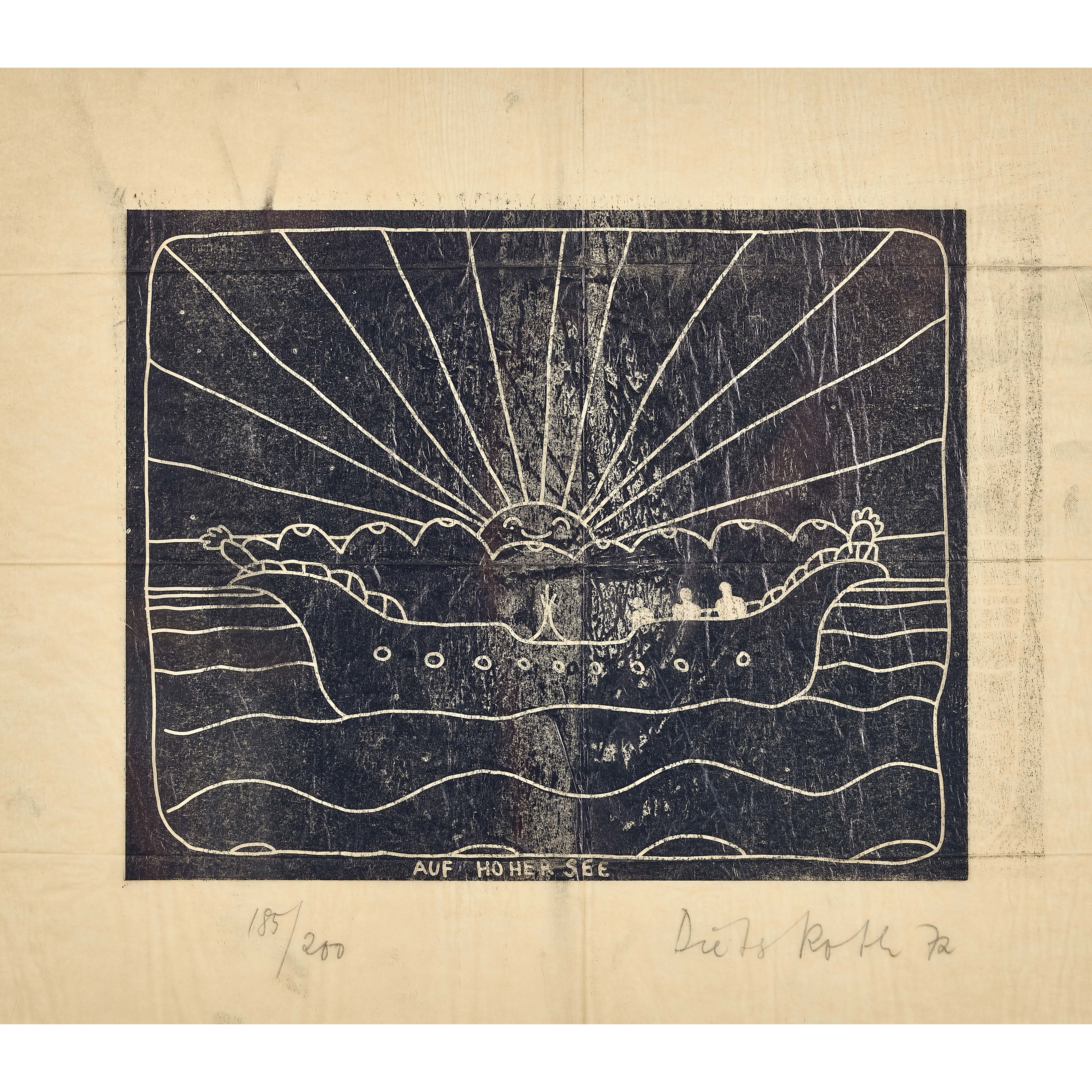
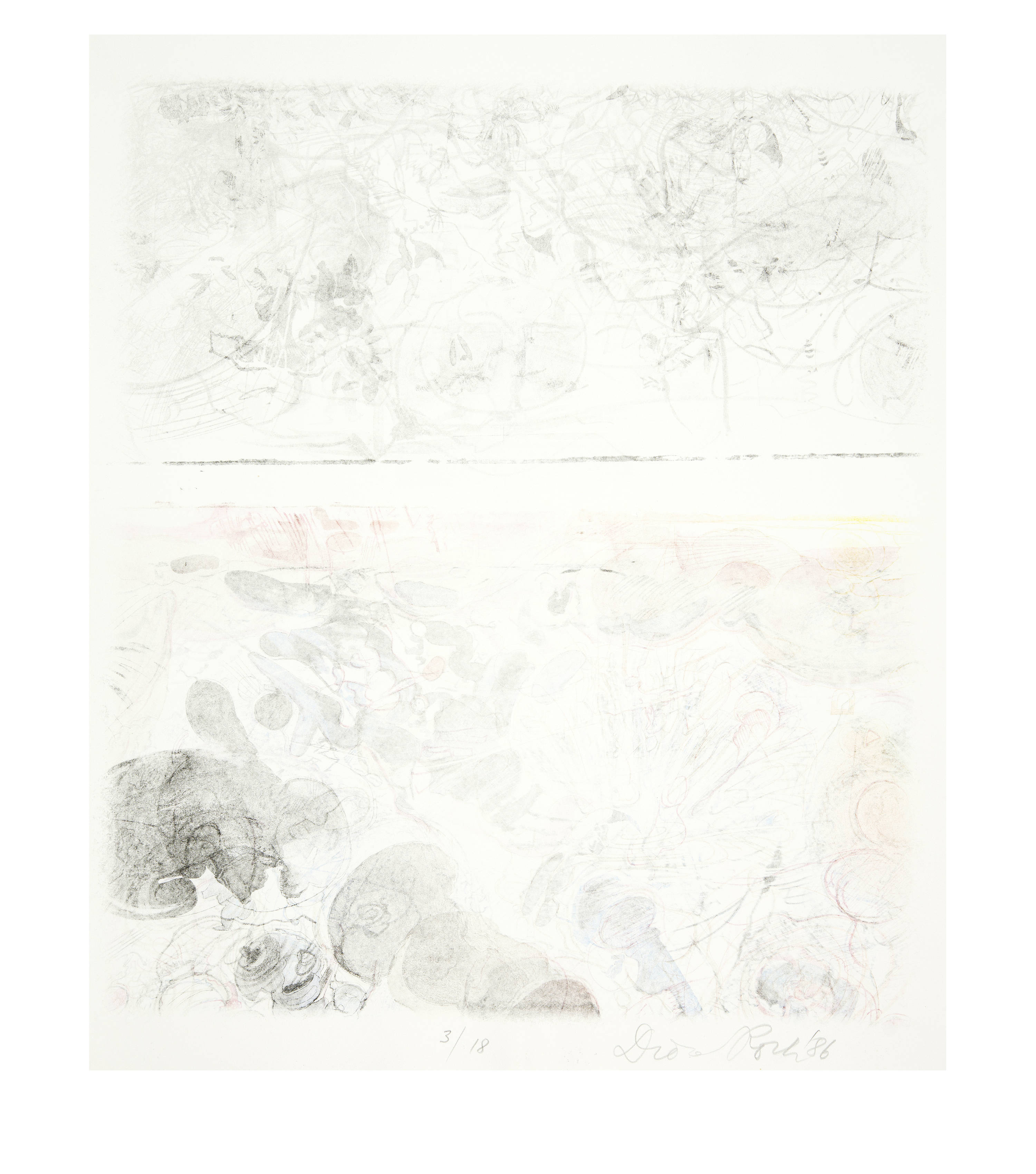
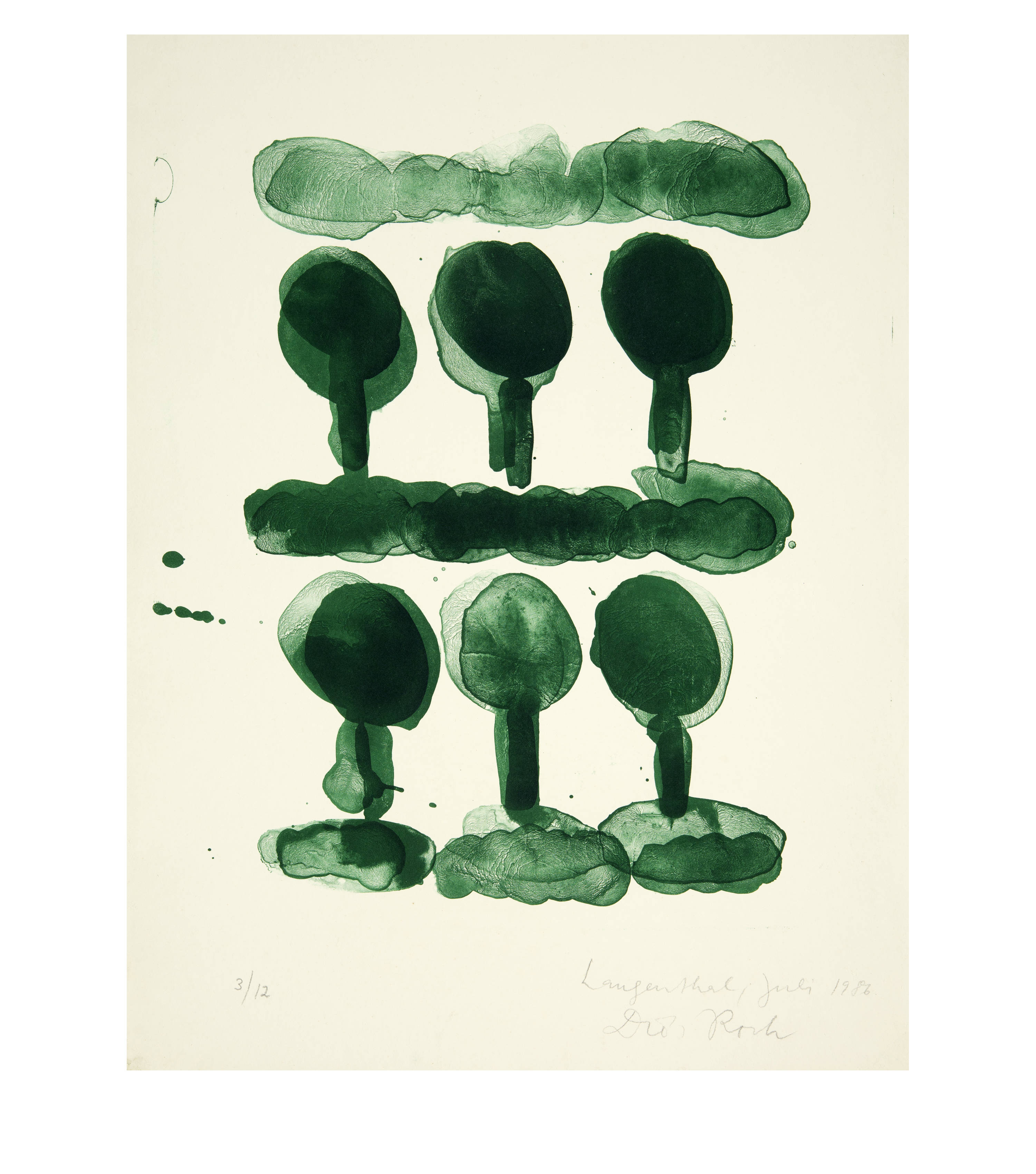
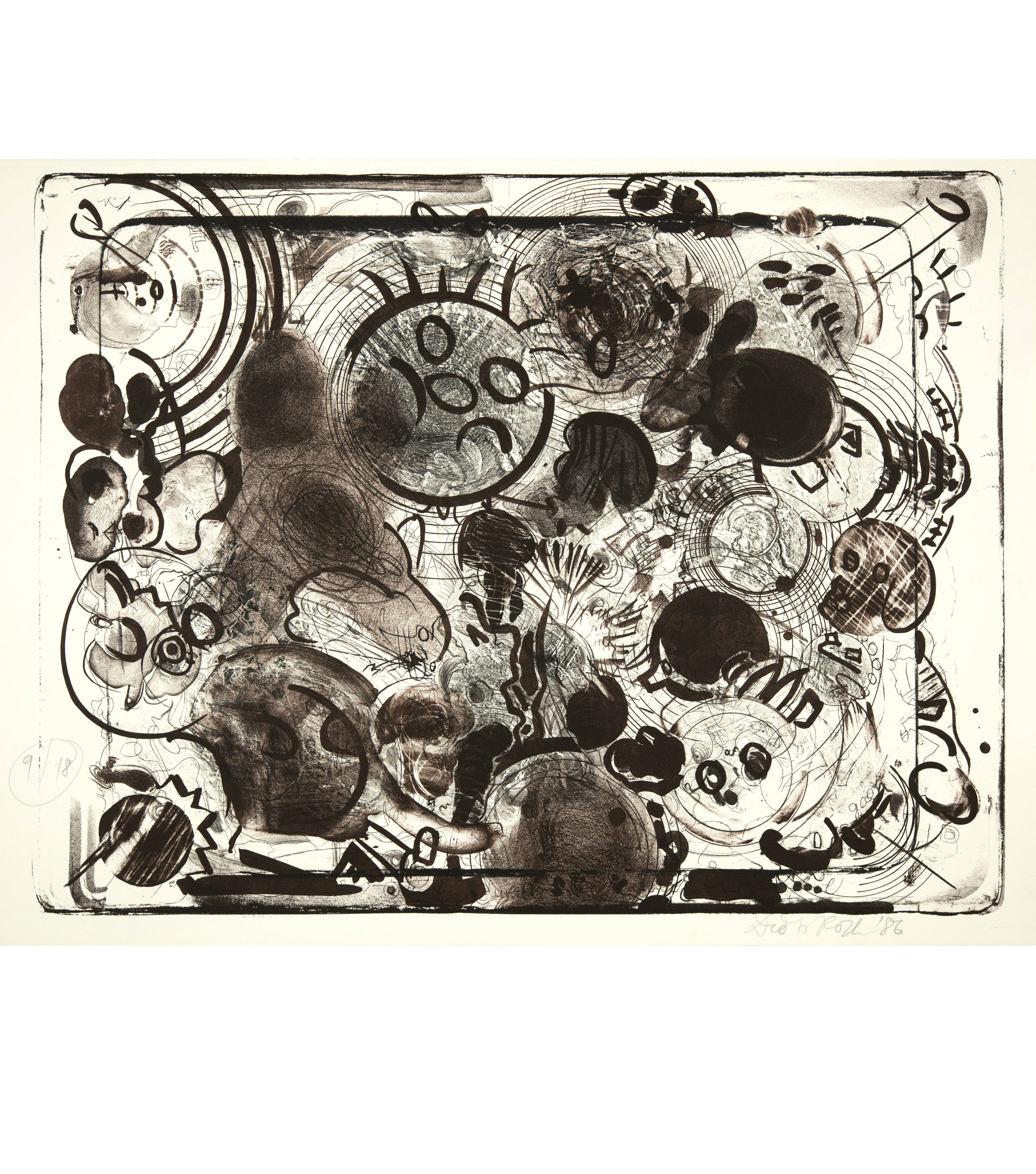
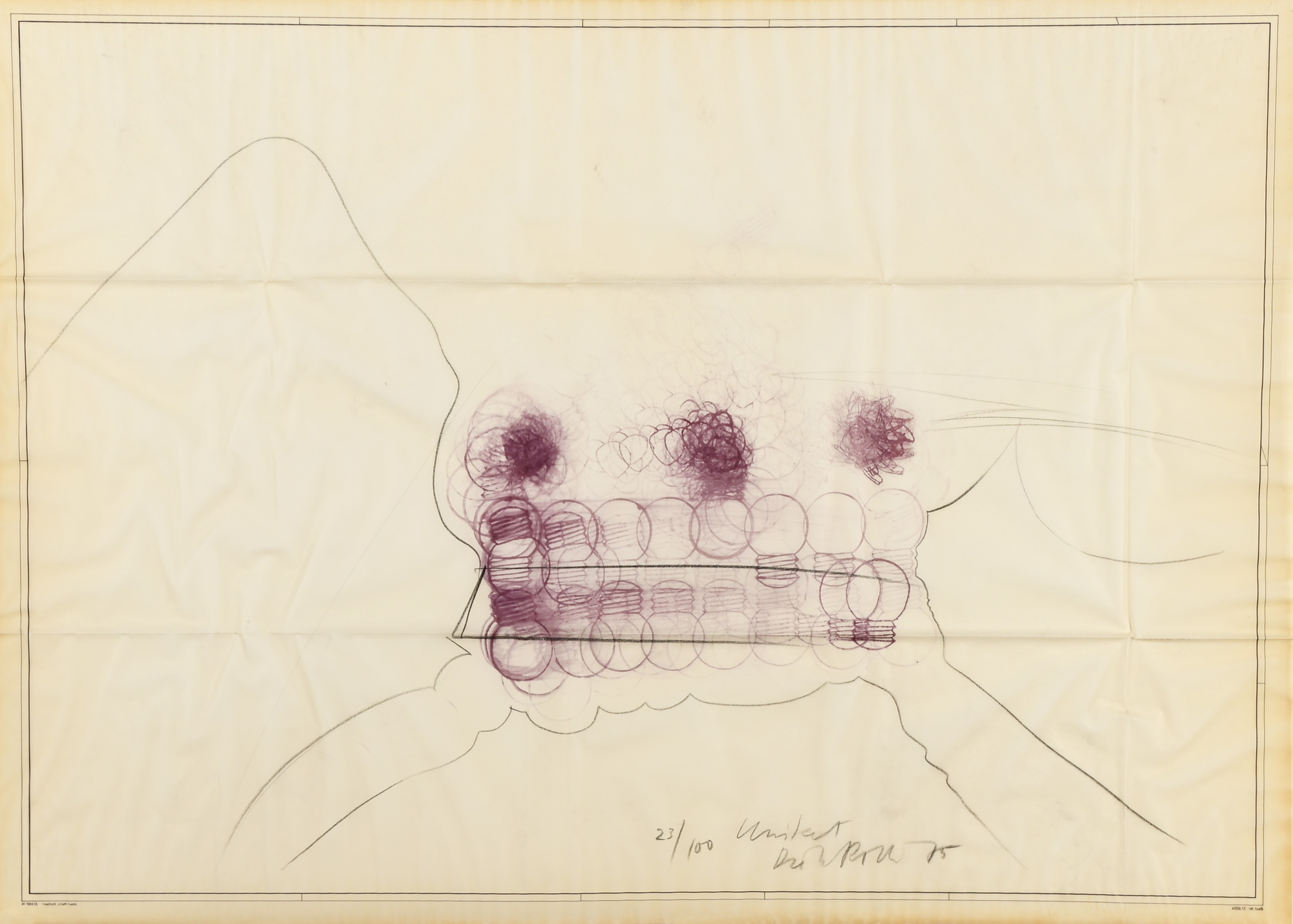
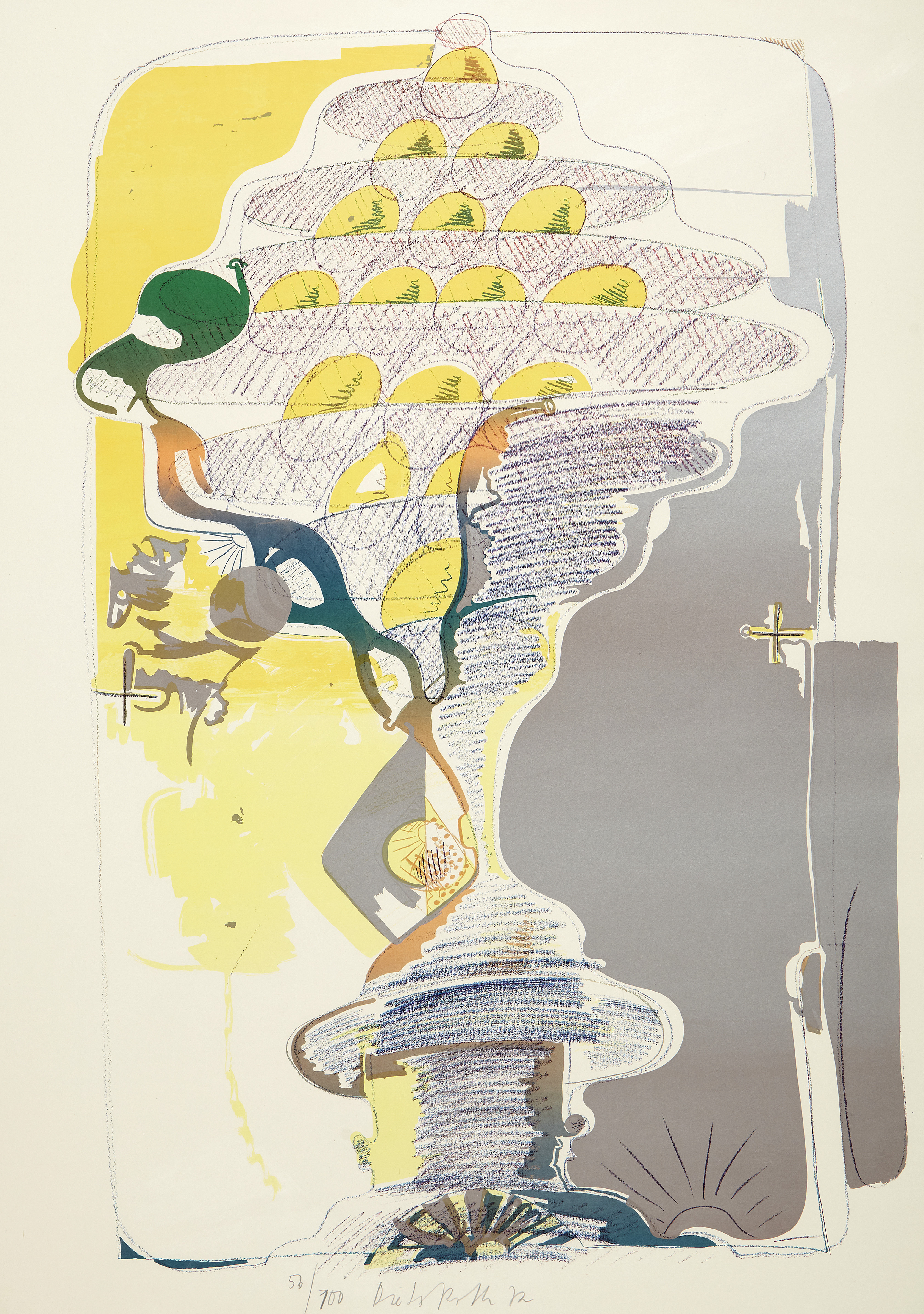
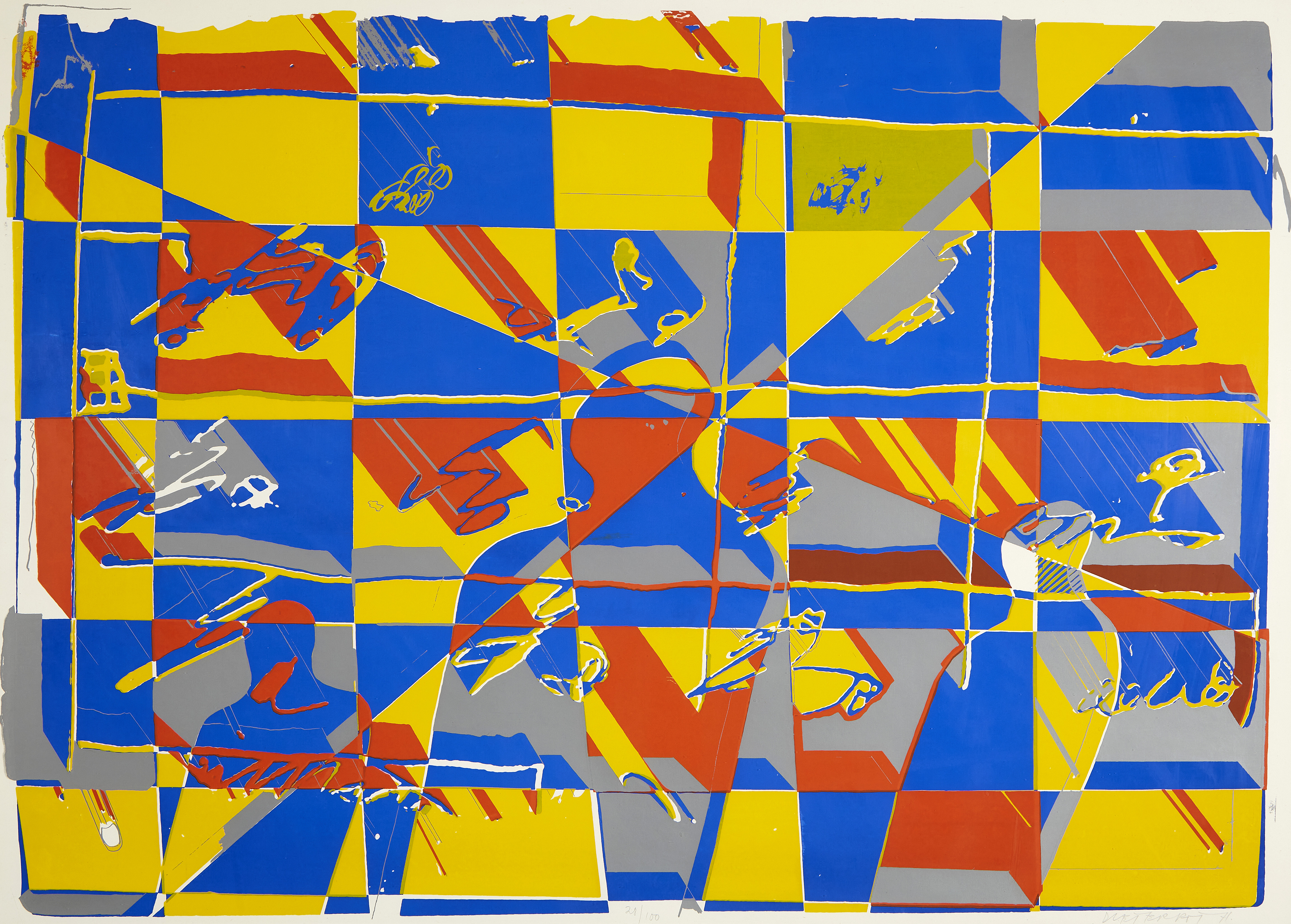
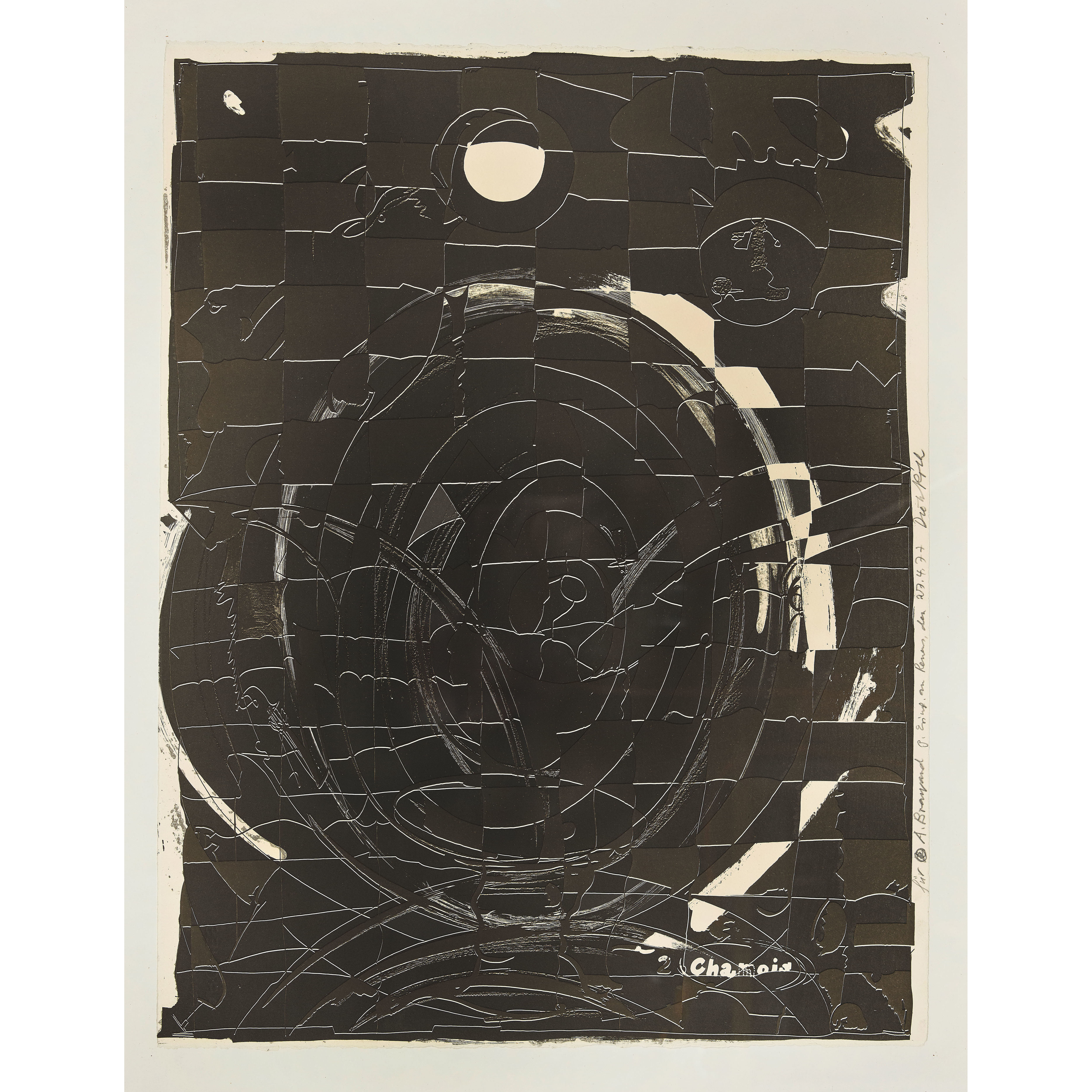
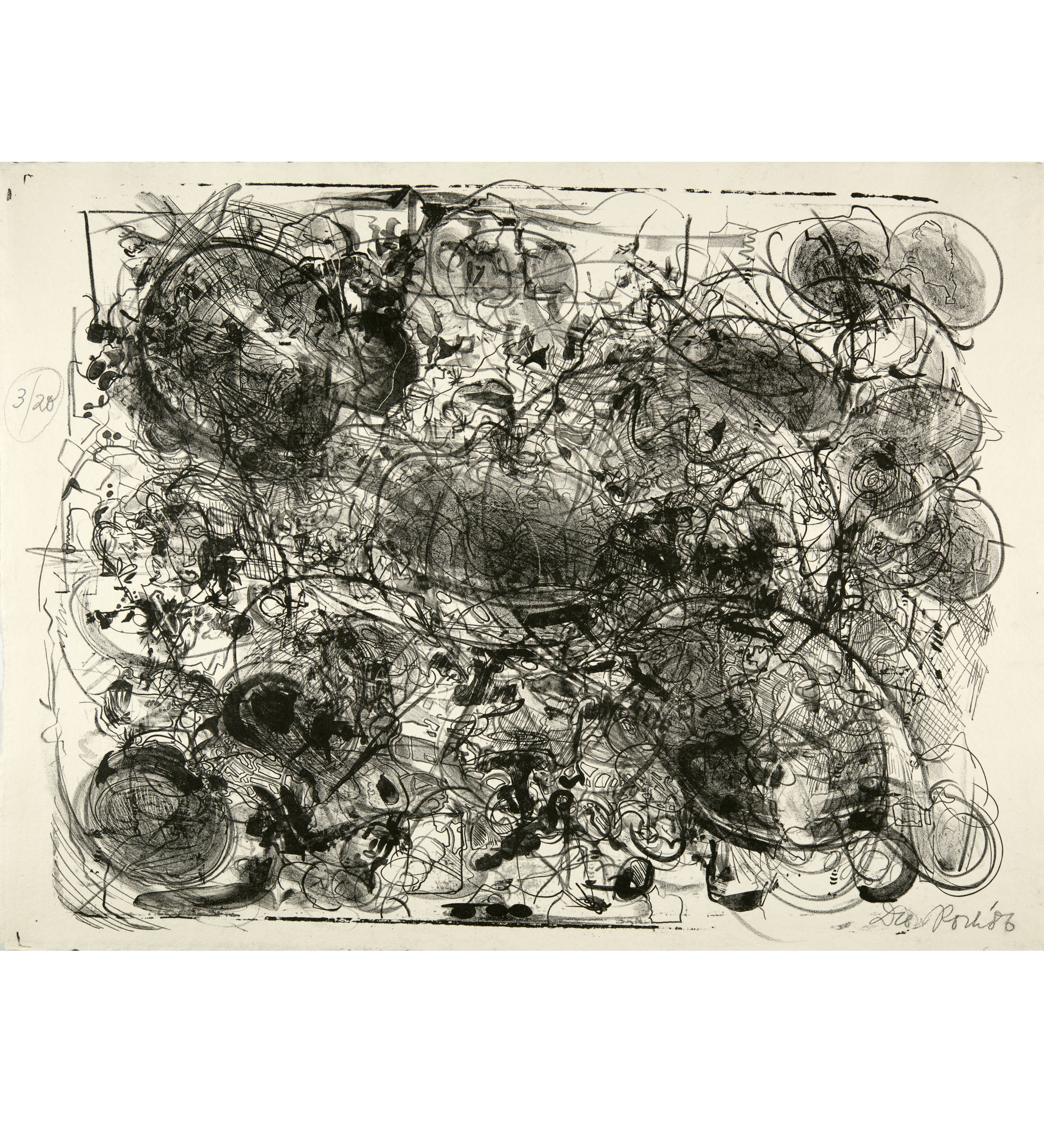
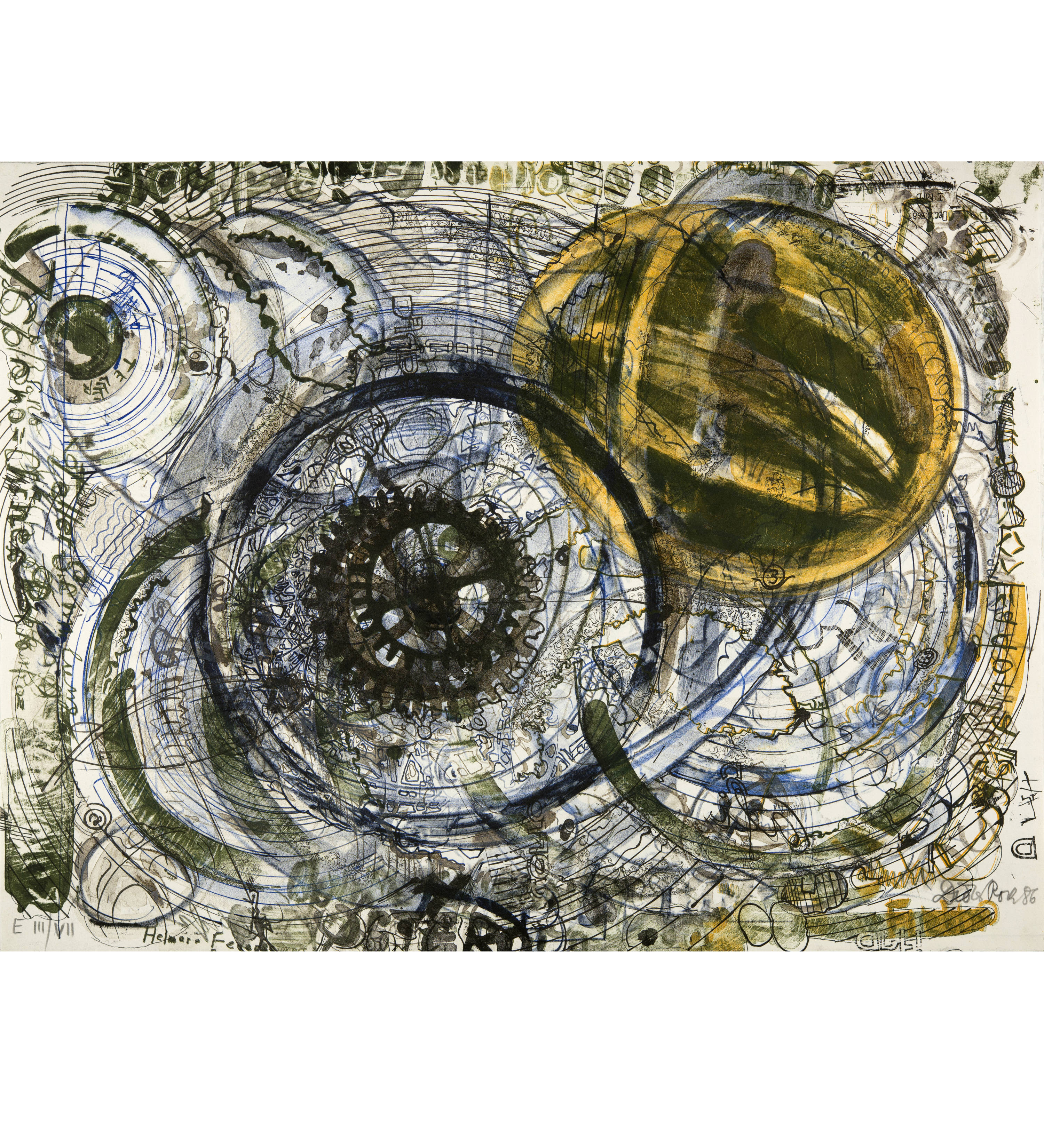
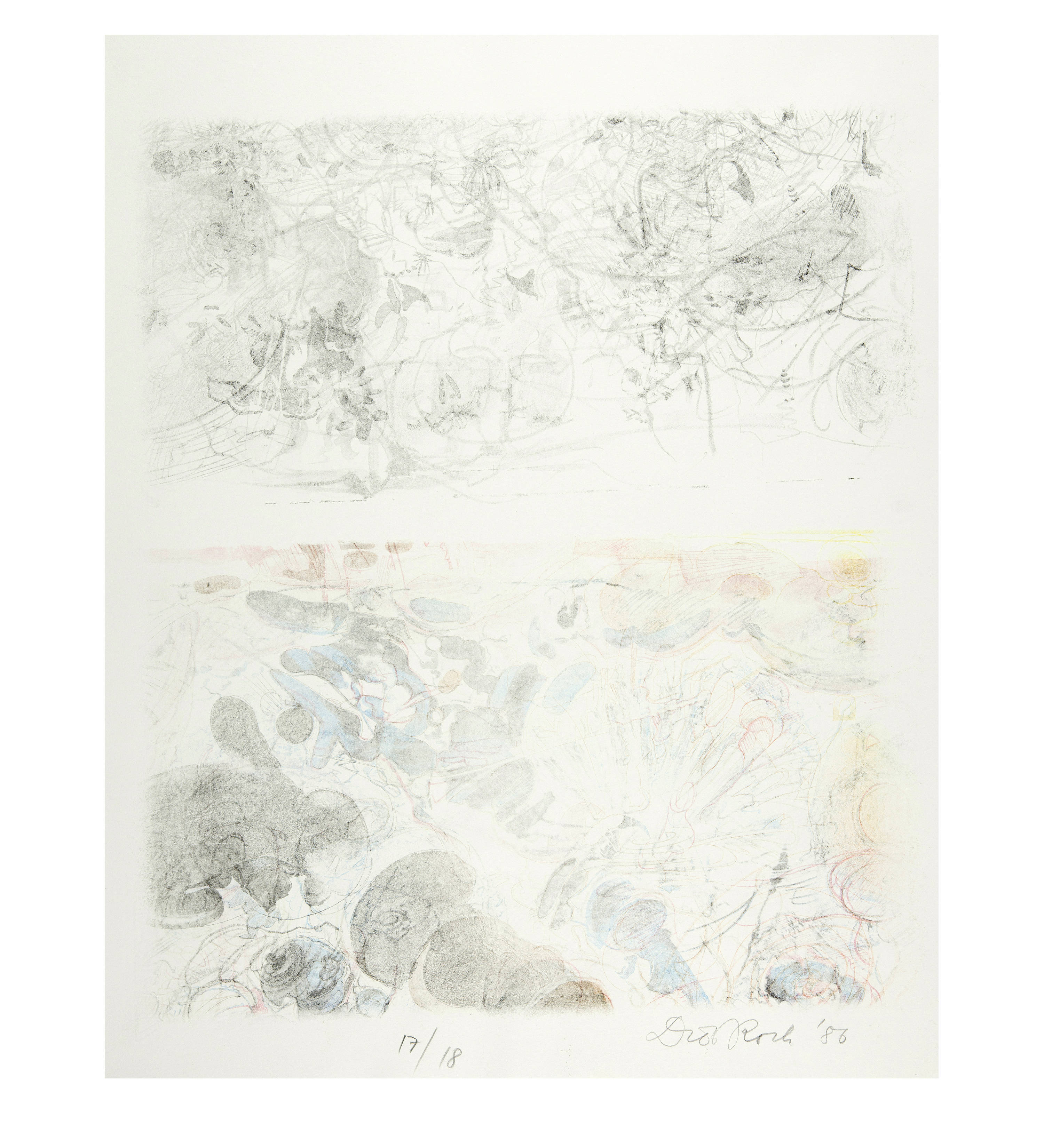
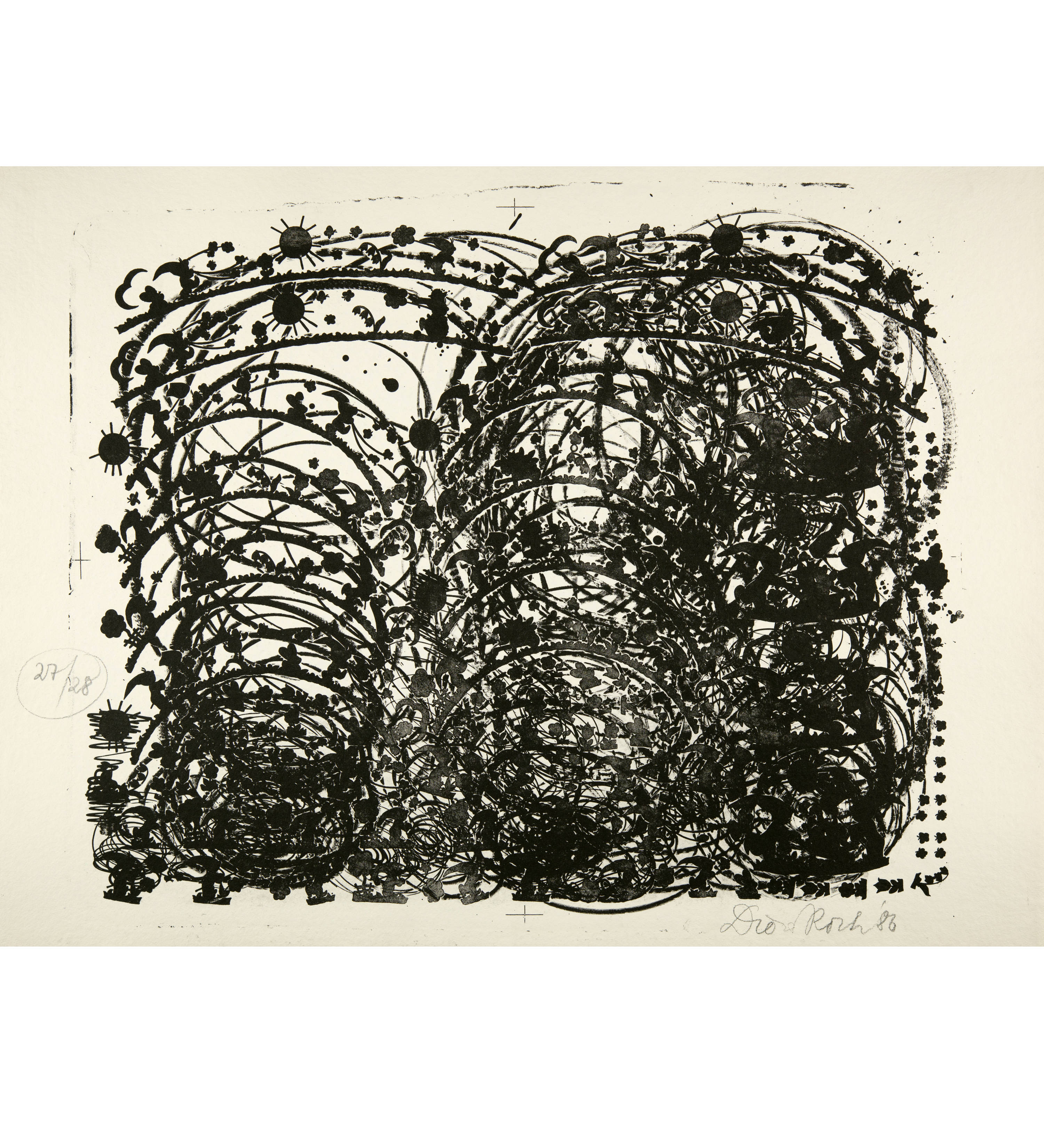
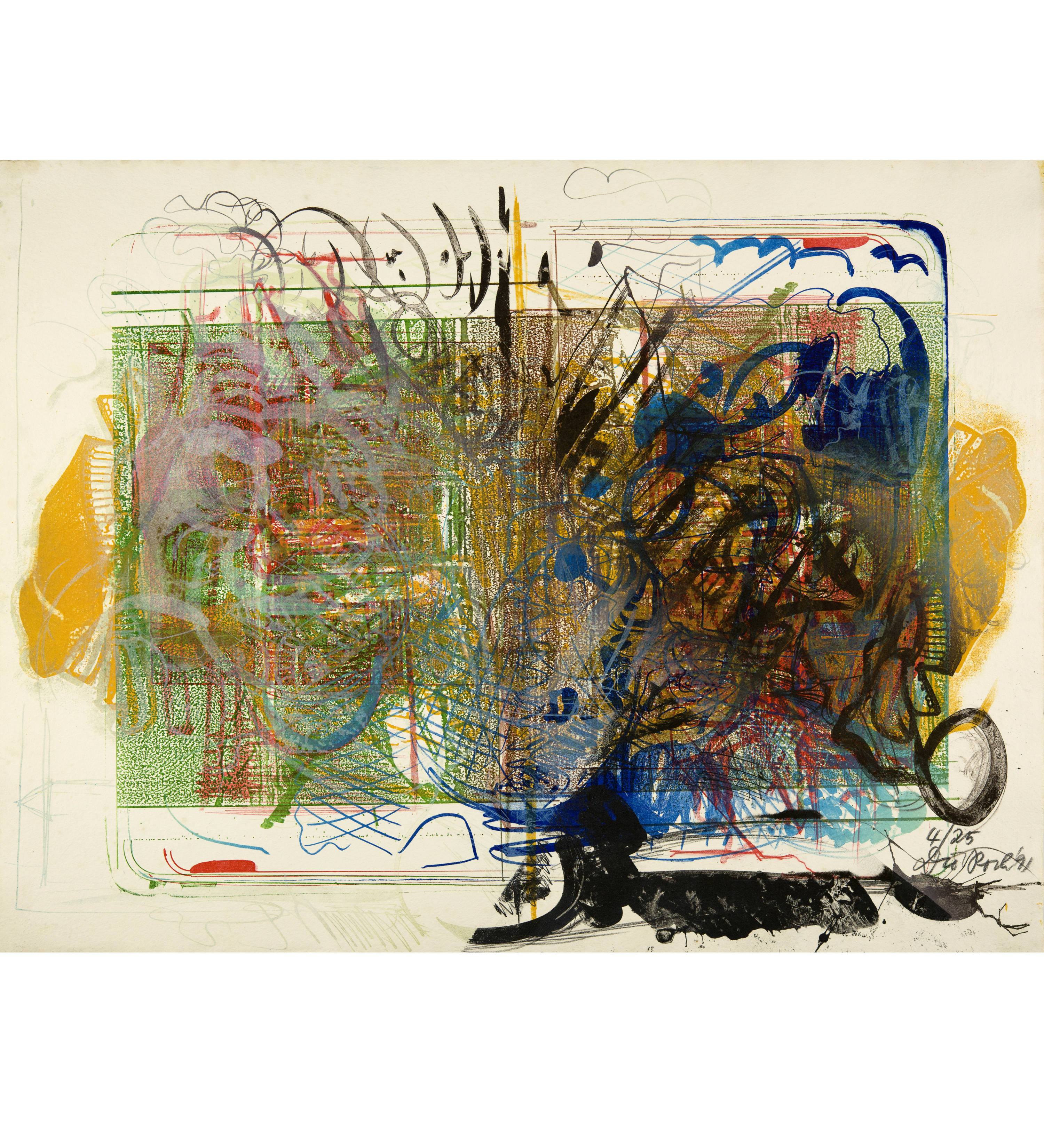
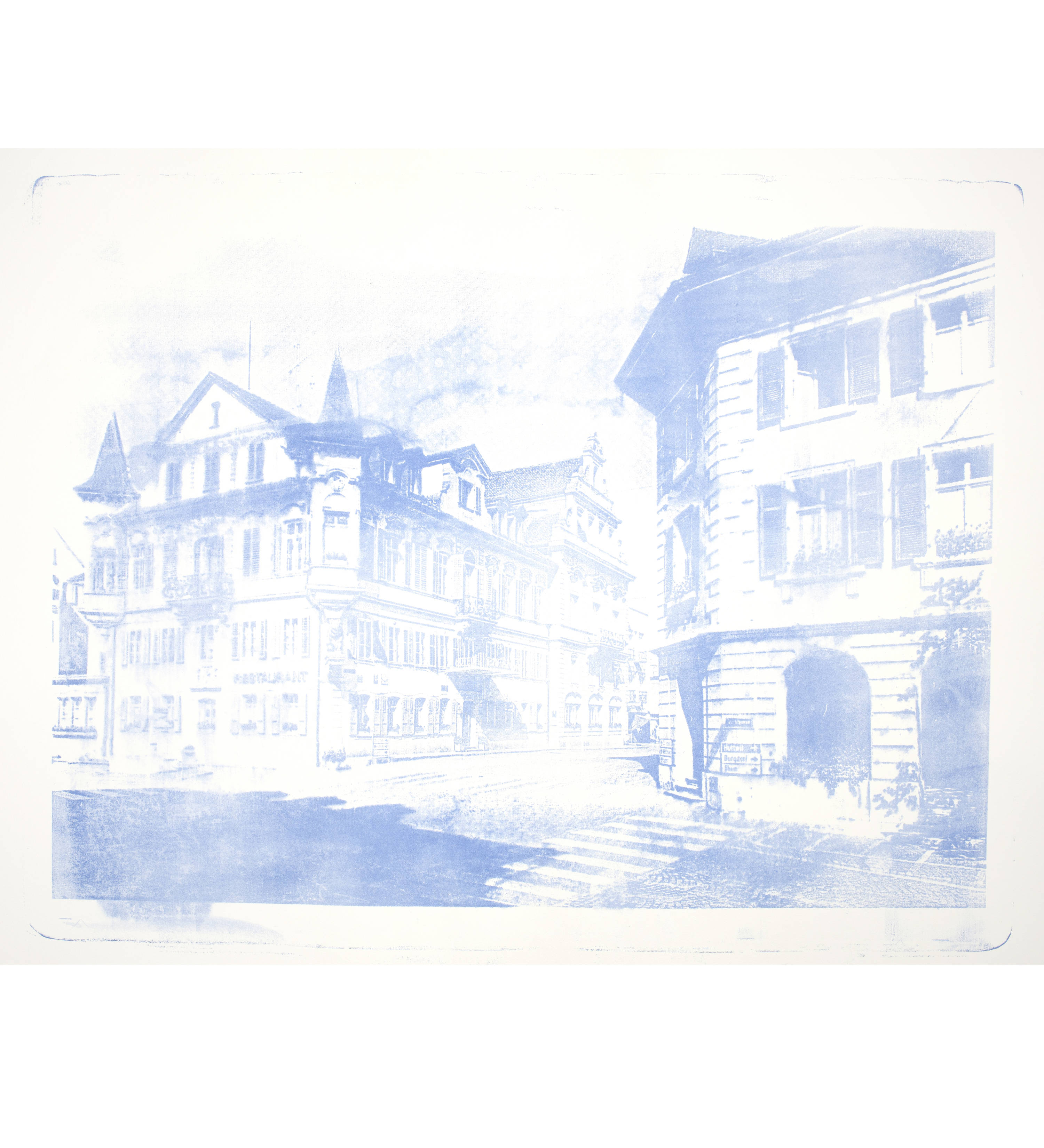
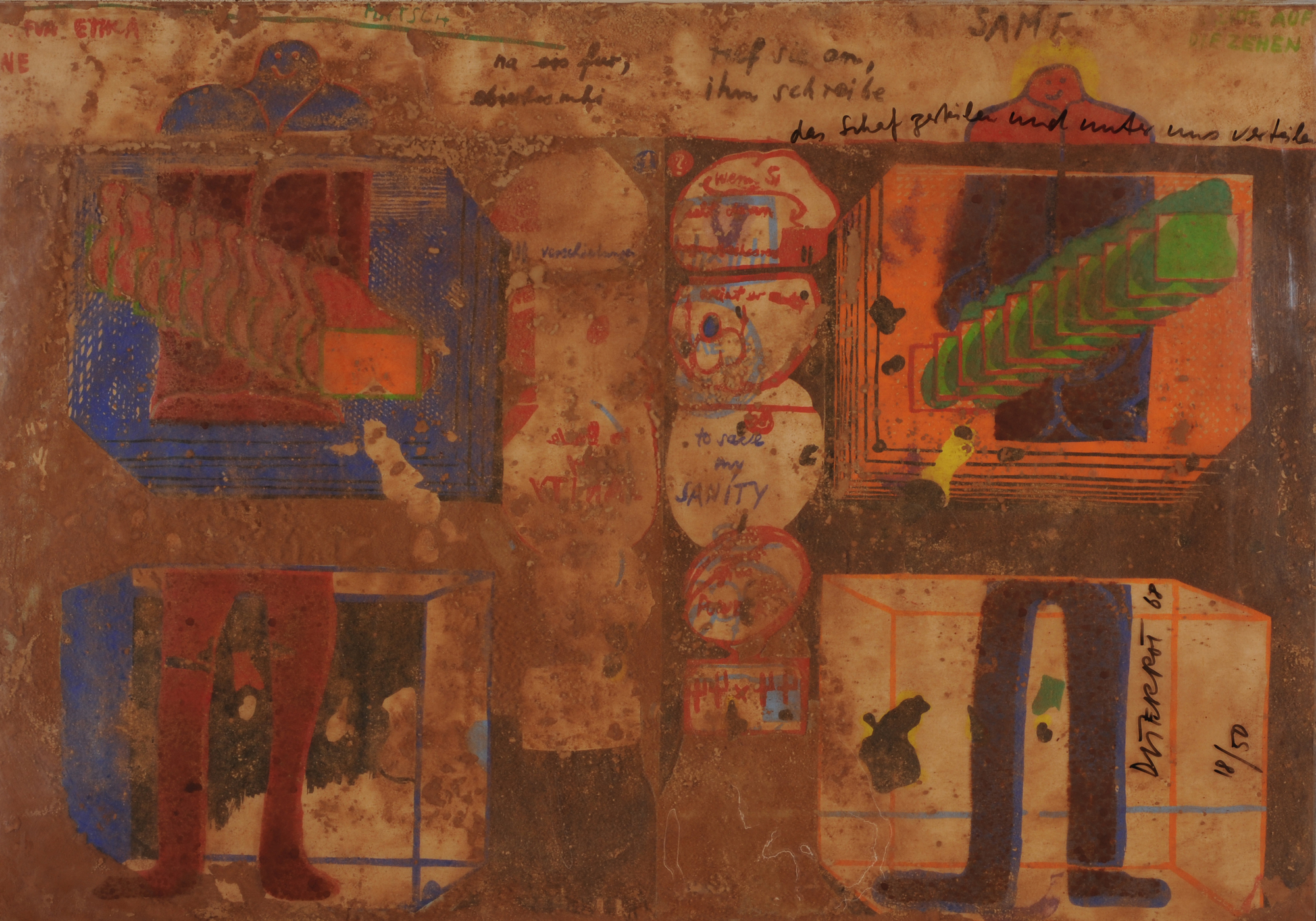
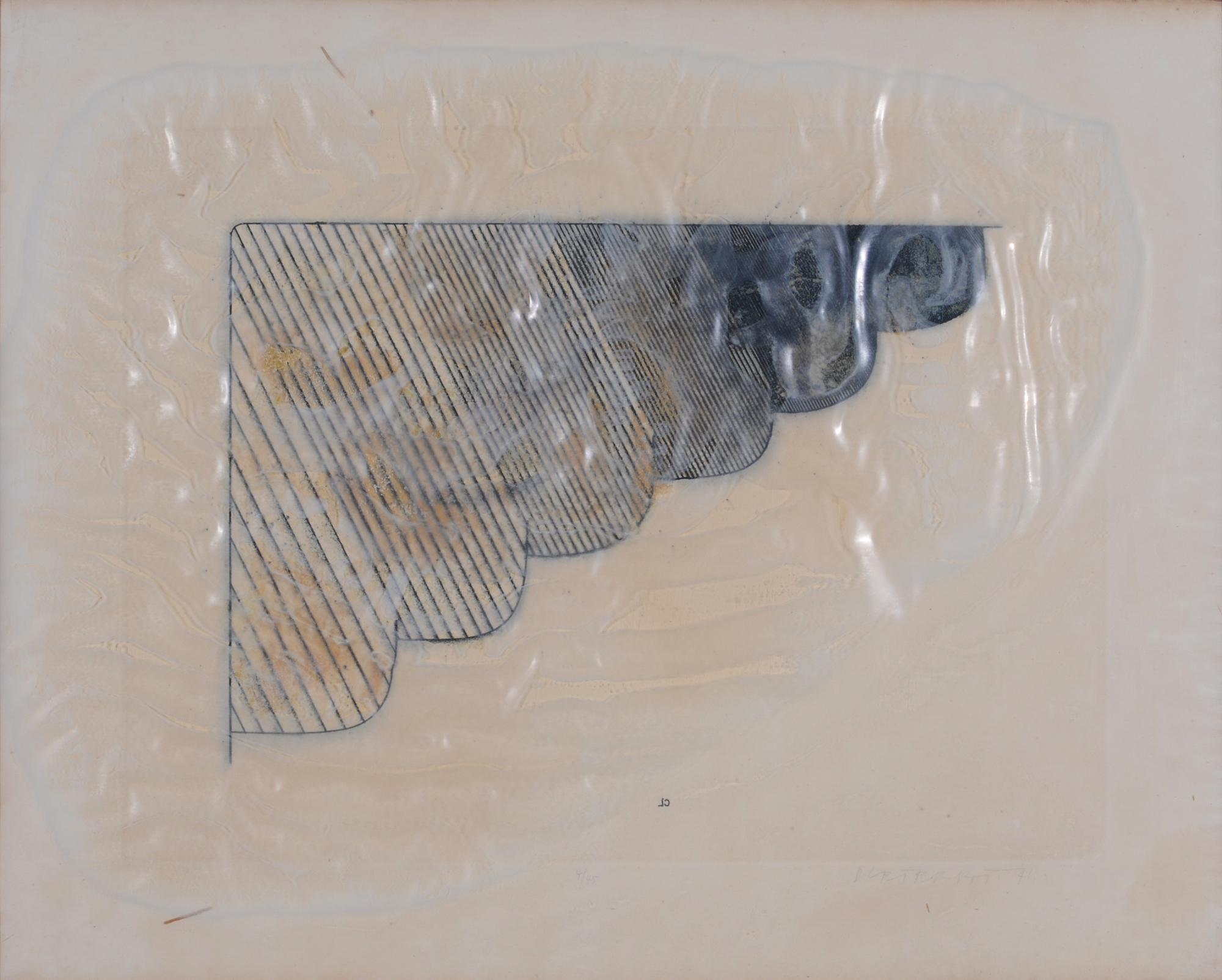
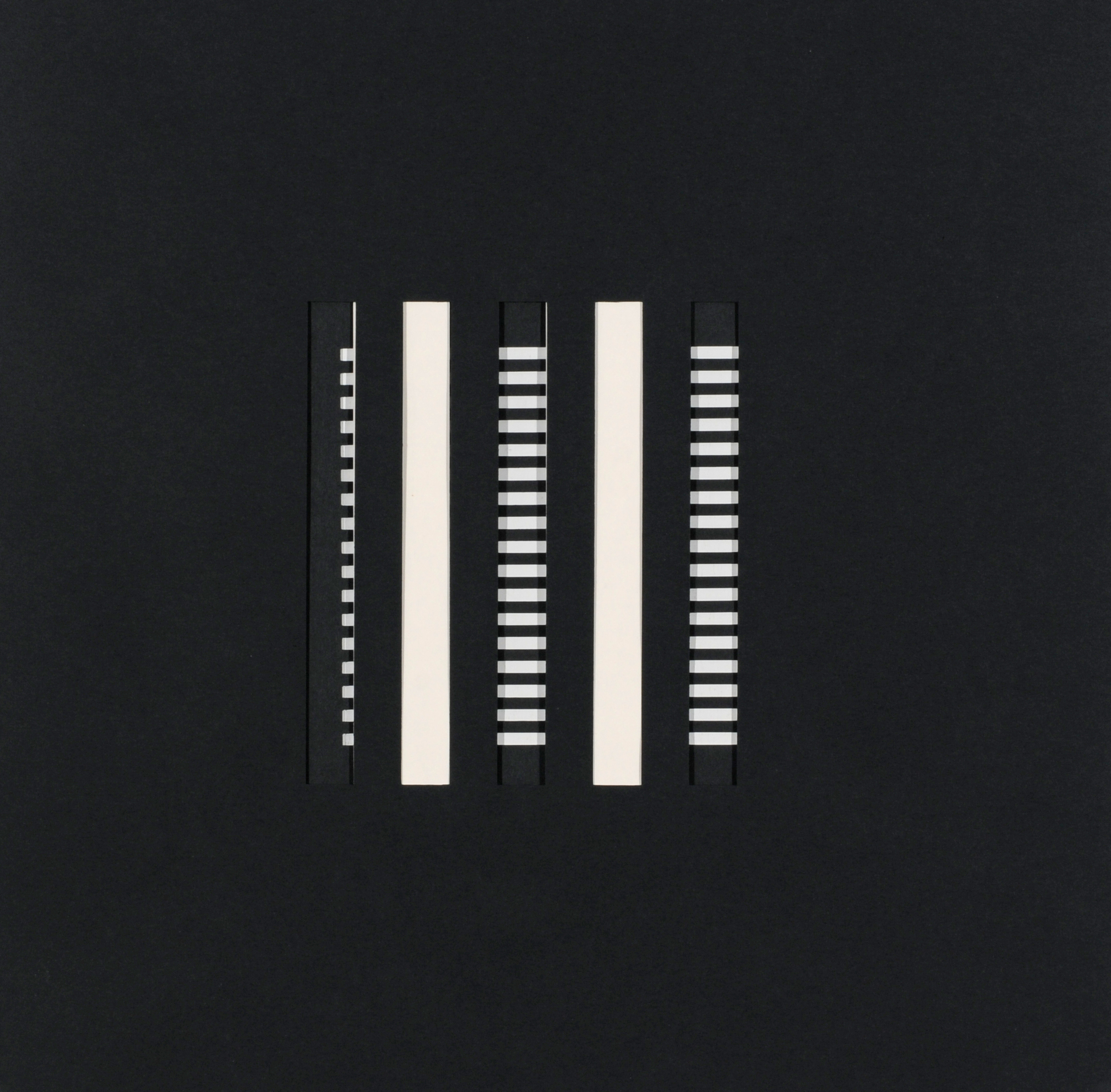
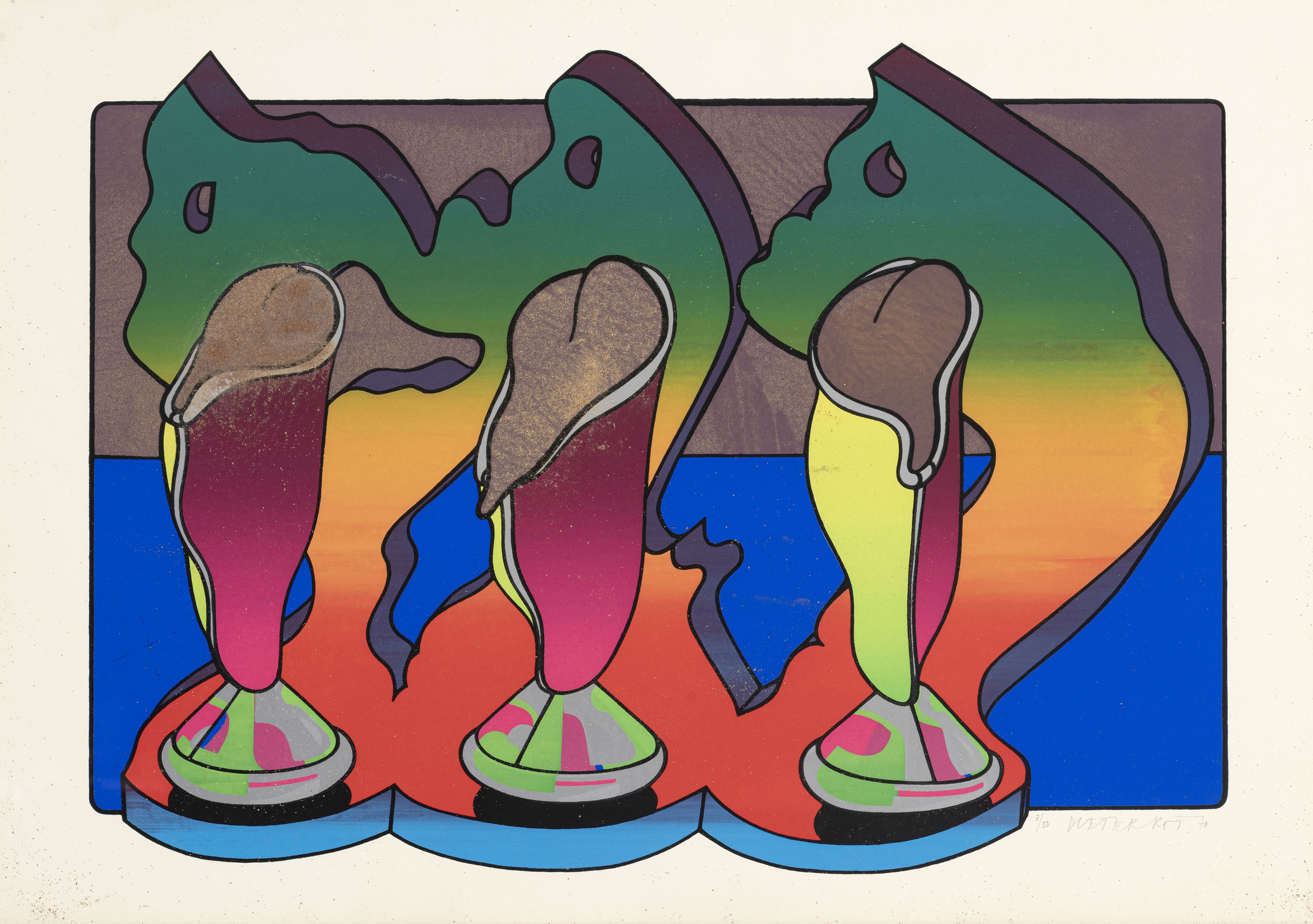
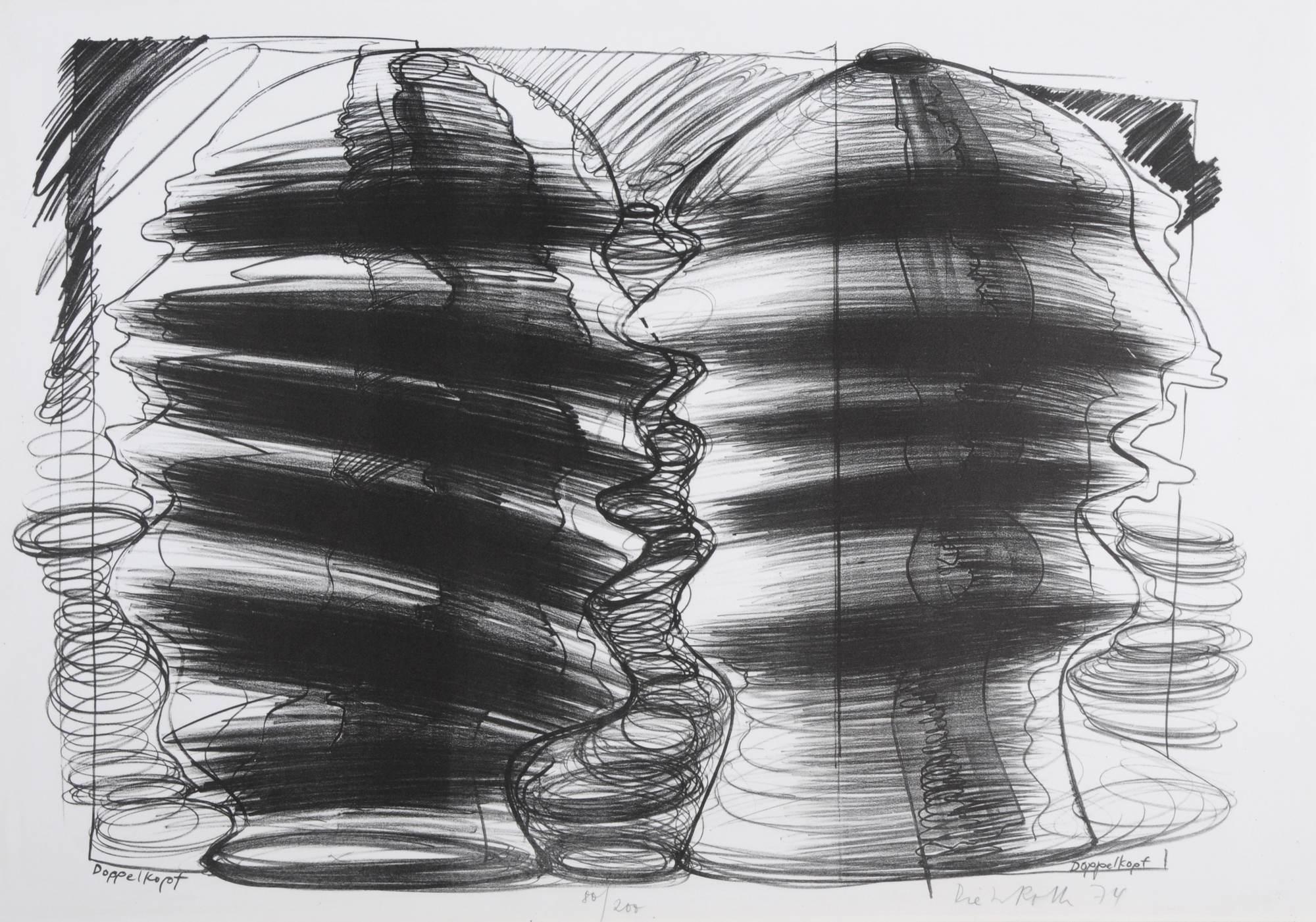
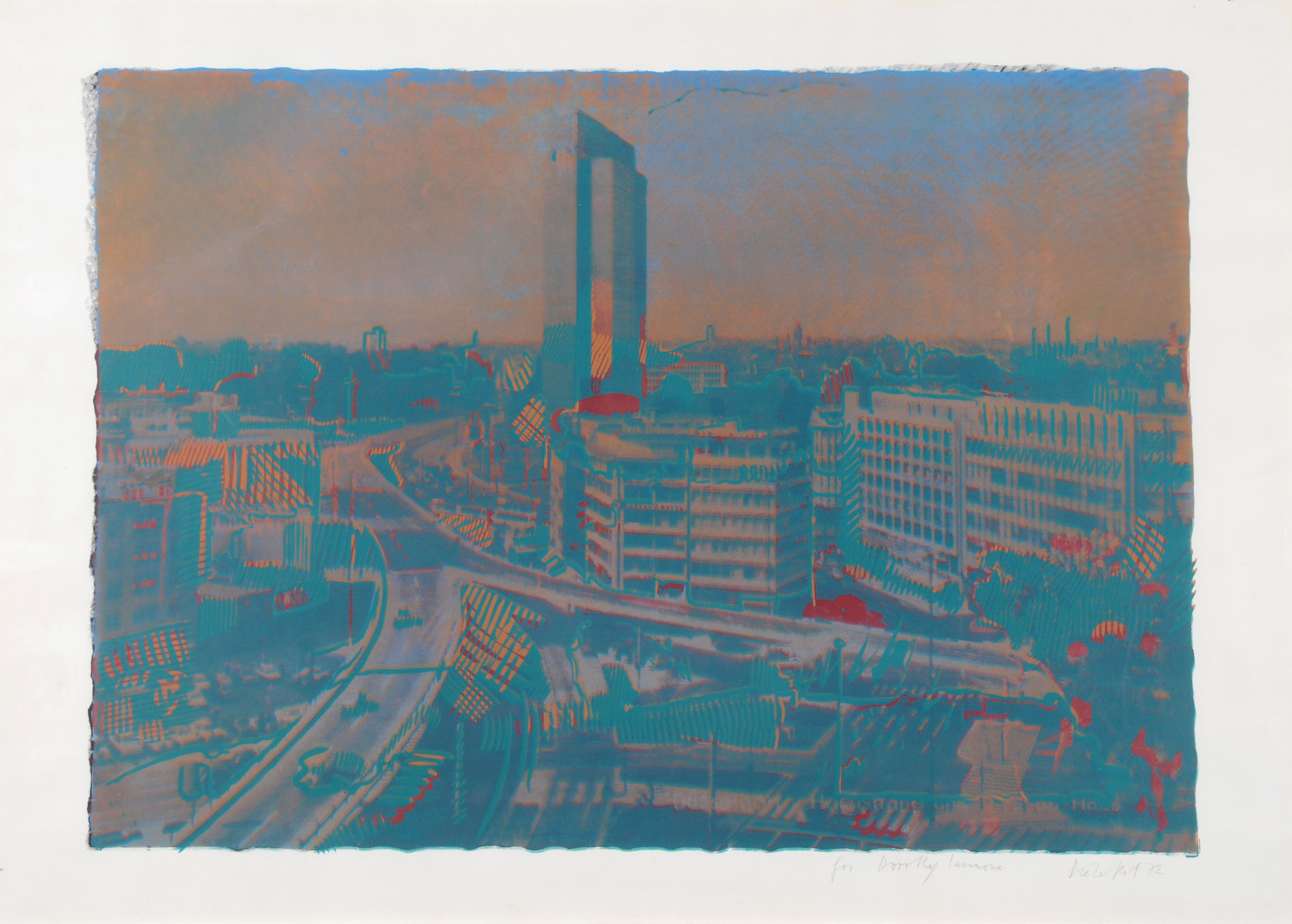
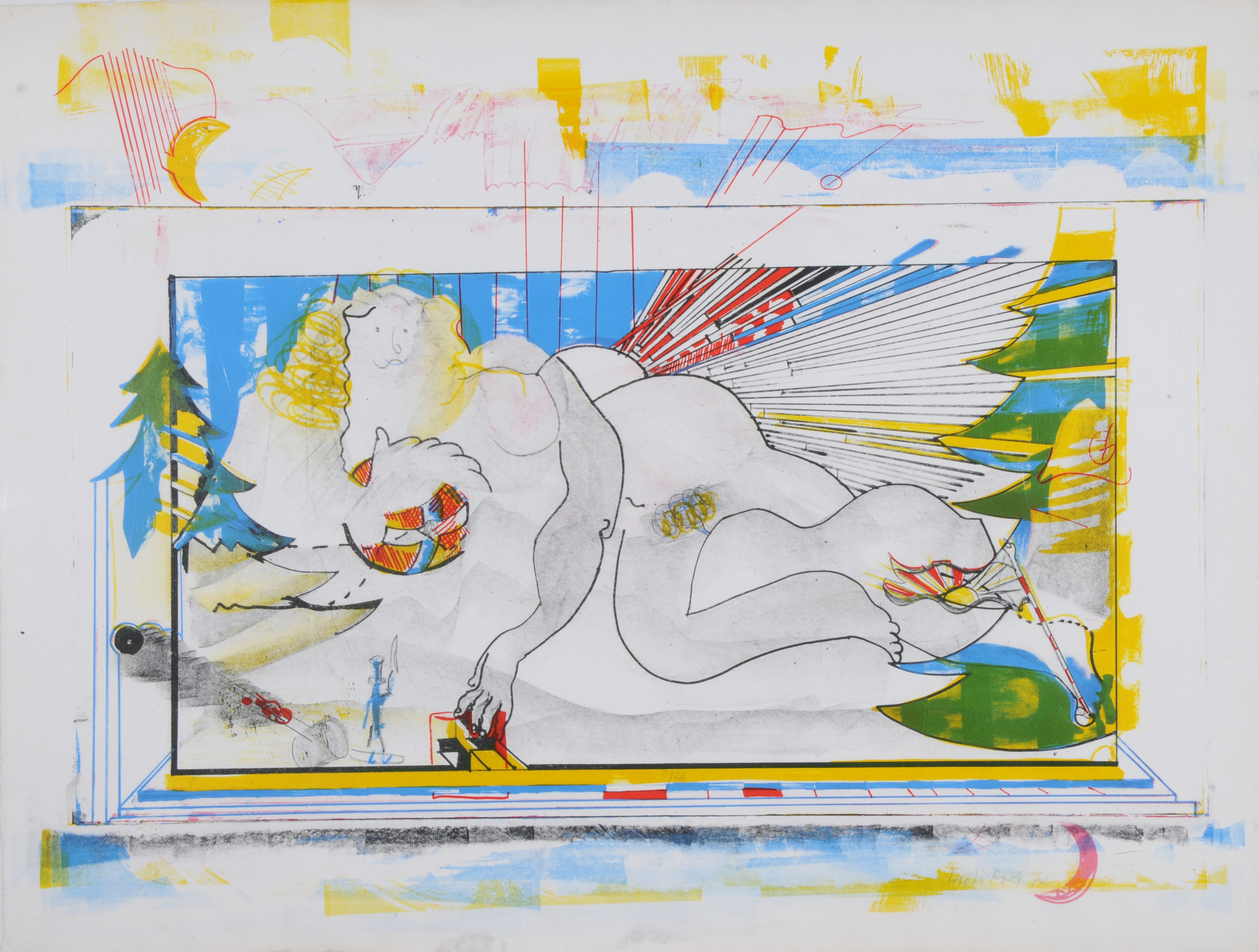
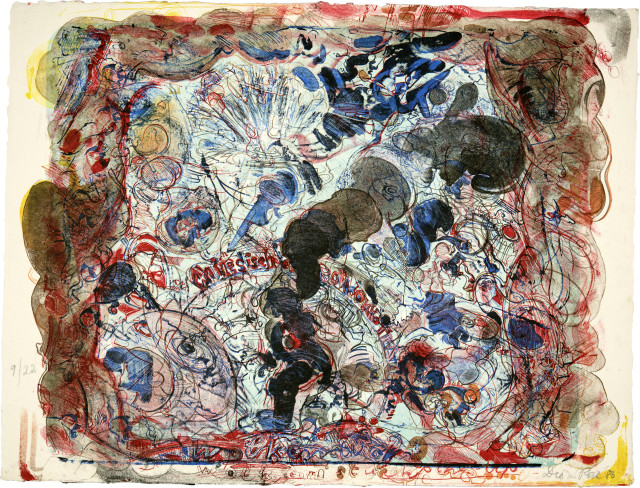
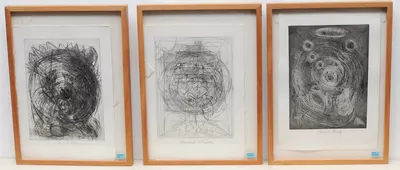
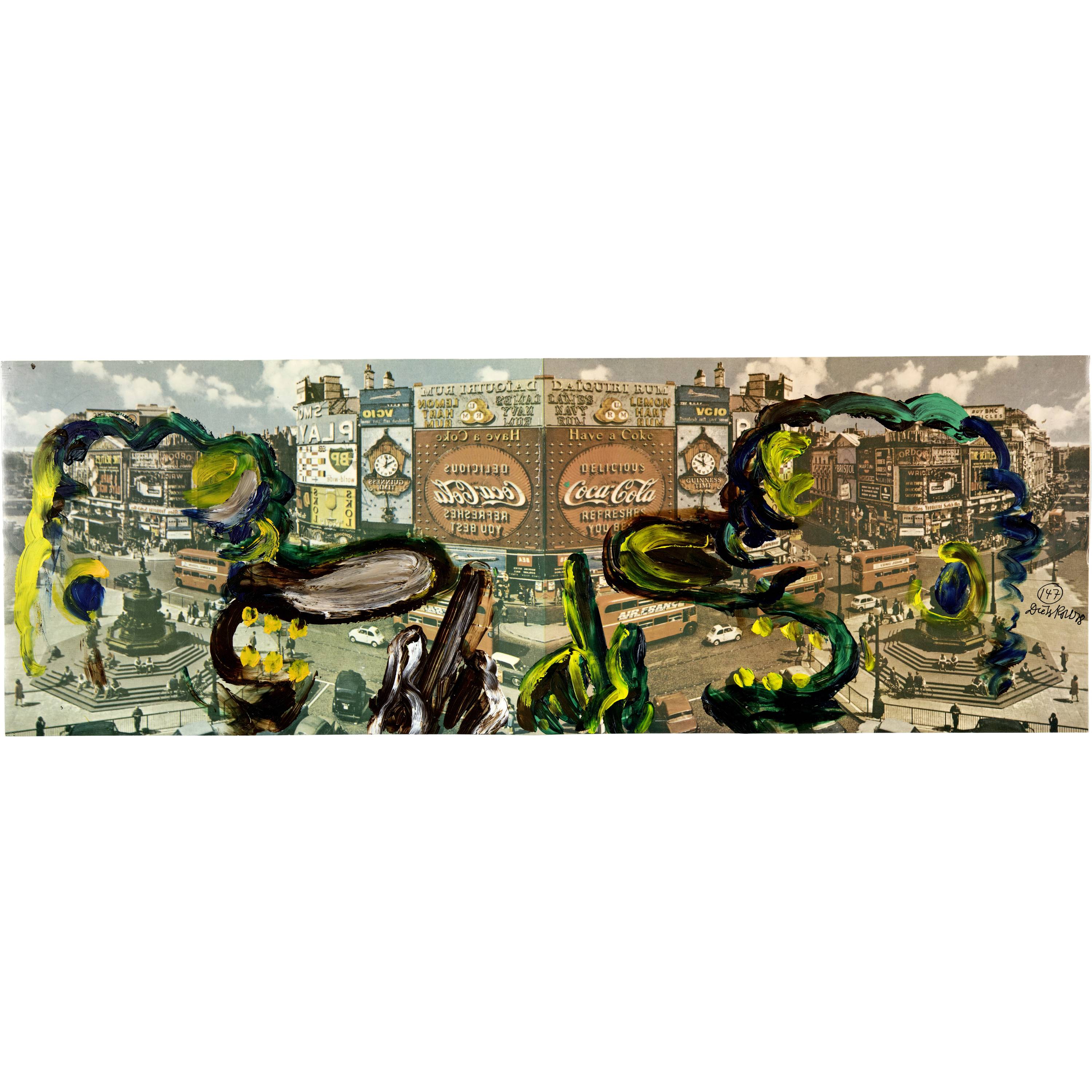
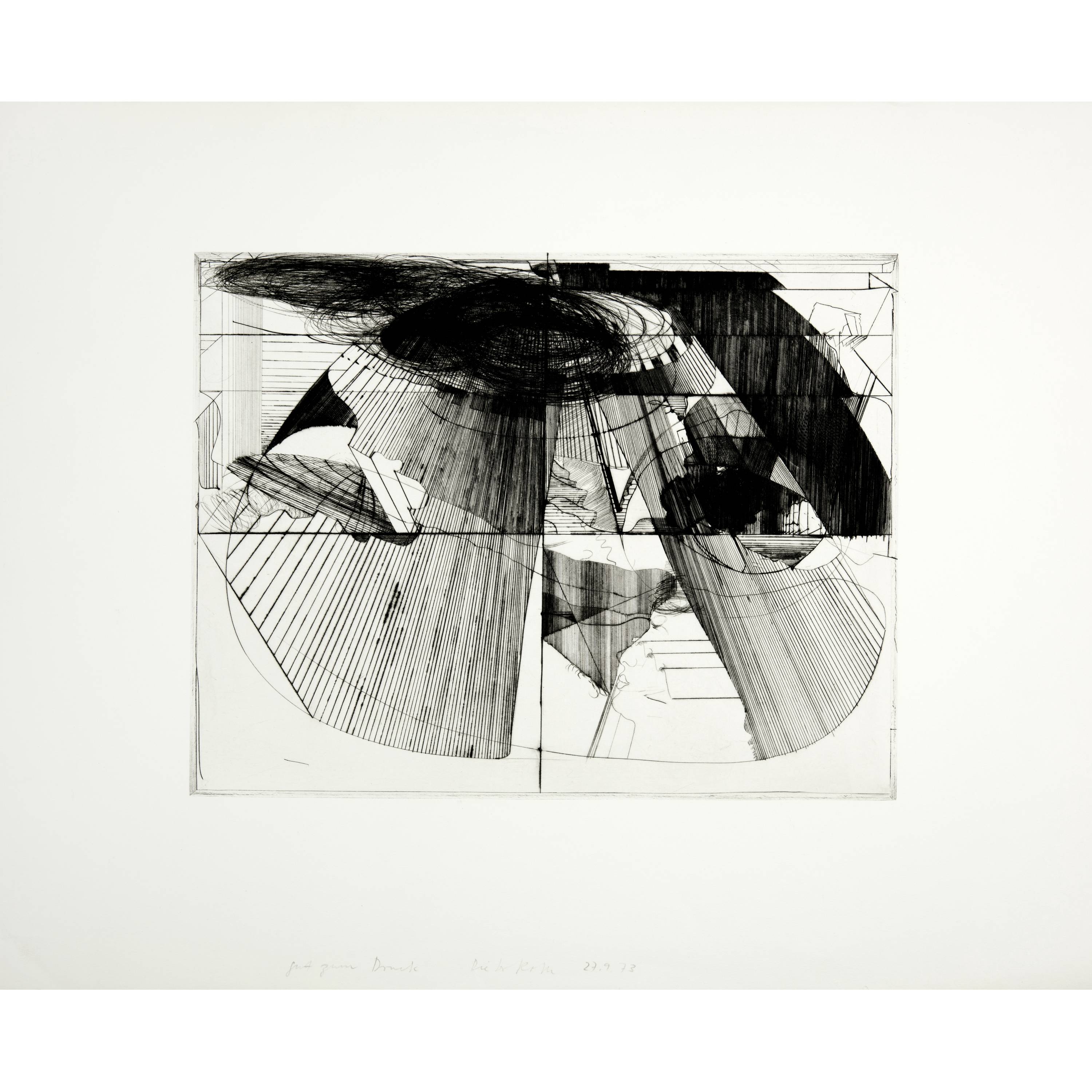
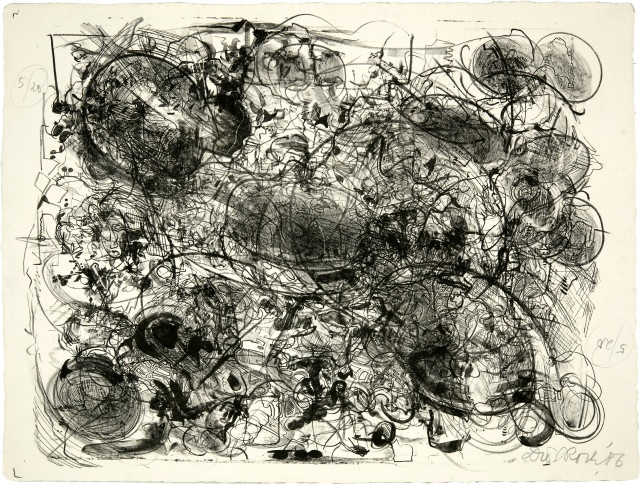
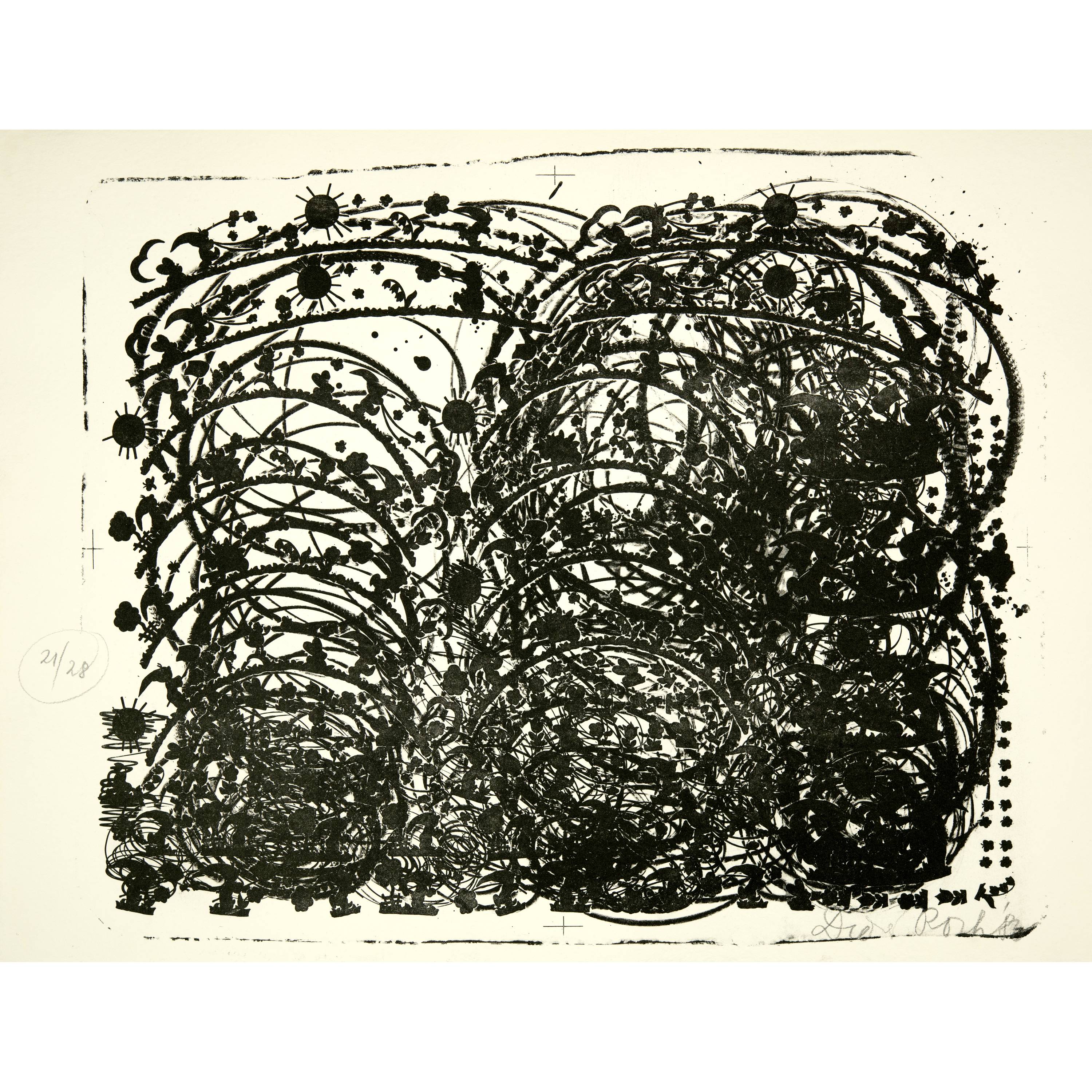
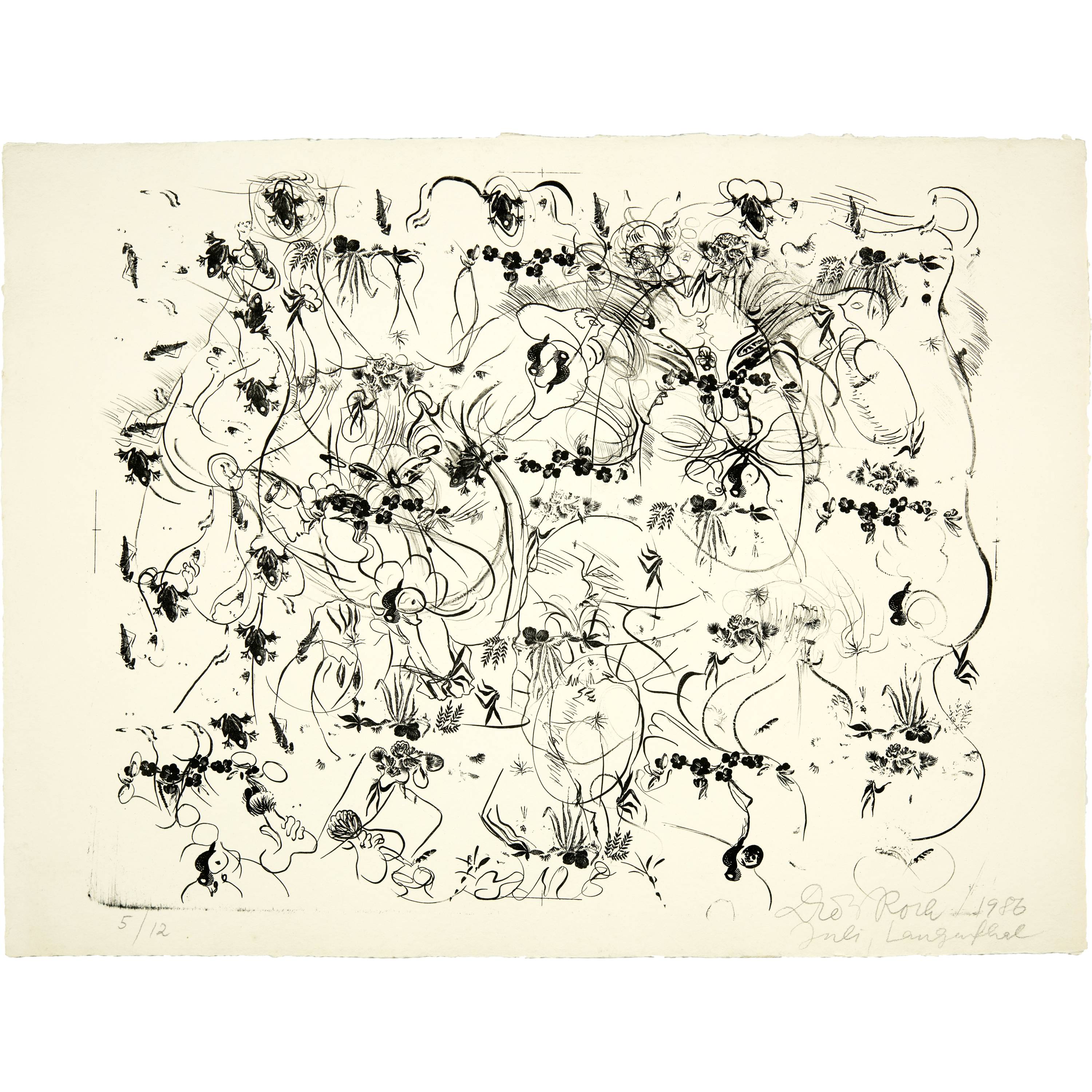
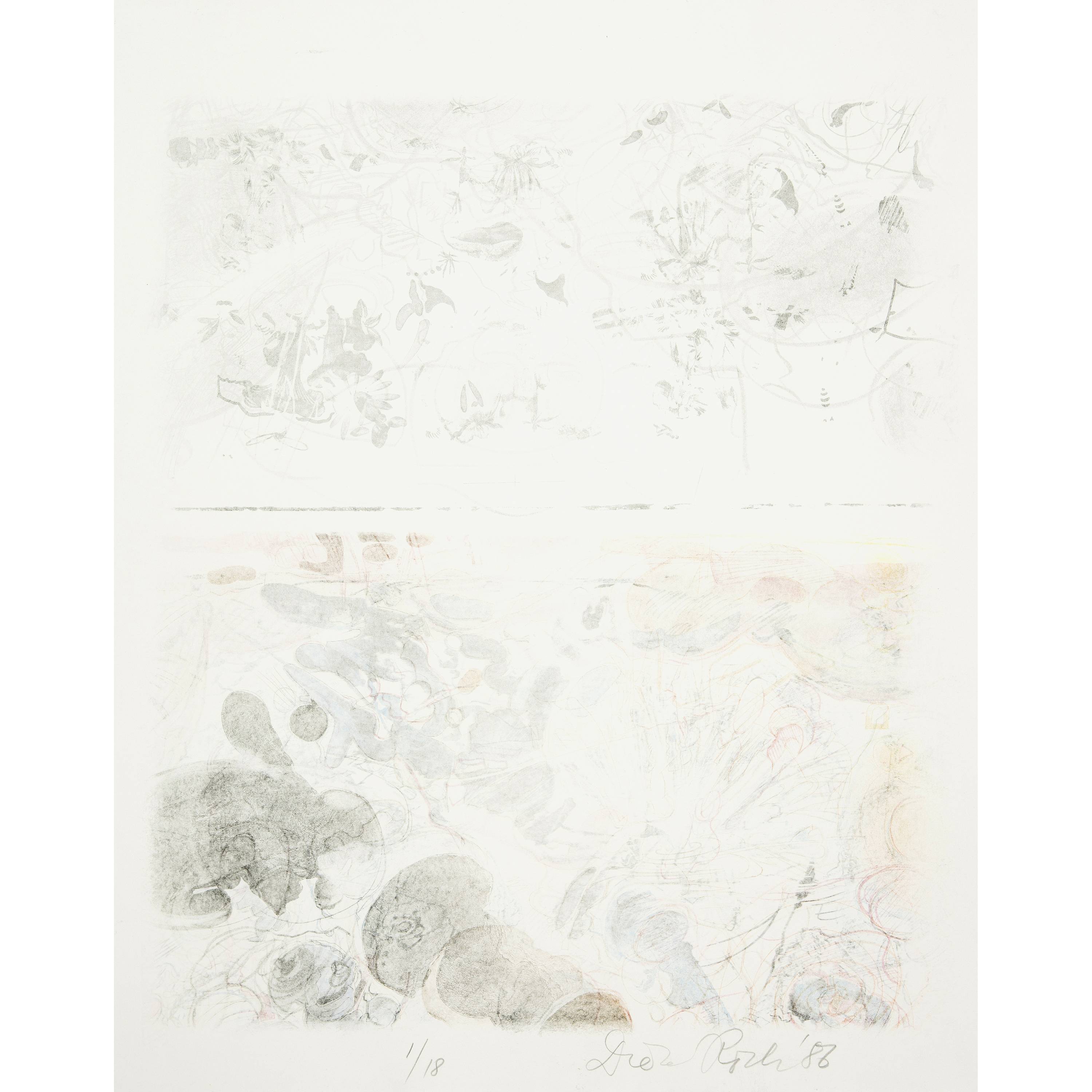
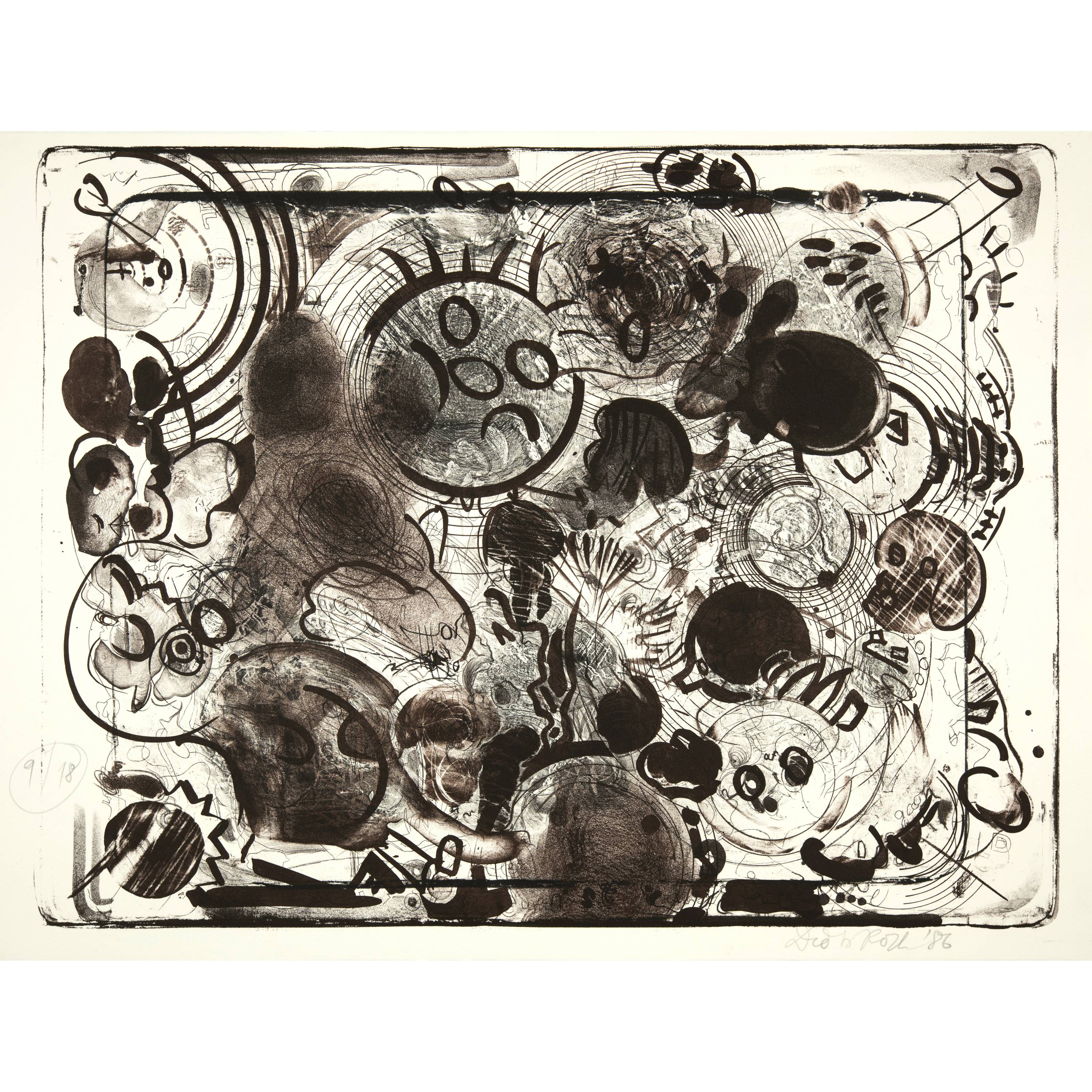
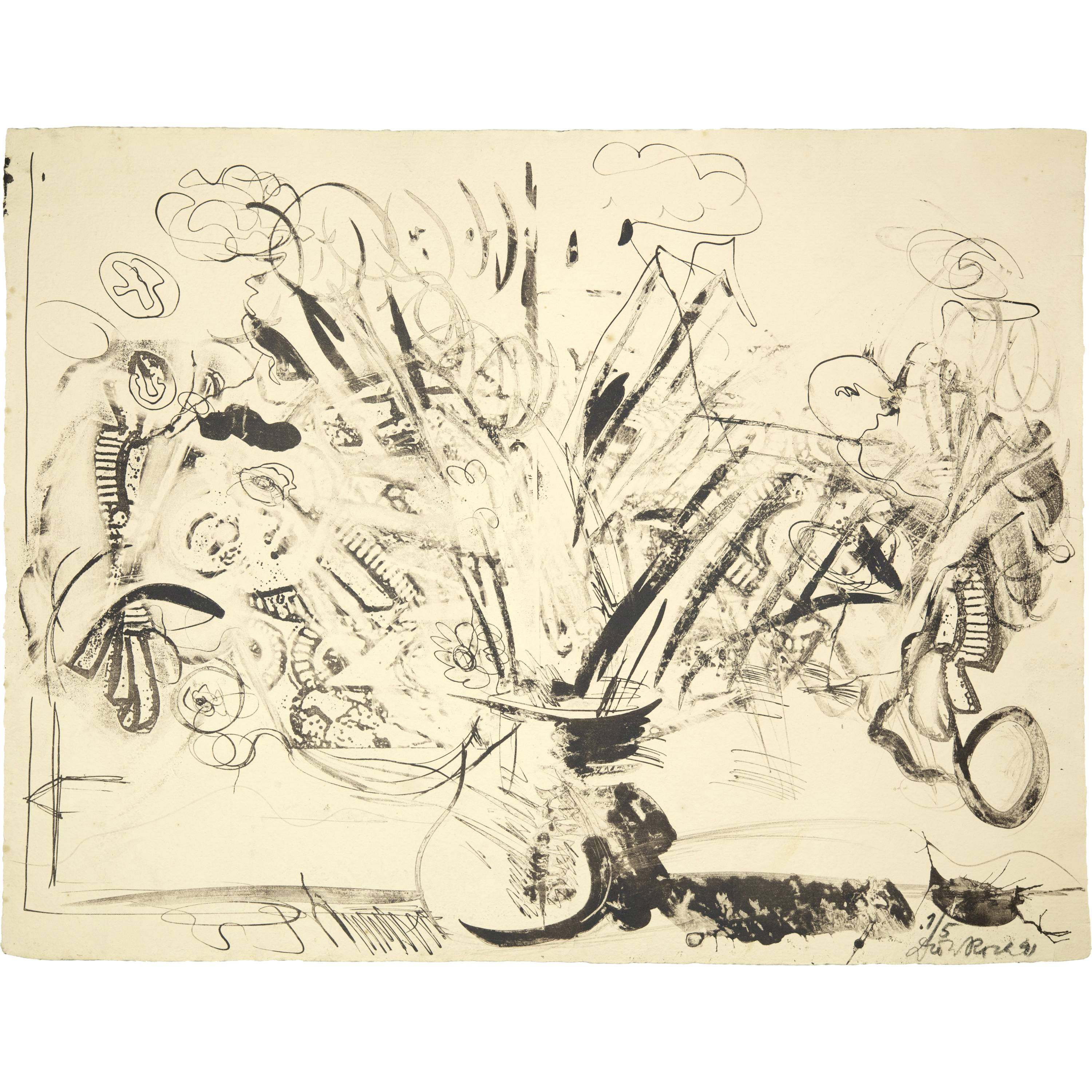
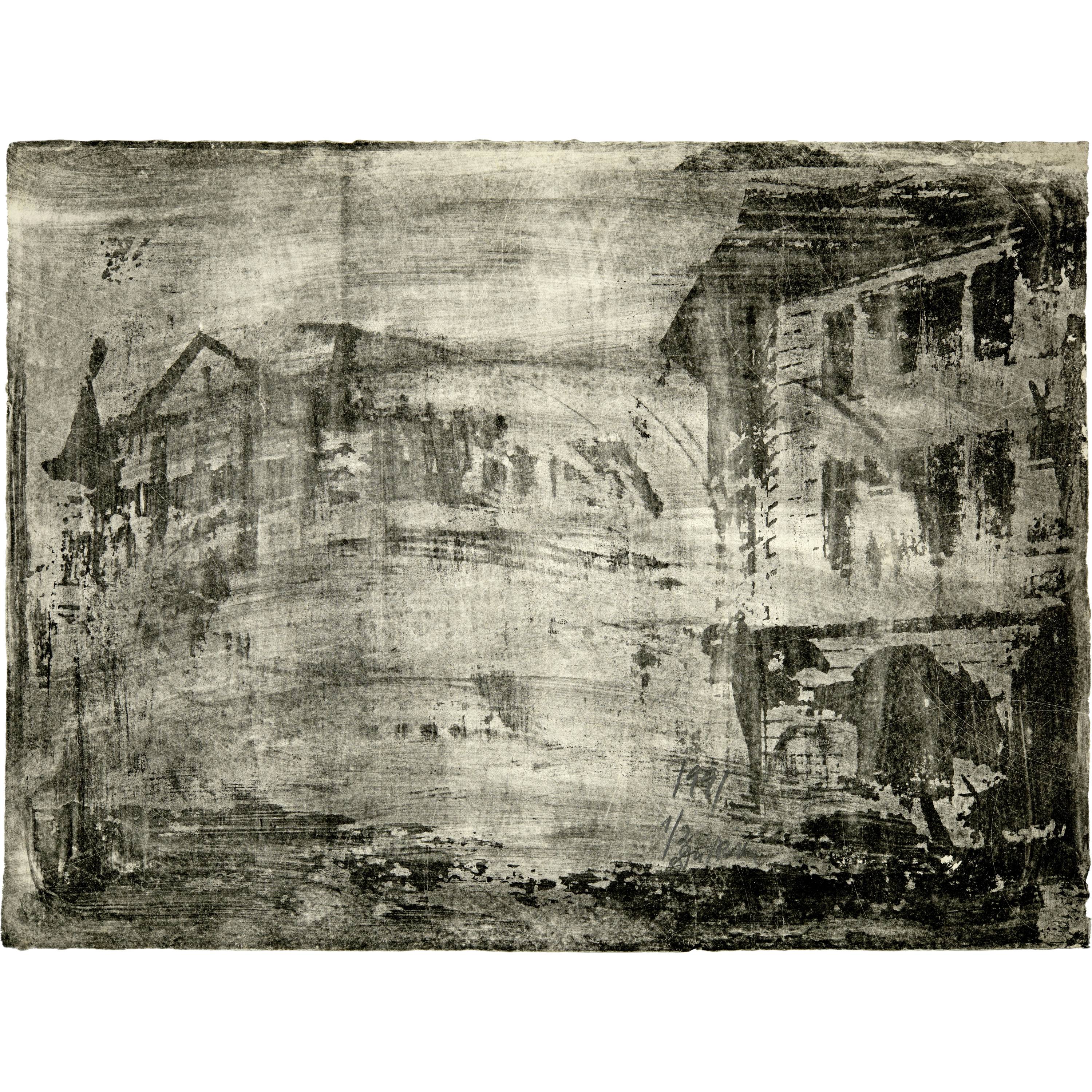
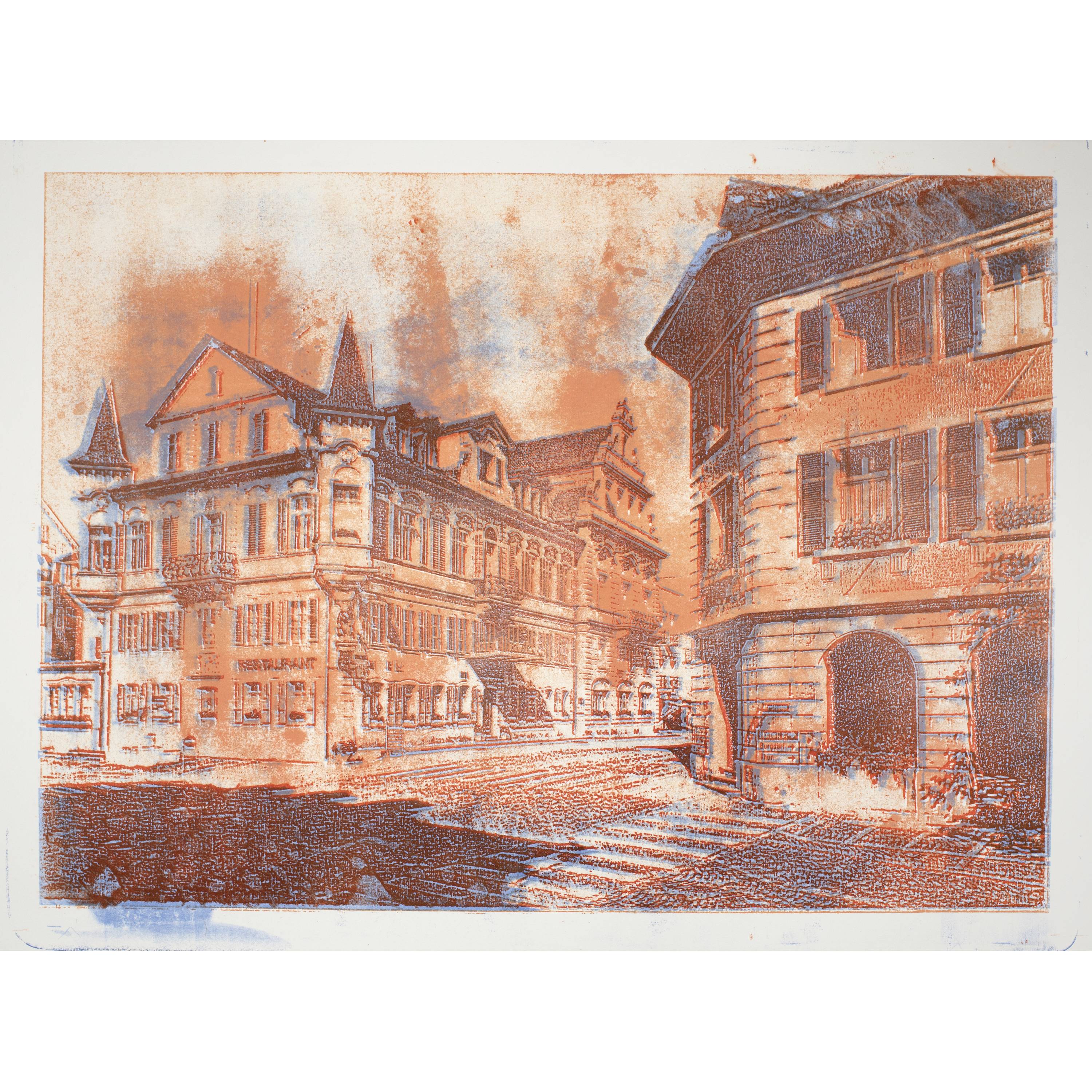
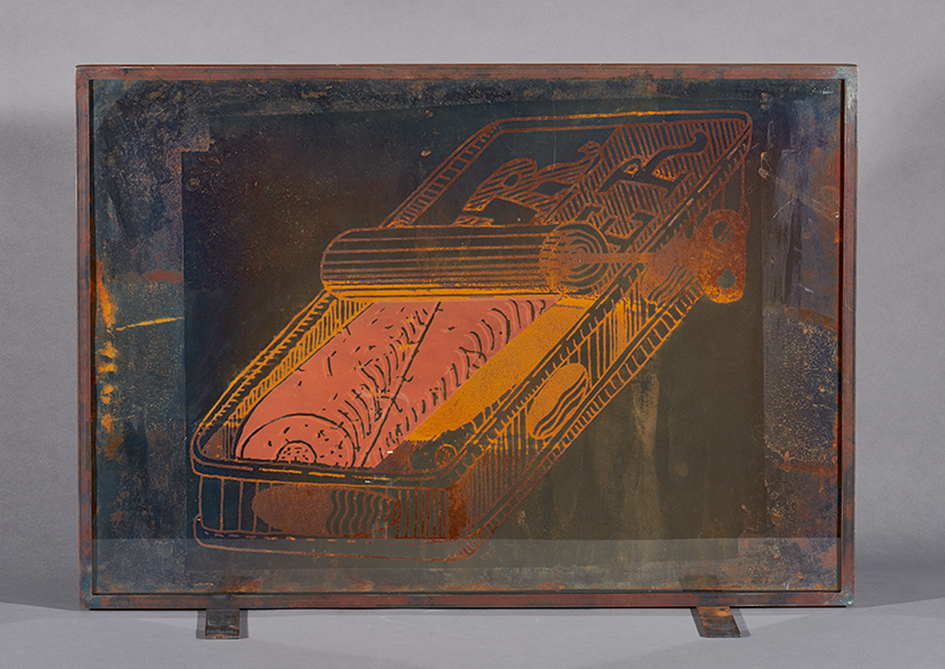
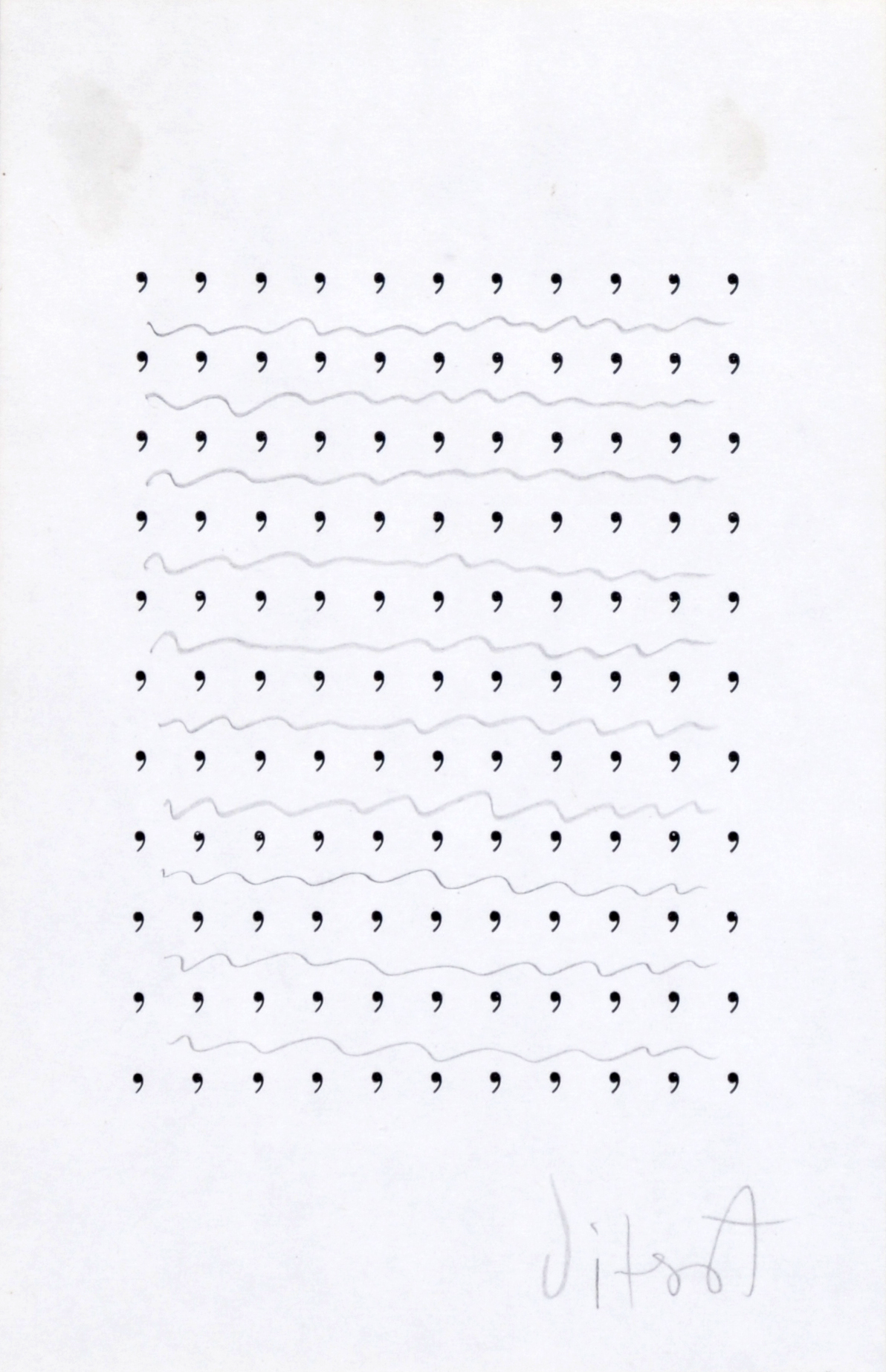
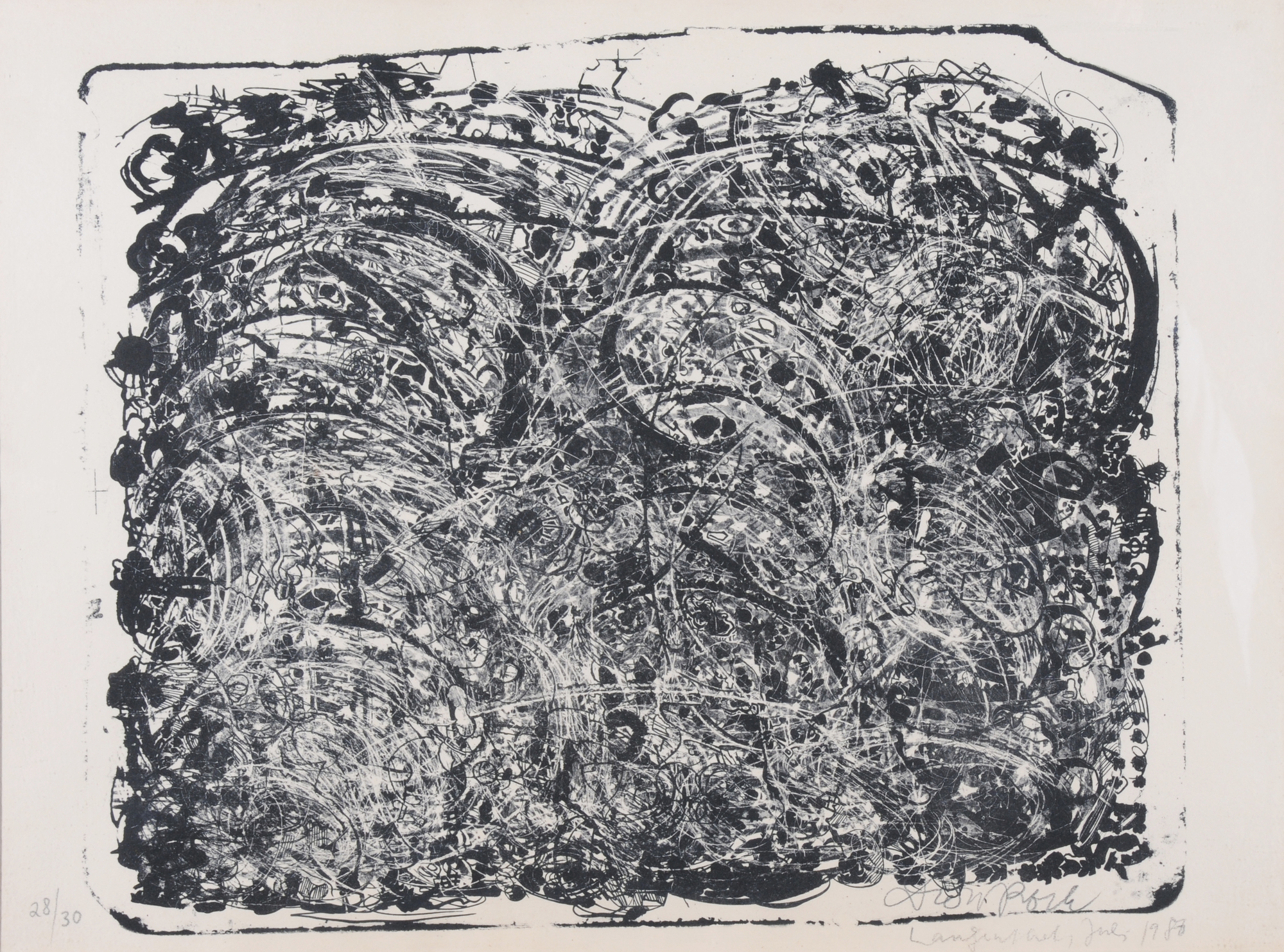
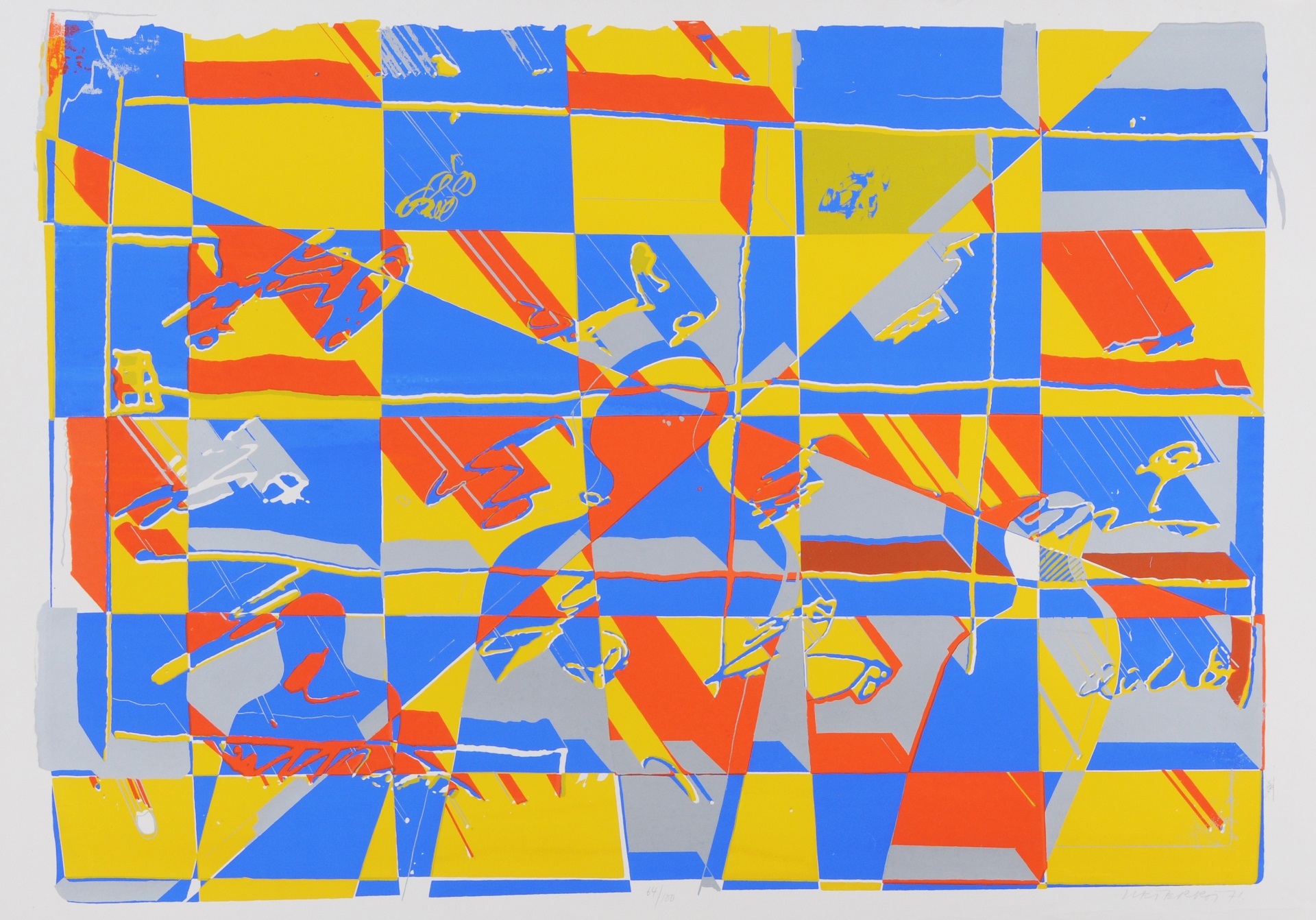
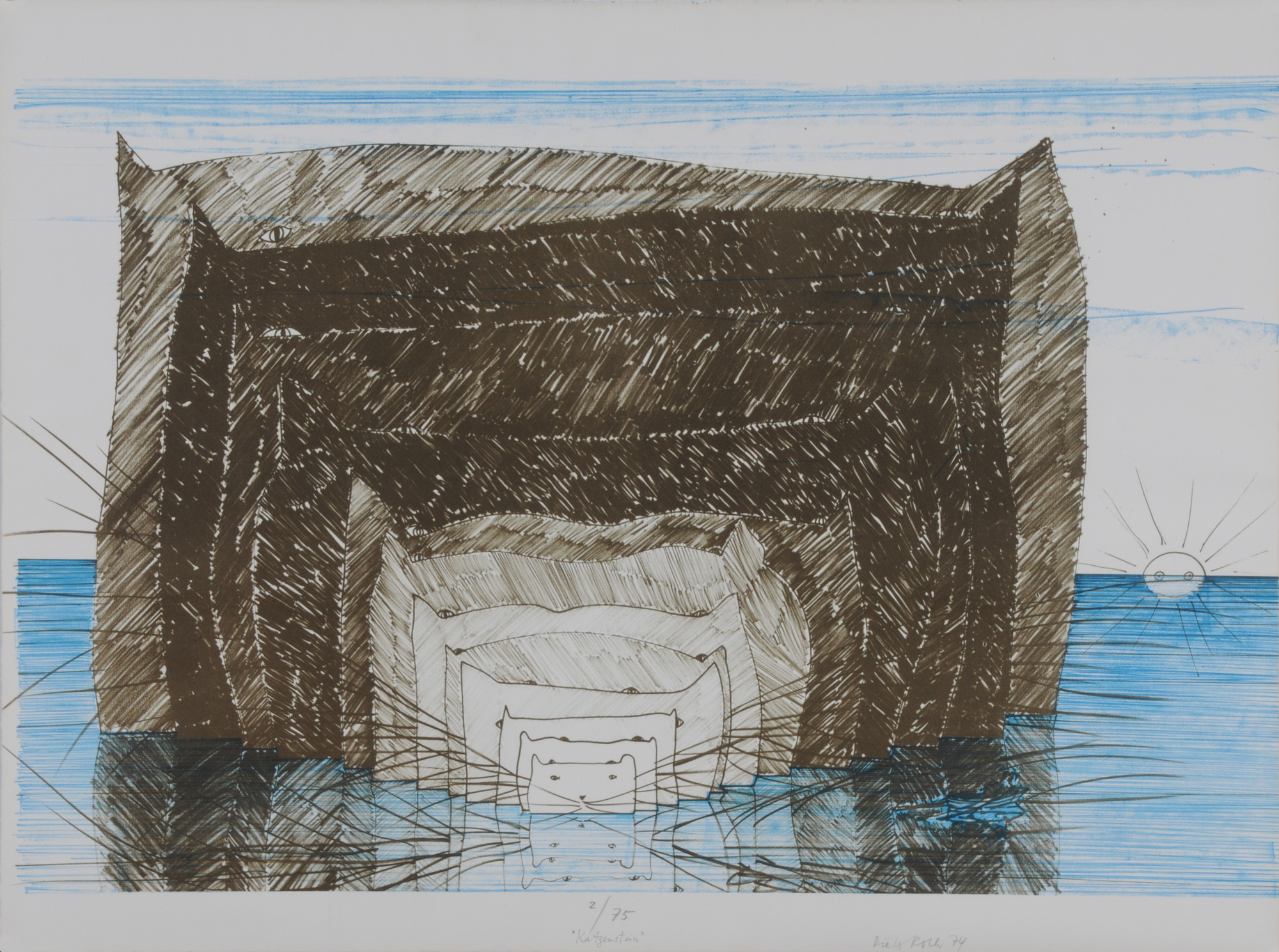
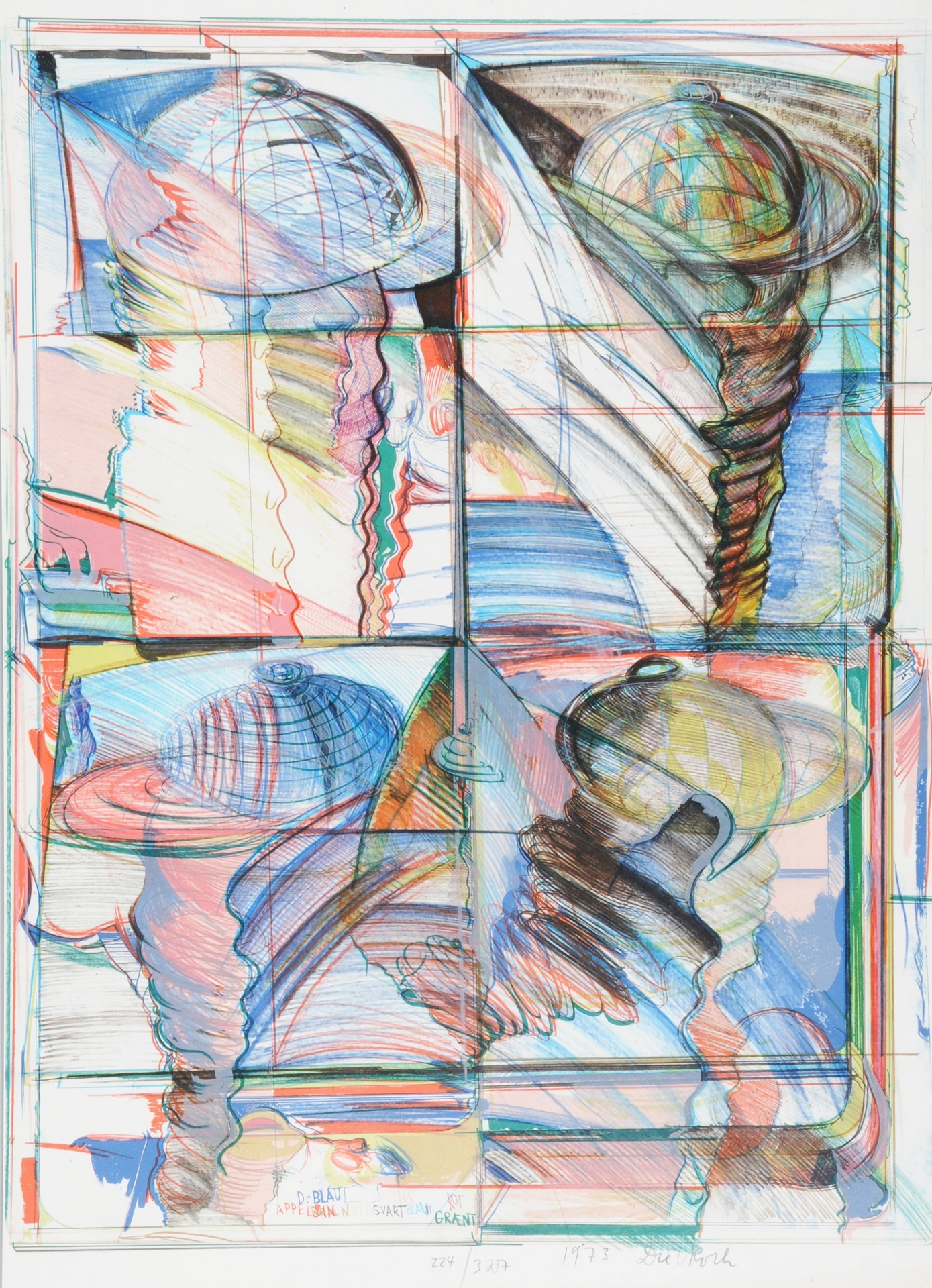
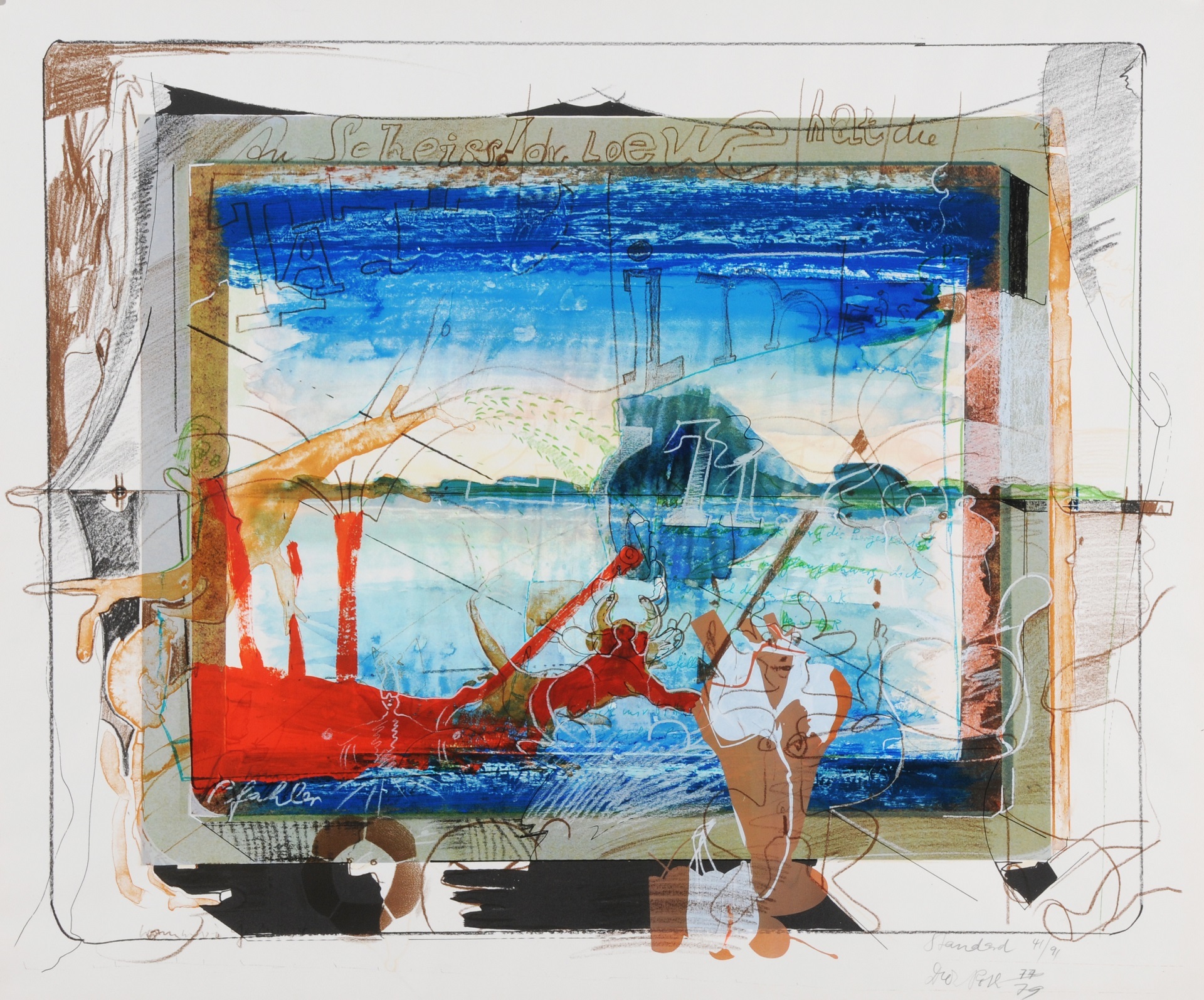
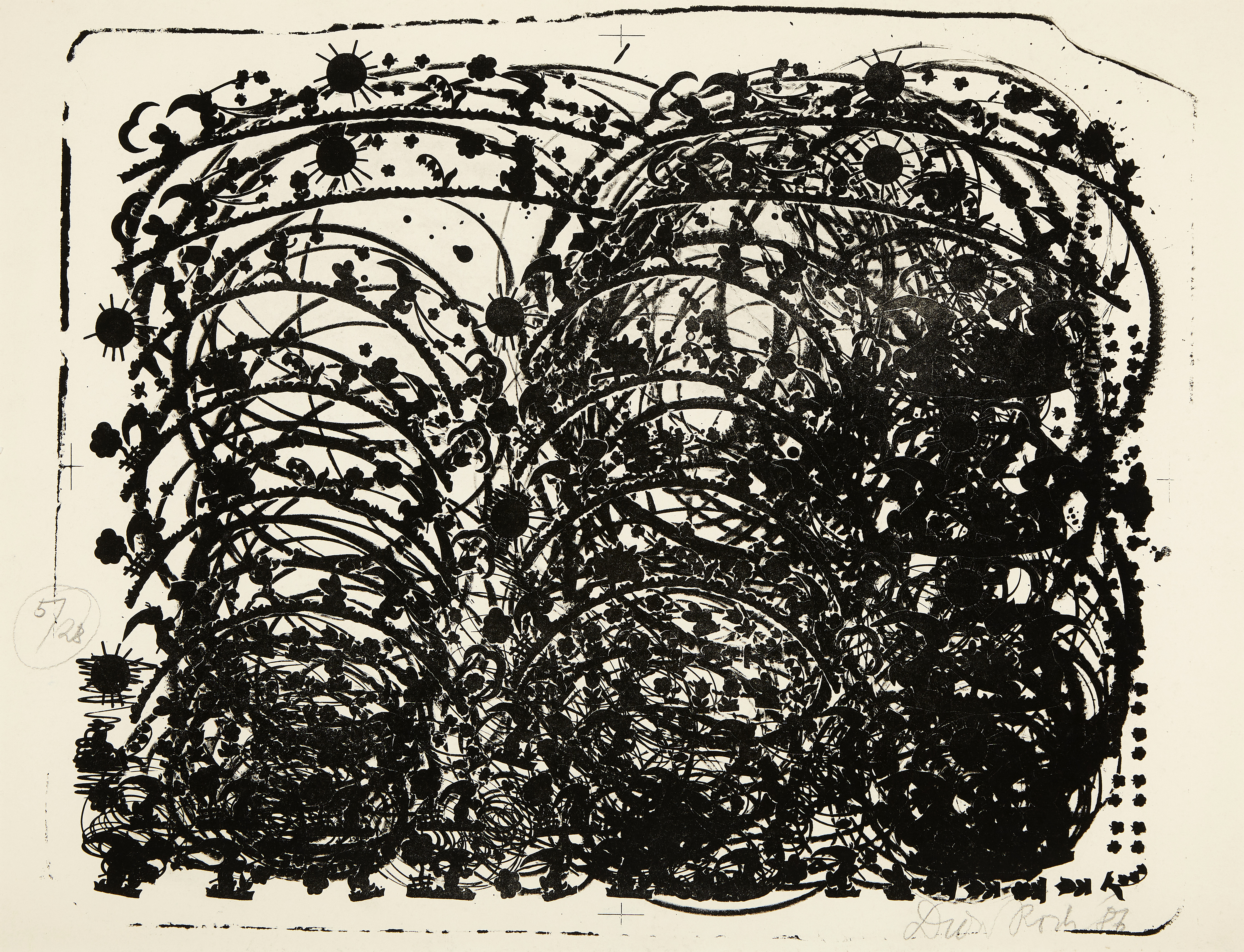
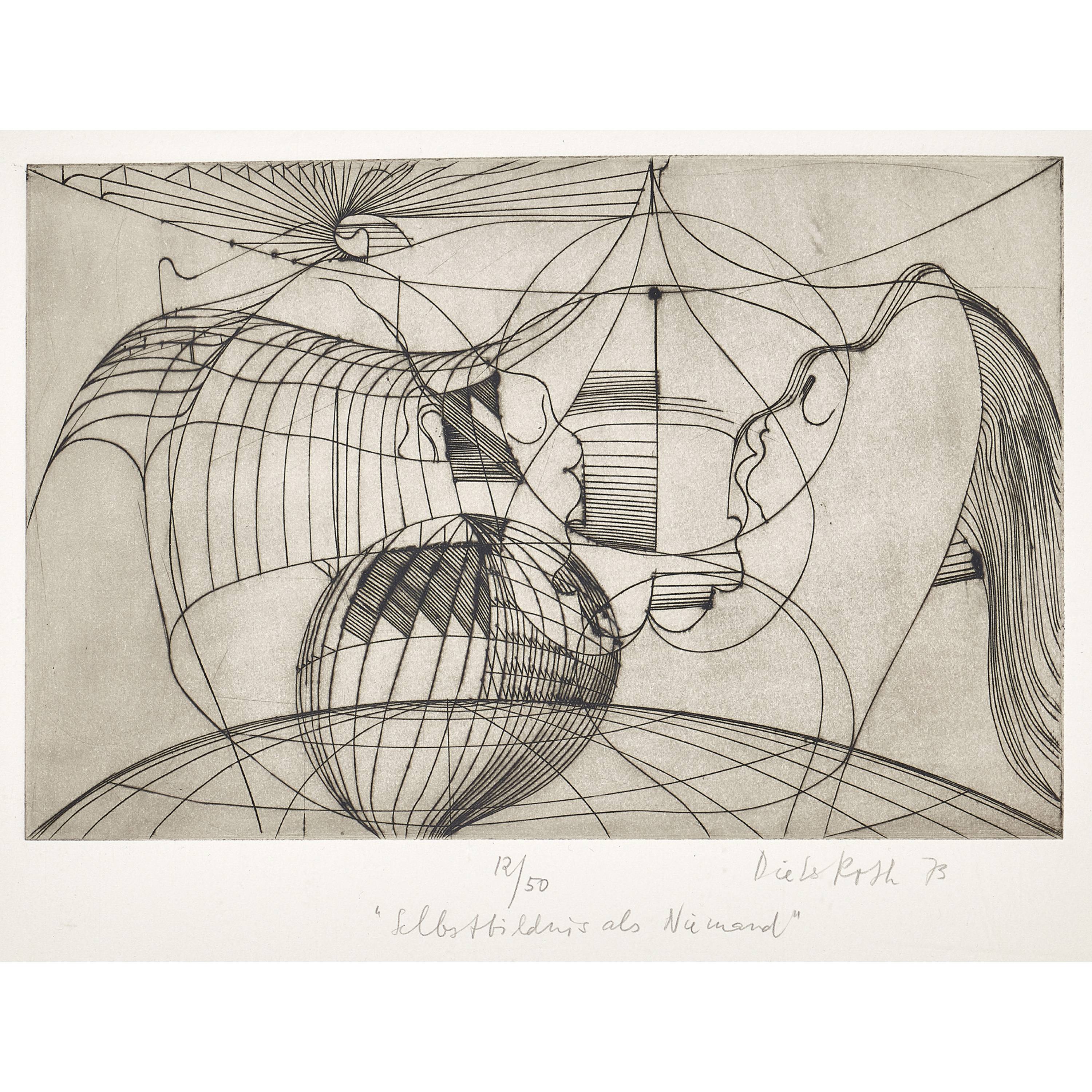
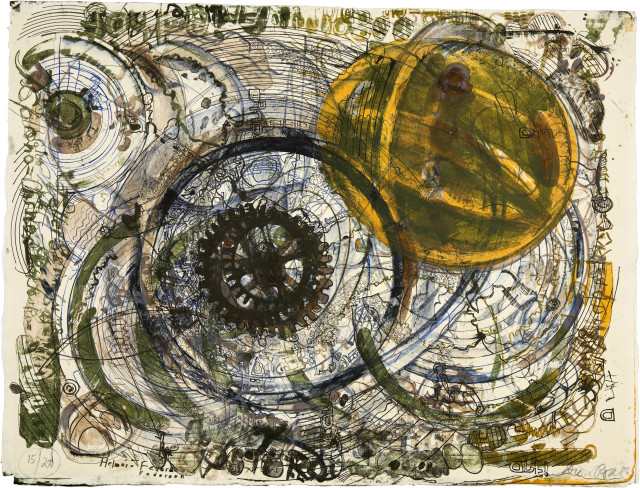
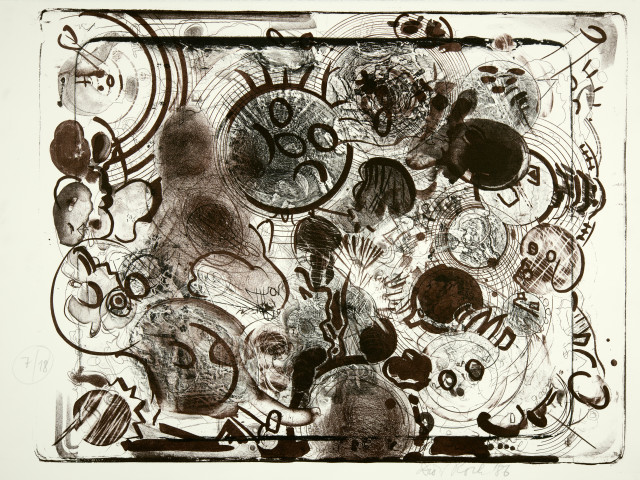
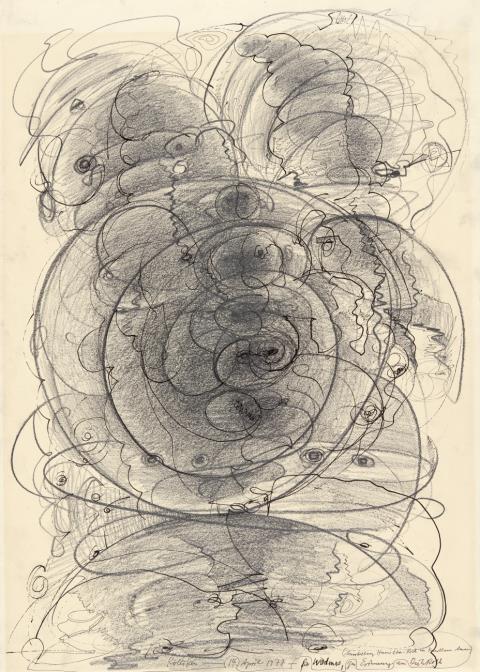
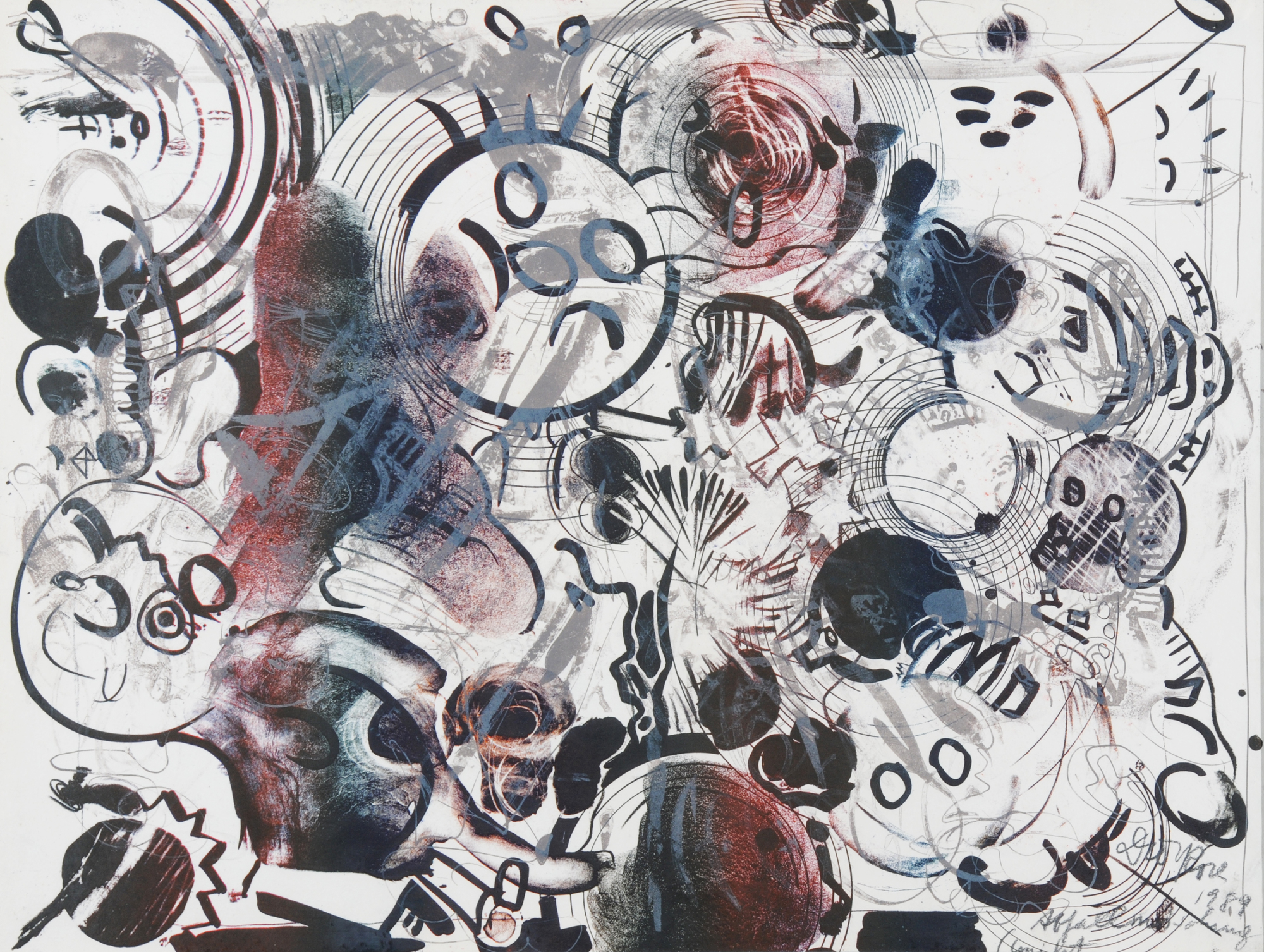
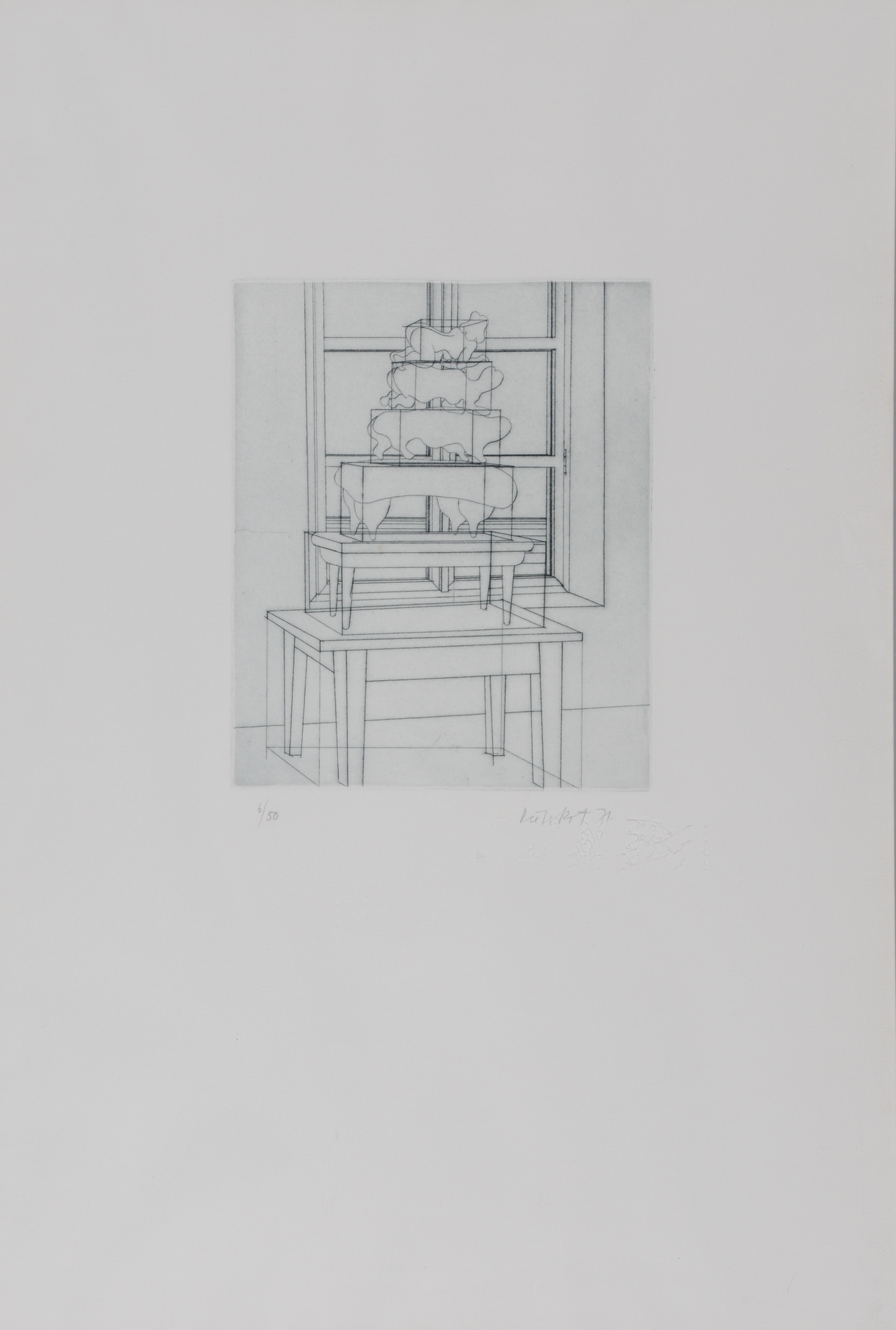
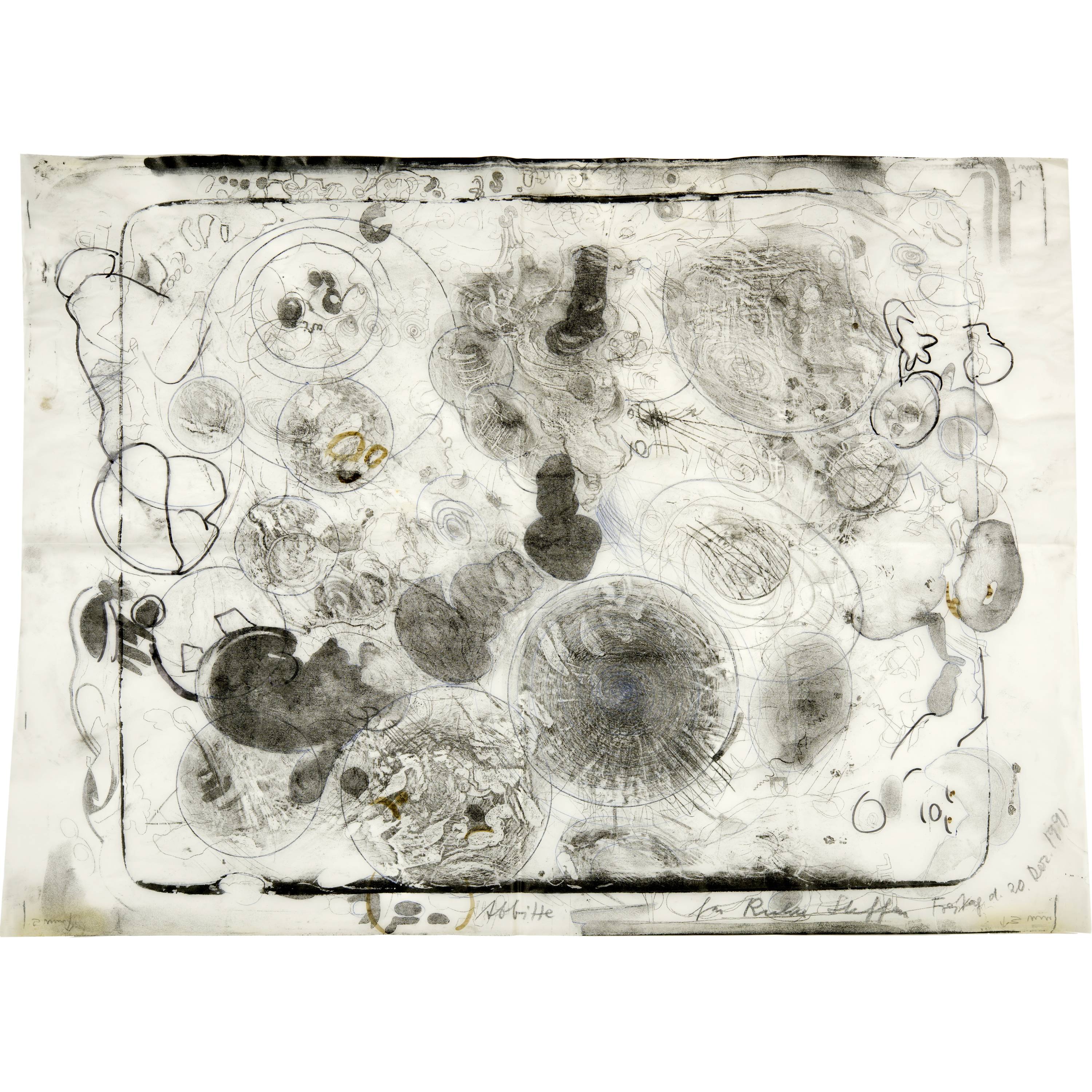
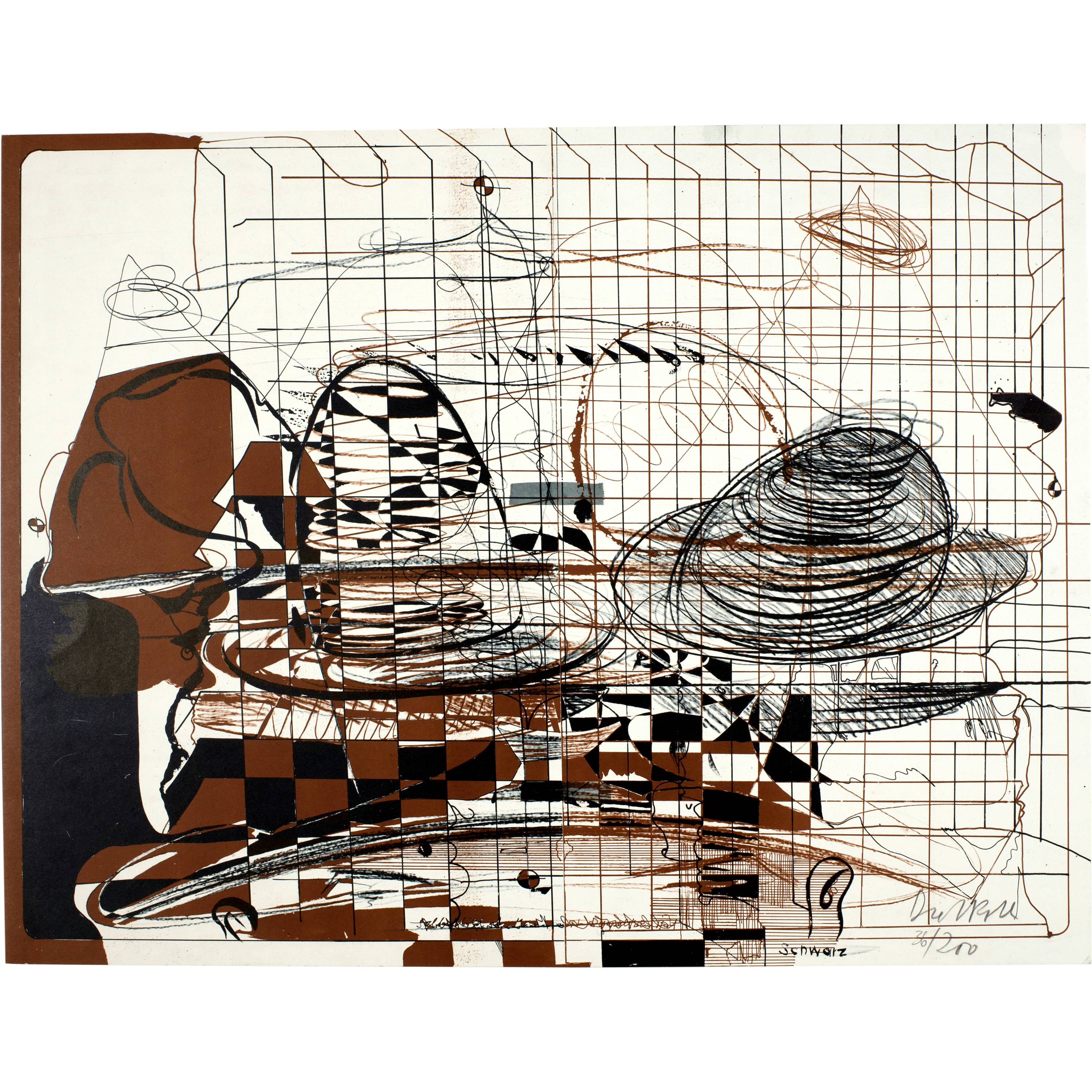
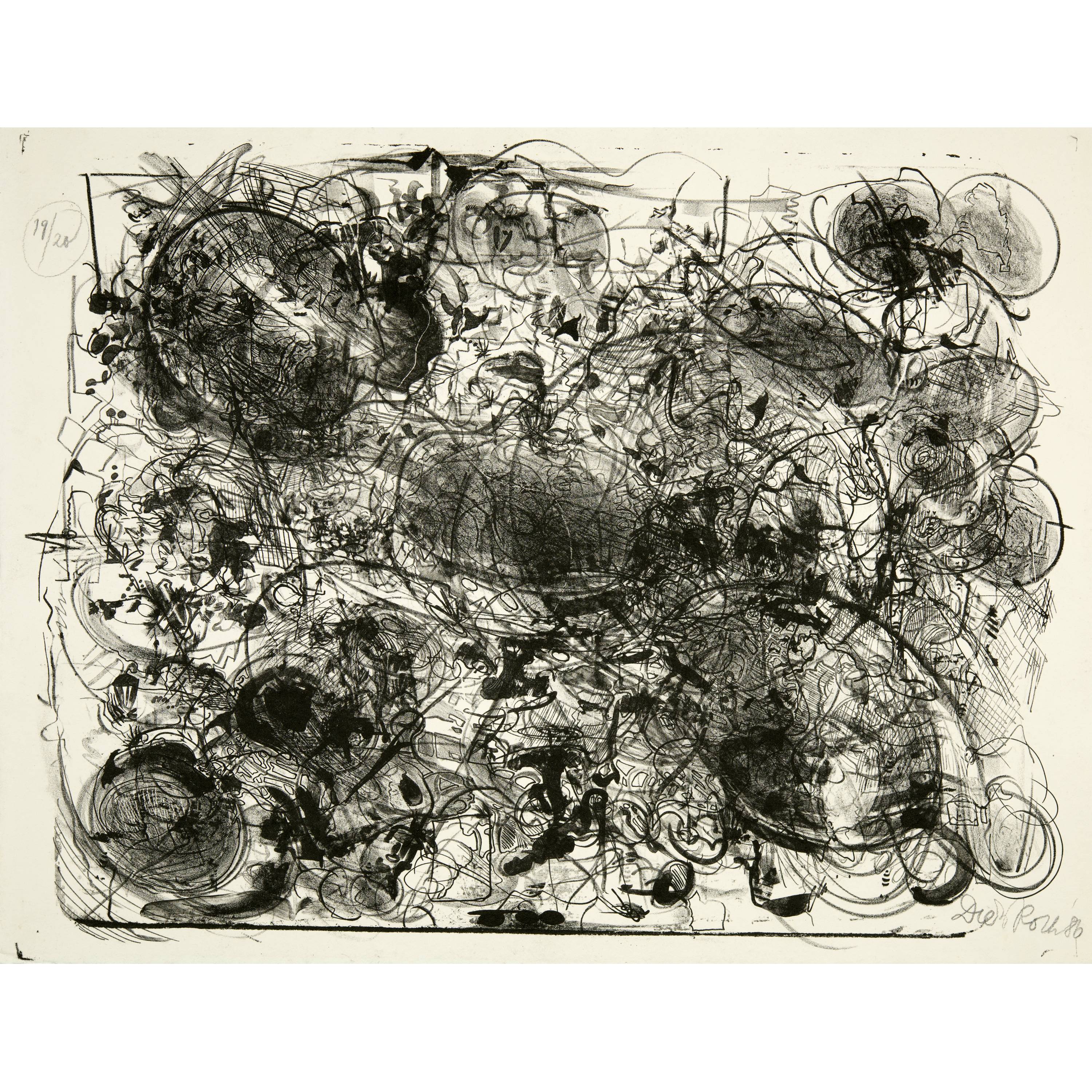
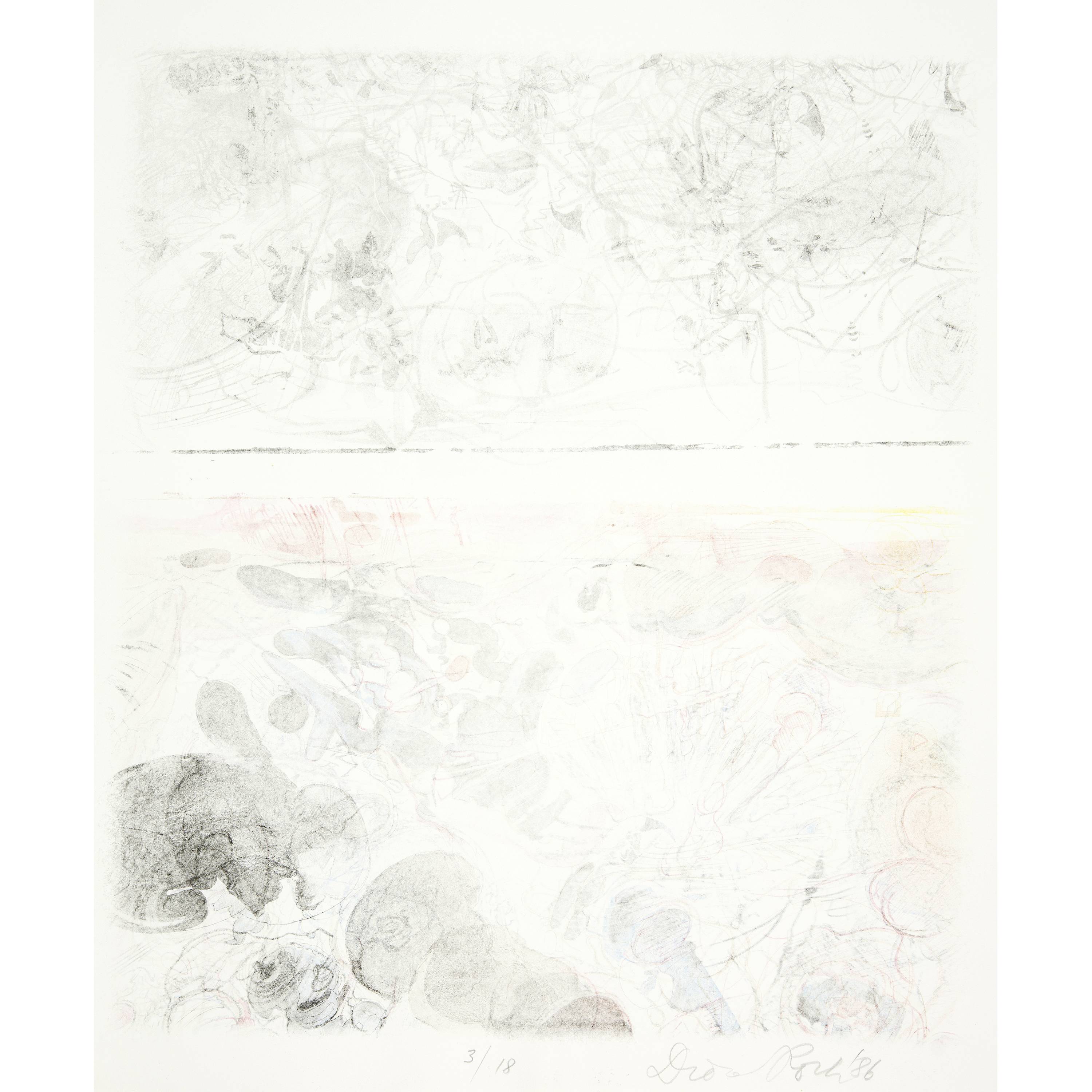
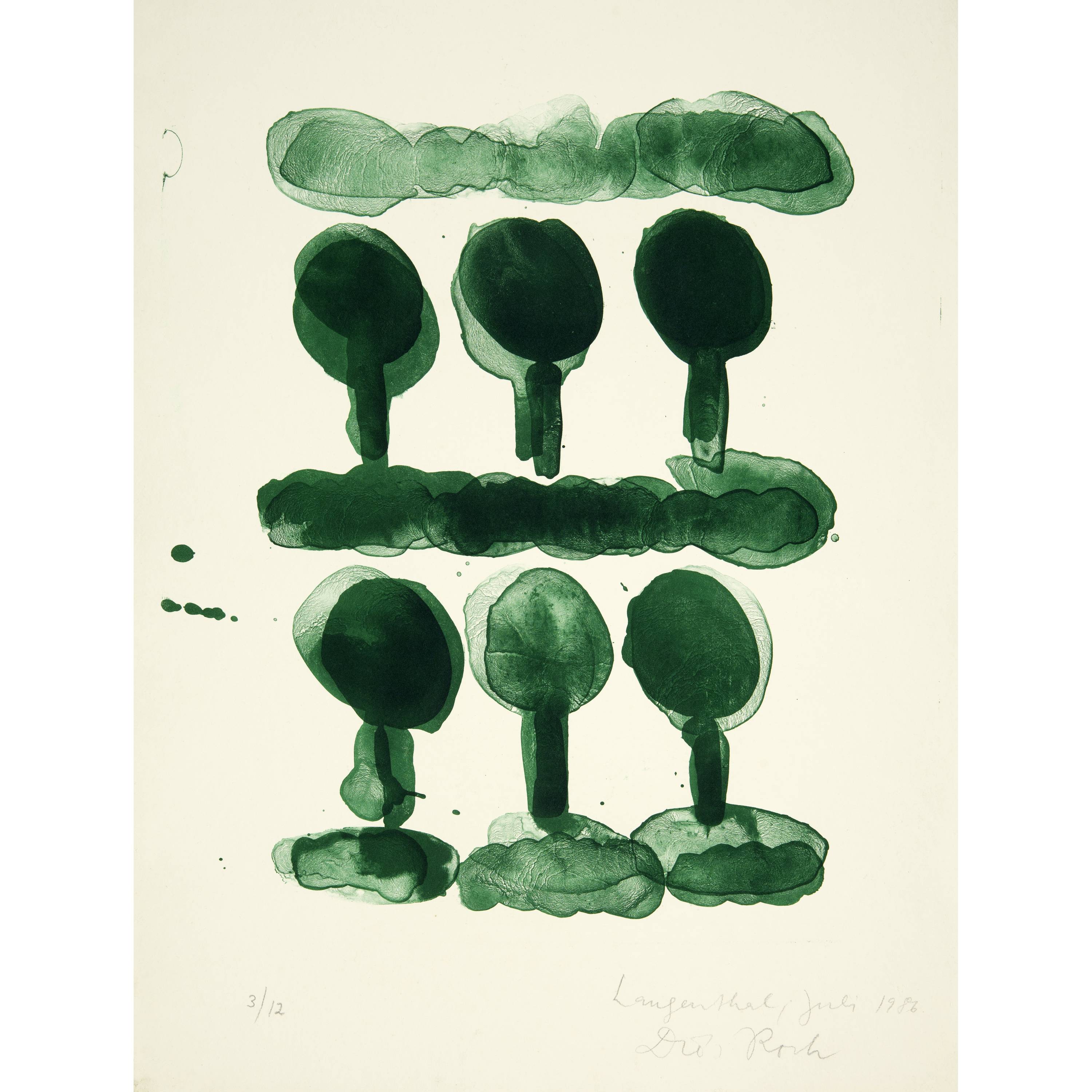
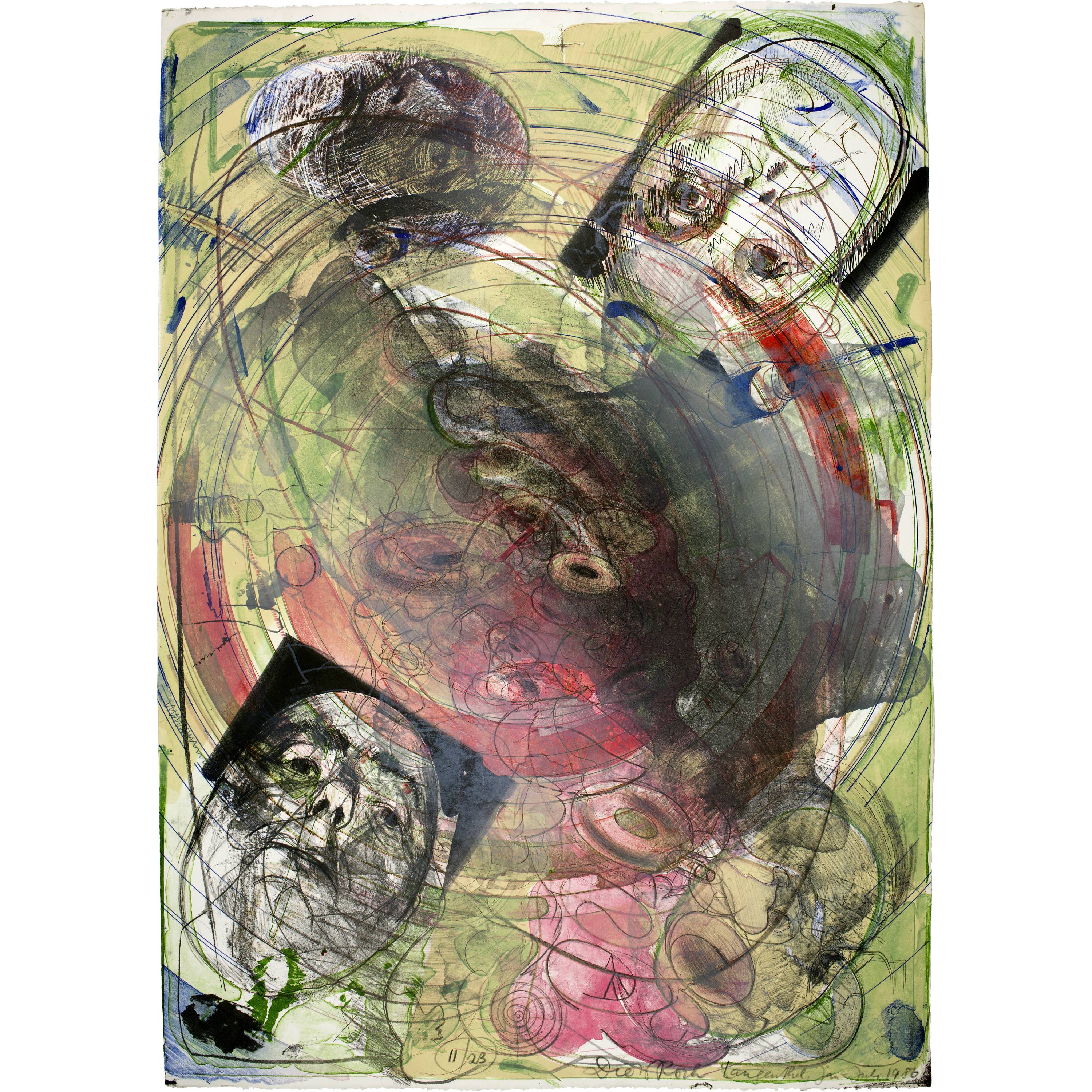
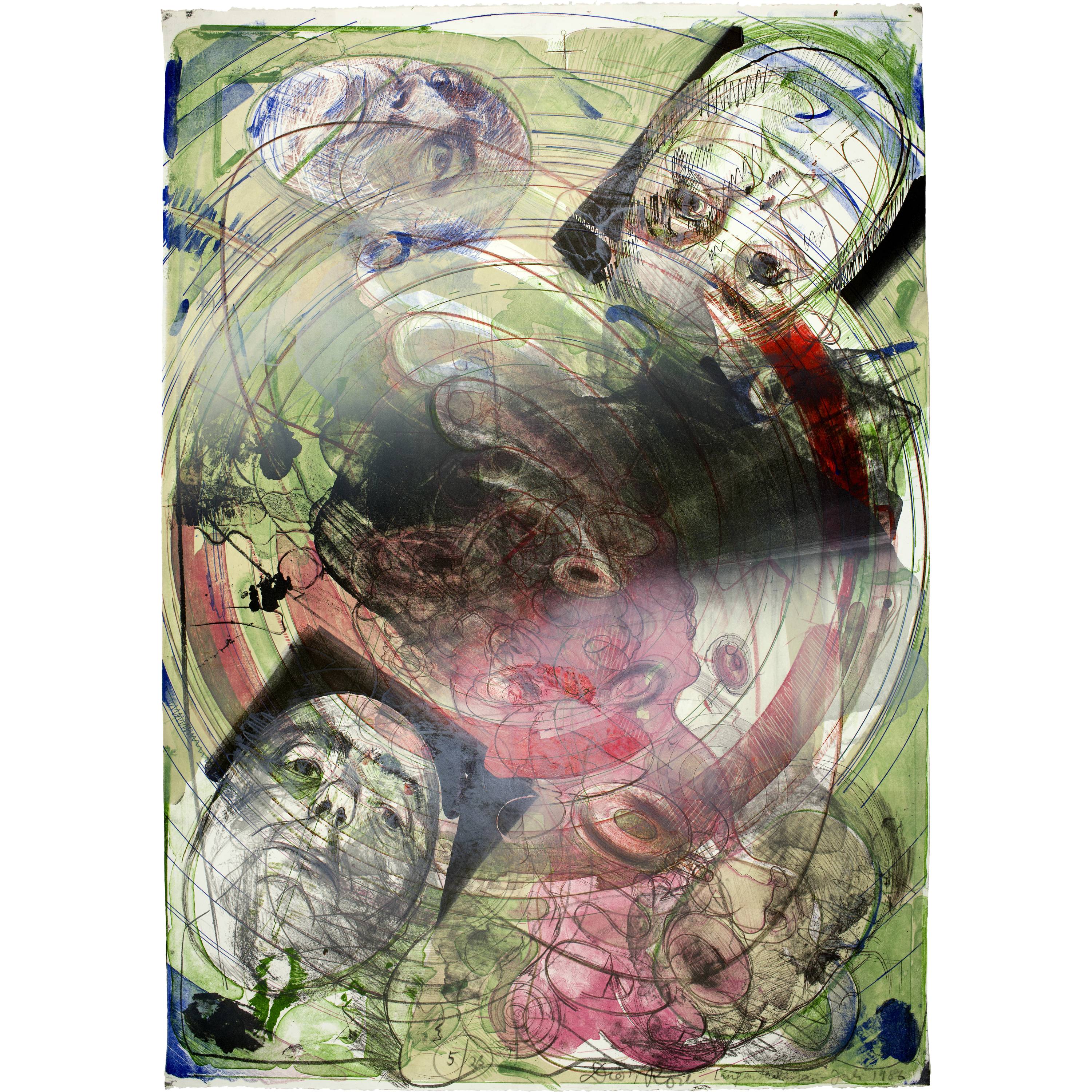
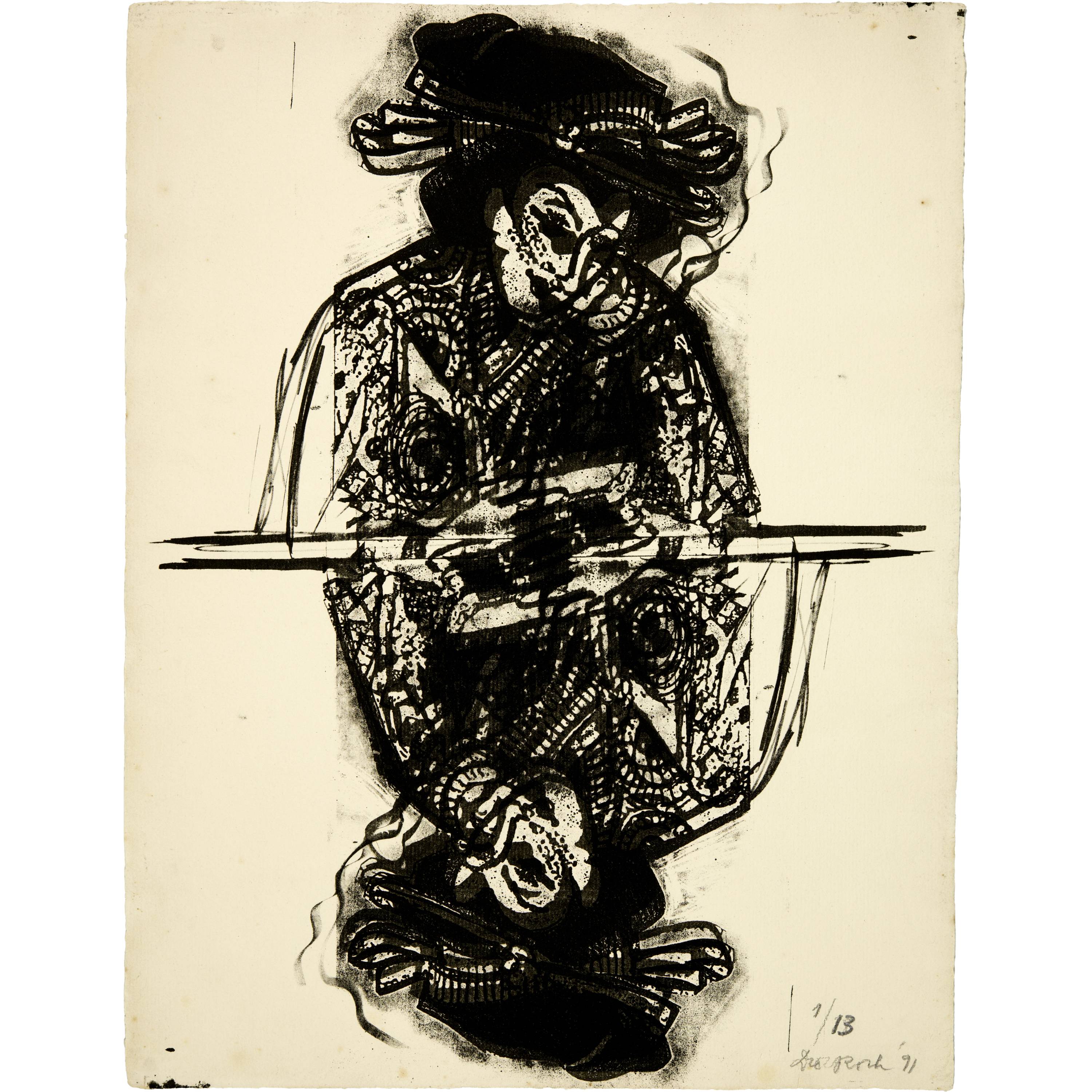
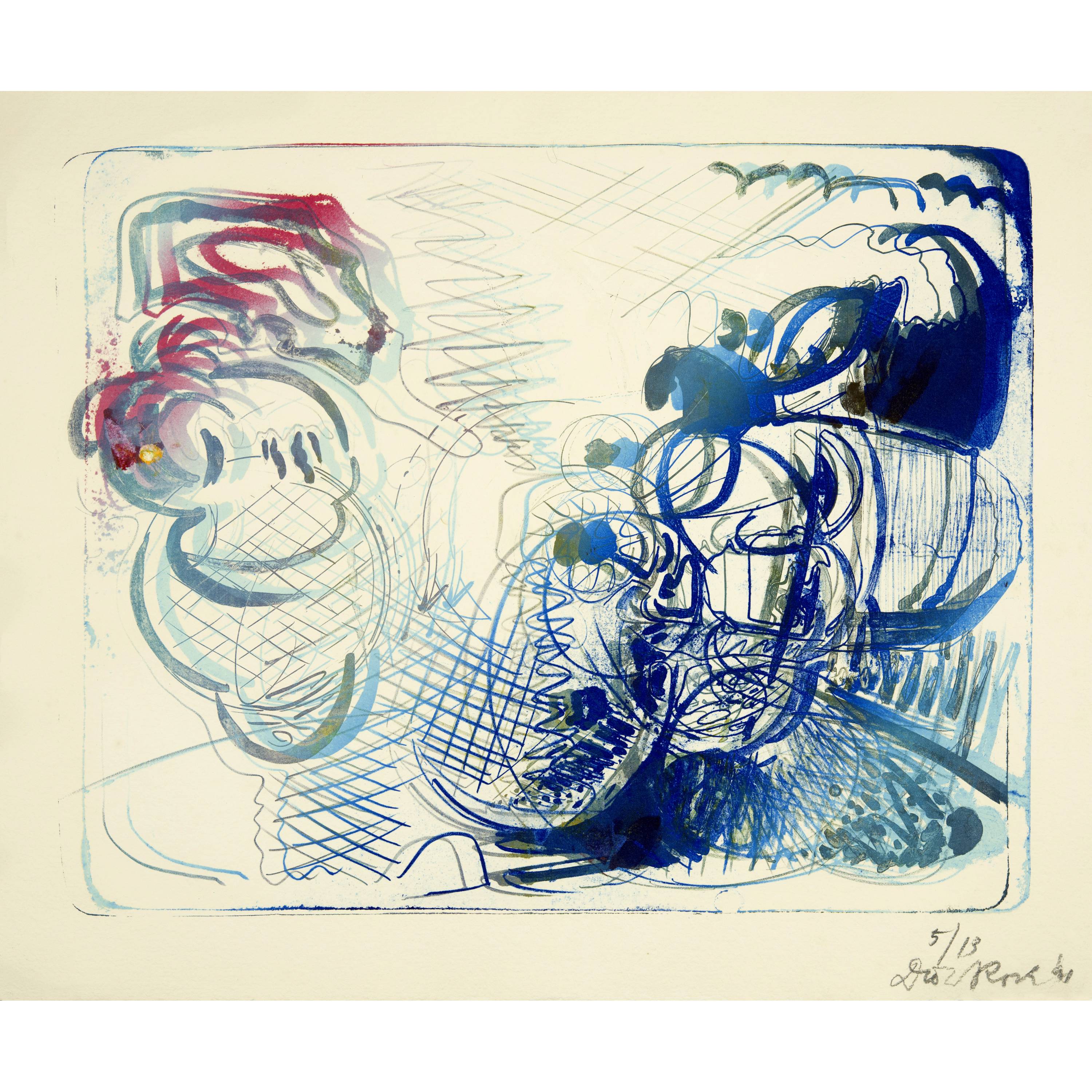
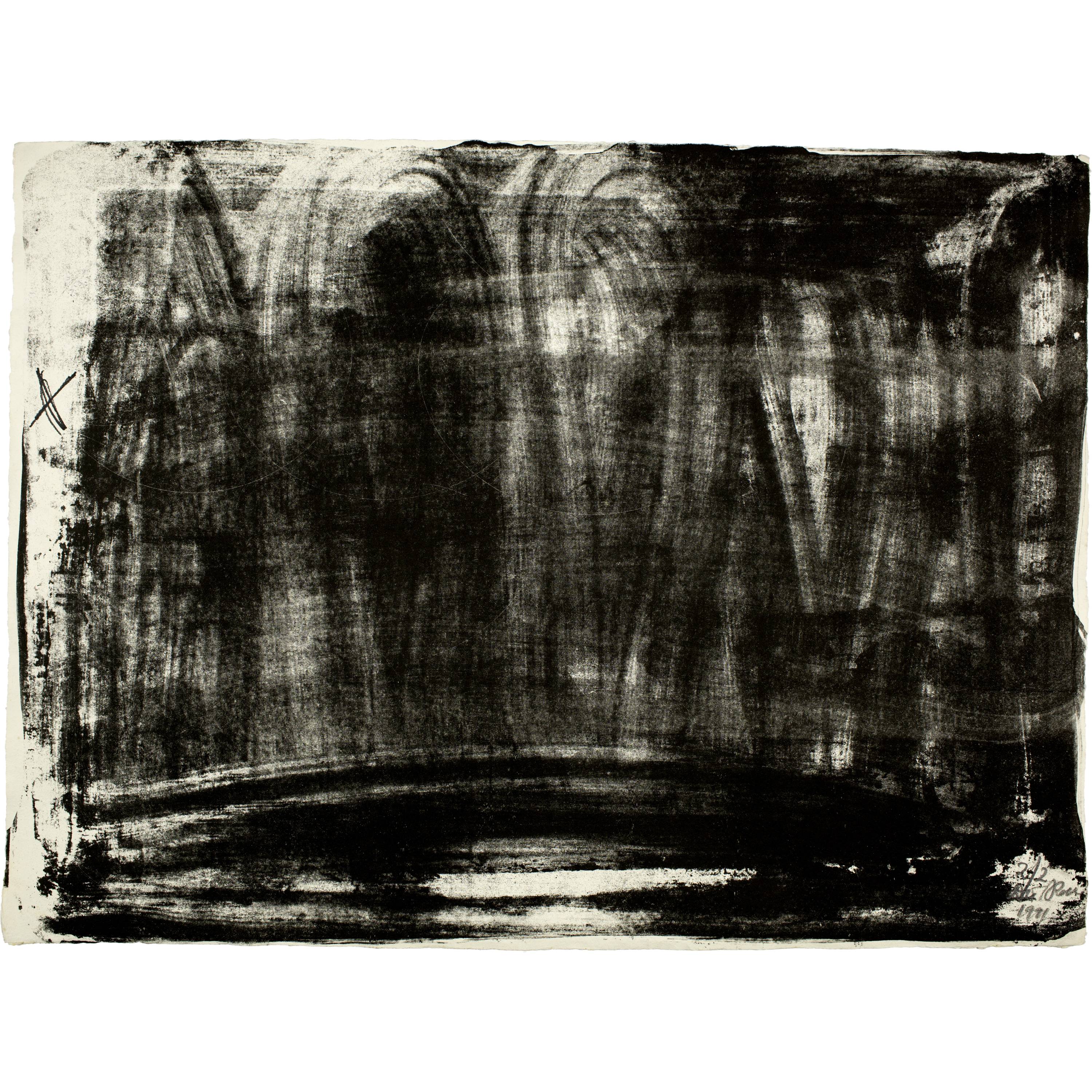
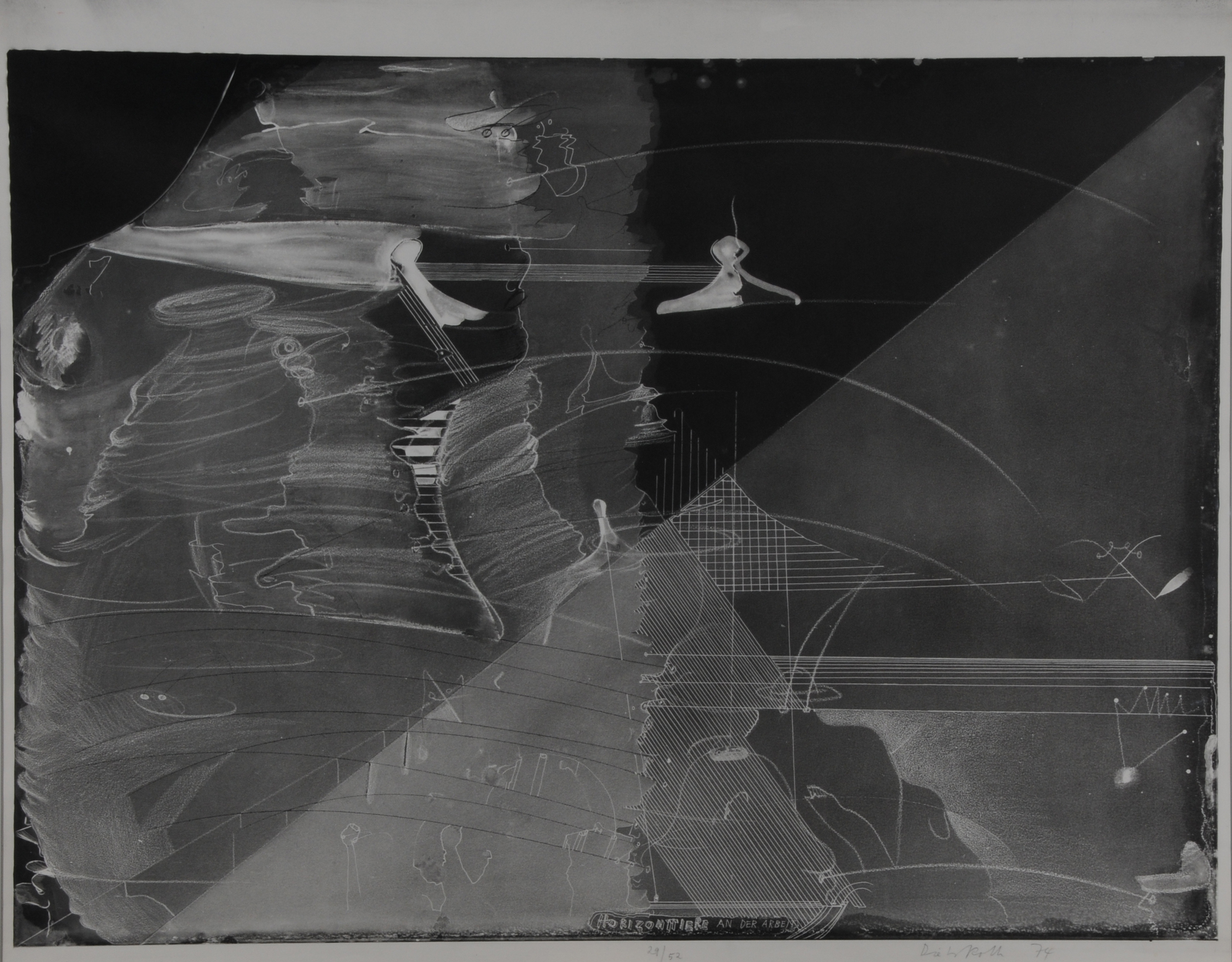
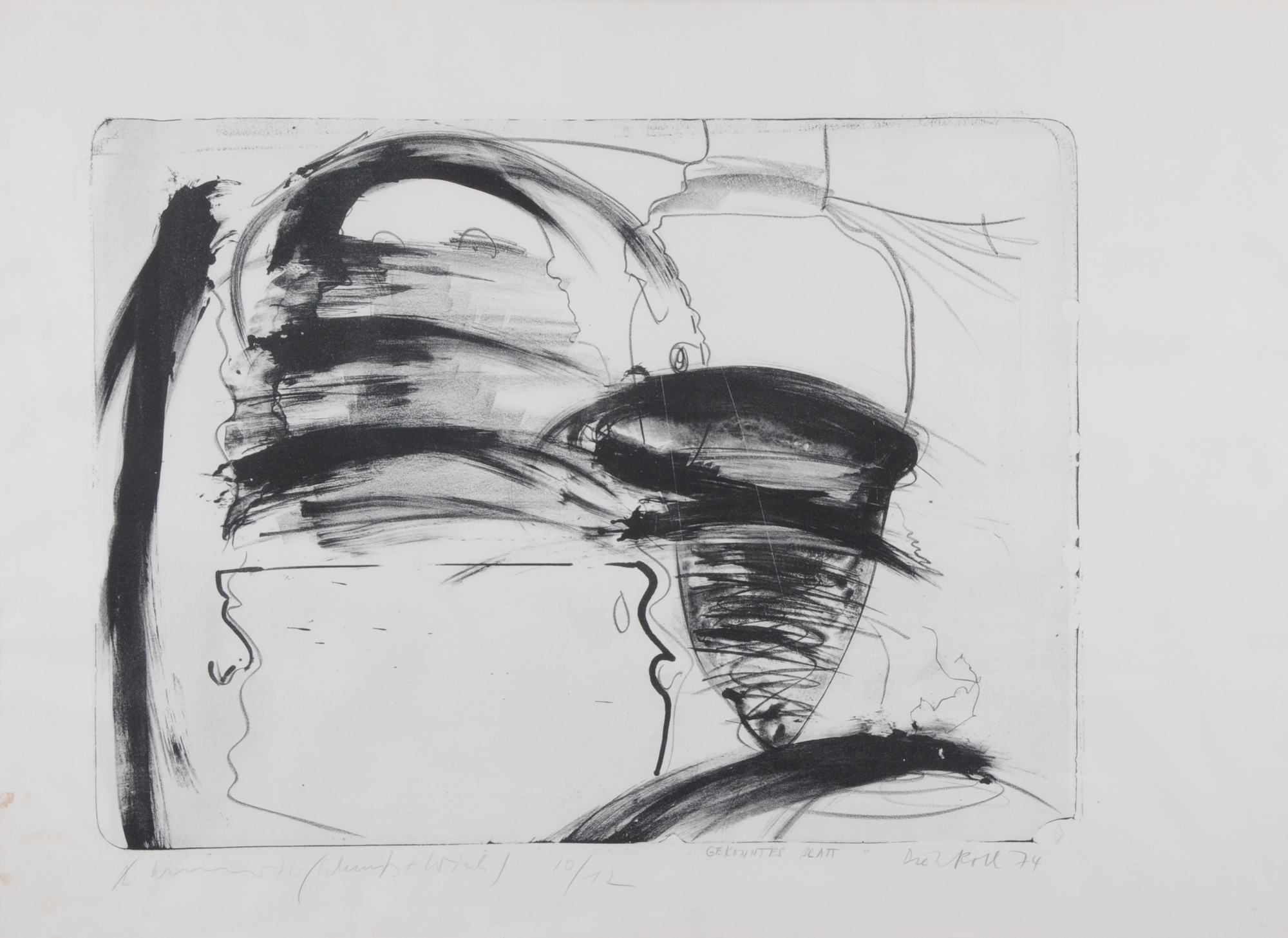
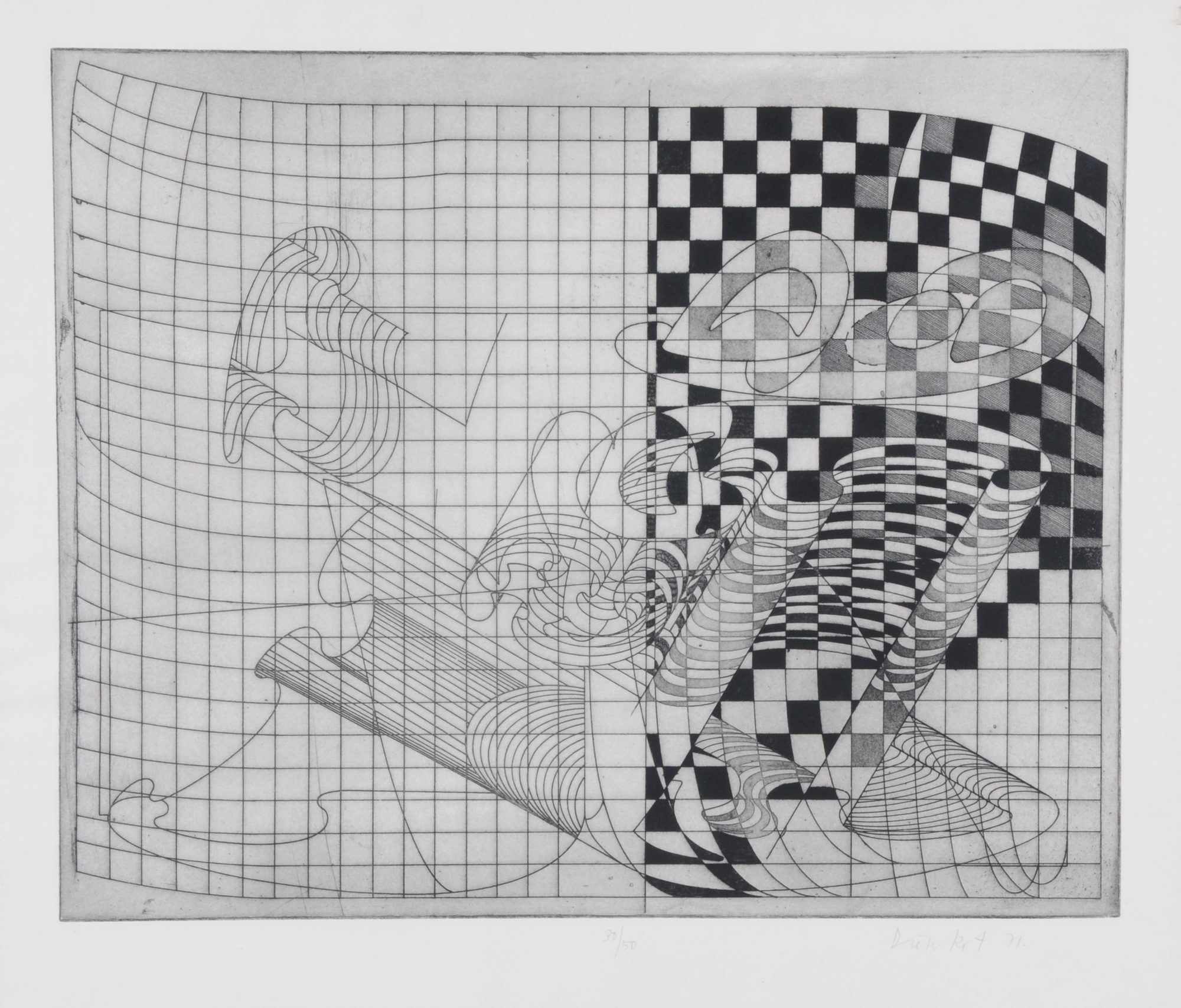
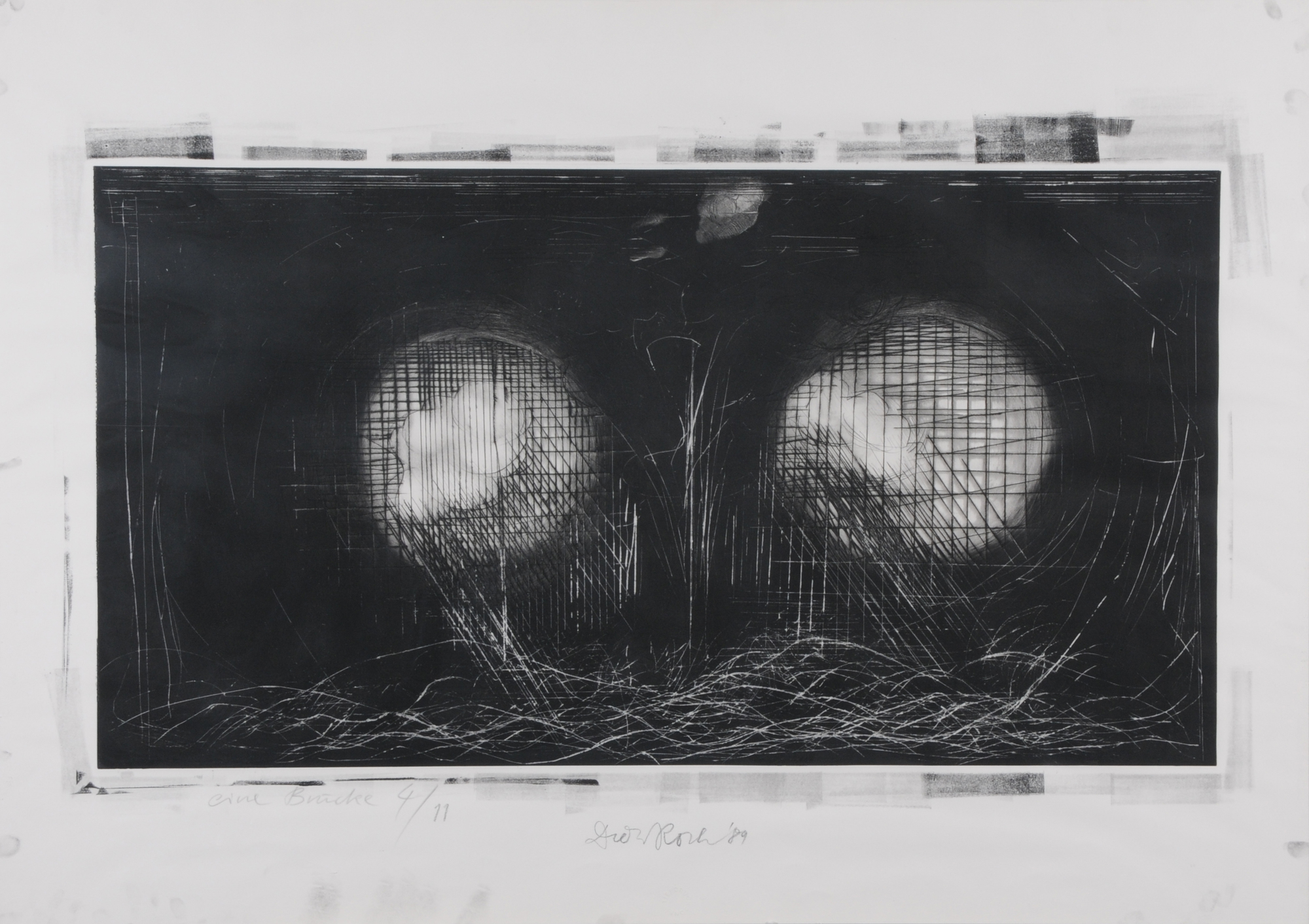
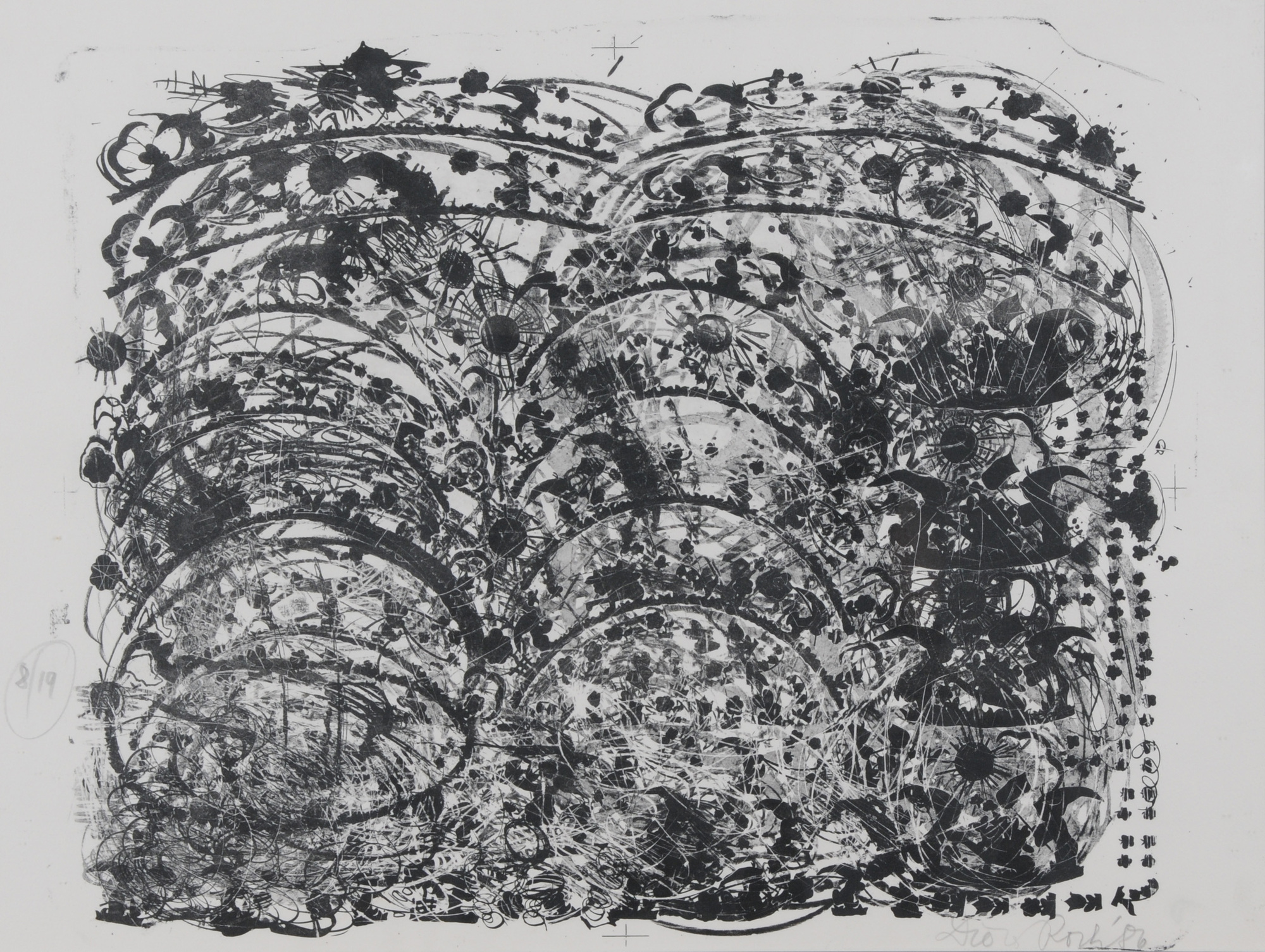
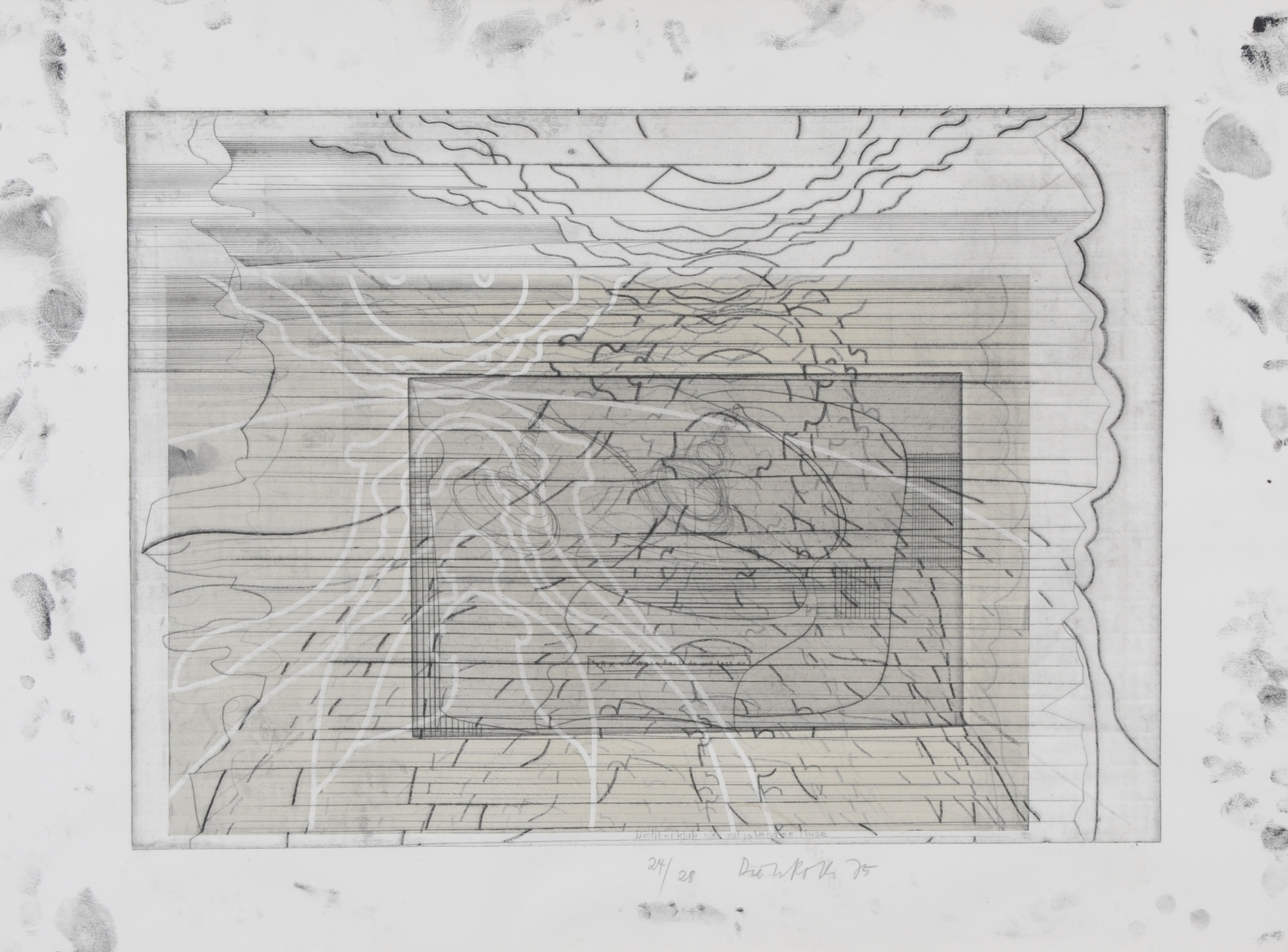
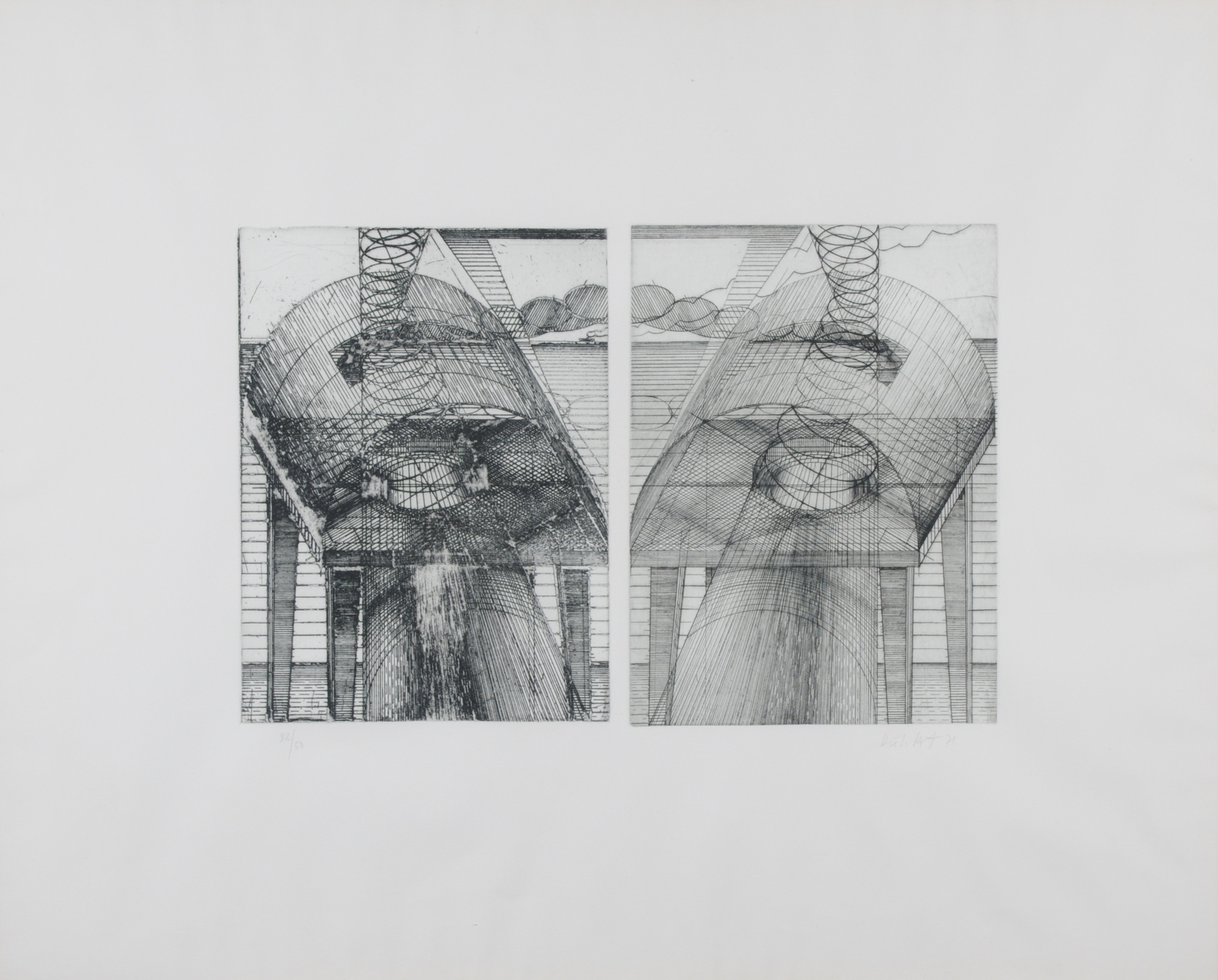
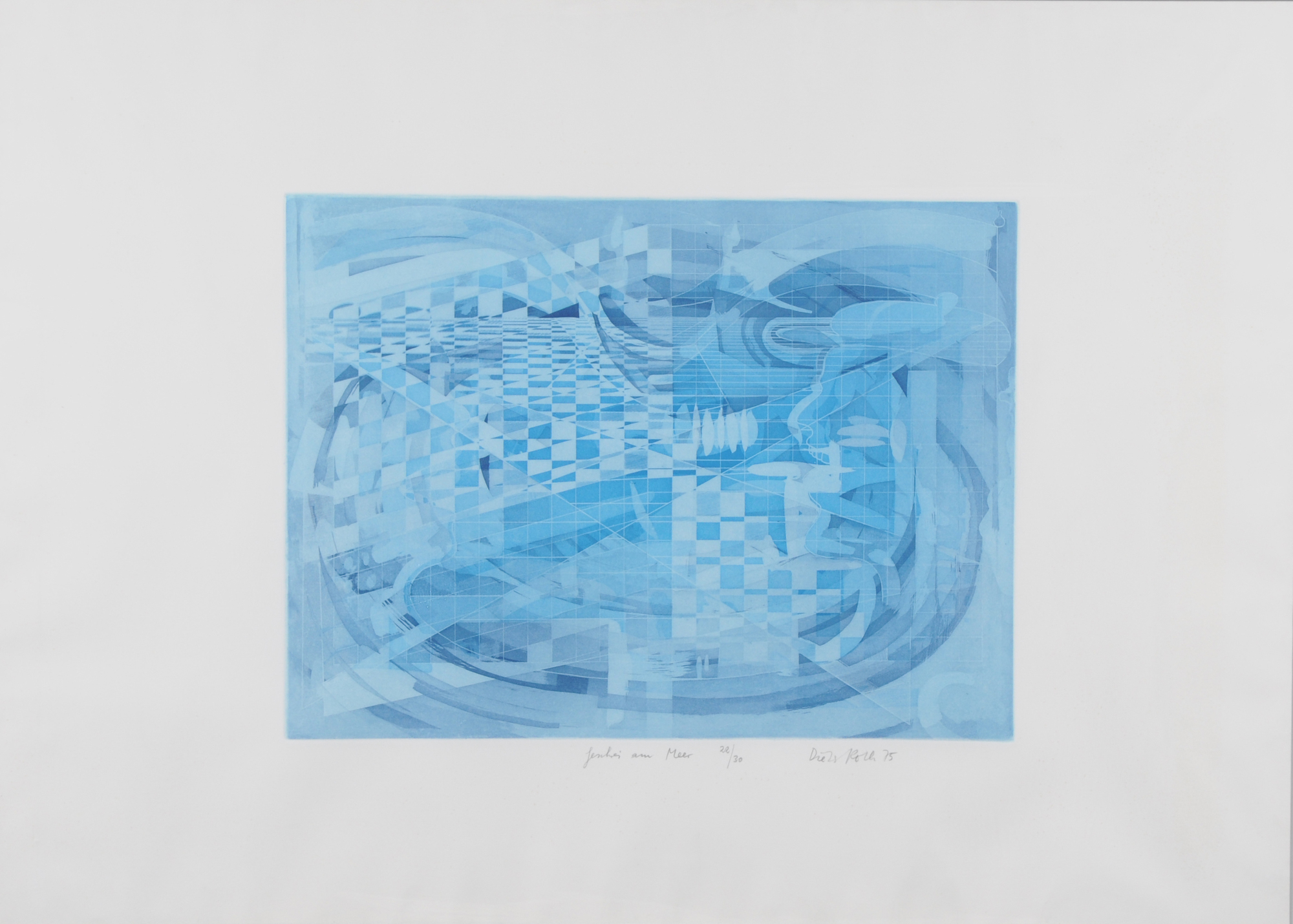
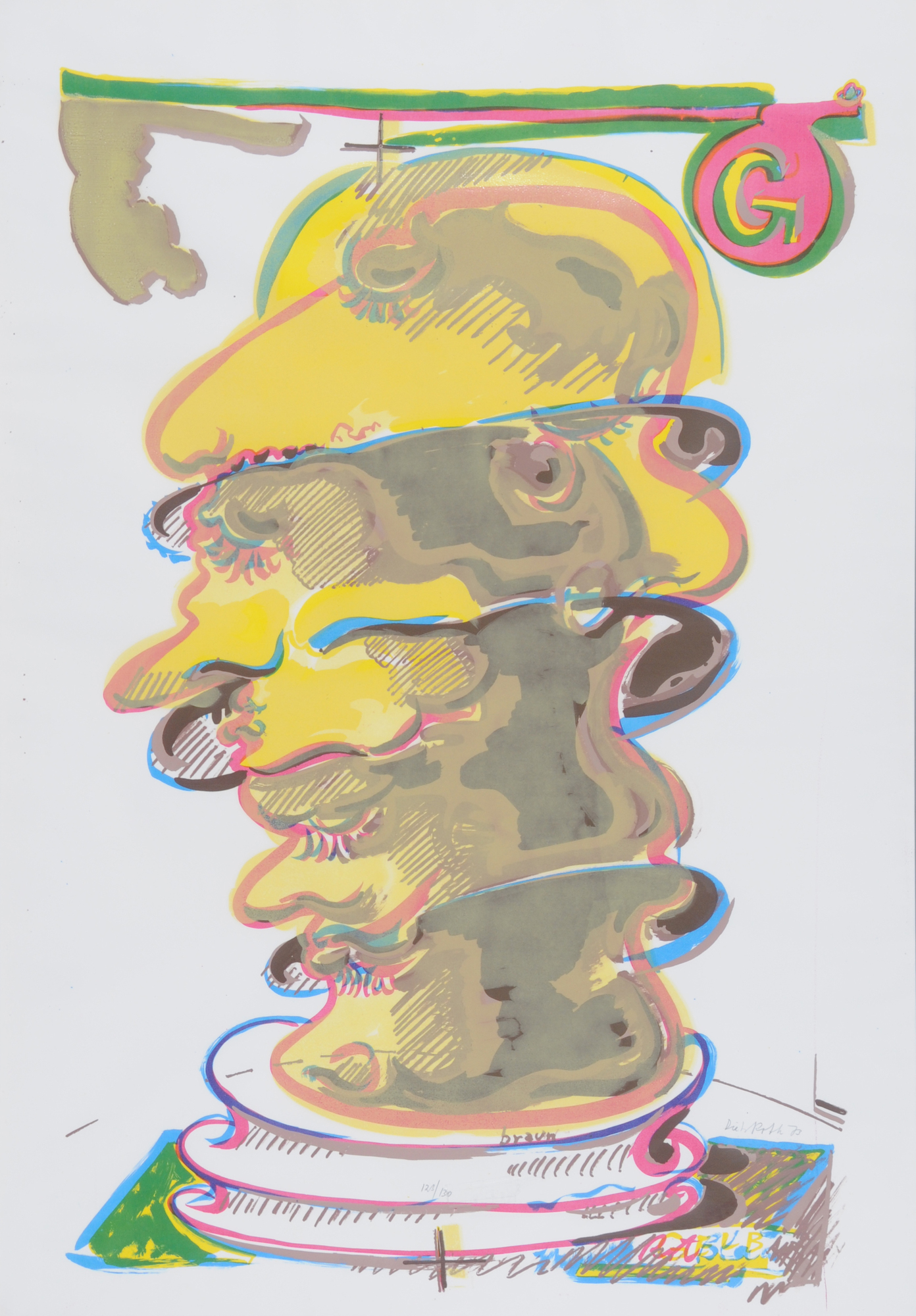
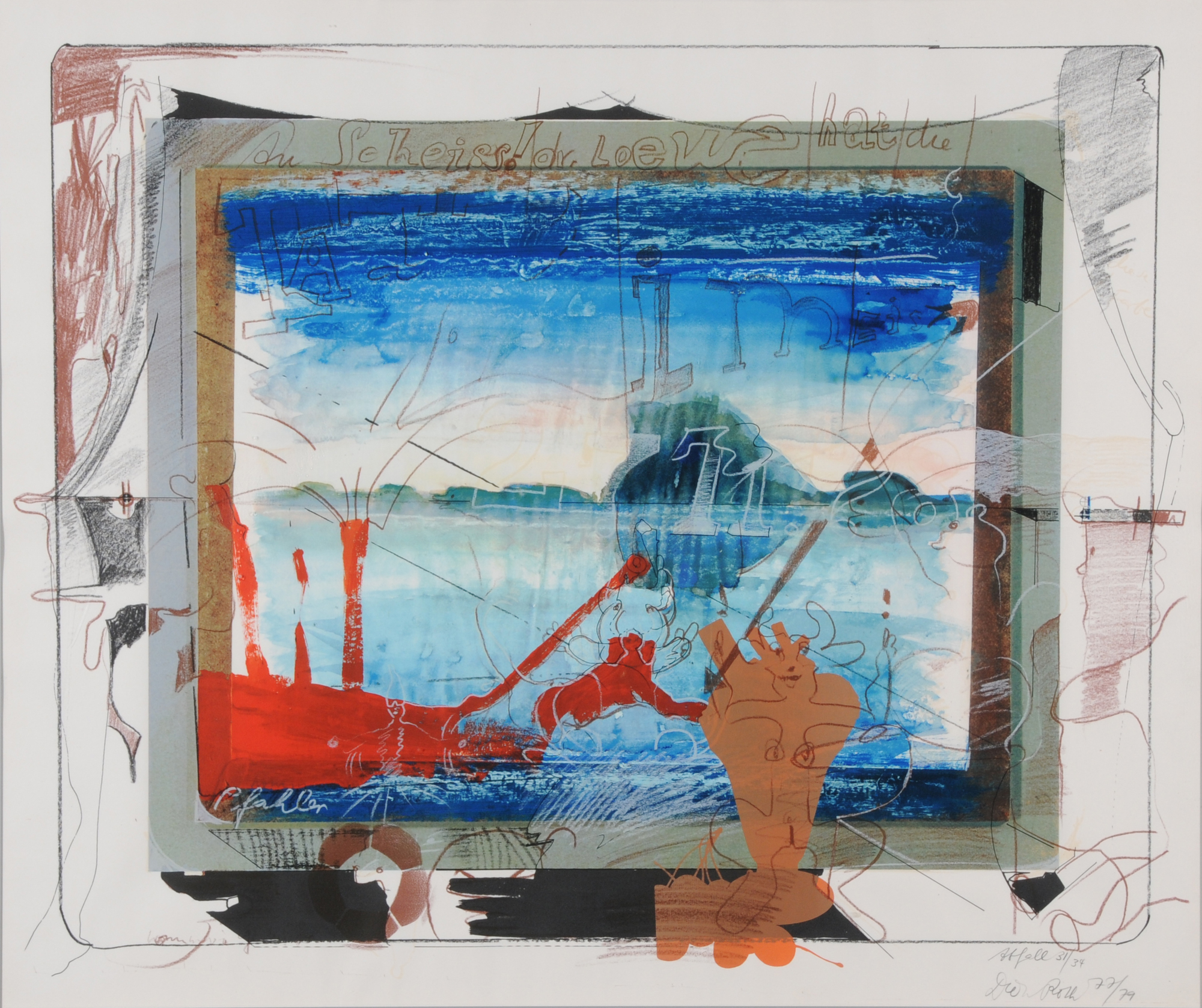
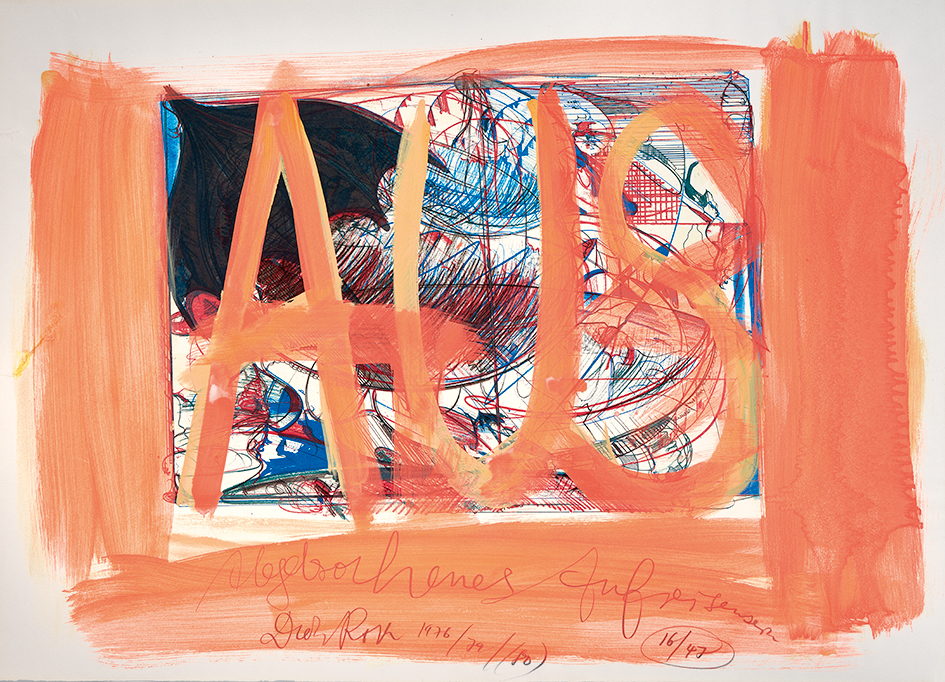
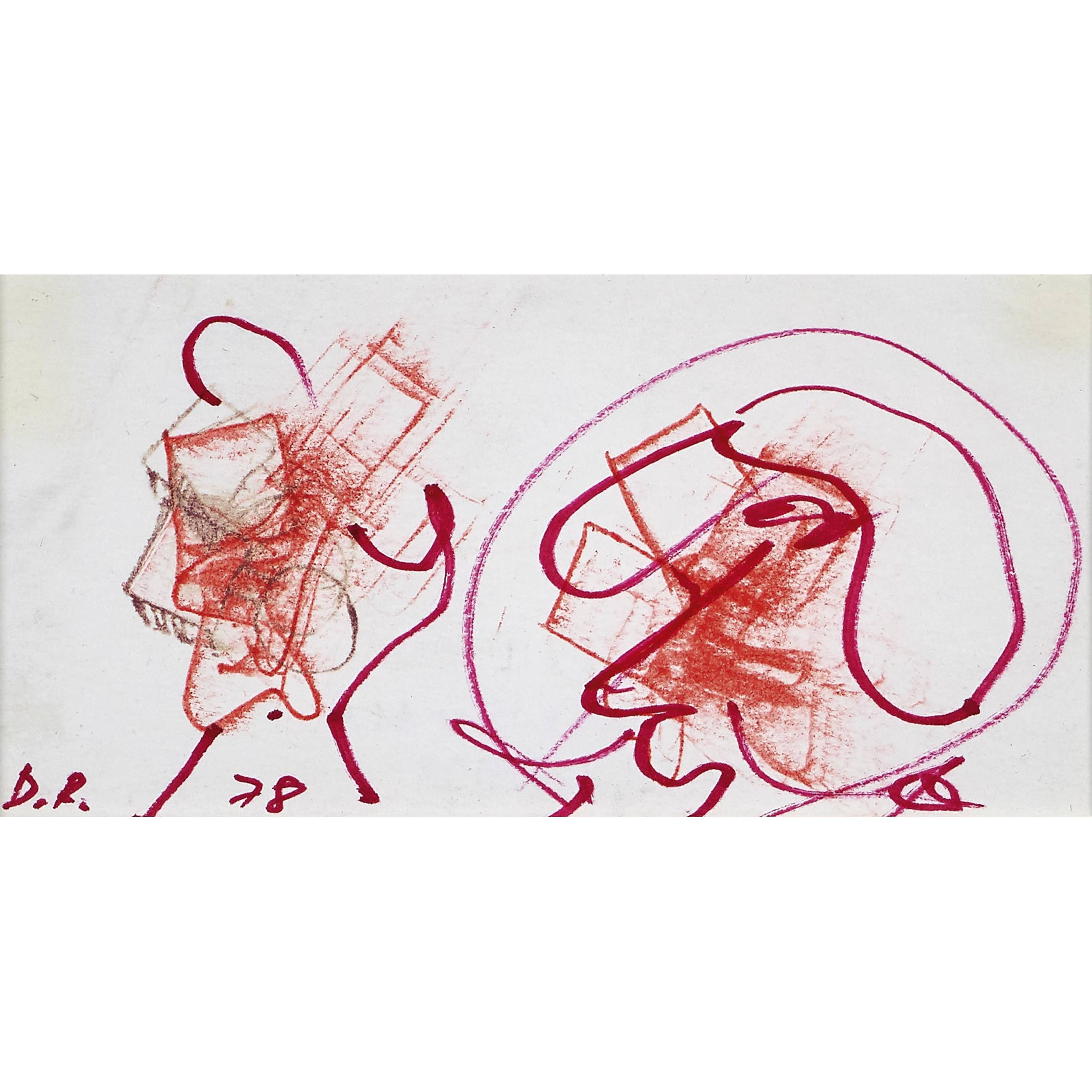
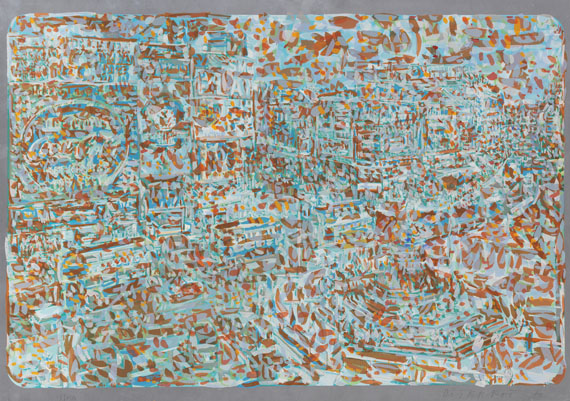
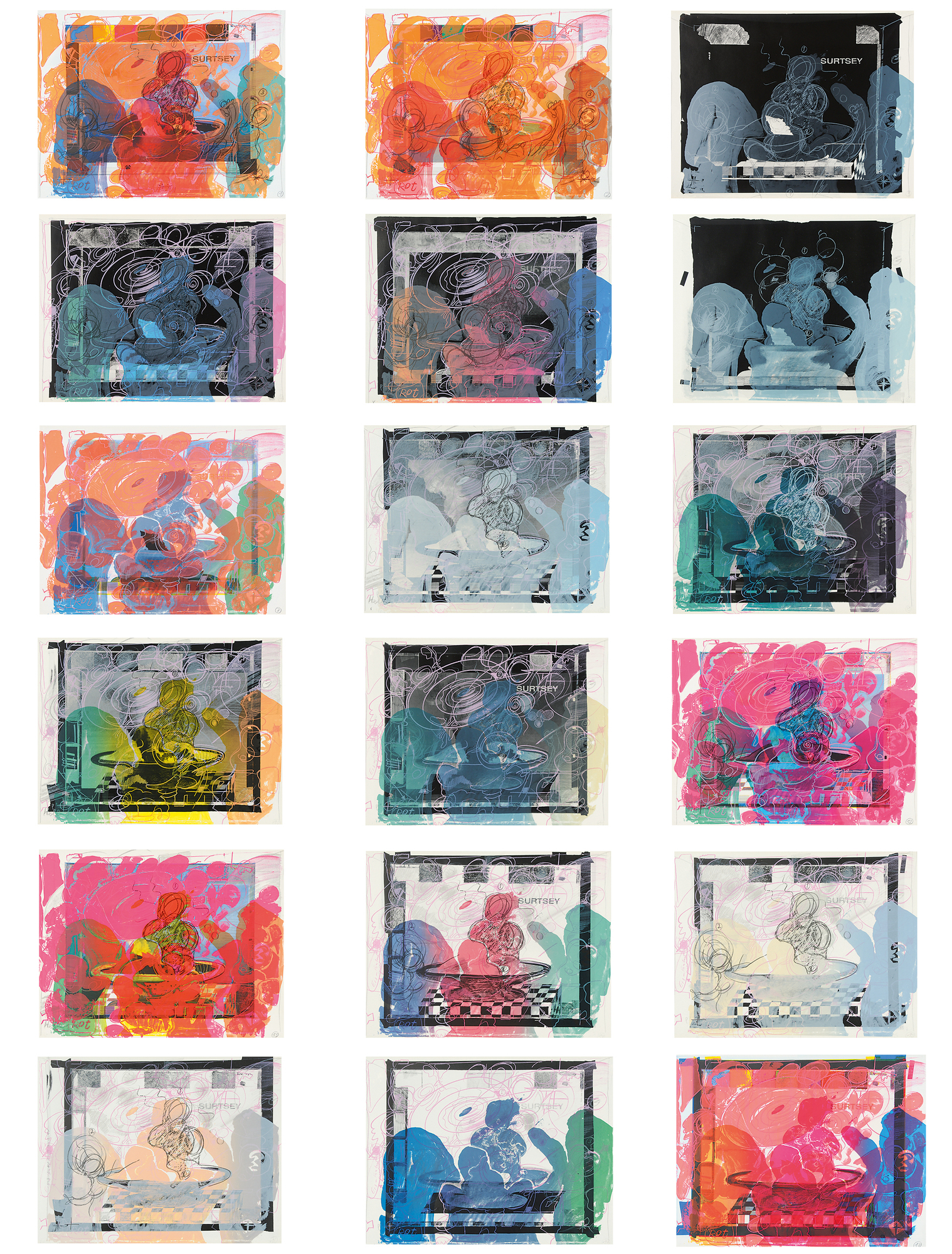
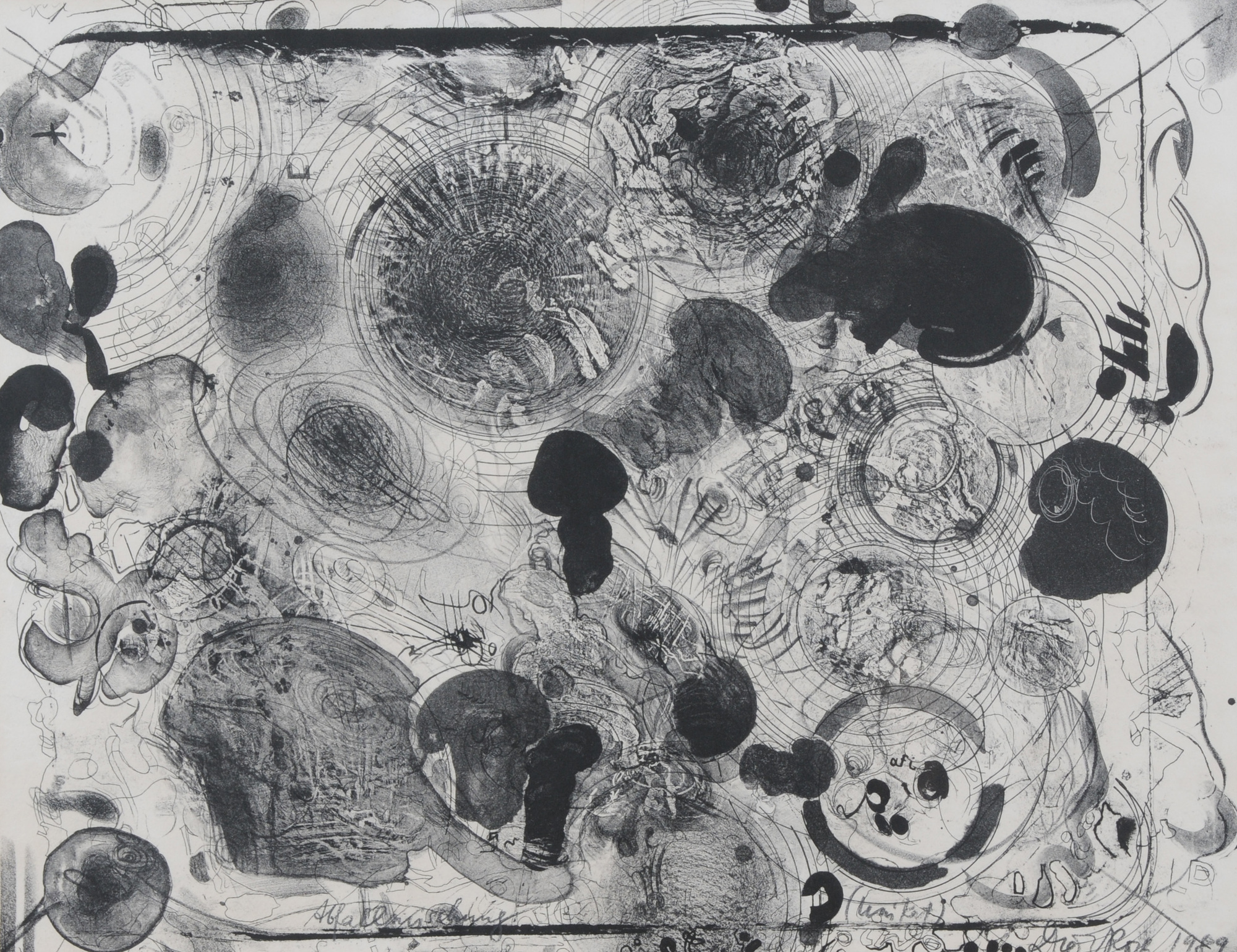
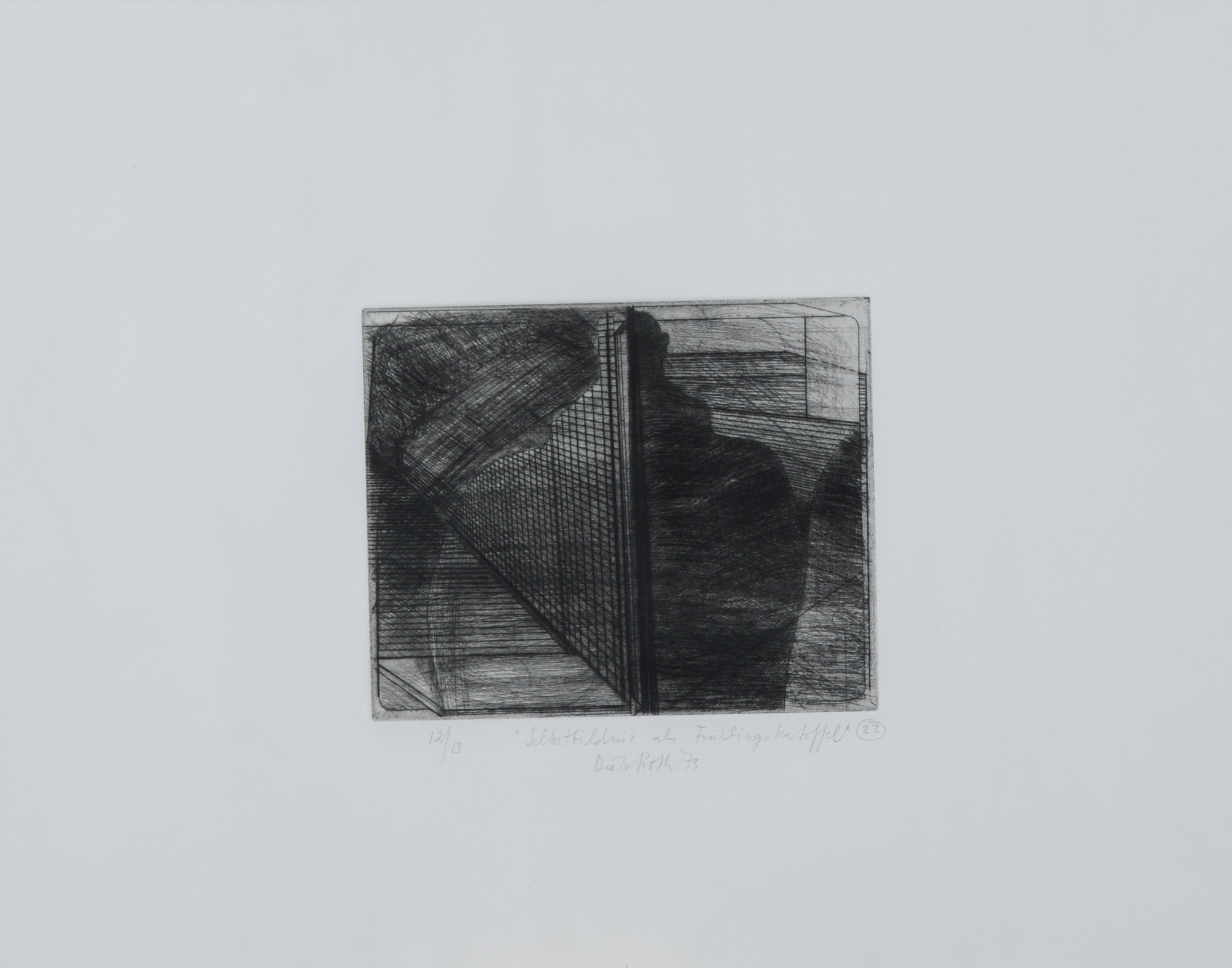
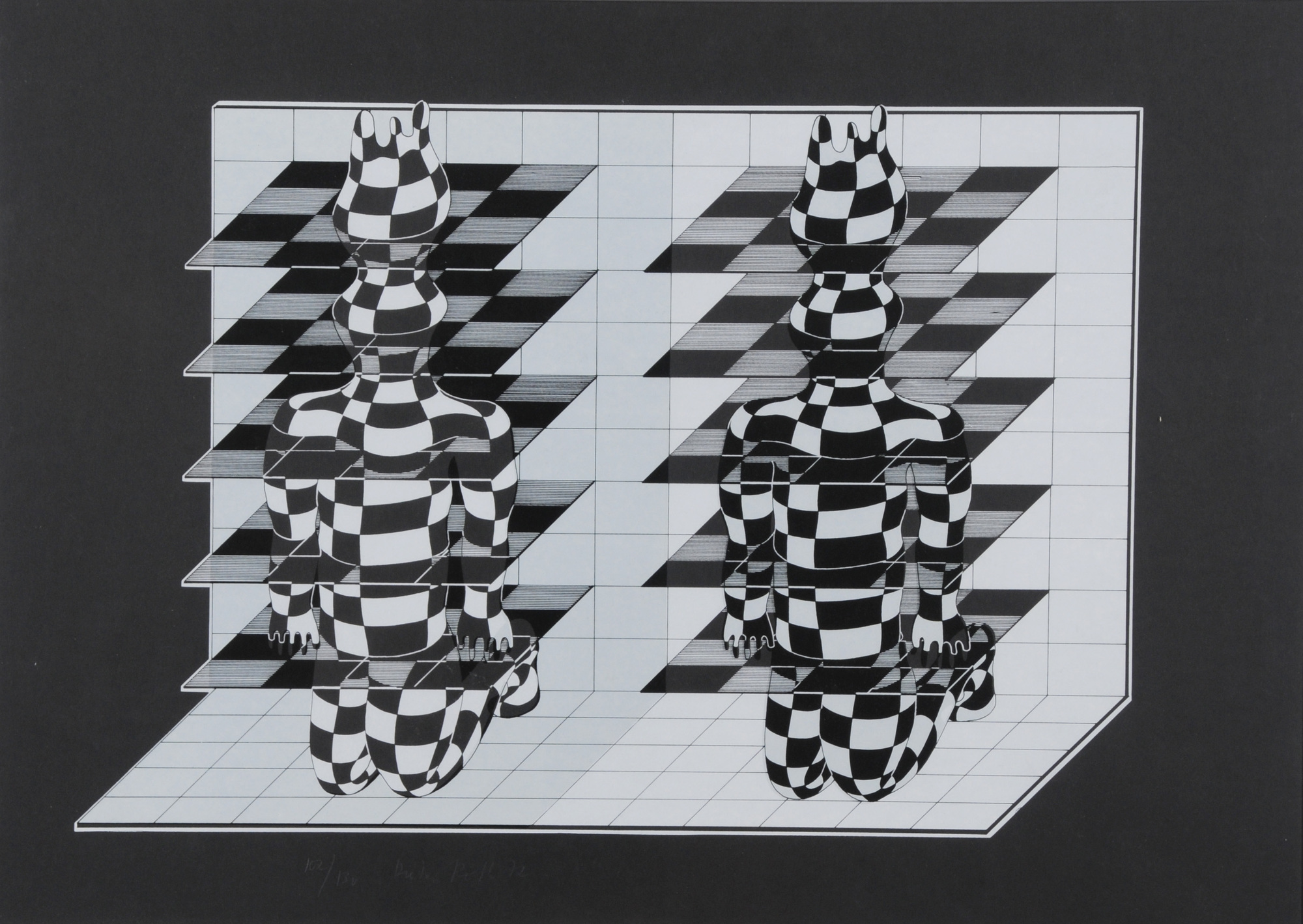
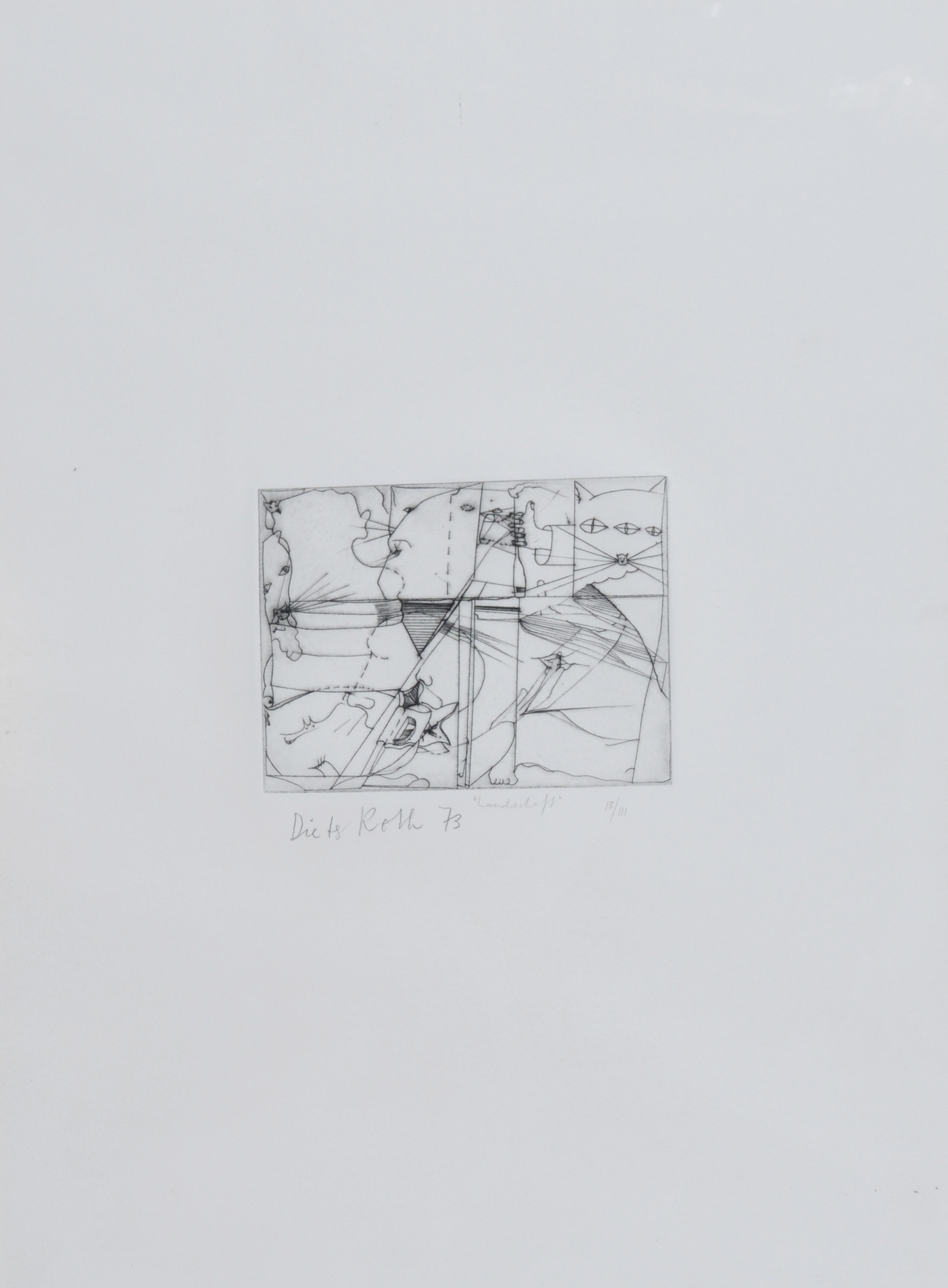
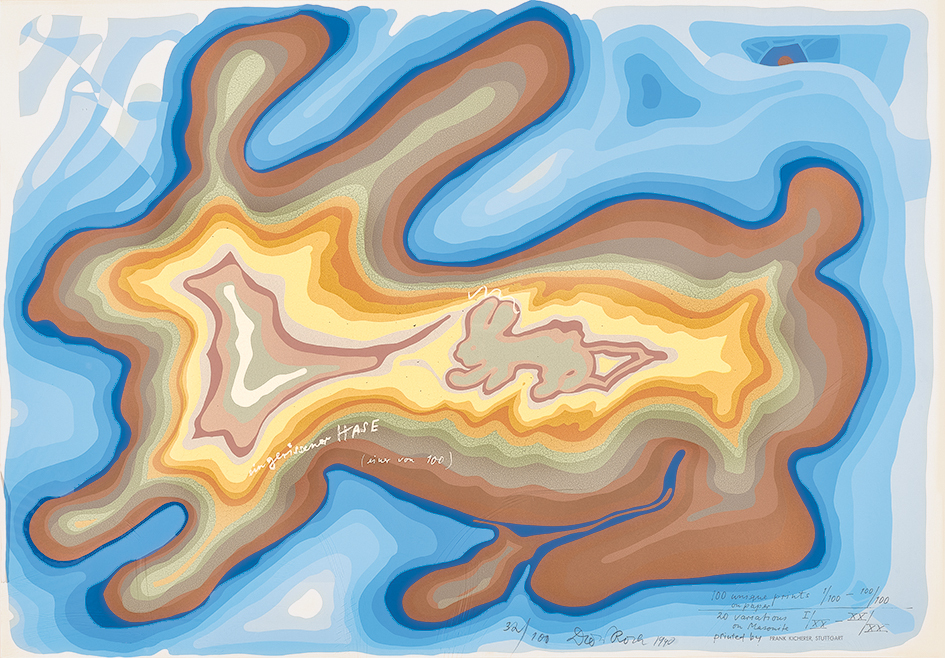
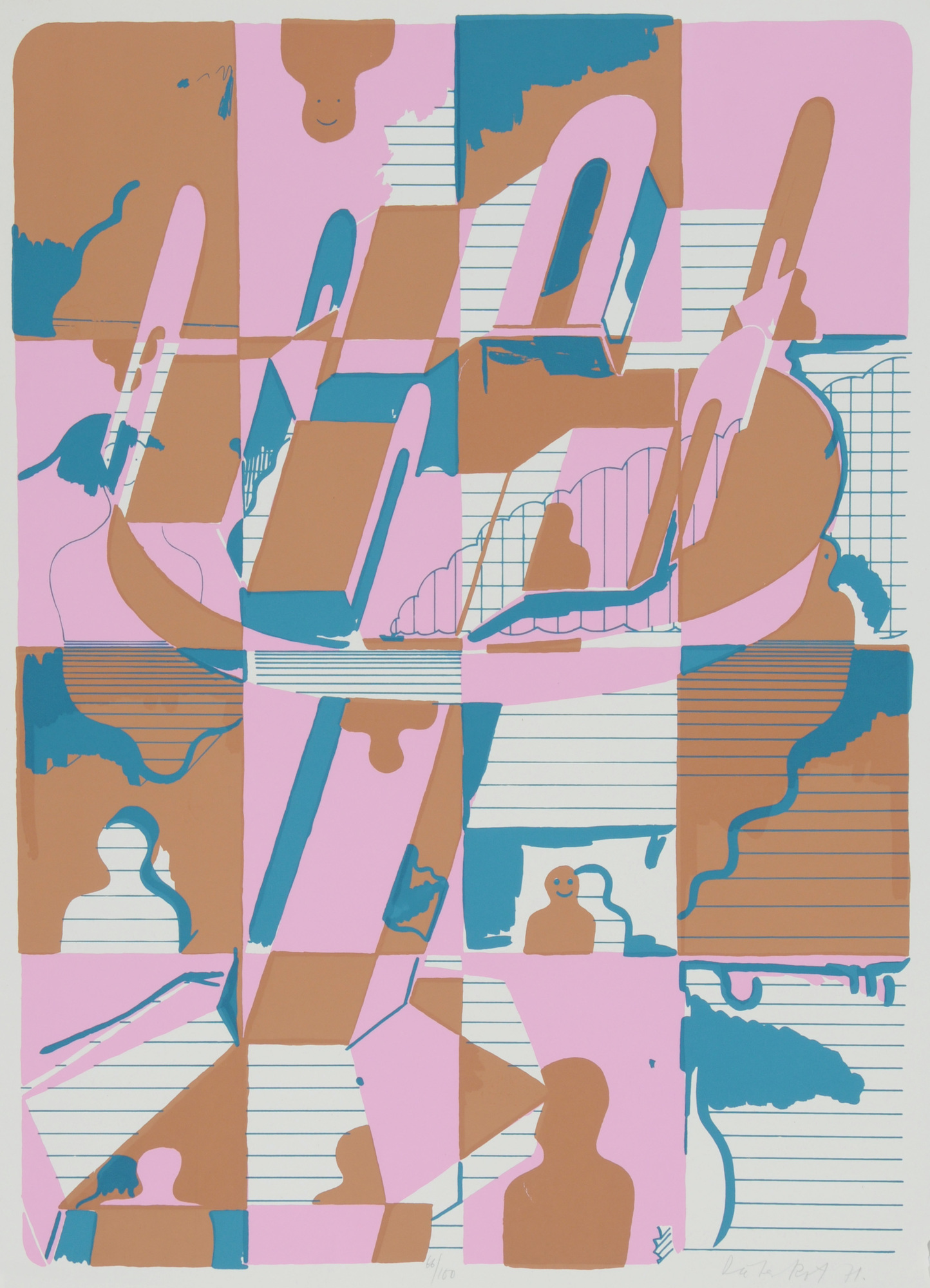
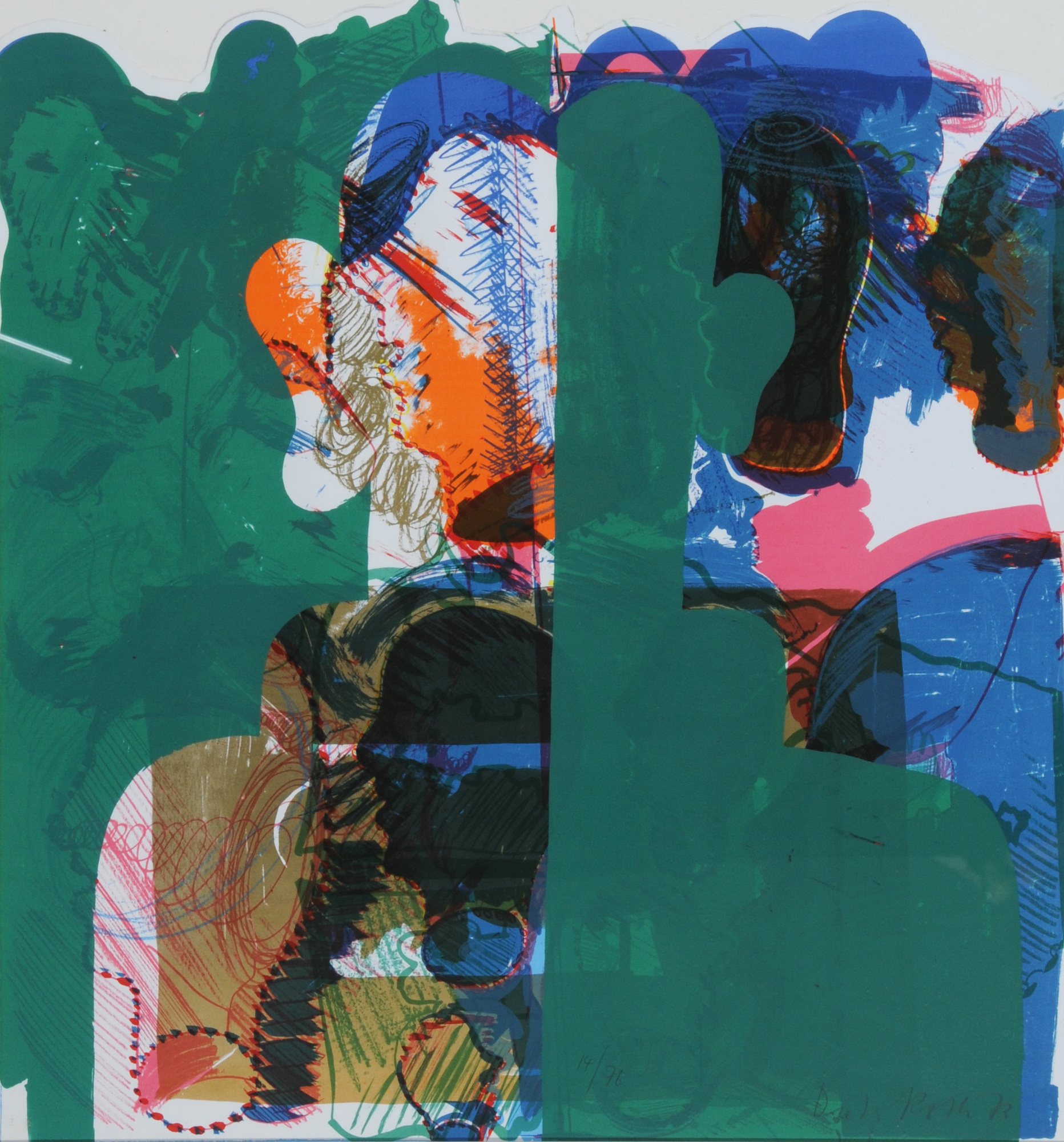
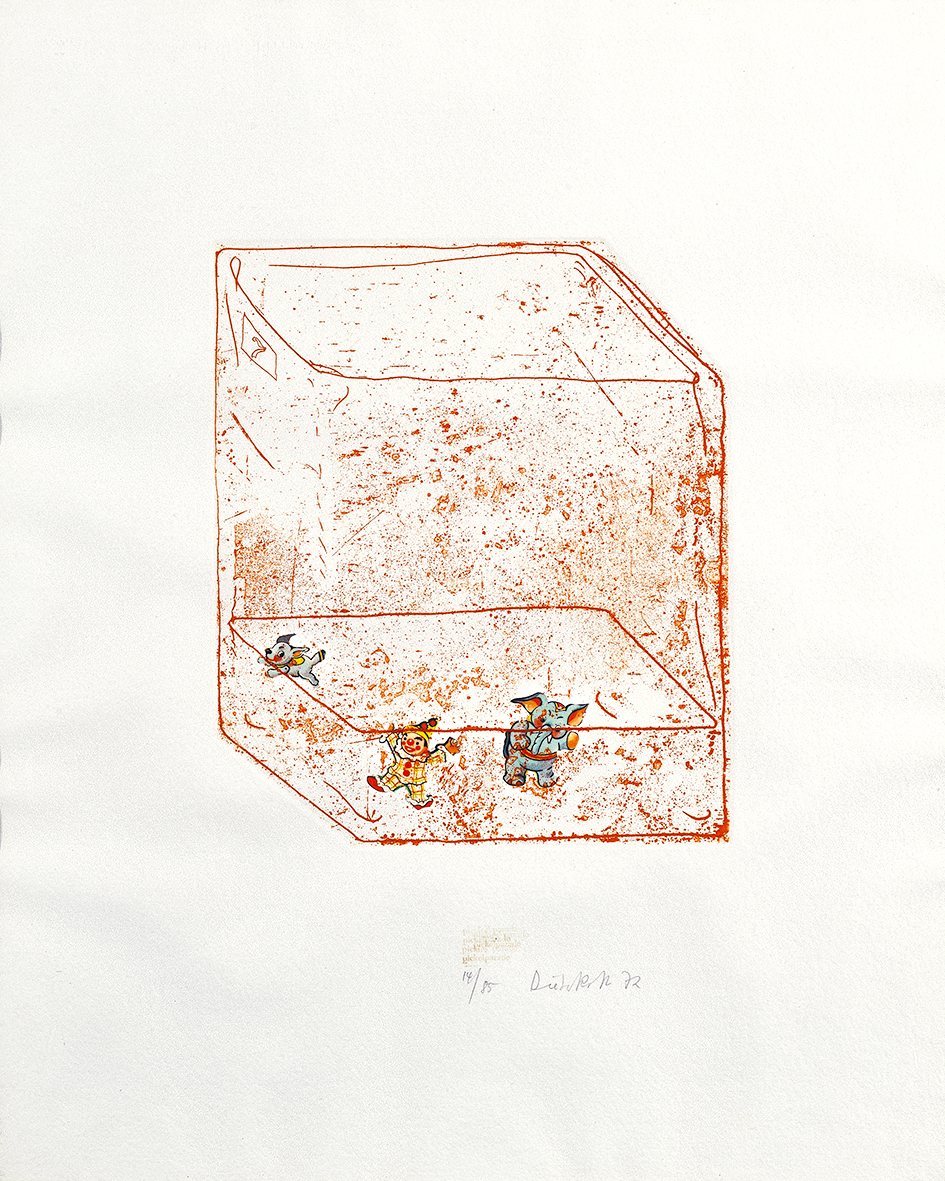
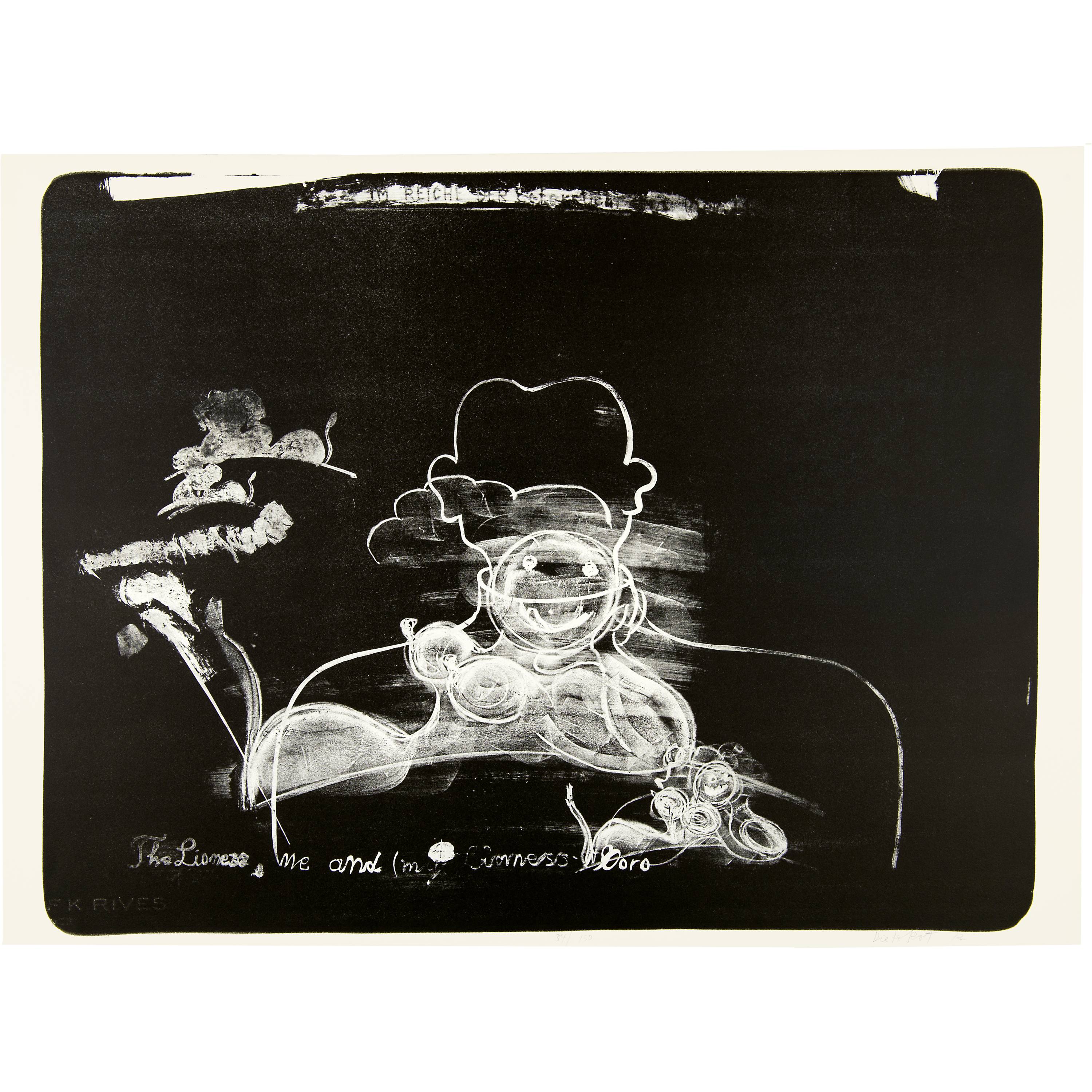
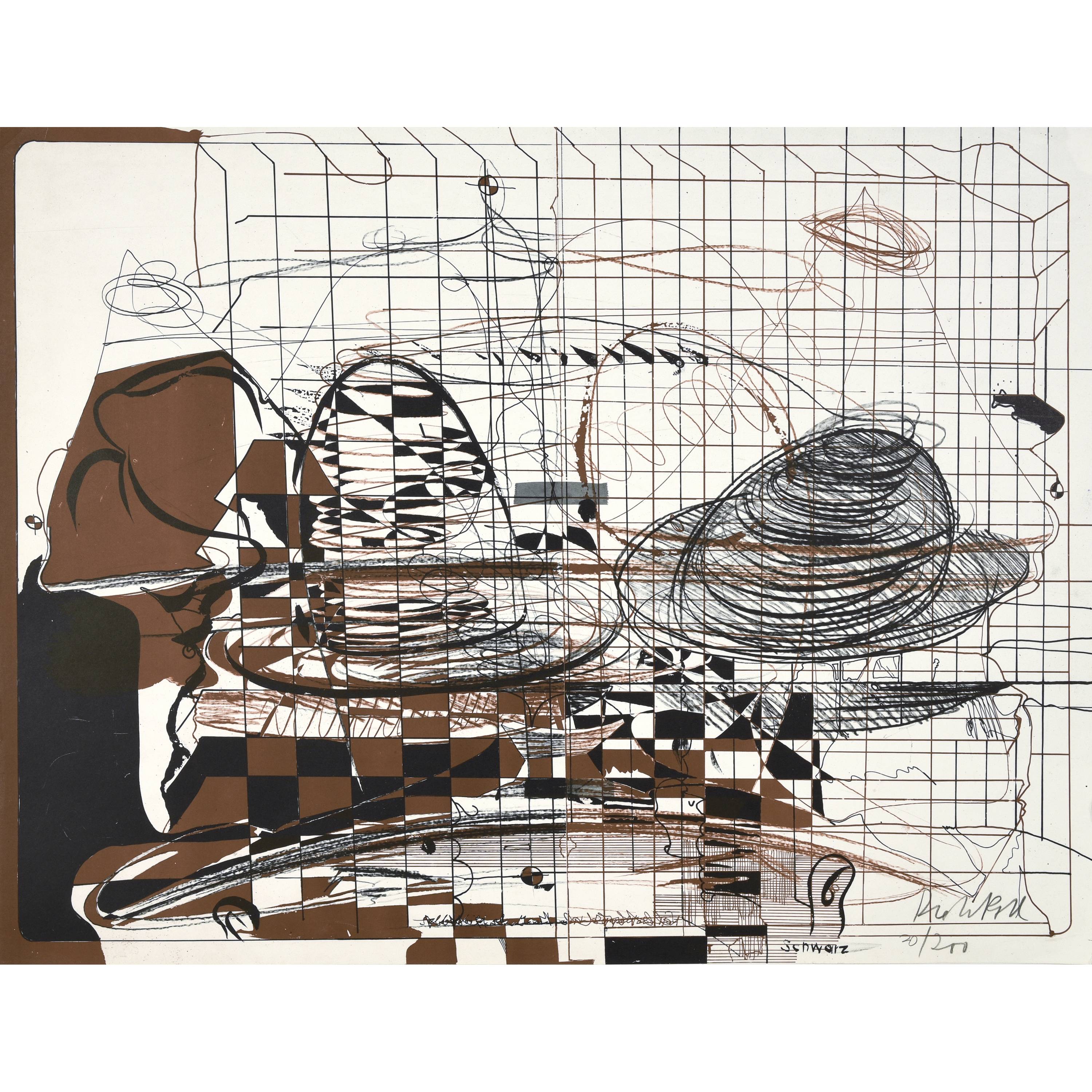
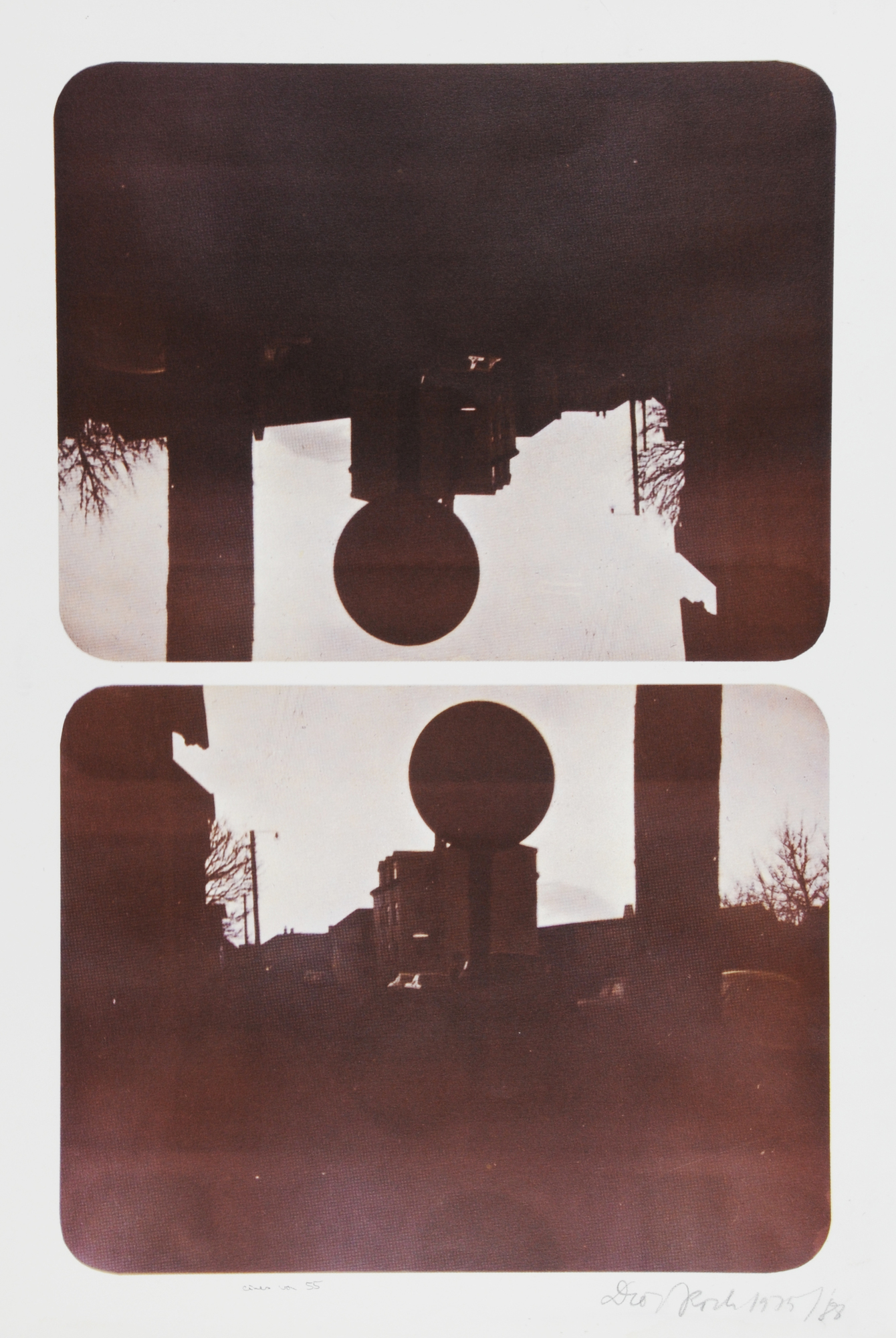
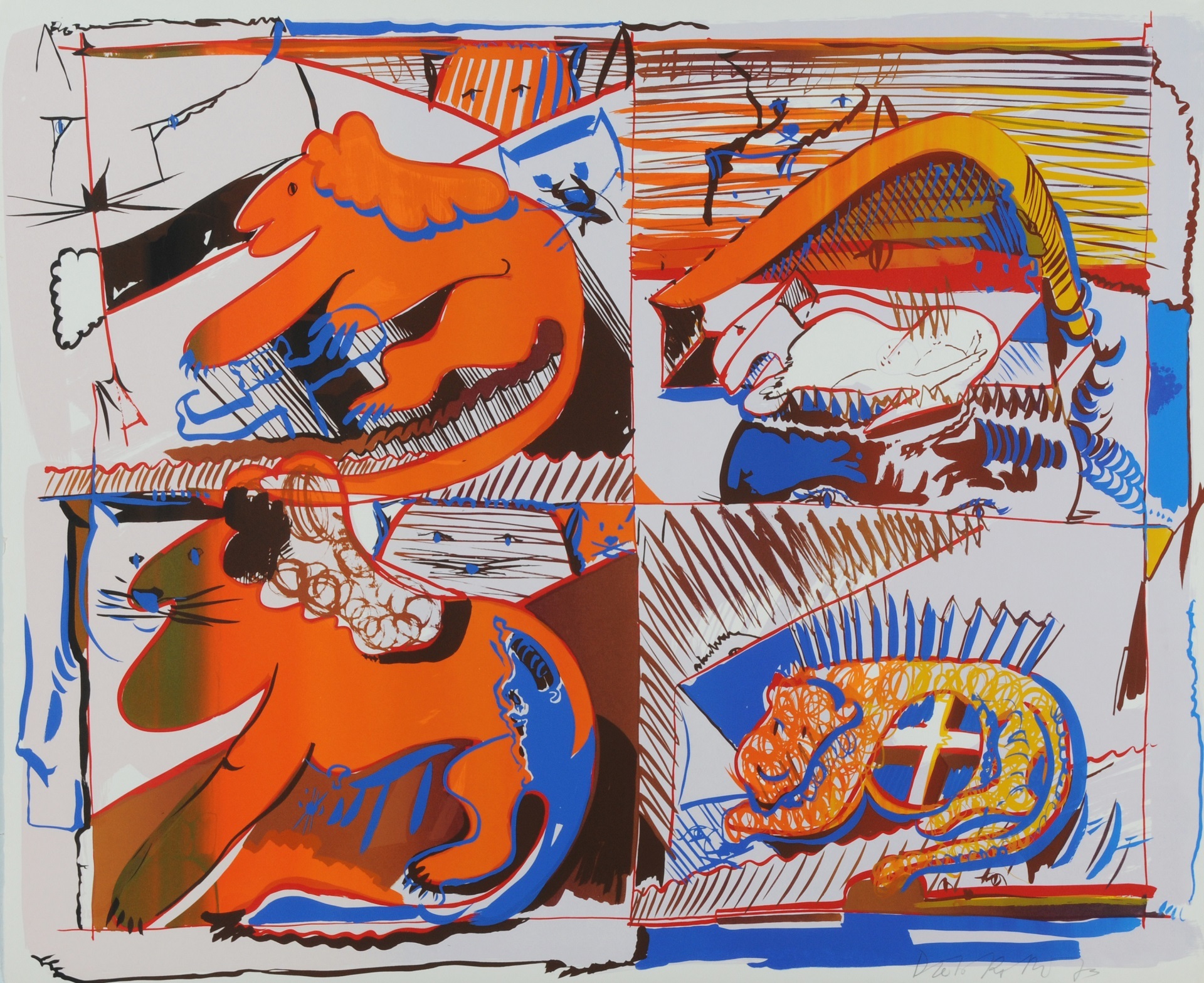
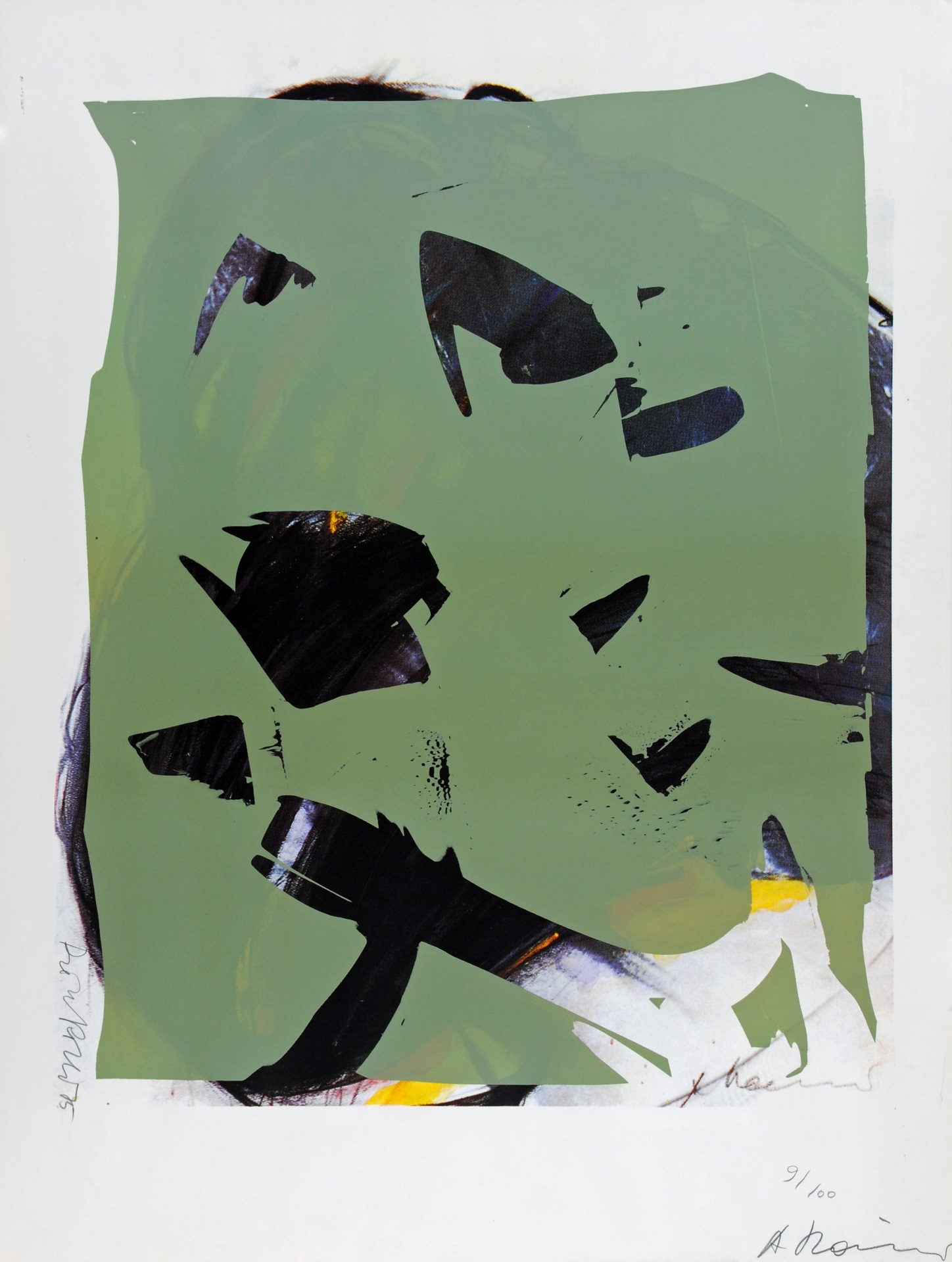
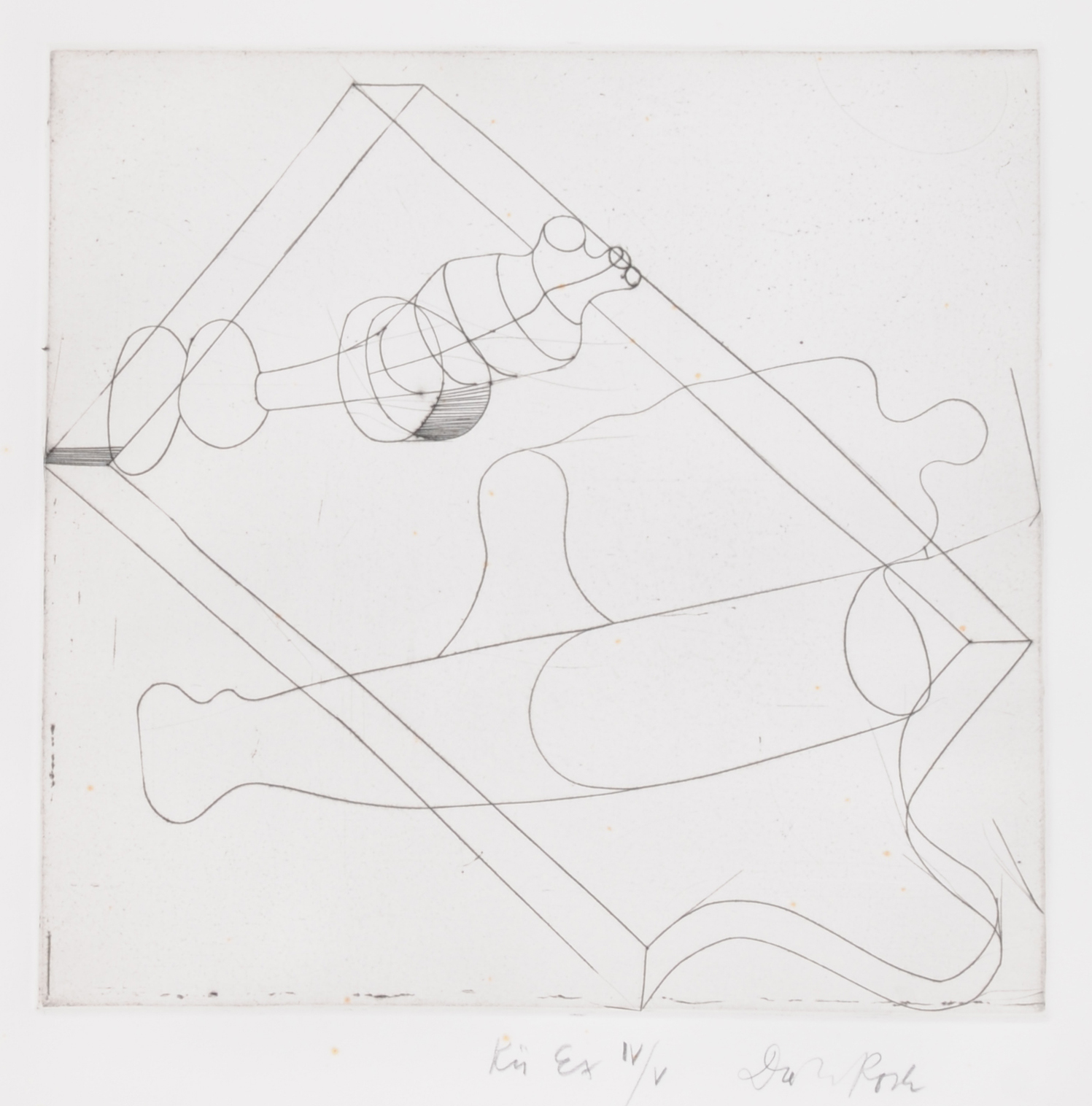
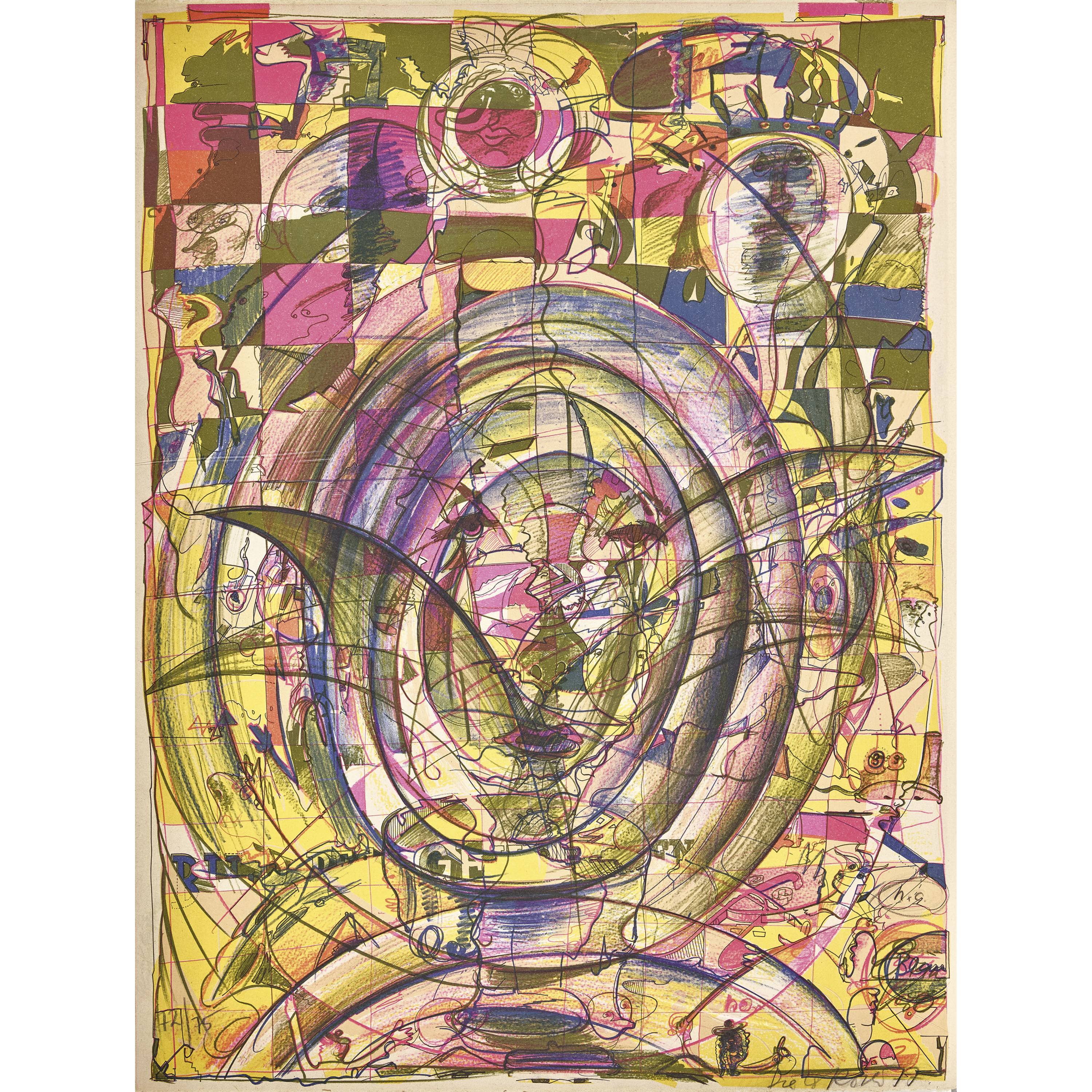
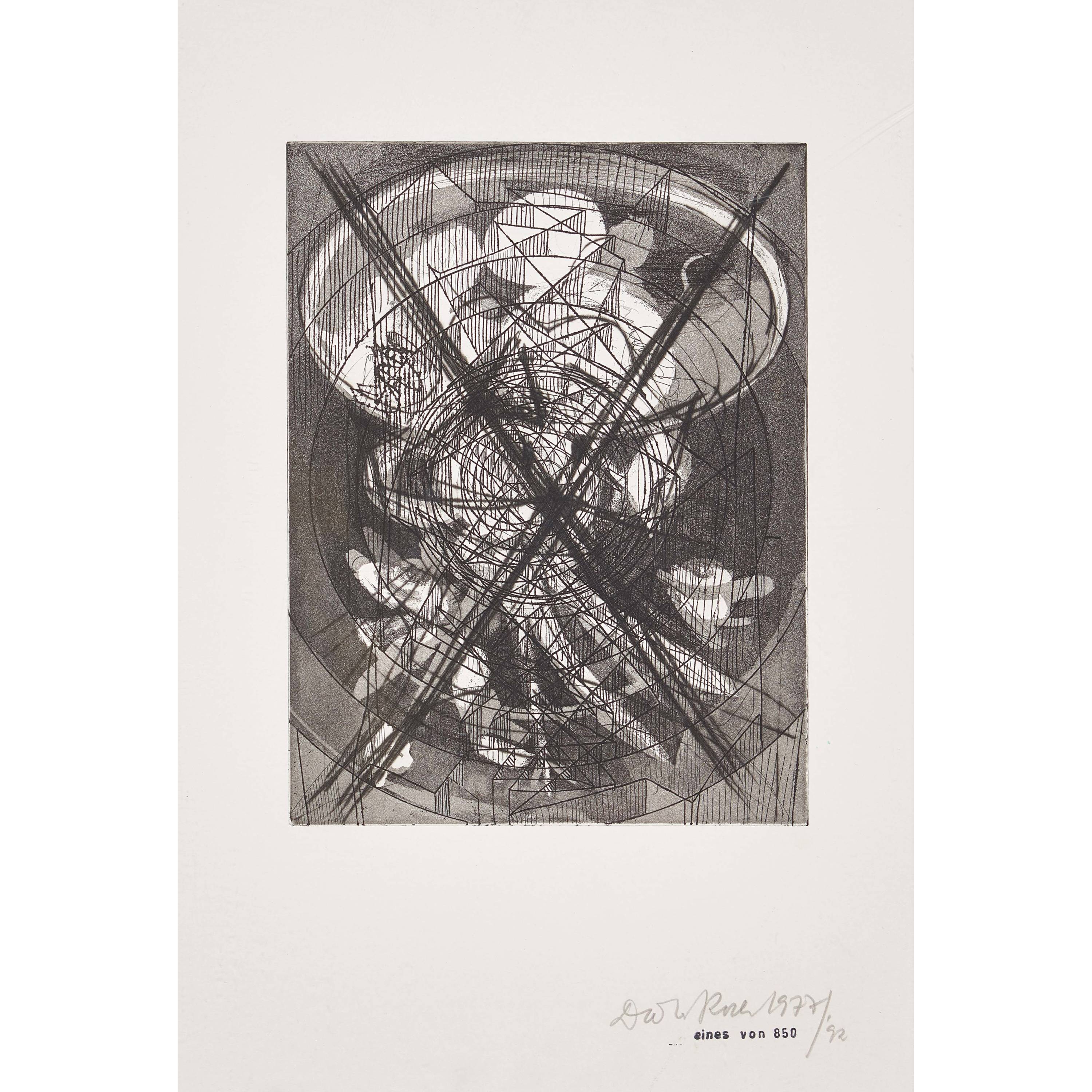
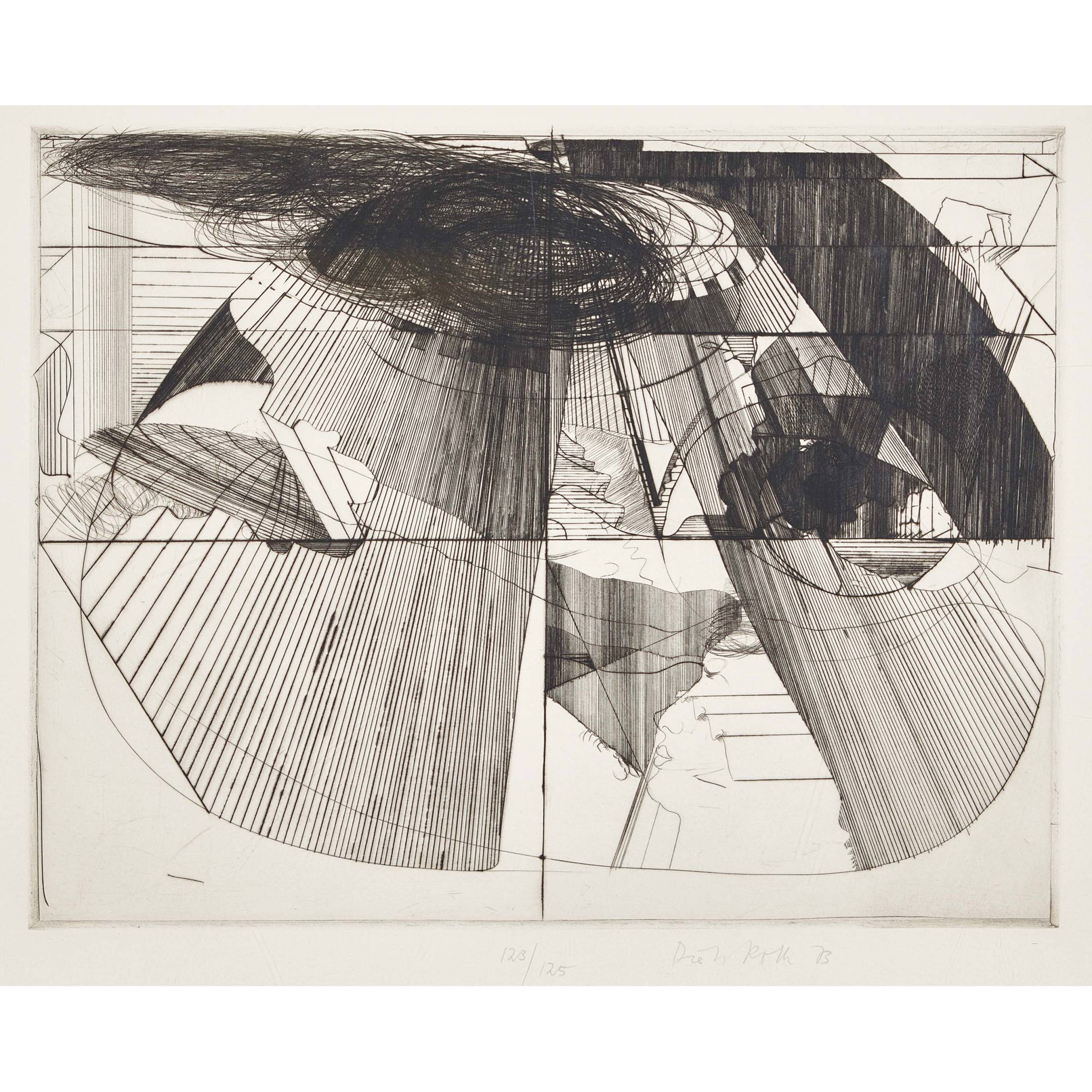
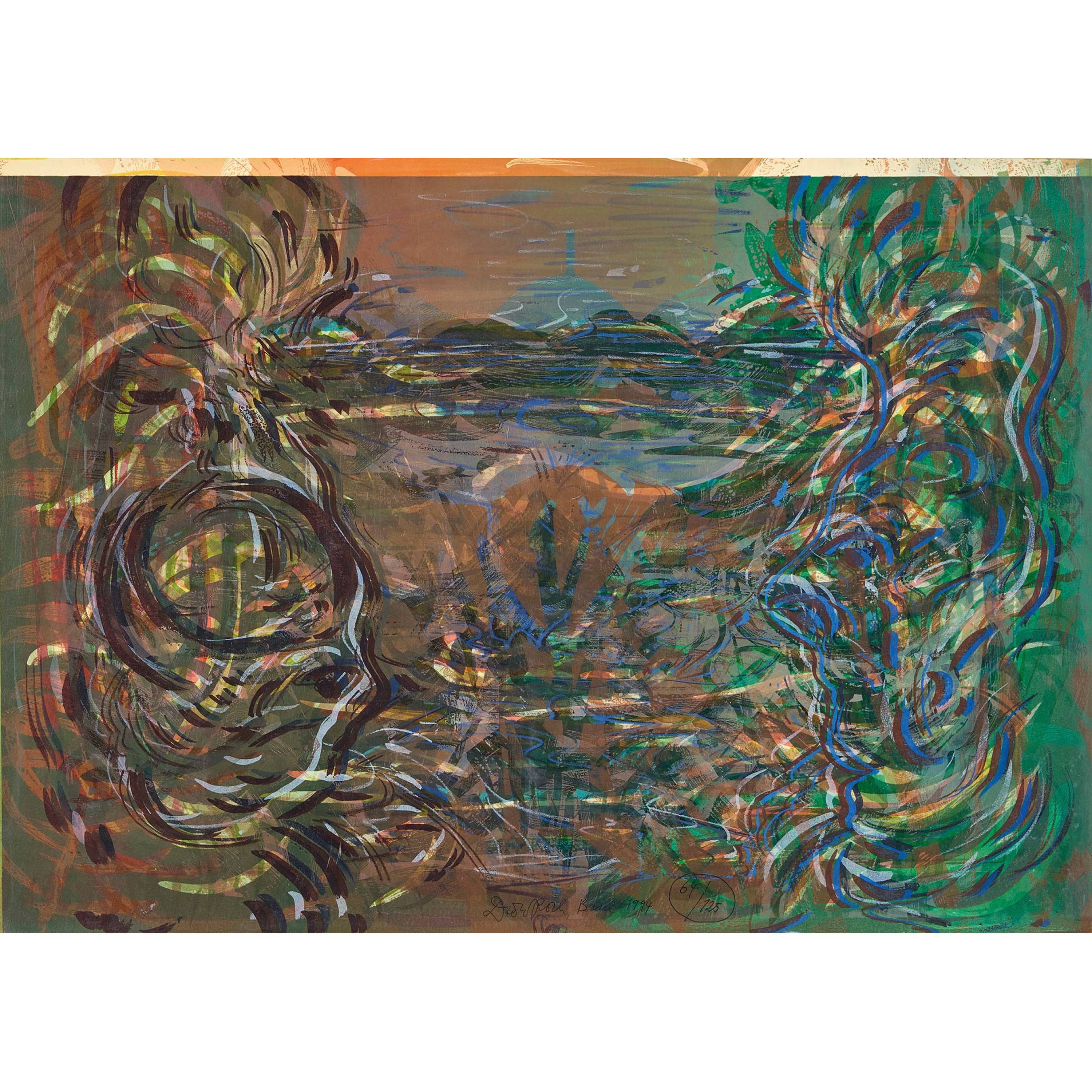
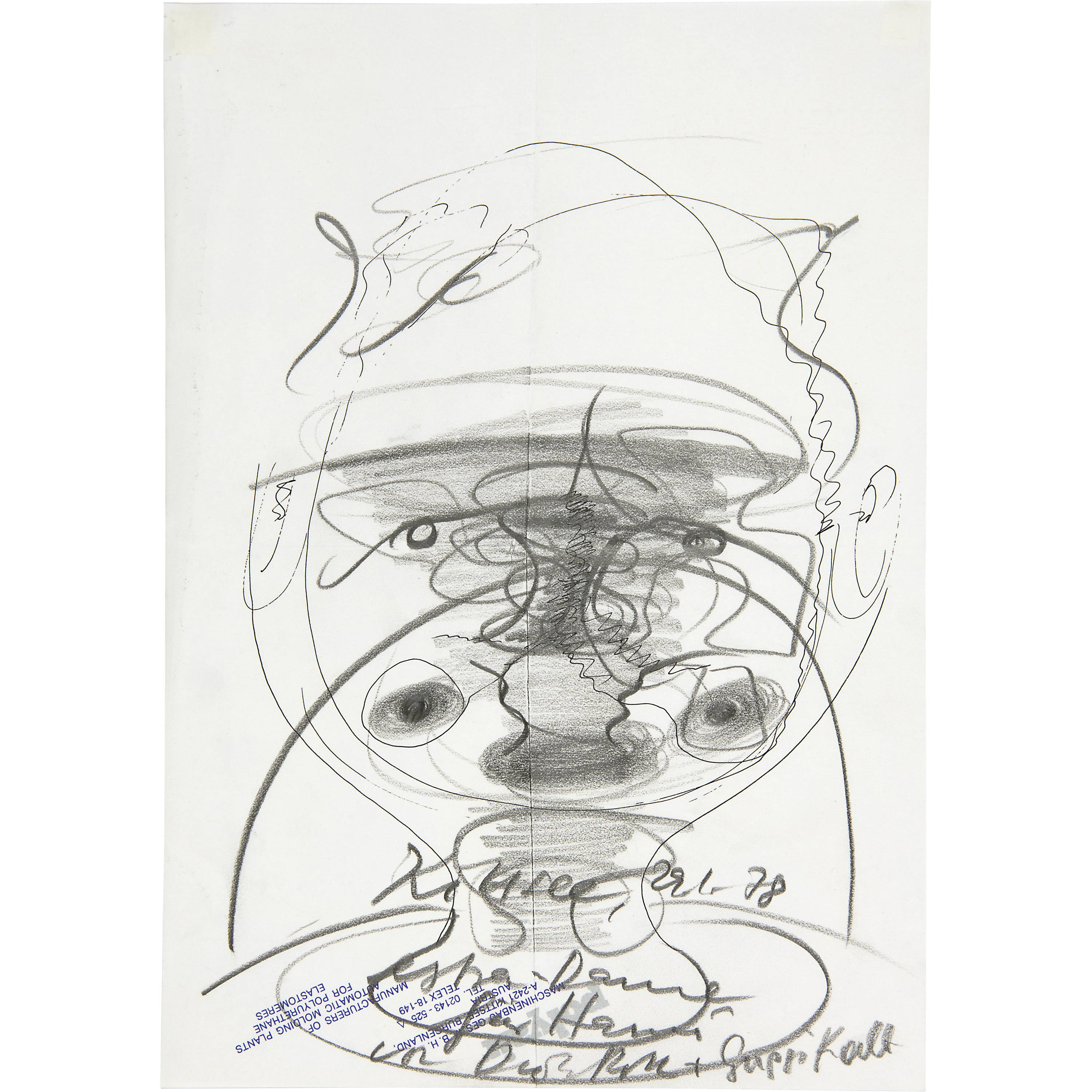
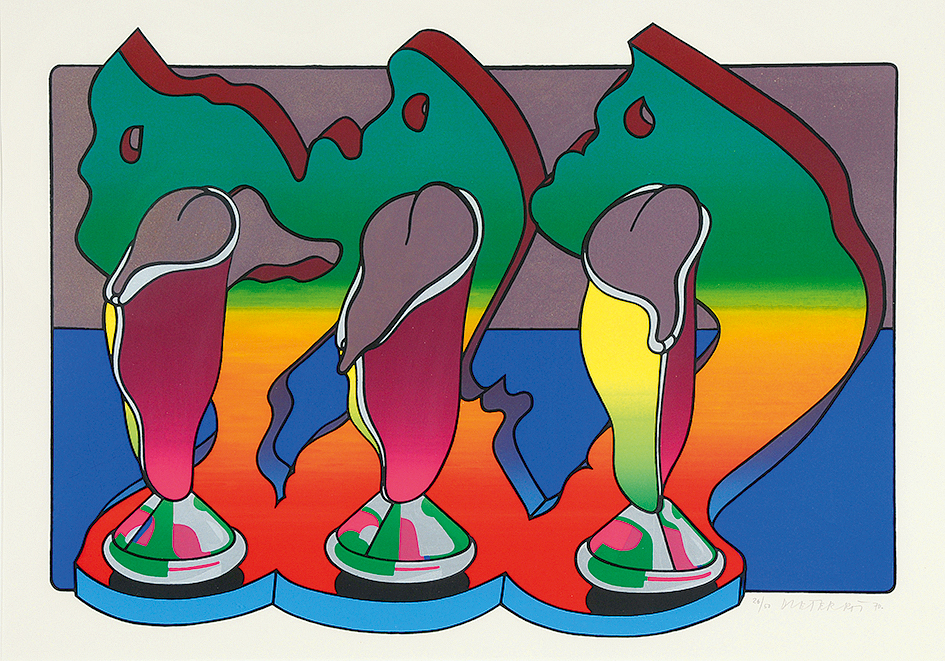
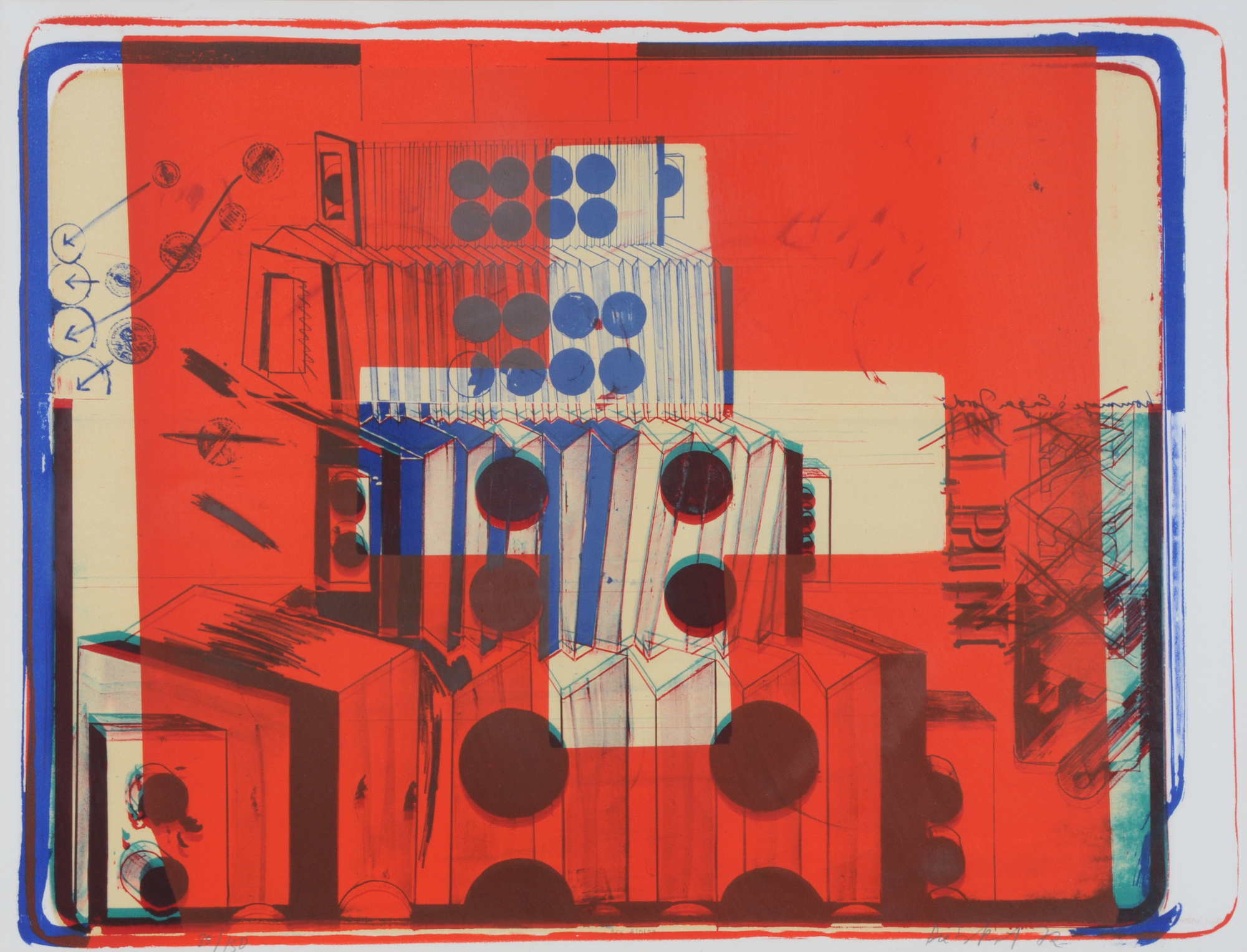
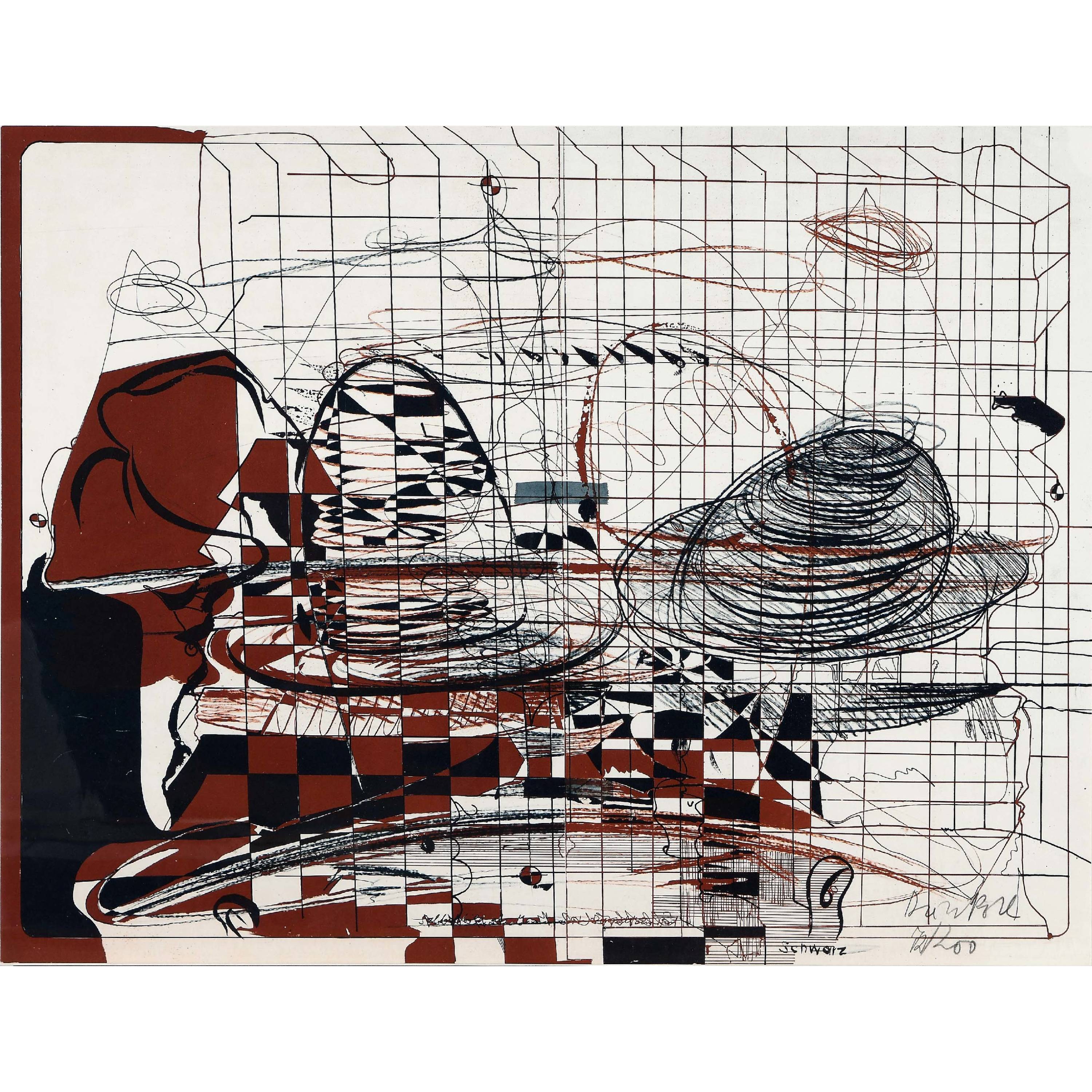
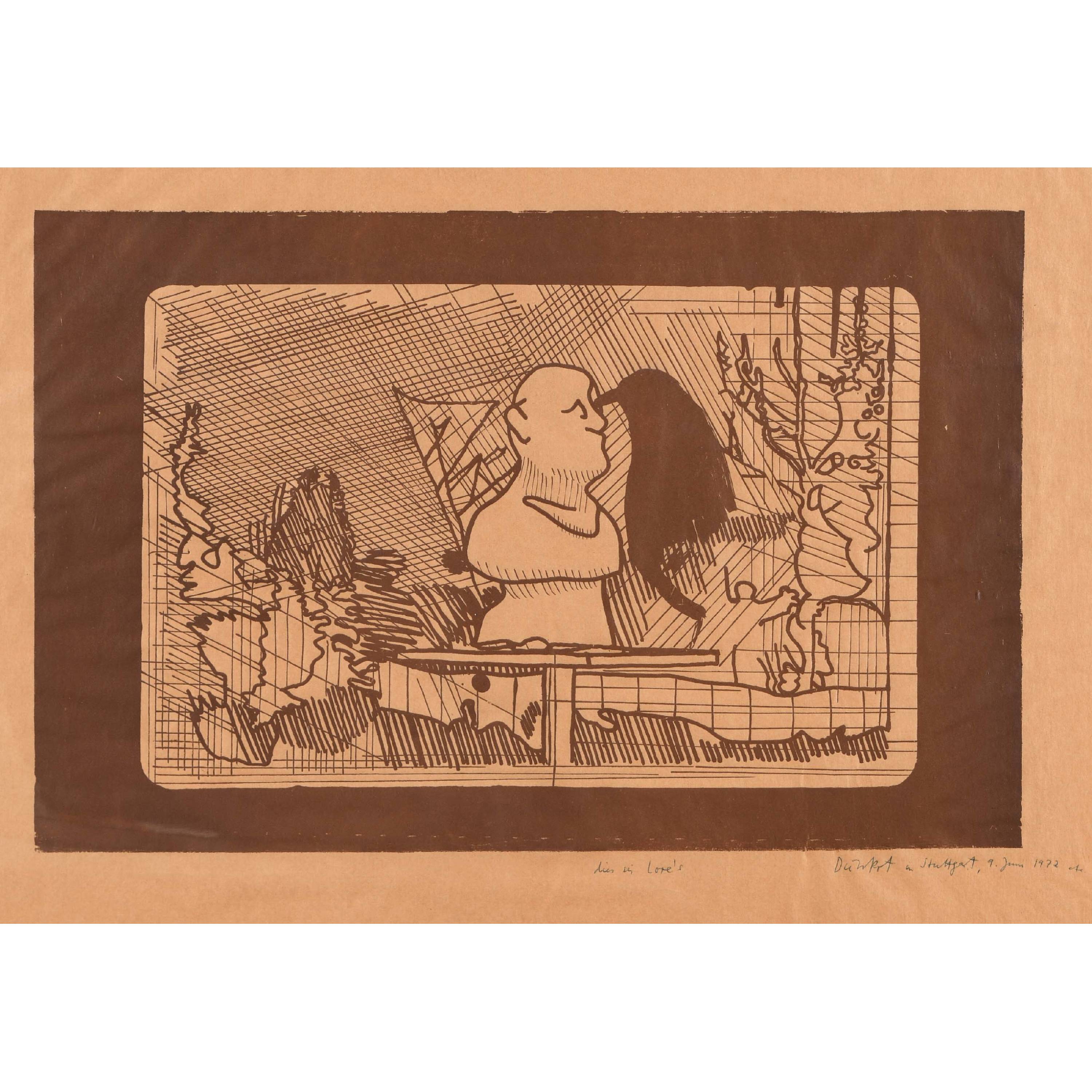
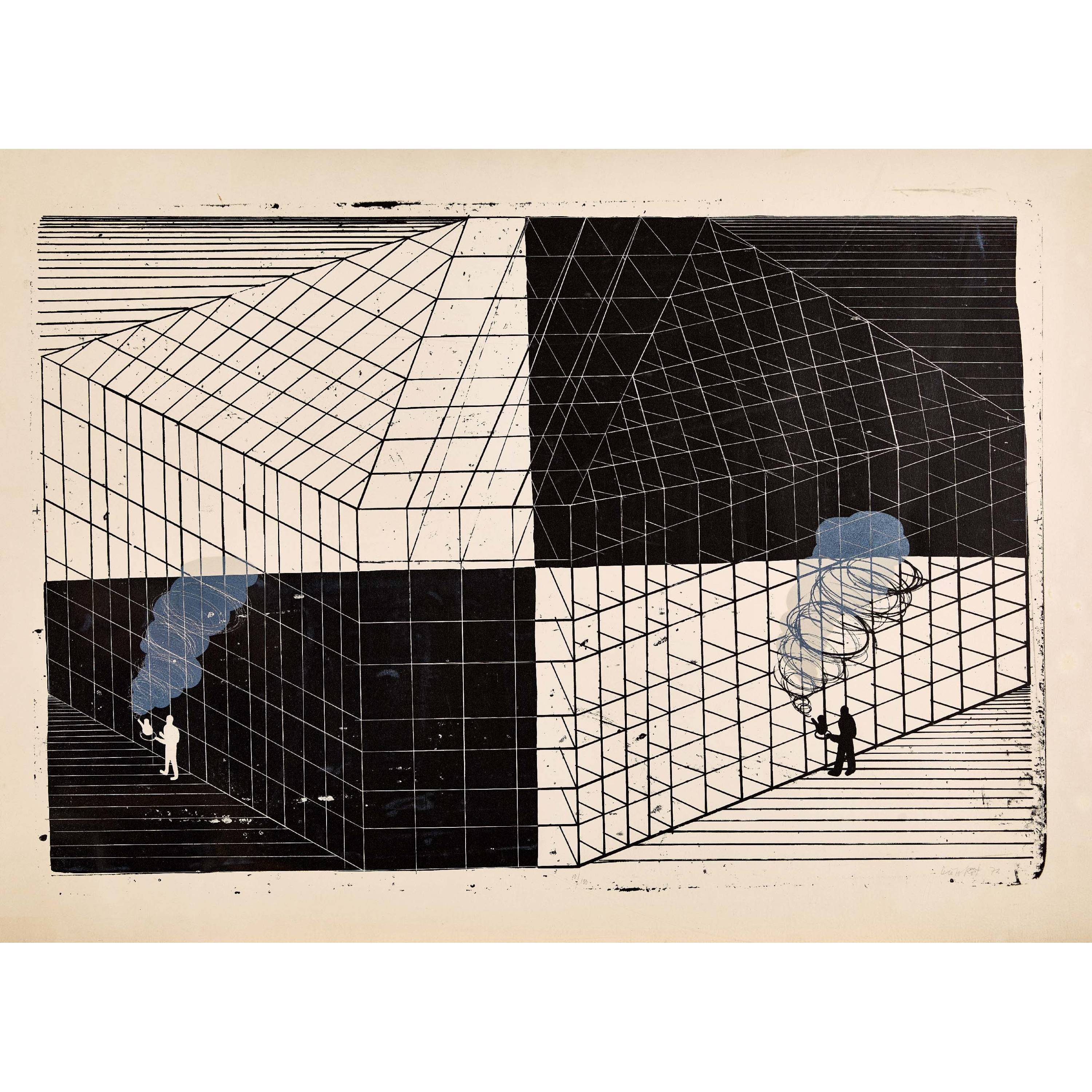
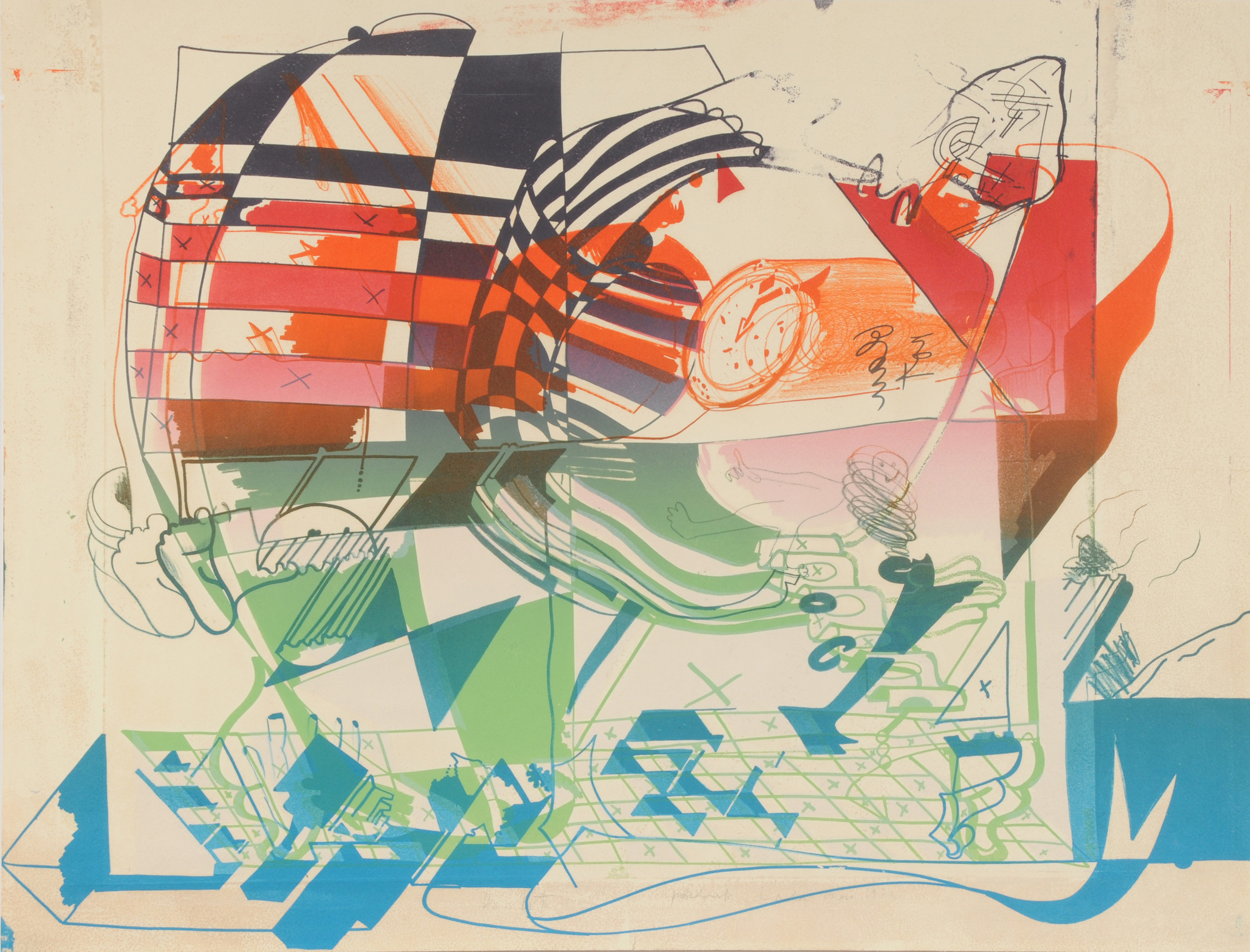
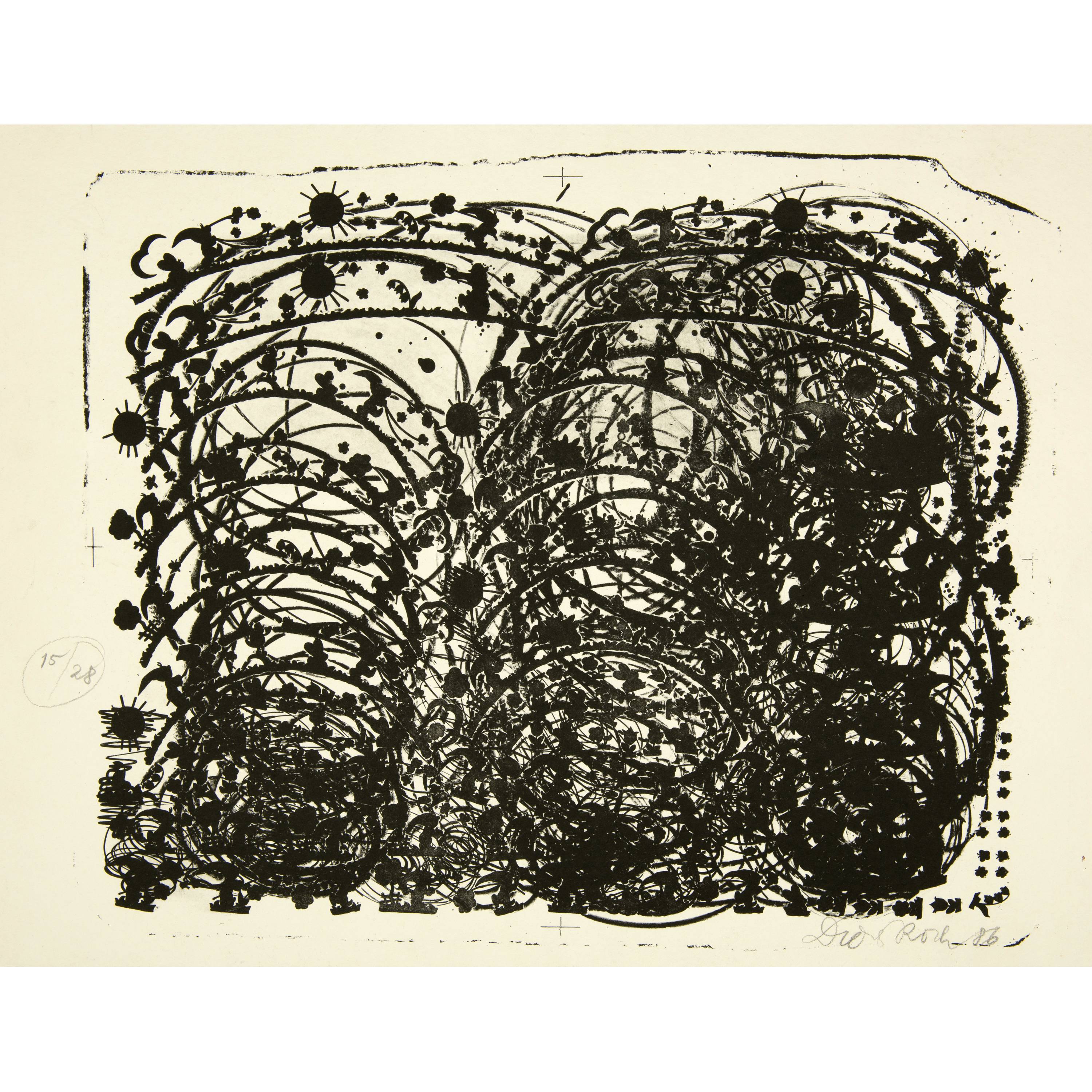
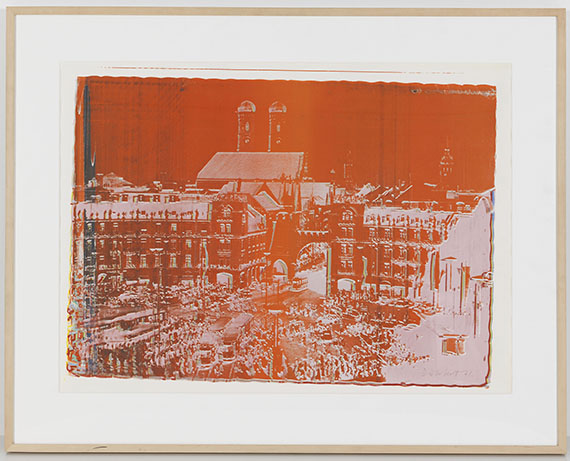
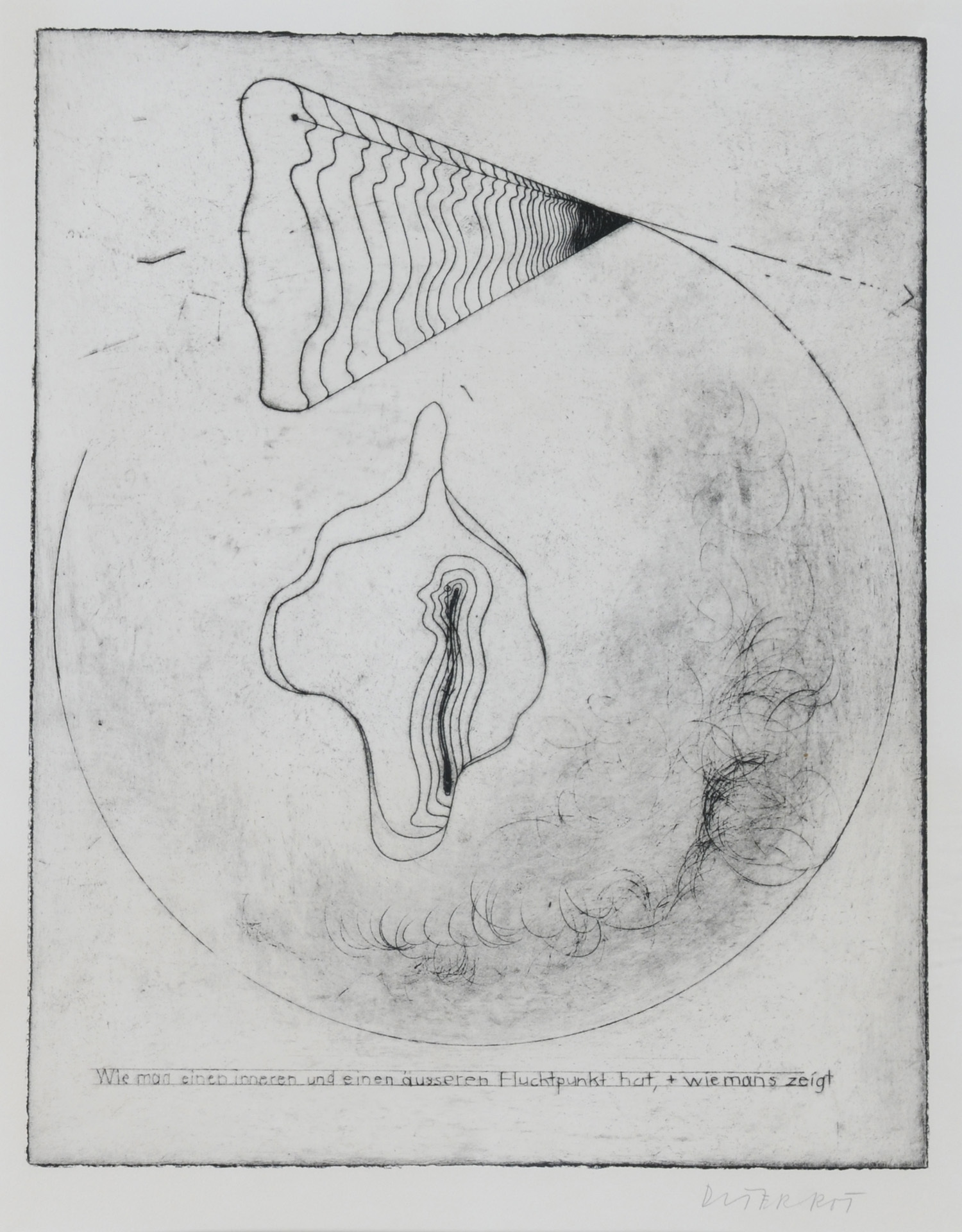
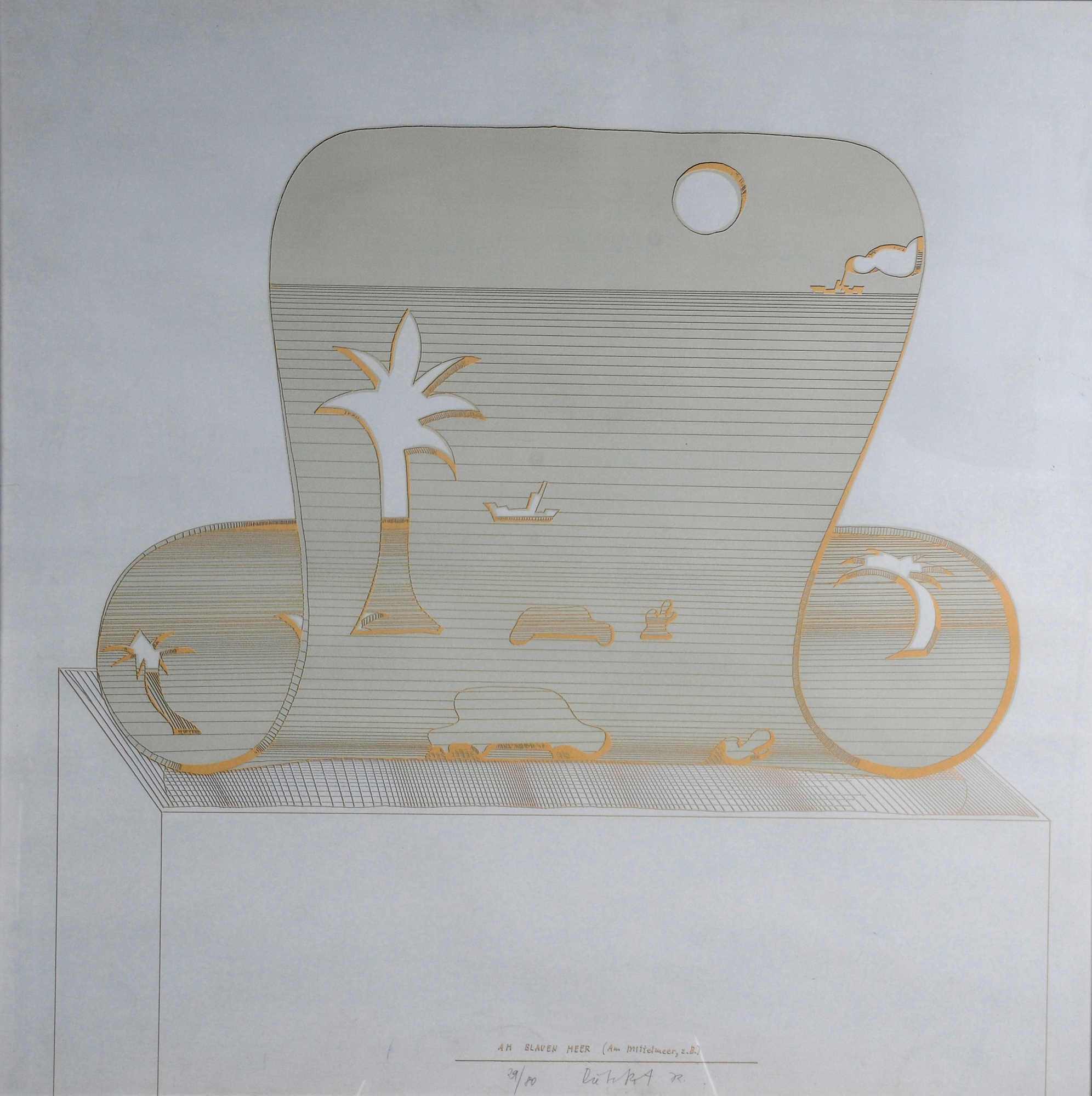
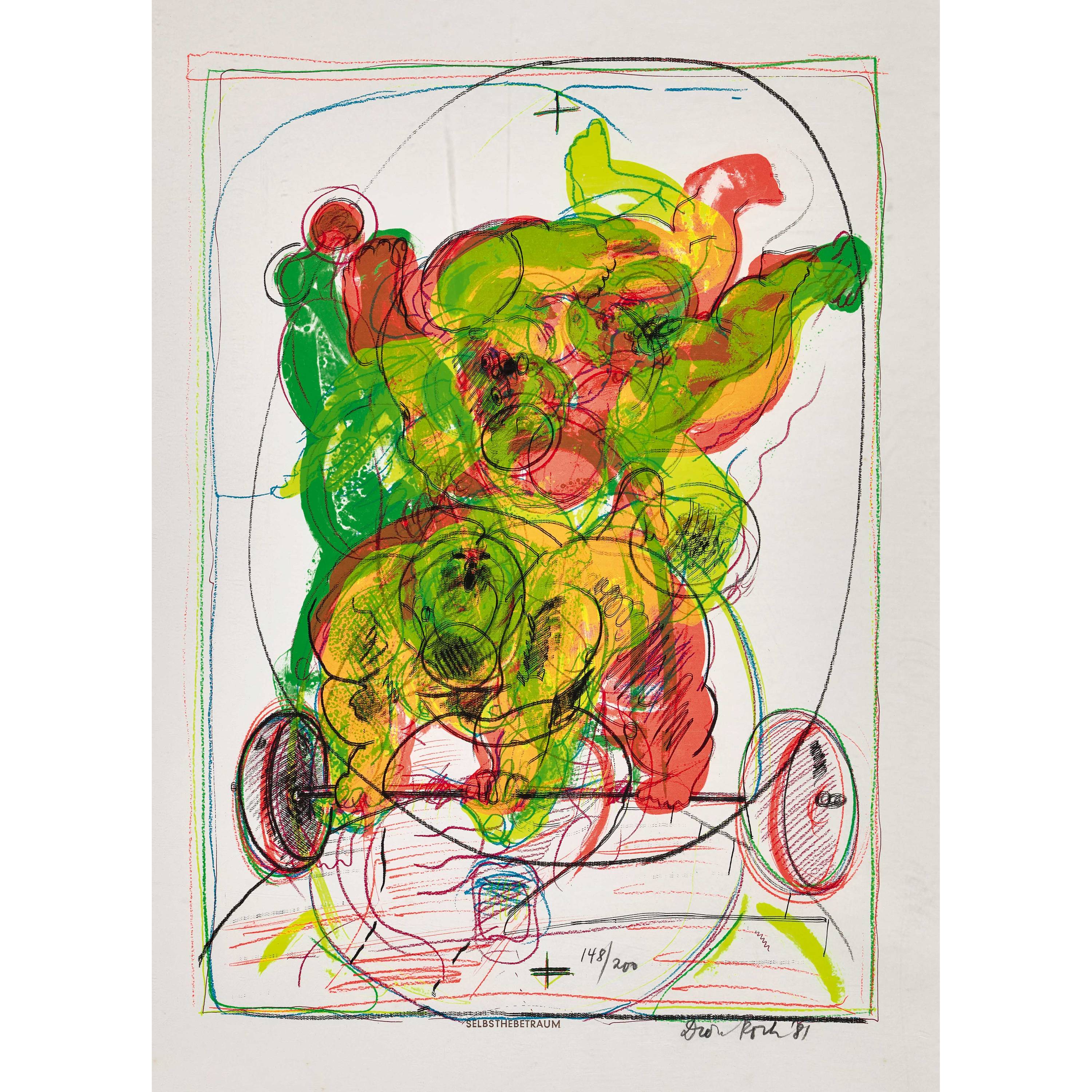
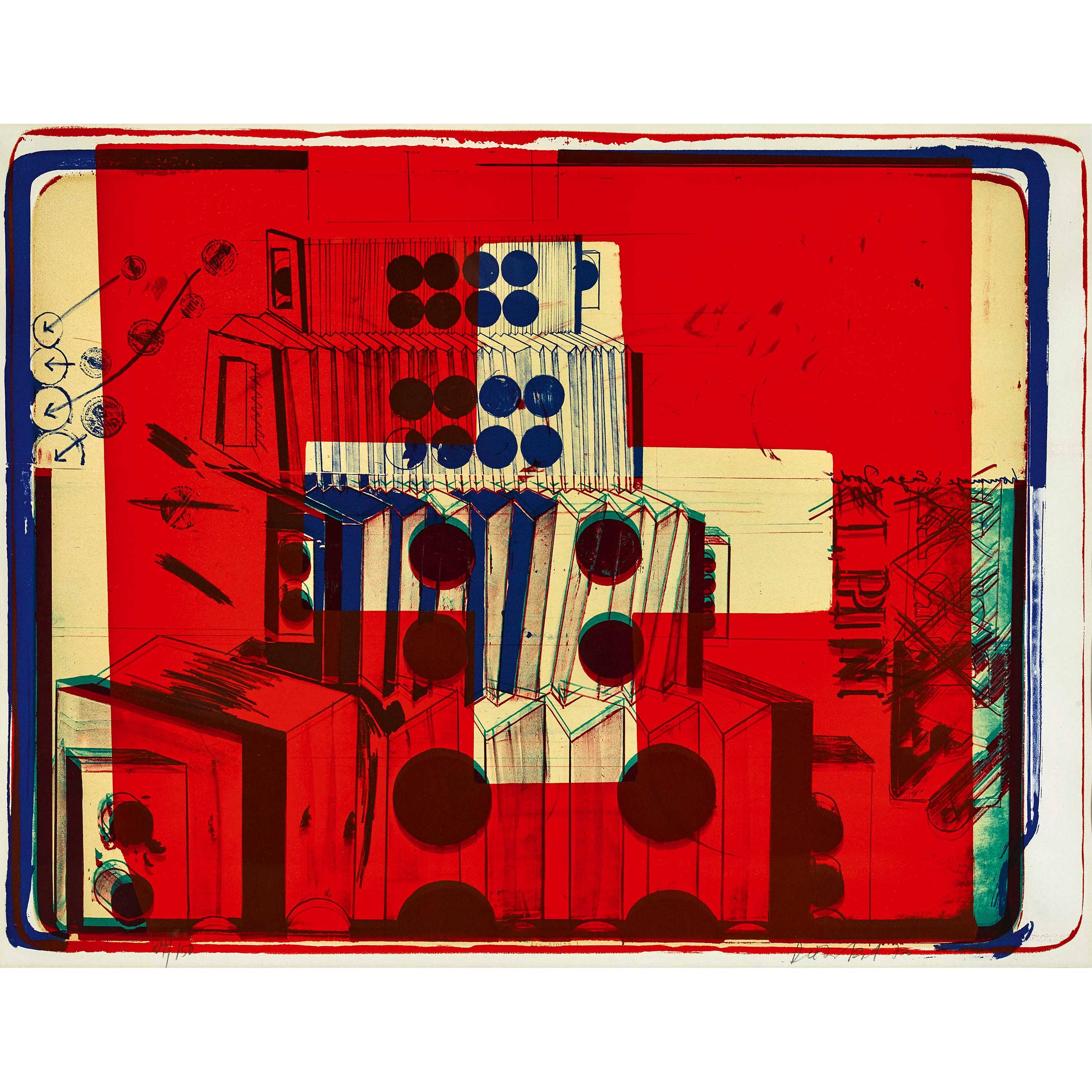
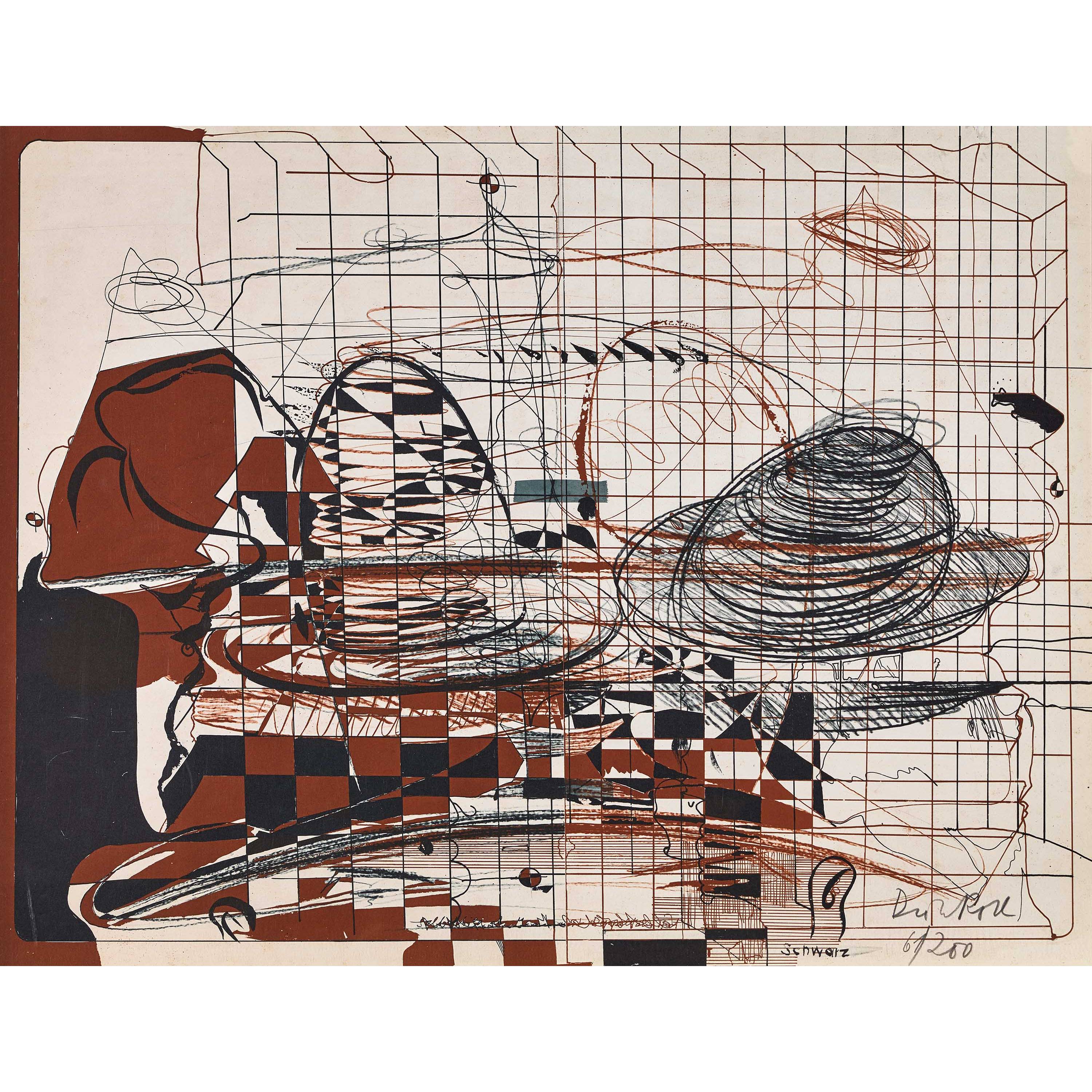
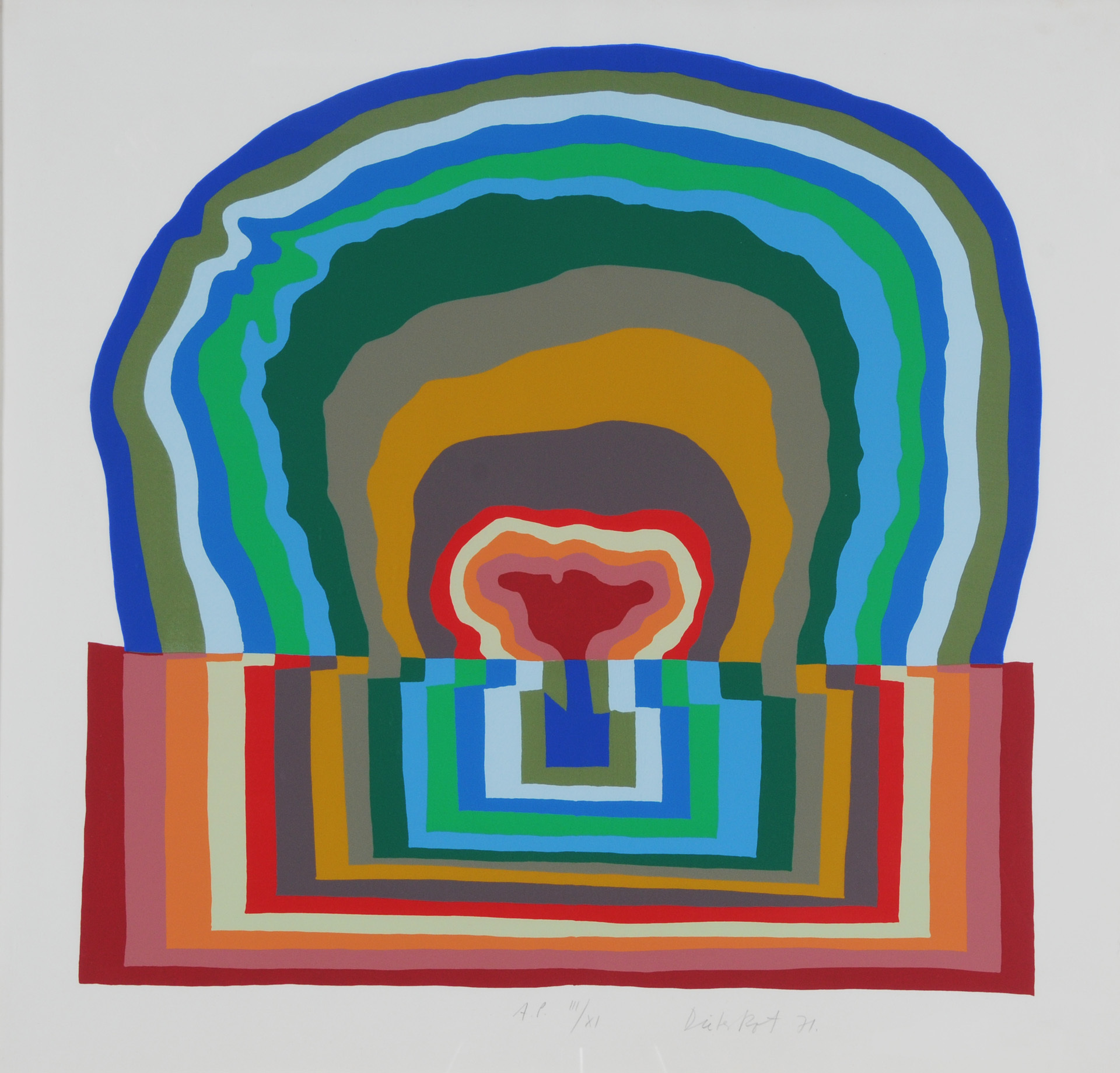
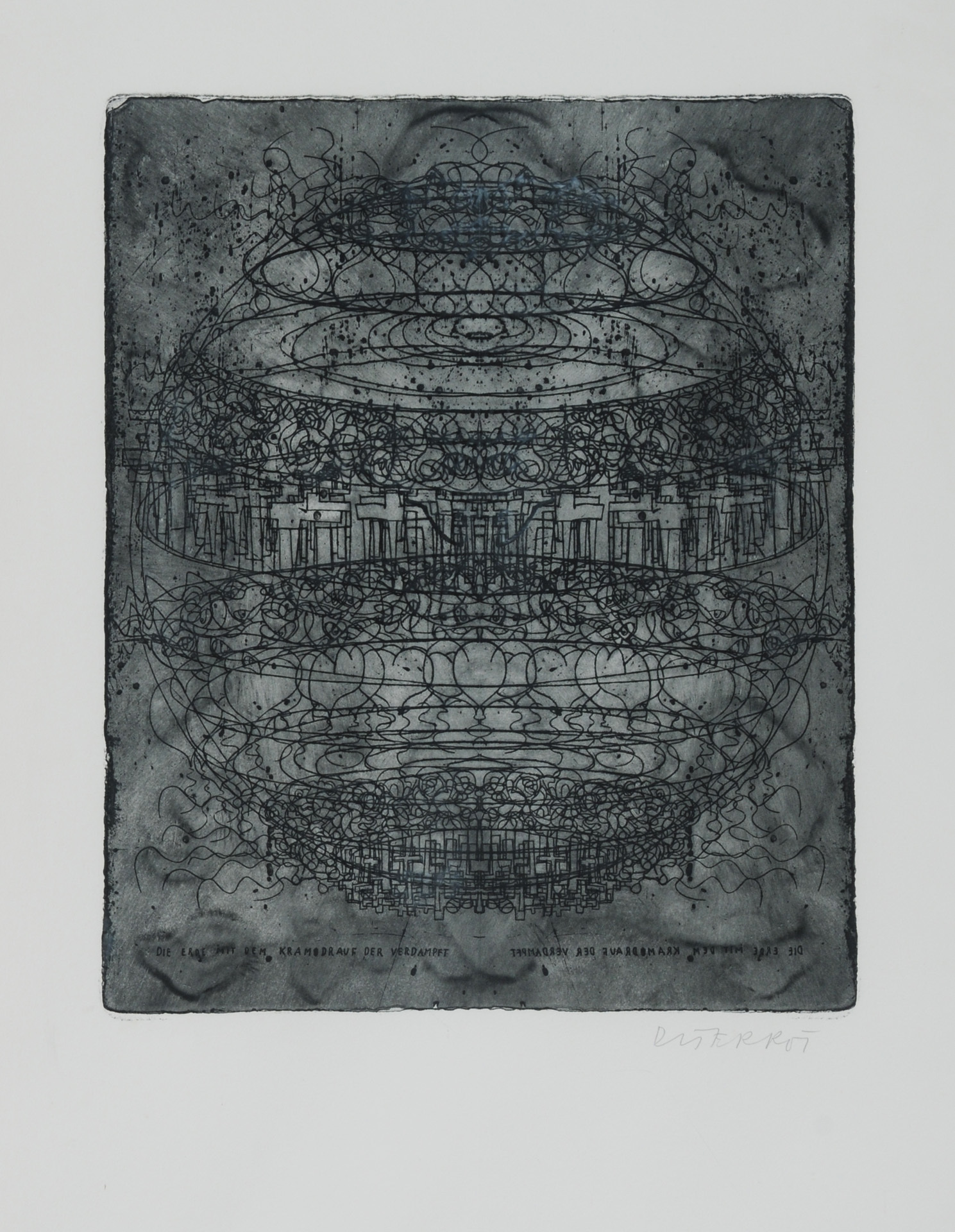
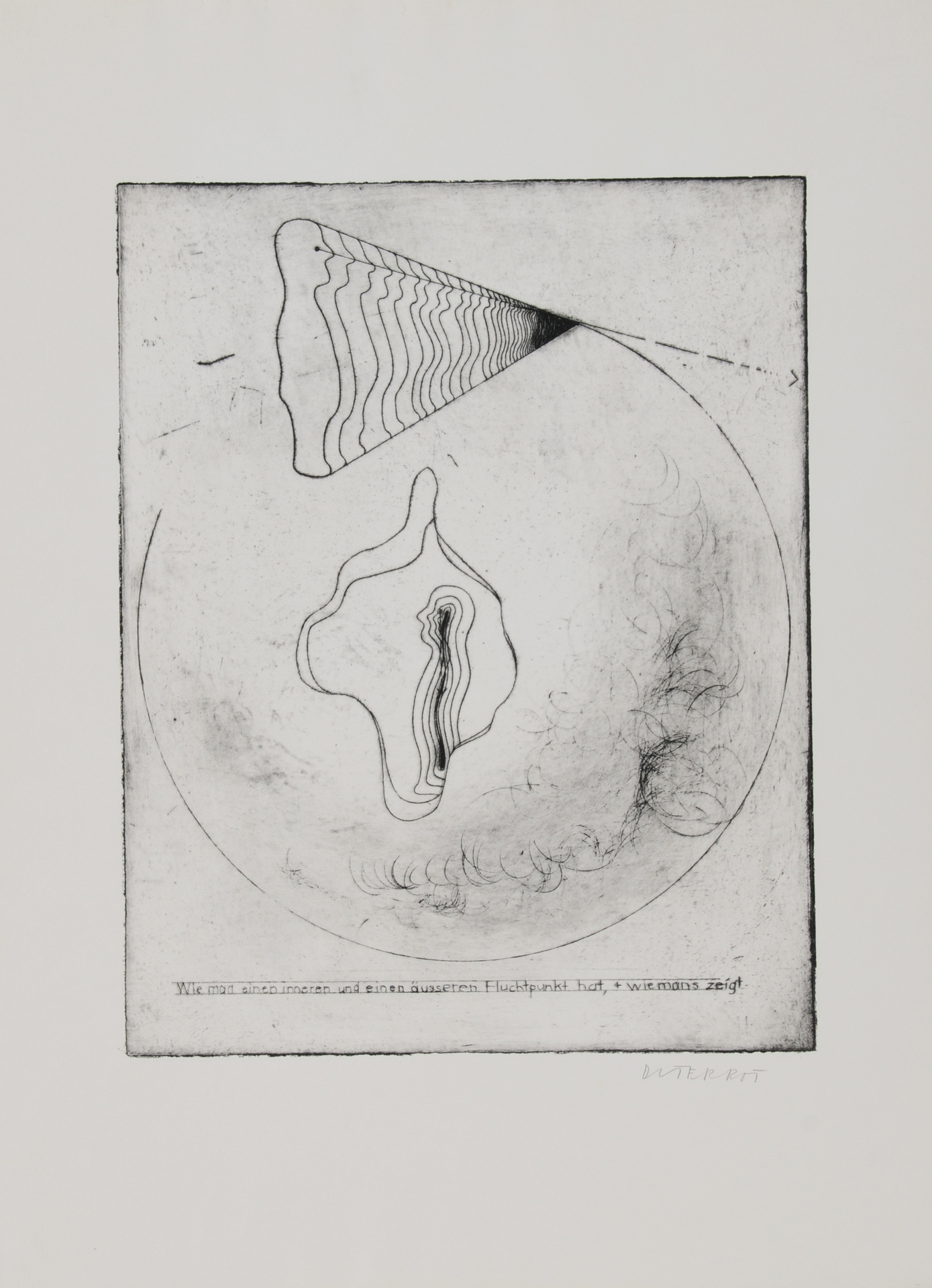
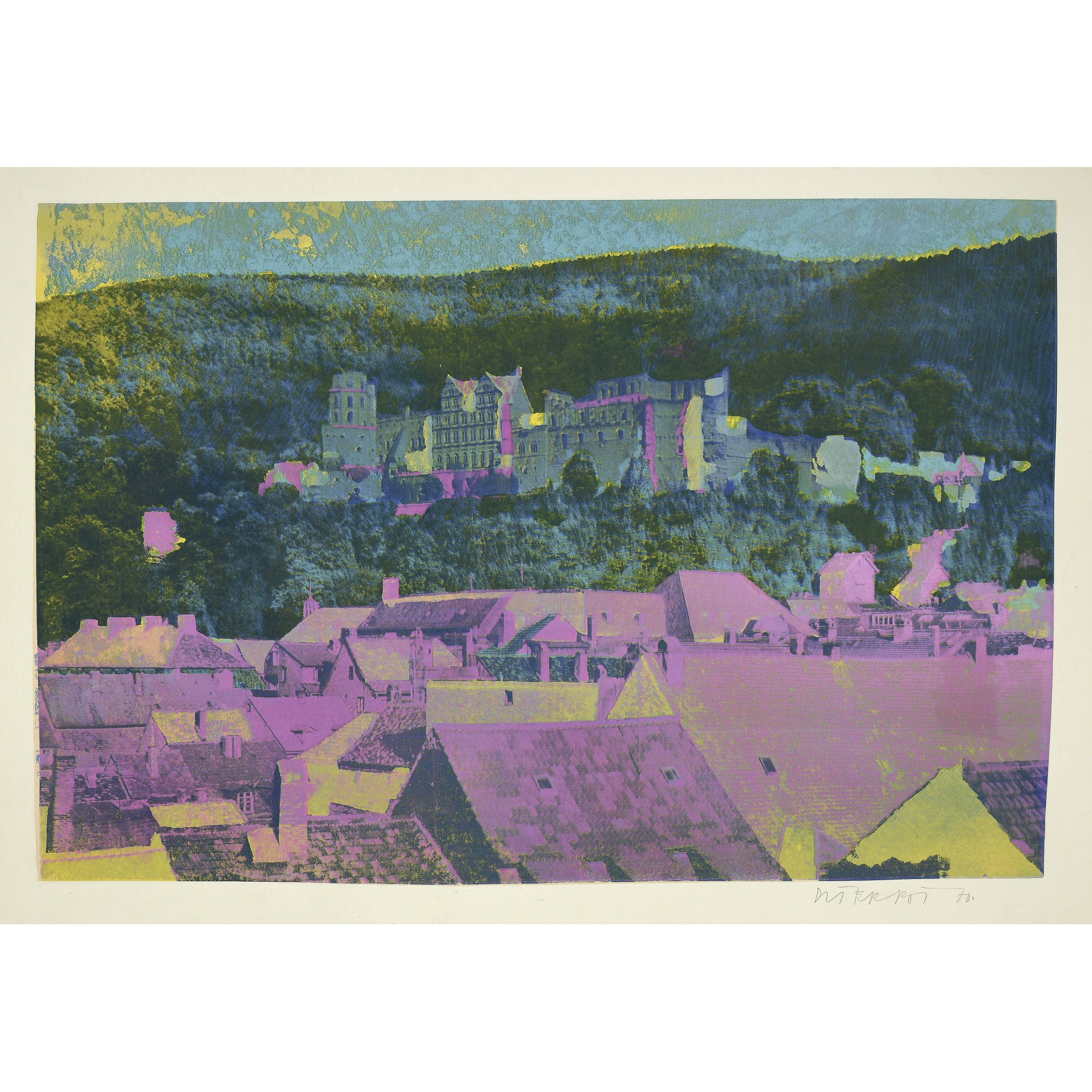
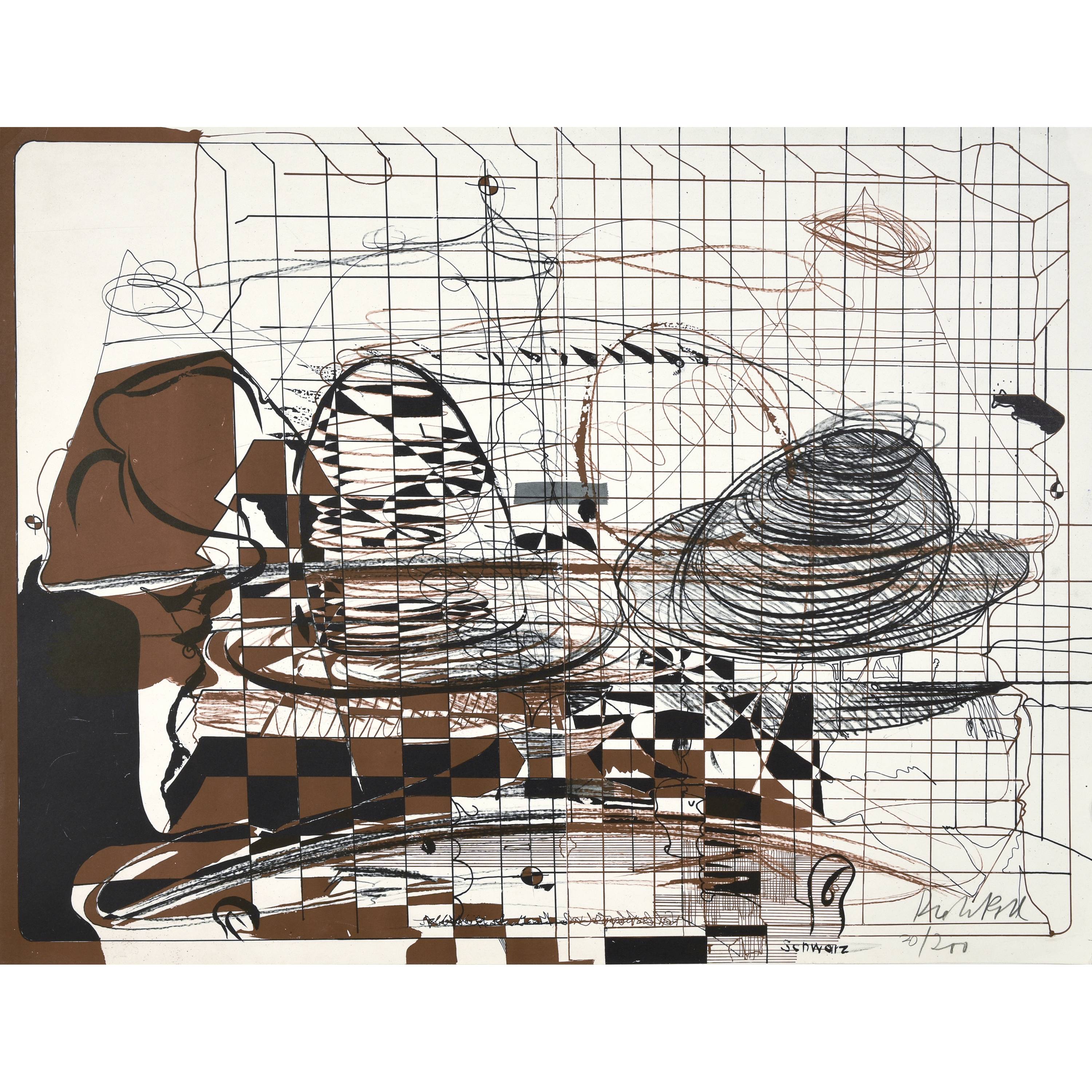
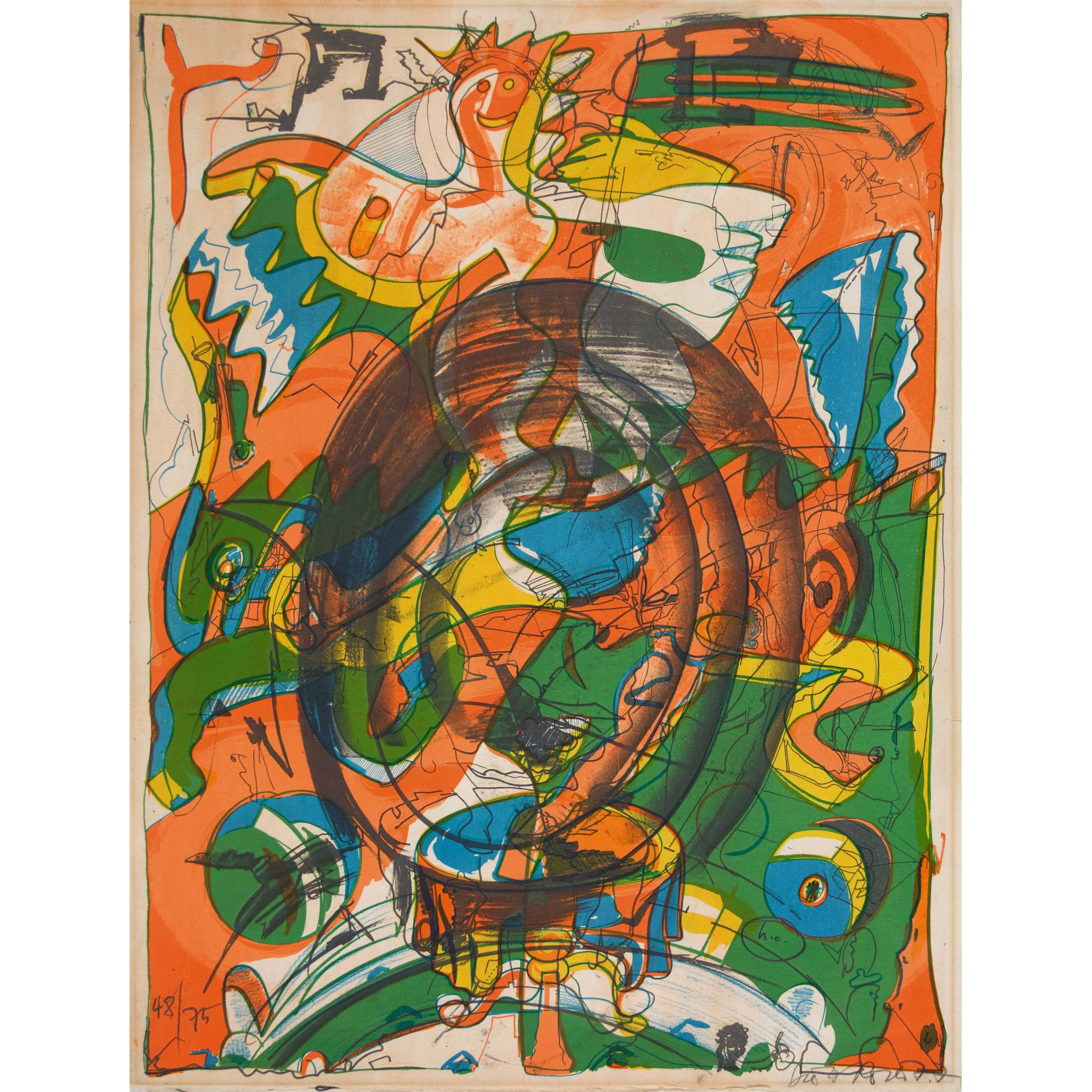
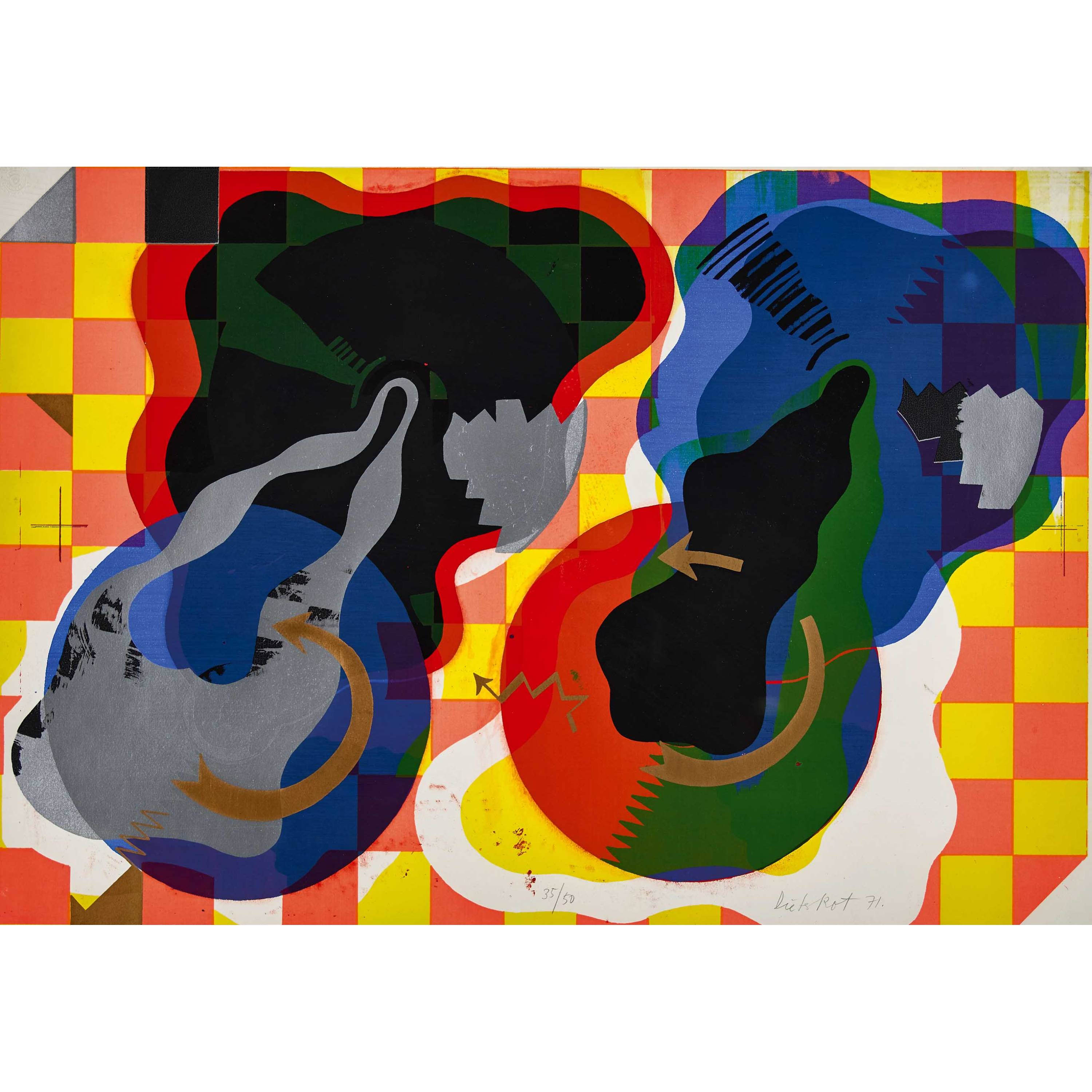
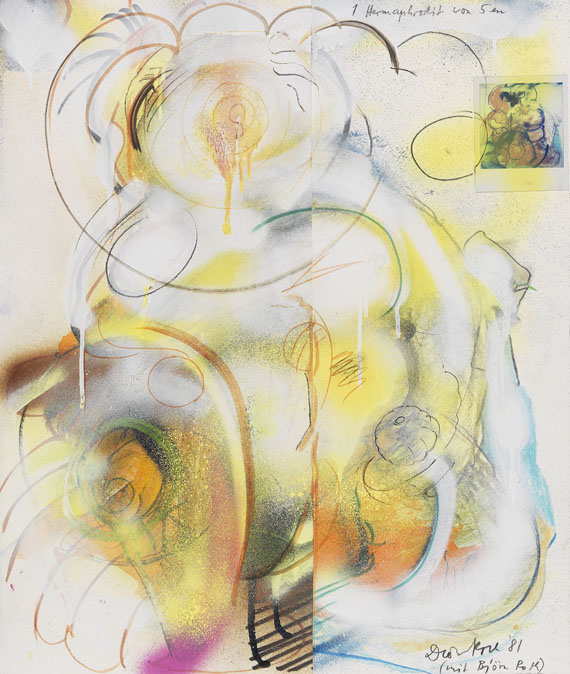
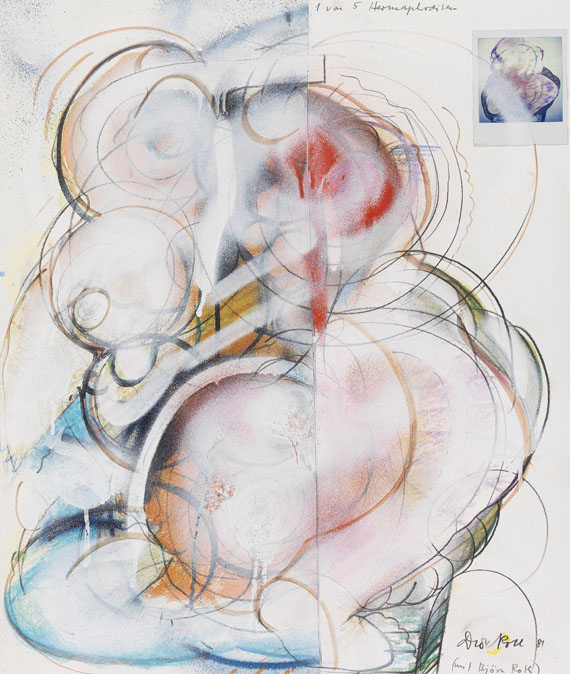
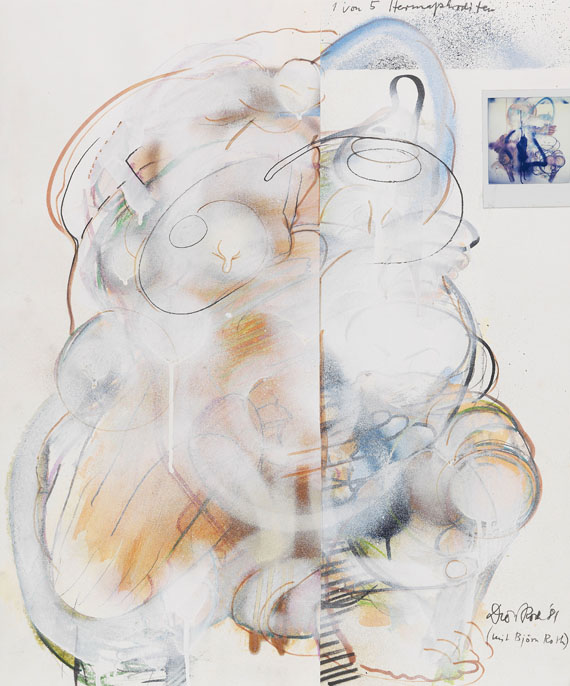
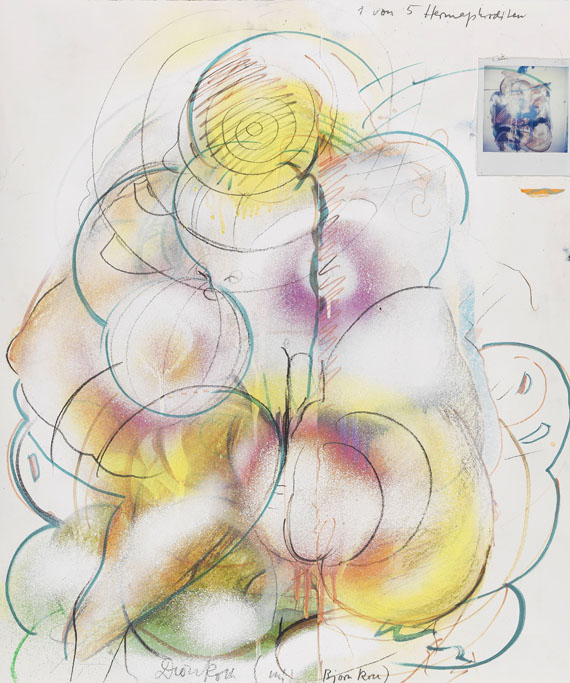
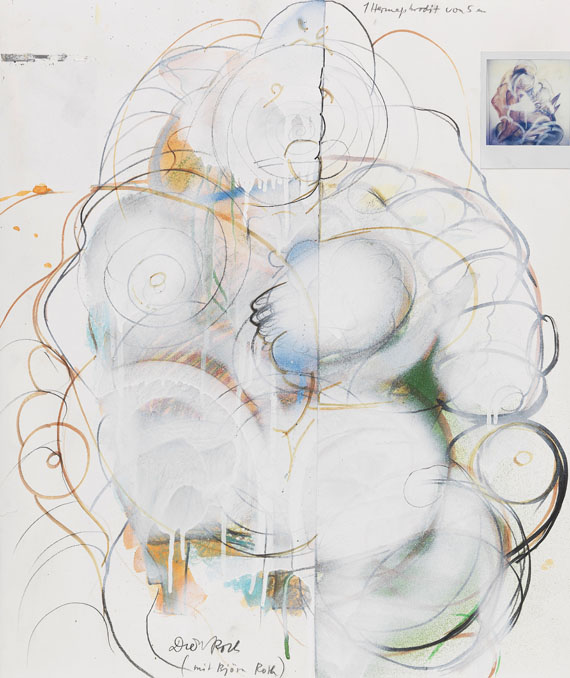
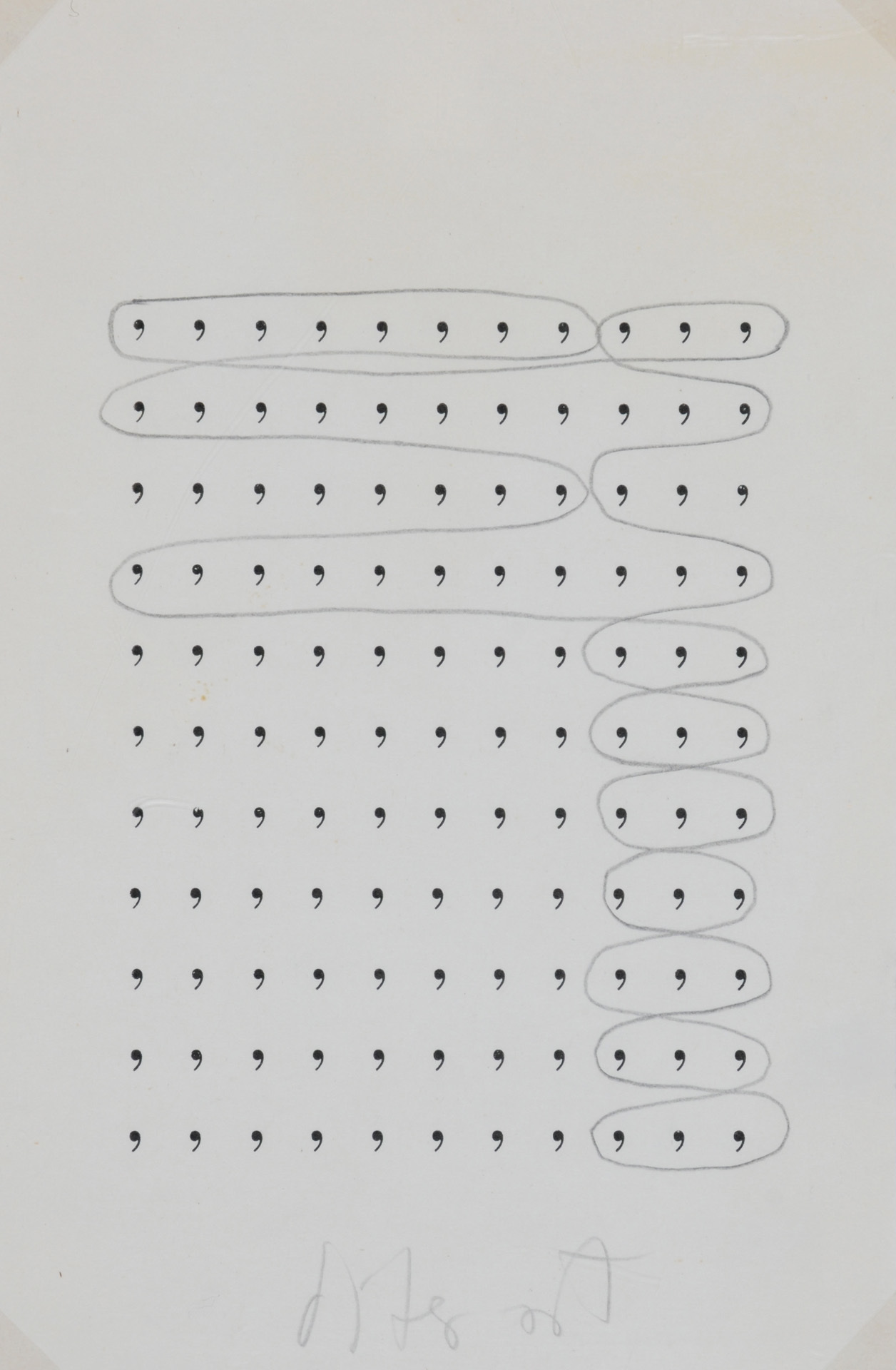
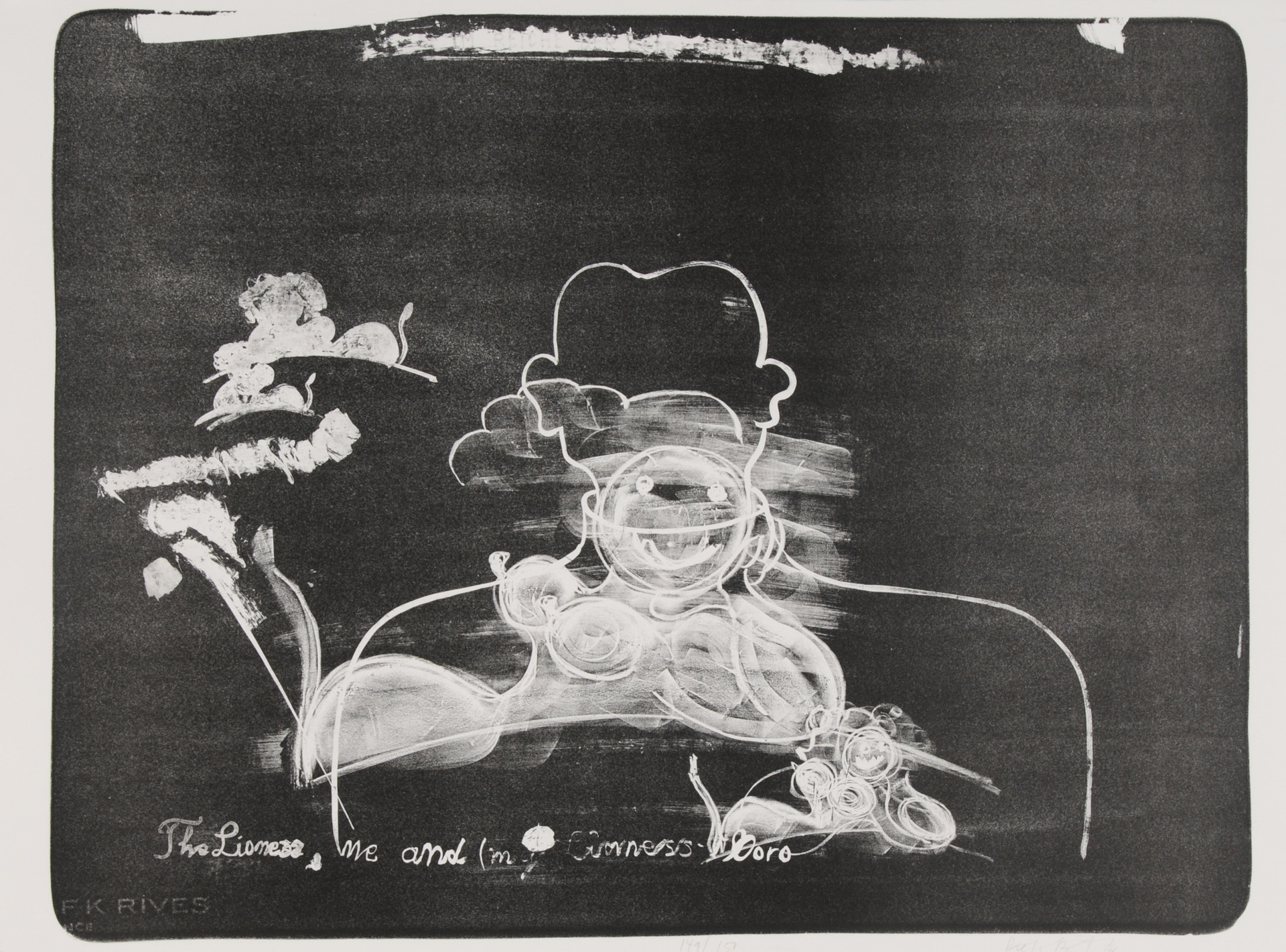
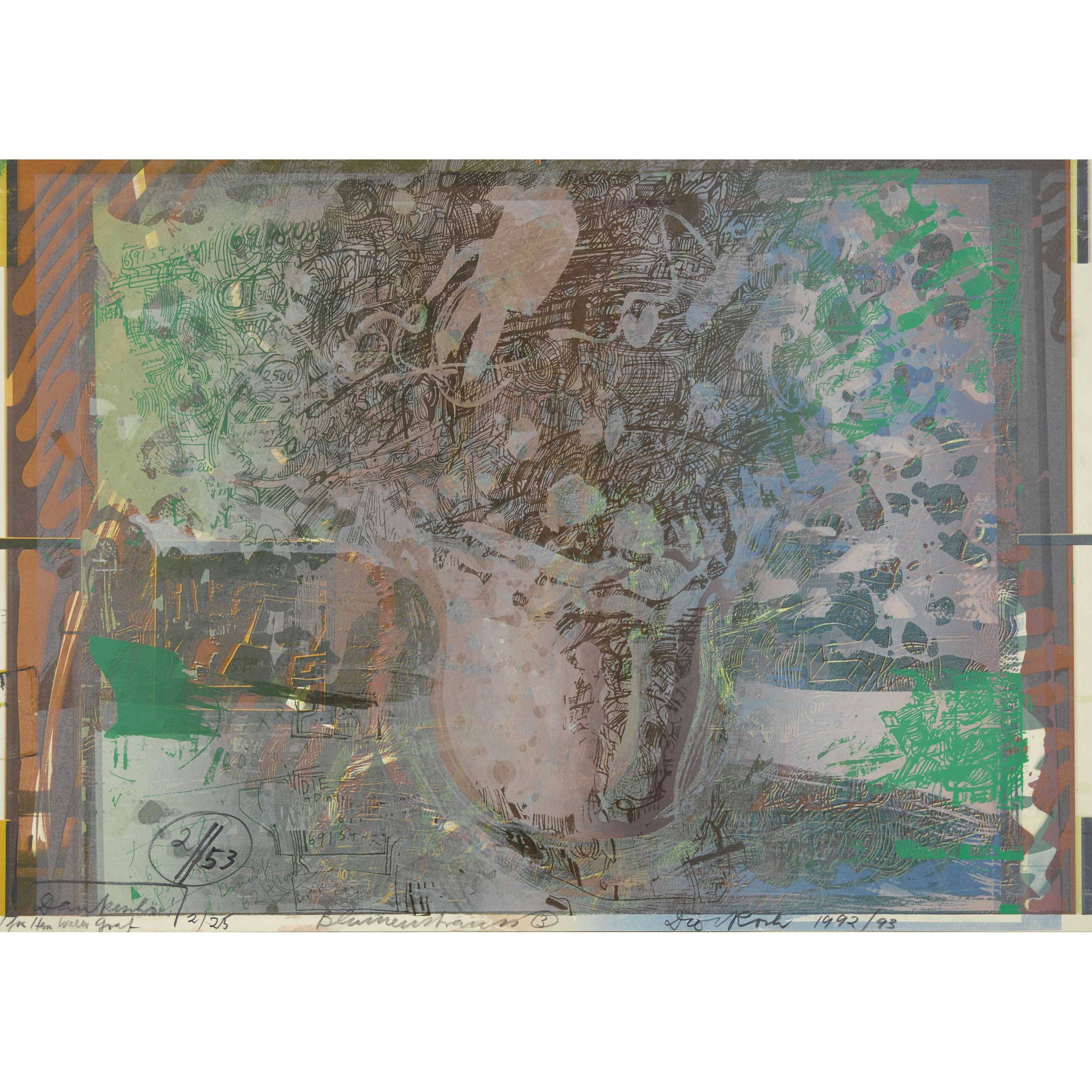
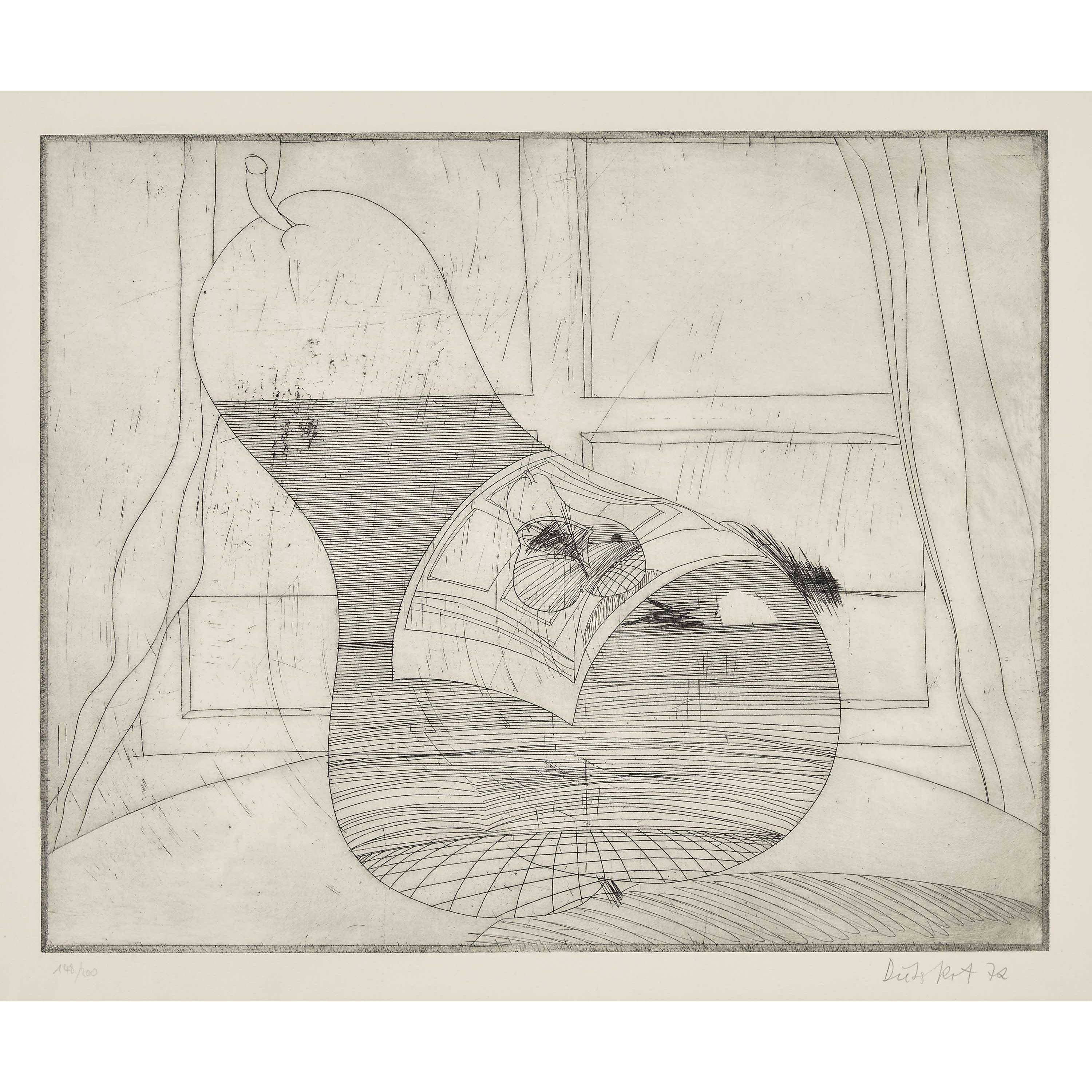
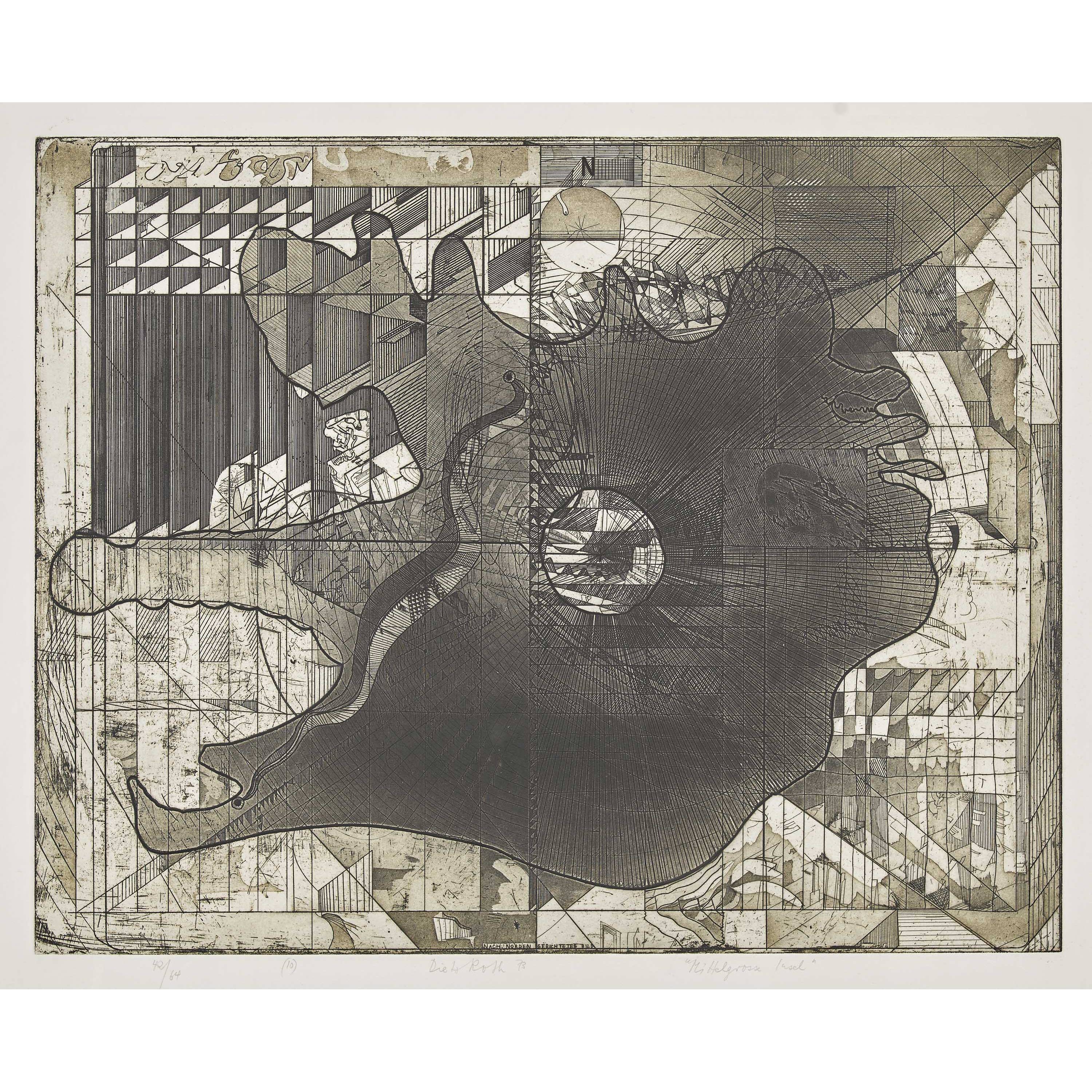
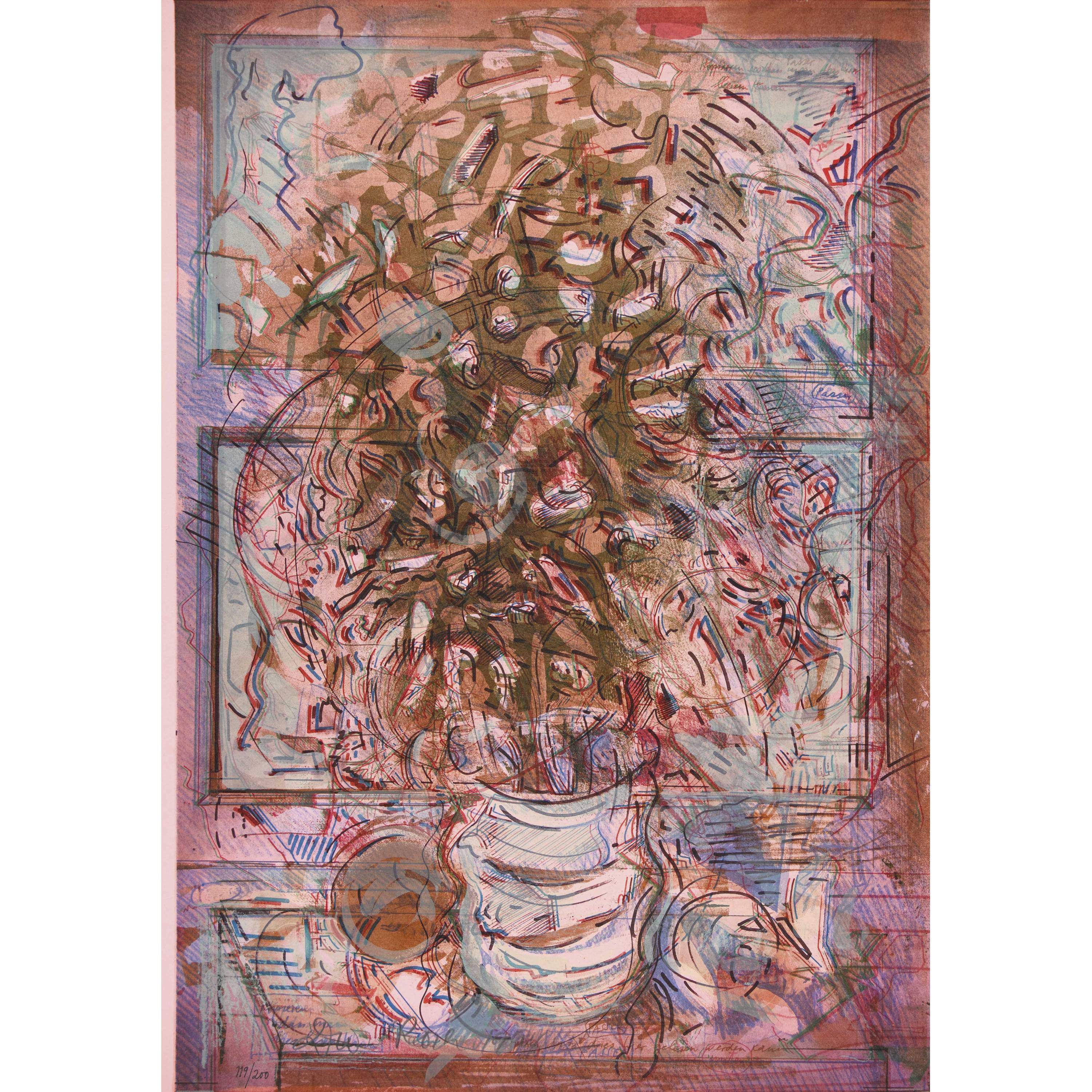
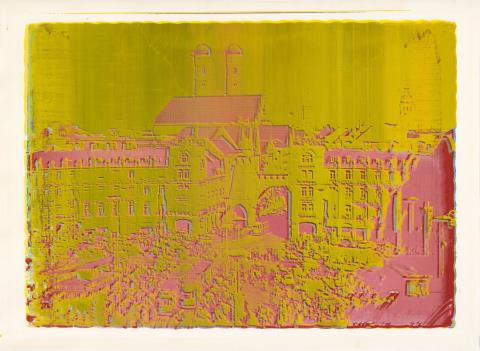
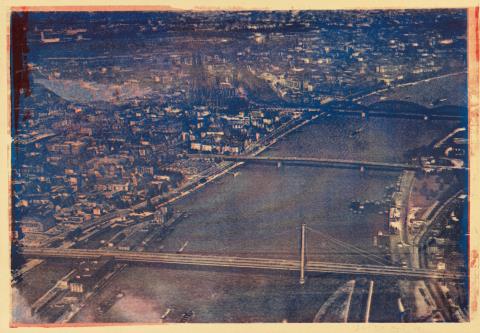
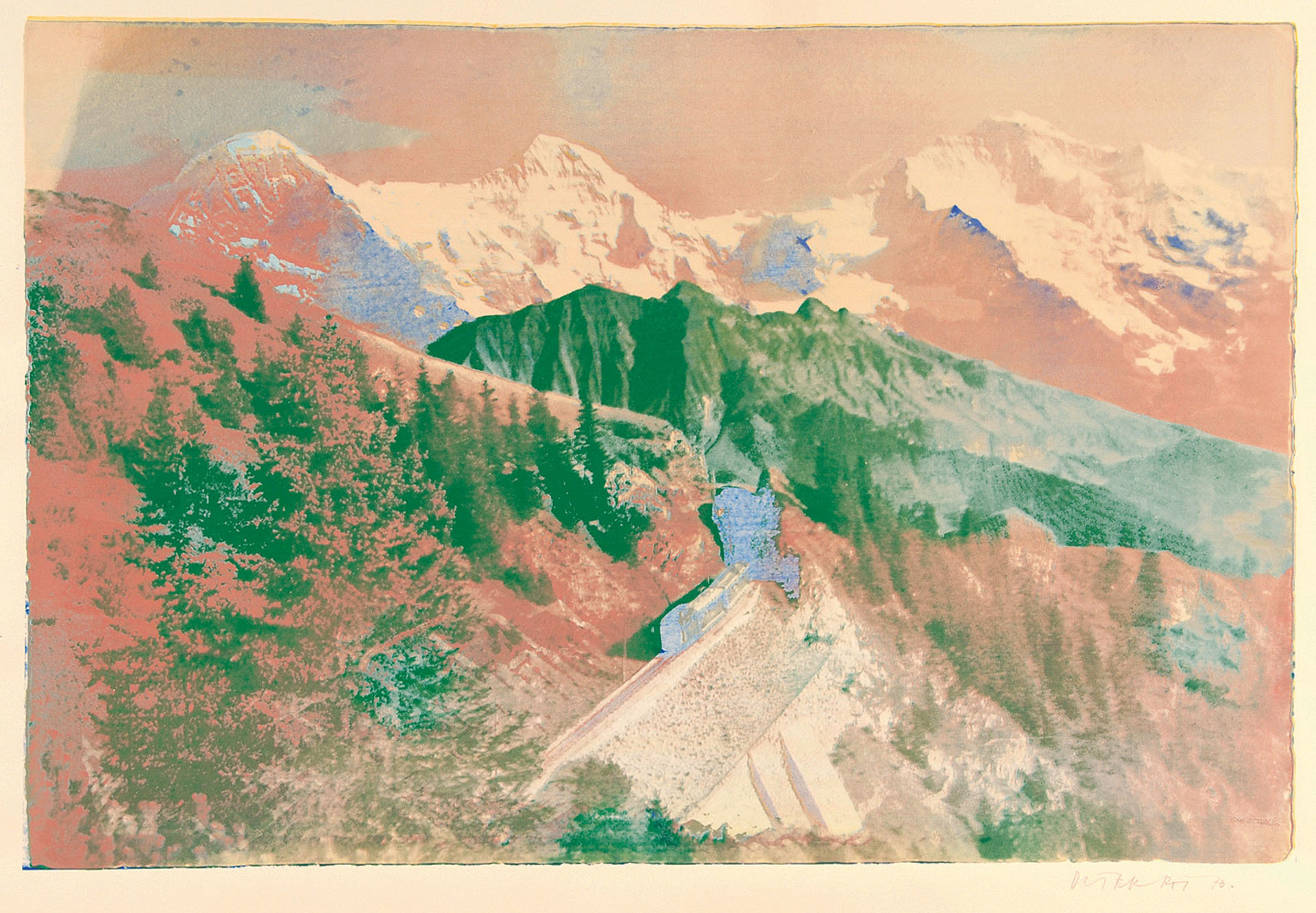
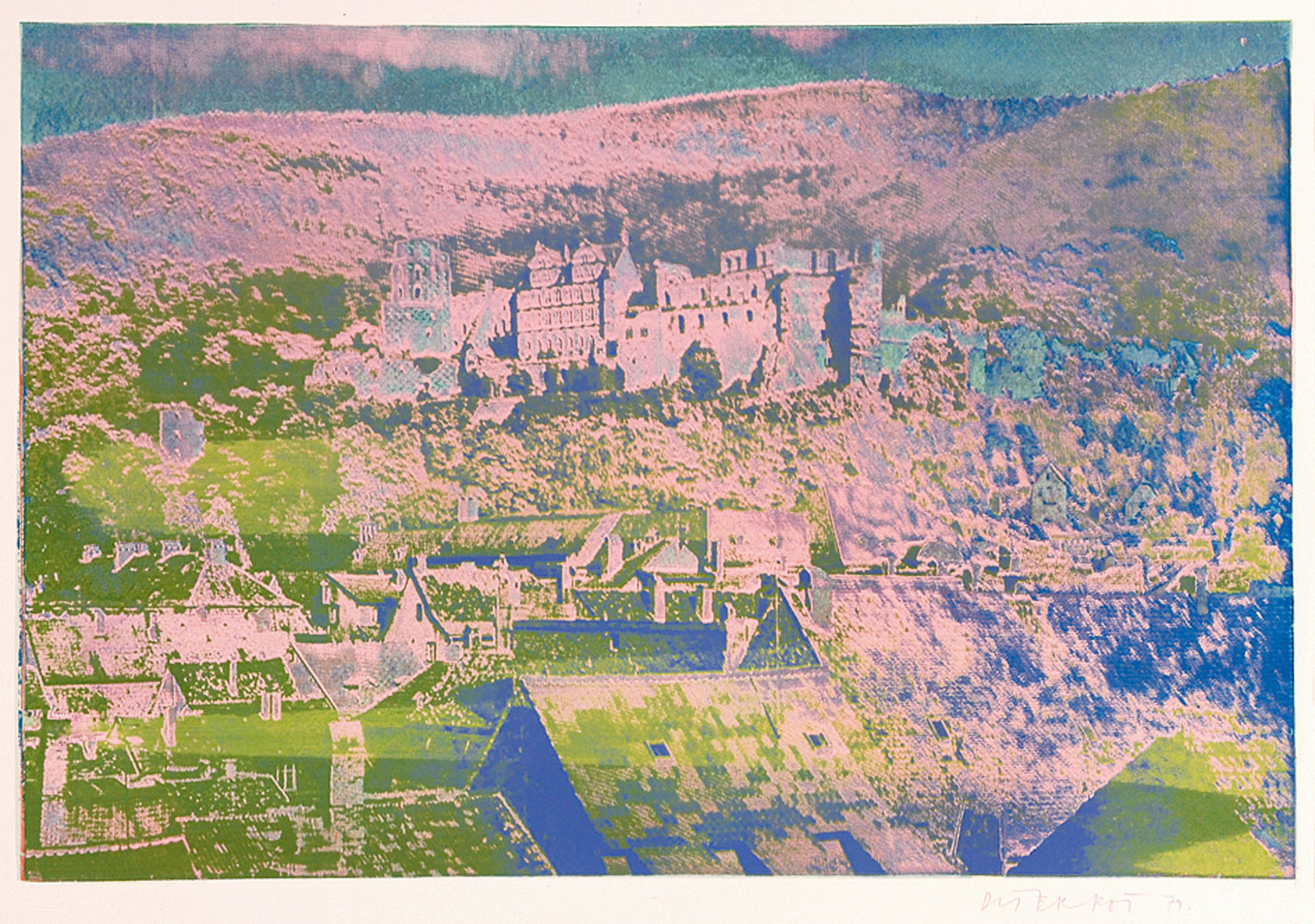
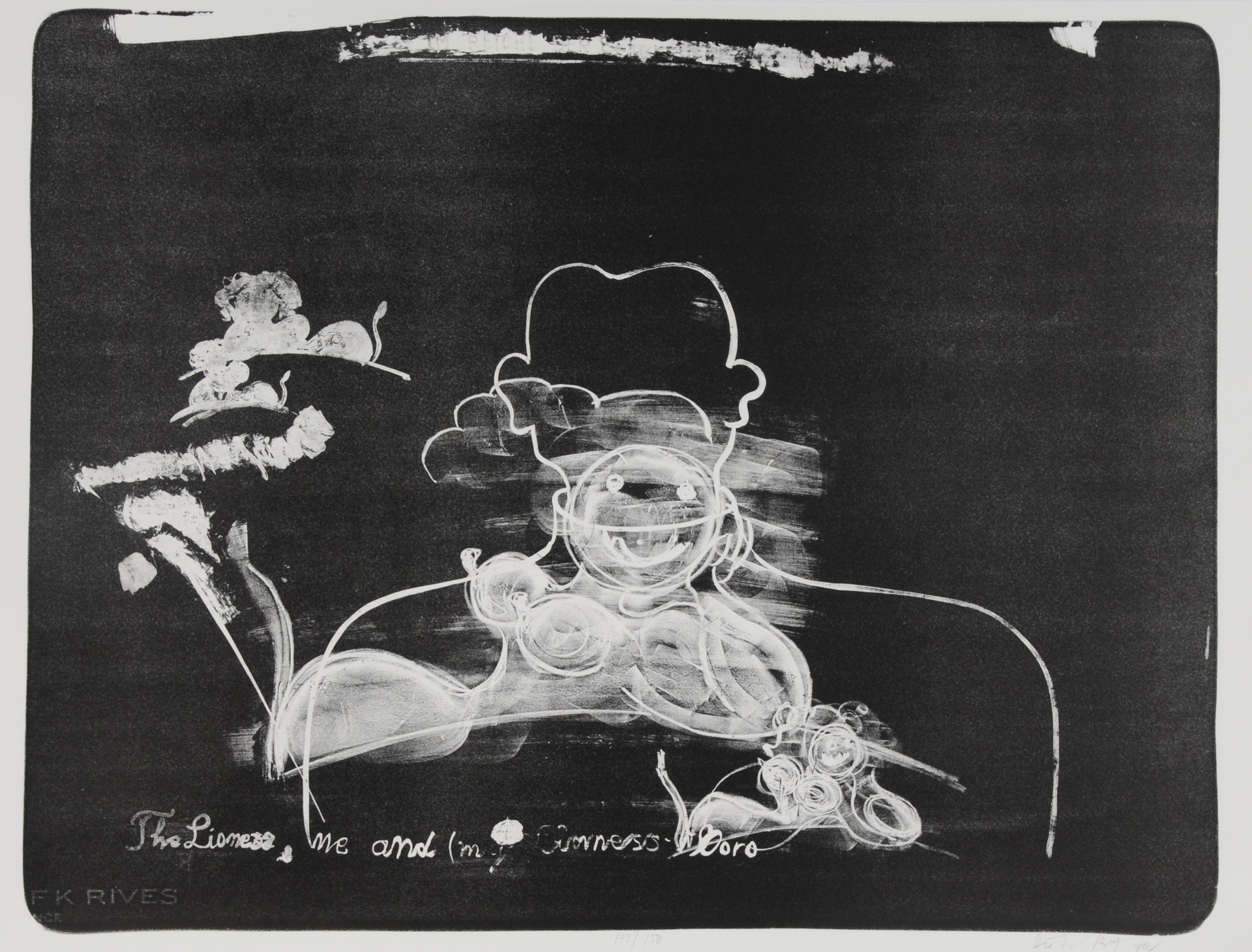
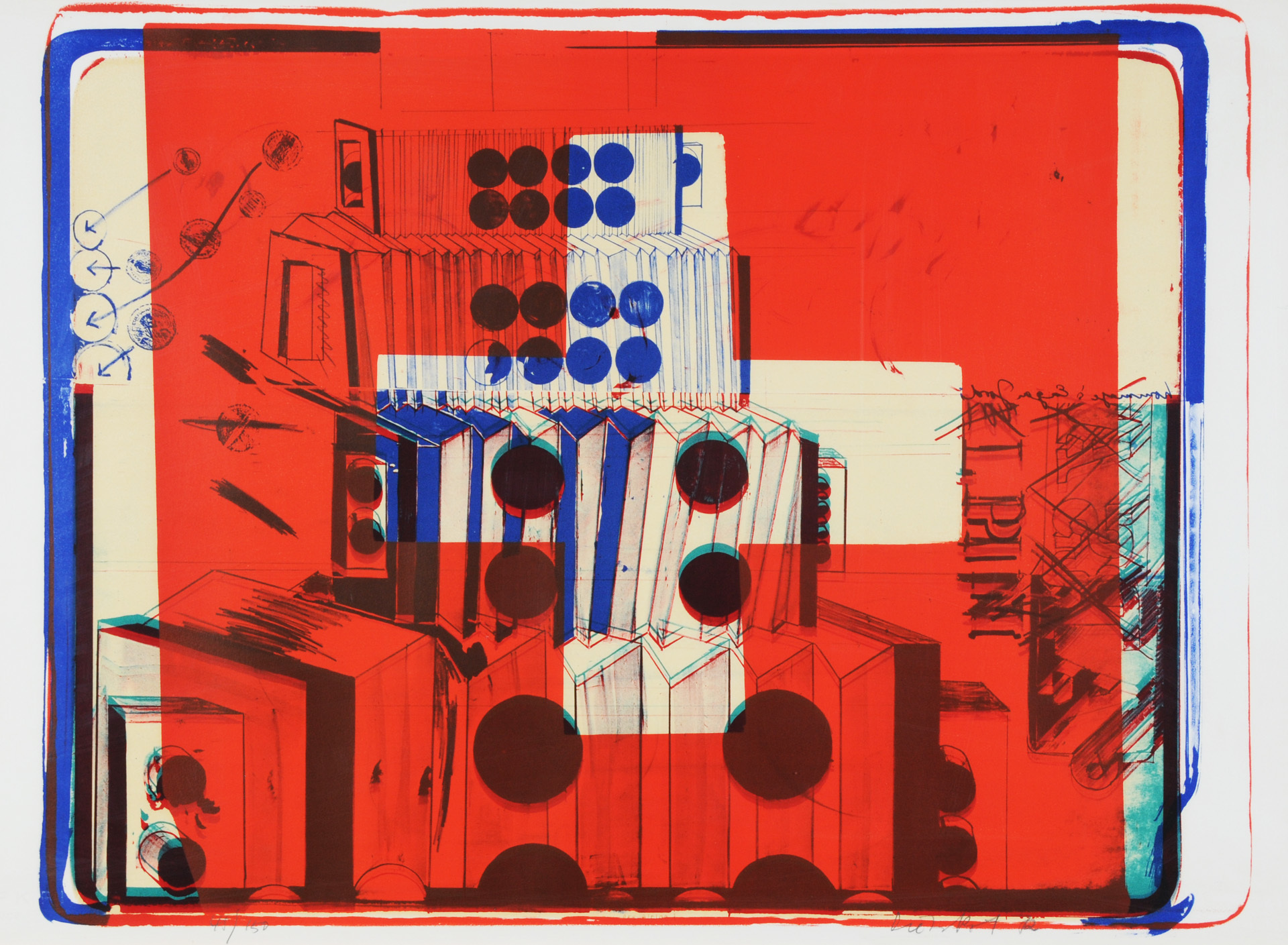
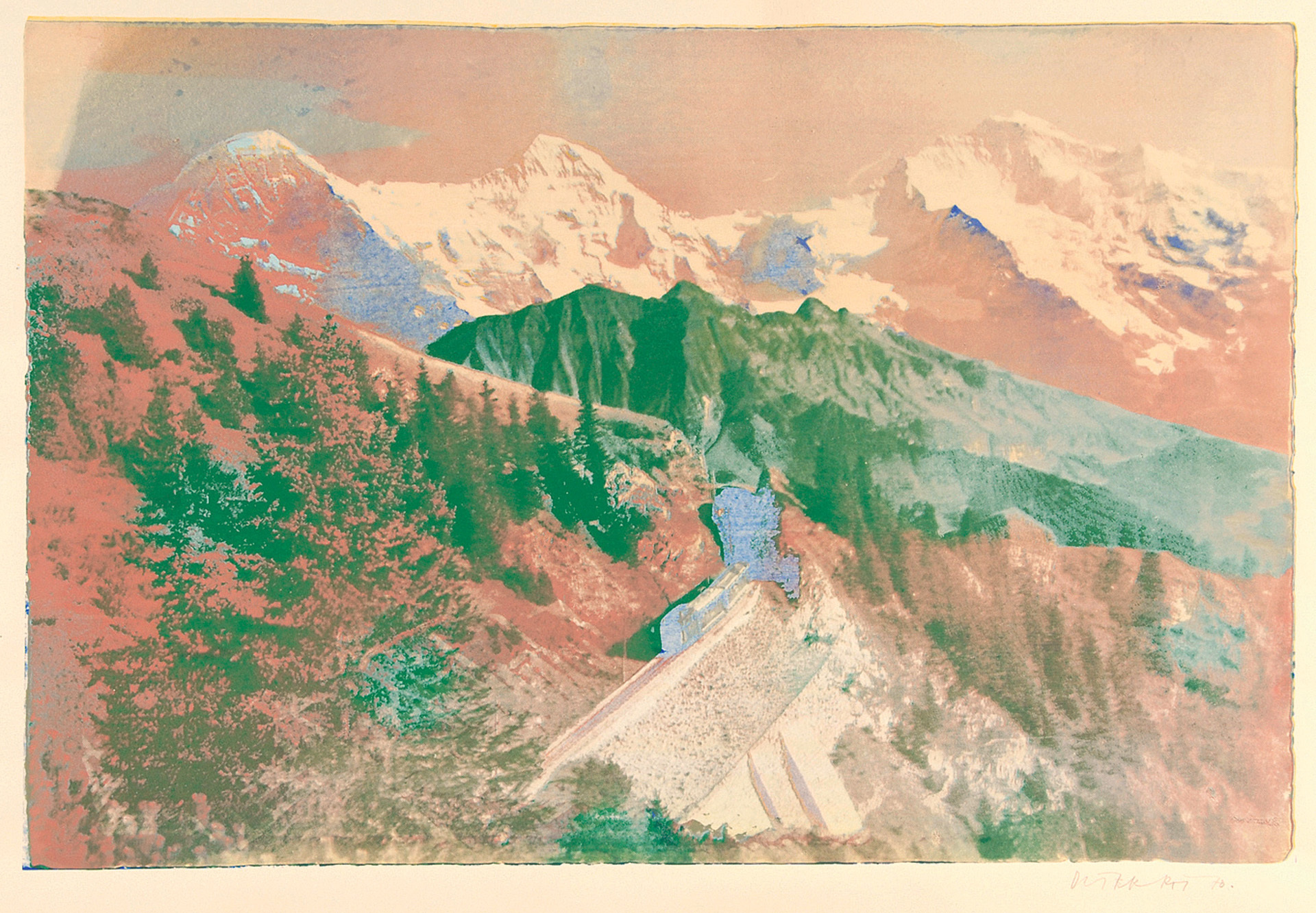
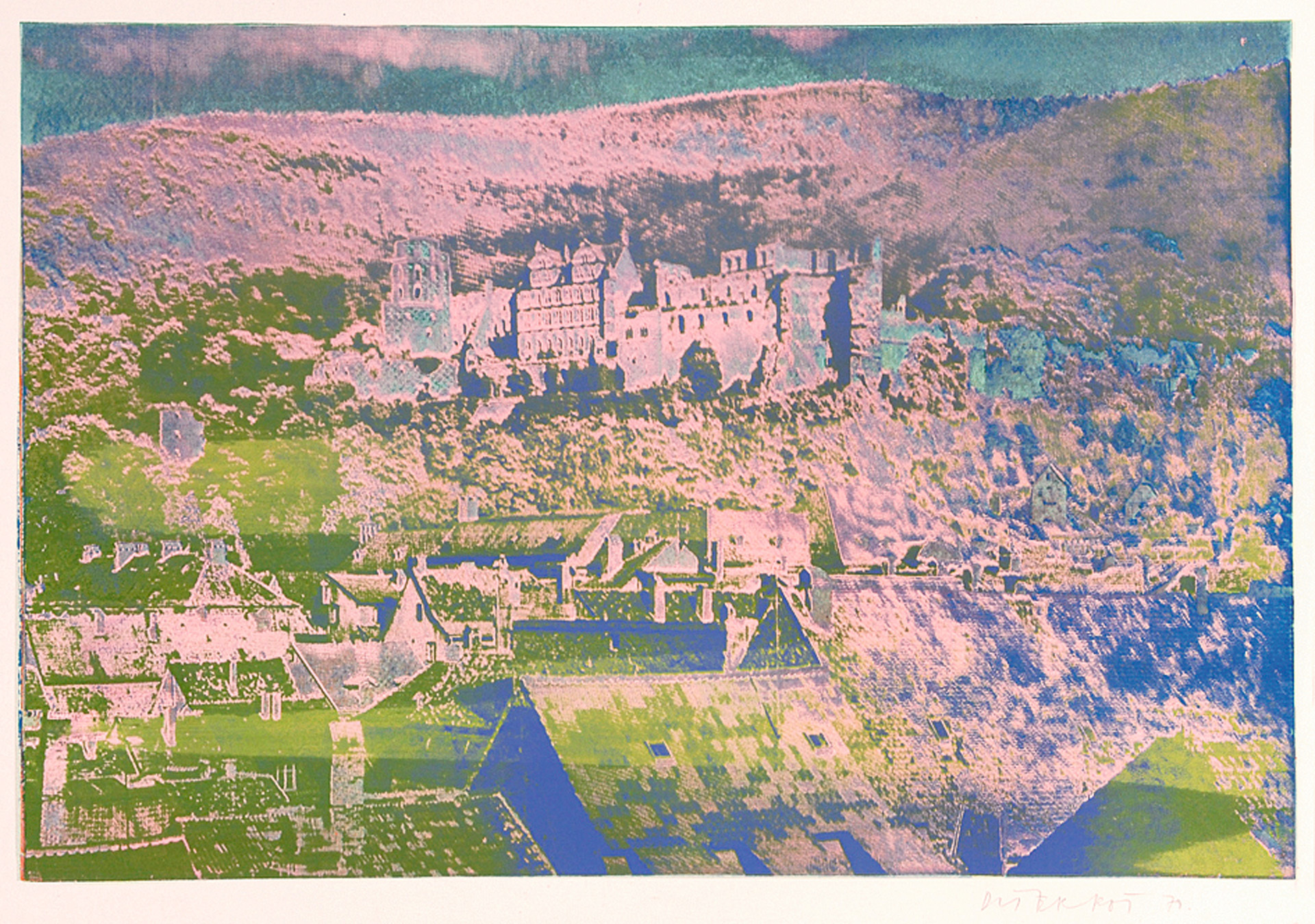
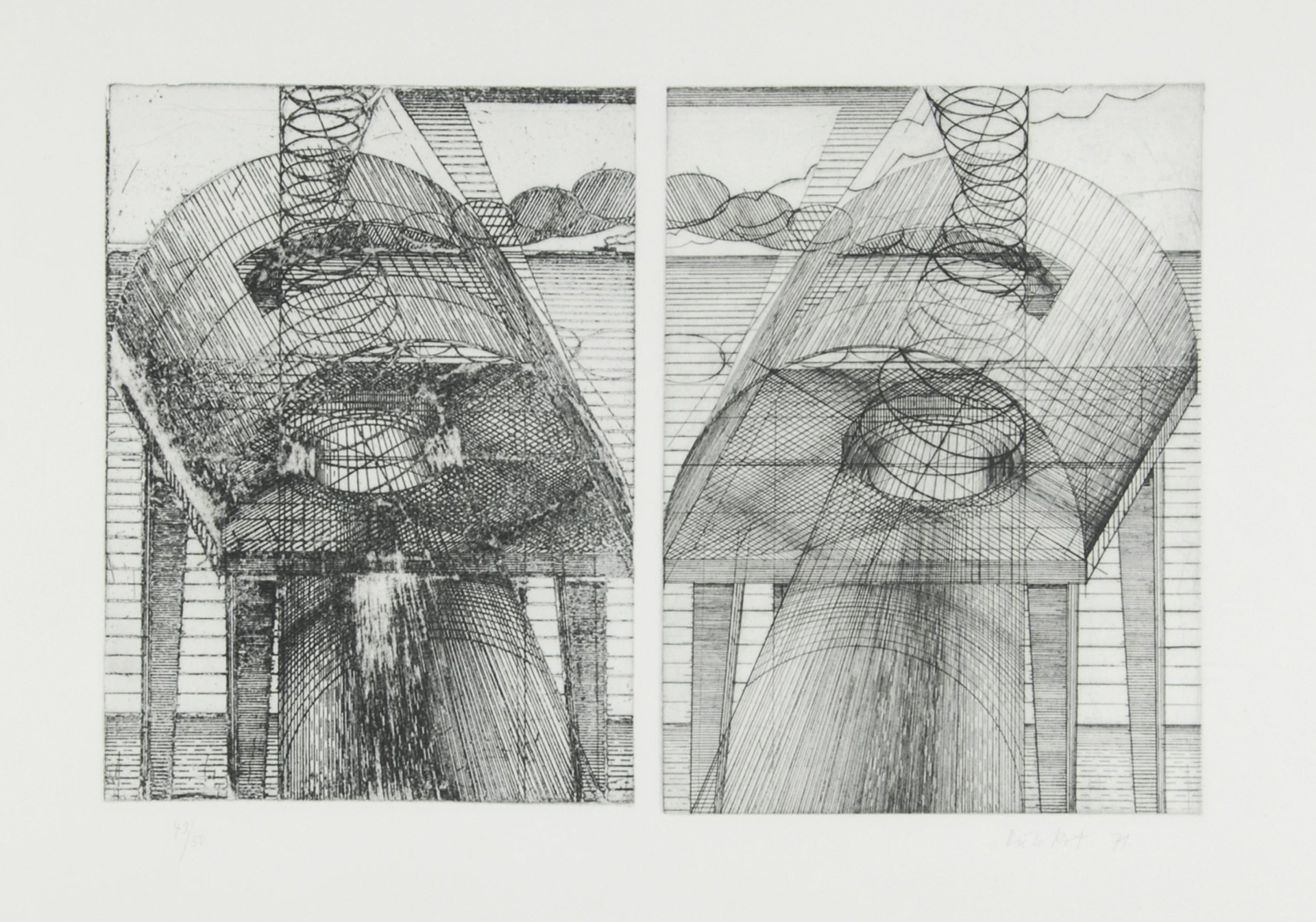
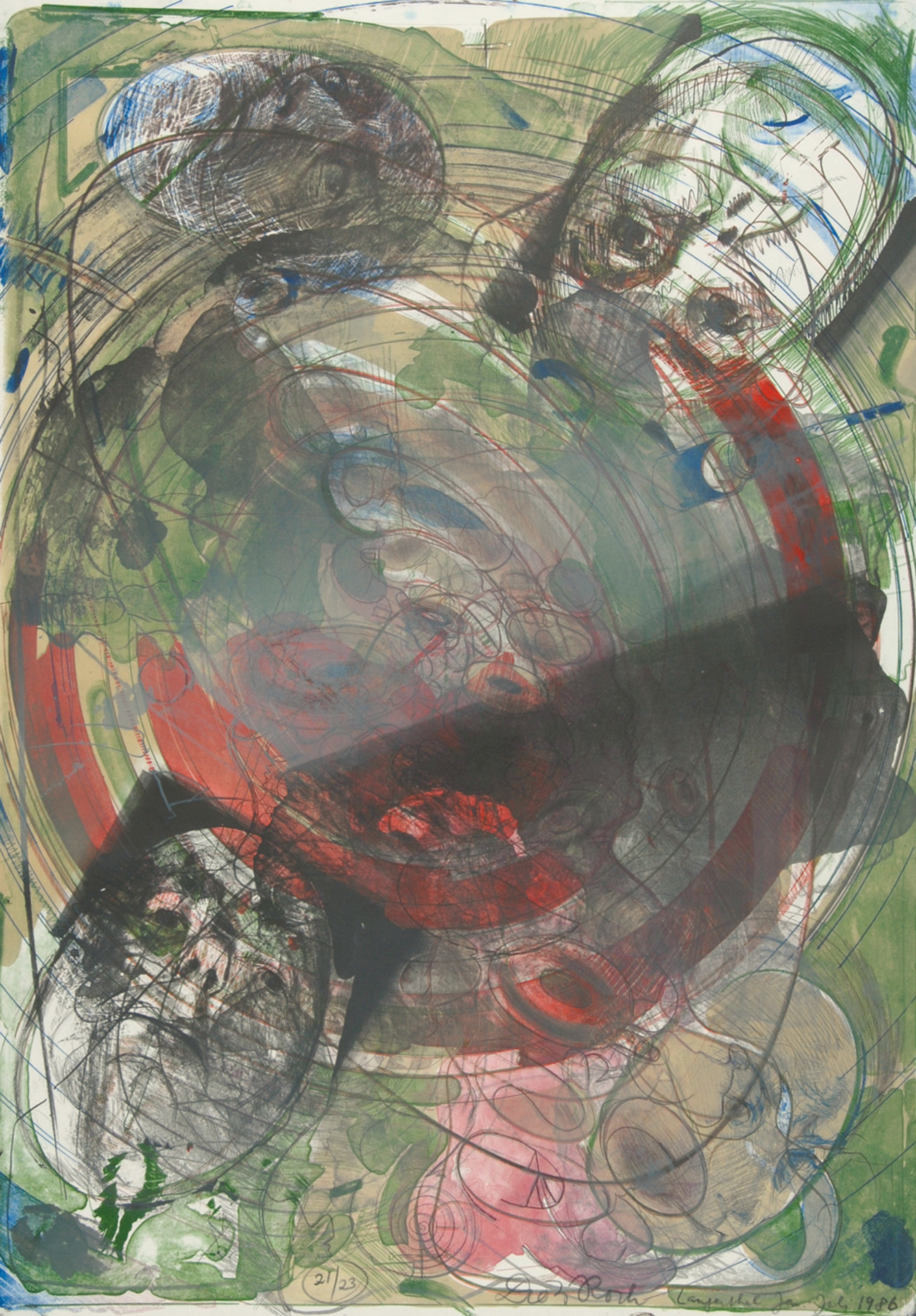
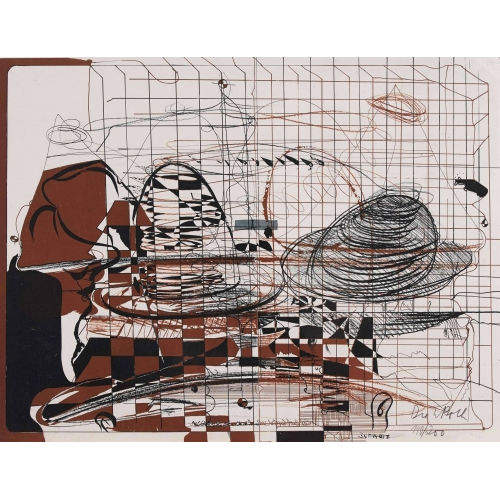
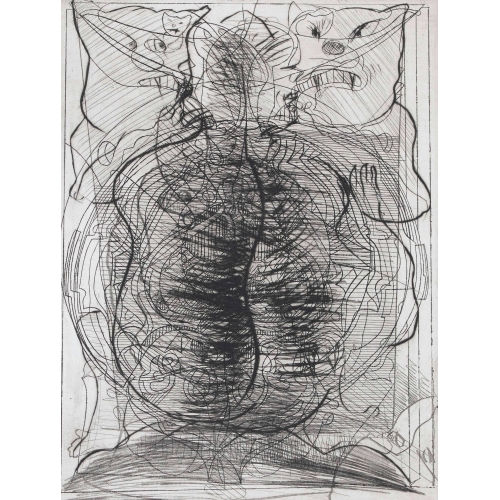
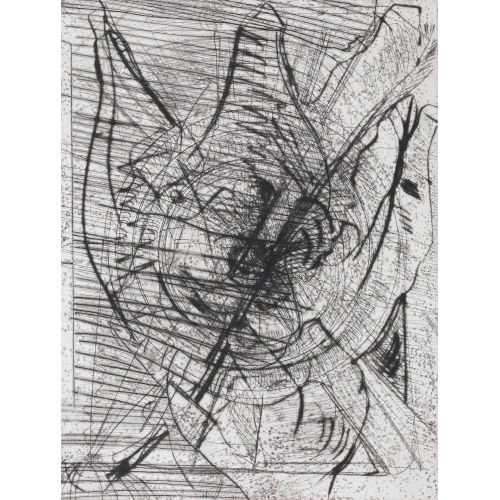
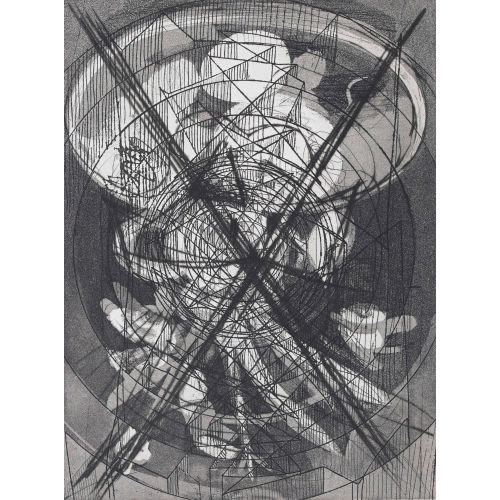
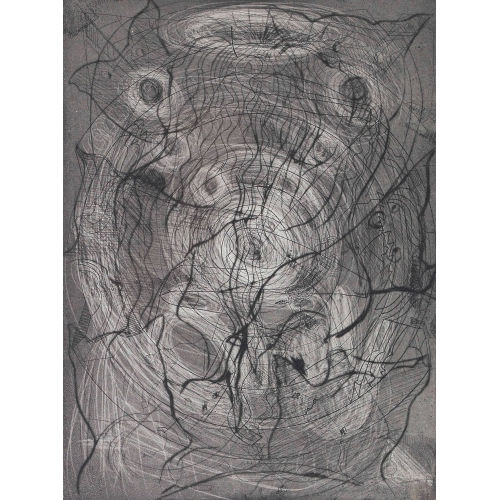
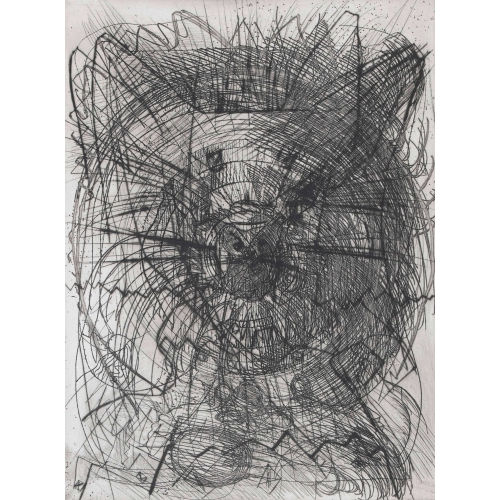
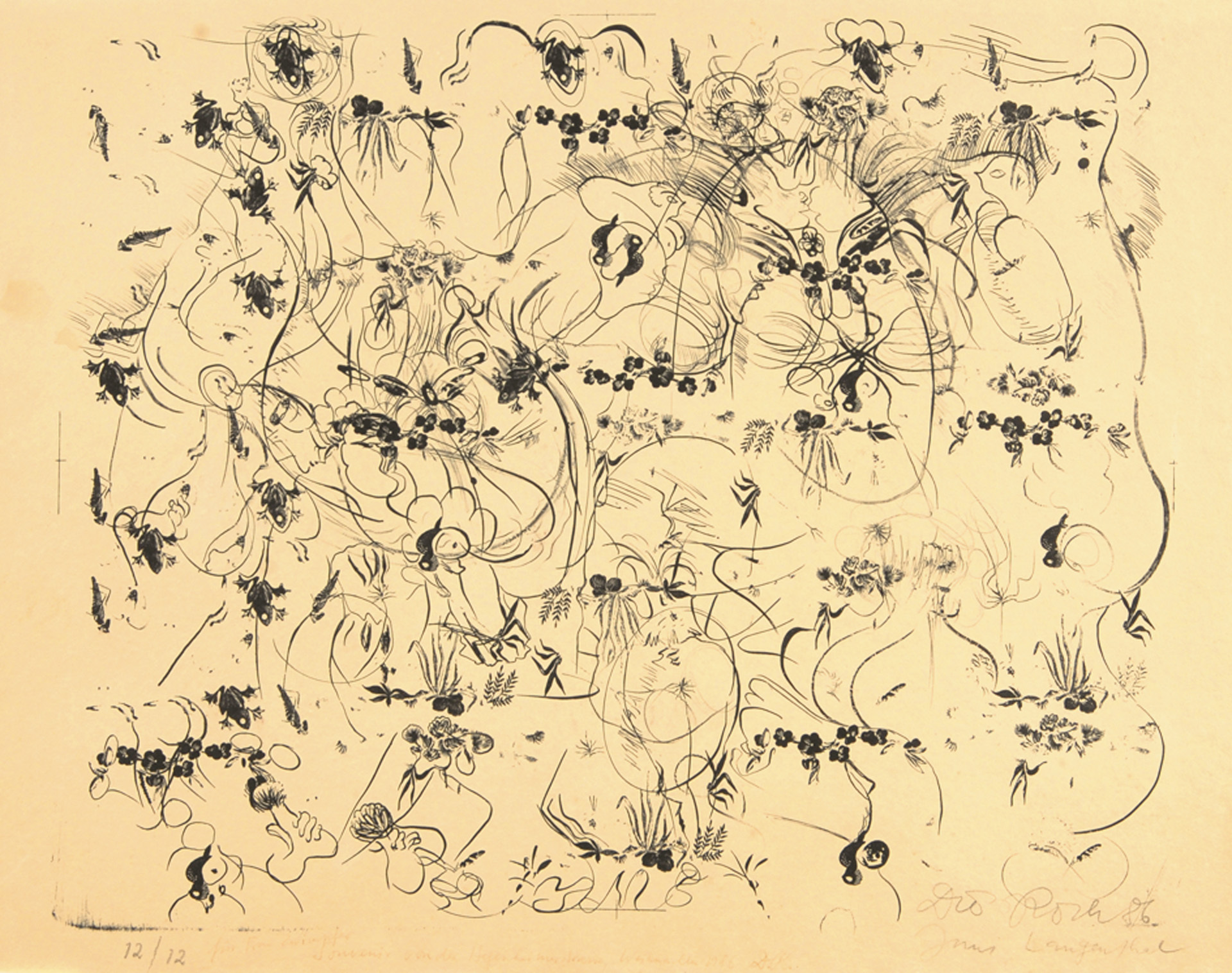
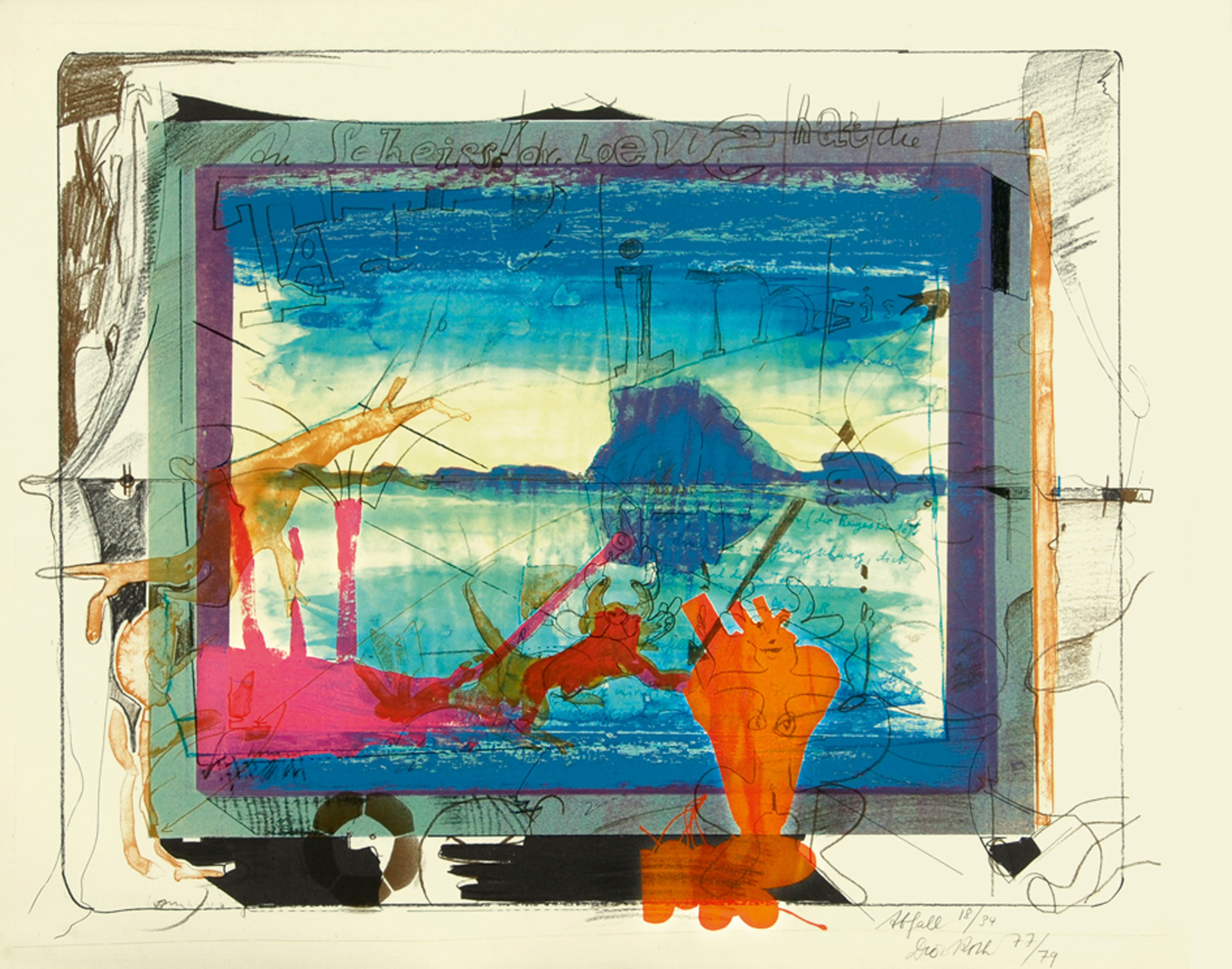
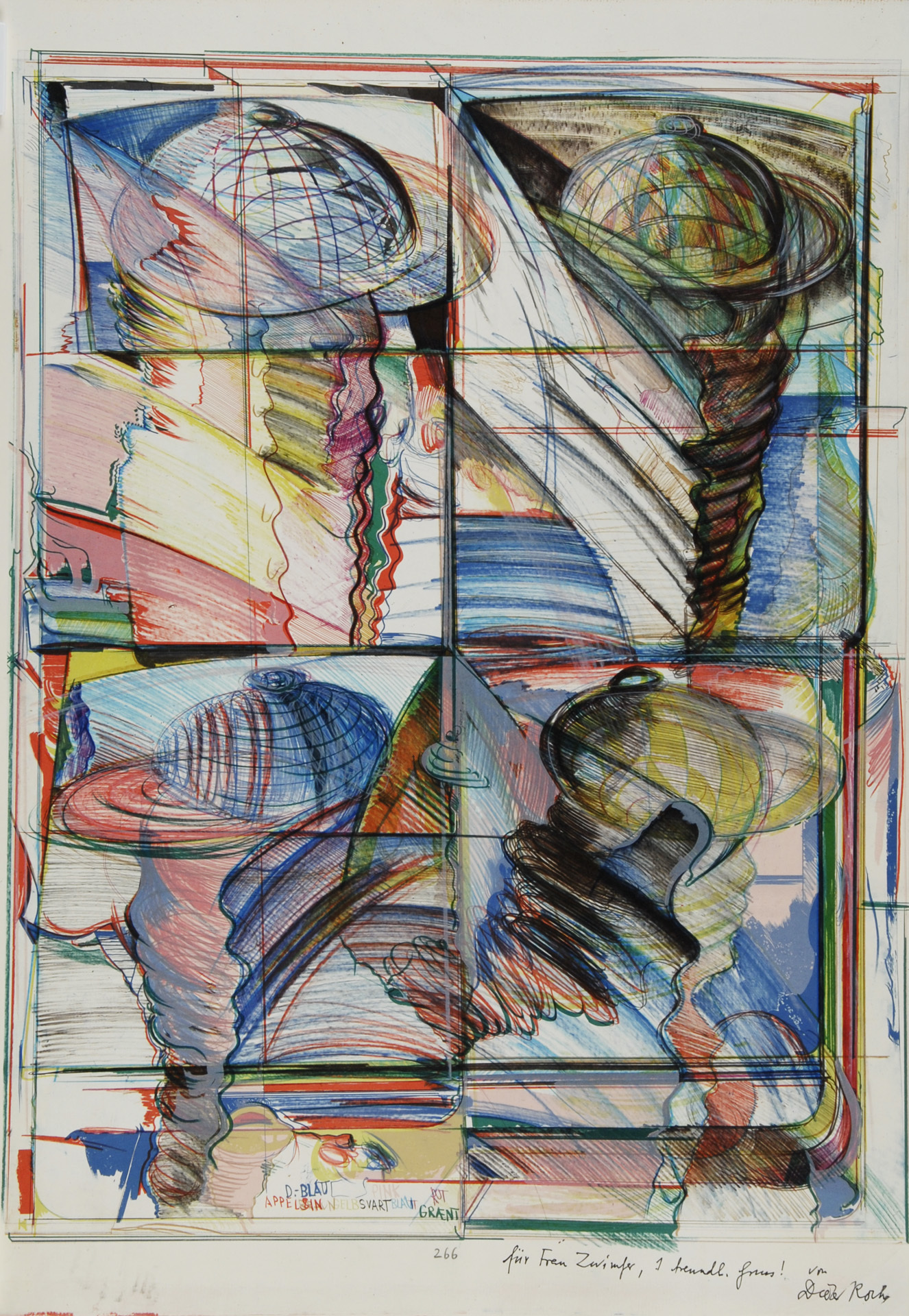
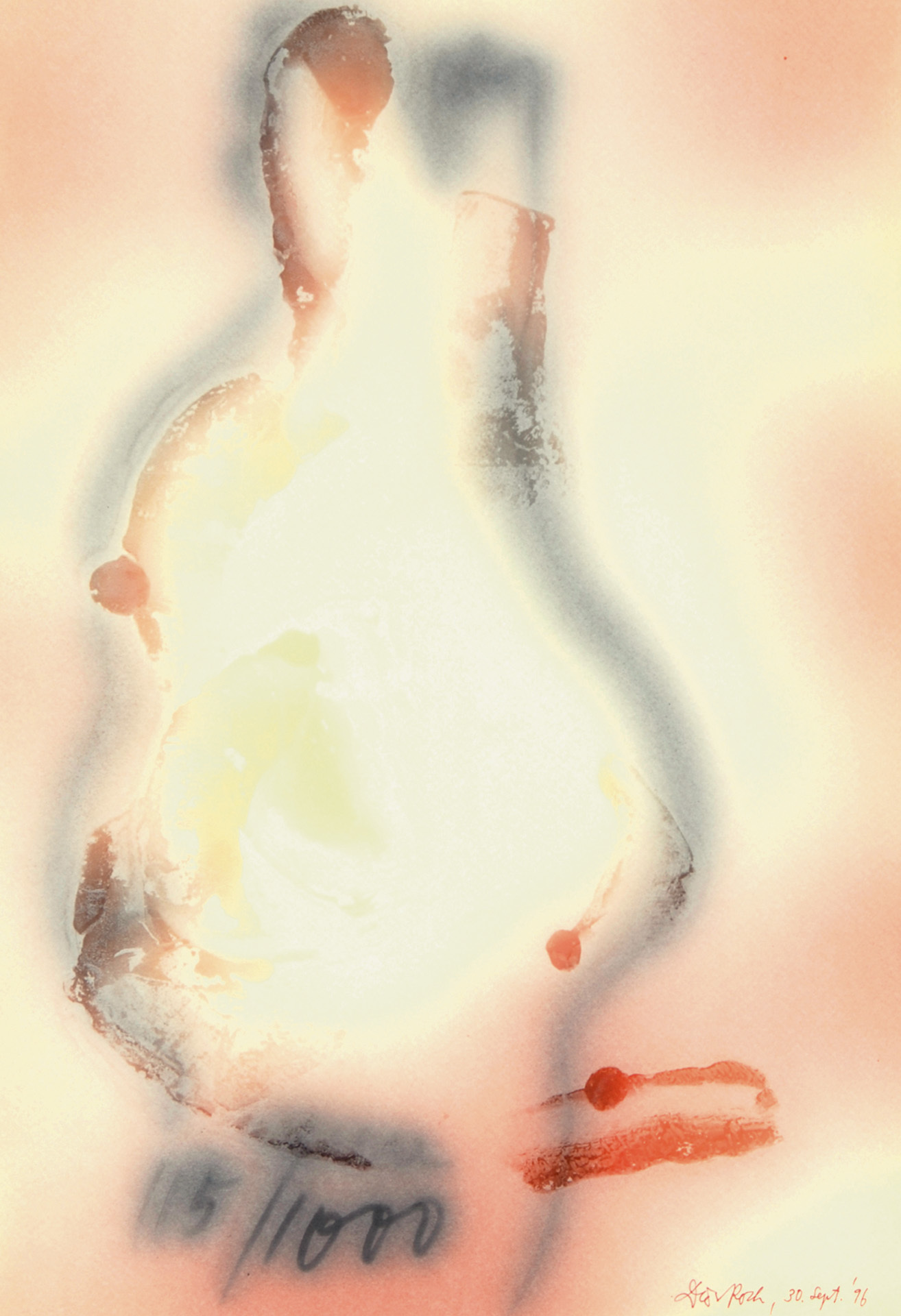
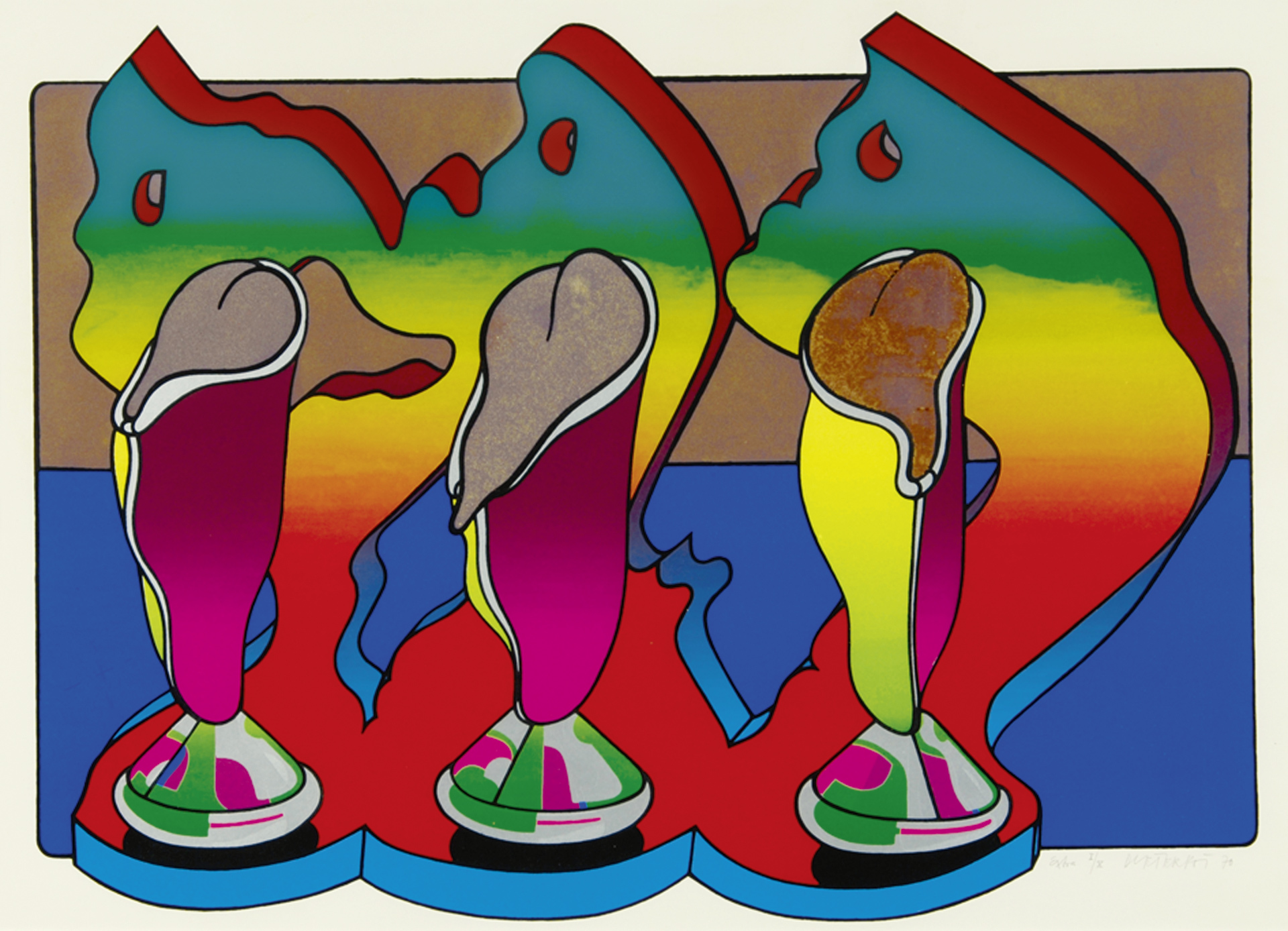
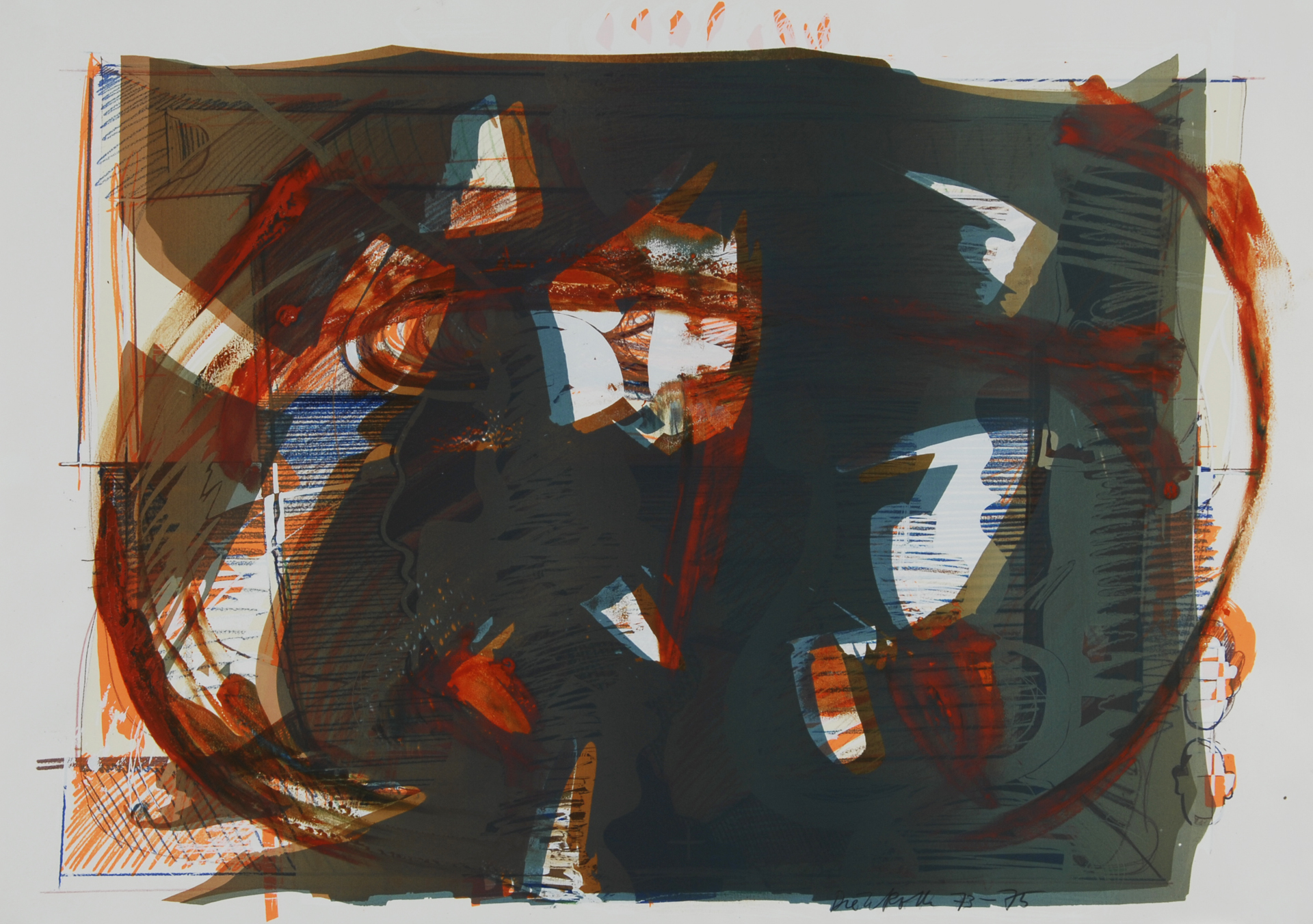
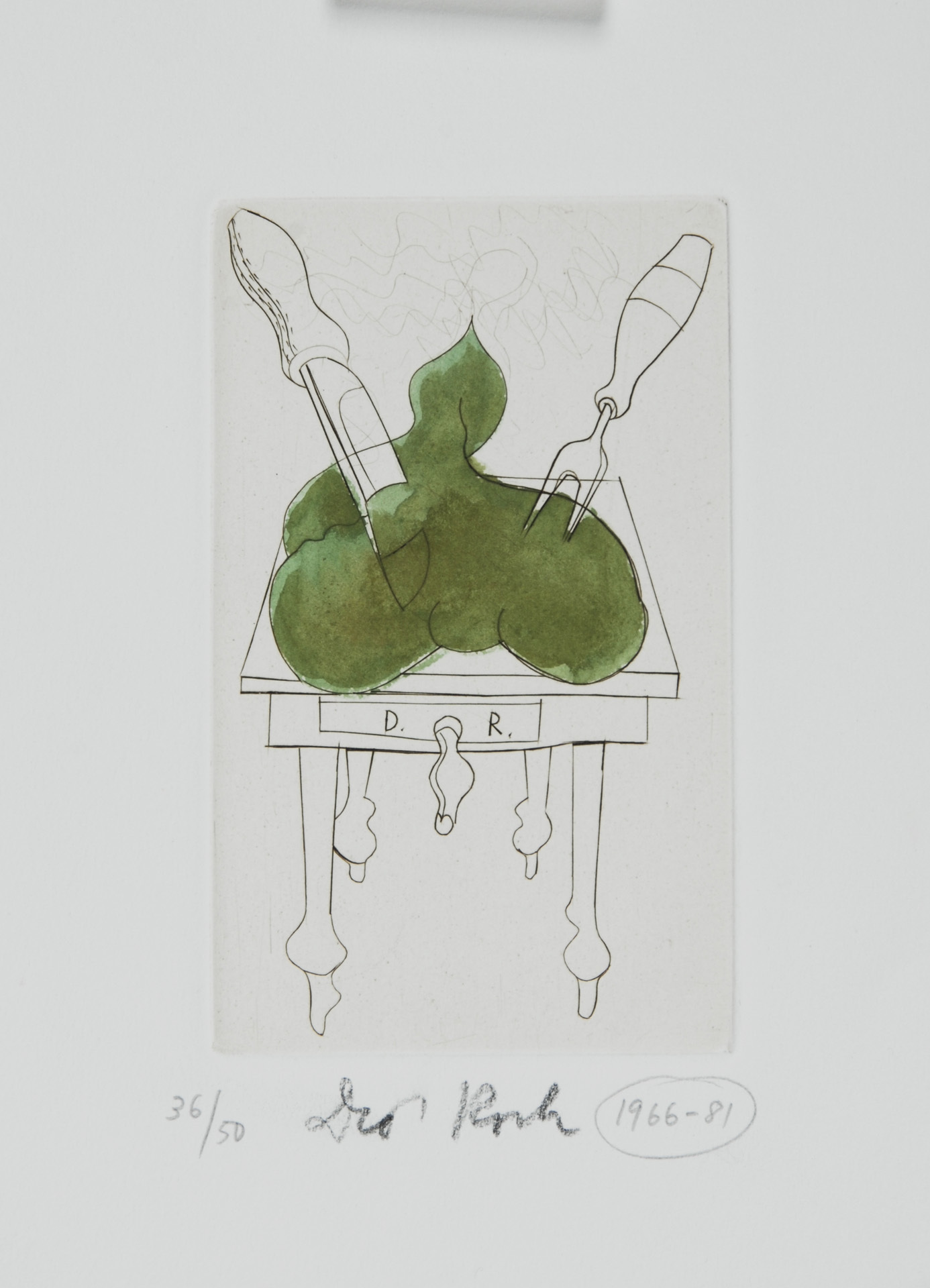
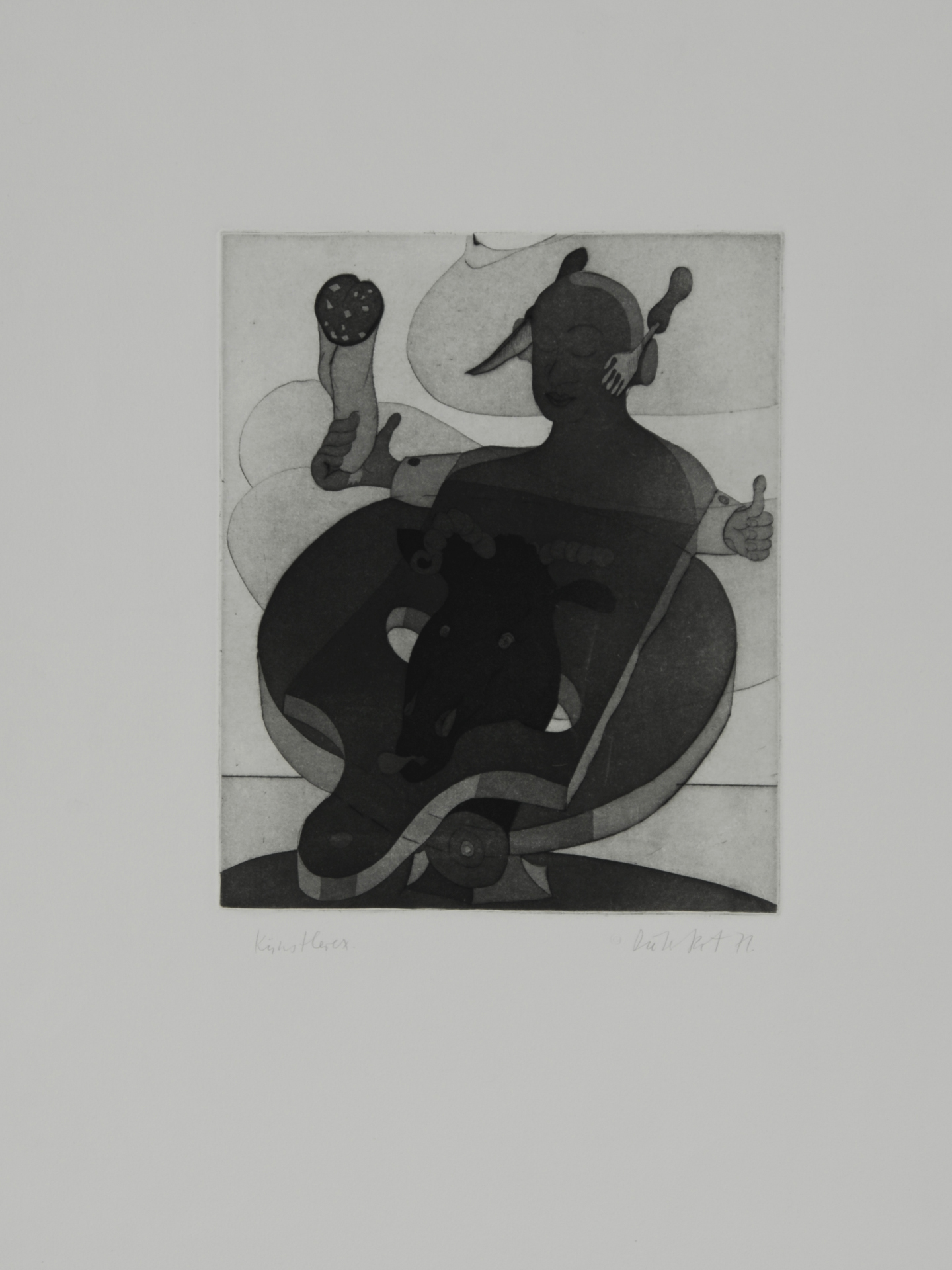
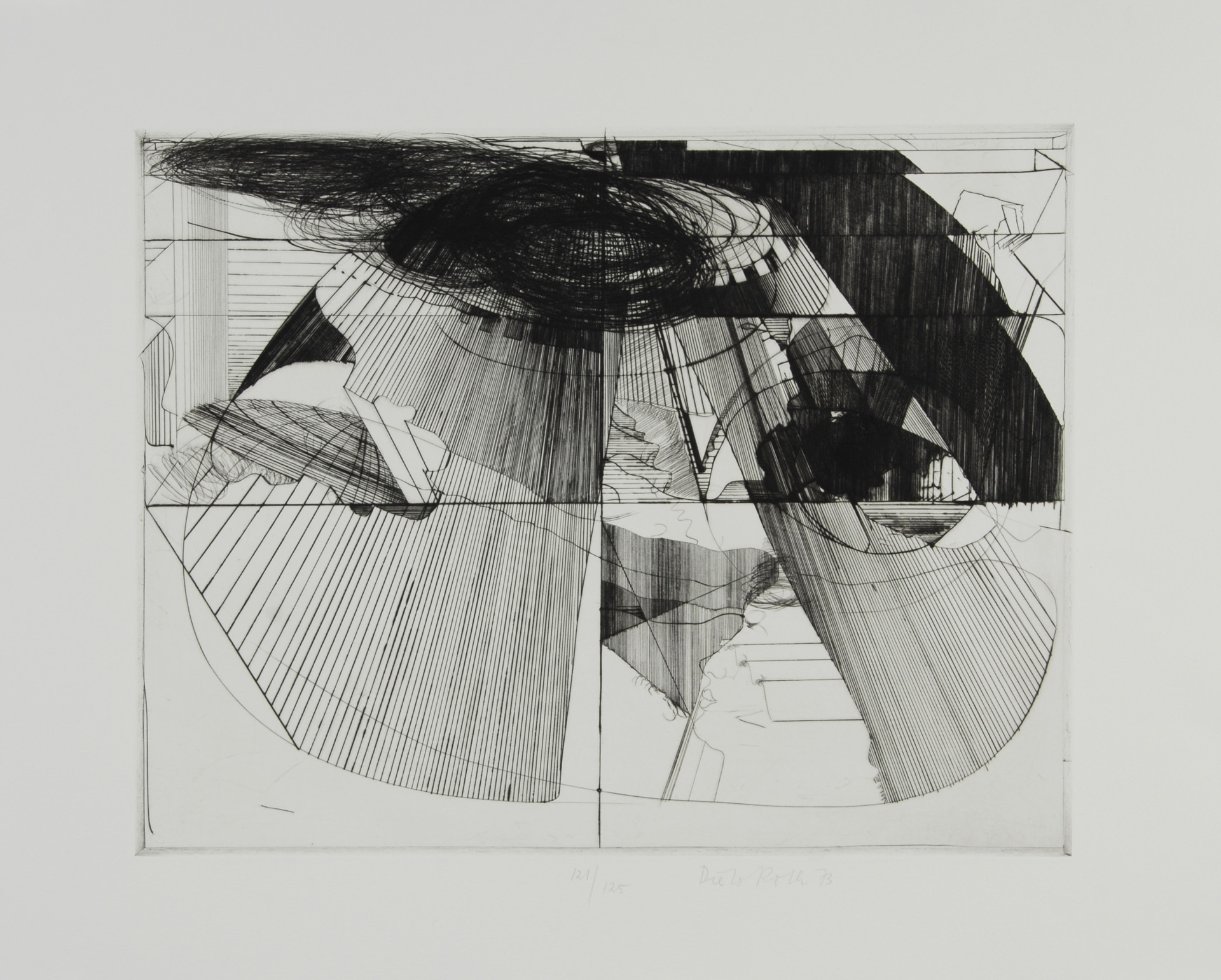
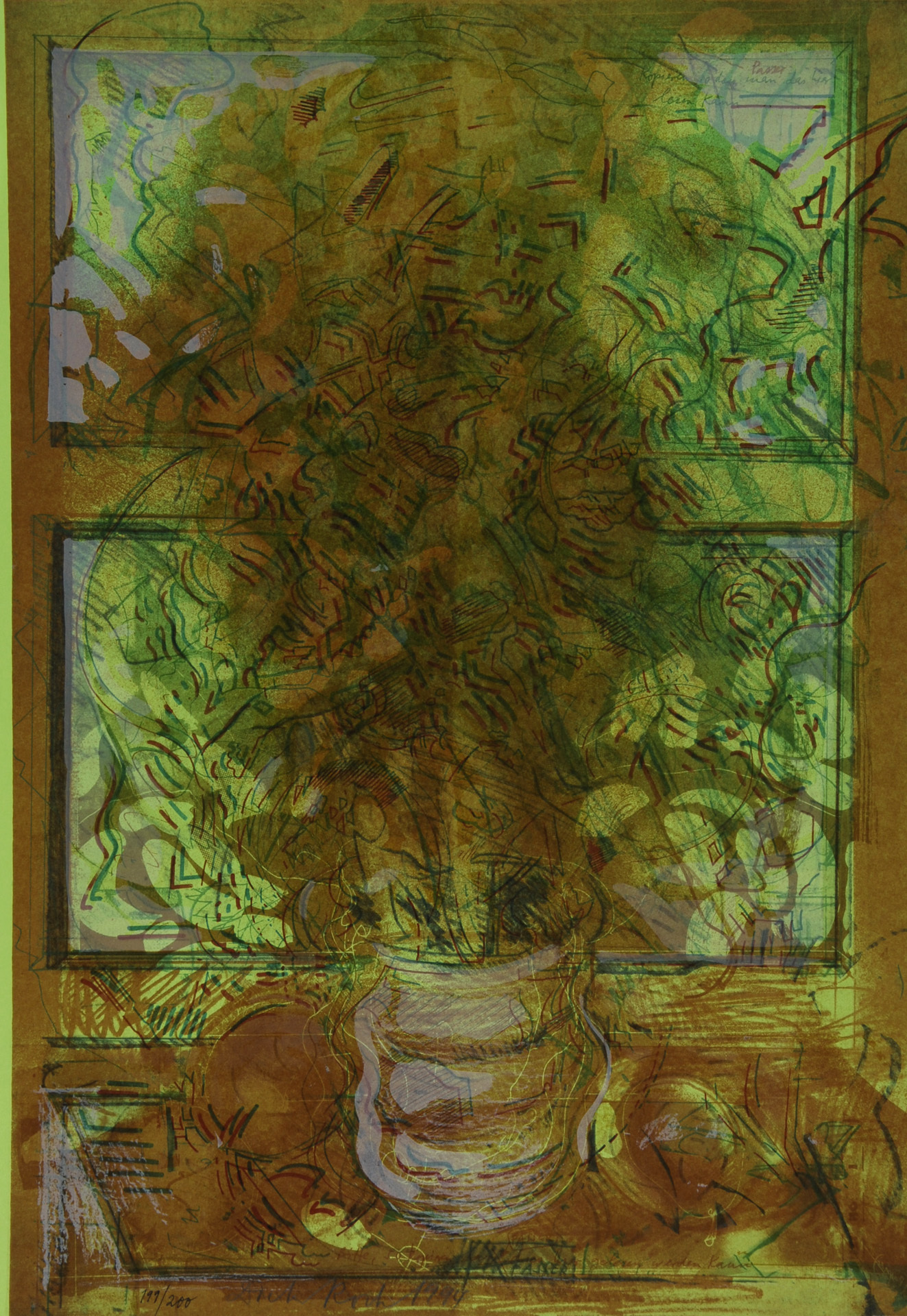
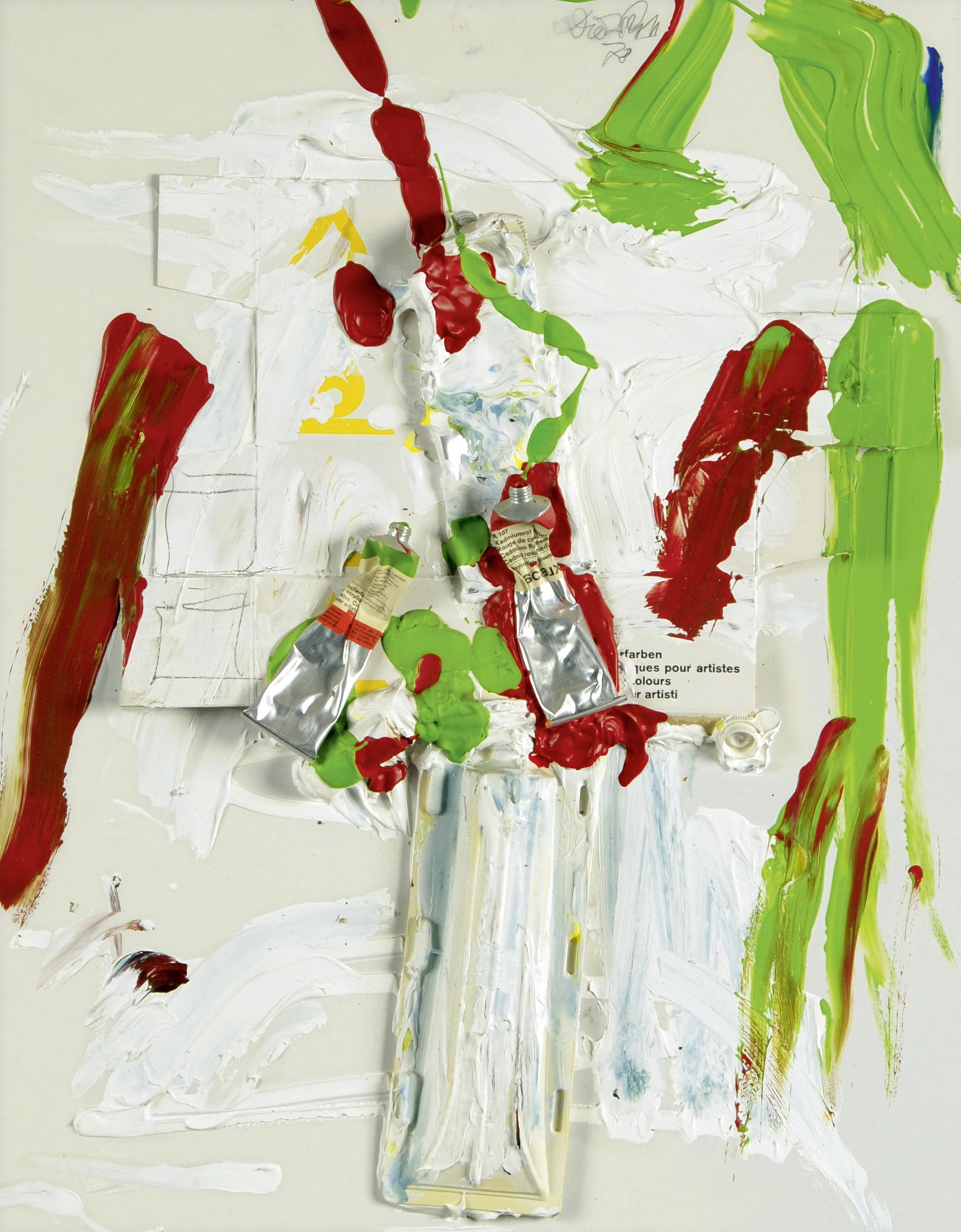
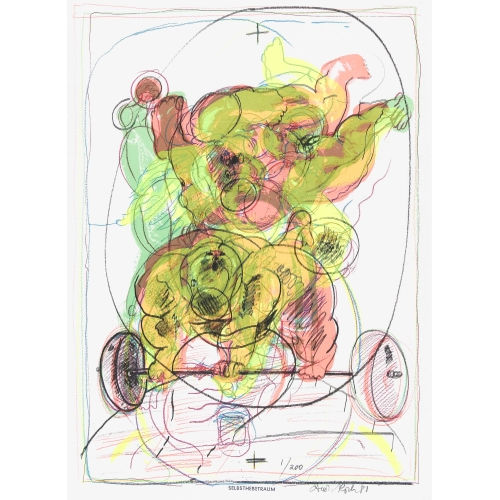
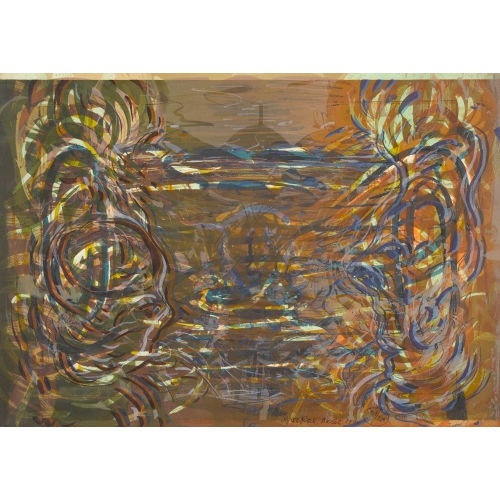
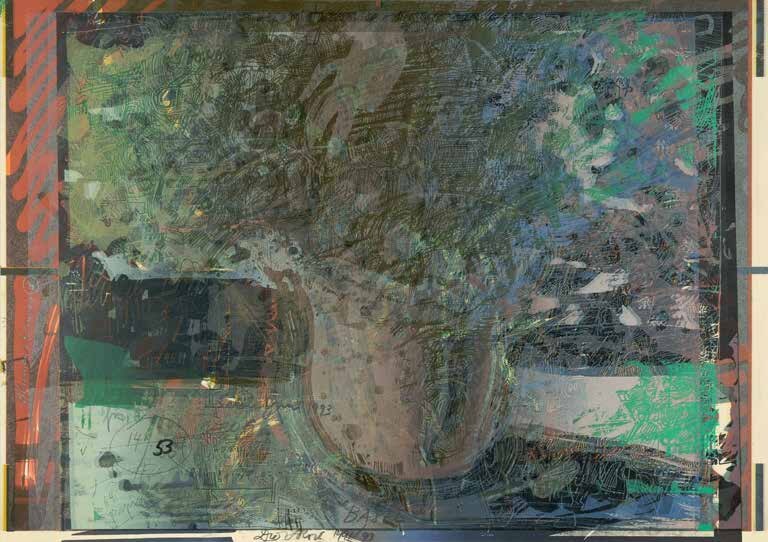
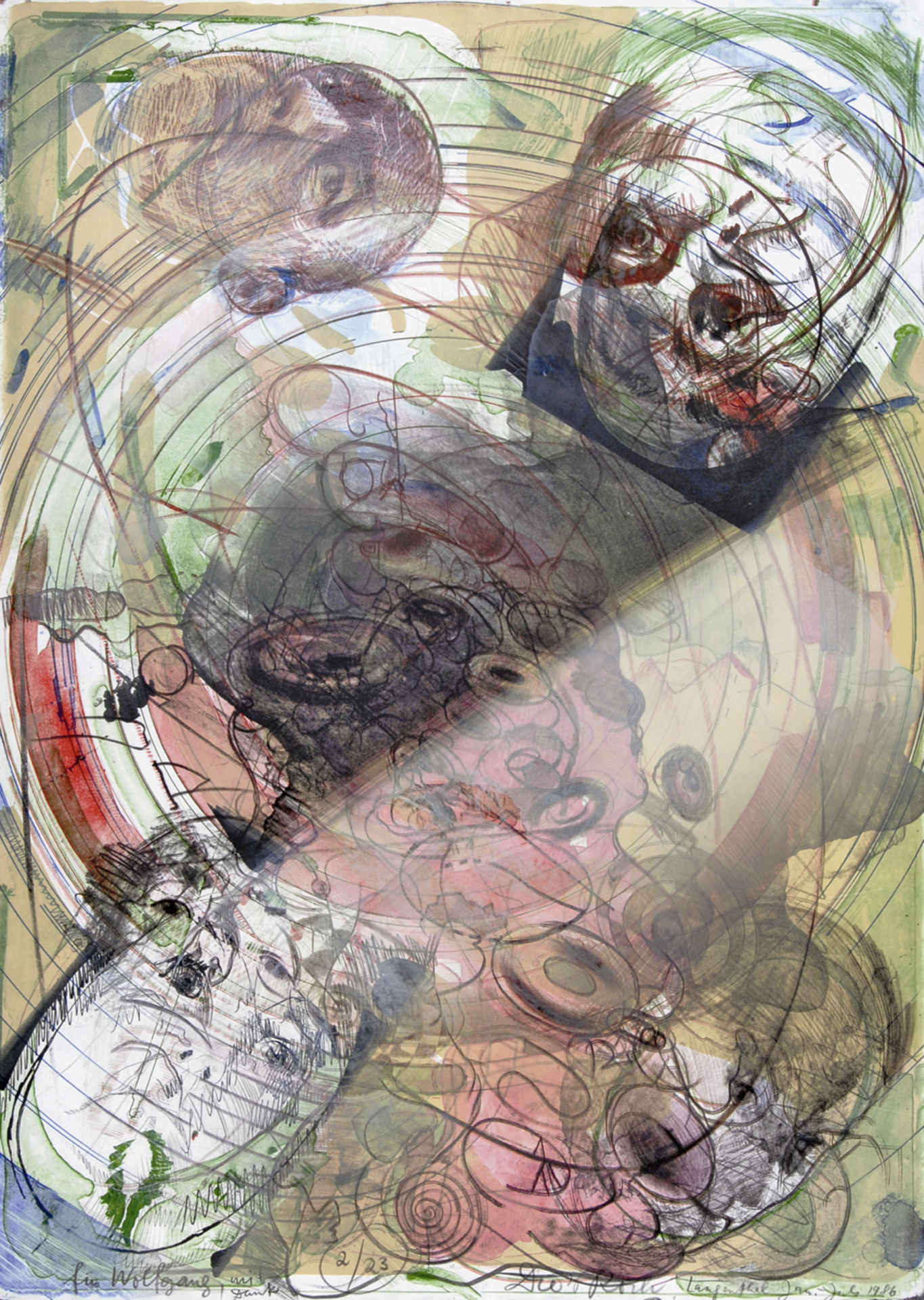
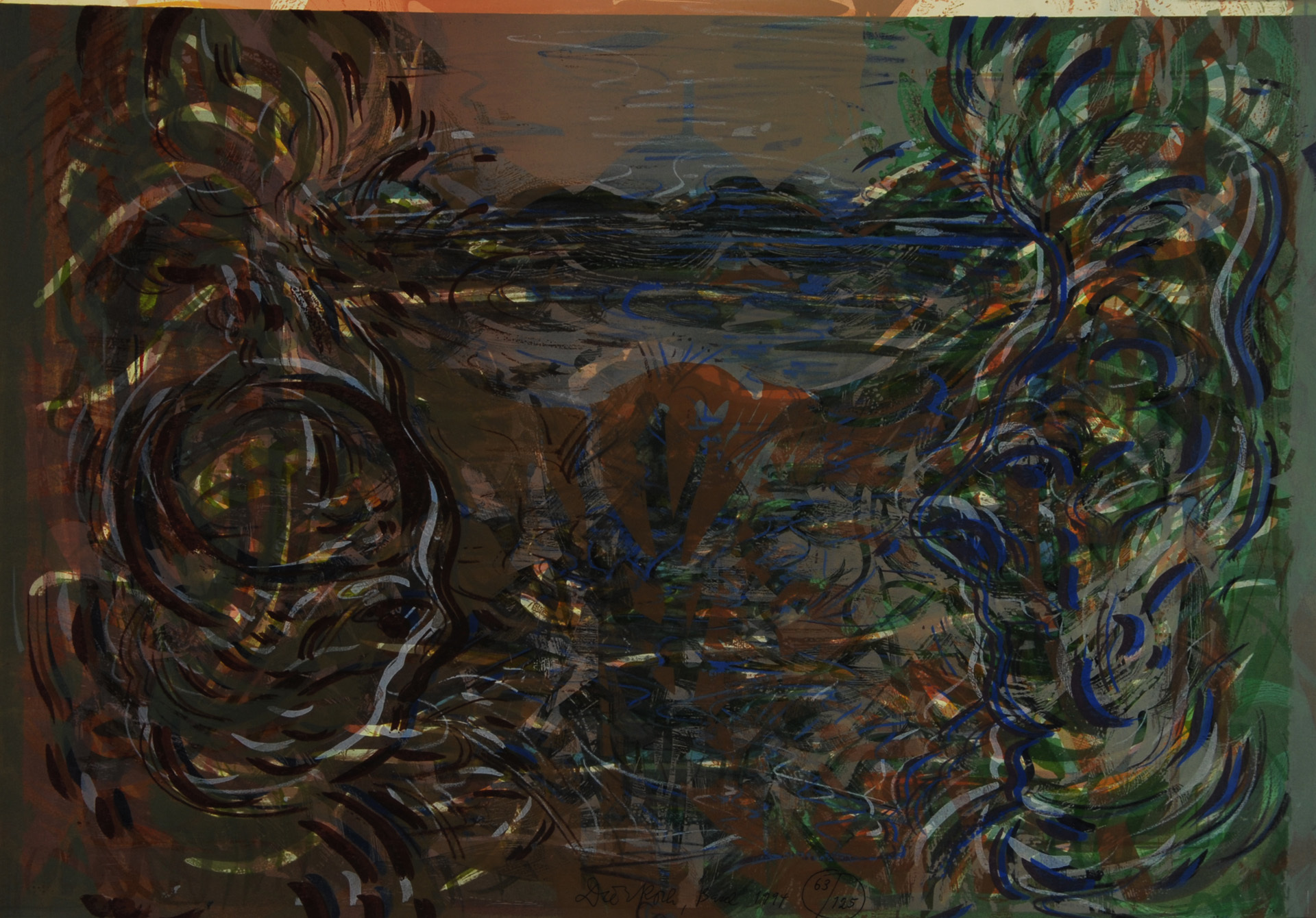
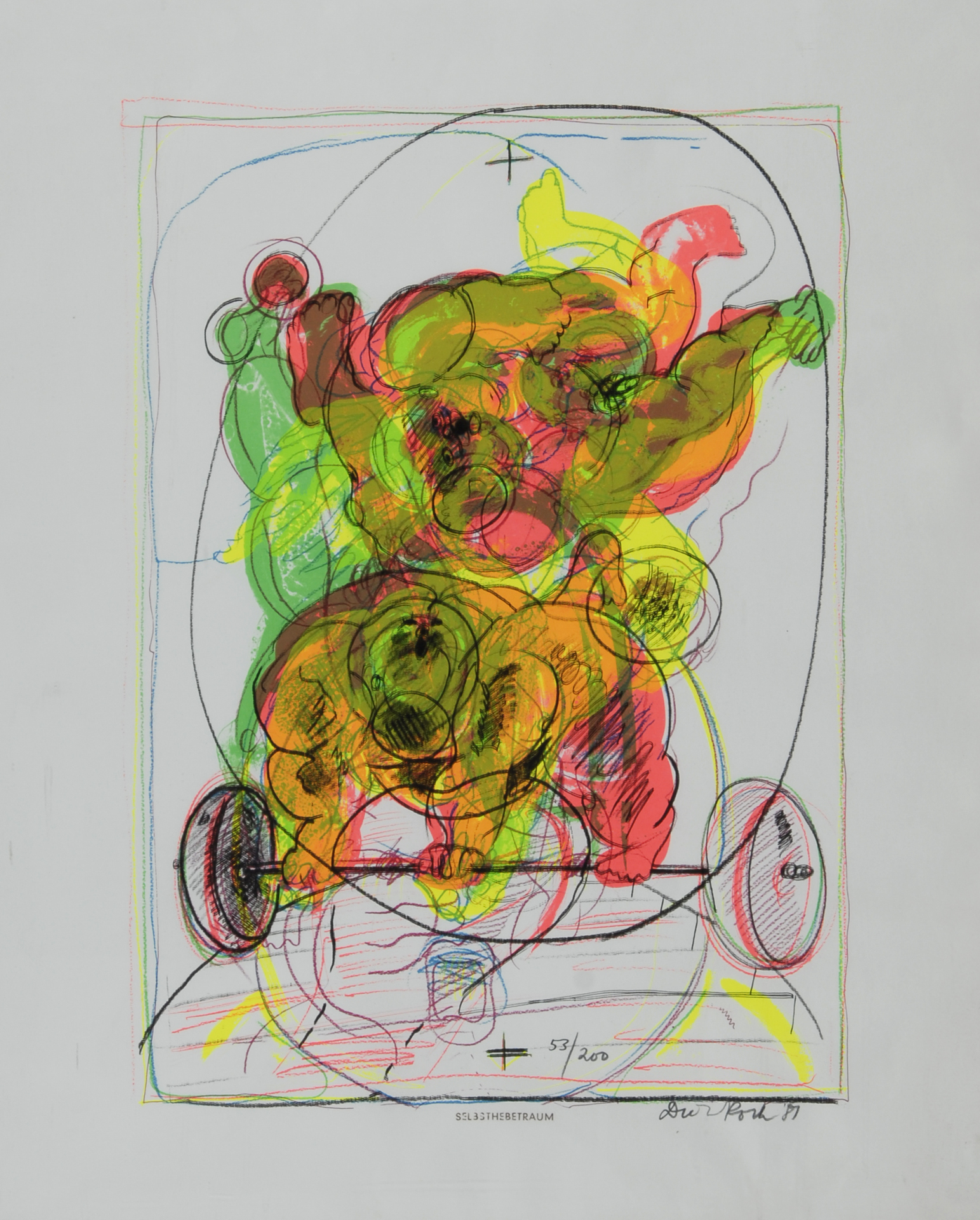
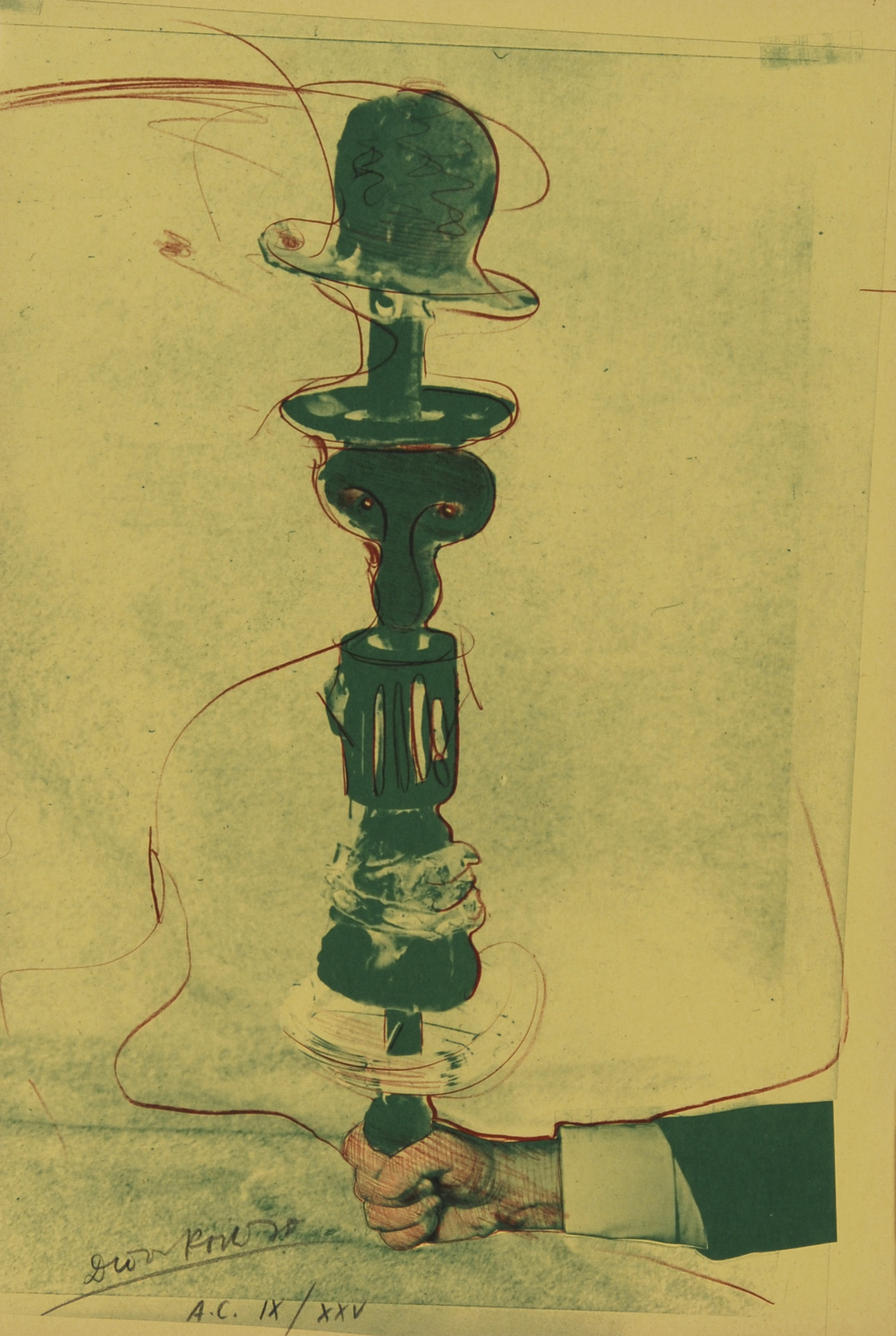
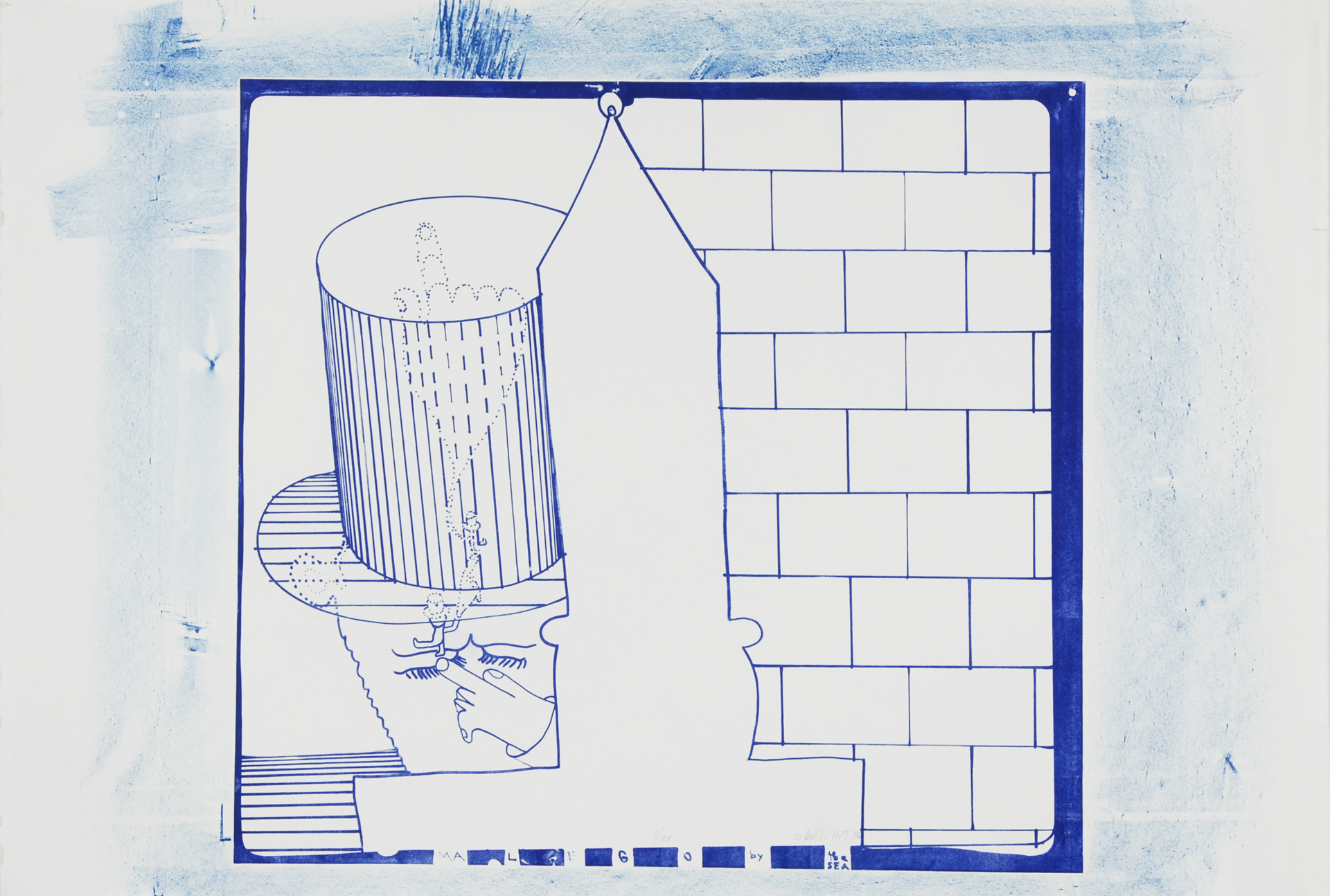
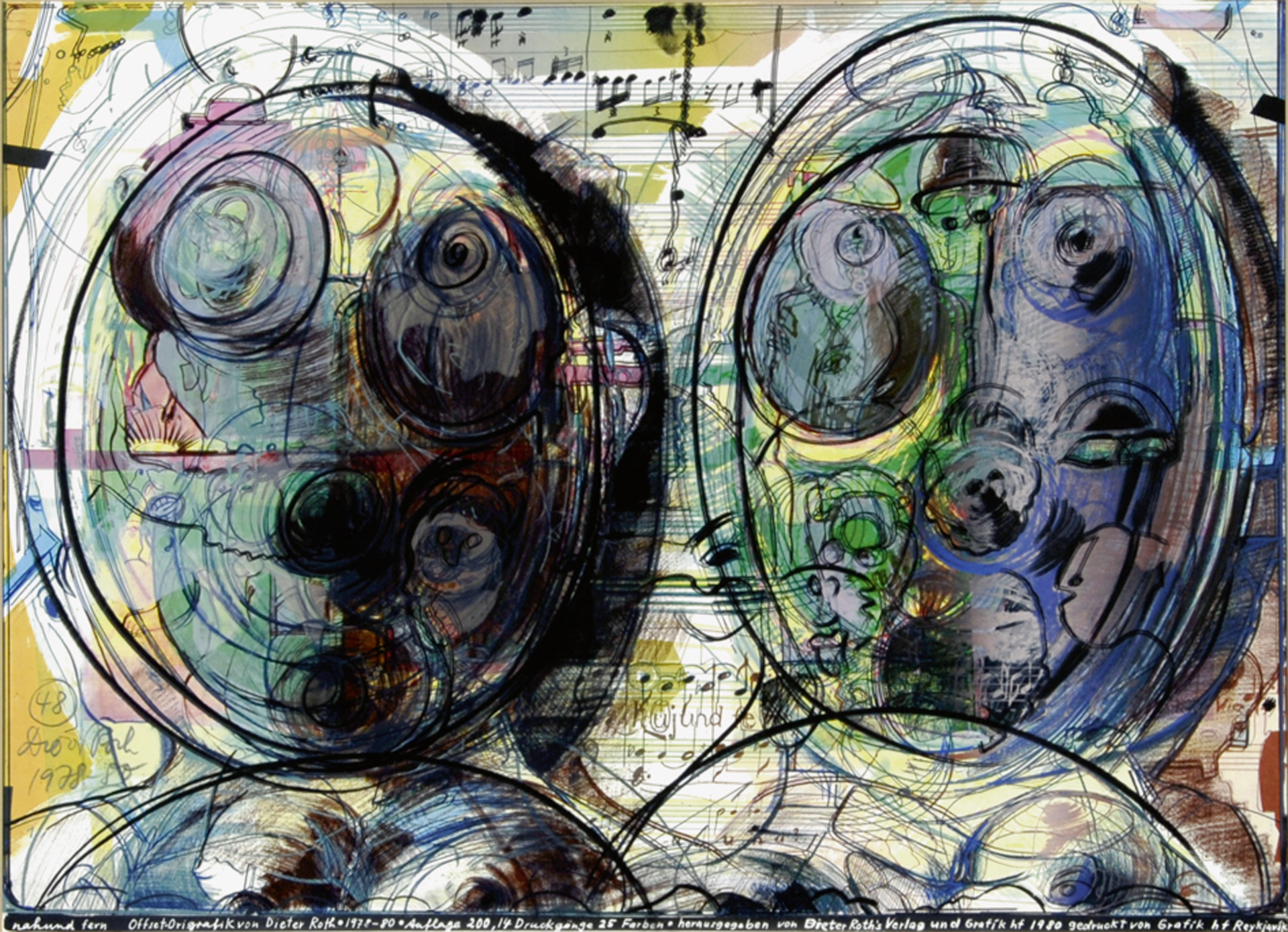
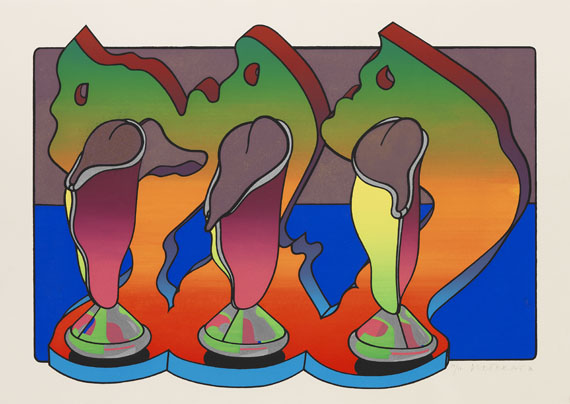
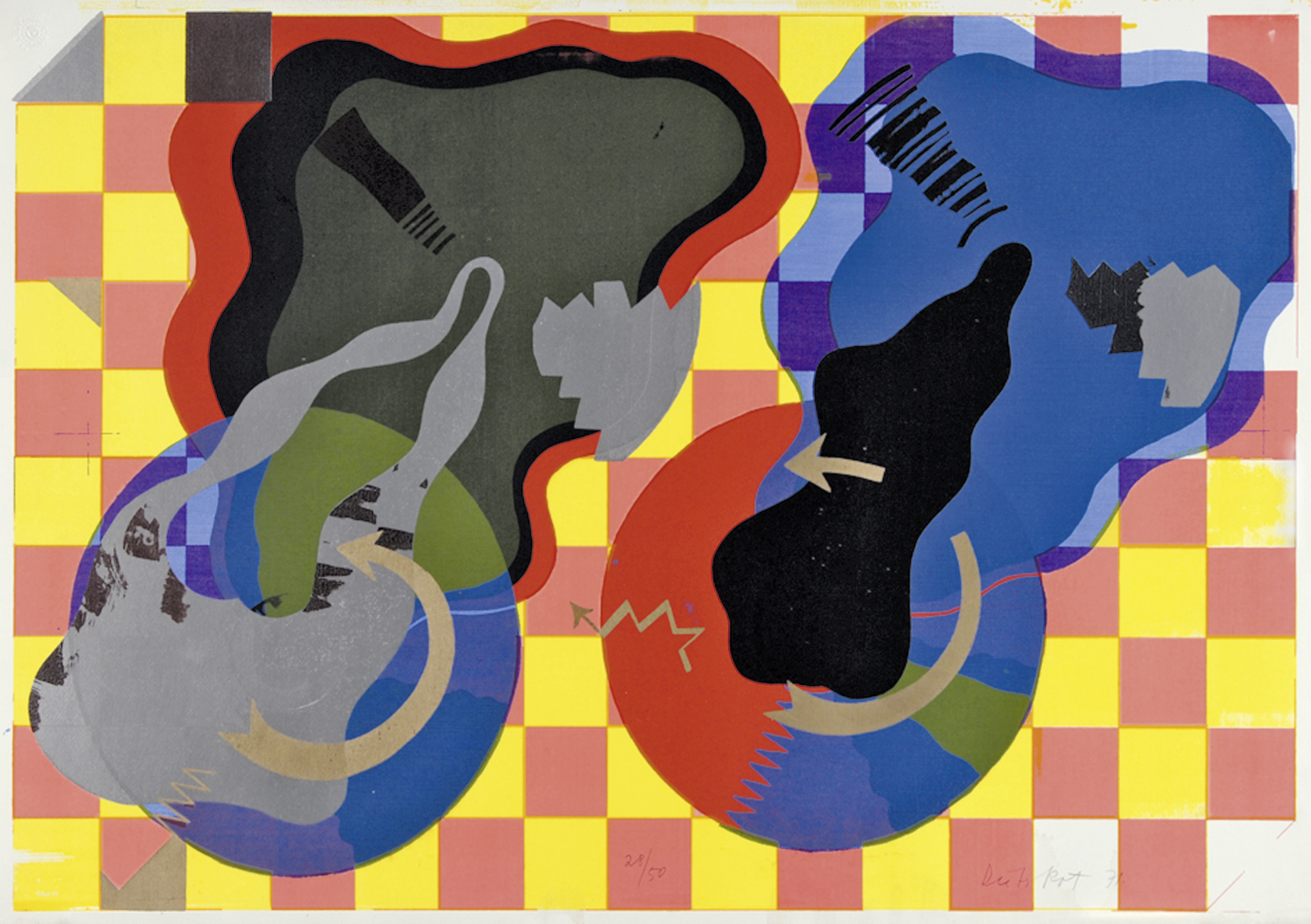
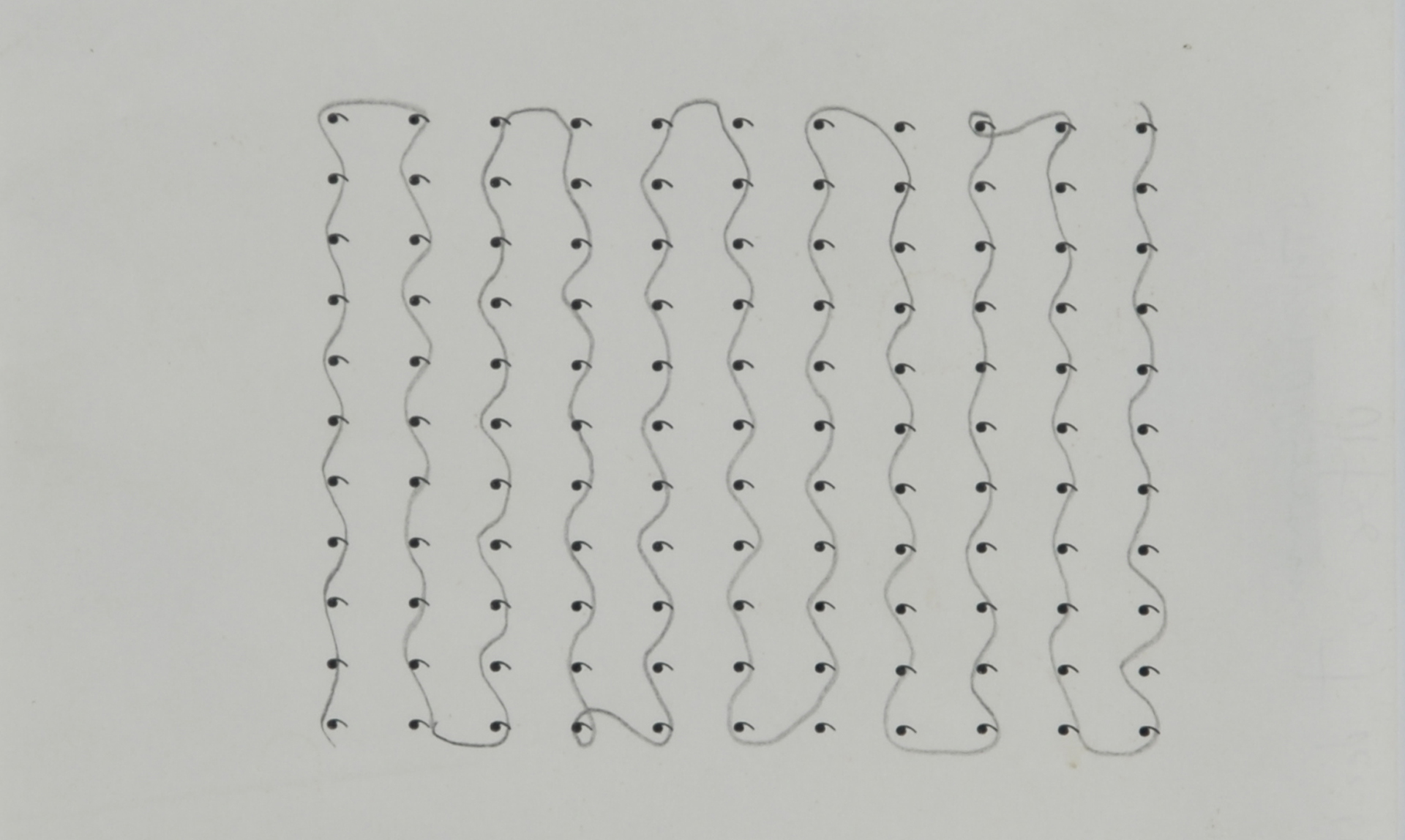
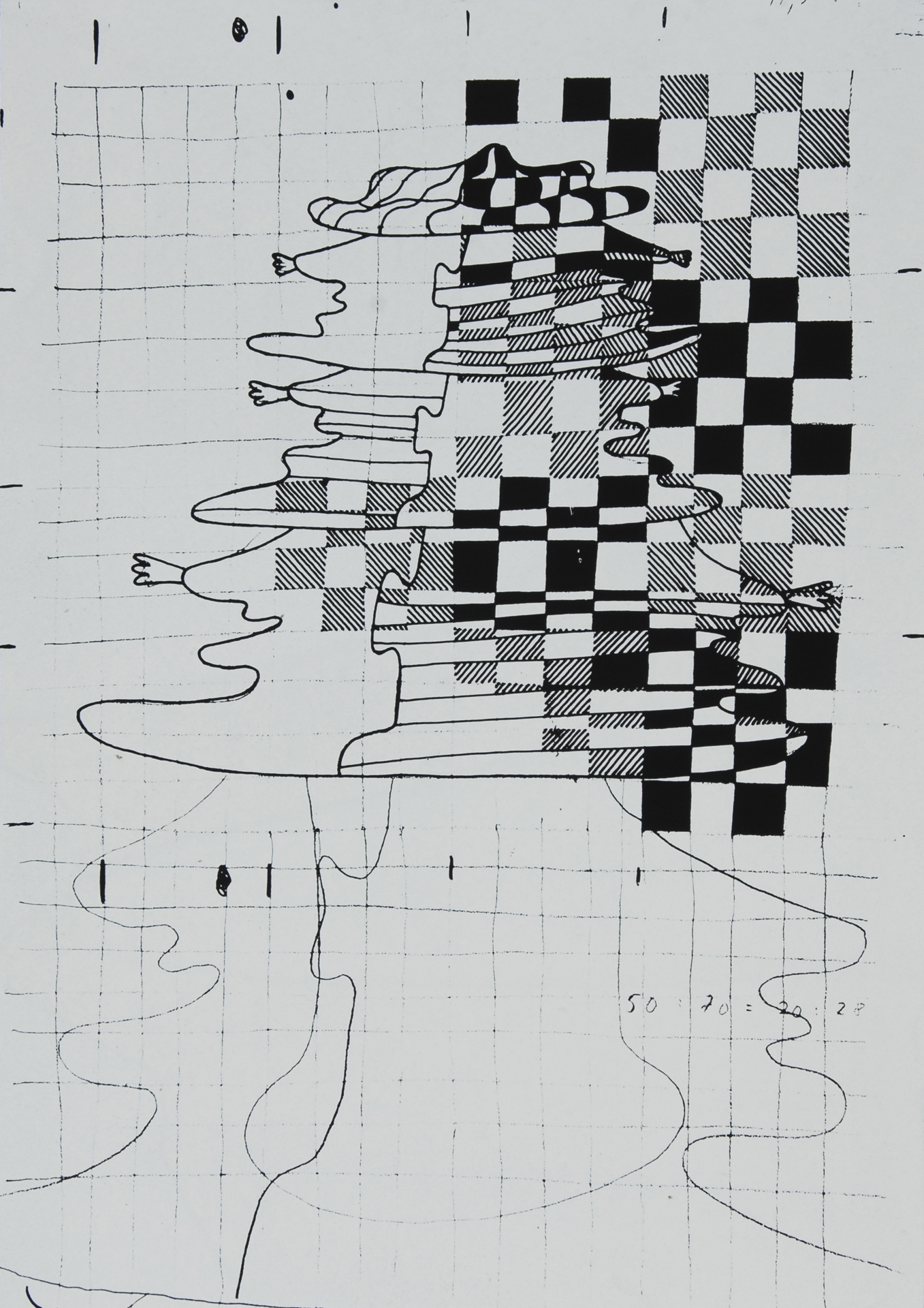
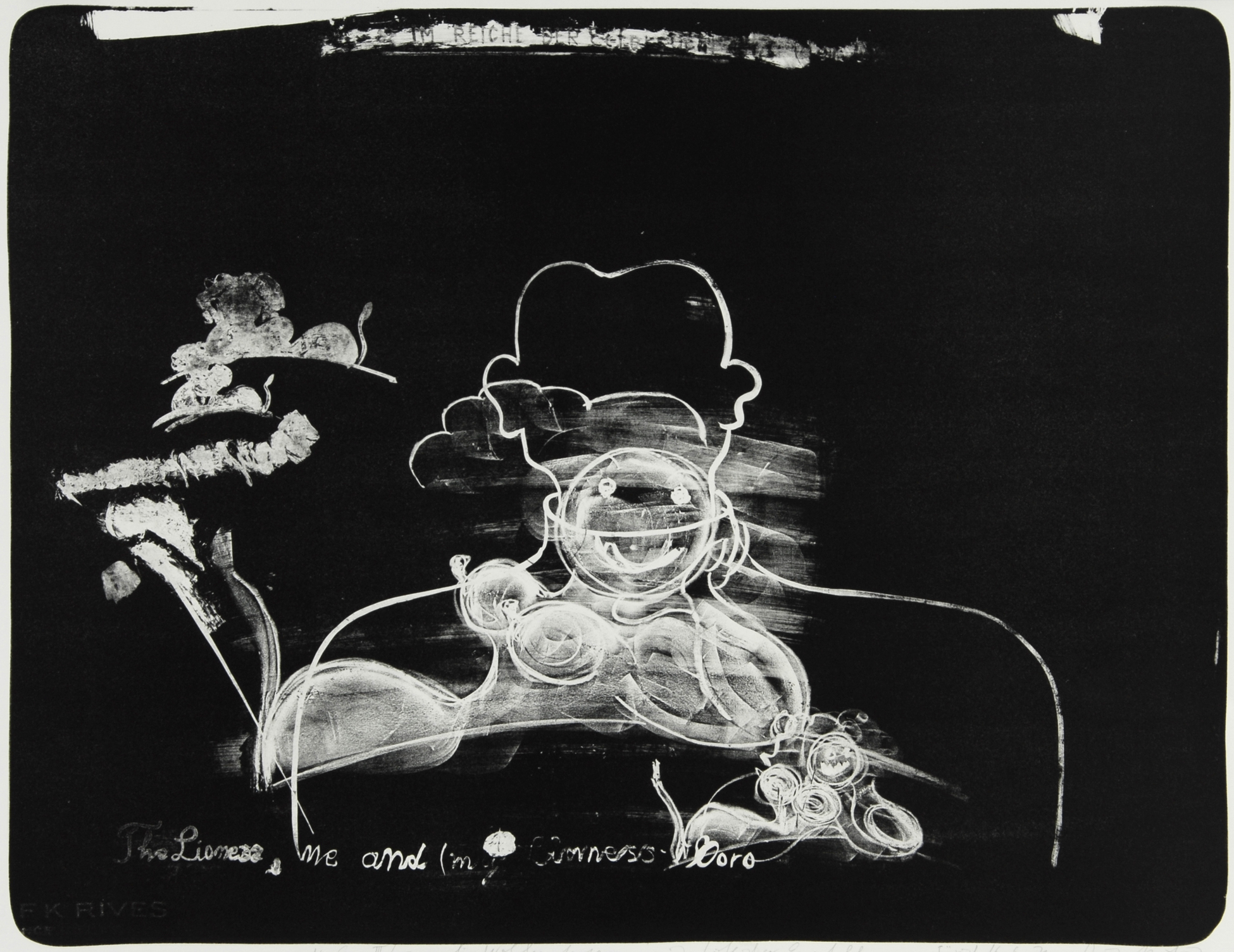
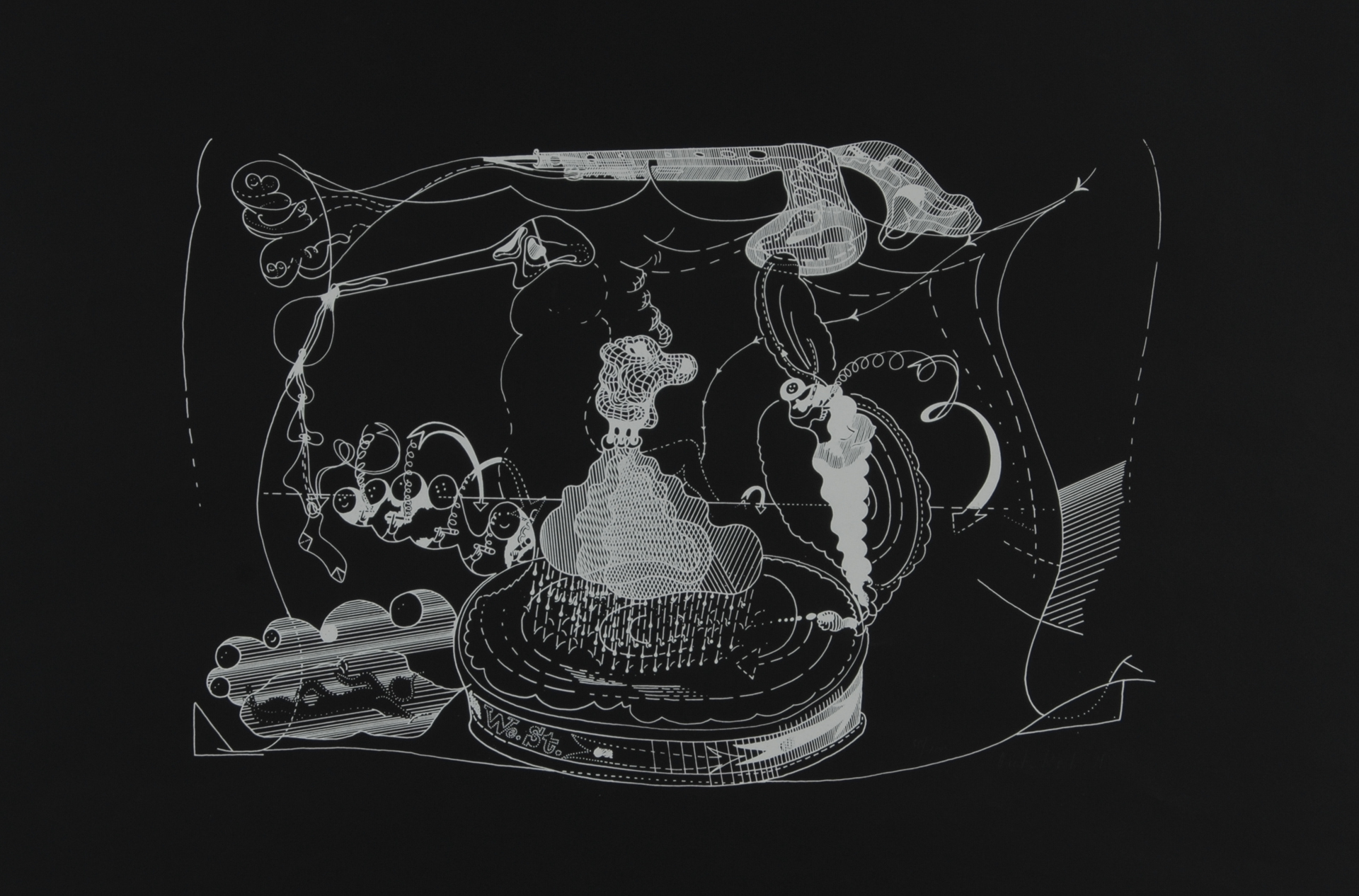
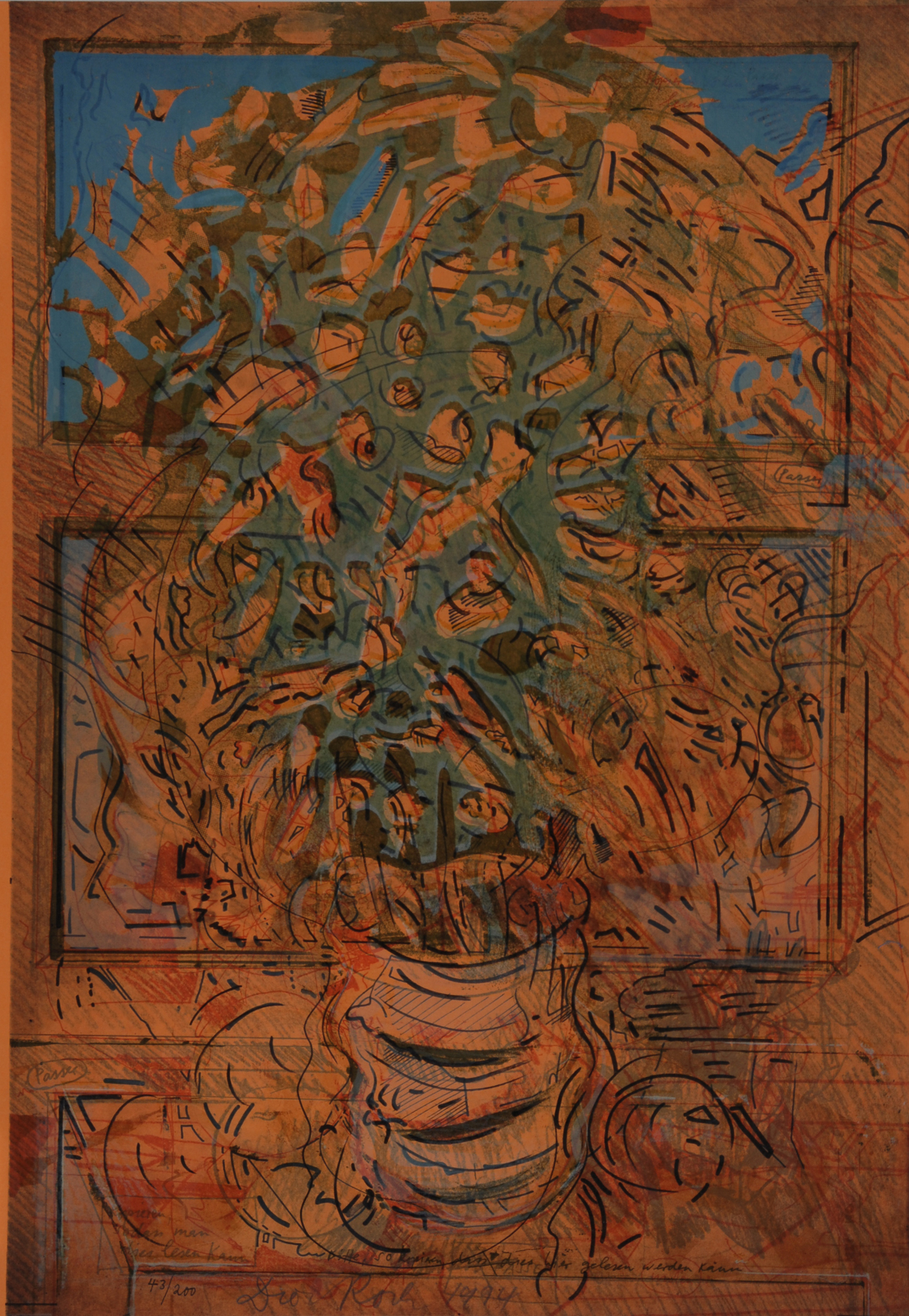
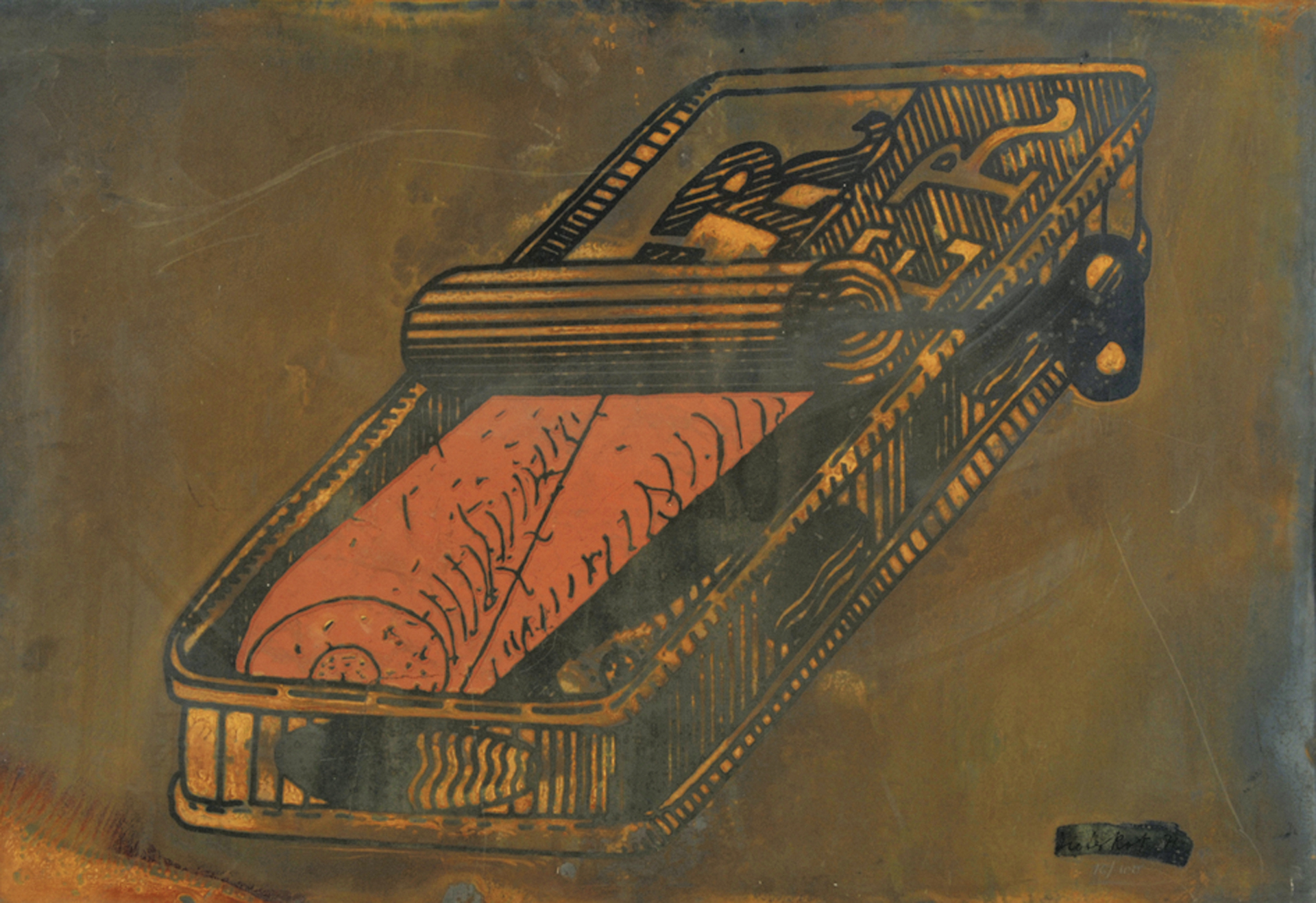
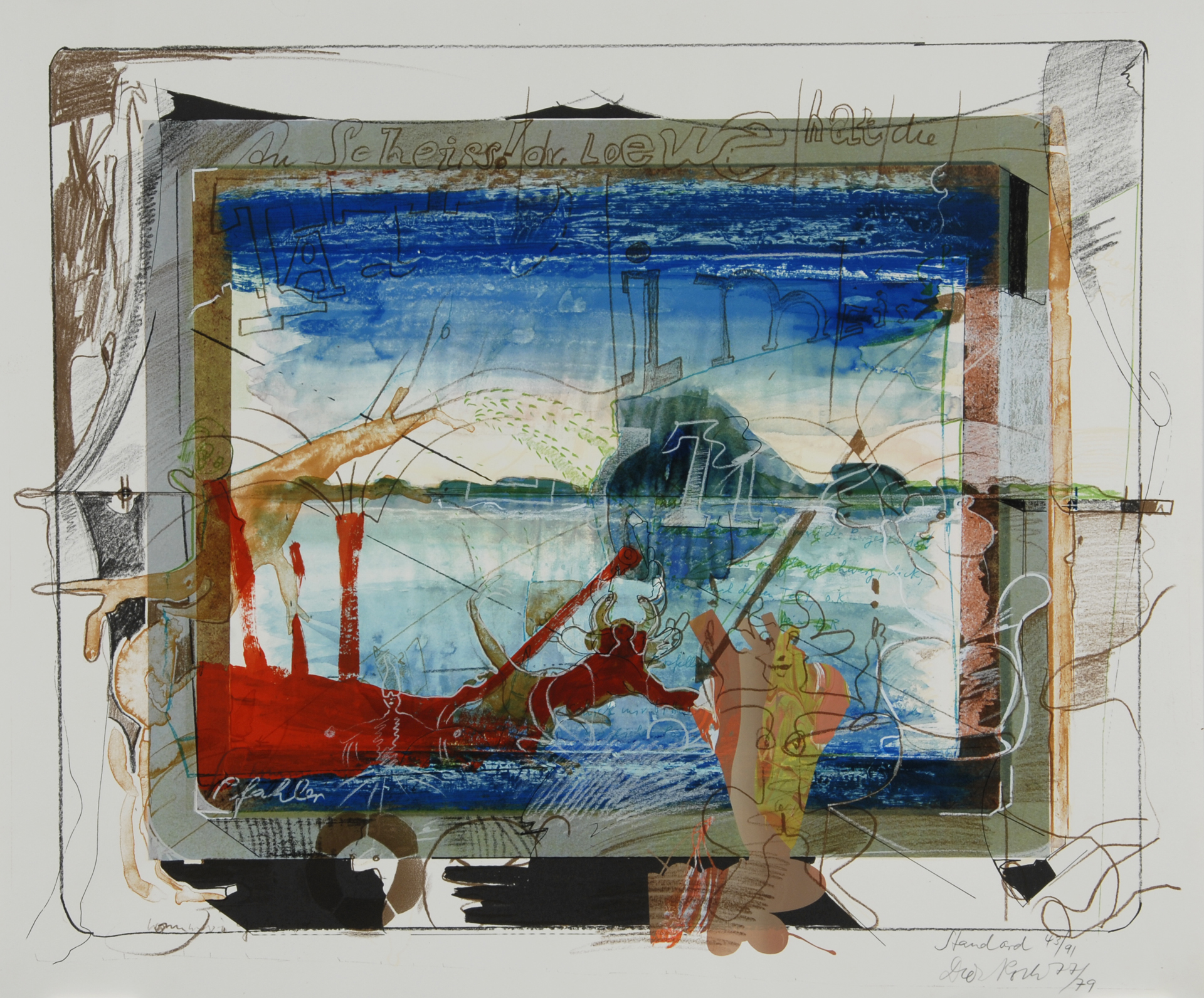
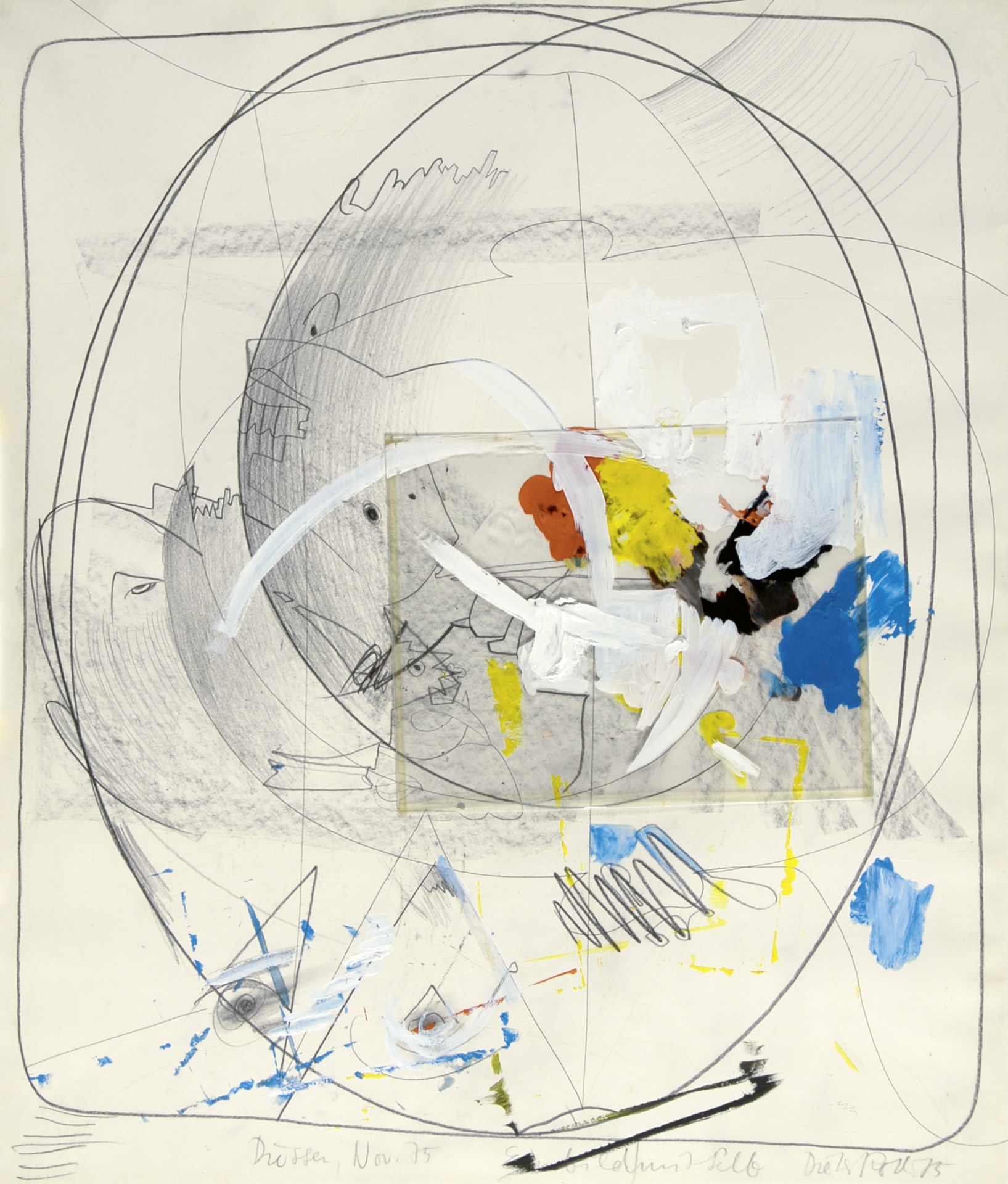
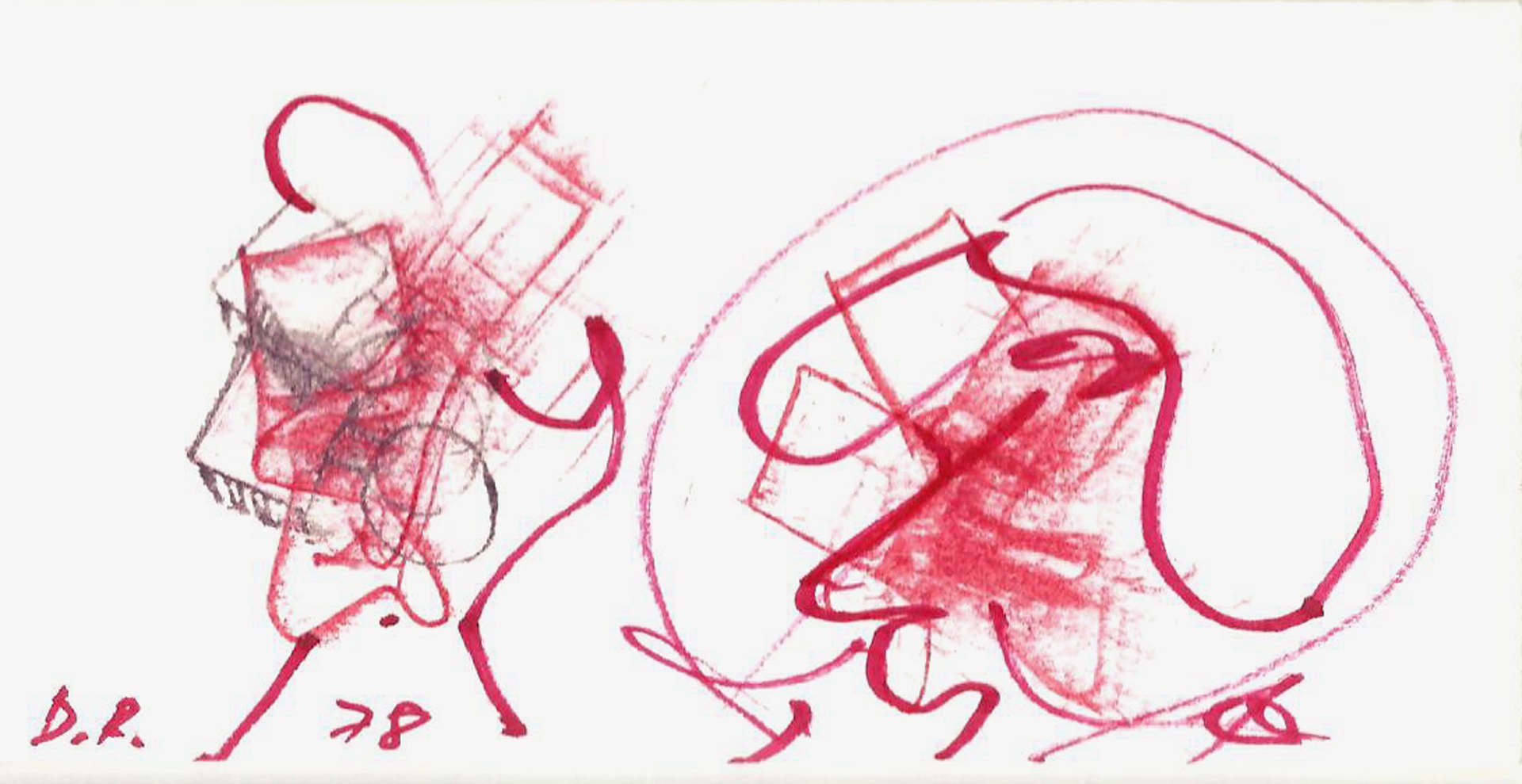
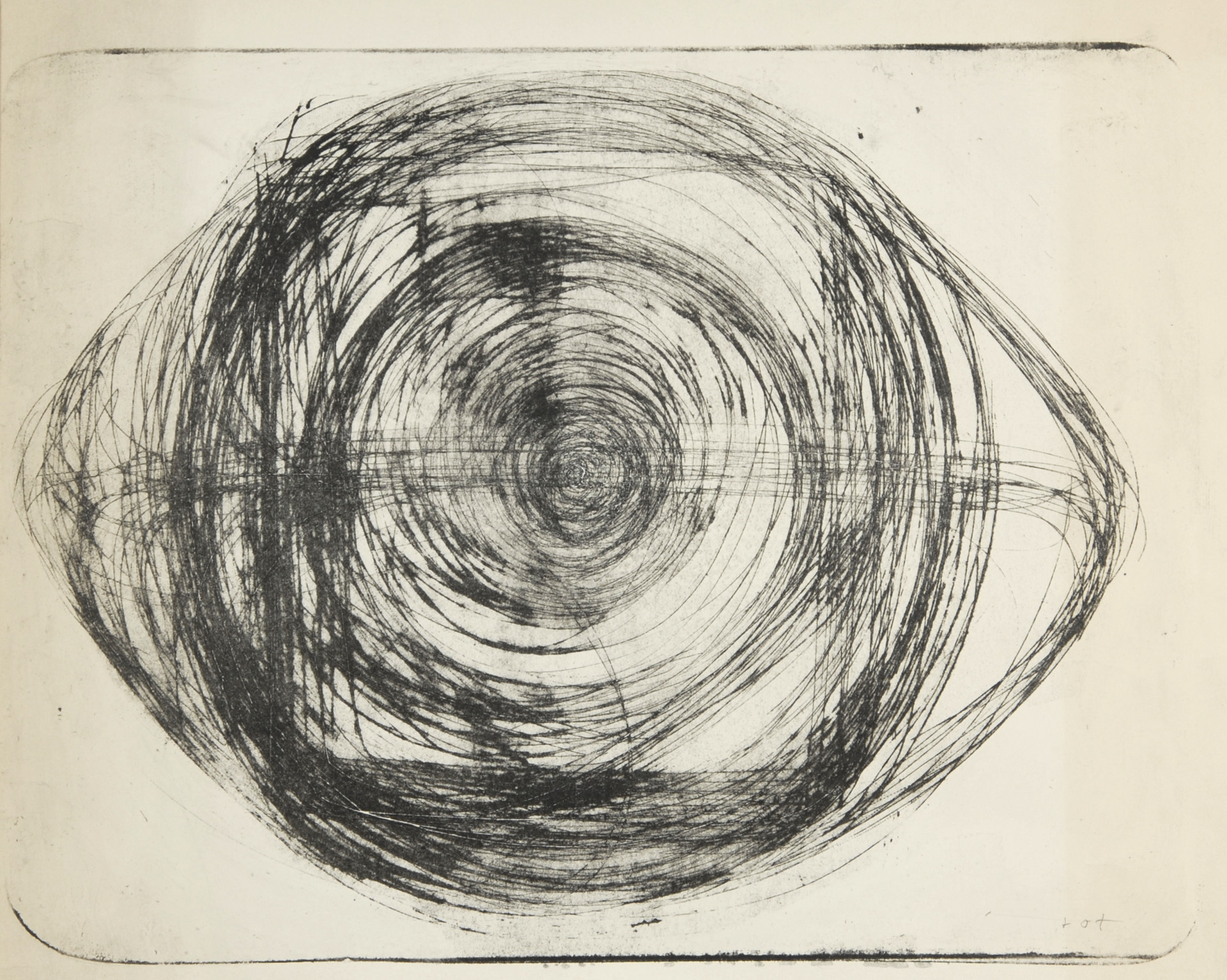
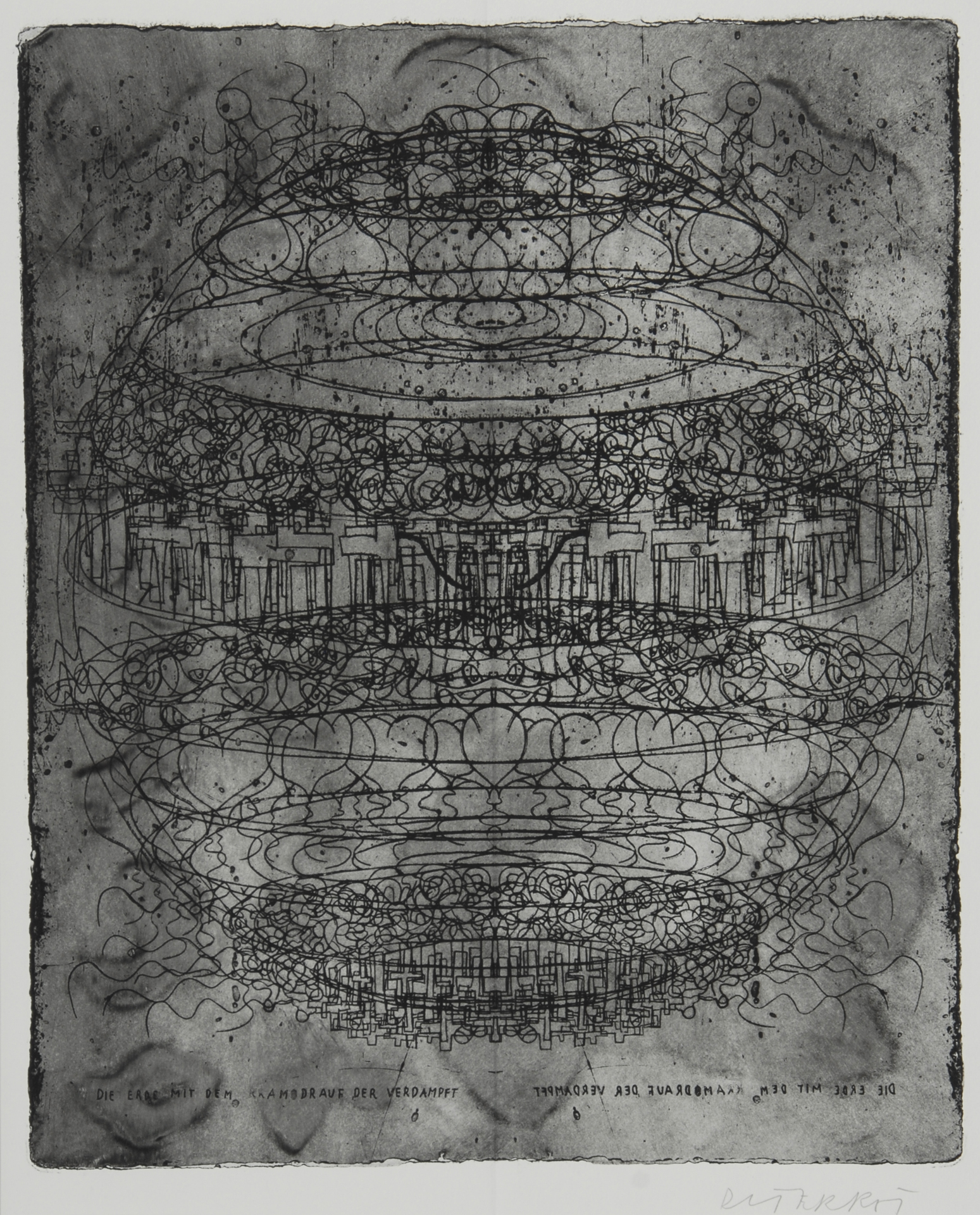
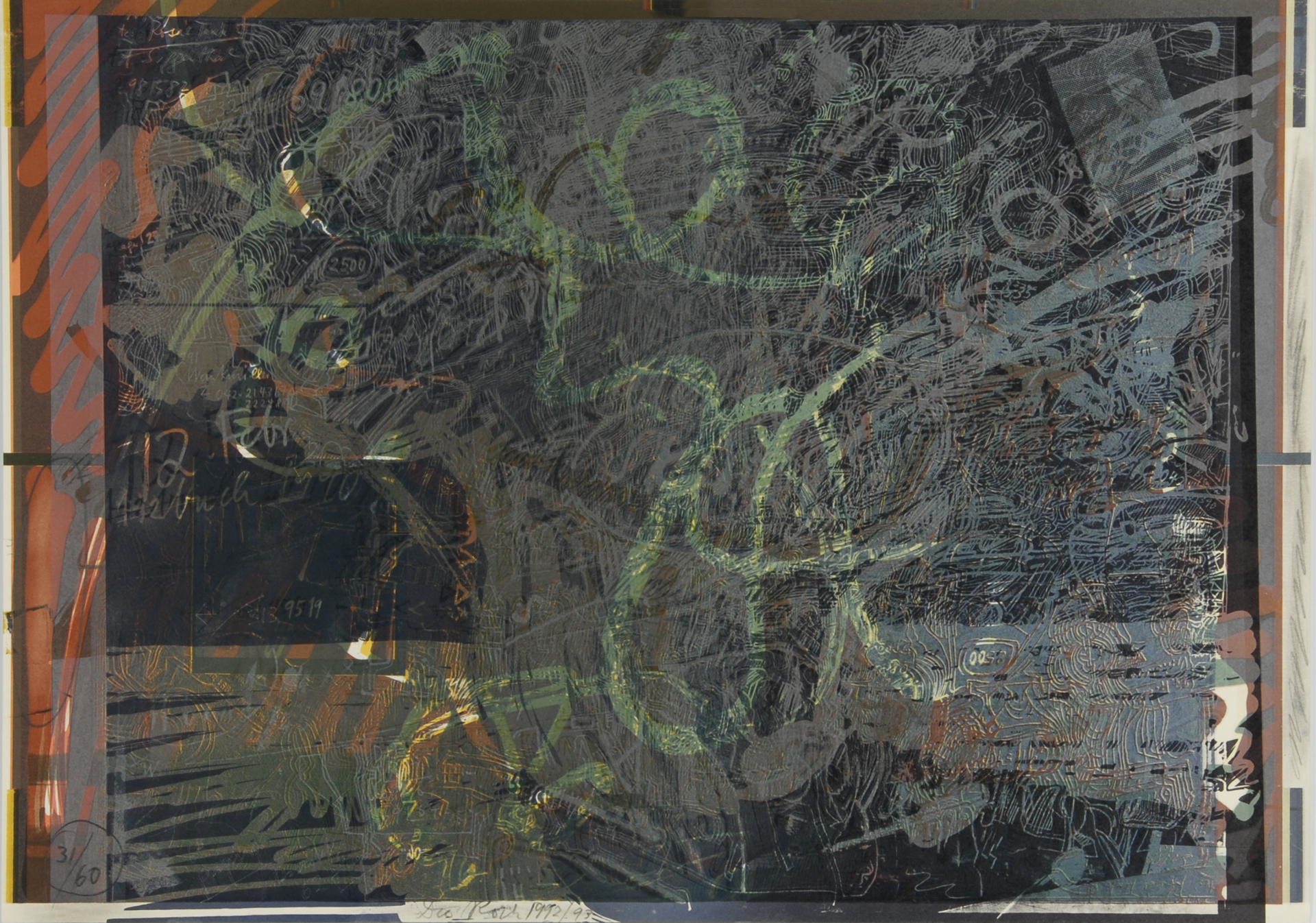
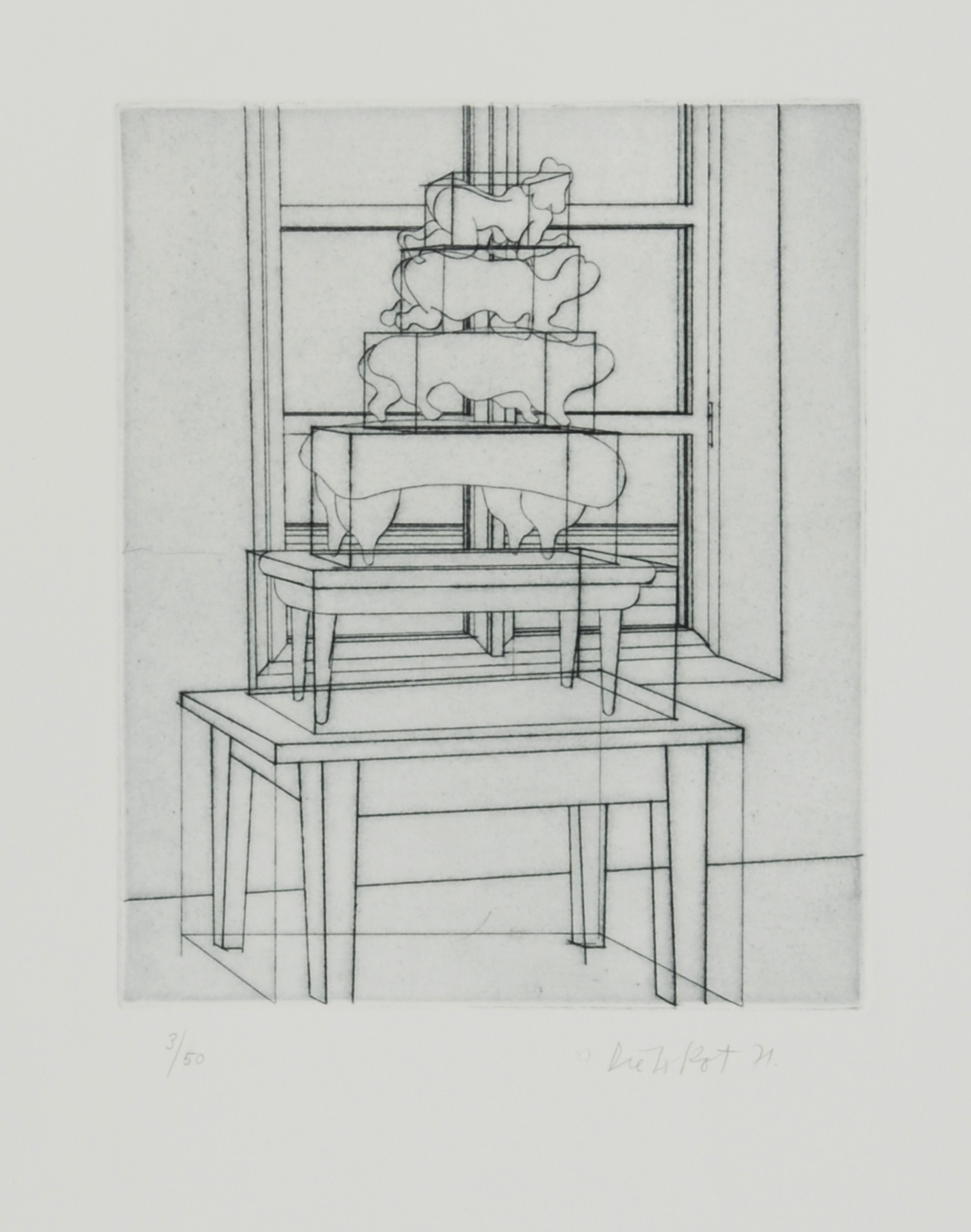
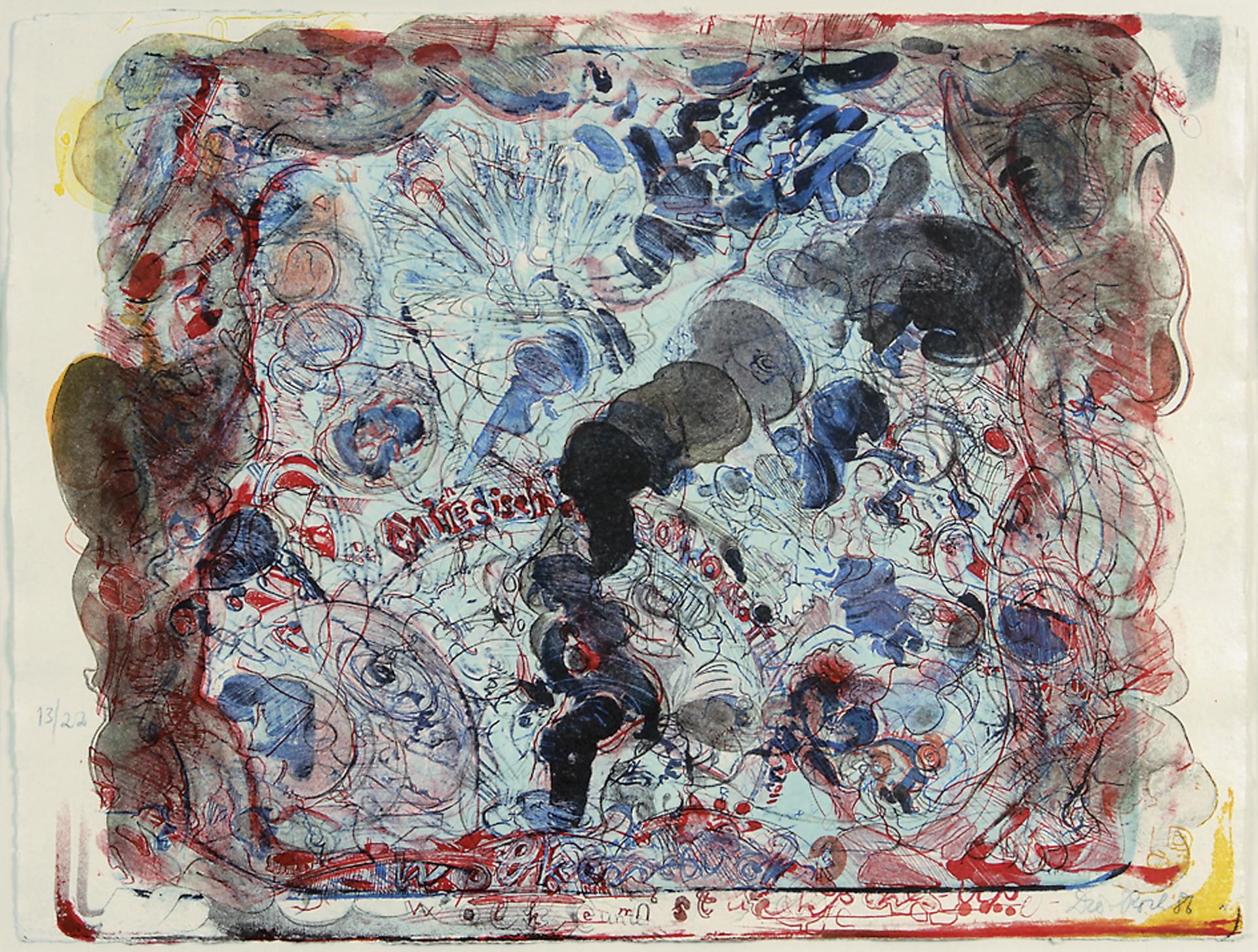
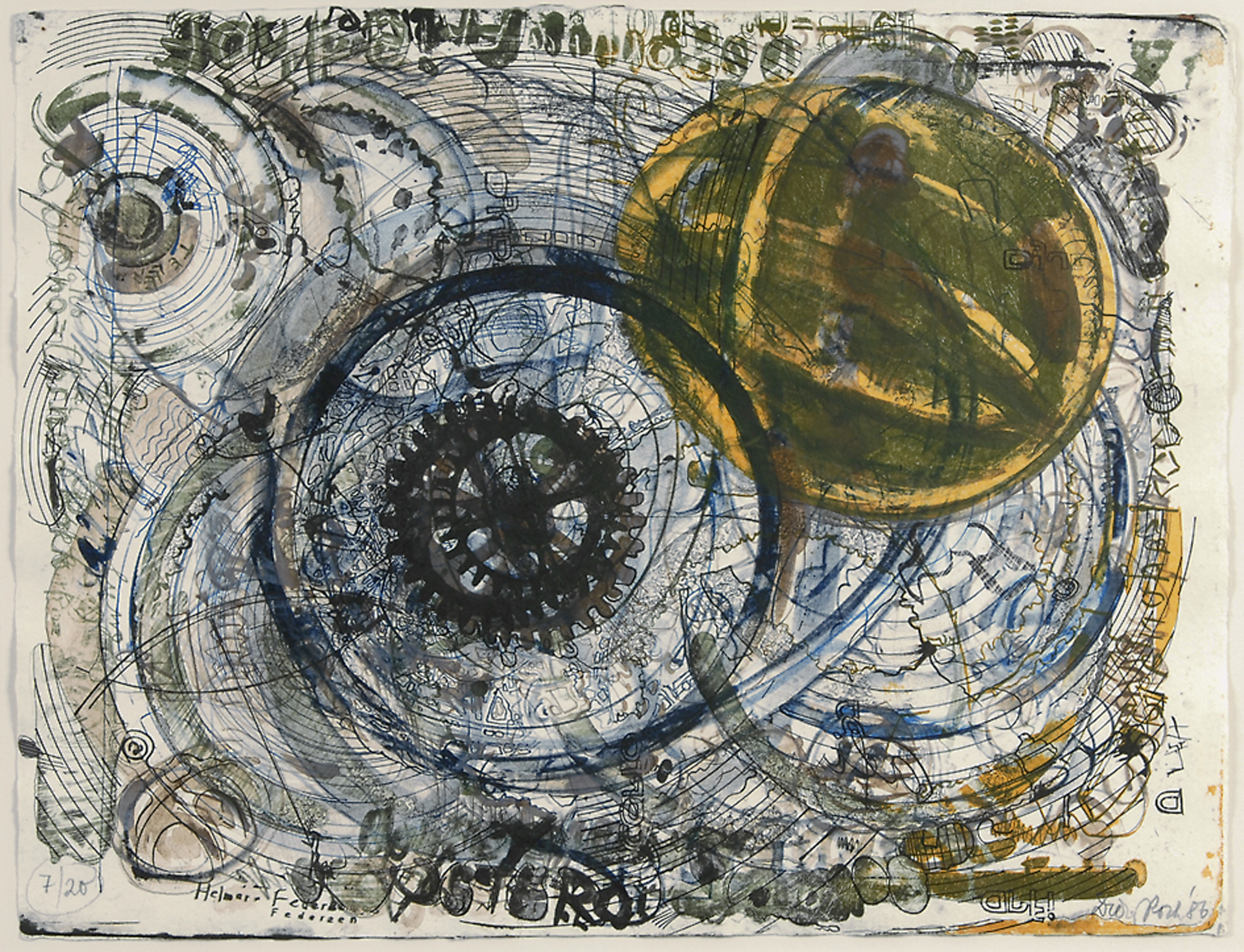
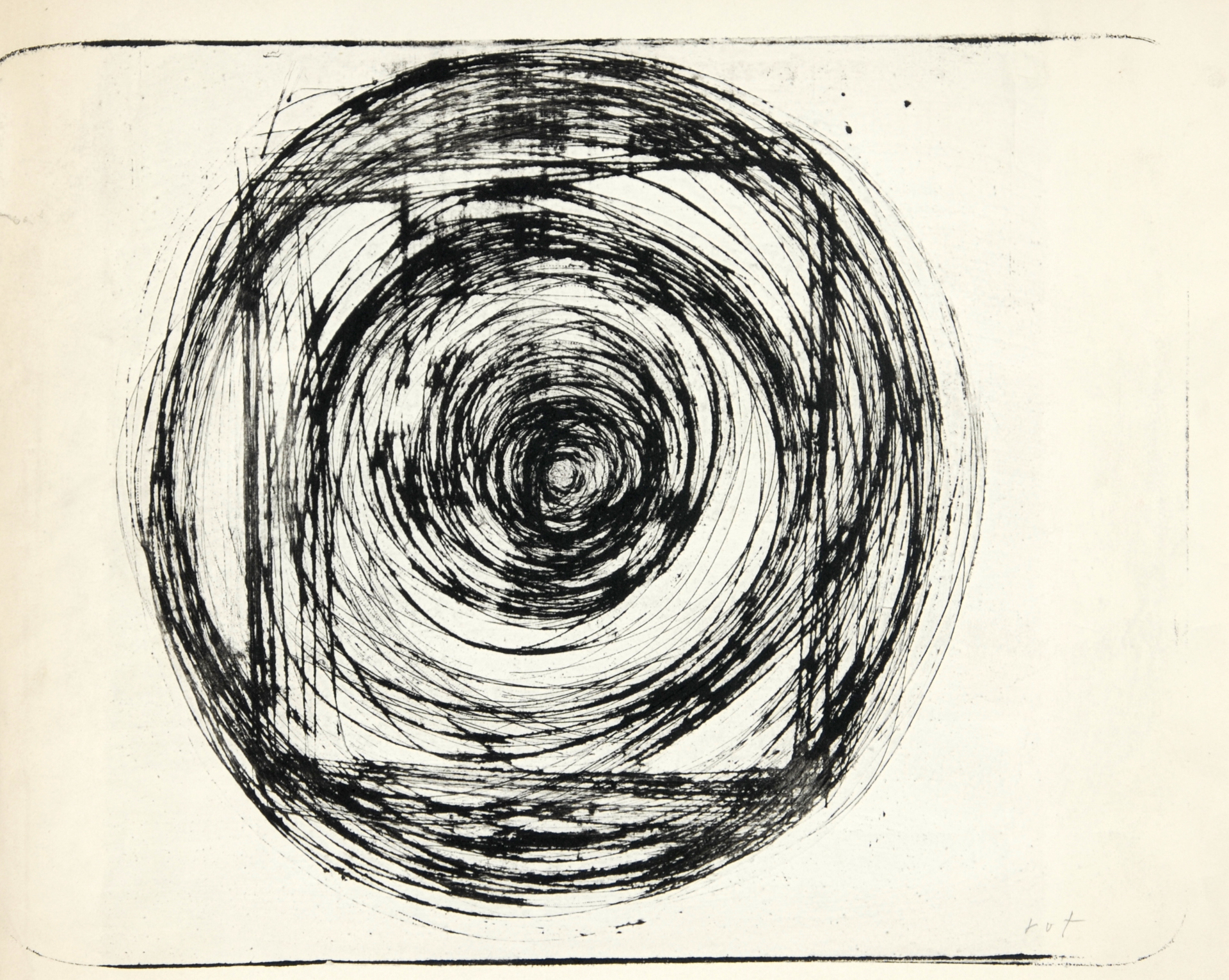
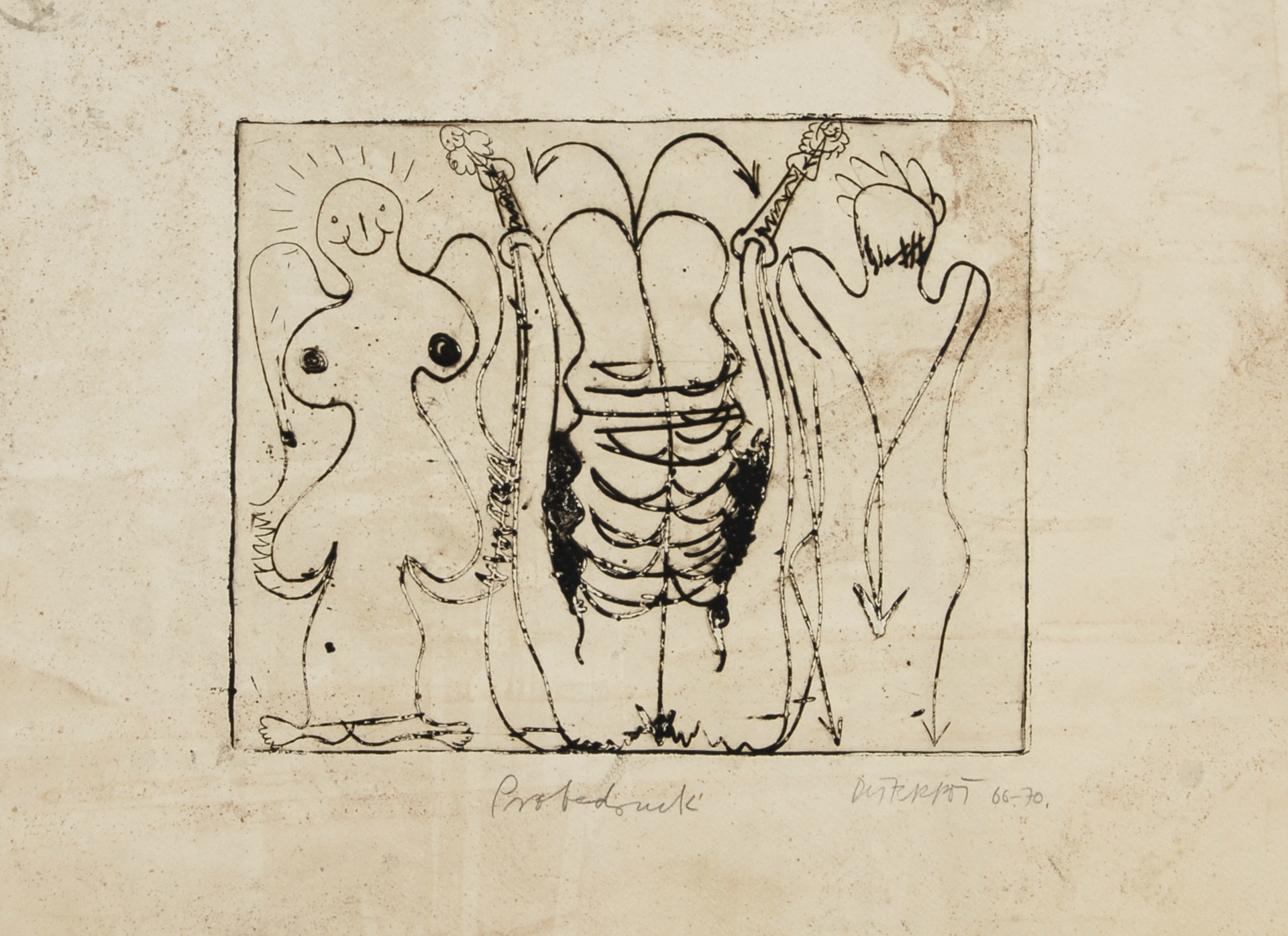
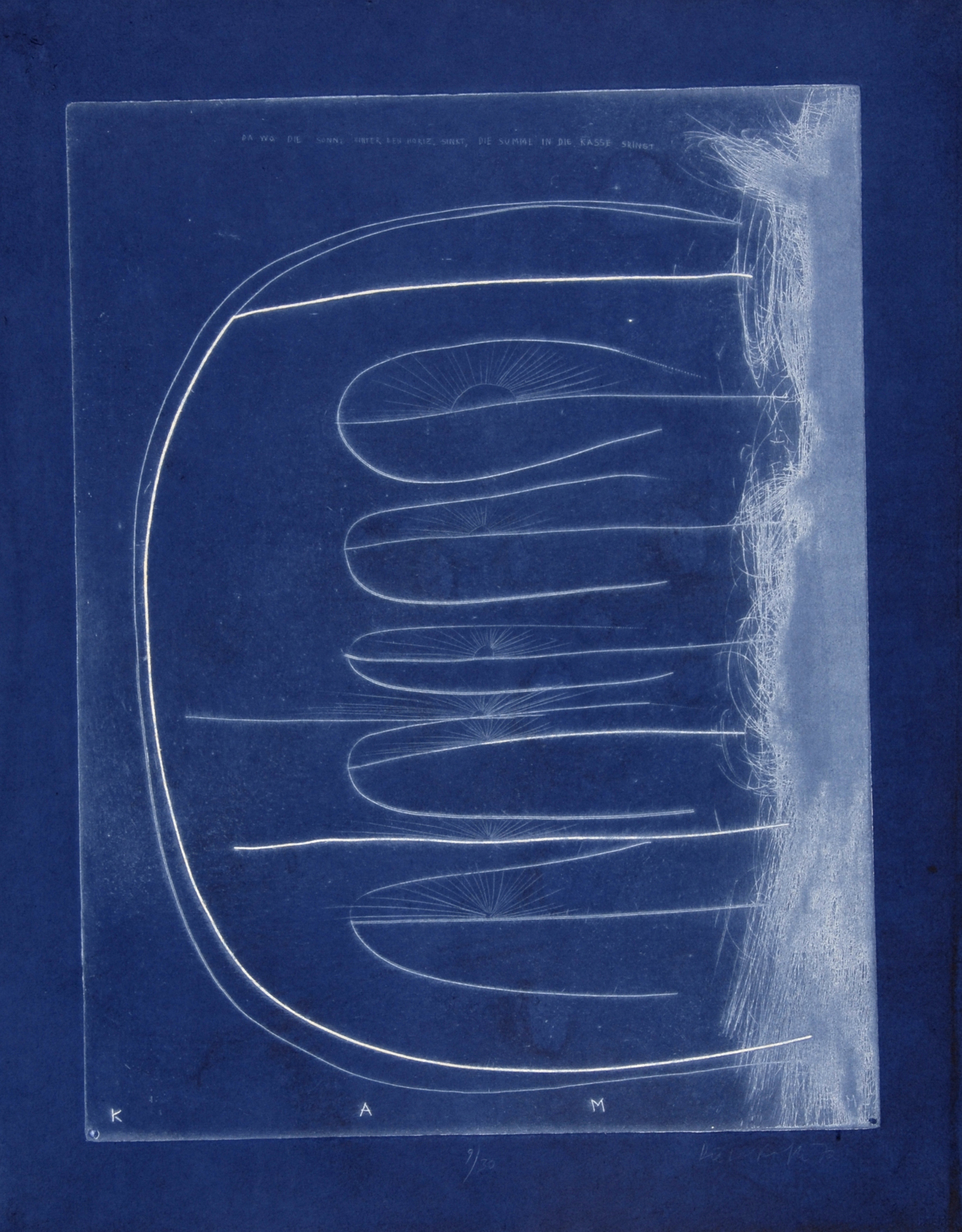
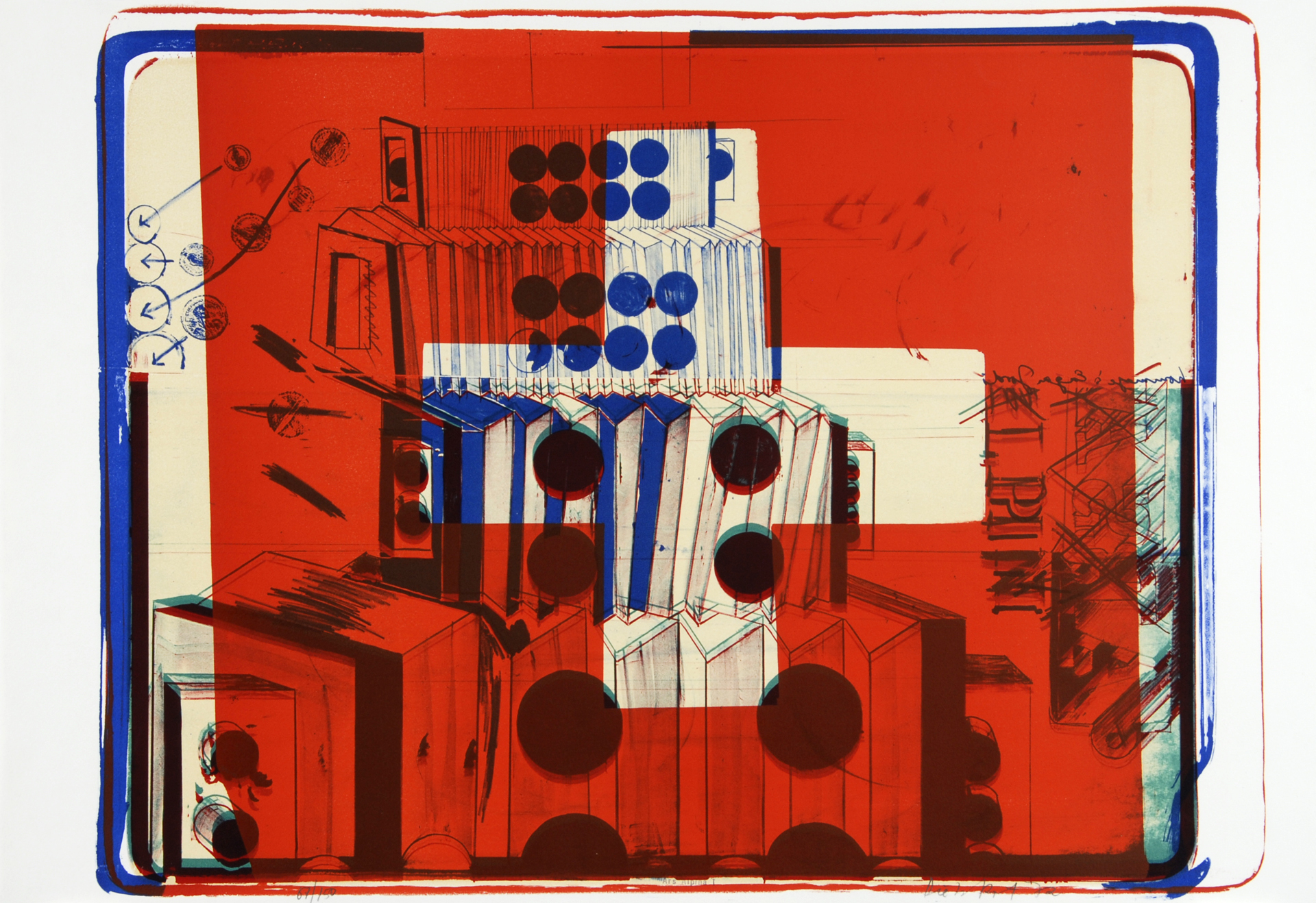
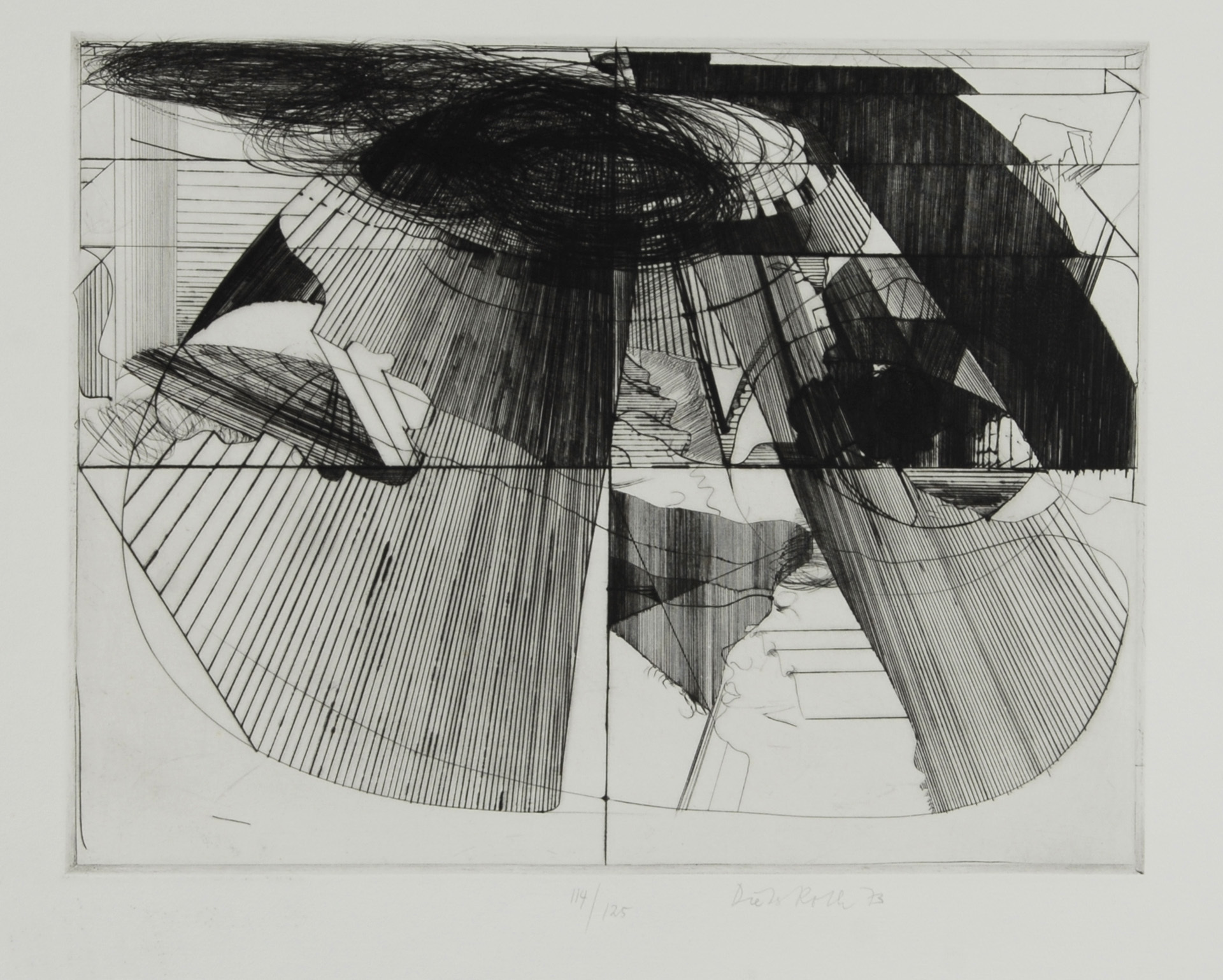
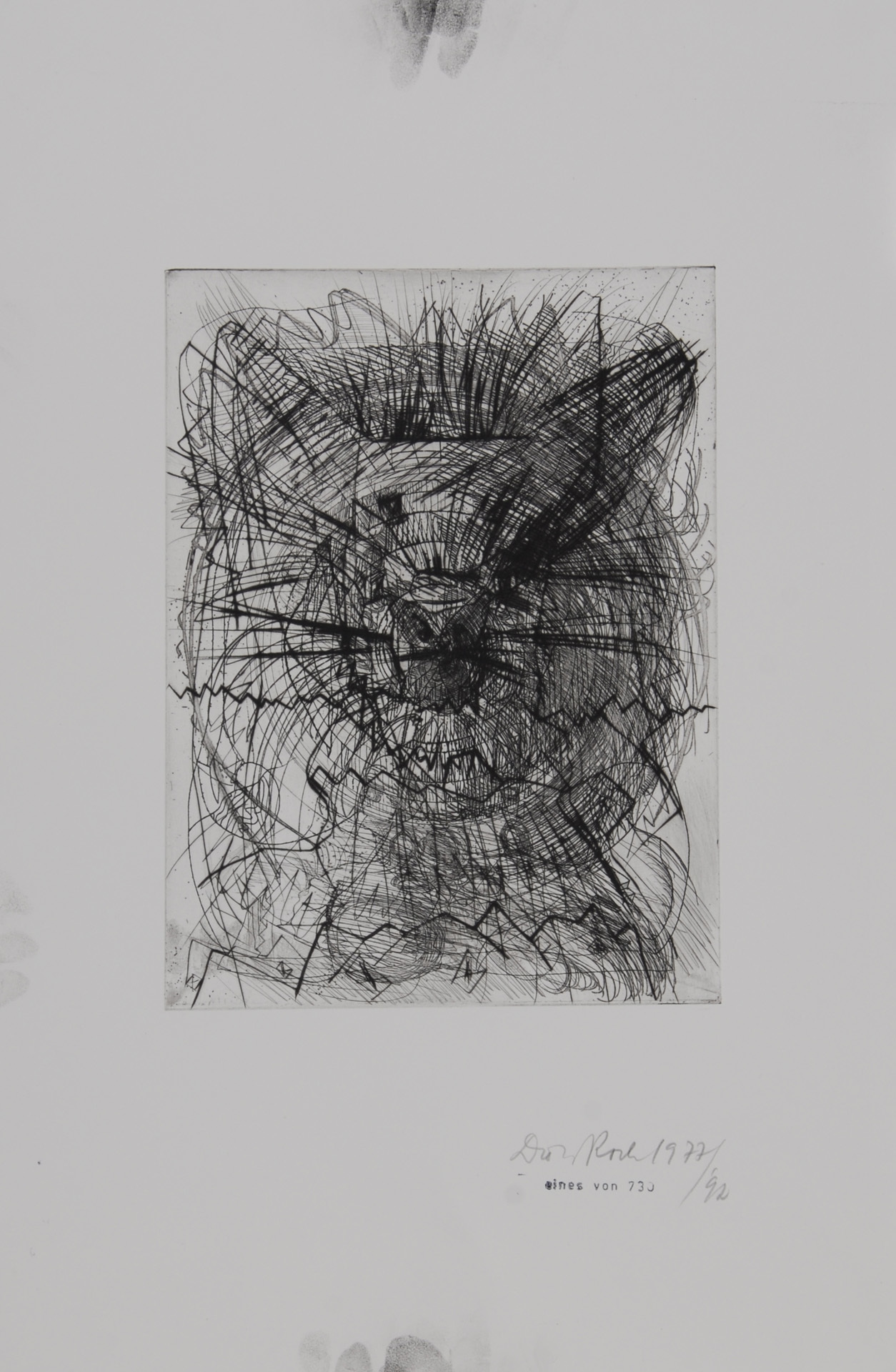
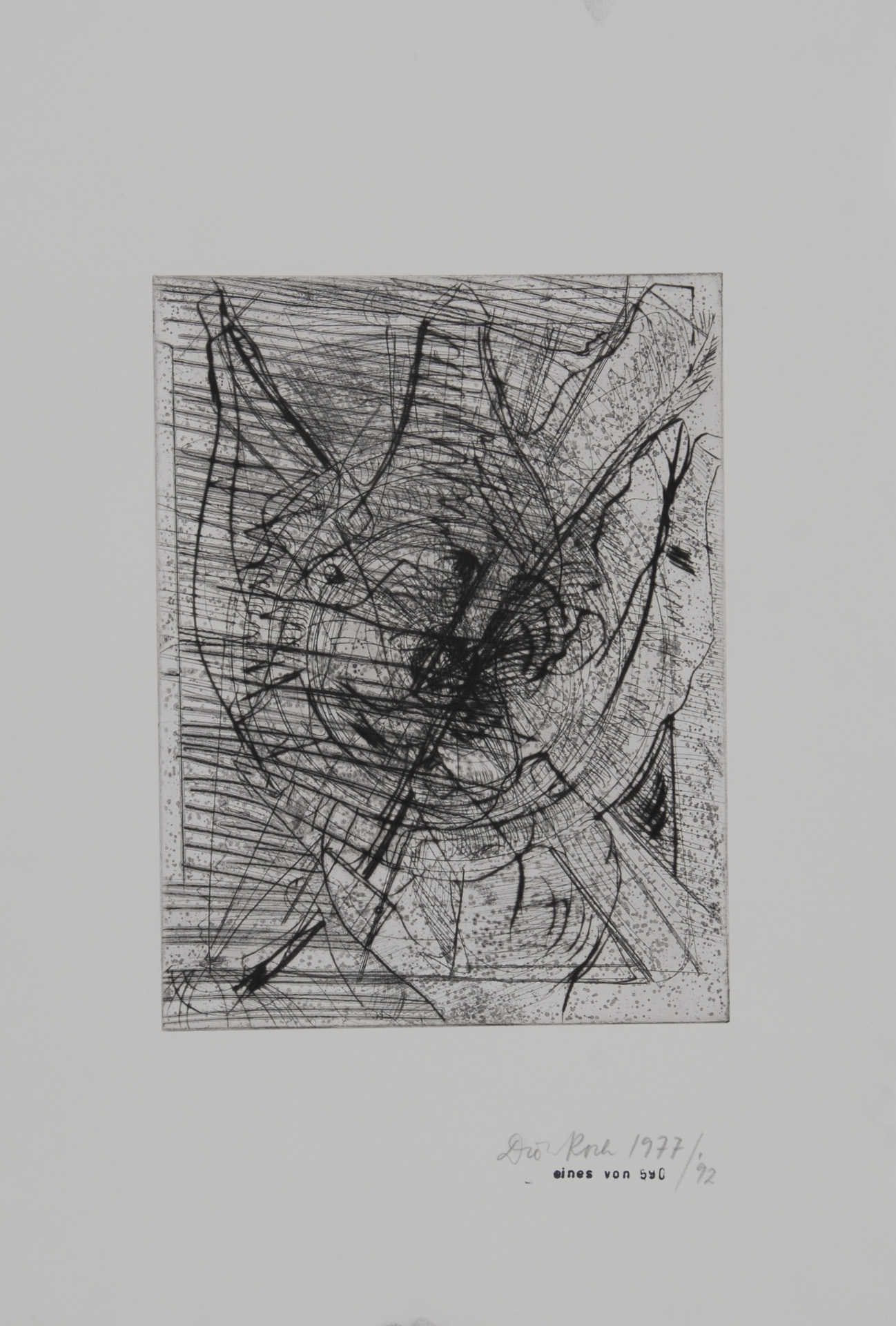
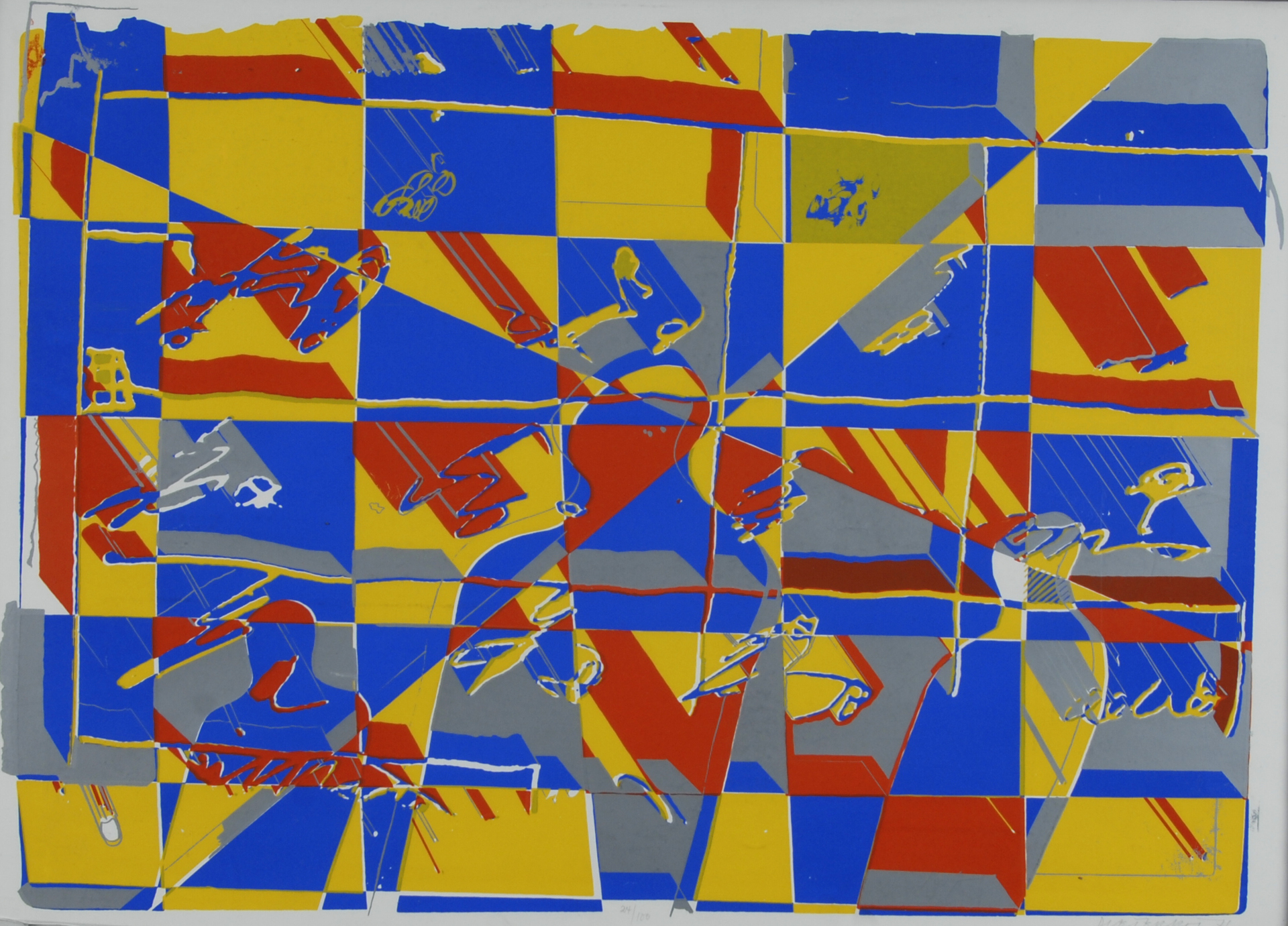
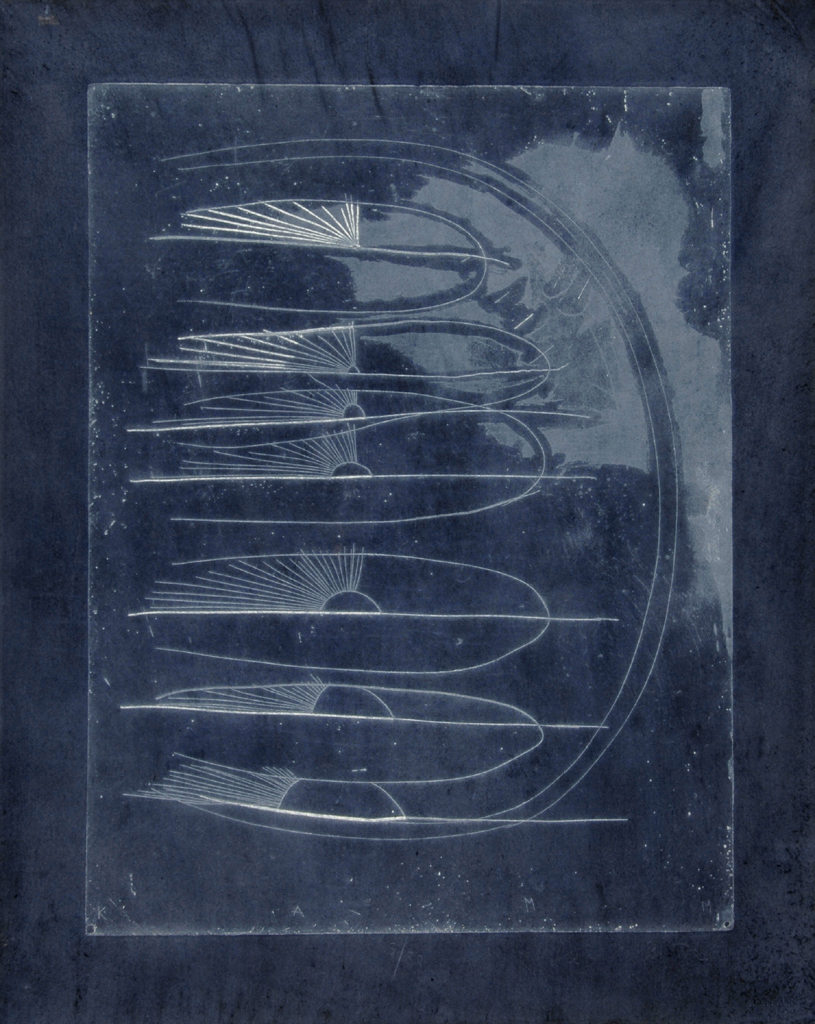
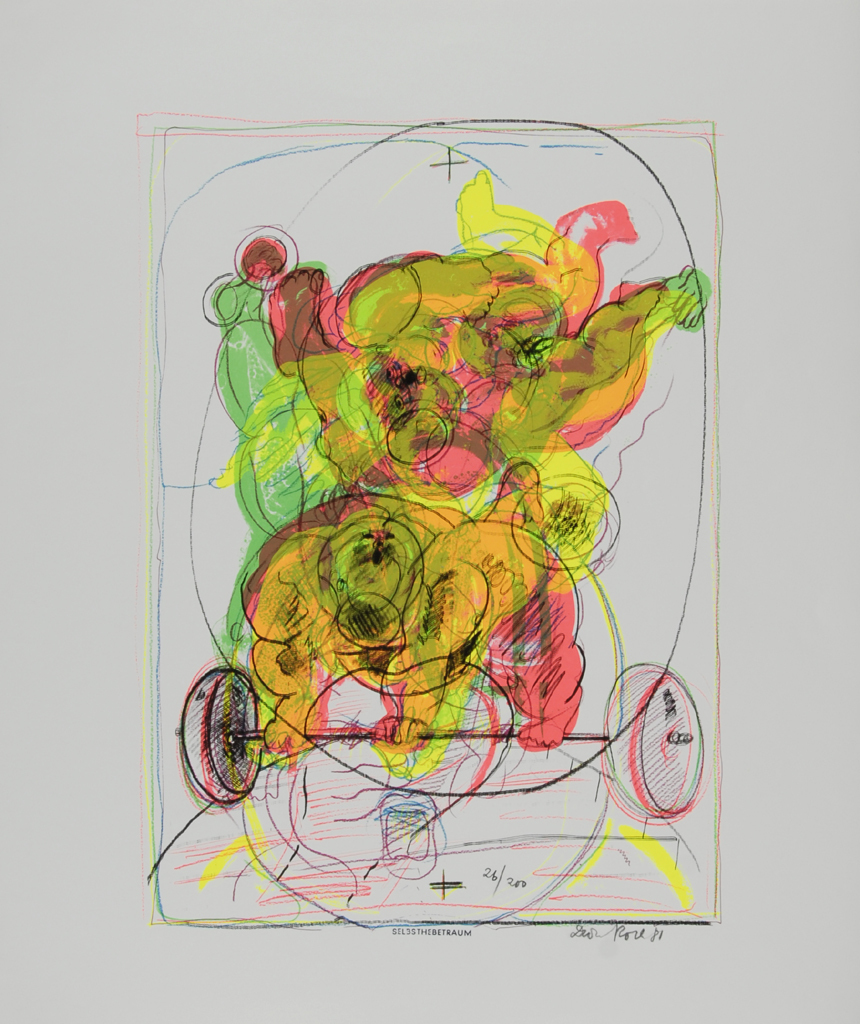
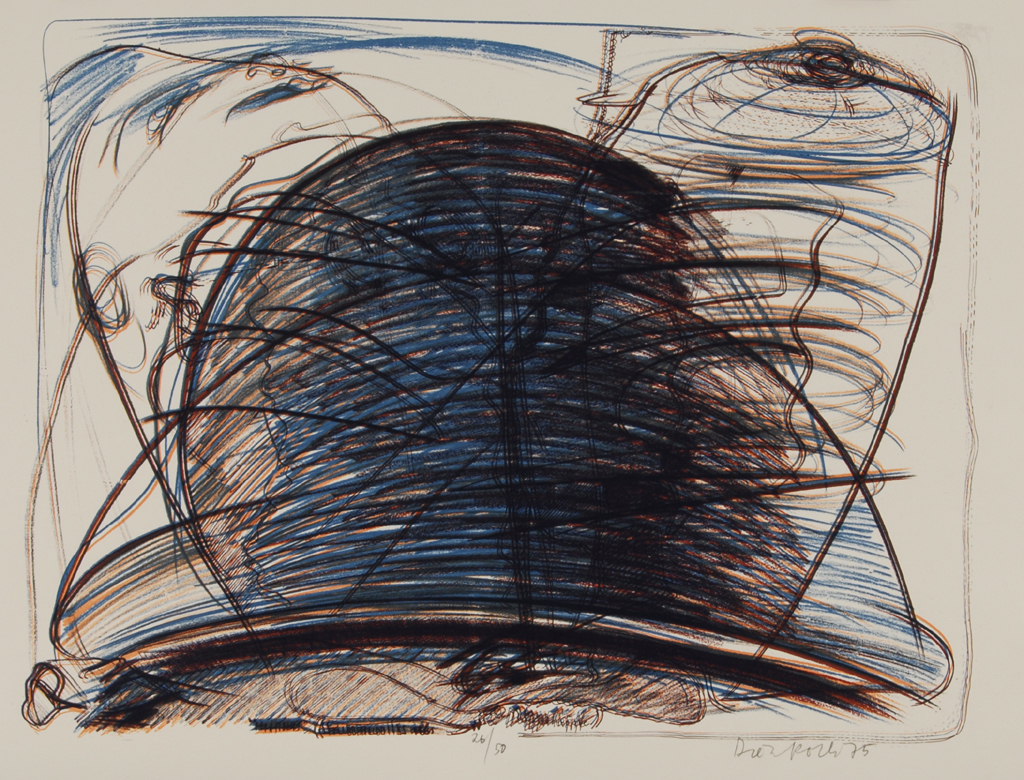
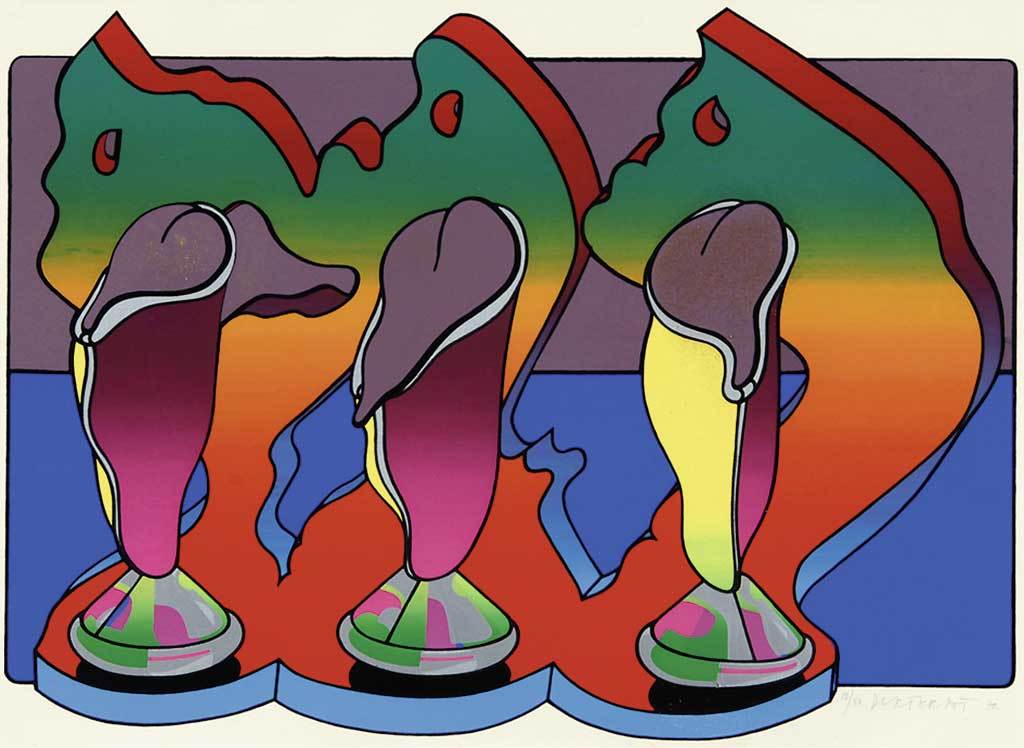
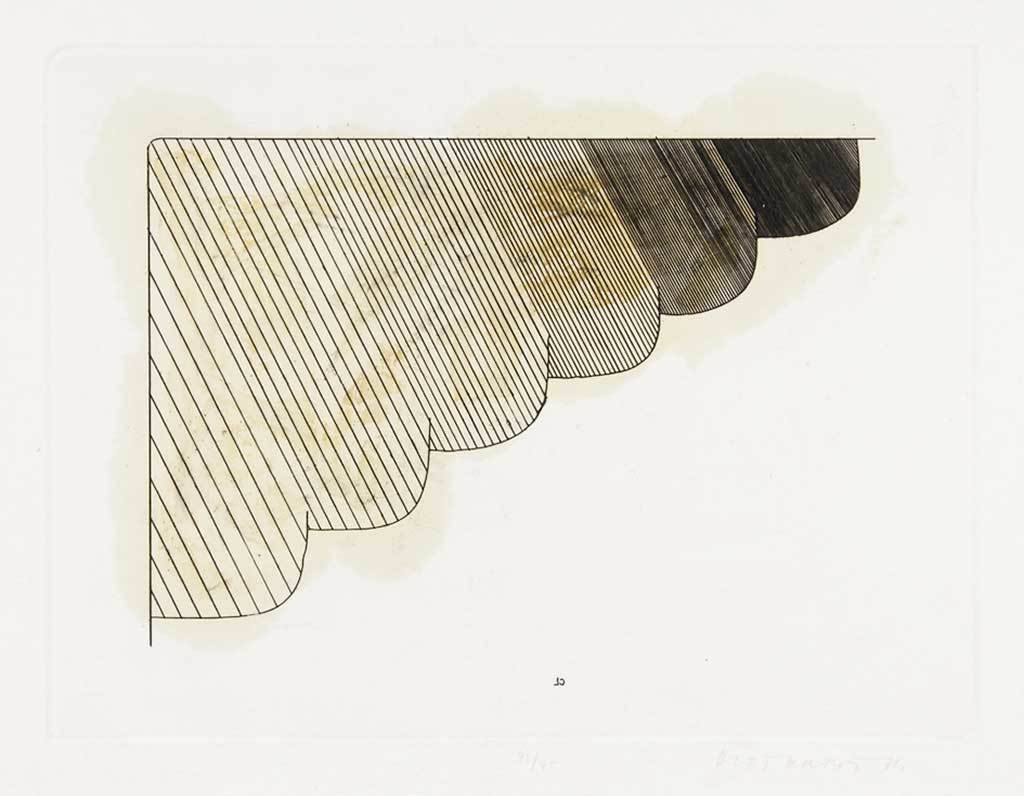
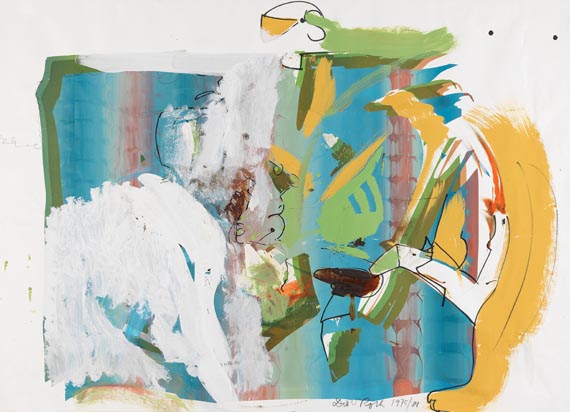
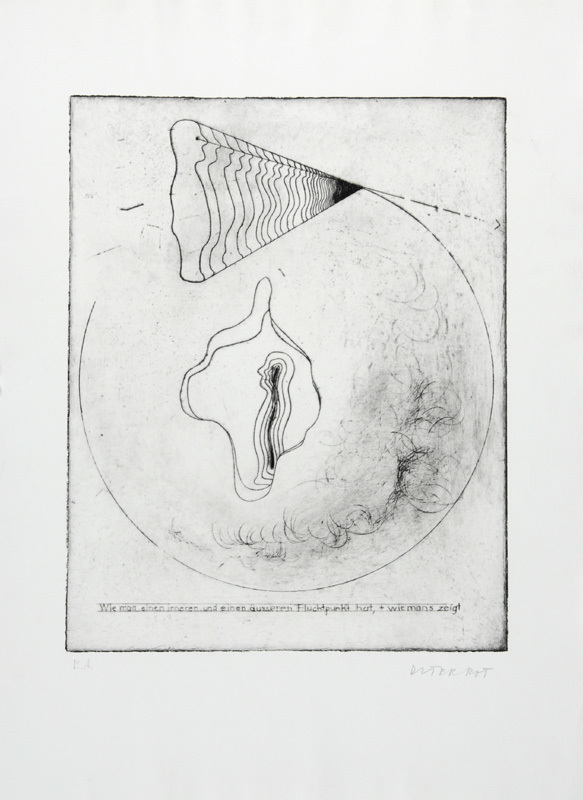
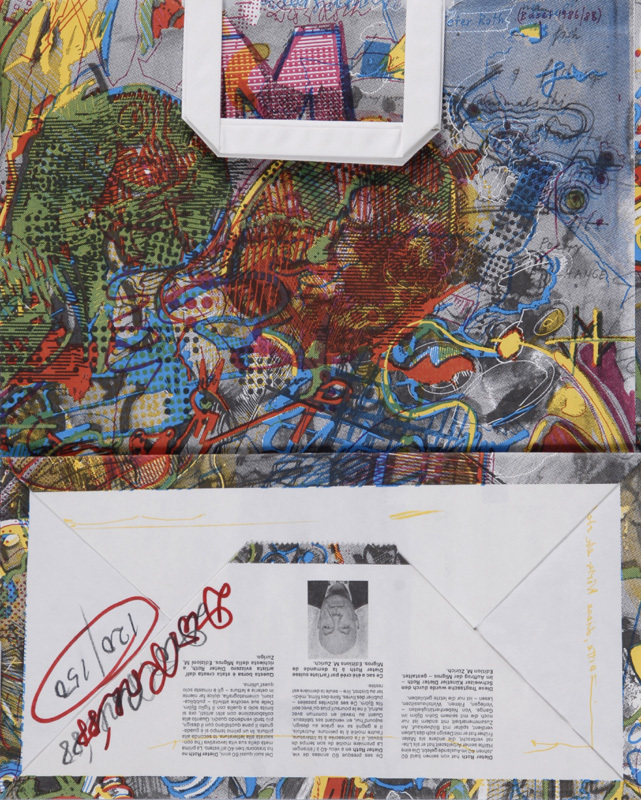
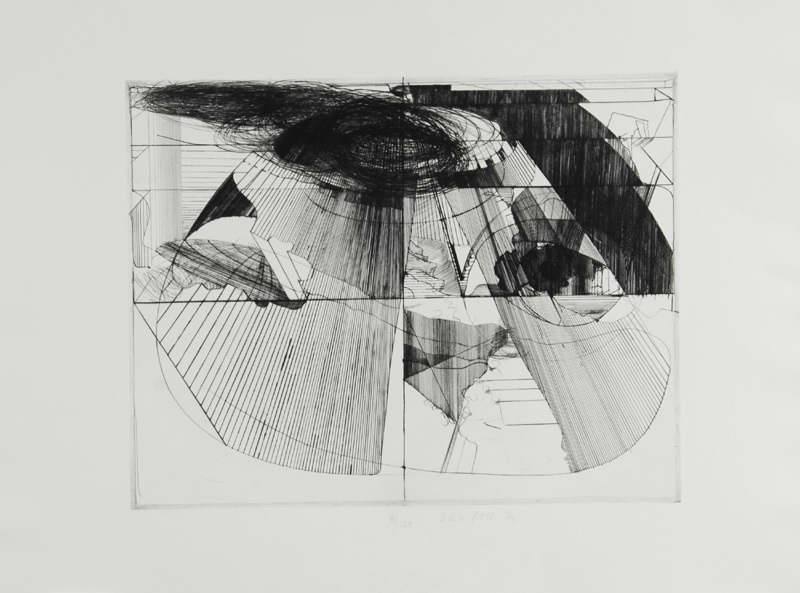
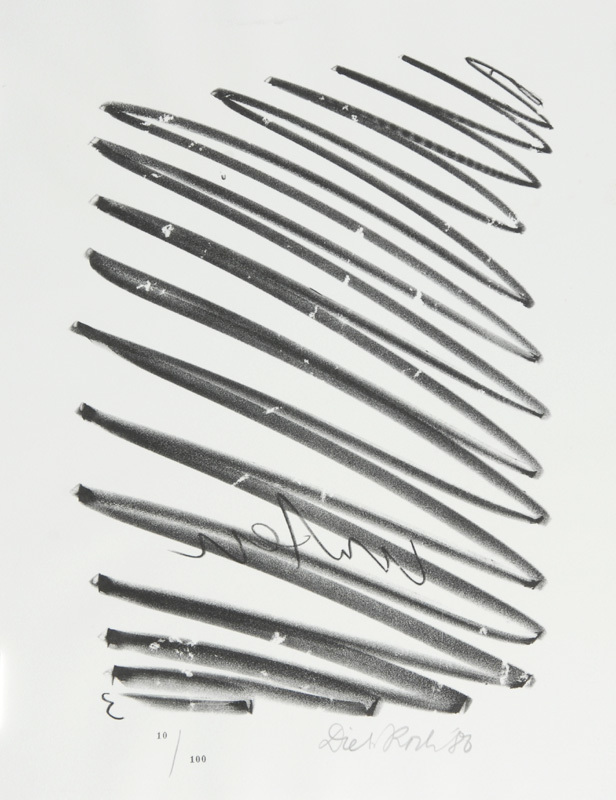
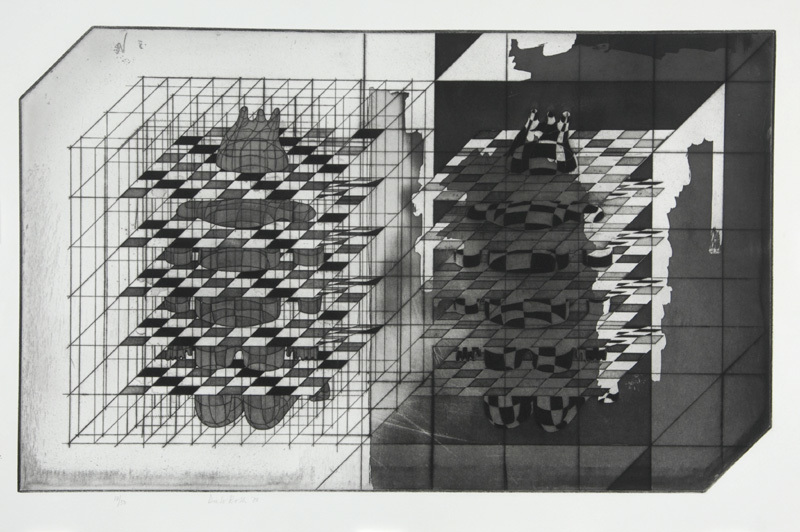
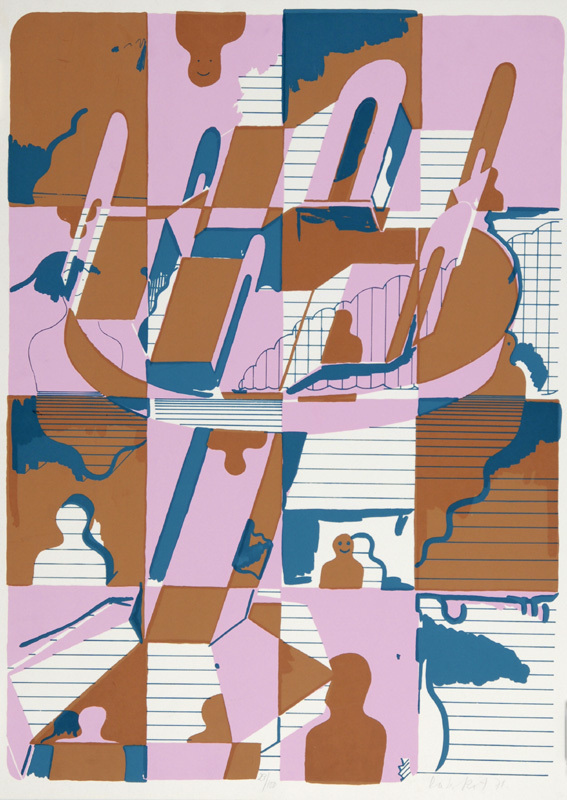
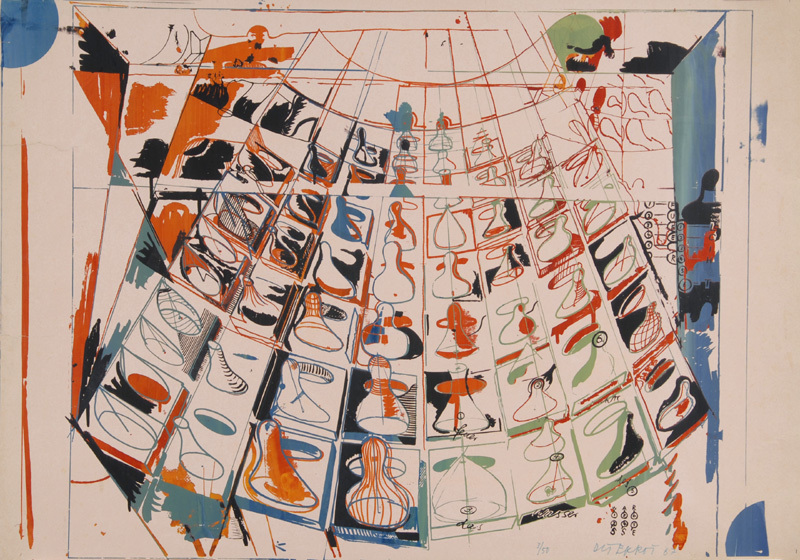
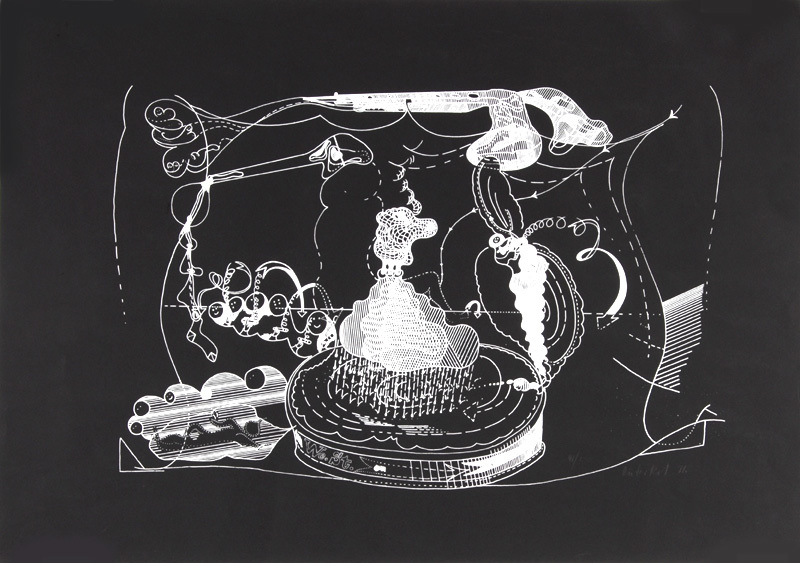
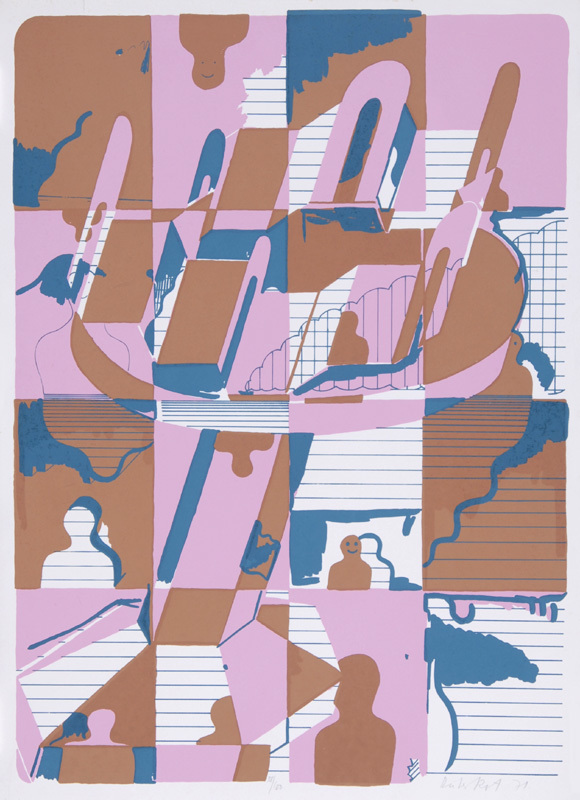
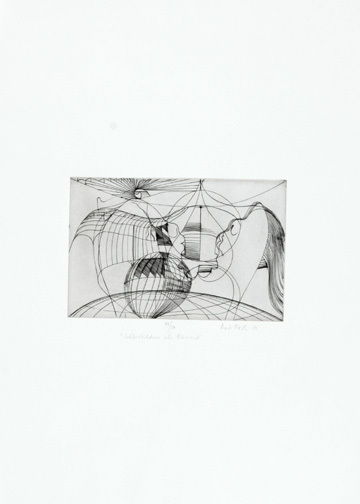
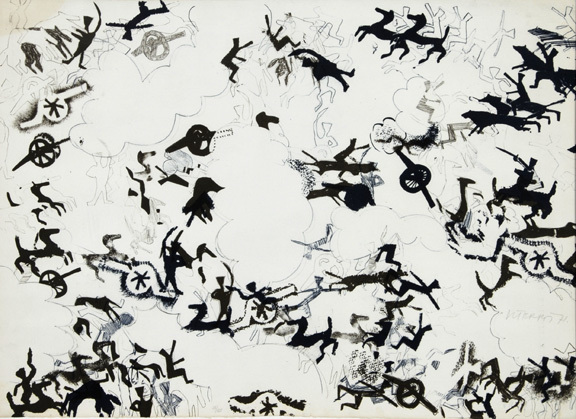
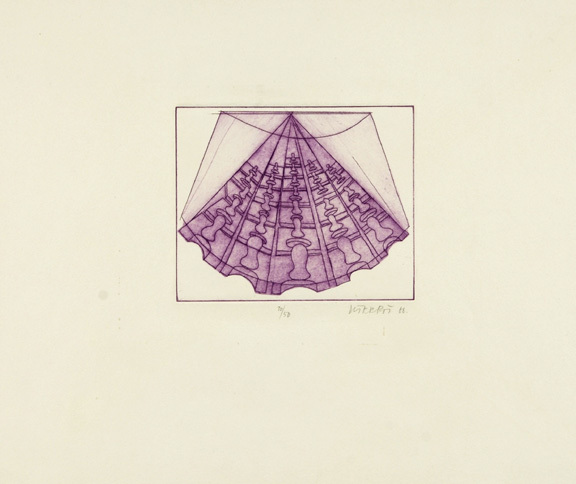
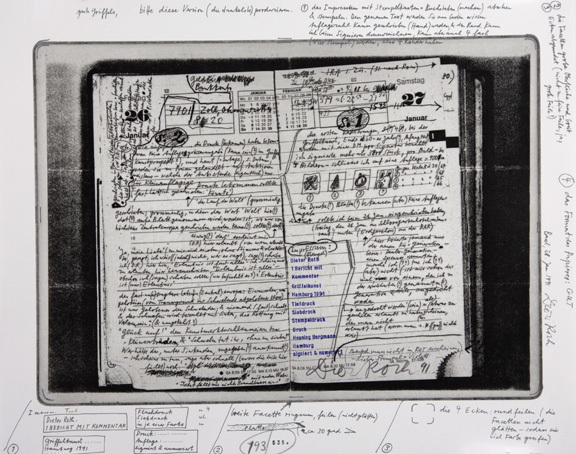
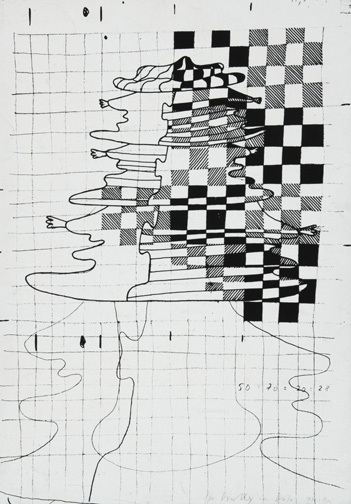
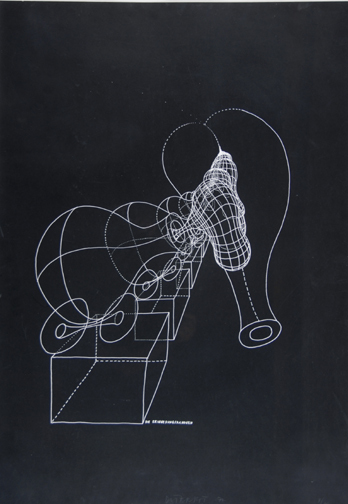
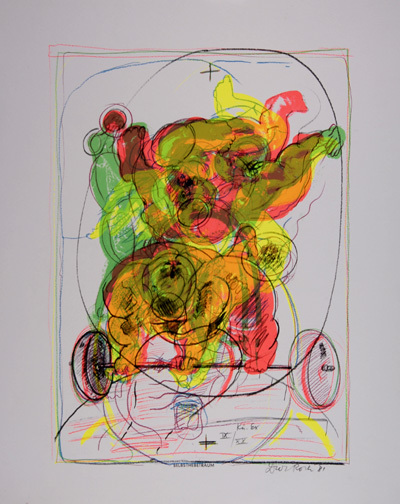
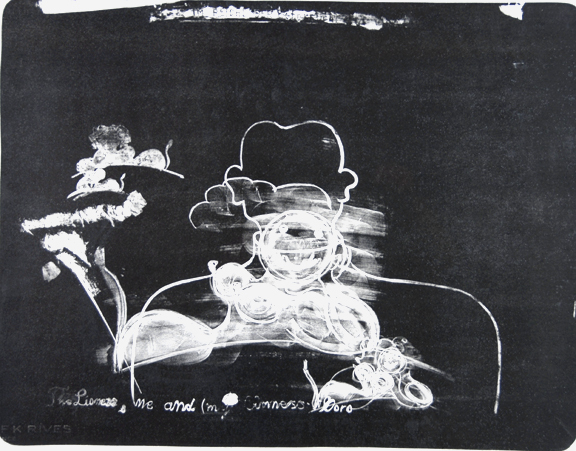
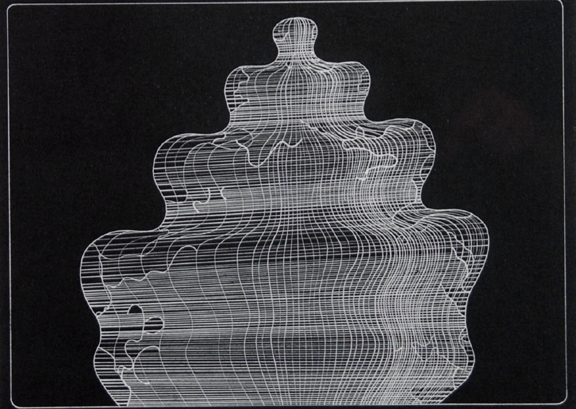
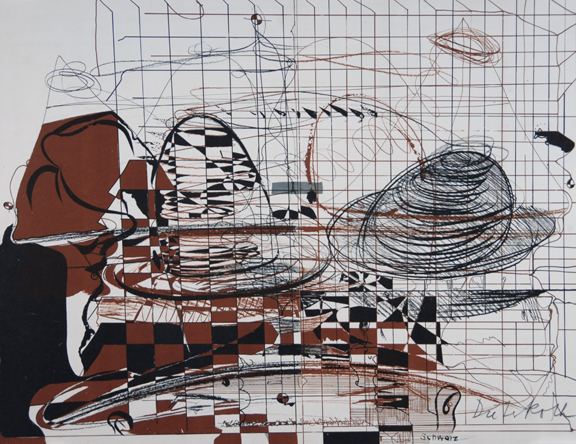
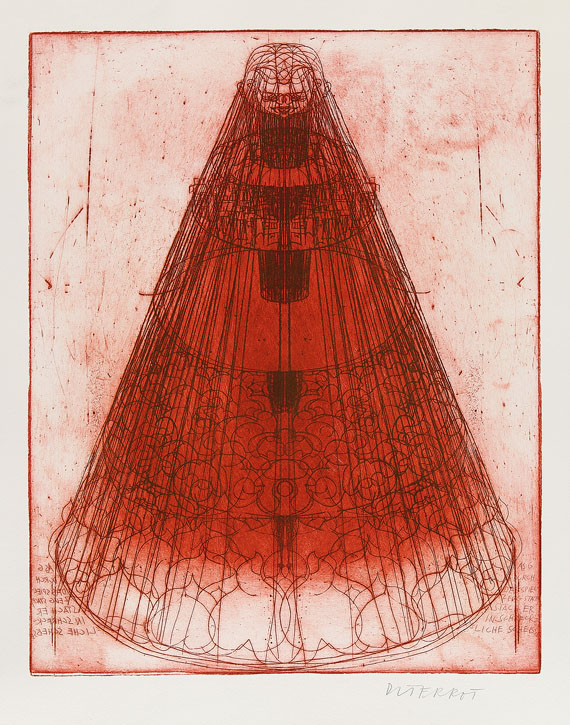
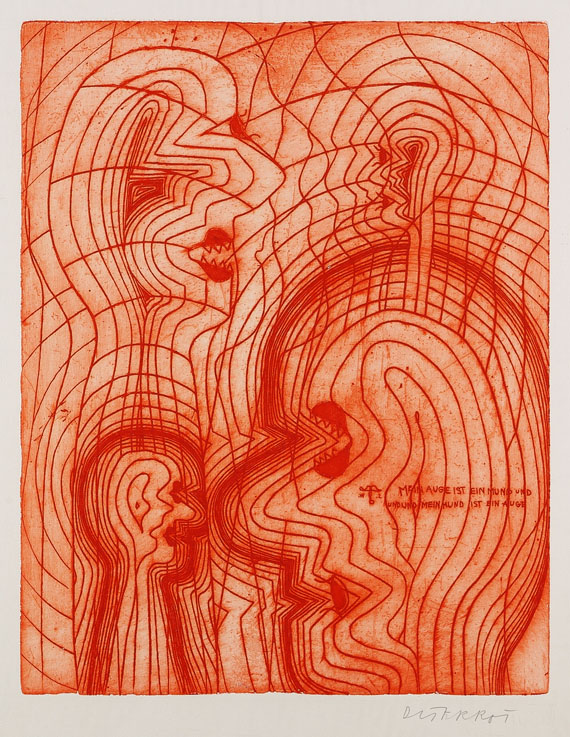
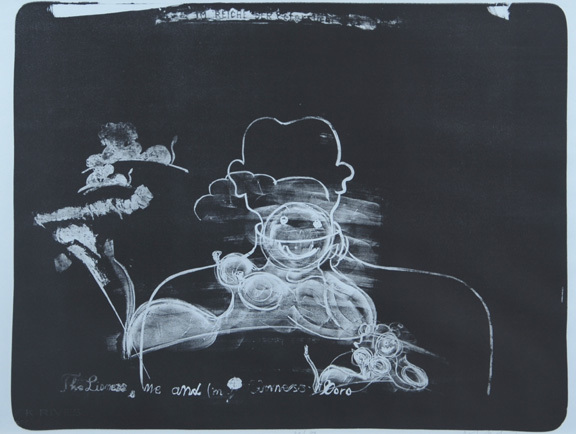
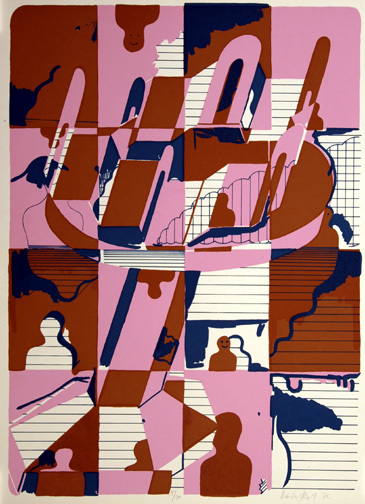
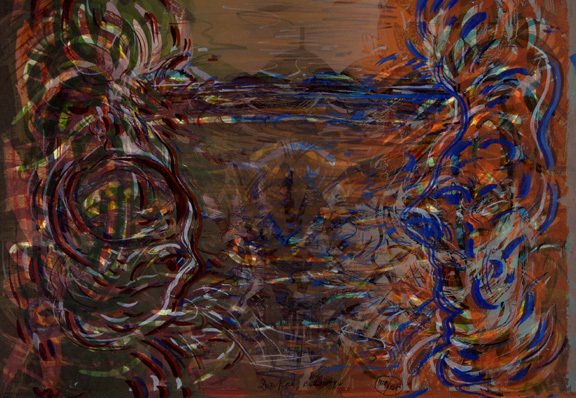
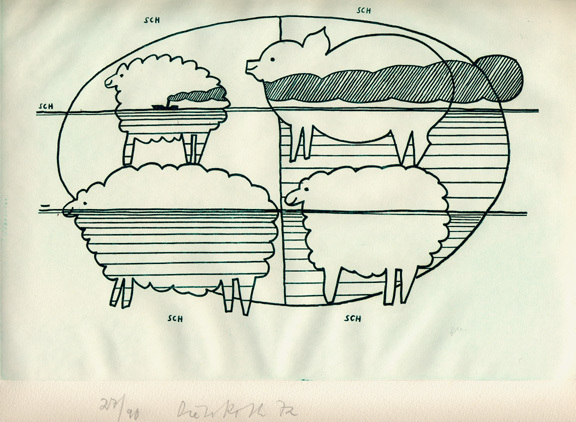
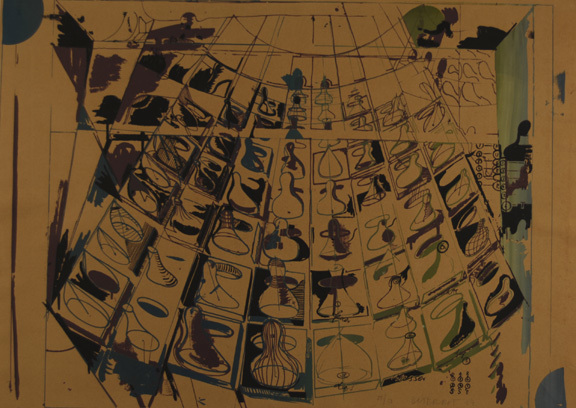
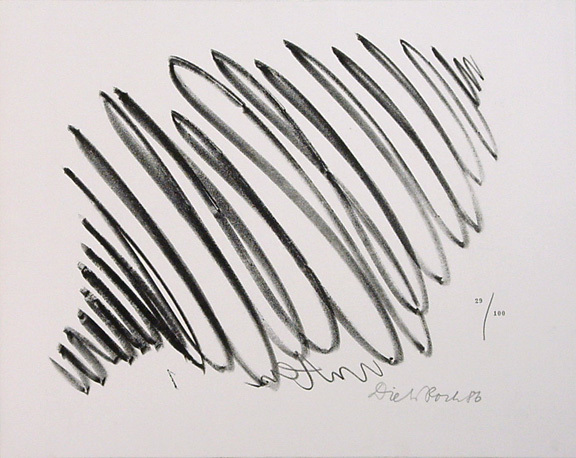
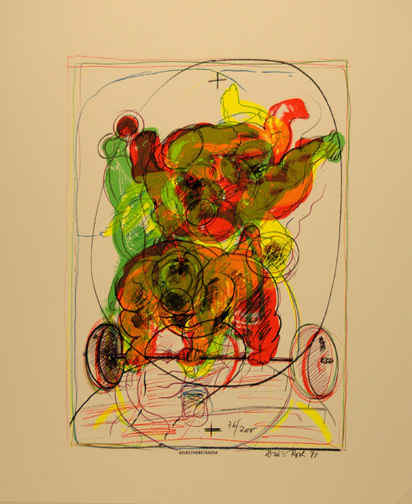
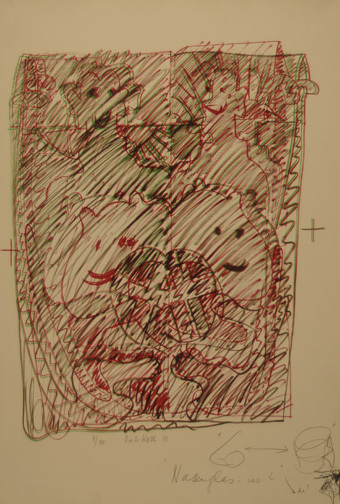
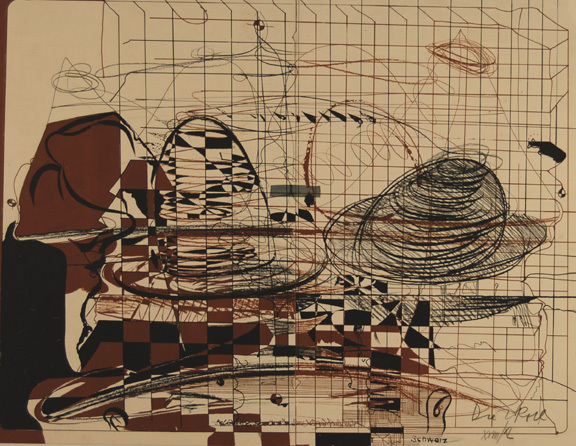
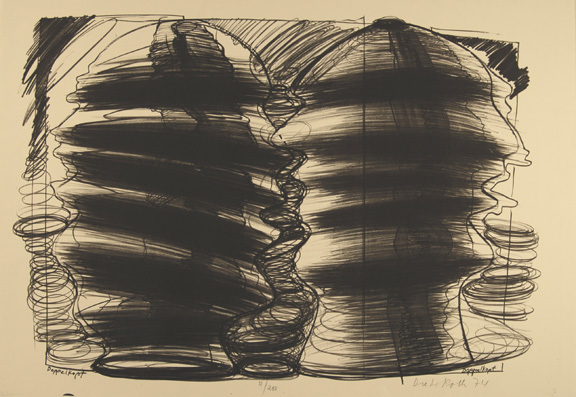
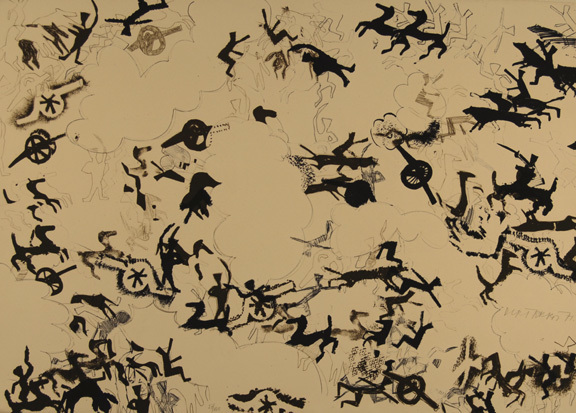
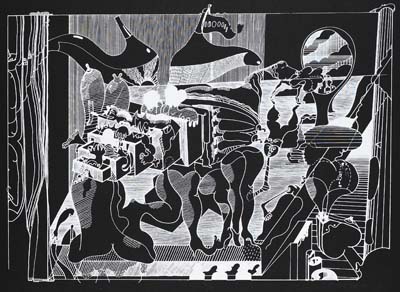
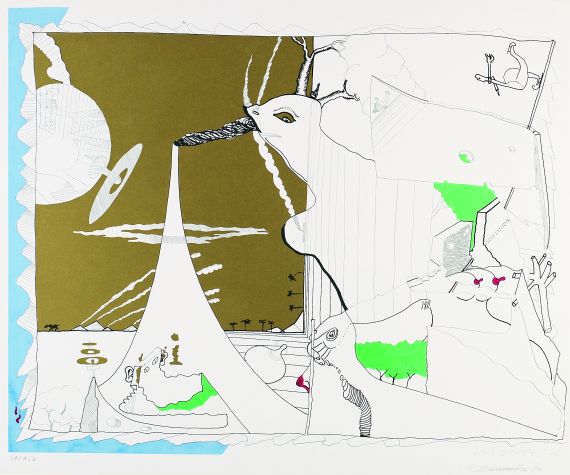
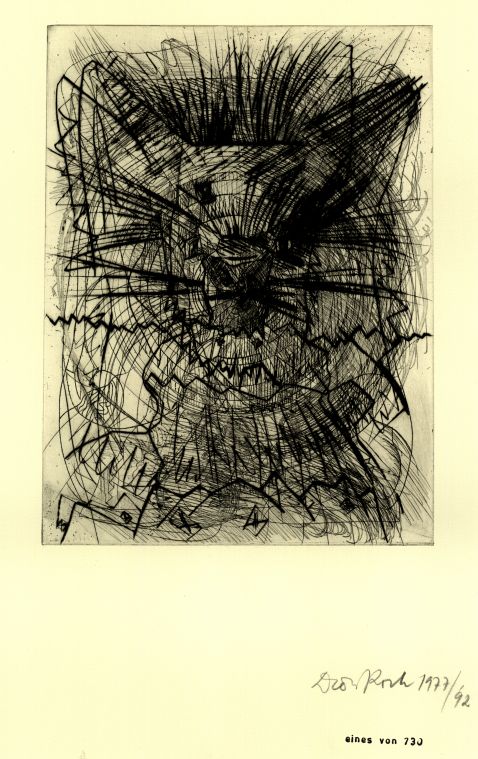
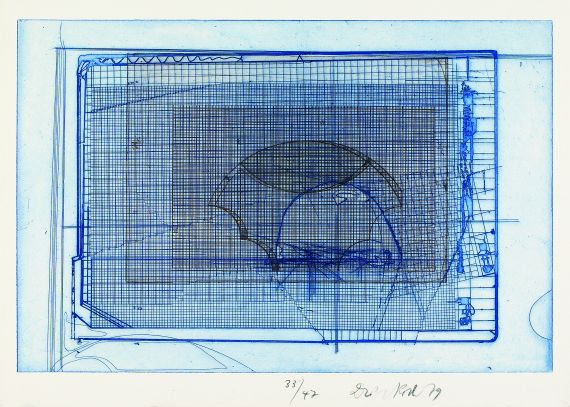
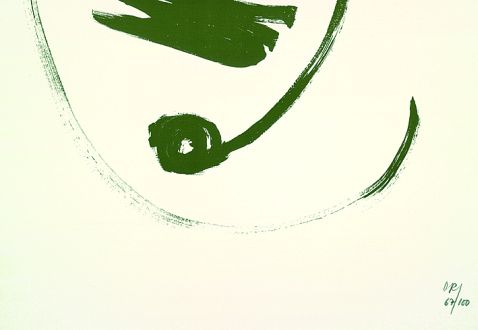
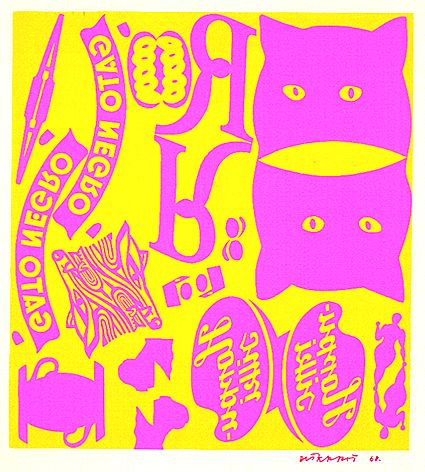
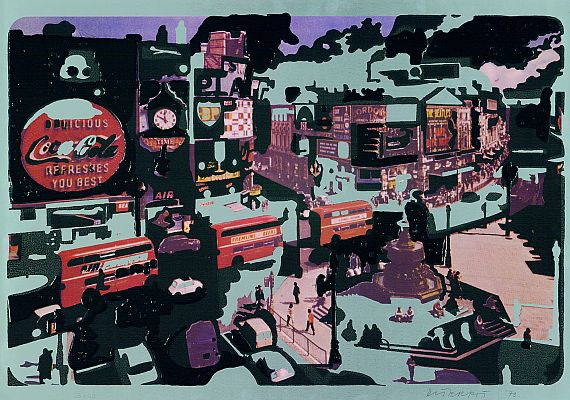
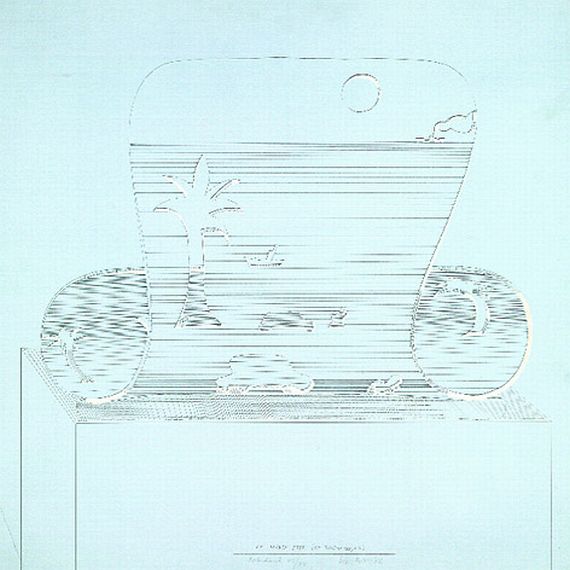
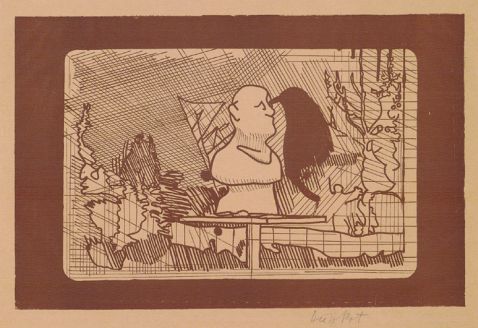
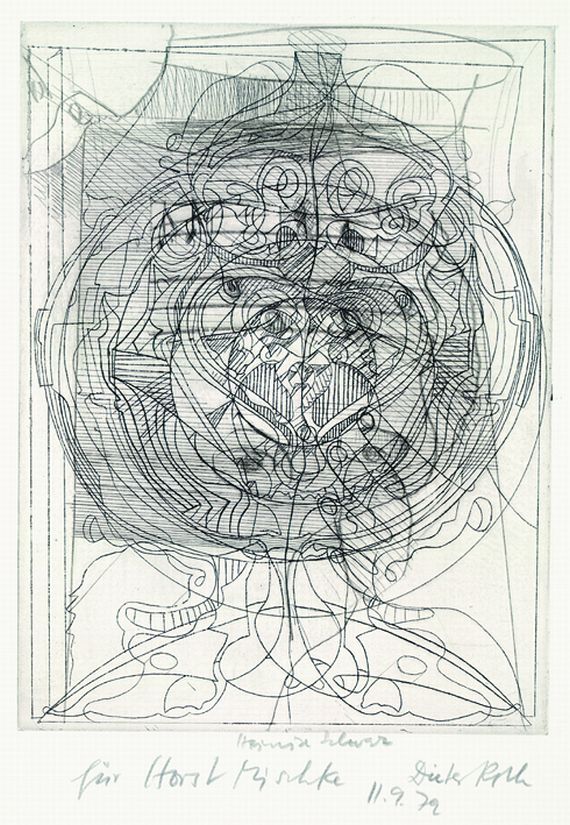
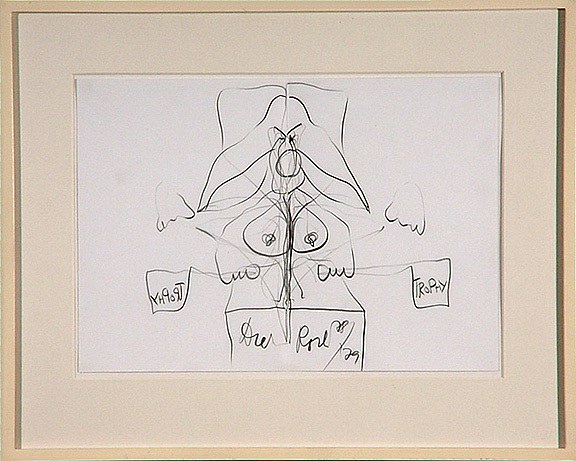
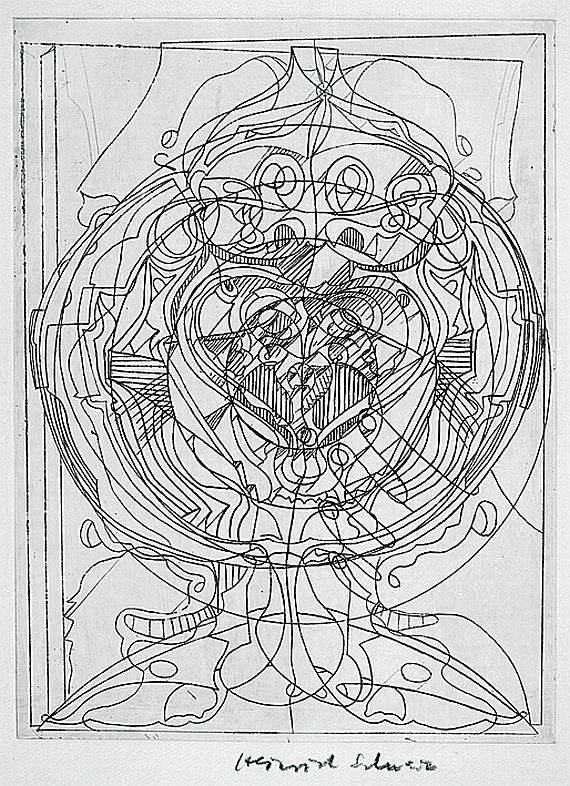
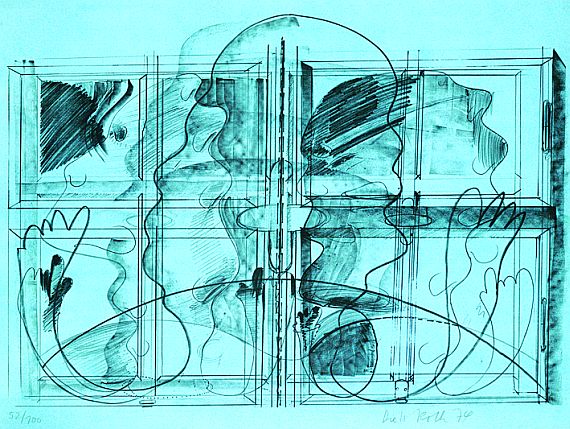
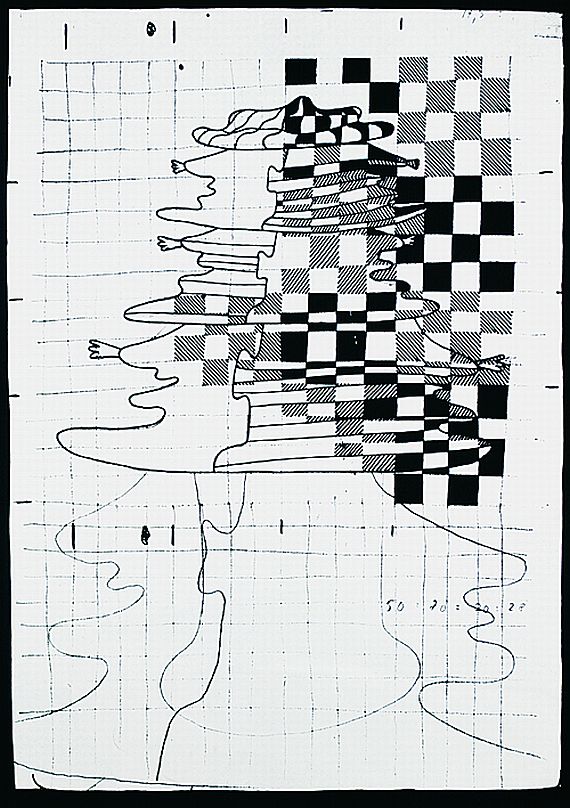
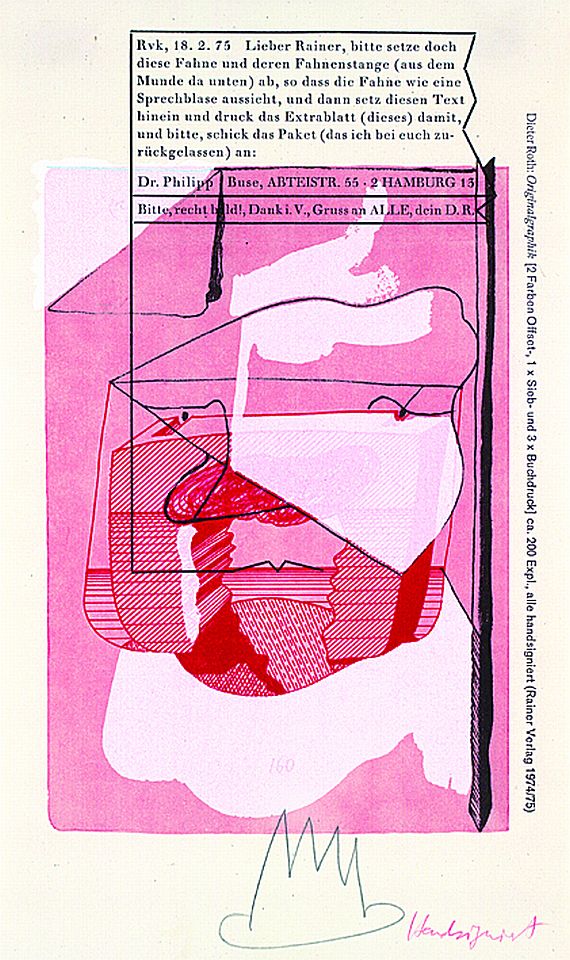
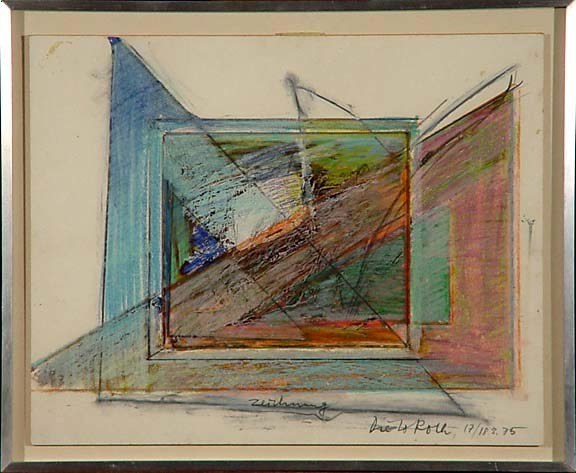
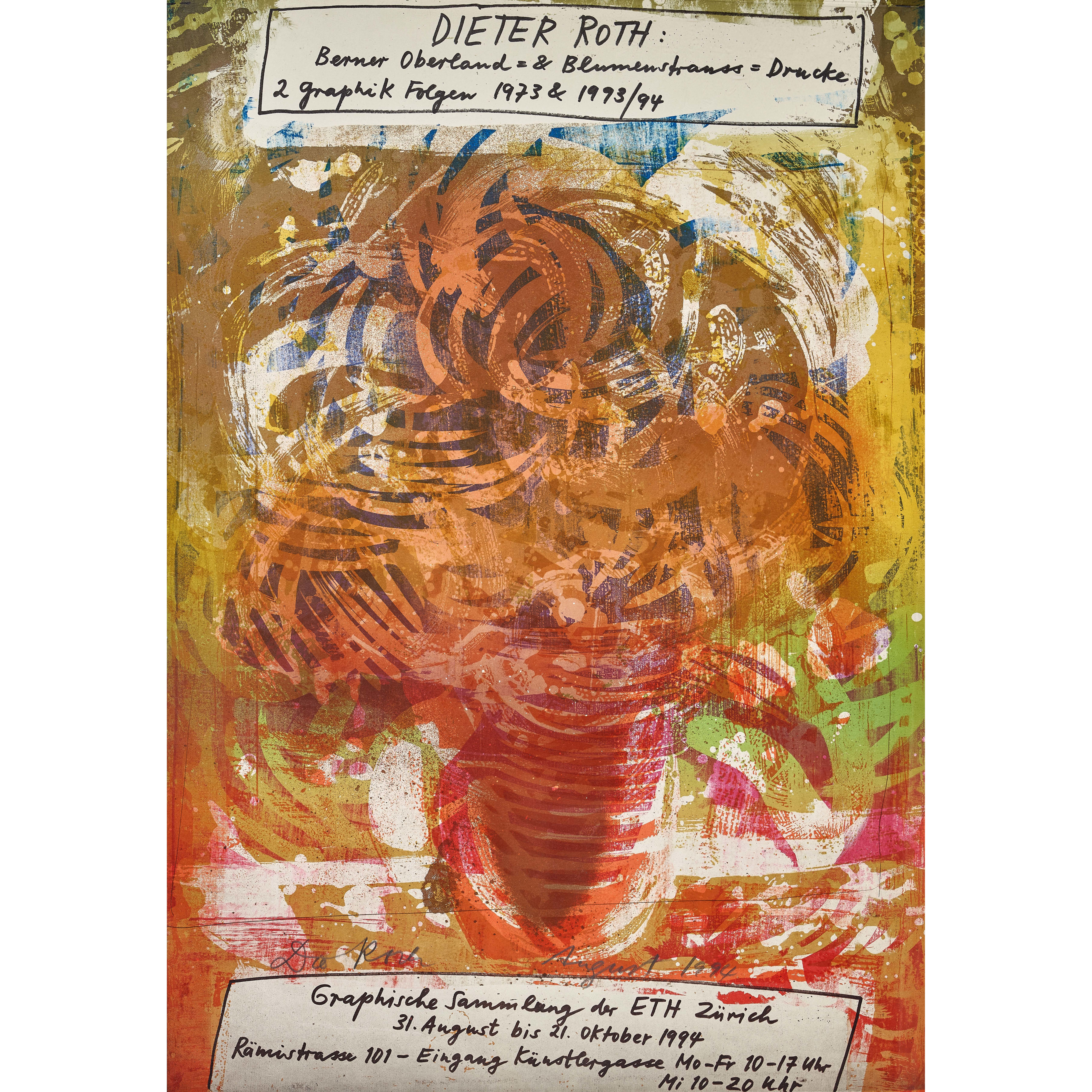
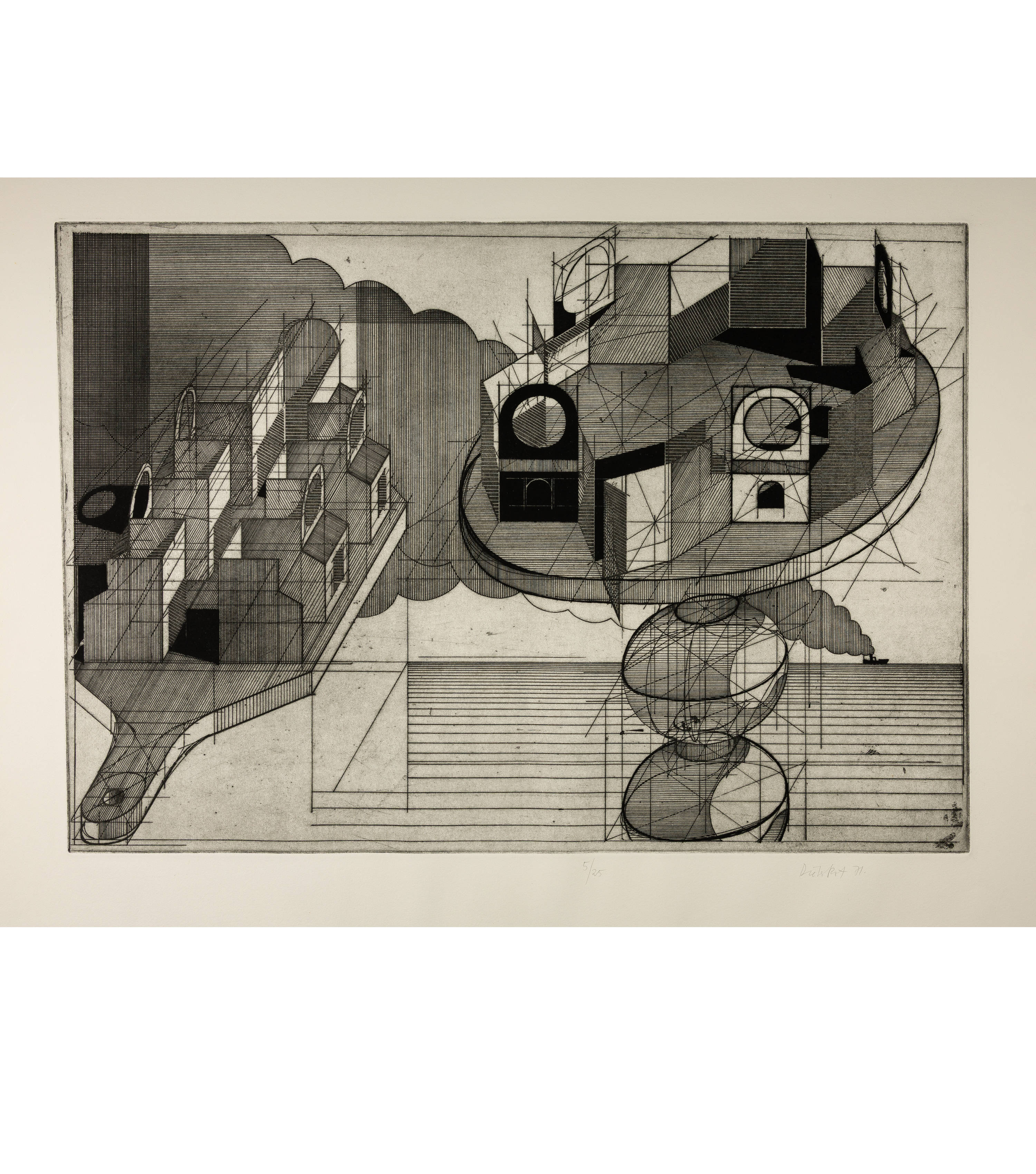
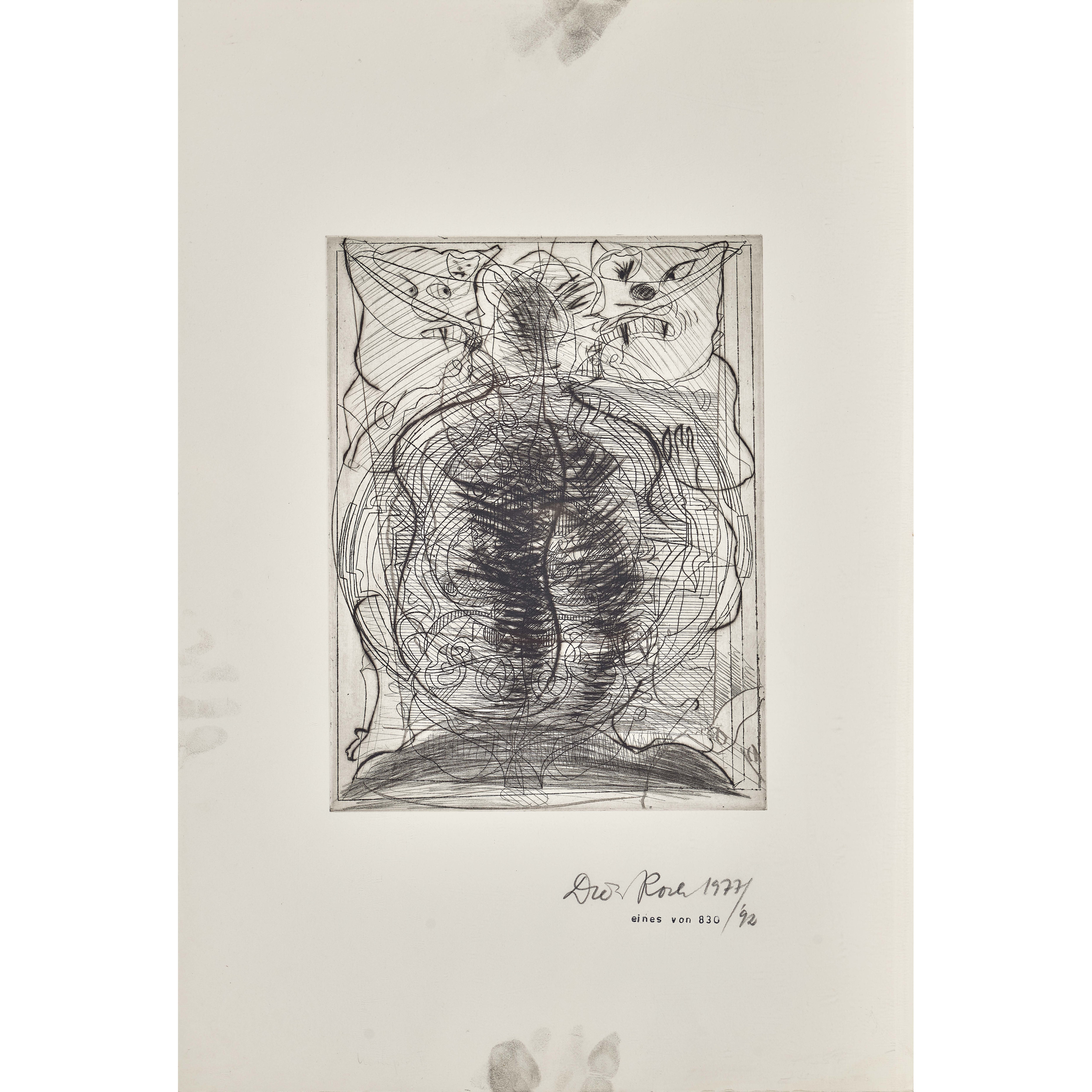
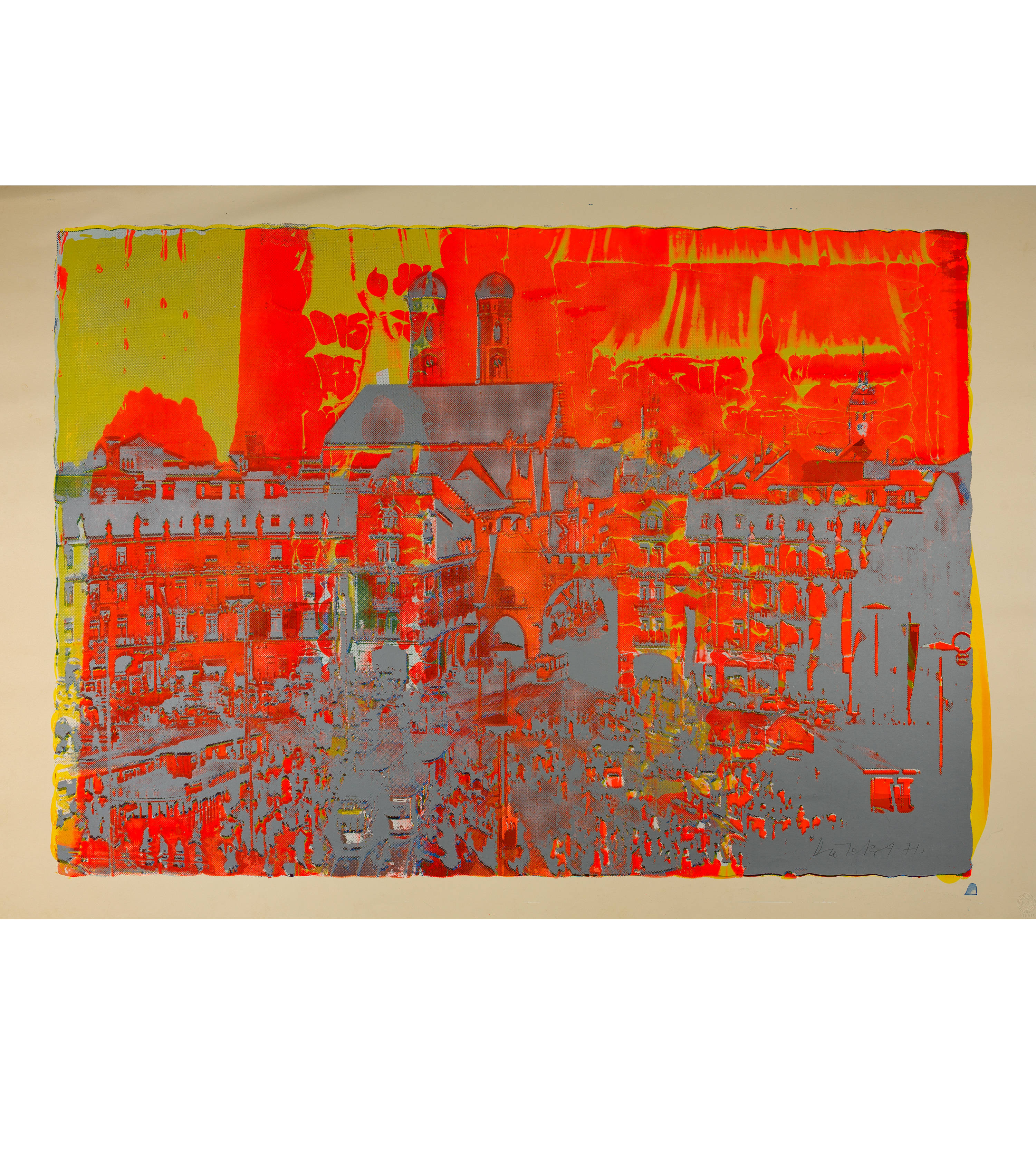
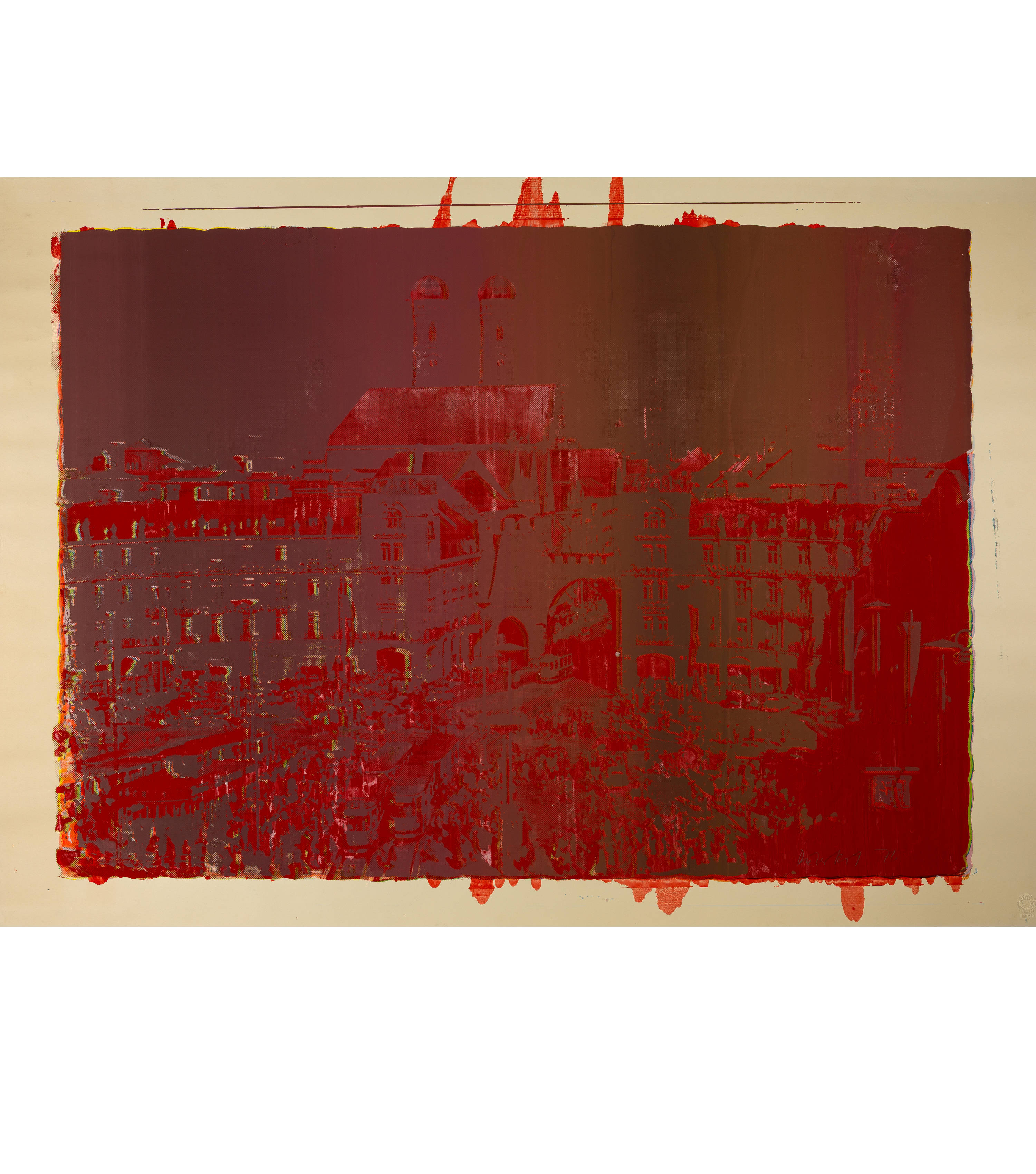
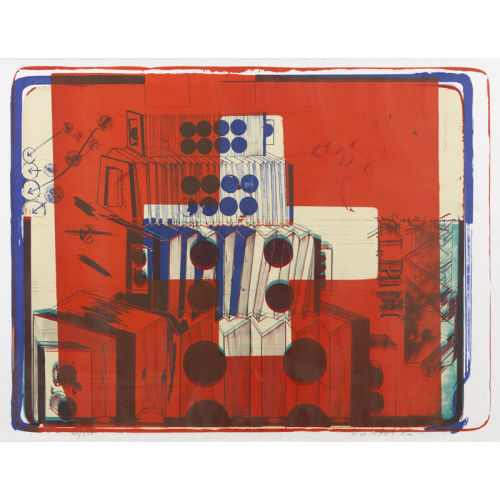
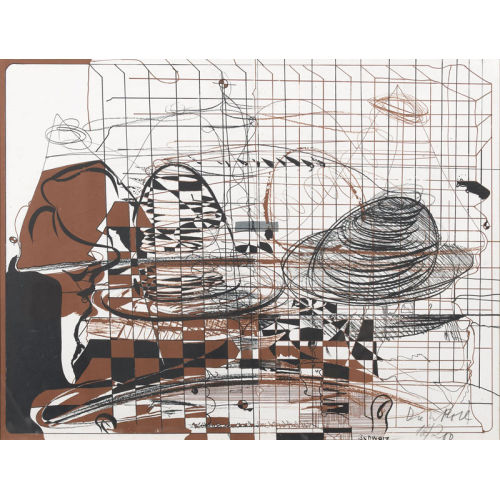
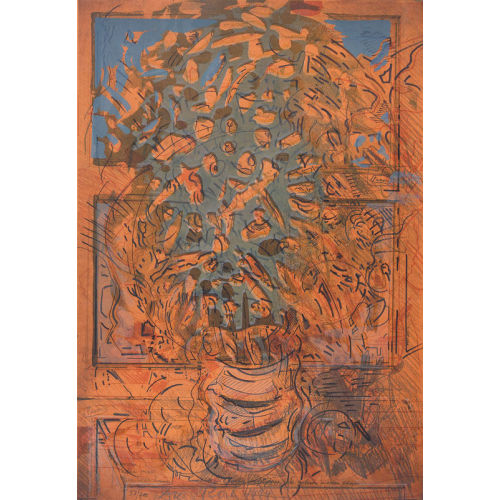
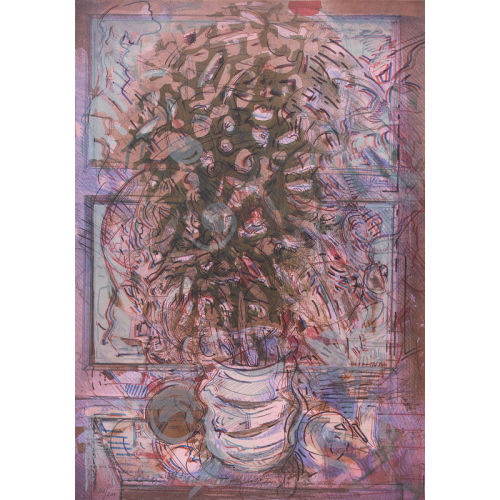
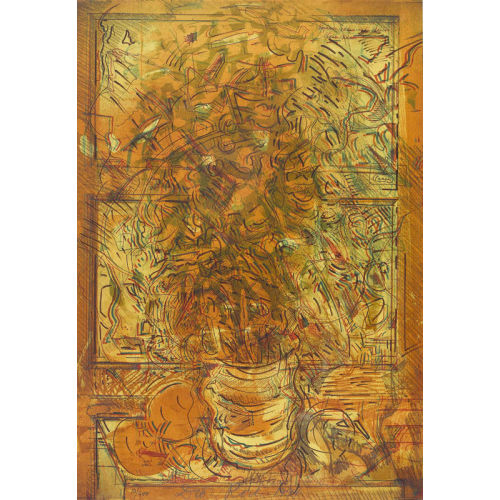
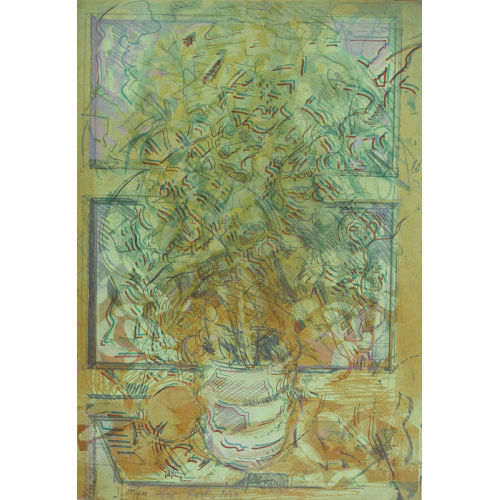
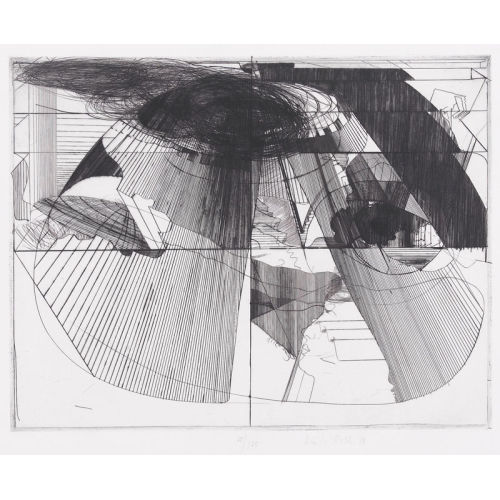
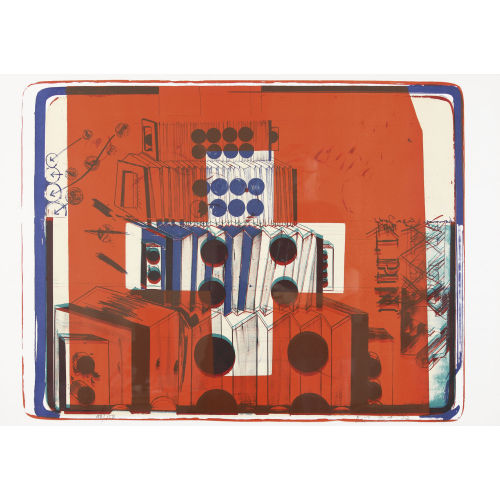
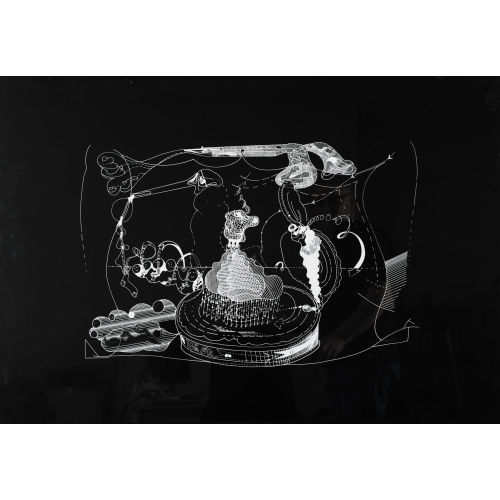
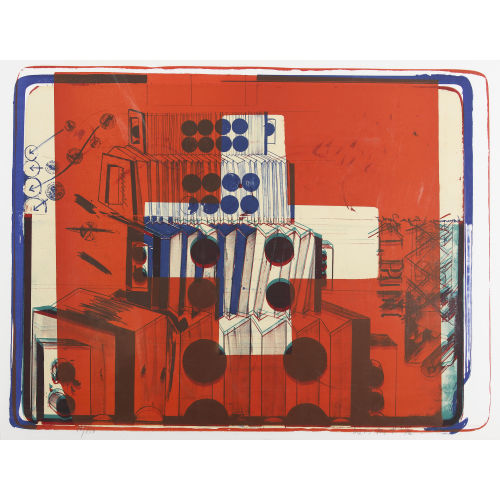
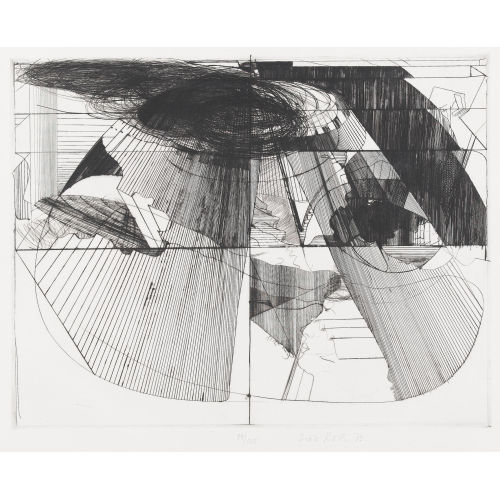
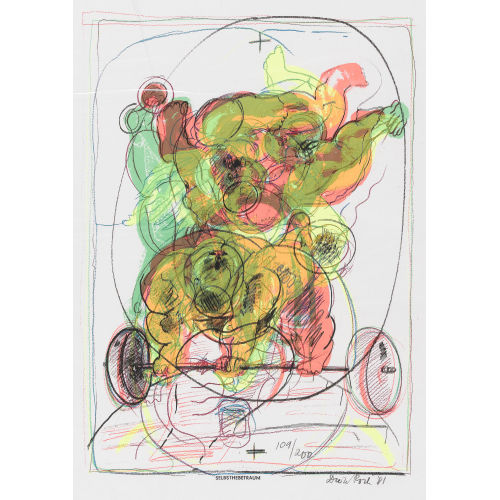
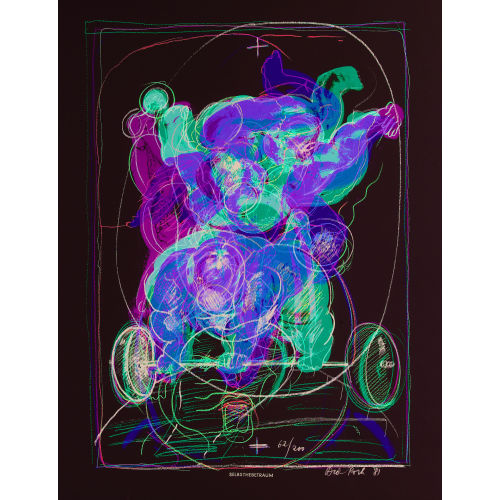
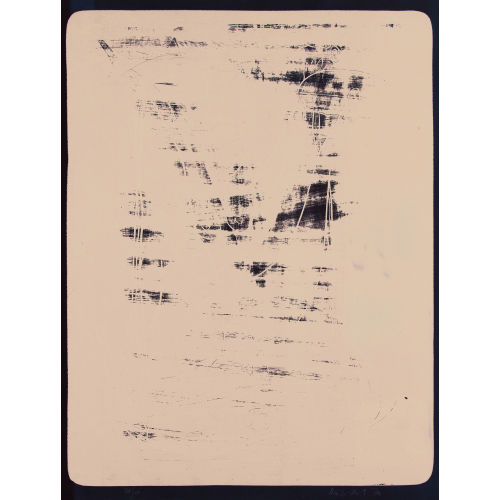
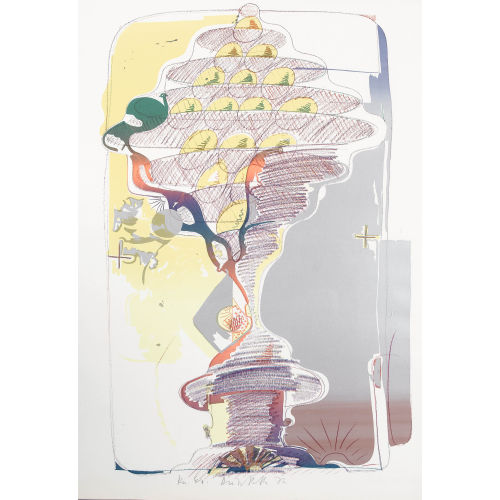
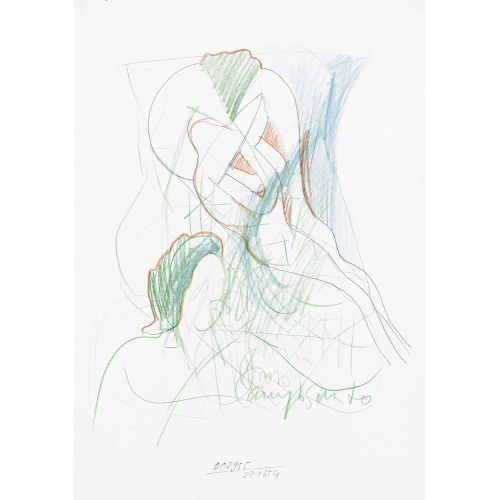
Printmaking reveals another aspect of this experimentation. The groups Gleichgewicht, Sicherheit, Aktion and Gegenseitigkeit, from 1978, multiply gestures, revisions and colour overlays. A form seems to emerge, then becomes blurred in the working of the surface.
The museum Roth established in Hamburg brings together works he selected himself, as well as collaborations. To enter his universe, one may look less at the isolated image than at the operations that produce it: adding, repeating, reworking, allowing things to act. Creation then appears as a process whose traces remain visible.