Born : 1865Died : 1953Documented citizenships : France
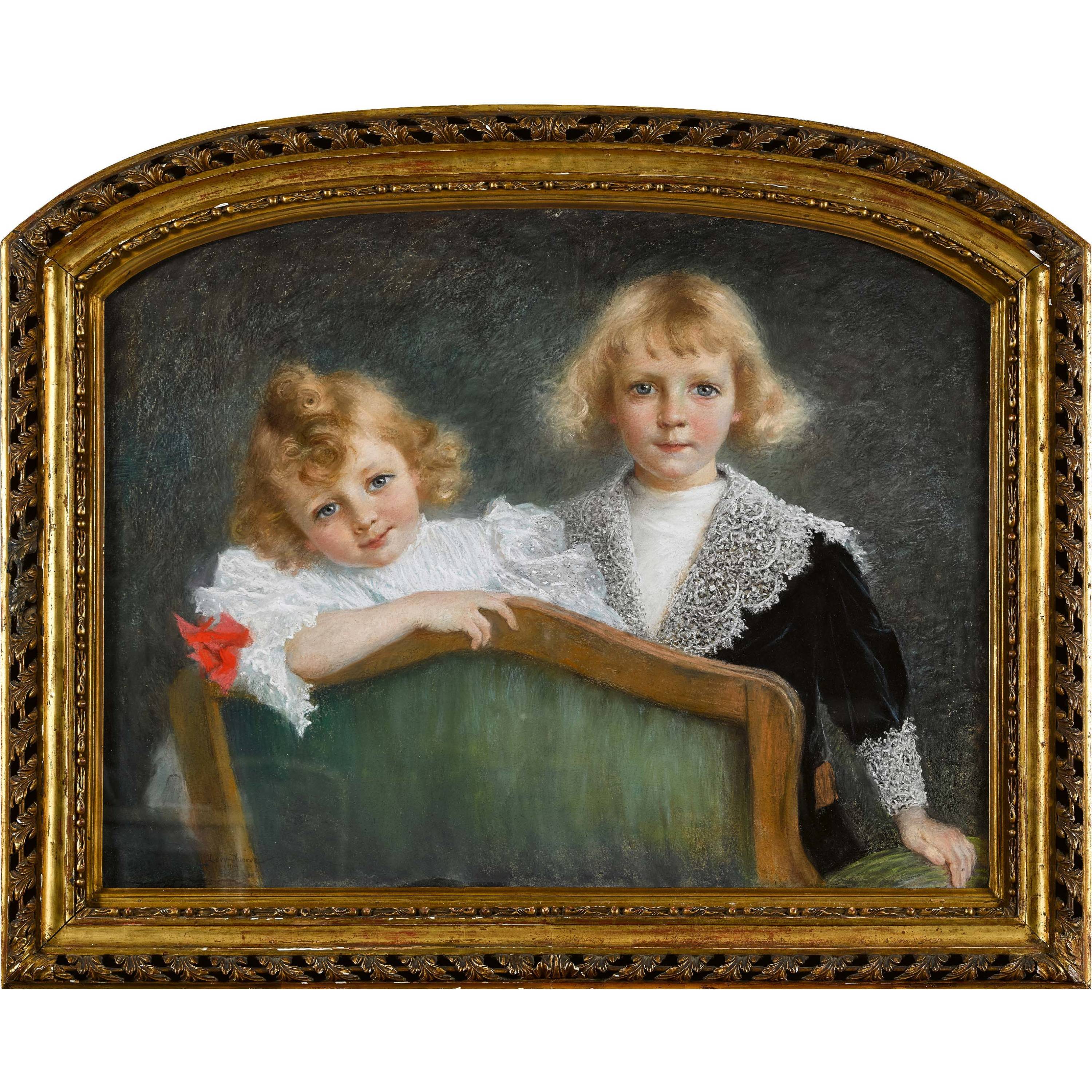
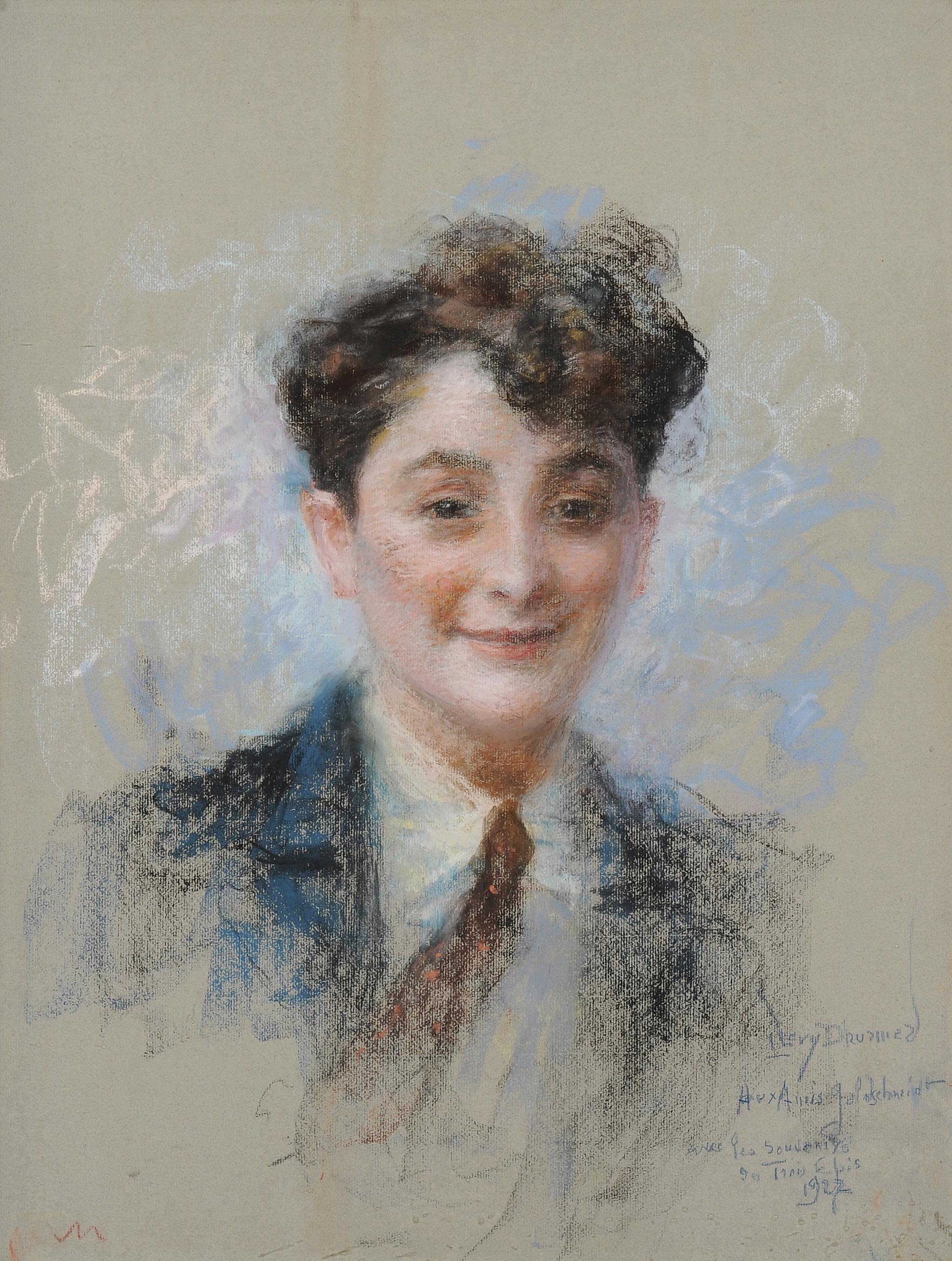
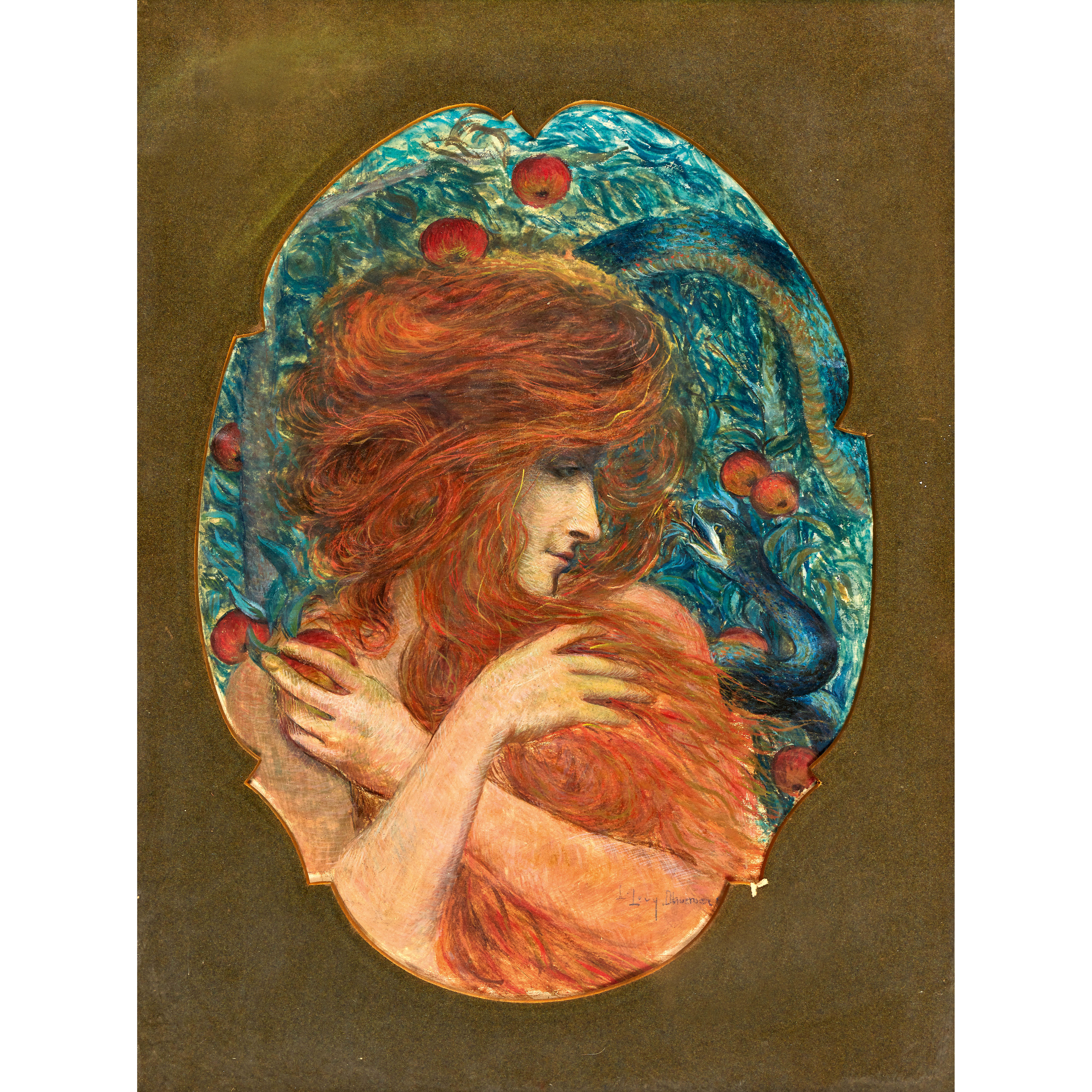
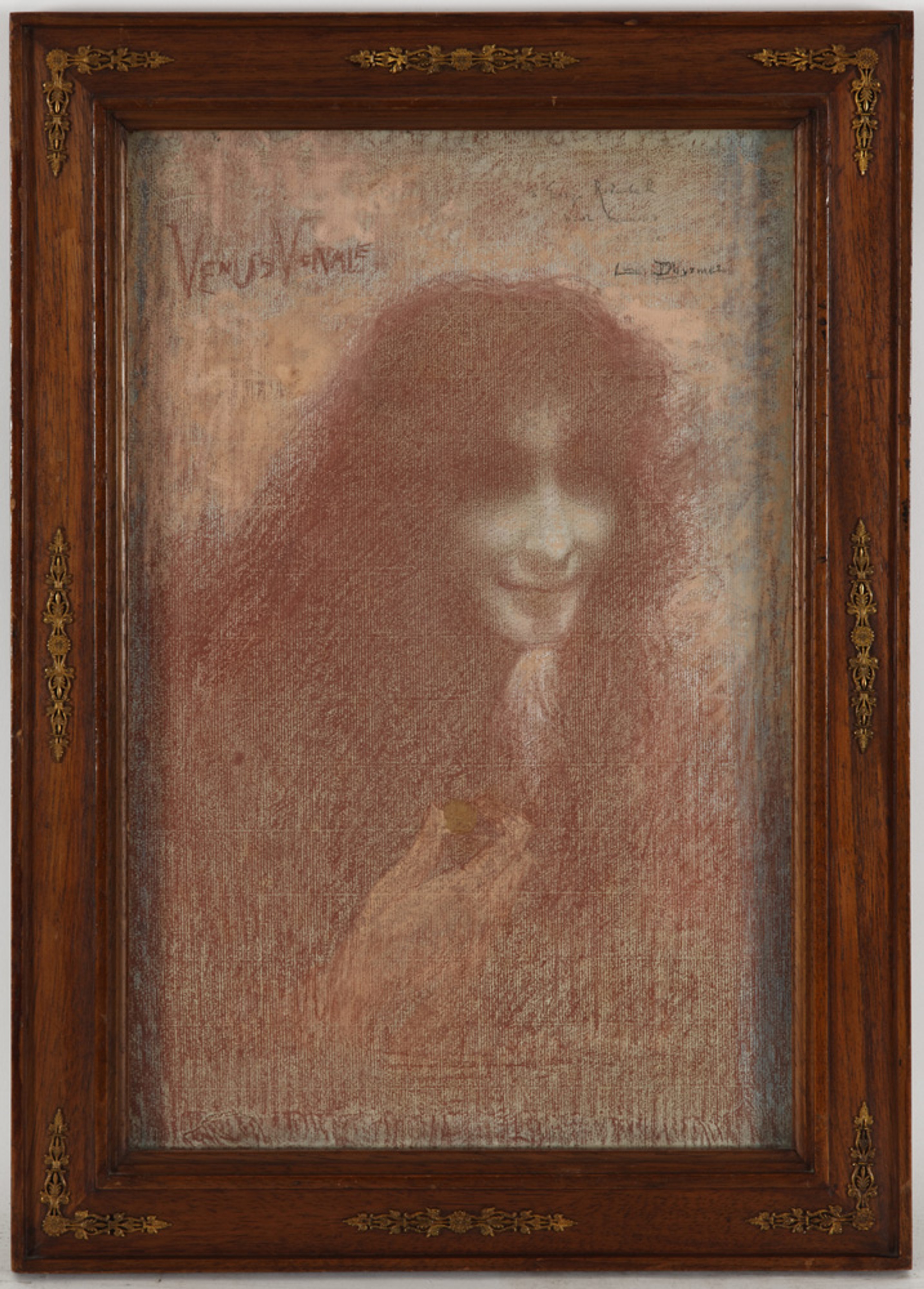
Born in Algiers and died in Le Vésinet, Lucien Lévy-Dhurmer—also known as Lucien Lévy—was a French Symbolist painter, sculptor and ceramicist whose career brought together the practice of graphic arts, ceramics and painting. From 1879, he studied drawing and sculpture in Paris, notably with Albert-Charles Wallet and Raphaël Collin, before initially working as a lithographer. From 1887 to 1895, he worked as a ceramicist at Clément Massier’s art faience manufactory in Golfe-Juan, where he became director of artistic production in 1892; alongside this work, he continued to paint in oil and pastel.
His first solo exhibition was held in 1896 at the Galerie Georges Petit, under the name Lucien Lévy-Dhurmer. After 1900, he experimented with diffuse modelling and a palette of restricted, often bluish colours, which he retained until the end of his life. From 1897, his numerous travels, mainly in Europe and the Near East, informed sketchbooks whose motifs he later reused in compositions in pastel or oil.
The Metropolitan Museum of Art in New York holds the Wisteria Dining Room, or Glycines dining room, made between 1910 and 1914. The Musée du Quai Branly – Jacques-Chirac also holds Le Marocain or Le Fanatique, an oil on canvas dated around 1900. Appointed a knight of the Legion of Honour in 1902, he was promoted to officer of the order in 1932.
This profile brings together identity references for Lucien Lévy-Dhurmer and paintings, drawings and works on paper documented in auction catalogues.
5 references are documented at Dobiaschofsky, Schuler, Piguet. Each record links to its source; the amounts are not a general valuation of the artist’s work.
SwissArtGallery documentary note based on the cited sources. Titles, media and qualifications are provided in the profile language; the original catalogue wording remains available in each record. Documentation updated : 2026-10-19