Born : 1904Died : 1989Documented citizenships : France · South Korea
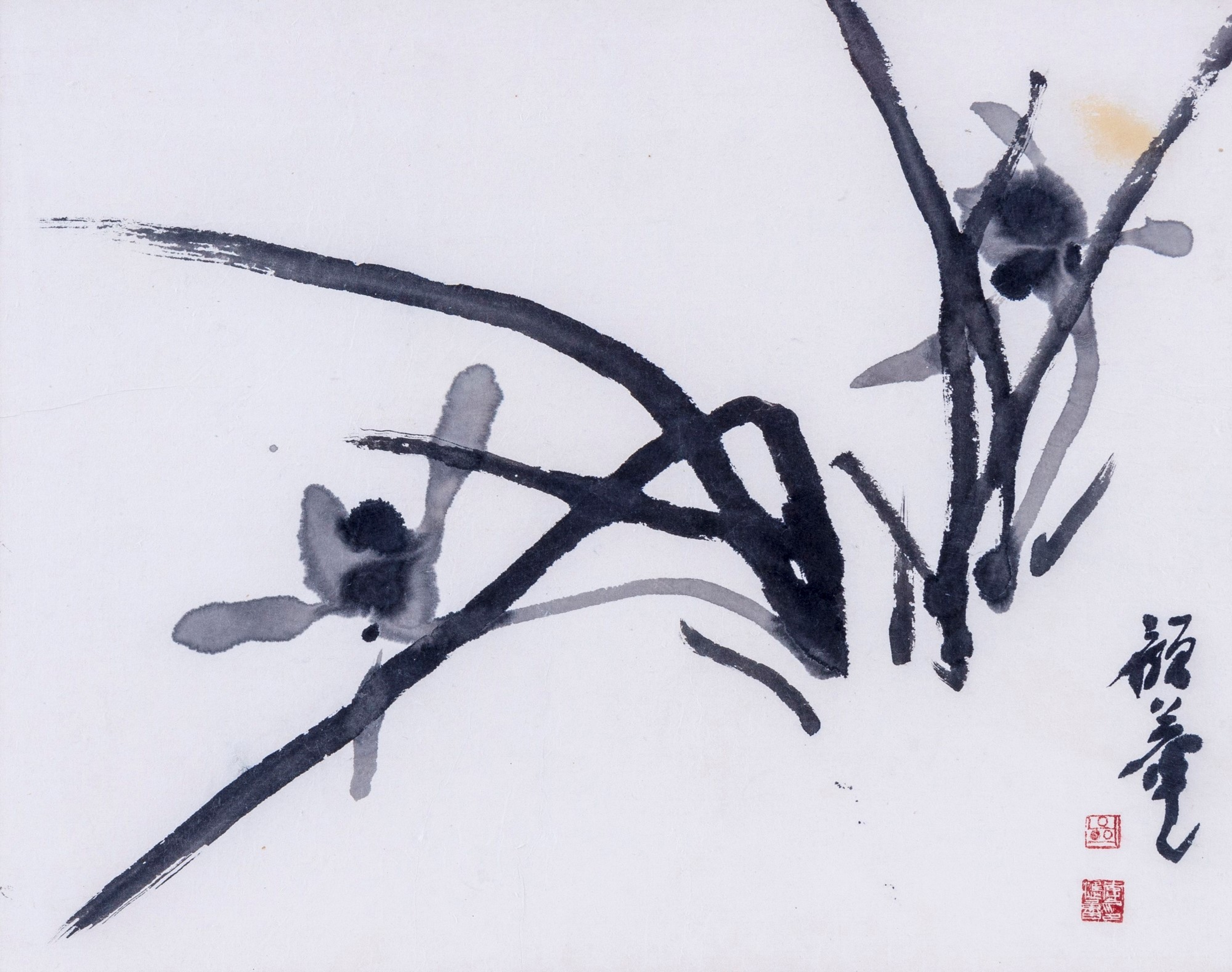
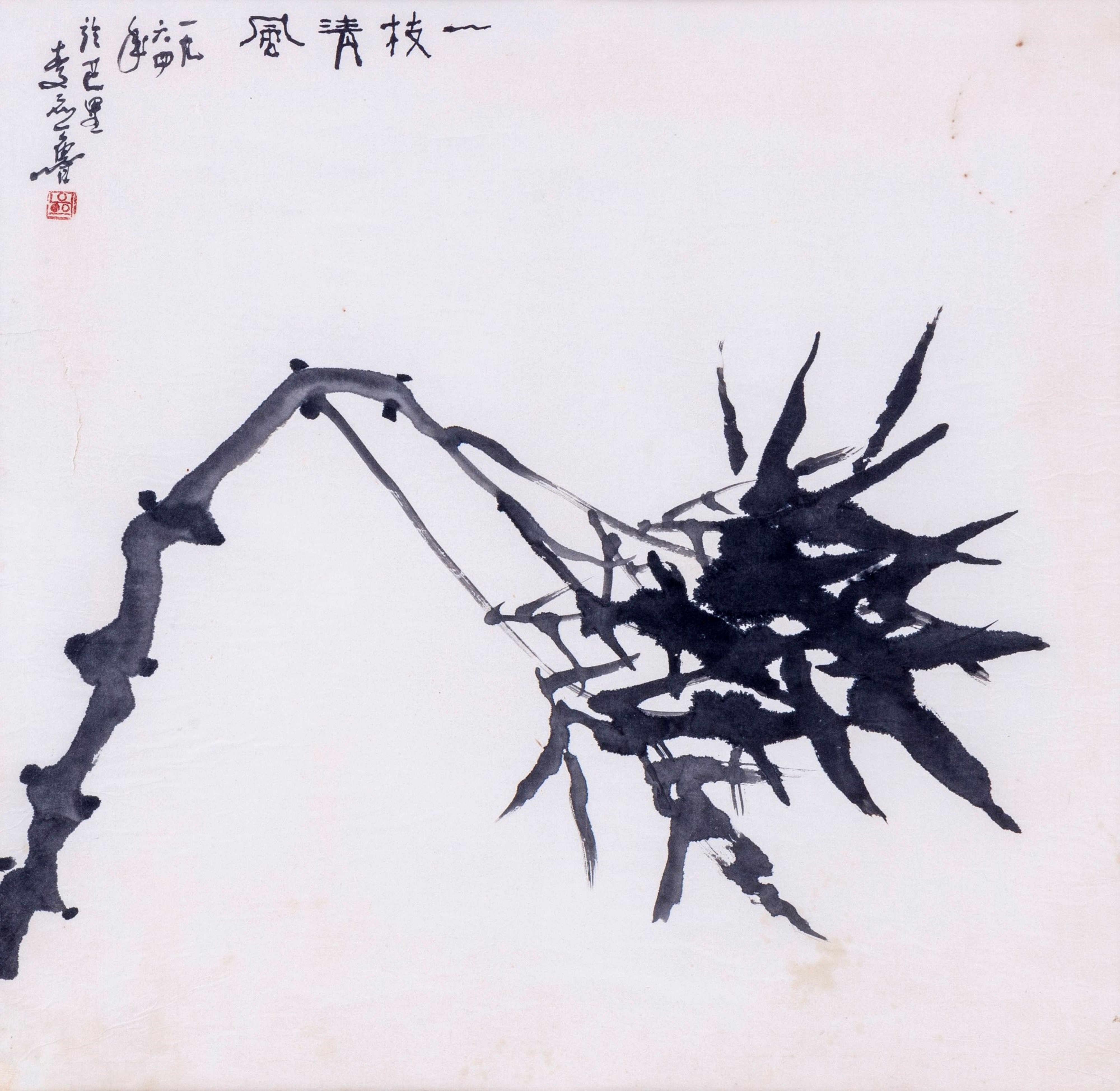
Lee Ungno’s practice develops at the intersection of ink painting and calligraphy, which informs his creative process through both signs and formal elements. In 1920, he learns the fundamentals of ink painting from the calligrapher Yomjae Song Taehoi. Settling in Seoul in 1922–1923, he continues his training with Haegang Kim Gyujin, who gives him his first pen name, Juksa. In the 1920s and 1930s, his bamboo paintings bring him his first successes and are regularly shown at the official salon established by the colonial authorities. From 1935 to 1939, he lives in Japan and studies Eastern painting at the Kawabata Art School and Western painting at the Hongo Painting Research Center in Tokyo.
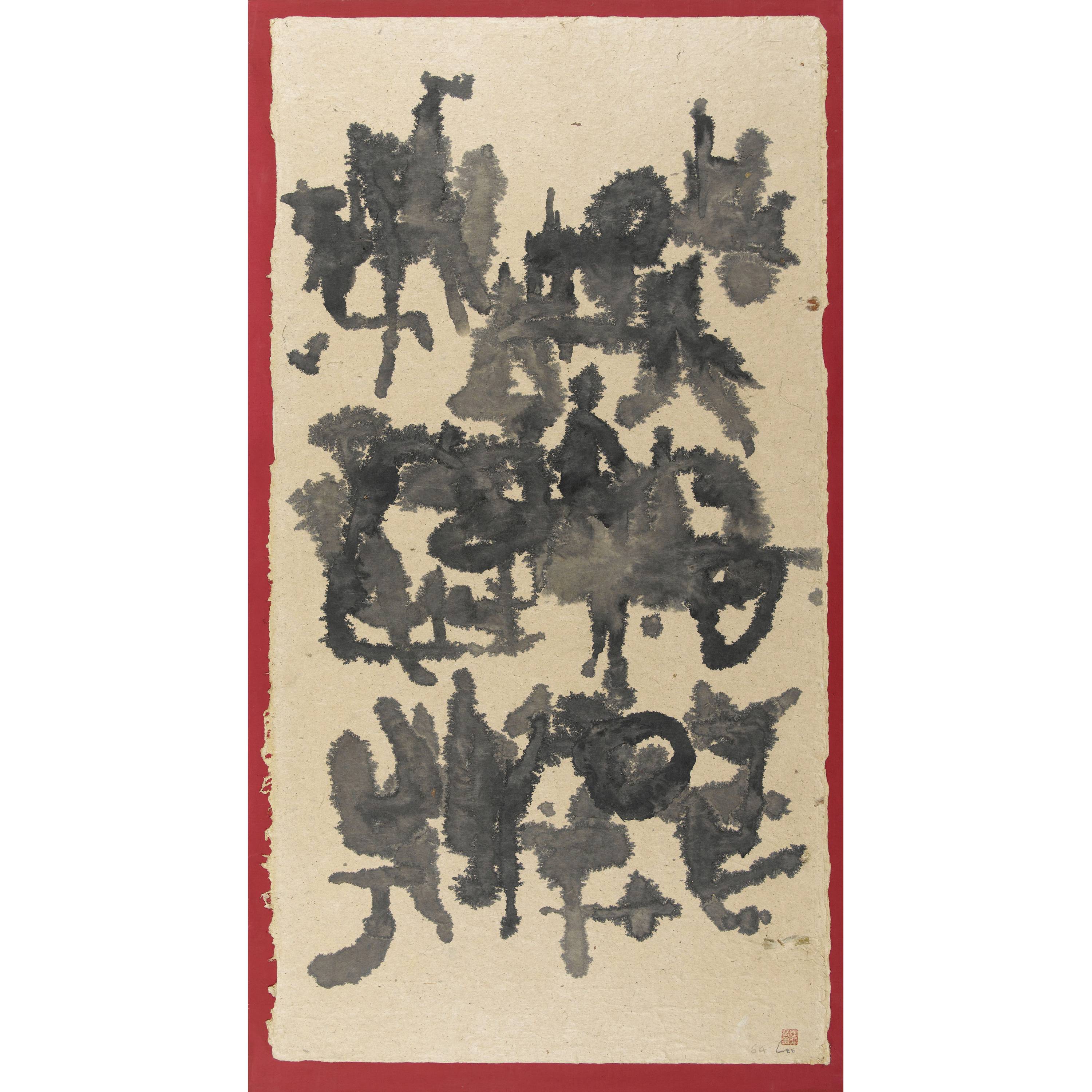
In 1948, he becomes a senior professor at the College of Fine Art of Hongik University. Later, after settling in Paris, he establishes the Académie de peinture orientale there in 1964 to teach the techniques of this painting to a French audience. His teaching combines mastery of the tools of ink painting with an approach to nature that allows for its subjective reworking. His formal investigations are accompanied by experiments with materials and processes. In the early 1960s, he makes collages from torn paper; in Paris, he continues this investigation with dense compositions of crumpled magazine paper. He also explores the use of fish glue: by preventing the ink from spreading into the paper, it allows reserved motifs to emerge after ink or colour has been applied. His work also employs printing from engraved matrices, paper embossing and the collage of various materials.
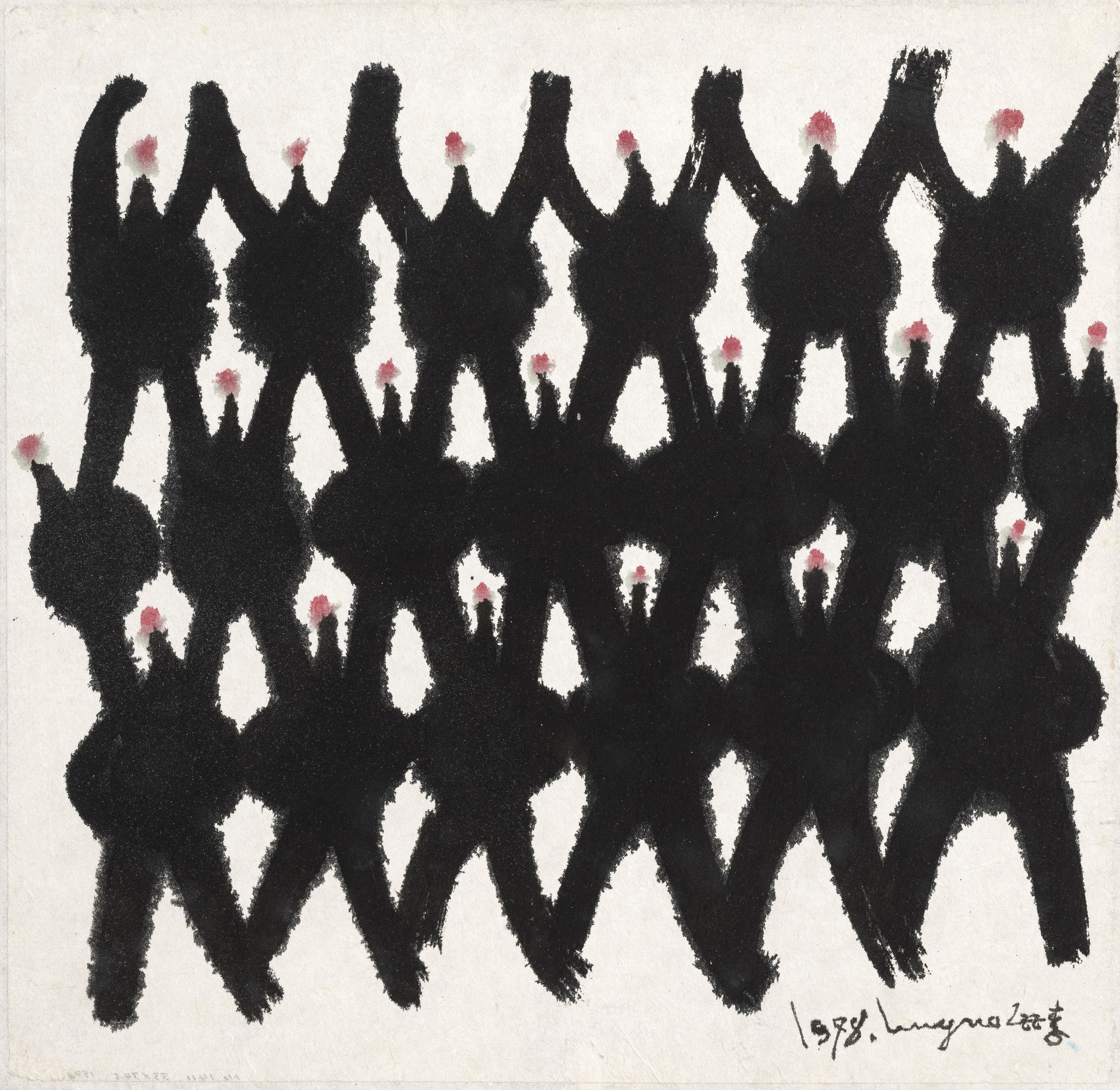
Between 1967 and 1969, he is imprisoned in South Korea; the museum’s exhibition narrative associates the emergence of new forms in his work with this period. In the early 1980s, after a period devoted almost exclusively to abstraction, he resumes making landscapes on paper, in monochrome or polychrome. The gatherings of figures he titles “Crowds” then account for almost all of his production in the 1980s.
This profile brings together identity references for Yi Eungro and paintings, drawings and works on paper documented in auction catalogues.
Documented auction references
4auction references
2auction houses
4documented results with prices
Piguet · Dobiaschofsky
References include catalogue entries and available results; they do not all represent completed sales. Attributed works and special lots are excluded from the priced results.
SwissArtGallery documentary note based on the cited sources. Titles, media and qualifications are provided in the profile language; the original catalogue wording remains available in each record. Profile updated :
The Italian painter Arturo Ricci (1854–1919) is documented here through his identity and information relating to a work, La supplique. A sale notice states that the painting was purc…
The German artist Hannah Höch uses photomontage and cut-and-paste collage as means of social and political critique. Her compositions parody bourgeois life and question representatio…
Abstract sculptor, painter and graphic artist, Otto Herbert Hajek (1927–2005) developed a body of work that also extends into public space and is particularly visible in Stuttgart, h…