Born : 1869Died : 1954Documented citizenships : France
For Henri Matisse (1869–1954), expression does not reside solely in the intensity of a face or gesture: in his 1908 essay “Notes of a Painter”, he locates it in the arrangement of the painting as a whole. After studying law, he abandoned it at the age of twenty to devote himself to art in Paris. Early in his career, critics applied the name “Fauves” pejoratively to Matisse and to artists who shared comparable approaches.
In 1917, his first visit to Nice opened a new period of work: he began his series of Nice interiors at that time. According to the Art Institute of Chicago, his work was presented to the American public at the 1913 Armory Show. The institute later devoted an exhibition to him from 1 April to 4 May 1952 and showed his drawings from 21 November to 12 December 1948.
After the Second World War, health problems limited his mobility. Working from his bed or a wheelchair, Matisse developed the cut-paper technique: the series Jazz was published as an artist’s book in 1947, after which he made monumental cut-outs. Among the works listed in a public collection is Odalisque, dated 1925 and attributed to Matisse in the catalogue entry of the Museo del Novecento in Milan; the register indicates that it belongs to the Civiche Raccolte d’Arte of the Comune di Milano.
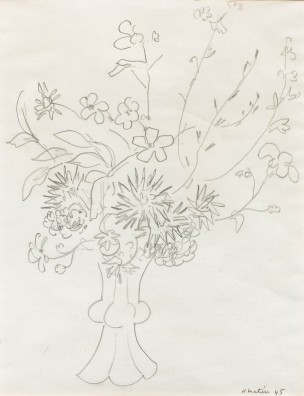
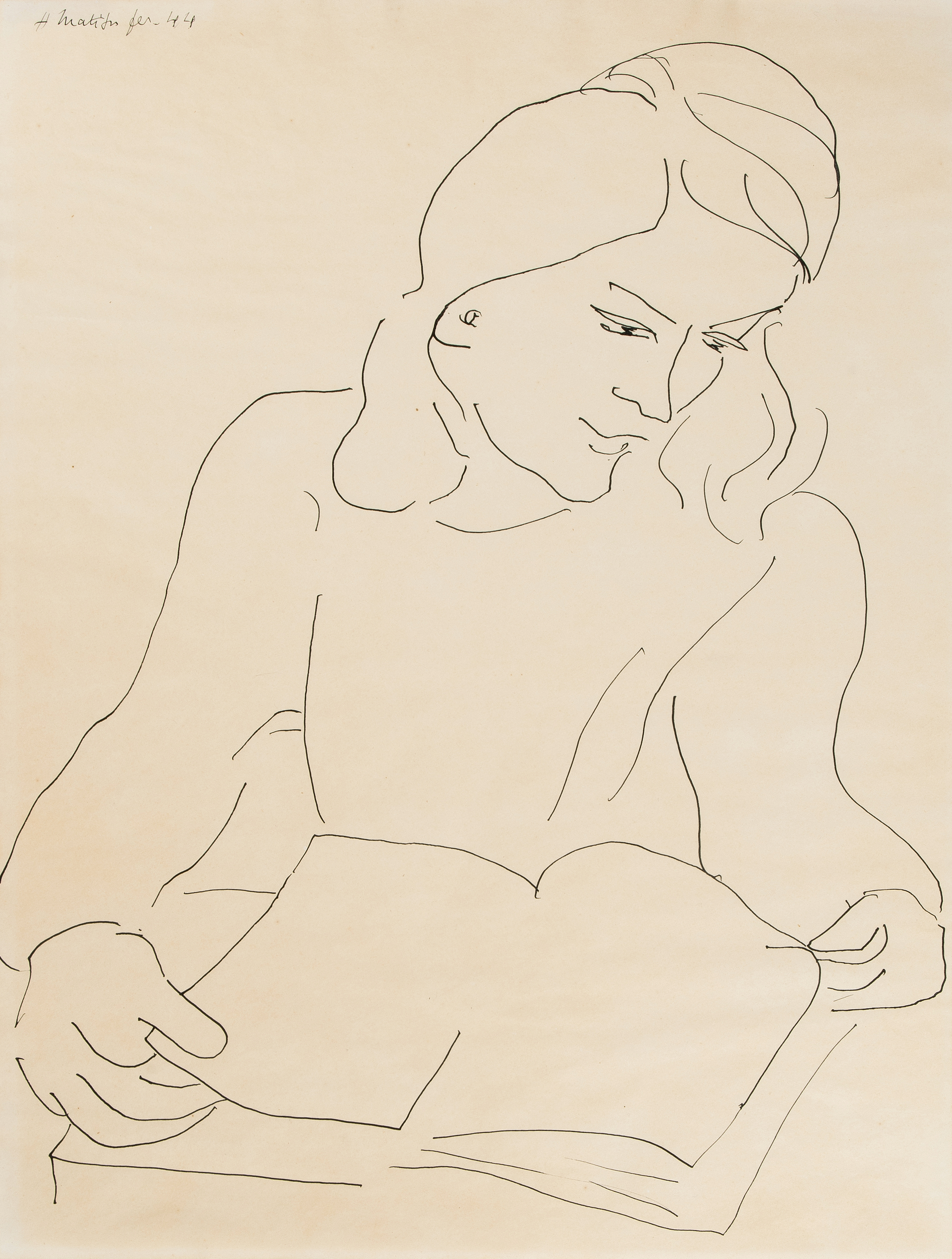
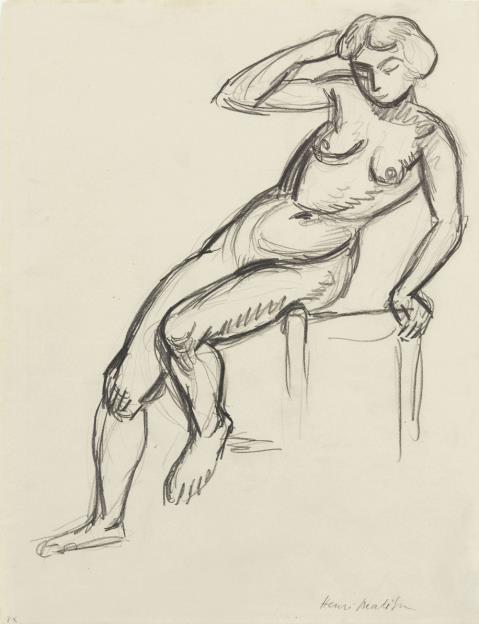
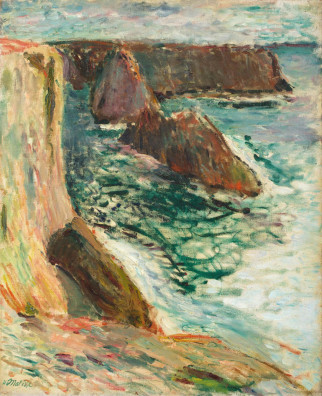
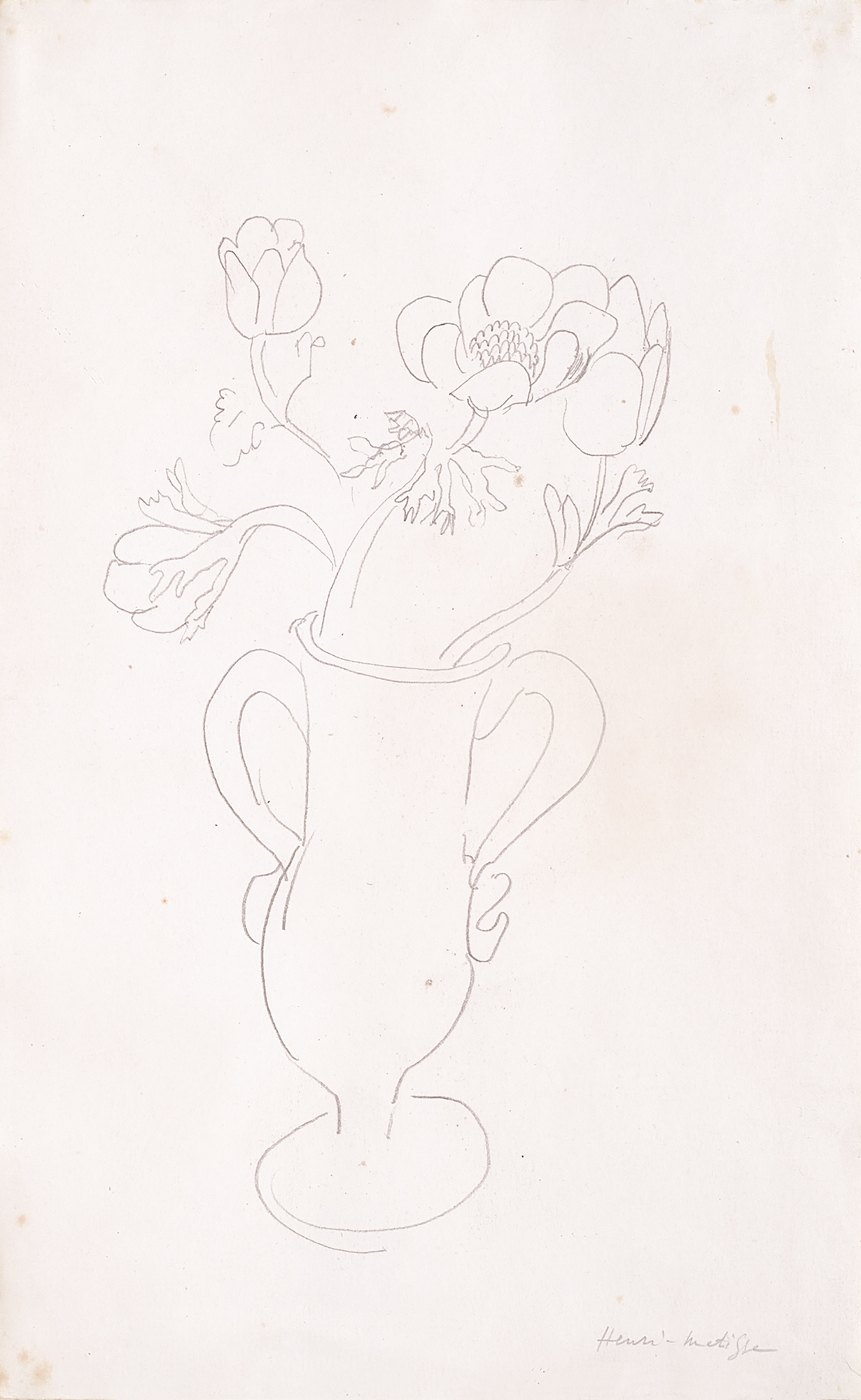
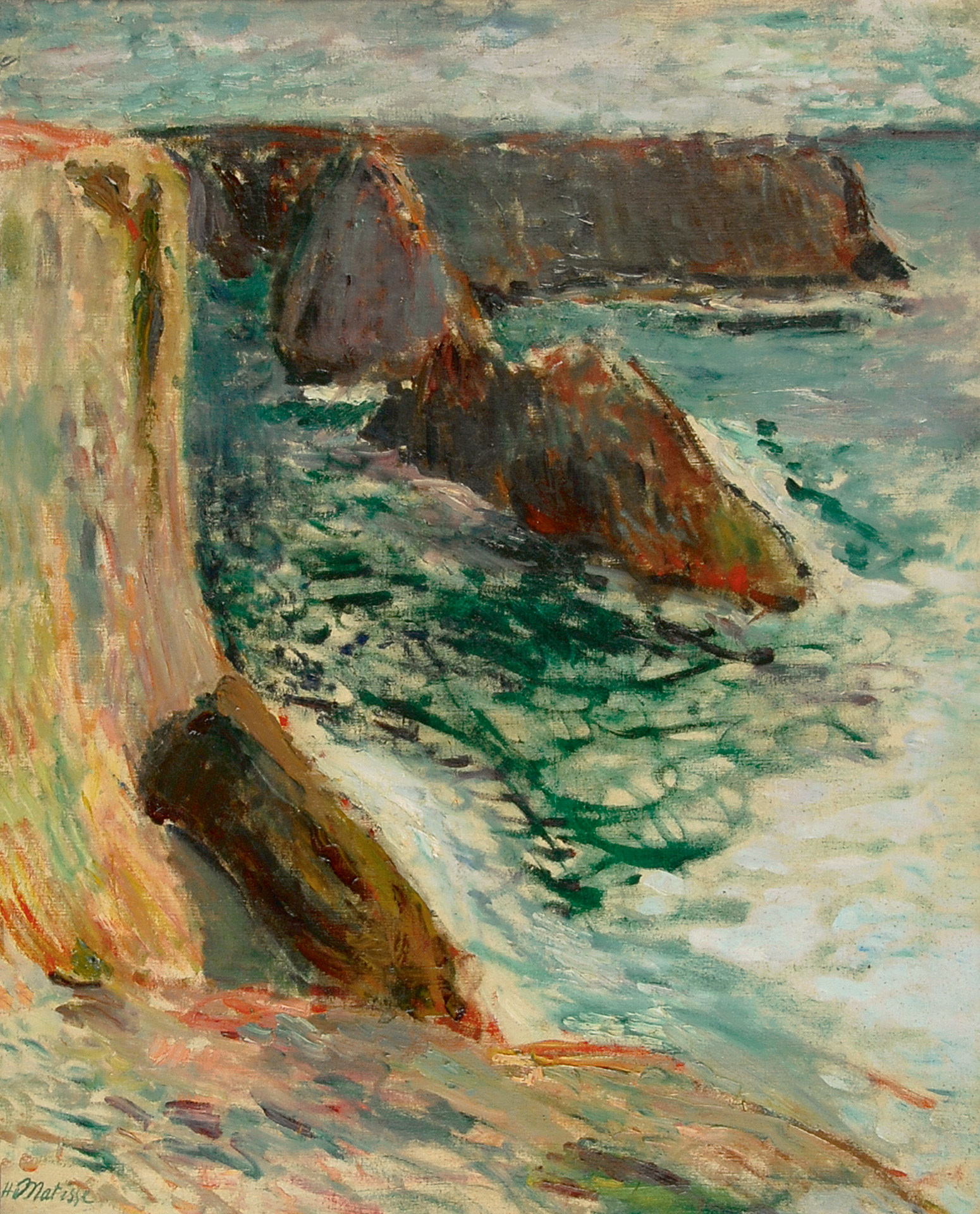
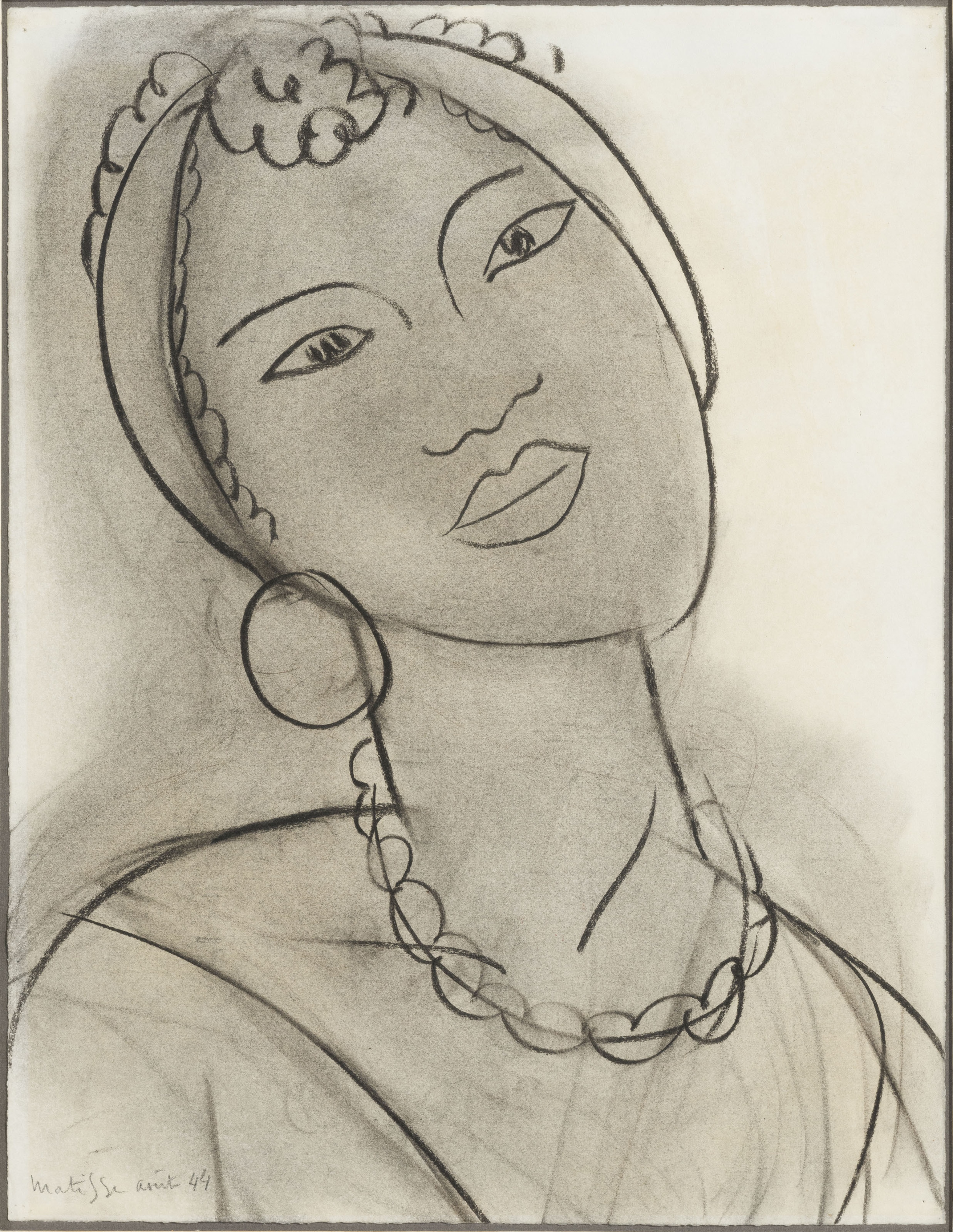
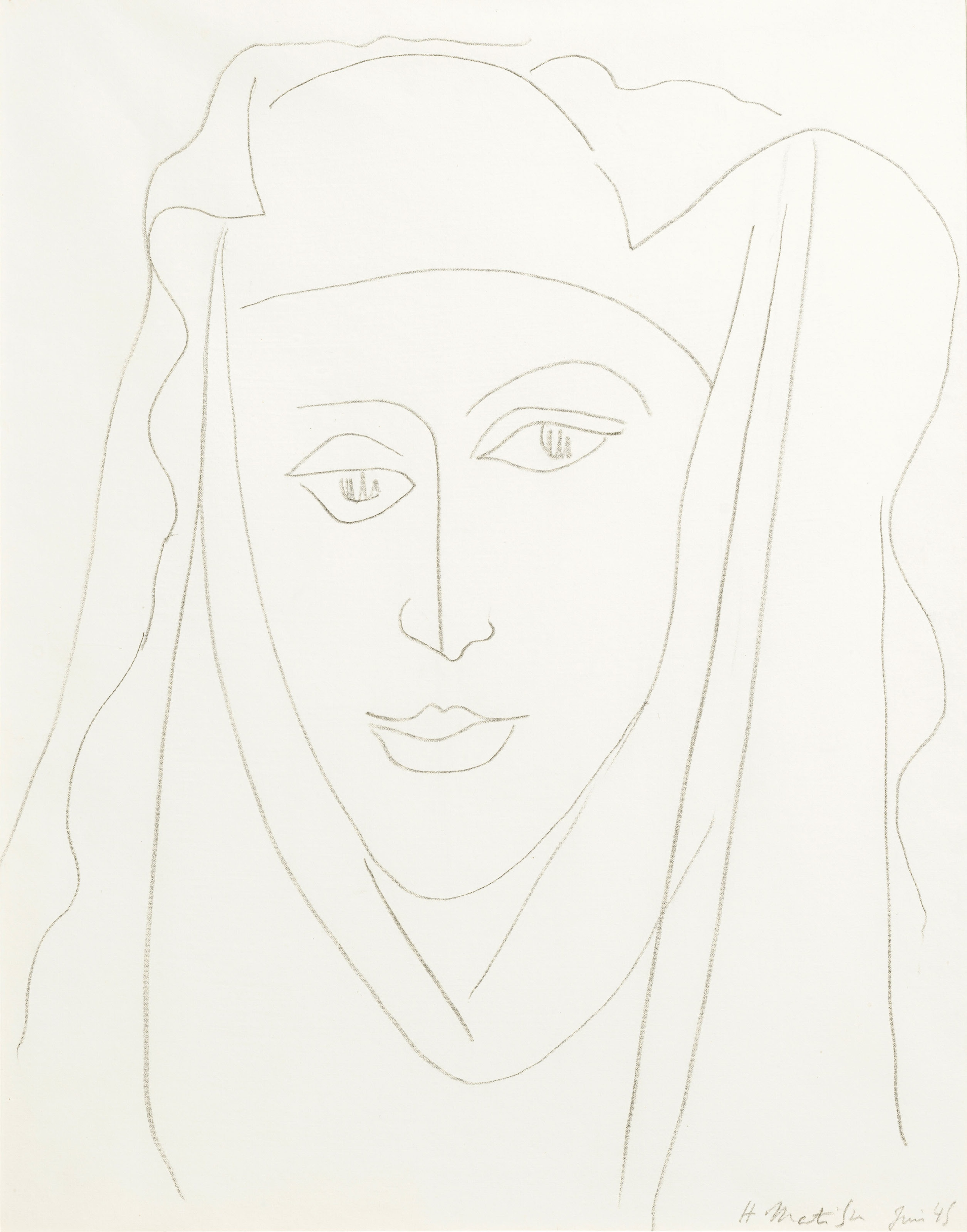
This profile brings together identity references for Henri Matisse and paintings, drawings and works on paper documented in auction catalogues.
27 references are documented at Artcurial Beurret Bailly Widmer, Dobiaschofsky, Kornfeld, Schuler, Germann, Piguet, Lempertz. Each record links to its source; the amounts are not a general valuation of the artist’s work.
SwissArtGallery documentary note based on the cited sources. Titles, media and qualifications are provided in the profile language; the original catalogue wording remains available in each record. Documentation updated : 2026-10-19