Born : 1912Died : 1998Documented citizenships : Costa Rica · Mexico
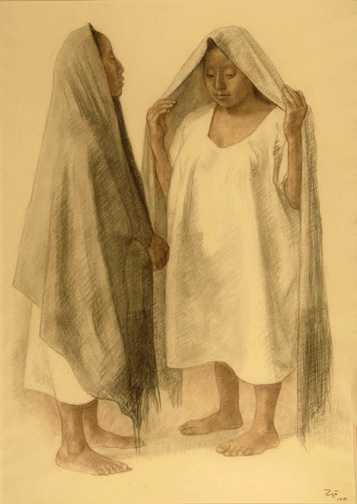
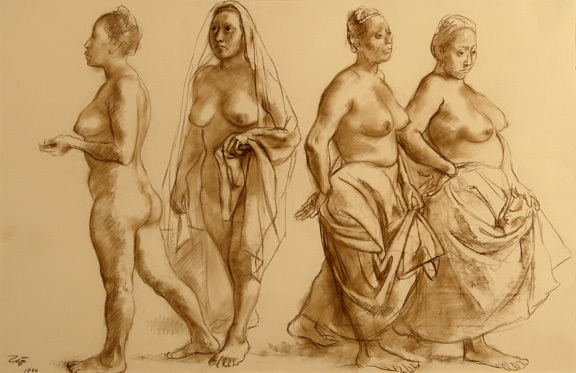
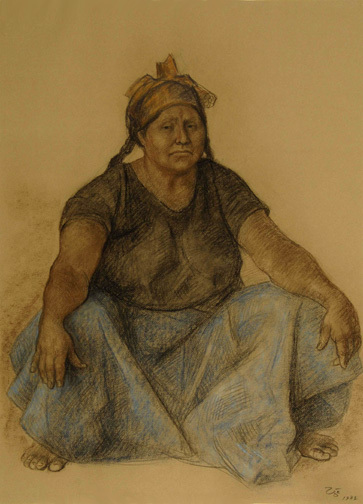
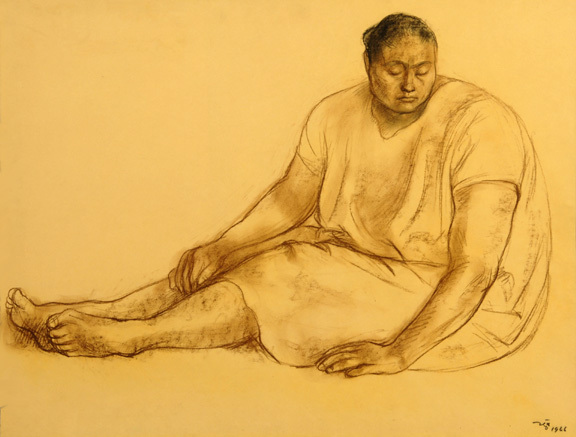
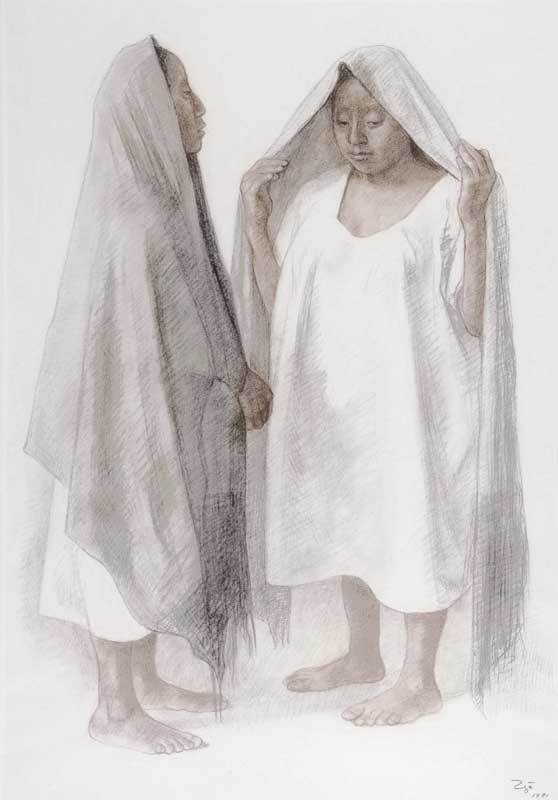
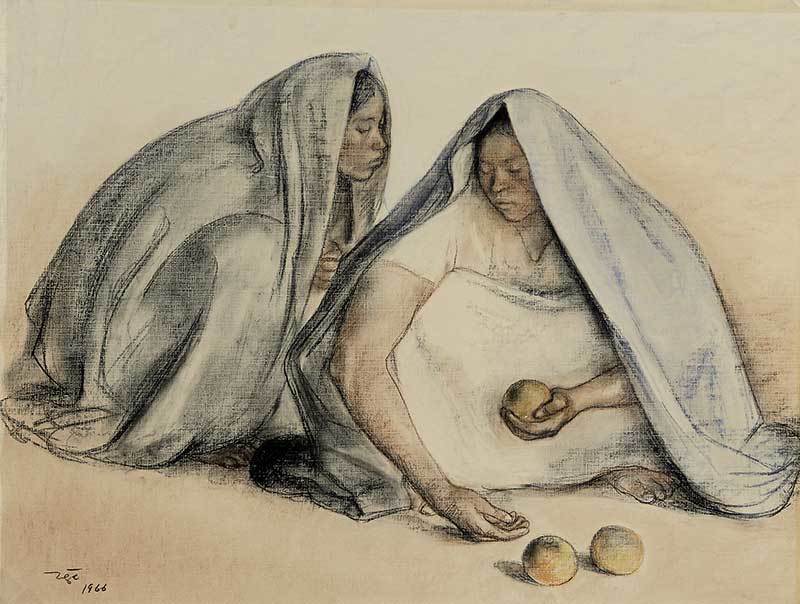
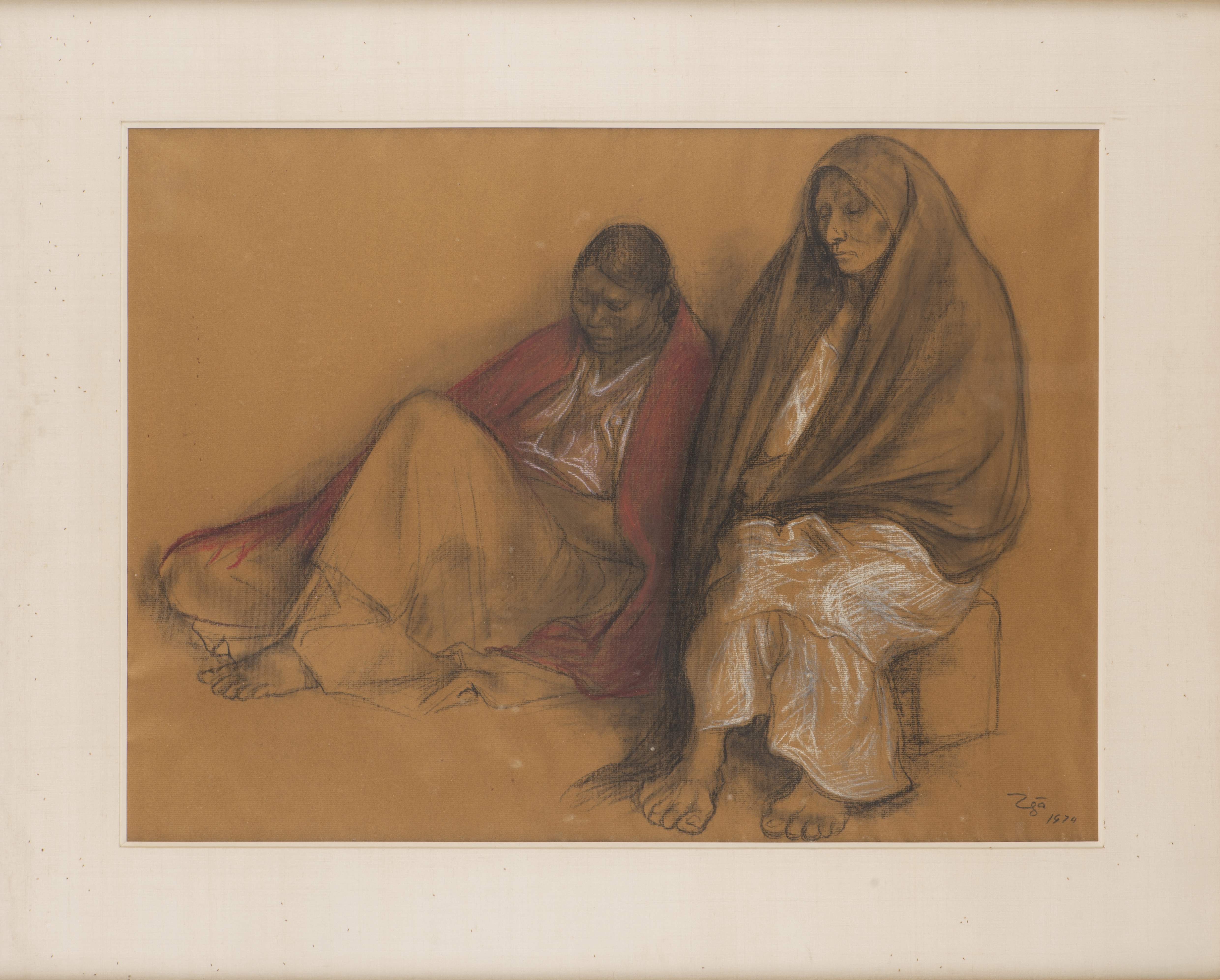
Francisco Zúñiga (1912–1998), born in Costa Rica and active in Mexico, placed the female body at the centre of an investigation of volume. Training in the workshop of his father, a sculptor of religious figures, taught him to work stone and wood. His representations of Indigenous women avoid idealisation, attending to bodily weight and relationships between people.
LACMA's Standing Juchiteca, a bronze cast in 1966, stands almost two metres tall, giving monumentality a tangible physical dimension. This concern also appears on paper in Country Family (1976), a lithograph in the same museum. The portfolio Impresiones de Egipto (1982), represented by several sheets at the Bowers Museum, extends his interest through seated women with pyramidal silhouettes. Bodily attitudes become a means of making human relationships perceptible.
This profile brings together identity references for Francisco Zúñiga and paintings, drawings and works on paper documented in auction catalogues.
Documented auction references
9auction references
4auction houses
3documented results with prices
Germann · Dobiaschofsky · DognyAuction · Piguet
References include catalogue entries and available results; they do not all represent completed sales. Attributed works and special lots are excluded from the priced results.
Works recorded at auction
Photograph : Dobiaschofsky · Enlarge image ↗
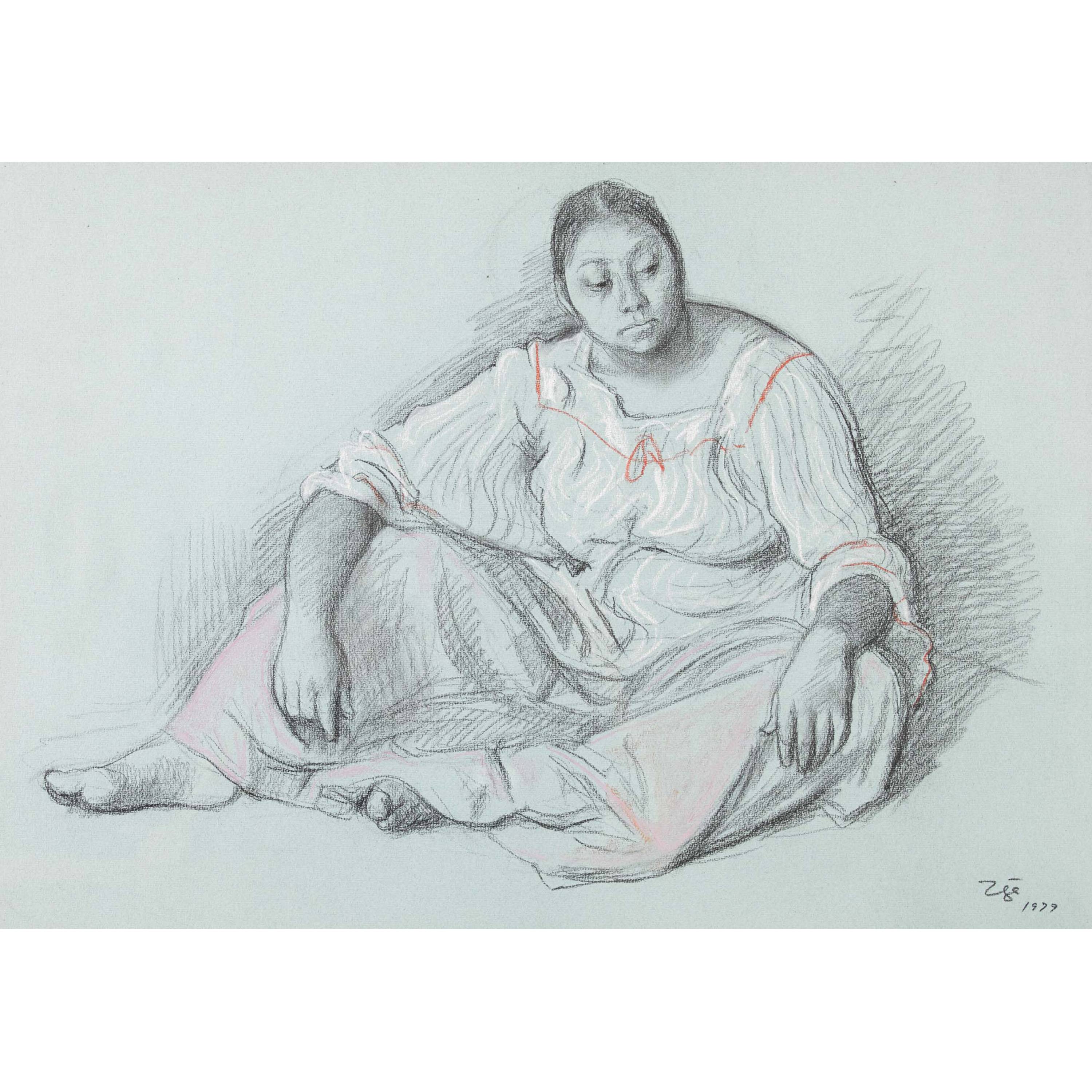
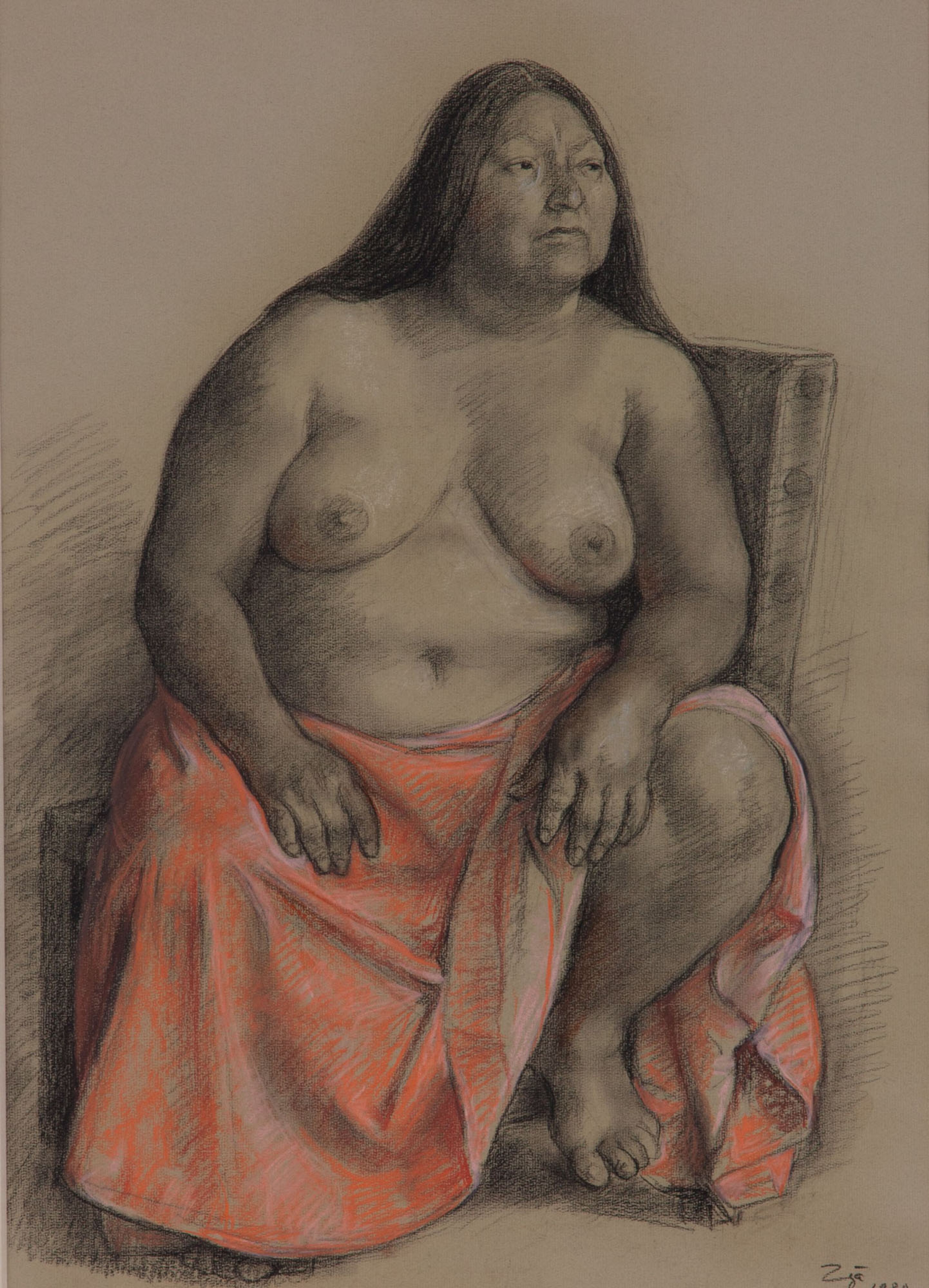
Dobiaschofsky · Lot 987
Woman seated on the floor
Charcoal and coloured chalk on paper
Original catalogue wording
Femme assise au sol Fusain et craie de couleur sur papier
SwissArtGallery documentary note based on the cited sources. Titles, media and qualifications are provided in the profile language; the original catalogue wording remains available in each record. Profile updated :
Antonio Marasco (1896–1975) participates in Futurist experimentation from Florence, where he studies with Galileo Chini. His career combines painting, stage design and collective act…
Émile Aubry (1880–1964), born in Sétif, develops a painting informed by classical culture and religious subjects. At the Paris École des Beaux-Arts, he trains in the studios of Jean-…
Sylvain Sauvage (1888–1948), the pseudonym of Félix Roy, works across drawing, printmaking and book design. His activity as an illustrator extends beyond accompanying a narrative to…