Born : 1931Died : 1997Documented citizenships : Italy
The Italian architect Aldo Rossi, born in 1931 and deceased in 1997, developed a practice encompassing architectural design, writing, teaching and product design. He studied at the Polytechnic University of Milan under the supervision of Piero Portaluppi for his thesis, graduating in 1958. He began writing for the journal Casabella-Continuità in 1955 and became one of its editors in 1959.
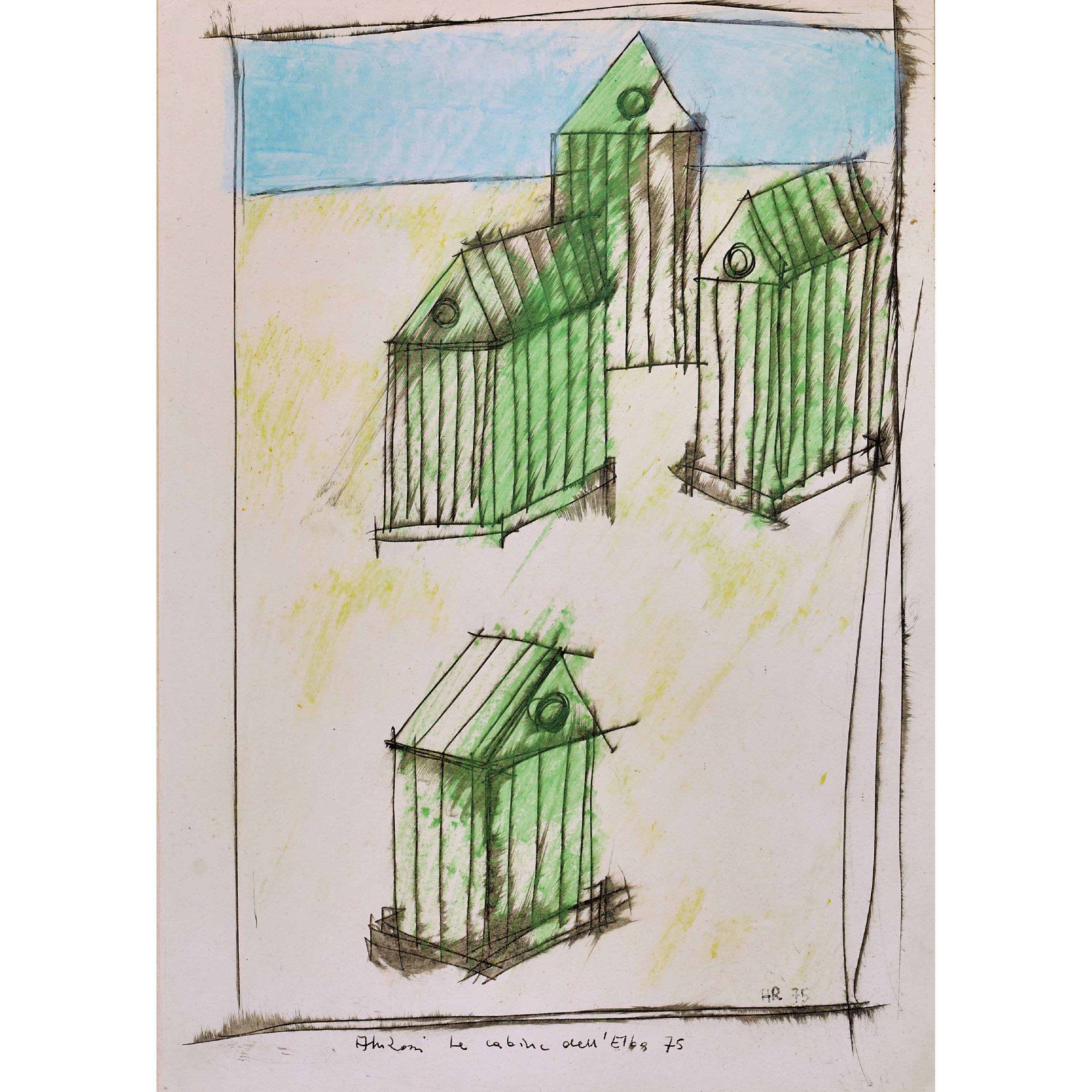
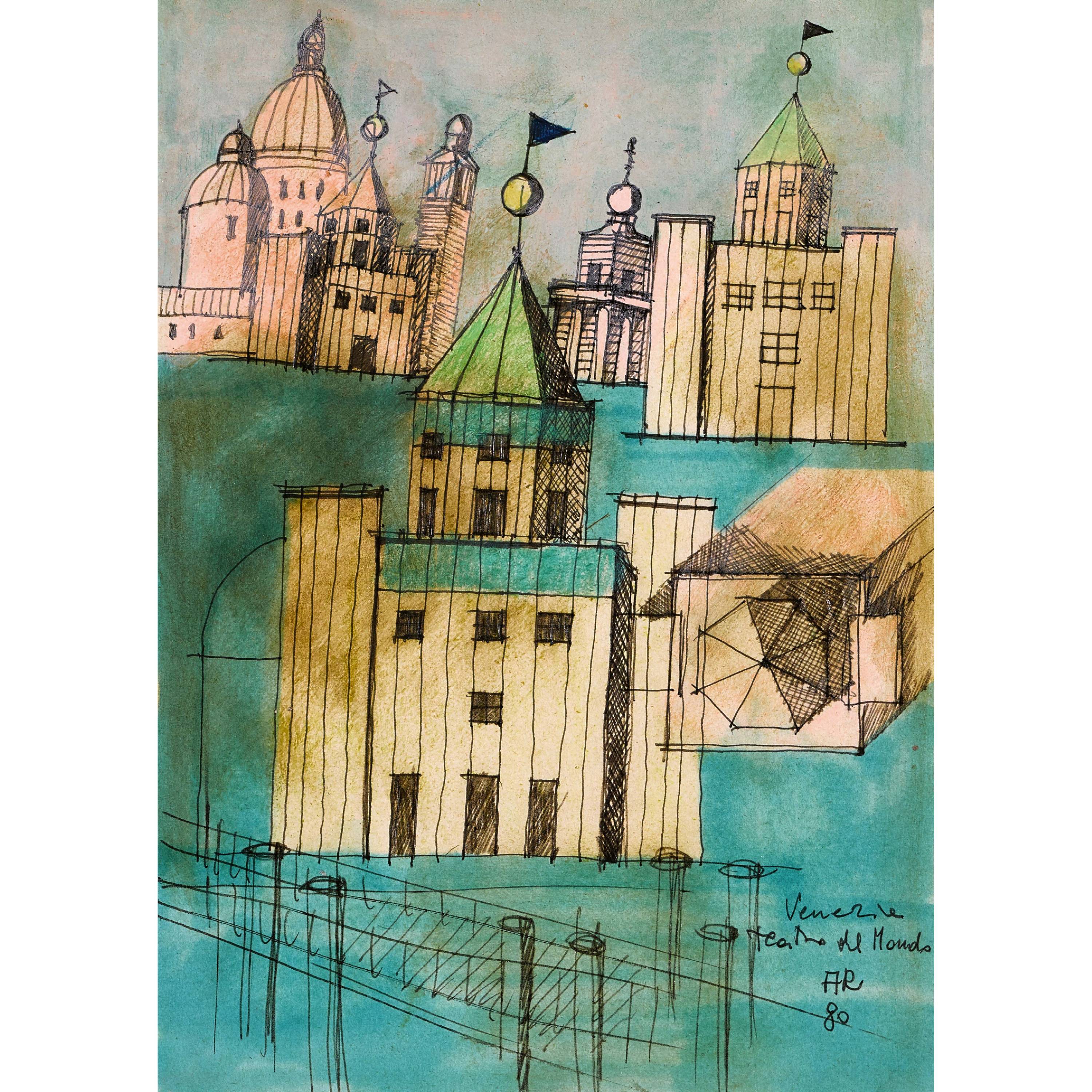
He began teaching in 1963 as an assistant to Ludovico Quaroni at the school of urban planning in Arezzo, before working with Carlo Aymonino at the Institute of Architecture in Venice. After his teaching in Italy was suspended, he held the chair of architectural design at ETH Zurich from 1971 to 1975. His projects include part of the Monte Amiata complex in the Gallaratese district of Milan, designed with Carlo Aymonino’s approval, and the extension of San Cataldo Cemetery in Modena, for which he won the competition in 1971. The collections of the Art Institute of Chicago list, among other works, a project drawing for Muggiò Town Hall dated 1972, as well as a work entitled Teatro del Mondo, Elba Cabanas, dated 1981.
Rossi published A Scientific Autobiography in 1981. His work also extended to product design for Unifor and Alessi; the La Cupola espresso maker, designed for Alessi, was released in 1988. In 1990, he received the Pritzker Architecture Prize.
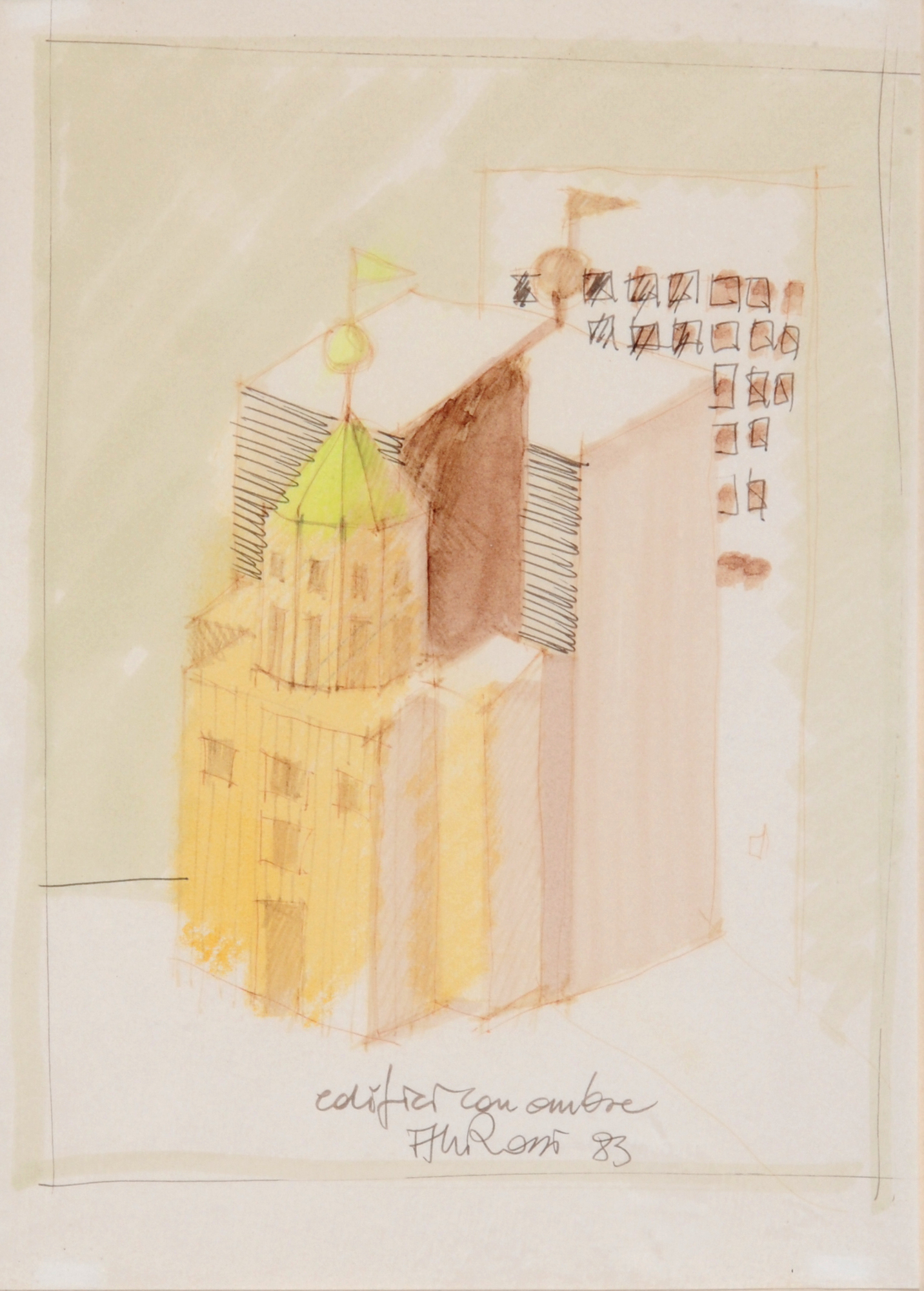
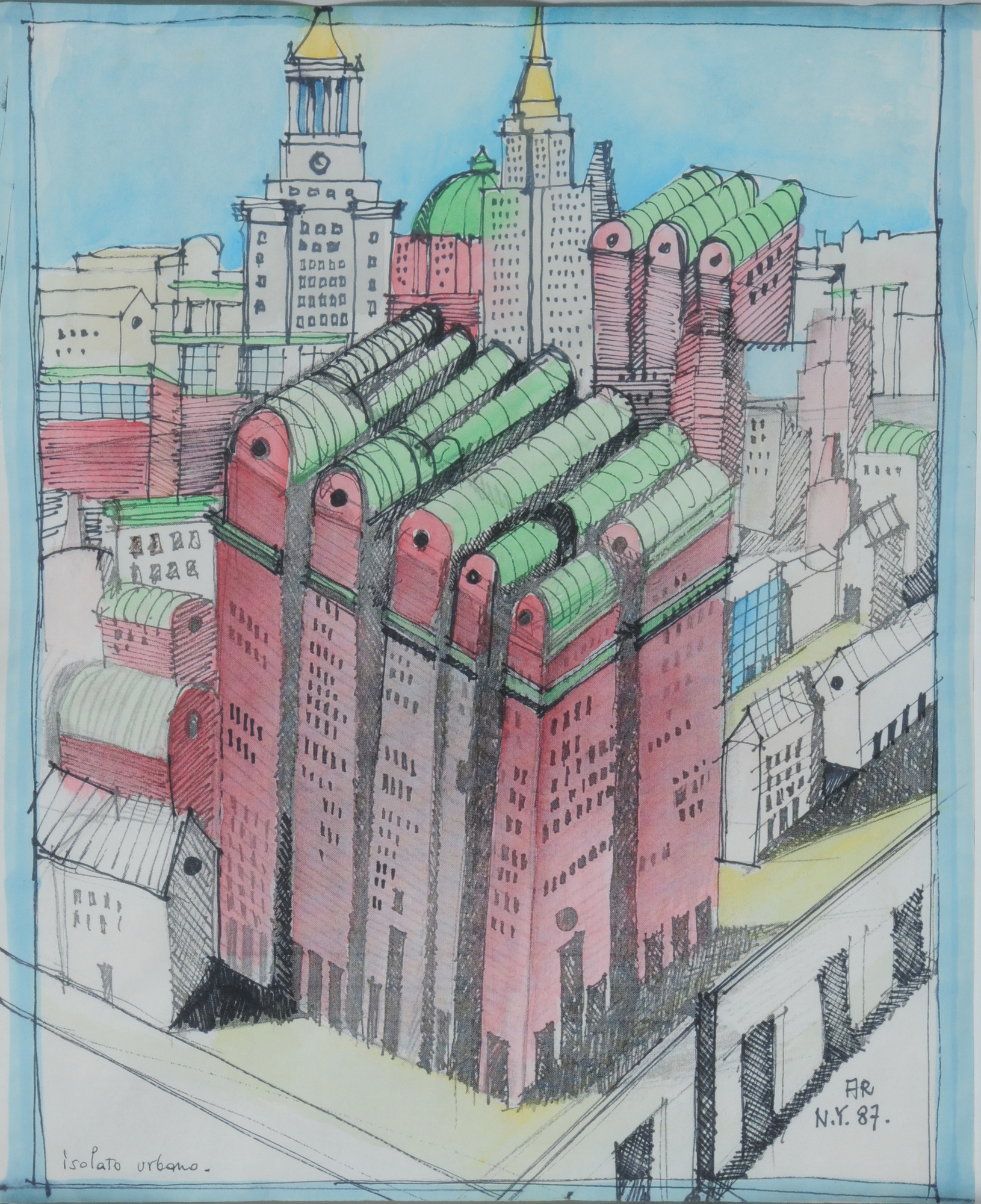
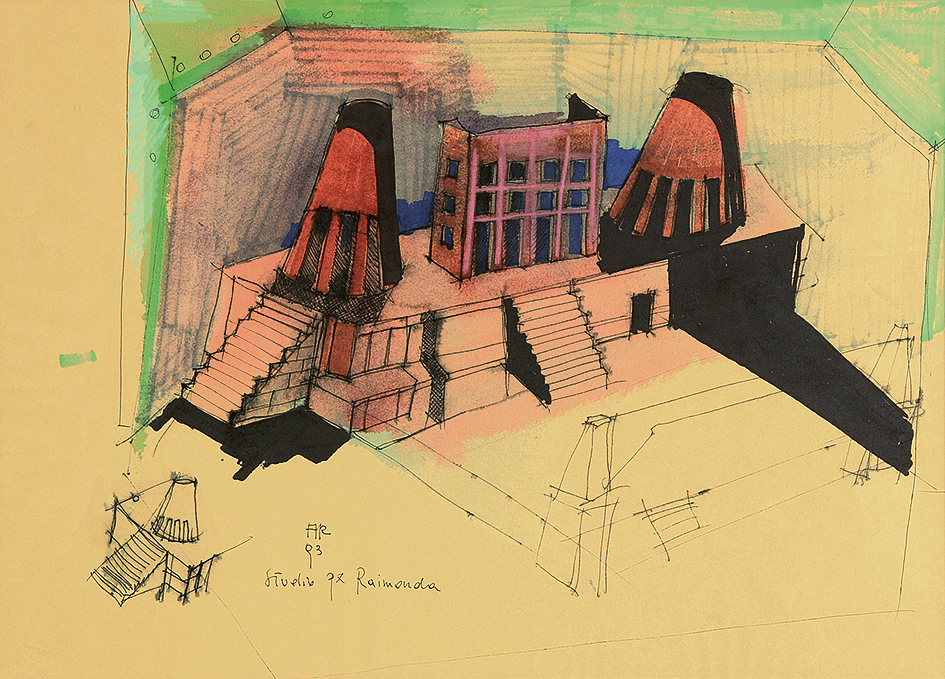
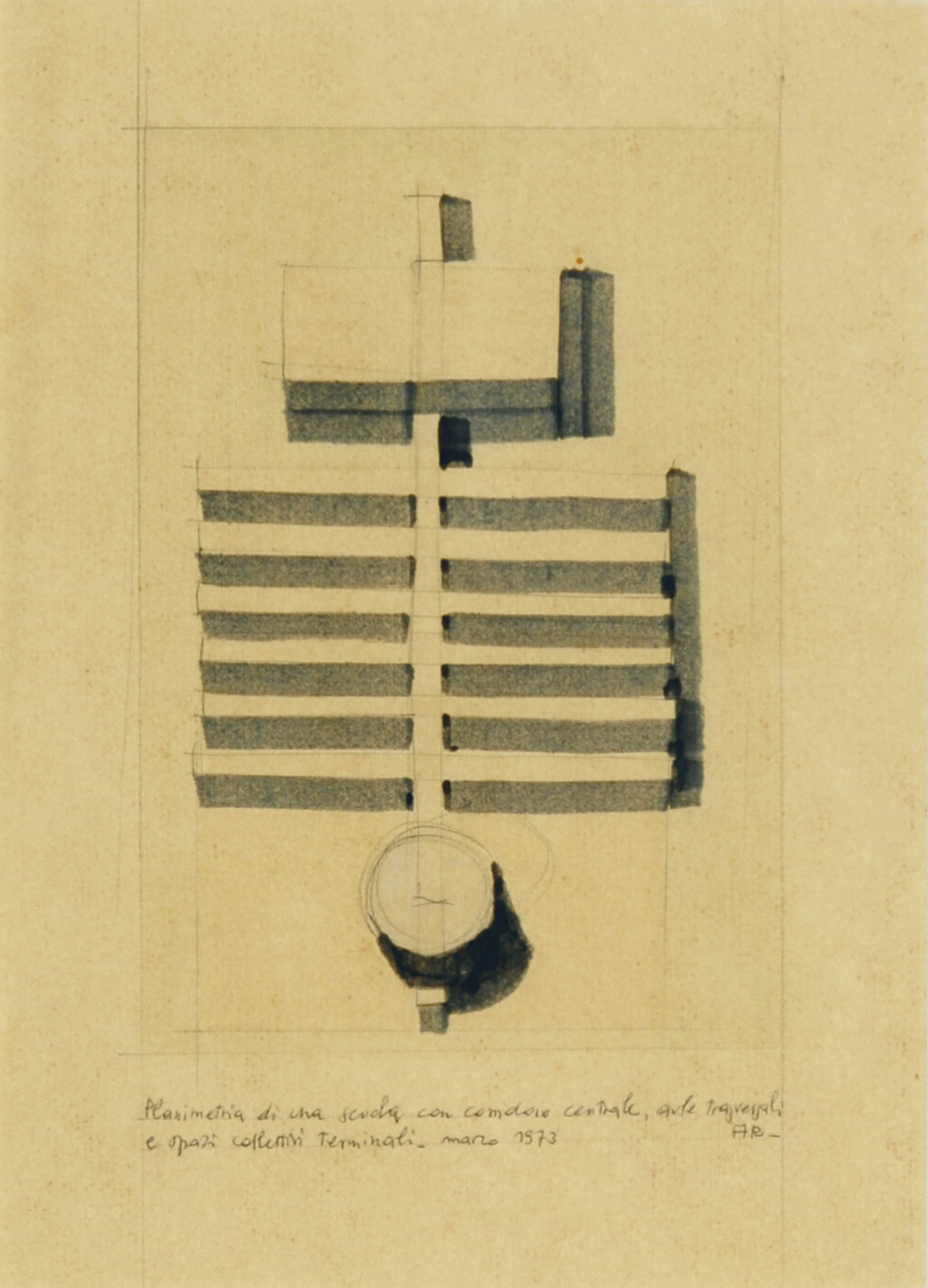
This profile brings together identity references for Aldo Rossi and paintings, drawings and works on paper documented in auction catalogues.
8 references are documented at Dobiaschofsky, Germann. Each record links to its source; the amounts are not a general valuation of the artist’s work.
SwissArtGallery documentary note based on the cited sources. Titles, media and qualifications are provided in the profile language; the original catalogue wording remains available in each record. Documentation updated : 2026-10-19