Victor Surbek
Born in 1885.
Died in 1975.
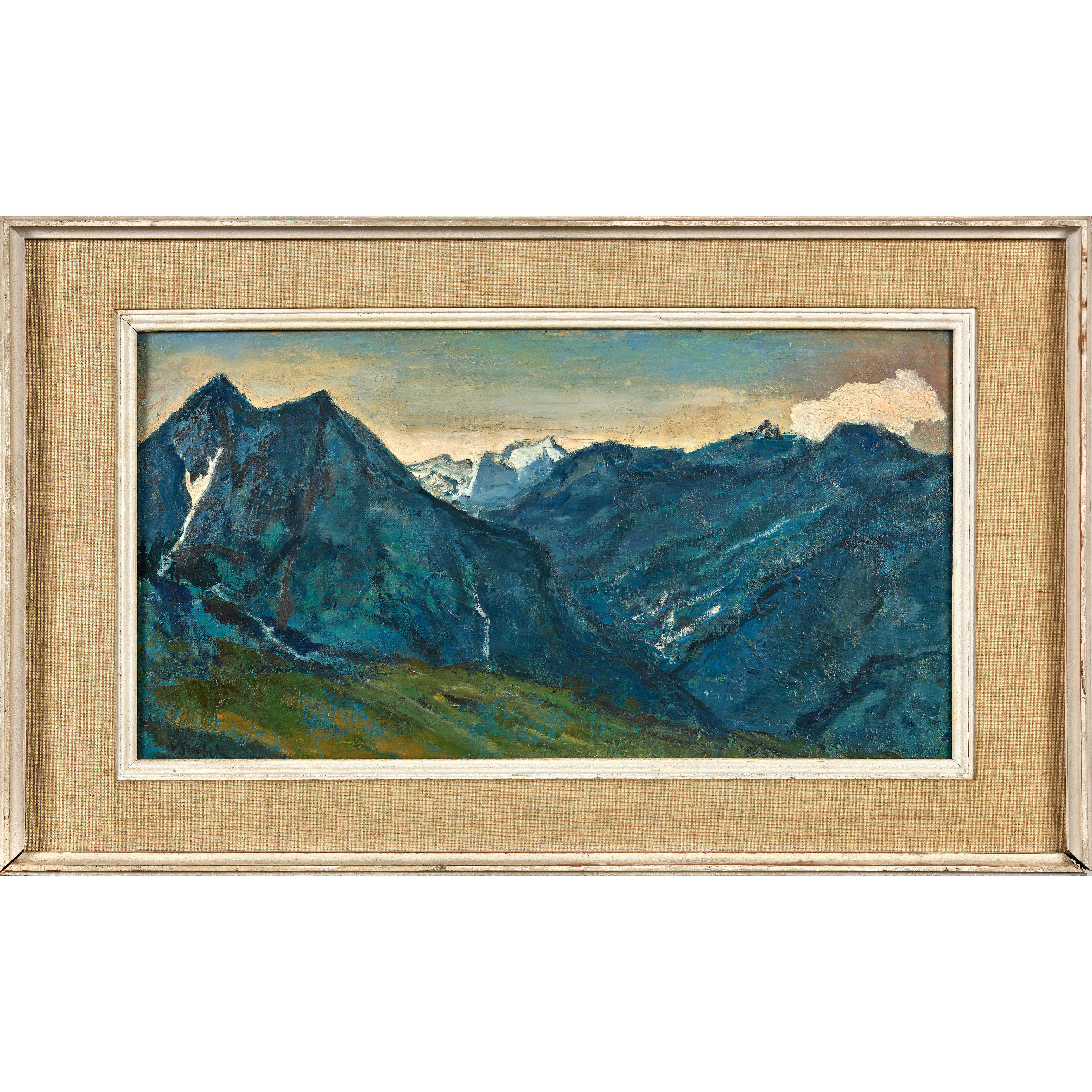
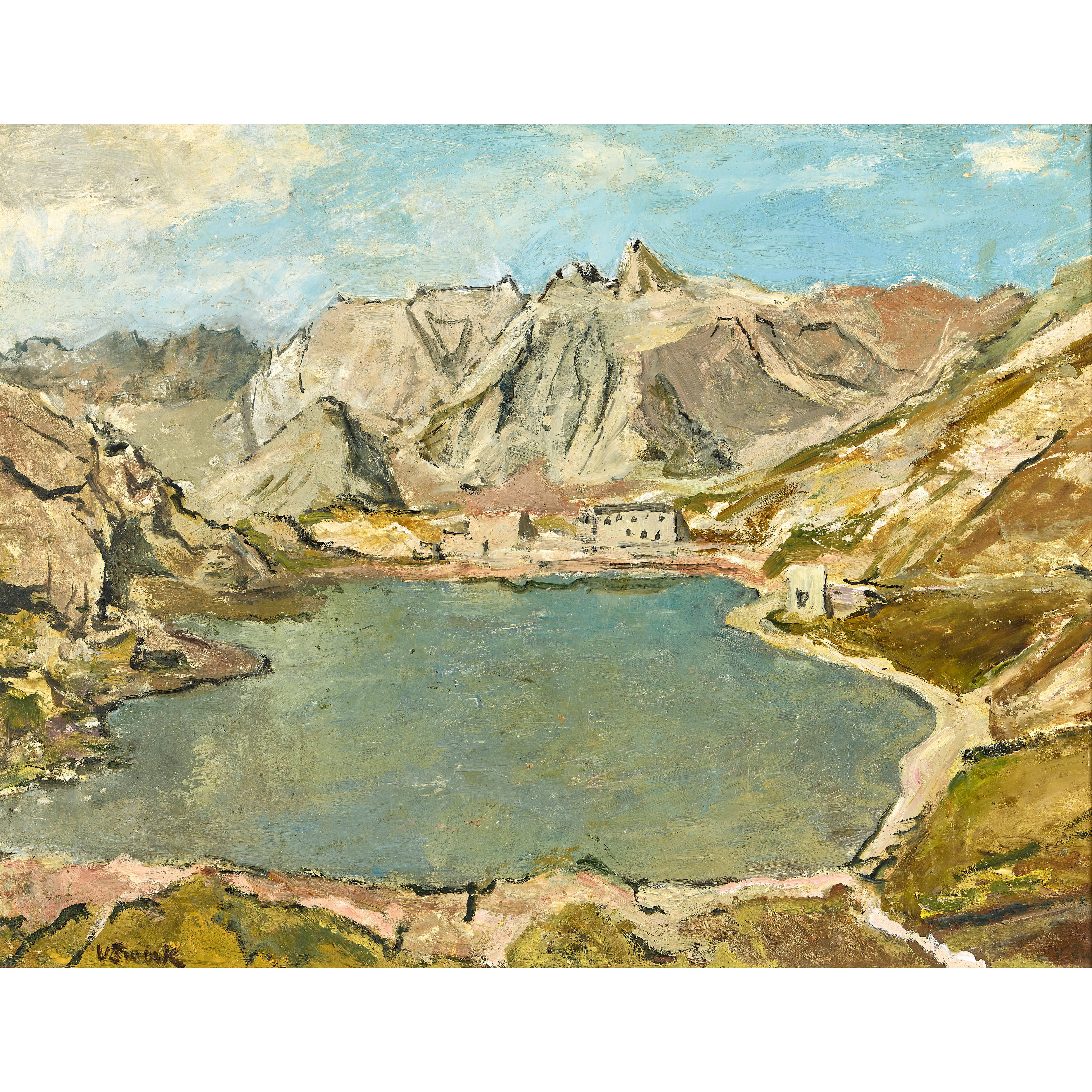
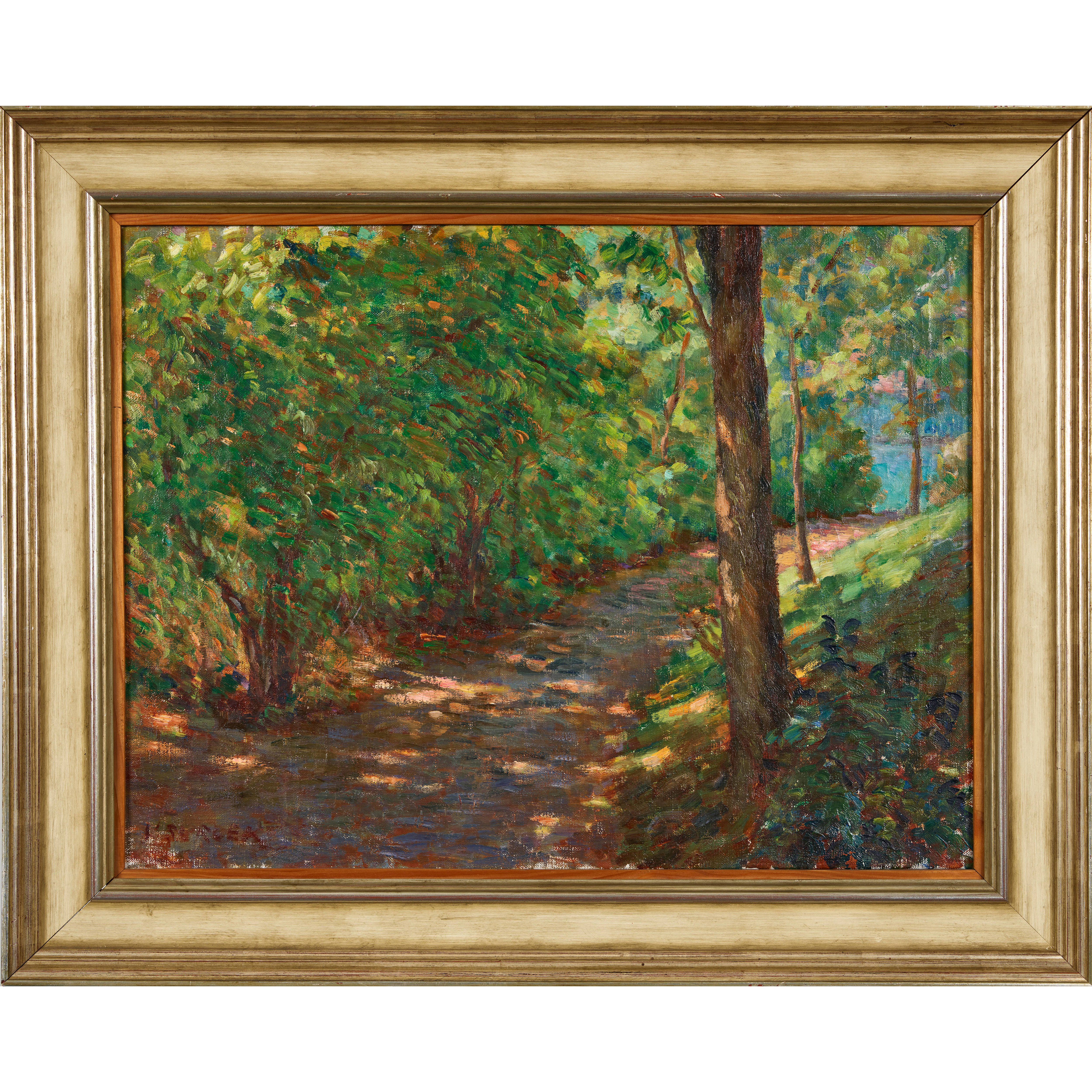
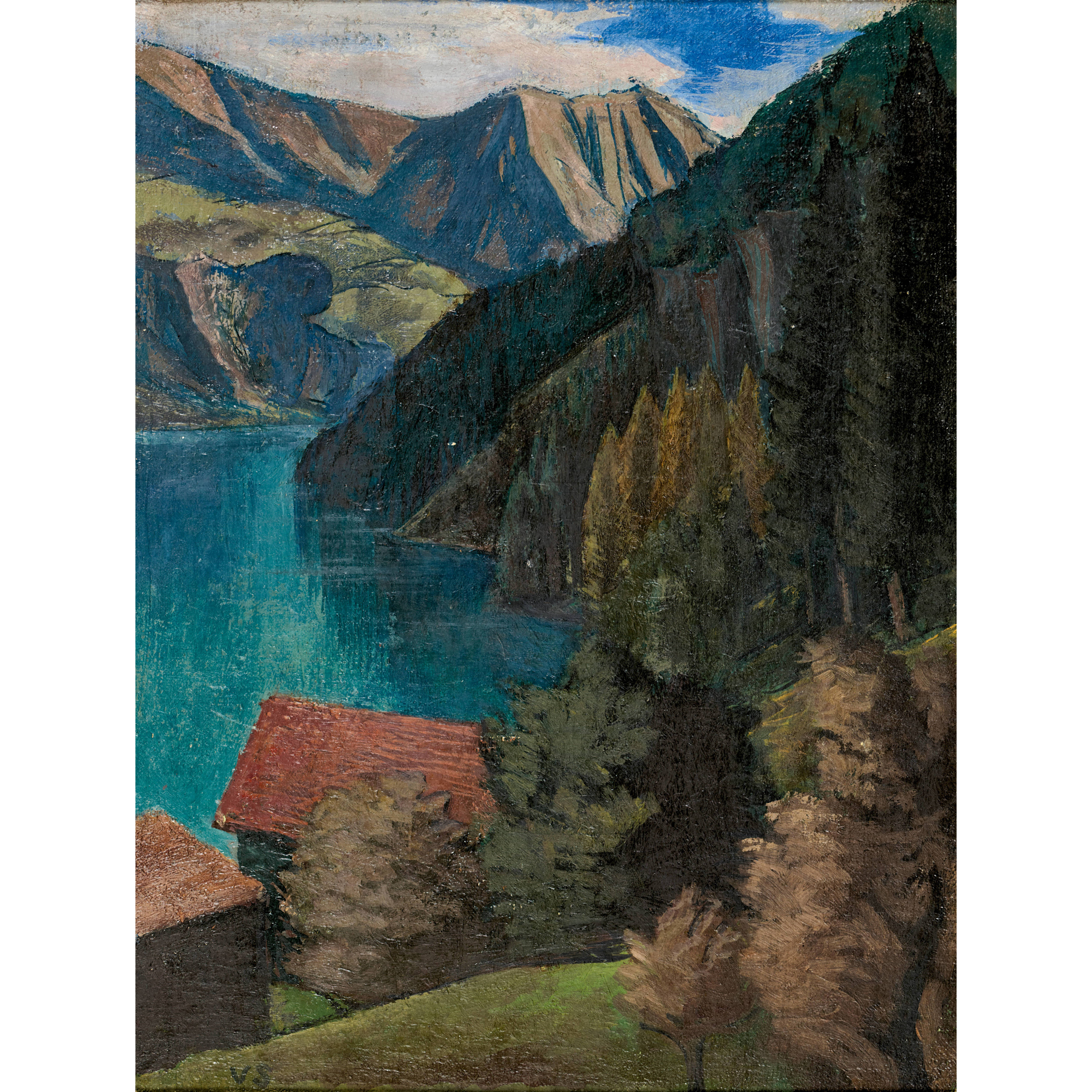
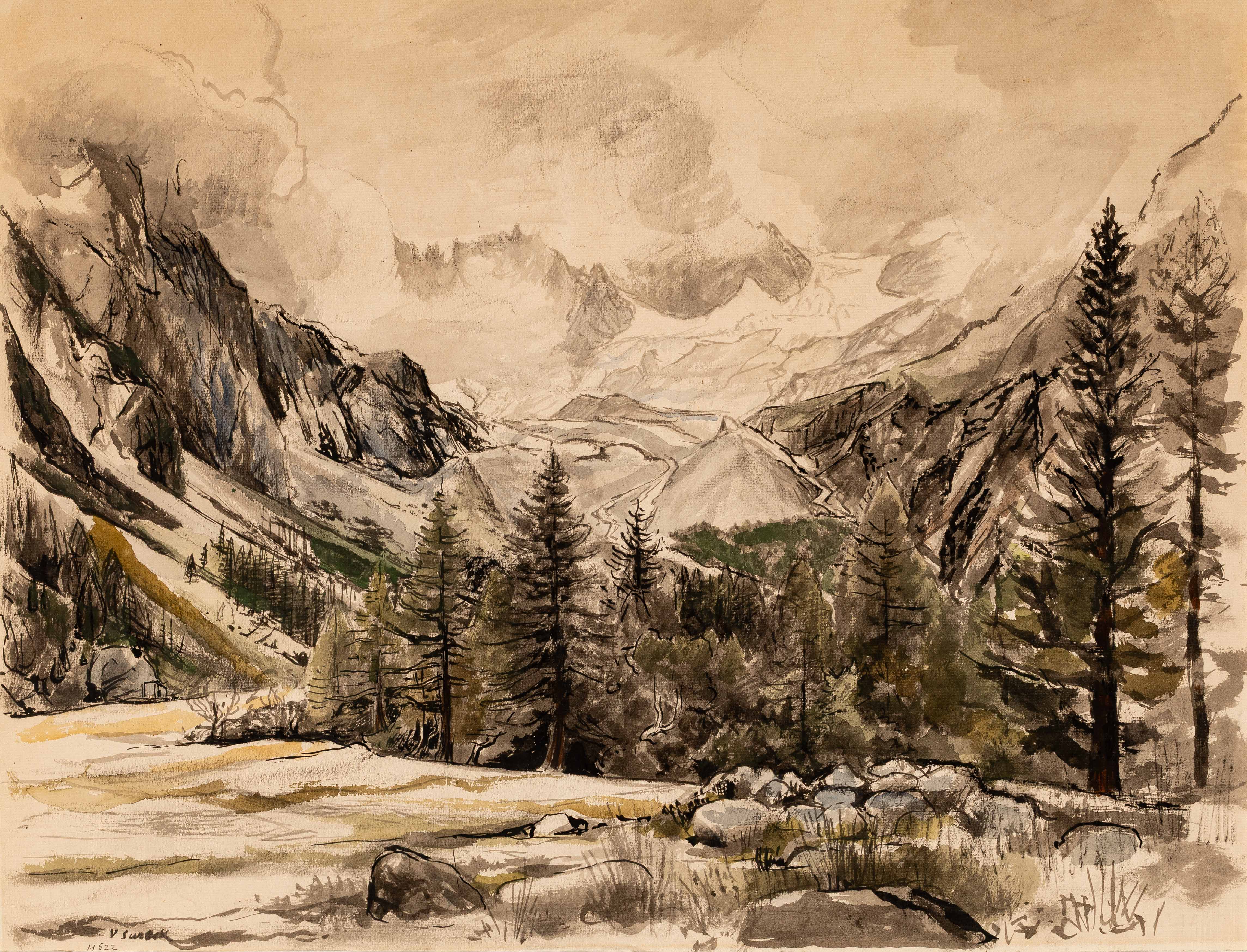
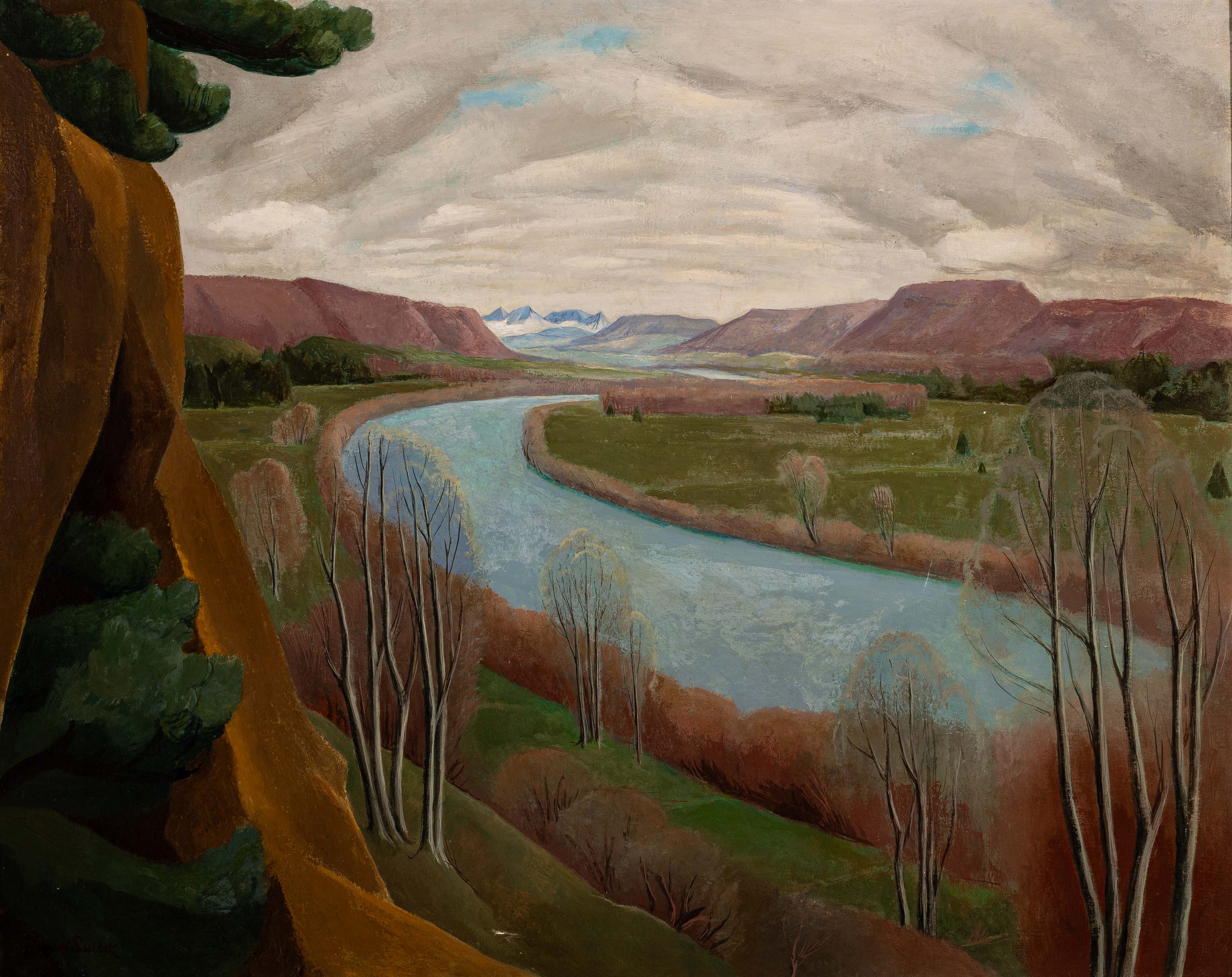
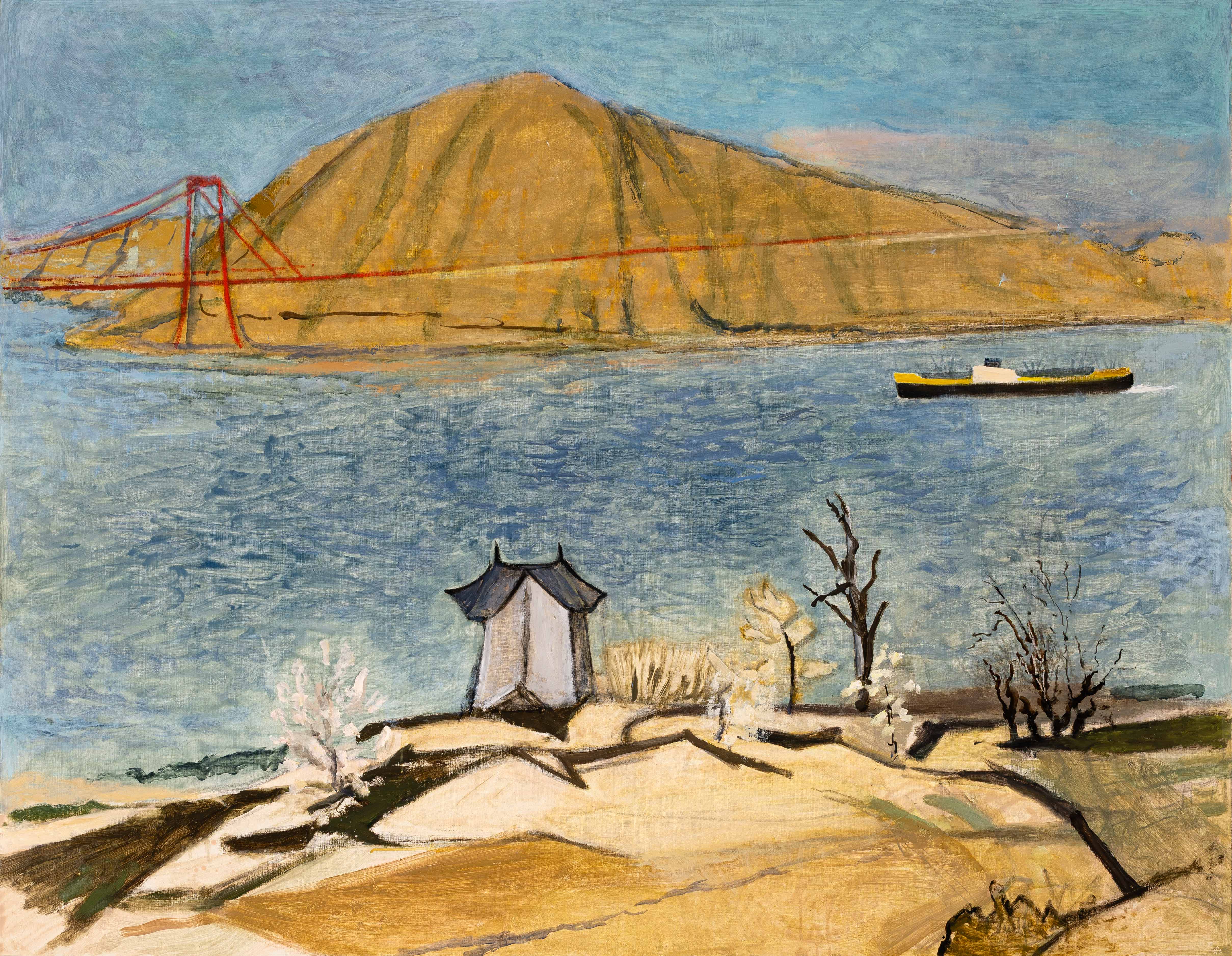
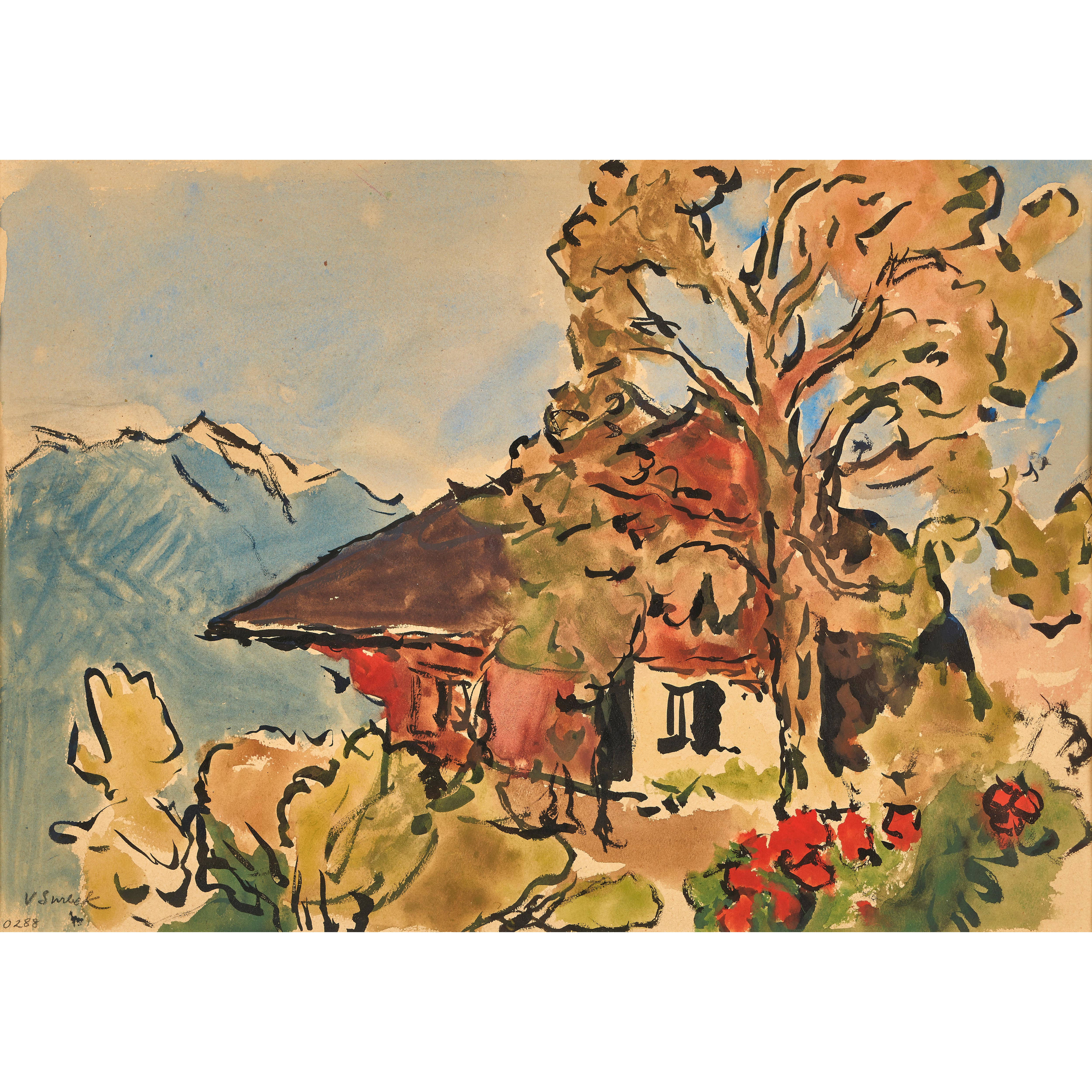
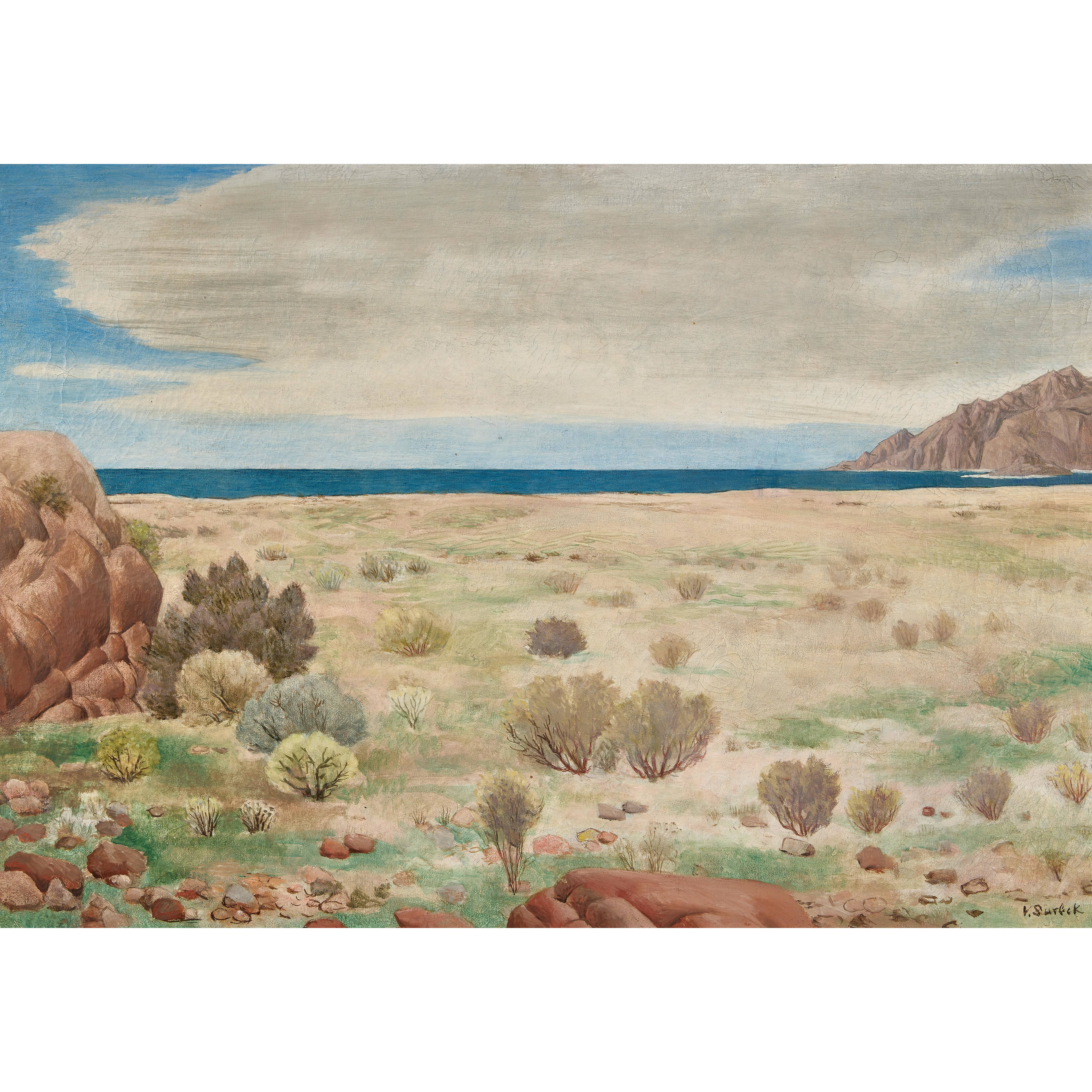
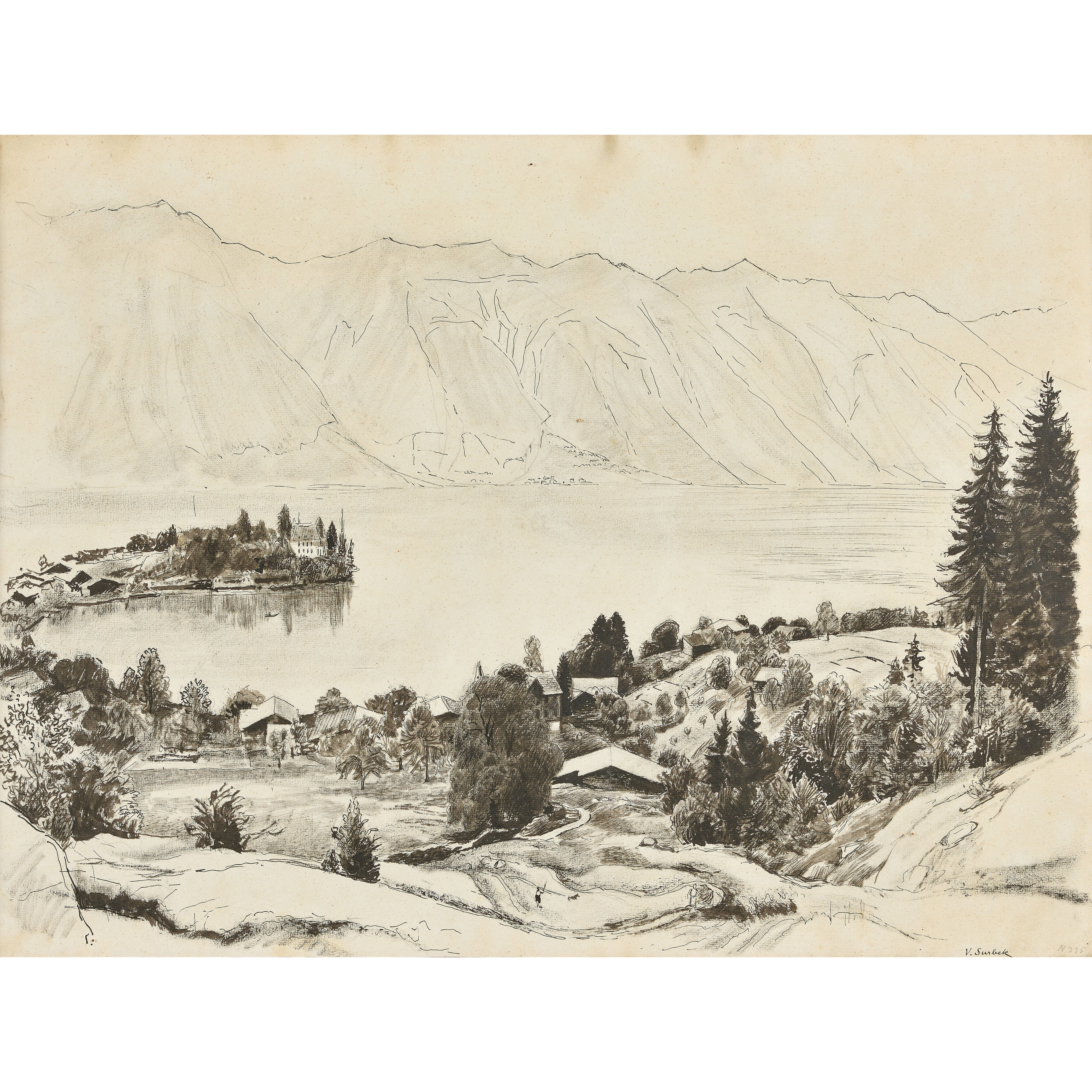
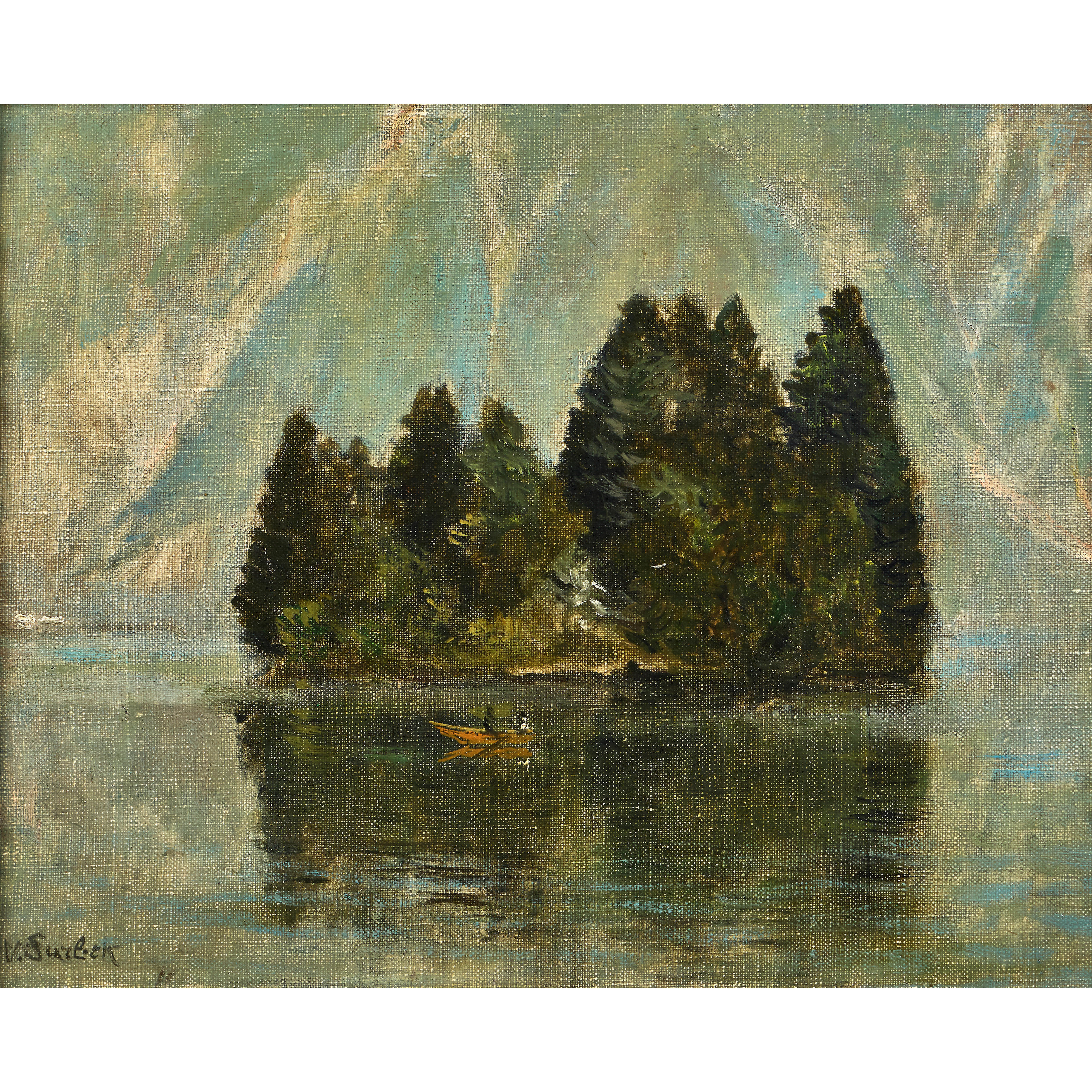
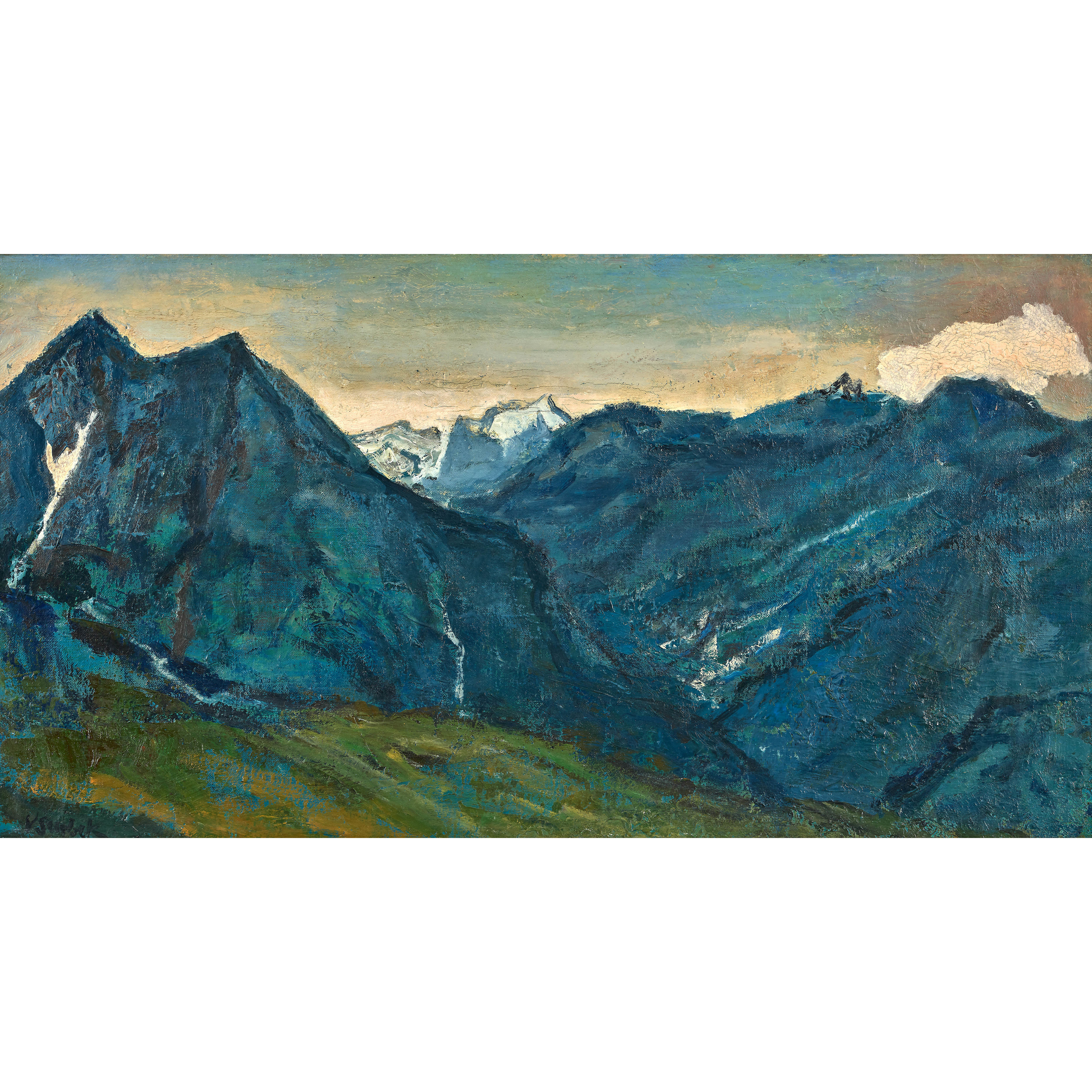
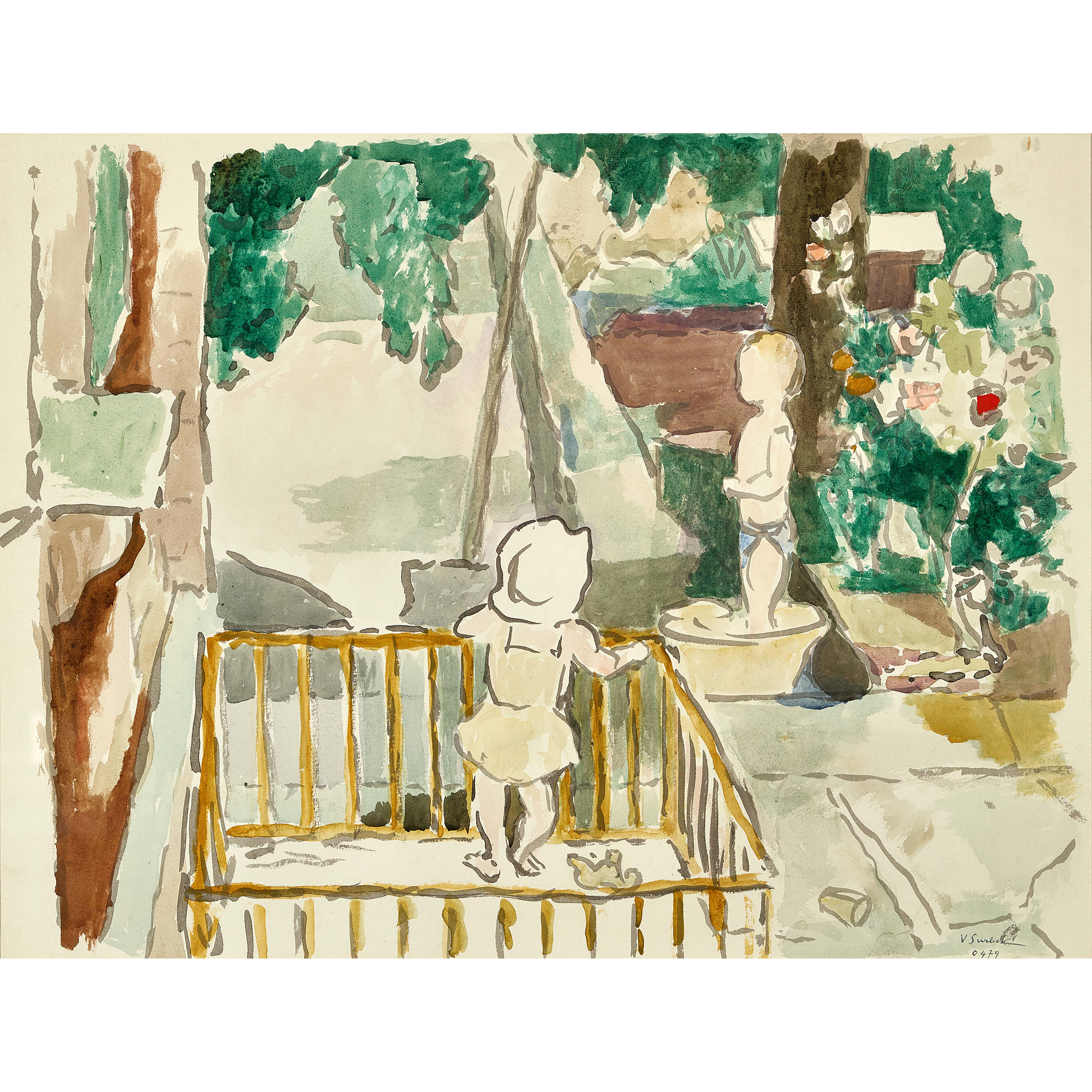
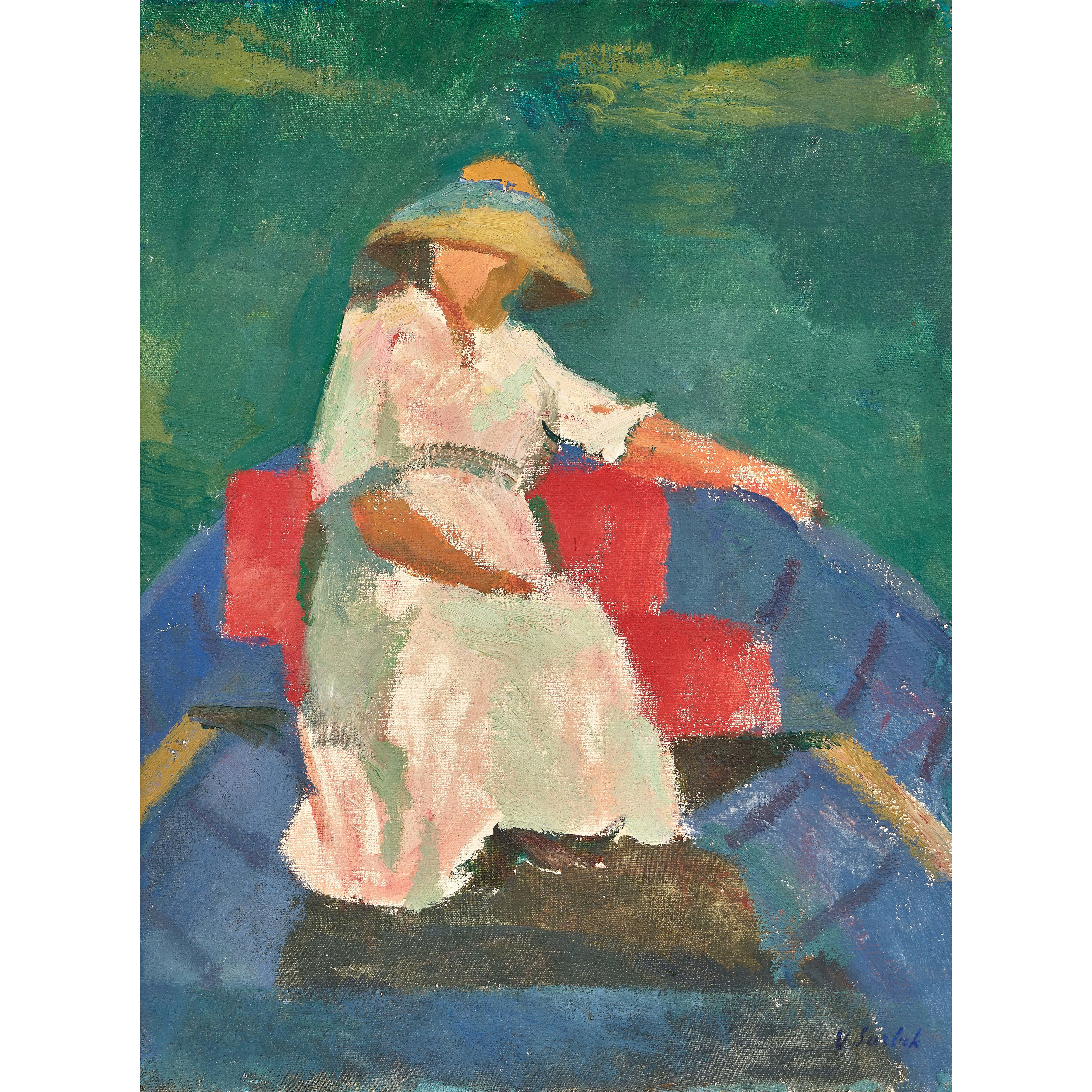
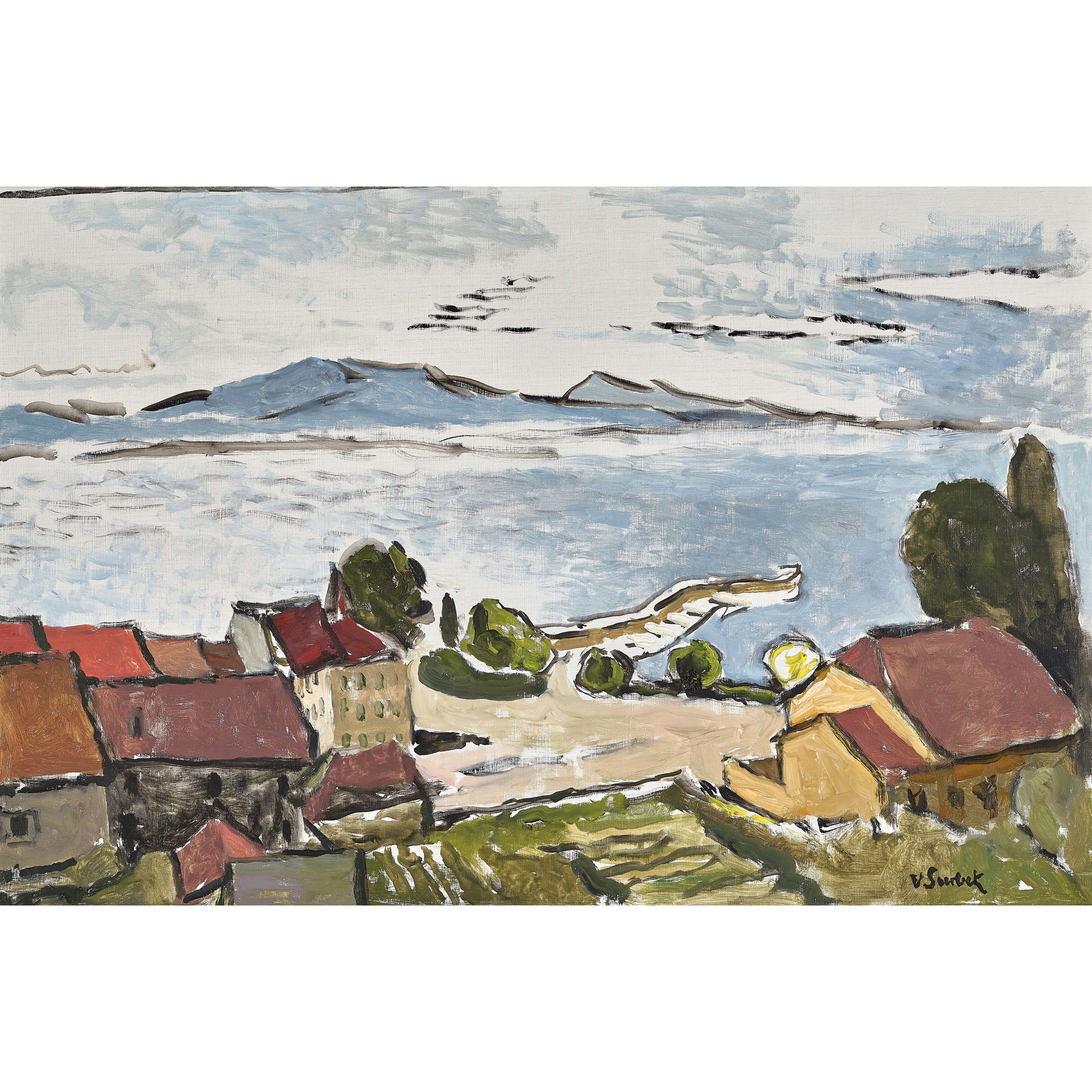
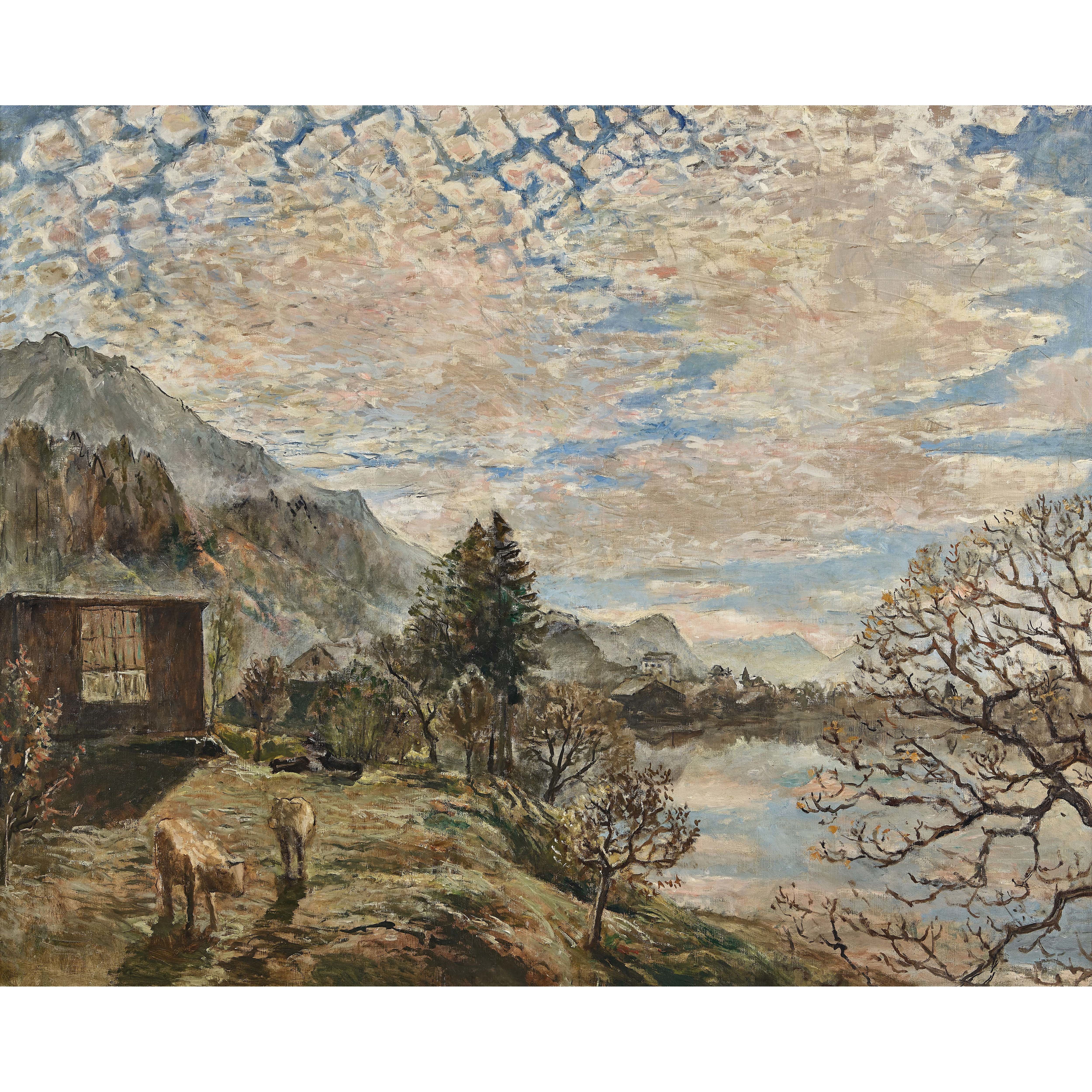
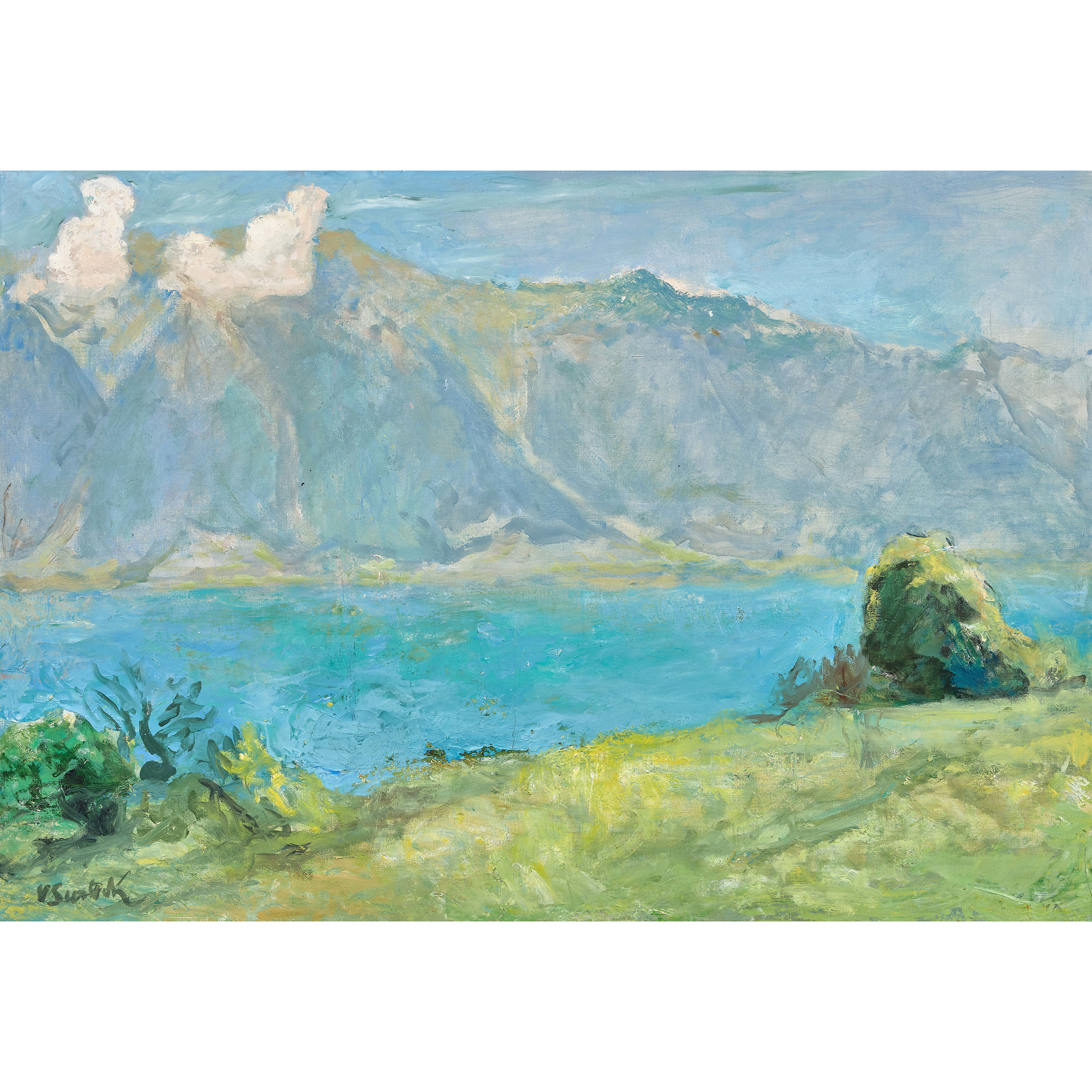
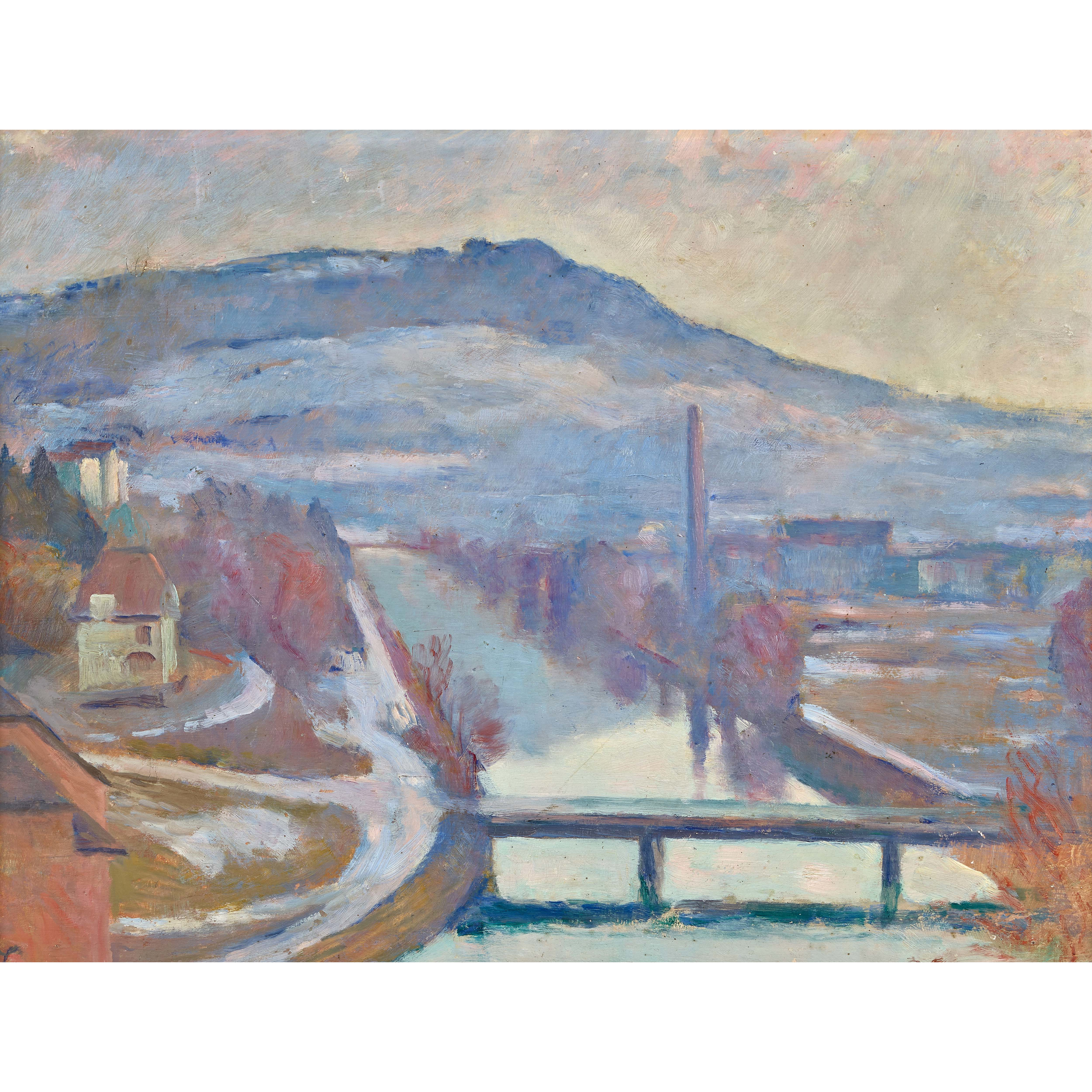
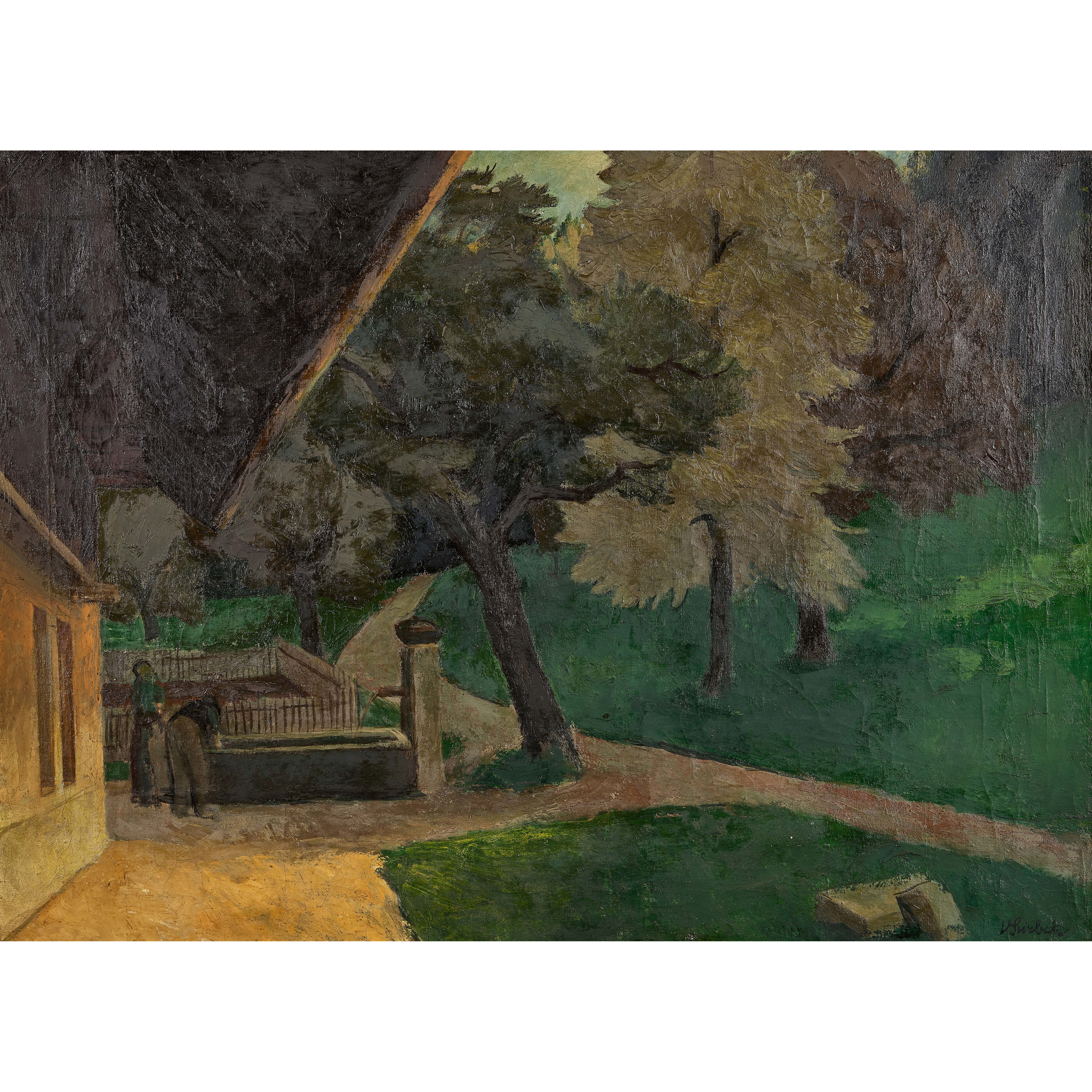
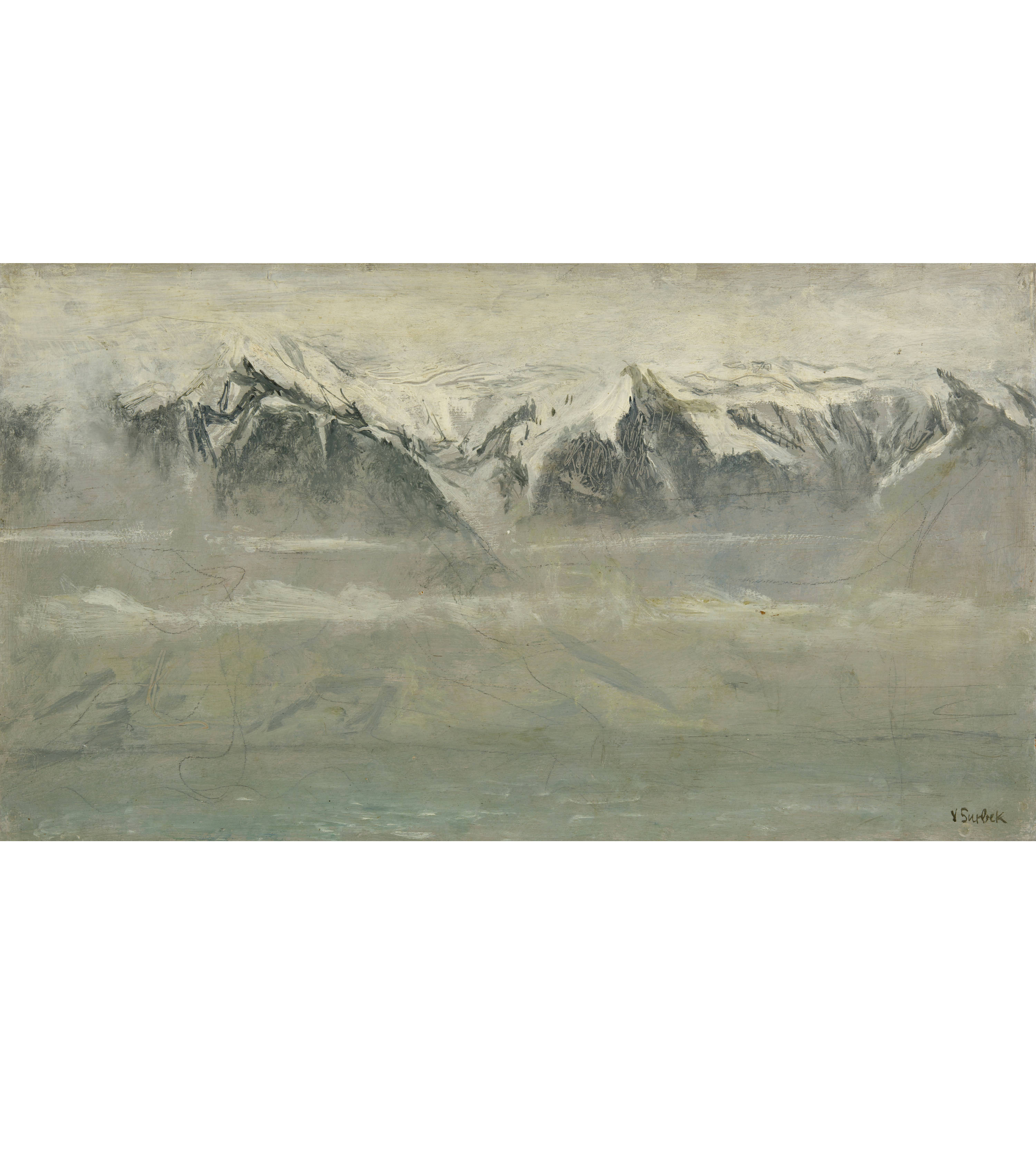
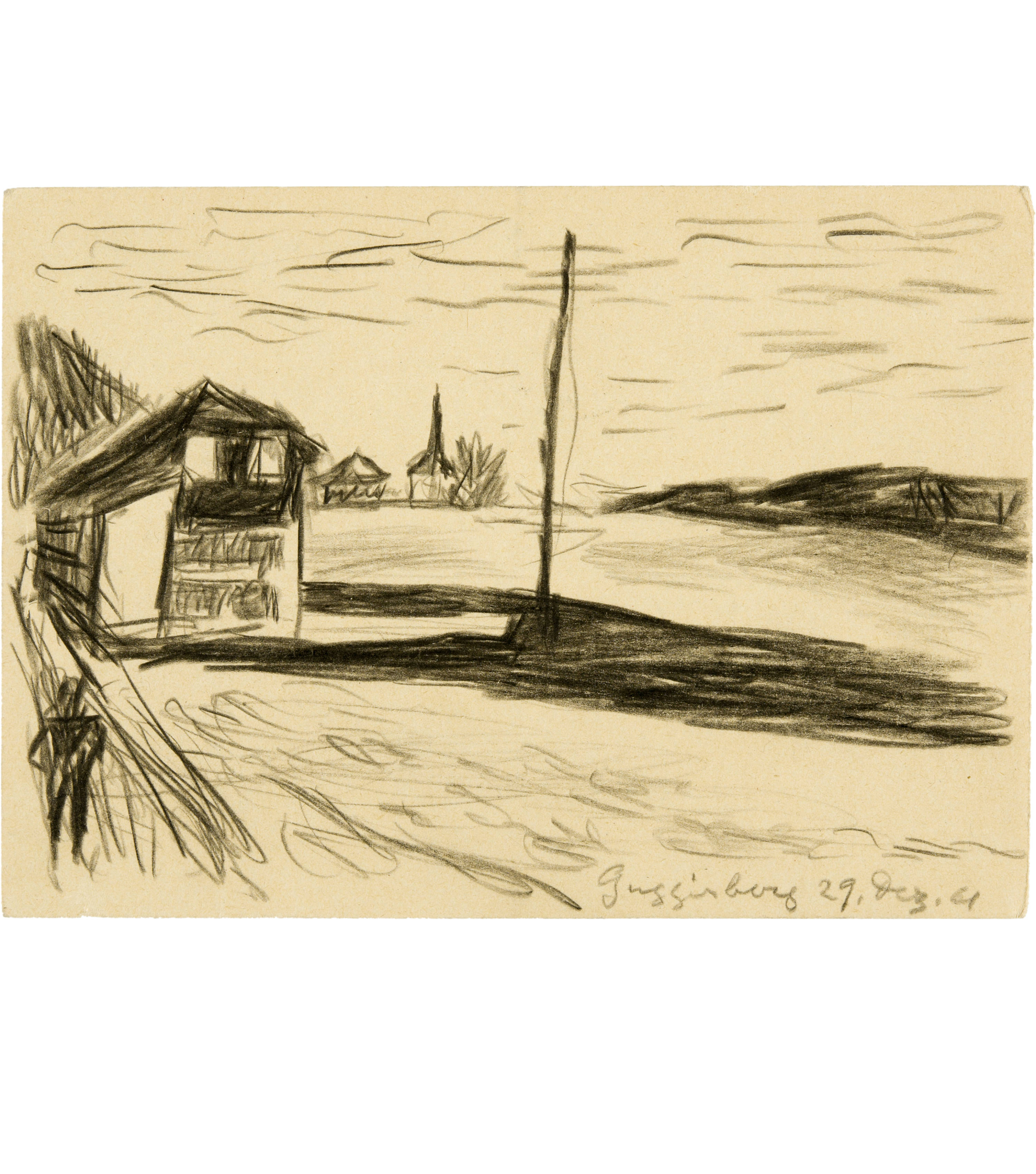
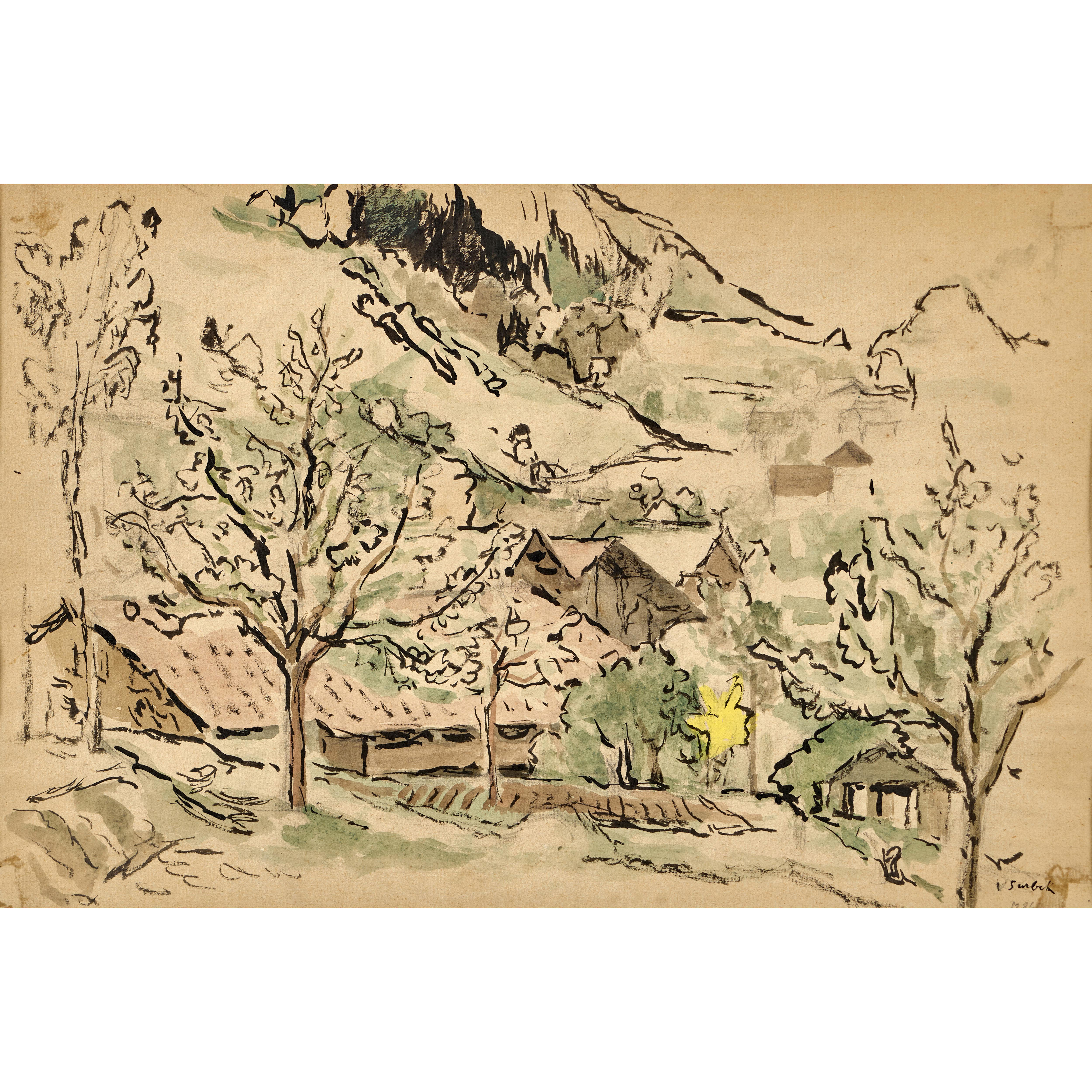
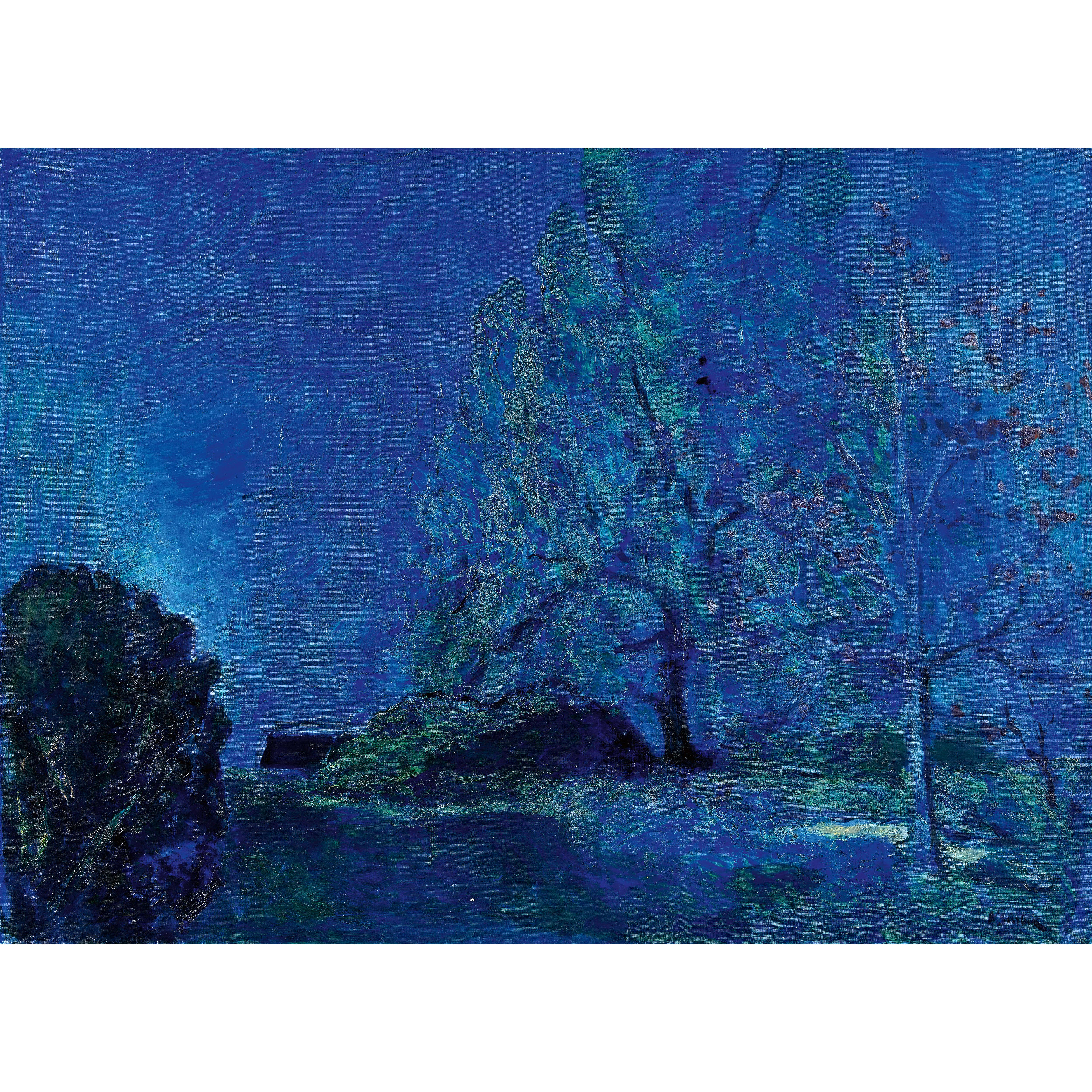
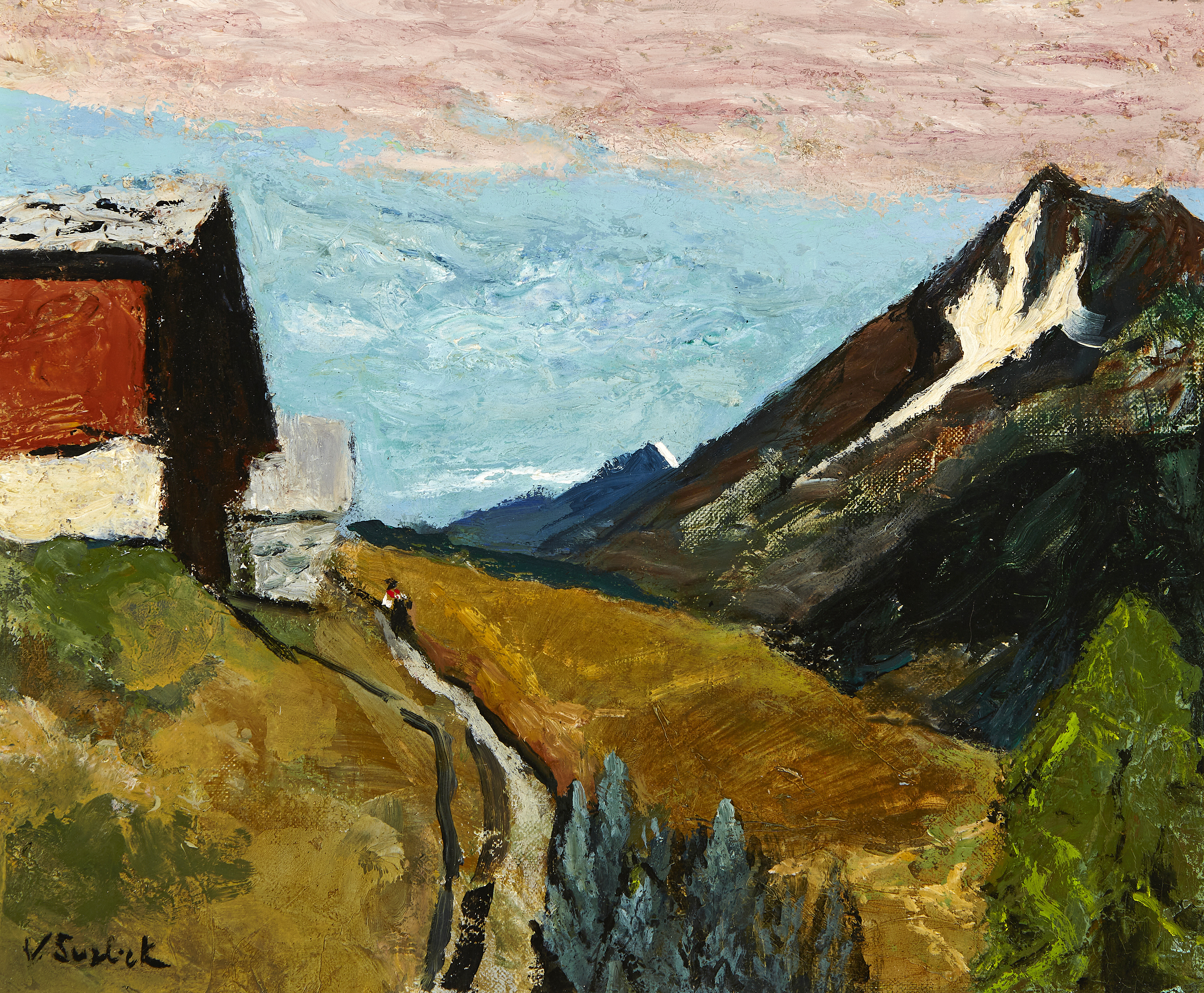
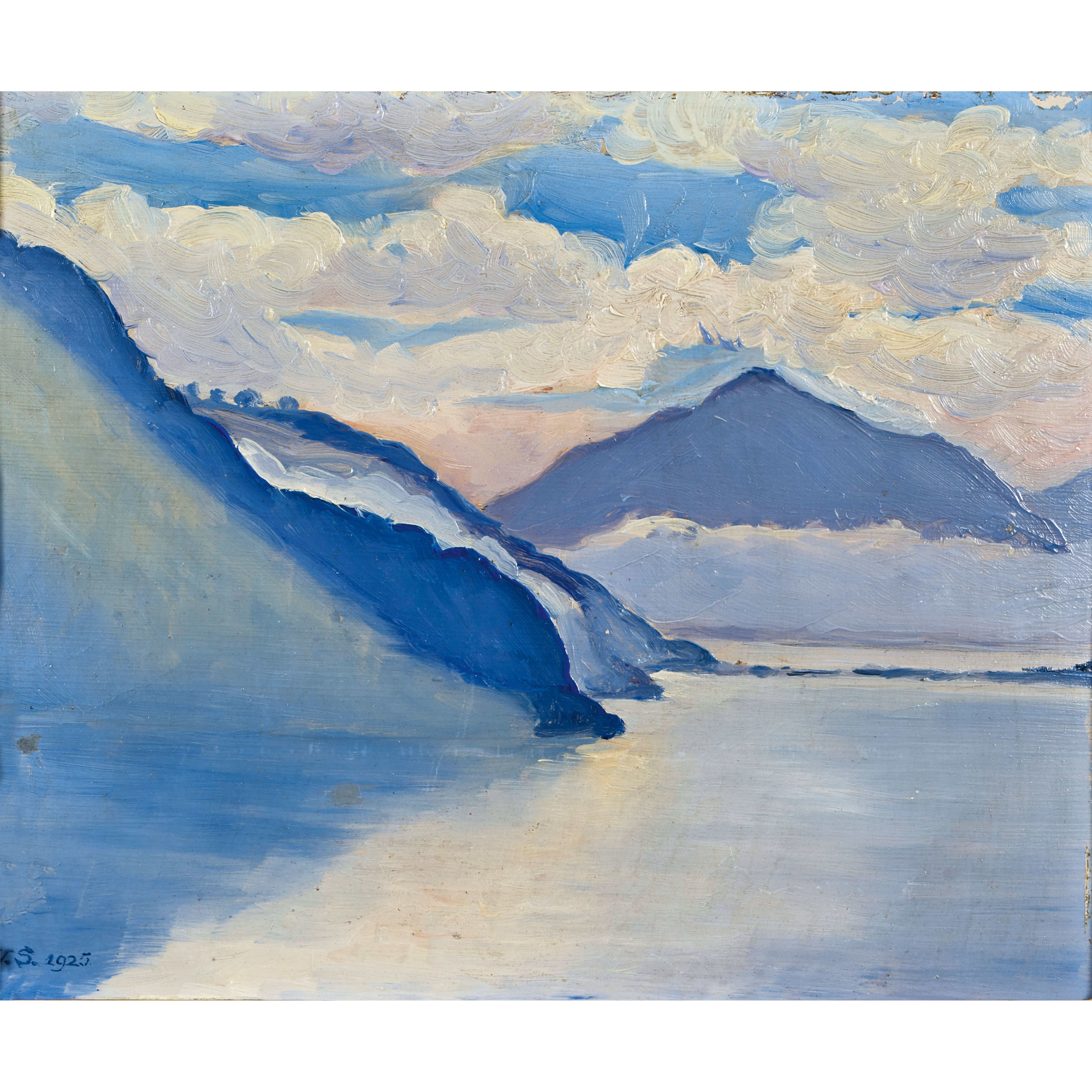
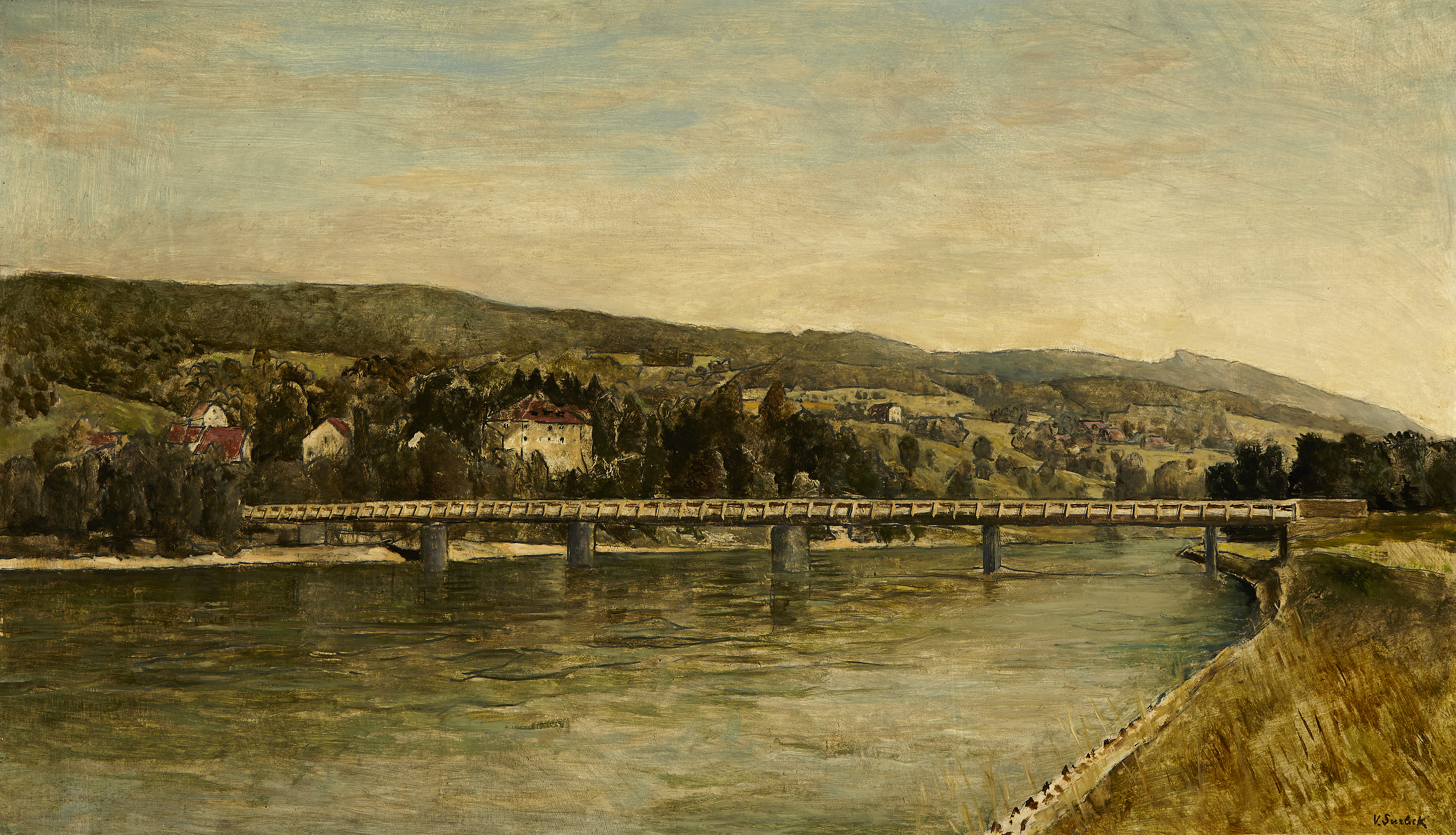
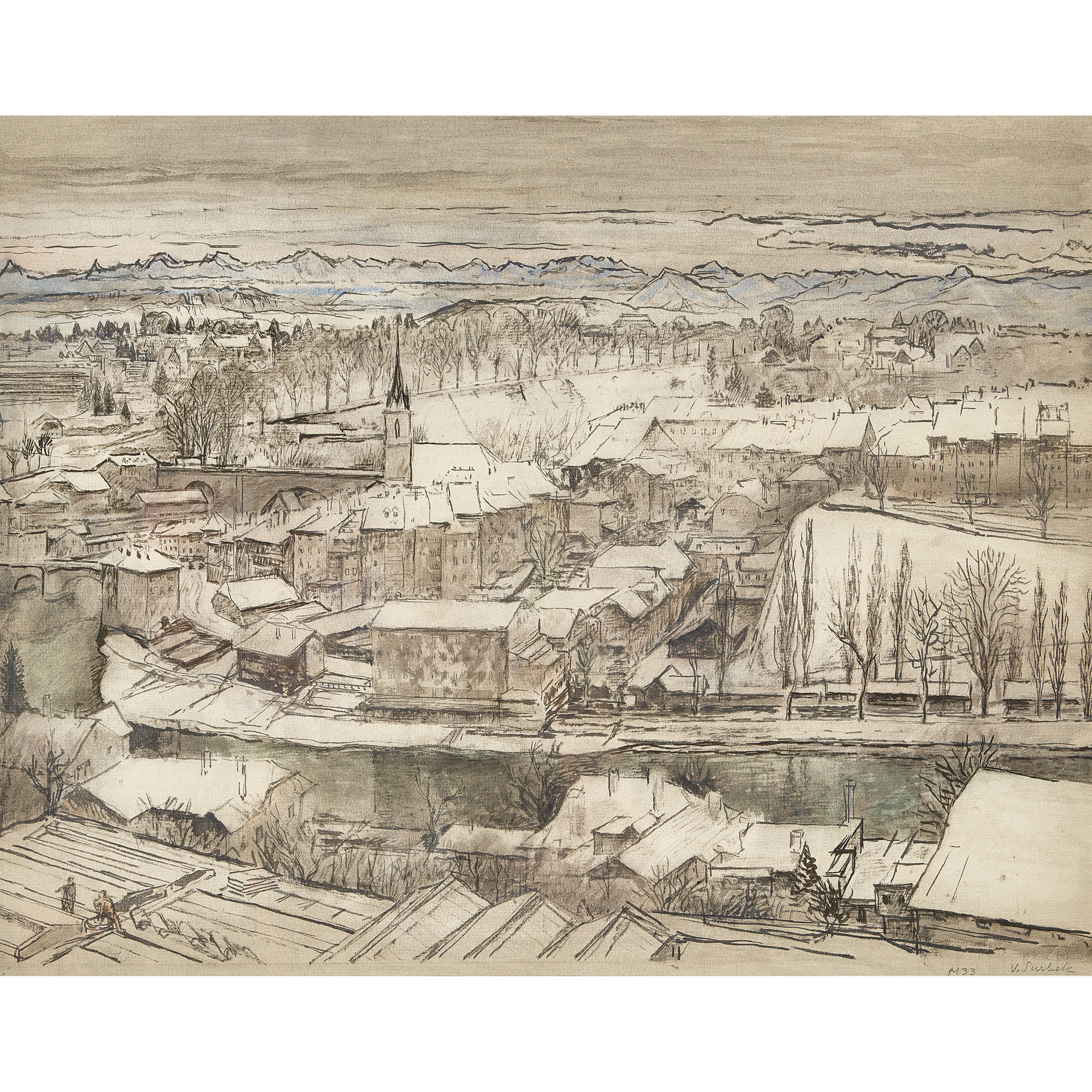
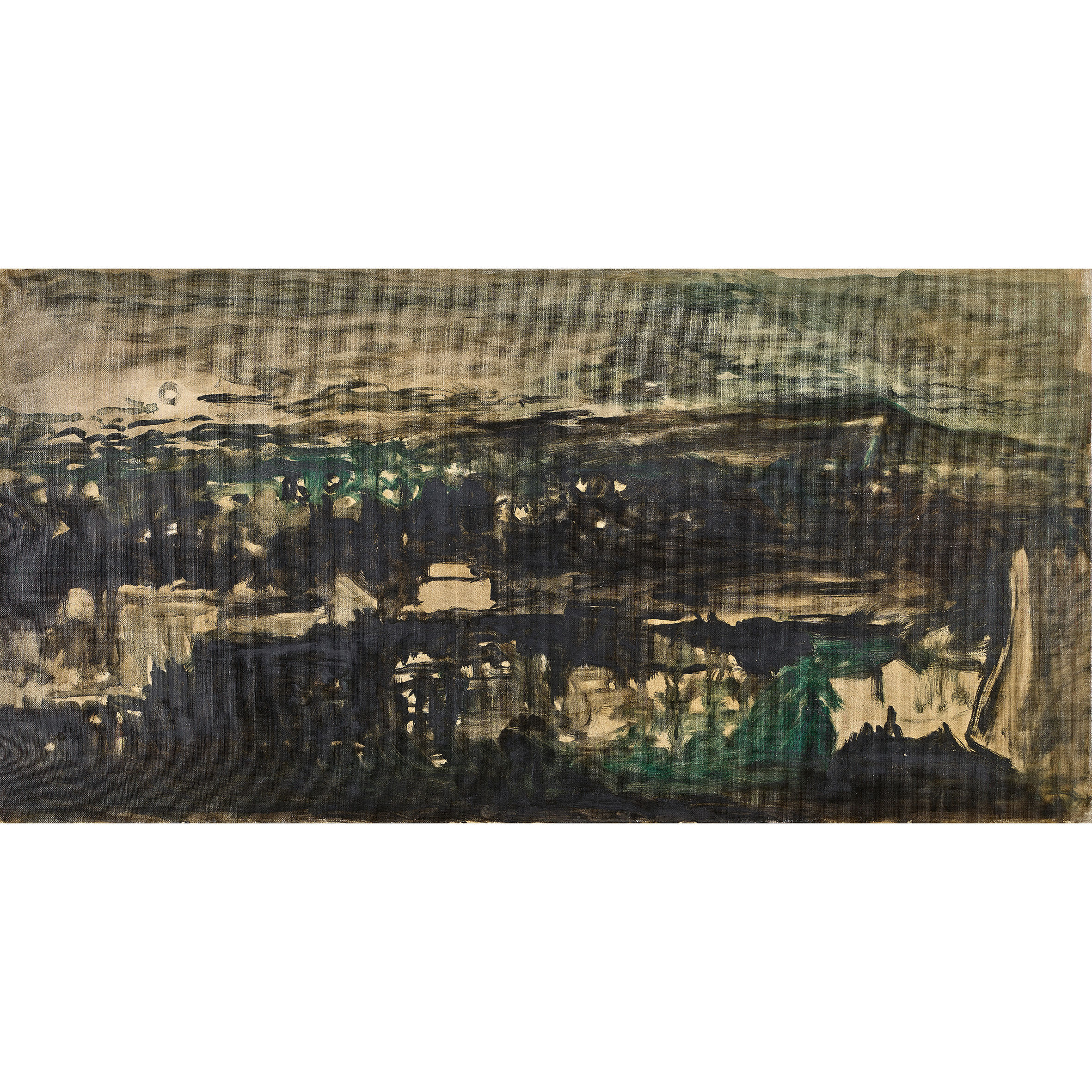
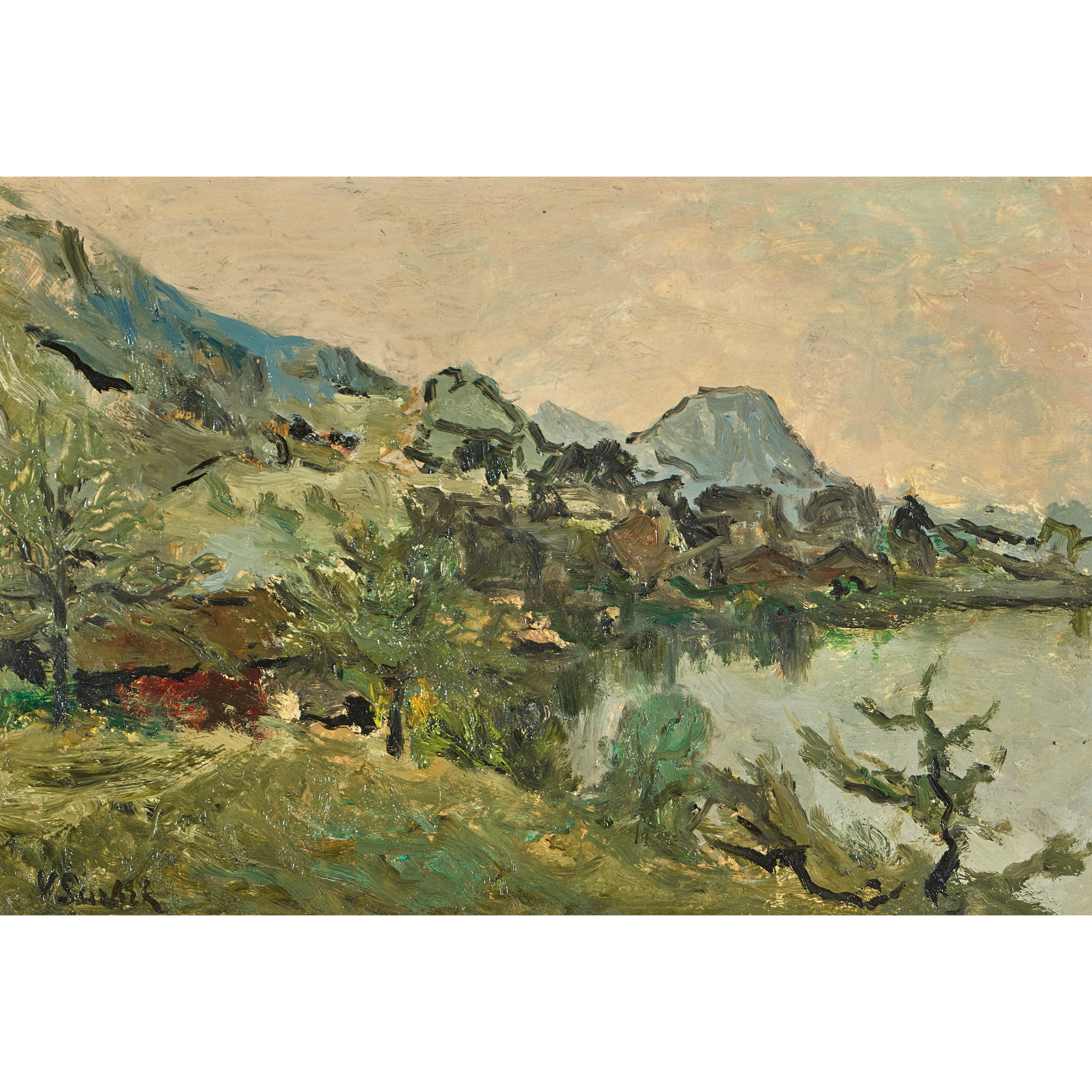
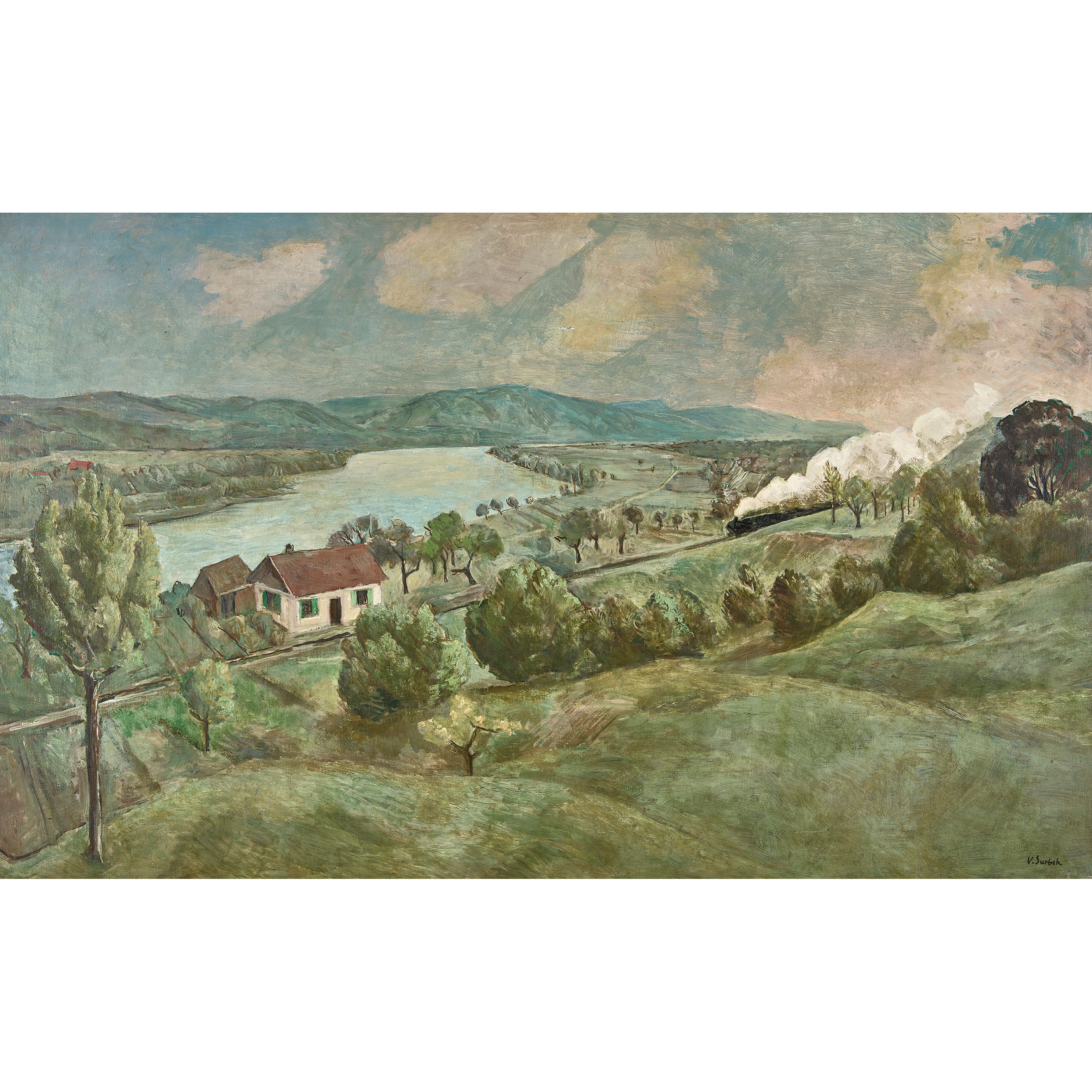
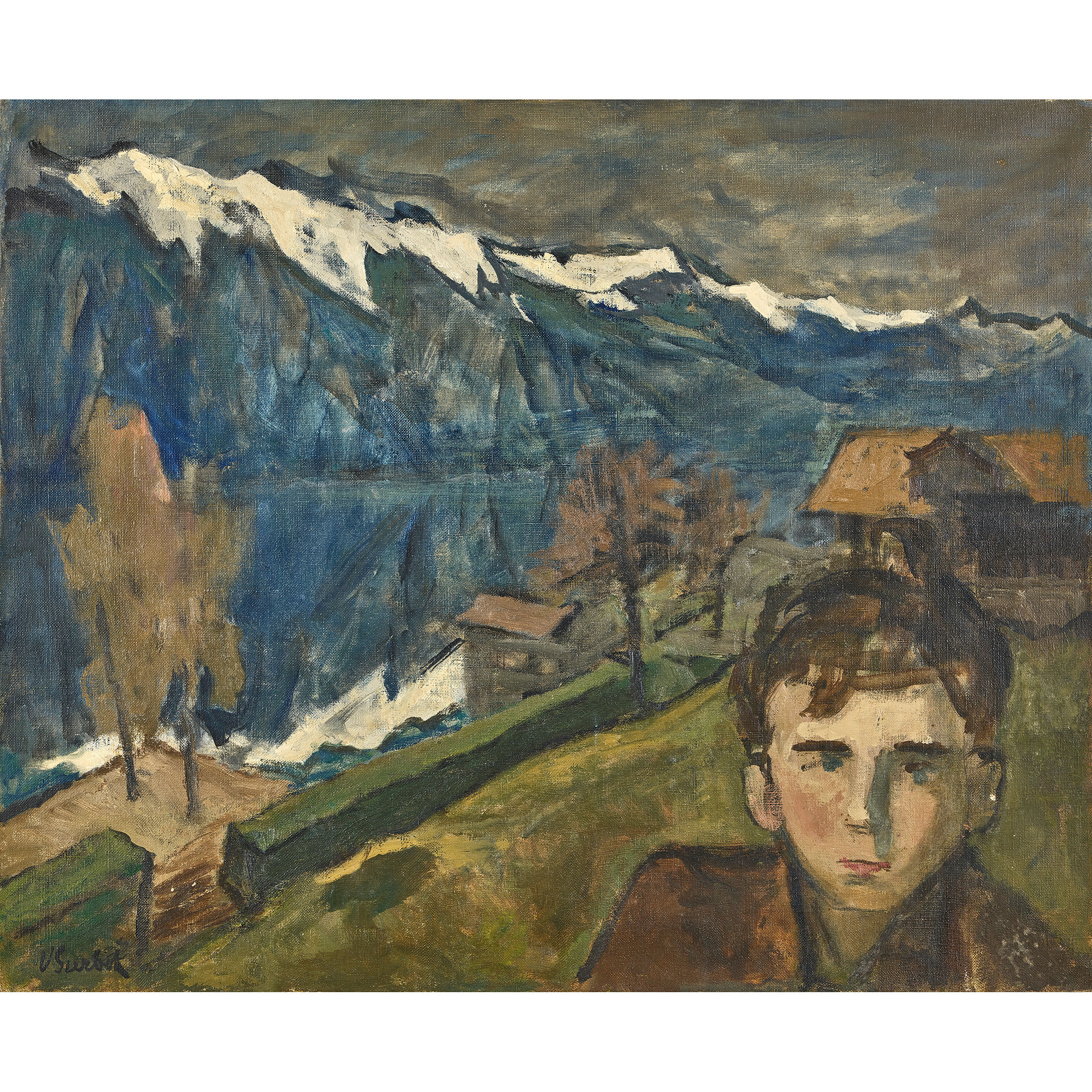
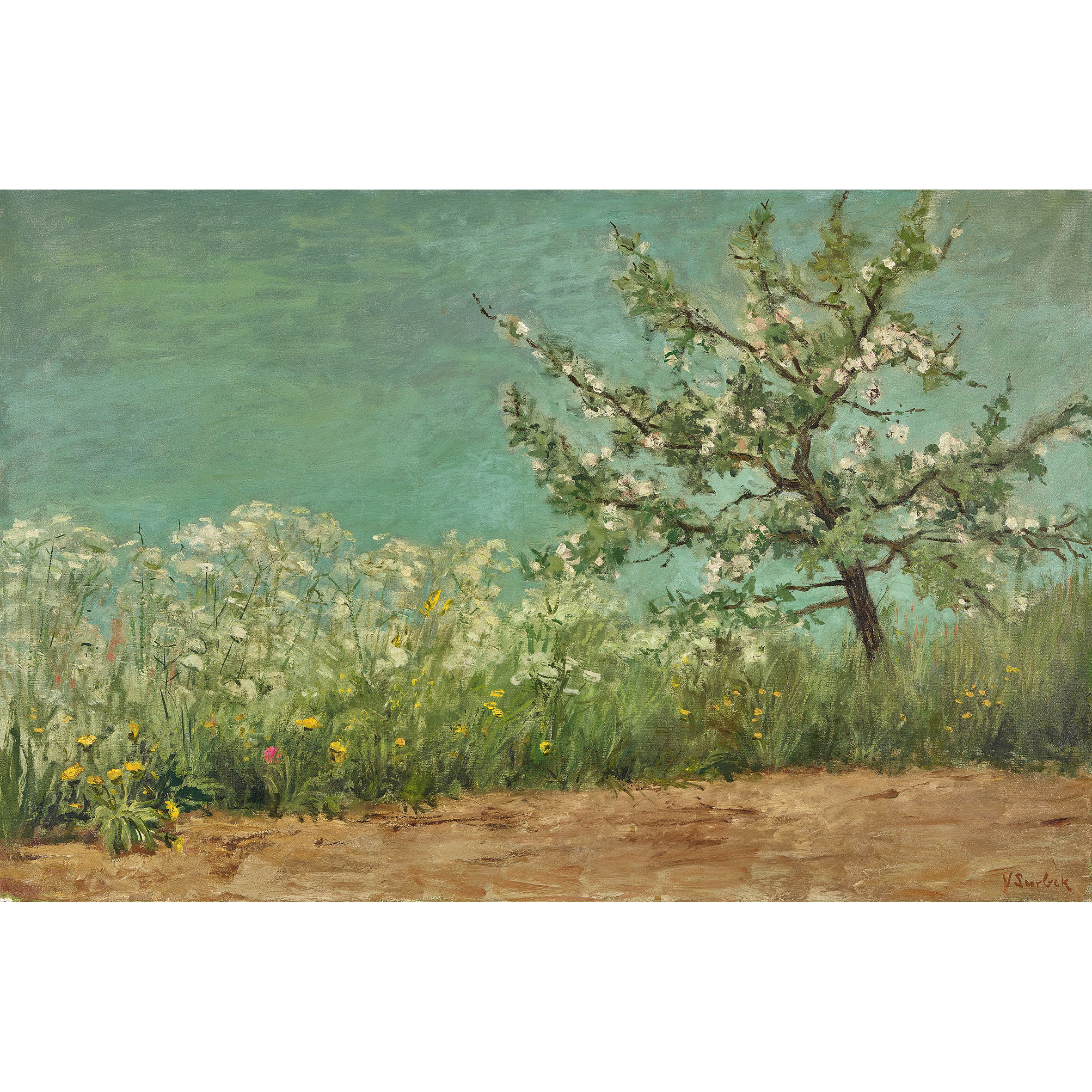
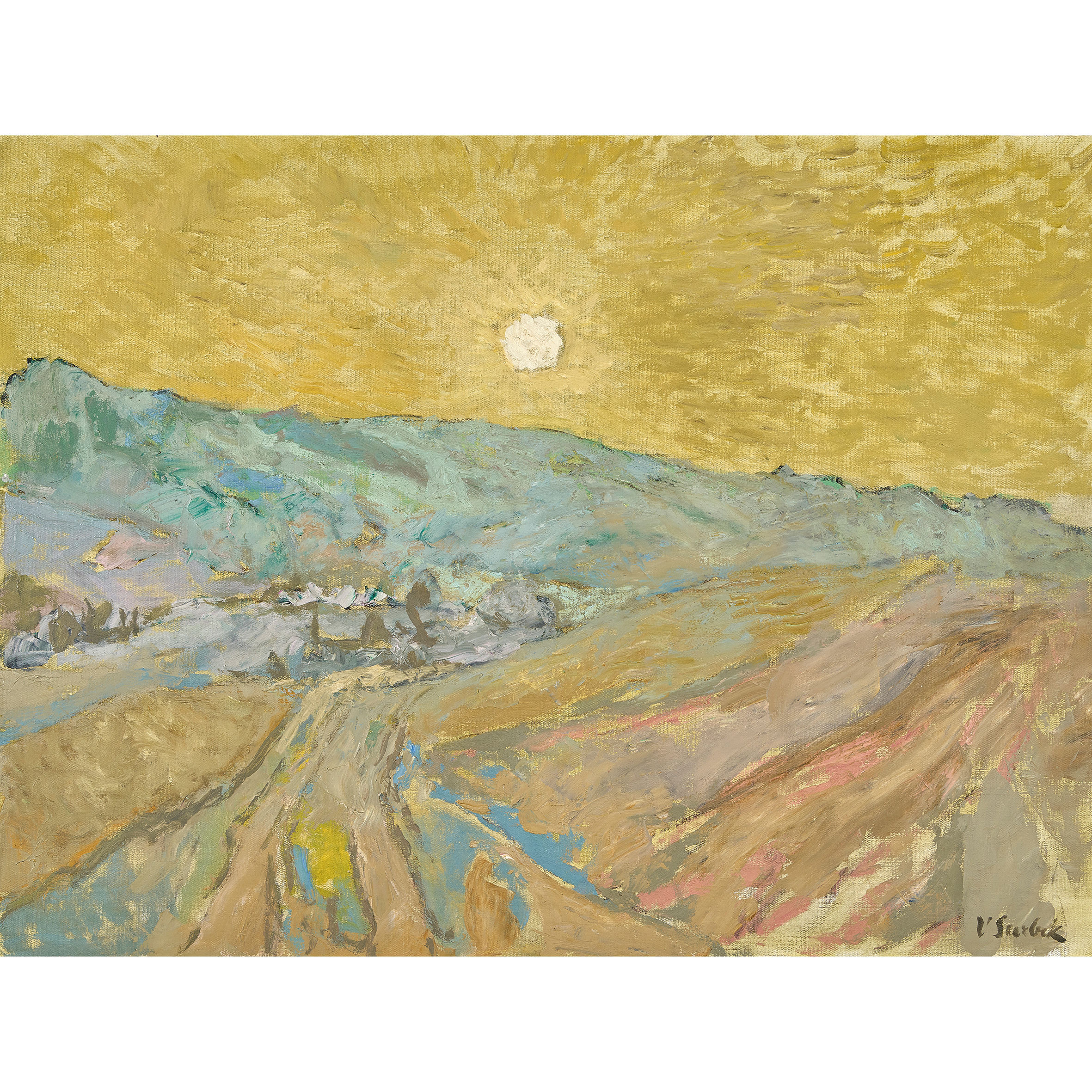
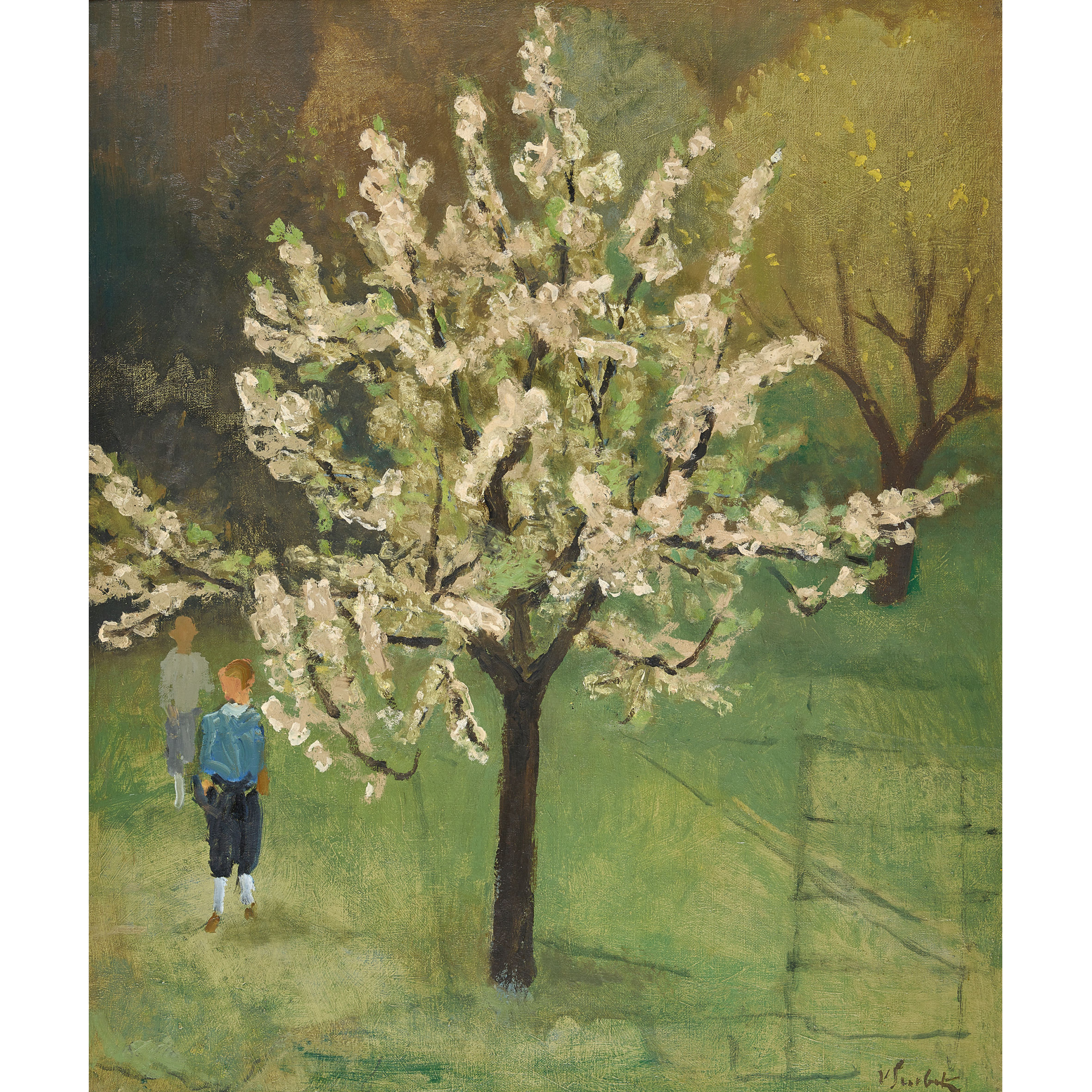
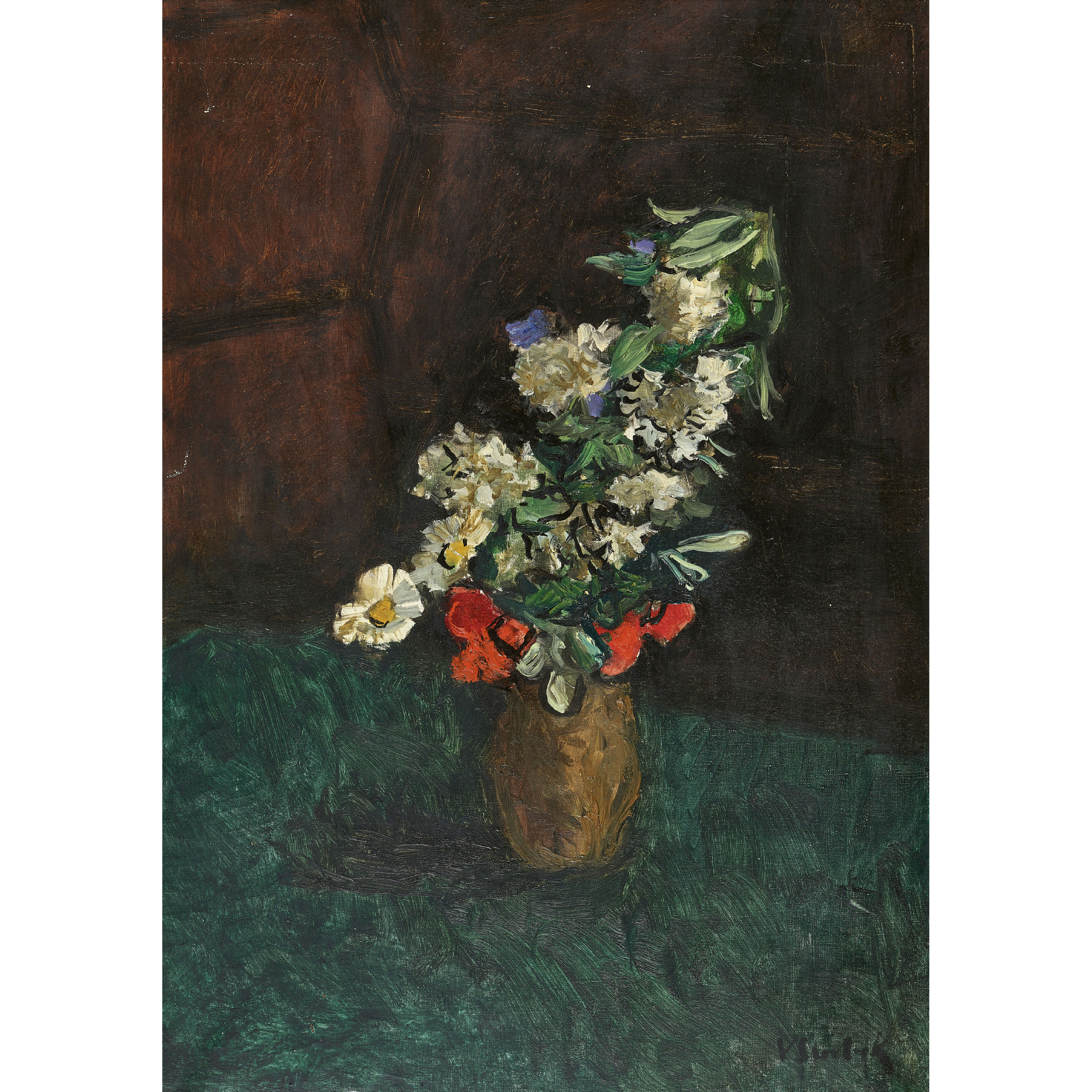
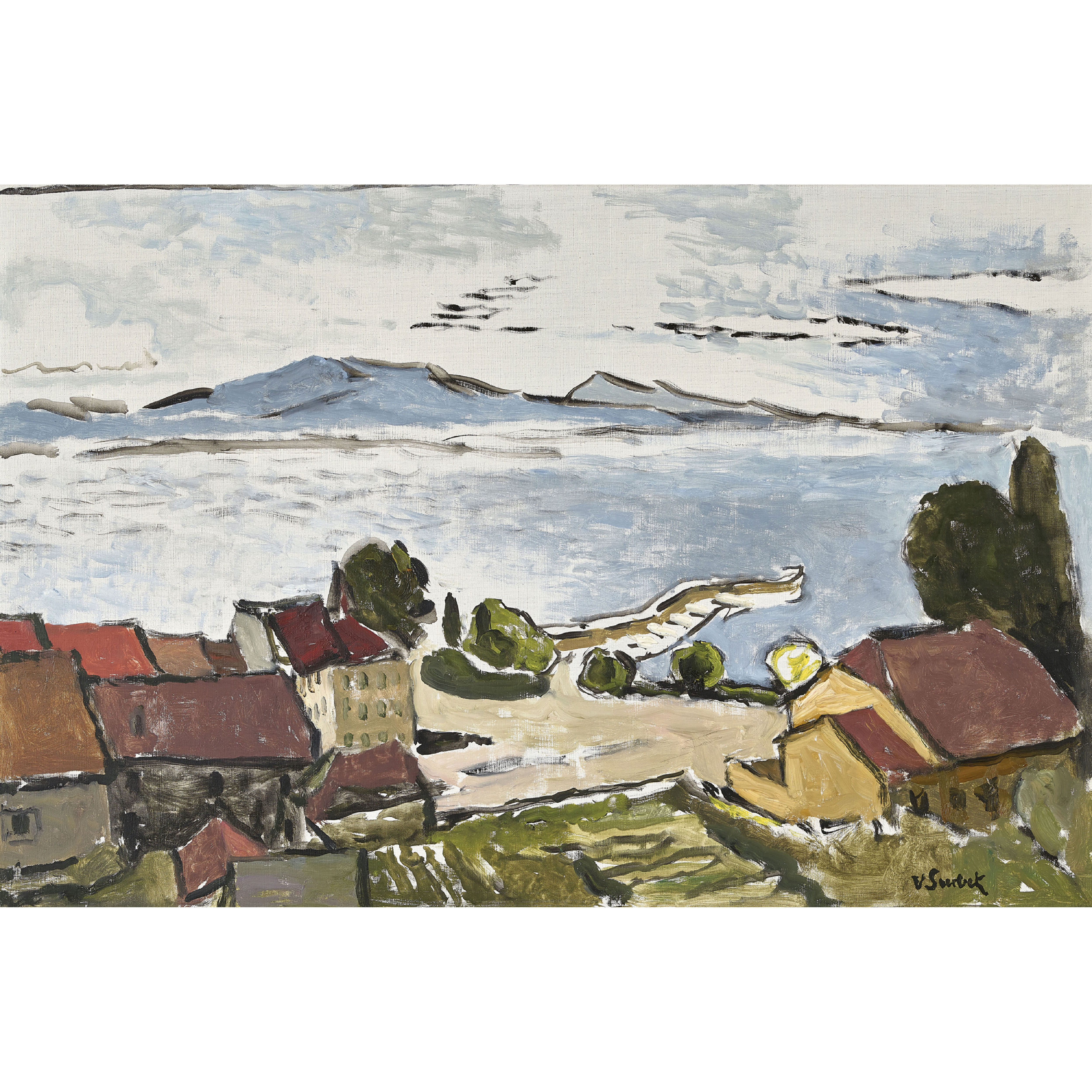
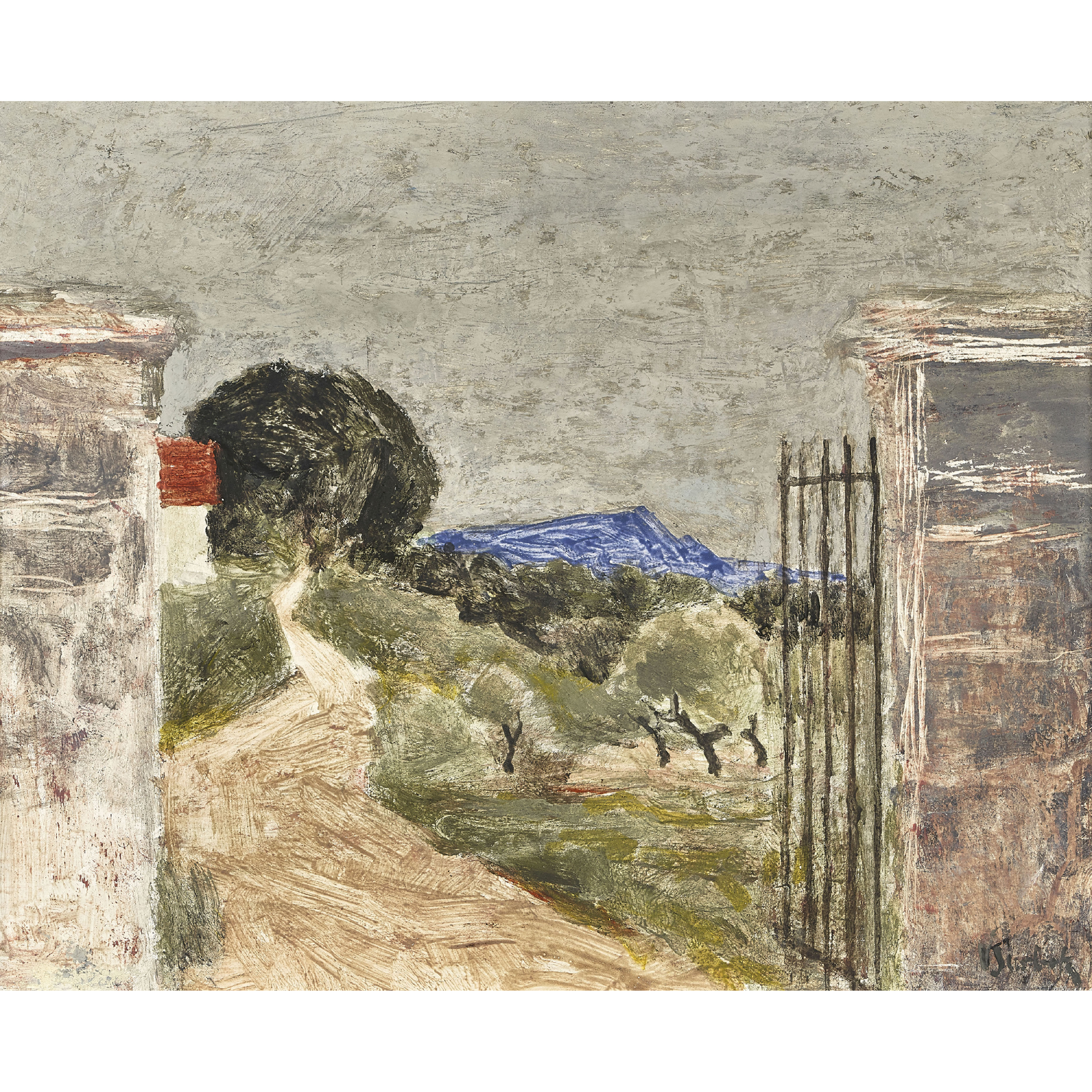
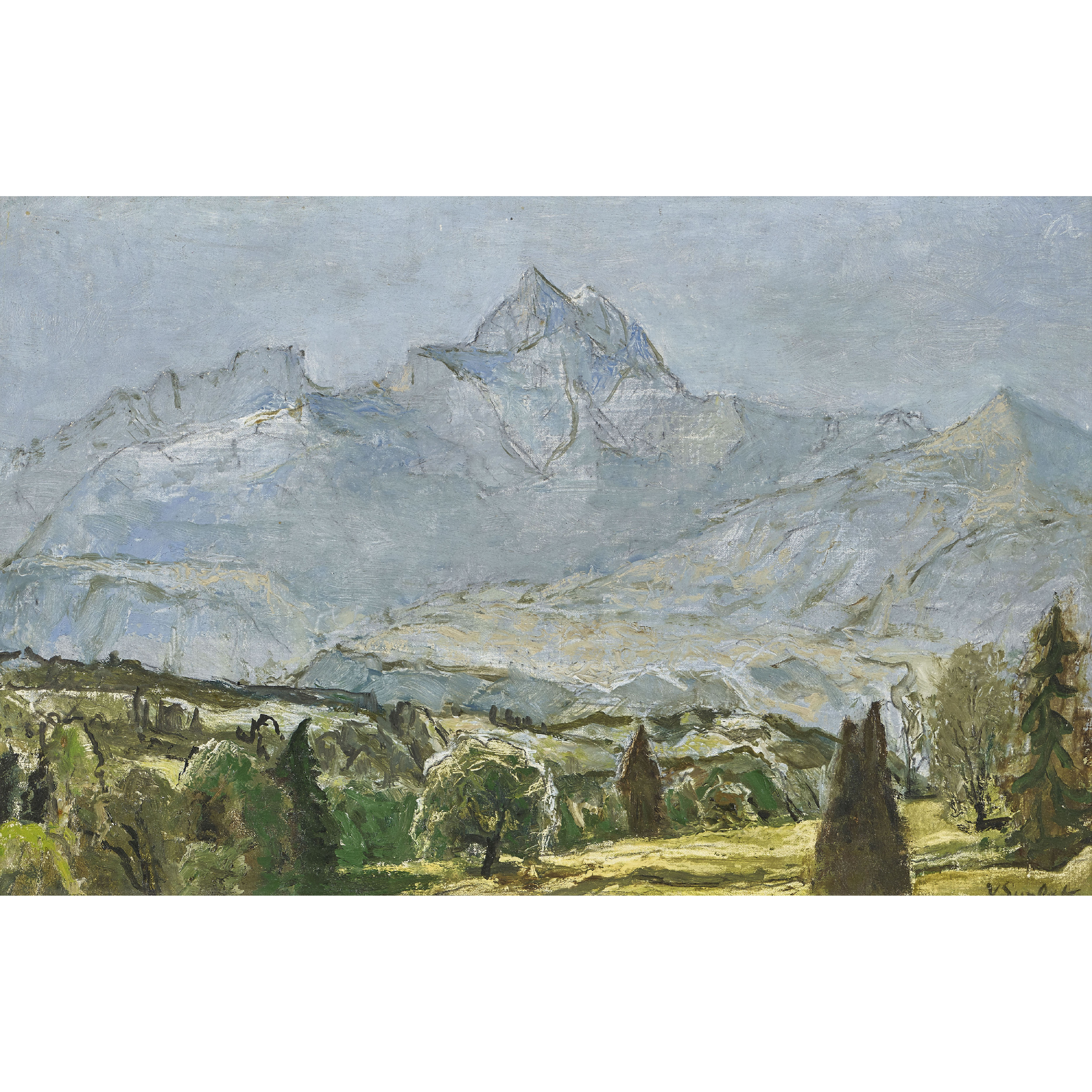
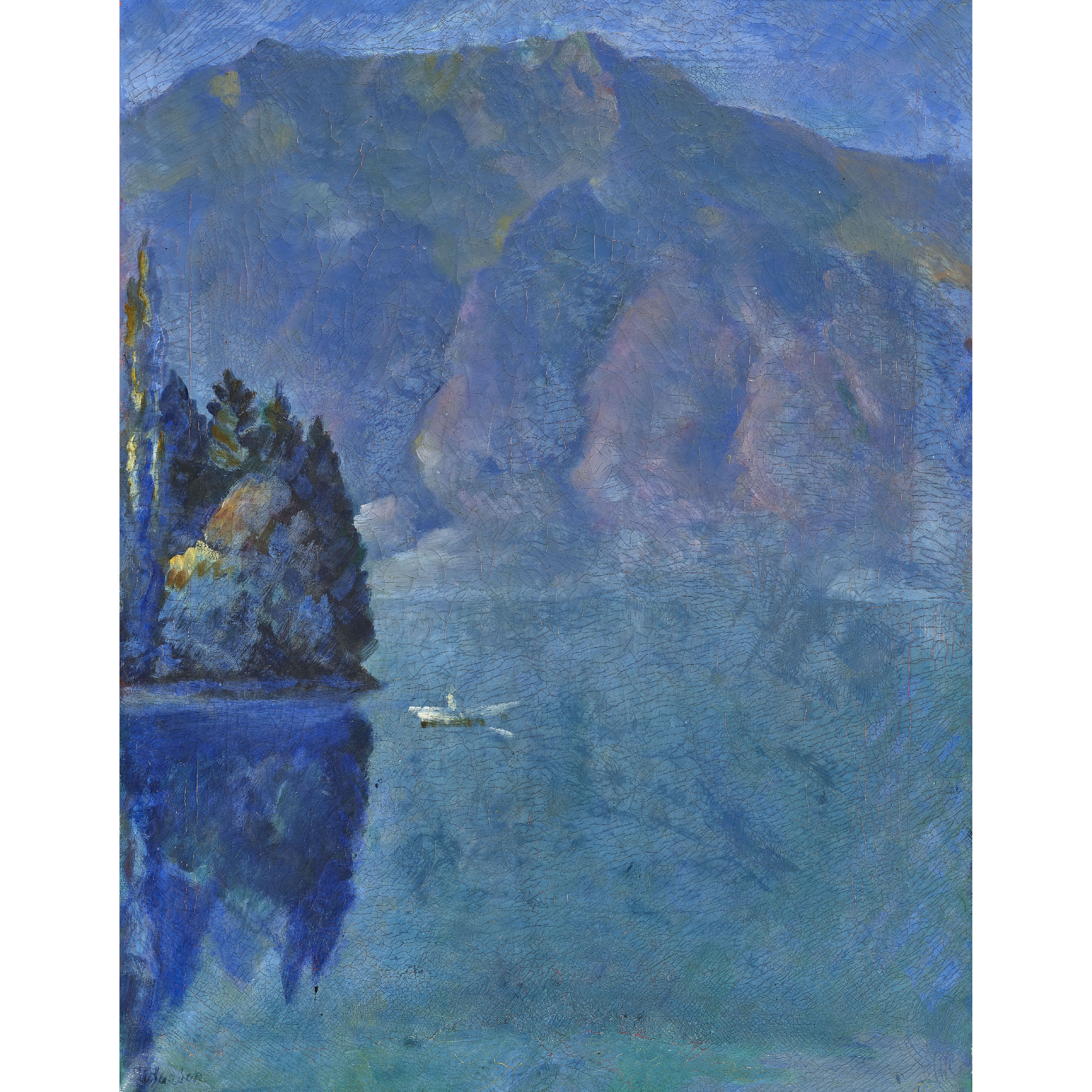
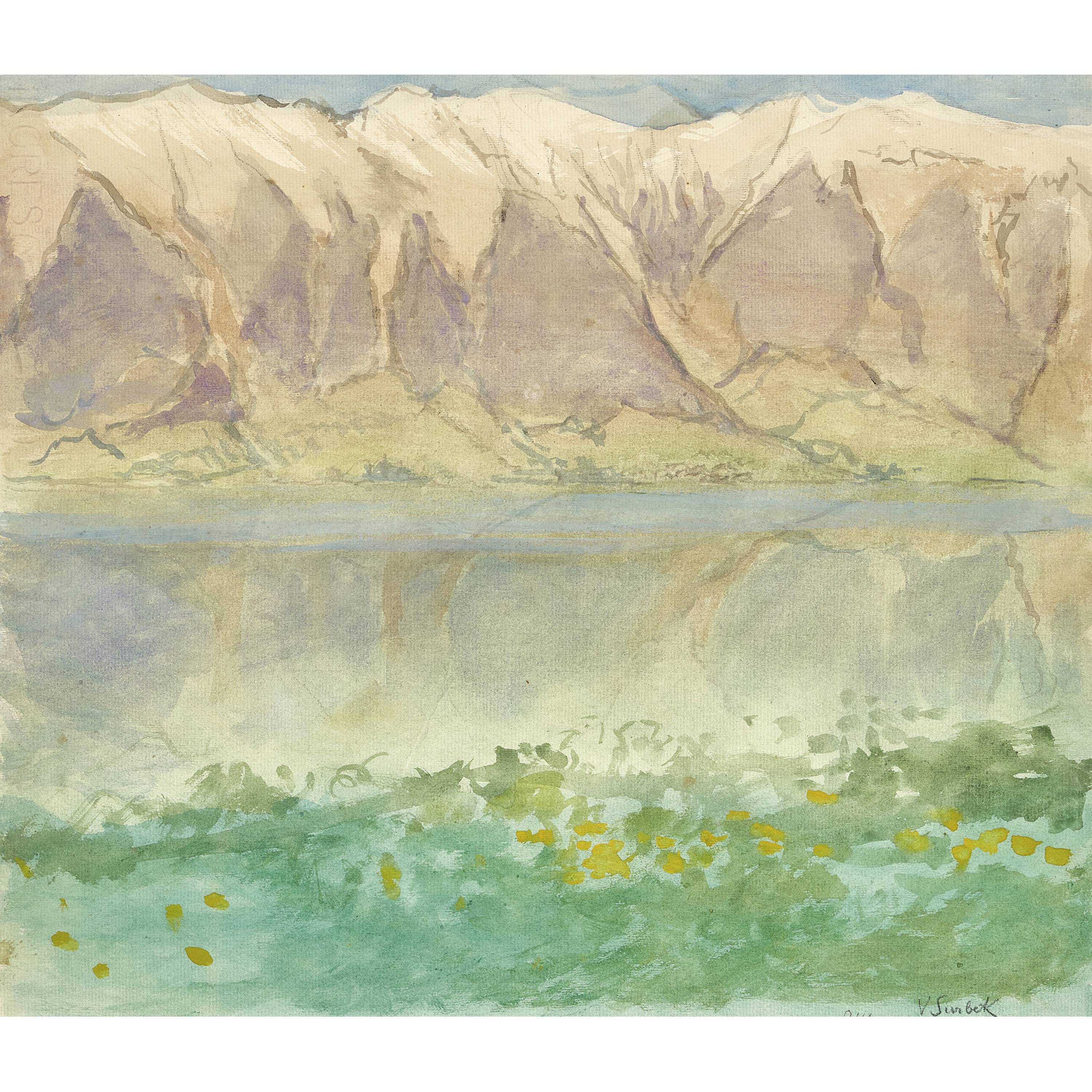
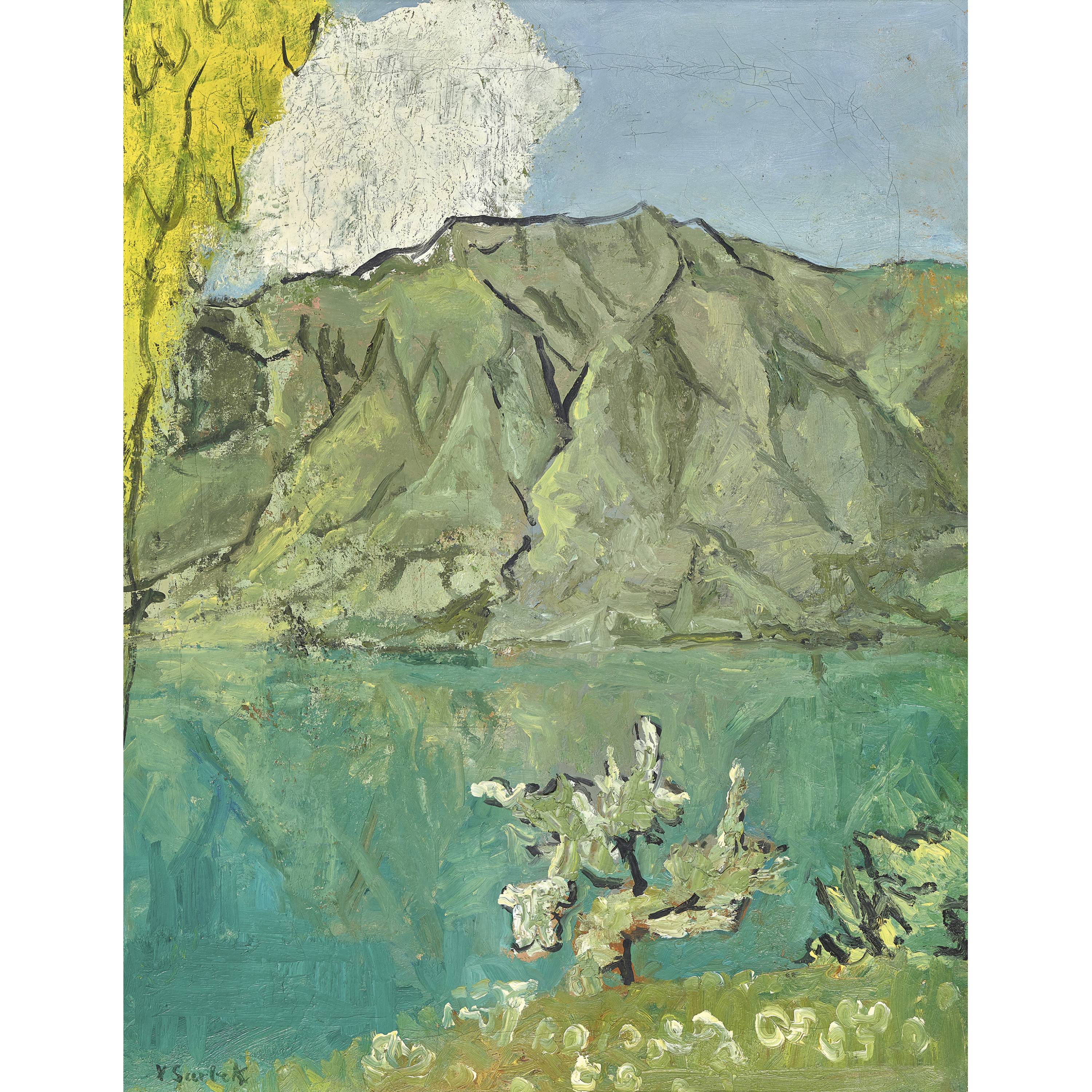
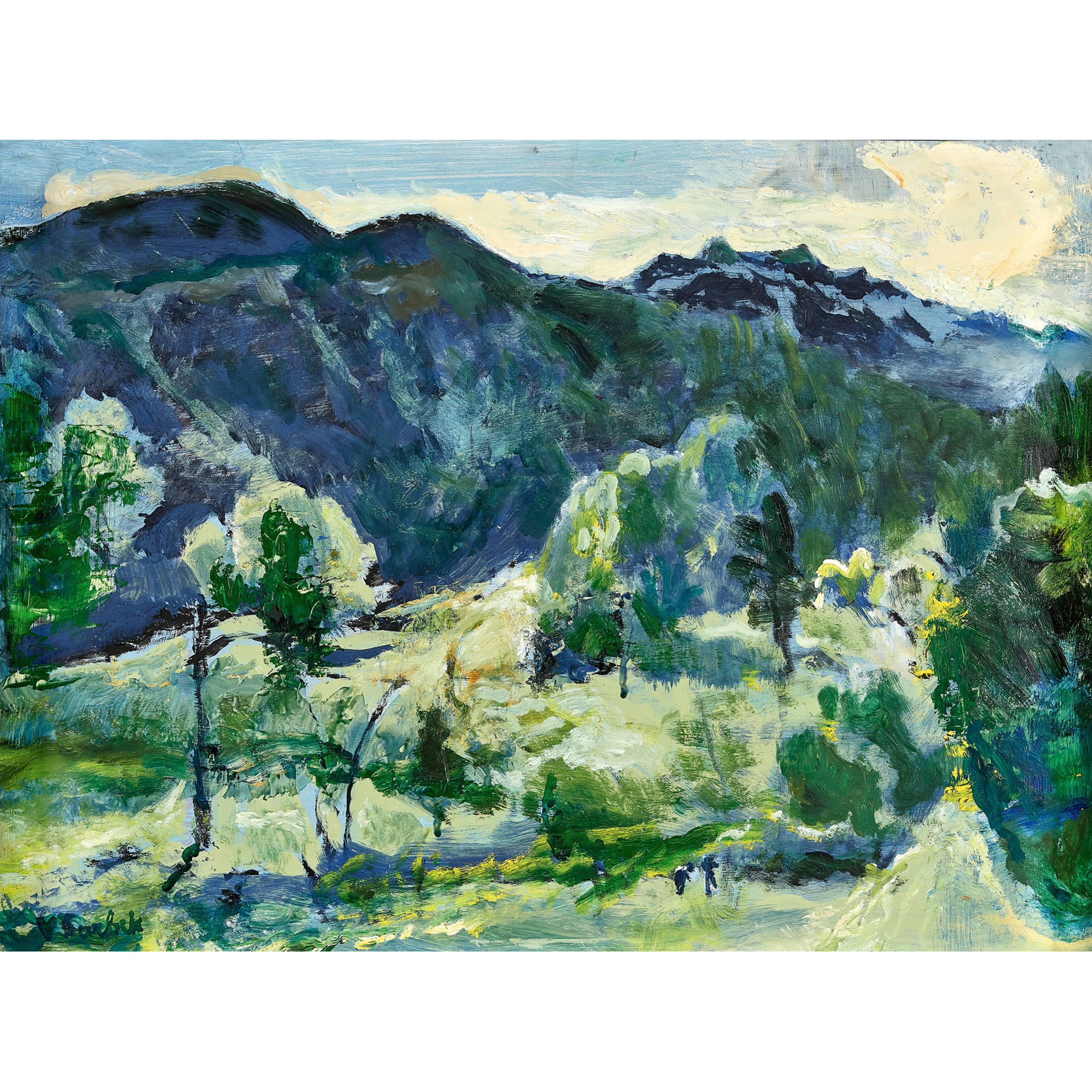
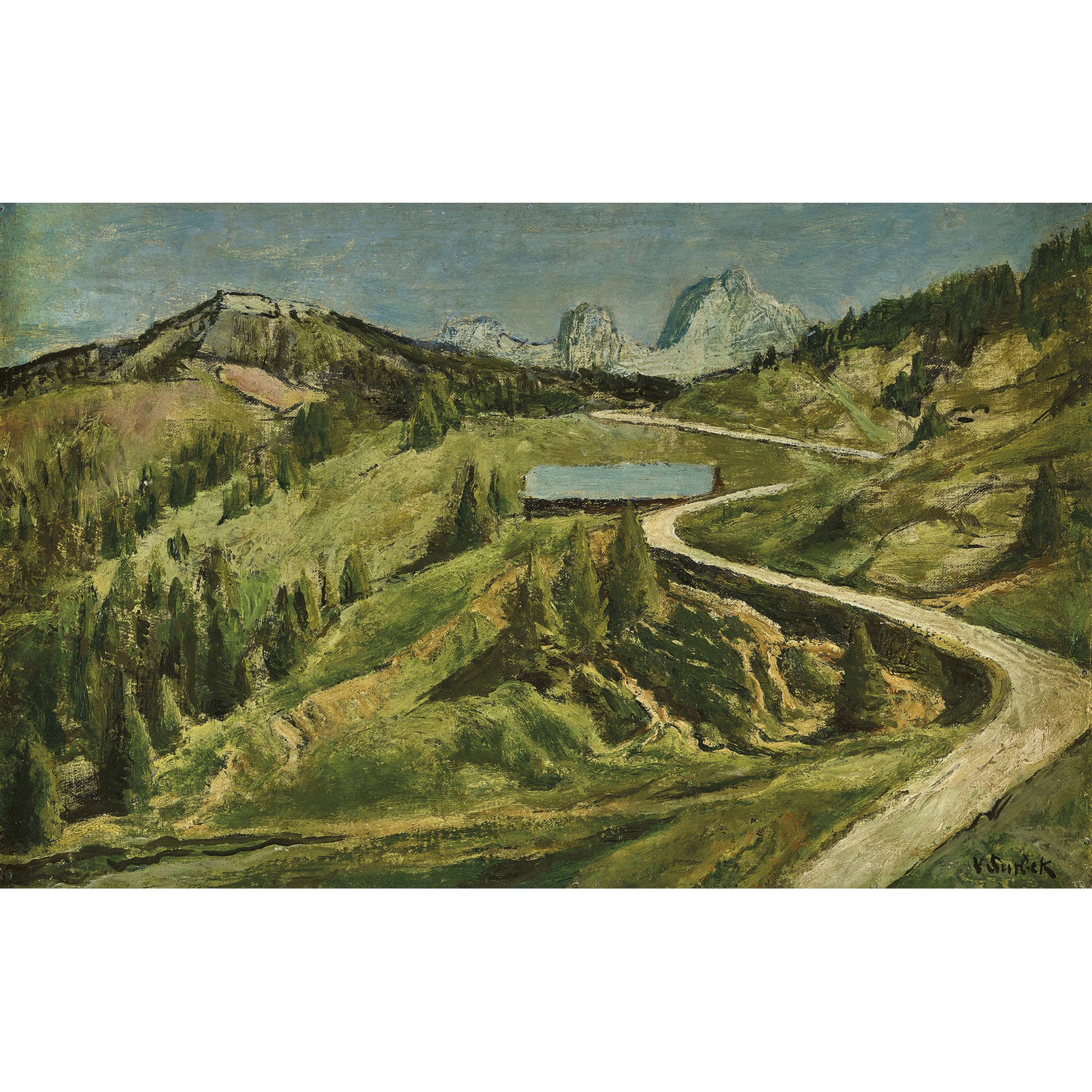
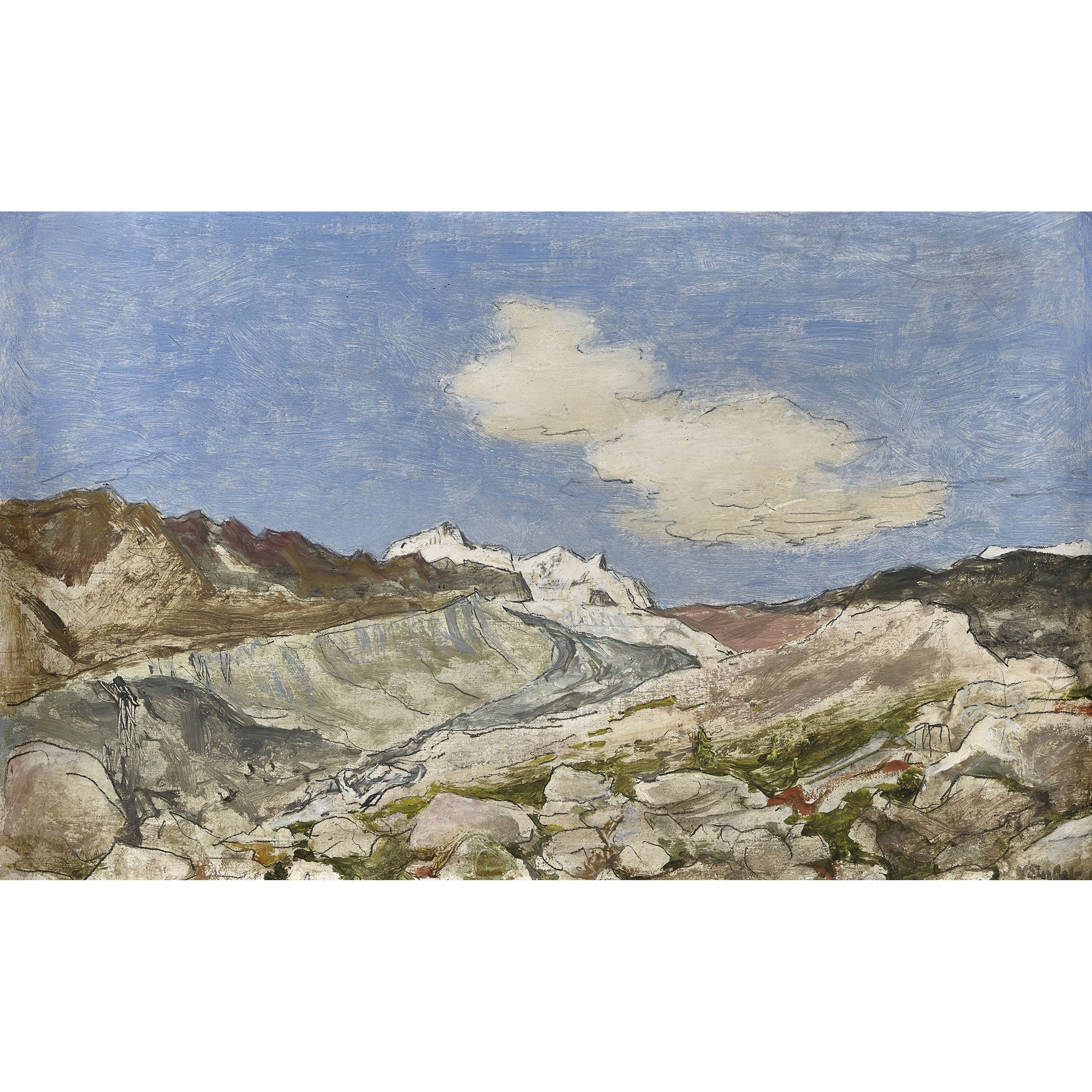
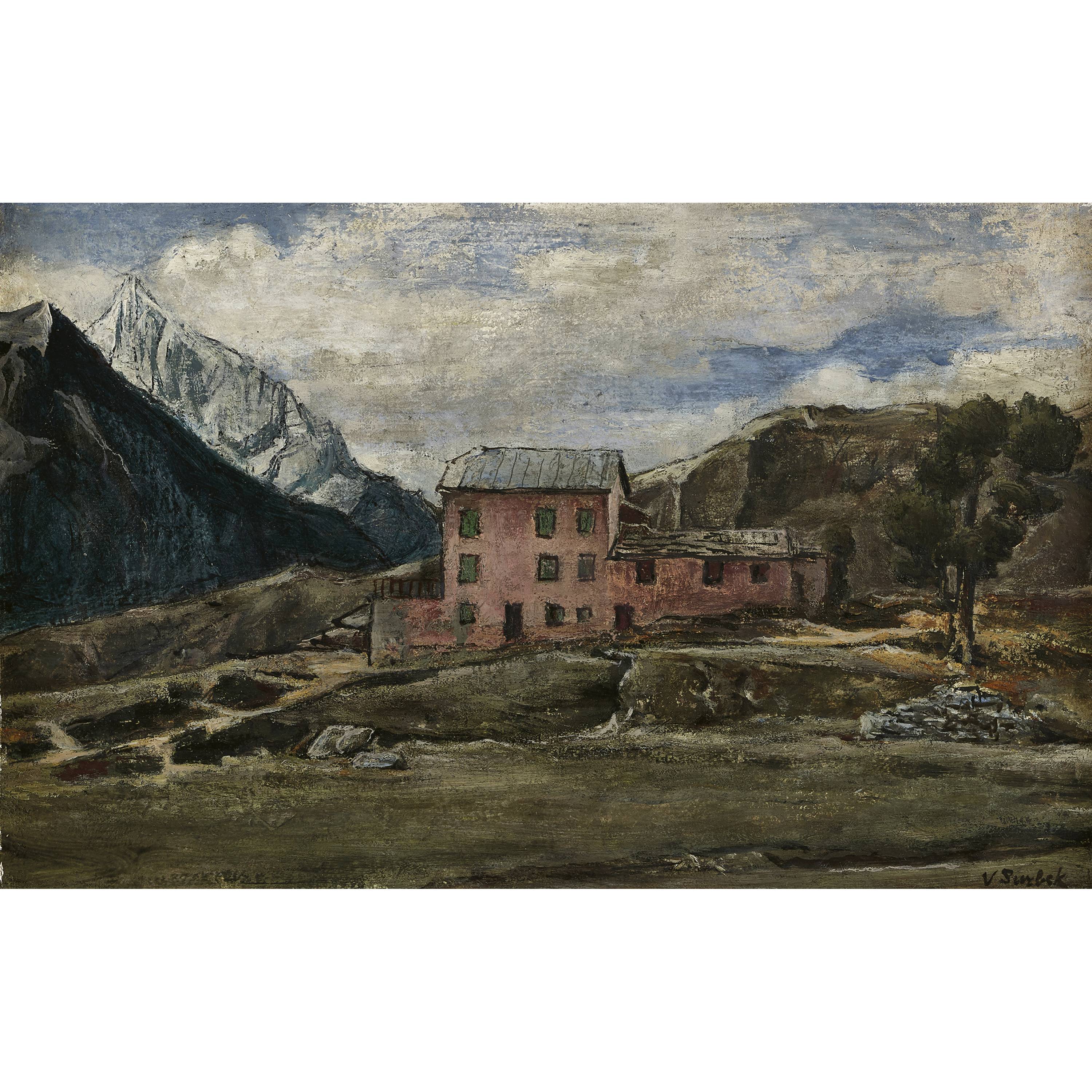
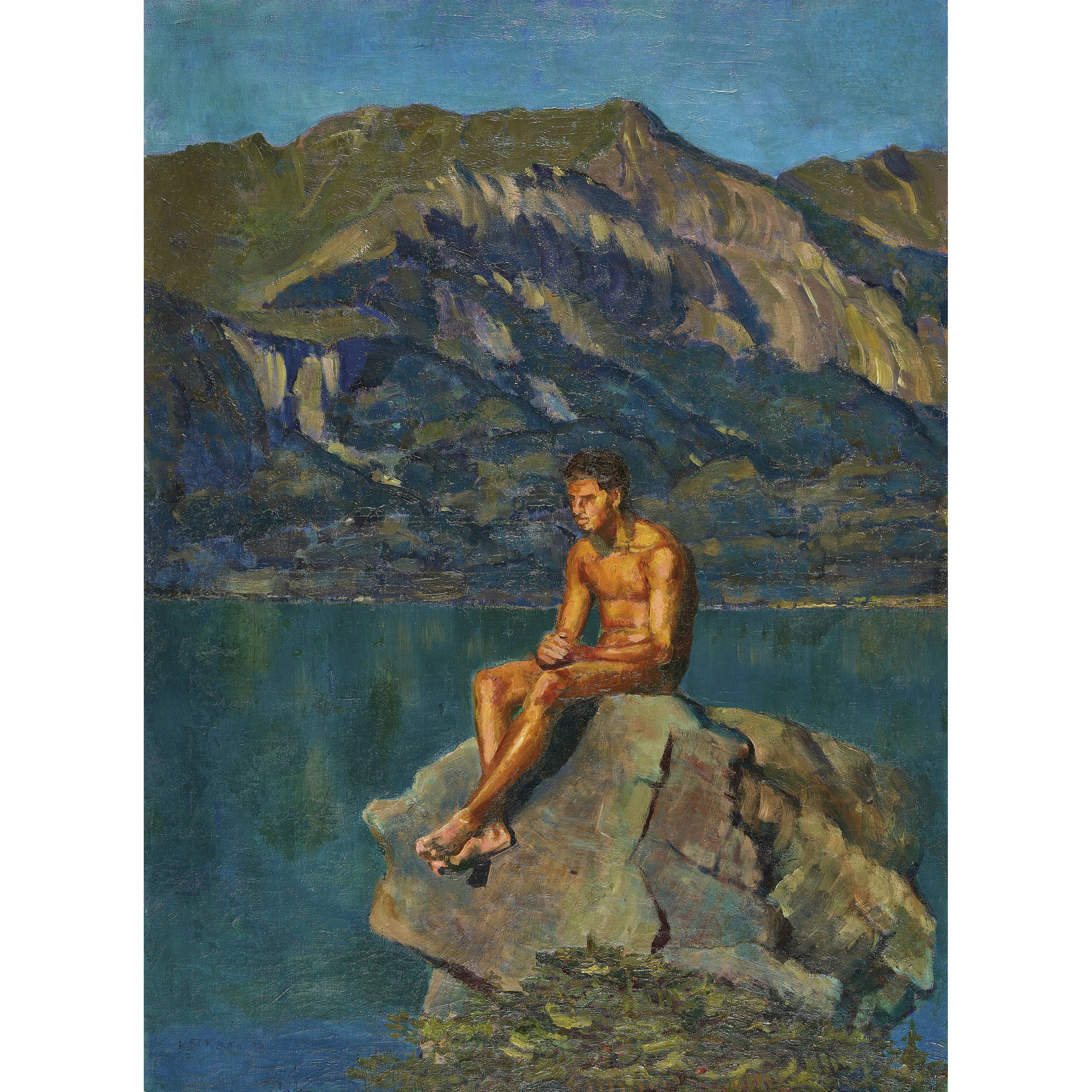
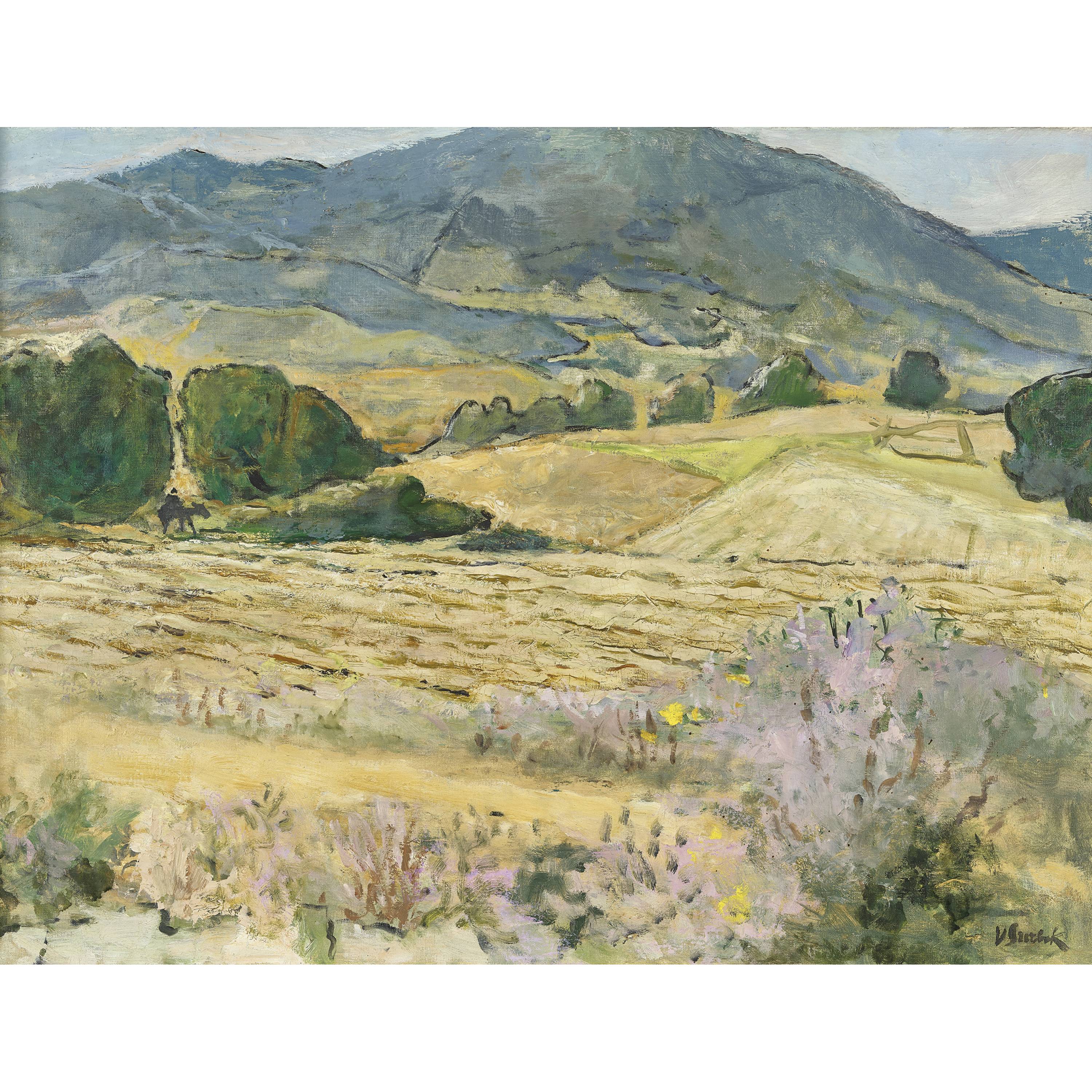
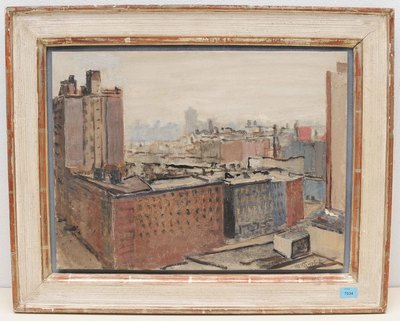
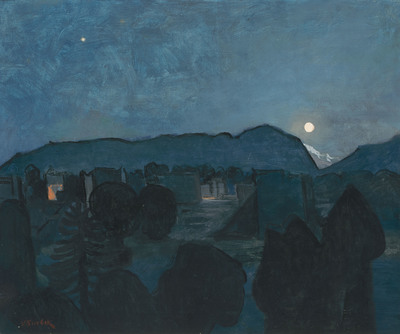
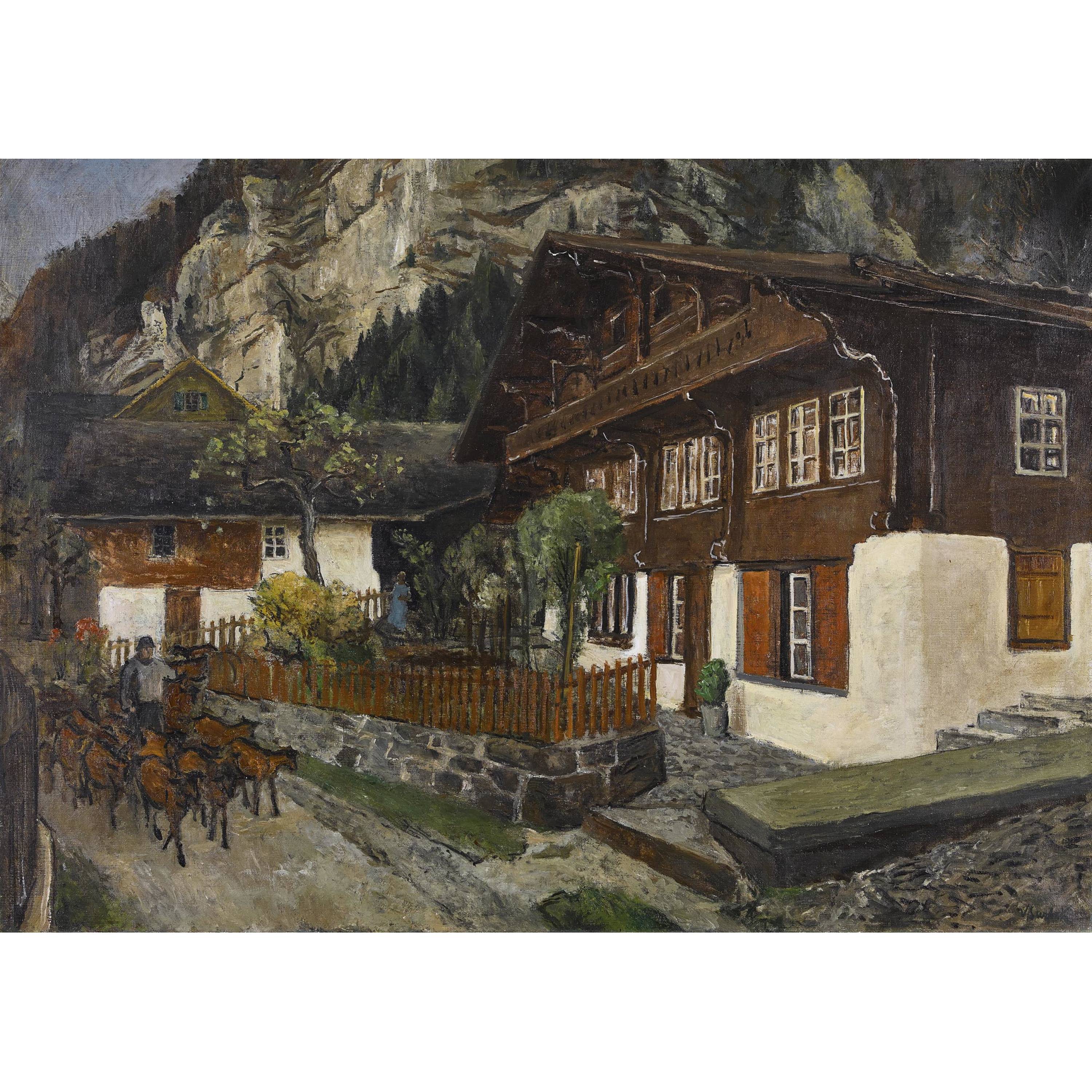
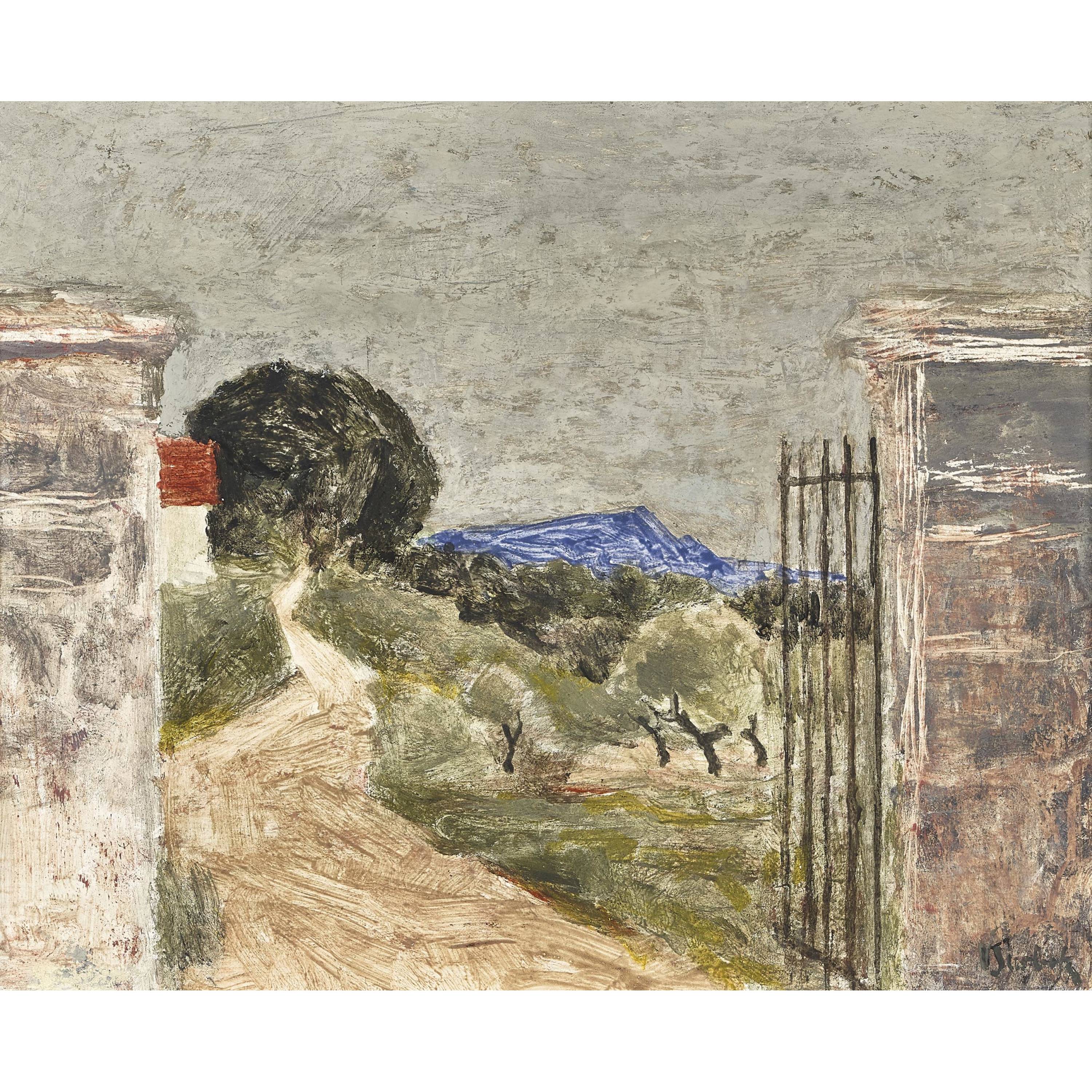
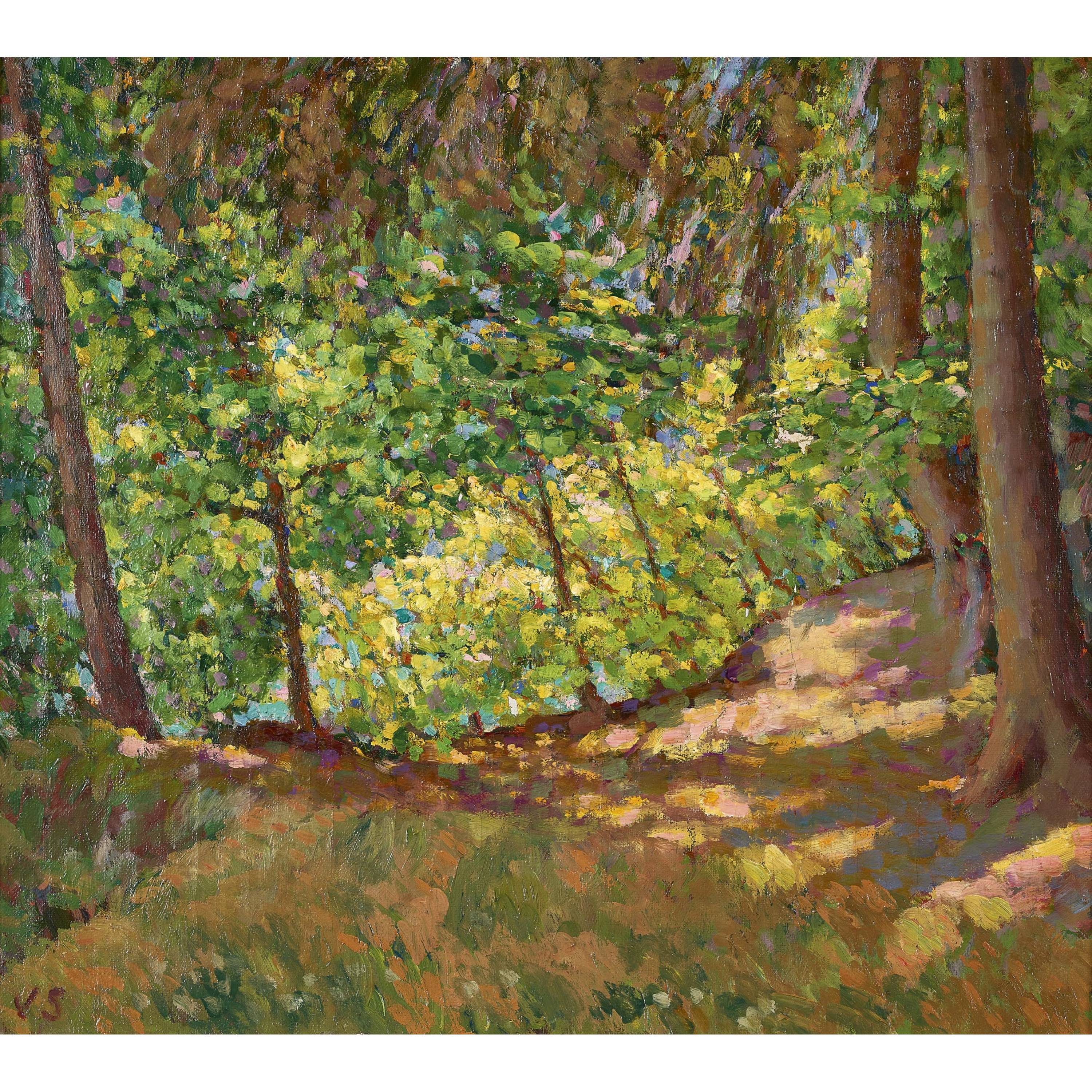
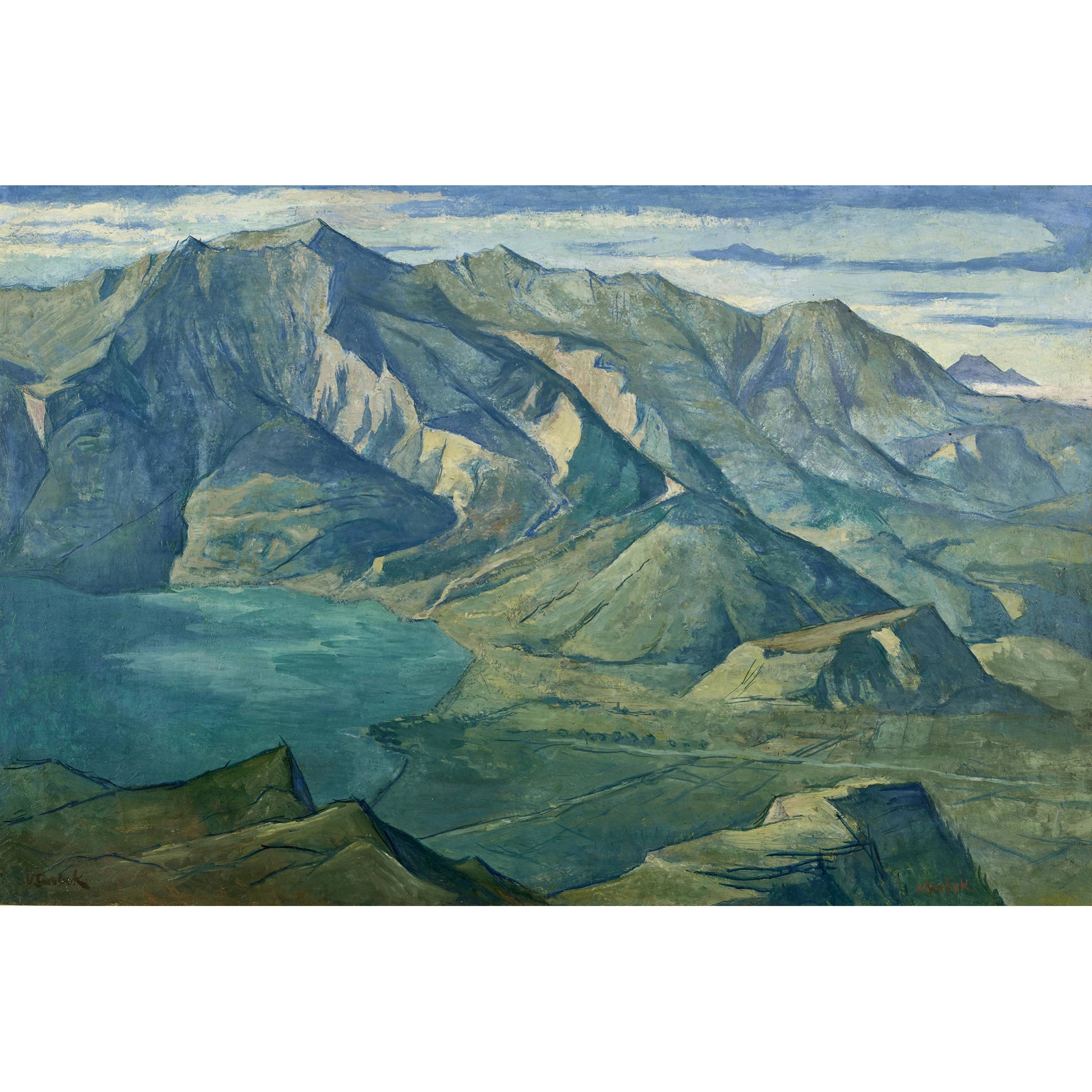
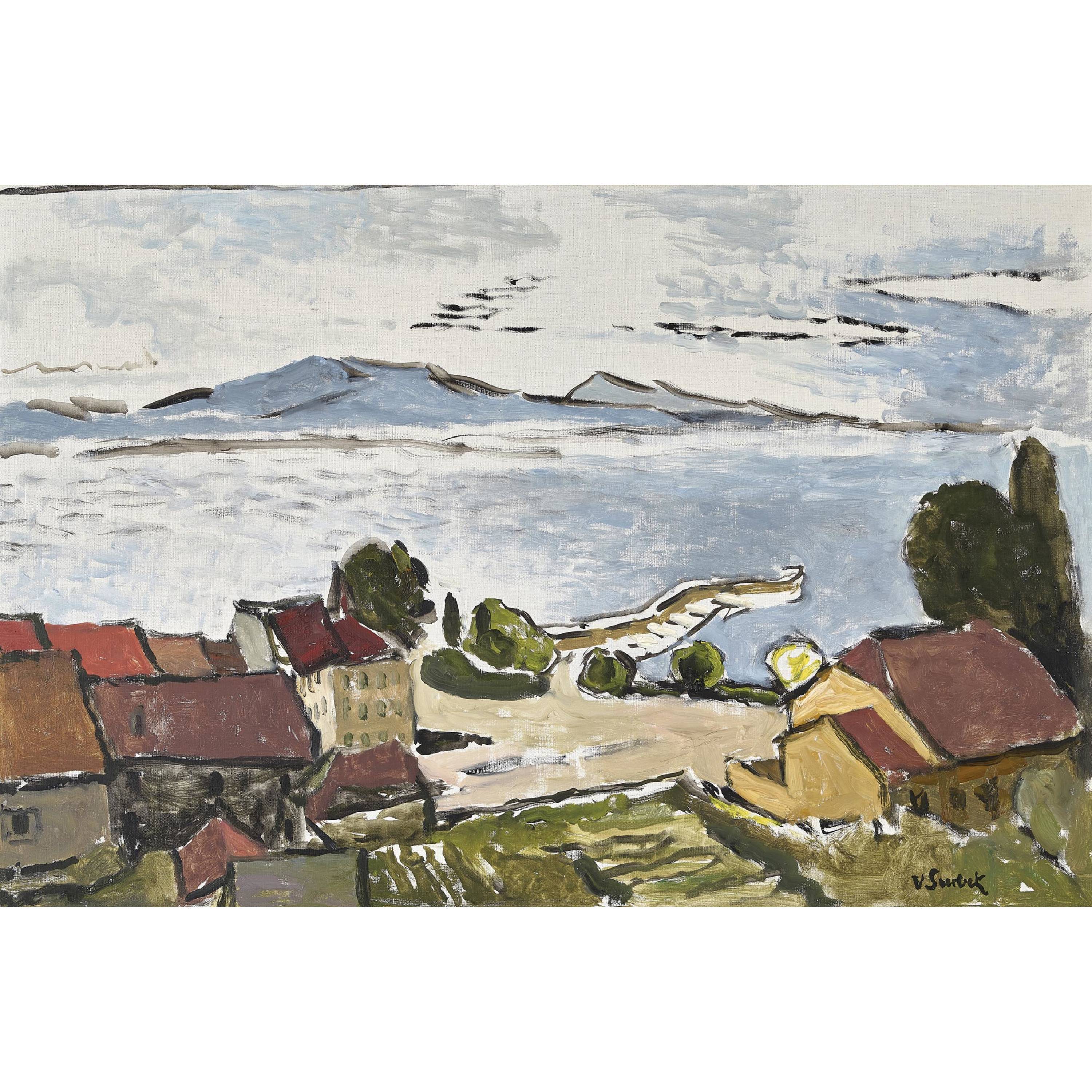
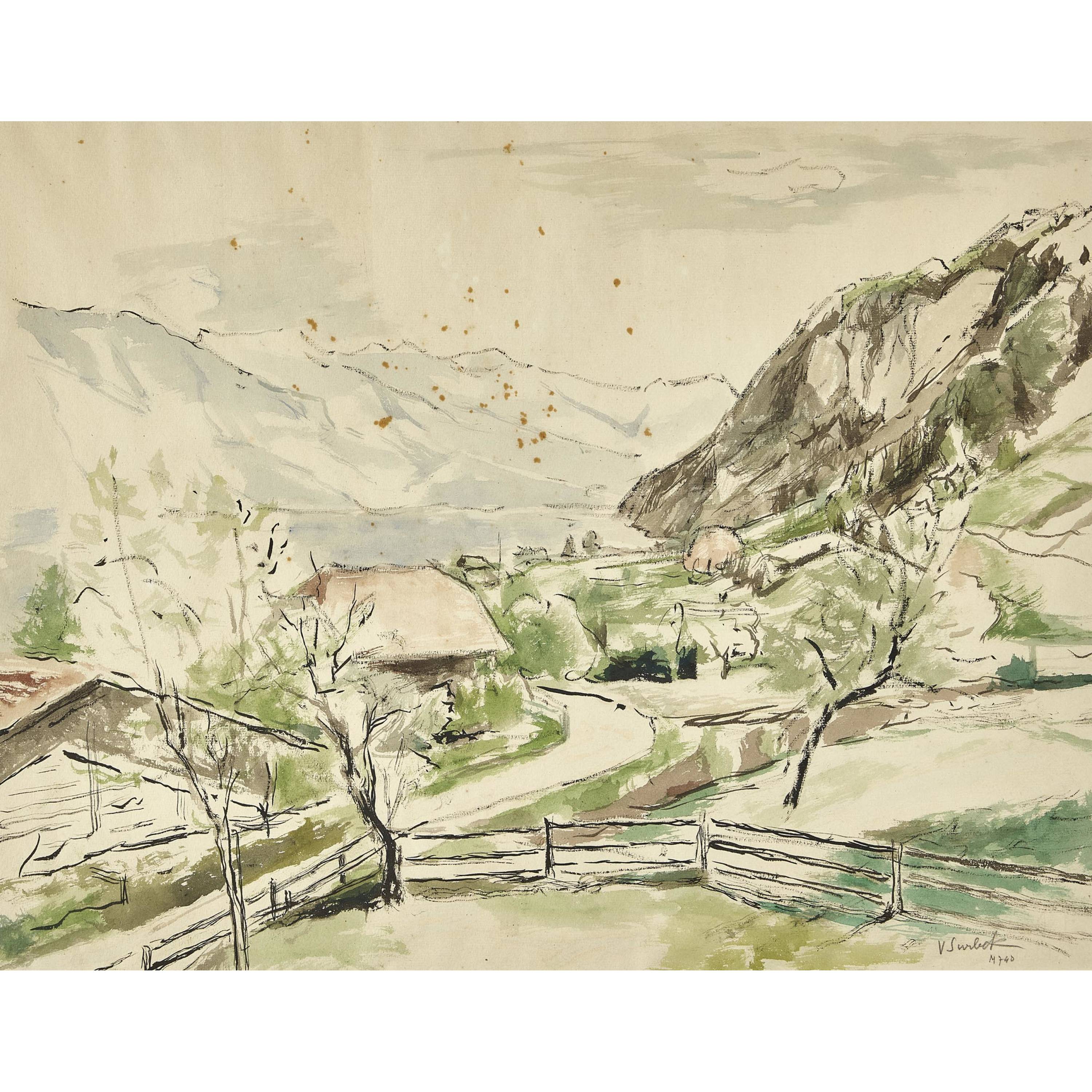
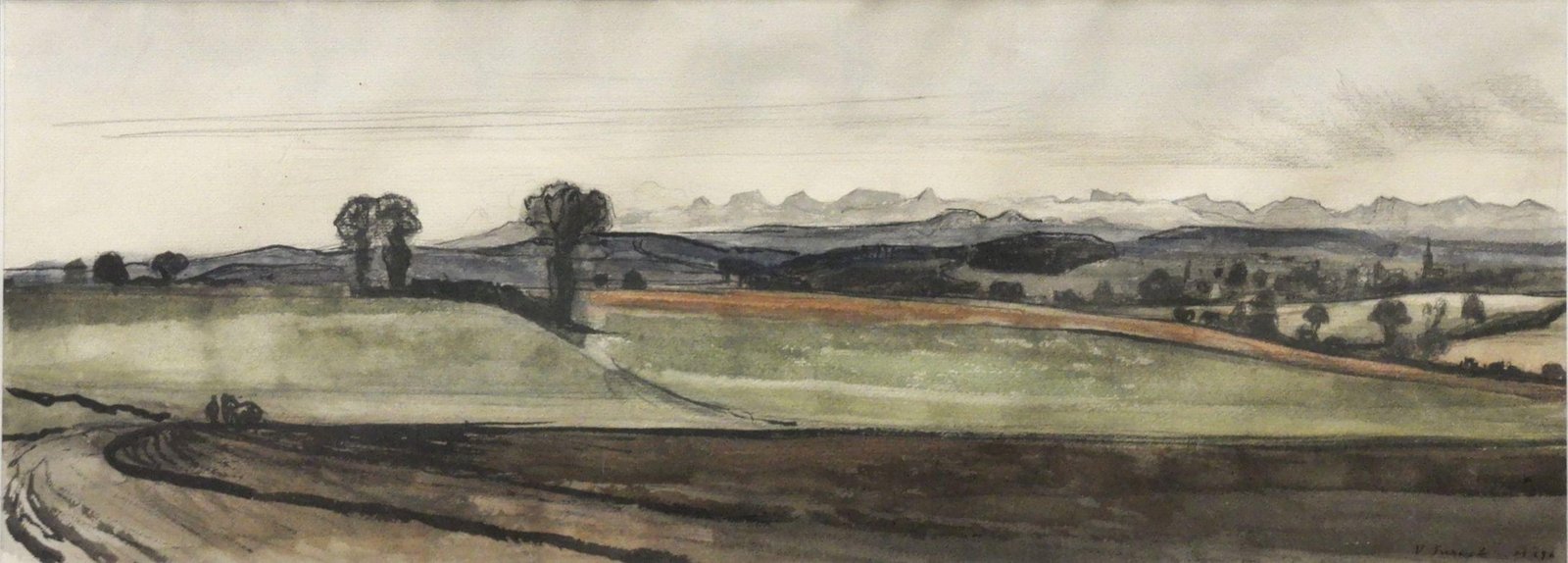
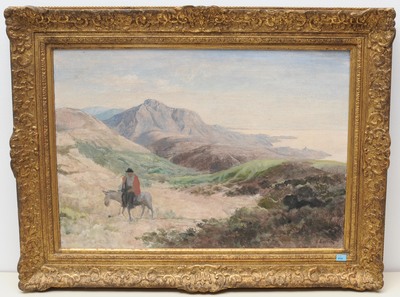
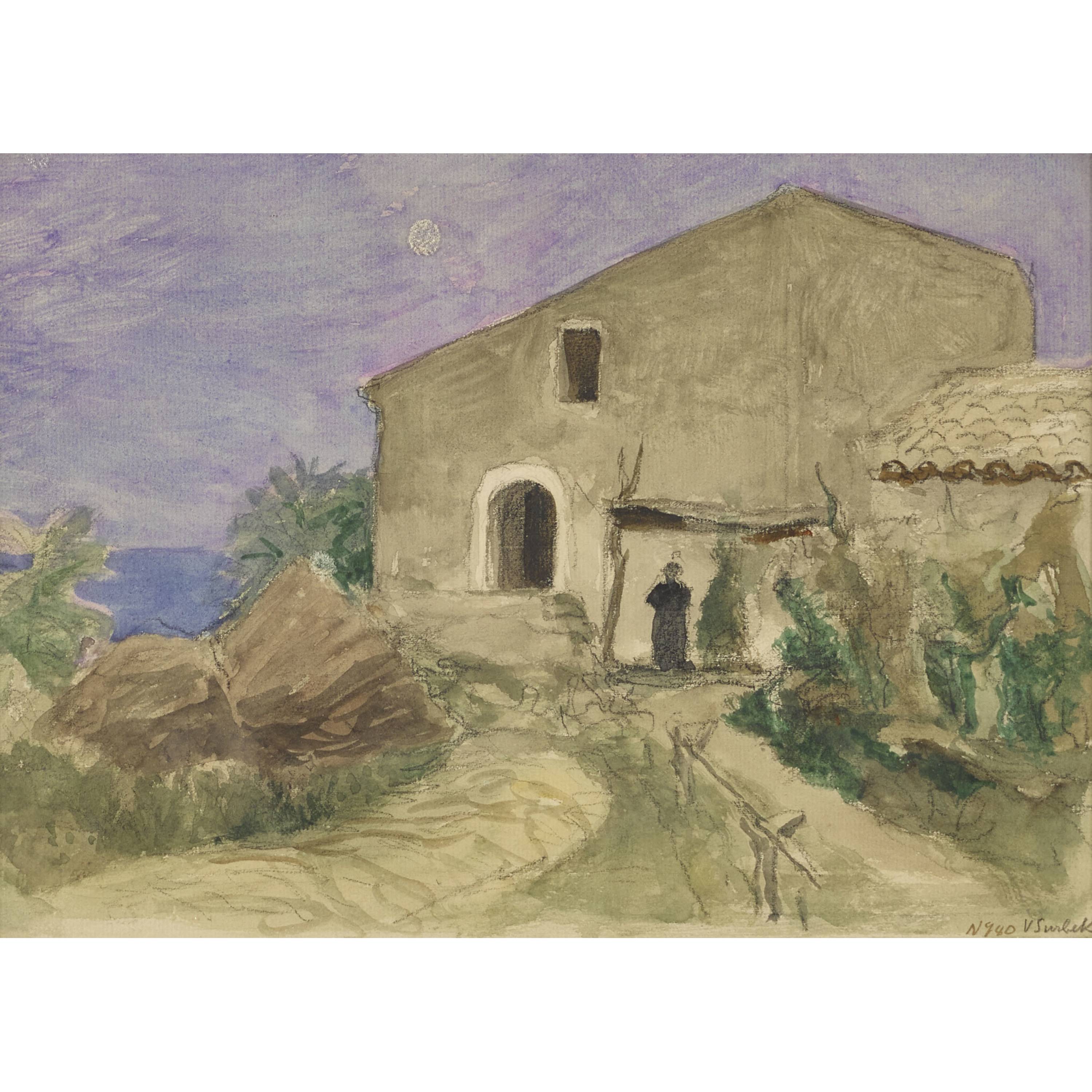
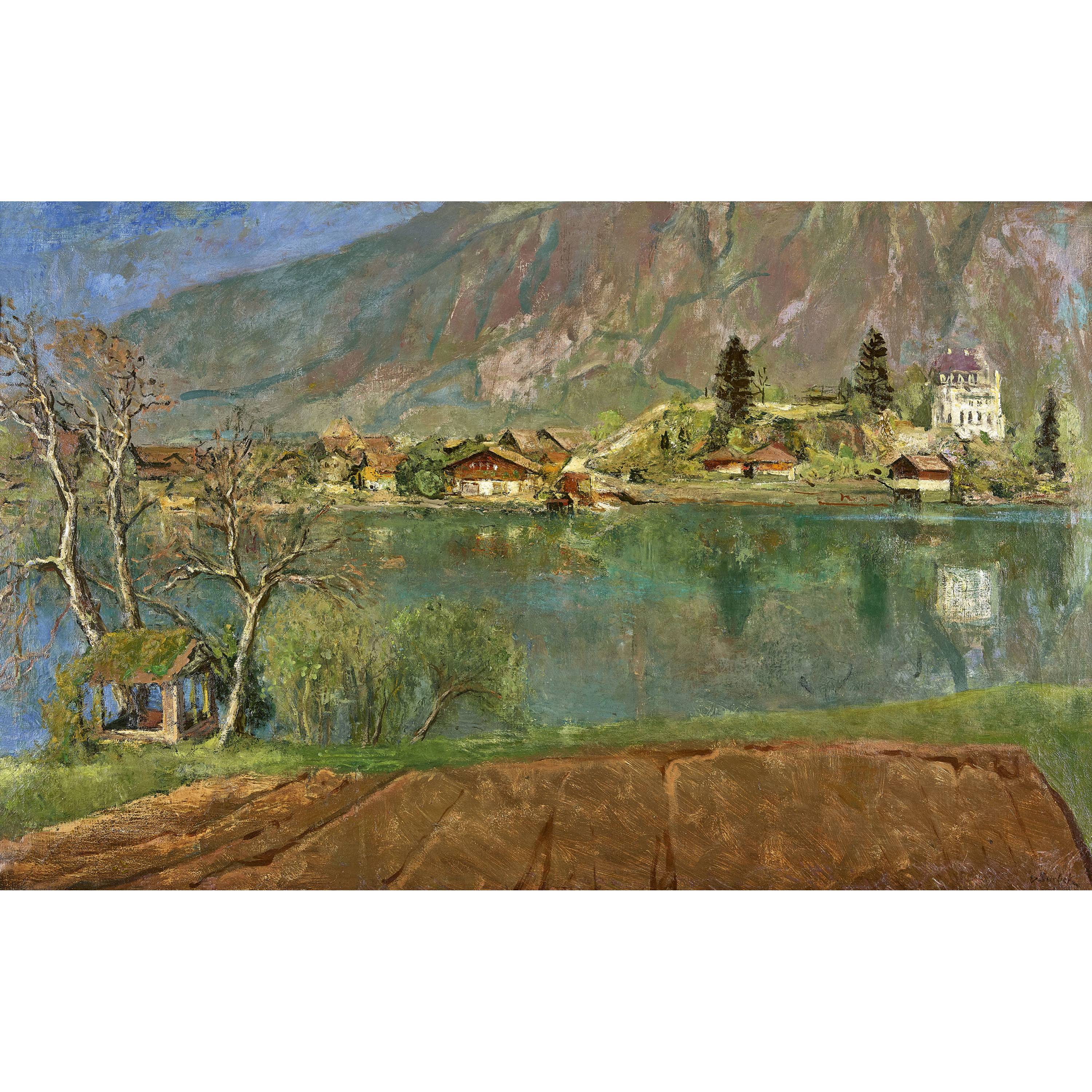
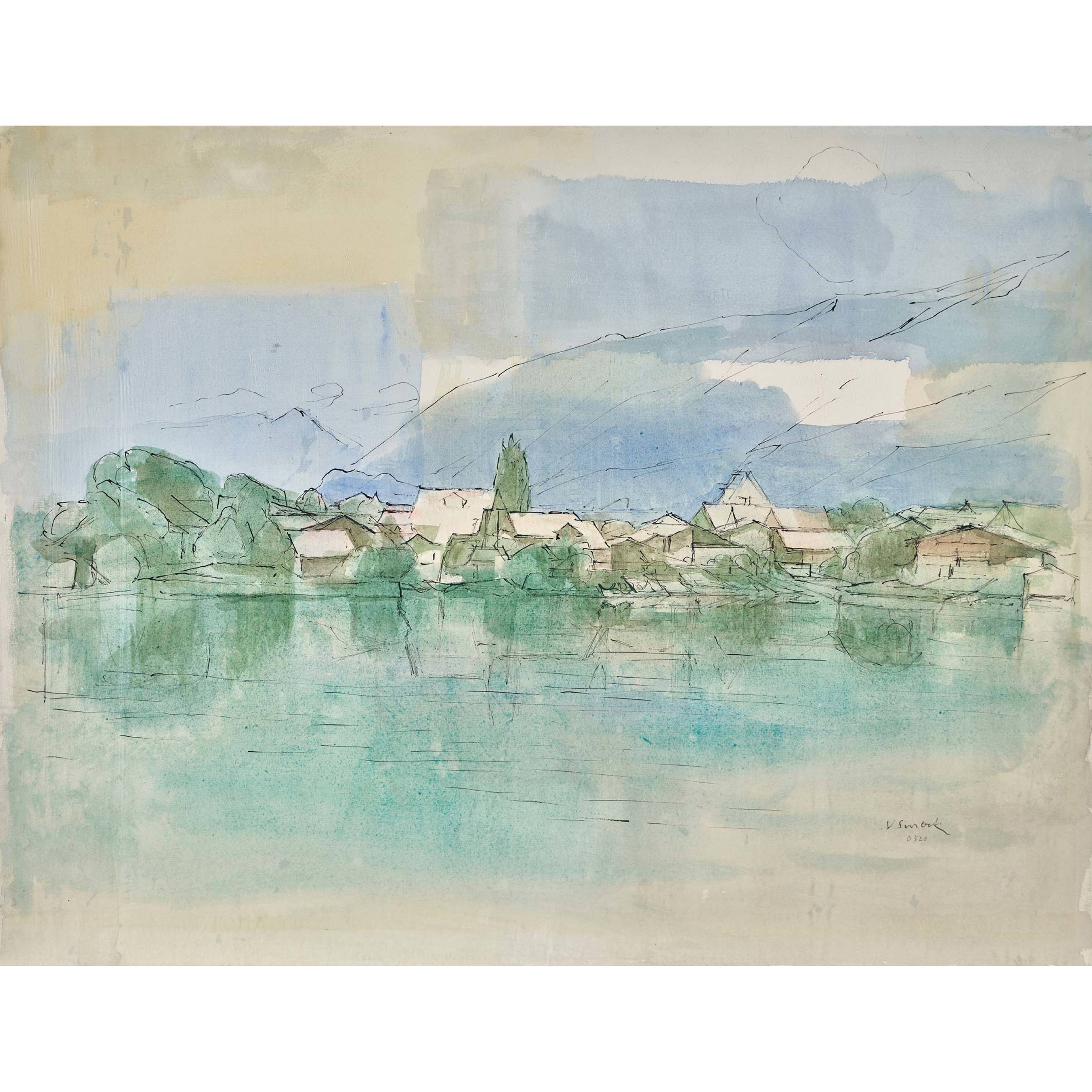
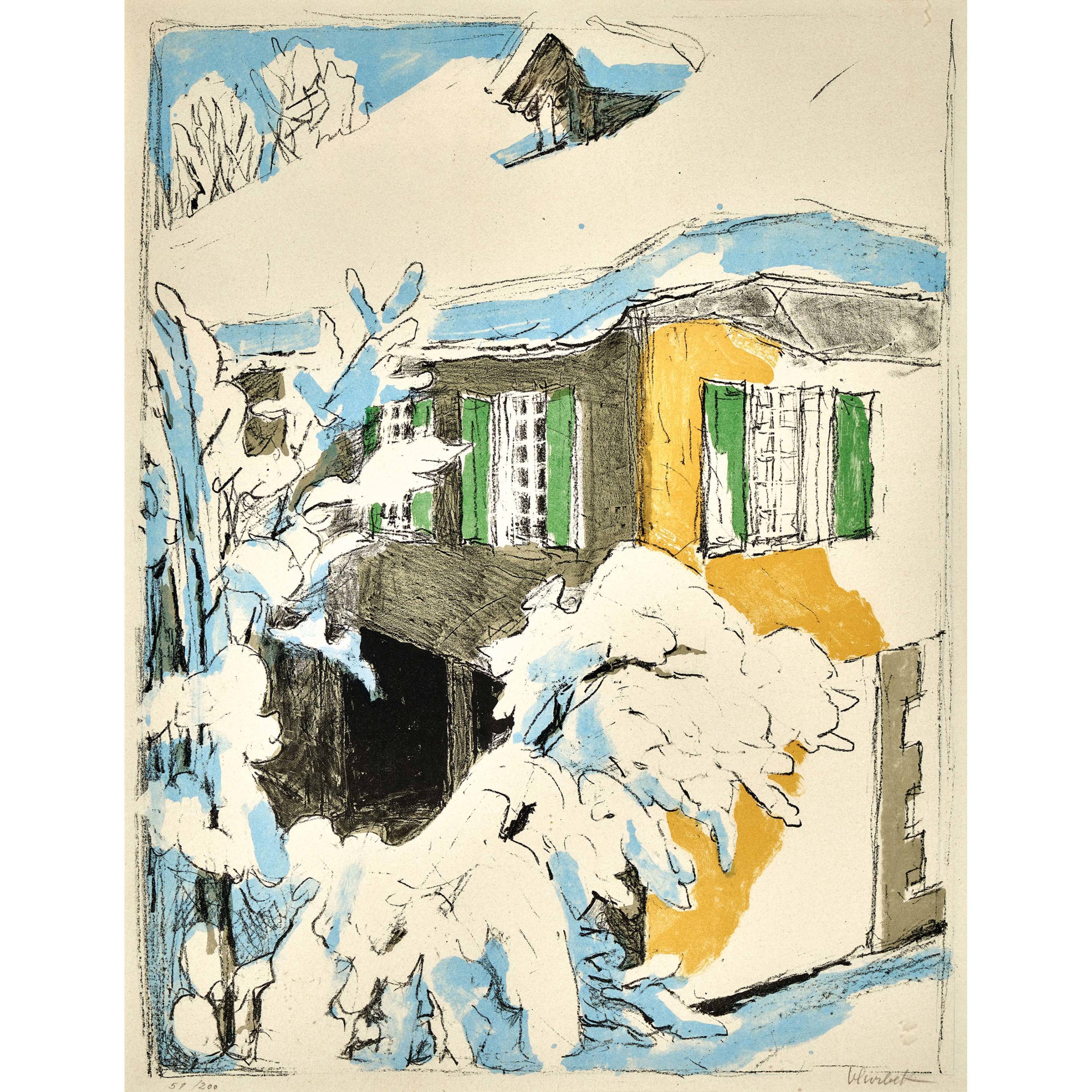
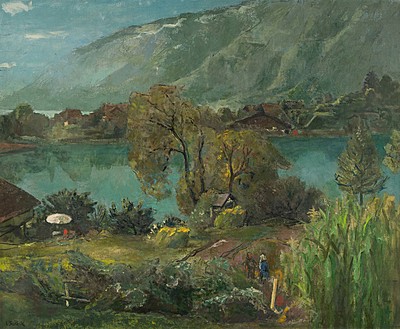
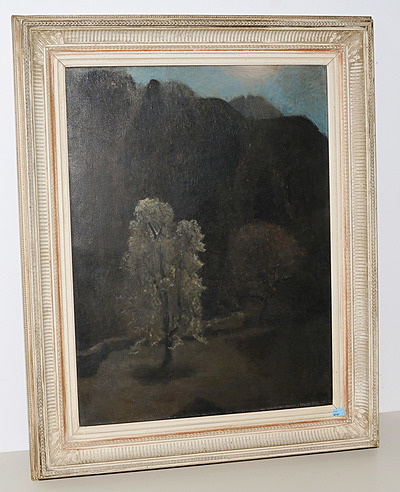
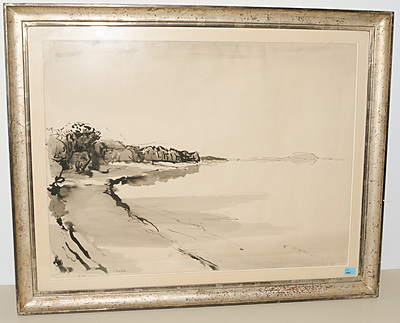
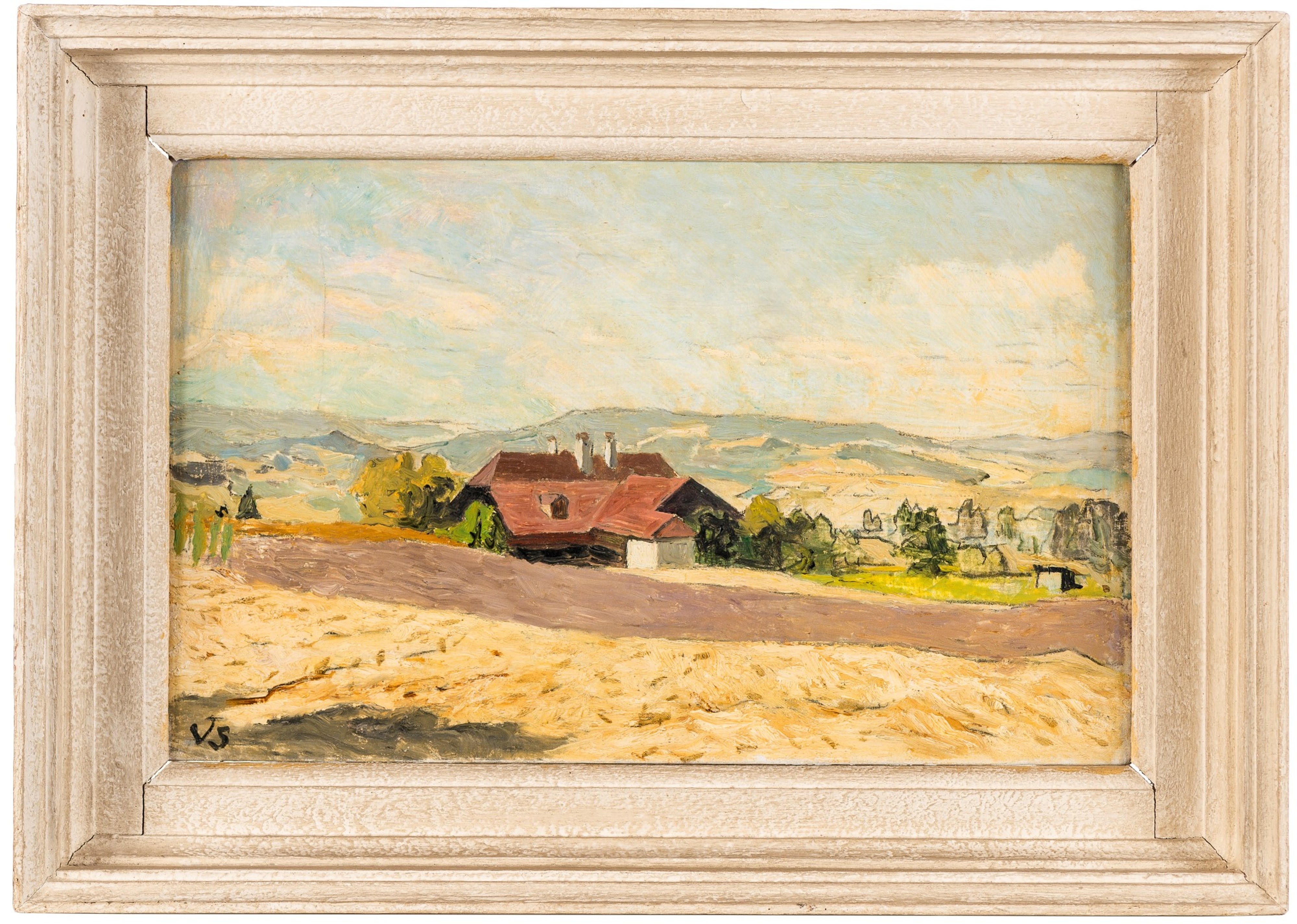
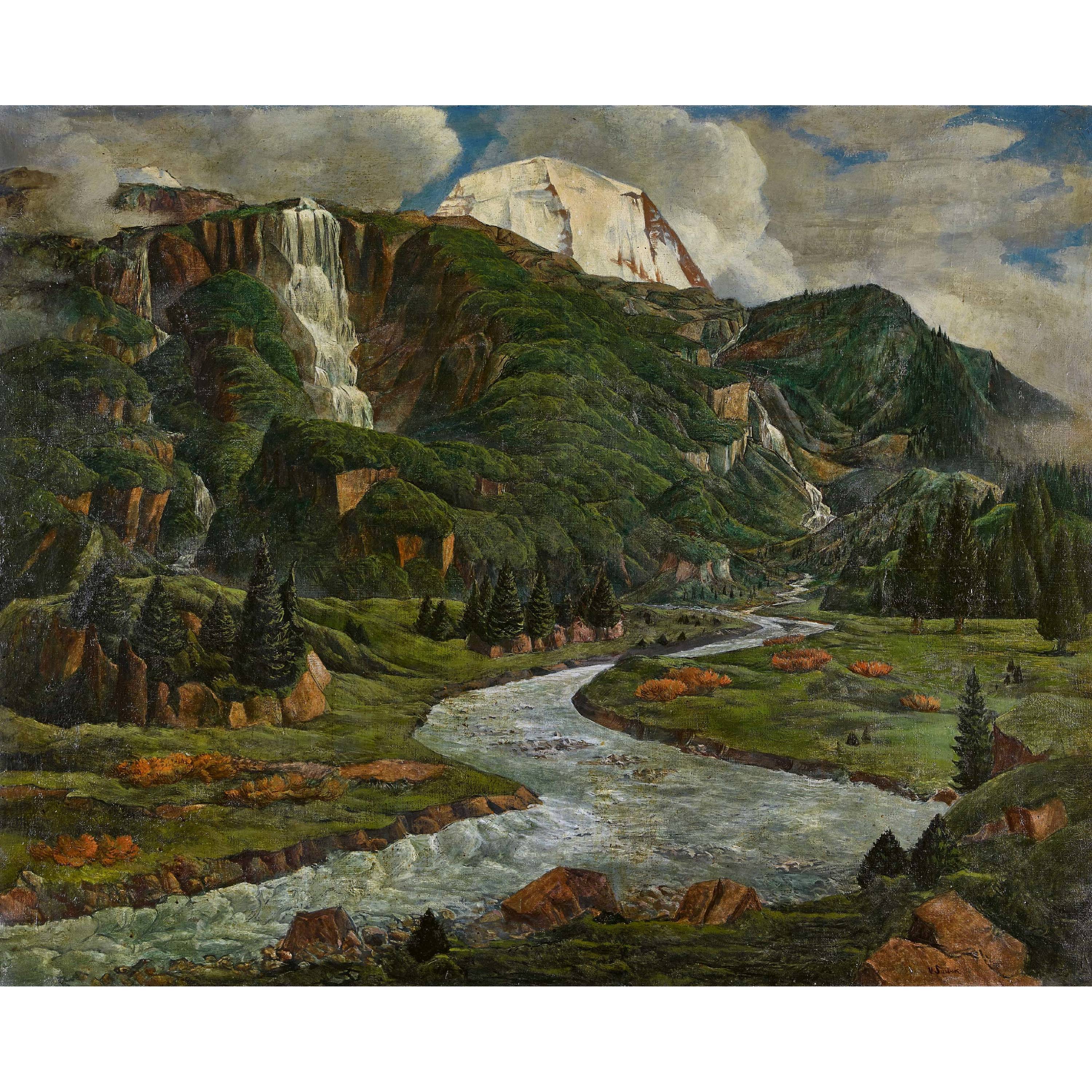
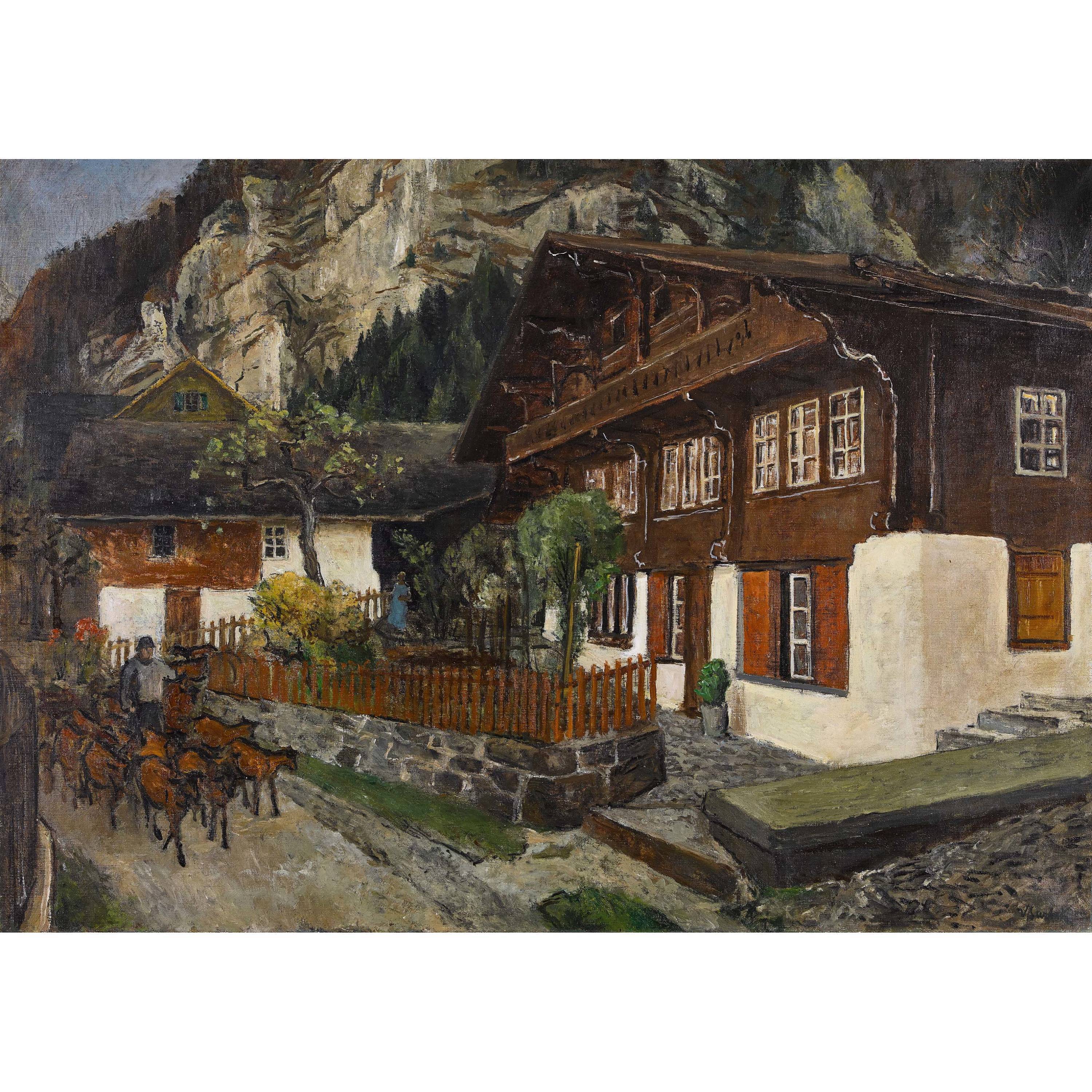
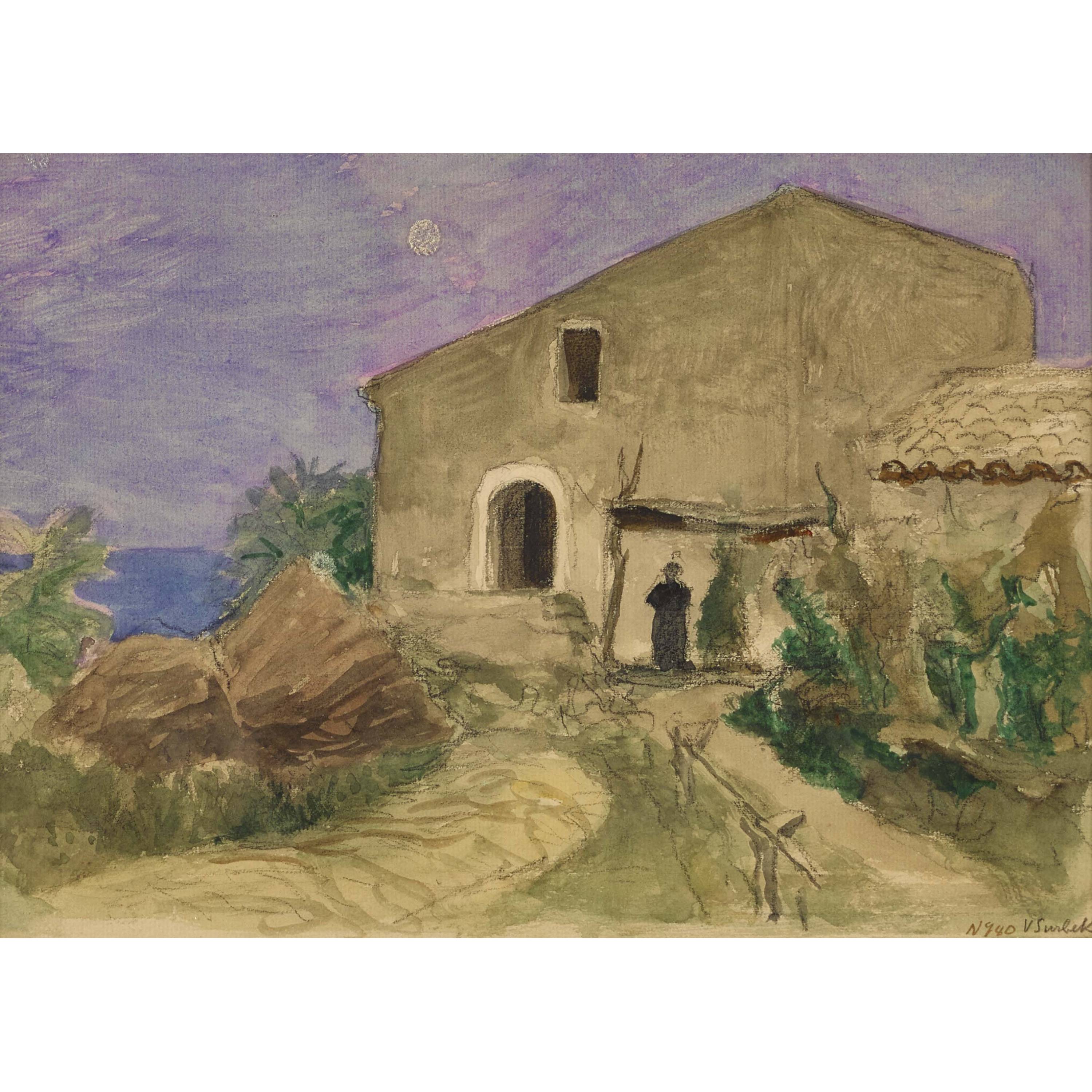
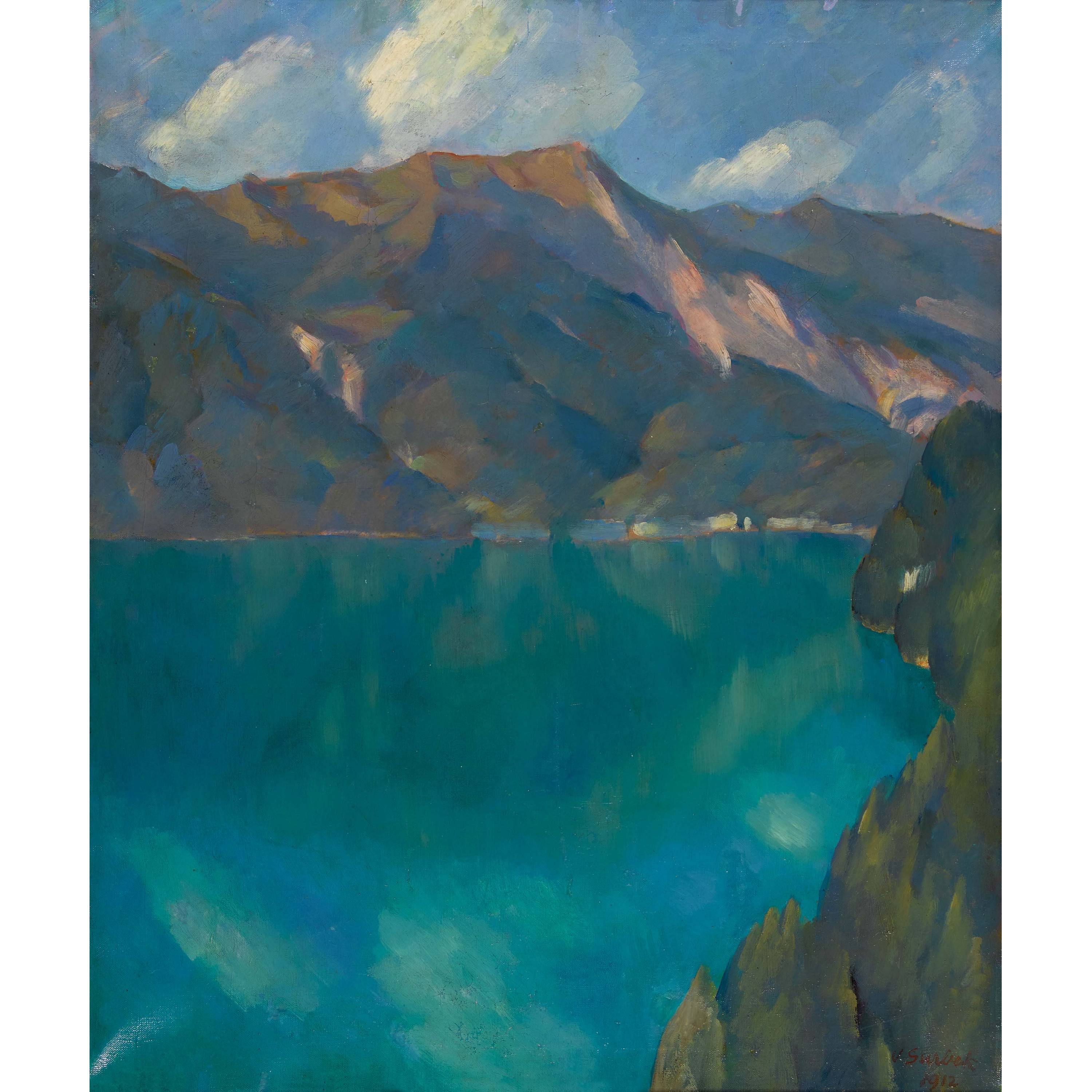
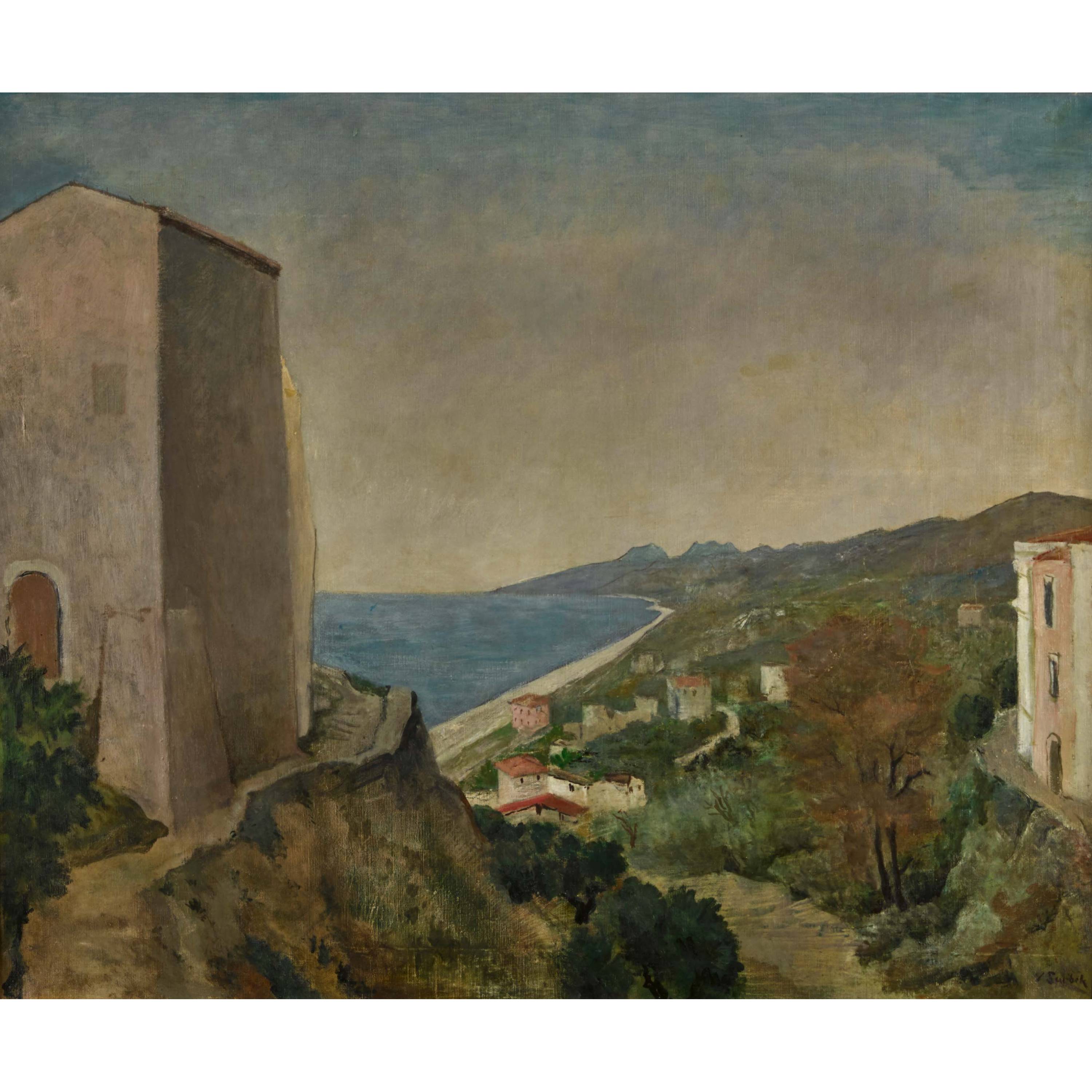
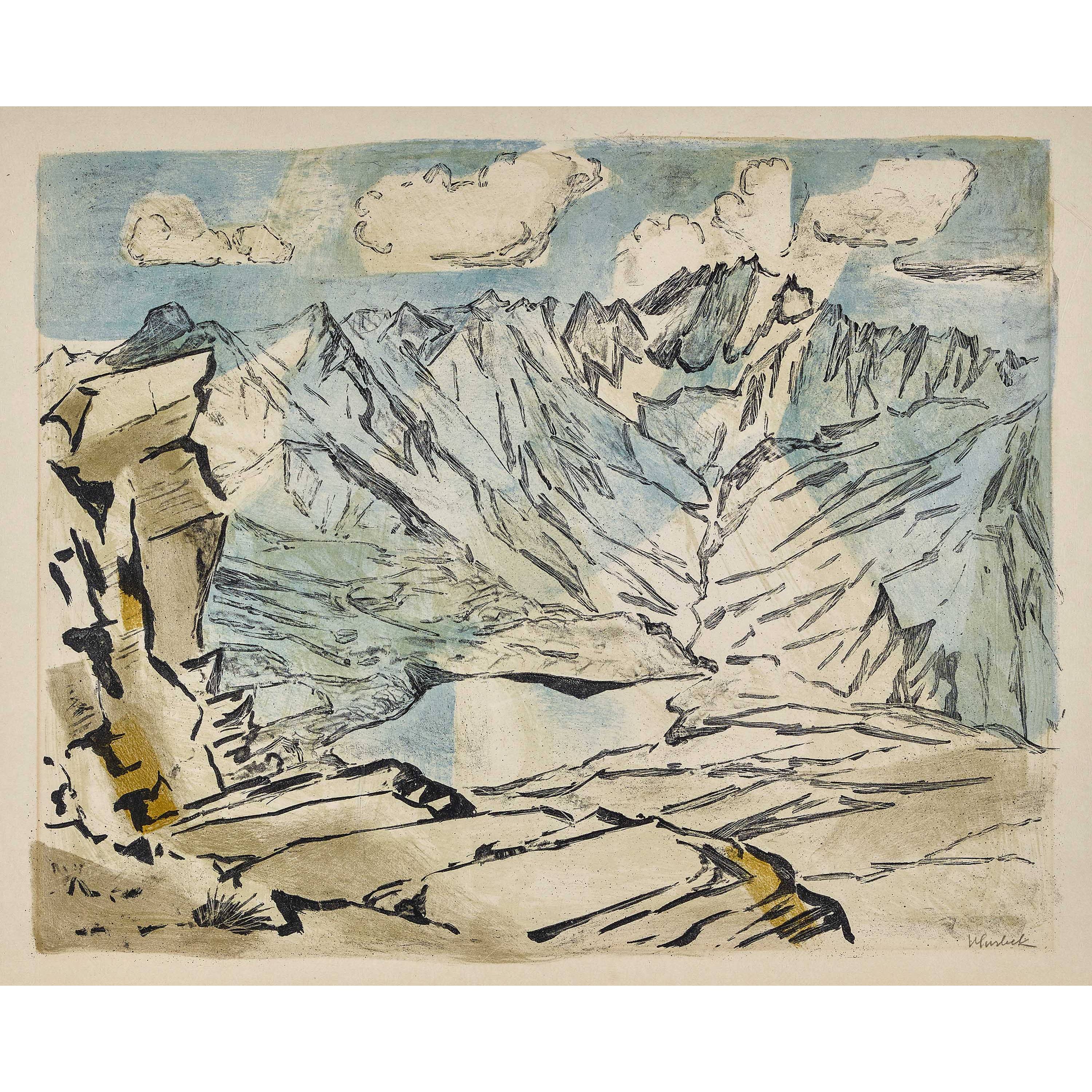
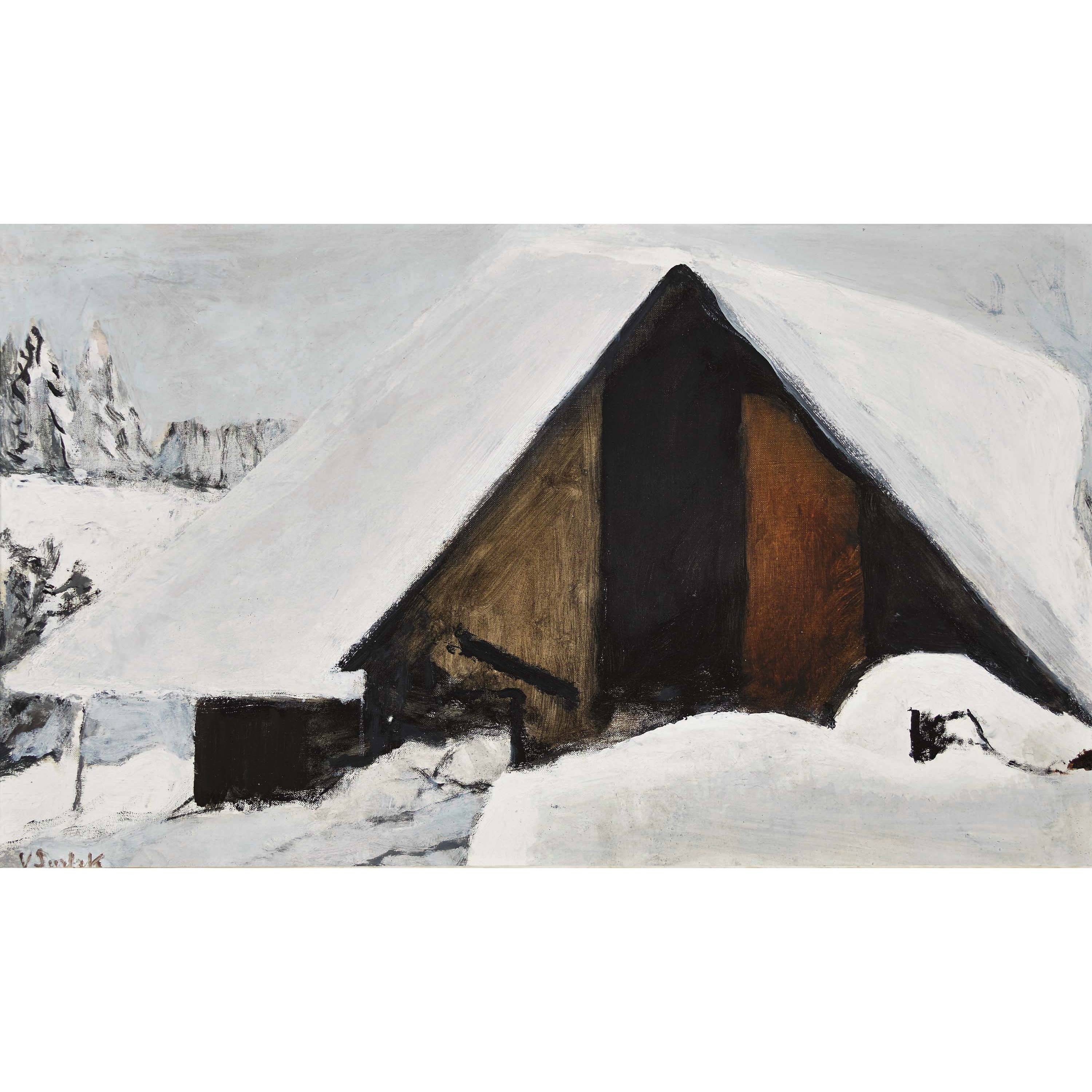
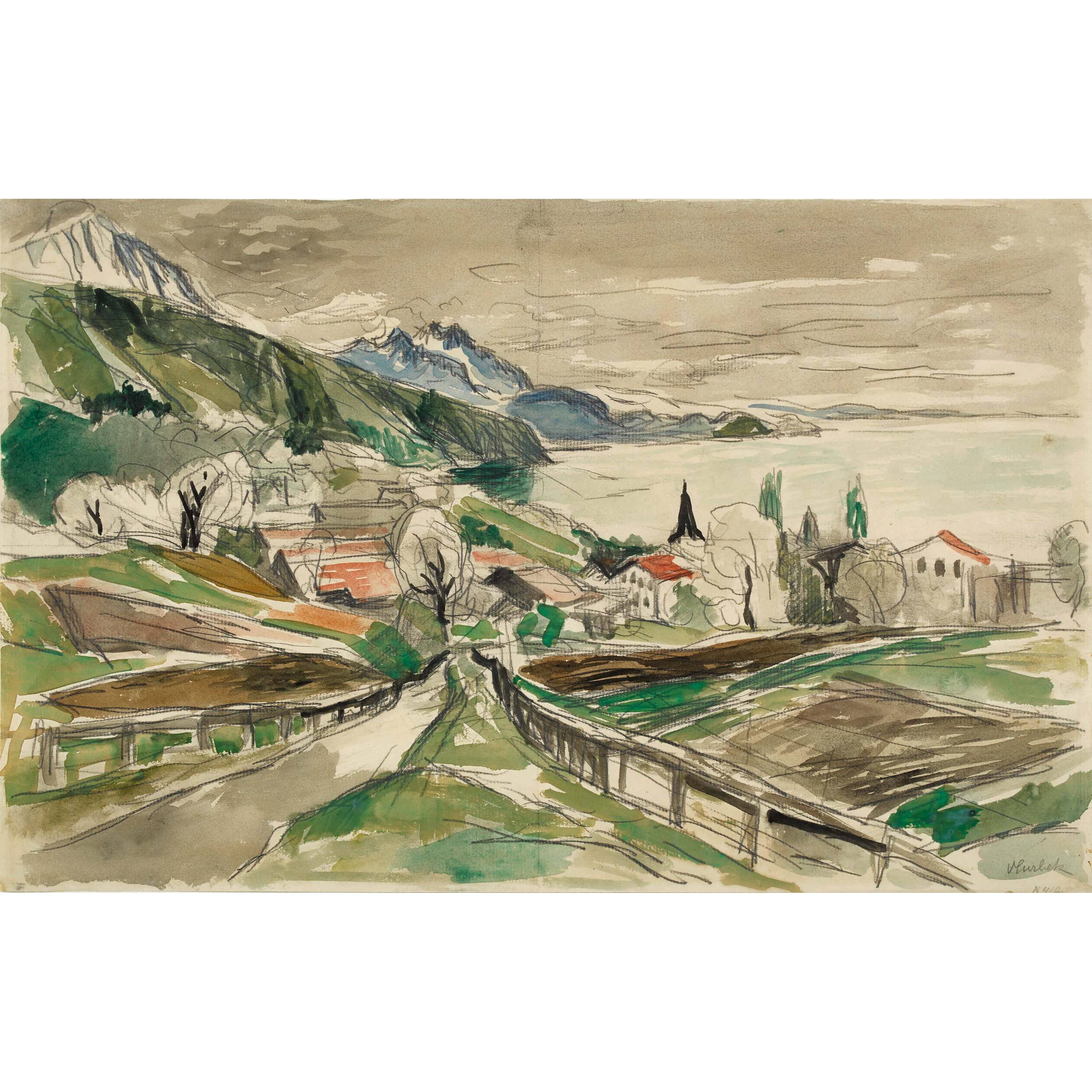
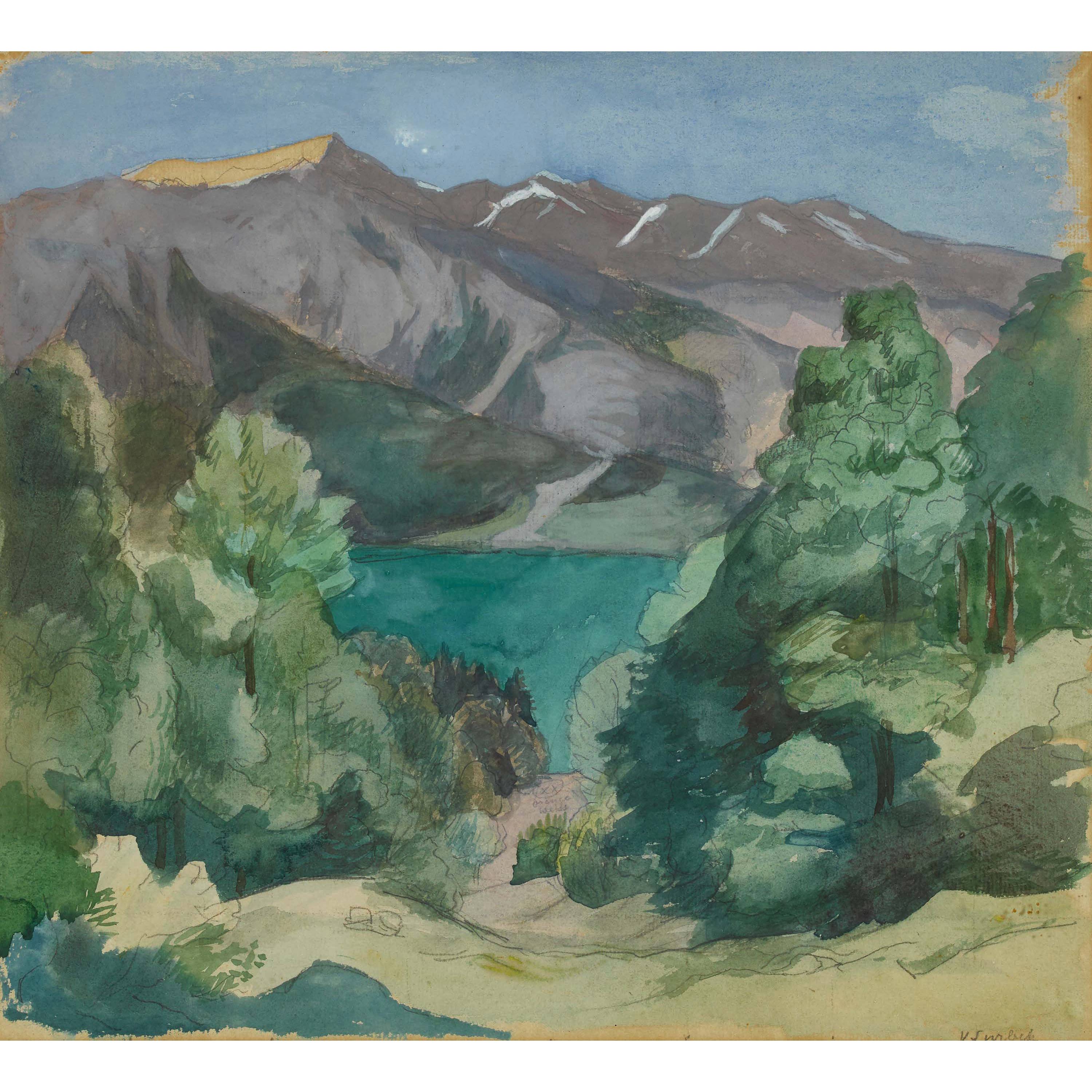
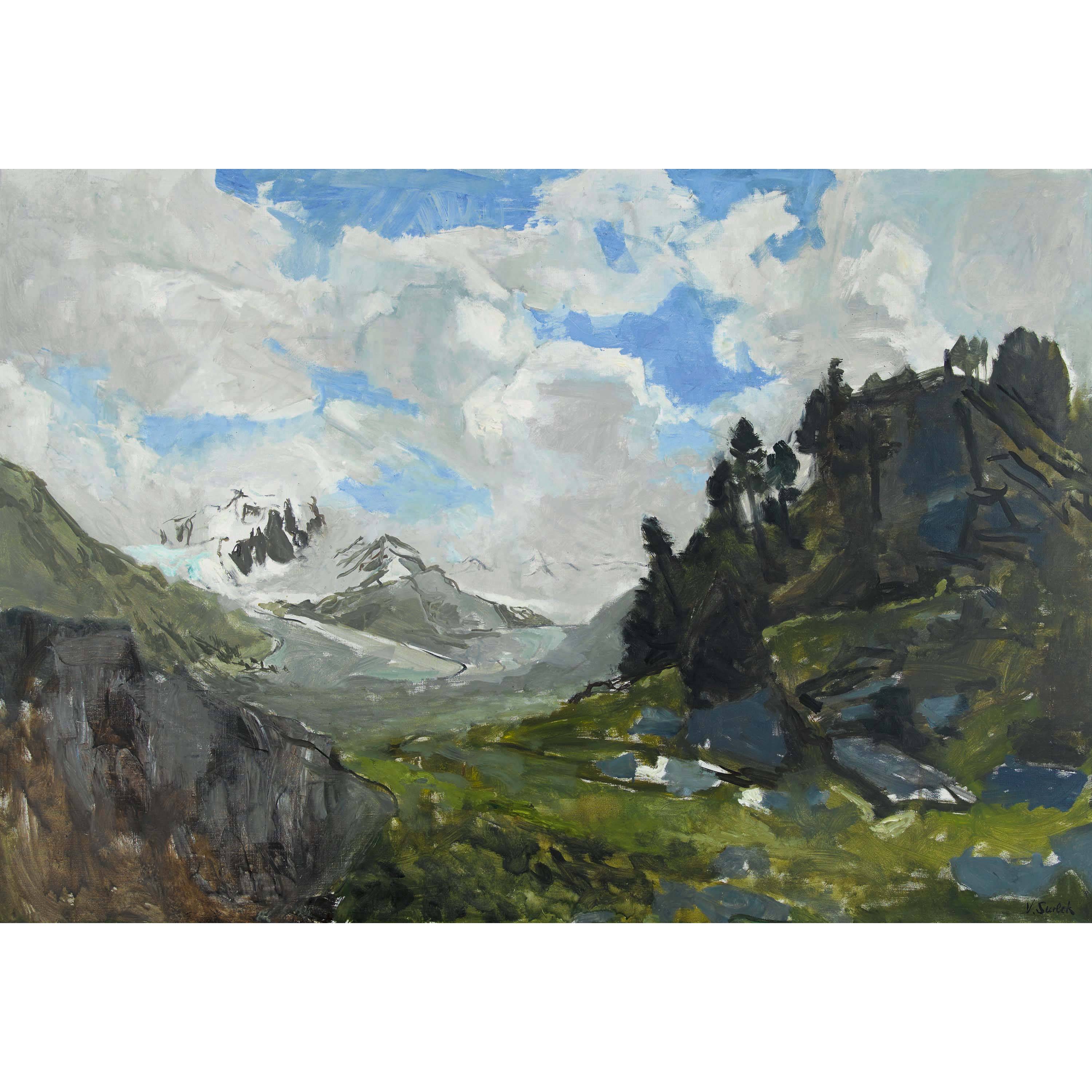
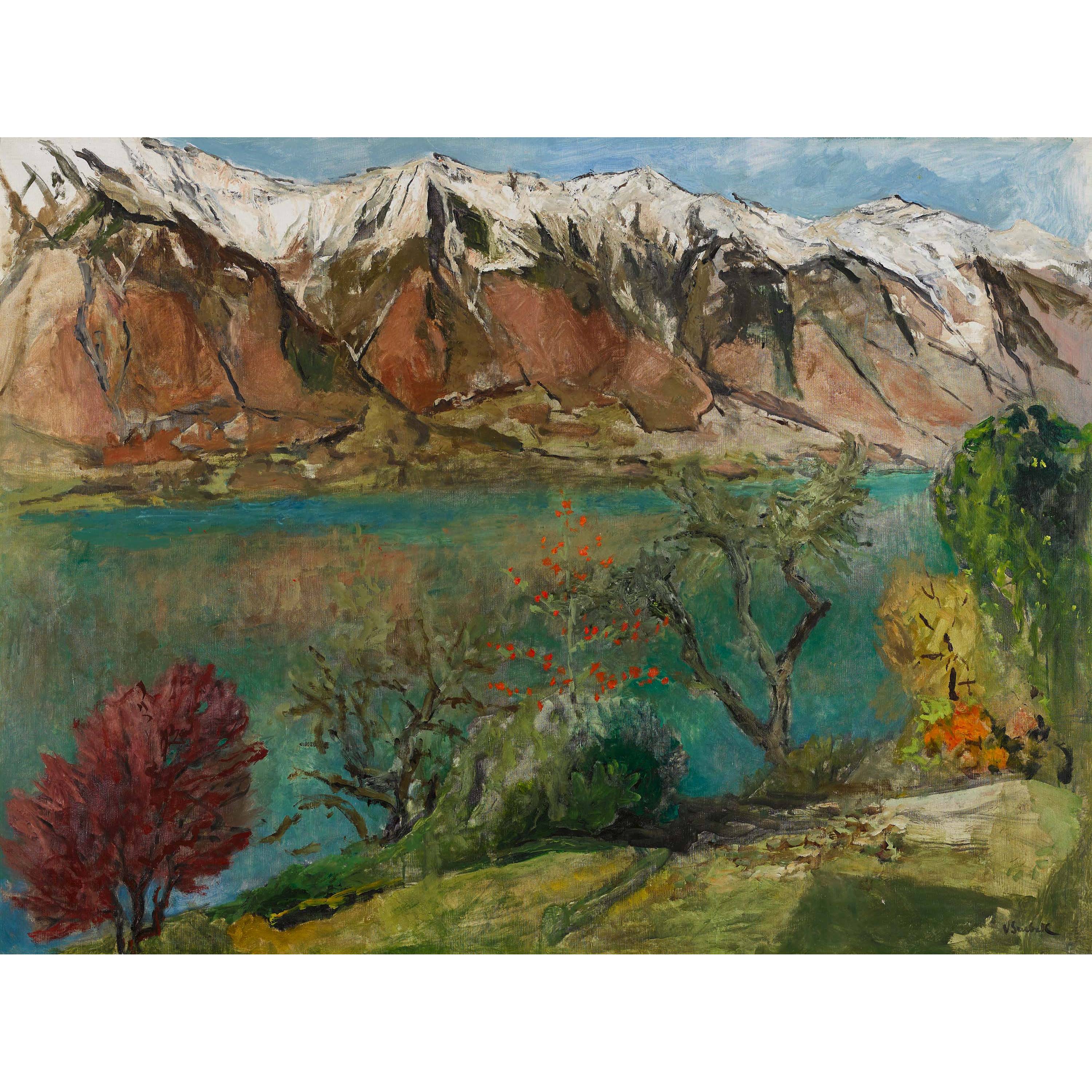
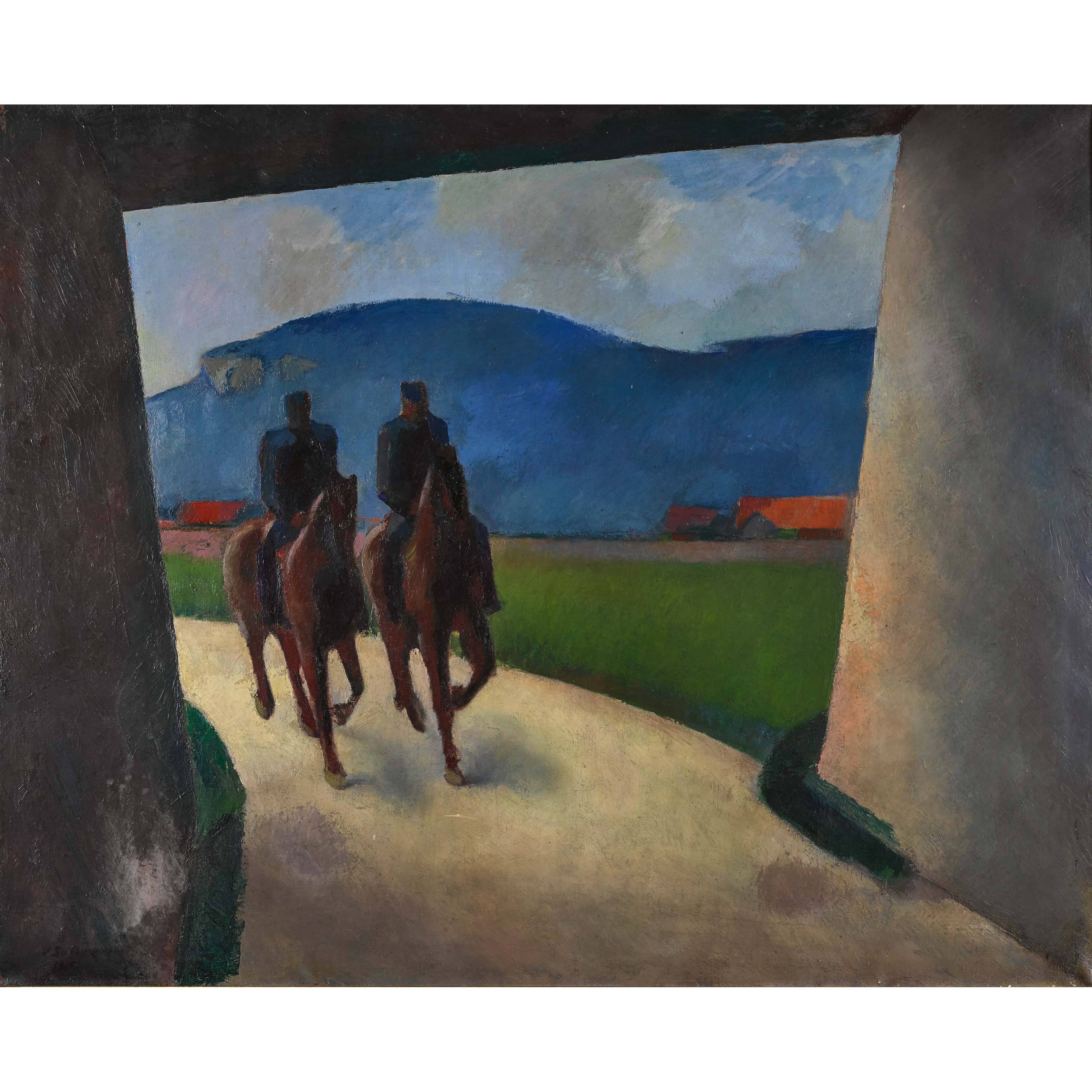
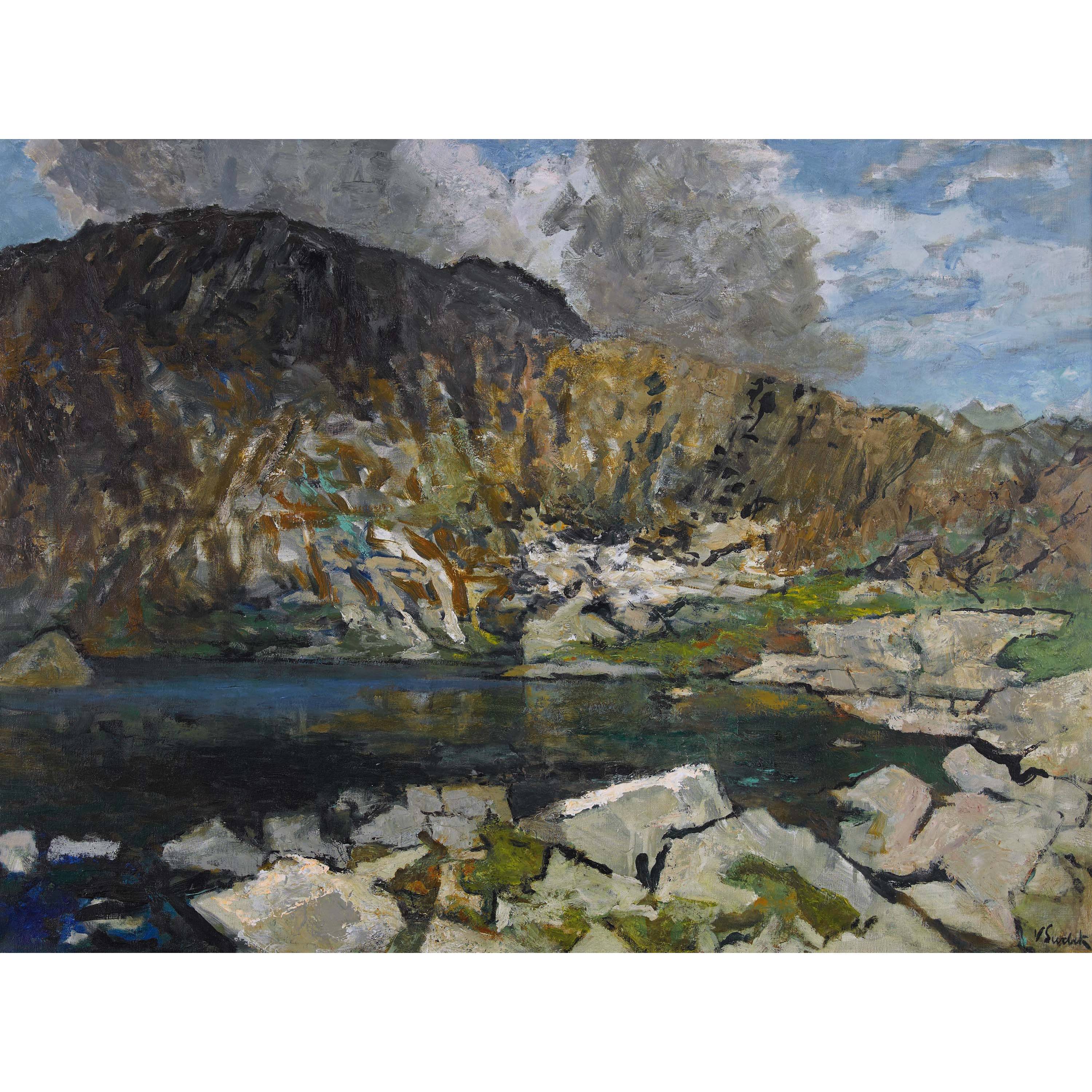
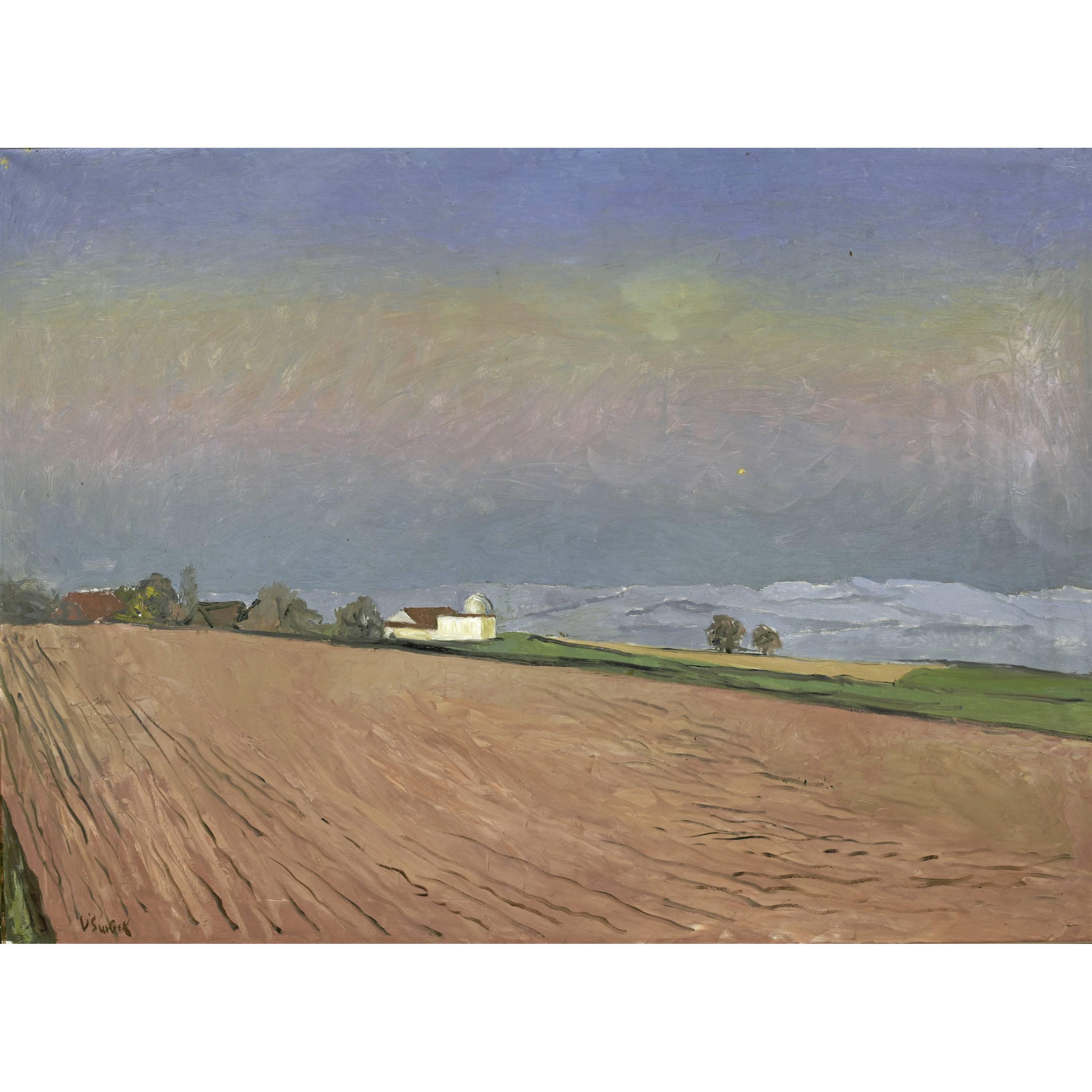
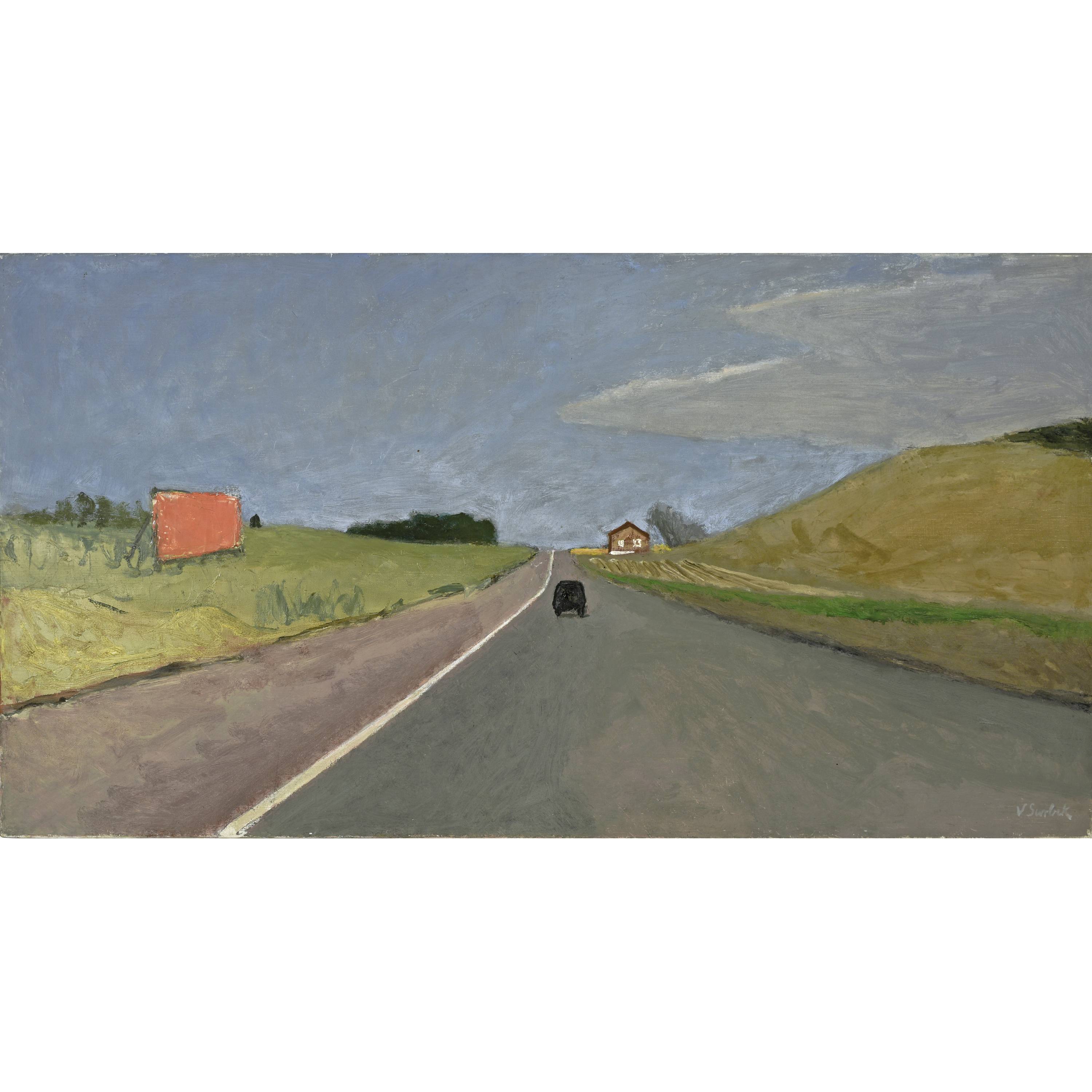
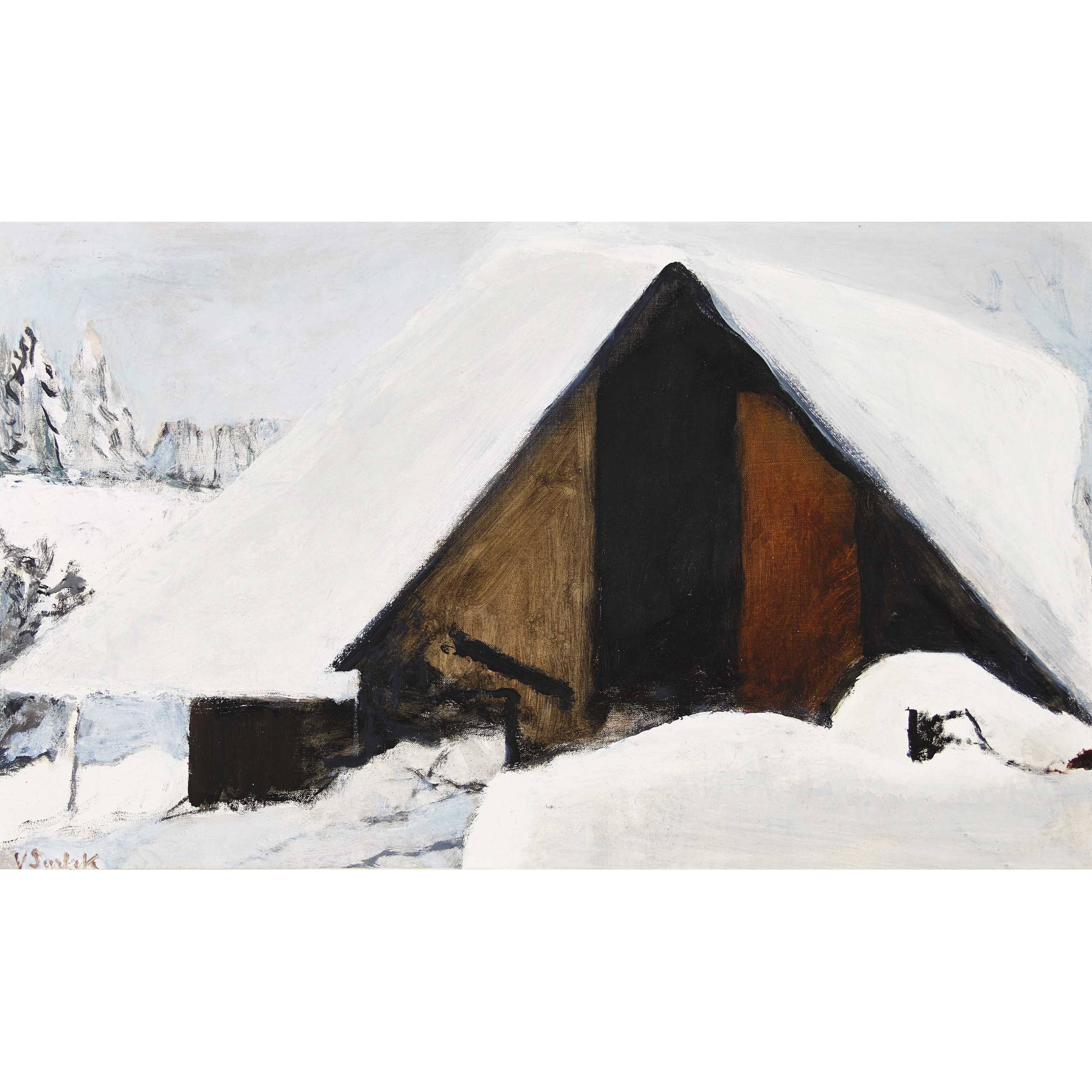
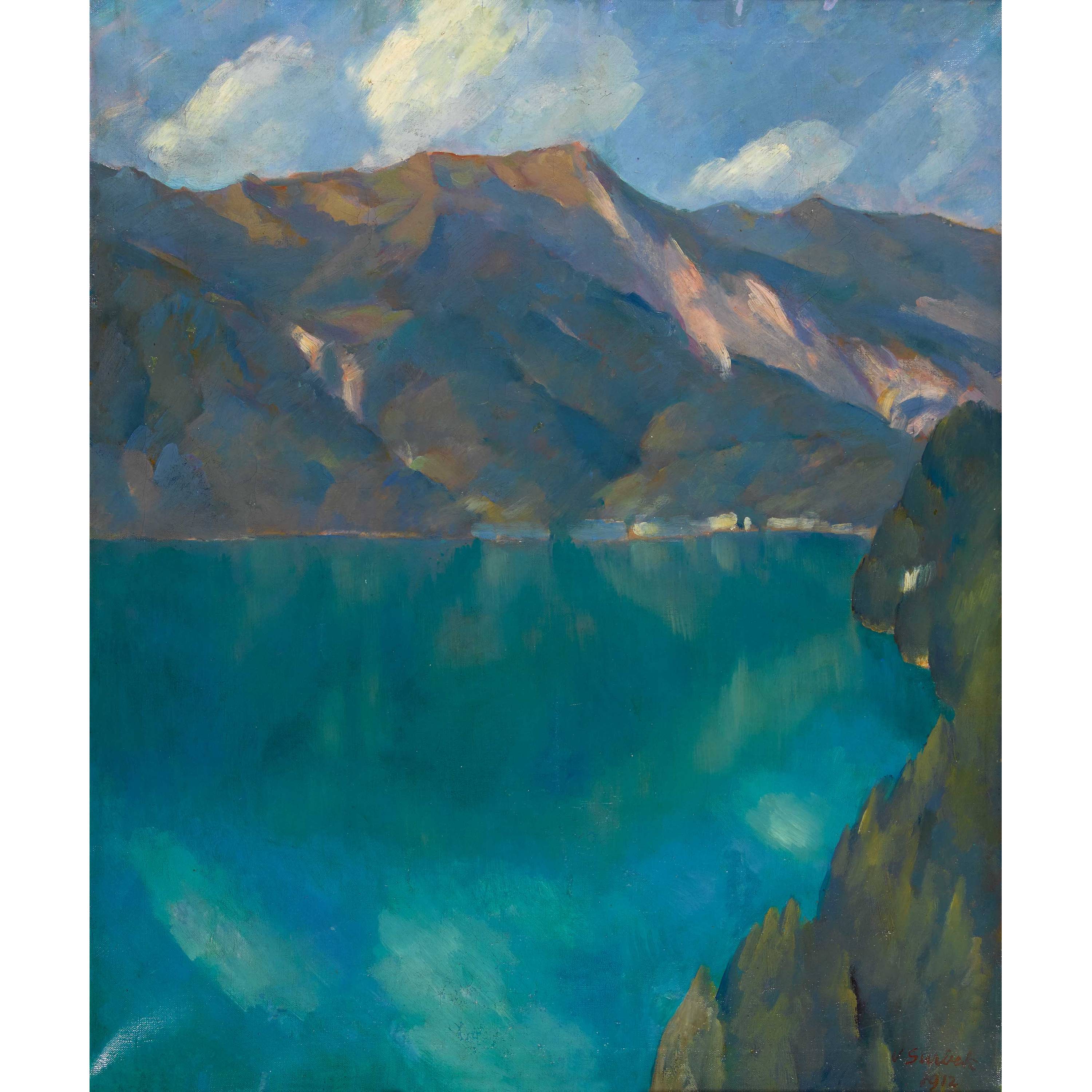
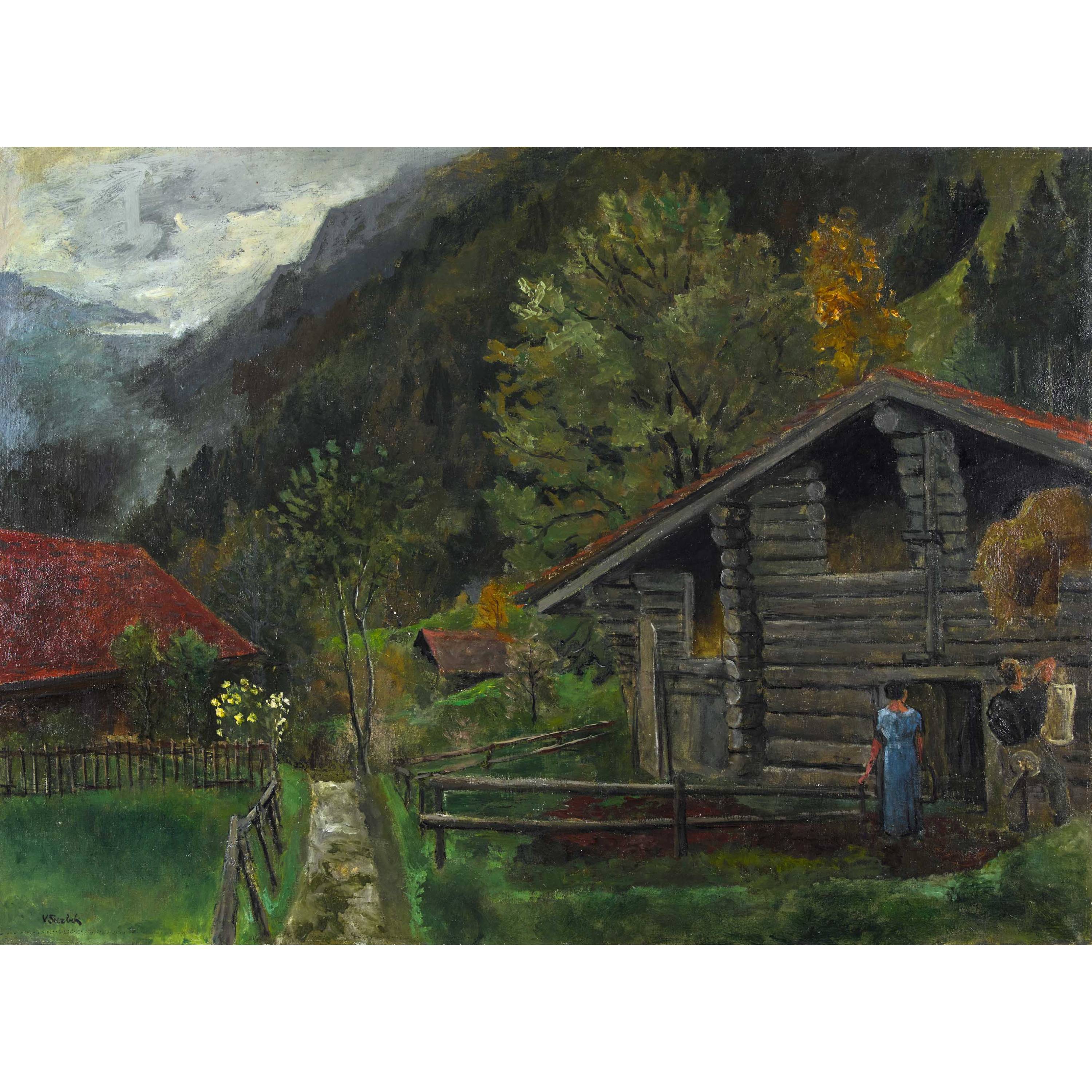
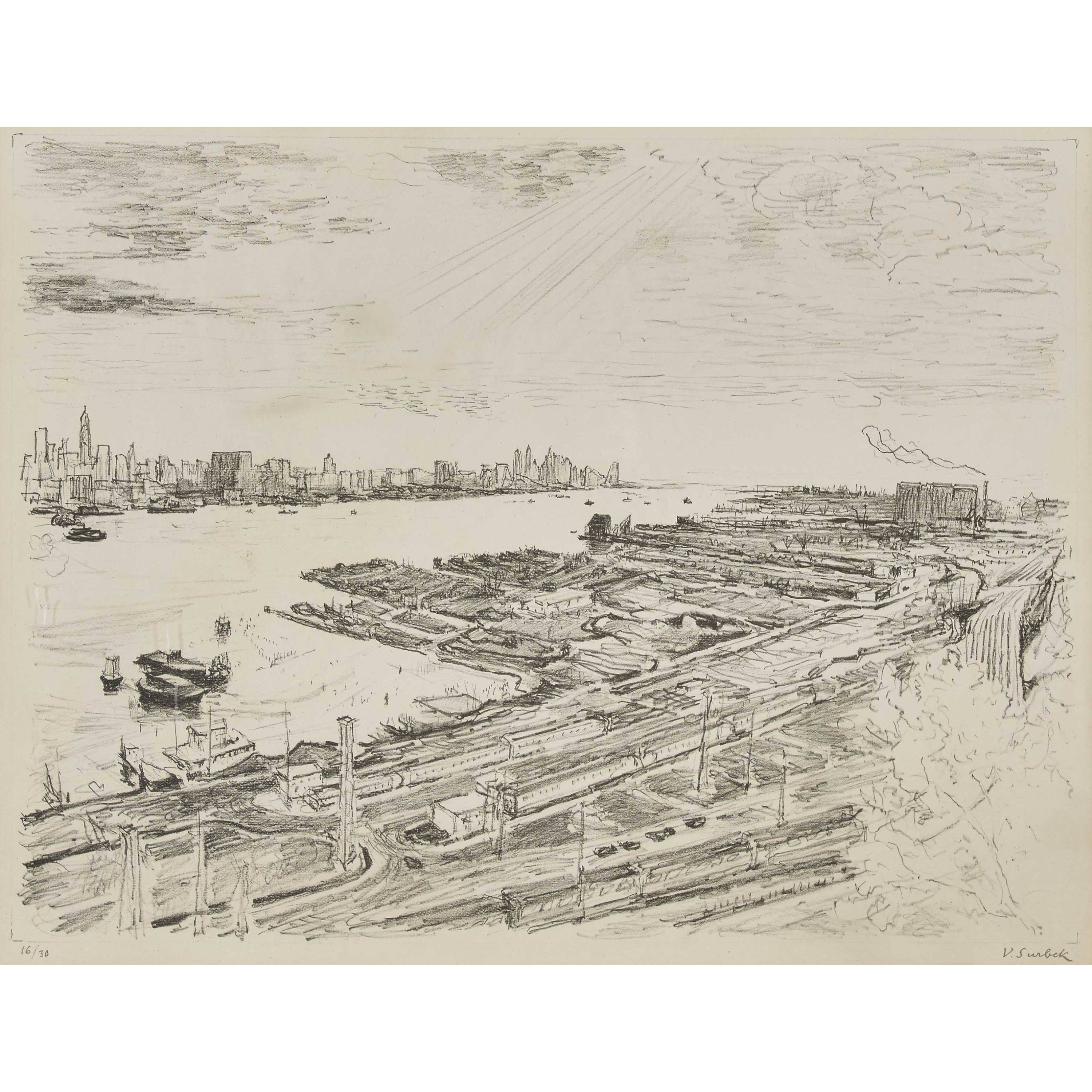
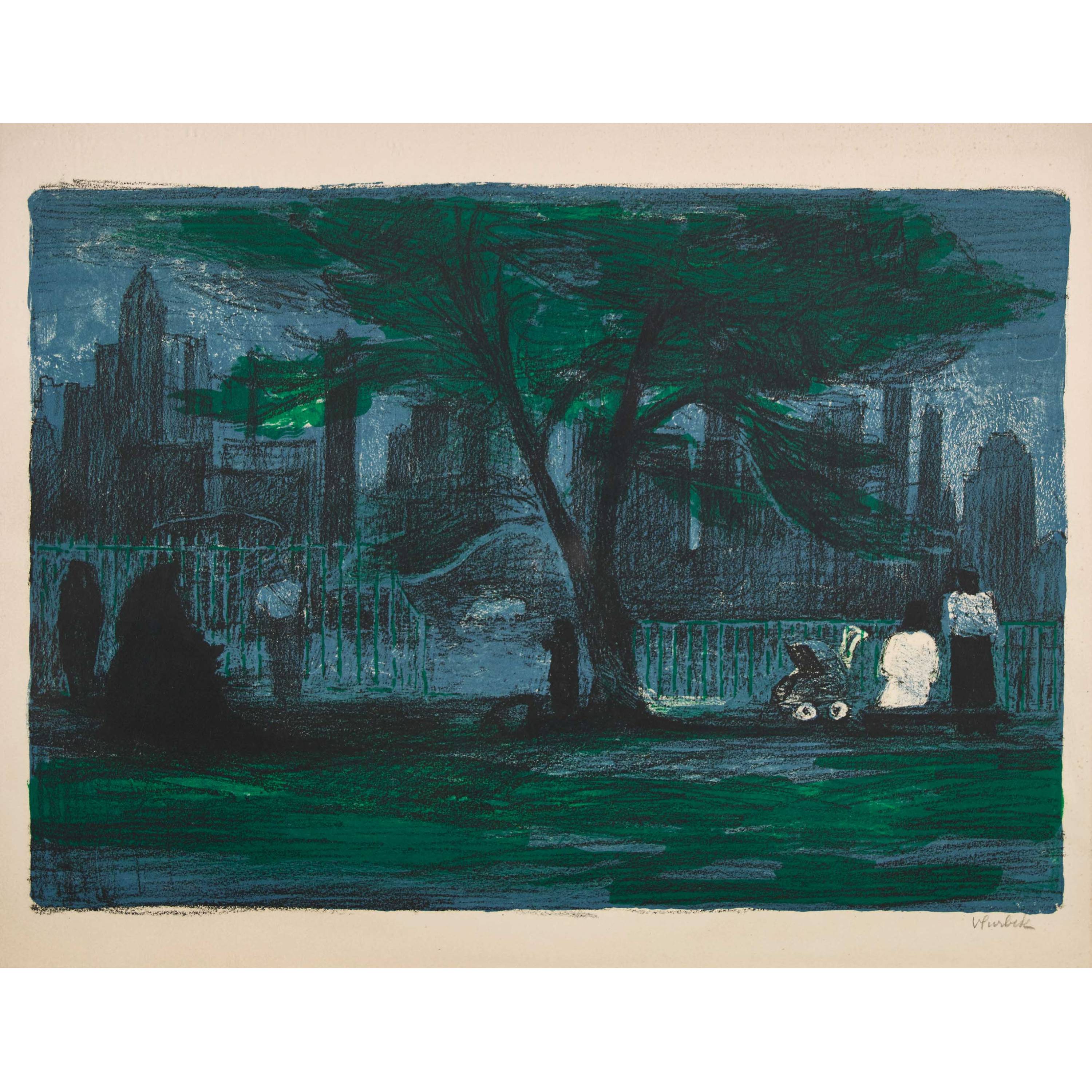
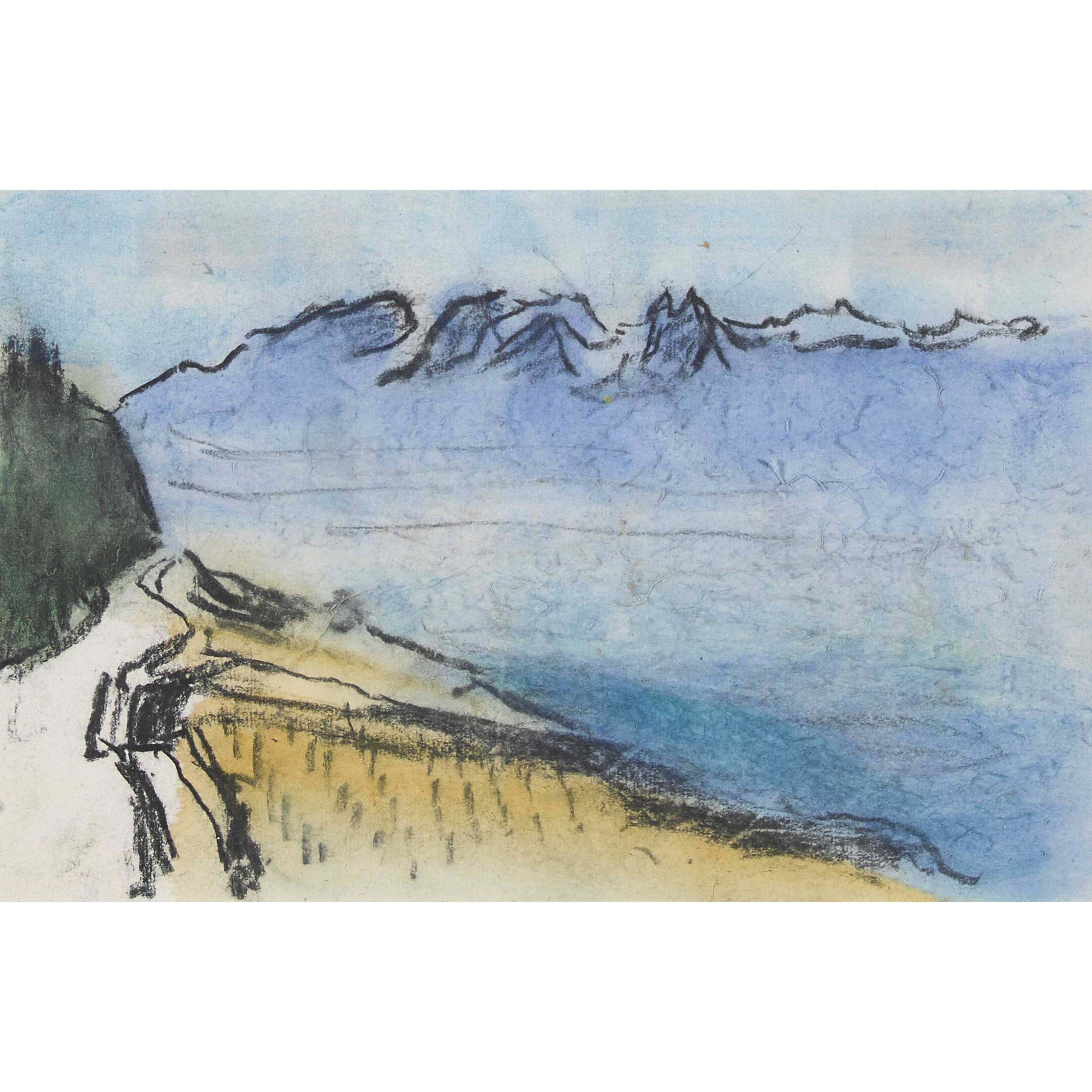
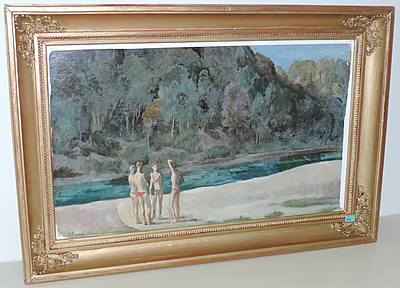
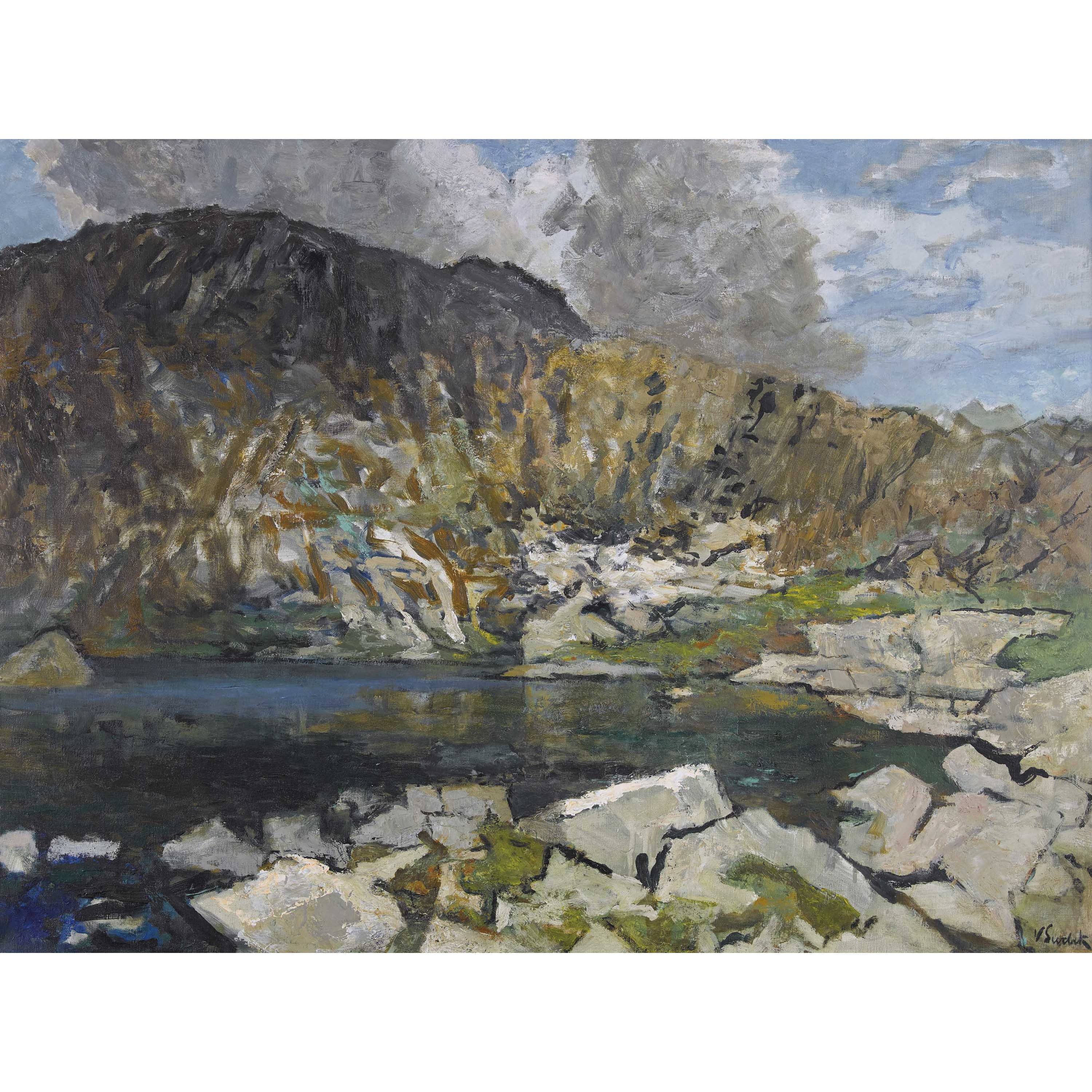
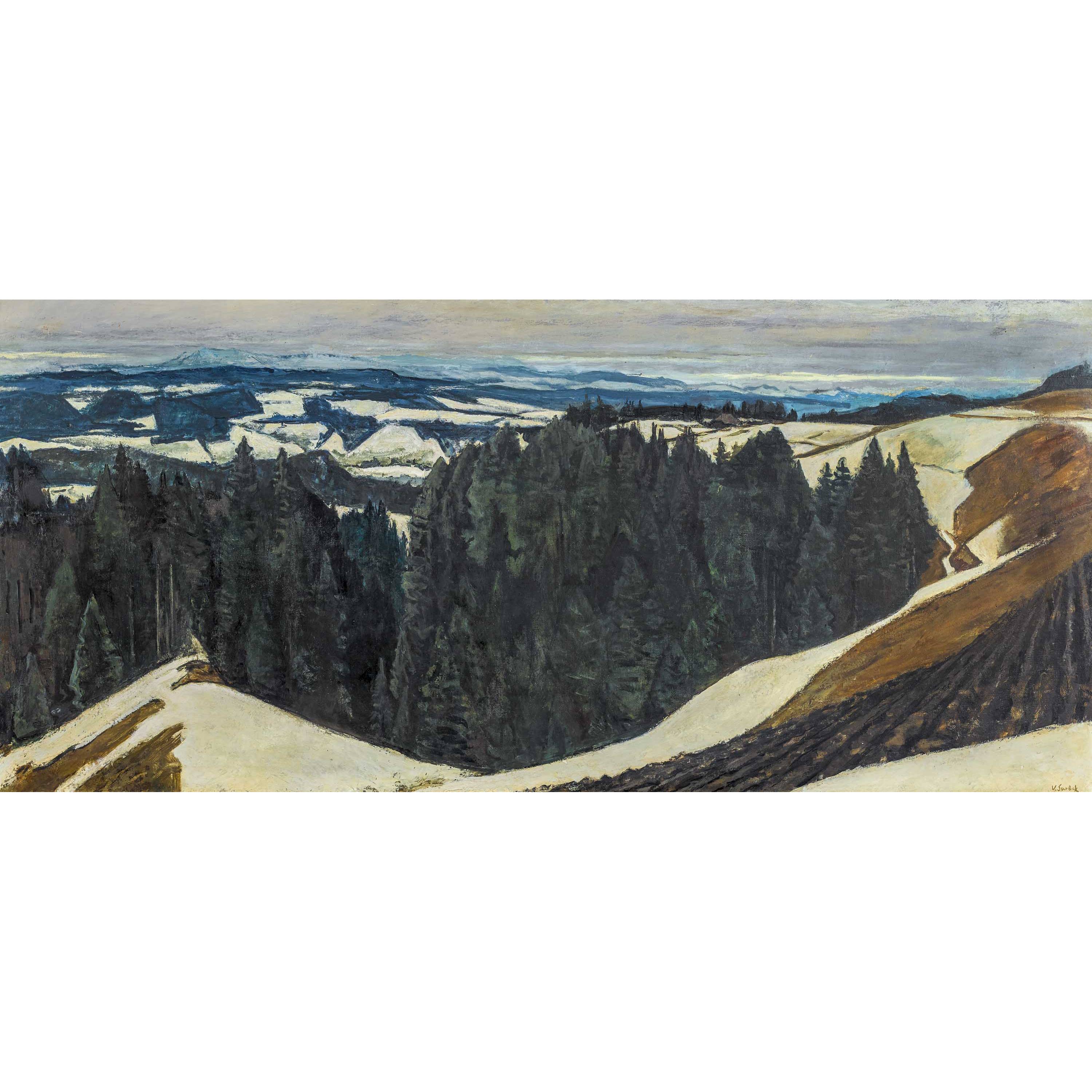
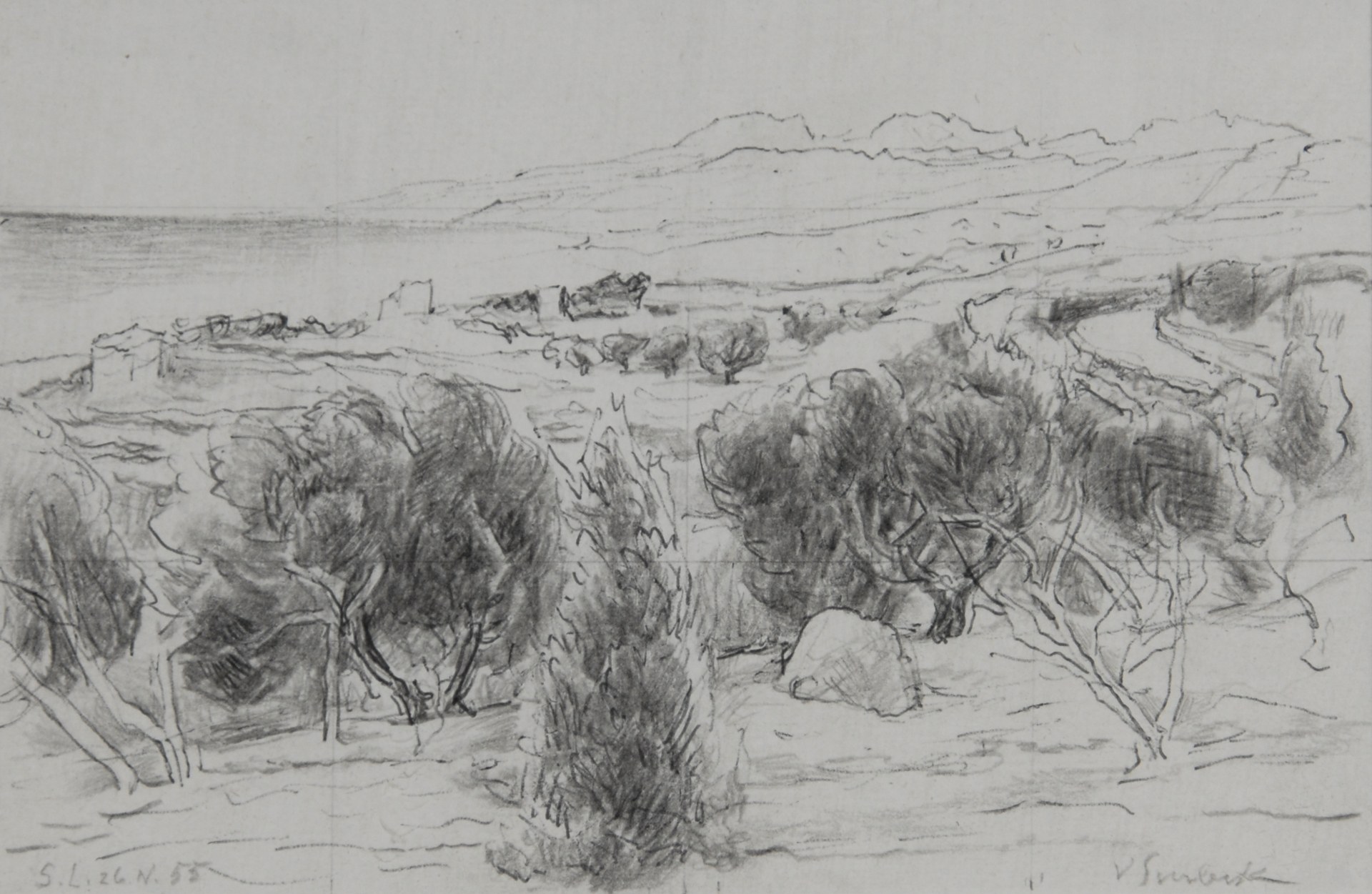
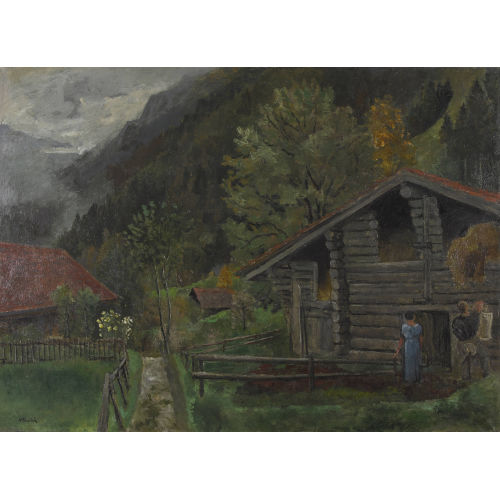
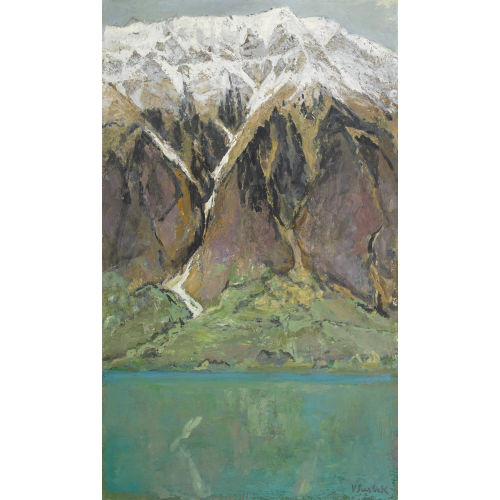
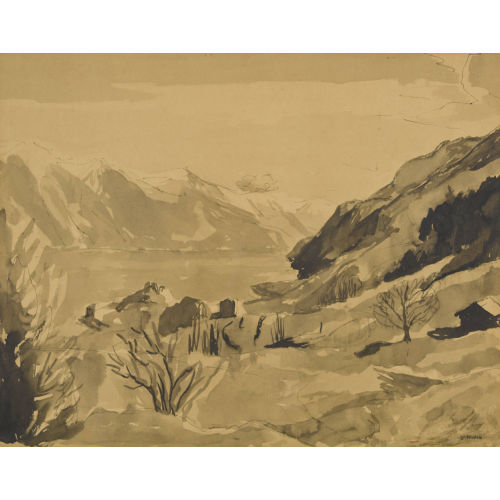
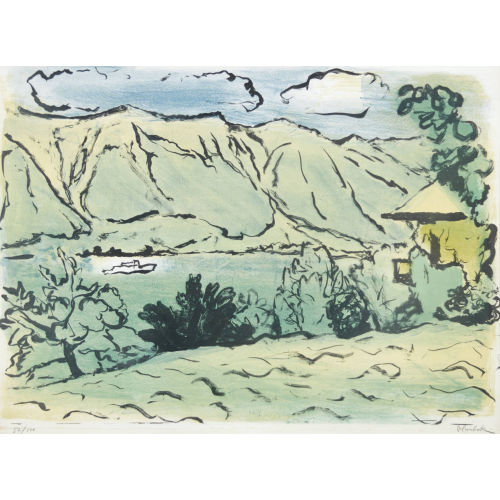
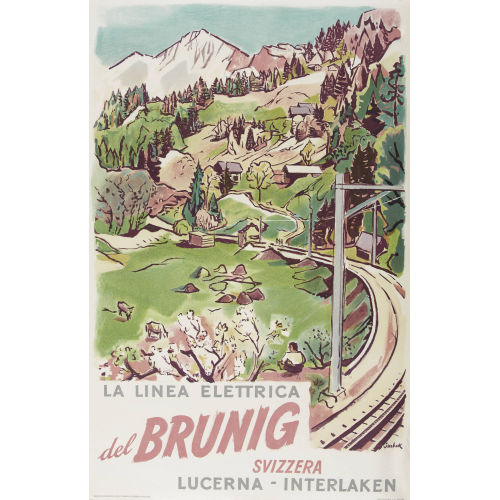
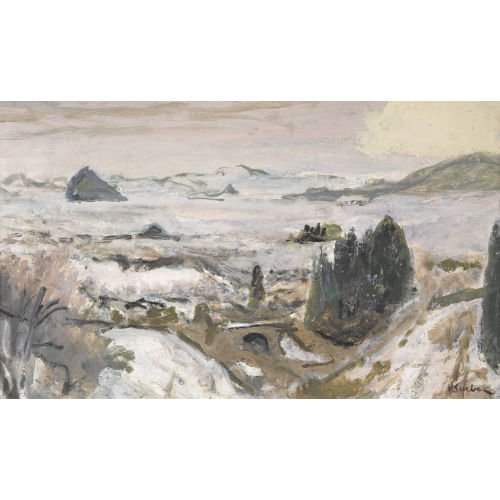
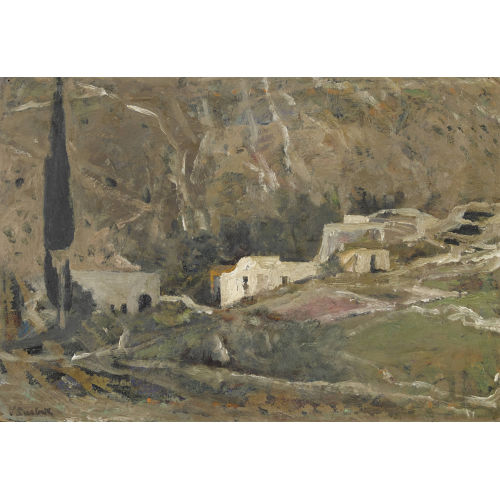
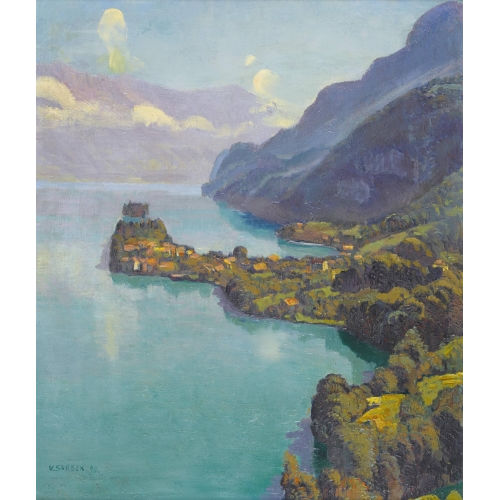
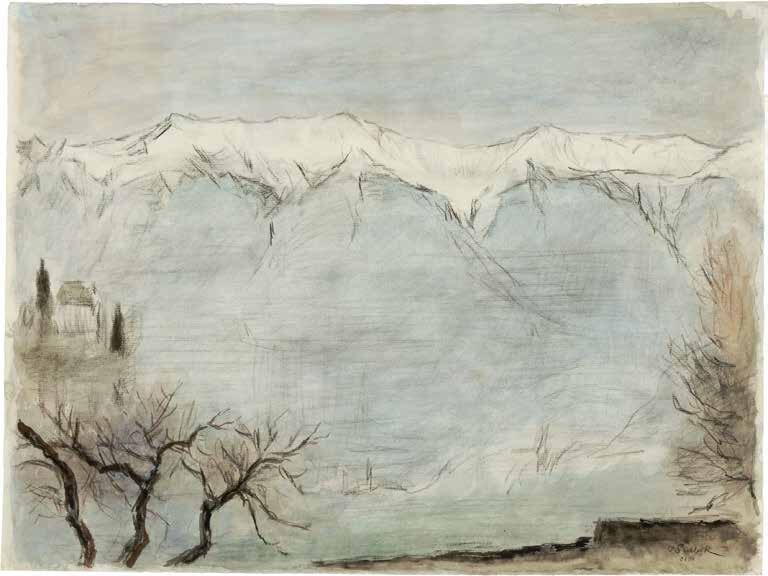
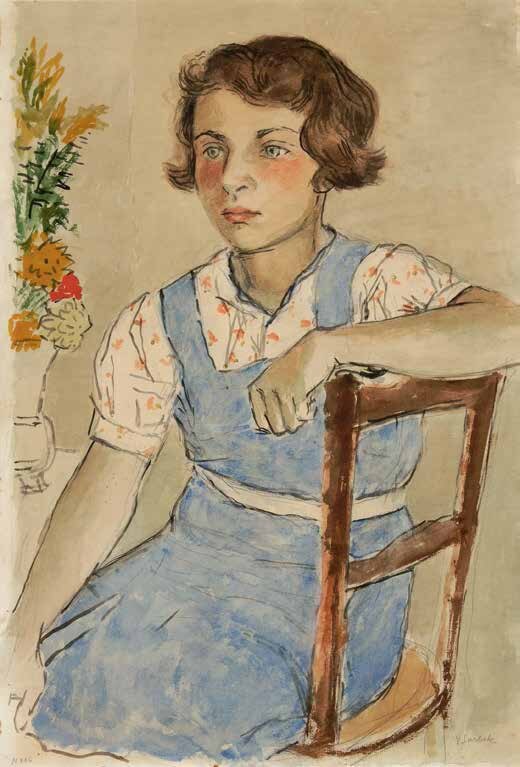
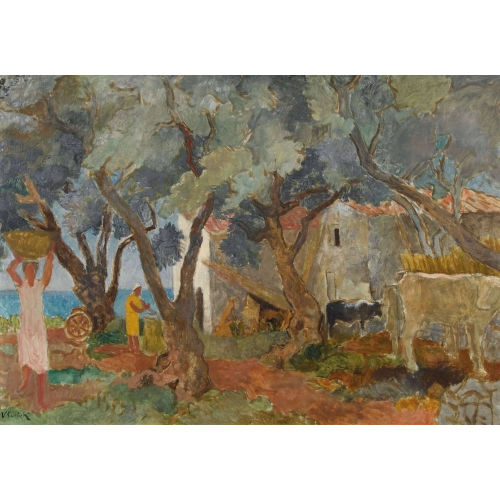
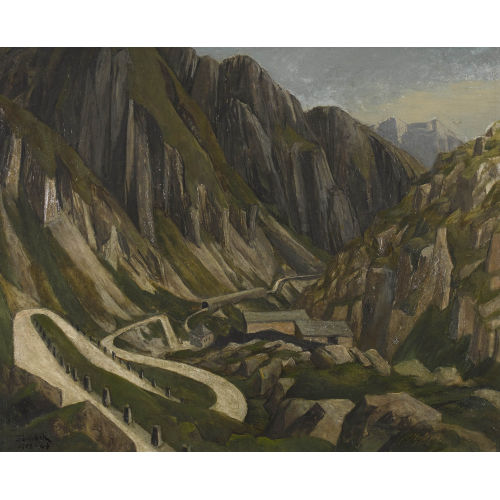
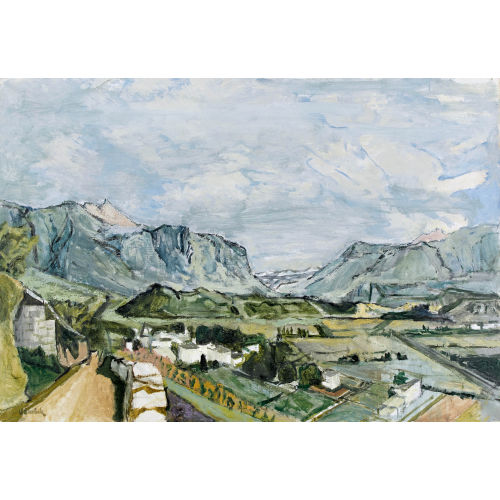
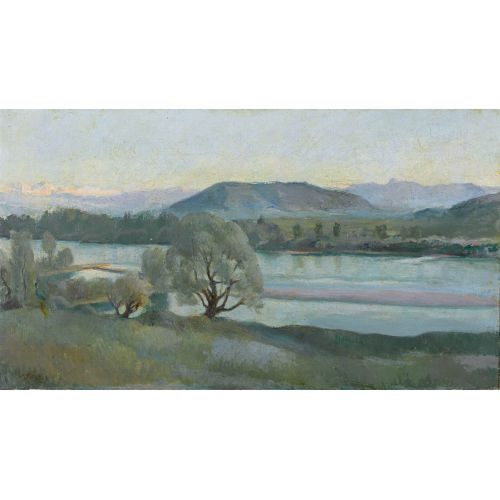
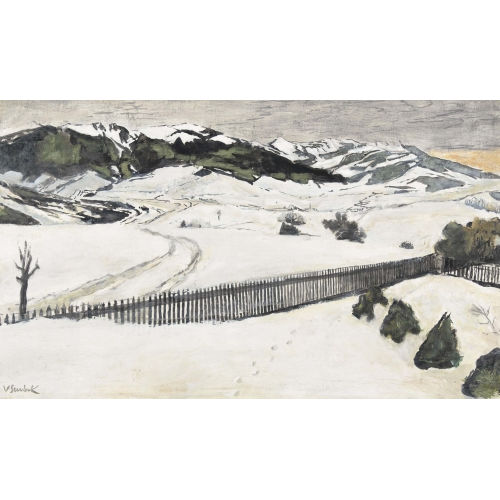
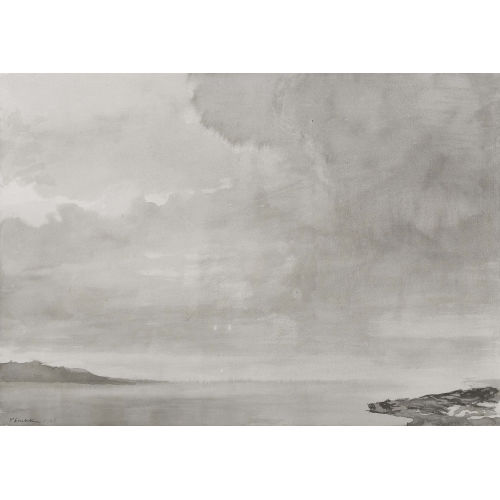
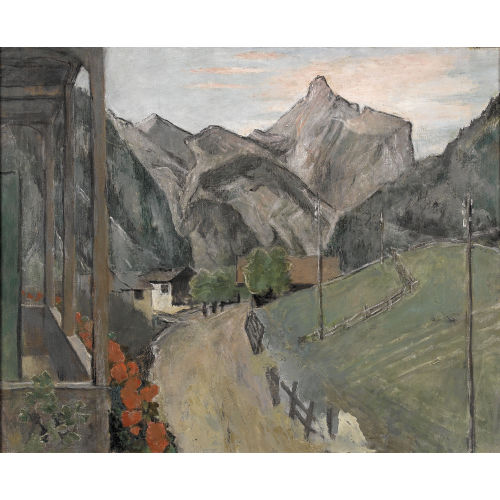
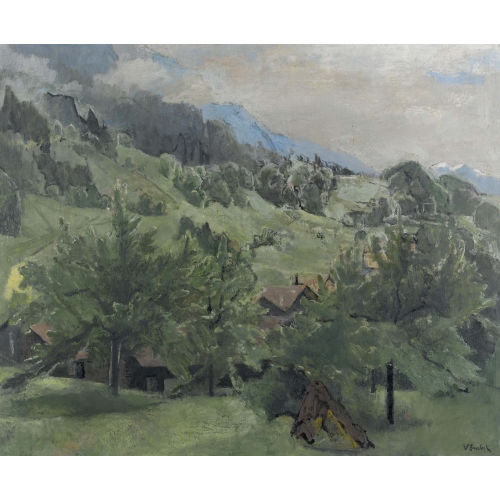
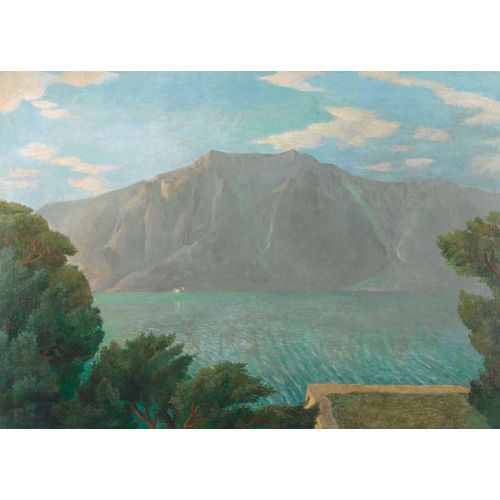
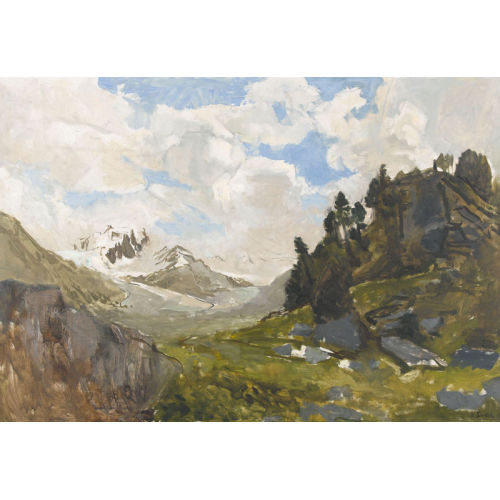
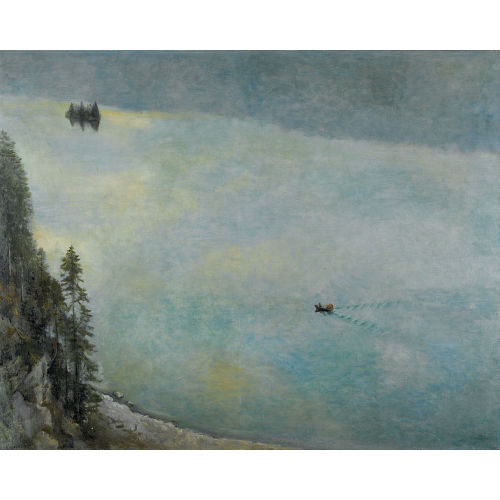
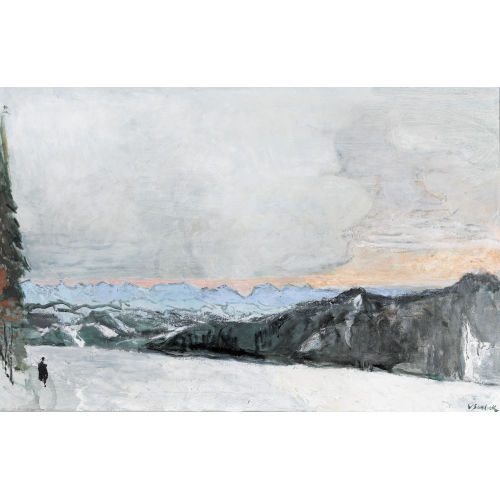
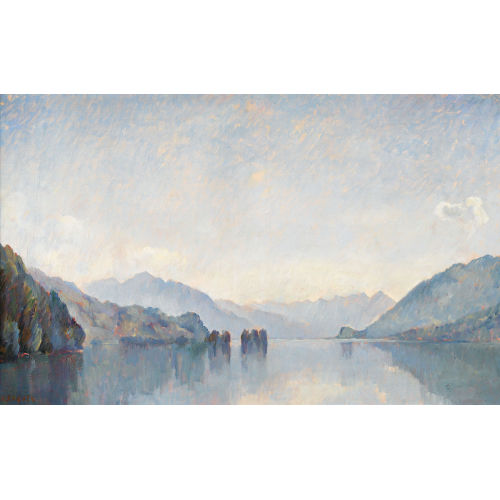
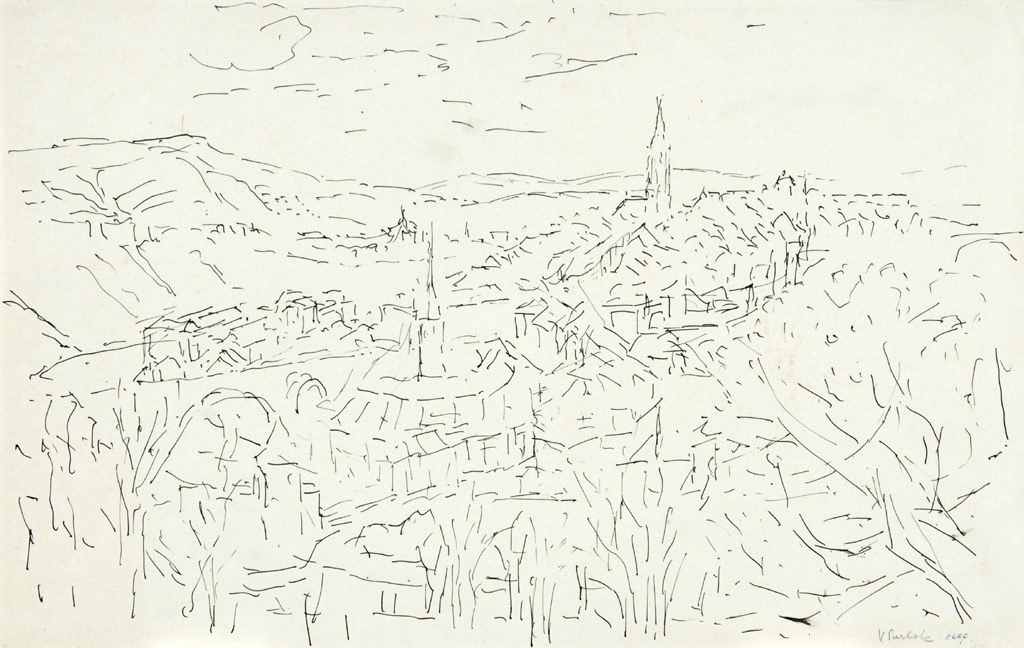
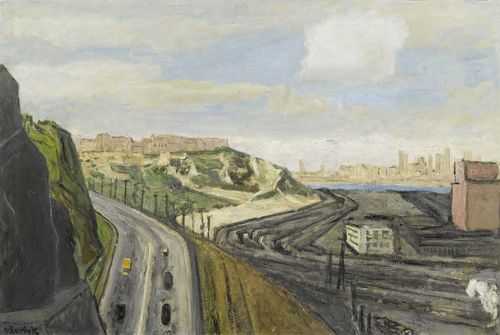
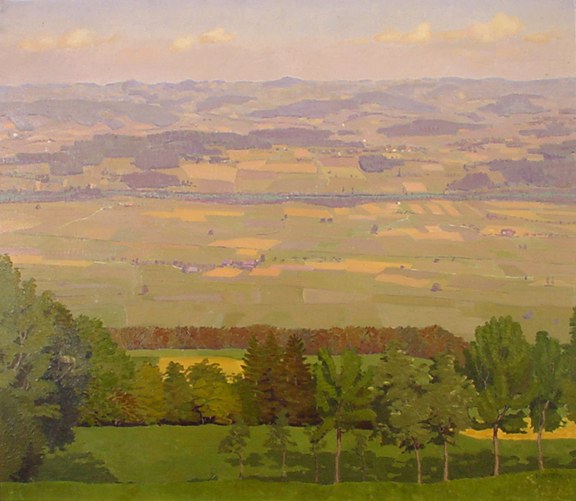
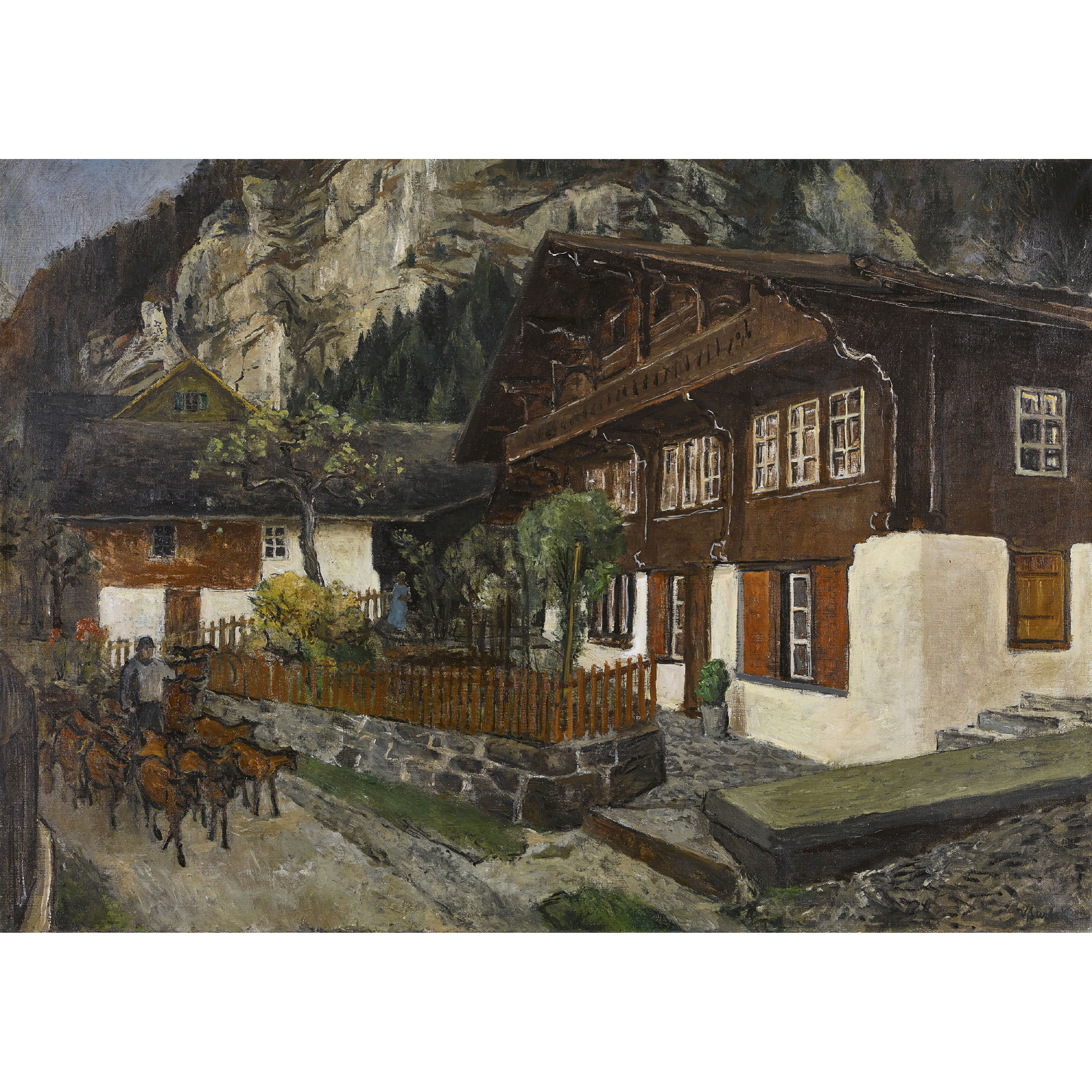
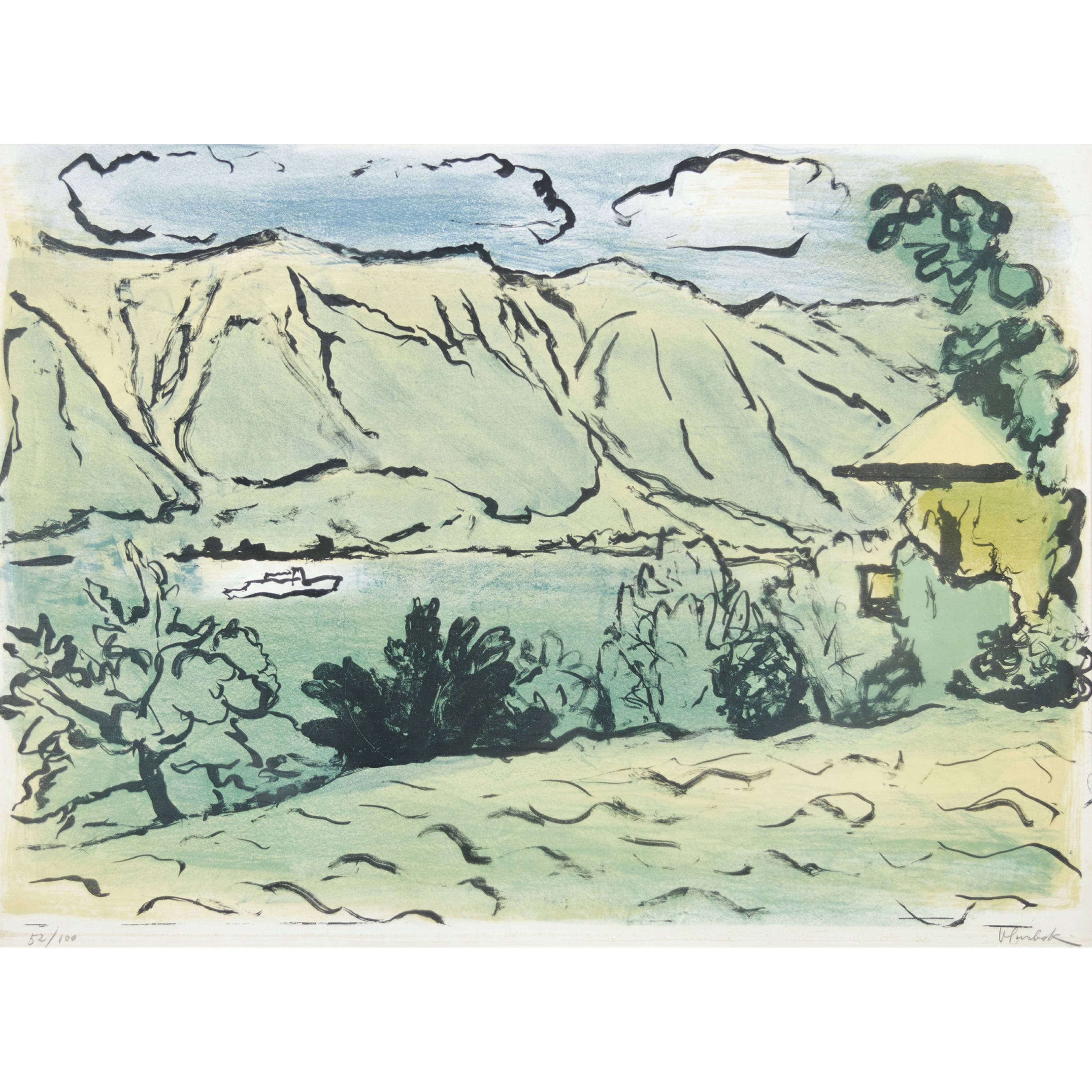
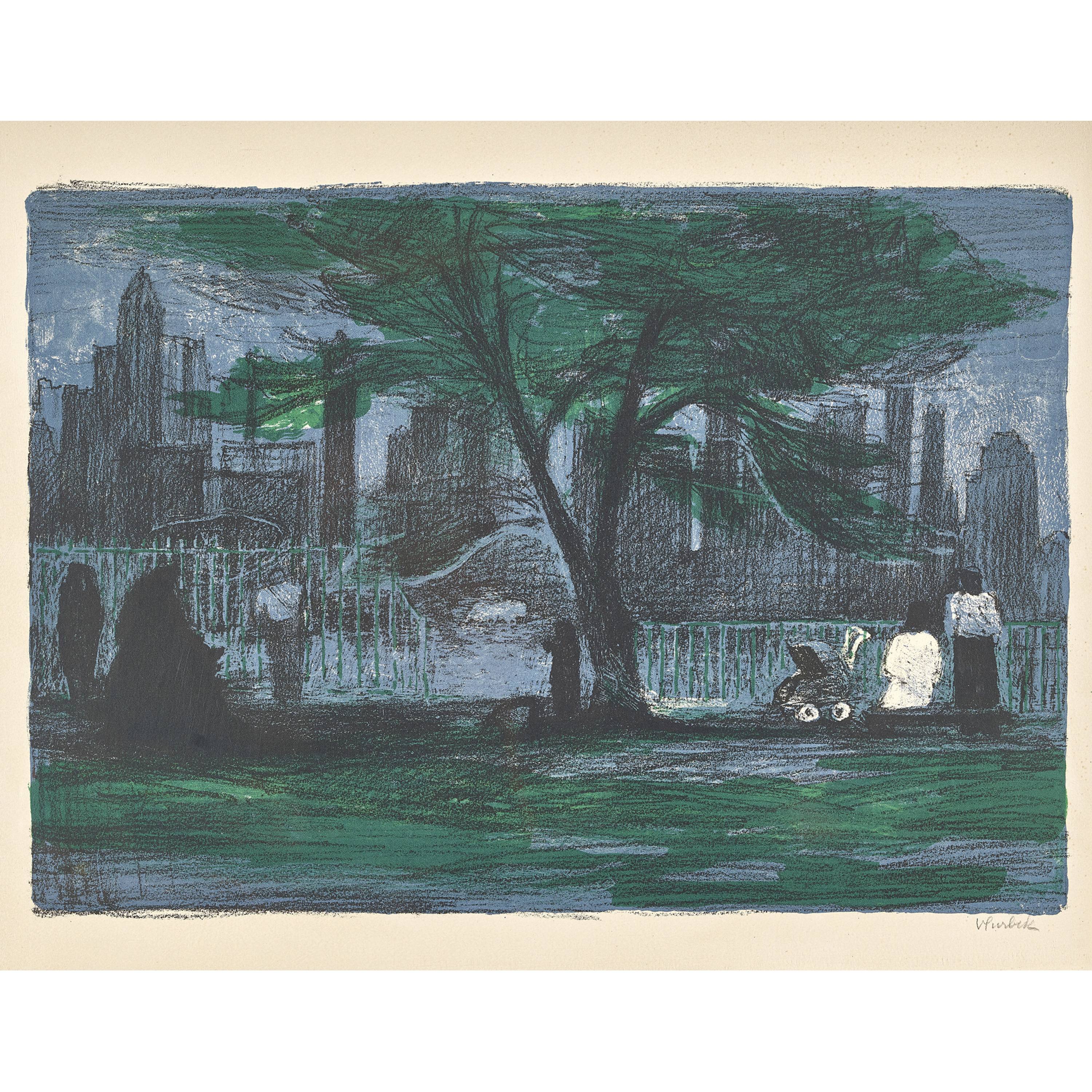
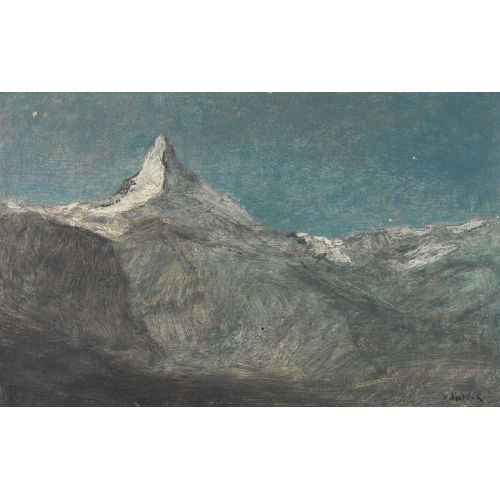
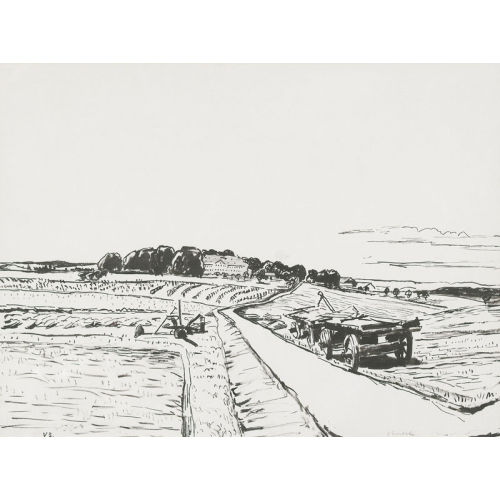
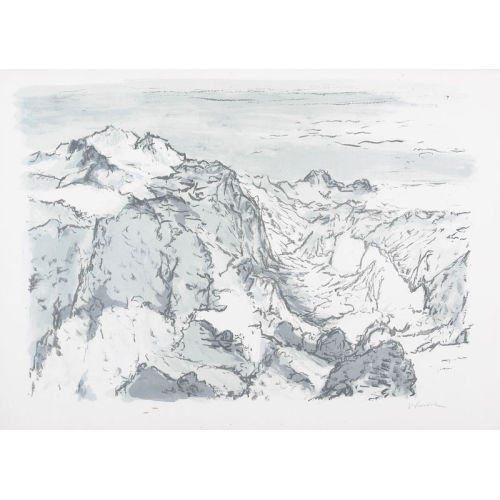
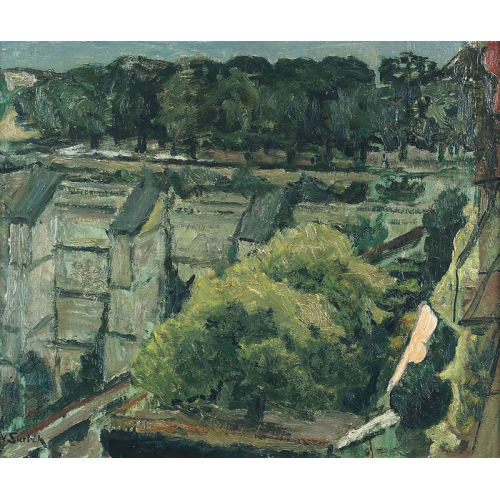
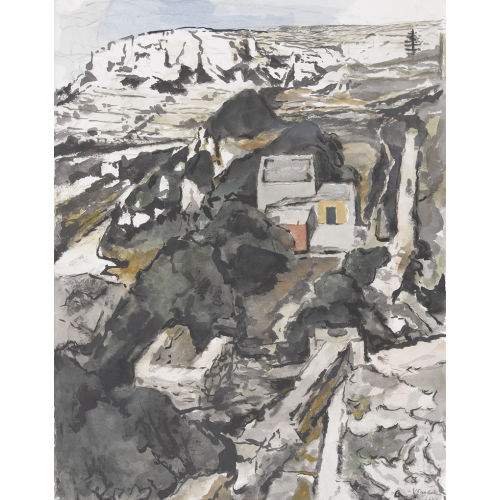
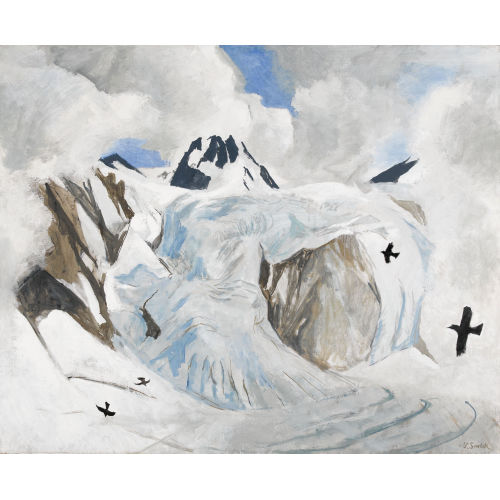
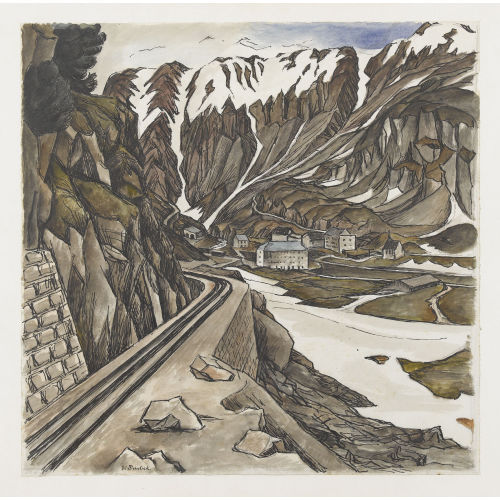
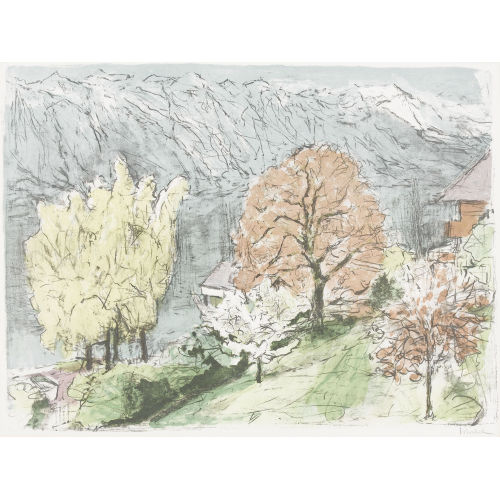
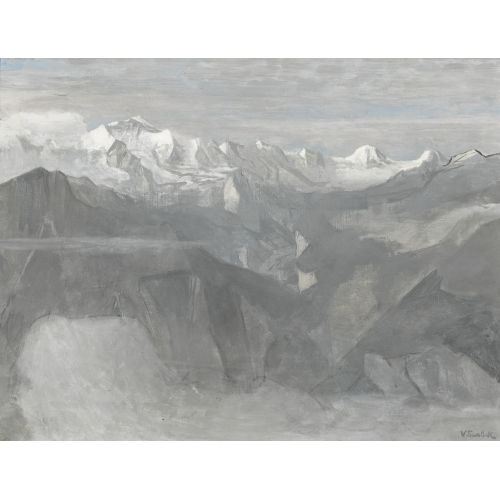
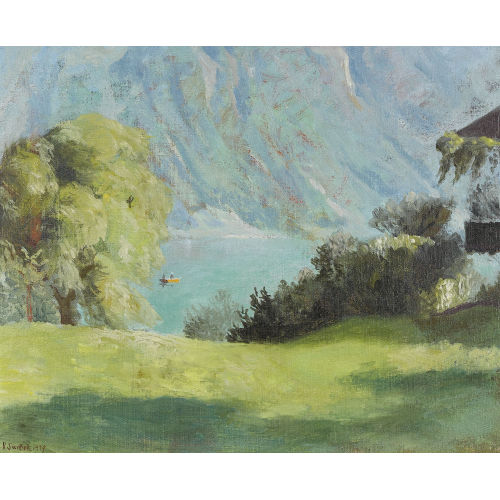
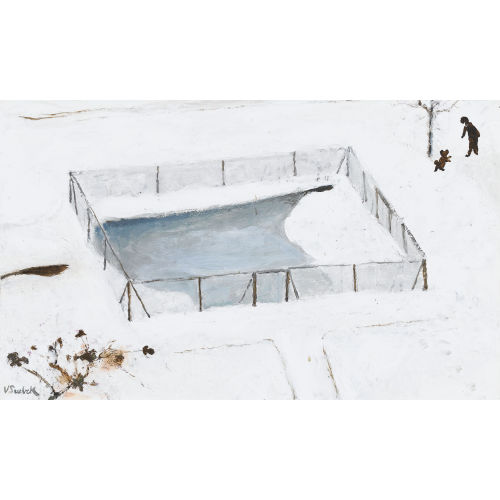
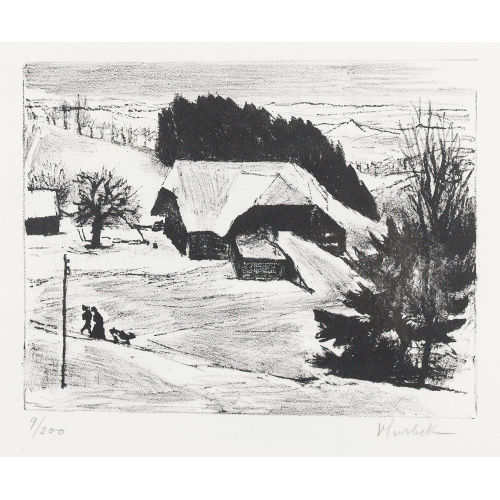
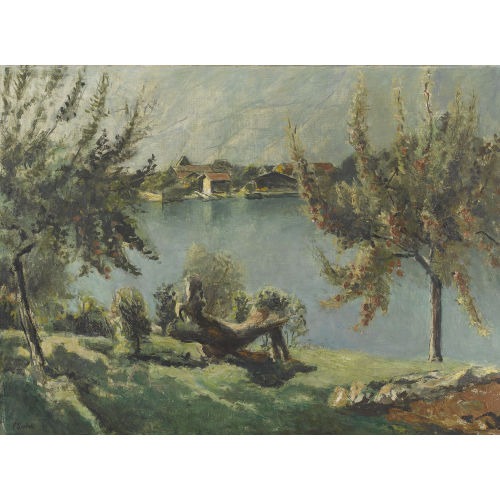
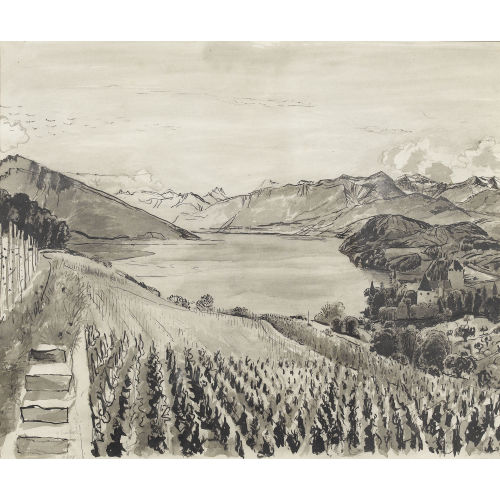
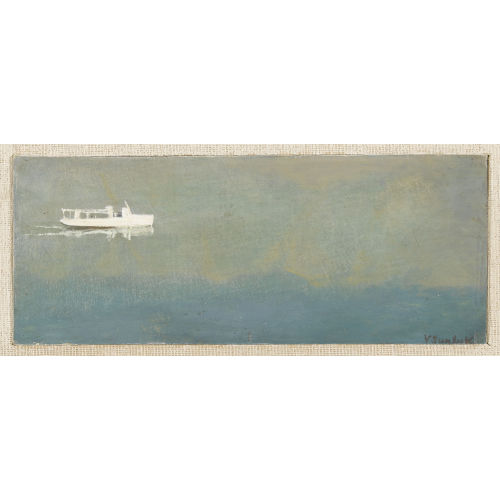
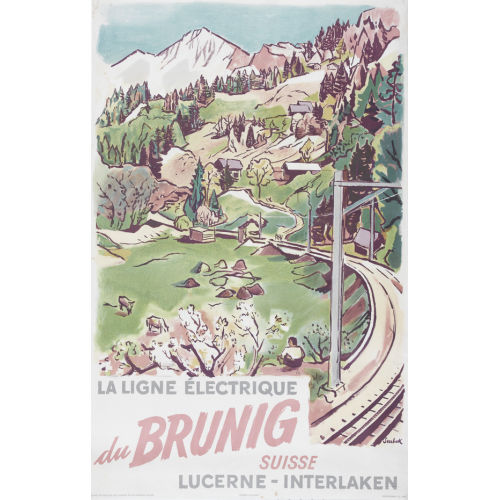
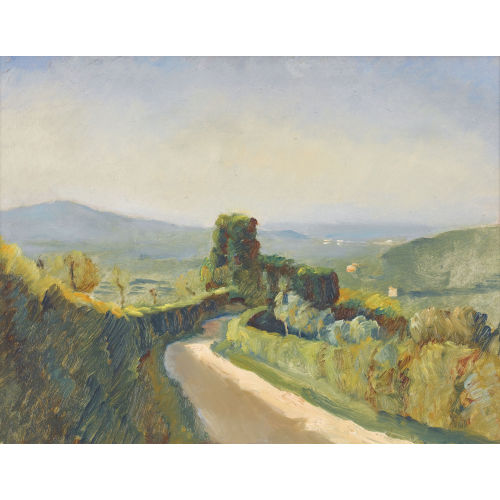
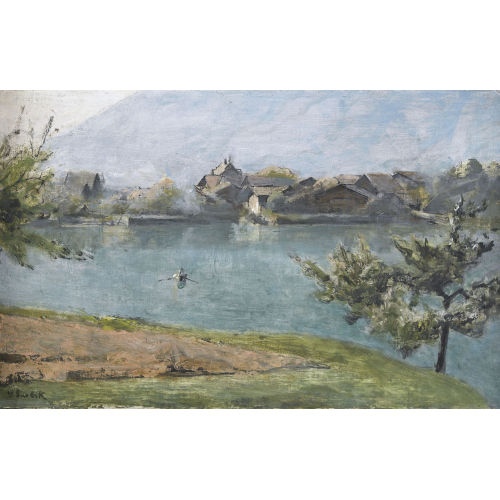
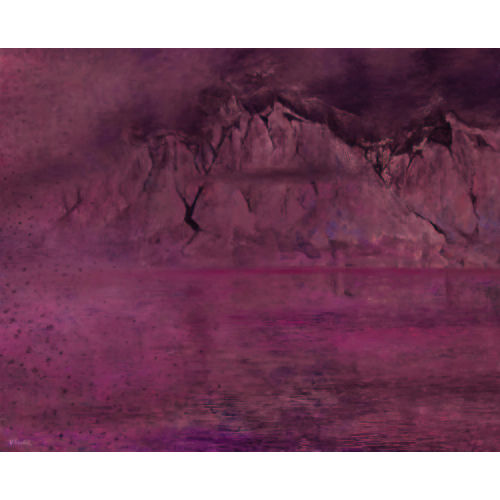
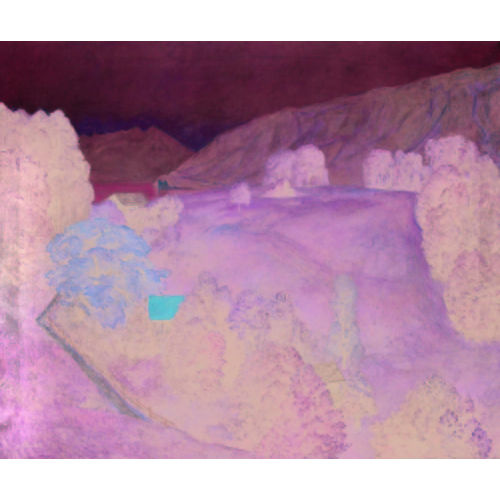
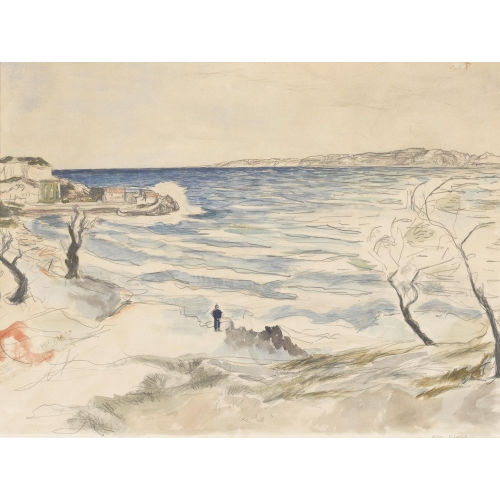
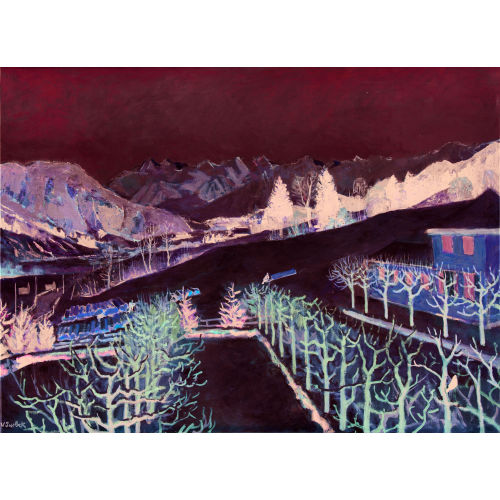
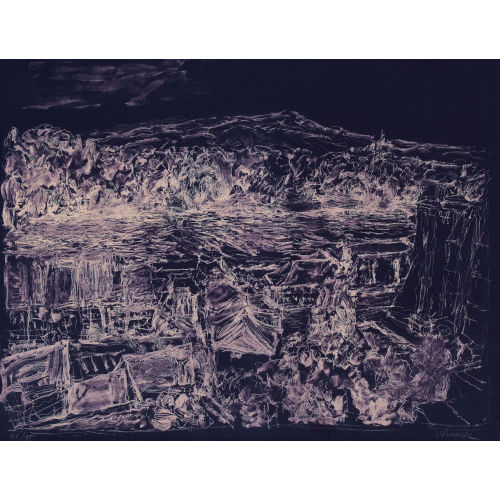
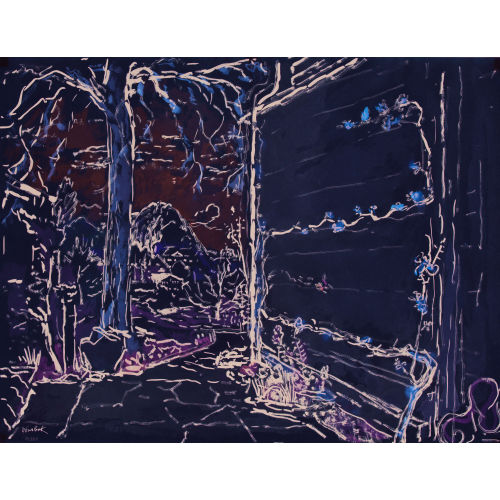
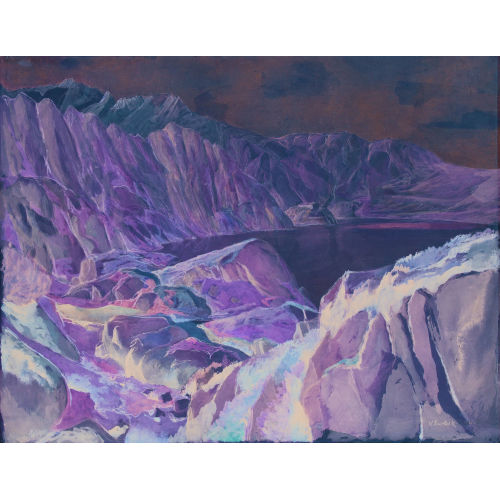
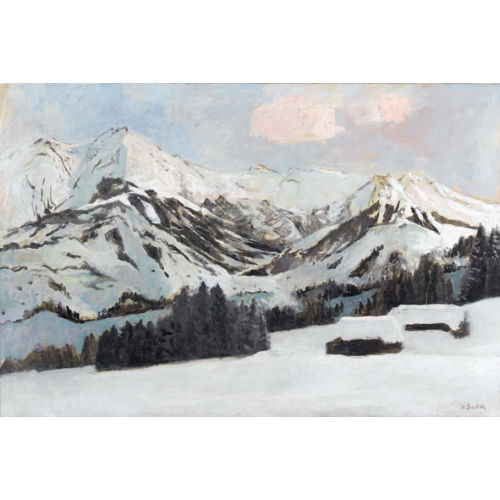
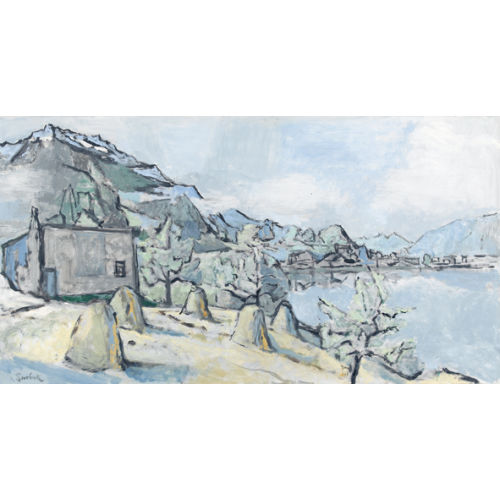
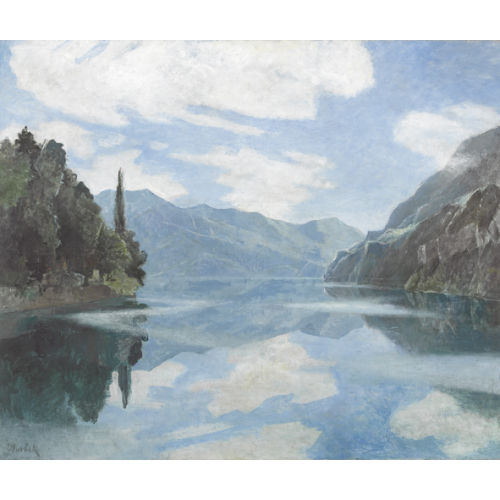
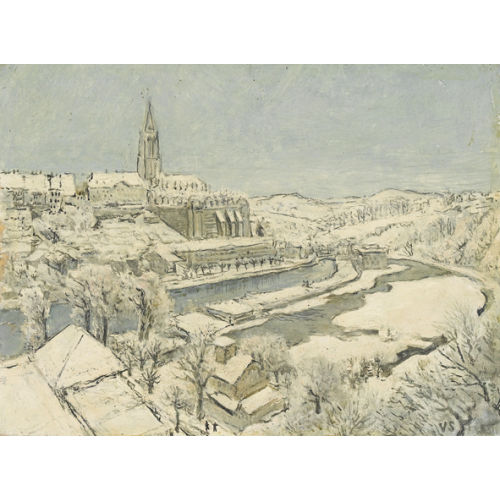
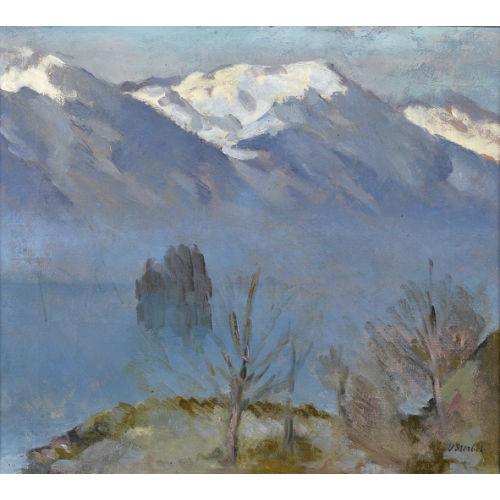
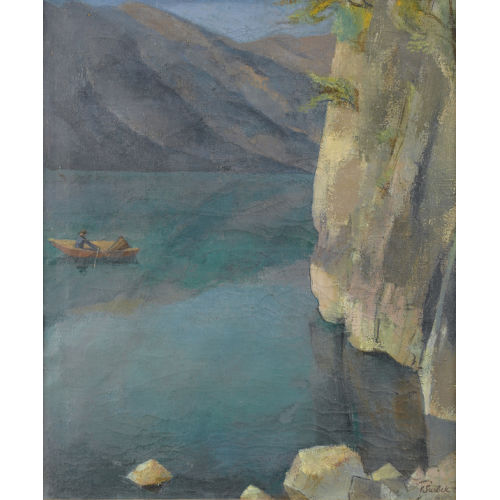
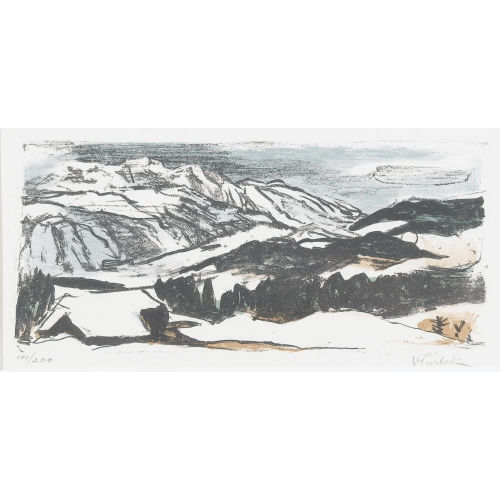
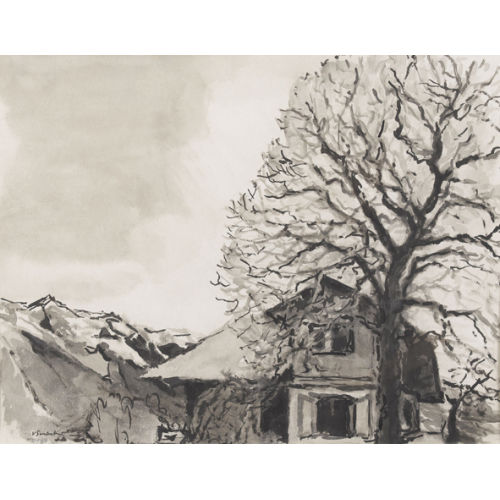
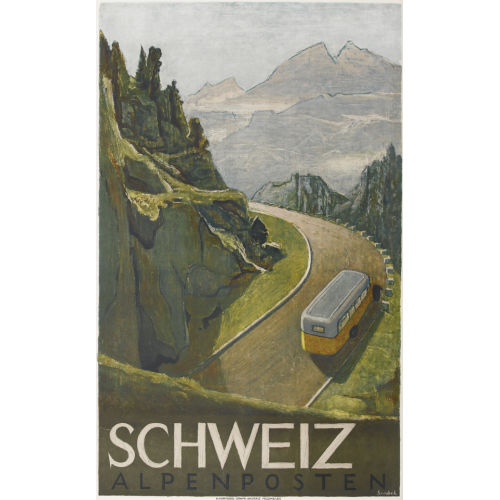
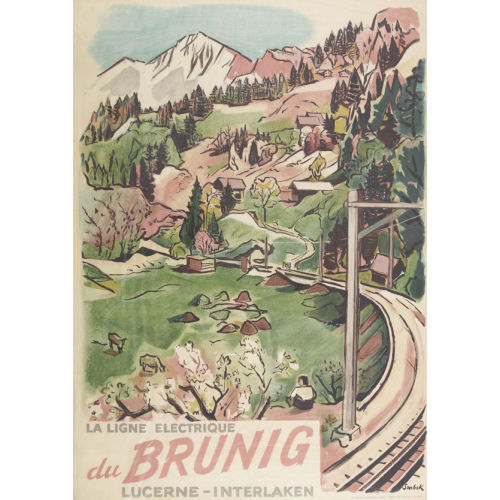
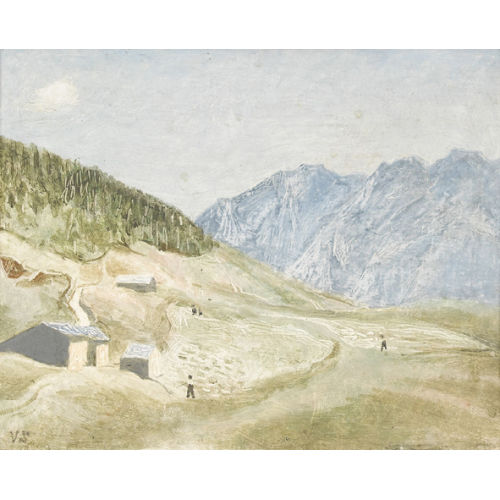
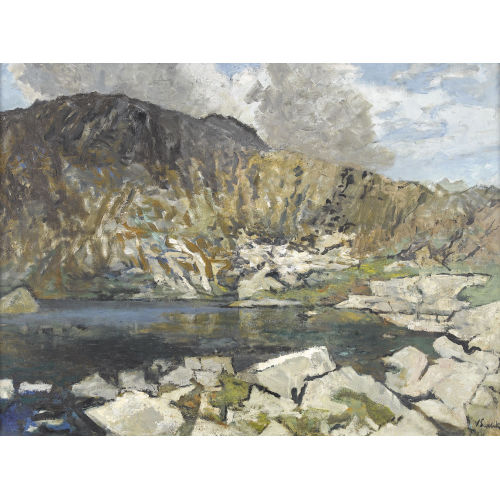
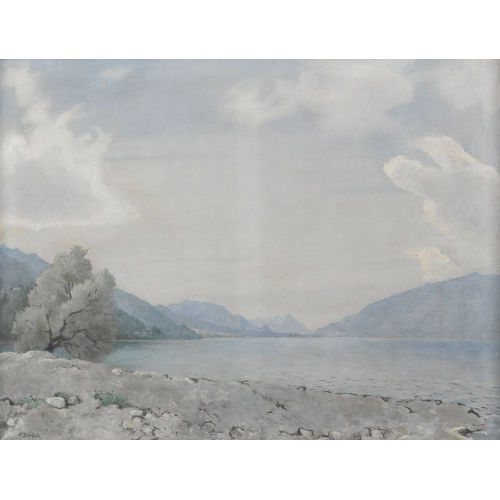
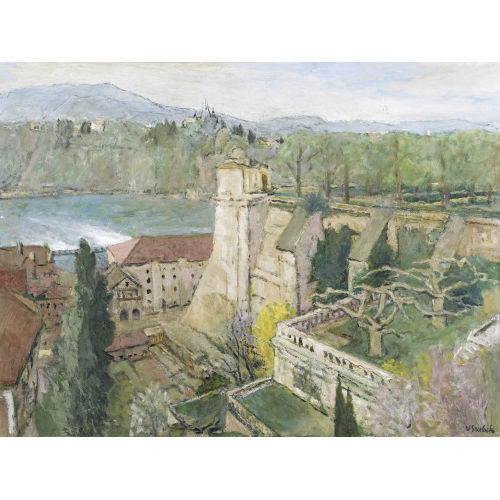
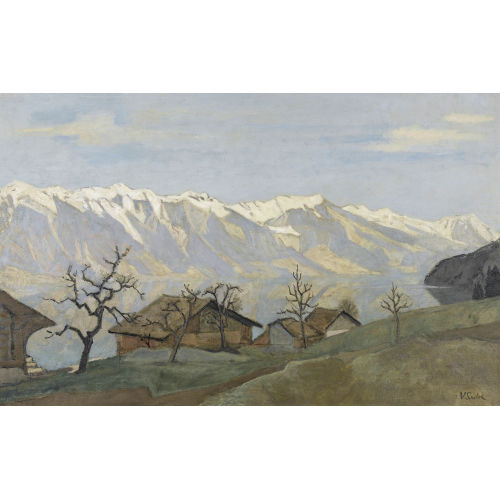
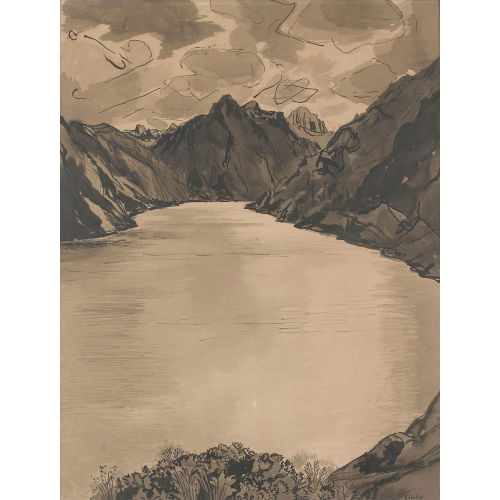
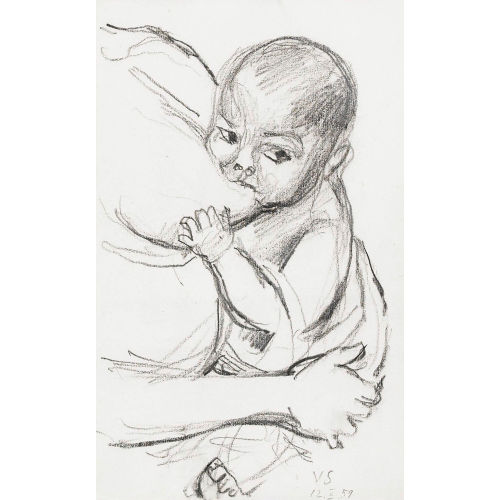
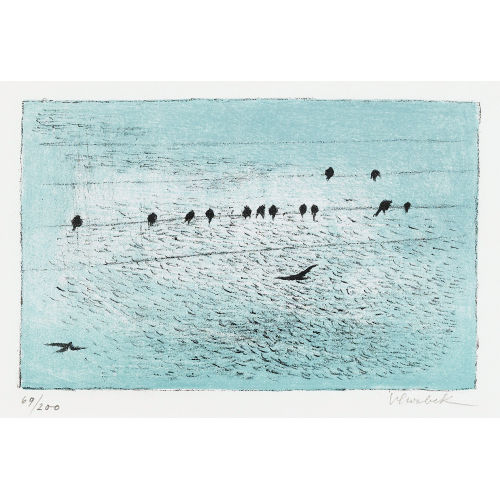
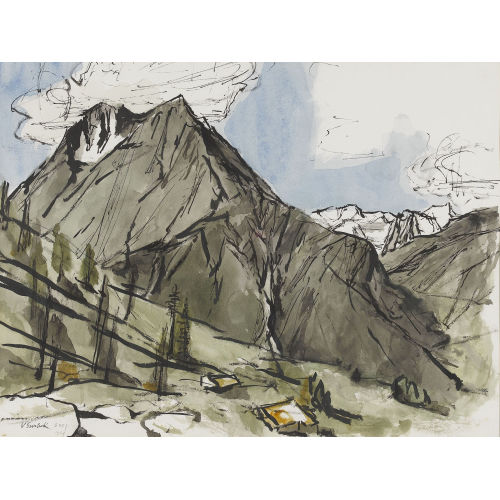
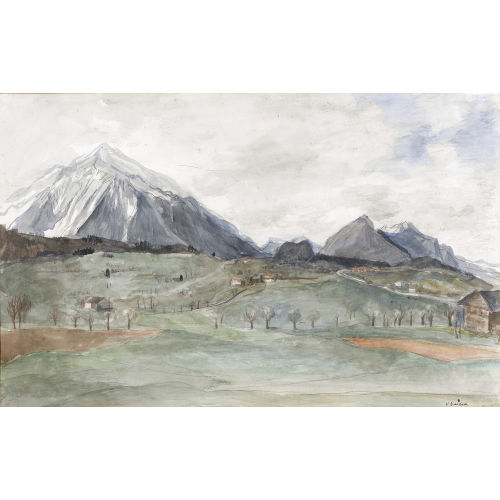
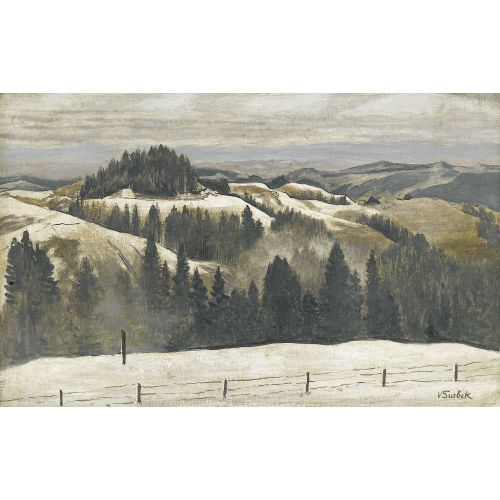
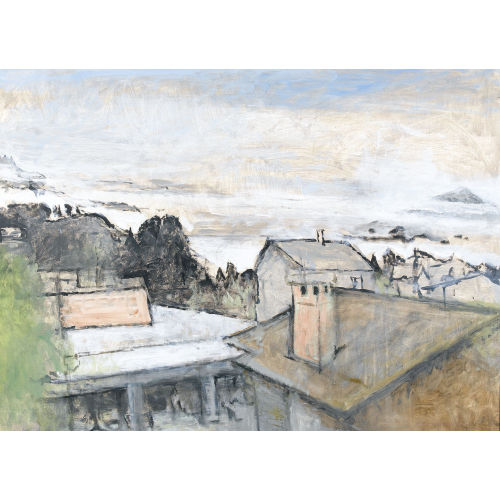
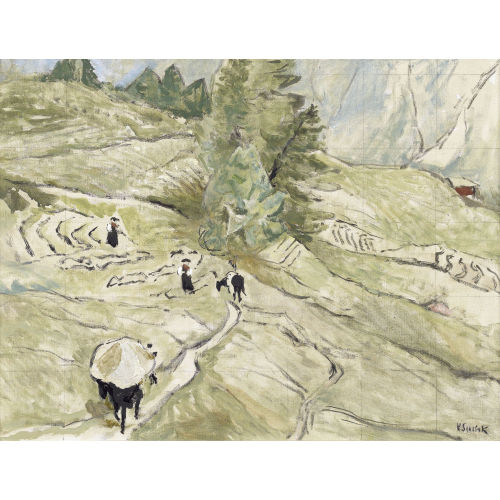
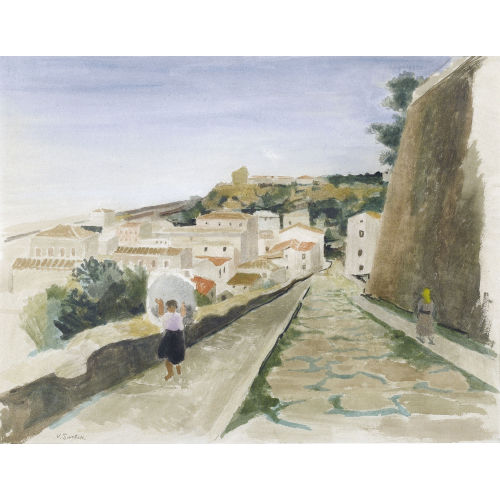
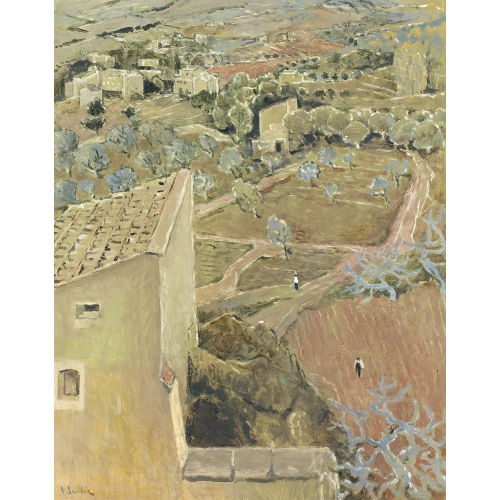
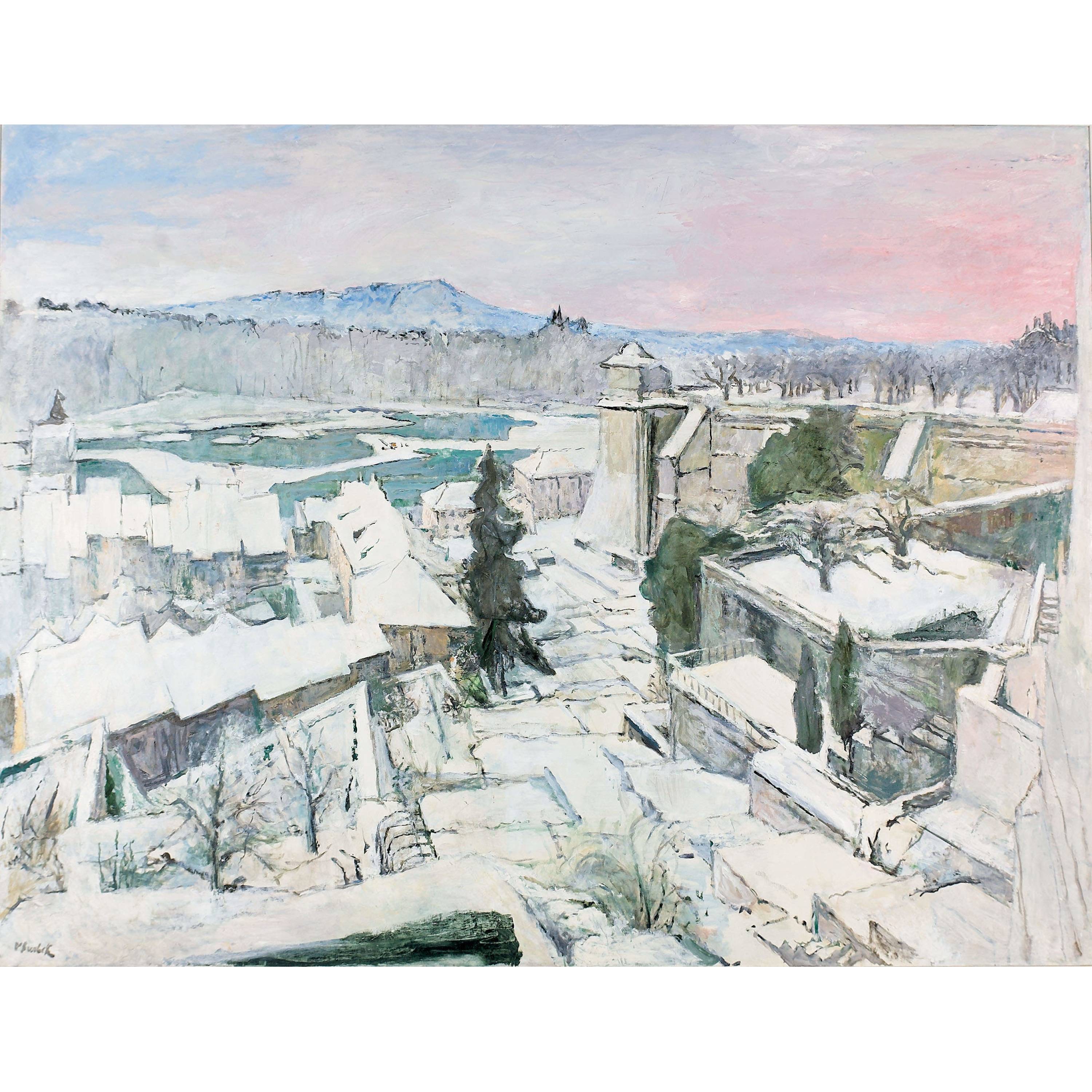
Victor Surbek (1885–1975) gave the Bernese landscape a firm structure, sustained by drawing and measured colour. Born in Zäziwil in the Emmental, he grew up in Bern, studied in Munich, Karlsruhe and Paris, and then returned to work permanently in his native region. From 1919 onwards, he spent his summers in Iseltwald, on Lake Brienz: the mountains, villages and shores became recurring motifs in his paintings and graphic works.
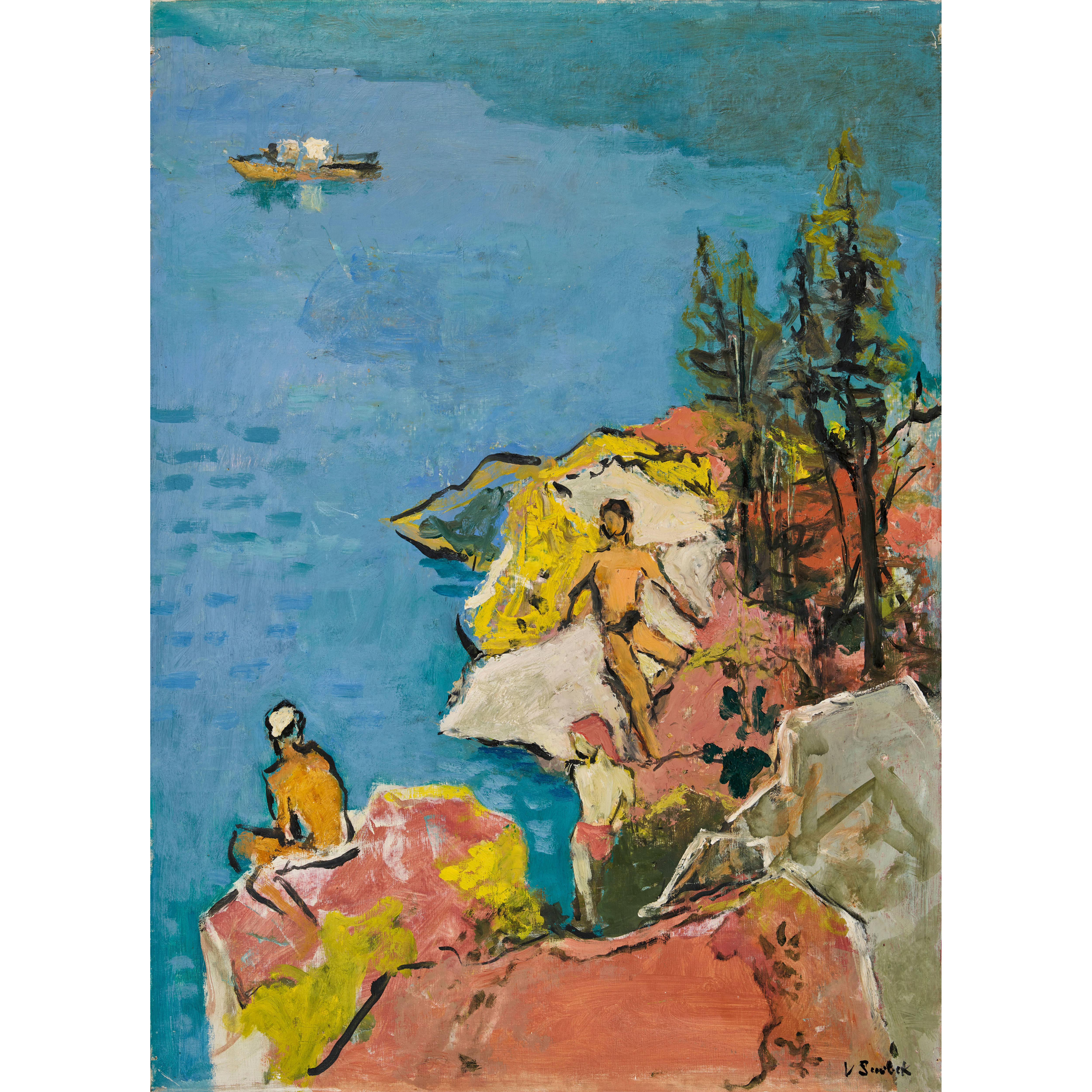
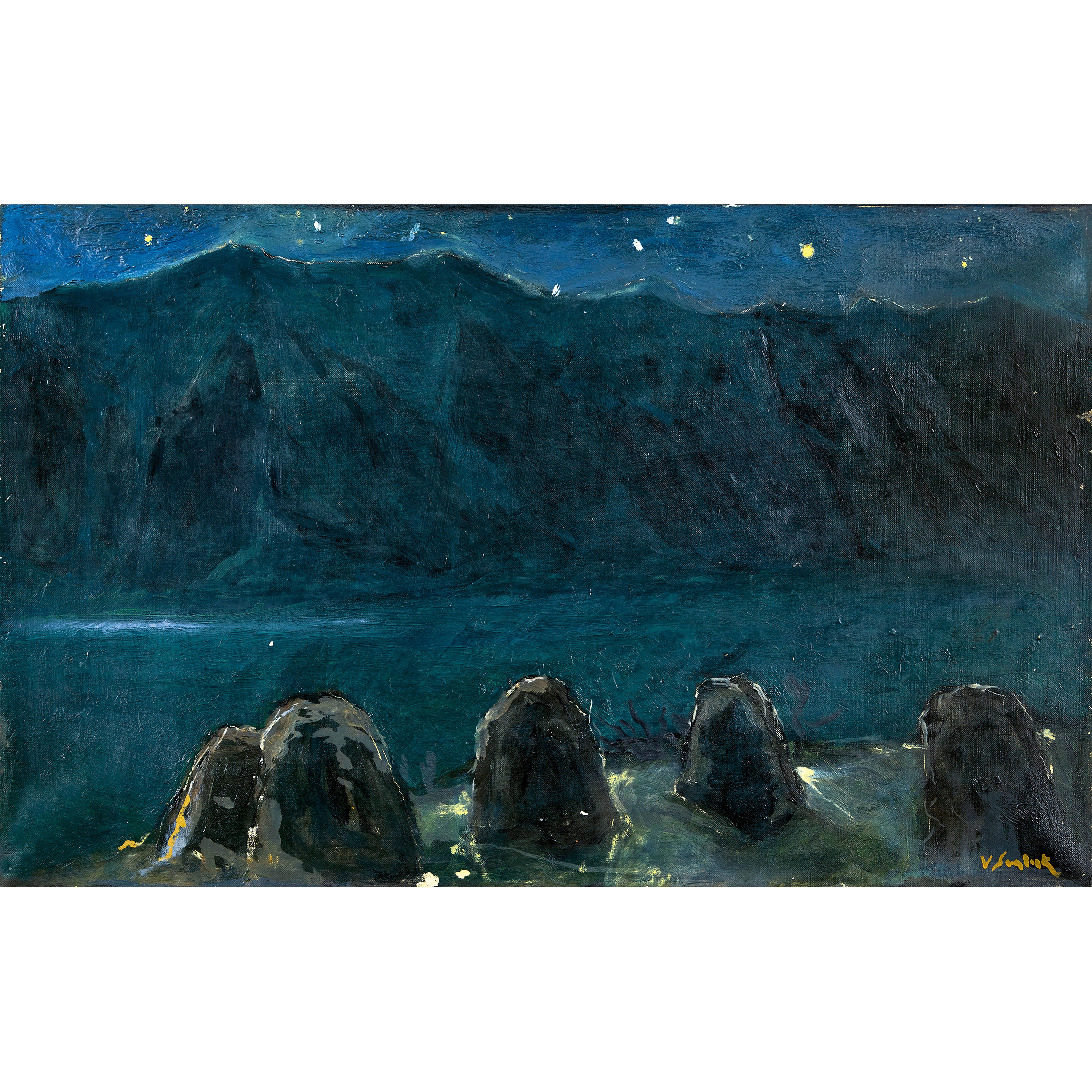
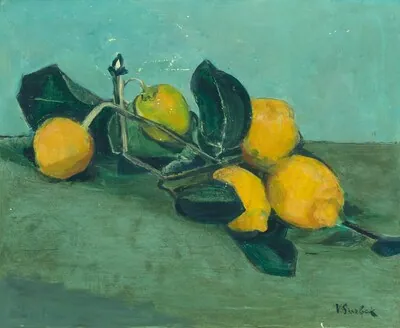
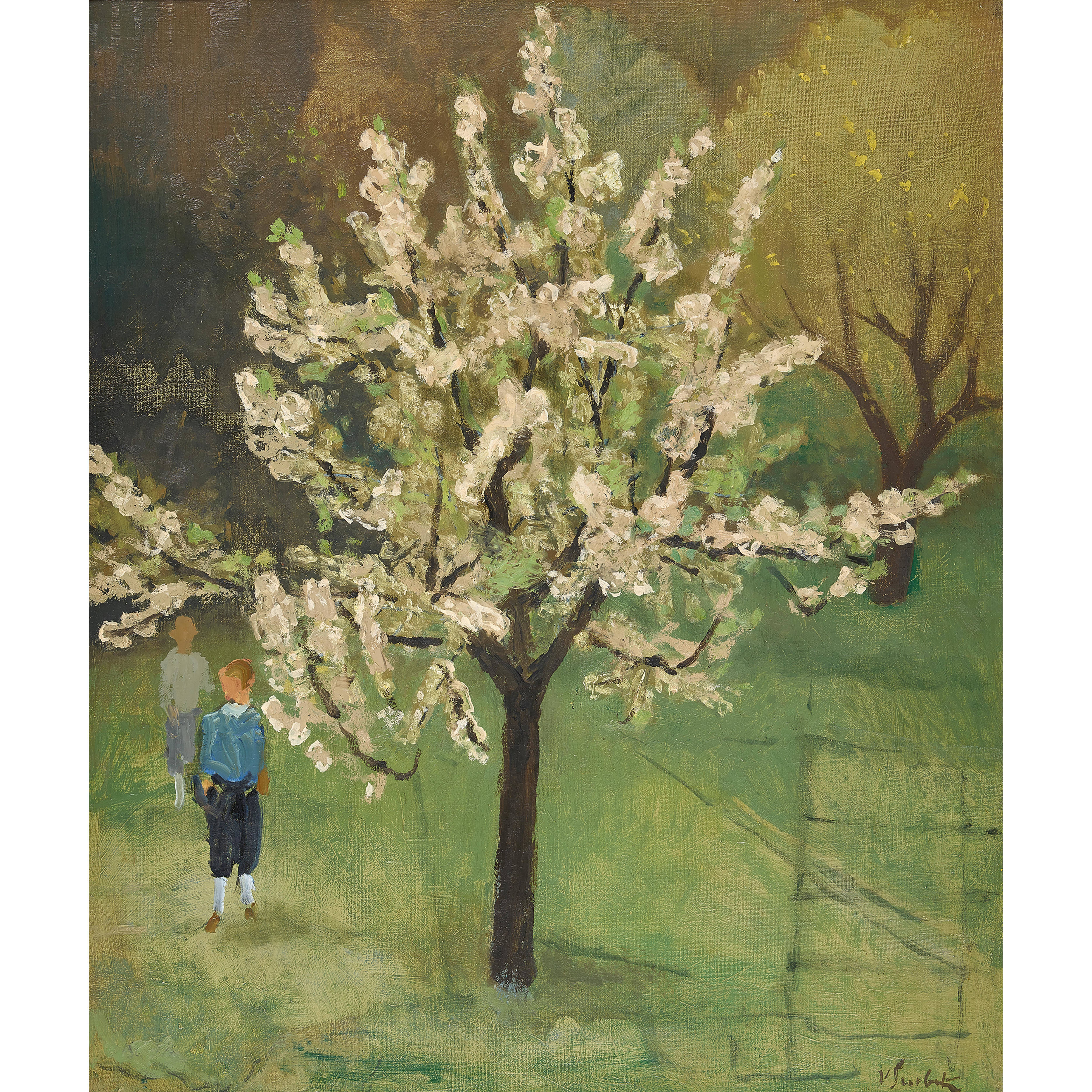
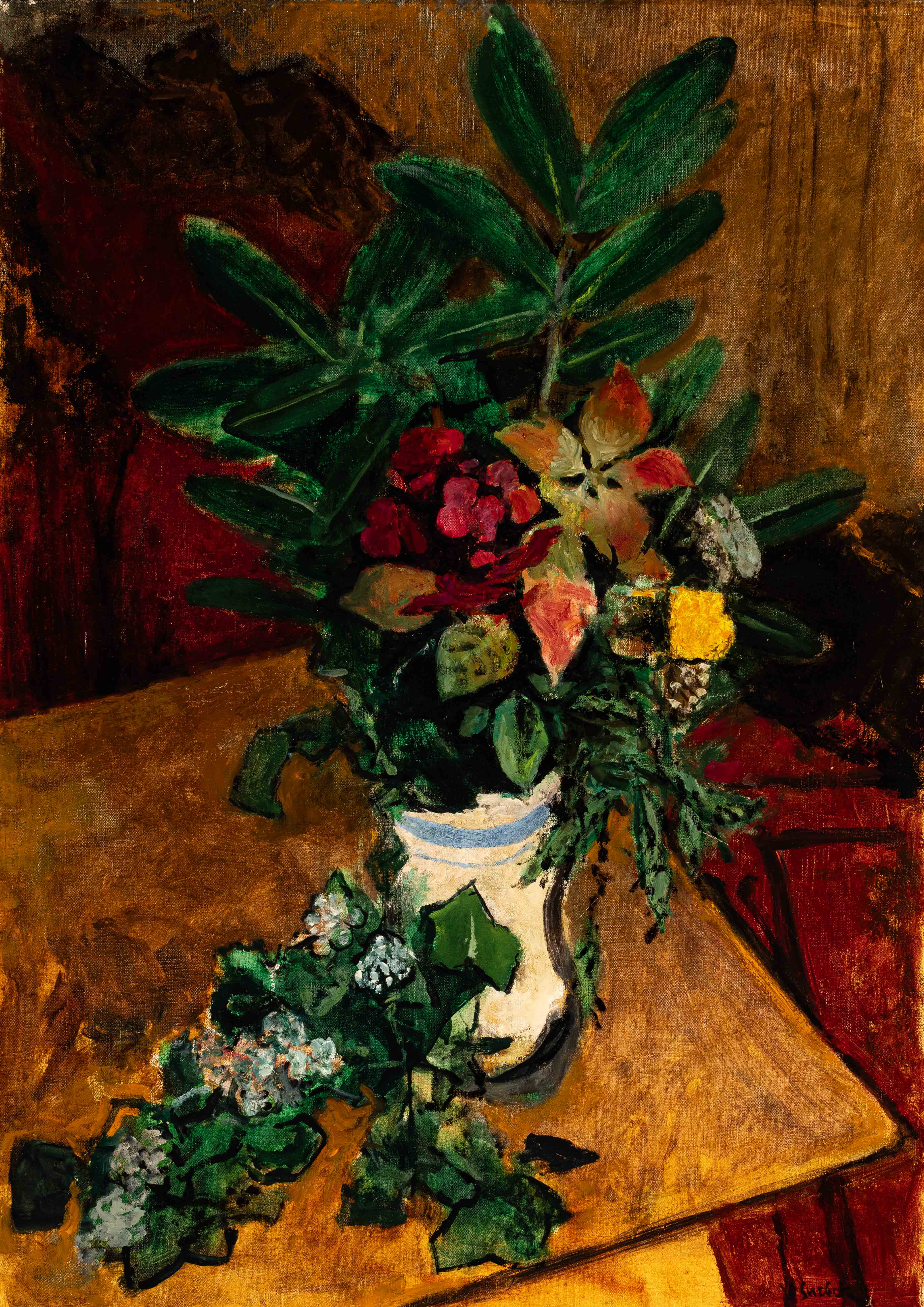
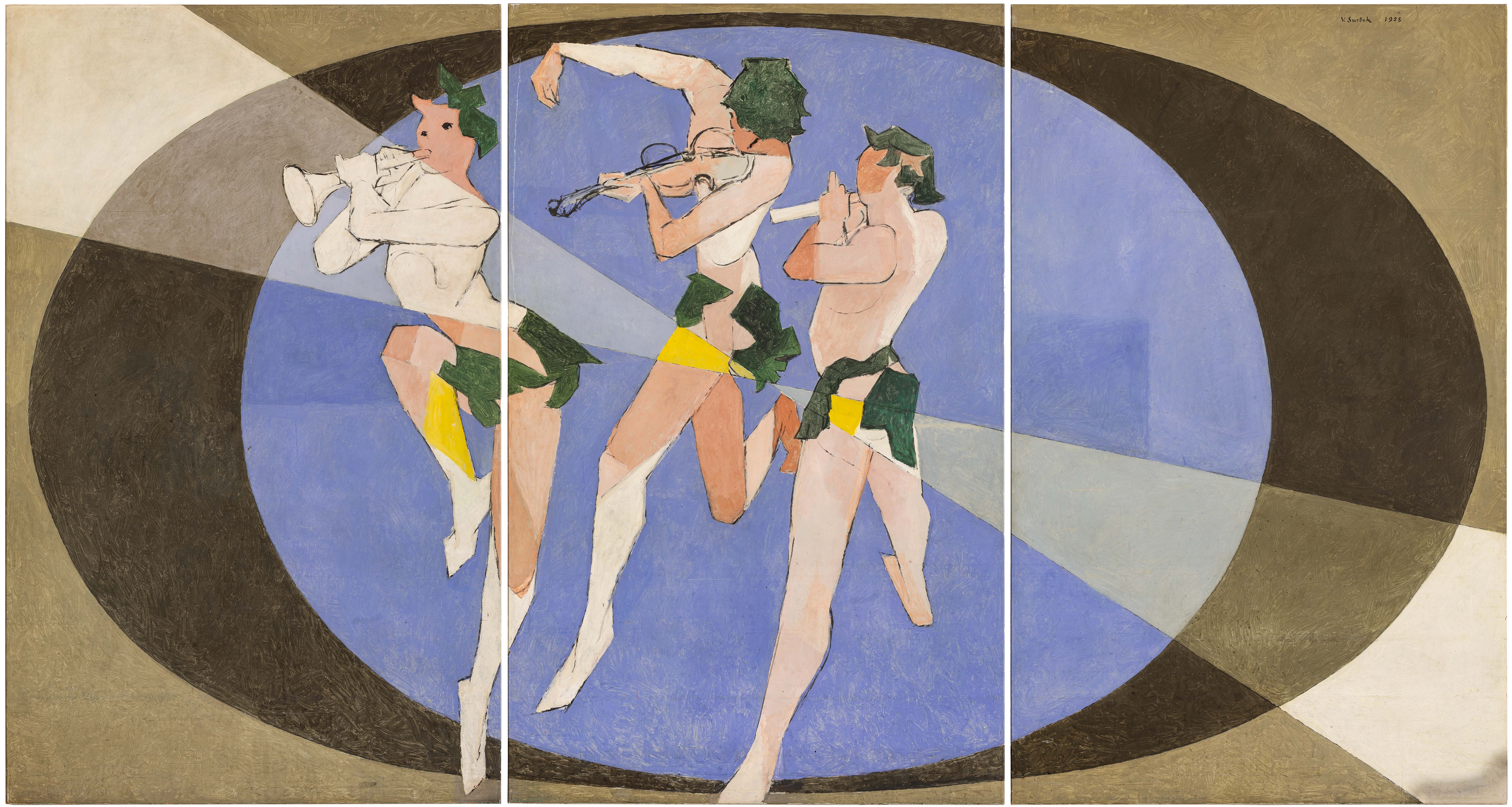
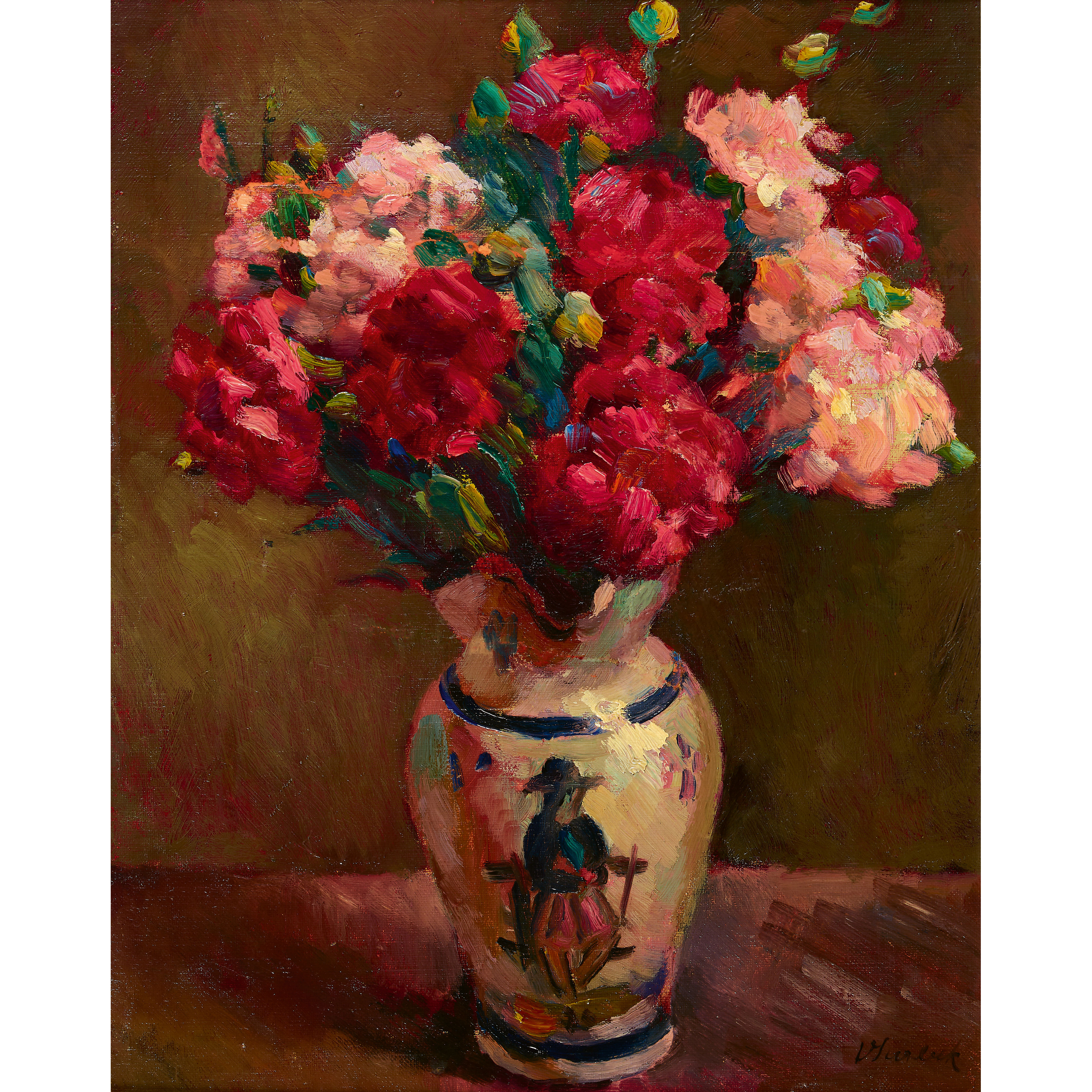
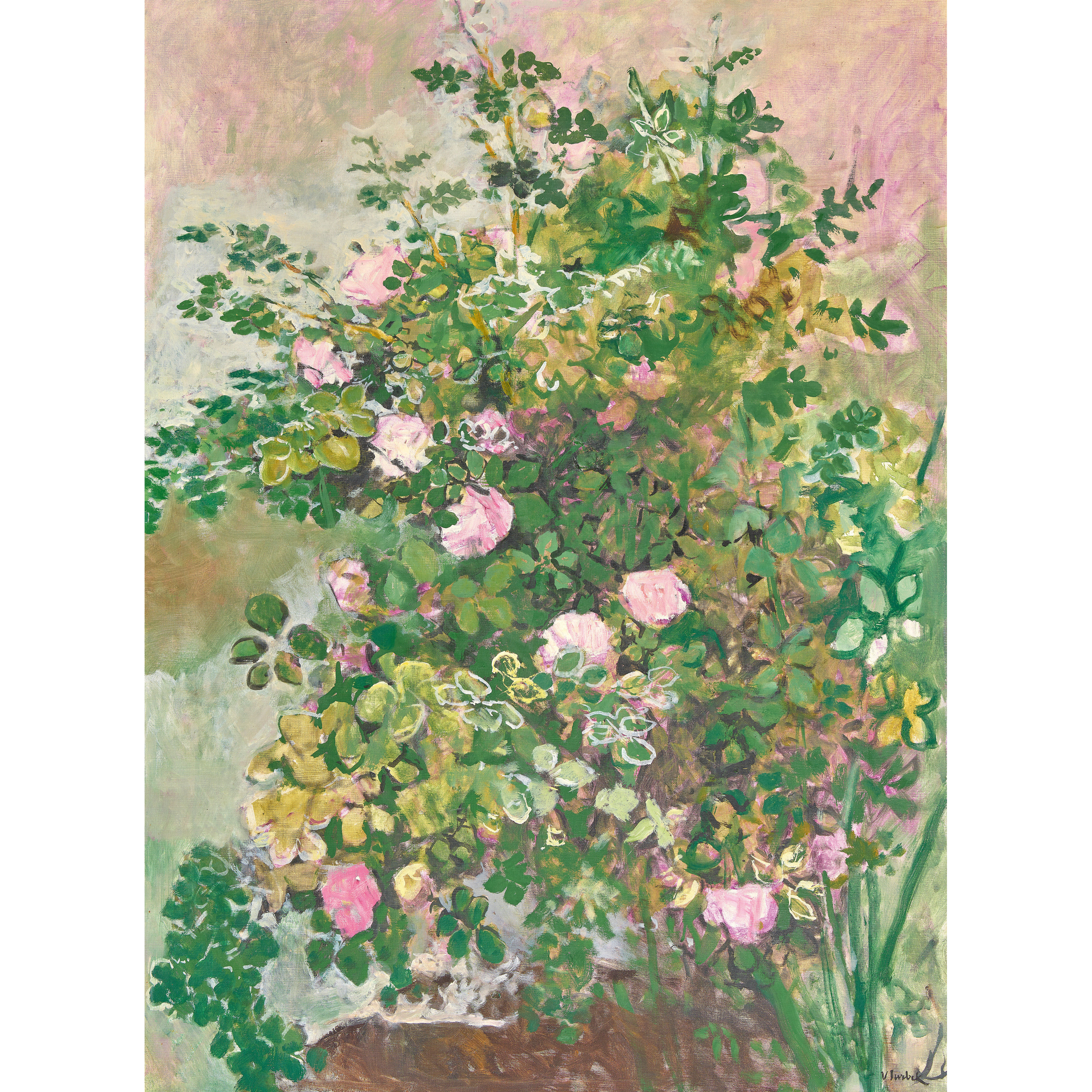
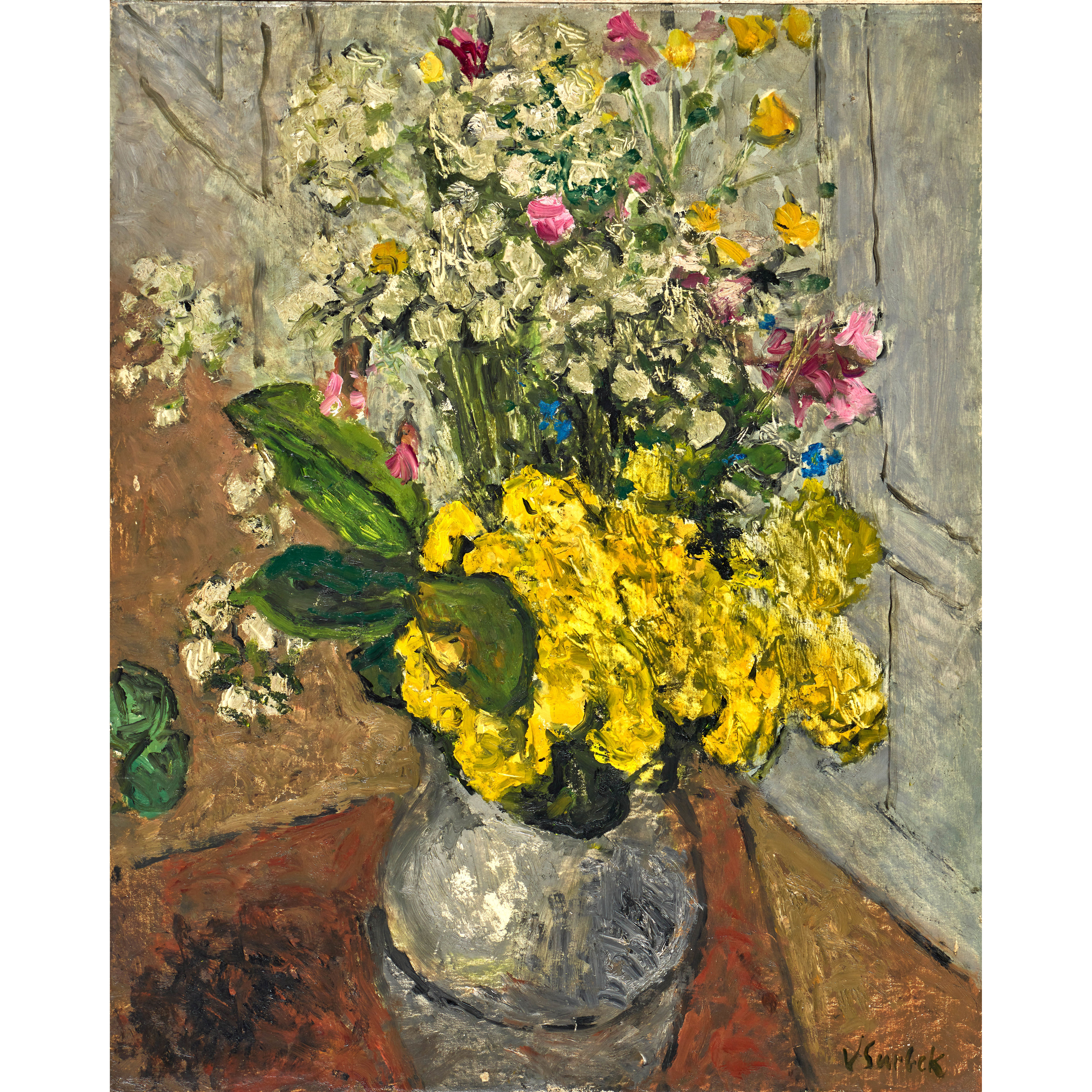
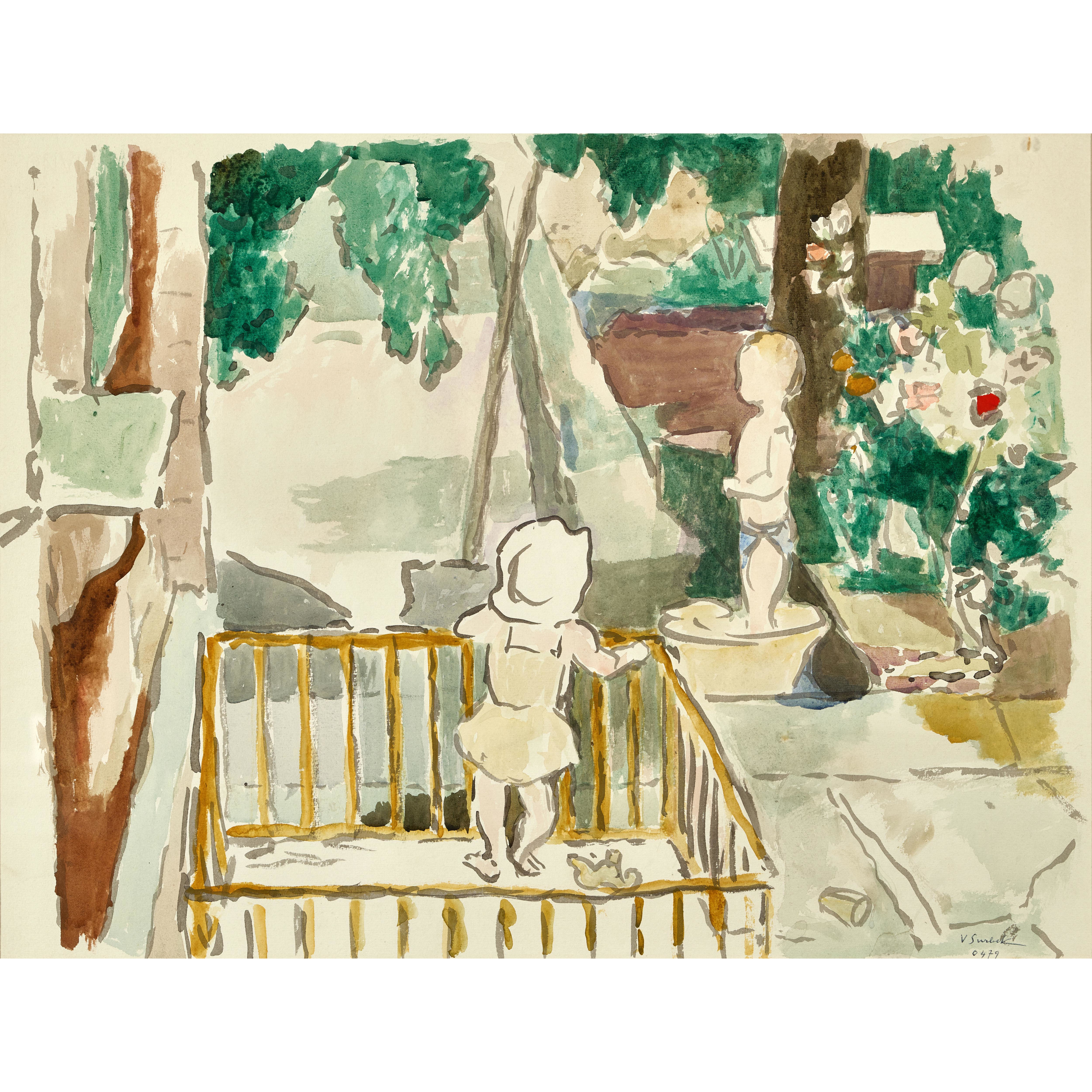
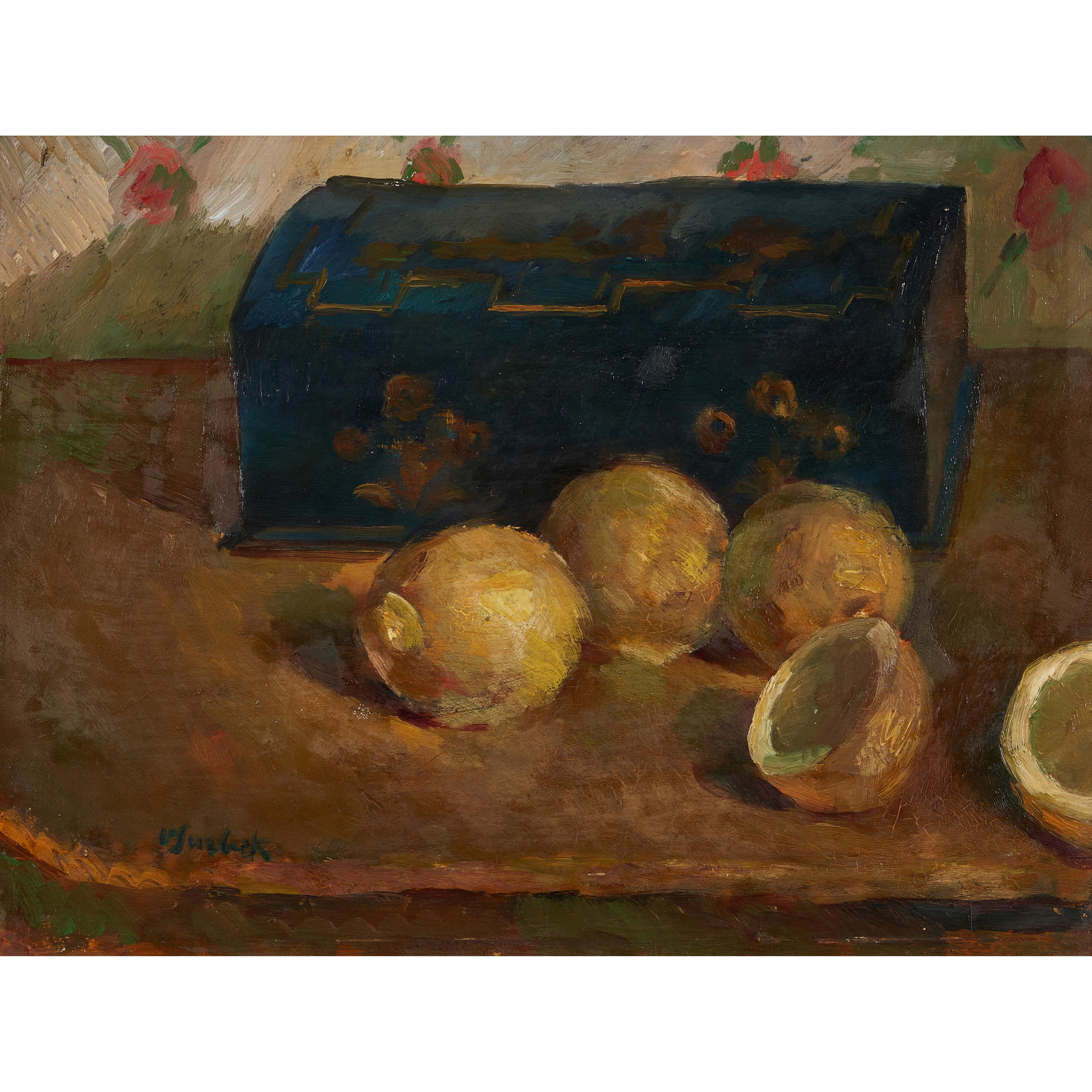
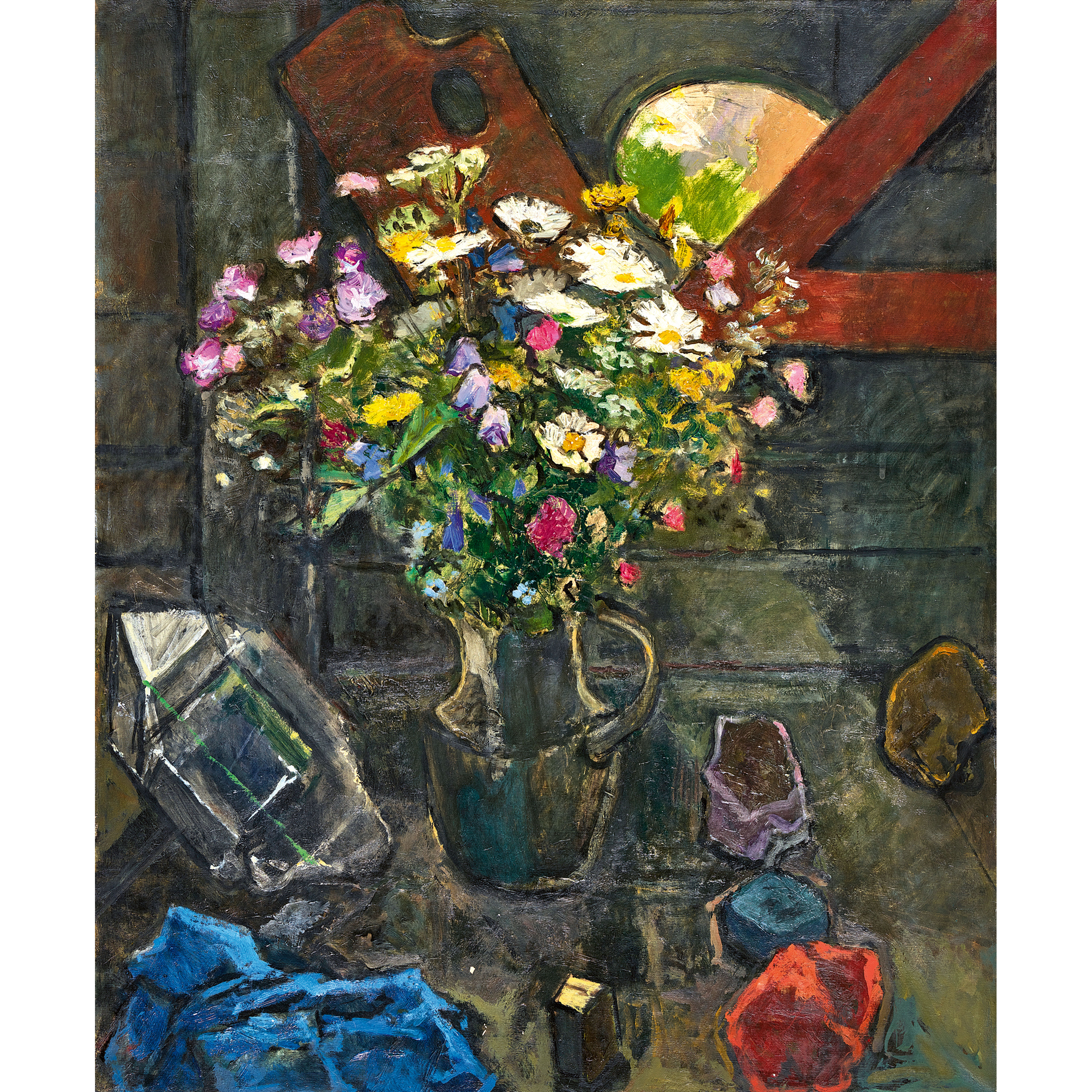
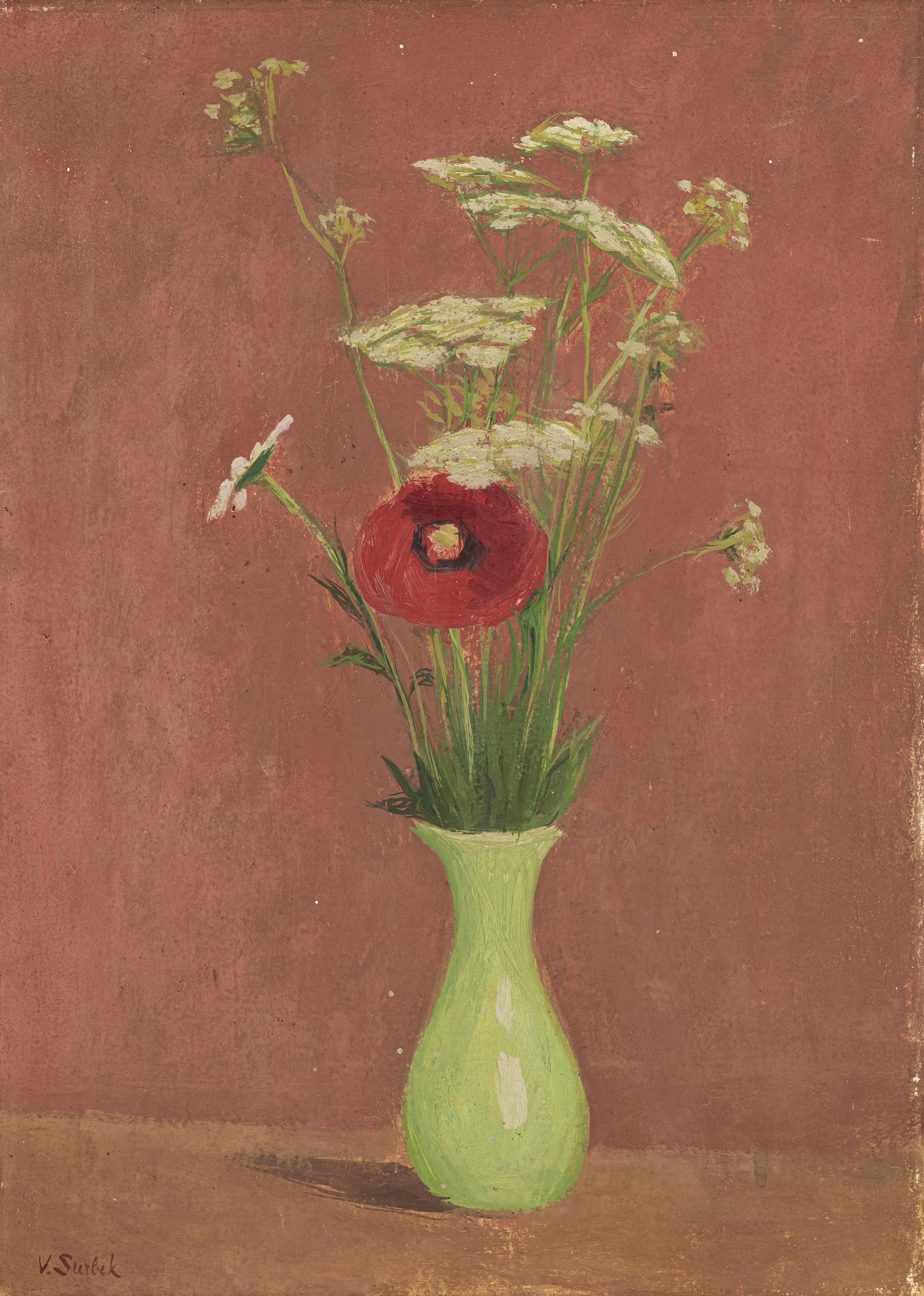
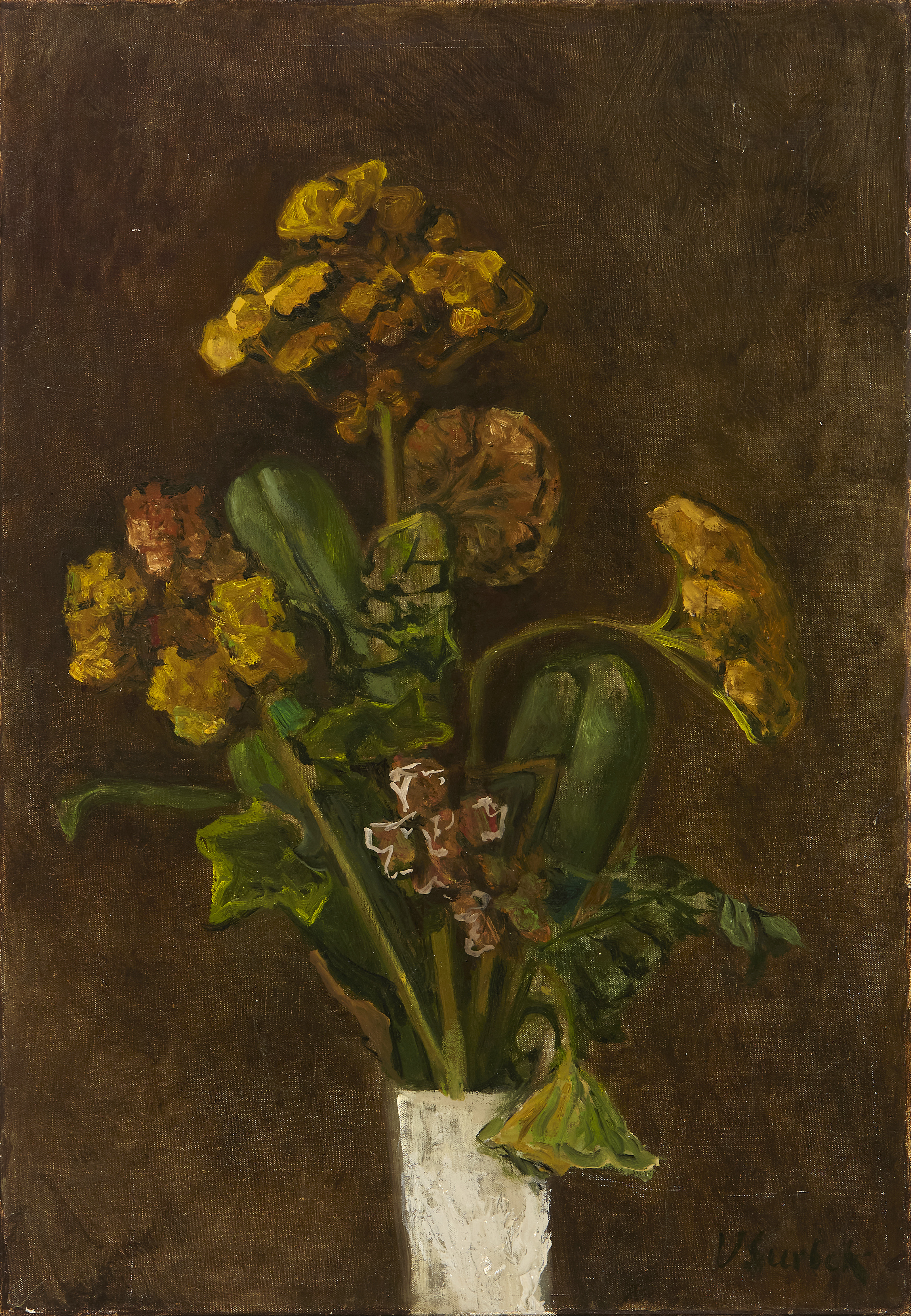
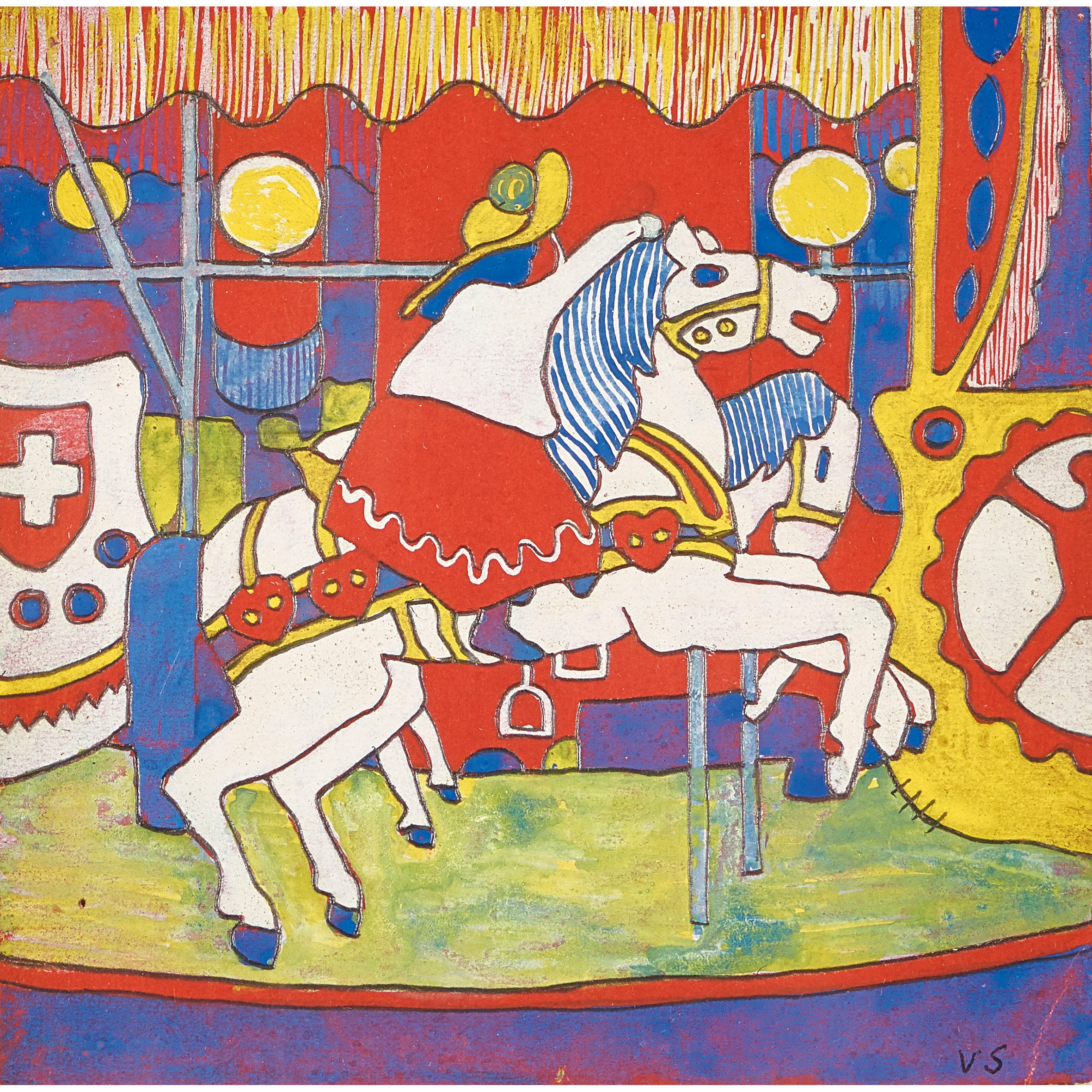
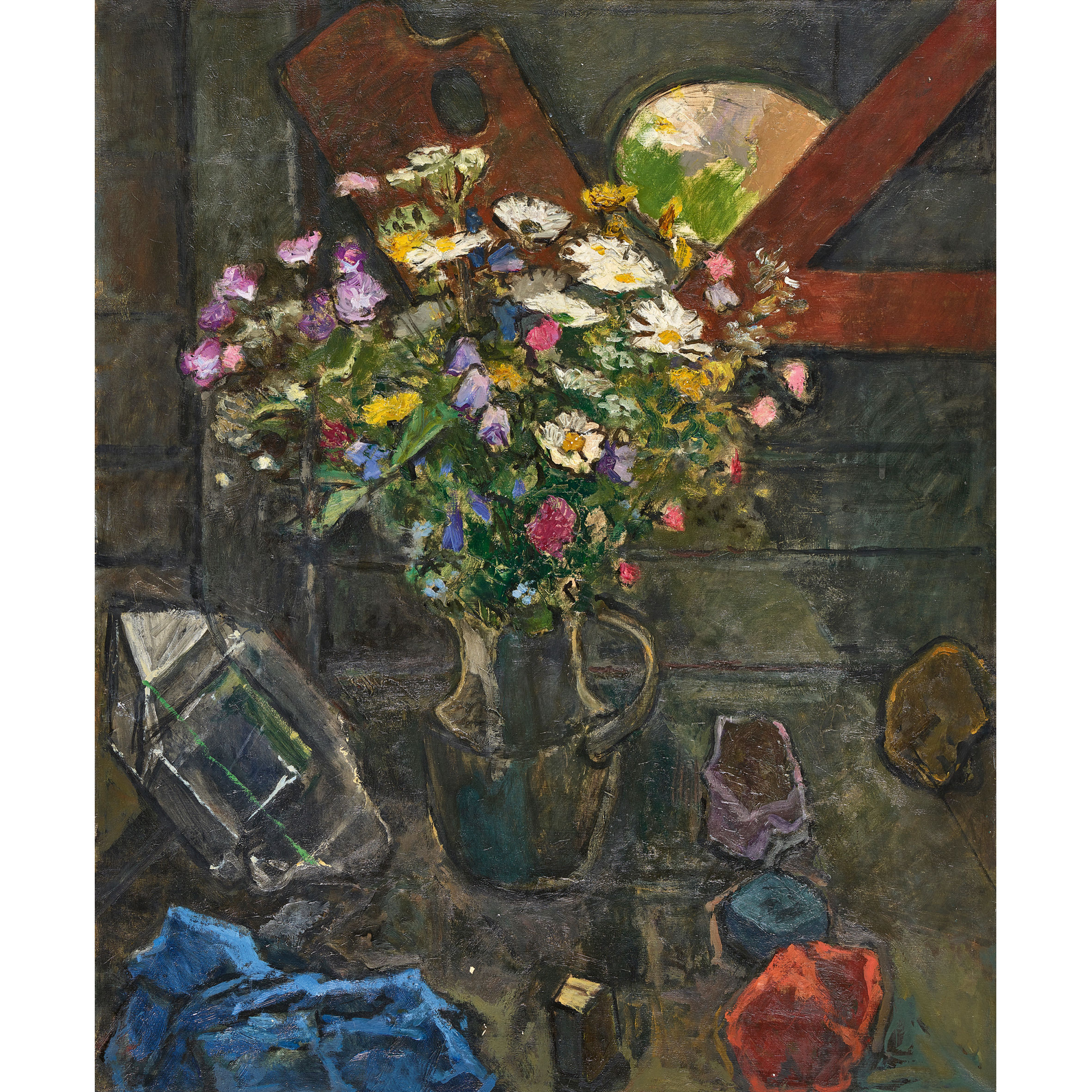
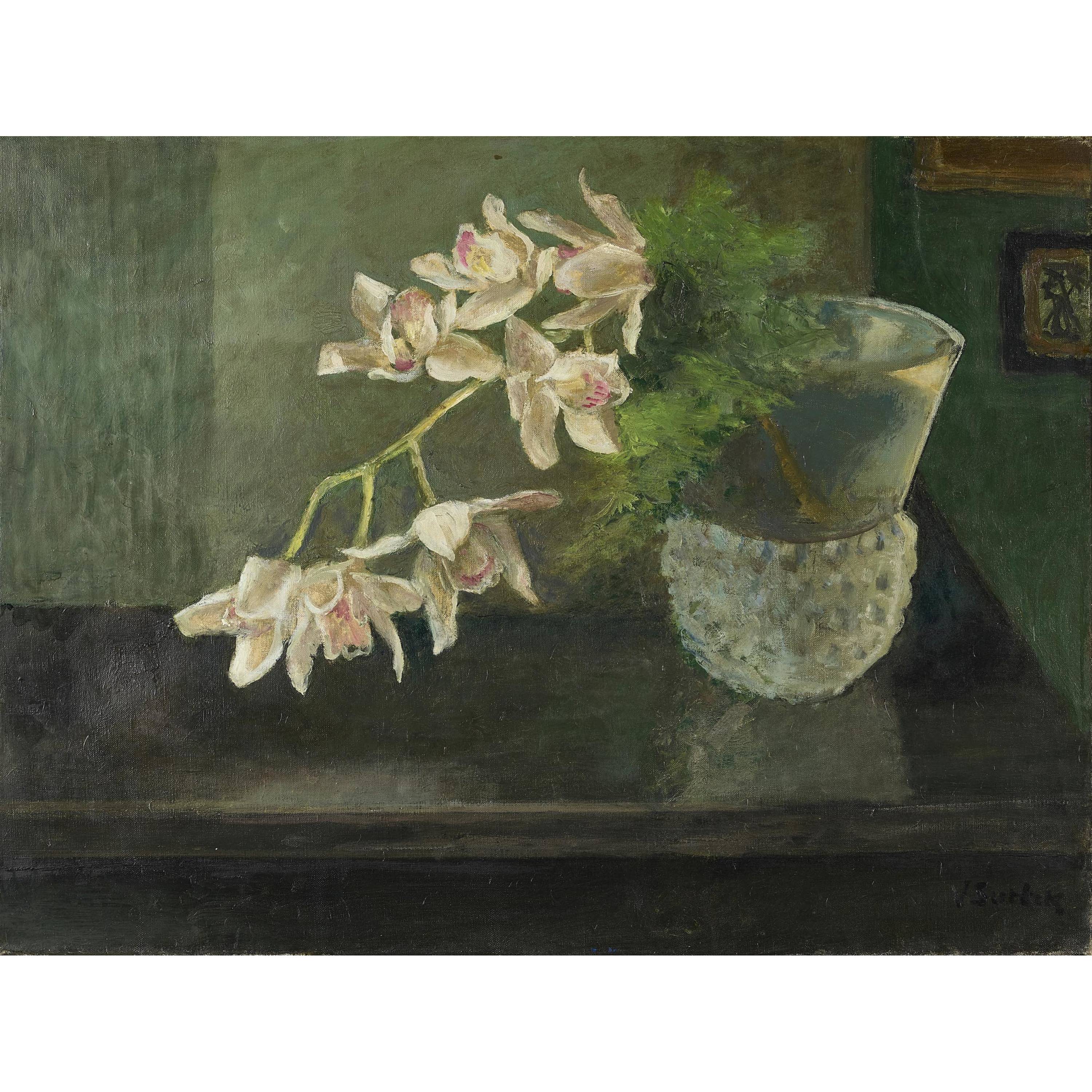
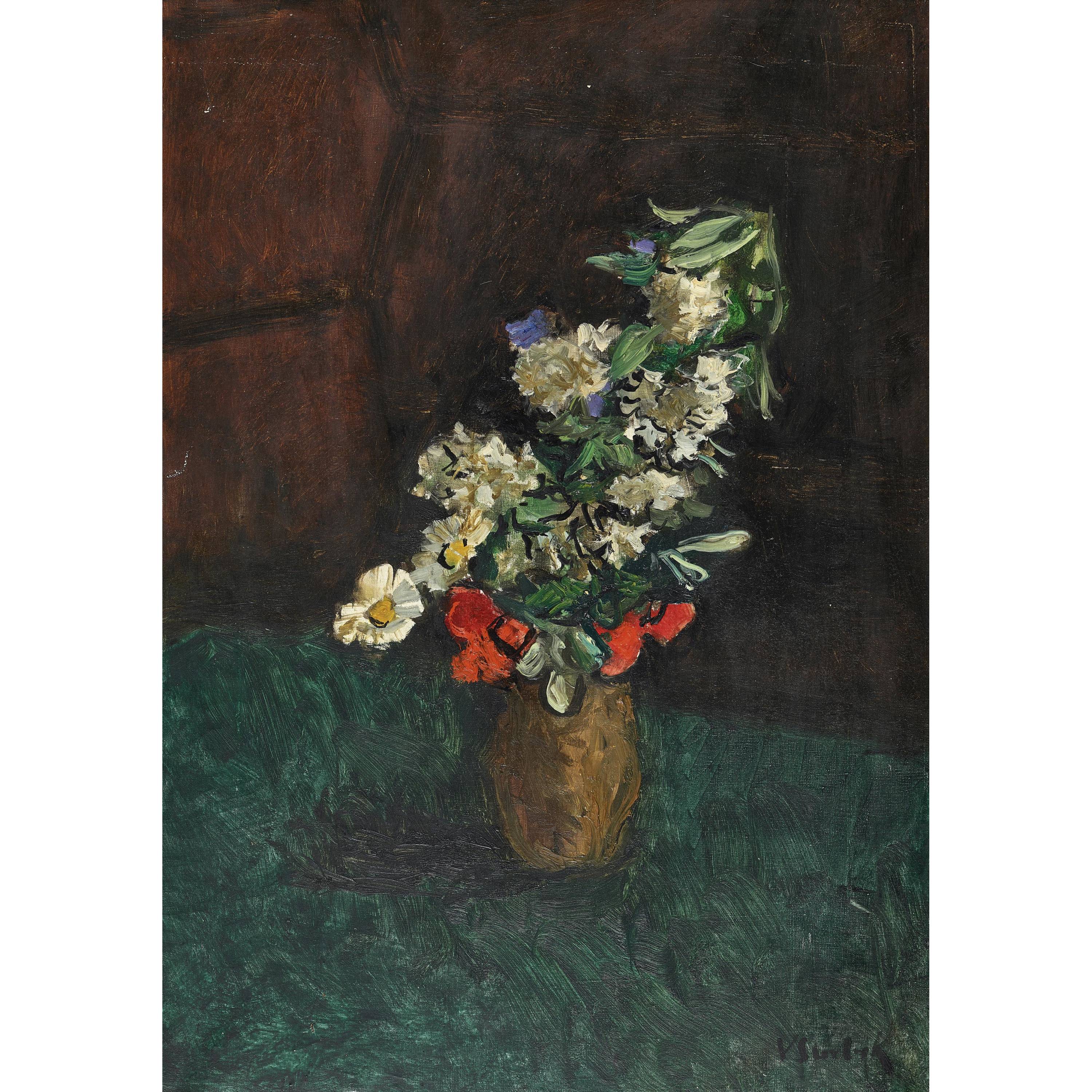
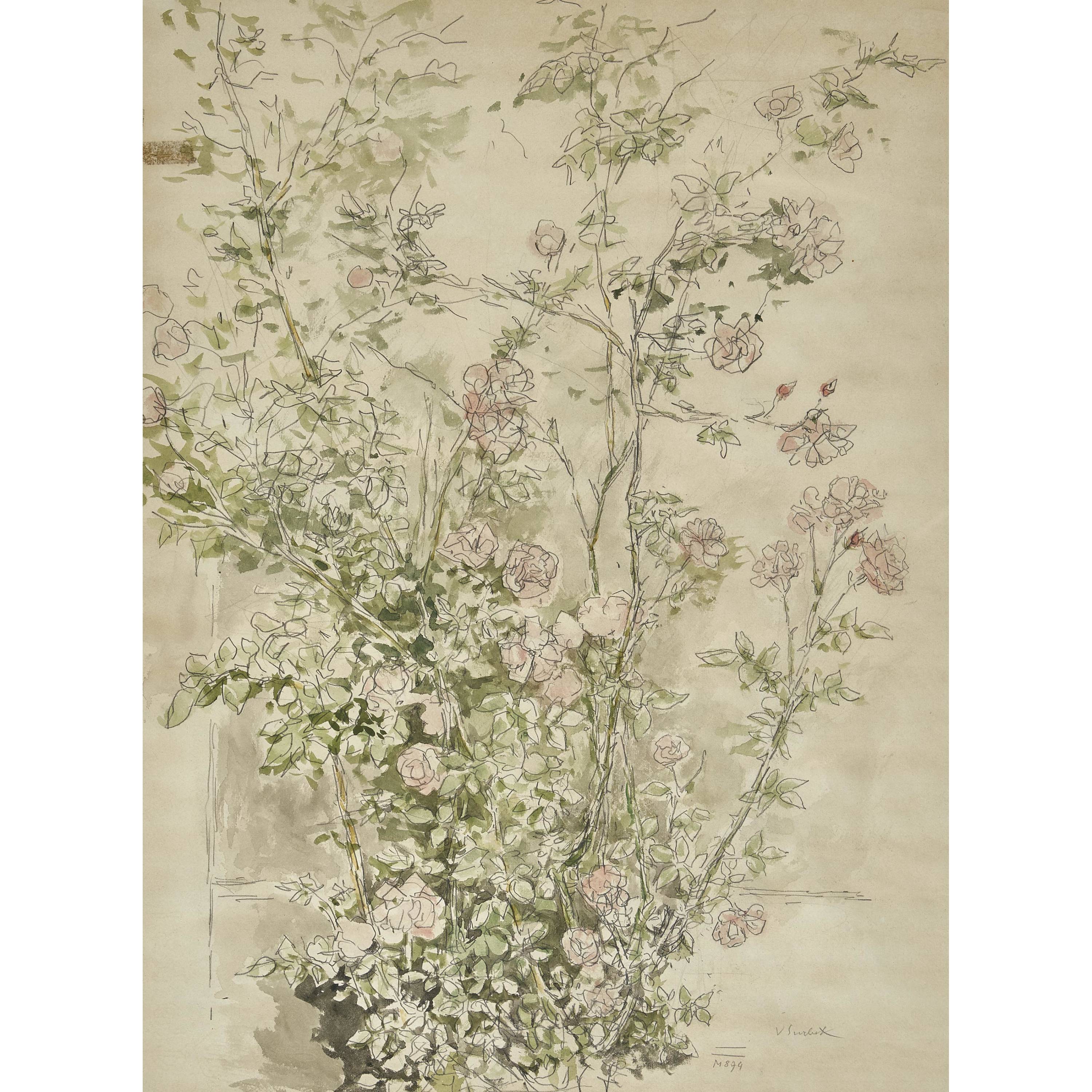
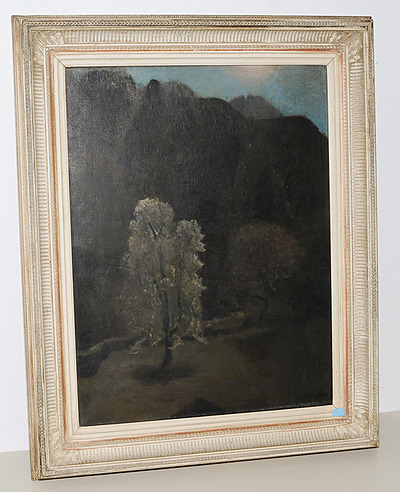
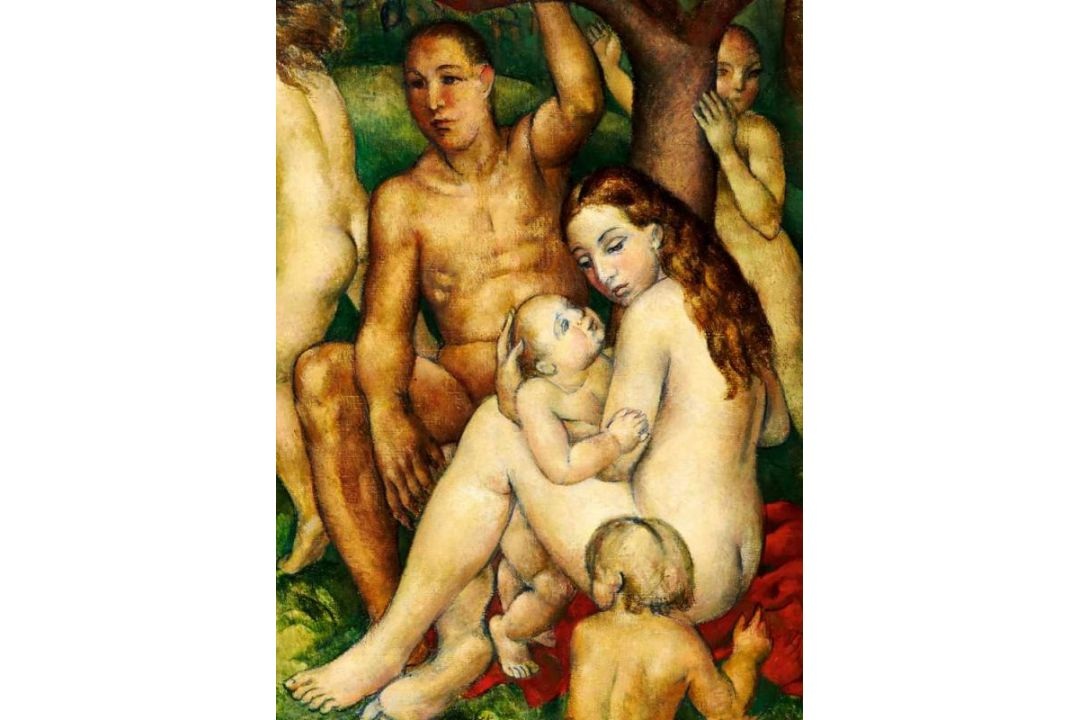
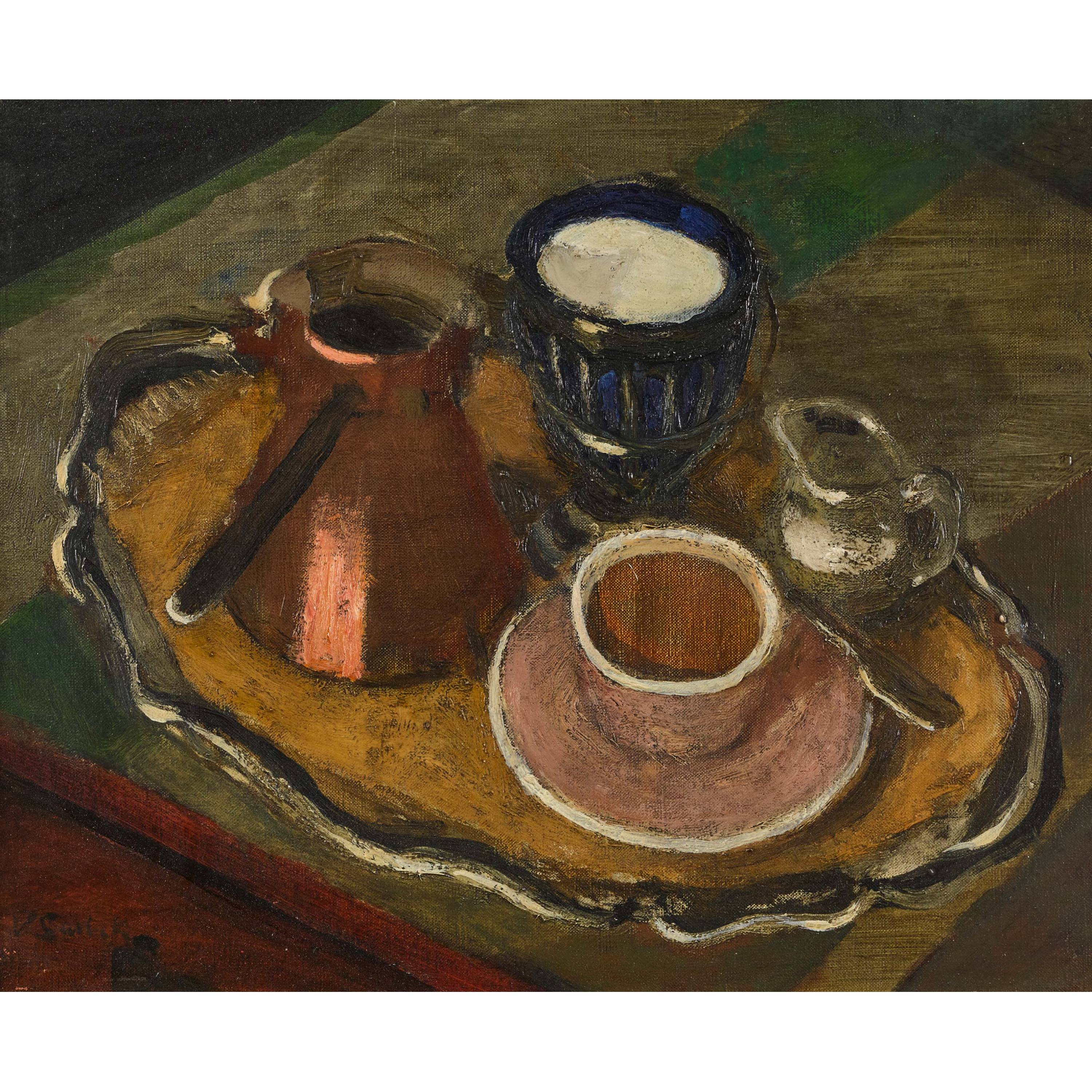
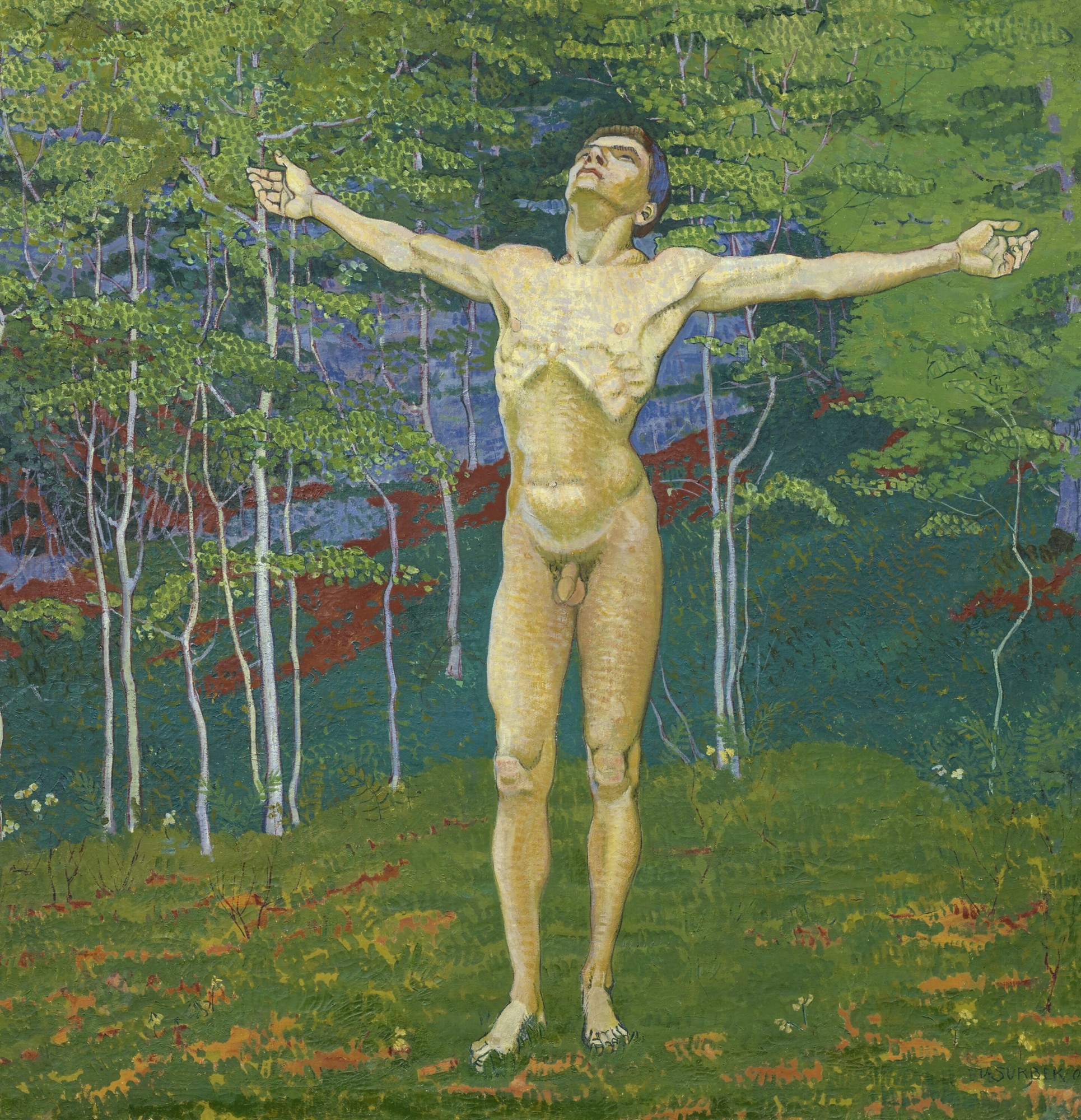
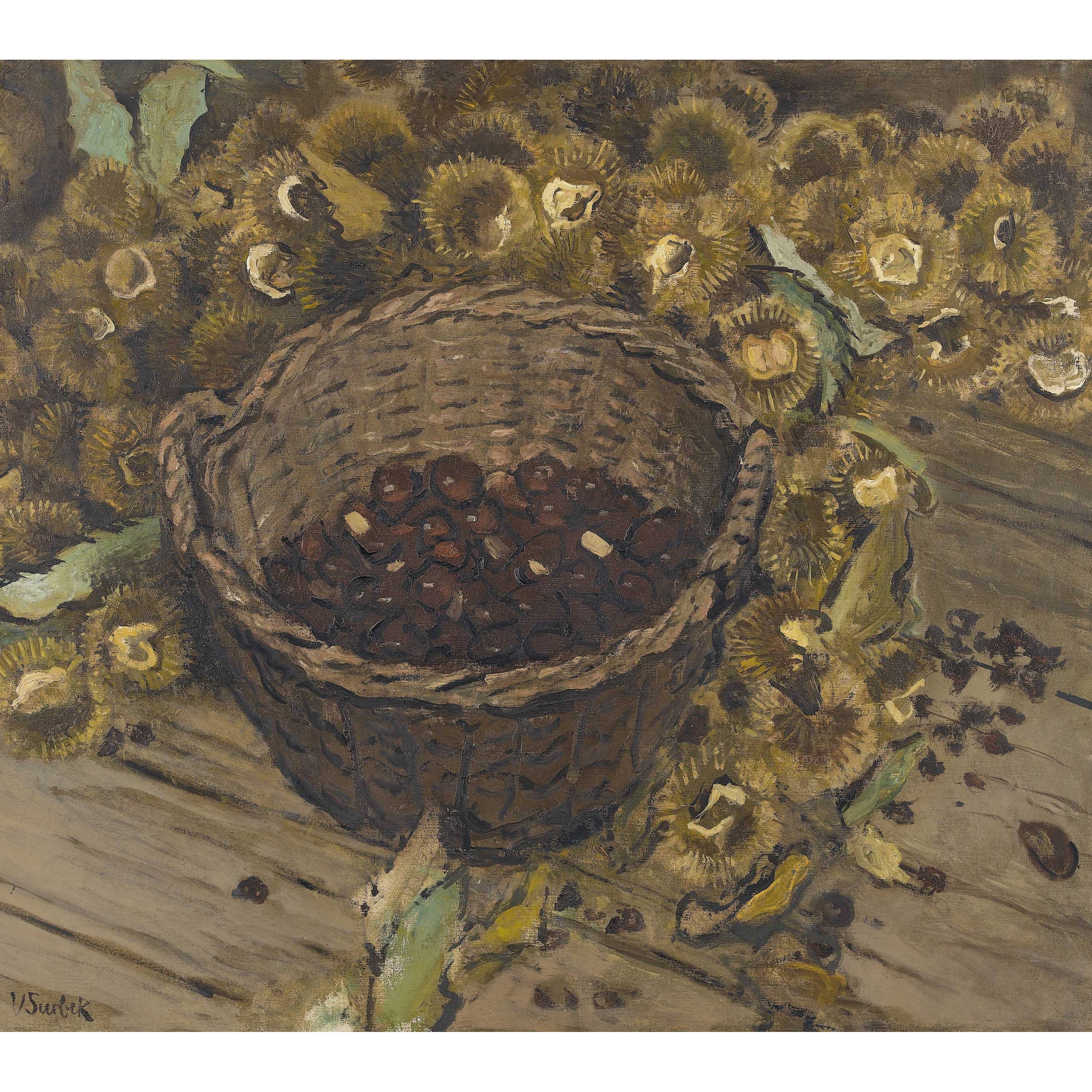
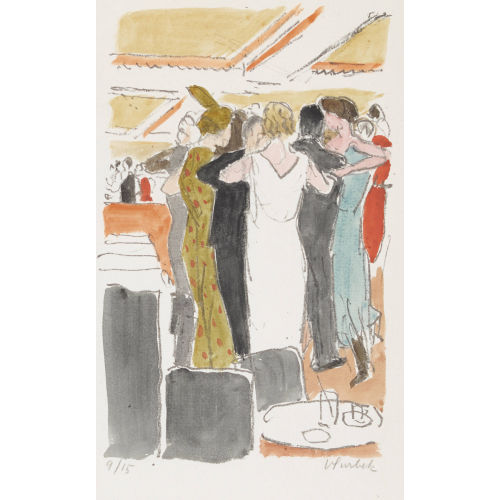
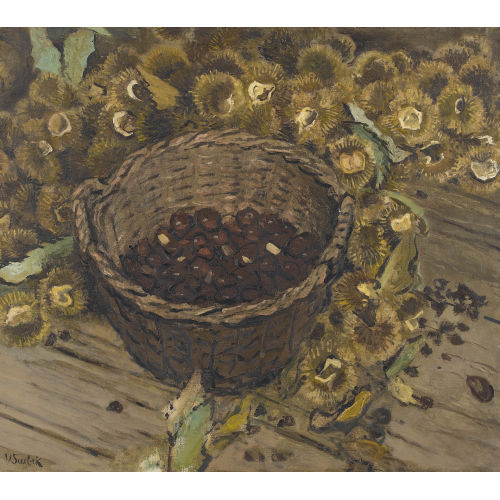
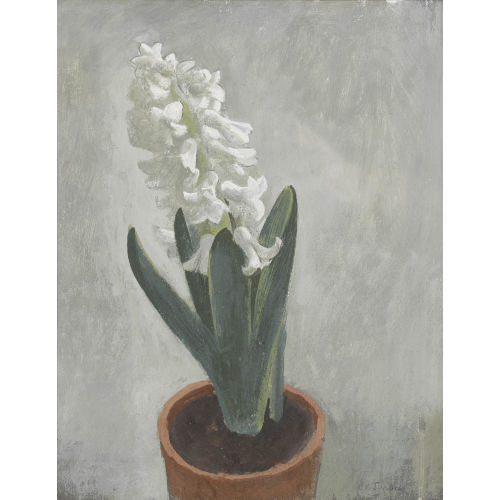
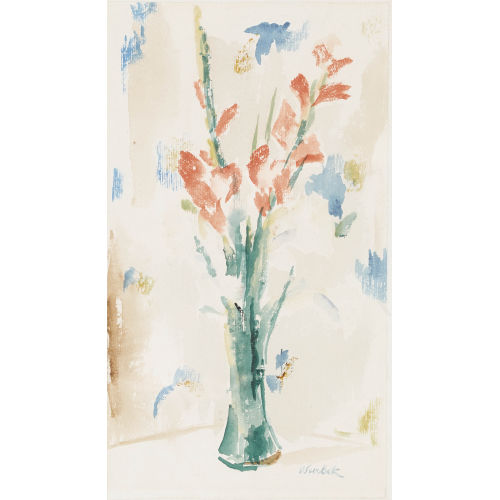
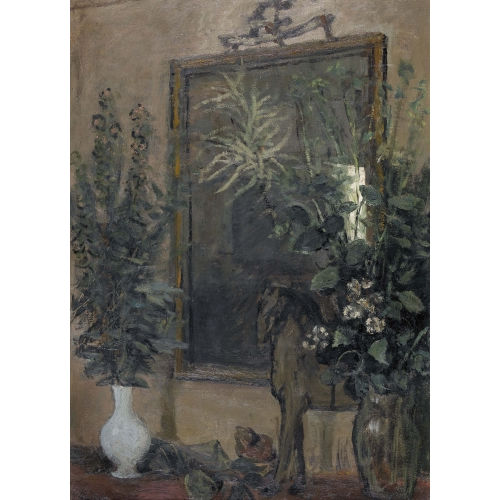
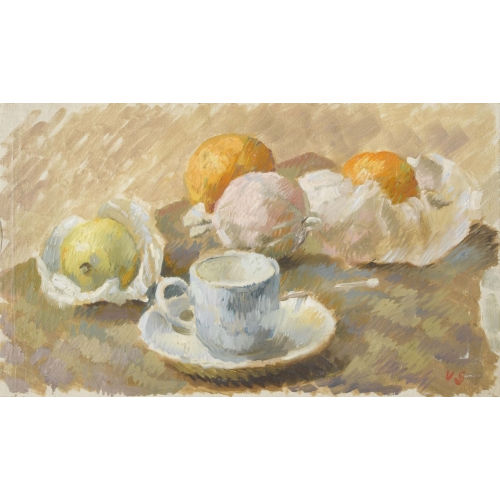
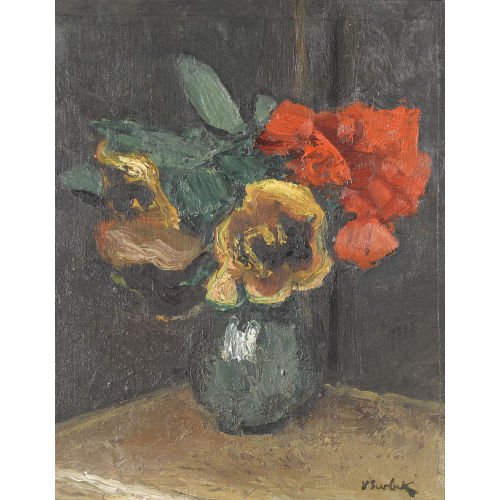
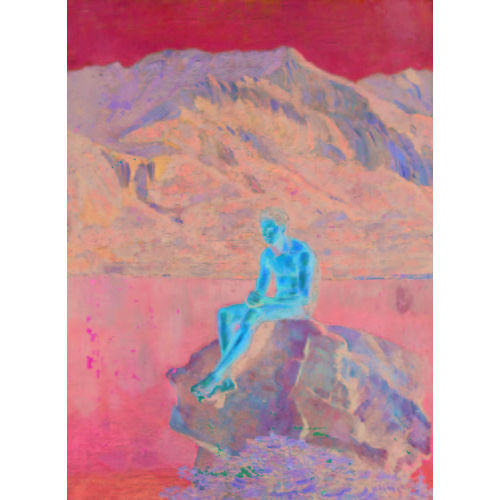
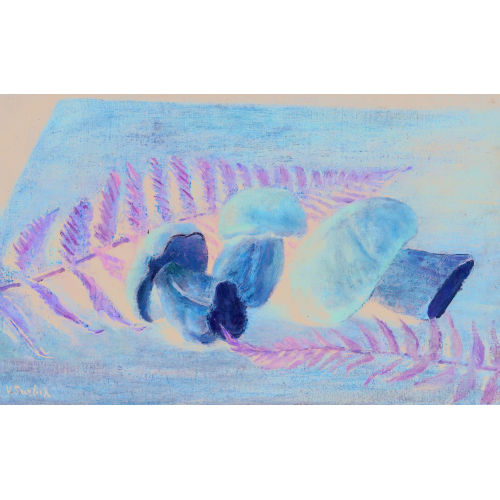
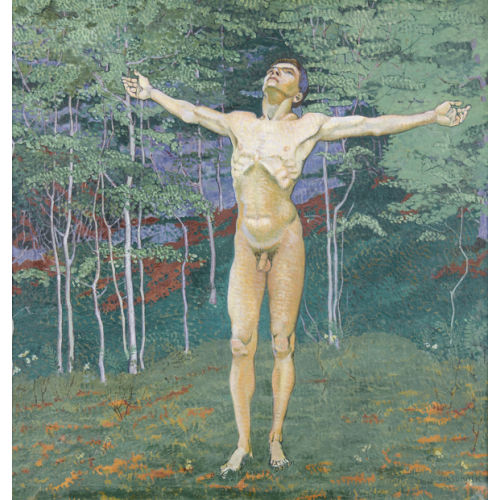
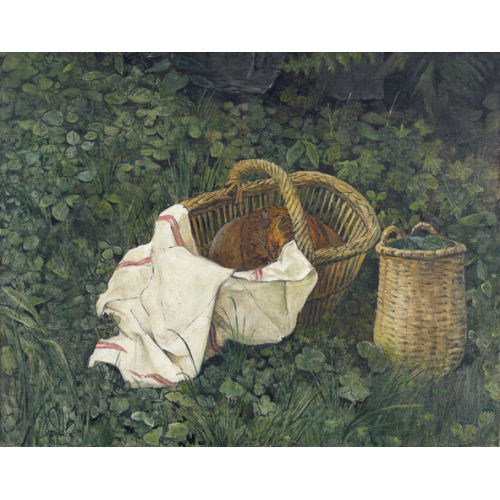
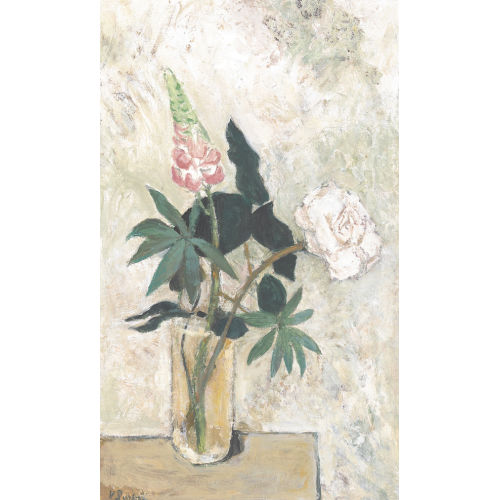
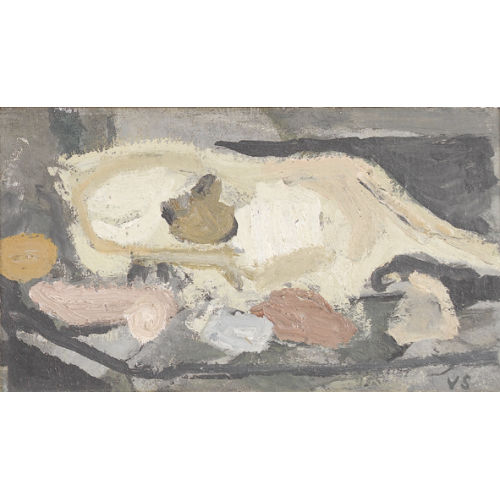
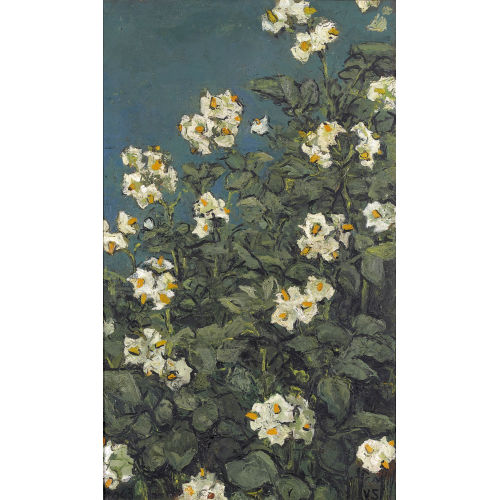
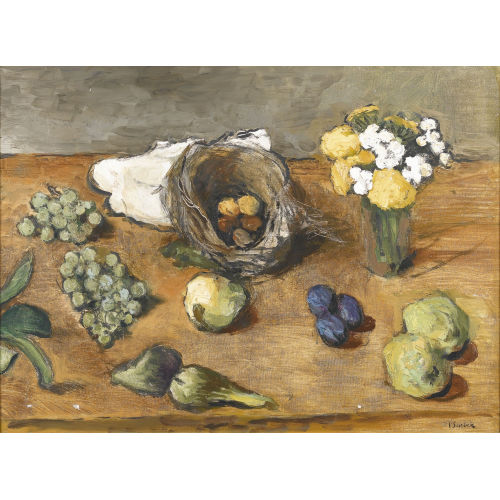
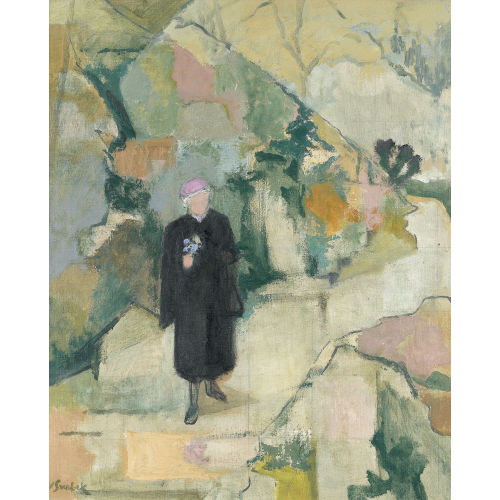
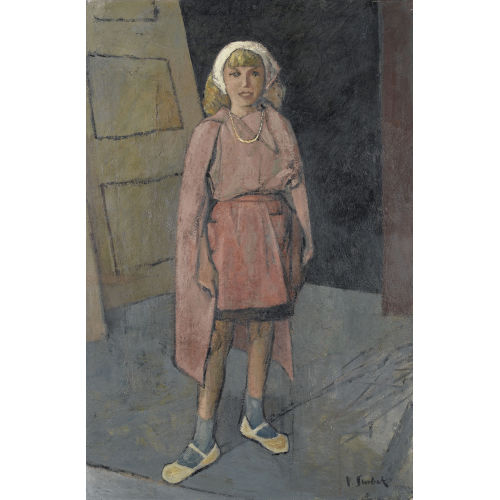
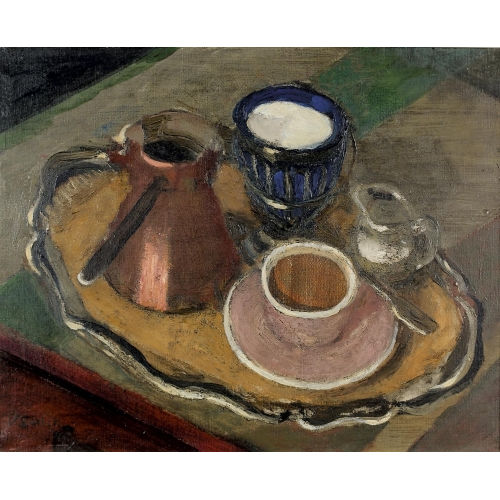
He also produced still lifes and compositions with a Symbolist dimension.
The oil on canvas «Brienzerrothorn mit Regenbogen» («The Brienzer Rothorn with Rainbow»), painted in 1939 and held by La Mobilière’s art collection, offers a point of reference for this practice. The mountain massif is captured in relation to the luminous phenomenon passing through it. According to the collection notice, the work asserts a formal cohesion in which the forces of the landscape find their balance; it illustrates the way Surbek extended, in his own manner, the Alpine tradition after Ferdinand Hodler.
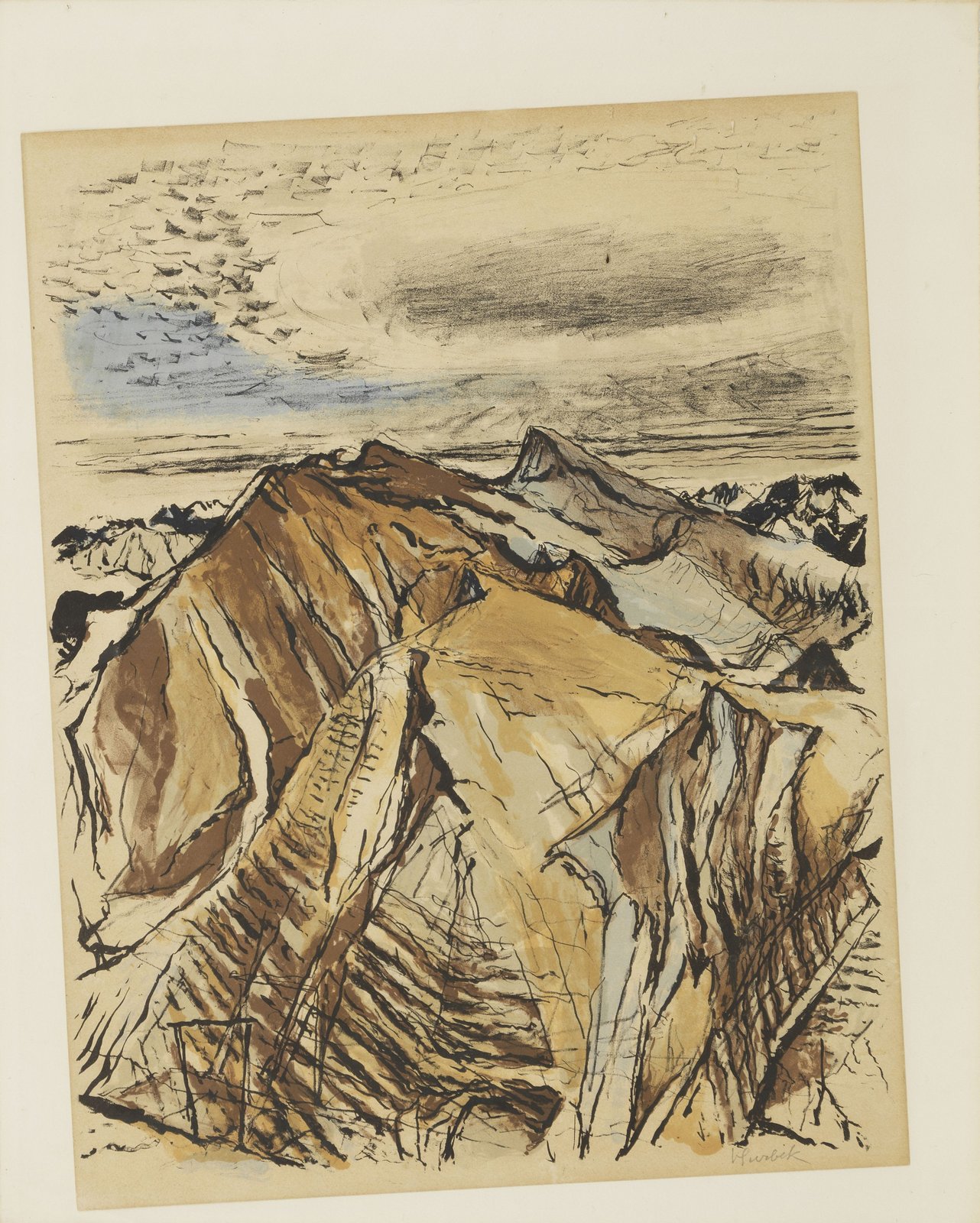
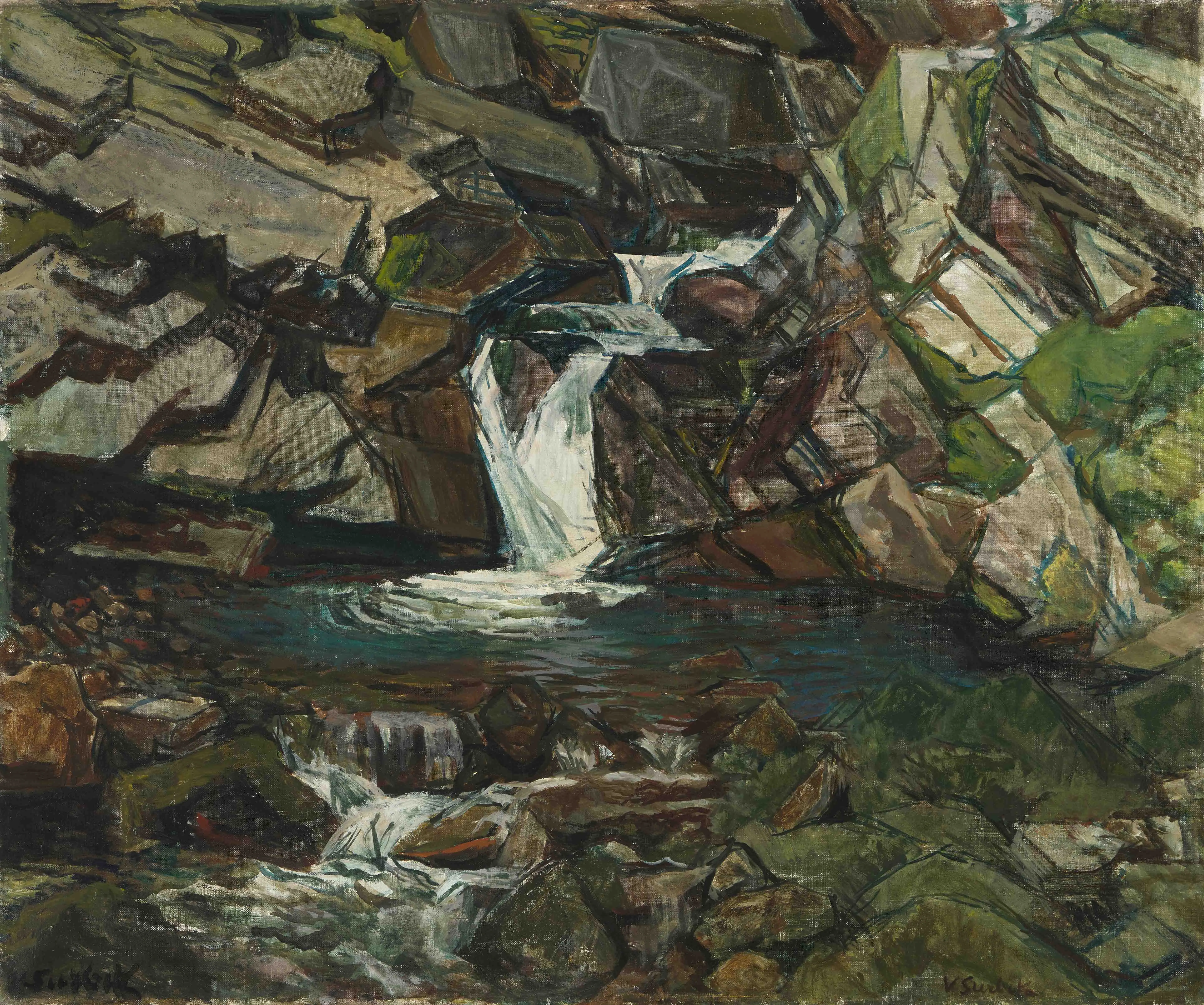
In his work, contours and the organisation of the image retain decisive importance, without reducing the mountain to a topographical survey.
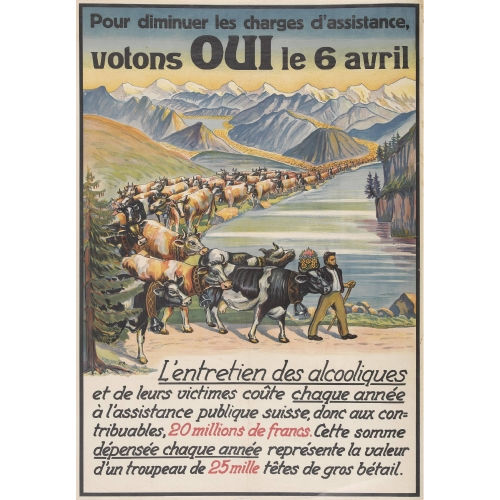
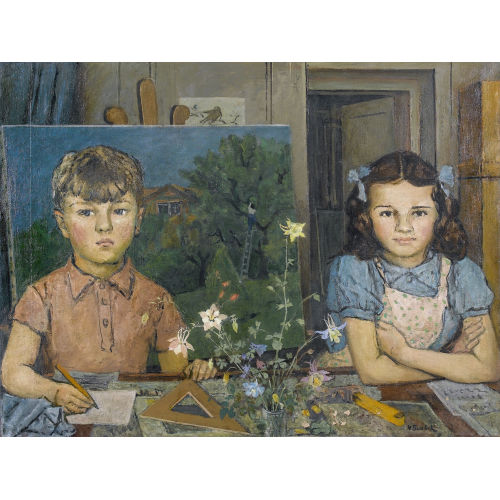
Surbek also worked on the scale of the city: his mural for Bern’s Clock Tower, executed in 1930, placed his figurative art in the public sphere. Together with the painter Marguerite Frey-Surbek, his wife, he ran a painting school in Bern from 1915 to 1931. Their shared activity does not efface the singularity of their respective approaches.
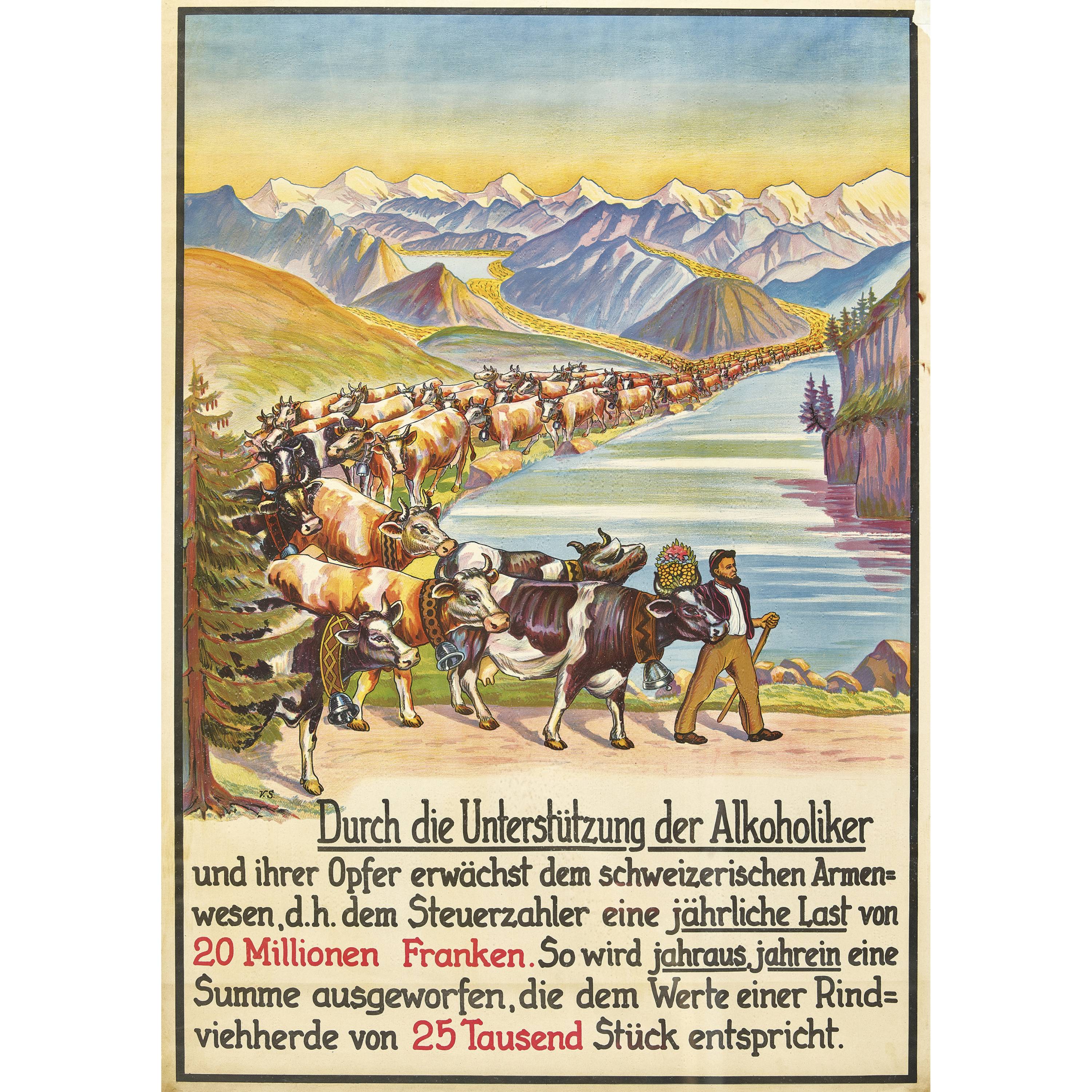
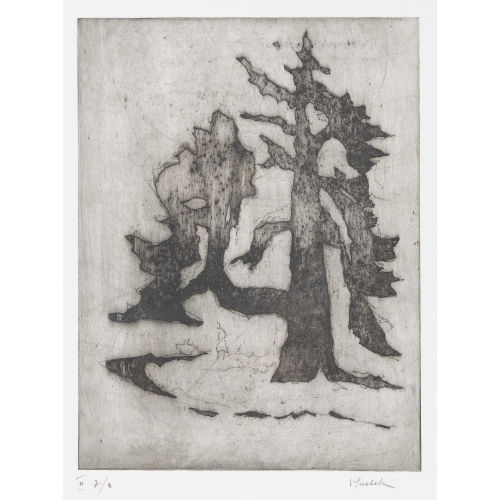
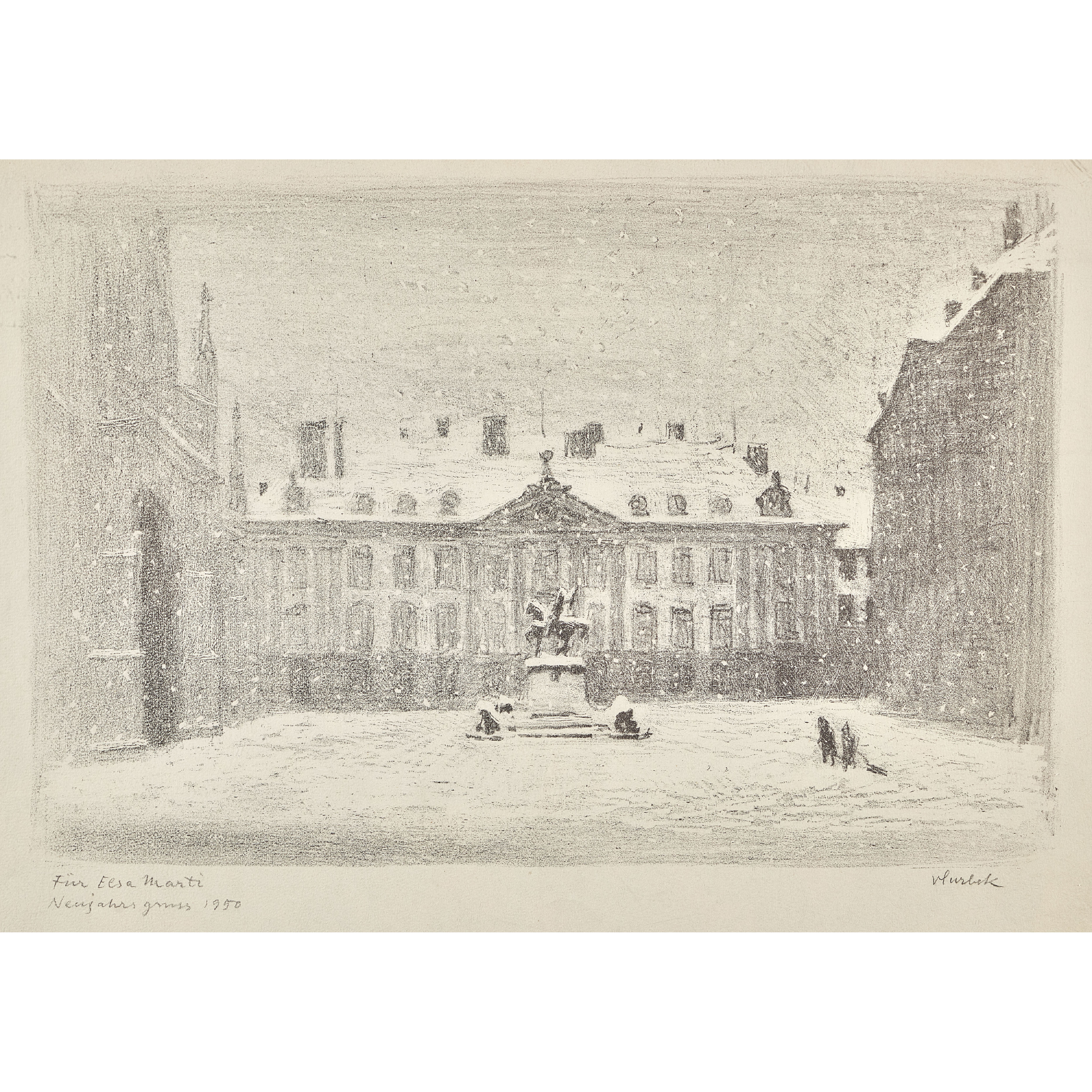
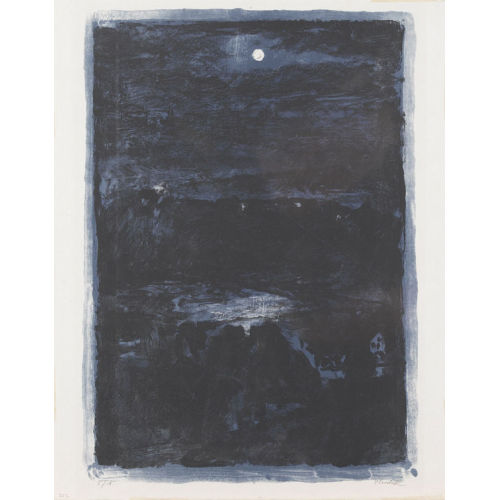
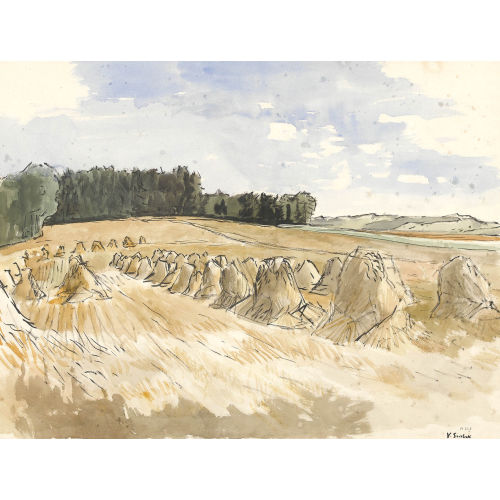
He donated his graphic oeuvre to the Kunstmuseum Bern and, together with her, established the Le Roselier Foundation in Spiez in 1964. These bodies of work make it possible to apprehend a career that links the studio, teaching, the printed image and monumental landscape.